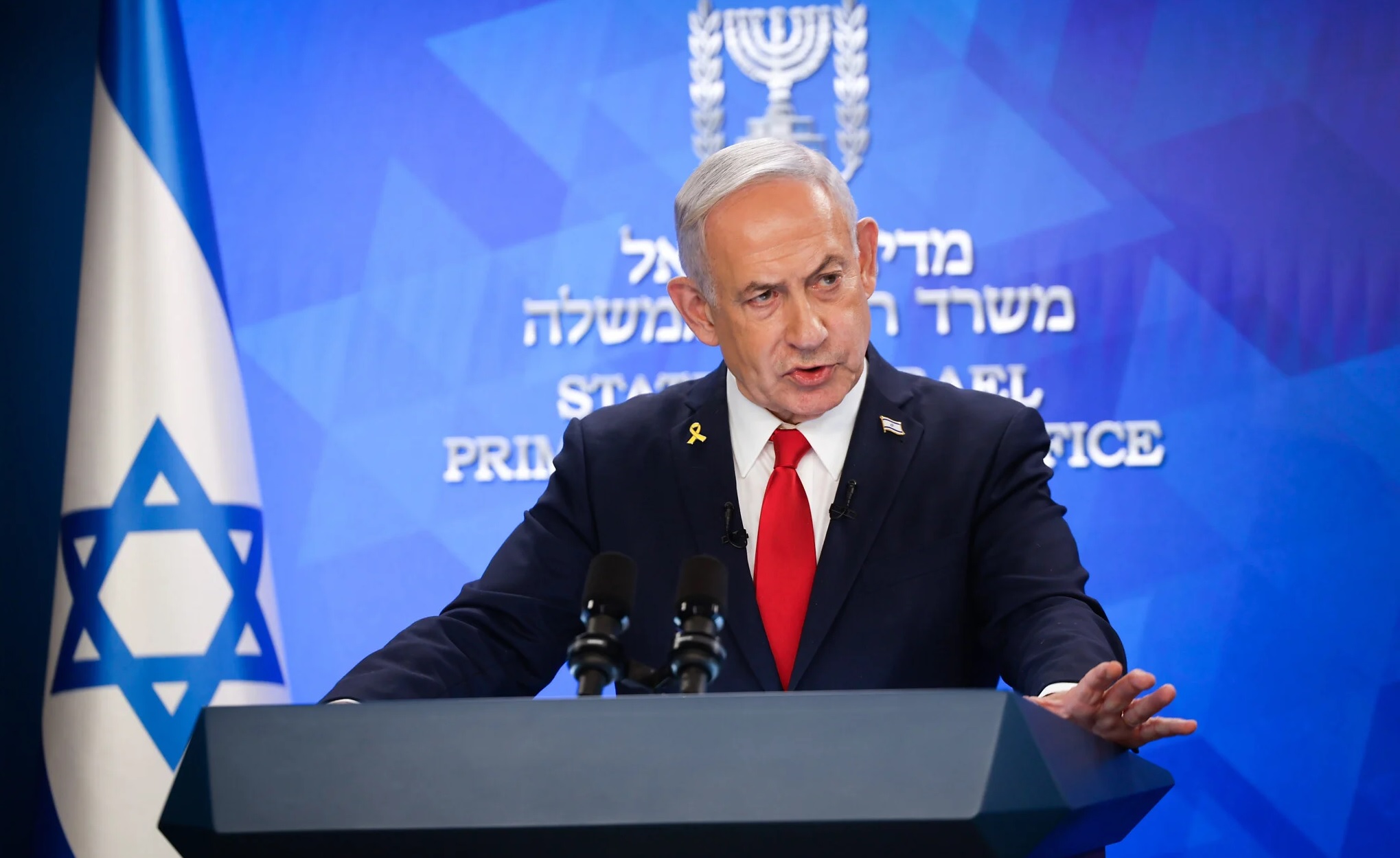
JERUSALEM : Israeli Prime Minister Benjamin Netanyahu has outlined a proposal to establish a new multi-regional strategic framework linking countries across the Mediterranean basin, the Middle East, Africa, and Asia, with India positioned as a central partner. The initiative, described by Netanyahu as a “hexagon of alliances,” is intended to consolidate political, economic, and security coordination among like-minded states.
The announcement was made ahead of a weekly cabinet meeting on Sunday, just days before Indian Prime Minister Narendra Modi is scheduled to arrive in Israel for a two-day state visit beginning Wednesday, February 25.
Structure of the Proposed Alliance
According to Netanyahu, the envisioned bloc would connect the Mediterranean region to the Indo-Pacific through coordinated partnerships. The structure, as outlined by the Israeli Prime Minister, includes six broad pillars.
India would serve as the primary Asian anchor within the framework. Netanyahu referred to India as a “gigantic power” and emphasized its growing economic and strategic weight in global affairs.
Greece and Cyprus form the Mediterranean component of the initiative. Both countries maintain established defense, energy, and diplomatic ties with Israel, and have been engaged in trilateral cooperation mechanisms for over a decade.
The proposed structure would also incorporate unnamed Arab states. While specific countries were not identified, officials indicated that the likely participants would be states that have either normalized relations with Israel under the Abraham Accords or maintain quiet security coordination with Jerusalem.
In addition, the framework would include undisclosed African and Asian nations that share similar security and economic objectives. Netanyahu stated that the intention is to bring together countries that “see reality, the challenges, and the goals in the same way.”
Strategic Objectives
Netanyahu said the initiative is designed to counter what he described as two distinct regional blocs.
The first is the “radical Shiite axis,” led by Iran and including aligned armed groups operating in Lebanon, Syria, Iraq, and Yemen. Israel has conducted sustained military operations in recent years targeting Iranian-linked infrastructure and proxy capabilities across multiple theaters.
The second is what Netanyahu referred to as an emerging “radical Sunni axis.” While he did not publicly name the states involved, regional defense analysts have noted concerns about shifting alignments among certain Sunni-majority countries that could constrain Israel’s strategic maneuverability, including in the Red Sea and eastern Mediterranean regions.
By integrating advanced economies, energy partners, and strategically positioned states, Israeli officials indicate the objective is to establish a coordinated deterrence and economic architecture that limits the influence of both blocs.
India–Israel Bilateral Engagement
The timing of the announcement coincides with Prime Minister Narendra Modi’s upcoming visit to Israel. Netanyahu described Modi as a “personal friend” and highlighted the expansion of bilateral ties since diplomatic relations were upgraded in recent years.
During the visit, Prime Minister Modi is expected to deliver a formal address to the Knesset. He will also visit the Yad Vashem Holocaust memorial alongside Netanyahu and participate in a joint innovation summit in Jerusalem.
Officials from both governments have confirmed that multiple agreements are scheduled to be signed during the visit. These are expected to cover expanded cooperation in economic policy, technology development, security coordination, and high-tech industry partnerships.
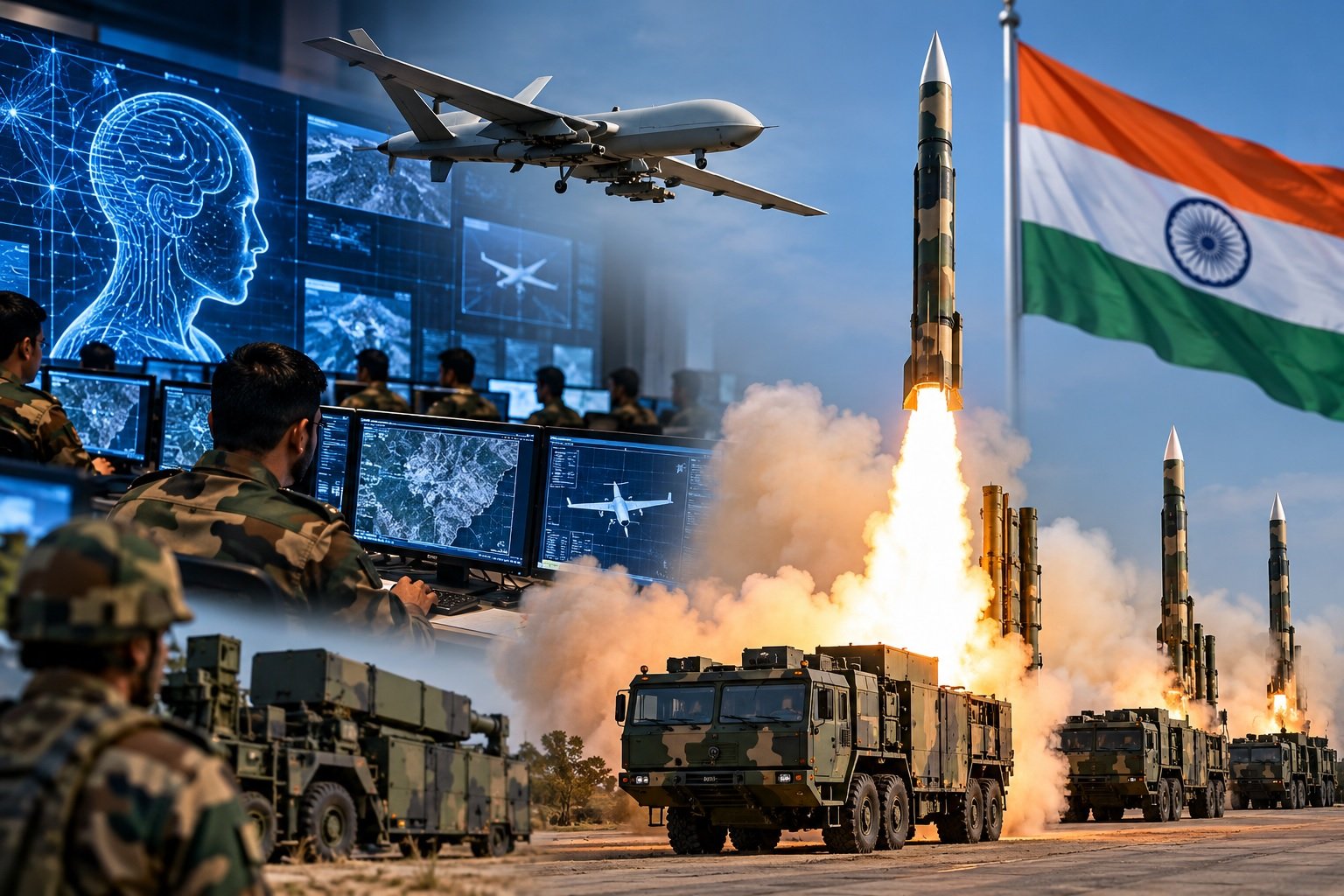
A particular focus will be placed on artificial intelligence (AI), quantum computing, and advanced defense systems. Both countries have prioritized technological self-reliance and sovereign digital infrastructure, and discussions are expected to include joint research, industrial collaboration, and startup ecosystem integration.
Mediterranean Trilateral Foundation
The inclusion of Greece and Cyprus builds upon an existing trilateral partnership between the three eastern Mediterranean countries. Over the past decade, Israel, Greece, and Cyprus have expanded cooperation in military exercises, intelligence sharing, and energy infrastructure planning.
One of the major infrastructure initiatives under discussion in recent years has been the Great Sea Interconnector, an undersea electricity cable project intended to link the power grids of Israel, Cyprus, and Greece with mainland Europe. The project is viewed as part of broader regional energy integration efforts.
Joint naval drills, air force exercises, and coordinated search-and-rescue operations have also become routine components of the trilateral partnership. Energy exploration and offshore gas infrastructure protection remain central to the cooperation agenda.
By incorporating India and additional Arab, African, and Asian partners into this framework, Israeli officials suggest the aim is to extend a Mediterranean-based cooperation model into a wider trans-regional corridor connecting Europe, the Middle East, and the Indo-Pacific.
Diplomatic Context
The proposal comes at a time of continued regional realignment following the Abraham Accords and amid ongoing security tensions involving Iranian-backed networks across multiple fronts.
Israeli officials have increasingly emphasized multi-layered partnerships that combine security coordination, technological collaboration, energy connectivity, and infrastructure development. The proposed “hexagon of alliances” appears to consolidate these strands into a single strategic concept.
Further details regarding participating countries and formal institutional mechanisms have not yet been released. Israeli officials indicated that additional discussions will take place during Prime Minister Narendra Modi’s visit and in subsequent diplomatic engagements with Mediterranean, Arab, African, and Asian partners.
——— End of Article ———