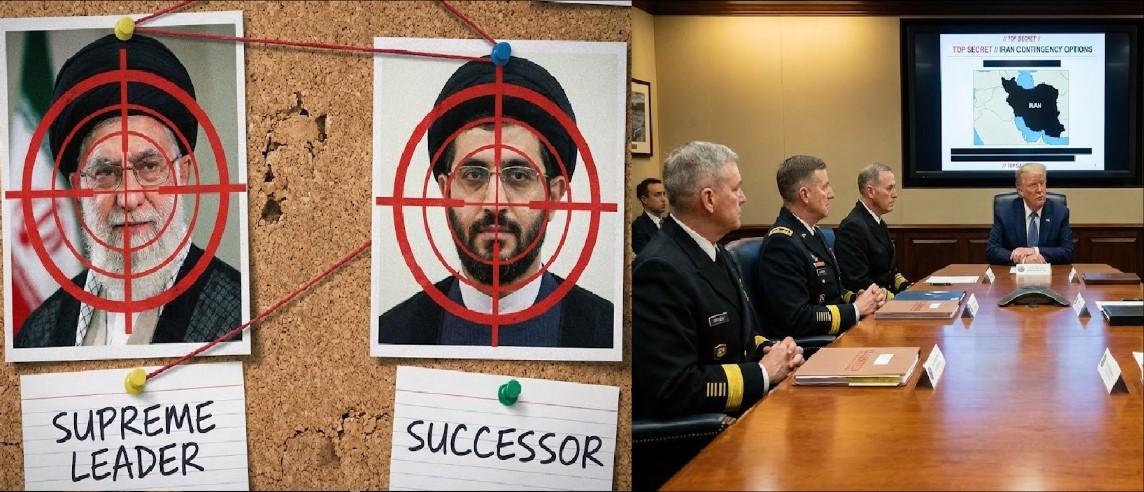
WASHINGTON : The Pentagon has briefed U.S. President Donald Trump on a comprehensive set of military contingency plans related to Iran, including options that extend to the highest levels of the Iranian leadership, according to a report by Axios. Senior White House officials told the outlet that the Department of Defense has prepared operational scenarios covering “all possible cases” amid the ongoing standoff over Iran’s nuclear program.
Among the options discussed is a targeted strike plan involving Iran’s Supreme Leader, Ayatollah Ali Khamenei, his son Mojtaba Khamenei, and other senior clerical figures. The proposal was described as part of a broader campaign framework designed to be activated if diplomatic negotiations fail and tensions escalate into direct conflict.
Leadership-Targeted Option Included in Briefing
Axios reported that the leadership-focused option was presented several weeks ago as part of a wider military strategy. A senior presidential adviser confirmed to the publication that the administration has been provided with contingency plans ranging from limited strikes to more expansive operational scenarios.
The option involving Ayatollah Ali Khamenei and Mojtaba Khamenei reflects a strategic assessment centered on Iran’s centralized power structure. Intelligence and policy analysts have long identified both figures as pivotal to the continuity of Iran’s political and military authority.
U.S. officials emphasized that these plans remain contingency measures and would require presidential authorization if activated.
Central Role of Iran’s Supreme Leader
Ayatollah Ali Khamenei serves as Iran’s Supreme Leader, the highest-ranking authority within the country’s political and religious hierarchy. Unlike the elected president, the Supreme Leader holds ultimate control over national security, foreign policy, and the armed forces. He appoints the heads of the judiciary, state broadcasting organizations, and key military commands, and retains authority over major state institutions.
Under Iran’s constitutional framework, the Supreme Leader also exerts substantial influence over legislation and elections. Through oversight bodies such as the Guardian Council, which reviews parliamentary legislation and approves electoral candidates, the office shapes the country’s political landscape.
Mojtaba Khamenei’s Influence and Succession Considerations
Mojtaba Khamenei, although holding no elected or publicly defined official position, is widely regarded by intelligence assessments as an influential figure within Iran’s internal power networks. He is believed to maintain strong relationships with elements of the Islamic Revolutionary Guard Corps (IRGC) and to possess significant influence within financial and clerical institutions.
Analysts frequently identify Mojtaba Khamenei as a leading potential successor to his father. Targeting both individuals, according to assessments referenced in the Axios report, would theoretically eliminate the current leadership and disrupt a likely line of succession.
Structure of Iran’s Power System
Iran operates as an Islamic republic with a theocratic governance structure. At the apex is the Supreme Leader, who holds ultimate authority over the military, judiciary, intelligence services, and state broadcasting.
The Guardian Council, composed of 12 members—six clerics appointed by the Supreme Leader and six jurists approved by parliament—reviews legislation for compatibility with Islamic law and the constitution. It also pre-screens candidates for presidential and parliamentary elections.
Parallel to Iran’s conventional armed forces, the Islamic Revolutionary Guard Corps (IRGC) functions as a powerful military and security organization reporting directly to the Supreme Leader. The IRGC oversees internal security operations and manages significant economic and strategic assets. The Basij paramilitary force operates under IRGC supervision.
The elected president and the Majlis (parliament) are responsible for day-to-day governance and economic administration but remain subordinate to the authority of the Supreme Leader and the Guardian Council.
Analysts’ Assessment of Leadership Disruption
Military and foreign policy analysts cited in broader discussions argue that the removal of Iran’s top leadership could create a significant power vacuum within the country’s political system. The Supreme Leader plays a central role in mediating between competing factions, including clerical hardliners, political elites, and IRGC commanders.
Analysts suggest that the sudden absence of both the current Supreme Leader and a widely viewed successor could trigger internal competition among these factions. Such instability could disrupt the chain of command within security institutions, particularly if consensus leadership fails to emerge quickly.
Some analysts further assess that internal divisions could reduce the operational coherence of the IRGC and Basij forces. In such circumstances, civilian opposition movements—particularly those previously mobilized in nationwide protests over economic and social issues—might face reduced centralized suppression.
However, these assessments remain theoretical and depend on multiple variables, including institutional resilience, elite cohesion, and the response of Iran’s Assembly of Experts, which is constitutionally tasked with selecting a new Supreme Leader.
Dual Track: Military Pressure and Diplomatic Engagement
According to Axios, the leadership-targeted contingency plans form part of a broader two-pronged U.S. strategy combining military preparedness with continued diplomatic outreach.
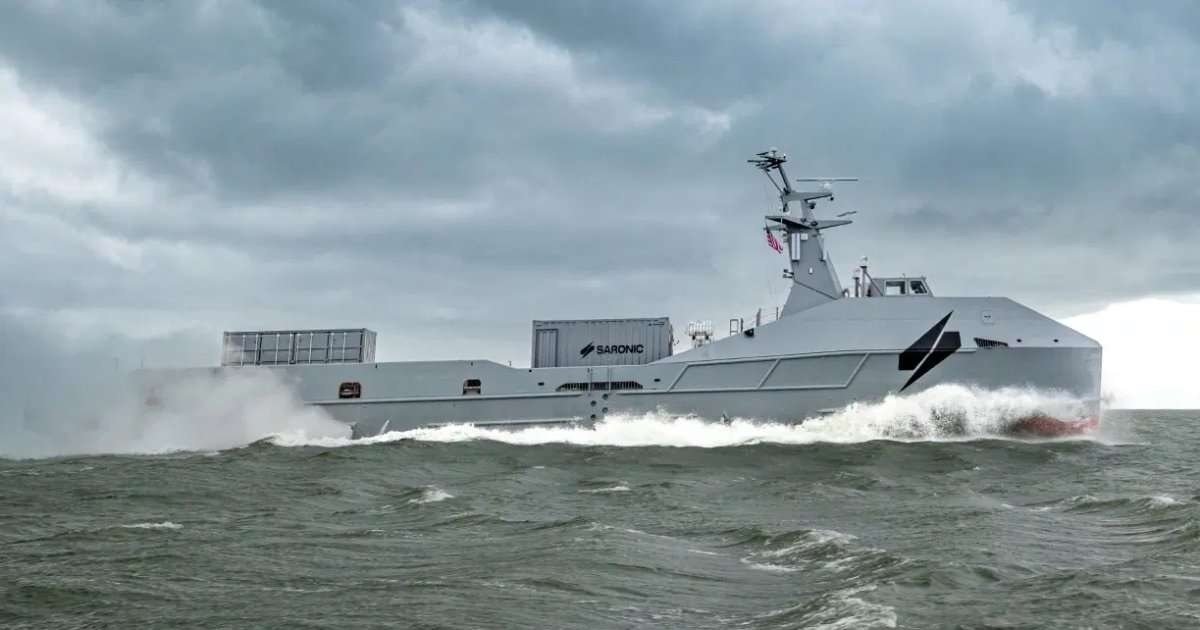
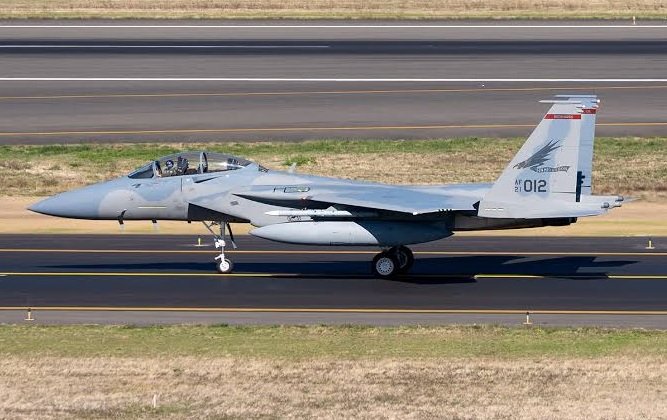
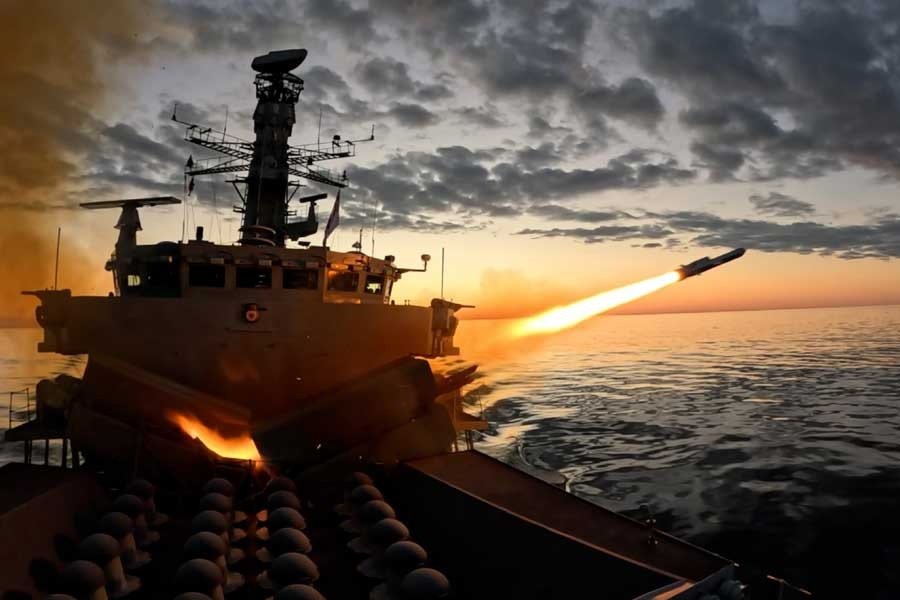
On the military side, U.S. forces have increased their operational posture in the Middle East. The deployment reportedly includes aircraft carrier strike groups and specialized fighter squadrons positioned to execute rapid strike missions if ordered. The buildup is intended to provide credible deterrence and rapid-response capability should negotiations collapse.
On the diplomatic track, President Trump has reportedly left open the possibility of a negotiated agreement. U.S. officials indicated that the administration may consider an arrangement allowing Iran limited or symbolic uranium enrichment, provided Tehran offers verifiable and binding guarantees that eliminate any pathway to developing a nuclear weapon.
Axios reported that Iran has been given a 10-to-15-day window to present a proposal acceptable to Washington. The timeline reflects the administration’s effort to maintain pressure while allowing space for a negotiated outcome.
Current Status
As of the Axios report, no final decision has been made regarding the activation of any military option. White House officials characterized the briefings as part of routine strategic planning during periods of heightened geopolitical tension.
The administration continues to weigh diplomatic proposals alongside military contingency planning as negotiations over Iran’s nuclear activities proceed under intensified scrutiny.
——— End of Article ———