
World
WASHINGTON, — March 6, 2026 : U.S. intelligence officials say Russia is providing Iran with targeting intelligence intended to assist Tehran in conducting strikes against American military forces deployed across the Middle East, according to officials familiar with classified assessments. The information, first reported by The Washington Post, was confirmed by three U.S. officials who spoke on the condition of anonymity due to the sensitivity of the intelligence. According to those officials, Moscow has been sharing sensitive targeting data with Tehran since the current regional conflict escalated and has continued doing so since the war began on February 28. Officials stated that the intelligence reportedly includes detailed information about the locations of U.S. military assets across the region. This includes the positions of American warships, aircraft deployments, and other military infrastructure operating in the Middle East. The intelligence is believed to assist Iranian planners in tracking and identifying potential targets linked to U.S. military activity. Scope of the Intelligence Assistance According to the officials familiar with the intelligence assessments, the information provided by Russia includes targeting and surveillance data that can help Iran monitor U.S. military operations in real time. The reported intelligence sharing involves: The precise location of U.S. naval vessels operating in regional waters Data related to American military aircraft positions and activity Information connected to troop movements and operational deployments Details concerning regional military bases and temporary facilities used by U.S. forces One official described the assistance as a “pretty comprehensive effort” designed to support Iran’s ability to locate and strike American military assets operating in the region. The intelligence sharing reportedly began after the regional conflict escalated and has continued as military operations intensified across multiple countries following the outbreak of hostilities on February 28. Iranian Targeting Capabilities Weakened U.S. officials indicated that the Russian intelligence assistance has become particularly important for Iran because its own surveillance and tracking capabilities have been degraded by recent military strikes. Early phases of the conflict included attacks by U.S. and Israeli forces against Iranian command-and-control systems, radar networks, and military infrastructure. These strikes reportedly disrupted elements of Iran’s ability to independently track military activity across the region. Iran has only a limited number of military reconnaissance satellites and does not operate a large independent satellite constellation capable of sustained global surveillance. Analysts say this limitation reduces Tehran’s ability to track mobile targets, such as warships or aircraft, without external intelligence support. Officials stated that Russia’s advanced satellite surveillance network could provide imagery, radar monitoring, and other targeting data that compensates for these limitations. Possible Link to Recent Iranian Strikes Military analysts and intelligence officials noted that the intelligence sharing may help explain the accuracy of several recent Iranian attacks targeting facilities associated with U.S. operations in the region. Among the incidents cited by officials were: A drone strike in Kuwait that killed six American service members Strikes that damaged command-and-control facilities and radar systems linked to U.S. operations An attack that hit a CIA station located at the U.S. Embassy compound in Riyadh Officials said the targeting intelligence provided by Moscow could assist Iranian forces in identifying temporary structures, logistical hubs, and operational infrastructure used by U.S. personnel. First Indication of Russian Involvement If the intelligence sharing is confirmed, officials said it would represent the first clear evidence of Russian involvement in the current Middle East conflict. The ongoing war has primarily involved Iran, Israel, and various regional actors. However, the reported intelligence cooperation indicates indirect participation by a major global power. Officials said the development raises operational concerns for U.S. forces stationed across the Middle East because it potentially improves Iran’s ability to track and strike American military assets operating in the region. Expanding Russia–Iran Military Cooperation The reported intelligence sharing also reflects a broader expansion of military cooperation between Russia and Iran in recent years. Iran has supplied Russia with military equipment and large numbers of one-way attack drones, including the Shahed-series systems that have been widely used in the war in Ukraine. In return, Moscow has expanded defense cooperation and intelligence coordination with Tehran. According to U.S. officials, Russia’s assistance may also reflect geopolitical tensions tied to the war in Ukraine and the military support provided by the United States and its allies to the Ukrainian government. One official familiar with the intelligence suggested that Russian leaders are aware of the level of U.S. military support being provided to Ukraine and may view cooperation with Iran as a form of strategic response. Official Responses The U.S. government has not publicly confirmed the intelligence assessments. Both the Central Intelligence Agency (CIA) and the Pentagon declined to comment on the report. White House spokeswoman Anna Kelly also did not directly address the alleged intelligence sharing when asked by reporters. Instead, she stated that ongoing U.S. military operations in the region have significantly degraded Iranian naval capabilities and weapons production infrastructure. Defense Secretary Pete Hegseth previously indicated that Russia and China were “not really a factor” in the immediate operational environment of the conflict. U.S. intelligence officials also noted that there is currently no indication that China is providing military assistance to Iran in the conflict. Russian Position The Russian Embassy in Washington did not respond to requests for comment regarding the allegations of intelligence sharing. Russian officials have publicly called for an end to the fighting in the Middle East and have described the current conflict as an “unprovoked act of armed aggression.” Regional Security Implications The reported intelligence cooperation between Moscow and Tehran could affect the security environment for U.S. forces operating in the Middle East. American troops, aircraft, and naval forces remain deployed across multiple countries in the region, including bases in the Persian Gulf, Iraq, and other strategic locations. U.S. officials said intelligence agencies continue to monitor the situation as military operations involving the United States, Israel, and Iran remain ongoing across the region.
Read More → Posted on 2026-03-06 14:30:20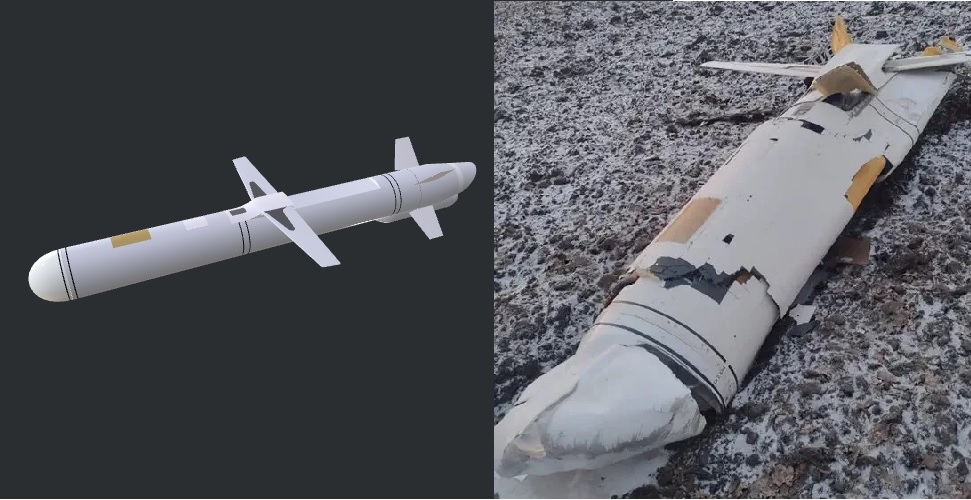
World
Kyiv, March 6, 2026 : The Defence Intelligence of Ukraine (GUR) has declassified detailed technical information about a newly identified Russian long-range air-launched cruise missile designated “Izdeliye 30” (Product 30). The disclosure, published on March 2, 2026 through Ukraine’s War & Sanctions portal, includes an interactive 3D model, photographs of internal components recovered from wreckage, and data outlining the production chain involving approximately 20 enterprises linked to the missile’s manufacturing program. According to the Ukrainian intelligence briefing, Russian forces first employed the missile operationally against Ukraine in late 2025, marking the introduction of a previously undisclosed air-launched precision weapon within Russia’s aviation strike arsenal. Missile Development and Design Origin The Izdeliye 30 cruise missile was developed by the OKB Zvezda design bureau, which operates within Russia’s Tactical Missiles Corporation (KTRV). The bureau previously functioned as the Zvezda-Strela research and production centre. Ukrainian intelligence states that the missile’s design architecture is derived from the Kh-35U anti-ship missile, which is deployed within the Bal coastal defence missile system. The new weapon reportedly incorporates enlarged dimensions and modified internal structures while retaining certain subsystems from earlier Russian missile programs. Several mechanical and pneumatic elements are unified with existing Russian munitions. For example, the missile contains a pneumatic system pyrovalve identical to the component used in the Kh-35U, indicating reuse of established hardware across multiple weapons platforms. Technical Characteristics Based on analysis of recovered debris and documented components, the missile is described as a subsonic long-range cruise missile designed for air launch. The known specifications released by Ukrainian intelligence include: Specification Detail Hull Diameter 580 mm Wingspan Approximately 3 metres Warhead Weight 800 kg Operational Range At least 1,500 km Cruising Speed About 720 km/h Flight Altitude 200–2,000 metres Engine Izdeliye 64R compact turbojet Engine Developer ODK-Saturn The missile carries a warhead weighing approximately 800 kilograms, which is significantly heavier than the payload of several existing Russian air-launched cruise missiles. Ukrainian analysts state that the increased payload allows the weapon to strike large infrastructure targets and hardened facilities. The propulsion system is a compact turbojet engine designated “Izdeliye 64R,” developed by the Russian engine manufacturer ODK-Saturn. Structural Configuration The missile features a folding wing mounted on the upper portion of the fuselage with an estimated wingspan of roughly three metres. This configuration differs from several earlier Russian cruise missiles. When compared to the Kh-101 long-range cruise missile, the Izdeliye 30 shows several structural distinctions: Wing placement: mounted above the fuselage rather than below Tail configuration: four control surfaces on the empennage rather than three Structural layout: enlarged fuselage relative to the Kh-35U base design These modifications reflect adjustments intended to accommodate the larger payload and extended operational range. Launch Platforms and Aviation Integration Initial reporting by RIA Novosti in October 2023 described the Izdeliye 30 as a cruise missile intended primarily for tactical aircraft. However, the GUR assessment indicates broader compatibility across multiple Russian aviation platforms. The missile can reportedly be deployed from: Sukhoi Su-34 strike aircraft using external pylons Sukhoi Su-57 fifth-generation fighter, carried within internal weapons bays The weapon also uses an aviation ejection device similar to the AKU-5M launcher, which is already used with several Russian cruise missiles, including the Kh-101, Kh-55, and Kh-555. Because of this compatibility, Ukrainian intelligence assesses that the missile could potentially be integrated into Russia’s strategic bomber fleet, including aircraft such as the Tu-95MS and Tu-160, without requiring major modifications to existing launch infrastructure. Navigation System The missile employs a hybrid satellite navigation system combining signals from both GPS and GLONASS constellations. According to the GUR analysis, the navigation architecture integrates equipment from multiple Russian manufacturers to increase resistance to electronic warfare interference. Key components include: Kometa-M12 jam-resistant satellite receiver with a digital antenna array produced by VNIIR-Progress NAVIS NR9-based receiving and computing unit developed by KB Navis Integration interface module manufactured by ANPP Temp-Avia, a company known for producing flight control systems for guided aerial bombs Electronics and Foreign-Sourced Components Although the missile’s electronic systems are assembled domestically in Russia, Ukrainian intelligence reports that several microelectronic elements originate from foreign manufacturers. The BUBS-30 electronic control unit, responsible for warhead control functions, incorporates a 32-bit ARM-based 1986VE1AT microcontroller produced by the Russian company PKK Milandr. However, investigators documented 24 individual electronic components sourced from foreign suppliers, including manufacturers located in: United States Switzerland China Netherlands Additional hardware includes an 8-bit register manufactured in Belarus. These foreign components are primarily used within the missile’s navigation and control systems, including memory modules, GNSS receivers, and communications transceivers. Documentation of Production Chain The Ukrainian War & Sanctions portal release includes information identifying approximately twenty companies involved in the missile’s supply chain. The disclosure is part of an ongoing Ukrainian effort to document the industrial structure behind Russian weapons production and to trace the origin of imported electronic components found in recovered munitions. The published material includes photographs of internal assemblies, subsystem descriptions, and a detailed digital reconstruction of the missile’s structure created from wreckage recovered following strikes inside Ukraine. Distinction from the Su-57 Engine Program Ukrainian officials also noted that the Izdeliye 30 cruise missile designation is unrelated to the “Izdeliye 30” afterburning turbofan engine under development for the Su-57 fighter aircraft. Despite sharing the same project name, the two programs represent separate developments within Russia’s aerospace industry. Operational Context The introduction of the Izdeliye 30 cruise missile indicates continued development of long-range air-launched precision weapons for Russian aviation forces. With a range exceeding 1,500 kilometres, the missile allows launch aircraft to remain well outside Ukrainian air defence coverage while still striking targets across Ukrainian territory. The large warhead and extended range suggest the weapon is intended for attacks on major infrastructure and military facilities. The system also reflects Russia’s effort to expand its inventory of cruise missiles during the ongoing conflict, particularly as existing stocks of earlier systems such as the Kh-101 have been used extensively since the start of large-scale hostilities.
Read More → Posted on 2026-03-06 14:15:27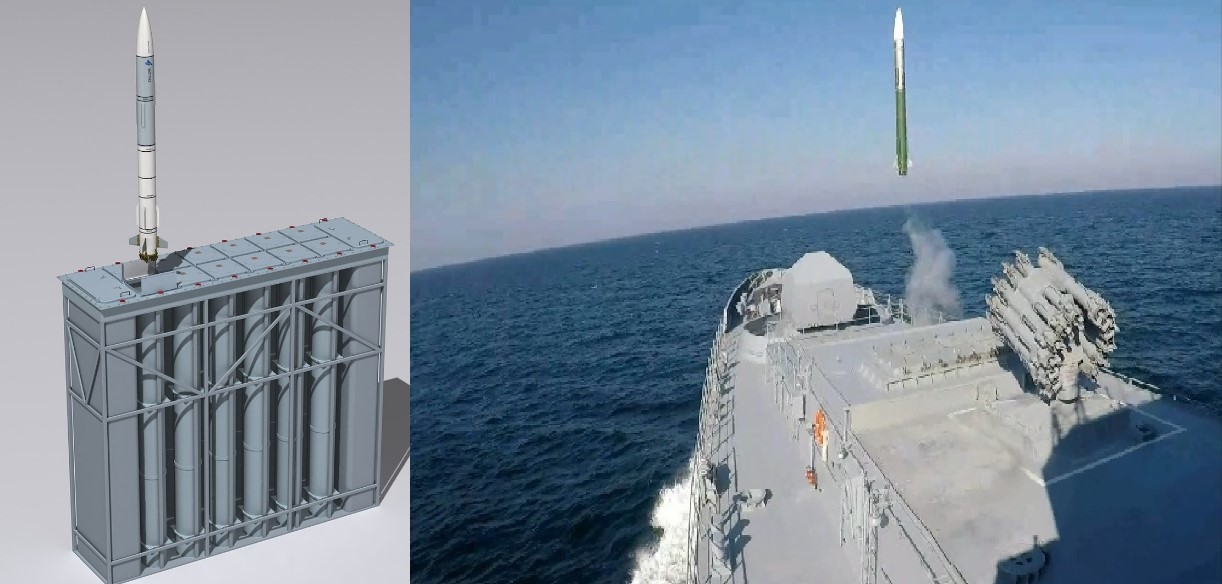
India
NEW DELHI — March 6, 2026 : India has signed a ₹2,182 crore (approximately $236 million) defence contract with Russia for the procurement of Shtil-1 naval air defence missiles and associated missile holding frames, the Ministry of Defence confirmed. The agreement was concluded on March 3, 2026 with Russia’s state arms export agency JSC Rosoboronexport. According to the Ministry of Defence, the acquisition will strengthen the layered air defence capability of Indian Navy frontline warships by providing rapid-reaction, all-weather engagement capability against a wide range of aerial threats. The procurement forms part of a broader ₹5,083 crore defence acquisition package that also includes Advanced Light Helicopter (ALH) Mk-III maritime variants for the Indian Coast Guard. Officials stated that the missile systems are intended to enhance survivability of naval platforms operating in contested maritime environments by improving their ability to counter aircraft, drones, and anti-ship missiles. Shtil-1 Naval Air Defence System The Shtil-1 is a naval area air defence missile system developed by Russian defence manufacturer Almaz-Antey. It is designed primarily for light warships and frigates and represents an evolution of the earlier Shtil and Uragan naval air defence systems. Earlier variants used a single-arm rail launcher system that required mechanical rotation toward incoming targets. The Shtil-1 replaces this with a modular below-deck cellular Vertical Launch System (VLS). The vertical launch architecture allows missiles to be launched in any direction, providing full 360-degree coverage and eliminating the delay associated with rotating launchers. The system is capable of launching interceptor missiles at intervals of approximately two to three seconds, enabling warships to respond rapidly to multiple incoming threats. 9M317ME Missile The Shtil-1 system employs the 9M317ME surface-to-air missile, a specialised naval adaptation of the interceptor used in Russia’s Buk-M2 land-based air defence system. The missile is a single-stage solid-fuel interceptor equipped with folding aerodynamic fins so it can fit inside compact vertical launch canisters. During its mid-course flight phase, the missile relies on inertial navigation guidance before transitioning to terminal homing. Operational parameters Range: approximately 3.5 km to 50 km Altitude engagement envelope: 5 metres to 15 km Target spectrum: aircraft, helicopters, unmanned aerial vehicles, and anti-ship missiles Maximum target speed: up to Mach 4.5 Simultaneous engagements: up to 12 targets per system installation The system is designed to counter saturation attacks and high-speed anti-ship missiles approaching at low altitude, including sea-skimming threats. Semi-Active Radar Homing Guidance The 9M317ME missile uses a semi-active radar homing (SARH) guidance method. In this configuration, the missile relies on radar illumination provided by the host ship’s fire-control radar throughout the terminal phase of engagement. Indian Navy vessels operating the Shtil-1 system use dedicated fire-control radars such as the MR-90 Orekh radar to illuminate targets. The missile’s onboard seeker detects radar energy reflected from the target and guides itself toward the impact point. Engineering considerations The SARH guidance approach involves several technical trade-offs when compared with active radar homing (ARH) systems: Cost and design efficiency: SARH seekers are simpler and cheaper to manufacture because they do not require an onboard radar transmitter, cooling systems, or large power units. Eliminating these components allows designers either to reduce the missile’s physical size or allocate additional internal space for fuel or a larger warhead. Radar illumination power: In a SARH engagement, the ship provides high-power radar illumination. By contrast, ARH missiles rely on a small battery-powered transmitter within the missile itself, which produces weaker radar signals. Electronic warfare resilience: Because the SARH seeker only receives reflected radar signals and does not transmit its own signal, it is generally harder to jam directly. To interfere with the engagement, an adversary would have to overcome the power of the ship’s fire-control radar. Operational limitations SARH systems require continuous radar illumination of the target until interception. This means the host warship must maintain line-of-sight tracking throughout the engagement. The requirement can complicate interception of sea-skimming missiles flying below the radar horizon. In addition, radar reflection strength decreases with distance due to the inverse square law, which can reduce signal strength at longer ranges. Integration with Indian Navy Warships The Shtil-1 system is already installed on the Indian Navy’s Tushil-class frigates, derivatives of Russia’s Project 11356 design. Several existing Indian Navy warship classes that currently operate earlier Shtil or Uragan launchers are undergoing modernization programs to integrate the vertical-launch Shtil-1 system. Talwar-class frigates (Batch I and II) The ships include: INS Talwar INS Trishul INS Tabar INS Teg INS Tarkash INS Trikand These vessels were originally equipped with the 3S-90 single-arm launcher positioned forward of the bridge and carrying 24 missiles. Delhi-class destroyers The destroyers scheduled for upgrades include: INS Delhi INS Mysore INS Mumbai These ships originally operated two 3S-90 launchers—one located forward and one aft—capable of firing earlier 9M38M1 missiles. Their mid-life refit programs include integration of the Shtil-1 system as well as upgrades to the Fregat-M2EM radar, improving detection and engagement capability against modern saturation attacks. Shivalik-class stealth frigates The Indian Navy’s three Shivalik-class stealth frigates are also undergoing or scheduled for Shtil-1 upgrades: INS Shivalik INS Satpura INS Sahyadri These ships were originally equipped with the older single-arm launcher configuration. Comparison with MR-SAM (Barak-8) The Indian Navy currently operates two primary naval area air defence systems: the Russian-origin Shtil-1 and the Indo-Israeli MR-SAM (Barak-8). The MR-SAM system uses an active radar homing (ARH) seeker and provides fire-and-forget capability. It is equipped with a dual-pulse rocket motor that improves manoeuvrability in the terminal phase and offers an operational range of approximately 70 kilometres. In contrast, the Shtil-1 relies on SARH guidance and uses a single-stage, single-pulse solid-fuel motor. While its engagement range is shorter, the system is considered more cost-effective and suitable for smaller warships such as frigates. Indian naval planners therefore use both systems as part of a layered air defence architecture, with MR-SAM typically deployed on high-value capital ships and Shtil-1 providing coverage for additional fleet platforms. Broader Defence Procurement Package The Shtil-1 acquisition forms part of a wider defence procurement package approved by the Government of India valued at approximately ₹5,083 crore. In addition to the missile procurement, the package includes Advanced Light Helicopters Mk-III (Maritime Role) intended for service with the Indian Coast Guard. These helicopters will support maritime surveillance, search and rescue operations, and coastal security missions. India–Russia Defence Cooperation The contract reflects continuing defence cooperation between New Delhi and Moscow, which has historically included naval systems, combat aircraft, submarines, and missile technology. High-level engagement between the two countries has continued in recent years. Russian President Vladimir Putin and Indian Prime Minister Narendra Modi held discussions on bilateral cooperation during the Shanghai Cooperation Organisation Summit 2025 in Tianjin on September 1, 2025. Indian defence officials stated that the Shtil-1 procurement will support the modernization of the Indian Navy’s surface fleet air defence capabilities and strengthen protection of frontline warships against evolving aerial threats.
Read More → Posted on 2026-03-06 13:52:46
World
DUBAI, March 6, 2026 : The United Arab Emirates is assessing a proposal to freeze billions of dollars in Iranian assets held within the country’s financial system following recent Iranian missile and drone attacks on Emirati territory, according to reporting by The Wall Street Journal. The potential financial measures, which are still under internal review, would target Iranian financial networks operating through the UAE and could significantly restrict Tehran’s access to foreign currency and international trade channels. Emirati officials have privately warned Iranian authorities that such actions are being considered, though no final decision or timeline has been publicly announced. Financial Networks Under Review Officials familiar with the discussions say the proposal focuses on a targeted crackdown against Iranian financial structures believed to be operating inside the UAE. The measures under review include restrictions on bank accounts linked to Iran’s Islamic Revolutionary Guard Corps (IRGC), which oversees a large portion of Tehran’s overseas financial and logistical operations. Authorities are also examining the activities of front companies registered in the UAE that are suspected of masking Iranian trade operations and facilitating transactions designed to evade Western sanctions. These companies are believed to play a key role in maintaining Iranian oil sales and international financial transfers. Another area under consideration is increased regulatory enforcement against unlicensed or loosely regulated currency exchange houses that enable funds to move outside formal banking channels. Officials are evaluating stricter monitoring and possible shutdowns of such exchanges if they are found to be involved in sanctions-evasion activities. Possible Maritime Enforcement Measures In addition to financial restrictions, policymakers are discussing potential maritime actions targeting vessels linked to Iran’s “shadow fleet.” These vessels consist largely of aging oil tankers used to transport Iranian crude while concealing ownership, cargo origin, and destination. Options under discussion include the seizure or detention of Iranian-linked ships operating through Emirati ports or nearby shipping routes. Such measures would aim to disrupt the movement of sanctioned oil exports, which form a major source of revenue for Tehran. Escalation Following Iranian Attacks The discussions come after a major escalation in regional hostilities. Over the past week, Iran launched more than 1,000 drones and ballistic missiles toward targets in the United Arab Emirates as part of retaliatory actions linked to ongoing military operations involving the United States and Israel. The strikes caused damage to civilian infrastructure in several areas of the country. Reports indicate impacts and debris incidents near major landmarks and infrastructure sites in Dubai, including areas close to Dubai International Airport, the Burj Al Arab hotel, and the Palm Jumeirah district. Dubai’s Role in Iranian Commerce Dubai has long served as a major commercial hub for Iranian businesses and individuals, particularly during periods of heightened international sanctions on Tehran. Many Iranian companies have historically used the UAE’s financial and logistics networks to facilitate trade, move funds internationally, and maintain access to foreign currency markets. According to data cited by the U.S. Treasury, approximately $9 billion in transactions linked to clandestine Iranian financial activity passed through correspondent banking accounts connected to U.S. financial institutions in 2024. Of that amount, about 62 percent reportedly moved through UAE-based firms, much of it associated with oil sales conducted by Iranian-linked companies operating from Dubai. Analysts note that the UAE’s role as a regional financial hub has made it one of the primary gateways through which Iranian entities have interacted with the global economy despite sanctions. Potential Economic Impact on Iran If the UAE proceeds with a broad financial crackdown, it could significantly disrupt Iranian access to revenue streams generated from oil exports and international trade. Such restrictions could also limit Tehran’s ability to finance military programs and regional proxy groups that rely on overseas financial channels. Economic analysts say the United Arab Emirates represents one of the most important commercial corridors available to Iranian businesses outside Iran. Limiting activity within Emirati banks and trade networks would therefore remove a key operational channel for Iranian financial flows. UAE Regulatory and Sanctions Framework The UAE government has repeatedly stated that it complies with international sanctions frameworks and maintains regulatory mechanisms designed to prevent illicit financial activity. The country strengthened its anti-money-laundering and financial monitoring systems in recent years. In 2024, the United Arab Emirates was removed from the Financial Action Task Force (FATF) gray list after implementing a series of regulatory reforms aimed at improving financial transparency and enforcement against money-laundering networks. Despite these regulatory efforts, the UAE continues to host a large Iranian expatriate community and maintain extensive commercial links with Iran. Hundreds of thousands of Iranian nationals reside in the Emirates, and bilateral trade has historically remained active despite sanctions pressures. Strategic Balance for Abu Dhabi A decision to freeze Iranian assets would represent a significant shift in the UAE’s regional policy. Historically, Abu Dhabi has attempted to balance its security partnership with Western allies—particularly the United States—with its economic ties to Iran across the Persian Gulf. Officials involved in the discussions are reportedly considering a targeted approach rather than a comprehensive freeze affecting all Iranian nationals or businesses in the country. The proposed measures are primarily focused on entities linked to the IRGC, sanctions-evasion networks, and financial structures associated with Iran’s shadow oil trade. Security analysts note that a broader financial confrontation could risk further escalation, including potential retaliatory attacks against energy infrastructure in the Gulf region. Awaiting Final Decision The UAE Ministry of Foreign Affairs has not issued an official statement confirming whether the asset-freeze proposal will be implemented. Officials say discussions are ongoing and that any measures adopted would likely be coordinated with international financial regulations and existing sanctions frameworks. If enacted, the restrictions would represent one of the most consequential financial pressure points applied to Iran from within the Gulf region and could reshape the role of the UAE as a financial gateway for Iranian economic activity.
Read More → Posted on 2026-03-06 13:33:00
World
TEHRAN — March 6, 2026 : The Israeli Air Force carried out targeted airstrikes on March 5 against the Parchin military complex, one of Iran’s largest and most sensitive defense industry sites. The complex is located approximately 30 kilometers southeast of Tehran and functions as a major hub for the development, production, and maintenance of strategic components used across Iran’s missile and munitions programs. Initial assessments from defense analysts and satellite imagery indicate that several specialized industrial facilities within the complex were damaged during the strike. The site forms a central part of Iran’s defense industrial base and operates under the supervision of the Iranian Ministry of Defense and Armed Forces Logistics and the Defense Industries Organization. Facilities Targeted Within the Complex The Parchin complex hosts a wide network of military production and research infrastructure. According to defense assessments, the airstrikes affected facilities associated with missile production, high-explosive testing, and the manufacturing of critical components used in Iran’s strategic weapons systems. Industrial buildings inside the complex are used for the production and storage of warheads, missile engines, and various systems supporting missile arrays and munitions manufacturing. The site also contains industrial mixers and assembly lines used in the preparation of solid propellants required for Iran’s ballistic missile arsenal. Several facilities inside the compound support the maintenance and testing of advanced weapons systems, including laboratories and technical infrastructure used for research and development activities. Damage to these installations is expected to temporarily disrupt portions of Iran’s manufacturing and assembly processes for missile components and related munitions. Role of Parchin in Iran’s Defense Industry The Parchin military complex is widely considered one of the central nodes in Iran’s military-industrial infrastructure. In addition to specialized research facilities, the site hosts large-scale conventional weapons production capabilities. Factories within the complex produce ammunition, rockets, high explosives, and solid propellant materials used in missile systems. These facilities support both the production of new weapons and the maintenance of existing stockpiles used by Iranian armed forces and affiliated units. The complex is also located near the Khojir missile production complex, another major site associated with missile production. The proximity of the two installations allows for logistical integration between missile manufacturing and propellant production infrastructure. Because of its combined functions in manufacturing, testing, and research, the Parchin site plays a continuing role in the development and sustainment of Iran’s missile-related industrial capabilities. Facilities Linked to High-Explosive Testing A specific section of the complex known as Taleghan 2 facility has drawn international attention over the years. Intelligence assessments and previous inspections indicate that the area has housed specialized high-explosive testing chambers. These chambers reportedly included flash X-ray diagnostic equipment and multipoint initiation systems used to analyze the behavior of high-explosive charges. Such testing environments are used in advanced explosives research and can also simulate explosive triggers associated with nuclear detonation mechanisms. The destruction or damage of equipment associated with these testing areas may create delays in ongoing research activities connected to advanced explosive technologies. IAEA Monitoring and Historical Inspections The International Atomic Energy Agency (IAEA) has previously requested access to sections of the Parchin complex due to concerns regarding historical nuclear-related research. The agency investigated the site as part of its broader inquiry into Iran’s earlier nuclear weapons research program known as the Amad Plan. Inspectors from the IAEA conducted visits to parts of the complex in 2005 to examine evidence related to high-explosive testing activities. In 2015, the agency carried out a limited inspection of a specific building at the site under a special arrangement designed to address questions regarding past weapons-related experiments. Satellite imagery and intelligence reports have previously indicated that Iran conducted modifications and site preparations at certain sections of the complex, including construction activities and protective structures intended to shield facilities from aerial observation and potential attacks. Impact on Iranian Military Production Damage to industrial facilities within the Parchin complex may temporarily affect Iran’s ability to manufacture or assemble specific missile-related components and explosive materials. The complex houses infrastructure involved in producing solid propellant materials and assembling warhead systems, both of which are critical elements in missile manufacturing. If key mixing plants, storage structures, or testing facilities were significantly damaged, Iran may face delays in certain production processes related to missile engines, propellants, and munitions systems. Restoration of industrial operations at the site will depend on the extent of structural damage to specialized machinery and manufacturing infrastructure. Implications for Iranian Military Forces The Parchin complex supports supply chains that provide ammunition, explosives, and missile-related components to units of Iran’s armed forces. Disruption of manufacturing and testing infrastructure could temporarily slow the replenishment or maintenance of certain munitions stocks used by Iranian military units. Facilities at the site also support research and technical development tied to improvements in weapons performance and reliability. Damage to laboratories and testing equipment may affect ongoing research programs until replacement infrastructure is installed. However, Iran operates a distributed defense industry with multiple production sites across the country. As a result, while the strike represents a disruption to a major industrial center, the overall long-term impact on Iran’s military manufacturing capacity will depend on the scale of damage and the ability of other facilities to compensate. Continuing Assessment Satellite imagery following the March 5 strike has confirmed the destruction or damage of several structures inside the complex. International monitors and defense analysts continue to assess the full extent of infrastructural losses and the timeline required for Iran to repair or rebuild affected facilities. The Parchin military complex remains a central element of Iran’s defense industrial network, combining conventional weapons manufacturing, explosive testing infrastructure, and missile-related production capabilities within a single integrated facility.
Read More → Posted on 2026-03-06 13:21:26
World
THE HAGUE — March 3, 2026 : The Dutch Ministry of Defence has confirmed that the Royal Netherlands Navy will equip its future Orka-class submarines with the French F21 Mk2 heavyweight torpedo. The decision was announced on March 3, 2026, and will see the weapon integrated directly into the submarines during the construction phase rather than introduced later as a retrofit. The move replaces earlier plans to temporarily arm the new submarines with U.S.-built Mk48 torpedoes currently used by the Navy’s Walrus-class fleet. Dutch defence officials indicated that an accelerated replacement schedule for the existing Mk48 stockpile has made it possible to adopt the F21 Mk2 from the beginning of the Orka-class program. By integrating the torpedo system during the design and construction stages, the Ministry aims to simplify weapons integration, reduce future modernization requirements, and ensure the submarines enter service with a fully compatible and modern strike capability. Orka-Class Submarine Program The Orka-class program represents a complete modernization of the Netherlands’ conventional submarine force. The four submarines will replace the Walrus-class vessels that entered service during the early 1990s. The new submarines are being built by the French shipbuilder Naval Group under a contract signed in 2024. The vessels are conventionally powered diesel-electric attack submarines derived from the Barracuda design family but adapted for non-nuclear propulsion. The four planned boats are named: Orka Zwaardvis Barracuda Tijgerhaai Construction of major modules is scheduled to begin in the second half of 2026. According to current planning, the first submarine is expected to enter operational service beginning in 2033, with the remaining vessels delivered progressively afterward. The Orka-class submarines are designed to perform long-duration covert operations across the full spectrum of maritime conflict. Their operational roles include intelligence gathering, anti-submarine warfare (ASW), anti-surface warfare (ASuW), maritime strike operations, and the deployment of special forces. The new platform incorporates modern sonar systems, advanced combat management architecture, and improvements in endurance and operational range compared with the Walrus-class boats. Dutch defence planners have emphasized that future submarines must be capable of operating in environments increasingly shaped by unmanned systems and modern anti-torpedo countermeasures. The selection of the F21 Mk2 torpedo is intended to address these emerging operational requirements. Selection of the F21 Mk2 Torpedo The F21 Mk2 is a heavyweight, dual-purpose torpedo designed for both anti-submarine warfare and anti-surface warfare missions. The system was developed in France by Naval Group in cooperation with Thales and Atlas Elektronik. The torpedo entered operational service with the French Navy in 2018, replacing the older F17 torpedo. It has also been exported internationally, including to Brazil, which received an initial batch of the weapon in January 2020 for use with its submarine fleet. The Dutch Ministry of Defence selected the F21 Mk2 in part because the weapon is supplied by the same company responsible for constructing the submarines. This arrangement allows the torpedo system to be integrated into the submarine platform from the start of production. Officials stated that aligning the submarine and its primary weapon system from the outset simplifies engineering integration, reduces later upgrade requirements, and enables closer technical cooperation between the Netherlands and France in submarine operations and maintenance. Technical Characteristics The F21 is designed as a NATO-standard 533-millimeter heavyweight torpedo. It measures approximately 6 meters in length and weighs around 1,550 kilograms. The weapon carries a warhead estimated at roughly 200 kilograms, using a proximity fuze detonation mechanism intended to maximize effectiveness against both submarines and large surface vessels. Propulsion is provided by an electric motor powered by aluminum silver-oxide (AgO-Al) batteries. The system drives a contra-rotating propeller configuration, which contributes to stable underwater performance and reduced acoustic signature. In operational terms, the torpedo can achieve speeds approaching 50 knots (approximately 93 kilometers per hour). Its engagement range can extend to approximately 57 kilometers, depending on operational conditions. The weapon can operate across a wide depth envelope ranging from approximately 10 meters to 600 meters, allowing it to engage targets in both shallow and deep-water environments. Guidance and Targeting The F21 employs a combined guidance system consisting of fiber-optic wire guidance and active and passive acoustic homing. During the initial phase of an engagement, the torpedo remains connected to the launching submarine through a fiber-optic wire link. This connection allows operators to transmit updated targeting information, modify search patterns, or redirect the torpedo during the attack. Once the torpedo approaches the target, its onboard acoustic seeker takes over for the terminal phase. The seeker enables autonomous tracking of the target using both active and passive sonar detection modes. The fiber-optic guidance system provides higher data bandwidth than earlier wire-guided systems and improves resistance to interference or signal disruption. These features allow the torpedo to operate effectively in acoustically complex environments such as shallow coastal waters or regions with dense commercial shipping activity. Comparison with the Mk48 Torpedo The F21 Mk2 and the U.S.-built Mk48 torpedo belong to the same general category of submarine-launched heavyweight torpedoes. Both systems are designed for anti-submarine and anti-surface warfare missions and share broadly comparable performance characteristics, including engagement ranges of around 50 kilometers and maximum speeds approaching 50 knots. However, the two systems rely on different propulsion technologies. The Mk48, produced by Lockheed Martin, uses a thermal propulsion system powered by Otto II monopropellant, a high-energy fuel that provides sustained speed and strong performance in deep-ocean engagements. In contrast, the F21 uses electric propulsion based on aluminum silver-oxide batteries. Electric propulsion produces a lower acoustic signature and a reduced wake, which can make detection more difficult for defensive sonar systems. This quieter propulsion profile is particularly relevant for operations in shallow waters or coastal regions where acoustic conditions are more complex. Development of the F21 Program Development of the F21 torpedo began during the late 2000s under a program known as Artemis. France initially planned to develop a derivative of the Italian Black Shark torpedo through a joint industrial arrangement. However, after changes in the industrial partnership, Naval Group continued development independently in cooperation with Thales and Atlas Elektronik. Testing of the system began in the early 2010s. The first sea trials were conducted in February 2013, followed by an extended qualification program. Full operational qualification was completed in June 2017 following trials conducted off the French Mediterranean coast. The overall development program carried a budget of approximately €485 million, while early estimates placed the unit cost of each torpedo at roughly €2.3 million in 2012 currency values. Operational Role in Dutch Submarine Warfare Heavyweight torpedoes remain the primary strike weapon carried by conventional submarines. They are used to engage enemy submarines as well as high-value surface combatants. The long engagement ranges provided by modern torpedoes allow submarines to launch attacks while remaining at significant stand-off distances from their targets. Wire-guided control enables operators to adjust targeting parameters throughout the engagement. For the Royal Netherlands Navy, integrating the F21 Mk2 during submarine construction ensures that the Orka-class fleet will enter service with a modern torpedo system matched to the platform’s combat systems. European Defence Cooperation The selection of the F21 Mk2 also reflects broader trends in European defence procurement, particularly the growing emphasis on industrial cooperation within Europe’s defence sector. By procuring both the submarine platform and its principal weapon from the same industrial ecosystem, the Netherlands reduces the need for complex integration work between different suppliers. Using the same torpedo system as the French Navy also facilitates operational cooperation. Shared weapon architecture can support exchanges on tactical employment, crew training procedures, and maintenance practices. In the context of increasing submarine activity in the North Atlantic and the protection of critical undersea infrastructure, such cooperation is expected to support joint operations and exercises within NATO’s maritime framework. Once the Orka-class submarines enter service beginning in 2033, the Royal Netherlands Navy will operate a new generation of diesel-electric submarines designed for intelligence collection, anti-submarine warfare, and maritime strike operations in contested maritime environments. Integrating the F21 Mk2 during production ensures that the vessels deploy with a weapon system aligned with the technological requirements of modern undersea warfare.
Read More → Posted on 2026-03-06 12:51:03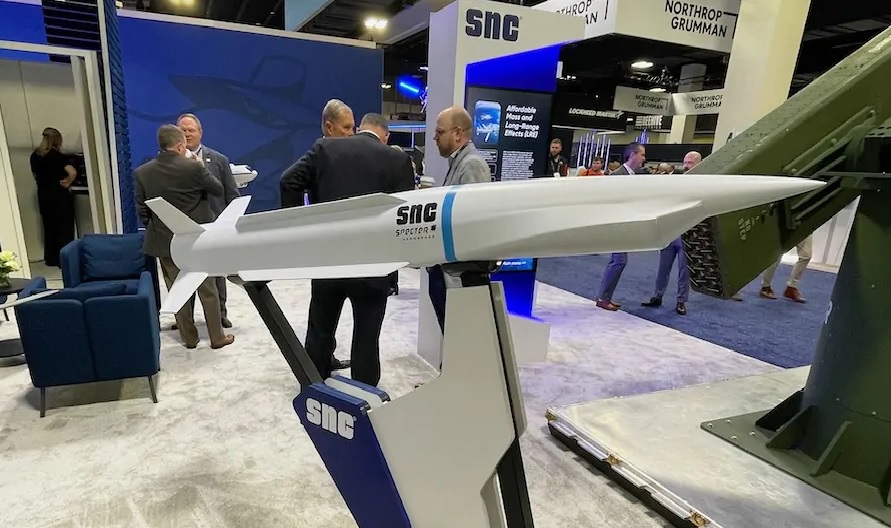
World
CENTENNIAL, Colorado — February 20, 2026 : Sierra Nevada Corporation (SNC) and Specter Aerospace have signed a Memorandum of Understanding (MoU) to collaborate on the development of a new product line of next-generation supersonic aerial launched effects (ALEs), combining propulsion innovation with mission systems integration to address emerging defense operational requirements. The partnership brings together Sierra Nevada Corporation, a U.S.-based aerospace and national security company, and Specter Aerospace, a firm focused on advanced propulsion technologies and vehicle systems. The collaboration was announced from Centennial, Colorado, and aims to develop high-speed aerial systems designed for extended range, operational reliability, and scalable production. Integration of Propulsion and Mission Systems Under the agreement, Specter Aerospace will contribute its technical expertise in air-breathing propulsion systems, including ramjet and scramjet technologies, along with vehicle design and avionics development. Sierra Nevada Corporation will provide capabilities in mission systems integration, air vehicle development, and air defense system architecture. The jointly developed systems are intended to form a family of supersonic aerial launched effects designed for integration with modern military platforms. These systems are engineered to provide greater operational range than many existing alternatives while maintaining reliability in demanding operational environments. Industry information associated with the program indicates the development effort includes more than $4.5 million in SNC-funded work, focused on advancing air-breathing supersonic propulsion concepts and scalable vehicle designs. Focus on Emerging Air and Missile Threats According to program officials, the initiative is intended to support evolving defense requirements, particularly those associated with high-speed threats and asymmetric aerial systems. Jon Piatt, executive vice president of SNC’s Intelligence, Surveillance, and Reconnaissance (ISR), Aviation, and Security business area, said the project is intended to balance advanced performance with cost considerations as modern air defense challenges continue to evolve. Piatt stated that while air defense technologies have advanced significantly, some systems remain costly to operate at scale, while others struggle to consistently address emerging threats such as hypersonic missiles and large drone swarms. He added that the collaboration with Specter Aerospace is structured to support broader operational deployment by combining advanced propulsion technologies with scalable manufacturing approaches designed to maintain range, reliability, and performance. Emphasis on Cost Efficiency and Production Scale Program development also prioritizes reducing the cost per munition while maintaining operational capability. The partners plan to employ advanced manufacturing techniques to enable large-scale production and streamlined supply chains. Felipe Gomez del Campo, chief executive officer of Specter Aerospace, said the security environment requires munitions systems that can be deployed rapidly and in greater numbers without prohibitive cost structures. He noted that the collaboration with SNC is intended to accelerate both development and operational fielding of the supersonic aerial launched effects systems by combining Specter Aerospace’s propulsion technology with SNC’s mission systems and manufacturing capabilities. System Design and Technology Scope The systems under development are air-breathing aerial launched effects designed to operate at supersonic speeds, with technology pathways applicable to both ramjet-powered supersonic vehicles and scramjet-based hypersonic propulsion concepts. Initial development efforts are focused on vehicles in the 1,000-pound or smaller class, allowing compatibility with a range of launch platforms. The systems are intended to function as aerial effects capable of supporting modern combat operations through extended range and high-speed engagement profiles. A mockup of the vehicle associated with the project was scheduled to be displayed at an Air Force Association event following the partnership announcement. Development Progress and Testing Schedule SNC and Specter Aerospace confirmed that air vehicle and propulsion development activities are already underway, including early testing protocols for engines and vehicle configurations. The companies stated that initial flight testing of the supersonic aerial launched effects system is scheduled for the third quarter of 2026, marking the first planned operational demonstration of the jointly developed technology. The collaboration is intended to support the development of a scalable family of aerial launched effects capable of addressing future operational requirements, including countering high-speed threats and distributed aerial systems through extended range and lower cost per deployment.
Read More → Posted on 2026-03-06 12:38:59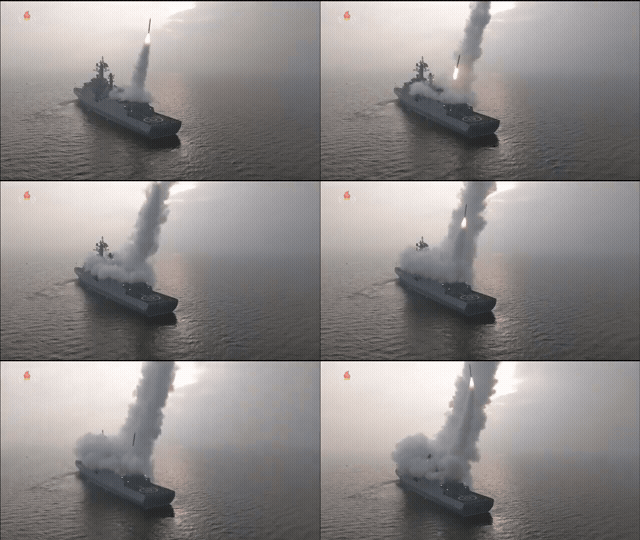
World
NAMPO, North Korea — March 5, 2026 : North Korean leader Kim Jong Un supervised a test launch of strategic cruise missiles from a newly developed naval destroyer, the Choe Hyon, during an inspection visit to the Nampho Shipyard earlier this week. The launch marked the final evaluation of the 5,000-ton warship before its expected entry into operational service with the Korean People's Army Navy. State media reported that Kim conducted a two-day inspection of the vessel on March 3 and March 4 at the western port city of Nampo. During the visit he reviewed the destroyer’s maneuverability, navigation systems, crew training activities, and overall operational readiness as part of the ship’s sea trial phase. Cruise Missile Launch Conducted as Final Capability Test On March 4, Kim observed the launch of multiple sea-to-surface strategic cruise missiles from the destroyer’s vertical launch system. Photographs released by state media showed missiles being fired sequentially from launch cells, producing vertical plumes of smoke as they exited the ship before activating their engines. North Korean officials described the launch as a “core element” in verifying the warship’s combat readiness before commissioning. The country routinely uses the term “strategic” to describe weapons systems it says are capable of carrying nuclear warheads. Kim reportedly described the destroyer as a “new symbol of sea defense capability” following the test and expressed satisfaction with the ship’s performance during trials. Design and Armament of the Choe Hyon Destroyer The Choe Hyon, first unveiled in April 2025, is the lead vessel in a new class of multipurpose guided-missile destroyers and represents the largest surface combatant publicly known to have been built by North Korea. The warship displaces approximately 5,000 tons and incorporates a dense vertical launch system designed to support multiple missile types. The ship is believed to contain at least 74 vertical launch cells arranged in several configurations. These include approximately 32 small launch cells likely intended for surface-to-air missiles, 12 medium cells potentially used for cruise or anti-ship missiles, and larger launch cells—up to 30 located toward the stern—capable of firing land-attack cruise missiles or tactical ballistic missiles. The destroyer’s weapons configuration may allow deployment of several North Korean missile systems, including the Hwasal-2 land-attack cruise missile, supersonic strike weapons, and tactical ballistic missile variants related to the Hwasong-11 series. In addition to its vertical launch systems, the vessel is equipped with a range of other armaments and defensive systems. These include a main naval gun estimated at 127-mm or 130-mm caliber, a Pantsir-ME air defense system, AK-630 close-in weapon systems, quadruple Bulsae-4 missile launchers that may support short-range guided weapons or loitering munitions, and twin 533-millimeter torpedo tubes. External launchers visible on the ship’s sides are believed to support Kumsong-3 anti-ship missiles, providing additional anti-surface capability. Cold Launch System Used for Vertical Missile Cells All vertical launch cells on the destroyer employ a cold launch system, a method in which missiles are expelled from launch tubes using gas pressure or compressed air before their engines ignite. This technique reduces thermal stress and structural damage to the launch platform, allowing repeated missile launches in rapid succession while protecting the launcher from heat exposure. The system is widely used in modern naval vertical launch systems and submarine-launched ballistic missile platforms. The launch cells are also angled to allow missiles to clear the ship safely in the event of an engine ignition failure. Naval Nuclear Capability and Fleet Expansion Plans During the inspection, Kim stated that the arming of the navy with nuclear weapons was progressing, according to state media reports. He directed naval authorities to construct two surface warships of the Choe Hyon class or a higher class each year during the country’s new five-year military development plan beginning in 2026. Kim also inspected the construction of a third Choe Hyon-class destroyer at the Nampho Shipyard. Officials indicated that the vessel is expected to be completed by October 2026. Previous Launch Incident Involving the Second Vessel The expansion of the destroyer program follows difficulties encountered during the launch of the second vessel in the class, the Kang Kon, in May 2025. During a launch ceremony, the ship capsized shortly after entering the water. North Korean authorities later conducted a salvage and restoration operation, returning the vessel for further work after recovery. Strategic Context of the Missile Test The cruise missile launch was Kim’s first publicly reported military-related appearance since the beginning of the U.S. and Israeli military campaign against Iran on February 28, 2026. Defense analysts say the timing of the demonstration may reflect North Korea’s interest in highlighting its expanding naval strike capabilities, particularly systems capable of delivering long-range cruise missiles from sea-based platforms. North Korea has previously emphasized the development of sea-based nuclear delivery systems, including future nuclear-powered submarines and multi-mission surface vessels equipped with large vertical launch arrays. Commissioning Expected After Final Trials North Korean state media reported that the Choe Hyon destroyer successfully completed its final missile test and capability evaluation during the inspection. The vessel is expected to enter operational service with the Korean People’s Army Navy following the completion of the current testing phase. Independent verification of the missile test details has not been reported, and information about the event has been released exclusively through North Korean state media outlets.
Read More → Posted on 2026-03-05 17:34:51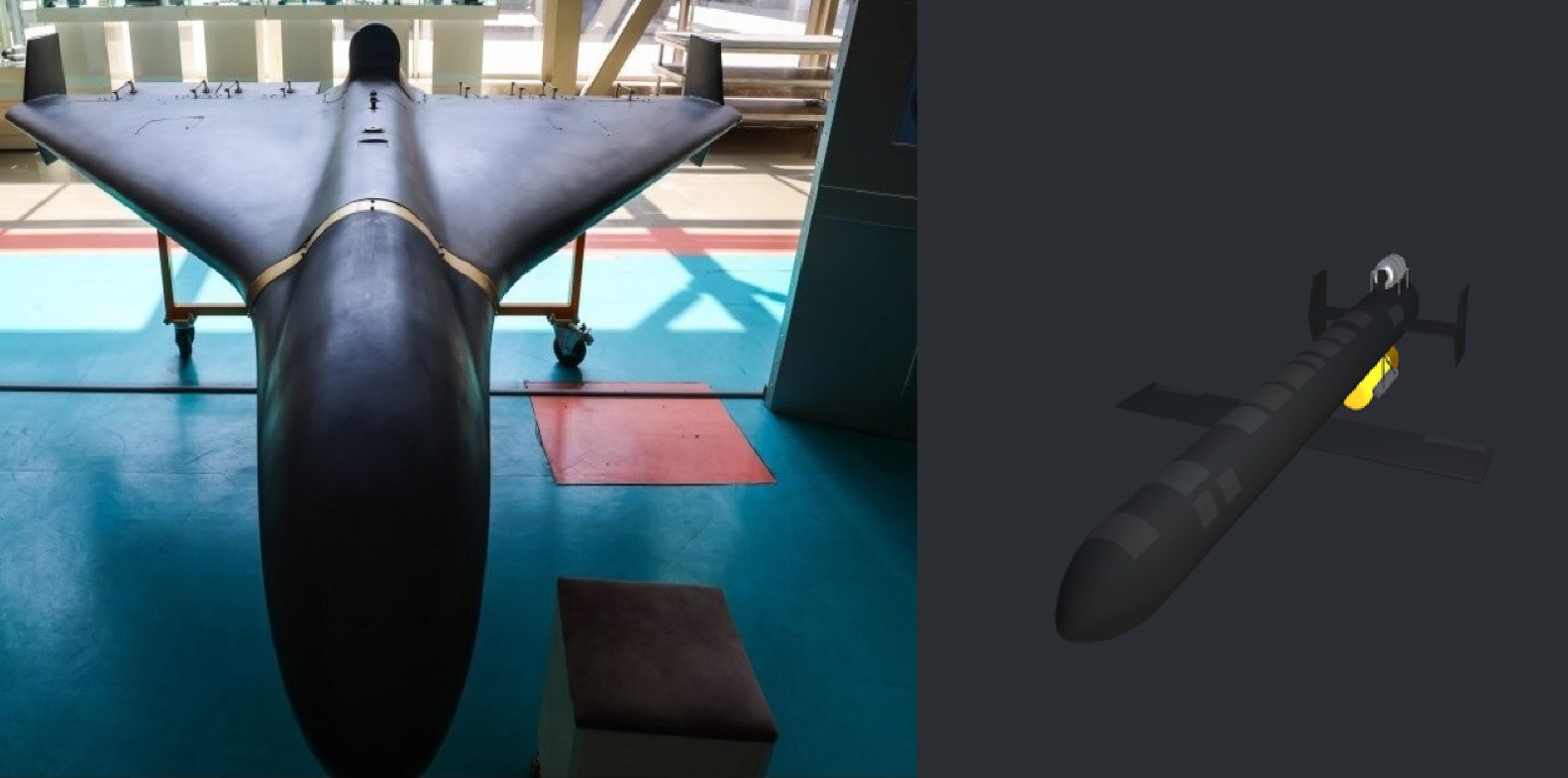
World
MOSCOW — March 5, 2026 : Russia is reportedly considering supplying Iran with upgraded versions of its Geran-series attack drones, including the Geran-3 and Geran-5, according to defense intelligence assessments and open-source reporting. The systems represent heavily modified and technologically enhanced variants of the original Iranian Shahed-type loitering munitions that Tehran previously supplied to Moscow during the early phase of the Ukraine war. If implemented, the transfer would mark a new stage in reciprocal defense cooperation between the two countries, with Russia returning improved versions of systems derived from Iranian designs after several years of operational use and engineering development. Development of the Geran Drone Series Russia began deploying Iranian-designed Shahed-131 and Shahed-136 loitering munitions in Ukraine in 2022. In Russian service, these systems were redesignated as the Geran-1 and Geran-2. The drones were widely used for long-range strike missions, particularly in saturation attacks against infrastructure and military targets. Following a bilateral agreement reportedly valued at approximately $1.75 billion, Iran transferred blueprints, components, technical documentation, and training to Russia, allowing domestic assembly and later full-scale production. Manufacturing was established at the Alabuga Special Economic Zone in Tatarstan, where Russian engineers gradually localized production and introduced numerous technical improvements. Over time, Russia expanded the Geran program beyond the original piston-engine models, developing new variants with enhanced propulsion systems, electronic warfare resistance, and increased payload capacity. Geran-3: Jet-Powered Shahed Evolution The Geran-3 represents a major departure from the original propeller-driven Shahed designs. The drone is widely assessed to be based on the Iranian Shahed-238, but incorporates several upgrades implemented during Russian operational use. Unlike earlier Shahed models powered by small piston engines, the Geran-3 uses a turbojet engine, enabling significantly higher speeds. Defense assessments estimate the drone can reach speeds ranging from 330 to 500 kilometers per hour, depending on configuration. The use of a jet engine also allows the drone to operate at higher altitudes and reach targets more quickly than the earlier Shahed-136 variants. Additional improvements reportedly include upgraded electronic warfare protection and enhanced resistance to jamming. Geran-5: A Larger Cruise-Missile-Like Design The Geran-5 represents a further evolution of the program and was first reported to have been deployed in Ukraine in January 2026, according to assessments by Ukraine’s Main Directorate of Intelligence (GUR). Unlike the triangular delta-wing configuration typical of Shahed drones, the Geran-5 uses a conventional aerodynamic layout resembling a winged cruise missile. The airframe includes a long cylindrical fuselage connected to fixed wings. Available intelligence assessments indicate the drone has the following approximate specifications: Length: 6–6.5 meters Wingspan: 3.2–5.5 meters Takeoff weight: around 850 kilograms Warhead: approximately 90 kilograms Maximum range: up to 950–1,000 kilometers Cruising speed: 450–600 kilometers per hour Flight endurance: roughly two hours The system is reportedly powered by a Chinese-origin turbojet engine, commonly assessed to be similar to the Telefly TJ200, producing around 200 kilograms of thrust. Guidance, Navigation, and Electronic Warfare Resistance The Geran-5 incorporates a more advanced guidance architecture compared with early Shahed drones. Reported navigation systems include: Global Navigation Satellite System (GNSS) guidance Inertial navigation systems (INS) Adaptive antenna arrays for anti-jamming Defense analysts report that the drone uses 12-element adaptive antenna arrays designed to improve resistance against electronic warfare systems used by modern counter-UAS defenses. Some intelligence assessments indicate the system may achieve a circular error probable (CEP) of under 10 meters under optimal conditions. In addition to electronic warfare resistance, some Geran variants have reportedly incorporated mesh-networking capabilities, allowing groups of drones to coordinate strikes during large-scale attacks. Structural Characteristics and Design Influences Analysis of drone debris recovered in Ukraine has indicated structural similarities between the Geran-5 and the Iranian Karrar unmanned aerial vehicle, though Russian engineers appear to have integrated several modifications based on domestic production methods and operational experience. The Geran-5’s aerodynamic layout and turbojet propulsion have led some analysts to classify it as functioning closer to a low-cost cruise missile rather than a traditional loitering munition. Russian Production Expansion Since establishing production at Alabuga, Russia has reportedly expanded manufacturing capacity significantly. Some intelligence estimates suggest production output has reached hundreds of drones per day during peak periods, enabling sustained use in large-scale strike campaigns. Russian engineers have also introduced additional upgrades, including: Heavier warheads, in some cases reaching up to 90 kilograms Improved anti-jamming systems Expanded navigation redundancy Potential integration with short-range air-to-air missiles such as the R-60 in certain experimental configurations These changes reflect continued development of the Geran platform based on battlefield performance and evolving air defense countermeasures. Potential Transfer Back to Iran Reports circulating through defense intelligence channels and open-source monitoring groups indicate that Iran has expressed interest in acquiring the newer Russian variants, particularly the Geran-3 and Geran-5. If such a transfer occurs, it would effectively represent a reverse technology flow. Iran originally supplied the foundational drone designs to Russia, while Russia subsequently refined the systems through large-scale manufacturing and operational deployment in Ukraine. Providing the upgraded models back to Iran would therefore return technology that has undergone extensive battlefield testing and engineering modifications. Regional Context The discussions surrounding potential drone transfers come amid ongoing military developments in the Middle East. Since February 28, 2026, Iran has conducted drone and missile strikes across the Persian Gulf region in response to U.S. and Israeli military operations targeting Iranian infrastructure. Iran has used various Shahed-series drones during these operations, striking locations in Bahrain, Kuwait, the United Arab Emirates, and other regional sites. At the same time, Russia has continued its drone operations in the Ukraine conflict, indicating that Middle East developments have not significantly disrupted the country’s drone production capacity. Broader Military Cooperation Russia and Iran have continued expanding their defense cooperation beyond unmanned aerial systems. Recent reports indicate that Moscow plans to supply Verba man-portable air defense systems (MANPADS) to Iran under a contract reportedly valued at approximately €495 million, with deliveries expected between 2027 and 2029. Analysts note that further drone cooperation could deepen the technological exchange between the two countries, combining Iranian design concepts with Russian production scale and iterative engineering improvements. Current Status As of March 5, 2026, neither Russian nor Iranian authorities have officially confirmed plans to transfer Geran-3 or Geran-5 drones. No specific quantities, delivery schedules, or formal agreements related to the systems have been publicly disclosed. However, ongoing defense collaboration and Iran’s reported interest in the upgraded drones suggest that further developments in drone technology sharing between the two countries remain possible.
Read More → Posted on 2026-03-05 17:28:33
World
WASHINGTON — March 5, 2026 : The United States Navy has deployed the High-Energy Laser with Integrated Optical-dazzler and Surveillance (HELIOS) directed-energy weapon system aboard an Arleigh Burke-class destroyer operating in waters near Iran. The deployment is part of ongoing military operations designated Operation Epic Fury, a campaign launched in late February 2026 in response to escalating regional hostilities and persistent drone and missile attacks across the Gulf. Footage released by the U.S. Central Command (CENTCOM) shows a U.S. Navy destroyer in the operational theater equipped with the HELIOS system mounted near the forward section of the vessel. The imagery confirms the system is installed and operational while U.S. forces conduct defensive and offensive missions in the region. Military officials have not publicly confirmed specific combat engagements or verified kill records for the laser system during the current conflict. However, reports cited by the New York Post, referencing sources familiar with the operation, indicate that HELIOS has already been used to engage Iranian drones during ongoing defensive operations. Pre-Conflict Testing and System Validation Before the outbreak of the current hostilities, HELIOS underwent live operational testing. In early February 2026, the U.S. Navy conducted a counter-unmanned aerial systems demonstration at sea aboard the destroyer USS Preble (DDG-88). During the test, the system successfully destroyed four drones in live-fire engagements. The demonstration confirmed the system’s ability to track and neutralize aerial targets using a directed-energy beam. The test results were reported by defense outlets including USNI News and The War Zone and referenced in discussions within U.S. Naval Institute publications. HELIOS was developed by Lockheed Martin as a 60-kilowatt-class directed-energy weapon designed for naval air defense. The system is integrated with the Aegis Combat System used aboard Arleigh Burke-class destroyers, allowing it to operate alongside existing radar, tracking, and missile defense capabilities. The laser can engage drones, small boats, and other low-altitude threats using a concentrated beam of energy that heats and damages structural components or onboard electronics. In addition to its destructive capability, HELIOS includes an optical dazzler function designed to disrupt surveillance sensors or targeting systems on unmanned platforms. Cost Dynamics of Modern Drone Warfare The deployment of directed-energy weapons is partly intended to address the growing economic imbalance in modern air defense operations. The conflict has demonstrated how low-cost drones can impose high defensive costs on nations relying on traditional interceptor missiles. Iranian Shahed-series drones are estimated to cost approximately $30,000 per unit to produce. In contrast, the interceptor missiles typically used to defeat such threats are significantly more expensive. Standard interceptor costs are estimated as follows: Patriot PAC-3 interceptor missiles cost approximately $3 million to $4 million per launch. THAAD interceptor missiles cost approximately $10 million per launch. Since the beginning of the current conflict, Gulf states have carried out extensive defensive operations against incoming aerial threats. According to regional defense reporting, the United Arab Emirates alone has intercepted more than 755 drones and 172 ballistic missiles since the start of hostilities. Using conservative estimates based on interceptor costs, these engagements represent several billion dollars in defensive expenditures across the Gulf within the first week of the conflict. Operational Advantages of Directed-Energy Systems Directed-energy weapons such as HELIOS operate using electrical power generated by the host vessel rather than physical munitions. The laser draws energy from the ship’s onboard generators and converts it into a focused beam capable of engaging targets at short to medium range. This design changes several logistical aspects of naval air defense operations. The system does not require physical missile reloads and does not rely on stored munitions. As long as sufficient electrical power is available, the weapon can continue to fire without depleting a magazine. The marginal cost of each engagement is minimal. Analysts estimate that the cost of firing the laser is largely limited to electricity consumption, often described as comparable to the power cost of operating a large residential apartment for the duration of a shot. Because the system does not require interceptor resupply, it also reduces dependence on replenishment ships during sustained operations at sea. Role in Ongoing Operations Operation Epic Fury began on February 28, 2026, as part of a broader military campaign targeting Iranian military infrastructure while defending regional partners against retaliatory drone and missile strikes. U.S. naval forces operating in the Gulf and surrounding waters are responsible for both offensive strike support and defensive protection of regional airspace and shipping lanes. The deployment of HELIOS provides an additional defensive layer against the large number of unmanned aerial systems being launched during the conflict. Military analysts view the system as an effort to mitigate the cost imbalance created by inexpensive drones that force defenders to expend high-value interceptor missiles. If directed-energy systems such as HELIOS are able to intercept a portion of incoming drones, they could reduce the financial and logistical pressure currently placed on traditional missile defense systems. The U.S. Department of Defense has not yet released official operational performance data for HELIOS during the ongoing conflict. Additional details regarding engagements, interception rates, and system effectiveness are expected to be evaluated as the operation continues.
Read More → Posted on 2026-03-05 17:15:13
Space & Technology
EINDHOVEN, Netherlands — March 5, 2026 : An Indian trade delegation visited the semiconductor hub of Brainport Eindhoven in the Netherlands on March 4 to explore investment opportunities and discuss collaboration with Dutch companies involved in critical segments of the global chip ecosystem. The visit formed part of India’s broader strategy to strengthen its domestic semiconductor industry and integrate with international supply chains. The delegation was organized under the India Semiconductor Mission (ISM), an initiative of the Ministry of Electronics and Information Technology of the Government of India. It included operational and technical personnel responsible for implementing semiconductor projects rather than policy-level diplomats. The group was led by Manish Hooda, Director (Technology) at the ISM, and also included representatives from the Indian Embassy in the Netherlands and members of Indo-Dutch trade and innovation networks. The delegation’s primary objective was to engage with Dutch companies involved in semiconductor equipment, materials, and supply chain technologies and present India as a potential manufacturing and investment destination. Engagement With Dutch Semiconductor Firms Eindhoven and the surrounding Brainport region represent one of Europe’s most concentrated semiconductor clusters. The area hosts ASML, the world’s only manufacturer of extreme ultraviolet (EUV) lithography systems used in advanced chip production, as well as NXP Semiconductors, a major semiconductor developer headquartered in the region. During the visit, the Indian delegation held discussions with ASML, NXP Semiconductors, and numerous Tier-1 and Tier-2 suppliers involved in semiconductor equipment and materials. Approximately 50 to 60 Dutch companies requested meetings with the delegation, reflecting industry interest in exploring partnerships with India’s emerging semiconductor ecosystem. The focus of these meetings was on collaboration in areas such as manufacturing equipment, materials supply, and other specialized segments of the semiconductor value chain. Incentives Offered Under India Semiconductor Mission The delegation presented details of India’s financial incentive programs designed to attract semiconductor investment. The ISM initiative, launched in 2021, provides fiscal support covering up to 50 percent of eligible project costs for semiconductor fabrication facilities, compound semiconductor manufacturing, assembly-testing-marking-packaging (ATMP) facilities, and related supply chain segments. State governments in India supplement this support with additional incentives typically ranging from 20 to 25 percent. These incentives can include assistance with capital expenditure, land acquisition, power tariffs, infrastructure support, and workforce development programs. According to Manish Hooda, these combined measures are intended to reduce the financial burden on companies establishing semiconductor manufacturing or supply chain operations in India. Semiconductor Projects Under Development in India The delegation highlighted ongoing semiconductor initiatives in India as examples of progress under the ISM program. Eight projects have received approval under the framework, covering fabrication, packaging, and semiconductor design activities. A major project cited during discussions is the fabrication facility being developed through a joint venture between Tata Electronics and Powerchip Semiconductor Manufacturing Corp. The plant is being constructed in Dholera, located in the Indian state of Gujarat. Approved in February 2024 with an investment of approximately ₹91,000 crore (around $11 billion), the facility is designed for a production capacity of 50,000 wafer starts per month. The fab is expected to manufacture semiconductor nodes suitable for power management integrated circuits, display drivers, microcontrollers, and high-performance logic components used in automotive electronics, artificial intelligence systems, and 5G infrastructure. Construction is currently underway, and commercial operations are projected to begin in the late 2020s. Supply Chain Diversification and “China-Plus-One” Strategy During meetings in Eindhoven, Hooda stated that Dutch companies seeking to diversify manufacturing under a “China-plus-one” strategy should consider India as a production base outside China. The concept refers to multinational companies expanding manufacturing operations beyond China to reduce supply chain risks. The discussions took place against the backdrop of continuing export restrictions and technology controls related to advanced semiconductor equipment. These measures have encouraged companies to examine alternative locations for manufacturing and supply chain operations. India has positioned itself as a potential destination by offering financial incentives, a large engineering workforce, and a growing domestic electronics market. India–Netherlands Semiconductor Cooperation The March visit also aligns with broader bilateral cooperation efforts between India and the Netherlands in the semiconductor sector. A strategic partnership focused on semiconductor technologies is expected to be announced during a planned visit to the Netherlands by Narendra Modi, the Prime Minister of India, later in 2026. Earlier in January 2026, India’s Minister of Electronics and Information Technology Ashwini Vaishnaw visited the headquarters of ASML in Veldhoven. During that visit he indicated that the Dholera semiconductor fabrication facility would incorporate ASML lithography systems. ASML has also indicated plans to establish a support office in India. Existing Industry Links With India NXP Semiconductors already maintains a significant presence in India through research and development operations employing more than 3,000 engineers across multiple locations. Company leadership has indicated that India could account for approximately 8 to 10 percent of its global revenue in the coming years. India’s workforce presence in the Netherlands has also expanded over the past decade. The number of Indian professionals working in the country increased from roughly 30,000 in 2014 to about 89,000 in 2024. More than 10,000 of these professionals are based in the Eindhoven region, many of them employed in technology and semiconductor-related fields. Focus on Supply Chain Segments The March 4 visit did not result in immediate investment announcements or memoranda of understanding. Instead, the meetings were intended to establish relationships and initiate discussions with equipment suppliers and technology companies that form key parts of the semiconductor supply chain. This approach reflects India’s strategy of developing a broader semiconductor ecosystem by attracting not only fabrication facilities but also the specialized equipment manufacturers, materials providers, and design capabilities that support chip production. Further developments from these engagements are expected to emerge through continued industry discussions and upcoming diplomatic exchanges between India and the Netherlands later in 2026.
Read More → Posted on 2026-03-05 16:53:04
World
WASHINGTON, — March 5, 2026 : The administration of U.S. President Donald Trump has held direct discussions with Kurdish political leaders from Iraq and Iran regarding potential military coordination in western Iran, according to a report published by The Washington Post on March 5. The conversations reportedly included the possibility of the United States providing aerial support if Kurdish forces or opposition groups initiate operations against Iranian military infrastructure near the Iran-Iraq border. U.S. Contacts With Kurdish Leadership According to officials cited in the report, President Trump participated in several phone calls with key Kurdish figures during the past week. One of the discussions took place with Bafel Talabani, head of the Patriotic Union of Kurdistan (PUK), one of the two main governing parties in Iraq’s semi-autonomous Kurdistan Region. A senior Kurdish official familiar with the conversation stated that Trump told Talabani that Kurdish factions needed to determine their position in the ongoing regional conflict. According to the official, the message conveyed during the call was that Kurdish groups “must choose a side in this battle — either with America and Israel or with Iran.” Trump also spoke with Masoud Barzani, the influential figure behind the Kurdistan Democratic Party (KDP). A KDP official indicated that a similar message was delivered during that conversation. In addition, Trump held a call on March 3 with Mustafa Hijri, the head of the Democratic Party of Iranian Kurdistan (KDPI), one of the principal Kurdish opposition organizations operating against the Iranian government. Proposed U.S. Military Support Sources cited in the report indicated that the discussions involved the potential for “extensive U.S. aircover” and other assistance if Iranian Kurdish opposition groups attempt to seize or control territory in western Iran. The proposal reportedly envisioned Kurdish forces advancing against Iranian strategic sites near the border while U.S. aircraft provide aerial support. The discussions also included the possibility that Kurdish authorities in northern Iraq could facilitate logistical access or transit routes for Iranian Kurdish groups operating from bases in the region. No official commitments to such operations have been publicly confirmed. Kurdish Opposition Groups and Coalition Several Iranian Kurdish opposition organizations are involved in the discussions or potential planning stages. These include: The Democratic Party of Iranian Kurdistan (KDPI) The Kurdistan Free Life Party (PJAK) The Kurdistan Freedom Party (PAK) The Khabat Organization Factions of Komala On February 22, 2026, these groups formed a joint alliance called the Coalition of Political Forces of Iranian Kurdistan, aimed at coordinating political and military opposition to the government in Tehran. Many of these organizations maintain bases within the Kurdistan Region of Iraq and maintain varying degrees of political and operational ties with Iraqi Kurdish parties. Wider Strategic Context The reported outreach to Kurdish leaders forms part of broader U.S. efforts to increase pressure on the Iranian government during the ongoing regional conflict that began on February 28, 2026, when U.S. and Israeli military operations against Iranian targets commenced. According to officials familiar with the discussions, U.S. policymakers are exploring ways to involve internal Iranian opposition groups in order to stretch Iranian military resources and potentially create additional pressure on the Iranian government. The Central Intelligence Agency has previously been involved in covert efforts to provide limited military assistance, including small arms, to certain Iranian Kurdish factions based in Iraq as part of earlier programs prior to the current conflict. Responses From Kurdish Authorities Officials within Iraq’s Kurdistan Region have expressed differing views regarding involvement in the conflict. Nechirvan Barzani stated that the Kurdistan Region should avoid becoming part of the broader confrontation. His office has emphasized that the region should not be used as a platform for attacks against neighboring countries. The PUK leadership, which is generally considered to maintain relatively closer political ties with Iran than the KDP, has also noted the sensitivity of the issue and has not publicly endorsed participation in any cross-border military activities. Iranian Response and Security Developments Iran has already conducted strikes against Kurdish opposition positions located inside Iraq. Around March 1–2, Iranian forces carried out drone and missile attacks targeting facilities associated with KDPI and Komala near the cities of Koya, Erbil, and Sulaymaniyah. Iranian officials have previously stated that Kurdish militant organizations operating from Iraqi territory pose a security threat to the country. White House Statement White House Press Secretary Karoline Leavitt addressed reports concerning Kurdish involvement on March 4. She stated that claims suggesting finalized U.S. plans for a Kurdish-led insurgency inside Iran were “completely false.” Neither the White House nor Kurdish regional governments have publicly confirmed any formal agreements regarding U.S. air support or coordinated ground operations. Ongoing Discussions Officials familiar with the contacts said the discussions remain exploratory and no specific timeline or operational plan has been publicly outlined. The consultations come as the regional conflict enters its second week, with U.S. military planners assessing additional options for increasing pressure on Iran while monitoring the possibility of further escalation across the region.
Read More → Posted on 2026-03-05 16:41:43
World
WASHINGTON, March 5, 2026 : U.S. President Donald Trump has sharply criticized Spain and the United Kingdom following disagreements over NATO defense spending and military cooperation related to recent U.S.-led operations against Iran. The dispute centers on Spain’s refusal to allow the United States to use jointly operated bases for strikes on Iran and broader tensions within NATO over increased defense spending targets. Dispute Over NATO Spending Targets The comments come amid a continuing debate within the North Atlantic Treaty Organization (NATO) regarding defense spending commitments agreed upon during a summit held in The Hague in June 2025. At that meeting, NATO members endorsed a new long-term goal of raising defense spending to 5 percent of gross domestic product (GDP) by 2035, a significant increase from the 2 percent guideline adopted in 2014. The proposal was strongly supported by President Trump, who argued that European allies should contribute more toward collective defense. Most alliance members agreed to the higher target, but Spain, led by Prime Minister Pedro Sánchez, declined to commit to the 5 percent level. Madrid stated it would pursue its military capability goals while spending approximately 2.1 percent of GDP instead. Spain’s defense spending currently stands at roughly 1.3 percent of GDP in 2025, according to publicly available NATO estimates, placing it below both the previous 2 percent benchmark and the newly proposed long-term target. Trump has repeatedly criticized the Spanish position, arguing that Madrid is not contributing sufficiently to the alliance. Speaking at the White House on March 5, he stated that Spain had been “hostile to NATO” and highlighted the country’s refusal to support the 5 percent spending target. Military Base Access and Iran Operations The diplomatic dispute intensified following Spain’s decision to deny U.S. requests to use the Naval Station Rota and Morón Air Base in southern Spain during recent operations targeting Iranian military infrastructure. The United States and Israel launched coordinated strikes against Iranian targets beginning February 28, 2026, citing intelligence indicating a potential Iranian attack. Several NATO countries provided logistical support or access to facilities for the operation. Spain, however, declined to allow the use of its jointly operated bases for missions linked to the strikes. Spanish Foreign Minister José Manuel Albares stated that the bases could not be used for operations that were not covered by existing bilateral agreements or the framework of the United Nations Charter. Following Spain’s decision, U.S. forces relocated 15 aircraft, including aerial refueling tankers, from Spanish bases. At least seven aircraft were moved to Ramstein Air Base in Germany to support ongoing regional operations. Trump’s Trade Threats Toward Spain During a March 3 meeting with German Chancellor Friedrich Merz in the Oval Office, Trump threatened potential economic retaliation against Spain. He directed Treasury Secretary Scott Bessent to examine options to suspend commercial dealings with Madrid, stating that the United States could cut off trade ties if Spain continued to oppose U.S. military cooperation. Trump argued that the United States technically retained the ability to operate from the bases but emphasized that Washington could choose not to maintain economic engagement with Spain. As of March 5, no formal sanctions or tariffs have been implemented, and U.S. officials have not announced specific measures that could affect bilateral trade. Trade between the United States and Spain includes Spanish exports such as olive oil, automotive components, steel, and chemical products. Spanish financial markets reacted cautiously to the statements, with fluctuations reported in the Ibex 35 stock index shortly after Trump’s remarks. United Kingdom Also Criticized Trump also criticized the United Kingdom during the same discussions, describing the country as “very disappointing” and “uncooperative.” The criticism relates in part to Britain’s reported refusal to allow the use of the joint U.S.–UK military facility at Naval Support Facility Diego Garcia for operations connected to the strikes on Iran. The UK currently spends roughly 2.3 percent of GDP on defense, meeting NATO’s previous benchmark but not yet committing to the 5 percent target proposed for 2035. British officials have expressed concern about escalation in the Middle East and have shown caution toward direct involvement in the military campaign. European Responses Spanish Prime Minister Pedro Sánchez defended Madrid’s position in a nationally televised address, stating that Spain would not participate in actions it considers destabilizing. He criticized the strikes on Iran as unjustified and warned that further military escalation could increase global instability. Spain maintains that its position remains consistent with its commitments to NATO while emphasizing diplomatic solutions. European Union officials also responded to Trump’s threat of unilateral trade measures. Representatives of the European Commission noted that trade policy is negotiated collectively by the European Union, meaning any attempt to isolate Spain commercially would affect the broader EU-U.S. trade framework. Chancellor Friedrich Merz stated that European countries would approach trade negotiations with the United States collectively, emphasizing that the bloc would negotiate “together or not at all.” NATO Leadership Calls for Unity NATO Secretary-General Mark Rutte has called for unity within the alliance as disagreements over spending and operational support continue. Merz indicated that Germany and other NATO members are attempting to persuade Spain to move toward intermediate spending targets between 3 percent and 3.5 percent of GDP, even if Madrid does not immediately adopt the full 5 percent goal. The dispute highlights ongoing tensions within NATO over burden-sharing and the extent of member involvement in military operations beyond the alliance’s core defense mission. Regional Developments Amid Iran Conflict The diplomatic tensions occur alongside continuing instability in the Middle East following the U.S. and Israeli strikes on Iran. U.S. officials report that nearly 20,000 American citizens have returned from the Middle East since the beginning of the conflict, while regional incidents have included explosions near Abu Dhabi’s airport and attacks on industrial facilities in Bahrain. Although these events are not directly linked to the NATO dispute, they have contributed to heightened international concern over the broader consequences of the conflict. As of March 5, discussions between the United States, Spain, and other NATO allies continue, with no confirmed economic measures enacted and no formal changes to NATO commitments announced.
Read More → Posted on 2026-03-05 16:27:36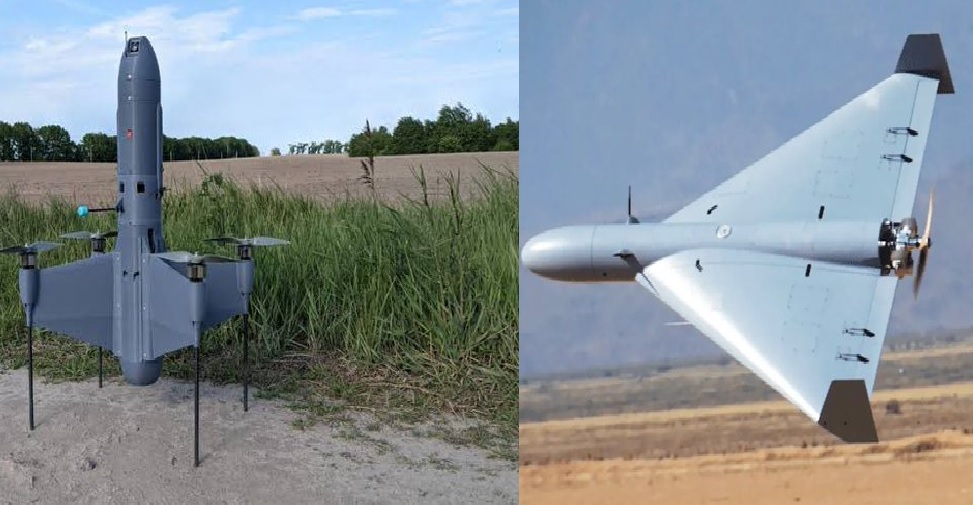
World
WASHINGTON — March 5, 2026 : The United States Department of Defense and several Gulf states are engaged in discussions with Ukraine regarding the potential acquisition of Ukrainian-developed interceptor drones designed to counter Iranian-designed unmanned aerial vehicles. The discussions were first reported by the Financial Times and involve interest from both the Pentagon and Gulf partners seeking more economical solutions to the expanding drone threat across the Middle East. Growing Demand for Cost-Effective Air Defense The discussions come amid increasing use of Iranian-designed loitering munitions, particularly the Shahed-136 drone, which has been used extensively in regional conflicts and against infrastructure targets. Military officials and analysts have highlighted the financial imbalance between these relatively inexpensive drones and the high-cost interceptor systems currently used to destroy them. A Shahed-136 drone is estimated to cost roughly $30,000 per unit, with some assessments placing the cost closer to $20,000. In contrast, Gulf states and U.S. forces in the region have relied heavily on the MIM-104 Patriot air defense system to intercept incoming threats. The PAC-3 interceptor missile used by Patriot batteries can cost more than $13.5 million per missile, though some estimates place the price between $3 million and $4 million depending on configuration and procurement contracts. The large difference in costs has prompted policymakers and defense planners to consider alternative interception methods that could reduce operational expenses while maintaining defensive coverage. Pressure on Missile Stockpiles Regional security dynamics have intensified the urgency of finding more efficient defensive solutions. Iran is believed to possess tens of thousands of Shahed-type drones, capable of being launched in large swarms. Recent drone launches across the region have targeted military installations and infrastructure in multiple Gulf states, including Saudi Arabia, Qatar, United Arab Emirates, Kuwait, and Bahrain. The volume of such attacks has created concern among defense planners that continued reliance on high-cost interceptor missiles could strain stockpiles. In addition to financial costs, sustained use of Patriot interceptors against low-cost drones risks depleting inventories needed for higher-priority threats such as ballistic and cruise missiles. Adopting drone-based interception methods would allow Gulf states to preserve advanced missile interceptors for more complex targets while addressing large numbers of low-altitude unmanned aircraft. Ukraine’s Experience With Drone Interception Interest in Ukrainian systems stems from Ukraine’s extensive experience defending against large-scale drone attacks following the Russian invasion of Ukraine. Since early 2022, Ukrainian air defense forces have confronted more than 57,000 Shahed-type drone attacks. Russia has deployed domestically produced variants known as the Geran-series drones, based on the same Iranian design. To counter these attacks, Ukraine developed a layered air defense approach that includes radar systems, electronic warfare, traditional missile defenses, and newly developed interceptor drones. Ukraine became the first country to deploy mass-produced drone interceptors specifically designed to destroy other drones during flight. These interceptor drones can be launched rapidly and used in large numbers, allowing them to engage slow-moving targets at lower cost. Ukrainian Interceptor Drone Systems Several Ukrainian drone systems have attracted international attention. One of the most widely discussed systems is the “Sting” interceptor, developed by the Ukrainian drone engineering group Wild Hornets. Another system is the “Merops” fixed-wing interceptor drone, which has received backing from technology investors including former Google CEO Eric Schmidt. These interceptor drones are relatively inexpensive, typically costing a few thousand dollars per unit, and are capable of reaching speeds of up to 250 kilometers per hour. This allows them to intercept Shahed drones, which generally travel at approximately 185 kilometers per hour. The drones are designed to track and collide with incoming UAVs or detonate near them, providing a low-cost method of neutralizing the threat before it reaches its target. Diplomatic Engagement and Export Considerations According to Ukrainian defense industry officials cited by the Financial Times, the negotiations with the Pentagon remain sensitive and exploratory, but there has been a clear increase in international interest in Ukraine’s interceptor drone technology. Any transfer of these systems will require approval from the Ukrainian government. Ukrainian authorities have indicated that export permission would be required even if the drones are produced outside Ukraine under licensed manufacturing agreements. Ukrainian President Volodymyr Zelenskyy confirmed earlier in the week that discussions about anti-drone technology have taken place with several Gulf leaders. These include Sheikh Tamim bin Hamad Al Thani, the Emir of Qatar, and Mohammed bin Zayed Al Nahyan, President of the United Arab Emirates. Zelenskyy has indicated that Ukraine is open to providing interceptor drones and related expertise in exchange for additional air defense missiles and support needed for Ukraine’s own defense requirements. Broader International Interest The discussions between the Pentagon, Gulf governments, and Ukrainian defense firms reflect broader global interest in adapting lower-cost air defense technologies to counter mass drone attacks. Separately, the United Kingdom has announced plans to involve Ukrainian drone specialists in assisting Gulf partners with counter-UAV strategies. The initiative aims to transfer operational knowledge gained on the battlefield in Ukraine to countries facing similar drone threats. Officials involved in the discussions emphasize that no final agreements have been concluded, and negotiations remain in the preliminary stage as governments evaluate procurement options and potential licensing arrangements. If pursued, the acquisition of Ukrainian interceptor drones could represent a shift in regional air defense strategy, integrating low-cost drone-on-drone interception methods alongside existing missile defense systems.
Read More → Posted on 2026-03-05 16:21:05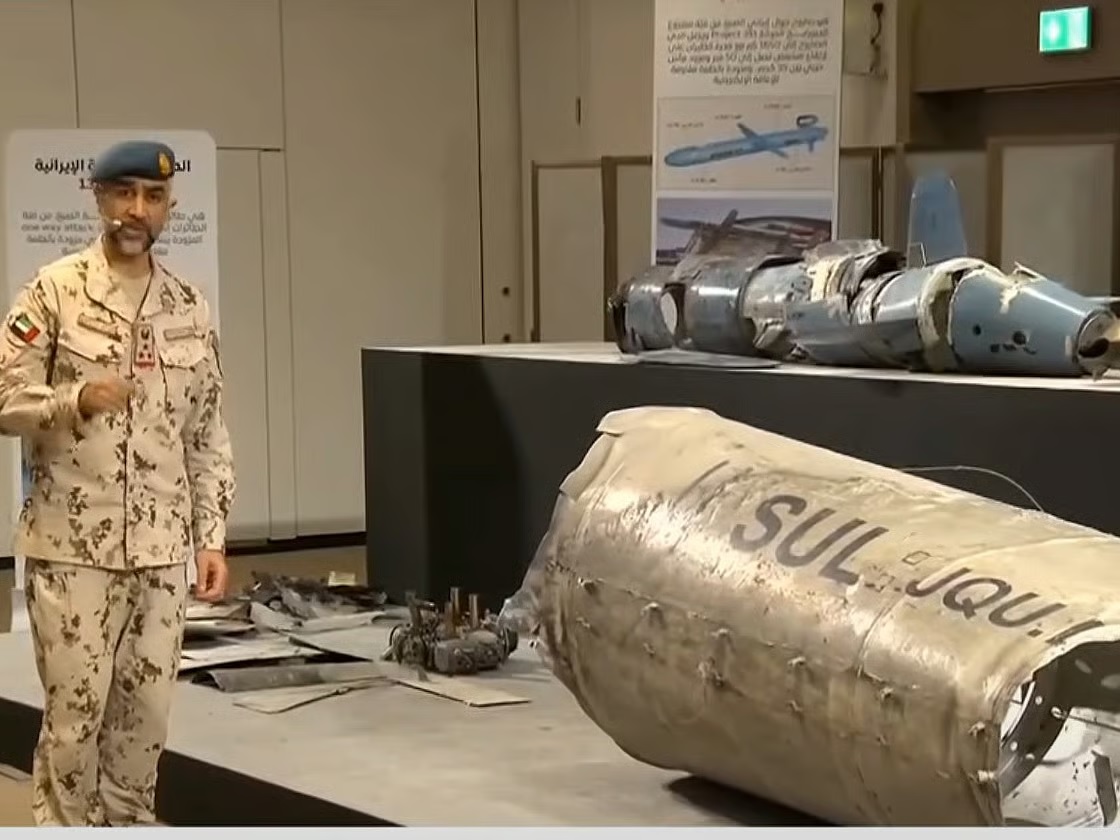
World
ABU DHABI — March 5, 2026 : The United Arab Emirates Armed Forces confirmed that national air defense systems intercepted and destroyed multiple Iranian missiles and drones targeting the country during coordinated attacks in early March 2026. Emirati officials stated that the majority of incoming projectiles were neutralized before reaching their intended targets, which included energy infrastructure, military facilities, and populated areas. The UAE Ministry of Defence disclosed the details during a press briefing held in Abu Dhabi on March 3, 2026. Brigadier General Staff Pilot Abdulnasser Al Humaidi, the ministry’s official spokesperson, presented operational updates and displayed remnants of intercepted Iranian weapons, including fragments identified as parts of a Qiam ballistic missile, a Paveh (Bafeh) cruise missile, and several unmanned aerial systems from the Shahed drone family, including the Shahed-136, Shahed-107, and Shahed-238. Officials stated that early detection by the country’s integrated air defense network allowed interceptor systems to activate within seconds of identifying the incoming threats. According to the ministry, most projectiles were destroyed in flight before they could reach their designated targets. Scale of the Missile and Drone Attacks According to data released by the UAE Ministry of Defence, Iranian strikes against Emirati territory began on February 28, 2026, as part of a broader regional escalation linked to military operations involving Iran, the United States, and Israel. Between February 28 and March 3, the UAE detected the following aerial threats: 186 ballistic missiles detected 812 drones detected 8 cruise missiles detected Air defense systems intercepted the majority of these projectiles: 172 ballistic missiles intercepted 13 ballistic missiles fell into the sea 1 ballistic missile impacted Emirati territory For drone attacks: 755 drones intercepted 57 drones impacted within the UAE All 8 cruise missiles were reported destroyed before reaching their targets. Additional operational updates released by the ministry indicated that interception operations continued on March 4, 2026, when air defenses detected 3 ballistic missiles and 129 drones. Of these, 121 drones were intercepted, while 8 drones fell within Emirati territory. Cumulative operational figures cited in subsequent briefings indicated: 189 ballistic missiles detected 175 ballistic missiles intercepted 941 drones detected 876 drones intercepted 8 cruise missiles intercepted and destroyed Officials stated that over 90 percent of incoming aerial threats were neutralized, with air defense systems maintaining continuous operational readiness throughout the attacks. The UAE Ministry of Foreign Affairs condemned the strikes as violations of the country’s sovereignty and reaffirmed the UAE’s right to self-defense under international law. Emirati officials also reiterated that the UAE had not participated in military operations against Iran and described its posture as strictly defensive. Iranian Weapons Identified in the Attack Fragments presented during the March 3 briefing indicated that several types of Iranian weapons were involved in the attacks. One of the principal ballistic threats was the Qiam-1 short-range ballistic missile, an Iranian system first publicly revealed around 2010. The missile is derived from the Shahab-2, which itself originates from the Soviet Scud missile family. Technical characteristics of the Qiam-1 include: Length: approximately 11.5 meters Launch weight: around 6 metric tons Propulsion: single-stage liquid-fueled rocket engine Warhead payload: up to 750 kilograms Range: approximately 700–800 kilometers, enabling strikes across much of the Arabian Gulf from Iranian territory Unlike earlier Scud variants, the Qiam features a finless base design, which improves aerodynamic performance and may reduce radar detectability. Some versions are also believed to incorporate separable warheads during the terminal phase of flight, a modification intended to complicate interception attempts. The missile uses inertial navigation guidance, and later variants reportedly include improved guidance packages with an estimated circular error probable (CEP) between 100 and 500 meters. Ballistic missiles such as the Qiam reach terminal velocities of several kilometers per second, requiring defensive systems to rapidly calculate interception points within a limited engagement window. In addition to ballistic missiles, debris recovered from the attacks confirmed the use of Shahed-series drones, including the Shahed-136 loitering munition, as well as the Shahed-107 and Shahed-238 variants. Officials also displayed fragments of a Paveh cruise missile, indicating that cruise missile capabilities were also employed during the attacks. UAE Integrated Air and Missile Defense System The successful interceptions were attributed to the UAE’s multi-layered air and missile defense architecture, which integrates systems developed in the United States, Europe, Israel, Russia, and the UAE’s domestic defense industry. Upper-Tier Defense The Terminal High Altitude Area Defense (THAAD) system forms the highest defensive layer. The UAE became the first foreign country to deploy THAAD following a procurement agreement valued at approximately $3.5 billion. THAAD is designed to intercept short- and medium-range ballistic missiles in the terminal phase of flight at altitudes exceeding 150 kilometers. The system uses hit-to-kill kinetic interceptors, destroying incoming warheads through direct collision rather than explosive warheads. Mid-Tier Defense Below THAAD, the MIM-104 Patriot system, particularly configurations equipped with PAC-3 interceptors, engages ballistic missiles that penetrate the upper layer. Patriot systems can also intercept cruise missiles and aircraft, providing a critical mid-range defense capability. Medium-Range Layer The UAE also operates the Barak-8 surface-to-air missile system, developed jointly by Israel Aerospace Industries and India. This system is capable of intercepting cruise missiles, aircraft, and anti-ship missiles at ranges exceeding 70 kilometers. Short-Range Defense Close-range protection against drones and low-flying threats is provided by the Pantsir-S1 system, which combines 30-millimeter cannons with short-range surface-to-air missiles to engage helicopters, drones, and other low-altitude targets. The UAE also deploys SkyKnight, a domestically developed interceptor produced by EDGE Group in cooperation with international partners. SkyKnight is designed to protect critical facilities from rockets, artillery shells, and unmanned aerial systems. Integrated Command and Control Network All air defense layers are connected through a centralized command-and-control network that integrates radar sensors, command centers, and interceptor launch systems. This architecture allows simultaneous detection, tracking, and engagement of multiple aerial threats. Officials stated that this integration enabled rapid identification of the March attacks and coordinated engagement across several defensive tiers. Limited Damage and Casualties Despite the large number of incoming projectiles, Emirati authorities reported limited physical damage to national infrastructure. Some debris and a small number of projectiles landed in populated areas of Abu Dhabi and Dubai, resulting in three reported fatalities — individuals identified as Pakistani, Nepali, and Bangladeshi nationals — along with dozens of minor injuries. Government officials stated that the incidents were largely caused by falling debris or limited impacts from projectiles that penetrated defenses. No major disruptions were reported at energy facilities, transportation hubs, or military installations. Regional Context The missile and drone strikes occurred amid a broader regional escalation following U.S. and Israeli strikes on Iranian territory beginning February 28, 2026. Emirati authorities emphasized that the UAE has not participated in offensive operations against Iran and reiterated their support for diplomatic solutions to regional tensions. Defense officials stated that the events highlight the increasing role of ballistic missiles, cruise missiles, and unmanned aerial systems in modern conflicts and the importance of integrated air defense networks in protecting national infrastructure and civilian populations.
Read More → Posted on 2026-03-05 16:14:30
World
PARIS — March 5, 2026 : French drone manufacturer DIODON Drone Technology has launched Vigilansea, a three-year development program focused on enabling persistent autonomous maritime surveillance operations using coordinated uncrewed surface vehicles (USVs) and uncrewed aerial vehicles (UAVs). The initiative is funded by the France 2030 investment plan and aims to support repeated high-sea missions without direct human intervention. The project will develop systems that allow aerial and surface drones to operate cooperatively at sea for surveillance, inspection, and security tasks. According to the company, the program is designed to expand maritime monitoring coverage and automate mission execution across large maritime zones. Program Structure and Partners The Vigilansea program is led by DIODON in cooperation with SeaOwl Technology Solutions and ISAE-SUPAERO, both of which will contribute specialized technical capabilities to the project. SeaOwl Technology Solutions is responsible for developing a dedicated USV platform designed specifically to support autonomous UAV deployment at sea. The vessel will be engineered to host onboard drone infrastructure and maintain continuous operations in offshore environments. ISAE-SUPAERO will provide expertise in aerodynamic optimization and advanced flight control systems, focusing on improving UAV performance, stability, and operational reliability in maritime conditions. Core Technological Components The Vigilansea program centers on the development and integration of two key systems designed to enable UAV-USV interoperability. The first component is a new-generation maritime UAV designed for long-endurance operations in open-sea environments. The platform is intended to operate as an airborne sensor deployed from an unmanned vessel, expanding the surveillance range of the surface platform. The second component is DIODON REEF, an onboard UAV station integrated directly into the USV. The system is designed to manage the full operational cycle of the aerial platform, including automated launch, recovery, battery recharging, and mission readiness. This capability is intended to allow repeated drone operations at sea without human operators onboard. By integrating the UAV with the USV platform through the REEF system, the architecture allows the aerial drone to function as a remote sensor for the surface vessel, enabling extended monitoring coverage and faster identification of maritime activity. Maritime Drone Design Requirements DIODON’s UAVs are specifically engineered for maritime environments and incorporate several physical and operational characteristics necessary for sea deployment. These include watertight construction, positive buoyancy for water recovery, structural durability, and resistance to corrosion, sea spray, wind, and wave exposure. The company’s existing systems already reflect these design principles. One example is the DIODON HP30, a lightweight amphibious drone designed for maritime surveillance and rescue operations. The platform weighs under two kilograms and has an operational endurance of approximately 23 minutes, a maximum speed of about 60 km/h, and a control range of around two kilometers. The drone is rated at IP46 for water and environmental protection. Integration and Testing Background The Vigilansea program builds on DIODON’s previous work integrating aerial and surface unmanned systems. In 2024, the company participated in Dronathlon 2024, where it demonstrated successful command-and-control integration between UAVs and USVs. The demonstration used onboard communication systems, including satellite connectivity installed directly on a surface vessel, enabling remote control and data transmission during maritime drone operations. Further integration work was carried out in 2025 during NATO Task Force X Baltic. During the exercise, DIODON introduced the DIODON LAUNCHER, a system capable of deploying the HP30 maritime UAV from a USV platform. The demonstration confirmed the feasibility of hardware integration between the company’s drones and unmanned maritime vessels. Operational Objectives The primary operational objective of the Vigilansea program is to create a persistent maritime monitoring system that combines the endurance of USVs with the aerial observation capabilities of UAVs. In this configuration, the surface vessel acts as a mobile base station capable of launching and managing aerial drones while remaining at sea for extended periods. The UAV provides aerial reconnaissance, enabling detection and identification of activities over a wider area than the surface vessel alone could observe. The system is designed to operate through autonomous mission management and resilient communication architectures that support real-time coordination between the aerial and surface platforms. Intended Applications The integrated UAV-USV architecture is intended to support a range of maritime missions. Potential applications include maritime surveillance and counter-trafficking operations, protection of critical coastal and offshore infrastructure, monitoring of sensitive maritime areas, environmental inspection and pollution detection, and maritime safety and security missions across large ocean zones. By automating drone deployment and recovery at sea, the system is expected to reduce the need for crewed vessels or direct human involvement in potentially hazardous operational environments. Executive Statement Antoine Tournet, CEO and co-founder of DIODON Drone Technology, said the initiative reflects the growing complexity of monitoring maritime domains. “The control of maritime spaces has always been a central strategic challenge,” Tournet stated. “Today, however, the scale of the areas to be monitored and the intensity of maritime activities make it a challenge of an entirely different magnitude. Ensuring extended and sustained coverage requires complementing human assets with collaborative, integrated robotic solutions.” Strategic Context The Vigilansea program aligns with France’s broader push to expand the use of unmanned systems in maritime and defense applications. Programs funded under the France 2030 framework aim to accelerate innovation in naval drones, maritime surveillance technologies, and autonomous systems for both civilian and military use. Over the next three years, the Vigilansea project will focus on system development, testing, and operational experimentation to validate the combined UAV-USV architecture in real maritime environments.
Read More → Posted on 2026-03-05 15:18:05
World
BEIJING — March 5, 2026 : China has announced a 7% increase in its national defense budget for the 2026 fiscal year, raising total military spending to approximately 1.9 to 1.91 trillion yuan, equivalent to about $275 billion to $277 billion, according to a draft budget report presented at the opening session of the annual legislative meetings in Beijing. The proposed budget was submitted during the opening meeting of the National People's Congress (NPC), China’s top legislative body, as part of the government’s annual fiscal planning. The report was delivered by Finance Minister Lan Fo'an, while the broader government work report outlining economic and policy goals was presented by Chinese Premier Li Qiang. If approved by lawmakers, the allocation would represent the slowest annual increase in China’s defense spending since 2021, though it continues a long-running trend of steady military budget expansion. Defense Spending Trends The planned increase follows several years of slightly higher growth rates in China’s military budget. Defense spending rose 7.2% annually from 2023 through 2025, while the 2022 increase was 7.1%. The last smaller adjustment occurred in 2021, when the budget rose by 6.8%. Despite the lower growth rate for 2026, the total defense allocation still represents an absolute increase of roughly $25 billion compared with the previous year, reflecting the continued scale of China’s military modernization efforts. China has maintained single-digit annual defense budget growth for 11 consecutive years, a policy approach that authorities describe as balancing military development with broader economic priorities. Since 2016, the country’s defense spending has expanded at an average annual rate exceeding 7%. The 2026 defense allocation accounts for around 1.3% of China’s projected gross domestic product, a proportion broadly consistent with recent years and below the 1.5% level cited by Chinese officials as the country’s typical ceiling for defense spending relative to GDP. Link to Economic Policy Targets The defense budget announcement coincided with the release of China’s 2026 economic policy targets, which indicate a more cautious outlook for growth. The government set a GDP growth target of between 4.5% and 5%, slightly lower than the approximately 5% growth target maintained over the previous three years. Officials cited domestic economic pressures and external trade challenges as factors influencing fiscal planning. Additional economic targets outlined in the government report include: Consumer price inflation of around 2% Creation of more than 12 million new urban jobs A 10% increase in research and development spending Within this broader fiscal framework, authorities described the defense allocation as necessary for maintaining national security capabilities while supporting long-term modernization goals. Military Modernization Priorities According to the draft budget report, funding will support a range of military programs aimed at strengthening the capabilities of the People's Liberation Army (PLA). Key areas expected to receive funding include: Procurement and modernization of military equipment Personnel training and operational readiness programs Maintenance and logistical support for existing systems Integration of advanced technologies across military domains Officials also stated that resources will contribute to “major defence-related projects,” including continued development in aerospace, naval, cyber, and advanced weapons systems. Recent modernization milestones cited by analysts include the commissioning of the Fujian aircraft carrier, China’s newest aircraft carrier, as well as continued research and testing related to hypersonic missile technology and other advanced strike capabilities. Historically, analysts estimate that approximately 8% to 10% of China’s defense budget is directed toward research and development, though the government has not provided a detailed breakdown for the 2026 proposal. Internal Military Reforms The 2026 budget proposal also comes amid ongoing internal reforms within China’s military structure. Recent months have seen high-level personnel changes within the Central Military Commission, the body overseeing China’s armed forces, following investigations into corruption within the PLA Rocket Force. Several senior military officials have been removed from their positions as part of an anti-corruption campaign aimed at strengthening discipline and command oversight. Officials have stated that continued defense funding will support broader restructuring efforts designed to improve operational efficiency, command coordination, and combat preparedness. Global Comparison China remains the second-largest military spender in the world, behind the United States Department of Defense. For comparison, the United States allocated approximately $886 billion in its 2025 fiscal year defense budget, with projections indicating that U.S. defense spending could exceed $1 trillion in 2026. Independent estimates often suggest that China’s actual military expenditures may exceed the officially published figures. The Stockholm International Peace Research Institute (SIPRI) estimated China’s defense spending in 2025 at around $296 billion when including items that may not be counted in the official budget. Legislative Process The defense budget proposal was introduced during the annual “Two Sessions” political meetings, which include the National People's Congress and the Chinese People's Political Consultative Conference (CPPCC). The sessions began on March 5 and are scheduled to run for approximately eight days, during which delegates from across China’s provinces and major sectors review and vote on the government’s policy and budget proposals. Further details on the defense budget, including any potential amendments or additional allocations, are expected to be released before the final vote concluding the legislative meetings later this month. State media commentary, including coverage by Global Times, described the 2026 increase as reflecting “prudent fiscal management” while maintaining China’s strategic deterrence capabilities. International observers, including analysts monitoring developments in the Indo-Pacific region, continue to assess the implications of China’s military spending for regional security dynamics, particularly in areas such as the Taiwan Strait and the South China Sea.
Read More → Posted on 2026-03-05 14:54:44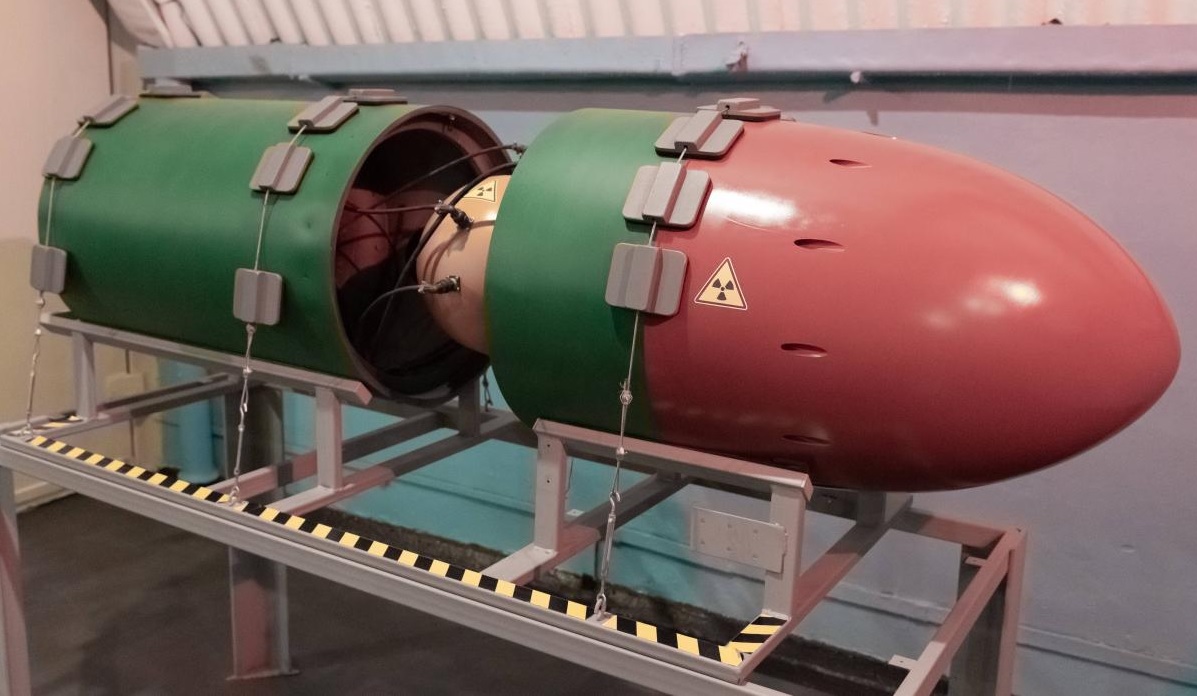
World
WASHINGTON, D.C. — March 5, 2026 : The United States has reiterated its opposition to any effort by European allies to develop independent nuclear weapons programs, emphasizing that NATO’s existing nuclear deterrence framework remains the preferred structure for maintaining strategic stability in Europe. The position was outlined by Elbridge Colby, who said Washington would strongly oppose hypothetical scenarios in which countries such as Poland, Germany, or the Nordic countries pursue their own nuclear arsenals. Colby made the remarks during a discussion hosted by the Council on Foreign Relations, where he addressed questions about the possibility of European governments seeking independent nuclear capabilities amid rising security concerns across the continent. U.S. Position on Independent Nuclear Arsenals During the event, Colby stated that Washington has not received credible information suggesting that European governments are actively planning to build their own nuclear weapons. However, he said the United States would oppose such efforts if they emerged. “I think, of course, we would at least strongly oppose it. It’s hypothetical, but we are opposed to that possibility,” Colby said in response to questions about whether Washington would accept independent nuclear programs in Europe. The remarks were made in the context of discussions about potential nuclear programs in Germany, Poland, or the Scandinavian region. Colby emphasized that such initiatives would conflict with the commitments of those countries under the Treaty on the Non-Proliferation of Nuclear Weapons, commonly known as the Nuclear Non-Proliferation Treaty (NPT). According to Colby, the United States would attempt to dissuade allies from pursuing autonomous nuclear capabilities and would take diplomatic and policy measures to prevent the emergence of new nuclear programs among NATO member states. Emphasis on NATO’s Nuclear Deterrence Structure While opposing the development of independent arsenals, Colby stated that Washington supports stronger European participation within North Atlantic Treaty Organization nuclear planning and deterrence structures. The United States maintains an extended nuclear deterrent for NATO allies, a longstanding policy under which U.S. nuclear forces provide strategic protection to alliance members. Under NATO nuclear sharing arrangements, certain allied countries host U.S. nuclear weapons and participate in planning and operational exercises related to deterrence. Colby said it is “appropriate and reasonable” for European nations to assume a larger role in supporting the alliance’s nuclear deterrence framework rather than pursuing independent capabilities. He also noted that the nuclear forces maintained by France and the United Kingdom already contribute to NATO’s overall deterrence posture. Both countries maintain their own independent nuclear arsenals, which are considered part of the broader strategic environment supporting the alliance. Remarks at the Munich Security Conference The U.S. position was also reiterated earlier in February during the Munich Security Conference, where Colby addressed NATO defense ministers and officials. At that meeting, he stated that Washington does not support the concept of “friendly proliferation,” referring to the spread of nuclear weapons among allied nations. He said the United States intends to continue fulfilling its role in NATO’s collective deterrence system while encouraging European allies to strengthen their conventional and strategic contributions within the alliance framework. European Debate on Nuclear Security Colby’s comments come amid renewed discussions across Europe about nuclear deterrence and strategic autonomy, largely influenced by the ongoing security environment following Russian invasion of Ukraine. The debate has also been shaped by proposals from Emmanuel Macron, who has suggested expanding the reach of France’s nuclear deterrent to provide broader protection for European allies. The proposal, often described as a potential European “nuclear umbrella,” has sparked discussion among governments and security analysts about how nuclear deterrence in Europe could evolve. Colby expressed skepticism regarding the feasibility of France extending its nuclear protection to other countries. He noted that the French deterrent was originally designed primarily for national defense and that extending credible nuclear protection to countries hundreds of miles away would involve substantial logistical and strategic challenges. He also highlighted the distinction between changing a country’s declaratory policy—statements regarding nuclear defense commitments—and establishing the operational capabilities required to provide extended deterrence to other nations. NATO Expansion and Regional Security Concerns Recent changes in NATO membership have further intensified discussions about deterrence policy in Europe. The accession of Sweden and Finland has expanded the alliance’s northern flank and increased attention to security arrangements across the Baltic and Arctic regions. In Poland, some political figures and security analysts have raised the possibility of alternative deterrence arrangements, including participation in expanded European nuclear programs or potential long-term nuclear capabilities. Similar discussions have occasionally surfaced in Germany, though both countries remain bound by the NPT and existing alliance commitments. Strategic Considerations for the United States Colby indicated that allowing additional allied states to develop nuclear weapons would complicate broader U.S. strategic planning. He noted that nuclear proliferation among allies could undermine the global non-proliferation regime and create challenges for U.S. military priorities, particularly in the Indo-Pacific, where Washington has increasingly focused defense resources. In a February speech discussing NATO reforms, Colby argued that the alliance should evolve into what he described as a “partnership, not dependency.” He suggested that European allies should increase defense spending to around three percent of gross domestic product while continuing to rely on shared nuclear deterrence rather than building independent arsenals. U.S. Nuclear Authority and Alliance Policy Under NATO’s current nuclear posture, the authority to authorize the use of U.S. nuclear weapons ultimately rests with the President of the United States. This structure was reaffirmed in responses submitted by the Pentagon to the U.S. Senate Armed Services Committee, which oversees military policy and strategy. Colby reiterated that maintaining centralized nuclear decision-making within NATO’s established framework helps preserve alliance cohesion and strategic stability. Background on Elbridge Colby Colby previously served in the administration of Donald Trump and played a key role in developing the 2018 National Defense Strategy. He assumed the role of Under Secretary of Defense for Policy in January 2025. In recent congressional testimony, Colby described the nuclear arsenals of Russia and North Korea as among the primary strategic threats facing the United States and its allies. The Pentagon has indicated that further details regarding NATO’s nuclear posture and alliance deterrence planning are expected to be discussed during upcoming NATO defense ministerial meetings.
Read More → Posted on 2026-03-05 14:27:08
World
WASHINGTON, D.C. — March 5, 2026 : The United States Department of Defense employed the artificial intelligence model Claude, developed by Anthropic, in combination with the Maven Smart System built by Palantir Technologies to identify and prioritize military targets during the opening phase of coordinated U.S. and Israeli strikes on Iranian facilities on February 28, 2026, according to reporting by The Washington Post. The strikes were conducted as part of a joint campaign by the United States and Israel targeting more than 2,000 Iranian sites, including bases of the Islamic Revolutionary Guard Corps (IRGC), missile storage depots, command centers and other military infrastructure. During the first 24 hours of operations, the integrated Claude-Maven system produced approximately 1,000 prioritized targets, each accompanied by detailed operational data used by military planners. AI-Assisted Target Identification in Initial Strikes According to defense officials familiar with the program, Claude processed multiple intelligence streams simultaneously, including satellite imagery, signals intelligence, surveillance data and reconnaissance feeds. The model analyzed these inputs to generate target lists that included precise GPS coordinates, recommended weapon systems and automatically generated legal justifications for each potential strike. The output was delivered through Palantir’s Maven Smart System, which serves as a central analytical platform used by U.S. military commands for operational planning and intelligence analysis. The integration enabled commanders to generate target packages within hours rather than the days or weeks typically required for conventional intelligence workflows. The operation was conducted under the authority of the U.S. military command structure including United States Central Command, which oversaw the regional campaign involving more than 50,000 U.S. troops, roughly 200 fighter aircraft and two aircraft carriers participating in the strikes. Evolution of Project Maven The Maven platform originates from Project Maven, formally known as the Algorithmic Warfare Cross-Functional Team, launched by the Pentagon in 2017 to apply machine learning to drone video analysis. Since then, the program has evolved into Palantir’s Maven Smart System, which integrates large-scale data analytics, machine learning models and operational planning tools. The system now supports more than 25,000 users across all U.S. Combatant Commands and is used for tasks ranging from intelligence processing to cyber operations and military simulations. Palantir holds multiple contracts related to Maven and associated defense platforms with the Department of Defense and other national security agencies. The combined value of these contracts may exceed $1 billion, with the Maven Smart System itself developed under agreements estimated at nearly $1.3 billion. Integration of Claude Into Military Systems Anthropic’s Claude AI was integrated into Maven in late 2024 through a partnership involving Palantir and Amazon Web Services. The integration enabled the AI model to operate inside classified military environments. In June 2025, Anthropic introduced a government-focused version of the model called Claude Gov, designed specifically for use by national security agencies. Claude became one of the first large-scale generative AI systems embedded in classified defense networks, providing capabilities including intelligence analysis, mission planning assistance and automated simulation of battlefield scenarios. Dispute Between the Pentagon and Anthropic The deployment of Claude in the Iran operations occurred amid an ongoing dispute between the Pentagon and Anthropic regarding acceptable military uses of the company’s AI models. Anthropic had established usage restrictions prohibiting its systems from supporting mass domestic surveillance of U.S. citizens or fully autonomous weapons systems operating without human oversight. Pentagon officials reportedly viewed these limitations as ambiguous and argued that negotiating the terms of each operational use case would be impractical during active military operations. On February 27, 2026, one day before the Iran strikes began, President Donald Trump issued an executive order instructing federal agencies to halt work with Anthropic, designating the company as a potential “supply chain risk.” The designation is typically applied to foreign adversaries but was used in this case following disagreements over operational restrictions placed on the Claude model. Continued Use Despite Executive Order Despite the directive, defense officials continued using Claude during the Iran campaign. Reports indicate that the AI system remained operational on classified military networks and was employed within hours of the order being issued. At the time of the operation, Claude was reportedly the only frontier-scale AI model operating within certain classified Pentagon networks. Military planners used the system not only for target identification but also for intelligence summarization and simulated battle planning to assess potential outcomes of strike scenarios. Replacement Challenges for Palantir Following the executive order, Palantir began preparing to remove Claude from the Maven ecosystem and replace it with an alternative AI model. According to sources cited by Reuters, the system’s architecture relies on numerous prompts and workflows built with Anthropic’s Claude Code developer framework, meaning the replacement process could require extensive redesign of internal components. Industry analysts estimate that rebuilding the AI components and integrating another model could take several months, potentially affecting operational workflows that rely on the system. Palantir Chief Executive Officer Alex Karp commented broadly on the issue, stating that restrictions imposed by technology companies on government uses can create operational complications for defense programs. Pentagon Contracts With Multiple AI Providers The Pentagon has increasingly relied on commercial AI providers for advanced analytical capabilities. In July 2025, the Department of Defense awarded contracts worth up to $200 million each to four frontier AI developers: Anthropic, OpenAI, Google and xAI. Under the agreements, the companies provided baseline access to their AI models for defense applications. According to defense officials, xAI accepted government requirements allowing its models to be used for “all lawful uses” across classification levels, while OpenAI and Google negotiated arrangements focused primarily on unclassified work while discussions continued regarding classified environments. Anthropic’s restrictions on certain military uses led to the confrontation that culminated in the executive order. Previous Operational Use of Claude Reports indicate that Claude had been used previously in classified planning systems. During a January 2026 operation that resulted in the capture of former Venezuelan President Nicolás Maduro, the model reportedly supported mission planning through Palantir’s secure analytical platforms, though the precise role of the system remains disputed. Proposed Autonomous Drone Swarm System Anthropic had also pursued additional defense projects with the Pentagon. In January 2026, the company submitted a proposal worth approximately $100 million for the development of voice-controlled autonomous drone swarm technology. The proposal described a system in which Claude would translate a commander’s verbal intent into digital commands to coordinate a fleet of drones capable of sharing target information and operating from launch to termination phases of missions. The Pentagon ultimately rejected the proposal. Reliability and Transparency Concerns The growing use of large language models in military operations has raised concerns among researchers and defense analysts regarding reliability and transparency. Large language models can generate inaccurate responses, sometimes described by researchers as “hallucinations,” in which the system produces incorrect information while appearing confident in its output. Scholars studying military technology argue that such errors could become significant if AI systems are used to accelerate battlefield decision-making. Elke Schwarz, author of Death Machines: The Ethics of Violent Technologies, has stated that vulnerabilities in AI systems may pose risks when used in rapidly evolving military environments. Similarly, Mariarosaria Taddeo has noted that machine learning systems continually evolve as they process new data, which complicates the testing procedures normally required under international humanitarian law. Historical Example of AI Targeting Errors Previous AI-assisted targeting tools have produced documented error rates. An earlier system known as Lavender, reportedly used to identify potential militants during operations against Hamas in Gaza, analyzed large datasets including communication patterns and location history to assign threat scores. Investigations later indicated that the system had an estimated 10 percent error rate, leading to cases where individuals were incorrectly flagged as targets. Researchers cited in the report estimated that roughly 3,600 people may have been mistakenly identified by the system. Calls for Regulatory Frameworks International discussions on regulating AI in warfare are ongoing. The Review Conference of the United Nations Convention on Certain Conventional Weapons, scheduled for November 2026, is expected to examine progress toward establishing rules governing lethal autonomous weapons systems. More than 120 countries support negotiations aimed at creating new legal instruments addressing the deployment of AI in military decision-making. Experts advocating for transparency have argued that governments should publicly disclose the general role of AI in military operations and report when automated systems contribute to errors. Retaliatory Cyber and Infrastructure Impacts Following the February 28 strikes, analysts monitoring regional developments reported retaliatory actions by Iran, including drone attacks on three data centers operated by Amazon Web Services on March 2, 2026. The strikes temporarily disrupted global access to Anthropic’s Claude system for several hours. Expanding Role of AI in Warfare The scale of the Iran campaign demonstrated how artificial intelligence can accelerate military planning cycles. Defense officials indicated that AI-assisted systems enabled the generation of hundreds of potential strike targets in a matter of hours rather than weeks. The campaign reportedly resulted in more than 900 Iranian casualties, including the death of Iran’s Supreme Leader Ali Khamenei. Officials at the Pentagon have stated that further details regarding the role of AI systems during the operation may be released during upcoming briefings by United States Central Command in the coming weeks.
Read More → Posted on 2026-03-05 14:09:43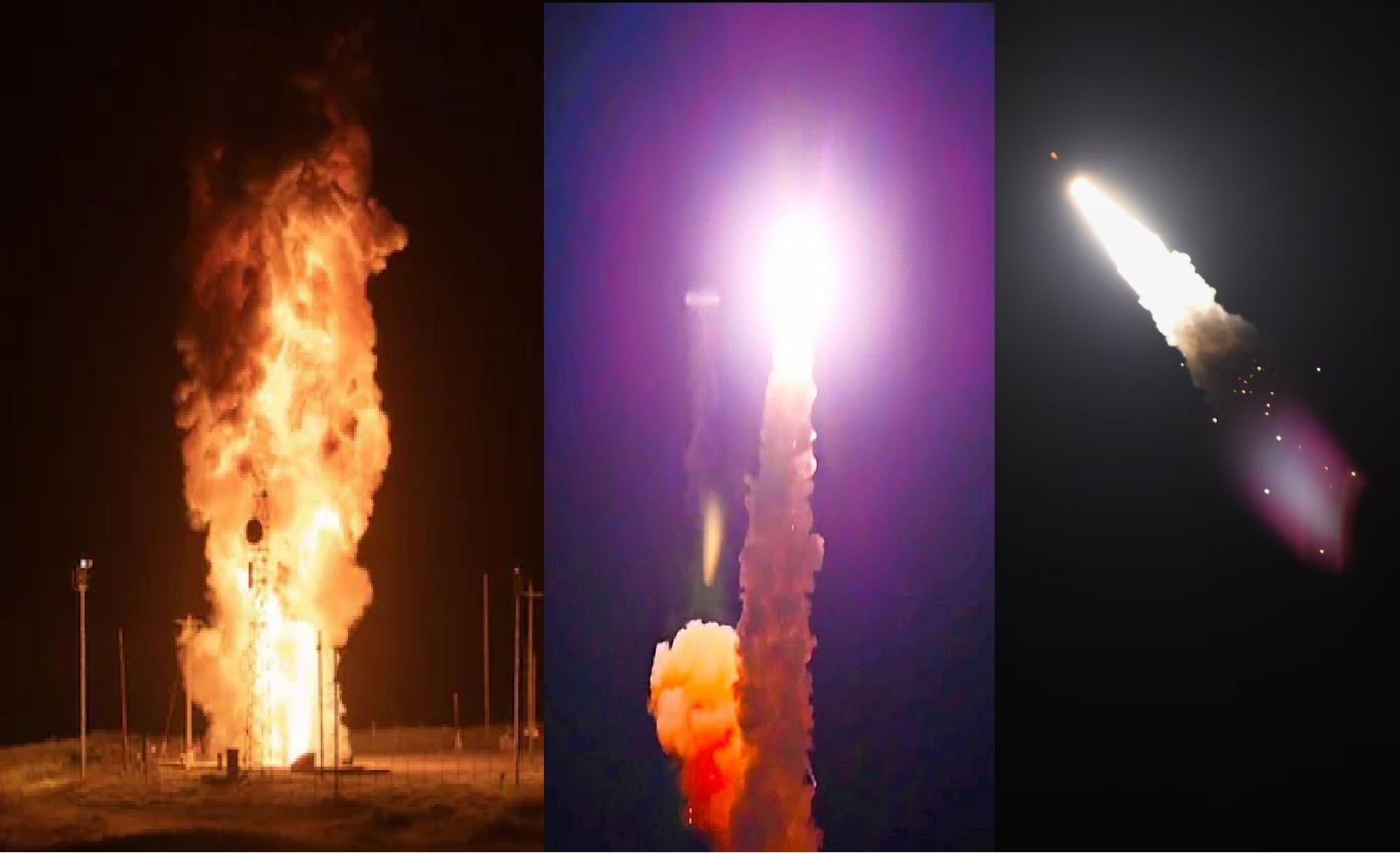
World
Washington, D.C. — March 5, 2026 — The United States conducted a scheduled test launch of an unarmed LGM‑30G Minuteman III intercontinental ballistic missile (ICBM) from Vandenberg Space Force Base in California on March 3, 2026, as tensions and military operations involving Iran continue in the Middle East. U.S. defense officials stated that the launch was part of a routine evaluation program planned years in advance and was not linked to current geopolitical developments. The operational test, designated GT-255, was carried out by Air Force Global Strike Command in coordination with the U.S. Space Force. The missile lifted off at 11:01 p.m. Pacific Time on March 3 from Vandenberg’s test range. After launch, the missile traveled thousands of miles across the Pacific Ocean before reaching a predetermined impact zone near Kwajalein Atoll in the Marshall Islands. According to the U.S. military, the missile carried two unarmed test re-entry vehicles designed to collect data on system performance and targeting accuracy. The vehicles successfully reached the designated test target after traveling roughly 13,000 kilometers across the Pacific test corridor. Test Objectives and Operational Role Officials stated that the purpose of the launch was to verify the accuracy, reliability, and readiness of the United States’ land-based strategic missile force. Data collected during the flight will be used to evaluate the missile’s guidance systems, propulsion performance, and the deployment of multiple re-entry vehicles. Personnel from Malmstrom Air Force Base in Montana participated in the launch operation, supporting missile preparation and test evaluation. The base is one of several installations responsible for operating the Minuteman III missile system. The Minuteman III has been in operational service since 1970 and remains a central component of the U.S. nuclear deterrence structure. The missiles are maintained under Air Force Global Strike Command, headquartered at Barksdale Air Force Base in Louisiana. Technical Characteristics of the Minuteman III The Minuteman III is the only land-based ICBM currently deployed by the United States. Approximately 400 missiles are positioned in hardened underground silos across several U.S. states as part of the country’s strategic nuclear force. The missile is designed to travel more than 13,000 kilometers (about 8,000 miles) and can reach speeds exceeding 24,000 kilometers per hour, or roughly 15,000 miles per hour. Its payload capacity allows it to carry multiple independently targetable re-entry vehicles (MIRVs), enabling a single missile to deliver several warheads toward separate targets. Individual warheads carried by the system are estimated to have explosive yields up to 20 times greater than the atomic bomb used during the Atomic bombing of Hiroshima in 1945. For the GT-255 test, however, the missile was unarmed and equipped solely with instrumented test vehicles. Role in the U.S. Nuclear Triad The Minuteman III forms the land-based leg of the U.S. nuclear triad, which also includes submarine-launched ballistic missiles and nuclear-capable strategic bombers. Together, these systems are intended to ensure the United States maintains a credible deterrent by providing multiple methods of delivering nuclear weapons if required. Routine test launches of Minuteman III missiles occur periodically as part of long-standing evaluation programs designed to verify the operational status of the missile fleet. The previous operational test took place in November 2025, according to U.S. defense officials. Timing Amid Ongoing Conflict with Iran The March 3 launch occurred during a period of escalating military activity involving Iran following U.S.- and Israeli-led operations that began on February 28, 2026. Pentagon officials emphasized that the Minuteman III test had been scheduled years in advance and was not conducted in response to current events. Despite this, the test coincided with ongoing hostilities in the region. U.S. and Israeli forces have conducted strikes against Iranian military facilities, including missile infrastructure and bases associated with the Islamic Revolutionary Guard Corps. Reports indicate that more than 2,000 sites have been targeted during the campaign. Iran has responded with missile and drone attacks against U.S. and allied positions in several countries, including Qatar, United Arab Emirates, Kuwait, Bahrain, and Saudi Arabia. As of March 4, reports indicated eight confirmed American fatalities and U.S. equipment losses estimated at $1.9 billion. Statements from U.S. Leadership In interviews earlier this week, Donald Trump commented on the broader conflict. During a March 2 conversation with CNN anchor Jake Tapper, Trump said that the major phase of the conflict had not yet occurred and indicated that further escalation could take place. Similar remarks were made in an interview with Bret Baier of Fox News, where Trump suggested that the conflict could continue for several weeks. White House officials have stated that the United States currently does not plan to deploy ground combat troops, instead relying on air and naval forces for ongoing operations. According to administration officials, the U.S. military presence involved in regional operations includes more than 50,000 personnel, approximately 200 fighter aircraft, and two aircraft carriers operating in nearby waters. Ongoing Missile Evaluation Program The U.S. Department of Defense stated that additional Minuteman III test launches are planned throughout 2026 to maintain confidence in the system’s performance. These launches are conducted under controlled test conditions and use unarmed payloads. Officials noted that such evaluations are part of a long-standing program aimed at ensuring the continued safety, reliability, and operational readiness of the United States’ strategic missile forces.
Read More → Posted on 2026-03-05 13:52:00Search
Top Trending in 24 Hours
-
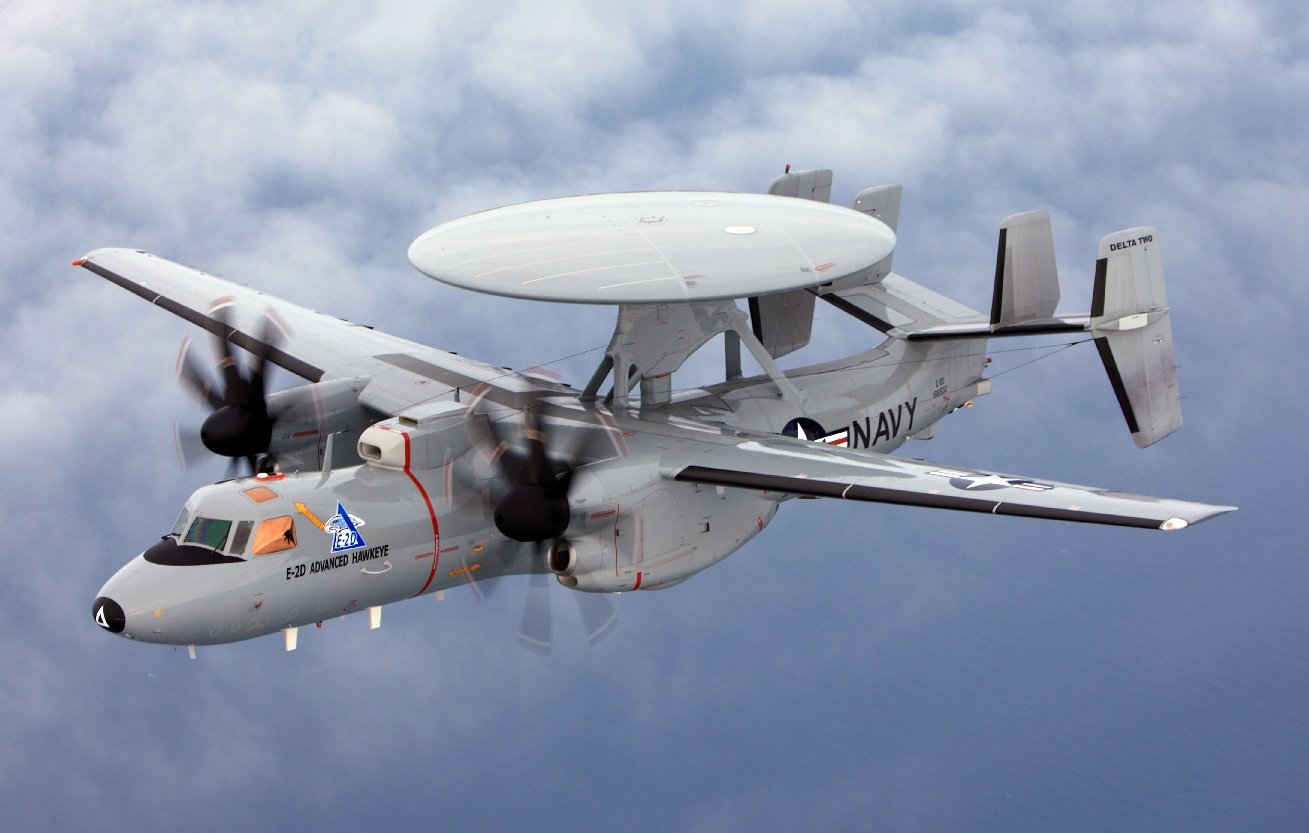 U.S. Navy Awards Northrop Grumman $1.2 Billion Deal for Three New E-2D Advanced Hawkeyes
-
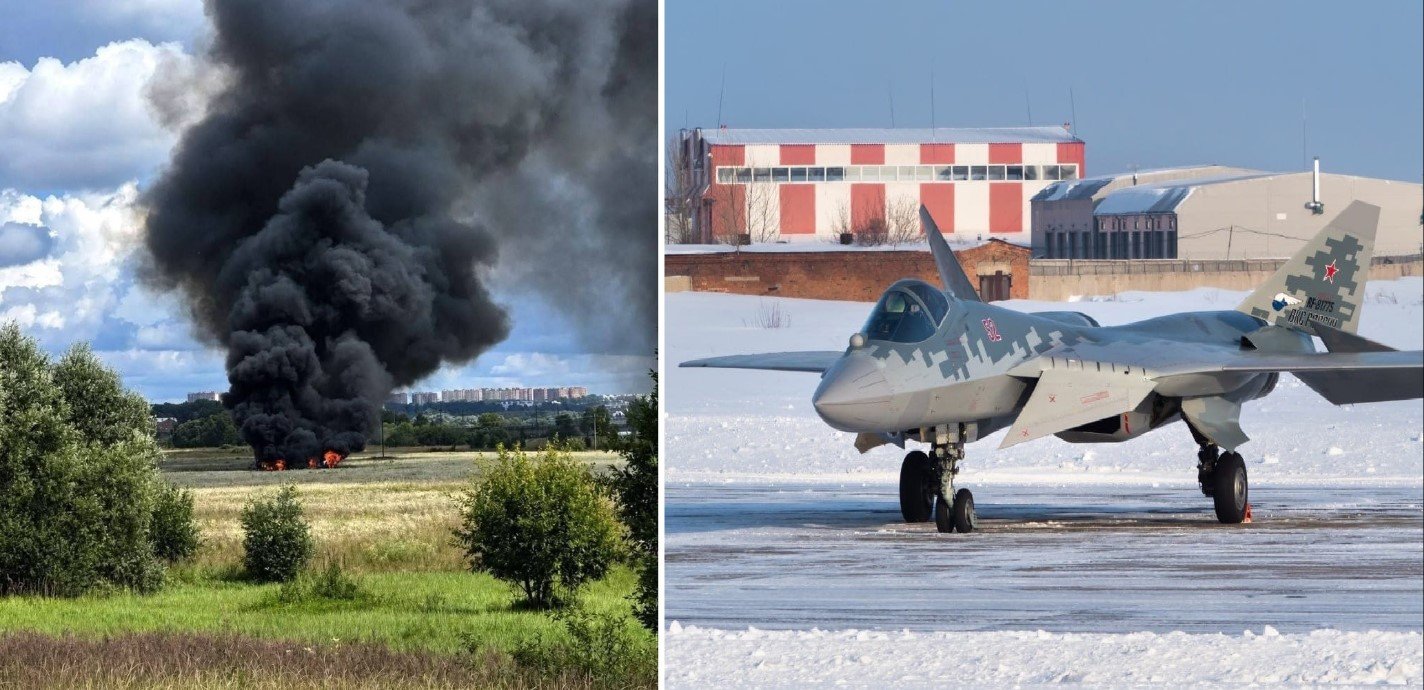 Russian Su-57 Stealth Fighter Crashes During Training Flight Near Moscow, Pilot Ejects Safely
-
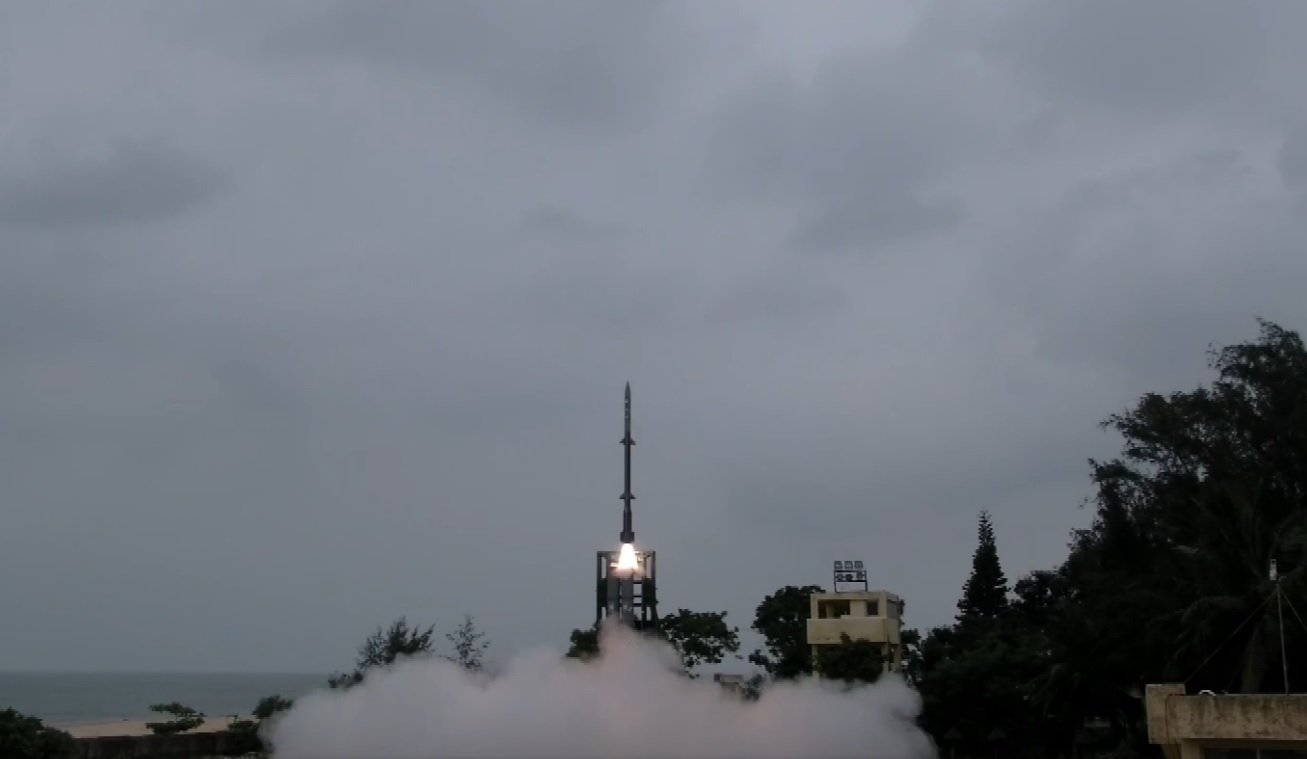 DRDO Successfully Conducts Maiden Flight Test of 150-km-Range Kusha M1 Air Defence Missile
-
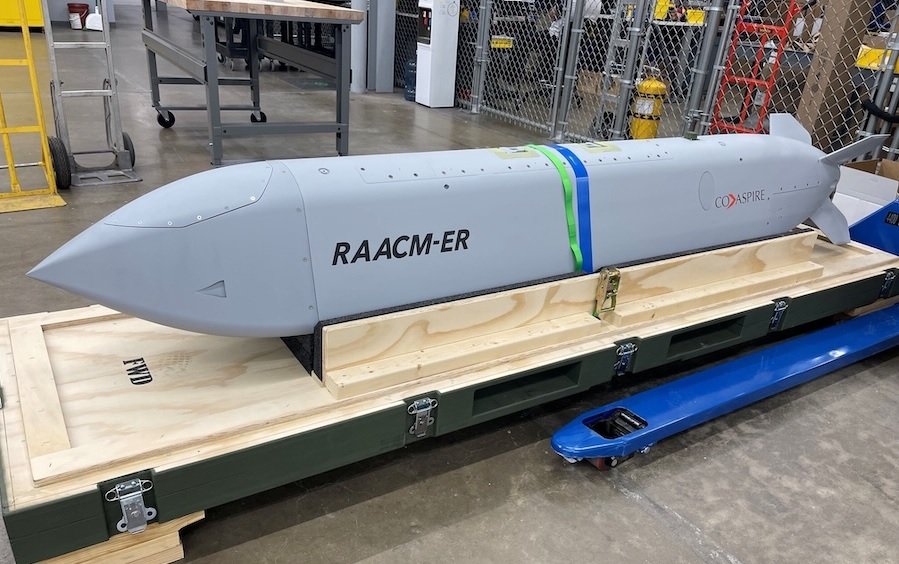 U.S. Navy Selects CoAspire to Build Ground-Launched CHAOS Cruise Missile Under $70 Million Program
-
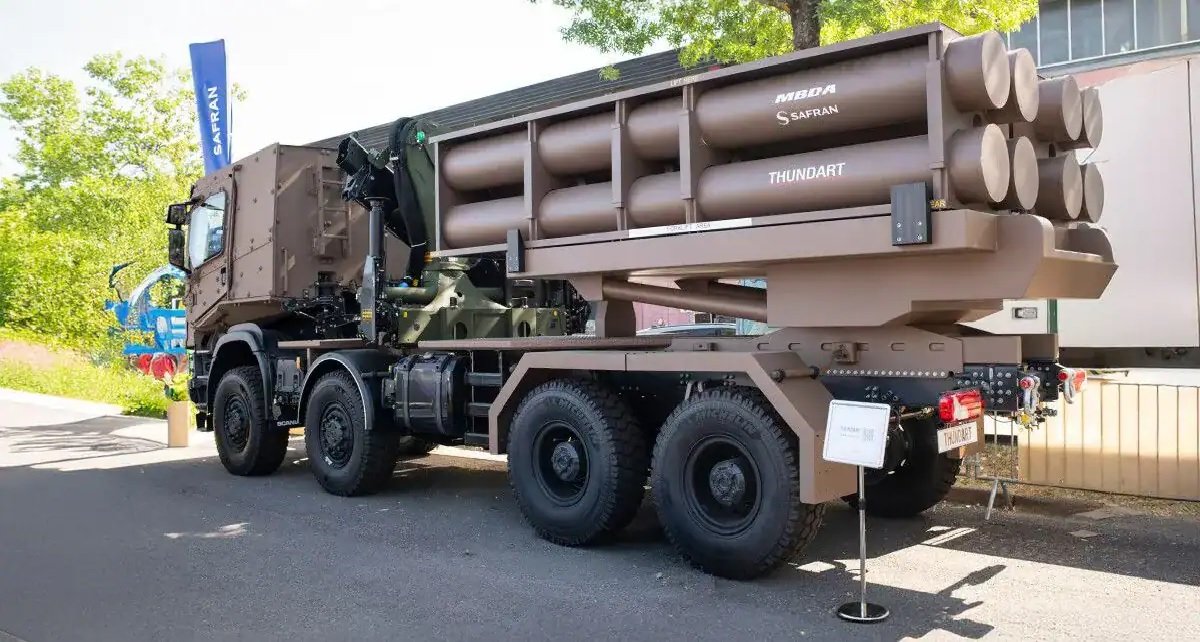 France's THUNDART Long-Range Rocket System May Undergo Prototype Combat Testing in Ukraine
-
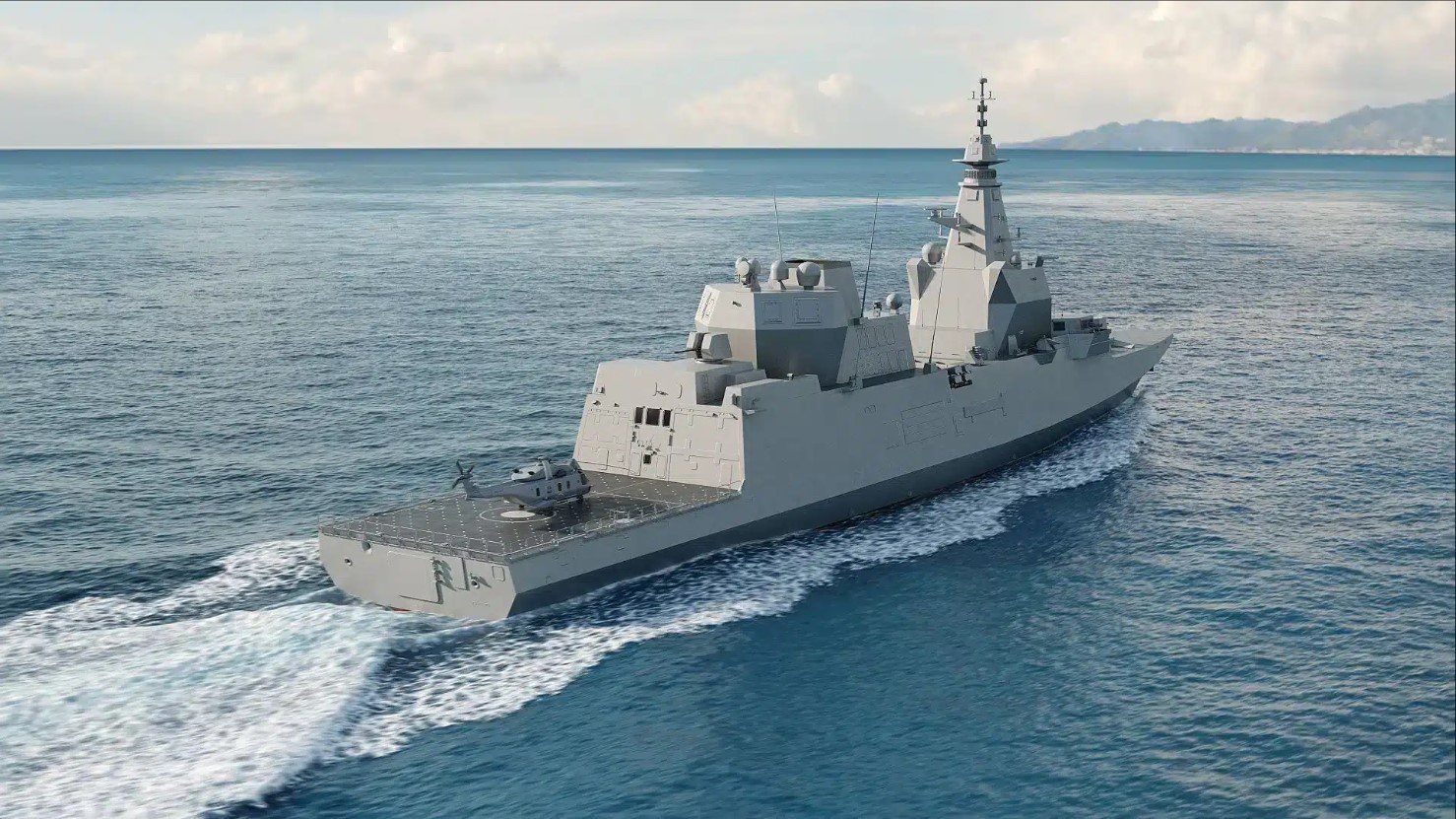 Portugal Orders Three FREMM EVO Frigates from Italy in €3.9 Billion Naval Deal
-
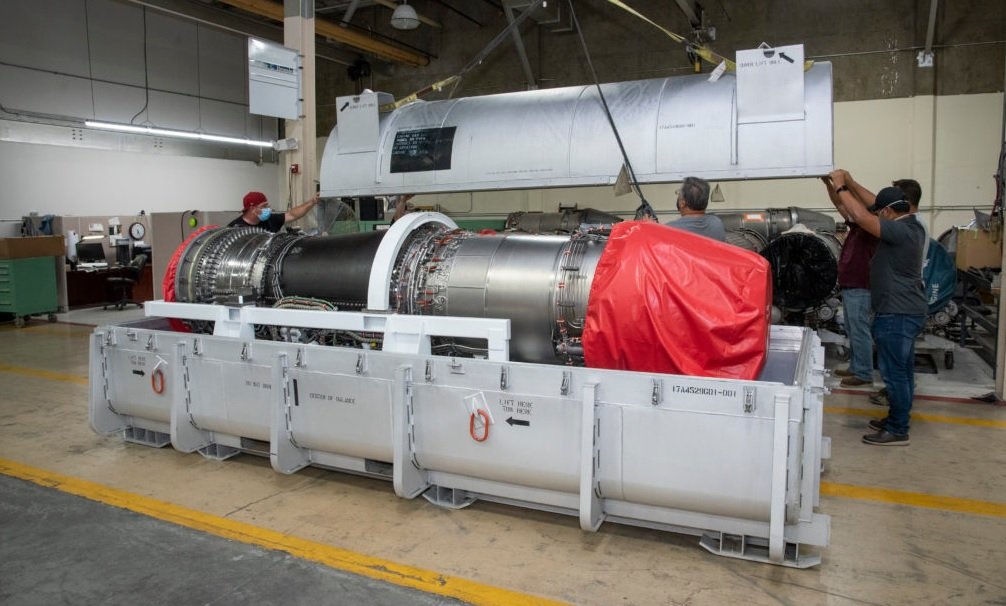 GE Aerospace and Magellan Aerospace Corporation Sign Strategic MoU for F414 Engine Sustainment in Canada
-
 Destinus Unveils Vorexon Interceptor Concept to Defend Critical Sites from Artillery Threats
Top Trending in 4 Days
-
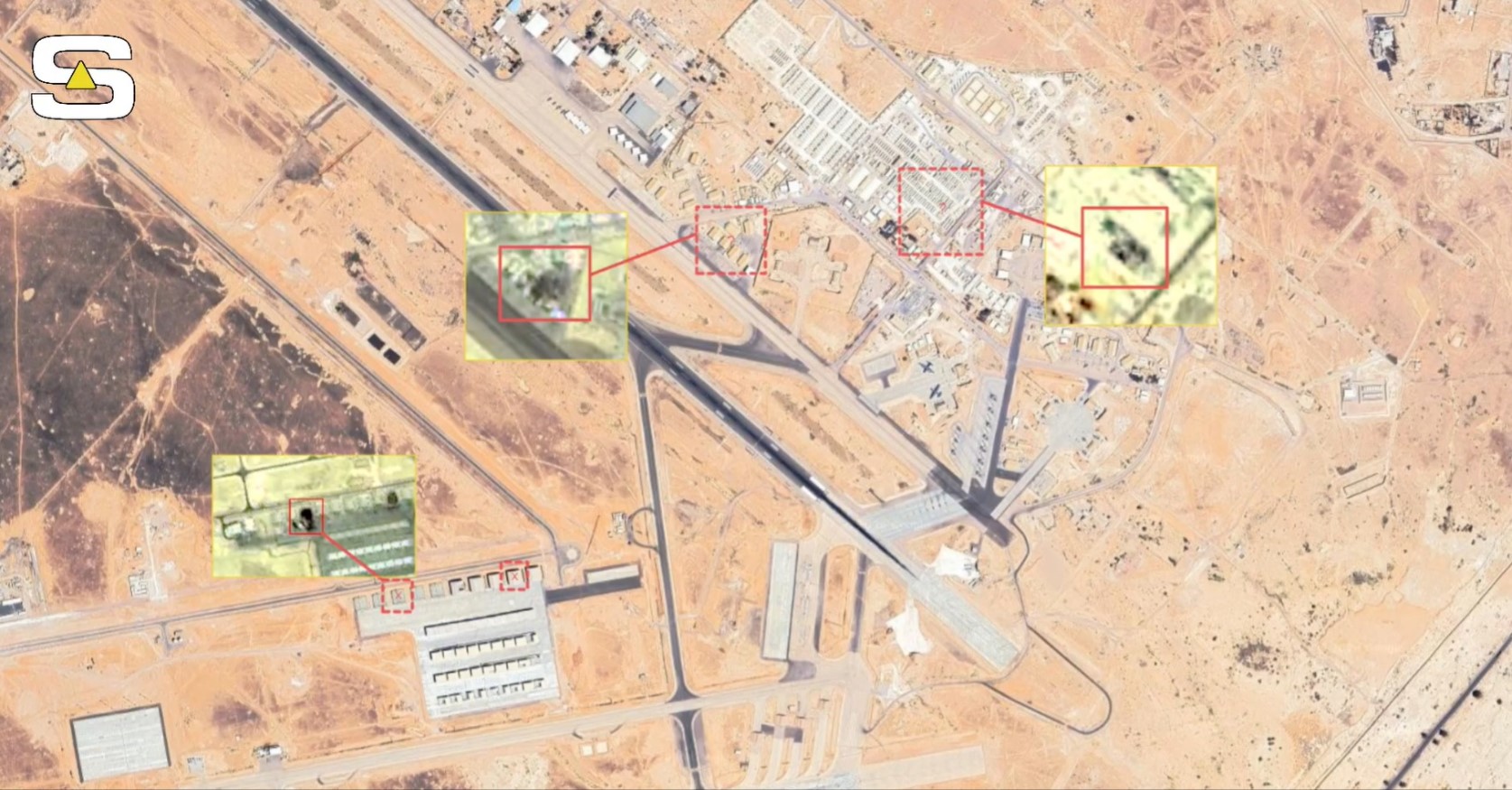 New Satellite Imagery Reveals Extensive Damage at Jordan's Muwaffaq al-Salti Air Base After Iranian Missile Strike
-
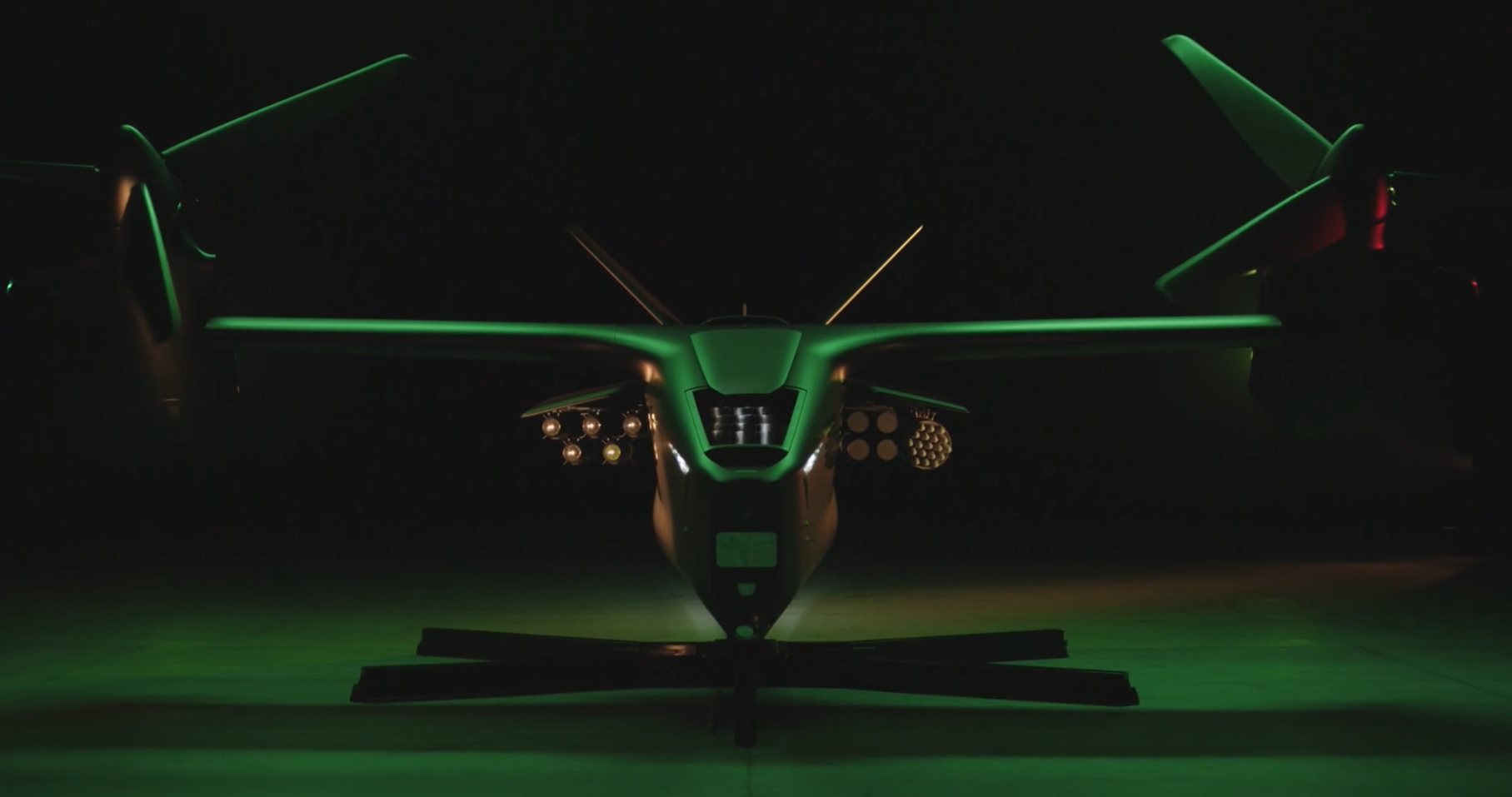 Anduril Unveils Thunder Autonomous Attack Rotorcraft Built with Archer Aviation to Support Apache Helicopters
-
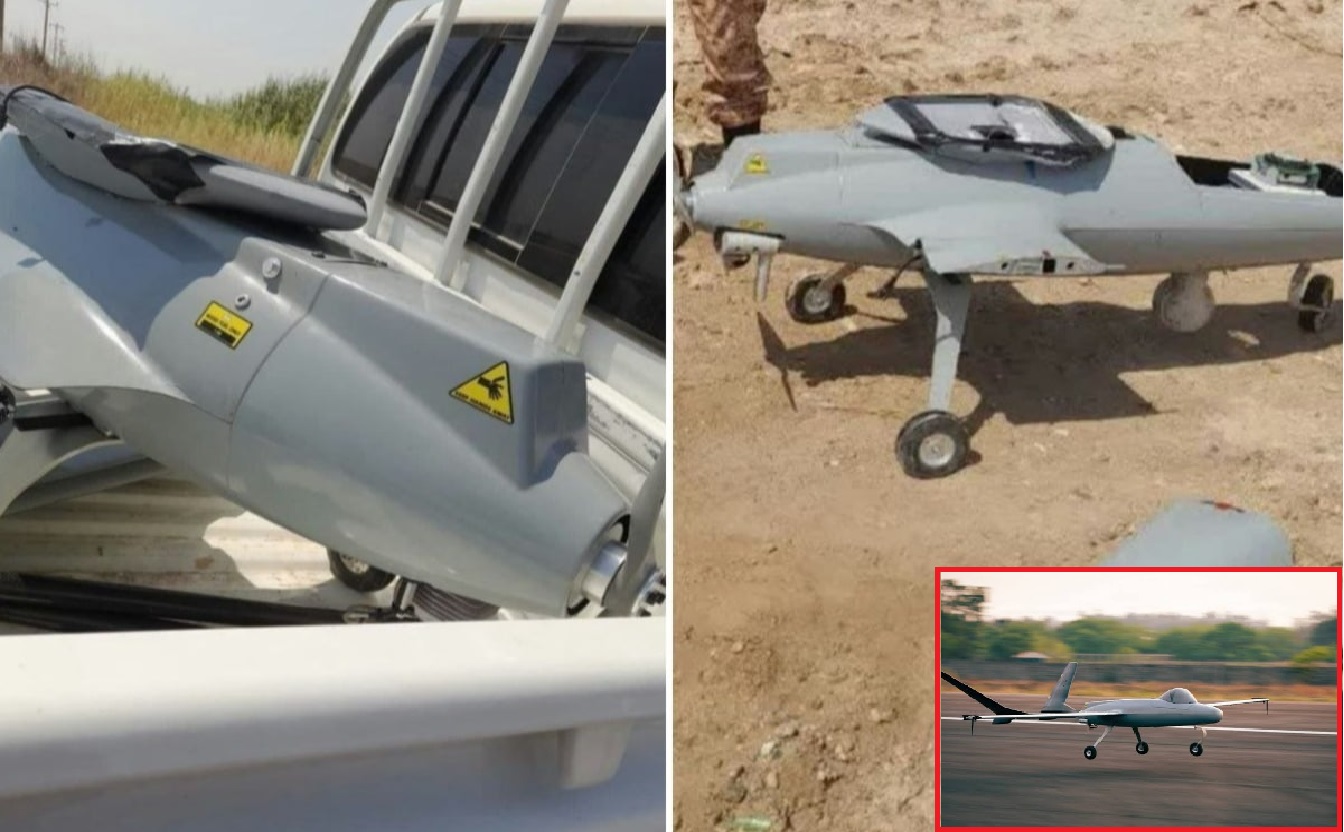 Iran Claims It Shot Down U.S.-Operated Polish-Built Tiguar-M Drone, Releases Images
-
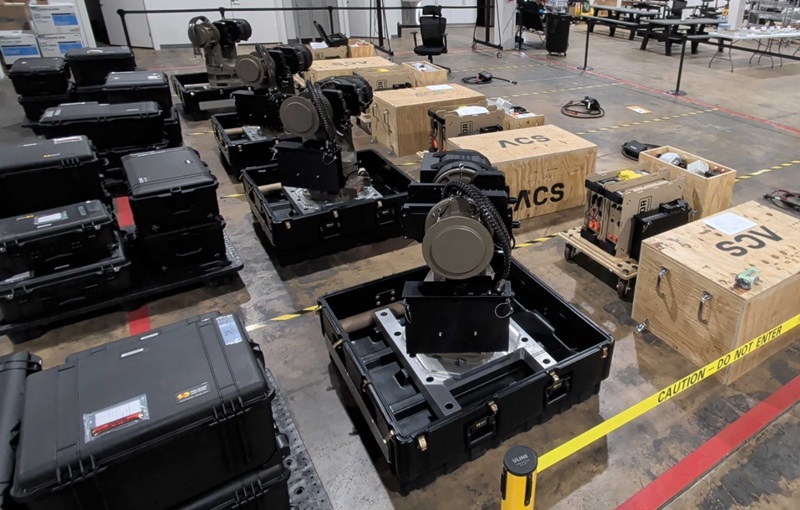 U.S. Marine Corps Selects AI-Powered Bullfrog Weapon Station for L-MADIS Counter-Drone Platform
-
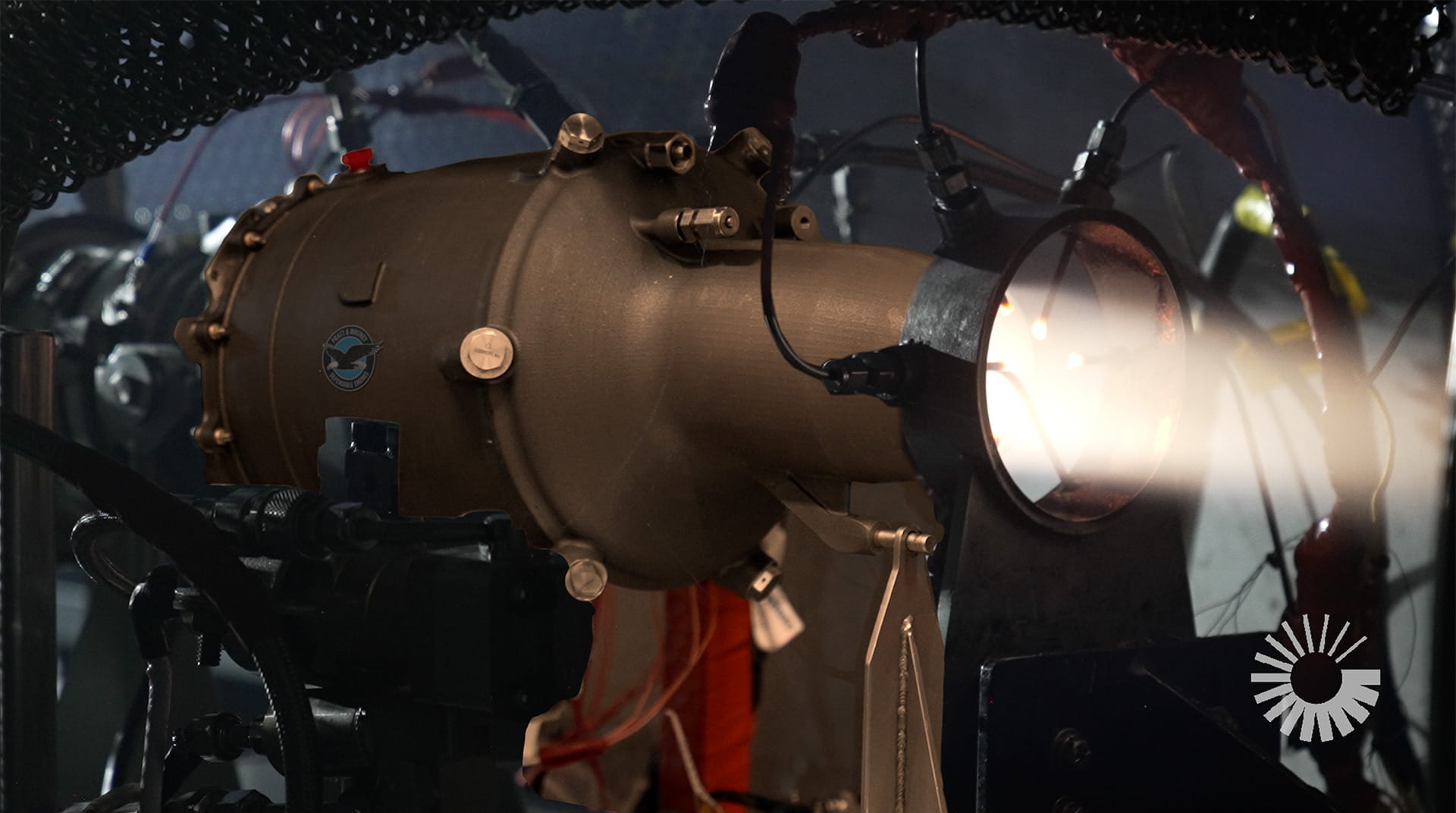 Pratt & Whitney Completes Testing of 3D-Printed TJ150 Engine for Military Applications
-
 Lockheed Martin Unveils MORFIUS X-Rotor High-Power Microwave System That Can Neutralize 50+ Drones in One Flight
-
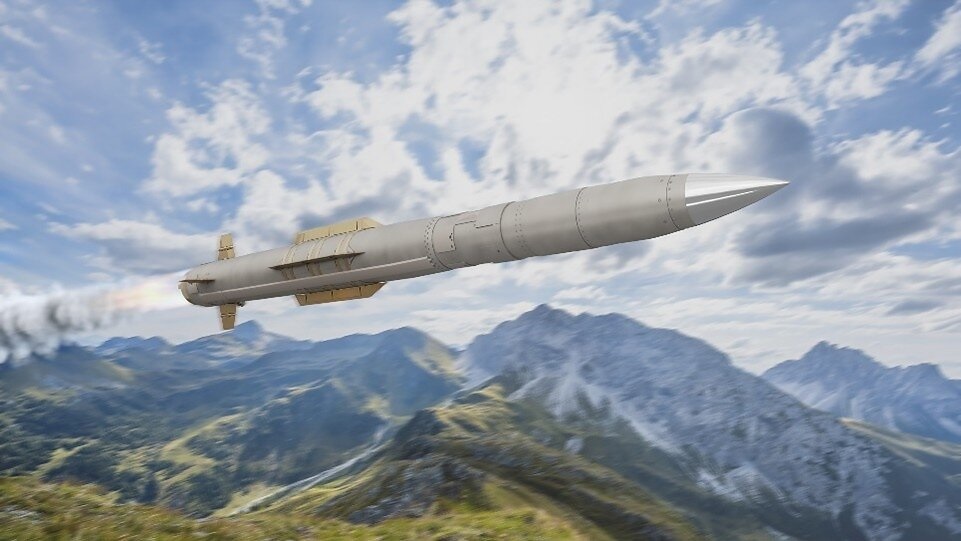 Lockheed Martin Unveils Lower-Cost PAC-3 ACE Interceptor for Patriot Air Defense System
-
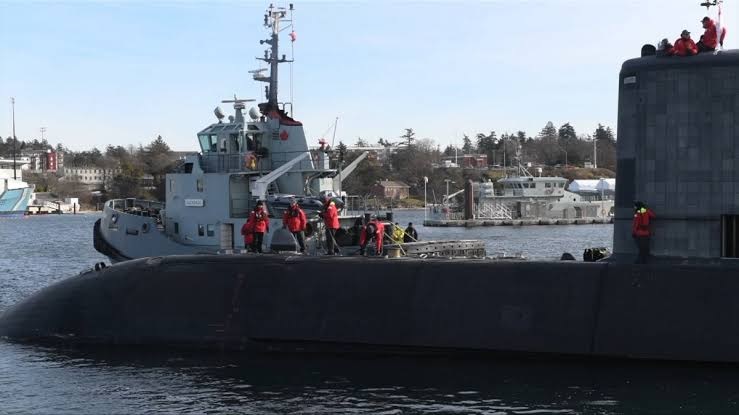 Canada Awards Babcock $1.1 Billion Six-Year Contract Extension to Support Victoria-Class Submarine Fleet
