World
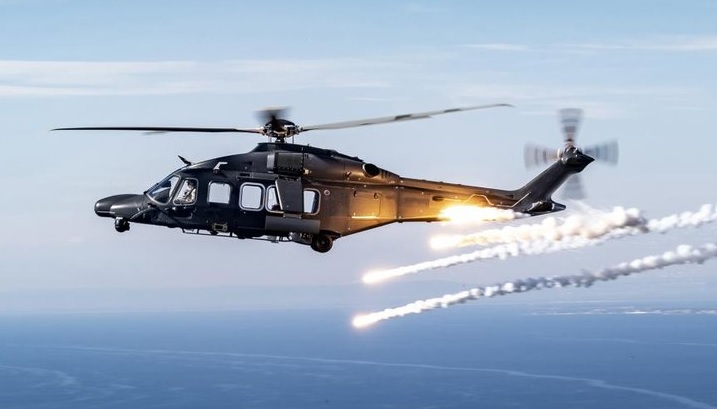
LONDON, — March 2, 2026 : The UK Ministry of Defence (MoD) has awarded a £1 billion contract to Leonardo for the manufacture and delivery of 23 AW149 medium-lift helicopters under the New Medium Helicopter (NMH) programme. The agreement was confirmed on March 2, 2026, concluding the NMH procurement process and securing continued military helicopter production at Leonardo’s Yeovil facility in Somerset. The helicopters will replace the Royal Air Force’s retired Puma HC2 fleet and consolidate several existing medium-lift roles into a single platform. The programme is designed to reduce fleet diversity by transferring missions previously performed by three different helicopter types to one aircraft, streamlining training, maintenance and logistics. Programme Background and Procurement Process The NMH programme was first announced in March 2021 and formally opened for competition in February 2024. The initial projected requirement was for up to 44 helicopters. In 2024, the requirement was revised to 23 aircraft following defence budget and priority adjustments. Leonardo remained the sole bidder after Airbus and Lockheed Martin withdrew from the competition more than a year before contract signature. The agreement was finalised shortly before the tender’s March 1 expiry. By selecting the AW149, the MoD aligned its requirement with an existing, in-service multi-role platform to support faster integration into operational service. Aircraft Capabilities and Roles The AW149 is a latest-generation multi-role military helicopter with a maximum take-off weight of 8,600 kilograms. It has a cabin volume of 11.2 cubic metres and can carry up to 16 fully equipped troops or 19 lightly equipped personnel. The aircraft is configured to conduct battlefield support, troop transport, logistics, search and rescue, medical evacuation and other missions in demanding operational environments. Under the NMH framework, the AW149 will assume roles previously distributed across multiple legacy platforms. Production and UK Industrial Impact All 23 helicopters will be built at Leonardo’s Yeovil site, the UK’s only facility capable of end-to-end design and manufacture of military helicopters. The contract sustains 3,300 jobs at the site, including 650 positions directly linked to the NMH programme. Personnel at Yeovil are also engaged in ongoing production and support of the Merlin and Wildcat helicopter fleets, alongside engineering work on autonomous systems. The programme supports nearly 70 companies within the UK supply chain. Across Leonardo’s broader UK operations and associated supply chain activity, up to 12,000 jobs are linked to helicopter production at Yeovil. The Ministry of Defence spends approximately £7 billion annually with the defence industry in the South West of England, supporting more than 37,000 jobs across the region. Export Framework and Workshare The agreement establishes Yeovil as the exclusive production hub for future export orders of the AW149 in this specific configuration. The contract increases UK domestic manufacturing workshare on the aircraft to more than 40 percent. The MoD and Leonardo project that export orders for military helicopters assembled in Yeovil could exceed £15 billion over the next decade. Identified requirements for new medium-lift helicopters currently exist in approximately 20 countries. If projected export demand materialises, employment in the South West could increase by 20 percent, potentially rising to around 3,900 jobs. Proteus Autonomous Programme In addition to the crewed helicopters, the contract includes targeted investment in the Proteus autonomous rotary-wing uncrewed air system. Proteus is a three-tonne uncrewed aircraft developed in partnership with the Royal Navy. The system completed its inaugural flight in late January 2026 at Predannack Airfield in Cornwall. Funding under the NMH agreement formalises Yeovil as a centre of excellence for military helicopter autonomy and supports further development of optionally-crewed operational concepts. Future integration between AW149 helicopters and autonomous systems is being explored for complex missions, including anti-submarine warfare. Strategic Context The NMH award is aligned with the government’s defence spending trajectory, which targets expenditure reaching 2.6 percent of GDP by 2027. The government has allocated £270 billion for defence across the current Parliament. The procurement forms part of the Strategic Defence Review and the Defence Industrial Strategy, both of which emphasise sovereign manufacturing capability within the United Kingdom. Yeovil Facility Background Leonardo’s Yeovil site traces its origins to 1915 under the Westland name, initially producing fixed-wing aircraft before transitioning to helicopter manufacturing in the 1950s. In recent decades, the facility has specialised in the Merlin and Wildcat helicopter programmes. Prior to the NMH contract, the last major UK government helicopter order awarded to Yeovil was in 2006 for approximately 60 Wildcat helicopters. Leonardo maintains additional UK operations in Edinburgh, Luton, Basildon, Bristol, Newcastle, Southampton and Lincoln. The award of the NMH contract ensures continuity of domestic military helicopter production and establishes a production baseline for both UK and future export AW149 aircraft.
Read More → Posted on 2026-03-02 17:44:27
World
WASHINGTON, — March 2, 2026 : U.S. Central Command (CENTCOM) on Monday released official video footage documenting a precision airstrike that destroyed an Iranian-operated Tor-M1 short-range surface-to-air missile (SAM) system. The strike forms part of “Operation Epic Fury,” a U.S.-directed campaign launched on February 28, 2026, targeting Iranian command-and-control nodes, missile and drone infrastructure, military airfields, and air-defense assets following Iranian ballistic missile and drone attacks across the region. The footage, published on CENTCOM’s official X account, shows a tracked, radar-equipped air-defense vehicle firing a missile moments before it is struck by a precision-guided munition. U.S. officials did not disclose the aircraft, platform, or specific weapon used in the engagement, nor did they identify the exact location within Iran where the strike occurred. Independent defense analysts at Army Recognition assessed the destroyed system as a Russian-supplied Tor-M1 operated by Iranian forces, though U.S. military authorities have not formally confirmed the specific variant or operating unit. In a statement accompanying the video release, CENTCOM accused Iran of continuing to launch ballistic missiles at military and civilian locations and stated that U.S. forces would persist in targeting launch infrastructure and supporting systems. The command provided no additional operational details regarding follow-on strikes. Operation Epic Fury involves U.S. and partner forces and represents a significant concentration of American military capabilities in the region. According to U.S. officials, the campaign focuses on dismantling elements of Iran’s security apparatus, including Islamic Revolutionary Guard Corps (IRGC) command facilities, air-defense networks, missile and drone launch sites, and associated logistical infrastructure. As of March 2, four U.S. service members have been killed in action, with several others wounded during operations linked to the campaign. Tor-M1 System Overview The Tor-M1 is a mobile, short-range air-defense system designed to counter low-altitude aerial threats. Mounted on a tracked chassis weighing approximately 34 tonnes, the vehicle measures 7.5 meters in length, 3.3 meters in width, and 5.1 meters in height with its radar mast unstowed. It is operated by a three-person crew and powered by a V-12 diesel engine producing roughly 618 kilowatts. Each launcher carries eight vertically launched 9M330 or 9M331 missiles housed within the turret. The system integrates target-acquisition radar and fire-control radar on a single chassis, allowing autonomous operation. The surveillance radar can detect targets at ranges of 25 kilometers or more, while engagement range is typically between 12 and 15 kilometers, with an effective altitude envelope from approximately 10 meters to 6,000 meters. The missiles weigh about 167 kilograms, measure 3.5 meters in length, and carry a 15-kilogram warhead. They are cold-launched vertically to an altitude of 15–20 meters before the main motor ignites, using gas-dynamic controls to orient toward the target. The interceptors reach speeds exceeding Mach 2.8, maneuver at up to 30g, and employ command guidance with radar-controlled proximity fuzes. Reaction time from detection to launch is estimated at five to ten seconds. The system can track up to 48 targets simultaneously, according to Iranian claims, and engage multiple targets concurrently using radar and electro-optical guidance. The electro-optical tracking system has a range of approximately 20 kilometers and is intended to provide resilience against electronic countermeasures and adverse weather conditions. In addition to aircraft and helicopters, the Tor-M1 is designed to intercept cruise missiles, guided munitions, unmanned aerial vehicles, and certain short-range ballistic threats. The system is capable of operating while moving or from short halts and can also engage selected surface targets. Iran’s Tor Inventory Iran procured the Tor-M1 from Russia under a contract signed in late 2005, with deliveries completed between 2006 and 2007. Moscow supplied 29 launch vehicles and more than 700 missiles. Iranian crews underwent training in Russia prior to fielding the system domestically. Public defense assessments through 2025 indicated that all 29 Tor-M1 systems remained operational. There is no verified evidence that Iran has acquired the more modernized Tor-M2 variant. The Tor-M1 units provide mobile, short-range protection for strategic facilities, including nuclear installations, command centers, and missile sites. Within Iran’s layered air-defense architecture, the Tor-M1 functions as an inner defensive layer beneath longer-range systems such as the S-200, S-300, and the domestically developed Bavar-373. The system has previously drawn international attention. In January 2020, an IRGC-operated Tor-M1 battery fired two missiles that downed Ukraine International Airlines Flight PS752 near Tehran, resulting in the deaths of all 176 people on board. Operational Significance Targeting short-range point-defense systems such as the Tor-M1 is consistent with efforts to reduce the protective coverage surrounding missile launchers, command nodes, and high-value military infrastructure. The removal of such assets can diminish the ability of defended sites to counter low-altitude aircraft, standoff munitions, and unmanned systems. With Iran’s inventory limited to 29 launchers acquired nearly two decades ago, each confirmed loss reduces available short-range air-defense capacity. Replacement options remain constrained by international sanctions and defense trade restrictions. CENTCOM has not released additional strike assessments or confirmed whether further Tor-M1 systems have been targeted. Operations under Epic Fury continue as U.S. and partner forces conduct strikes against Iranian military infrastructure across multiple domains.
Read More → Posted on 2026-03-02 17:35:46
World
Iran / China ,March 2, 2026 : China’s HQ-9 and upgraded HQ-9B long-range air defense systems are facing increased scrutiny following reported battlefield outcomes in Iran, Pakistan, and Venezuela. In all three cases, available combat assessments indicate that Chinese-supplied air defense assets were destroyed or rendered inoperable before mounting any effective response to incoming strikes. Developed by the China Aerospace Science and Industry Corporation (CASIC), the HQ-9B is marketed as a high-altitude, long-range surface-to-air missile system with a stated engagement range of 260 kilometers and an interception ceiling of up to 50 kilometers. Official specifications state that the system can track up to 100 targets simultaneously and engage six to eight at a time using active radar homing guidance supported by semi-active radar and infrared capabilities. Each mobile transporter-erector-launcher (TEL) carries four missiles. China promotes the HQ-9B and its export variant, the FD-2000B, as comparable in capability to the Russian S-400 and U.S. Patriot systems at a lower cost. Export customers include Pakistan (HQ-9/P variant), Turkmenistan, Uzbekistan, Egypt, and reportedly Iran. Iran – March 2026 Air Campaign In late February and early March 2026, coordinated U.S. and Israeli airstrikes targeted Iranian military infrastructure across more than 20 provinces. The strikes reportedly resulted in over 200 fatalities, including Supreme Leader Ali Khamenei. Iran had reportedly acquired the HQ-9B in 2025 through an oil-for-weapons arrangement to reinforce long-range air defense coverage. The systems were deployed to protect nuclear facilities, IRGC bases, and air installations near Tehran and Isfahan. However, combat assessments indicate that the HQ-9B batteries were destroyed or disabled during the opening phase of the strikes before they could launch interceptors. Aircraft reportedly involved in the operation included F-35 stealth fighters and stand-off munitions such as AGM-158C LRASM and Tomahawk cruise missiles. Israeli ALQ-322 electronic warfare systems reportedly disrupted radar and fire-control functions. Analysts report zero confirmed intercepts by the HQ-9B during the operation. Reports further indicate that radar coverage gaps and delayed signal processing limited detection capability. Wide-band jamming in the 10–40 GHz spectrum reportedly degraded engagement radars. Integration delays between the HQ-9B and Iran’s broader air defense command network also contributed to slow response times. In multiple locations, air defense sites were reportedly struck before completing targeting procedures. China denied supplying the system to Iran, although Iranian officials referenced its acquisition. Pakistan – Operation Sindoor, May 2025 Similar findings were reported during India’s Operation Sindoor in May 2025, launched following the Pahalgam terror attack. Pakistan had deployed the HQ-9/P variant alongside Chinese YLC-8E anti-stealth radars to protect key military installations near Lahore, Sialkot, and Chaklala. According to operational accounts, Indian strikes involving BrahMos supersonic cruise missiles flying at approximately 10 meters altitude, as well as drones and loitering munitions, penetrated defended areas. Reports state that the HQ-9/P batteries failed to intercept any of the 24 incoming threats. Electronic barrage jamming by Indian platforms reportedly blinded HT-233 engagement radars. In several cases, missile sites were reportedly struck before achieving radar lock or launching interceptors. Facilities at Chaklala were damaged, and assessments cited operational lag in fire-control software and limited resistance to sustained electronic interference. The HQ-9/P entered Pakistani service in October 2021. Venezuela – January 2026 U.S. Operation In January 2026, during Operation Absolute Resolve aimed at capturing President Nicolás Maduro, Chinese-supplied radar and missile systems in Venezuela were reportedly neutralized in the early phase of the operation. Venezuela had acquired multiple Chinese radar platforms, including the JY-27A anti-stealth radar, in combination with HQ-9-related systems to establish layered air defense coverage. During the operation, U.S. EA-18G Growler aircraft equipped with Next Generation Jammers and ALQ-99 pods reportedly conducted sustained electronic attacks. Combat reports indicate that radar networks were blinded and command nodes disrupted before missile batteries could respond. U.S. aircraft, including F-35s, F-22s, and drones, reportedly operated without confirmed interception attempts. In several instances, air defense infrastructure was destroyed before engagement procedures were initiated. Maintenance deficiencies compounded operational limitations. Reports indicate that more than 60 percent of Chinese-supplied radars were offline prior to the operation due to spare-parts shortages, corrosion, and insufficient training. The network’s limited redundancy and centralized command structure contributed to rapid system degradation. Technical and Operational Findings Across Iran, Pakistan, and Venezuela, recurring issues were identified: Electronic warfare vulnerability was consistent, with systems reportedly unable to withstand wide-band jamming in the 10–40 GHz range or rapid frequency-hopping tactics. Integration challenges were noted when connecting HQ-9 variants to national command-and-control systems, causing communication delays. Radar performance limitations, including detection gaps against low-altitude and stealth targets, were observed. Fire-control software lag and inconsistencies in missile component manufacturing were reportedly identified during post-conflict analysis of recovered debris. In multiple cases, missile batteries and associated radar units were destroyed or disabled before launching interceptors. Conclusion The HQ-9 and HQ-9B are promoted as long-range, multi-target air defense systems capable of countering advanced aircraft, cruise missiles, ballistic threats, and stealth platforms. However, reported combat outcomes in Iran (2026), Pakistan (2025), and Venezuela (2026) indicate that Chinese-supplied air defense assets were neutralized or destroyed before mounting effective responses during high-intensity operations involving advanced electronic warfare and coordinated strike packages. These cases highlight a documented gap between advertised system specifications and reported operational performance under combat conditions.
Read More → Posted on 2026-03-02 17:12:06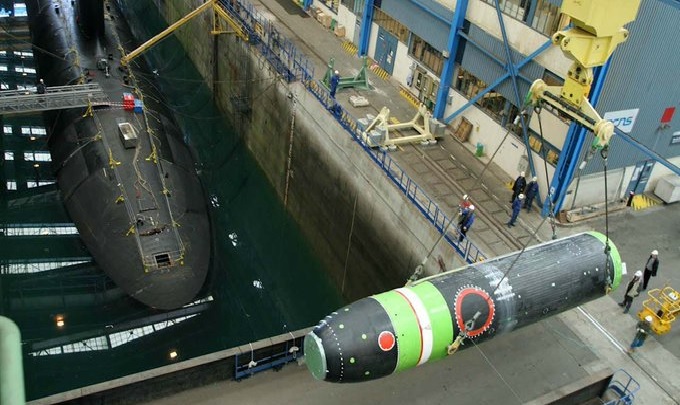
World
L’Île Longue, France — March 2, 2026 : President Emmanuel Macron has announced that France will increase the number of nuclear warheads in its military arsenal, marking the first expansion of the country’s stockpile since reductions began in the early 1990s. The decision represents a shift in France’s long-standing policy of maintaining a strictly limited deterrent force. Speaking at the Île Longue naval base in Brittany, home to France’s ballistic missile submarine fleet, Macron confirmed that the current stockpile of fewer than 300 warheads will be expanded. He did not specify the target number and stated that France will no longer publicly disclose the size of its nuclear arsenal. Policy Announcement at Strategic Submarine Base The announcement was delivered at the primary operational hub of France’s sea-based nuclear deterrent. Macron said he had ordered an increase in the number of nuclear warheads and described the step as necessary in light of current geopolitical conditions. He emphasized that the core objective remains ensuring that France’s nuclear deterrent maintains what he called its “assured destructive power.” Macron also confirmed a change in transparency policy. France, which has periodically provided approximate figures about its stockpile in the past, will now cease communicating numerical data regarding its nuclear forces. Launch authority over nuclear weapons will remain exclusively with the French president. There are no plans to share decision-making authority with European partners. Strategic Rationale Behind the Expansion French officials link the decision to shifts in the international security environment. The move comes amid Russia’s ongoing war in Ukraine, broader nuclear modernization programs by major powers, and uncertainty surrounding long-term U.S. security commitments to Europe. France is currently the only nuclear-armed member state of the European Union. Although the United Kingdom possesses nuclear weapons, it is no longer part of the EU. French policymakers have increasingly framed the country’s nuclear deterrent within a wider European security context. Macron stated that evolving strategic risks require adjustments to France’s posture. Officials argue that maintaining credibility in deterrence requires adapting capabilities to reflect technological and geopolitical developments. European Security and “Advanced Deterrence” As part of the updated doctrine, France will pursue what Macron described as “advanced deterrence,” a framework involving closer coordination with European partners. France has initiated cooperation discussions with several countries, including Germany, the United Kingdom, Poland, the Netherlands, Belgium, Greece, Sweden, and Denmark. The plan includes joint exercises and integrated security consultations. It also provides for the potential temporary deployment of French nuclear-capable aircraft to allied territories. However, operational control and launch authority would remain solely under French national command. German participation is expected to play a significant role in the framework, reflecting Berlin’s central position in European defense planning. Current Structure of France’s Nuclear Forces France’s nuclear deterrent, known as the force de frappe, is structured around a two-component system: Sea-based deterrent: Four Triomphant-class ballistic missile submarines equipped with submarine-launched ballistic missiles (SLBMs). At least one submarine is maintained on continuous patrol at sea. Air-based deterrent: Air-launched cruise missiles carried by Rafale fighter aircraft operated by both the French Air and Space Force and the French Navy. France dismantled its land-based nuclear ballistic missile systems in the 1990s and has not maintained ground-based nuclear missiles since. Current independent estimates place France’s stockpile at approximately 290 deployable warheads, making it the world’s fourth-largest nuclear power after Russia, the United States, and China. France conducted its first nuclear test in 1960 and its last in 1996. It subsequently signed the Comprehensive Nuclear-Test-Ban Treaty and ended explosive nuclear testing. Since then, modernization efforts have focused on delivery systems, warhead safety, and reliability without increasing stockpile numbers—until this latest policy shift. Budgetary and Industrial Implications Following the presidential address, Defense Minister Sébastien Lecornu confirmed that the government will implement the expansion through adjustments to defense planning and budget allocations. The program will include warhead production increases, modernization of delivery systems, and reinforcement of the national defense industrial base. France has steadily increased defense spending in recent years, with nuclear modernization already accounting for a significant portion of long-term military investment planning. Historical Context After the end of the Cold War, France began a systematic reduction of its nuclear arsenal starting around 1992. The drawdown reduced the stockpile by roughly half over three decades and eliminated the land-based component entirely. The policy was based on maintaining what French doctrine calls “strict sufficiency,” meaning a deterrent sized only to guarantee credible retaliation rather than numerical parity with other nuclear powers. Monday’s announcement represents a departure from that three-decade trajectory. While France continues to describe its strategy as defensive and deterrent in nature, the increase in warhead numbers marks a structural change in force planning. Officials have not provided a timeline for the expansion or the projected final size of the arsenal. The announcement forms part of a broader update to France’s nuclear doctrine, positioning its deterrent within a more integrated European security framework while maintaining exclusive national control over nuclear decision-making.
Read More → Posted on 2026-03-02 16:41:54
World
DUBAI, United Arab Emirates — March 2, 2026 : An Amazon Web Services (AWS) data center in the United Arab Emirates was physically damaged and forced offline on March 1 following kinetic strikes that occurred during a broader wave of Iranian missile and drone attacks across the Gulf region. AWS confirmed that the disruption began at approximately 4:30 a.m. PST on Sunday, March 1, when “objects struck” a facility operating within the ME-CENTRAL-1 region, specifically affecting Availability Zone mec1-az2. The company stated that the impact generated sparks and ignited a structural fire inside the building. Emergency responders from the UAE fire department intervened and, as part of standard safety procedures, cut utility power and backup generator systems to suppress the blaze. The action resulted in a complete power loss at the affected availability zone, taking it entirely offline. AWS reported that its other availability zones within the UAE region remained operational. However, the outage in mec1-az2 led to significant service disruptions, including impacts to core networking APIs, Amazon EC2 instances, and database services tied to the affected zone. Services architected for cross-zone or regional redundancy, including Amazon S3, continued operating normally. As of March 2, AWS indicated that partial restoration had begun, although some connectivity issues persisted. The company said full recovery would require clearance from local authorities before power systems could be safely restored. Customers were advised to back up critical data to other AWS regions as a precaution. In addition to the disruption in mec1-az2, AWS acknowledged that a local power issue affected another availability zone in the UAE. The outage also extended to AWS facilities in Bahrain, where power and connectivity problems were reported on March 2. AWS did not specify the nature of the objects that struck the facility. The timing of the incident coincided with Iranian missile and drone strikes targeting multiple Gulf states, including the UAE and Bahrain. The strikes followed joint U.S.-Israeli military operations against Iran that reportedly resulted in the death of Supreme Leader Ayatollah Ali Khamenei. Over the weekend, Iranian munitions targeted airports, ports, residential areas, and infrastructure across the region. In the UAE, reported strike locations included Jebel Ali Port and the Burj Al Arab hotel in Dubai. Smoke was observed rising from a warehouse in Sharjah City following the attacks. According to the UAE Ministry of Defense, national air defense systems intercepted 137 ballistic missiles and 209 drones. Despite interceptions, debris and direct impacts in Abu Dhabi and Dubai resulted in the deaths of three foreign nationals and dozens of injuries. Media reports, including from The Jerusalem Post, indicated that the damaged AWS facility may have been used by Israel’s military. If confirmed, such usage would raise questions regarding the dual-use nature of commercial cloud infrastructure that simultaneously supports enterprise, government, and defense workloads. AWS has not publicly confirmed specific customer workloads associated with the facility. Independent cybersecurity analyst Lukasz Olejnik noted that AWS used the phrase “objects struck” in its communications, without explicitly attributing responsibility or specifying the type of munition involved. Analysts observed that cloud industry terminology and crisis response frameworks have historically focused on natural disasters, power failures, and network outages rather than direct military strikes. The incident marks the first reported case of a major hyperscale cloud data center sustaining physical damage during an active interstate conflict. AWS selected the UAE for its Middle East region based on regional connectivity, infrastructure maturity, and proximity to customers in sectors including government, finance, and enterprise technology. The ME-CENTRAL-1 region was designed with three availability zones to provide redundancy against localized disruptions. The event has prompted enterprises operating in the Gulf to activate disaster recovery procedures that were previously structured around non-military contingencies. Other cloud providers, including Microsoft Azure, Google Cloud, and Oracle, maintain regional infrastructure within the same geographic corridor, raising concentration risk considerations for multinational customers. Insurance markets are also expected to assess potential exposure to war-related infrastructure losses. Institutions such as Lloyd’s of London have been reviewing war-risk exclusions in recent years following conflict-related claims in other regions, including Ukraine. Industry analysts indicated that the UAE incident may accelerate reassessments of cloud infrastructure risk modeling and pricing structures. No casualties were reported in connection with the AWS data center facility itself. Investigations into the cause and circumstances of the strike are ongoing, with AWS coordinating with local authorities. The broader regional conflict continued to influence financial markets on March 2, including upward pressure on oil prices.
Read More → Posted on 2026-03-02 16:22:53
World
MUNICH, — March 2, 2026 : The TP400-D6 engine program, managed by EPI Europrop International GmbH, has reached one million engine flight hours, marking a major operational benchmark for the turboprop powerplant that exclusively equips the Airbus A400M Atlas military transport aircraft. The total was accumulated through sustained operational deployments, multinational training missions, humanitarian operations, and routine airlift activities conducted by ten operator nations since the engine entered service in 2013. The milestone reflects more than a decade of fleet expansion, technical development, and structured support arrangements across Europe and Asia. Program Structure and Industrial Consortium EPI Europrop International GmbH is a consortium formed by Rolls-Royce, Safran Aircraft Engines, MTU Aero Engines, and ITP Aero. The partnership was established to design, develop, manufacture, and support the TP400-D6 engine following Airbus Military’s 2003 selection of the consortium under a contract valued at approximately $3.4 billion covering 900 engines. The consortium’s industrial responsibilities are distributed among the partners. Rolls-Royce oversees overall engine performance, air and oil systems, intermediate casing, the six-stage high-pressure compressor, the hot strut module, and the low-pressure shaft. MTU Aero Engines produces the five-stage intermediate-pressure compressor. Safran Aircraft Engines manufactures the annular combustor equipped with 18 fuel nozzles and the single-stage high-pressure turbine. ITP Aero supplies the three-stage low-pressure turbine. Avio provides the reduction gearbox featuring a 9.5:1 reduction ratio and torque capability of approximately 100 kN·m. The propeller system is supplied by Ratier-Figeac and consists of eight composite scimitar blades with a diameter of 5.334 meters, operating between 655 and 860 rpm and converting engine output into approximately 110 kN of thrust. The program currently holds an order book exceeding 750 engines. In May 2025, the 600th engine entered service. Technical Specifications and Performance Characteristics The TP400-D6 is a three-shaft axial-flow turboprop engine delivering more than 11,000 shaft horsepower (8,200 kW). Maximum takeoff power is rated at 8,251 kW, with maximum continuous power of 7,971 kW. The engine measures 4.18 meters in length and 1.218 meters in diameter. Dry weight is 1,938 kilograms for the baseline configuration and 1,965 kilograms for the handed version. The engine operates at an overall pressure ratio of 25:1 with an air mass flow of 26.3 kilograms per second and a turbine inlet temperature of 1,200 degrees Celsius. Specific fuel consumption in cruise is approximately 210 grams per kilowatt-hour, and the power-to-weight ratio stands at 4.26 kW per kilogram. The TP400-D6 is certified to operate using multiple fuel types, including Jet A, Jet A1, Jet B, JP4, JP5, JP8, and JP8+100. It incorporates aerodynamic optimization and fuel-efficiency features designed to support a broad operational envelope, from low-level tactical flight profiles to high-speed cruise. Reduced fuel consumption enables the A400M to conduct round-trip missions exceeding 4,800 nautical miles. The engine is certified for operations from unpaved runways and in sand and dust environments. It was the first military engine to receive civil certification from the European Union Aviation Safety Agency (EASA), meeting civil aviation standards for noise and emissions compliance. Development and Certification Timeline Development began after Airbus Military selected the TP400-D6 in 2003. The first engine run occurred on October 28, 2005, followed by propeller integration testing on February 28, 2006. Ground runs and taxi trials were conducted in 2008, and the first single-engine flight took place on December 17, 2008. The Airbus A400M completed its maiden flight on December 11, 2009. EASA engine certification was achieved in 2011, propeller certification followed in April 2012, and aircraft type certification was granted on March 13, 2013. The engine formally entered operational service in August 2013. Operational Entry and Fleet Expansion The first operational aircraft deliveries began in 2013. Aircraft MSN007 was delivered to the French Air and Space Force in August 2013, followed by MSN009 to the Turkish Air Force the same year. In 2014, the United Kingdom’s Royal Air Force received MSN015, and the German Air Force received MSN018. The Royal Malaysian Air Force became the first non-European operator in 2015. Spain integrated the A400M into its fleet in 2016. In 2020, deliveries were completed to both the Belgian Air Force and the Luxembourg Air Force. Kazakhstan joined the operator base in 2024, and Indonesia recently became the tenth operating nation. The current operating nations are Belgium, France, Germany, Luxembourg, the United Kingdom, Spain, Turkey, Malaysia, Kazakhstan, and Indonesia. Their combined operational activity has contributed to the accumulation of one million flight hours. Maintenance, Digital Support, and Institutional Framework To support the growing fleet, EPI has expanded its Maintenance, Repair, and Overhaul (MRO) infrastructure in alignment with operator requirements. Aftermarket services include MissionCare, which provides fixed-cost-per-flying-hour support, structured engine repair management, and technical training programs. Digital maintenance tools have been introduced, including augmented reality applications for maintenance procedures, turbine gas system testing capabilities, and vibration monitoring systems for the power gearbox. These measures are designed to enhance predictive maintenance and fleet availability. Institutional support is provided through the Organisation for Joint Armament Co-operation (OCCAR) under the Engine Support Step 2 (ESS2) contract. The ESS2 agreement establishes a five-year structured support framework covering legacy service continuity, strategic fleet management updates, and cost-of-ownership optimization while maintaining operational readiness levels. Program Outlook EPI stated that the one-million-flight-hour milestone reflects the operational experience accumulated by its ten operator nations and the structured support mechanisms implemented over the past decade. The consortium indicated that it will continue executing the ESS2 framework and associated service programs to maintain reliability and mission support for the global TP400-D6 fleet.
Read More → Posted on 2026-03-02 15:57:52
World
RIYADH, — March 2, 2026 : Saudi Arabia’s state-owned energy company, Saudi Aramco, has suspended operations at its Ras Tanura refinery following a drone strike attributed to Iran that caused a limited fire at the facility. The shutdown is the first operational halt at the site since 2019 and comes amid escalating regional tensions. The incident occurred early Monday, March 2, at approximately 7:04 a.m. local time, when two unmanned aerial vehicles targeted the Ras Tanura complex in the Eastern Province near Dammam. Saudi air defense systems intercepted the drones, but debris from the interception fell داخل the refinery perimeter, igniting a fire. Emergency response teams contained the blaze, and authorities confirmed there were no casualties. Videos circulating on social media showed smoke rising from the complex. The footage was subsequently verified against satellite imagery. As a precautionary measure, Saudi Aramco shut down operational units at the refinery while technical teams conduct damage assessments. The company has not issued a detailed public statement on the extent of material damage. Strategic Importance of Ras Tanura Ras Tanura is Saudi Arabia’s largest refinery and a central component of the kingdom’s energy infrastructure. The facility has a crude distillation capacity of 550,000 barrels per day (bpd), accounting for approximately 16 percent of the country’s total refining capacity of 3.4 million bpd. The refinery processes both crude oil and gas condensates. Its infrastructure includes a vacuum distillation column (135,000 bpd), a hydrocracking unit (50,000 bpd), and facilities handling 105,000 bpd of chemical intermediates. The complex spans 5.5 million square meters and supports refining, natural gas liquids processing, and crude stabilization capacity of up to 1.2 million bpd. Beyond refining, Ras Tanura forms part of a larger integrated complex that includes a major offshore crude oil and petroleum export terminal. The facility supplies a substantial share of domestic petroleum products and exports refined products to international markets, including Europe. Saudi officials indicated that the temporary halt could affect between 30 and 33 percent of domestic refining operations, though authorities stated there would be no immediate disruption to fuel supplies within the kingdom. Regional Context The strike is part of a broader series of retaliatory actions by Iran across the Gulf region following joint U.S.-Israeli military operations that resulted in the death of Iran’s Supreme Leader, Ali Khamenei. In recent days, Iranian strikes have targeted infrastructure in Kuwait, the United Arab Emirates, Bahrain, Qatar, and Oman. The Ras Tanura incident follows previous attacks on Saudi energy infrastructure. In September 2019, coordinated drone and missile strikes on the Abqaiq and Khurais facilities temporarily disrupted more than half of Saudi Arabia’s crude production. In 2021, Yemen’s Houthi group claimed responsibility for a drone attack on Ras Tanura. Saudi Crown Prince Mohammed bin Salman condemned the latest strike and held consultations with regional leaders, including UAE President Sheikh Mohamed bin Zayed Al Nahyan. Saudi authorities summoned the Iranian envoy and stated that the kingdom reserves the right to respond in accordance with international law. Riyadh denied reports that it had lobbied the United States for direct military action but confirmed coordination with regional partners. Member states of the Gulf Cooperation Council have issued statements condemning the attacks and affirming their right to individual and collective self-defense. Market Impact The refinery shutdown had immediate effects on global energy markets. Brent crude futures rose as much as 13 percent, surpassing $82 per barrel, marking the highest level since January 2025. Gasoil futures also increased amid concerns about diesel supply constraints. Global equity markets declined, while gold prices climbed as investors moved toward perceived safe-haven assets. Traders cited heightened risk surrounding energy infrastructure in the Gulf and potential disruptions in the Strait of Hormuz, through which approximately 20 percent of global oil supply transits daily. Analysts noted that prolonged disruption at Ras Tanura or further instability in the region could increase pressure on global fuel prices and contribute to inflationary trends in energy-importing economies. Damage assessments at the refinery remain ongoing, and Saudi Aramco has not provided a timeline for the resumption of full operations.
Read More → Posted on 2026-03-02 15:46:10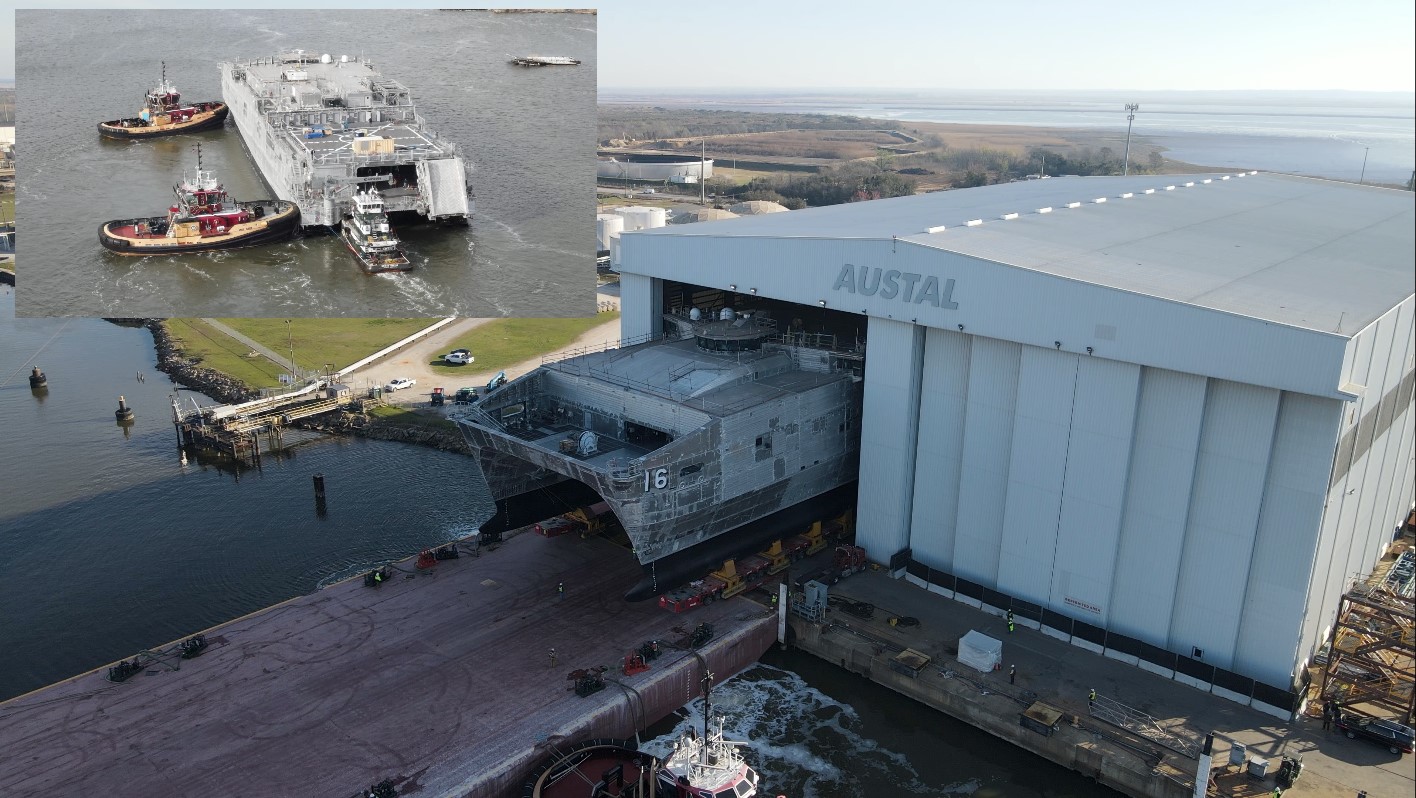
World
MOBILE, Ala., — March 2, 2026 : Austal USA on February 25 launched the future USNS Lansing (EPF 16), the U.S. Navy’s 16th and final Expeditionary Fast Transport (EPF), from its shipbuilding facility in Mobile, Alabama. The launch came two days after the company floated the future USNS Solomon Atkinson (T-ATS 12) on February 23, marking the second vessel launch at the yard within a week. USNS Lansing is a Spearhead-class Expeditionary Fast Transport and the third ship built in the EPF “Flight II” medical configuration. The vessel was christened on January 10, 2026, at Austal USA’s facility, with Michigan Governor Gretchen Whitmer serving as sponsor. The ship is named after Lansing, the capital city of Michigan. Design and Specifications The Spearhead-class EPF is designed as a high-speed, shallow-draft aluminum catamaran intended for intra-theater transport of personnel, equipment, and supplies. USNS Lansing measures 337 feet 11 inches in length and 93 feet 6 inches in beam. Its twin-hull aluminum design provides inherent stability during operations at sea. As a Flight II variant, the vessel incorporates Role 2 enhanced (2E) medical capabilities. The onboard medical facilities include operating rooms, intensive care units, medical ward beds, laboratory spaces, a pharmacy, and a blood bank. The configuration enables the ship to function either as a conventional expeditionary fast transport, a medical support platform, or a combined mission asset depending on operational requirements. The ship also features an enhanced flight deck capable of supporting V-22 Osprey tiltrotor aircraft and heavy-lift helicopter operations. In addition, it is equipped with an active motion-compensated launch and recovery system designed to deploy and retrieve 11-meter Rigid Hull Inflatable Boats (RHIBs). The vessel includes airline-style seating and berthing accommodations for up to 312 embarked troops or additional medical personnel. Upon delivery, USNS Lansing will be operated by civilian mariners under the command of the U.S. Navy’s Military Sealift Command. Construction Milestones Construction of USNS Lansing began with aluminum cutting on October 3, 2023. The keel was laid on September 6, 2024. Following christening in January 2026, the ship proceeded to launch later that month as part of Austal USA’s established production schedule. The completion of EPF 16 concludes the Navy’s 16-ship production run for the Spearhead-class Expeditionary Fast Transport program. Launch Procedure USNS Lansing is the 26th vessel launched from Austal USA’s Mobile facility using a multi-stage translation method developed for the yard’s modular construction process. For the launch, self-propelled modular transporters (SPMTs) lifted the vessel approximately three feet from its position in the final assembly bay. The ship was then moved approximately 400 feet onto a deck barge moored adjacent to the facility. The barge transported the vessel downriver to a floating dry dock. Once positioned, the dry dock was submerged, allowing the EPF to float free for the first time. The vessel was subsequently towed upriver and returned to Austal USA’s new construction facility for continued outfitting. The same launch methodology has been applied to 26 ships constructed at the Mobile yard. Industry Collaboration Gene Miller, Interim President of Austal USA, stated that the launch required coordination among shipyard teams, Navy representatives, and industry partners. Participating partners included Berard Transportation, Alabama Shipyard, and E.N. Bisso & Son tug services, alongside Austal USA’s internal test and activation, crane and rigging, and safety teams. Next Steps Following launch, USNS Lansing is currently pier-side at Austal USA’s facility, where production efforts are focused on final outfitting and system activation. The vessel is scheduled to undergo sea trials later in 2026 in preparation for delivery and operational service. With the launch of EPF 16, Austal USA concludes construction of the Spearhead-class Expeditionary Fast Transport program. Since 2009, the company has delivered 34 ships to the U.S. Navy and continues to execute contracts for steel and aluminum surface combatants and auxiliary vessels for the Navy and the U.S. Coast Guard.
Read More → Posted on 2026-03-02 15:14:50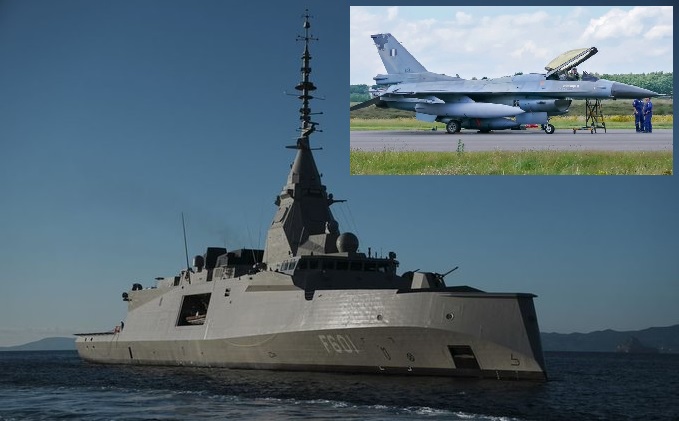
World
ATHENS, — March 2, 2026 : Greece has deployed two Hellenic Navy frigates and two Hellenic Air Force F-16 fighter jets to the Republic of Cyprus following Iranian drone strikes targeting the United Kingdom’s Sovereign Base Area at RAF Akrotiri, according to official statements from Athens. The decision was taken after consultations between Greek Prime Minister Kyriakos Mitsotakis and Defense Minister Nikos Dendias. The deployment activates the longstanding joint defense doctrine between Greece and Cyprus, which provides for mutual security support in the event of threats to either country. Greek Military Assets Deployed The naval contingent is led by HS Kimon (F-601), the first of Greece’s Kimon-class (Belharra) frigates, which entered active service in late 2025 as part of the Hellenic Navy’s modernization program. The vessel is configured for multi-role operations and carries: 8 Exocet anti-ship missiles 25 anti-air missiles 8 land-attack missiles It is accompanied by HS Psara, a MEKO-200HN class frigate, operating as part of an integrated air-defense formation. Two F-16 fighter jets from the Hellenic Air Force are providing aerial monitoring and supplementary air-defense coverage over the Eastern Mediterranean. Greek officials stated that the objective of the deployment is to enhance air-defense capabilities and support security coordination in the region. Defense Minister Dendias is traveling to Cyprus for consultations with Cypriot authorities regarding operational coordination. Drone Strikes on RAF Akrotiri The military move follows multiple Iranian Shahed-type drone attacks over the past 24 hours targeting RAF Akrotiri, located near Limassol in Cyprus. The United Kingdom confirmed that one drone struck the runway, causing limited damage and no casualties. A second unmanned aerial vehicle (UAV) was intercepted before impact. Additional drones were reportedly intercepted by RAF Typhoon aircraft. Air raid sirens were activated at the base during the incidents. Paphos airport was temporarily evacuated due to suspected aerial threats. The base is one of two British Sovereign Base Areas on the island, alongside Dhekelia. RAF Akrotiri serves as a strategic hub for British military operations and signals intelligence activities and has also been used for refueling United States and Israeli aircraft. Cypriot government sources indicated that the drones were likely launched from Lebanon by Hezbollah. The group had previously issued warnings in June 2024 regarding potential action against Cyprus if its territory were used in regional military operations against Lebanon. UK and Cypriot Response British Foreign Secretary Yvette Cooper stated that the strikes specifically targeted the military installation. The UK government is reviewing measures to protect personnel and British nationals in the region. The drone incidents occurred shortly after UK Prime Minister Keir Starmer authorized United States forces to use British bases, including Akrotiri, for defensive operations against Iranian missile launch sites. The authorization was issued under the framework of collective self-defense following Iranian strikes on U.S. and allied facilities in Bahrain, Qatar, and other Gulf states. Cypriot President Nikos Christodoulides convened emergency meetings following the attacks. He stated that Cyprus is not participating in offensive military operations. As a precautionary measure, three communities in the Paphos district were placed under temporary stay-at-home advisories. Investigations by British and Cypriot authorities into the origin and trajectory of the drones are ongoing. Security assessments indicate that Shahed-type UAVs, known for extended range and relatively low production cost, were used in the attacks. Broader Regional Context The strikes on Cyprus form part of a wider escalation involving U.S.-Israeli operations against Iranian military targets. Iranian state media have reported that more than 200 people, including civilians, were killed in those strikes. In response, Iran has launched ballistic missiles and drones against multiple targets, including U.S. military facilities across the Gulf region. Greek officials emphasized that the deployment to Cyprus reflects the bilateral defense framework between Athens and Nicosia and underscores coordination among European Union member states and NATO allies in the Eastern Mediterranean. As of late Monday afternoon, no additional drone incidents had been reported. The operational duration of the Greek deployment has not been publicly disclosed.
Read More → Posted on 2026-03-02 15:08:26
World
WASHINGTON / KUWAIT CITY, — March 2, 2026 : U.S. Central Command (CENTCOM) has confirmed that three U.S. Air Force F-15E Strike Eagle fighter jets were shot down over Kuwait on March 1 in what officials described as a friendly fire incident involving allied air defense systems. All six crew members aboard the aircraft ejected safely and were recovered in stable condition. According to CENTCOM, the aircraft were operating in support of Operation Epic Fury when the incident occurred at approximately 11:03 p.m. ET. The jets were conducting combat missions amid ongoing Iranian missile and drone attacks across the Gulf region when they were mistakenly engaged by Kuwaiti air defenses. Operational Context At the time of the shootdown, Kuwaiti air defense forces were actively intercepting a large wave of incoming Iranian drones and ballistic missiles targeting multiple locations in the country. Engagements were reported near areas including Rumaithiya and Salwa, and air defense units were operating at high tempo for the third consecutive day. U.S. officials indicated that indicators strongly suggest the aircraft were struck by Patriot surface-to-air missile batteries operated by Kuwaiti forces. Kuwait’s Ministry of Defense acknowledged the incident and confirmed that joint technical coordination and immediate search-and-rescue operations were conducted in cooperation with U.S. forces. CENTCOM stated that Iran was not responsible for the downing of the aircraft. Iranian state-linked media outlets had claimed that the Islamic Revolutionary Guard Corps (IRGC) shot down at least one of the jets. U.S. and Kuwaiti authorities rejected those claims, citing radar telemetry, engagement data, and geographic limitations. Independent defense analysts noted that Iran does not possess ground-based air defense systems with sufficient range to track and destroy maneuvering fighter aircraft operating deep within Kuwaiti airspace from Iranian territory. Available Iranian long-range air defense systems are not assessed to have engagement envelopes capable of reaching targets over Kuwait from launch sites inside Iran. Crew Recovery and Status The F-15E Strike Eagle is operated by a two-person crew consisting of a pilot and a Weapon Systems Officer (WSO). CENTCOM confirmed that all six aviators successfully activated their ejection systems after their aircraft were hit. Recovery operations were initiated immediately by Kuwaiti authorities and coalition forces. The aircrew were transported to military medical facilities for evaluation and remain in stable condition. Photos and video circulating on social media show at least one aircraft descending near Ali Al Salem Air Base, with the pilot ejecting prior to impact. Identification and Air Defense Procedures Modern air defense systems rely on Identification Friend or Foe (IFF) protocols to distinguish allied aircraft from hostile targets. The process involves three primary steps: Ground-based radar systems transmit an encrypted electronic interrogation signal to an aircraft. The aircraft’s onboard transponder automatically responds with a secure, cryptographically coded reply. If the transmitted code matches the daily authentication keys, the radar display identifies the aircraft as friendly. Military officials explained that in high-intensity combat environments involving large numbers of simultaneous tracks — including drones, cruise missiles, and ballistic missiles — multiple technical and operational factors can degrade identification reliability. Radar saturation can occur when systems track hundreds of incoming objects at once, placing strain on both software and human operators. Electronic interference, signal congestion, or electronic warfare activity may disrupt interrogation signals or prevent transponder replies from being received. Additionally, aircraft maneuvering angles, temporary transponder malfunction, or synchronization issues with cryptographic keys can result in an aircraft being labeled “unknown.” If a track is classified as hostile or unidentified within an active engagement zone, automated or semi-automated systems such as the Patriot air defense system may initiate a firing sequence. Similar incidents have occurred in previous conflicts. During the 2003 Iraq War, a U.S. Army Patriot missile battery mistakenly shot down a U.S. Navy F/A-18C Hornet following an IFF failure. Broader Conflict Environment The friendly fire incident occurred during an escalation of hostilities under Operation Epic Fury, a U.S.-led campaign against Iran. The operation began following strikes on Iranian leadership and military infrastructure. Iranian state media reported more than 200 deaths from the initial strikes, including civilians. In response, Iran launched ballistic missiles and drones targeting U.S. bases and facilities in Kuwait, Bahrain, Qatar, the United Arab Emirates, Jordan, and Saudi Arabia. Some projectiles were intercepted by regional air defenses, while others caused localized damage. U.S. officials also confirmed that a fourth U.S. service member died from injuries sustained during Iranian strikes in the past 24 hours, bringing the reported U.S. fatality count in the conflict to four as of March 2. Investigation Underway CENTCOM and Kuwait’s Ministry of Defense stated that a joint technical investigation is underway to determine the precise sequence of events, including radar data review, IFF signal logs, and engagement authorization procedures. U.S. officials emphasized continued coordination with Kuwaiti forces and stated that the incident does not alter ongoing coalition operations in the region. Both sides indicated that findings from the investigation will be used to refine deconfliction procedures and prevent similar incidents in active air defense environments.
Read More → Posted on 2026-03-02 14:46:55
World
WASHINGTON, — March 1, 2026 : U.S. Central Command (CENTCOM) has confirmed that American forces deployed one-way attack drones during ongoing military operations against Iran under the campaign designated Operation Epic Fury. The confirmation marks the first acknowledged combat use by the United States of kamikaze-style loitering munitions. Operation Epic Fury began on February 28, 2026, at the direction of the President of the United States and is being conducted in coordination with Israel. According to CENTCOM, the campaign has targeted Islamic Revolutionary Guard Corps (IRGC) command and control facilities, Iranian air defense systems, missile and drone launch sites, military installations, and airfields. The one-way attack drones were employed during both the initial and follow-on phases of the strikes, alongside munitions launched from air, land, and sea platforms. The broader operation remains ongoing. Platform Design and Development The drone system used in the operation is designated the Low-cost Unmanned Combat Attack System (LUCAS). U.S. defense officials stated that the platform was developed after the U.S. military obtained a captured Iranian Shahed-136 loitering munition and reverse-engineered its design. Production of the American variant was contracted to Arizona-based defense firm SpektreWorks. The LUCAS drone retains the core delta-wing configuration characteristic of the Shahed-136 but incorporates modifications introduced by U.S. engineers. These include enhanced fuel efficiency and a reduced acoustic signature. The system has an operational range of approximately 500 miles (800 kilometers) and is capable of carrying a 40-pound explosive payload. Analysts assess that the payload produces roughly twice the explosive force of a standard Hellfire missile. The modular design allows the platform to be launched from multiple configurations. During Operation Epic Fury, the drones were primarily deployed from ground-based launch systems. However, the platform is compatible with naval and vehicle-mounted launch mechanisms. The system was previously test-fired from a U.S. Navy Littoral Combat Ship in late 2025. Task Force Deployment The LUCAS drones were fielded by Task Force Scorpion Strike, a specialized unit established by CENTCOM in December 2025. The task force was created to integrate low-cost autonomous weapons systems into frontline operations and to expand the use of networked strike capabilities. CENTCOM stated that the one-way attack drones formed part of a broader precision strike package used during the campaign. The strikes targeted Iranian military installations, air defense nodes, and command facilities. No details were released regarding the number of drones deployed, specific launch locations, or the individual outcomes of the strikes. Cost and Strategic Considerations At an estimated unit cost of approximately $35,000, the LUCAS platform represents a lower-cost alternative to traditional precision-guided munitions such as Tomahawk cruise missiles, which cost several million dollars per unit. Defense officials indicate that the adoption of one-way attack drones expands operational flexibility by enabling scalable strike options and swarm tactics. The use of a system modeled after the Iranian-designed Shahed-136 reflects a shift in procurement and tactical planning, incorporating low-cost autonomous platforms into conventional strike operations. CENTCOM confirmed the employment of the drones as part of its regular operational update issued March 1, 2026. No additional operational details have been released.
Read More → Posted on 2026-03-01 18:30:05
World
WASHINGTON, — March 1, 2026 : The United States Department of Defense has rejected claims by Iran’s Islamic Revolutionary Guard Corps (IRGC) that it successfully struck the aircraft carrier USS Abraham Lincoln with ballistic missiles, stating that the projectiles failed to reach the vessel and caused no damage. In an official statement, U.S. Central Command (CENTCOM) confirmed that Iranian forces launched ballistic missiles directed toward the Nimitz-class carrier operating in the Arabian Sea. However, the command stated that the missiles “didn’t even come close” to the ship and that the carrier remains fully operational. Iranian Claim and U.S. Denial Earlier Sunday, Iranian state media carried a statement from the IRGC asserting that four ballistic missiles had hit the USS Abraham Lincoln. Iranian officials described the launch as a retaliatory measure following the start of coordinated U.S. and Israeli military operations against Iranian targets. CENTCOM dismissed the claim in a public statement posted on the social media platform X, stating: “The Lincoln was not hit. The missiles launched didn’t even come close. The Lincoln continues to launch aircraft in support of CENTCOM operations.” U.S. defense officials confirmed that there was no impact on the carrier, no structural damage, and no reported casualties aboard the vessel. Operational Status of the Carrier According to the Pentagon, the USS Abraham Lincoln continues to conduct standard flight operations in support of U.S. Central Command activities in the region. The carrier is deploying F/A-18E Super Hornet and F-35C fighter aircraft as part of ongoing missions. Officials did not disclose the precise distance between the missiles’ trajectories and the carrier’s location, nor did they specify the number of missiles launched beyond acknowledging the attempted strike. Defensive and Technical Factors While the Pentagon did not detail the defensive measures employed, military officials indicated that the failure of the missiles to approach the carrier could be attributed to several factors, including interception by naval air and missile defense systems, inaccurate targeting data, or missile guidance limitations. Carrier Strike Groups typically operate with layered air defense systems designed to detect, track, and neutralize incoming threats at extended ranges. These systems are intended to prevent hostile projectiles from breaching the inner defensive perimeter of high-value naval assets. Defense officials declined to provide additional technical specifics regarding radar tracking data, interception timelines, or engagement distances. Broader Operational Context The attempted missile strike occurred amid escalating military activity following the launch of U.S. Operation Epic Fury and Israel’s Operation Roaring Lion on February 28, 2026. The operations targeted sites within Iran and resulted in the death of Iranian Supreme Leader Ayatollah Ali Khamenei, according to previously released information. The Pentagon confirmed that the broader conflict has resulted in U.S. casualties. CENTCOM reported that three American service members have been killed in action and five others seriously wounded during ongoing combat operations against Iranian forces. Additional personnel sustained minor shrapnel injuries and concussions. The identities of the deceased are being withheld for 24 hours pending notification of next of kin. Separately, U.S. forces conducted strikes against Iranian naval assets. CENTCOM stated that an Iranian Jamaran-class corvette was struck at the beginning of the operation. The vessel is reported to be sinking at a pier in the southern Iranian port city of Chah Bahar in the Gulf of Oman. No Damage Reported to USS Abraham Lincoln The Department of Defense reiterated that the USS Abraham Lincoln was not struck and that its operational capacity remains unaffected. Officials emphasized that the missiles launched toward the carrier did not pose a direct threat to the ship or its crew. No further details have been released regarding missile launch locations, engagement sequences, or additional retaliatory measures. The Pentagon stated that U.S. forces in the region remain on operational footing as military activities continue.
Read More → Posted on 2026-03-01 18:02:36
World
RIYADH, Saudi Arabia — March 1, 2026 : Saudi Arabia’s Crown Prince Mohammed bin Salman has authorized the Kingdom’s armed forces to undertake retaliatory military strikes against Iran if deemed necessary, according to official statements from Riyadh. The authorization comes amid a rapidly escalating regional conflict following a series of Iranian drone and missile attacks targeting Gulf countries, including Saudi territory. Background to Escalation The authorization follows Iranian attacks in response to coordinated military operations by the United States and Israel against Iranian targets that began on February 28, 2026. These operations, known respectively as Operation Epic Fury by the U.S. and Operation Roaring Lion by Israel, involved air and missile strikes on multiple military and strategic sites across Iran and reportedly resulted in the death of Iran’s Supreme Leader, Ayatollah Ali Khamenei. In retaliation, Iran launched an extensive campaign of missile and drone strikes across the Gulf region, hitting or attempting to hit installations and populated areas in the United Arab Emirates, Qatar, Kuwait, Bahrain, Jordan and Saudi Arabia. Intercepted projectiles were also reported over Riyadh and in eastern Saudi provinces. Saudi Statement and Position Crown Prince Mohammed bin Salman publicly condemned the Iranian attacks, describing them as unjustified aggression. Riyadh has reiterated that Saudi Arabia did not permit its territory or airspace to be used for U.S. or Israeli military operations against Iran — a point stressed by the Crown Prince in official remarks. In its public communications, the Saudi leadership reaffirmed that its armed forces have been placed on high alert and that defensive and counter-strike capabilities have been prepared should further violations of Saudi sovereignty occur. Specific criteria or timing for any retaliatory action were not disclosed. Regional Coordination and Diplomatic Engagement In response to the Iranian offensive, Crown Prince Mohammed bin Salman engaged in consultations with regional leaders. Telephone discussions were held with the presidents and monarchs of neighbouring Gulf states, including leaders from the United Arab Emirates, Bahrain, Qatar, Kuwait, and Jordan. In these calls, Riyadh reaffirmed its support for collective security measures and expressed readiness to assist in defensive responses to Iranian aggression. Conversations also extended to global statesmen, including the French president and Pakistan’s prime minister, who voiced support for Saudi Arabia’s position. Saudi officials have underscored solidarity with Gulf Cooperation Council (GCC) members that have reported Iranian strikes, sharing a unified stance against what they describe as violations of international law and national sovereignty. Current Situation and Outlook The situation in the Gulf region remains highly volatile, with continued military operations on multiple fronts and diplomatic efforts underway to prevent further escalation. Saudi Arabia’s authorization for potential retaliatory strikes reflects heightened tensions and marks a calibrated shift in the Kingdom’s strategic posture in response to cross-border attacks. Further developments are anticipated as regional and global leaders assess the unfolding conflict and seek avenues for de-escalation.
Read More → Posted on 2026-03-01 17:38:41
World
Tampa, Florida — March 1, 2026 : U.S. military forces struck an Iranian naval vessel identified as a Jamaran-class corvette during the opening phase of a coordinated military offensive designated “Operation Epic Fury,” U.S. Central Command (CENTCOM) announced March 1, 2026. The vessel is sinking at a dock in the southeastern Iranian port city of Chah Bahar, located on the Gulf of Oman. According to the CENTCOM statement posted on the social media platform X, the strike occurred on February 28, 2026, and aligns with stated operational objectives to systematically degrade elements of Iran’s naval capabilities as part of the broader campaign. The command reiterated a previously issued ultimatum from the U.S. President directed at members of Iran’s armed forces, including the Islamic Revolutionary Guard Corps (IRGC) and law enforcement personnel. “As the President said, members of Iran’s armed forces, IRGC and police ‘must lay down your weapons.’ Abandon ship,” the CENTCOM statement read. The announcement did not provide specific details on the methods employed in the strike, the number of U.S. forces involved, or the status of personnel aboard the Iranian vessel at the time of the attack. Vessel Specifications and Classification The Iranian naval vessel struck by U.S. forces is part of the Jamaran class, also referred to by Iranian sources as the Moudge class. While Tehran often designates these ships as destroyers, international naval observers typically classify them as light frigates or corvettes based on size and displacement. Key technical characteristics of the Jamaran-class include: Displacement: Approximately 1,420 to 1,500 tons Length: 94 meters Primary Armament: Four Noor (C-802) surface-to-surface cruise missiles Air Defense: Four Fajr surface-to-air missiles and a 40mm Fateh-40 autocannon Main Gun: One 76mm Fajr-27 dual-purpose rapid-fire cannon Anti-Submarine Warfare: Triple 324mm light torpedo launchers Aviation Support: Flight deck capable of accommodating an AB 212 anti-submarine warfare helicopter with helicopter in-flight refueling (HIFR) support The lead ship of the class entered service in 2010 and has been among the principal domestically produced surface combatants in the Iranian Navy. Strategic Location: Chah Bahar Port The strike took place at Chah Bahar, a deep-water port in Iran’s Sistan and Baluchestan province on the Makran coast. Chah Bahar is Iran’s only oceanic port with direct access to the Indian Ocean and the Gulf of Oman, enabling maritime traffic to bypass the Strait of Hormuz. The port complex includes the Konarak Naval Base, which serves as a primary docking and operational facility for regular Iranian naval units. Intelligence reports cited in operational briefings indicate that multiple Iranian naval assets had recently docked at Chah Bahar following completion of international maritime exercises immediately preceding the launch of Operation Epic Fury. Operation Epic Fury: Broader Context Operation Epic Fury, launched at 1:15 a.m. ET on February 28, 2026, is a coordinated military campaign conducted by U.S. forces in conjunction with Israeli military elements. The operation targets a series of Iranian military infrastructure nodes, including command and control centers, air defense systems, missile and drone production and launch facilities, and strategic naval assets. The campaign follows a public directive from the U.S. administration aimed at neutralizing perceived imminent threats stemming from Iran’s nuclear program, long-range missile capabilities, proxy networks, and naval fleet operations. The strike on the Jamaran-class corvette constitutes one of the early reported naval engagements in the operation. As of March 1, 2026, Iranian government officials have not issued a formal response or confirmation regarding the incident. CENTCOM has indicated that further operational updates will be provided in due course but has not released additional information on subsequent engagements or broader impacts on naval activity in the region. U.S. Central Command Update In its March 1 update, CENTCOM stated that the Jamaran-class vessel was struck and is currently sinking at a pier in Chah Bahar. The statement forms part of regular operational communications detailing force actions and campaign progress for Operation Epic Fury. No additional data on casualties, damage assessments beyond the vessel, or potential civilian impact within the port area were provided in the announcement.
Read More → Posted on 2026-03-01 17:14:41
World
Abu Dhabi, — March 1, 2026 : An Iranian drone strike targeted a warehouse facility at the Al Salam Naval Base in Abu Dhabi on Sunday, causing a localized fire but resulting in no casualties, according to an official statement issued by the United Arab Emirates Ministry of Defence. The attack took place on the second consecutive day of hostilities involving Iran and multiple regional states, following a wave of coordinated military operations between the United States and Israel against Iranian territory on Saturday. Those strikes reportedly resulted in the death of Iran’s supreme leader, triggering expanded Iranian military responses across the Gulf region. Incident at Al Salam Naval Base In its official statement, the UAE Defence Ministry confirmed that two unmanned aerial vehicles (UAVs) launched by Iranian forces struck a warehouse area at the Al Salam Naval Base — also known as Camp de la Paix. The facility is primarily an Emirati military installation that currently hosts French military personnel under an official agreement between the UAE and France. The Ministry said that specialised response teams were dispatched immediately following the incident and that the strikes “caused a fire in two containers of general materials, but there were no casualties.” Emergency crews brought the fire under control and no injuries were reported among base personnel. French authorities have so far declined to issue an official comment regarding the strike or the status of their deployed forces at the base. Wider Regional Escalation The drone strike on the Abu Dhabi base comes amid a broader escalation in the Middle East that began on Saturday when U.S. and Israeli forces conducted coordinated military operations against Iranian targets. Iranian state media confirmed the death of Supreme Leader Ayatollah Ali Khamenei during those strikes, a development widely reported by international news agencies and corroborated by U.S. and Israeli officials. In retaliation for the loss of their leader, Iranian military forces launched multiple waves of drone and missile attacks across the Gulf region on Sunday. The UAE Defence Ministry reported that its air defence systems had tracked and engaged a large number of incoming threats, including hundreds of drones and scores of ballistic missiles since the start of Iran’s retaliatory campaign. At least three foreign nationals have been confirmed killed and 58 others injured in various Iranian strikes within UAE territory, according to UAE official figures. Airspace closures in the region have also forced the suspension of operations at major airports, including in Dubai and Abu Dhabi, impacting international and regional flight schedules. UAE Response and Security Operations The UAE Defence Ministry has described the attacks as violations of the nation’s sovereignty and affirmed the ongoing efforts by its defence and civil response units to secure critical infrastructure and protect civilian populations. The ministry stated that it reserves the right to act in accordance with international law to defend national security. Regional partners, including governments in the Gulf Cooperation Council (GCC), have also reported heightened alert levels across military and civil defence systems amid the wider conflict.
Read More → Posted on 2026-03-01 17:05:42
World
Washington / Tel Aviv / Tehran : March 1, 2026 : Crucial intelligence provided by the United States Central Intelligence Agency (CIA) enabled Israel to carry out a targeted daylight strike in central Tehran that killed Iran’s Supreme Leader, Ayatollah Ali Khamenei, along with several senior political and military officials. The operation was executed on February 28, 2026, after months of surveillance and a late-stage adjustment in operational timing based on newly obtained intelligence. According to reporting by The New York Times, U.S. intelligence agencies had been tracking Khamenei’s movements for several months, developing what officials described as a detailed “pattern of life” assessment. Surveillance efforts mapped his routines and movement cycles with a high degree of confidence, allowing analysts to identify potential windows of vulnerability. Intelligence Breakthrough and Operational Shift The decisive development occurred when U.S. intelligence obtained confirmation that Khamenei would attend a rare Saturday morning meeting of Iran’s top political and military leadership at a government compound in central Tehran on February 28. The gathering was described as a high-level coordination meeting involving senior national security and military officials. Because the opportunity to target multiple senior figures simultaneously was limited, the intelligence was immediately relayed to Israeli defense authorities. Prior planning between the United States and Israel had envisioned a strike conducted under cover of darkness. However, once confirmation of Khamenei’s presence at the morning meeting was received, military planners adjusted the timeline. The operation was shifted from a nighttime strike to a daylight strike to coincide with the scheduled meeting. Officials cited the confirmed presence of the Supreme Leader and other senior officials as the determining factor in recalibrating the mission profile. Strike Execution and Weapons Employed Israeli fighter jets carried out the attack as part of a broader coordinated military campaign. Israel designated its component of the operation as “Operation Roaring Lion,” while the United States referred to its parallel campaign as “Operation Epic Fury.” The aircraft reportedly took off at approximately 6:00 a.m. Israel time. The munitions struck the targeted government compound in Tehran at approximately 9:40 a.m. local time. The primary weapons used in the strike were “Blue Sparrow” aeroballistic missiles. These long-range precision munitions have an operational range of up to 2,000 kilometers, enabling launch from stand-off distances outside Iranian airspace. The missiles were designed to penetrate hardened targets and deliver high-precision impact on designated structures within the compound. Operational reports indicate that the strike successfully penetrated the central Tehran leadership complex while the meeting was underway. Casualties and Leadership Impact Ayatollah Ali Khamenei was killed in the strike. Several senior regime officials attending the meeting were also killed. Among the confirmed casualties were General Mohammad Pakpour, head of the Islamic Revolutionary Guard Corps (IRGC) ground forces, and Ali Shamkhani, a senior national security adviser. Additional high-ranking military and security figures present at the gathering were reported killed, though full casualty details were still being compiled at the time of publication. Iranian state media confirmed Khamenei’s death on March 1, 2026, and announced a 40-day period of national mourning. U.S.–Israel Coordination According to The New York Times, the CIA’s role focused on intelligence collection, surveillance, and confirmation of Khamenei’s presence at the Saturday meeting. The intelligence-sharing arrangement allowed Israeli planners to adjust targeting timelines and execute the strike during a confirmed convergence of senior leadership. The strike marked the opening phase of coordinated military operations conducted by the United States and Israel against targets in Iran beginning February 28, 2026. While Israel executed the direct strike on the Tehran compound, the broader campaign reportedly included additional strikes on multiple sites across Iran. Officials characterized the operation as a significant disruption to Iran’s senior leadership structure due to the simultaneous loss of top political, military, and national security figures gathered in one location. Further developments regarding succession, internal security adjustments, and potential regional responses were expected as Iranian authorities continued to assess the impact of the strike.
Read More → Posted on 2026-03-01 15:49:23
World
Jerusalem/Washington — March 1, 2026 : The Israel Defense Forces (IDF) on Sunday released aerial drone footage showing a precision strike on a building in central Tehran, describing it as the first direct attack in the Iranian capital since the launch of its new military campaign, Operation Roaring Lion. The strike forms part of a coordinated United States–Israeli military effort targeting Iranian military, command, and regime-linked infrastructure across multiple cities. The video, published on the IDF’s official X account, shows a structure in a densely populated urban area being hit, followed by a plume of smoke rising from the site. The IDF described the target as a “headquarters of the Iranian terror regime” and referred to the strike as the “dismantlement” of regime infrastructure. In its accompanying statement, the military said: “For the first time since the start of Operation ‘Roaring Lion,’ the IAF is striking targets belonging to the Iranian terror regime in the heart of Tehran.” The statement added that over the previous day, the Israeli Air Force (IAF) carried out large-scale strikes to establish aerial superiority and “pave the path to Tehran.” While official statements referred broadly to “regime infrastructure,” “military command centres,” and “regime targets,” multiple independent reports have linked the building shown in the footage to the headquarters of Islamic Republic of Iran Broadcasting (IRIB), Iran’s state broadcaster. The IDF has not explicitly confirmed that the structure was an IRIB facility. According to operational details released by the IDF, the Tehran strike was part of a broader series of attacks targeting leadership and command nodes. Among the sites reportedly struck were the General Headquarters of the Internal Security Forces, described as a command-and-control center responsible for coordinating government forces and internal security operations. The IDF also stated that the Tharallah headquarters in Tehran was destroyed. The Tharallah headquarters functions as a defense command structure for Tehran and is affiliated with the Islamic Revolutionary Guard Corps (IRGC), with responsibility for security in the capital region. Additional strikes reportedly targeted the Interior Ministry headquarters, which coordinates IRGC and Basij militia activities, including responses to domestic unrest. Israeli military updates indicated that dozens of other headquarters were hit in an effort to disrupt organizational capacity and remove heavier weaponry. The stated objective of these strikes was to degrade the regime’s ability to suppress domestic protests and coordinate security operations. Scale and Scope of Operation Roaring Lion Operation Roaring Lion is described by Israeli military officials as a multi-stage campaign aimed initially at securing aerial superiority over Iranian airspace. According to IDF figures, approximately 200 Israeli Air Force fighter jets participated in what was described as the largest flyover in IAF history. During the opening phases of the campaign, aircraft dropped hundreds of munitions on roughly 500 identified objectives concentrated in western and central Iran. Targets included air-defense systems, missile launch arrays, military command centers, and other regime-linked infrastructure. Across the broader campaign, more than 1,200 bombs and rockets have reportedly been dropped on Iranian military and security sites. Coordinated US Operation: “Epic Fury” The Israeli operation is running parallel to United States military actions designated by the US Department of Defense as Operation Epic Fury. On February 28, 2026, US and Israeli forces conducted synchronized strikes across several major Iranian cities, including Tehran, Isfahan, Qom, Karaj, and Kermanshah. According to statements from both governments, the operations were conducted in full coordination and aimed at degrading Iran’s capacity to project military power and manage strategic command networks. US President Donald Trump described the American role as “major combat operations” against Iran, calling Operation Epic Fury a “massive and ongoing operation” intended to eliminate imminent threats. He linked the campaign to longstanding US concerns regarding Iran’s nuclear development, ballistic missile programs, and support for regional proxy groups. Israeli Prime Minister Benjamin Netanyahu stated that Operation Roaring Lion and the parallel US action are intended to remove immediate security threats emanating from Tehran. He also framed the campaign as an effort to empower the Iranian population in opposition to the regime. Additional Reported Damage in Tehran Reports and satellite imagery circulating after the strikes indicate that political and security-related targets in Tehran were also hit, including the residence compound of Iran’s Supreme Leader. Satellite images reportedly show structural damage within the compound, including collapsed buildings and visible smoke in the aftermath of the strikes. Israeli military officials have not provided further operational details regarding that specific location, and Iranian authorities have not released a comprehensive damage assessment. Ongoing Campaign Military statements from both Israel and the United States indicate that operations remain ongoing. The initial phase continues to prioritize the suppression of Iranian air-defense systems and missile infrastructure, alongside targeted strikes on command and security headquarters. Both Operation Roaring Lion and Operation Epic Fury are described as multi-stage efforts, with additional operational updates expected as the campaign progresses.
Read More → Posted on 2026-03-01 15:30:49
Ukraine’s Fire Point Conducts First Test Flight of FP-7 Tactical Ballistic Missile with 200 Km Range
World
KYIV, — March 1, 2026 : Ukrainian defense manufacturer Fire Point LLC has conducted a test flight of its new FP-7 tactical ballistic missile, marking the first public confirmation that the program has reached the live testing stage. The company’s co-owner and chief designer, Denys Shtilierman (also referred to as Denis Sztilerman), published footage of the launch on the social media platform X on February 27, 2026. Two videos were shared, captioned “Вітаємо FP7)” and “We welcome ballistic missile FP7).” The footage shows the missile launching from a ground-based platform during flight tests. According to Shtilierman, the FP-7 is produced entirely using Ukrainian components. Fire Point stated that it has achieved domestic production of solid-fuel engines manufactured from composite materials, eliminating reliance on foreign suppliers for this subsystem. The company also reported that its engineers independently recreated and adapted the design of a module used in Russia’s S-300 and S-400 surface-to-air missile systems as the foundation for the new surface-to-surface weapon. The external configuration of the FP-7 resembles the 48N6 missile used in the S-400 system. Technical Specifications Based on data disclosed by the manufacturer, the FP-7 tactical ballistic missile has the following characteristics: Operational range: Up to 200 kilometers Maximum flight altitude: 65 kilometers Maximum speed: 1,500 meters per second Maximum flight time: Up to 250 seconds Warhead weight: 150 kilograms Accuracy: Circular error probable (CEP) of 14 meters The missile is intended to target and destroy components of Russian air defense systems. It has been described as a low-cost, short-range ballistic missile analogous in role to the U.S.-made ATACMS system, pending integration with European radar systems. Development Timeline and Program Status Development of the FP-7 was first announced in September 2025. In December 2025, Shtilierman stated that Fire Point intended to complete all formal procedures required to officially introduce the missile into service in the near future. In early February 2026, he indicated in an interview that testing had been delayed from the end of 2025 due to a series of events, with the company aiming to complete tests in February. The February 27 publication of launch footage confirms that flight testing has taken place, though there is currently no information indicating that the FP-7 has been deployed operationally. Fire Point has previously gained attention for its FP-1 long-range strike drones and the development of the FP-5 “Flamingo” cruise missile. The company has also outlined plans to present a ballistic missile designated FP-9, with a projected range of up to 850 kilometers, by the end of the year. The ballistic version of the FP-7 is planned to carry the name “Pelikan.” The recent test represents the first publicly available evidence that the FP-7 program has advanced to live flight trials as part of Ukraine’s broader domestic missile development efforts.
Read More → Posted on 2026-03-01 15:17:09
World
JERUSALEM, — March 1, 2026 : The Israeli Air Force (IAF) conducted coordinated airstrikes on February 28 against Iranian surface-to-air missile infrastructure in the Kermanshah region as part of the ongoing multinational military campaign designated Operation Epic Fury. Among the systems struck was a medium-range air defense battery that independent technical analysis identifies as Iran’s domestically developed Khordad-3. The IAF initially described the destroyed asset as an “advanced SA-65” system. However, defense analysts, including observers from the Army Recognition Group, assessed released 3D operational footage and concluded that the configuration corresponds to the Khordad-3, also known as Sevom Khordad. Technical Identification of the Targeted System Footage released by the IAF depicted a transporter-erector-launcher mounted on a tactical chassis carrying three vertically aligned cylindrical missile canisters. The launcher operated in conjunction with a separate radar vehicle equipped with a flat-panel phased-array antenna. Analysts noted that this three-canister vertical launch configuration aligns directly with the Khordad-3 system. The layout differs from Russian Buk variants, which typically employ four exposed rail-mounted missiles, and from the S-300 family, which uses larger quad-canister launch units and distinct radar architectures. The designation “SA-65” does not correspond to any publicly documented NATO reporting name, which traditionally follow sequences such as SA-6, SA-10, SA-17, or SA-21. Analysts assess that “SA-65” is likely an internal Israeli military intelligence classification rather than an established international designation. Capabilities of the Khordad-3 System The Khordad-3 forms part of Iran’s Raad family of air defense systems and is positioned within the country’s layered defensive structure between long-range strategic systems and short-range point defenses. The system is assessed to deploy Sayyad-2 or Taer-2B interceptor missiles, with an engagement range estimated between 50 and 75 kilometers and an altitude envelope of approximately 25 to 30 kilometers. It employs an active phased-array radar capable of tracking multiple aerial targets and guiding several interceptors simultaneously. The Khordad-3 is designed to engage aircraft, cruise missiles, and unmanned aerial vehicles. In June 2019, the Islamic Revolutionary Guard Corps used the system to shoot down a U.S. Navy RQ-4A Global Hawk high-altitude surveillance drone over the Strait of Hormuz, demonstrating its operational capability. Strategic Importance of the Kermanshah Sector Western Iran, including the Kermanshah region, functions as a defensive belt protecting critical infrastructure located deeper within the country. Military and strategic assets in this corridor include missile infrastructure, air bases, logistics hubs, and command facilities. The geographic position also covers western air approaches linking Iraq to central Iran. Medium-range systems such as the Khordad-3 provide overlapping engagement coverage intended to intercept incoming threats before they reach high-value targets. The removal of a battery in this sector eliminates a cohesive engagement node composed of radar, fire control, and launcher elements from Iran’s integrated air defense network. Scope of Operation Epic Fury Operation Epic Fury began at 1:15 a.m. Eastern Time on February 28, 2026, and involves coordinated action by U.S. and Israeli forces. The operation was directed by the President of the United States and targets Islamic Revolutionary Guard Corps command and control facilities, air defense systems, missile and drone launch sites, and military airfields. Precision munitions were launched from air, land, and sea platforms. Israel employed F-35 and F-15 aircraft in the strikes and conducted attacks on hundreds of targets across Iran, including in Tehran. According to U.S. Central Command, there were no U.S. combat casualties and only minimal damage to U.S. installations during the initial phase of the operation. Iranian Response and Regional Air Defense Activity Following the strikes, Iran launched drones and ballistic missiles at Israel and at U.S. military installations in Bahrain, Kuwait, and Qatar. Air defense systems in Israel, the United Arab Emirates, Kuwait, and Qatar intercepted incoming missiles. Debris from intercepted projectiles resulted in one fatality on the ground. U.S. officials described the operation as representing the largest regional concentration of U.S. military firepower in a generation. Leadership Impact The strikes included operations in Tehran and resulted in the death of Iranian Supreme Leader Ayatollah Ali Khamenei. Satellite imagery and further battle damage assessments are expected to provide additional clarity regarding the extent of degradation inflicted on Iran’s integrated air defense architecture, including the impact of the destruction of the Khordad-3 battery in Kermanshah.
Read More → Posted on 2026-03-01 15:08:39
World
JERUSALEM, — March 1, 2026 : The Israeli Air Force (IAF) has conducted a series of coordinated airstrikes on Iranian military assets, including fighter aircraft, ballistic missile launchers, radar systems, and associated defense infrastructure at Tabriz Air Base in East Azerbaijan Province, northwestern Iran. The strikes form part of a broader Israeli campaign identified as “Operation Lion’s Roar,” also referred to as “Operation Genesis,” launched on February 28, 2026, in coordination with U.S. forces under a parallel operation named “Operation Epic Fury.” The Israel Defense Forces (IDF) released aerial footage confirming precision strikes on at least two Iranian fighter jets—an F-4 Phantom II and an F-5 Tiger II—positioned on the runway and prepared for immediate takeoff at the time of the attack. According to the IDF, the aircraft were struck before they could be deployed. Both the F-4 Phantom II and F-5 Tiger II are U.S.-manufactured aircraft delivered to Iran prior to the 1979 Islamic Revolution. Iran has since maintained and upgraded these legacy platforms for patrol, interception, and ground-support roles. Sources cited in the aftermath of the strikes indicated that some of the targeted aircraft may have been in unserviceable condition, though the IDF did not provide technical assessments regarding their operational readiness. In addition to the fighter aircraft, Israeli strikes targeted ballistic missile launchers, a truck transporting ballistic missiles, radar systems, air defense nodes, and an unmanned aerial vehicle (UAV) at or near the Tabriz facility. Israeli military officials stated that the objective was to degrade Iran’s aerial and missile capabilities and to disrupt operations of the Iranian Air Force before potential threats could be launched toward Israeli territory. The Tabriz site was described by Israeli sources as hosting a ballistic missile unit from which dozens of missiles were planned to be launched toward Israel. The operation focused on neutralizing launch platforms and associated command and control infrastructure. The strikes on Tabriz were part of a wider operational wave involving approximately 200 Israeli fighter jets targeting around 500 military objectives across western and central Iran. The IDF stated that hundreds of munitions were dropped in coordinated, near-simultaneous strikes against air defense systems, missile launchers, military headquarters, drone facilities, and airfields. On March 1, a subsequent wave of strikes involved dozens of Israeli aircraft targeting more than 30 additional sites, including air defenses and missile infrastructure. Israeli military officials indicated that operations would continue against air defense installations, missile sites, command centers, and other military facilities. Israeli authorities characterized the campaign as pre-emptive, citing concerns regarding Iran’s ballistic missile and nuclear programs. Military officials confirmed that the joint U.S.-Israeli strikes had been planned for months and included targets where senior Iranian figures were believed to be located. The operation has been described by Israeli officials as one of the largest coordinated uses of military firepower in the region in recent decades. Iran responded with missile launches directed toward Israel and U.S. bases in the region. Reports indicated strikes or attempted strikes in areas including Tehran, Kermanshah, Minab, Bushehr, and near Chabahar. There were also unconfirmed reports of strikes affecting Iranian naval assets, including the IRGC Navy frigate Jamaran. Iranian authorities activated air defense systems across northwestern regions following the airspace incursions but have not issued detailed public statements regarding material losses at Tabriz Air Base. The current escalation follows the June 2025 Israel-Iran war, during which the IDF reported destroying at least one-third of Iran’s ballistic missile launchers and approximately 35 percent of its ballistic missile stockpile. Israeli officials have stated that Iran has since reconstituted much of its missile inventory in recent months. Operation Lion’s Roar and the parallel U.S. Operation Epic Fury continue to target Iranian command and control facilities, air defense systems, missile and drone launch sites, and military airfields as part of the ongoing campaign.
Read More → Posted on 2026-03-01 14:32:48Search
Top Trending in 24 Hours
-
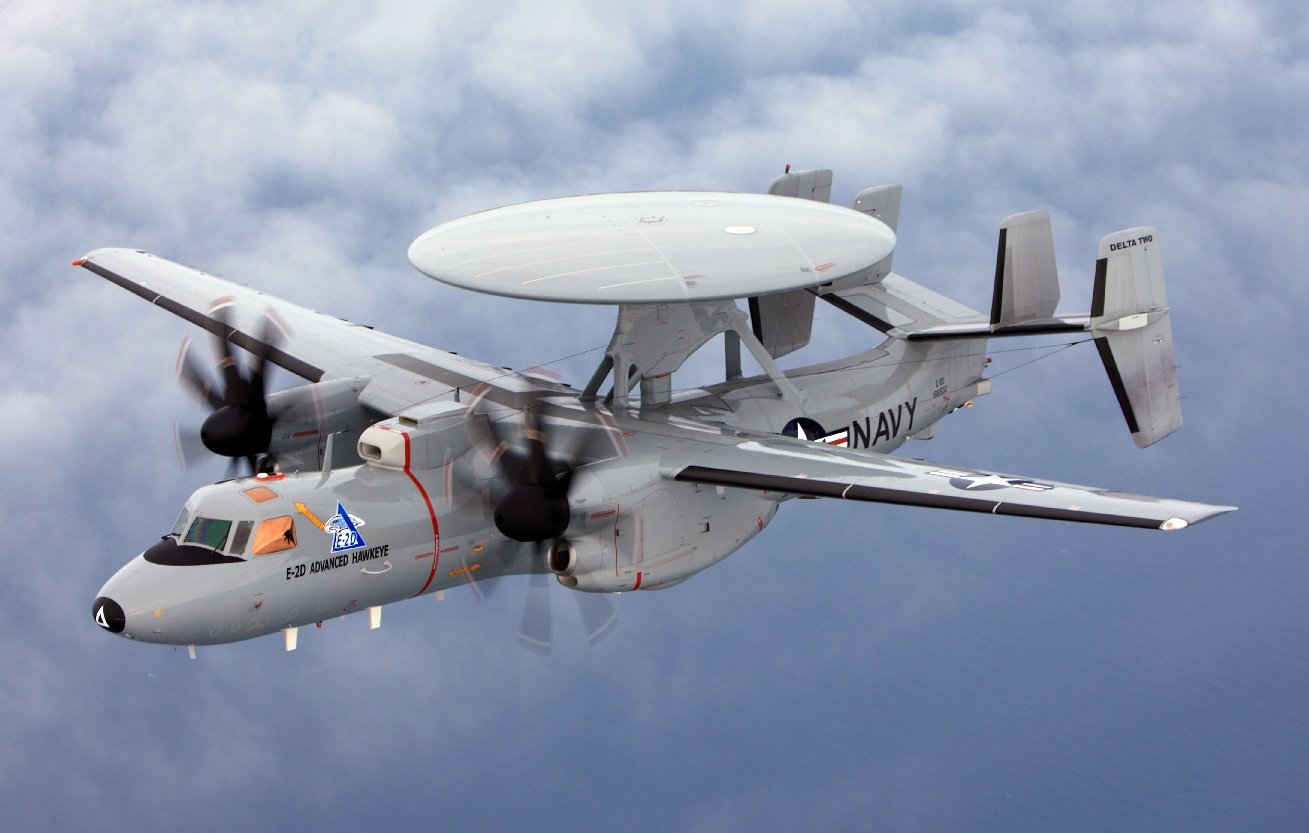 U.S. Navy Awards Northrop Grumman $1.2 Billion Deal for Three New E-2D Advanced Hawkeyes
-
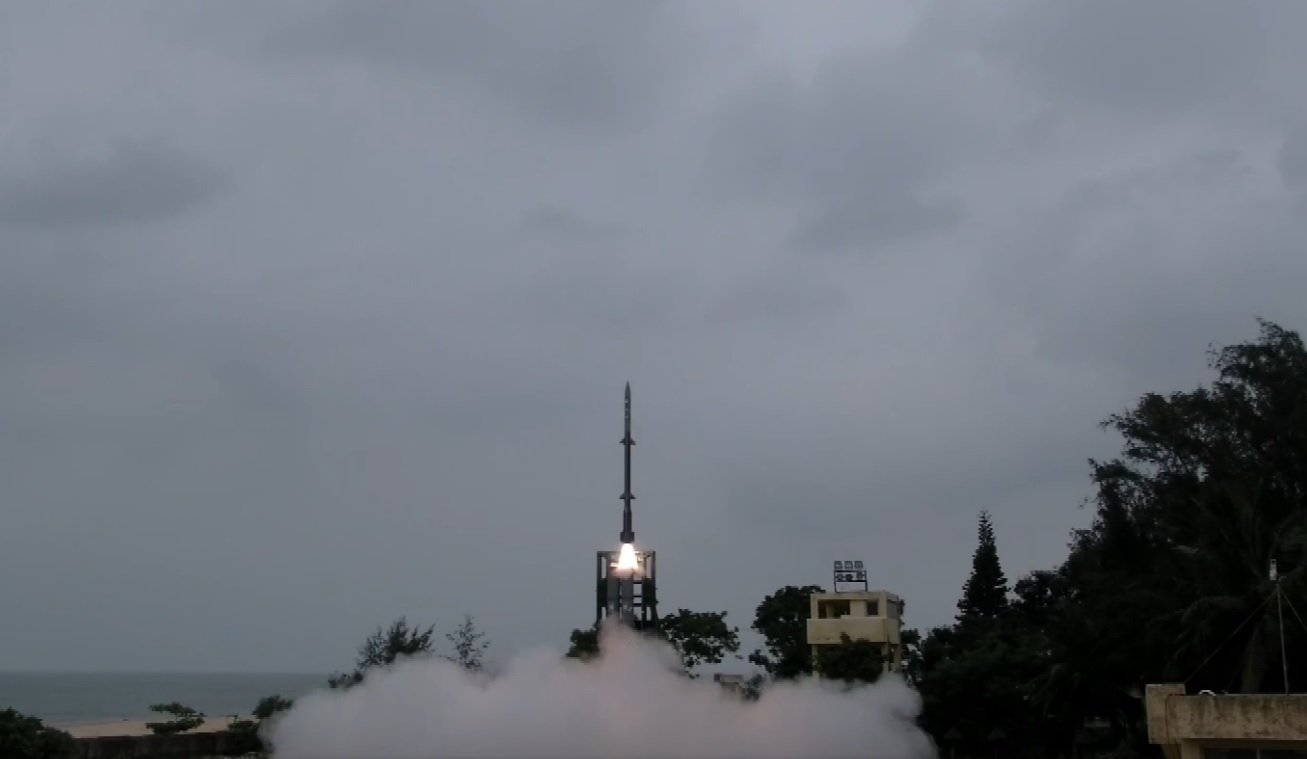 DRDO Successfully Conducts Maiden Flight Test of 150-km-Range Kusha M1 Air Defence Missile
-
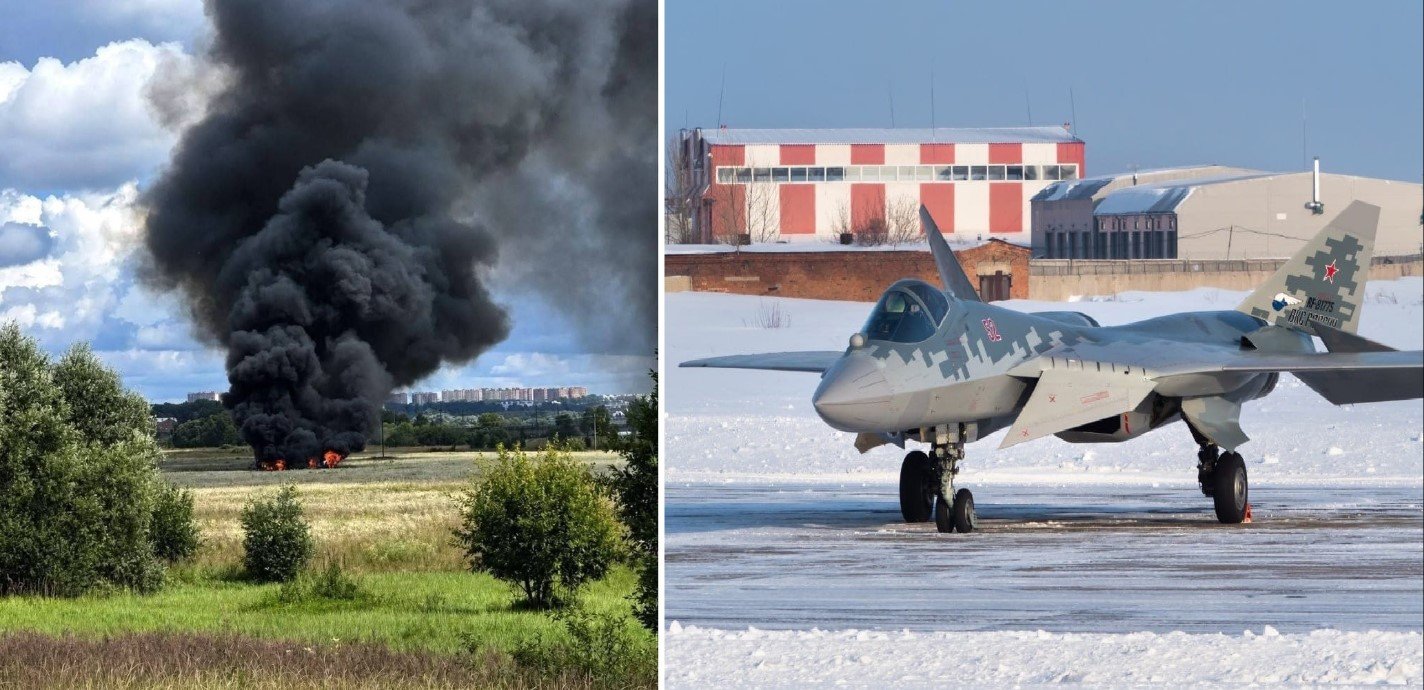 Russian Su-57 Stealth Fighter Crashes During Training Flight Near Moscow, Pilot Ejects Safely
-
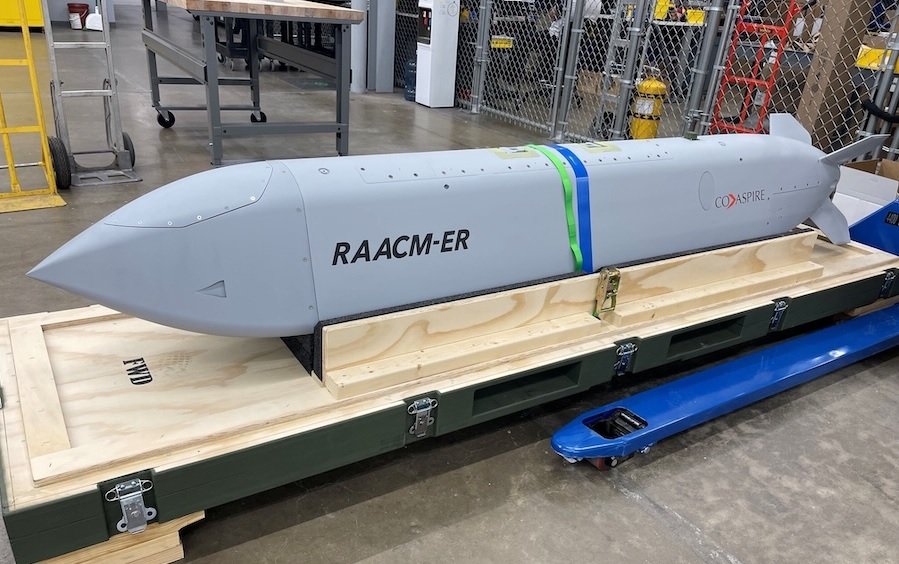 U.S. Navy Selects CoAspire to Build Ground-Launched CHAOS Cruise Missile Under $70 Million Program
-
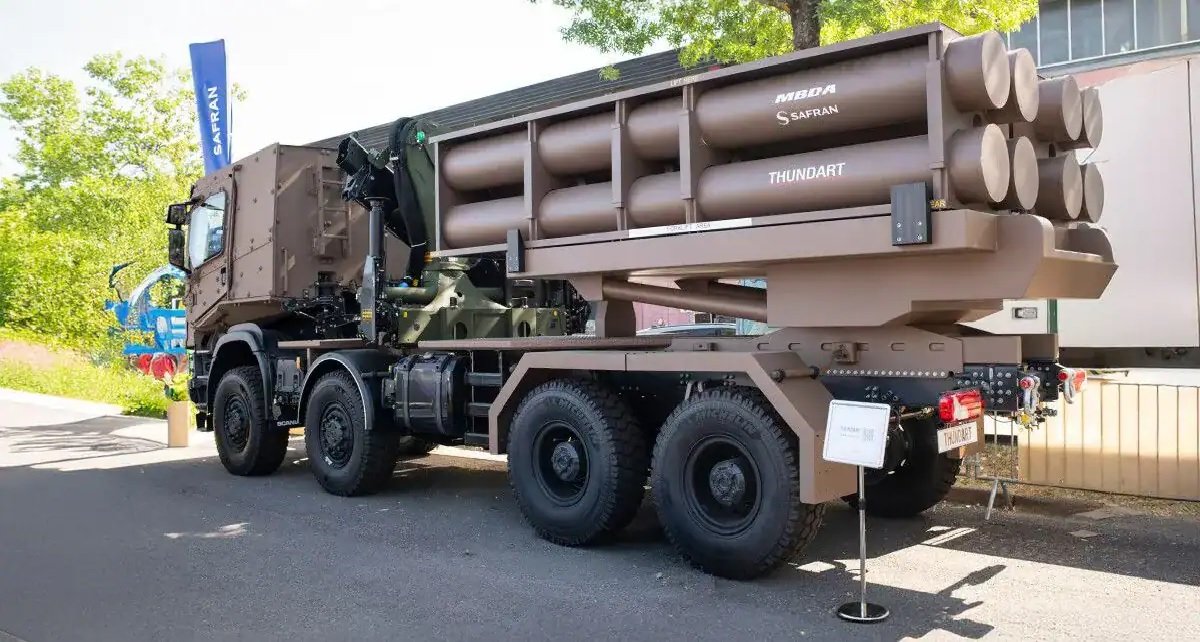 France's THUNDART Long-Range Rocket System May Undergo Prototype Combat Testing in Ukraine
-
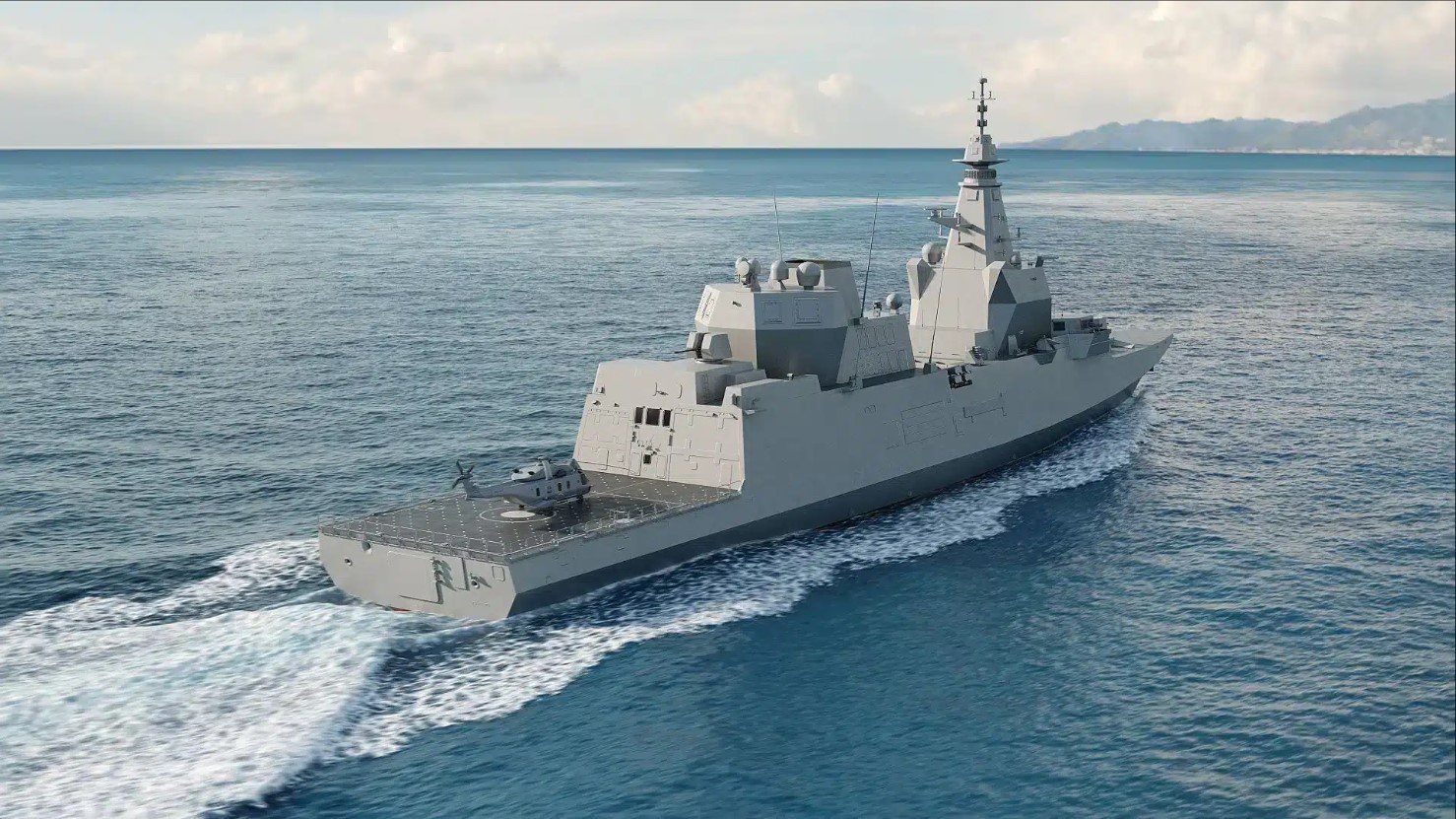 Portugal Orders Three FREMM EVO Frigates from Italy in €3.9 Billion Naval Deal
-
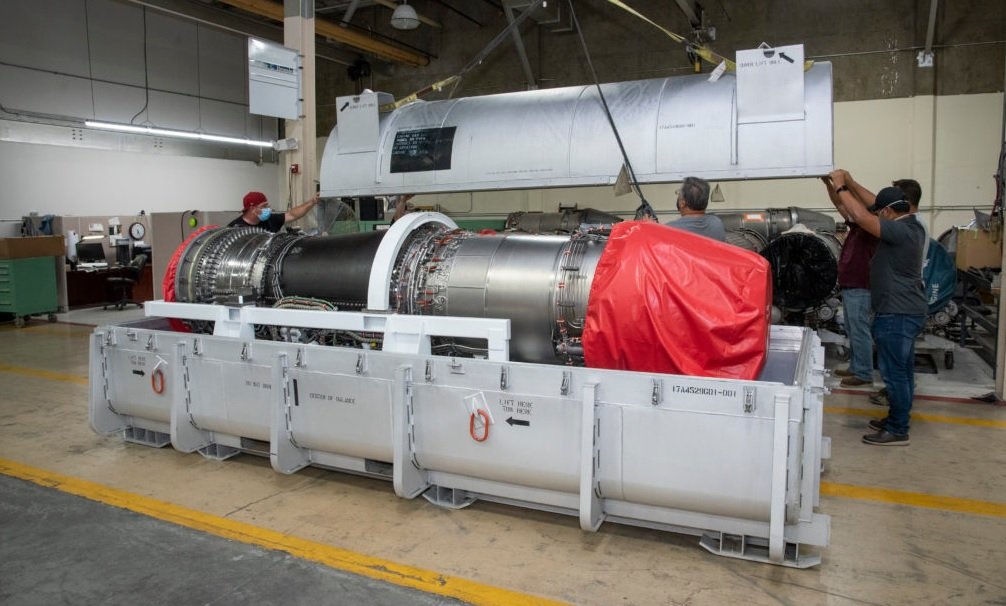 GE Aerospace and Magellan Aerospace Corporation Sign Strategic MoU for F414 Engine Sustainment in Canada
-
 Destinus Unveils Vorexon Interceptor Concept to Defend Critical Sites from Artillery Threats
Top Trending in 4 Days
-
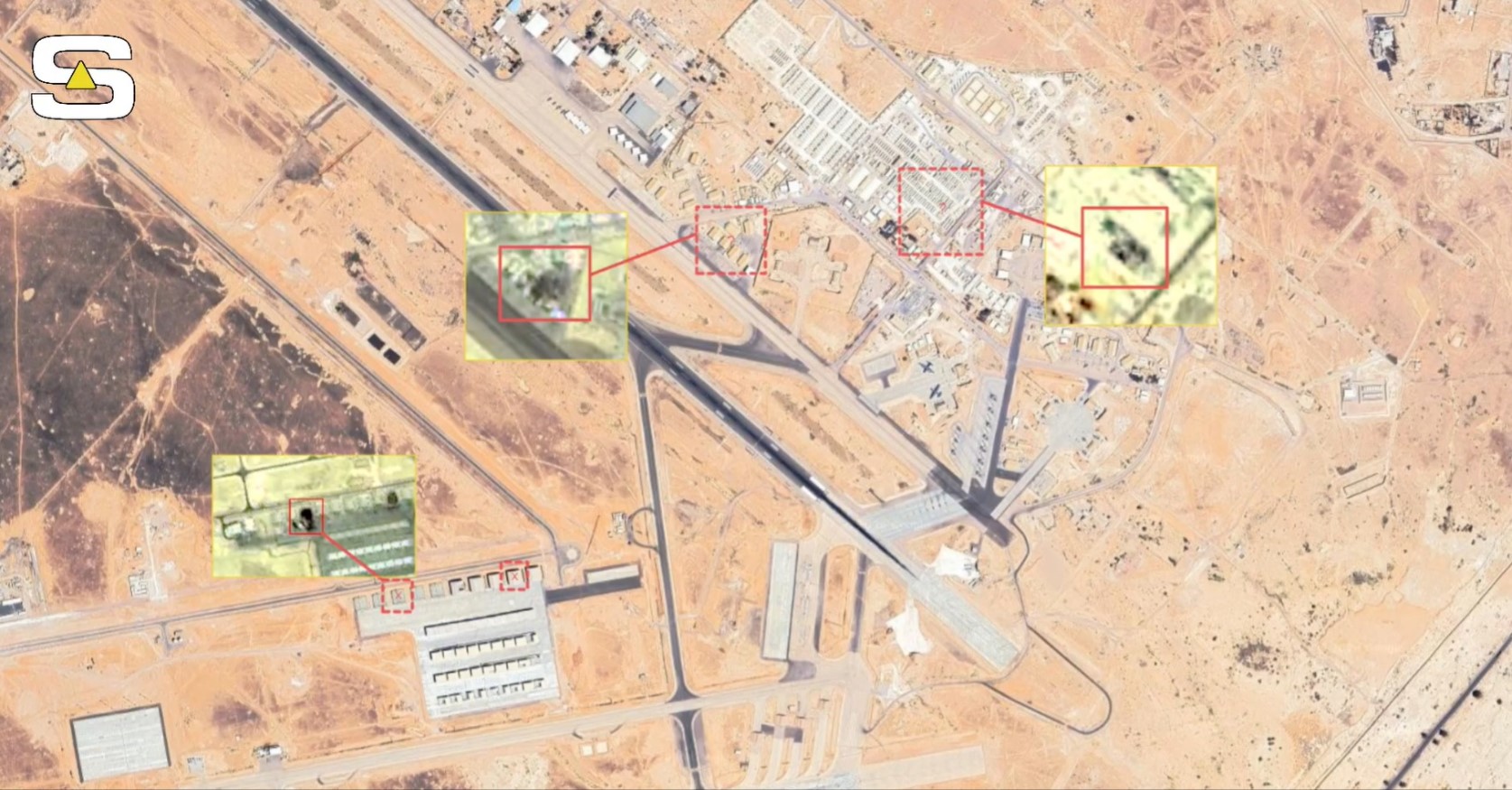 New Satellite Imagery Reveals Extensive Damage at Jordan's Muwaffaq al-Salti Air Base After Iranian Missile Strike
-
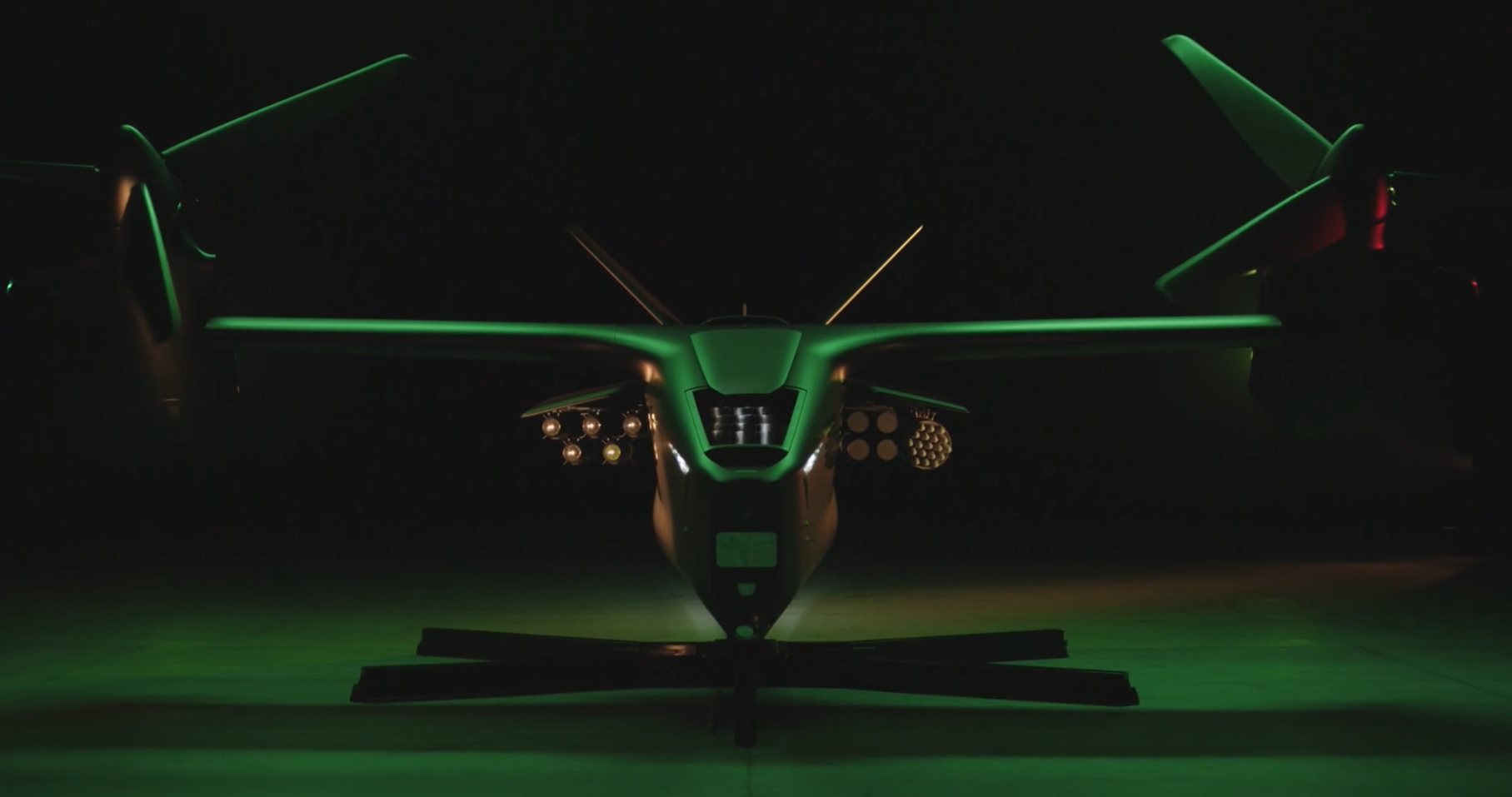 Anduril Unveils Thunder Autonomous Attack Rotorcraft Built with Archer Aviation to Support Apache Helicopters
-
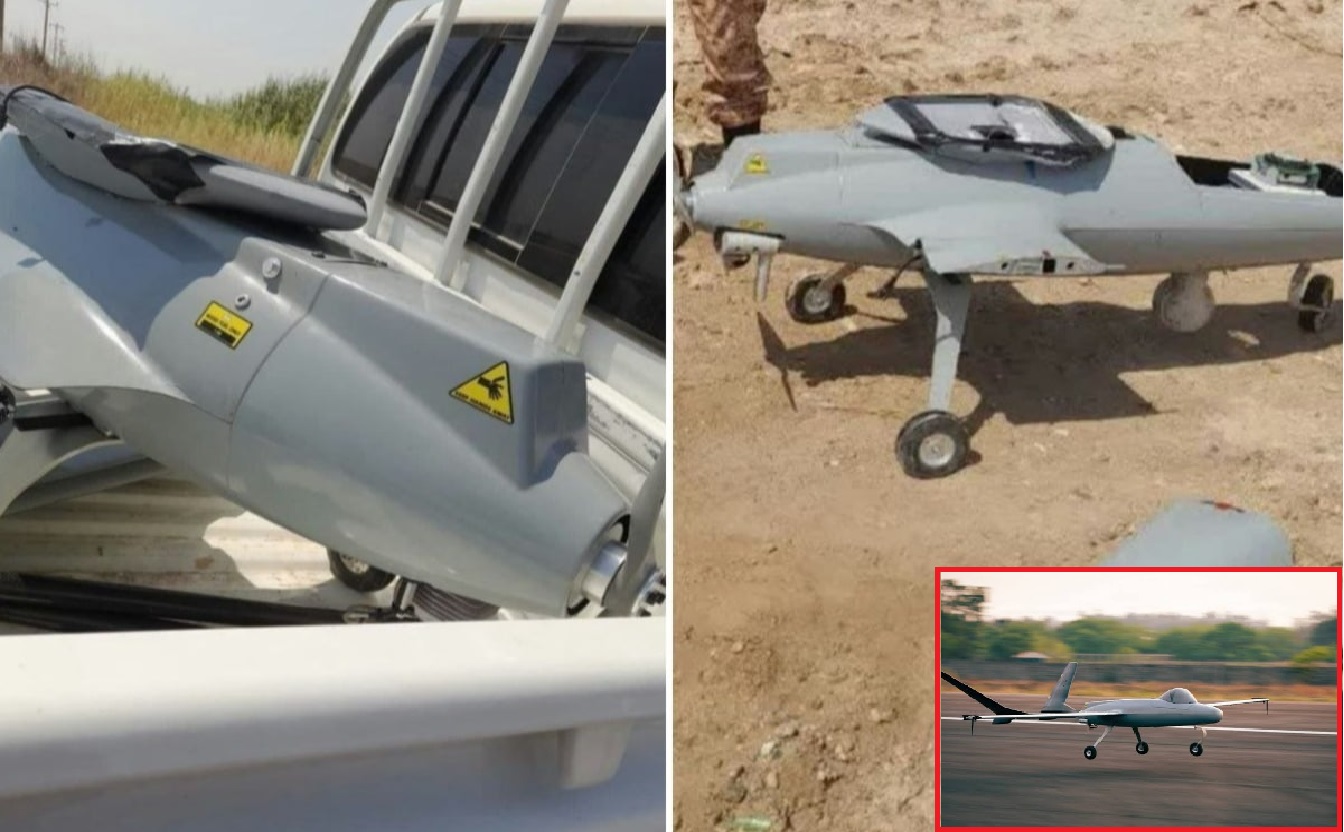 Iran Claims It Shot Down U.S.-Operated Polish-Built Tiguar-M Drone, Releases Images
-
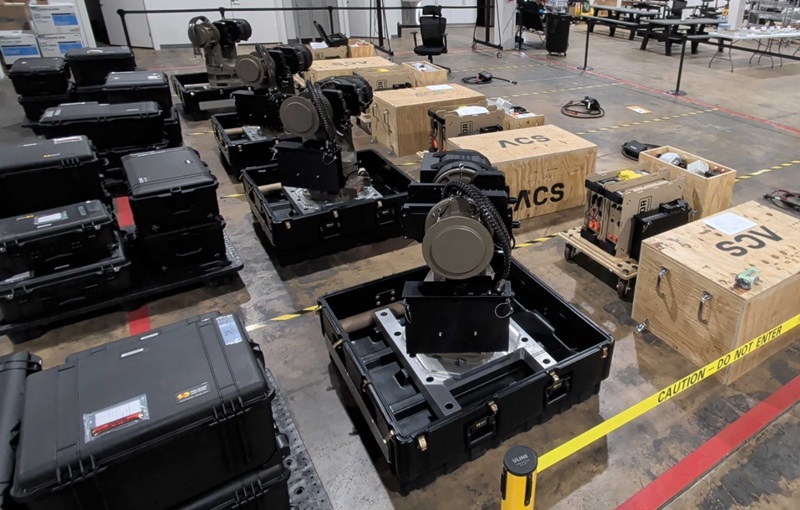 U.S. Marine Corps Selects AI-Powered Bullfrog Weapon Station for L-MADIS Counter-Drone Platform
-
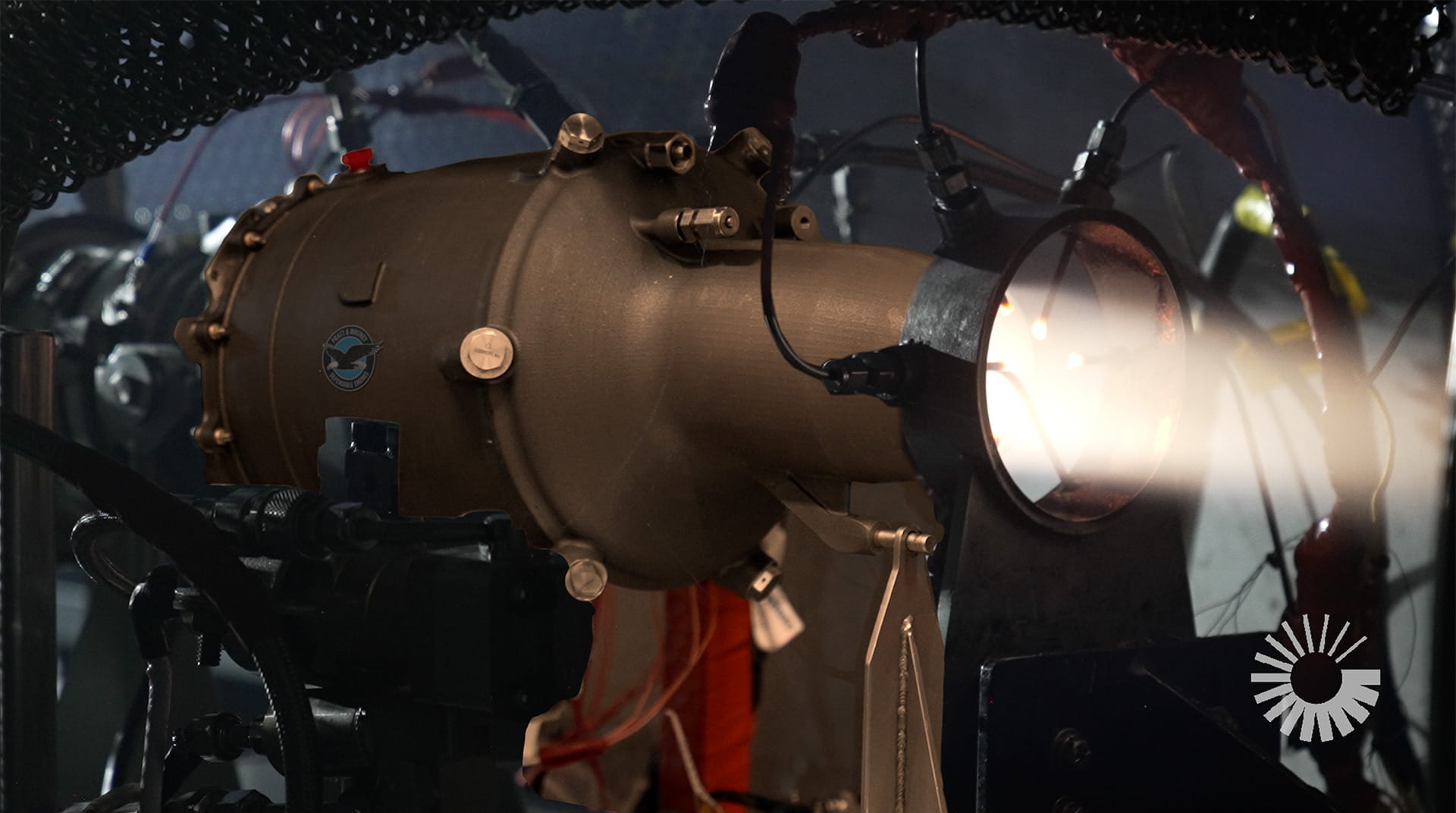 Pratt & Whitney Completes Testing of 3D-Printed TJ150 Engine for Military Applications
-
 Lockheed Martin Unveils MORFIUS X-Rotor High-Power Microwave System That Can Neutralize 50+ Drones in One Flight
-
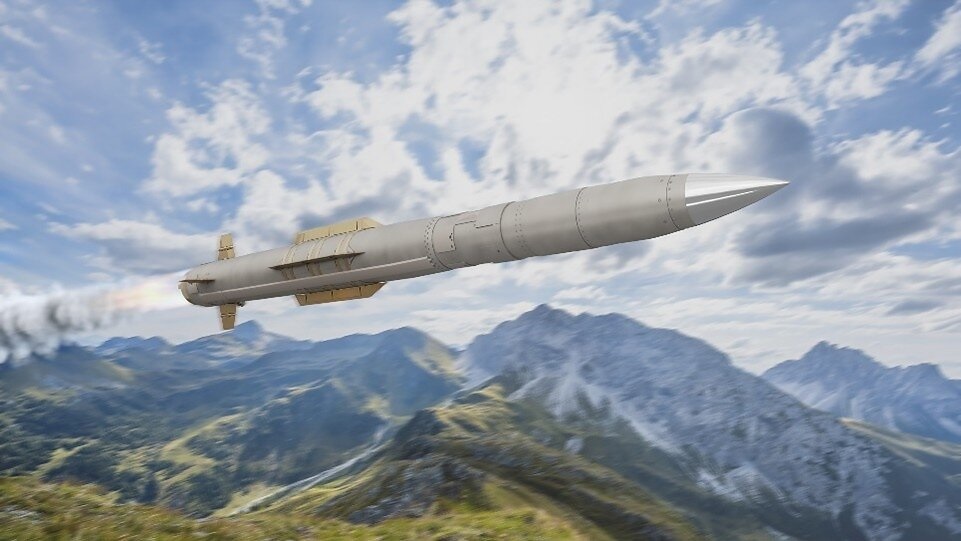 Lockheed Martin Unveils Lower-Cost PAC-3 ACE Interceptor for Patriot Air Defense System
-
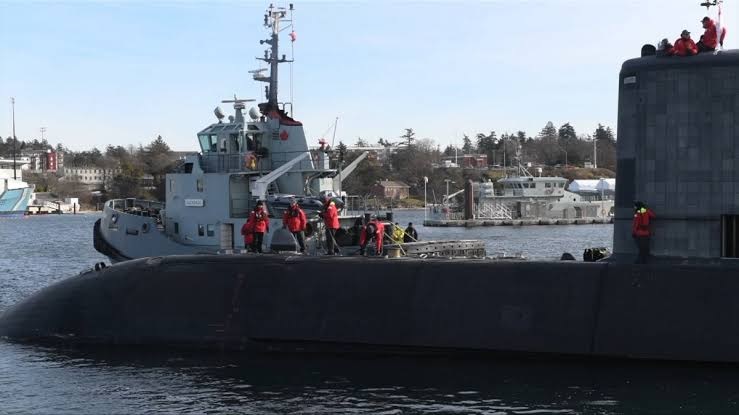 Canada Awards Babcock $1.1 Billion Six-Year Contract Extension to Support Victoria-Class Submarine Fleet
