WASHINGTON — March 5, 2026 : The United States Navy has deployed the High-Energy Laser with Integrated Optical-dazzler and Surveillance (HELIOS) directed-energy weapon system aboard an Arleigh Burke-class destroyer operating in waters near Iran. The deployment is part of ongoing military operations designated Operation Epic Fury, a campaign launched in late February 2026 in response to escalating regional hostilities and persistent drone and missile attacks across the Gulf.
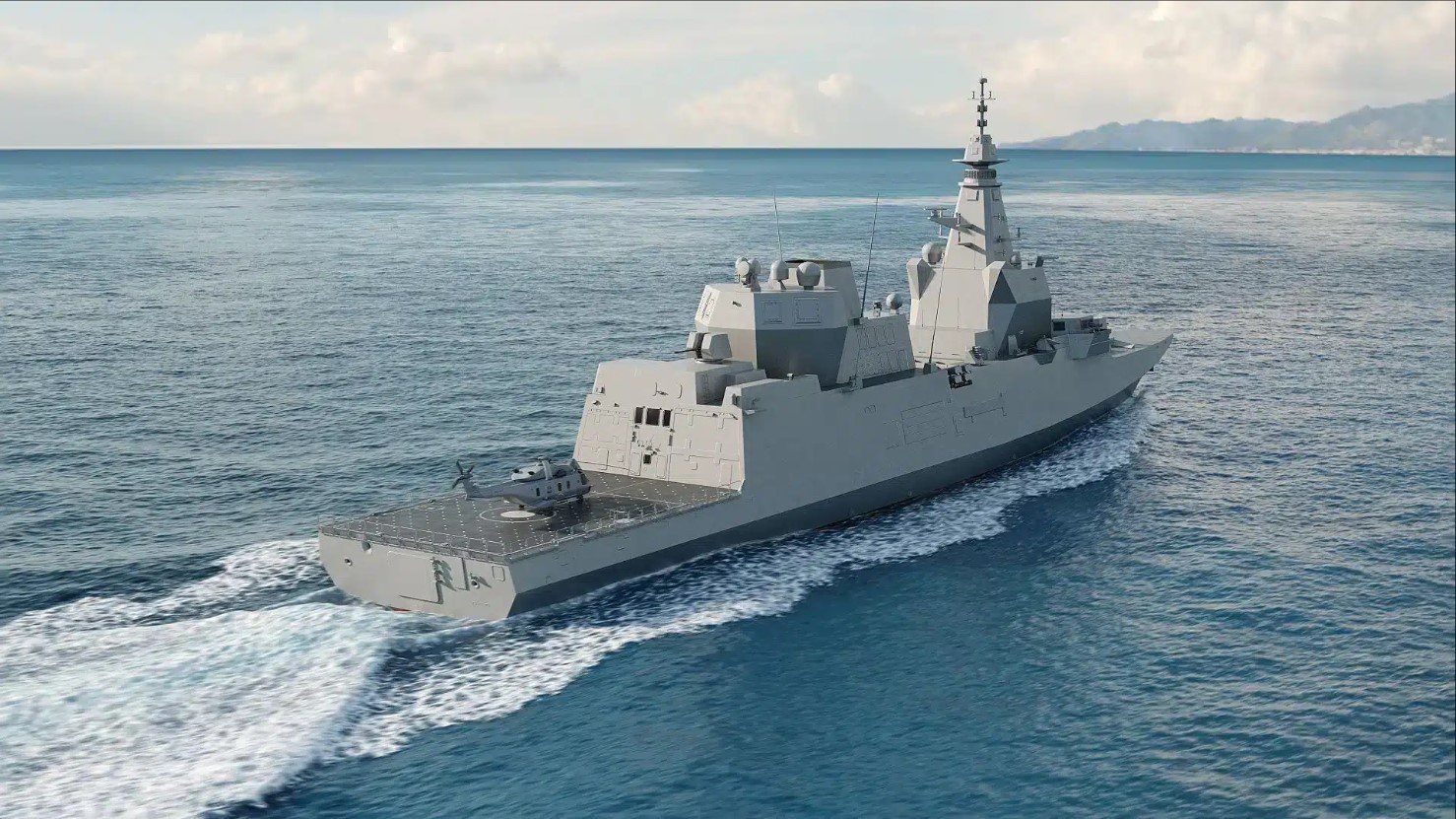
Footage released by the U.S. Central Command (CENTCOM) shows a U.S. Navy destroyer in the operational theater equipped with the HELIOS system mounted near the forward section of the vessel. The imagery confirms the system is installed and operational while U.S. forces conduct defensive and offensive missions in the region.
Military officials have not publicly confirmed specific combat engagements or verified kill records for the laser system during the current conflict. However, reports cited by the New York Post, referencing sources familiar with the operation, indicate that HELIOS has already been used to engage Iranian drones during ongoing defensive operations.
Pre-Conflict Testing and System Validation
Before the outbreak of the current hostilities, HELIOS underwent live operational testing. In early February 2026, the U.S. Navy conducted a counter-unmanned aerial systems demonstration at sea aboard the destroyer USS Preble (DDG-88).
During the test, the system successfully destroyed four drones in live-fire engagements. The demonstration confirmed the system’s ability to track and neutralize aerial targets using a directed-energy beam. The test results were reported by defense outlets including USNI News and The War Zone and referenced in discussions within U.S. Naval Institute publications.
HELIOS was developed by Lockheed Martin as a 60-kilowatt-class directed-energy weapon designed for naval air defense. The system is integrated with the Aegis Combat System used aboard Arleigh Burke-class destroyers, allowing it to operate alongside existing radar, tracking, and missile defense capabilities.
The laser can engage drones, small boats, and other low-altitude threats using a concentrated beam of energy that heats and damages structural components or onboard electronics. In addition to its destructive capability, HELIOS includes an optical dazzler function designed to disrupt surveillance sensors or targeting systems on unmanned platforms.
Cost Dynamics of Modern Drone Warfare
The deployment of directed-energy weapons is partly intended to address the growing economic imbalance in modern air defense operations. The conflict has demonstrated how low-cost drones can impose high defensive costs on nations relying on traditional interceptor missiles.
Iranian Shahed-series drones are estimated to cost approximately $30,000 per unit to produce. In contrast, the interceptor missiles typically used to defeat such threats are significantly more expensive.
Standard interceptor costs are estimated as follows:
Patriot PAC-3 interceptor missiles cost approximately $3 million to $4 million per launch.
THAAD interceptor missiles cost approximately $10 million per launch.
Since the beginning of the current conflict, Gulf states have carried out extensive defensive operations against incoming aerial threats. According to regional defense reporting, the United Arab Emirates alone has intercepted more than 755 drones and 172 ballistic missiles since the start of hostilities.
Using conservative estimates based on interceptor costs, these engagements represent several billion dollars in defensive expenditures across the Gulf within the first week of the conflict.
Operational Advantages of Directed-Energy Systems
Directed-energy weapons such as HELIOS operate using electrical power generated by the host vessel rather than physical munitions. The laser draws energy from the ship’s onboard generators and converts it into a focused beam capable of engaging targets at short to medium range.
This design changes several logistical aspects of naval air defense operations.
The system does not require physical missile reloads and does not rely on stored munitions. As long as sufficient electrical power is available, the weapon can continue to fire without depleting a magazine.
The marginal cost of each engagement is minimal. Analysts estimate that the cost of firing the laser is largely limited to electricity consumption, often described as comparable to the power cost of operating a large residential apartment for the duration of a shot.
Because the system does not require interceptor resupply, it also reduces dependence on replenishment ships during sustained operations at sea.
Role in Ongoing Operations
Operation Epic Fury began on February 28, 2026, as part of a broader military campaign targeting Iranian military infrastructure while defending regional partners against retaliatory drone and missile strikes. U.S. naval forces operating in the Gulf and surrounding waters are responsible for both offensive strike support and defensive protection of regional airspace and shipping lanes.
The deployment of HELIOS provides an additional defensive layer against the large number of unmanned aerial systems being launched during the conflict. Military analysts view the system as an effort to mitigate the cost imbalance created by inexpensive drones that force defenders to expend high-value interceptor missiles.
If directed-energy systems such as HELIOS are able to intercept a portion of incoming drones, they could reduce the financial and logistical pressure currently placed on traditional missile defense systems.
The U.S. Department of Defense has not yet released official operational performance data for HELIOS during the ongoing conflict. Additional details regarding engagements, interception rates, and system effectiveness are expected to be evaluated as the operation continues.
——— End of Article ———