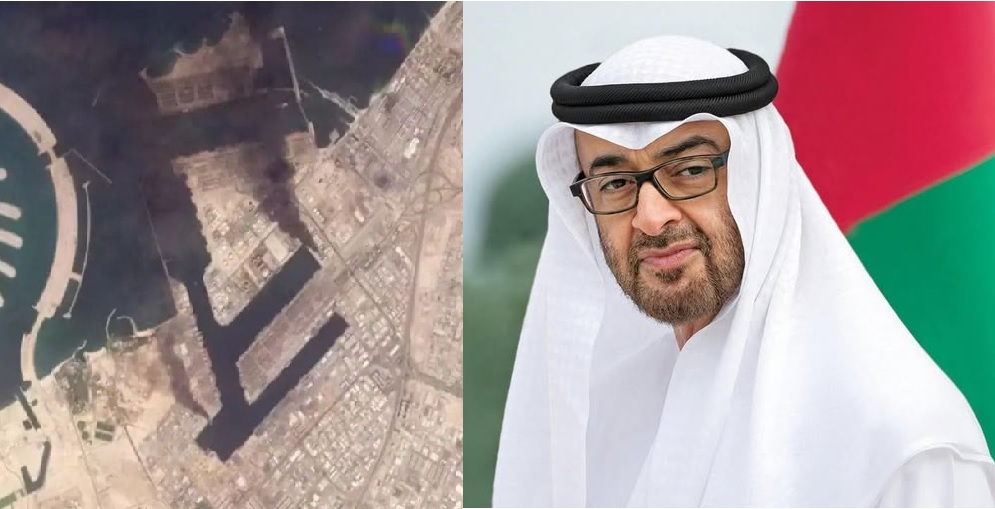
DUBAI, March 6, 2026 : The United Arab Emirates is assessing a proposal to freeze billions of dollars in Iranian assets held within the country’s financial system following recent Iranian missile and drone attacks on Emirati territory, according to reporting by The Wall Street Journal.
The potential financial measures, which are still under internal review, would target Iranian financial networks operating through the UAE and could significantly restrict Tehran’s access to foreign currency and international trade channels. Emirati officials have privately warned Iranian authorities that such actions are being considered, though no final decision or timeline has been publicly announced.
Financial Networks Under Review
Officials familiar with the discussions say the proposal focuses on a targeted crackdown against Iranian financial structures believed to be operating inside the UAE. The measures under review include restrictions on bank accounts linked to Iran’s Islamic Revolutionary Guard Corps (IRGC), which oversees a large portion of Tehran’s overseas financial and logistical operations.
Authorities are also examining the activities of front companies registered in the UAE that are suspected of masking Iranian trade operations and facilitating transactions designed to evade Western sanctions. These companies are believed to play a key role in maintaining Iranian oil sales and international financial transfers.
Another area under consideration is increased regulatory enforcement against unlicensed or loosely regulated currency exchange houses that enable funds to move outside formal banking channels. Officials are evaluating stricter monitoring and possible shutdowns of such exchanges if they are found to be involved in sanctions-evasion activities.
Possible Maritime Enforcement Measures
In addition to financial restrictions, policymakers are discussing potential maritime actions targeting vessels linked to Iran’s “shadow fleet.” These vessels consist largely of aging oil tankers used to transport Iranian crude while concealing ownership, cargo origin, and destination.
Options under discussion include the seizure or detention of Iranian-linked ships operating through Emirati ports or nearby shipping routes. Such measures would aim to disrupt the movement of sanctioned oil exports, which form a major source of revenue for Tehran.
Escalation Following Iranian Attacks
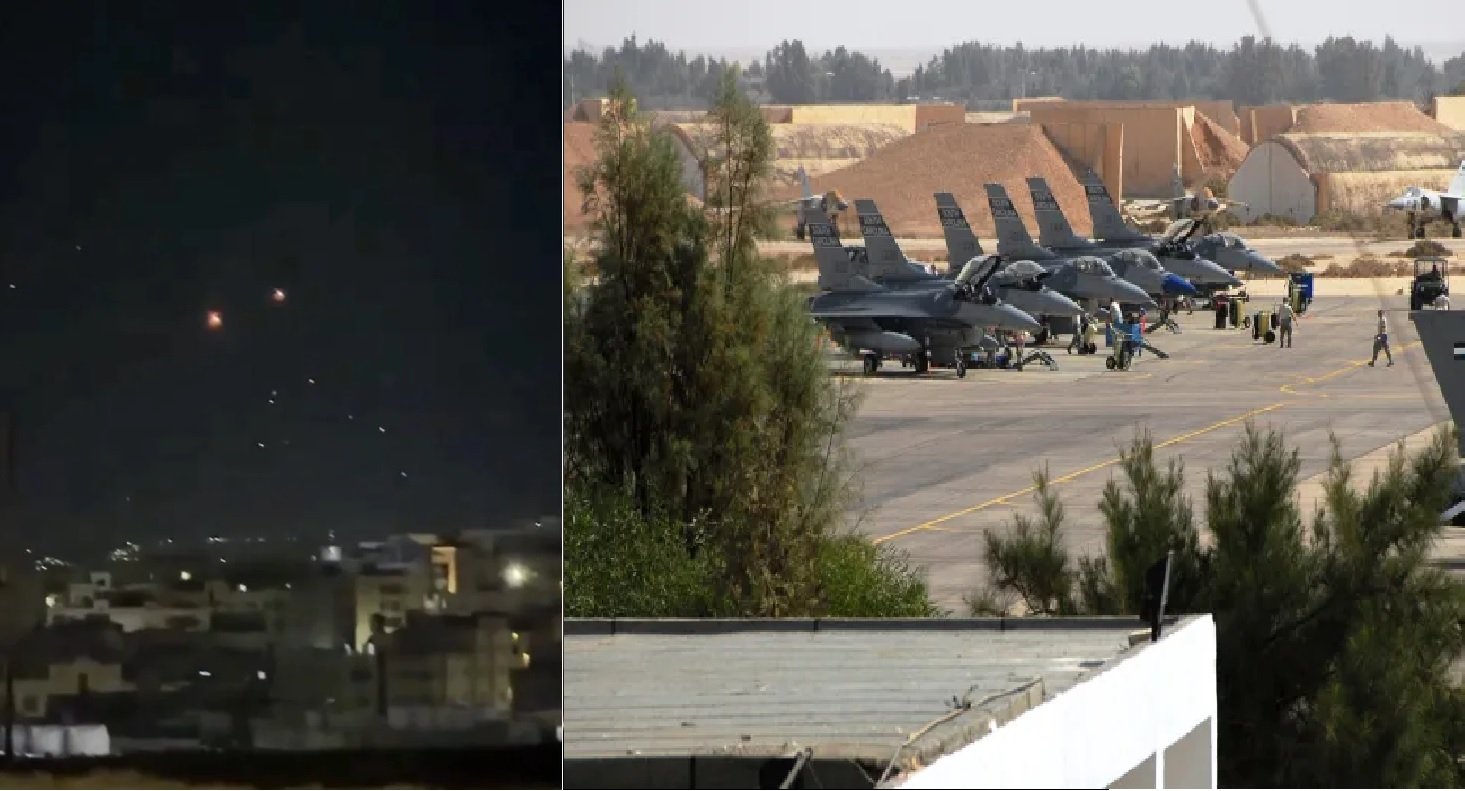
The discussions come after a major escalation in regional hostilities. Over the past week, Iran launched more than 1,000 drones and ballistic missiles toward targets in the United Arab Emirates as part of retaliatory actions linked to ongoing military operations involving the United States and Israel.
The strikes caused damage to civilian infrastructure in several areas of the country. Reports indicate impacts and debris incidents near major landmarks and infrastructure sites in Dubai, including areas close to Dubai International Airport, the Burj Al Arab hotel, and the Palm Jumeirah district.
Dubai’s Role in Iranian Commerce
Dubai has long served as a major commercial hub for Iranian businesses and individuals, particularly during periods of heightened international sanctions on Tehran. Many Iranian companies have historically used the UAE’s financial and logistics networks to facilitate trade, move funds internationally, and maintain access to foreign currency markets.
According to data cited by the U.S. Treasury, approximately $9 billion in transactions linked to clandestine Iranian financial activity passed through correspondent banking accounts connected to U.S. financial institutions in 2024. Of that amount, about 62 percent reportedly moved through UAE-based firms, much of it associated with oil sales conducted by Iranian-linked companies operating from Dubai.
Analysts note that the UAE’s role as a regional financial hub has made it one of the primary gateways through which Iranian entities have interacted with the global economy despite sanctions.
Potential Economic Impact on Iran
If the UAE proceeds with a broad financial crackdown, it could significantly disrupt Iranian access to revenue streams generated from oil exports and international trade. Such restrictions could also limit Tehran’s ability to finance military programs and regional proxy groups that rely on overseas financial channels.
Economic analysts say the United Arab Emirates represents one of the most important commercial corridors available to Iranian businesses outside Iran. Limiting activity within Emirati banks and trade networks would therefore remove a key operational channel for Iranian financial flows.
UAE Regulatory and Sanctions Framework
The UAE government has repeatedly stated that it complies with international sanctions frameworks and maintains regulatory mechanisms designed to prevent illicit financial activity. The country strengthened its anti-money-laundering and financial monitoring systems in recent years.
In 2024, the United Arab Emirates was removed from the Financial Action Task Force (FATF) gray list after implementing a series of regulatory reforms aimed at improving financial transparency and enforcement against money-laundering networks.
Despite these regulatory efforts, the UAE continues to host a large Iranian expatriate community and maintain extensive commercial links with Iran. Hundreds of thousands of Iranian nationals reside in the Emirates, and bilateral trade has historically remained active despite sanctions pressures.
Strategic Balance for Abu Dhabi
A decision to freeze Iranian assets would represent a significant shift in the UAE’s regional policy. Historically, Abu Dhabi has attempted to balance its security partnership with Western allies—particularly the United States—with its economic ties to Iran across the Persian Gulf.
Officials involved in the discussions are reportedly considering a targeted approach rather than a comprehensive freeze affecting all Iranian nationals or businesses in the country. The proposed measures are primarily focused on entities linked to the IRGC, sanctions-evasion networks, and financial structures associated with Iran’s shadow oil trade.
Security analysts note that a broader financial confrontation could risk further escalation, including potential retaliatory attacks against energy infrastructure in the Gulf region.
Awaiting Final Decision
The UAE Ministry of Foreign Affairs has not issued an official statement confirming whether the asset-freeze proposal will be implemented. Officials say discussions are ongoing and that any measures adopted would likely be coordinated with international financial regulations and existing sanctions frameworks.
If enacted, the restrictions would represent one of the most consequential financial pressure points applied to Iran from within the Gulf region and could reshape the role of the UAE as a financial gateway for Iranian economic activity.
——— End of Article ———