
Space & Technology
NEW DELHI — March 10, 2026 : A new scientific assessment by researchers at the Bhabha Atomic Research Centre (BARC) has raised technical and strategic concerns about a proposal to introduce a U.S.-developed thorium-based fuel blend into India’s existing nuclear power reactors. The analysis concludes that the proposed High-Assay Low-Enriched Uranium (HALEU) and thorium fuel combination cannot be directly used in India’s Pressurized Heavy Water Reactors (PHWRs) without significant design changes and could interfere with the country’s long-standing nuclear fuel strategy. The findings were published in the journal Current Science by a BARC research team led by K.P. Singh of the Reactor Research Division. The study evaluates the performance of a HALEU-thorium fuel mixture intended for India’s standard 220 MWe PHWR reactors, which form a major part of the country’s nuclear power fleet. Fuel Concept Developed by U.S. Companies The fuel concept analyzed in the study forms the basis of ANEEL (Advanced Nuclear Energy for Enriched Life), a thorium-based nuclear fuel under development by the Chicago-based company Clean Core Thorium Energy (CCTE) in collaboration with Centrus Energy Corporation. ANEEL combines thorium with High-Assay Low-Enriched Uranium (HALEU)—uranium enriched to levels up to 19.75% uranium-235. Developers have presented the fuel as a potential “drop-in” replacement for the natural uranium currently used in Indian PHWRs, suggesting it could allow earlier utilization of thorium while improving fuel efficiency and reducing spent nuclear fuel volumes. Fuel pellets of the ANEEL design have undergone irradiation testing at the Advanced Test Reactor at Idaho National Laboratory in the United States to examine their behaviour under reactor conditions. Some Indian power producers have shown interest in the technology. NTPC Ltd., the country’s largest power generation company, has explored potential collaboration with CCTE for possible deployment in domestic reactors, subject to approval by the Government of India and the Department of Atomic Energy (DAE). Reactor Safety and Neutronics Concerns The BARC analysis compared the HALEU-thorium fuel cycle with the existing natural uranium fuel used in PHWRs by evaluating cluster-level optimization and full-core reactor performance parameters. According to the researchers, introducing the HALEU-thorium mixture would significantly alter the reactor’s neutronic behaviour and reactivity control characteristics. One key finding of the study is a reduction of approximately 26% in the effectiveness of the PHWR shutdown systems. These systems are designed to rapidly stop the nuclear chain reaction during abnormal operating conditions. The reduction results from changes in neutron flux distribution and reactivity coefficients caused by the different fuel composition. Because PHWRs are engineered specifically for natural uranium fuel moderated by heavy water, the study concludes that the proposed fuel blend would require substantial modifications to the reactor core design and control systems before safe operation could be achieved. As a result, the researchers state that the HALEU-thorium fuel cannot be considered a direct “drop-in” replacement for the existing fuel configuration in India’s operational reactors. Resource Utilisation and Uranium Consumption The study also examined resource utilisation associated with HALEU production. HALEU requires enrichment of uranium to levels approaching 20% U-235, significantly higher than the enrichment required for conventional light-water reactors and far above the natural uranium used in PHWRs. BARC scientists calculated that producing HALEU at 19.75% enrichment would increase the total amount of mined natural uranium required per unit of energy generated when compared with India’s current natural uranium fuel cycle. Although the HALEU-thorium mixture is designed to achieve higher burn-up levels—around 50 gigawatt-days per tonne (GWd/t)—and thereby reduce the total volume of spent fuel, the enrichment process introduces additional upstream resource demands. Impact on Plutonium Production Another major conclusion of the study relates to the production of plutonium in PHWR spent fuel. Under India’s current nuclear fuel cycle, PHWR reactors operating on natural uranium generate plutonium-239 as a byproduct. This plutonium is separated during reprocessing and used as the primary fissile material for the country’s Fast Breeder Reactor (FBR) programme. The BARC analysis indicates that the HALEU-thorium fuel cycle would produce significantly less plutonium compared with the natural uranium cycle. Reduced plutonium generation would limit the availability of fissile material required for India’s breeder reactors. The study also notes that the uranium-233 produced during thorium irradiation in the HALEU-thorium cycle would not be easily integrated into the existing closed fuel cycle system used by India’s PHWRs and breeder reactors. Interaction With India’s Three-Stage Nuclear Programme India’s nuclear power strategy is based on the three-stage nuclear programme originally developed by Dr. Homi J. Bhabha in the 1950s. The programme is designed to utilize the country’s limited uranium reserves and large thorium resources—estimated to account for roughly 25% of global thorium reserves. The three stages are structured as follows: Stage 1: Pressurized Heavy Water Reactors use natural uranium fuel to generate electricity and produce plutonium in spent fuel. India currently operates several PHWR units, including 220 MWe and 700 MWe reactors, which form the foundation of the programme. Stage 2: Fast Breeder Reactors use the plutonium recovered from PHWR spent fuel to breed additional fissile materials, including uranium-233 derived from thorium. Stage 3: Advanced thorium-based reactors are intended to operate primarily on U-233 fuel derived from thorium, enabling a self-sustaining nuclear energy cycle with reduced reliance on imported uranium. The BARC study concludes that introducing HALEU-thorium fuel in existing PHWRs would reduce plutonium accumulation, which is required for Stage 2 breeder reactors. This would slow the transition toward thorium-based energy systems envisioned in the final stage of the programme. Reactor Design Implications Because the HALEU-thorium fuel significantly changes reactor physics parameters, BARC researchers state that its implementation would require modified PHWR designs, including adjustments to safety systems and reactivity control mechanisms. Such modifications could involve changes to fuel bundle geometry, shutdown system design, and control rod configurations to compensate for the altered neutron spectrum and reactivity behaviour. The study indicates that these redesign efforts would involve additional engineering complexity and costs and could delay progress toward the long-term objectives of the national nuclear programme. India’s Ongoing Thorium Development Efforts India has been actively developing indigenous thorium-based reactor technologies within its own three-stage framework. One of the key projects in this effort is the Advanced Heavy Water Reactor (AHWR) design, which uses thorium-plutonium fuel combinations and incorporates passive safety systems intended to support large-scale thorium utilization in the future. The Department of Atomic Energy continues to pursue domestic thorium technologies alongside expansion of nuclear generation capacity. India has set a target of expanding nuclear power generation to around 100 gigawatts of installed capacity by 2047 as part of its long-term energy strategy. Policy Status The BARC study does not indicate that any official decision has been made regarding the adoption of HALEU-thorium fuel in Indian reactors. The proposal remains under technical evaluation, and any deployment would require approval from Indian nuclear authorities. The analysis concludes that while thorium-based fuels remain central to India’s long-term nuclear strategy, the specific HALEU-thorium configuration examined in the study is not compatible with current PHWR designs without significant modifications and could affect the fuel cycle structure underlying the country’s three-stage nuclear programme.
Read More → Posted on 2026-03-10 17:29:16
World
MOSCOW — March 10, 2026 : Russian President Vladimir Putin has indicated that Moscow may consider halting remaining natural gas supplies to Europe ahead of the European Union’s planned phase-out of Russian gas imports by 2027, potentially redirecting volumes to alternative markets in Asia. Russian officials say the idea is under evaluation and has not yet been finalized, but the discussion comes amid tightening global energy markets following disruptions linked to the ongoing Middle East crisis involving Iran. Putin made the remarks during a televised interview with Russian state correspondent Pavel Zarubin on March 4, stating that changing market conditions could make it economically advantageous for Russia to stop supplying European markets sooner than expected. He said the government had been asked to study the possibility together with Russian energy companies and assess whether redirecting supplies to other buyers could yield higher returns under current global prices. The statement follows the European Union’s policy framework to eliminate dependence on Russian pipeline gas by late 2027 and to restrict new short-term contracts for Russian liquefied natural gas beginning in April 2026. Despite these measures, Russia still supplies a limited share of Europe’s gas through pipeline deliveries and LNG shipments. Current Structure of Russian Gas Supplies to Europe Russia’s position in the European gas market has declined significantly since the escalation of the war in Ukraine in 2022. Before the conflict, Russia exported between 155 billion and 200 billion cubic meters (bcm) of pipeline gas annually to Europe, accounting for roughly 40–50 percent of the European Union’s gas imports. By 2025, those volumes had fallen sharply. Russian pipeline exports to the EU dropped 44 percent year-on-year, reaching their lowest level since the mid-1970s. At present, the only operational pipeline route supplying the EU directly is the TurkStream pipeline. That pipeline delivered approximately 18 bcm of gas in 2025, primarily supplying countries such as Hungary and Slovakia. Deliveries through TurkStream increased about 7–8 percent compared with 2024. Liquefied natural gas (LNG) shipments from Russia remain another component of supply. In 2025, the EU imported between 15 bcm and 20.3 bcm of Russian LNG, representing around 16 percent of the bloc’s total LNG imports, down from about 21 percent in 2021. European buyers spent approximately €7.2 billion on Russian LNG during that year. Imports continued into early 2026, with Russian LNG deliveries reaching a monthly record of about 2.276 bcm in January. In total, Russia supplied approximately 38 bcm of gas to the EU in 2025 when combining pipeline gas and LNG, making Russia the fourth-largest supplier to the European market after Norway, the United States, and Algeria. European gas consumption in 2025 totaled roughly 335 bcm, meaning Russian gas accounted for about 11 percent of total EU consumption, a significant decline compared with pre-2022 levels. Middle East Conflict and Global Energy Market Pressures The renewed debate about Russian supply comes as global energy markets face volatility linked to the crisis involving Iran and military operations conducted by the United States and Israel beginning in late February 2026. Tensions in the region have affected maritime routes near the Strait of Hormuz, a strategic shipping corridor through which roughly 20 percent of global oil and LNG flows normally pass. Disruptions to traffic through the strait have reduced export flows from major Gulf producers including Qatar. As a result, global energy prices have risen sharply. Oil prices climbed above $100 per barrel, while benchmark European gas prices at the Title Transfer Facility (TTF) increased by approximately 50–67 percent, reaching around €52–60 per megawatt-hour. These price increases have created higher spot-market premiums for LNG cargoes in Asia compared with Europe, a factor Russian officials cite when discussing the potential reallocation of gas shipments. Russia’s Strategy to Redirect Gas Toward Asian Markets Russian Deputy Prime Minister Alexander Novak confirmed that Moscow is evaluating the redirection of LNG volumes previously destined for Europe toward buyers in Asian markets where prices are currently higher. According to Russian officials, some cargoes have already been rerouted, with shipping data indicating that at least three LNG tankers altered their destinations in early March 2026. Potential alternative buyers include China, India, and other Asian energy importers. China already represents Russia’s largest single energy customer. Pipeline deliveries through the Power of Siberia pipeline reached approximately 38.8 bcm in 2025. Overall, Chinese purchases accounted for about half of Russia’s fossil fuel export revenues among its major trading partners. However, infrastructure limitations constrain the immediate scale of any shift away from Europe. The existing eastern pipeline network cannot absorb the full volumes previously sent to Europe through western routes. Analysts also note that some Russian LNG projects have historically relied on European ports as primary destinations. Storage Levels and Market Effects in Europe European gas storage levels remain an important factor in assessing the impact of a potential supply halt. At the end of February 2026, EU storage sites held roughly 46 bcm of gas following a colder-than-average winter, leaving reserves lower than in several recent years. If Russian deliveries were halted entirely, approximately 38 bcm of annual supply would disappear from the European market. While the EU has diversified its energy sources since 2022, such a reduction could tighten supply conditions in the short term. The United States has become the largest LNG supplier to Europe, accounting for around 57 percent of EU LNG imports. Additional volumes arrive from Norway, Algeria, and other producers. Even with these sources, analysts expect price increases if European and Asian buyers compete for limited LNG cargoes. Higher wholesale prices would likely increase energy costs for households and industrial consumers across Europe, depending on contract structures, storage withdrawals, and alternative LNG availability. European Energy Diversification and Long-Term Outlook European governments have spent the past several years expanding LNG import capacity, building new terminals, and increasing pipeline deliveries from alternative suppliers. The EU’s broader energy strategy also includes expanding renewable energy and improving energy efficiency to reduce gas demand. Officials in Brussels maintain that the European Union remains committed to eliminating Russian pipeline gas imports by 2027, regardless of short-term market fluctuations. For Russia, redirecting exports toward Asian markets aligns with its long-term strategy of shifting energy trade away from Europe. However, analysts note that many pipeline contracts with Asian buyers involve lower prices than historical European contracts before 2022. Decision Still Under Review No final decision has been announced by Moscow regarding the early termination of gas supplies to Europe. Russian energy companies continue current deliveries under existing contracts while the government evaluates redirection options. Putin has stated that Russia remains open to supplying oil and gas to Europe if long-term agreements can be reached without political conditions, while European governments continue pursuing policies aimed at ending reliance on Russian energy imports by the end of the decade.
Read More → Posted on 2026-03-10 17:10:49
World
BAKU — March 10, 2026 : Azerbaijan has ordered 40 ASELPOD electro-optical targeting and navigation pods from Turkish defense manufacturer ASELSAN for integration with its upcoming fleet of JF‑17 Block III combat aircraft, according to an update recorded in the March 9, 2026 entry of the Stockholm International Peace Research Institute (SIPRI) Arms Transfers Database. The procurement aligns with Azerbaijan’s previously reported acquisition of 40 JF-17 Block III fighters from Pakistan, indicating that each aircraft in the fleet will be equipped with the Turkish targeting system. SIPRI, which monitors international transfers of major conventional weapons, lists the order as part of its ongoing tracking of global arms deals. As of now, no formal public confirmation has been issued by Azerbaijan, Pakistan, or ASELSAN regarding the specific ASELPOD order. ASELPOD Targeting and Reconnaissance System The ASELPOD is an advanced electro-optical reconnaissance, surveillance, and targeting pod designed to enhance the precision strike capabilities and situational awareness of modern combat aircraft. Developed by ASELSAN, the system integrates multiple sensors and targeting functions within a stabilized pod mounted externally on fighter aircraft. The pod incorporates high-performance infrared (IR) and daylight television (TV) imaging sensors that allow pilots to detect, track, and identify targets at extended operational ranges under both day and night conditions. These sensors are combined with advanced onboard image-processing systems capable of simultaneously tracking multiple targets, enabling improved battlefield awareness during complex operations. For precision strike missions, ASELPOD is equipped with a dual-wavelength laser target designator and an integrated laser rangefinder, allowing aircraft to guide laser-guided bombs and other precision-guided munitions accurately to designated targets. The system also provides high-accuracy geolocation capabilities, enabling precise target coordinate generation for guided weapons. Internal mechanical stabilization ensures the sensors maintain a steady lock on targets even during aircraft maneuvers, supporting both air-to-ground strike operations and certain air-to-air targeting roles. The combination of sensor fusion, stabilization, and onboard processing is intended to significantly improve targeting precision and operational flexibility. Integration With Azerbaijan’s JF-17 Block III Fleet The acquisition of 40 ASELPOD units corresponds directly with Azerbaijan’s procurement of 40 JF-17 Block III aircraft, the latest version of the multirole fighter jointly developed by Pakistan and China through cooperation between the Pakistan Aeronautical Complex (PAC) and Chengdu Aircraft Corporation (CAC). The JF-17 Block III represents the most advanced configuration of the aircraft family and incorporates several major upgrades compared with earlier variants. The fighter is equipped with the KLJ-7A active electronically scanned array (AESA) radar, which provides improved detection range, multi-target tracking capability, and resistance to electronic countermeasures. Additional avionics improvements include a helmet-mounted display system, enhanced mission computers, and an infrared search and track (IRST) sensor designed to detect airborne targets using thermal signatures. These systems contribute to expanded air-combat capabilities and improved sensor integration. Aerodynamically, the aircraft features a delta-style wing with leading-edge slats and prominent root extensions, along with all-moving horizontal stabilizers and a single vertical tail fin. This configuration is intended to improve maneuverability and flight performance across a wide range of mission profiles. The aircraft is powered by the WS-13 turbofan engine, a Chinese-developed powerplant derived from the RD-93 engine family used in earlier JF-17 variants. The propulsion system supports the aircraft’s multirole performance requirements while maintaining compatibility with existing maintenance infrastructure. Armament and Payload Capacity The JF-17 Block III is designed to carry a wide variety of weapons and external equipment. The aircraft has seven external hardpoints capable of supporting up to 3,700 kilograms of payload, including air-to-air missiles, air-to-surface missiles, guided bombs, and reconnaissance pods. Its internal armament includes a 23-millimeter twin-barrel cannon, a Chinese-manufactured copy of the Soviet GSh-23-2, supplied with approximately 180 rounds of ammunition. Technical specifications also allow for the possibility of a future upgrade to a 30-millimeter cannon system derived from the GSh-301 design. Azerbaijan’s JF-17 Procurement Program Azerbaijan’s acquisition of the JF-17 fighter is part of a broader modernization program for the Azerbaijan Air Force. The initial contract, signed in February 2024, covered a package valued at approximately $1.6 billion, which included aircraft, training, and associated munitions. In June 2025, the agreement expanded into a larger $4.6 billion defense package covering up to 40 JF-17 Block III aircraft, making it the largest defense export deal in Pakistan’s history. Deliveries have already begun in phases. The first batch of aircraft—four single-seat fighters and one twin-seat variant—was formally inducted into Azerbaijani service and publicly displayed during the Victory Day military parade in Baku on November 8, 2025. Operational Implications The integration of ASELPOD targeting systems with Azerbaijan’s JF-17 Block III fleet is intended to enhance the aircraft’s precision-strike capability, reconnaissance performance, and targeting accuracy. The system enables the fighters to effectively employ laser-guided munitions and perform long-range target identification during strike missions. ASELPOD has previously been tested and integrated on the JF-17 platform, with the Pakistan Air Force operating the system since 2017 as part of its efforts to expand the aircraft’s precision-attack capabilities. Once fully integrated, the combination of the Turkish-developed targeting pod and the Sino-Pakistani fighter platform will provide the Azerbaijan Air Force with a modern multirole combat system capable of conducting precision strike, reconnaissance, and air combat operations using a diverse set of guided weapons.
Read More → Posted on 2026-03-10 16:19:13
World
WASHINGTON — March 10, 2026 : The U.S. Air Force has formally identified the forthcoming F-47 Next-Generation Air Dominance (NGAD) fighter as a future launch platform for the Stand-In Attack Weapon (SiAW), according to a procurement notice issued on SAM.gov on March 4, 2026. The sources-sought notice was released by the Air Force Life Cycle Management Center’s Weapons Directorate at Eglin Air Force Base as part of an effort to expand industrial capacity for the SiAW program and assess potential suppliers capable of supporting large-scale production. The document lists the F-47 alongside several existing and planned U.S. strike platforms, including the F-35, F-16, and B-21, as aircraft expected to integrate the new weapon. The reference to the F-47 represents the most direct public indication so far that the Air Force intends for its sixth-generation fighter to perform penetrating strike missions against heavily defended targets, in addition to traditional air-superiority roles. Stand-In Attack Weapon Development The Stand-In Attack Weapon program is intended to equip advanced aircraft with a capability to strike rapidly relocatable and time-sensitive targets located inside heavily defended anti-access and area-denial environments. The missile was initially designed for internal carriage by the F-35A, allowing stealth aircraft to maintain low observability while carrying precision strike munitions. Program documentation from the Department of the Air Force indicates that the SiAW is being developed under the Middle Tier of Acquisition rapid prototyping pathway, a procurement framework intended to accelerate the development and fielding of new capabilities. The program incorporates digital engineering techniques and an open-architecture weapons system design to support rapid integration, upgrades, and compatibility with multiple aircraft types. According to testing reports from the Air Force Operational Test and Evaluation Center (AFOTEC) and procurement documents for fiscal year 2026, the missile’s target set focuses on systems that enable an adversary’s anti-access and area-denial architecture. These include integrated air defense systems and high-value emitters, theater ballistic missile launchers, land-attack and anti-ship cruise missile launchers, anti-ship and anti-satellite systems, and electronic warfare assets such as GPS jammers and electronic denial platforms. The weapon is intended to provide fifth- and sixth-generation aircraft with the ability to attack these critical nodes from within contested airspace, disrupting an opponent’s defensive network and enabling follow-on operations by other joint forces. Integration With the F-47 NGAD Fighter The association of the SiAW with the F-47 clarifies several aspects of the operational concept for the Air Force’s Next-Generation Air Dominance program. While the F-22 Raptor was primarily developed as an air-superiority fighter, the F-47 is being designed as a broader multi-role platform capable of both air dominance and deep strike missions inside defended airspace. Air Force descriptions of the NGAD system emphasize a manned-unmanned operational architecture in which the F-47 operates alongside Collaborative Combat Aircraft (CCA), a class of autonomous or semi-autonomous drones designed to accompany crewed fighters. Within this structure, the F-47 is expected to function as a central node that integrates sensor data, manages distributed assets, and delivers precision weapons such as the SiAW against high-priority targets. The aircraft’s low-observable design, combined with sensor fusion and long-range networking, is intended to shorten the sensor-to-shooter timeline against mobile or relocatable targets. By carrying stand-in weapons internally, the aircraft can penetrate defended airspace and engage critical components of an adversary’s layered air defense and missile systems while maintaining stealth. Procurement Plans and Budget Details U.S. Air Force budget documentation shows that the SiAW program is moving beyond its early demonstration phase and into procurement and inventory development. The fiscal year 2026 missile procurement justification book outlines the purchase of 99 SiAW rounds, supported by $185.324 million in total obligation authority. Earlier budget materials indicate that procurement quantities were also included in fiscal years 2024 and 2025, confirming that the program is progressing through a structured acquisition pathway. The creation of a sizable inventory is intended to support operational testing, aircraft integration, and eventual deployment with frontline units. Maintaining adequate stockpiles of stand-in weapons is considered necessary to support the operational concept of the F-47 and other advanced aircraft, particularly in scenarios involving sustained operations in contested environments. Industrial Base Expansion The March 4 sources-sought notice highlights the Air Force’s broader effort to strengthen the munitions industrial base supporting the SiAW program. The notice requests information from defense companies capable of producing systems with capabilities comparable to or exceeding those of the SiAW while maintaining compatibility with the aircraft platforms identified in the solicitation. The Air Force is assessing potential suppliers able to deliver production rates of up to 600 All-Up-Rounds per year, reflecting the scale required to support future operational demands. The anticipated period of performance for the production contract is approximately 48 months from contract award, with delivery of the first production lot targeted around 2030. In addition to missile production, the notice also covers supporting elements such as training systems, flyout models for testing, system verification activities, and lifecycle logistics support. Technical requirements referenced in the solicitation include compliance with MIL-STD-1760 and the Universal Armament Interface, as well as adherence to cybersecurity standards and open-architecture design principles. These specifications are intended to ensure interoperability across multiple aircraft platforms and facilitate future upgrades. Strategic Implications By linking the SiAW to both current and future aircraft platforms, the Air Force is seeking to create a weapons ecosystem capable of supporting advanced combat operations across multiple generations of aircraft. The approach reduces reliance on a single platform-specific munition and encourages cross-platform integration. For the NGAD program, this strategy ensures that the F-47 will enter service supported by a scalable weapons inventory capable of targeting the key components of modern anti-access and area-denial networks. Air Force planners have emphasized that future air dominance will rely not only on the capabilities of stealth aircraft but also on the availability and production capacity of precision stand-in weapons designed to operate inside contested airspace.
Read More → Posted on 2026-03-10 16:12:01
World
WASHINGTON — March 10, 2026 : The United States Army has approved the M111 Offensive Hand Grenade for Full Material Release, formally clearing the munition for operational use across the force. The approval marks the first time since 1968 that a new lethal hand grenade has been authorized for deployment by the U.S. military. The new grenade is intended to replace the Mk3A2 offensive grenade series, which had been gradually restricted and phased out because its casing contained asbestos, a material now recognized as a significant health hazard. The M111 was developed through a collaboration between the Program Executive Office (PEO) Ammunition and Energetics and the U.S. Army Combat Capabilities Development Command (DEVCOM) Armaments Center at Picatinny Arsenal, New Jersey. Unlike the Mk3A2, which used an asbestos-based body, the M111 features a modern plastic casing that is completely consumed during detonation. The new design eliminates hazardous materials while maintaining a comparable performance envelope and improving suitability for modern combat environments. Design Focused on Blast Overpressure The M111 differs from many traditional hand grenades in its method of delivering lethal effects. Instead of relying primarily on fragmentation, the weapon uses blast overpressure (BOP) to neutralize targets. Fragmentation grenades, such as the widely used M67, disperse metal fragments at high velocity after detonation. These fragments can travel considerable distances and are effective in open terrain. However, the fragments can ricochet unpredictably in confined areas such as rooms, narrow corridors, and dense urban terrain. The M111 addresses this limitation by producing a powerful localized shockwave rather than projecting lethal shrapnel. The blast overpressure can incapacitate or eliminate enemy personnel within enclosed spaces while reducing the risk of fragments penetrating walls or traveling through doorways into adjacent areas. This characteristic makes the grenade particularly suited for close-quarters combat, including operations inside buildings or other restricted environments. Lessons from Urban Combat According to U.S. Army officials, operational experiences from recent conflicts influenced the development of the M111. Col. Vince Morris, Project Manager for Close Combat Systems at PEO Ammunition and Energetics, said lessons from urban combat operations in Iraq highlighted situations where the standard M67 grenade was not the ideal weapon. “One of the key lessons learned from the door-to-door urban fighting in Iraq was the M67 grenade wasn’t always the right tool for the job,” Morris said. “The risk of fratricide on the other side of the wall was too high.” Blast overpressure grenades provide a different tactical option in those conditions. Morris explained that a grenade utilizing BOP can clear a confined space of enemy combatants while limiting the risks associated with high-velocity fragments. As a result, the Army plans to employ both grenade types depending on the operational environment. The M67 fragmentation grenade will remain standard for open terrain where fragment dispersion is effective, while the M111 will be prioritized for confined spaces where blast effects are more suitable. Increased Tactical Flexibility Engineers involved in the program say the new grenade expands options available to soldiers during combat operations. Tiffany Cheng, an engineer at the DEVCOM Armaments Center who worked on the M111 project, stated that the design allows soldiers and joint warfighters to select the most appropriate munition for specific situations. “We’ve given our Soldiers and joint warfighters the flexibility to determine in the field which type of grenade will best suit the current situation they are facing, be it open space or confined area,” Cheng said. The grenade can also be employed in scenarios where lethal fragments are not desired, helping reduce the risk of unintended damage to nearby structures or friendly personnel. Training Compatibility and Standardization To simplify adoption across the force, the M111 was designed to maintain compatibility with existing training procedures and equipment. The grenade uses the same five-step arming process as the M67 fragmentation grenade. Its training version, designated M112, mirrors the operational grenade in handling and procedures. Similarly, the Army’s existing M69 practice grenade maintains the same arming sequence used with the M67. The M111 and M112 also share identical fuze designs with the M67 and M69 systems. This standardization allows soldiers to train using procedures that are directly applicable to operational use without learning new handling techniques. Army officials say this approach reduces training complexity, improves readiness, and allows for faster integration of the new munition across operational units. Acquisition and Cost Efficiency Beyond operational considerations, the M111 program also reflects broader reforms within the Army’s acquisition system. Because the grenade shares components and fuzes with existing systems, the Army can utilize common manufacturing lines for multiple grenade types. This commonality reduces production costs and simplifies logistics. Both the M111 grenade and its associated components are supported by government-owned intellectual property, enabling competition among manufacturers across the defense industrial base. Col. Morris noted that the standardization of fuzes and arming procedures allows the Army to reduce procurement expenses while maintaining battlefield effectiveness. “By standardizing the arming process and the fuzing, the Army saves taxpayer money without sacrificing lethality on the battlefield,” Morris said. He added that the M111 program reflects ongoing efforts within the Army to modernize procurement practices while improving combat capability. “This is the kind of acquisition reform that is currently underway throughout the Army acquisition enterprise,” Morris said. “We are taking advantage of that initiative to drive down costs while increasing combat effectiveness.” With Full Material Release now granted, the M111 offensive grenade is cleared for fielding to operational units and will gradually replace the Mk3A2 series as the Army introduces the new munition across its inventory.
Read More → Posted on 2026-03-10 15:07:17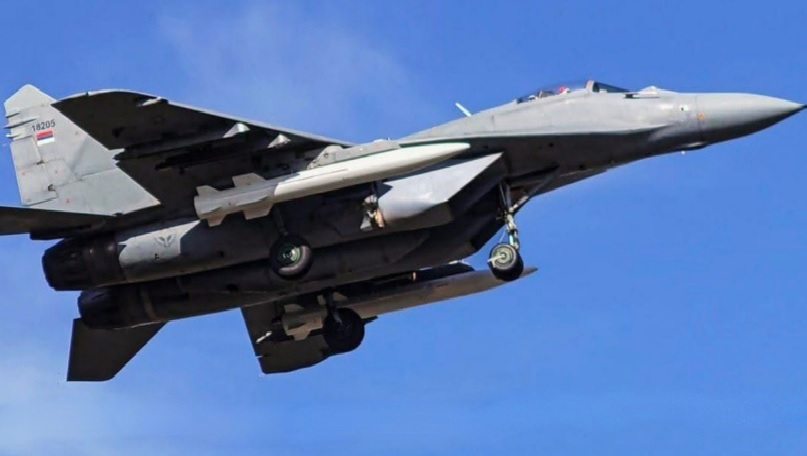
World
BELGRADE — March 10, 2026 : The Serbian Air Force has reportedly integrated Chinese-made CM-400AKG air-launched missiles onto its MiG-29 fighter aircraft, expanding the strike capabilities of the country’s frontline combat aviation fleet as Belgrade continues to diversify its military procurement sources. The integration became publicly known after defense analyst Danube Intel released a 2026 photograph showing a Serbian MiG-29 carrying the Chinese missile. The analyst indicated that the weapons may have been delivered to Serbia as early as 2025. Transport Flights Suggest Earlier Deliveries According to open-source monitoring cited by the analyst, Serbian military transport aircraft conducted multiple flights over the past eight months to Egypt, the United Arab Emirates and Jordan. The aircraft involved in these missions included Il-76 strategic airlifters operated by the Serbian military. These destinations are believed to have served as transfer points where Chinese weapons were loaded before being transported onward to Serbia. The analyst stated that these flights likely correspond to the delivery of the new missile systems. Chinese Universal Pylons Installed on MiG-29 Fleet To enable integration of the new armament, Serbia’s MiG-29 fighters have reportedly been equipped with universal weapon pylons produced by the Chinese company China National Aero-Technology Import & Export Corporation (CATIC). These pylons allow the aircraft to carry a wider range of Chinese precision-guided weapons, including guided bombs and air-to-ground missiles. The modification enables compatibility between the Soviet-designed MiG-29 platform and Chinese weapon systems without requiring extensive structural redesign of the aircraft. CM-400AKG Missile Design and Characteristics The CM-400AKG is an air-launched cruise missile developed by the China Aerospace Science and Industry Corporation (CASIC). The weapon is designed primarily for engaging naval vessels and fixed ground targets such as radar installations, command centers and air-defense facilities. According to manufacturer specifications and open-source defense data, the missile has the following characteristics: Mass: Approximately 900 kilograms Warhead: Up to 200 kilograms Range: Estimated between 100 and 240 kilometers depending on launch altitude and flight profile Propulsion: Single-stage solid-fuel rocket motor located in the tail section The rocket engine ignites immediately after the missile is released from the carrier aircraft, accelerating the weapon to high supersonic speeds. The manufacturer claims the missile can reach speeds between Mach 4.5 and Mach 5.5. Some defense analysts note that while the missile can achieve hypersonic-range speeds during portions of its flight, it may not maintain those speeds throughout the entire trajectory. Its semi-ballistic flight profile and steep terminal dive are intended to complicate interception by air-defense systems. Guidance System and Targeting Open-source information indicates that the CM-400AKG uses a multi-mode guidance system combining several navigation methods. These include: Inertial navigation systems (INS) Satellite-based positioning guidance Terminal homing seekers, which can include either infrared or passive radar sensors This guidance configuration enables the missile to strike both maritime and land-based targets, including radar stations, air-defense batteries and other stationary military infrastructure. Claims and Assessments From the 2025 India–Pakistan Conflict The missile previously drew international attention during the May 2025 conflict between India and Pakistan. During the hostilities, claims circulated that Pakistan Air Force JF-17 Thunder fighter jets had used CM-400AKG missiles to strike an Indian S-400 air-defense battery located at the Adampur airbase. However, Pakistani authorities did not release video evidence or operational confirmation supporting the destruction of the system. Indian defense officials and independent analysts subsequently rejected the claim after the Indian Prime Minister was photographed visiting the Adampur base alongside the intact S-400 system. Post-conflict assessments indicated that the incoming missiles had been detected early by Indian early-warning surveillance systems. Analysts noted that the missile’s design lacks advanced stealth features and sophisticated terminal maneuvering capability, which reportedly made interception by layered air-defense networks more feasible. Continued Diversification of Serbia’s Arsenal The CM-400AKG integration represents the latest addition to Serbia’s expanding inventory of foreign military equipment acquired from multiple suppliers. In 2024, Serbia received the Chinese-manufactured HQ-17AE short-range air-defense system. The system is designed to intercept aircraft, cruise missiles and certain types of precision-guided munitions. Serbia also acquired Soviet-Russian Kh-31 anti-radiation missiles in 2025 and began integrating them onto its MiG-29 fleet. Historically, neither Serbia nor the former Yugoslavia operated the Kh-31 missile family or possessed aircraft configured for their use. The Kh-31P variant was originally developed for aircraft such as the Su-17M, Su-24 and MiG-27 strike platforms before later integration into newer aircraft including the Su-30, Su-34 and Su-35. No Official Confirmation From Serbian Authorities Serbian defense authorities have not issued an official statement confirming the delivery timeline or operational deployment of the CM-400AKG missiles. If confirmed, the integration would provide Serbia’s MiG-29 fleet with a new long-range strike capability against both maritime and fixed land targets, further expanding the operational role of the country’s fighter aircraft.
Read More → Posted on 2026-03-10 14:59:28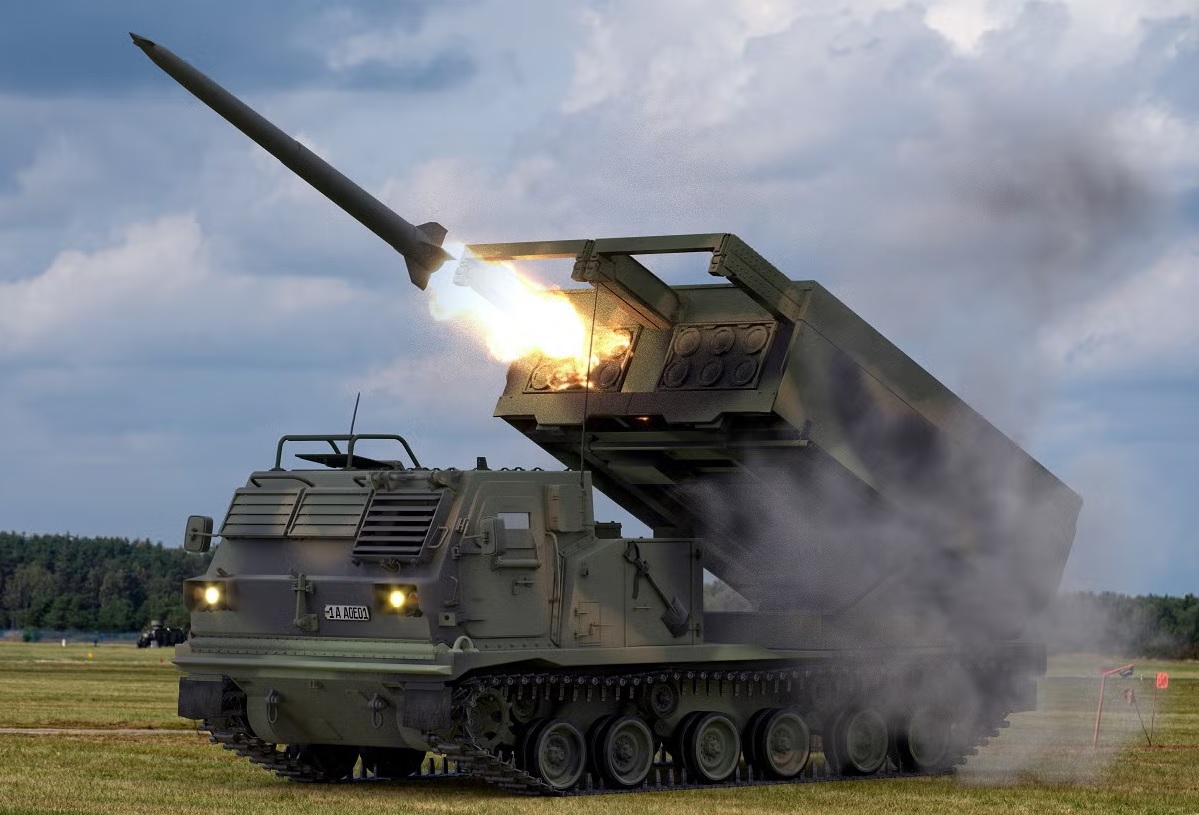
World
PORT WAKEFIELD, SOUTH AUSTRALIA — March 10, 2026 : Australia has begun domestic manufacturing of the Guided Multiple Launch Rocket System (GMLRS) at a newly established missile assembly facility in Port Wakefield, South Australia, marking the first time the precision-guided artillery rocket has been produced outside the United States. The production line is operated by Lockheed Martin Australia in partnership with the Australian Department of Defence, and represents a key milestone in Canberra’s effort to establish a sovereign guided-weapons industrial base. Initial manufacturing activities started in late 2025, with the first production batch scheduled for completion by mid-March 2026. The facility assembles GMLRS All Up Rounds and Launch Pod Containers, which are the complete rocket units used by modern rocket artillery systems. The Port Wakefield site is currently the only GMLRS production line outside Lockheed Martin’s primary factory in Camden, Arkansas, making Australia the second global production location for the weapon system. Domestic Missile Manufacturing Begins The Port Wakefield Missile Assembly Facility is owned by the Australian government and operated in cooperation with Lockheed Martin Australia. The plant was constructed and commissioned as part of the Guided Weapons Production Capability Risk Reduction Activity, a program designed to develop Australia’s technical and industrial capacity to manufacture advanced guided weapons domestically. Australian engineers and technicians involved in the program previously completed specialized training at Lockheed Martin’s production facilities in the United States before returning to help establish the new production line in South Australia. This training was intended to ensure that manufacturing procedures, quality control systems, and assembly standards match those used on U.S. production lines. The first phase of operations focuses on validating manufacturing processes, certifying equipment, and training the workforce while producing initial batches of rockets. Components used in early production are supplied from the United States, but the Australian government intends to gradually increase domestic manufacturing of subsystems such as rocket motors, warheads, and other components. The facility is expected to create approximately 20 direct manufacturing jobs at the site and support hundreds of additional positions across Australia’s expanding defence supply chain. Production Expansion and Industrial Plans The Port Wakefield facility represents the initial stage of a broader national effort to establish a sovereign guided-weapons industry under the Guided Weapons and Explosive Ordnance (GWEO) Enterprise. The program is supported by up to A$21 billion in funding over the next decade, aimed at building domestic manufacturing capacity for advanced missiles and munitions. During the early stages of operation, production rates are expected to remain relatively modest while processes are validated. Estimates indicate that initial output could reach around 300 missiles per year, with the goal of gradually scaling up capacity through expanded facilities and a wider industrial supply chain. Government planning envisions a future high-rate manufacturing facility capable of producing up to 4,000 missiles annually by 2029, significantly expanding Australia’s capacity to sustain its own precision-strike inventory and support allied supply chains. GMLRS and Australia’s Long-Range Fires Capability The GMLRS is a precision-guided artillery rocket used by both the M142 High Mobility Artillery Rocket System (HIMARS) and the M270 Multiple Launch Rocket System (MLRS). The Australian Army is acquiring HIMARS launchers as part of its artillery modernization program. Each GMLRS launch pod contains six guided rockets. A HIMARS vehicle carries a single pod, while the larger tracked M270 launcher can carry two pods. Standard GMLRS variants have a range of more than 70 kilometers and rely on GPS-aided inertial navigation guidance, allowing the rocket to maintain high accuracy in all weather conditions. Warhead options include a unitary high-explosive payload designed to strike specific point targets such as command posts, logistics depots, air defense systems, or troop concentrations. An Extended-Range GMLRS (ER-GMLRS) variant currently under development extends the weapon’s reach to approximately 150 kilometers while remaining compatible with existing HIMARS and MLRS launchers. Foundation for Future Missile Production Australian defence planners view the GMLRS production line as a foundation for manufacturing more advanced long-range strike systems in the future. The Department of Defence has indicated that the facility could eventually support production of the Precision Strike Missile (PrSM), a next-generation surface-to-surface weapon designed to replace the older ATACMS missile. The PrSM, which is fired from the same HIMARS and MLRS launch platforms, currently has a range exceeding 500 kilometers, with future variants expected to reach more than 1,000 kilometers and incorporate advanced seekers capable of engaging maritime or moving targets. Australia and the United States signed a Memorandum of Understanding in 2025 covering PrSM production, sustainment, and cooperative development, allowing Australian industry to participate in the missile’s supply chain and potentially manufacture the system domestically in the future. Strategic Context The launch of domestic GMLRS production reflects Australia’s broader shift toward building sovereign defence manufacturing capacity and strengthening long-range strike capabilities. Recent defence planning documents, including the National Defence Strategy and Defence Strategic Review, emphasize the importance of land-based precision fires capable of operating across the vast distances of the Indo-Pacific region. Local missile production is intended to reduce dependence on overseas supply chains, improve the sustainability of training and operational stockpiles, and ensure reliable access to critical munitions during potential crises. By establishing domestic assembly, workforce expertise, and supply chain infrastructure, Australia is creating the industrial foundation required to support future missile programs while deepening defence cooperation with the United States and allied partners.
Read More → Posted on 2026-03-10 14:39:56
India
NEW DELHI — March 10, 2026 : SMPP Limited, an Indian manufacturer of ballistic protection equipment, has received an additional order to supply 10,000 bulletproof jackets (BPJs) for India’s paramilitary forces. The procurement is intended for the Border Security Force (BSF), Central Industrial Security Force (CISF), and Sashastra Seema Bal (SSB), expanding an existing supply contract between the company and the forces. Order Expansion and Delivery Progress The new order increases the total procurement volume for the three paramilitary organizations to 50,000 bulletproof jackets. The contract originally covered 40,000 jackets, which SMPP Limited has been delivering under previously agreed timelines. According to company information, approximately 28,000 jackets from the initial order have already been delivered to the respective forces. The remaining units are scheduled for delivery during the next financial year, and the company states that production and supply remain aligned with the contractual schedule. The additional procurement follows earlier deliveries under the original order and reflects the continued requirement for ballistic protection equipment for personnel deployed in high-risk operational environments. Role of SMPP in Indian Defence Supply Chains SMPP Limited develops and manufactures ballistic protection systems for soldiers and military platforms across land, air, and maritime environments. The company’s product portfolio includes personal protection equipment, platform protection kits, ballistic helmets, and ammunition components such as combustible cartridge cases. Headquartered in New Delhi, SMPP operates manufacturing facilities in Haryana and Himachal Pradesh and has been involved in defence manufacturing for approximately four decades. In addition to the ongoing supply to BSF, CISF, and SSB, the company is also delivering advanced bulletproof jackets capable of stopping armour-piercing ammunition to the Central Reserve Police Force (CRPF) and the Indian Army. Previous Defence Contracts SMPP has previously executed several large defence procurement programs for the Indian armed forces and paramilitary units. In April 2018, the Ministry of Defence awarded the company a contract valued at ₹639 crore for the supply of 186,138 bulletproof jackets to the Indian Army. The company completed the delivery of that order ahead of the scheduled timeline. More recently, in June–July 2025, SMPP secured a separate ₹300 crore emergency procurement contract from the Indian Army. That order included: 27,700 bulletproof jackets, and 11,700 advanced ballistic helmets. The jackets supplied under that program incorporate features such as dynamic load distribution systems designed to improve weight balance and quick-release mechanisms intended for emergency removal during combat situations. The company has also delivered approximately 200,000 ballistic helmets under emergency procurement procedures and has previously supplied large quantities of protective equipment to paramilitary forces including the CRPF, BSF, and Assam Rifles. Some helmet variants were designed specifically for Sikh soldiers, allowing accommodation of religious headgear. Technical Characteristics of the Bulletproof Jackets The bulletproof jackets produced by SMPP incorporate Boron Carbide ceramic plates, a material widely used in advanced ballistic armor due to its combination of low weight and high hardness. The use of Boron Carbide allows the protective gear to maintain reduced weight while maintaining the ability to defeat multiple ballistic impacts. The jackets are engineered to provide 360-degree protection, covering critical areas including the neck, chest, sides, and groin. Their modular design allows personnel to configure the protection level depending on operational requirements such as long-duration patrols, static security duties, or high-risk intervention operations. The ballistic plates provide Level III+ protection, enabling the armor to stop several types of commonly used rifle ammunition, including: 7.62×51 mm rounds, 5.56×45 mm INSAS ammunition, and steel-core projectiles fired from AK-47 rifles. Manufacturing Capacity and Production Infrastructure SMPP’s manufacturing facilities employ automated production lines and internationally certified quality management systems. According to company data, equipment produced by the firm has been used by more than 500,000 soldiers. To date, the company reports production of: over 300,000 ballistic helmets, hundreds of thousands of bulletproof jackets, and approximately 700,000 combustible cartridge cases used in artillery ammunition systems. SMPP is also expanding its defence manufacturing activities into 155 mm artillery ammunition, as well as unmanned aerial systems and drone munitions. Domestic Defence Manufacturing Policy The company’s operations have been supported by procurement policies under the Ministry of Defence’s Positive Indigenisation List, which restricts imports of specified defence equipment and encourages domestic production. These policies aim to increase the participation of Indian defence manufacturers in supplying equipment to the armed forces and paramilitary organizations, while reducing reliance on imported systems. The additional order for 10,000 bulletproof jackets is part of this broader framework of domestically produced protective equipment being supplied to security forces operating across India’s border regions and critical infrastructure sites.
Read More → Posted on 2026-03-10 13:57:09
World
YOKOSUKA, Japan — March 10, 2026 : The Japan Maritime Self-Defense Force (JMSDF) formally commissioned JS Chogei (SS-517), the fifth submarine of the Taigei-class diesel-electric attack submarine program. The vessel was delivered earlier the same day by Mitsubishi Heavy Industries at its shipbuilding facility in Kobe before entering active service. Following commissioning, JS Chogei was assigned to Submarine Division 2 of Submarine Flotilla 2, which is based at the Yokosuka Naval Base in Kanagawa Prefecture. The induction marks the latest step in Japan’s ongoing modernization of its conventional submarine fleet. Dimensions, Crew and Design Characteristics JS Chogei has a crew of approximately 70 personnel and measures 84 meters in overall length, with a beam of 9.1 meters and a draft of 10.4 meters. The submarine has a standard displacement of about 3,000 tonnes, making it slightly larger than submarines of the earlier Soryu-class submarine. Soryu-class boats share the same length and beam but have a slightly smaller draft of 10.3 meters and a standard displacement of around 2,950 tonnes. The Taigei-class was designed with improvements in detection capabilities and reduced acoustic signature, aimed at increasing survivability and situational awareness in underwater operations. A notable design change introduced with this class is the inclusion of female-only accommodation spaces, allowing up to six female crew members to be housed onboard. This represents the first time such facilities have been incorporated into JMSDF submarines. Naming Convention and Construction Cost The submarine’s name, Chogei, translates to “long whale” in Japanese. All submarines in the Taigei class incorporate the word “Gei”, meaning whale, in their names. This continues a JMSDF naming pattern that previously used “Shio” (tide) and “Ryu” (dragon) for earlier submarine classes. The class name Taigei itself means “big whale.” The construction cost of JS Chogei was approximately 68.4 billion yen, equivalent to roughly $434 million. Propulsion and Performance JS Chogei uses a diesel-electric propulsion system generating approximately 6,000 horsepower, enabling the submarine to reach a maximum submerged speed of about 20 knots. The Taigei-class incorporates lithium-ion battery technology supplied by GS Yuasa, replacing traditional lead-acid batteries. This technology was first introduced on the final two Soryu-class submarines—Oryu (SS-511) and Toryu (SS-512). Japan currently remains the only country operating diesel-electric submarines equipped with lithium-ion batteries, although South Korea plans to introduce similar systems on later variants of its KSS-III-class submarine during the late 2020s. Engines and Power Generation Improvements Beginning with the fourth boat in the class, Raigei (SS-516), the submarines incorporate the Kawasaki 12V25/31 diesel engine, developed by Kawasaki Heavy Industries. The engine is paired with an updated snorkel system designed to improve power generation efficiency and battery charging performance. Earlier submarines in the class—Taigei (SS-513), Hakugei (SS-514), and Jingei (SS-515)—use two Kawasaki 12V25/25SB V-12 diesel engines. Despite these changes in propulsion components, the overall submerged performance across the class remains broadly similar. Sensors and Combat Systems The Taigei-class submarines are equipped with the ZQQ-8 high-performance sonar system, developed by Oki Electric Industry. This sonar suite replaces the earlier ZQQ-7 system used on the Soryu-class and provides enhanced underwater detection capability. The class also incorporates a new combat management system that integrates sensor data, command-and-control functions, and weapon engagement capabilities into a unified operational framework. Additional sensor and stealth improvements include: A new-generation sonar system using fiber-optic array technology An enhanced snorkel system designed to reduce acoustic and other signatures during snorkeling operations The submarines are fitted exclusively with non-penetrating optronic masts, eliminating the traditional penetrating periscope. The system installed is the Optronic Sensor A-type Kai-1, developed by Mitsubishi Electric in cooperation with Nikon. Weapons and Defensive Systems The Taigei-class submarines are armed with six 533-millimeter torpedo tubes capable of launching the Type 18 torpedo, the successor to the earlier Type 89 torpedo. The Type 18 incorporates improvements in propulsion, target detection, and onboard processing. In addition to torpedoes, the submarines can deploy the UGM-84L Harpoon Block II anti-ship missile, which has an operational range of approximately 248 kilometers. The missile provides the submarine with the capability to engage surface targets from standoff distances. The class is also equipped with a torpedo countermeasure system similar to that installed on the final four Soryu-class submarines. Taigei-Class Construction Timeline The commissioning of JS Chogei continues the planned rollout of the Taigei-class program: Taigei (SS-513) — commissioned March 2022 Hakugei (SS-514) — commissioned March 2023 Jingei (SS-515) — commissioned March 2024 Raigei (SS-516) — commissioned March 2025 Chogei (SS-517) — commissioned March 2026 The sixth submarine in the class, Sogei (SS-518), was launched in October 2025 and is currently undergoing outfitting, with commissioning planned for March 2027. Additional submarines are under construction as part of Japan’s long-term naval modernization program. Future Procurement and Regional Naval Context In its FY2026 defense budget, Japan’s Ministry of Defense allocated 120.8 billion yen (approximately $766 million) for construction of the 10th submarine of the Taigei class, indicating continued expansion of the program. The commissioning of JS Chogei takes place amid evolving regional naval developments. On November 5, 2025, the People's Liberation Army Navy commissioned its third aircraft carrier, Chinese aircraft carrier Fujian, joining the carriers Chinese aircraft carrier Liaoning and Chinese aircraft carrier Shandong. These developments have expanded China’s carrier force to three operational carriers, enabling broader naval operations beyond the First Island Chain and into the Western Pacific. Within this context, Japan’s submarine fleet plays a key role in maritime surveillance and deterrence, particularly around the country’s southwestern island chain, where monitoring of increased naval activity has become an operational priority for the JMSDF.
Read More → Posted on 2026-03-10 13:38:22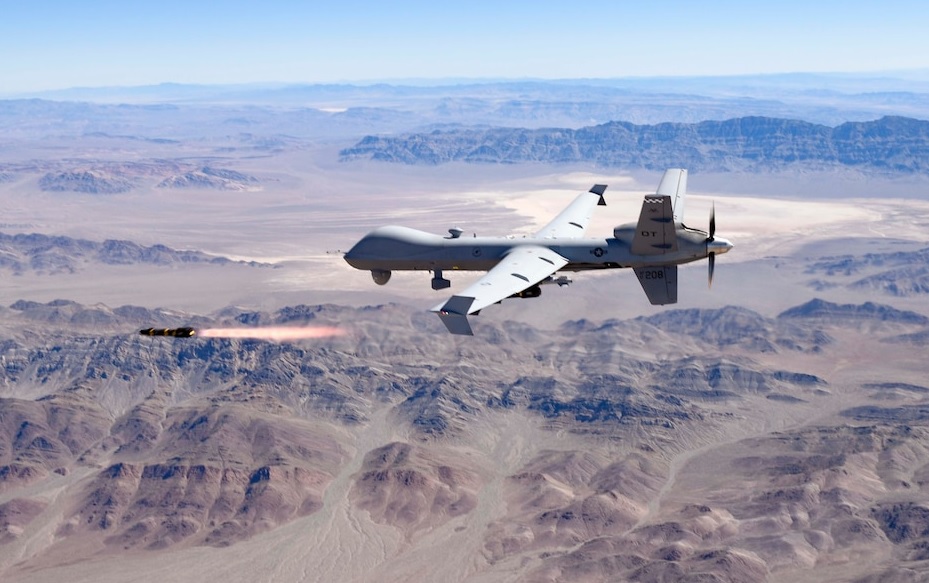
World
WASHINGTON — March 9, 2026 : The United States military has lost a total of 11 MQ-9 Reaper unmanned aerial vehicles during the ongoing campaign against Iran, known as Operation Epic Fury, according to U.S. officials who spoke to CBS News. The cumulative value of the lost aircraft exceeds $330 million based on standard procurement estimates for the platform. Operation Epic Fury began on February 28, 2026, and involves sustained U.S. military operations targeting Iranian military infrastructure, including missile launch facilities, air defense systems, naval assets, and command centers. The campaign has included the use of multiple U.S. platforms such as stealth bombers, fighter aircraft, and unmanned aerial systems conducting reconnaissance and strike missions across the region. Role of MQ-9 Reaper in the Campaign The MQ-9 Reaper, produced by General Atomics Aeronautical Systems, is a medium-altitude, long-endurance unmanned aerial vehicle widely used by the U.S. military for intelligence, surveillance, reconnaissance (ISR), and precision strike operations. The platform can carry weapons including AGM-114 Hellfire missiles and precision-guided bombs while remaining airborne for extended periods. Each MQ-9 Reaper airframe costs approximately $30 million, though the total system cost can be higher when sensors, communications equipment, and ground control stations are included. Based on these estimates, the loss of 11 aircraft represents a financial impact exceeding $330 million. Military analysts note that the MQ-9 was originally designed primarily for operations in environments with limited or no advanced air defense networks. Its relatively slow speed and large radar signature can make it more vulnerable when operating in contested airspace where modern surface-to-air missile systems are present. Confirmed Timeline of Drone Losses U.S. officials have not released a full operational breakdown for every incident, but multiple confirmed engagements during early March outline several of the drone losses across Iran and neighboring areas. On March 5, 2026, U.S. officials confirmed that three MQ-9 Reapers were lost over or near Iran. The exact circumstances for all three aircraft were not immediately disclosed. One drone crashed off the Iranian coast, while the wreckage of another was later located near Khorramabad in western Iran. Separate reports also indicated that one drone may have been mistakenly shot down by Qatari air defense forces in a possible friendly-fire incident during regional air defense operations. On March 6, 2026, the Islamic Revolutionary Guard Corps (IRGC) Aerospace Force shot down an MQ-9 Reaper over Isfahan, a central Iranian province that hosts multiple military and industrial facilities. On March 7, 2026, two additional MQ-9 Reapers were downed in separate incidents. One was destroyed in Hormozgan Province in southern Iran, while another was shot down in Tangestan (Tagestan) in Bushehr Province, near Iran’s Persian Gulf coastline. On March 9, 2026, a further drone was shot down over Basra in eastern Iraq by pro-Iranian Iraqi militia forces, expanding the geographic scope of engagements involving the U.S. unmanned aircraft. Later the same day, U.S. officials confirmed that the total number of MQ-9 Reapers lost during the operation had reached 11, though the specific circumstances of the two most recent losses were not publicly detailed. Operational Environment The losses occurred as U.S. and Israeli forces continue coordinated military actions targeting Iranian defense and missile infrastructure. According to assessments released by U.S. Central Command (CENTCOM), the operation has involved a range of strike platforms, including B-2 stealth bombers, F-35 fighter aircraft, and unmanned systems conducting surveillance and targeting missions. CENTCOM officials have reported progress in degrading several Iranian military capabilities during the campaign, including reductions in missile and drone launches attributed to Iranian forces in recent days. Despite these operational developments, the downing of multiple MQ-9 Reapers highlights the risks faced by unmanned aircraft operating in regions with active air defense networks and ongoing combat operations.
Read More → Posted on 2026-03-10 13:31:18
World
EVENDALE, Ohio — March 9, 2026 : GE Aerospace announced plans to invest $1 billion in its U.S. manufacturing facilities and supplier network during 2026, a move aimed at accelerating aircraft engine deliveries, expanding production of key aerospace components, and strengthening domestic defense manufacturing capacity. The investment will support operations in more than 30 communities across 17 U.S. states and will be accompanied by the hiring of 5,000 additional workers in manufacturing and engineering roles during 2026. The planned recruitment matches the number of employees the company added in 2025 and is intended to meet rising demand from both commercial aviation customers and defense programs. “Maintaining U.S. aerospace leadership requires sustained investment in our people, our facilities, and the technologies that will define the future of flight,” said H. Lawrence Culp Jr., Chairman and Chief Executive Officer of GE Aerospace. “This investment is for our customers, our communities, and our country.” Second Consecutive $1 Billion Manufacturing Investment The 2026 spending plan represents GE Aerospace’s second consecutive $1 billion annual investment in U.S. manufacturing. Since 2024, the company has announced more than $2.5 billion in investments directed toward domestic production sites and its supplier base. Alongside these production investments, GE Aerospace maintains approximately $3 billion in annual research and development spending, supporting technology development across commercial aviation, defense systems, and advanced manufacturing processes. Company officials said the latest funding round is designed to increase output at facilities responsible for manufacturing and assembling both commercial and military aircraft engines while reducing delivery timelines for customers. Facility Upgrades Across Multiple States The investment will fund infrastructure modernization, new machinery, advanced manufacturing equipment, and expanded testing capabilities across several major GE Aerospace locations. In Cincinnati, Ohio, where the company is headquartered, $115 million will be allocated to modernize infrastructure, expand engine test cell capacity, and enhance advanced 3D metal printing capabilities used in the production of complex aerospace components. At the company’s Lynn, Massachusetts facility, more than $40 million will be used to upgrade buildings, refresh manufacturing machinery, and increase engine testing capacity. In Durham, North Carolina, the company will invest $20 million in specialized tooling, engine assembly systems, and building improvements aimed at increasing production efficiency. Additional investments include $10 million in Madisonville, Kentucky, which will support the acquisition of new machines, inspection equipment, tooling, and facility upgrades. The Lafayette, Indiana site will receive $7 million to upgrade tools and production equipment associated with narrowbody engine assembly and delivery operations. Expanded Production for Defense Programs A significant portion of the 2026 investment will focus on defense manufacturing. More than $275 million will be directed toward facilities that produce defense engines and related components, part of a broader effort to strengthen the U.S. defense industrial base and support evolving military operational requirements. Over the past three years, GE Aerospace has already directed approximately $600 million toward defense engine production, reflecting increased demand from U.S. and allied defense programs. Company officials stated that expanding domestic production capacity for military engines and components remains a key priority as defense procurement requirements continue to grow. Increased Capacity for Commercial Aircraft Engines On the commercial aviation side, the investment will also expand production capacity for the CFM LEAP engine, which powers the Boeing 737 MAX and Airbus A320 aircraft families. GE Aerospace plans to allocate $200 million to increase manufacturing of high-pressure turbine durability kits for the LEAP engine. According to the company, these kits are designed to more than double engine time-on-wing, particularly in hot and demanding operating environments where engines typically experience higher wear. The funding will also support production of a reverse bleed system, a design feature intended to reduce the need for on-wing maintenance by improving engine operating efficiency. Supplier Network Investment To address supply chain constraints that have affected the global aerospace industry in recent years, GE Aerospace will allocate more than $100 million to its external supplier network. The funding will provide priority suppliers with new tooling, production equipment, and manufacturing upgrades, enabling them to stabilize production schedules and meet delivery commitments. Company officials said these investments will also support improved coordination between GE Aerospace and its suppliers as demand for aircraft engines continues to grow. Production Gains from Operational Improvements GE Aerospace reported that supply chain improvements implemented through its FLIGHT DECK lean operating model have already produced measurable results. In 2025, material input from priority suppliers increased by more than 40 percent year-over-year. This improvement contributed to a 25 percent increase in commercial engine deliveries and a 30 percent increase in defense engine deliveries compared with the previous year. Company officials indicated that continued investment in supplier capacity and production systems is expected to support further growth in engine output over the coming years. Workforce Expansion and Training Programs The company’s plan to hire 5,000 additional U.S. workers in 2026 is part of a broader workforce development strategy designed to address the growing need for skilled aerospace manufacturing personnel. In fall 2025, the GE Aerospace Foundation launched a $30 million workforce development initiative aimed at training 10,000 workers in specialized aerospace manufacturing skills by 2030. The program focuses on developing expertise in areas such as advanced manufacturing, precision machining, and aerospace component production, which are considered critical for supporting long-term growth in the aviation and defense sectors. GE Aerospace officials stated that the combined investments in manufacturing facilities, supplier networks, and workforce development are intended to increase production capacity while strengthening the resilience of the U.S. aerospace manufacturing ecosystem.
Read More → Posted on 2026-03-10 13:01:26
World
WARSAW — March 9, 2026 : A Polish defense consortium led by MBF Group S.A. is advancing development of the Iryda Plus (IRYDA+), an unmanned aerial platform designed specifically to intercept and destroy hostile drones. The project is being developed in cooperation with a Turkish technology partner and is intended to provide a cost-effective kinetic counter-drone capability against medium-class unmanned aerial vehicles, including the Russian-made Shahed-series loitering munitions and Orlan-10 reconnaissance drones. The program is being executed by a consortium formed in September 2025 that includes MBF Group S.A. as project leader, Squadron Sp. z o.o.—part of ASE Group—responsible for technical development and systems integration, and the Eugeniusz Kwiatkowski Polish Industrial Lobby (PLP), which provides expert support and project promotion. MBF Group, listed on Poland’s NewConnect market and headed by Col. Janusz Czarnecki, oversees strategic coordination and business management for the initiative. In February 2026, MBF Group signed a Right of First Refusal (ROFR) agreement with the Turkish firm Shark Aviation. The arrangement grants the Turkish partner priority rights for potential future acquisition of the system while also supporting cooperation on UAV technologies and components. The agreement does not obligate an immediate purchase but establishes a framework for industrial collaboration and future procurement opportunities. Design Purpose and Operational Concept The Iryda Plus is being developed as a dedicated counter-unmanned aerial system (C-UAS) platform designed to address the growing challenge posed by relatively inexpensive drones and loitering munitions. Modern air defense systems frequently rely on interceptor missiles that cost significantly more than the targets they destroy, creating a cost-exchange imbalance. Developers state that the Iryda Plus is designed to reduce interception costs by using a reusable unmanned aircraft equipped with kinetic weapons rather than expensive missile interceptors. The system is intended to patrol designated airspace for extended periods and engage hostile drones once they are detected. The platform is designed primarily to counter medium-class UAVs, but developers indicate that its performance parameters may also allow it to engage larger unmanned systems. Flight Performance and Technical Characteristics According to project specifications, the Iryda Plus is designed with performance characteristics tailored for persistent aerial patrol and pursuit interception. The aircraft operates at a cruising and patrol speed of approximately 180 to 200 kilometers per hour, allowing it to conduct long-duration monitoring missions over protected areas. For interception, the drone can accelerate to pursuit speeds between 250 and 280 kilometers per hour, enabling it to intercept aerial targets traveling at speeds of up to 220 kilometers per hour. Its minimum operational flight speed is estimated at 50 to 60 kilometers per hour, allowing the aircraft to maintain stable flight while conducting surveillance or waiting for target detection. The system is designed with an endurance of up to 10 hours, enabling extended patrol missions and allowing the aircraft to remain airborne while awaiting potential targets. The drone also features an operational payload capacity of approximately 15 to 20 kilograms, supporting sensor packages and onboard weapon systems. These parameters are intended to enable the platform to intercept UAVs commonly used for reconnaissance and strike missions, including loitering munitions and tactical surveillance drones. Armament and Targeting System The primary armament of the Iryda Plus consists of a 7.62-millimeter light machine gun mounted on a 360-degree rotary nacelle that allows the weapon to engage targets from multiple angles during flight. Instead of relying on explosive warheads or electronic jamming systems, the drone employs a hard-kill kinetic interception method, physically destroying or disabling hostile UAVs using direct gunfire. Target engagement is managed by an onboard Target–Aim–Shot (TAS) system. This framework integrates artificial intelligence and sensor data fusion to automate several elements of the engagement process. The TAS system performs automatic target tracking, evaluates engagement parameters such as relative position and motion, and adjusts firing solutions in real time. By processing sensor data and targeting calculations directly on the aircraft, the system enables rapid response during aerial engagements. Developers state that the drone uses edge computing, allowing its AI systems to process targeting information locally rather than relying on constant communication with external control systems. This approach is intended to ensure the drone can continue operating in environments affected by electronic warfare, communications disruption, or signal jamming. Sensors and System Integration The platform can be equipped with electro-optical and infrared (EO/IR) sensor systems for target detection and identification. Developers have also indicated the possibility of integrating radar systems and linking the drone into broader air defense command networks. The modular architecture is designed to allow integration with existing detection and command systems, enabling the aircraft to operate as part of a layered defense structure for identifying and neutralizing reconnaissance drones, strike UAVs, and loitering munitions. Project Economics and System Configuration The economic model behind the Iryda Plus is based on reducing the cost of counter-drone operations by using reusable unmanned interceptors instead of expensive missile systems. At the current stage of development, the estimated cost of a complete operational set—including a ground control station and three Iryda Plus aircraft—is expected to amount to several million euros. The consortium has also formalized internal agreements covering financing, intellectual property rights, and profit distribution. Under these arrangements, MBF Group and Squadron each hold 47.5 percent shares, while the Polish Industrial Lobby retains 5 percent. Development Status and Potential Deployment Development work on the system is continuing with the goal of producing demonstrator platforms and preparing for eventual commercialization. Initial briefings on the project have reportedly been presented to Polish authorities, who have expressed preliminary interest in the concept. The Iryda Plus has been described by its developers as Europe’s first unmanned fighter aircraft designed specifically for counter-drone missions, combining Polish engineering development with international industrial cooperation. No official timeline has been announced for the aircraft’s first flight or potential operational deployment.
Read More → Posted on 2026-03-09 17:30:07
World
WASHINGTON / LONDON — March 9, 2026 : U.S. President Donald Trump has rejected a reported proposal from the United Kingdom to deploy two aircraft carriers to the Middle East in response to the ongoing conflict involving Iran. The decision highlights increasing diplomatic friction between Washington and London over military cooperation, base access, and broader strategic policies connected to the conflict. Trump Rejects British Carrier Support In a message posted on the social media platform Truth Social, Trump confirmed that the United Kingdom had been considering sending naval forces to the region but stated that the United States no longer requires British participation. “The United Kingdom, our once Great Ally, maybe the Greatest of them all, is finally giving serious thought to sending two aircraft carriers to the Middle East,” Trump wrote. “That’s OK, Prime Minister Keir Starmer, we don’t need them any longer — But we will remember.” Trump also criticized the timing of the proposed deployment, writing that the United States does not require support from countries that “join wars after we’ve already won.” The remarks followed reporting by The Guardian that the British government had begun preparations for a potential deployment of the Royal Navy’s flagship aircraft carrier HMS Prince of Wales (R09) to the Middle East. The United Kingdom was reportedly considering sending two carriers as part of a broader naval presence in the region. UK Military Preparations Continue Officials at the UK Ministry of Defence stated that no final decision has been made regarding the carrier’s deployment. If approved, HMS Prince of Wales would likely operate alongside HMS Dragon (D35), which is already en route toward the Middle East. The ministry also confirmed that aircraft from the Royal Air Force, including Typhoon and F-35 fighter jets, are conducting operational flights over Jordan, Qatar, and Cyprus. British officials said these missions are focused on protecting UK personnel and installations in the region rather than participating in broader offensive operations. Earlier, Prime Minister Keir Starmer authorized the deployment of four additional Typhoon fighter jets to Qatar to strengthen defensive coverage for British forces stationed in the Gulf. British military deployments have also been reinforced in Cyprus. Wildcat helicopters equipped with anti-drone systems were sent to the island after a recent drone strike caused minor damage to a British air base there. The incident did not result in casualties. Dispute Over Base Access and Strategic Decisions Trump’s rejection of the proposed carrier deployment comes amid a series of disagreements between Washington and London regarding the conflict with Iran. One major point of contention occurred prior to the February 28 airstrikes conducted by the United States and Israel against Iranian targets. At that time, the United Kingdom declined to allow U.S. forces to use certain British-controlled bases for operations connected to the campaign. British officials said the decision was based on concerns that the strikes could raise issues under international law. The refusal required American aircraft to conduct longer flight operations from other locations, which Trump later criticized publicly. Spain also declined to allow U.S. forces to use its bases for operations related to the conflict, prompting similar criticism from the U.S. president. Chagos Islands and Diego Garcia Dispute Another source of disagreement involves the United Kingdom’s agreement to transfer sovereignty of the Chagos Islands to Mauritius. The archipelago hosts the strategically important Diego Garcia, a joint U.S.–U.K. military installation that plays a major role in long-range air and naval operations across the Middle East and Indo-Pacific regions. Trump has strongly criticized London’s decision, arguing that any arrangement affecting the long-term status of the islands could complicate U.S. military access to the base. In previous statements, he warned that the proposed agreement could jeopardize control of a critical strategic facility. Debate Within the UK Government Within the United Kingdom, the extent of British military involvement in the regional conflict has also become a subject of political debate. UK Deputy Prime Minister David Lammy recently stated that there is a legal basis for the Royal Air Force to conduct strikes against Iranian missile launch sites if necessary to protect British personnel in the region. Lammy said such action could target missile sites believed to be preparing attacks against British forces or facilities. His comments led to questions from members of Parliament regarding the government’s operational plans and legal justification for potential military actions. Prime Minister Starmer has taken a more cautious public stance on the issue. In recent remarks, he stated that his government does not support “regime change from the skies,” emphasizing that the United Kingdom’s current deployments are focused on defensive operations and the protection of British personnel and assets. Growing Diplomatic Tension Trump has also repeatedly criticized Starmer’s leadership approach in public statements and social media posts. In several comments earlier in the week, the U.S. president said that the British prime minister “is not Winston Churchill,” reflecting dissatisfaction within the Trump administration over the United Kingdom’s handling of the crisis. Despite the tensions, cooperation between the two countries has continued in certain areas. After the initial dispute over base access, the United Kingdom later allowed U.S. forces to use British facilities for specific defensive missions. According to reports, U.S. bomber aircraft landed at Royal Air Force bases in Britain on March 6 and March 7 to support operations intended to prevent Iranian missile launches that could threaten British personnel in the region. Conflict Context The diplomatic dispute is unfolding as the confrontation between the United States and Iran enters its second week. U.S. military operations began following coordinated American and Israeli strikes on Iranian targets on February 28. Trump has since demanded Iran’s unconditional surrender and has rejected negotiations with Tehran, while Western allies continue to debate the scale and nature of their involvement in the conflict.
Read More → Posted on 2026-03-09 17:18:54
World
WASHINGTON — March 9, 2026 : The U.S. Defense Advanced Research Projects Agency (DARPA) has formally designated its newest experimental aircraft as the X-76, marking the transition of the SPeed and Runway INdependent Technologies (SPRINT) program into the manufacturing phase. The aircraft is being built by Bell Textron Inc. following the successful completion of a Critical Design Review (CDR), a milestone that confirmed the design is ready for physical construction and system integration. The SPRINT program is a joint effort between DARPA and the U.S. Special Operations Command (SOCOM) aimed at developing an aircraft capable of combining the high cruise speeds typically associated with fixed-wing jets with the vertical takeoff and landing (VTOL) capabilities of rotary-wing platforms. The initiative seeks to remove the long-standing requirement for prepared runways while preserving rapid long-distance mobility. Program Background and Development Phases The SPRINT program began in November 2023 with Phase 1, during which competing contractors conducted conceptual and preliminary design work. Two teams—Bell Textron and Aurora Flight Sciences—participated in the early stages of the program. In May 2024, DARPA advanced both companies into Phase 1B to continue refining their concepts. After a competitive down-selection process, Bell Textron was chosen in July 2025 to proceed with Phase 2 of the program. Under the Phase 2 and Phase 3 contract awarded in June 2025, Bell Textron is responsible for detailed engineering design, manufacturing of the X-plane demonstrator, integration of major subsystems, ground testing, certification activities, and preparation for the flight test campaign. Following the recent Critical Design Review, Bell has now begun assembling the aircraft and integrating its propulsion and flight systems at company facilities. The program is moving through the manufacturing and ground testing phases, with the demonstrator expected to be completed in 2027. Aircraft Design and Performance Goals The X-76 demonstrator is intended to validate technologies that allow an aircraft to maintain high-speed cruise performance while remaining independent of runways. According to DARPA program objectives, the aircraft is being engineered to achieve cruise speeds between 400 and 450 knots (approximately 460–518 miles per hour or 740–833 kilometers per hour) at operational altitudes. At the same time, the aircraft must be capable of hovering and operating from austere environments, including unprepared surfaces where conventional aircraft cannot operate. The design seeks to address the longstanding trade-off between the speed of fixed-wing aircraft and the operational flexibility of helicopters. The Bell Textron concept incorporates a stop/fold rotor propulsion system. This configuration allows the aircraft to lift off vertically using rotor-based propulsion similar to a helicopter. Once airborne, the system transitions to forward flight, where the rotor mechanism can be stopped and folded, enabling efficient high-speed cruise similar to that of a jet-powered aircraft. The design builds on Bell’s experience in tiltrotor development but introduces new mechanisms intended to improve speed, aerodynamic efficiency, and operational versatility. Operational Objectives The X-76 is being developed as a technology demonstrator rather than an operational aircraft. Its primary purpose is to test integrated systems and validate aerodynamic and propulsion concepts that could later be scaled into operational platforms. DARPA and SOCOM are examining how such technologies could support a range of future military missions, including: infiltration and exfiltration of special operations forces contested personnel recovery troop transport and logistics support armed escort missions dispersed operations aligned with concepts such as Agile Combat Employment According to U.S. Navy Commander Ian Higgins, the DARPA SPRINT program manager, traditional runways have historically served as both an operational advantage and a potential vulnerability for military aviation. Aircraft that can operate without prepared airstrips could enable rapid deployment and sustained operations in regions where runways are unavailable, damaged, or targeted during conflicts. X-76 Naming and X-Plane Lineage The aircraft’s “X-76” designation is intended to mark the upcoming 250th anniversary of the United States in 2026, referencing the year 1776. The designation also places the aircraft within the long-standing U.S. tradition of X-planes, experimental aircraft developed to explore new aerospace technologies and push the boundaries of flight performance. X-plane programs historically focus on experimental capabilities rather than immediate operational deployment, with test data used to inform future aircraft development. Funding and Program Status For Fiscal Year 2026, DARPA has requested $55.2 million to continue advancing the SPRINT program. The funding is intended to support development of the demonstrator aircraft and reduce technical, schedule, and cost risks associated with future runway-independent high-speed vertical-lift systems. While the program has released general performance goals and propulsion concepts, specific technical details—including aircraft dimensions, payload capacity, and full propulsion configuration—have not yet been publicly disclosed. Flight Test Timeline The X-76 demonstrator is currently progressing through manufacturing, system integration, and ground testing activities. According to program plans, initial flight testing is scheduled to begin in early 2028. Data collected during the flight test campaign will help evaluate the feasibility of high-speed VTOL aircraft capable of operating without runways and will inform potential future acquisition decisions by SOCOM and other branches of the U.S. Armed Forces regarding next-generation vertical-lift capabilities.
Read More → Posted on 2026-03-09 17:00:21
World
DOHA / WASHINGTON — March 9, 2026 : Qatar has informed the United States that it intends to expel the political leadership of Hamas from its territory after the group declined to publicly condemn recent Iranian missile attacks targeting Qatar and other Gulf states. The decision marks a significant shift in Doha’s long-standing policy of hosting Hamas’ external political office and reflects growing regional tensions linked to the ongoing conflict between Iran, the United States, and Israel. Qatar’s Notification to Washington According to officials familiar with the matter, Qatari authorities formally communicated their intention to the United States in recent diplomatic discussions. Senior Hamas political figures have operated from Doha for more than a decade, using the Qatari capital as their primary external headquarters. The move follows Hamas’ refusal to issue any statement condemning Iranian strikes that targeted several members of the Gulf Cooperation Council (GCC), including Qatar, Saudi Arabia, Kuwait, Bahrain, Oman, and the United Arab Emirates. Qatari officials have not publicly announced a timetable for the expulsion, and the number of Hamas leaders who may be required to leave the country has not been disclosed. U.S. officials acknowledged receiving the notification from Qatar but declined to comment on the details of ongoing consultations. Background: Hamas Presence in Qatar Qatar has hosted Hamas’ political office since 2012 under an arrangement that allowed the group’s leadership to operate from Doha while maintaining diplomatic contacts in the region. The office functioned as one of Hamas’ principal external bases and served as a location for political coordination separate from the organization’s military operations in Gaza. The presence of Hamas leadership in Qatar has also played a role in mediation efforts involving ceasefire negotiations, prisoner exchanges, and hostage release discussions in previous conflicts involving Israel and Palestinian factions. Doha maintained the arrangement while balancing relations with regional actors and the United States. Iranian Missile Attacks on Gulf States The diplomatic shift occurred amid a broader regional escalation that began in late February 2026. Iran launched hundreds of ballistic missiles and attack drones toward Gulf states in response to a coordinated U.S. and Israeli military campaign against Iranian targets known as Operation Epic Fury, which began on February 28. Multiple Gulf countries were targeted during the retaliatory strikes, including Qatar. On March 3, an Iranian ballistic missile penetrated Qatari air defenses and struck Al Udeid Air Base, the largest U.S. military installation in the Middle East and the forward headquarters of U.S. Central Command. The strike damaged the U.S.-built AN/FPS-132 early-warning radar system, a strategic missile detection facility valued at approximately $1.1 billion. The radar system is designed to detect and track ballistic missile launches across long distances and provides early warning data for regional missile defense networks. Despite the attacks on Qatari territory and critical infrastructure, Hamas leadership did not issue any condemnation of Iran’s actions. Qatari authorities reportedly viewed the absence of a response as incompatible with the group’s continued presence in the country. Diplomatic and Security Considerations Qatar maintains a close defense partnership with the United States and hosts thousands of American military personnel at Al Udeid Air Base. The base serves as a central hub for U.S. air operations and command functions across the Middle East. At the same time, Doha has historically pursued a diplomatic strategy that includes maintaining communication channels with various regional actors, including Palestinian factions. Hosting Hamas’ political leadership was part of this approach, which positioned Qatar as an intermediary in several regional negotiations. The recent Iranian strikes on Qatari territory appear to have altered the political environment surrounding that arrangement. Limited Relocation Options for Hamas Leadership If the expulsion proceeds, Hamas’ external leadership will face a limited number of potential destinations for relocating its political bureau. Turkey is considered an unlikely option, as current indications suggest that Ankara may not agree to host the group’s senior leadership under present circumstances. Syria is also no longer considered viable following the change of government in Damascus. Lebanon, another country where Palestinian factions have historically maintained a presence, has become increasingly unstable, making it an uncertain long-term base for Hamas officials. Without a confirmed alternative host country, the removal of Hamas’ political office from Doha would significantly reduce the group’s diplomatic and logistical presence in the Gulf region. Regional Context The decision comes during a period of heightened military activity and political tension across the Middle East. Iran’s missile launches toward Gulf targets were part of its response to the U.S.–Israeli strikes conducted under Operation Epic Fury. Several Gulf states have since strengthened security coordination with the United States in response to the threat. Qatar’s notification to Washington reflects ongoing consultation between the two countries regarding regional security and defense cooperation. The future status of Hamas’ political leadership and its potential relocation remain uncertain as diplomatic discussions continue.
Read More → Posted on 2026-03-09 16:39:16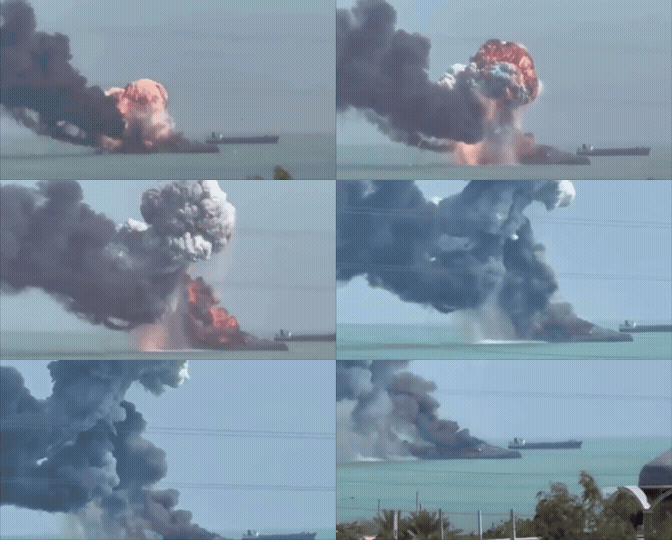
World
BANDAR LENGEH / WASHINGTON — March 9, 2026 : A missile corvette operated by the naval branch of the Islamic Revolutionary Guard Corps (IRGCN) was destroyed on Monday following a strike attributed to United States forces off the coast of Bandar Lengeh in southern Iran. Iranian authorities confirmed that the vessel belonged to the Shahid Soleimani-class of guided-missile corvettes. The incident occurred in waters near Bandar Lengeh, a strategic port city in Hormozgan Province located along the northern approaches to the Strait of Hormuz. Open-source video circulating online shows a large explosion followed by fire and smoke engulfing the vessel shortly after the strike. U.S. Central Command has not released operational details about the specific engagement, though the incident is reported to be part of broader maritime operations targeting Iranian naval assets in the Persian Gulf. Iranian officials have not disclosed the number of casualties or confirmed the exact hull number of the destroyed vessel. Shahid Soleimani-Class Missile Corvette The destroyed ship belonged to the Shahid Soleimani-class, a line of domestically developed guided-missile corvettes built for coastal defense and multi-domain operations in the Persian Gulf. The class represents a key element of the IRGC Navy’s modernization effort and was designed to support asymmetric maritime warfare in confined littoral waters. The lead ship of the class, Shahid Soleimani, entered service with the IRGC Navy on September 5, 2022. At least four vessels of this class are believed to be operational. A defining feature of the class is its catamaran, or twin-hull, configuration. The hull structure is constructed primarily from lightweight aluminum rather than conventional steel, reducing overall displacement and lowering radar cross-section. The superstructure incorporates angled surfaces intended to deflect radar signals and improve survivability in contested environments. The twin-hull configuration provides additional stability in rough seas and allows the ship to carry a large weapons payload relative to its size. Technical Characteristics The Shahid Soleimani-class corvette measures approximately 65 to 67 meters in length, with a beam ranging between 14.5 and 20 meters depending on the specific configuration. The vessel has a standard displacement of around 600 tonnes, which can exceed 1,000 tonnes when fully loaded with weapons, fuel, and operational equipment. Propulsion is provided by four domestically produced diesel engines, enabling the ship to reach a maximum speed of about 32 knots (59 km/h). The propulsion system allows the vessel to operate across long distances in the Persian Gulf and adjacent waters. The ship’s operational range is estimated at approximately 5,000 nautical miles (about 9,300 kilometers) when traveling at cruising speed, allowing it to conduct extended maritime patrols and escort missions without frequent refueling. Missile Systems and Armament The Shahid Soleimani-class corvette is designed as a heavily armed missile platform. One of its most notable features is the integration of Iran’s first naval vertical launching system (VLS) installed on a catamaran-type vessel. The vertical launch system includes six large launch cells intended for surface-to-surface cruise missiles, including the Abu-Mahdi long-range anti-ship missile. In addition, the ship carries up to 16 smaller VLS cells designed for surface-to-air missiles used for air defense. These air-defense missiles include variants such as the Navvab, Sayyad-2, and Sayyad-3 systems. In addition to the vertical launch system, the corvette is equipped with six box launchers for anti-ship cruise missiles. These typically include four longer-range missiles, such as the Noor, Ghadir, or Qader, and two shorter-range missiles of the Nasir type. Close-range defensive armament includes a 30 mm automatic cannon mounted forward and multiple Gatling-style guns ranging from 20 mm to 23 mm, typically between four and six units depending on configuration. These weapons are intended to defend against small boats, drones, and incoming threats at short range. The ship is also equipped with electronic warfare systems, including two chaff dispensers designed to counter radar-guided missiles. Aviation and Support Capabilities The vessel incorporates a large helicopter deck approximately 14 meters wide, enabling operations with light and medium helicopters as well as unmanned aerial vehicles. Helicopters capable of operating from the deck include the Bell 412 and Bell 206, while the platform is also capable of supporting various Shahed-series drones used for reconnaissance or strike missions. Beneath the helipad is a crane and launch system used to deploy fast attack boats. This mechanism allows the vessel to launch, retrieve, and rearm up to three fast boats during operations. These smaller craft are commonly used by the IRGC Navy in swarm tactics in the confined waters of the Persian Gulf. Operational Role in the Persian Gulf The Shahid Soleimani-class vessels serve as multi-role command and missile platforms within the IRGC Navy. Their mission set includes anti-ship warfare, coastal defense, air defense, and coordination of fast attack craft operations. Designed specifically for operations in the Strait of Hormuz and the Persian Gulf, the ships combine missile strike capability with support functions for smaller patrol boats and drones. The class represents one of the IRGC Navy’s most modern surface combatants and reflects Iran’s emphasis on precision-guided missile systems and distributed naval warfare. Ongoing Conflict Context The destruction of the corvette adds to reported Iranian naval losses since the current conflict began on February 28, 2026, when large-scale strikes targeting Iranian military infrastructure were initiated. Details about the exact weapon system used in the strike, the number of personnel aboard the vessel, and the extent of associated damage to nearby assets have not been released by U.S. officials or Iranian authorities.
Read More → Posted on 2026-03-09 16:09:14
World
ARCTIC OCEAN — March 9, 2026 : The United States Navy has launched Operation ICE CAMP Boarfish, a major Arctic under-ice mission involving nuclear-powered attack submarines and a temporary command facility established directly on drifting sea ice. The operation began on March 7, 2026, and is scheduled to run for approximately three weeks. The mission brings together U.S. naval forces, allied personnel, and specialized Arctic research organizations to conduct under-ice submarine operations and collect operational data in one of the most challenging maritime environments in the world. The exercise is coordinated by the U.S. Navy’s Arctic Submarine Laboratory (ASL) and supported by U.S. Fleet Forces Command. Submarines Deployed for Under-Ice Operations Two nuclear-powered fast-attack submarines are participating in the operation: USS Delaware (SSN-791) and USS Santa Fe (SSN-763). USS Delaware is a Virginia-class submarine, representing the newer generation of the U.S. Navy’s attack submarine fleet. The class is designed for multi-mission operations including anti-submarine warfare, intelligence gathering, strike operations, and surveillance. During ICE CAMP Boarfish, the submarine is conducting evaluations of its performance beneath Arctic sea ice, including stealth characteristics, endurance, acoustic awareness, and navigational precision in shifting ice conditions. USS Santa Fe belongs to the Los Angeles-class, an earlier generation of nuclear-powered attack submarines that remains widely deployed in the fleet. Its participation provides a comparison between legacy and modern submarine platforms. By operating both classes simultaneously, the Navy can assess differences in crew procedures, mission adaptability, and operational effectiveness during under-ice deployments. Naval planners say this approach allows readiness assessments across a broader portion of the submarine force rather than focusing on a single submarine class. Temporary Ice Camp Serves as Command Center A temporary base known as ICE CAMP Boarfish has been constructed on a drifting Arctic ice floe to support the operation. The camp functions as a forward command and logistics hub, housing personnel, communication systems, shelters, and support infrastructure required for sustained Arctic operations. Establishing a command facility directly on sea ice requires complex logistical planning. The camp provides coordination for submarine operations beneath the ice while enabling personnel to conduct monitoring, communications, and operational support activities. According to Capt. David Nichols, the officer responsible for tactical control during the mission, building a functioning base on moving sea ice presents unique operational challenges but provides valuable experience for Arctic deployments. Multinational Participation The operation includes personnel and technical participation from several allied and partner nations. In addition to the United States Navy, participants include representatives from: Royal Australian Navy Royal Canadian Navy Royal Canadian Air Force French Navy Royal Navy of the United Kingdom Scientific and research organizations are also involved, including the Norwegian Defence Research Institute and the Japan Agency for Marine-Earth Science and Technology. Within the United States, the operation includes participation from the U.S. Marine Corps and the Air National Guard, supporting logistics and Arctic operations alongside the Navy. Transition From Exercise to Operational Status Originally categorized as a training exercise, ICE CAMP Boarfish was recently designated an official military operation. U.S. naval officials said the change reflects the growing strategic importance of Arctic capabilities and the need for sustained operational readiness in the region. The shift aligns with the U.S. Department of Defense Arctic Strategy released in 2024, which emphasizes maintaining access to the Arctic as sea ice diminishes and maritime activity increases. The strategy identifies expanding military and economic activity by Russia and China as factors shaping the evolving security environment in the High North. Milestone for the U.S. Submarine Force Operation ICE CAMP Boarfish also marks the 100th Arctic under-ice evolution conducted by the U.S. Submarine Force. The operation’s name honors the USS Boarfish (SS-327), a Balao-class submarine that played a role in early Arctic submarine exploration after World War II. In 1947, Boarfish served as the flagship vessel during Operation Blue Nose, which conducted one of the first submarine explorations beneath the polar ice cap. That mission demonstrated the feasibility of extended navigation under Arctic ice using new sonar technologies. Objectives of the Mission During the three-week deployment, the submarines and supporting teams are conducting operational testing focused on real-world Arctic conditions. The activities include navigation beneath moving ice cover, evaluation of acoustic environments unique to the Arctic Ocean, and sustained submarine operations in extremely cold and remote conditions. The mission is designed to generate operational data on submarine performance and support the development of procedures for future Arctic deployments. U.S. Fleet Forces Command has not released detailed information about specific tactical activities conducted during the mission. However, officials say the operation is intended to improve submarine readiness and maintain operational access to the Arctic region. USS Delaware and USS Santa Fe remain deployed beneath the Arctic ice as the mission continues through the remainder of the planned three-week operational period.
Read More → Posted on 2026-03-09 15:57:46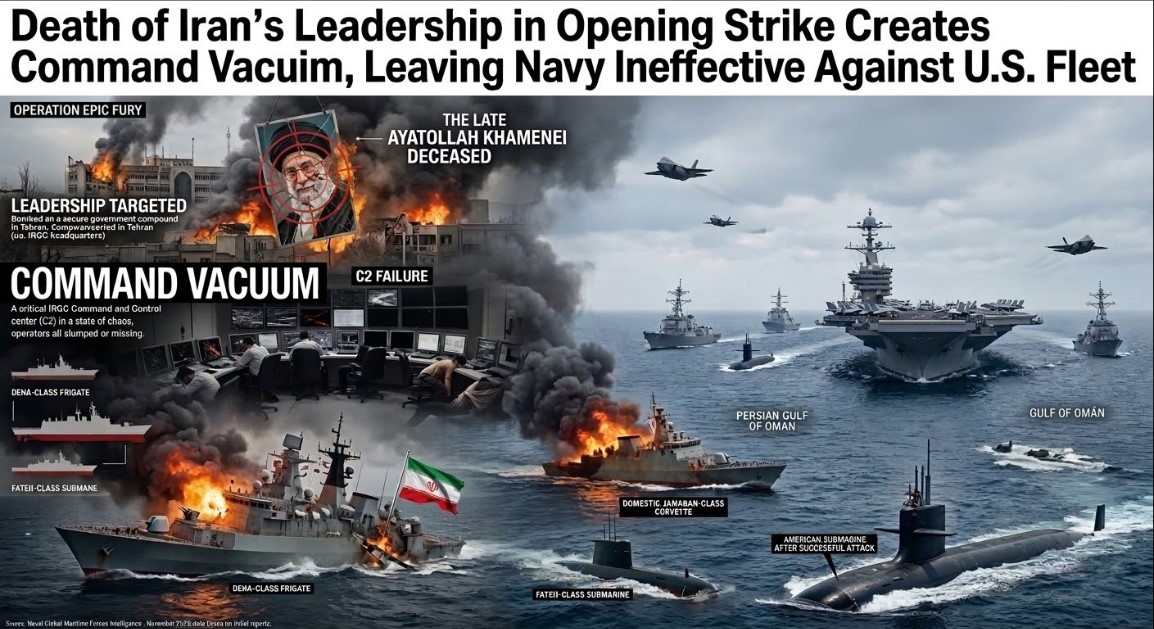
World
WASHINGTON / TEHRAN — March 9, 2026 : Military assessments of the first week of the conflict that began on February 28, 2026 indicate that Iran’s naval forces experienced extensive losses while command disruption significantly affected the country’s initial military response. Analysts attribute the rapid reduction of Iranian naval capabilities to a combination of leadership disruption, damage to command infrastructure, and the technological advantages of United States naval and air forces. Operational evaluations attributed to U.S. Central Command indicate that more than 20 Iranian vessels were sunk or rendered inoperable within the first seven days of the conflict, while some estimates place total losses between 30 and 42 surface ships. During the same period, U.S. officials reported no confirmed damage to any U.S. Navy platforms. Structure of Iran’s Naval Forces Before the Conflict Prior to the outbreak of hostilities, Iran maintained two separate naval organizations: the Islamic Republic of Iran Navy (IRIN), which functions as the country’s conventional maritime force, and the naval arm of the Islamic Revolutionary Guard Corps (IRGCN), which is responsible for asymmetric maritime warfare and coastal defense. The IRIN operated an estimated fleet of roughly 100 vessels and submarines. These included seven frigates, three or four corvettes, between 17 and 25 submarines—primarily Russian-built Kilo-class boats and smaller domestically produced midget submarines—along with 21 patrol vessels and multiple logistical support ships. The IRGCN maintained a smaller but specialized fleet focused on asymmetric operations in the Persian Gulf and the Strait of Hormuz. Its inventory included approximately 45 missile boats and fast-attack craft such as the Houdong class, Peykaap II missile boats, C-14 vessels, and MK13 fast patrol craft. In addition, the organization controlled hundreds of smaller speedboats configured for swarm tactics. These naval forces were primarily concentrated around Iran’s southern coastline, particularly at major bases in Bandar Abbas and Konarak, as well as throughout the Persian Gulf and the Strait of Hormuz. Prior to the conflict, Iranian military officials repeatedly emphasized their ability to disrupt maritime traffic through the Strait of Hormuz using coordinated swarm attacks, naval mines, coastal missile batteries, and anti-ship missile systems. Iranian commanders described these capabilities as sufficient to challenge technologically superior naval forces operating in the Gulf. Strike on Leadership and Command Infrastructure The initial disruption to Iranian military operations followed a joint United States and Israeli strike carried out on February 28 against a secured compound in Tehran. According to military assessments referenced by Western officials, the strike eliminated Supreme Leader Ayatollah Ali Khamenei along with several senior officials. Simultaneous attacks targeted key Islamic Revolutionary Guard Corps headquarters facilities and military communications networks. Under Iran’s constitutional framework and the doctrine of Velayat-e Faqih (Guardianship of the Islamic Jurist), the Supreme Leader serves as the commander-in-chief of all armed forces. Both the conventional military and the Islamic Revolutionary Guard Corps operate through command structures that ultimately report directly to the Supreme Leader’s office. The IRGC operates largely outside the civilian government framework, and its operational directives flow through parallel chains of command that bypass the elected president and standard military hierarchy. The naval branch of the IRGC, which controls most of Iran’s coastal missile boats and asymmetric maritime capabilities, is directly integrated into this structure. Military analysts say that the loss of the central command authority combined with the destruction of communications nodes created immediate command-and-control paralysis across both the IRGC and the regular armed forces. Field commanders across multiple branches of the Iranian military were left without updated targeting data, operational coordination, or strategic directives. In a system where major operational decisions require authorization from the highest levels of command, the sudden absence of that authority resulted in widespread disruption of coordinated military activity. Initial Iranian Retaliatory Strikes The command disruption was reflected in the early stages of Iran’s missile response during the first days of the conflict. According to U.S. and Israeli military assessments, initial Iranian ballistic missile and drone launches were dispersed across multiple targets throughout the Middle East without clear operational prioritization. Without functional command-and-control centers capable of providing real-time targeting telemetry and strategic direction, missile units reportedly relied on pre-planned or locally selected targets. Many of these strikes were intercepted by U.S. and Israeli air defense systems and caused limited damage. The absence of centralized coordination also affected naval operations. Iranian naval units did not receive immediate orders to disperse, redeploy, or initiate swarm tactics that had previously formed the core of Iran’s maritime doctrine. Rapid Losses Within the Iranian Navy The lack of coordinated naval response allowed U.S. forces to target Iranian vessels at ports and at sea during the early phase of the conflict. Satellite imagery and official assessments indicate that multiple ships were destroyed while docked at Iranian naval facilities, particularly at Bandar Abbas and Konarak. Several domestic Jamaran-class surface combatants were reportedly struck while moored at their piers before they could deploy. Among the notable losses was the newly converted drone-carrier Shahid Bagheri, which had been adapted to operate unmanned aerial systems. The vessel was hit by Tomahawk cruise missiles while docked at Bandar Abbas before it could launch its drone payload. On March 4, the Iranian frigate IRIS Dena was torpedoed in the Indian Ocean by a U.S. submarine. U.S. officials described the engagement as the first submarine torpedo sinking of a surface combatant by the U.S. Navy since the Second World War. Additional losses included several Bayandor-class corvettes and at least one Kilo-class submarine reportedly destroyed at dock. Reports also indicated the destruction of the IRIS Fateh, one of Iran’s domestically produced submarines. Amid the disruption to command structures, reports also indicated unusual movements by surviving Iranian naval units operating outside their normal patrol areas. The Iranian naval frigate IRIS Alborz, an Alvand-class guided-missile frigate of the Islamic Republic of Iran Navy, reportedly requested assistance from Indian authorities and proceeded toward Kochi, India. According to regional maritime reports, the vessel’s crew was unable to obtain operational instructions from higher command following the breakdown of communications with Iranian naval headquarters, prompting the ship to seek logistical support and guidance after operating for several days without confirmed command directives. By targeting naval assets early in the campaign, U.S. forces effectively eliminated Iran’s ability to deploy conventional naval power beyond the Strait of Hormuz or threaten maritime traffic using larger surface vessels. U.S. operations during this period included the use of stealth B-2 bombers, Tomahawk cruise missiles launched from surface ships and submarines, and persistent surveillance provided by carrier-based aircraft and reconnaissance systems. Within 48 hours, U.S. officials reported that Iranian naval presence east of the Strait of Hormuz had been largely neutralized. Limitations of Asymmetric Naval Doctrine Iran’s naval strategy prior to the conflict relied heavily on asymmetric tactics, particularly coordinated swarm attacks involving fast boats supported by coastal anti-ship missile batteries. However, analysts note that these tactics still required functioning command-and-control links to coordinate targeting, timing, and engagement zones. The removal of central leadership and communications networks disrupted those links. As a result, Iranian fast-attack craft and other asymmetric naval units were unable to organize large-scale coordinated operations against U.S. naval forces during the initial phase of the conflict. Reorganization of Iranian Command After several days of command disruption, Iran’s political leadership began restoring central authority through emergency coordination measures and surviving military communication networks. During this period, Iranian missile operations gradually shifted from dispersed launches to more focused targeting. Military analysts report that surviving localized command nodes and emergency communications protocols enabled missile units to regain a degree of operational coordination. Recent strikes have increasingly focused on military and economic infrastructure belonging to the United States and its regional partners. Among the reported targets were advanced radar and early-warning systems used in regional missile defense networks. Iranian missiles struck an AN/TPY-2 radar system associated with the Terminal High Altitude Area Defense (THAAD) network at Muwaffaq Salti Air Base in Jordan. Additional radar installations in Saudi Arabia were also targeted. Iranian missile strikes have also focused on energy infrastructure. The Bapco refinery in Bahrain and several industrial facilities in the United Arab Emirates were hit in recent attacks, resulting in large fires and forcing state energy companies to declare force majeure at some facilities. On March 8–9, the Assembly of Experts formally appointed Mojtaba Khamenei as the country’s new Supreme Leader, ending the leadership vacancy that had existed since the death of his father, Ayatollah Ali Khamenei. The decision restored the formal chain of command for Iran’s armed forces, which constitutionally report directly to the office of the Supreme Leader. Current Status of Iranian Naval Forces By March 9, Iranian naval capabilities have been significantly reduced. Surviving assets consist primarily of a limited number of fast-attack craft, submarines undergoing refit, and coastal defense units. Most remaining vessels remain confined to port or operating under restricted conditions amid continued surveillance and strike operations by U.S. and allied forces. Military analysts note that the rapid collapse of Iranian naval operations during the opening phase of the conflict reflects the highly centralized structure of Iran’s command system. The simultaneous removal of the Supreme Leader and multiple command centers disrupted operational continuity across both the Islamic Revolutionary Guard Corps and the conventional military. Subsequent developments indicate that Iran’s missile forces have begun adapting under restored leadership, shifting toward targeted strikes against regional military infrastructure and energy facilities.
Read More → Posted on 2026-03-09 15:47:49
World
TIRANA, Albania — March 9, 2026 : The United States has delivered a batch of Javelin FGM-148F anti-tank missile systems to the Albanian Land Force, a development that strengthens bilateral defense cooperation and supports Albania’s ongoing military modernization within the NATO framework. The handover ceremony was held on February 27, 2026, at the Land Forces Command Headquarters in Zall-Herr, near Tirana. The event was attended by Albanian Minister of Defence Pirro Vengu, U.S. Chargé d’Affaires Nancy VanHorn, Chief of the General Staff Lieutenant General Arben Kingji, and senior officers from the Albanian Land Force. The delivery forms part of a broader defense cooperation program between Washington and Tirana aimed at improving Albania’s operational capabilities and interoperability with NATO forces. Delivery of Missiles and Supporting Systems According to officials, the United States supplied 35 Javelin FGM-148F missiles through the Section 333 Building Partner Capacity program, a U.S. initiative designed to strengthen the military capabilities of partner nations. In addition to the missiles, the Albanian Ministry of Defence separately acquired Javelin Command Launch Units (CLUs), additional launchers, and advanced simulation and training systems using national funds. These components were procured through the U.S. Foreign Military Sales (FMS) program, ensuring that the Albanian Land Force receives the complete operational system required for deployment, training, and maintenance. Initial deliveries of equipment reportedly began in late 2025, while the February 2026 ceremony marked the completion of the full package of missiles, launchers, and associated training systems. Statements from Albanian and U.S. Officials Albanian Defence Minister Pirro Vengu described the acquisition as an important step in strengthening Albania’s defense capabilities and advancing its modernization efforts. Vengu said the Javelin system had been ordered several years earlier through cooperation with the United States and represents a key component of Albania’s long-term defense planning. He noted that the investment reflects the government’s approach of strengthening national defense capabilities during peacetime in order to ensure preparedness. The minister also emphasized that Albania’s military modernization is intended to reinforce deterrence and national security rather than offensive operations. U.S. Chargé d’Affaires Nancy VanHorn stated that the delivery reflects the strong defense partnership between the United States and Albania and demonstrates Washington’s commitment to regional security and the NATO alliance. VanHorn noted that the Javelin system offers several tactical advantages, including “fire-and-forget” guidance, which allows operators to relocate immediately after launching the missile. The weapon also uses a top-attack flight profile, enabling it to strike armored vehicles at their most vulnerable point. She added that the integration of the system will assist Albania in meeting NATO capability targets and defense spending commitments, contributing to the alliance’s collective defense posture. Overview of the Javelin Weapon System The FGM-148 Javelin is a man-portable, fire-and-forget anti-tank guided missile system developed through the Javelin Joint Venture, a partnership between U.S. defense companies Lockheed Martin and Raytheon. The system is widely used by NATO and allied militaries and has been employed in multiple combat environments. Its infrared imaging seeker allows operators to lock onto targets before launch, after which the missile guides itself autonomously to the target. Key characteristics of the system include: Fire-and-forget guidance, reducing operator exposure after launch Top-attack capability, designed to defeat modern armored vehicles Man-portable configuration, allowing infantry units to deploy the system without heavy vehicles High effectiveness against armored targets, including tanks and fortified positions These features allow infantry units to engage armored threats with minimal exposure and improved tactical mobility. Albania’s Defense Modernization Efforts The acquisition of the Javelin system forms part of Albania’s broader defense modernization strategy, which aims to improve the readiness and capabilities of the Albanian Armed Forces while aligning equipment and doctrine with NATO standards. Albania joined NATO in 2009 and has since been working to upgrade its military infrastructure and equipment in order to contribute more effectively to the alliance’s collective defense missions. To support these modernization initiatives, Albania has increased defense spending in recent years. The Ministry of Defence’s budget for 2026 totals approximately 58.9 billion Albanian leks, equivalent to about $72.3 million or €61 million. Earlier in 2026, Minister Vengu stated that around half of the defense budget for the year will be allocated to the procurement of new military equipment from partner countries, including the United States, the United Kingdom, and Israel. The acquisition of advanced systems such as the Javelin missile is intended to improve Albania’s deterrence capabilities, operational readiness, and interoperability with NATO forces. Ongoing U.S.–Albania Defense Cooperation The Javelin delivery highlights continued military cooperation between the United States and Albania, particularly in areas related to training, equipment procurement, and capability development. While officials confirmed the delivery of 35 missiles and associated launch systems, no additional details regarding future quantities or follow-on procurements have been announced. The February 2026 handover represents the latest step in Albania’s effort to modernize its land forces and strengthen its role within NATO’s collective security framework.
Read More → Posted on 2026-03-09 14:39:29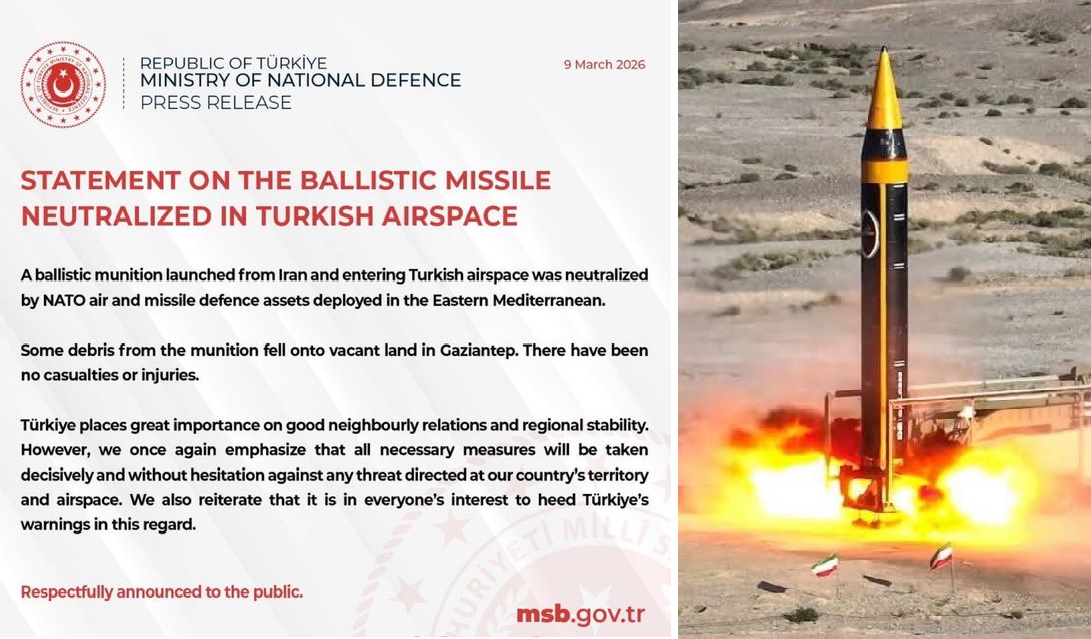
World
ANKARA, — March 9, 2026 : Turkish authorities reported that a ballistic missile launched from Iran entered Turkish airspace and was intercepted by NATO air and missile defense systems, marking the second such incident within five days as the regional conflict involving Iran, the United States, and Israel continues. According to Turkey’s Ministry of National Defense, the missile was detected approaching Turkish airspace before being neutralized by NATO defensive systems positioned in the eastern Mediterranean. Debris from the intercepted munition fell onto vacant land in the southeastern province of Gaziantep. Officials confirmed that no casualties or structural damage were recorded. Gaziantep lies near the Syrian border and approximately 150 kilometers from Incirlik Air Base, which hosts United States military personnel, and about 200 kilometers from a NATO missile defense radar facility in Malatya that supports the alliance’s ballistic missile defense network. Second Interception Within Five Days The March 9 interception follows a similar event on March 4, when another ballistic missile launched from Iran traveled through Iraqi and Syrian airspace before being intercepted by NATO systems over the eastern Mediterranean. Debris from that interception fell in Hatay province in southern Turkey. Turkish authorities reported no injuries or damage in that incident. In both cases, the Turkish Defense Ministry stated that the missiles were detected moving toward Turkish airspace, although officials said the intended targets remain unclear. The repeated interceptions occurred as the wider regional conflict involving Iran, the United States, and Israel entered its second week. Turkish Government Response Following the earlier March 4 interception, Turkey summoned Iran’s ambassador to Ankara to lodge a formal protest and warned against any actions threatening Turkish territory. Turkish Foreign Minister Hakan Fidan stated that Ankara reserves the right to respond to any threat directed at the country’s sovereignty or territorial integrity. In a statement issued after the March 9 incident, the Turkish Ministry of National Defense reiterated that Turkey would take all necessary measures to protect its airspace and borders. Iran Denies Targeting Turkey Iran has previously denied launching missiles toward Turkey. Following the March 4 interception, Iranian Foreign Ministry spokesperson Esmaeil Baghaei stated that Tehran respects Turkey’s sovereignty and that Iranian military operations are defensive in nature. Baghaei said Iran’s missile and drone operations are directed at adversaries involved in attacks against Iran and should not be interpreted as hostile acts toward neighboring countries. As of March 9, Iranian officials had not issued an immediate public statement regarding the latest interception reported by Turkey. NATO Missile Defense Response NATO increased its ballistic missile defense posture across the alliance after the first interception earlier in March. Alliance officials stated that the defensive measures successfully protected allied territory. Turkey plays a key role in NATO’s missile defense architecture. The country hosts a NATO early-warning radar installation in Malatya province that contributes to the alliance’s ballistic missile detection network. Turkey also hosts United States forces at Incirlik Air Base, a major installation used for NATO operations in the region. Although the intercepted missiles entered Turkish airspace, the incidents have not resulted in casualties or significant damage required to invoke NATO’s Article 5 collective defense clause. Diplomatic sources have indicated that Ankara could consider consultations under Article 4 of the NATO treaty, which allows member states to request discussions with allies when they believe their territorial integrity or security is under threat. Turkish Military Deployments Increase Amid the broader regional conflict, Turkey has increased military activity along several strategic fronts. Turkish authorities have expanded deployments along the Iraqi border, moving ground forces, F-16 fighter aircraft, and additional logistical units into southeastern regions. Military reserves have also been mobilized, and air patrols along the Iranian frontier have increased. Separately, the Turkish Defense Ministry announced a phased deployment of six F-16 fighter jets and air defense systems to the Turkish Republic of Northern Cyprus as part of broader security measures in the eastern Mediterranean. Strategic and Diplomatic Considerations The missile incidents have drawn attention to Turkey’s position within the regional conflict. As a NATO member state hosting alliance missile defense assets and U.S. military personnel, Turkey is directly integrated into Western security structures. At the same time, Ankara has historically maintained diplomatic and economic relations with Tehran and has occasionally criticized U.S. and Israeli policies toward Iran. Analysts note that Turkey’s current response reflects a balancing effort between NATO commitments, national security, and regional diplomacy. Regional Security Concerns The United States Embassy in Turkey updated its travel advisory on March 9, advising against travel to southeastern Turkish provinces due to security risks linked to the conflict in neighboring countries. NATO officials stated that missile defense systems will remain on heightened readiness as long as regional missile activity continues. Turkish authorities have not disclosed details about the missile type or launch location inside Iran, and investigations into the missile trajectories and possible targets are ongoing.
Read More → Posted on 2026-03-09 14:30:04Search
Top Trending in 24 Hours
-
 U.S. Navy Awards Northrop Grumman $1.2 Billion Deal for Three New E-2D Advanced Hawkeyes
-
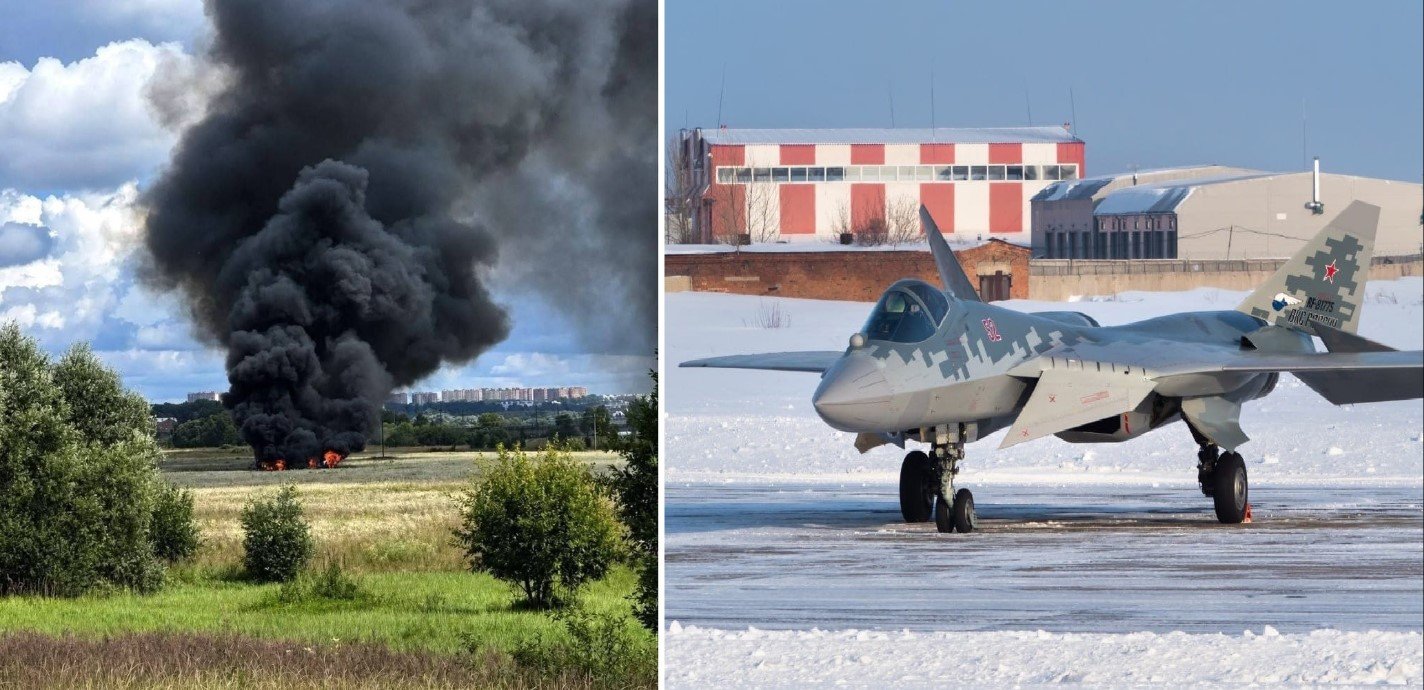 Russian Su-57 Stealth Fighter Crashes During Training Flight Near Moscow, Pilot Ejects Safely
-
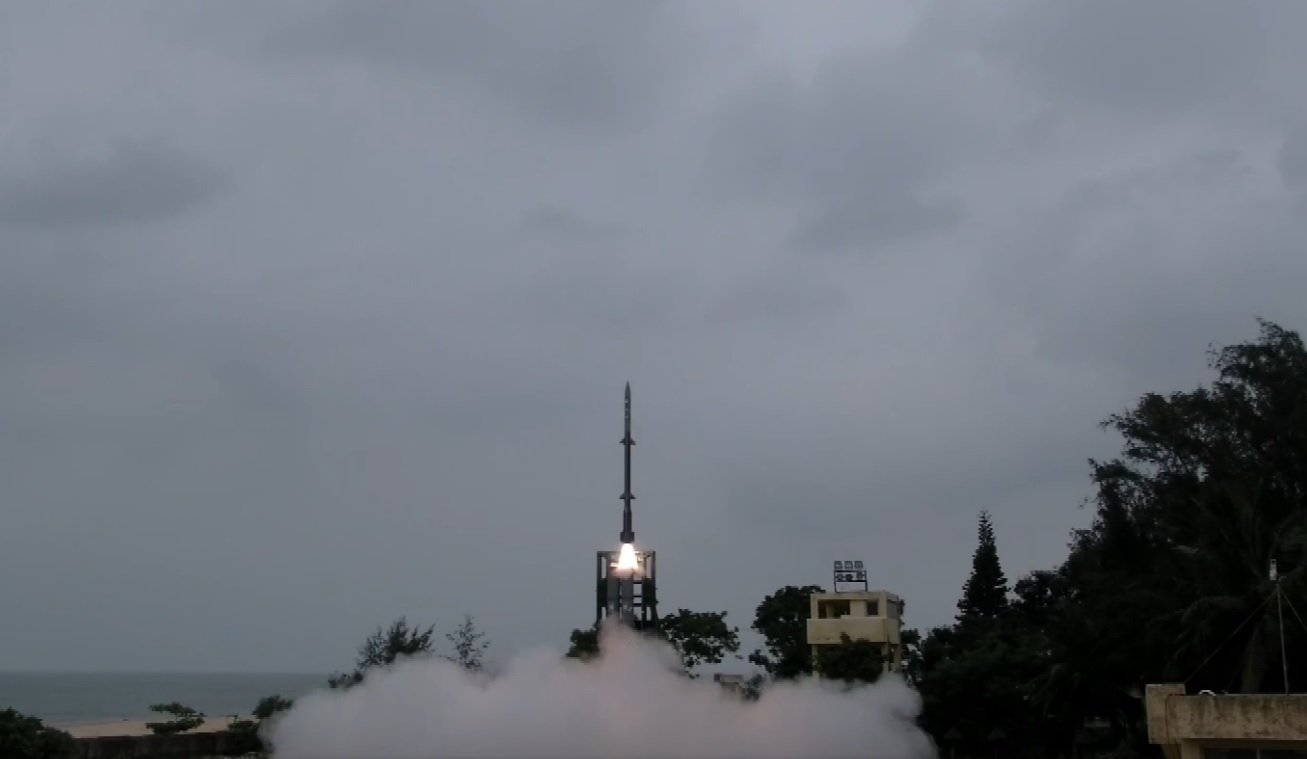 DRDO Successfully Conducts Maiden Flight Test of 150-km-Range Kusha M1 Air Defence Missile
-
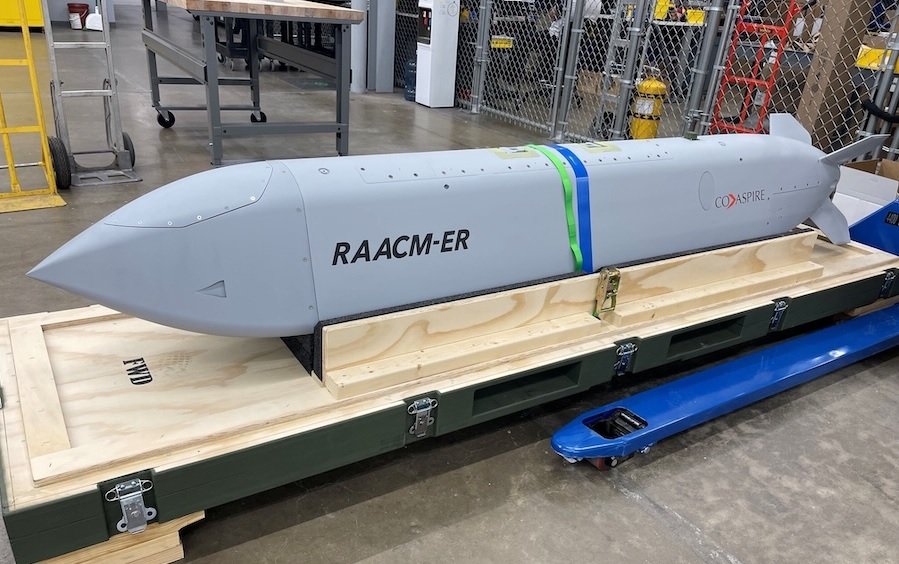 U.S. Navy Selects CoAspire to Build Ground-Launched CHAOS Cruise Missile Under $70 Million Program
-
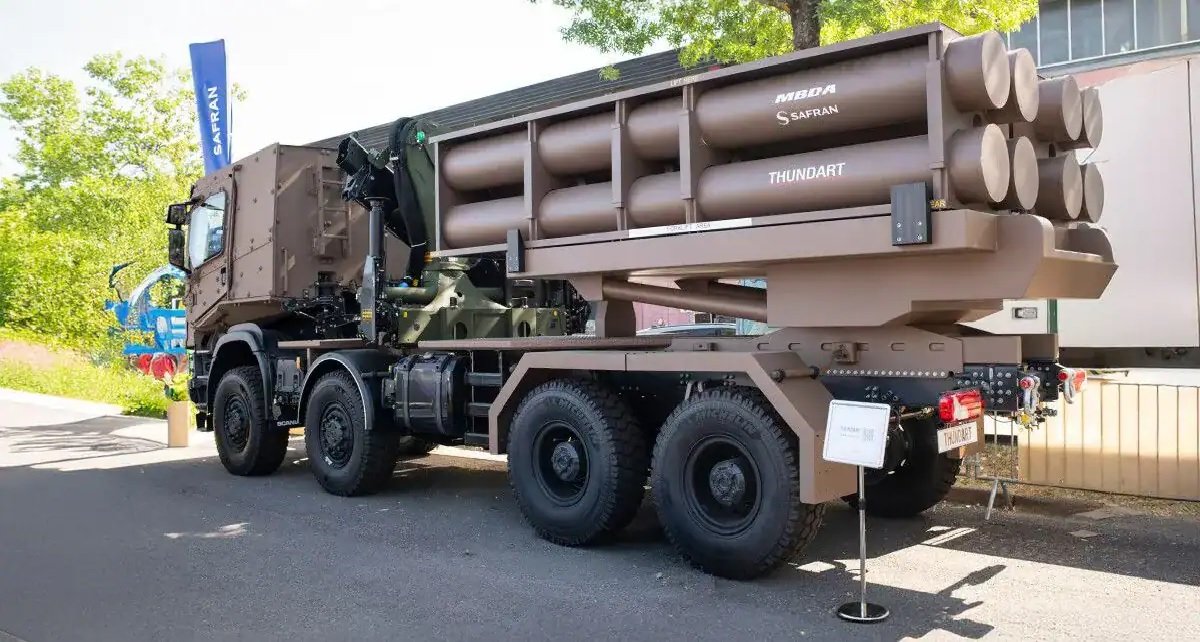 France's THUNDART Long-Range Rocket System May Undergo Prototype Combat Testing in Ukraine
-
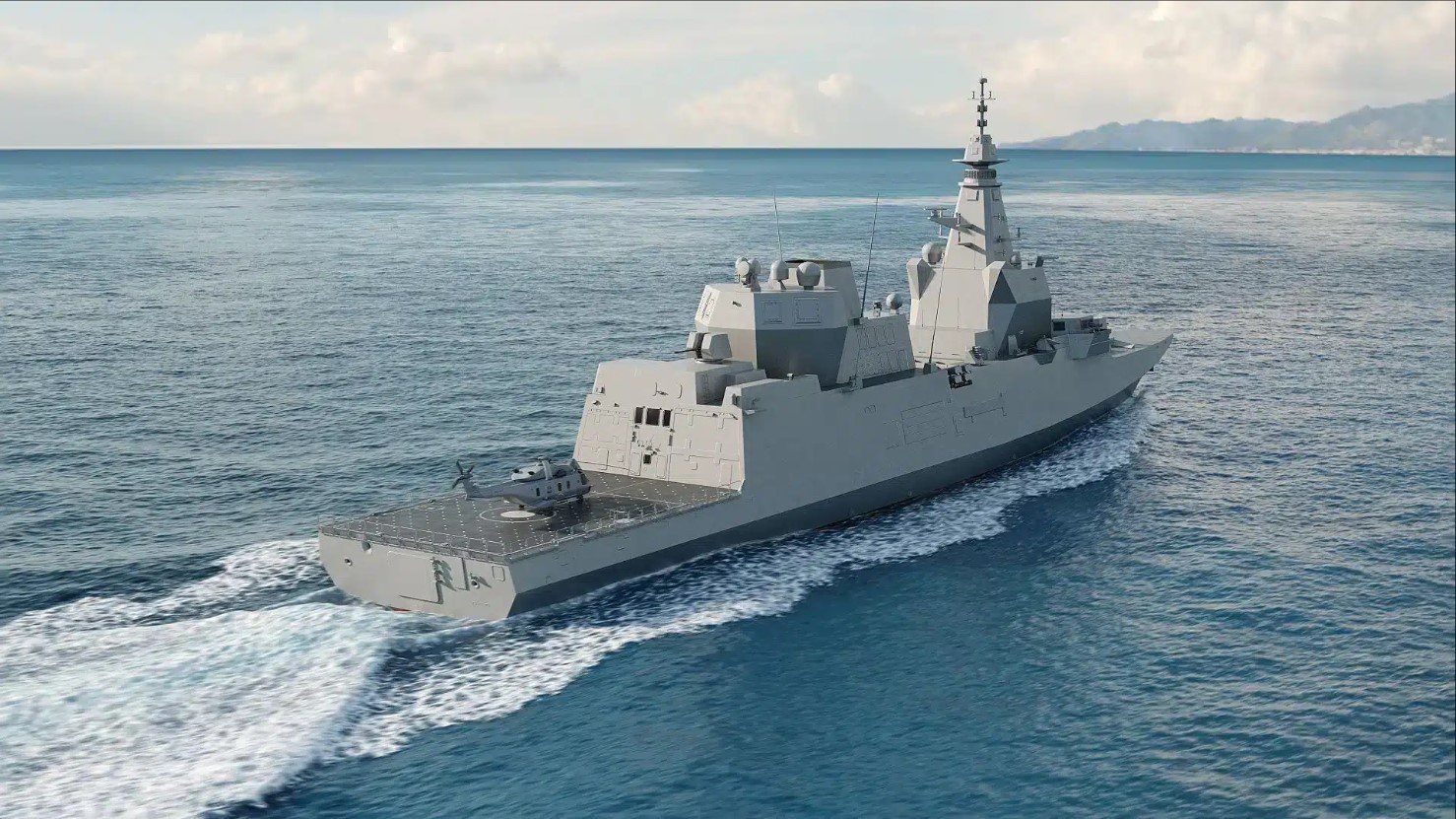 Portugal Orders Three FREMM EVO Frigates from Italy in €3.9 Billion Naval Deal
-
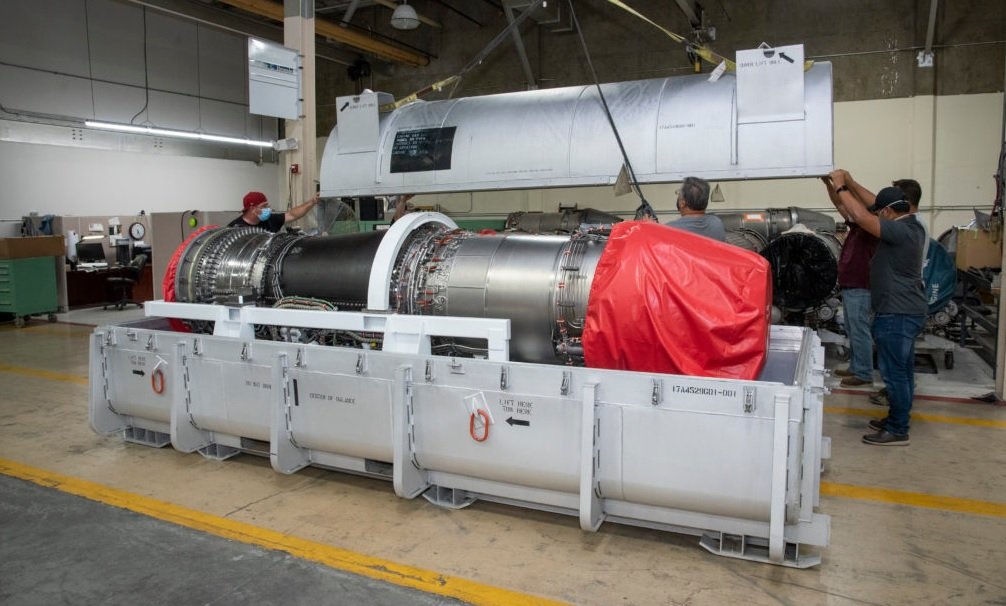 GE Aerospace and Magellan Aerospace Corporation Sign Strategic MoU for F414 Engine Sustainment in Canada
-
 Destinus Unveils Vorexon Interceptor Concept to Defend Critical Sites from Artillery Threats
Top Trending in 4 Days
-
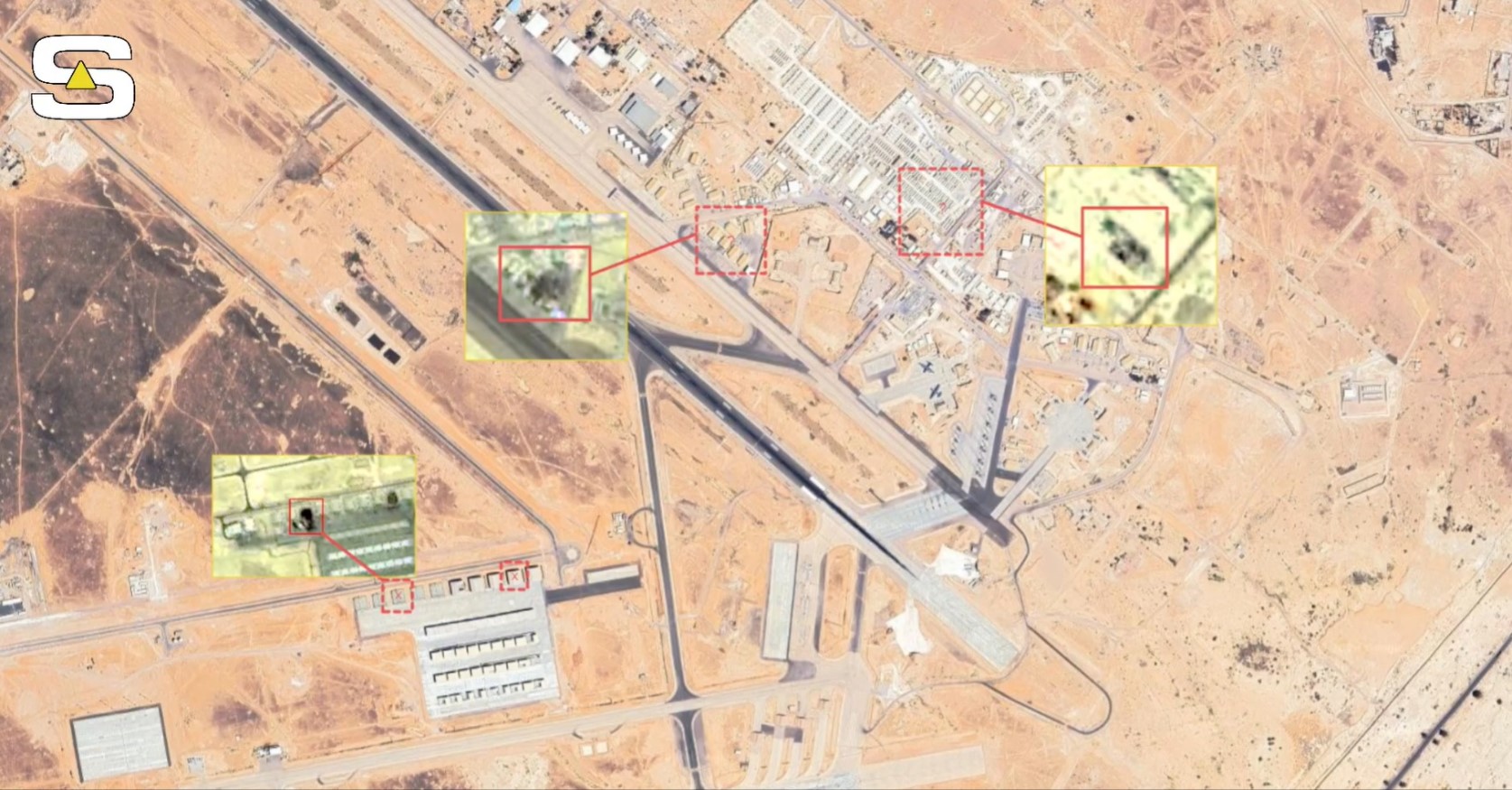 New Satellite Imagery Reveals Extensive Damage at Jordan's Muwaffaq al-Salti Air Base After Iranian Missile Strike
-
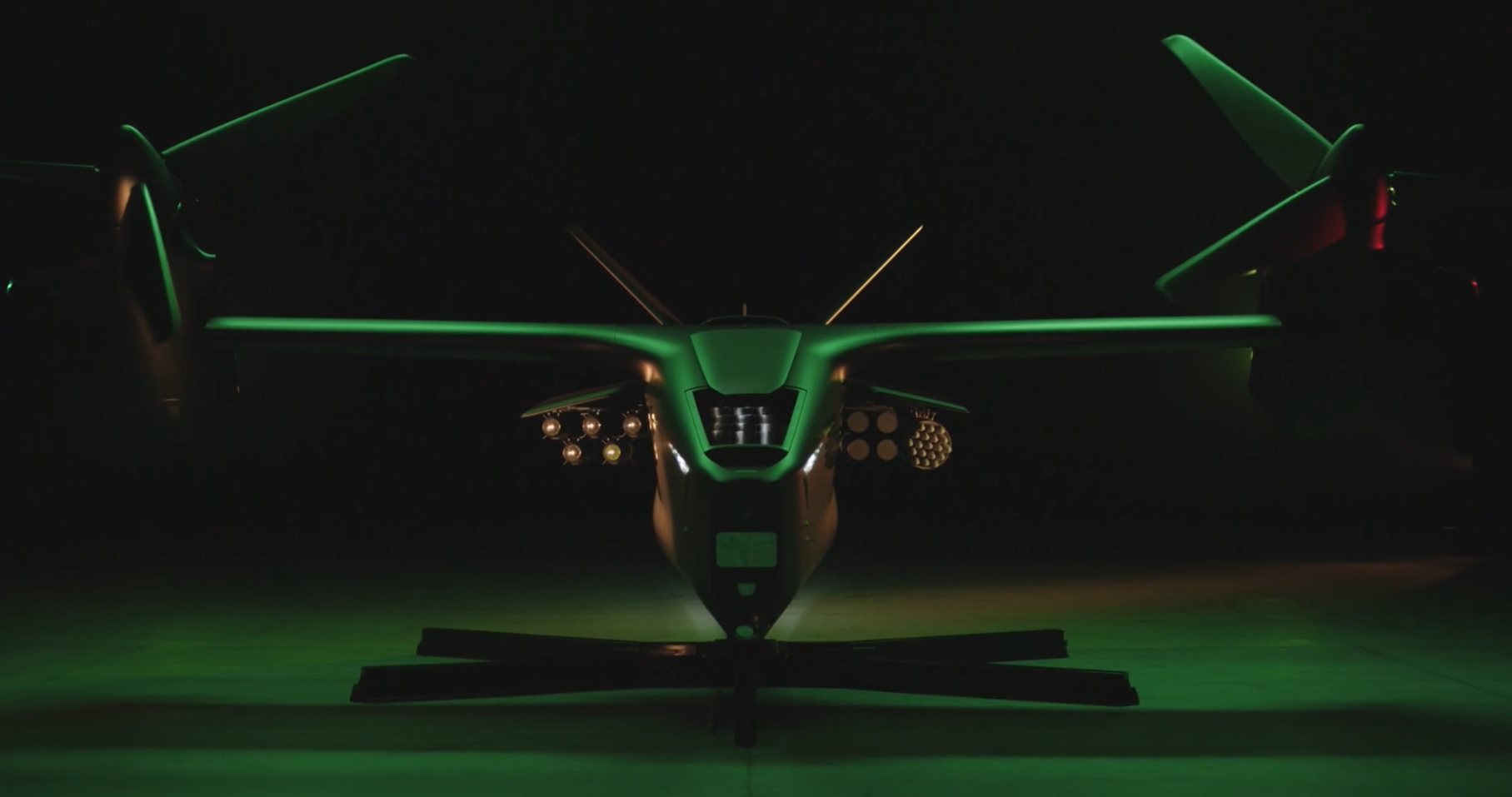 Anduril Unveils Thunder Autonomous Attack Rotorcraft Built with Archer Aviation to Support Apache Helicopters
-
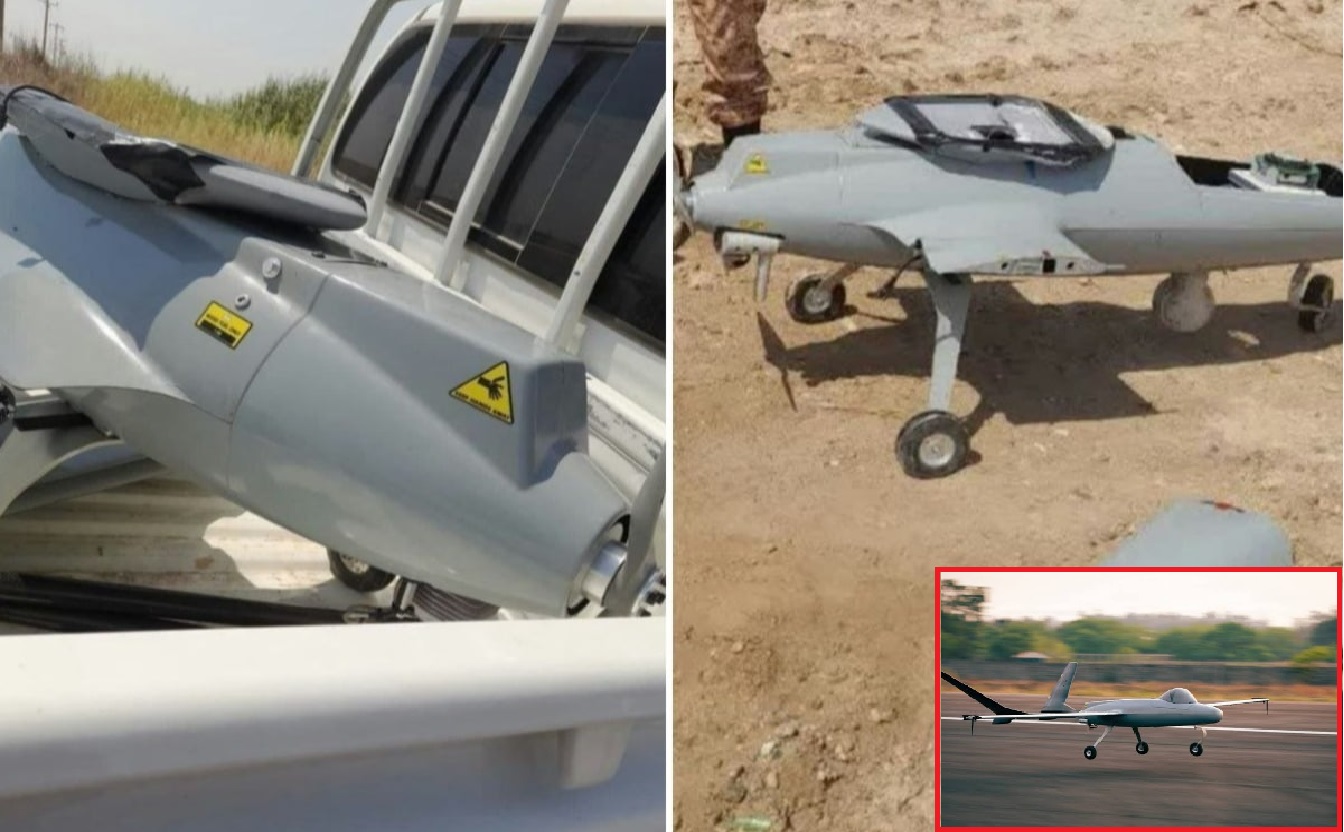 Iran Claims It Shot Down U.S.-Operated Polish-Built Tiguar-M Drone, Releases Images
-
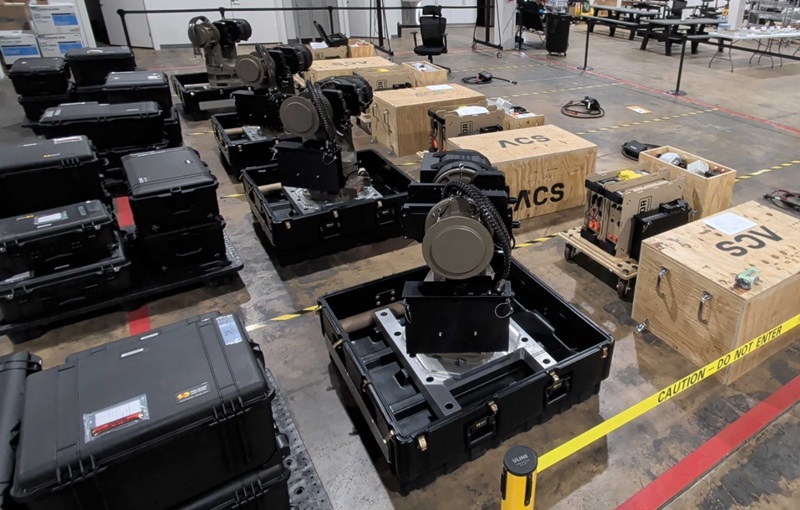 U.S. Marine Corps Selects AI-Powered Bullfrog Weapon Station for L-MADIS Counter-Drone Platform
-
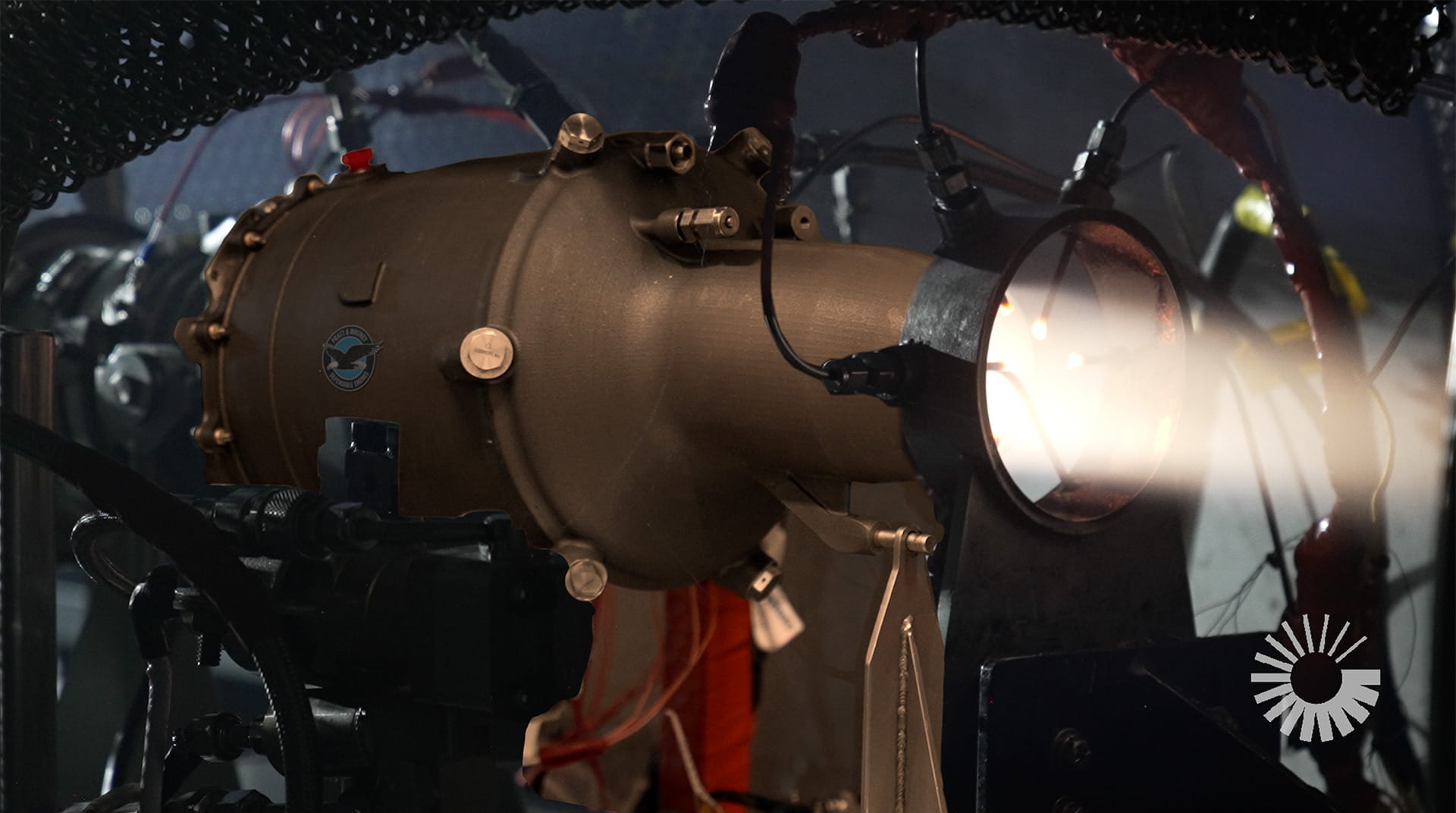 Pratt & Whitney Completes Testing of 3D-Printed TJ150 Engine for Military Applications
-
 Lockheed Martin Unveils MORFIUS X-Rotor High-Power Microwave System That Can Neutralize 50+ Drones in One Flight
-
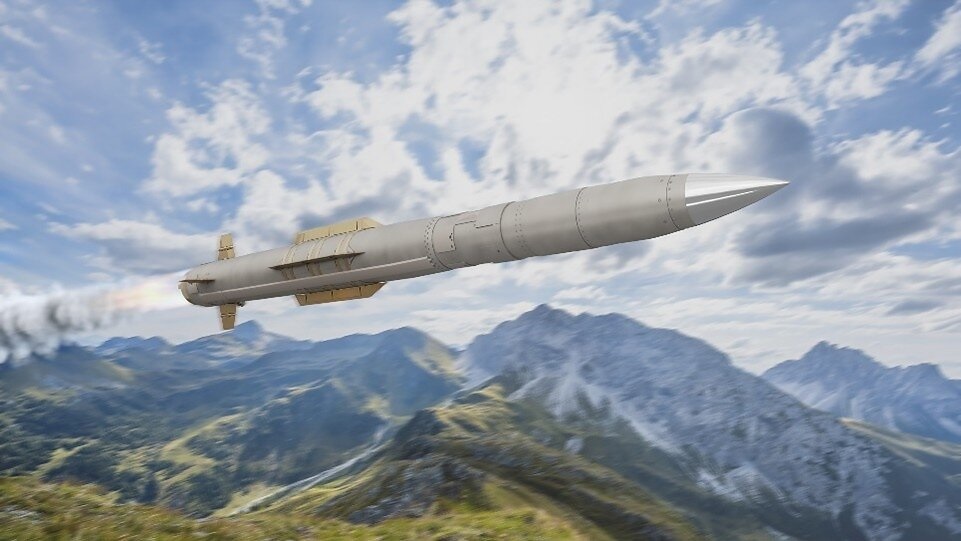 Lockheed Martin Unveils Lower-Cost PAC-3 ACE Interceptor for Patriot Air Defense System
-
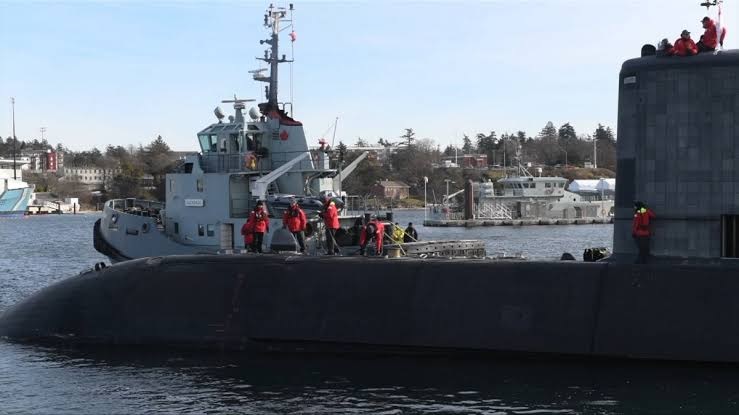 Canada Awards Babcock $1.1 Billion Six-Year Contract Extension to Support Victoria-Class Submarine Fleet
