MOSCOW — March 5, 2026 : Russia is reportedly considering supplying Iran with upgraded versions of its Geran-series attack drones, including the Geran-3 and Geran-5, according to defense intelligence assessments and open-source reporting. The systems represent heavily modified and technologically enhanced variants of the original Iranian Shahed-type loitering munitions that Tehran previously supplied to Moscow during the early phase of the Ukraine war.
If implemented, the transfer would mark a new stage in reciprocal defense cooperation between the two countries, with Russia returning improved versions of systems derived from Iranian designs after several years of operational use and engineering development.
Development of the Geran Drone Series
Russia began deploying Iranian-designed Shahed-131 and Shahed-136 loitering munitions in Ukraine in 2022. In Russian service, these systems were redesignated as the Geran-1 and Geran-2. The drones were widely used for long-range strike missions, particularly in saturation attacks against infrastructure and military targets.
Following a bilateral agreement reportedly valued at approximately $1.75 billion, Iran transferred blueprints, components, technical documentation, and training to Russia, allowing domestic assembly and later full-scale production. Manufacturing was established at the Alabuga Special Economic Zone in Tatarstan, where Russian engineers gradually localized production and introduced numerous technical improvements.
Over time, Russia expanded the Geran program beyond the original piston-engine models, developing new variants with enhanced propulsion systems, electronic warfare resistance, and increased payload capacity.
Geran-3: Jet-Powered Shahed Evolution
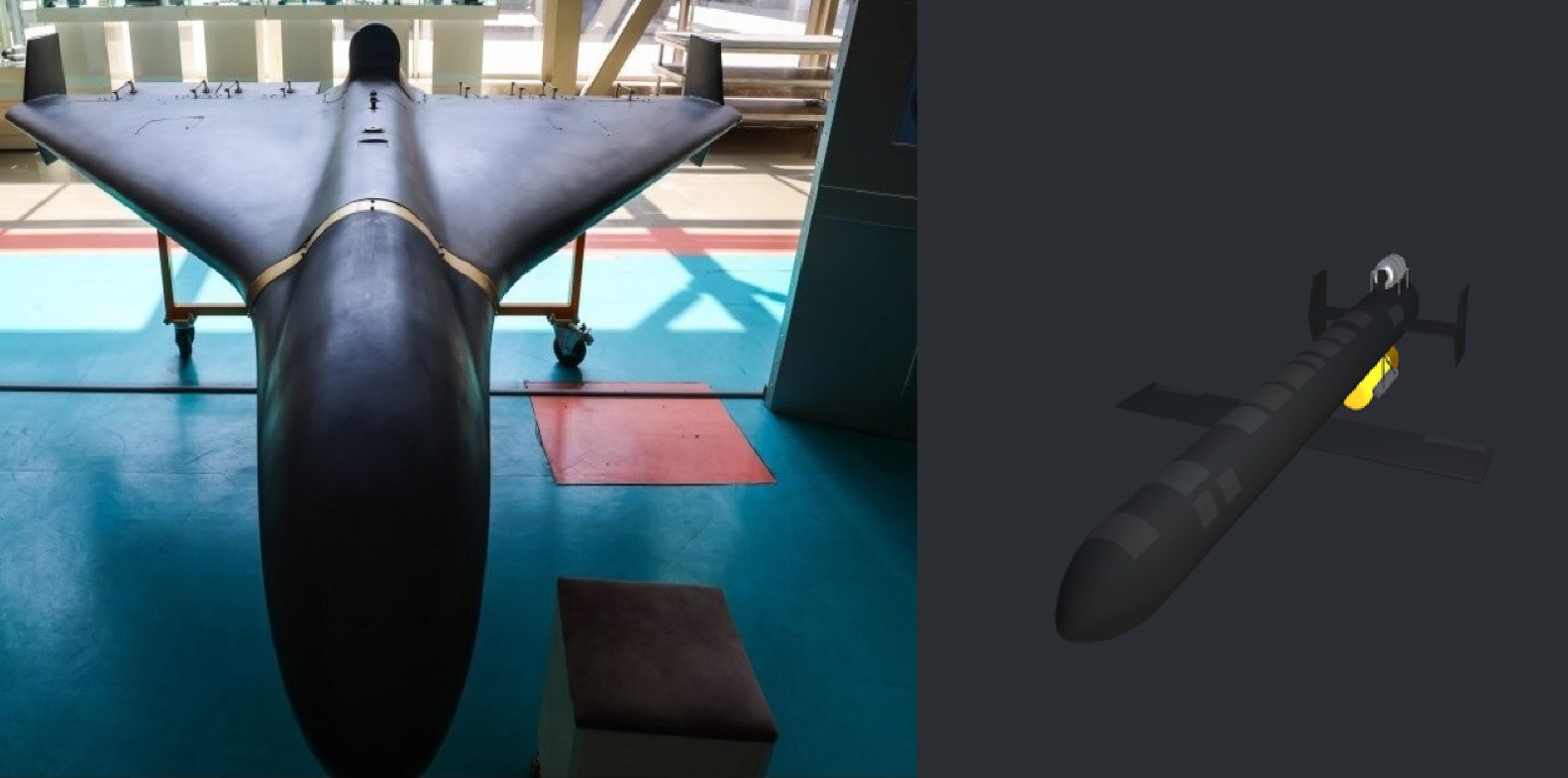
The Geran-3 represents a major departure from the original propeller-driven Shahed designs. The drone is widely assessed to be based on the Iranian Shahed-238, but incorporates several upgrades implemented during Russian operational use.
Unlike earlier Shahed models powered by small piston engines, the Geran-3 uses a turbojet engine, enabling significantly higher speeds. Defense assessments estimate the drone can reach speeds ranging from 330 to 500 kilometers per hour, depending on configuration.
The use of a jet engine also allows the drone to operate at higher altitudes and reach targets more quickly than the earlier Shahed-136 variants. Additional improvements reportedly include upgraded electronic warfare protection and enhanced resistance to jamming.
Geran-5: A Larger Cruise-Missile-Like Design
The Geran-5 represents a further evolution of the program and was first reported to have been deployed in Ukraine in January 2026, according to assessments by Ukraine’s Main Directorate of Intelligence (GUR).
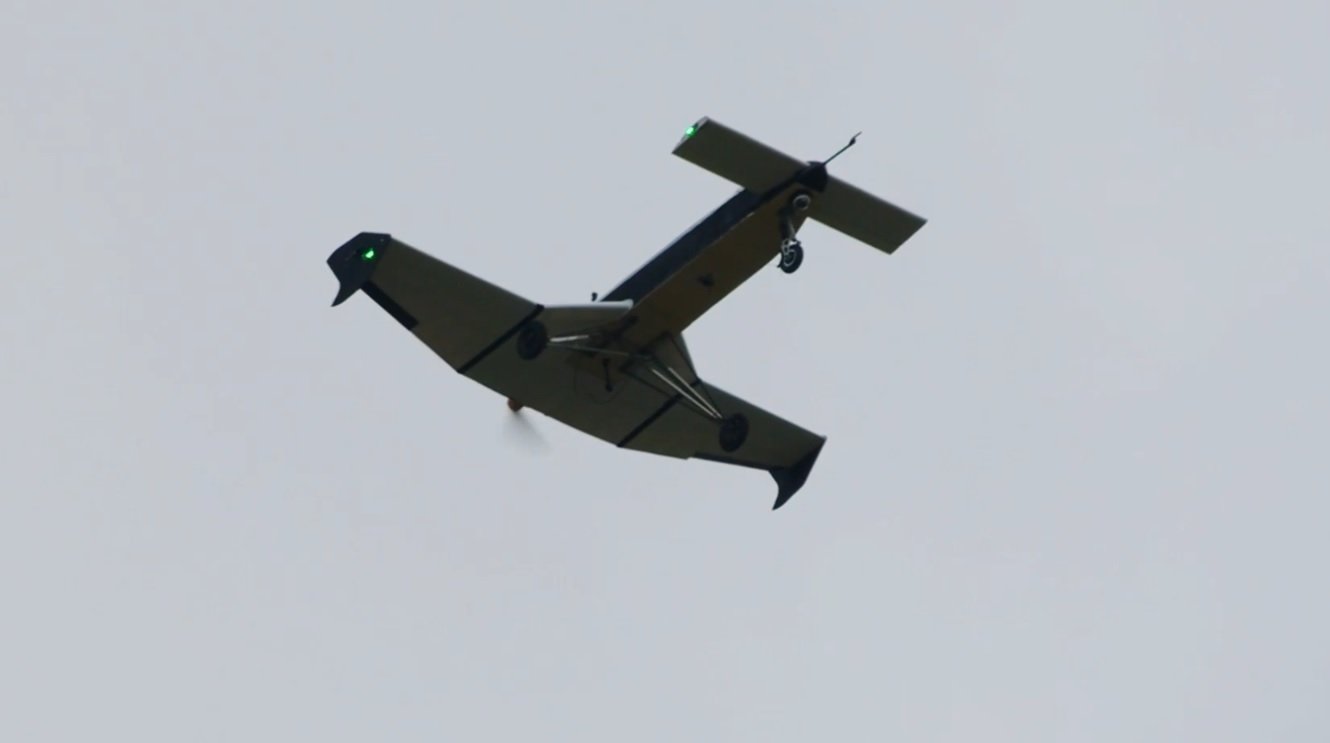
Unlike the triangular delta-wing configuration typical of Shahed drones, the Geran-5 uses a conventional aerodynamic layout resembling a winged cruise missile. The airframe includes a long cylindrical fuselage connected to fixed wings.
Available intelligence assessments indicate the drone has the following approximate specifications:
- Length: 6–6.5 meters
- Wingspan: 3.2–5.5 meters
- Takeoff weight: around 850 kilograms
- Warhead: approximately 90 kilograms
- Maximum range: up to 950–1,000 kilometers
- Cruising speed: 450–600 kilometers per hour
- Flight endurance: roughly two hours
The system is reportedly powered by a Chinese-origin turbojet engine, commonly assessed to be similar to the Telefly TJ200, producing around 200 kilograms of thrust.
Guidance, Navigation, and Electronic Warfare Resistance
The Geran-5 incorporates a more advanced guidance architecture compared with early Shahed drones. Reported navigation systems include:
- Global Navigation Satellite System (GNSS) guidance
- Inertial navigation systems (INS)
- Adaptive antenna arrays for anti-jamming
Defense analysts report that the drone uses 12-element adaptive antenna arrays designed to improve resistance against electronic warfare systems used by modern counter-UAS defenses.
Some intelligence assessments indicate the system may achieve a circular error probable (CEP) of under 10 meters under optimal conditions.
In addition to electronic warfare resistance, some Geran variants have reportedly incorporated mesh-networking capabilities, allowing groups of drones to coordinate strikes during large-scale attacks.
Structural Characteristics and Design Influences
Analysis of drone debris recovered in Ukraine has indicated structural similarities between the Geran-5 and the Iranian Karrar unmanned aerial vehicle, though Russian engineers appear to have integrated several modifications based on domestic production methods and operational experience.
The Geran-5’s aerodynamic layout and turbojet propulsion have led some analysts to classify it as functioning closer to a low-cost cruise missile rather than a traditional loitering munition.
Russian Production Expansion
Since establishing production at Alabuga, Russia has reportedly expanded manufacturing capacity significantly. Some intelligence estimates suggest production output has reached hundreds of drones per day during peak periods, enabling sustained use in large-scale strike campaigns.
Russian engineers have also introduced additional upgrades, including:
- Heavier warheads, in some cases reaching up to 90 kilograms
- Improved anti-jamming systems
- Expanded navigation redundancy
- Potential integration with short-range air-to-air missiles such as the R-60 in certain experimental configurations
These changes reflect continued development of the Geran platform based on battlefield performance and evolving air defense countermeasures.
Potential Transfer Back to Iran
Reports circulating through defense intelligence channels and open-source monitoring groups indicate that Iran has expressed interest in acquiring the newer Russian variants, particularly the Geran-3 and Geran-5.
If such a transfer occurs, it would effectively represent a reverse technology flow. Iran originally supplied the foundational drone designs to Russia, while Russia subsequently refined the systems through large-scale manufacturing and operational deployment in Ukraine.
Providing the upgraded models back to Iran would therefore return technology that has undergone extensive battlefield testing and engineering modifications.
Regional Context
The discussions surrounding potential drone transfers come amid ongoing military developments in the Middle East. Since February 28, 2026, Iran has conducted drone and missile strikes across the Persian Gulf region in response to U.S. and Israeli military operations targeting Iranian infrastructure.
Iran has used various Shahed-series drones during these operations, striking locations in Bahrain, Kuwait, the United Arab Emirates, and other regional sites.
At the same time, Russia has continued its drone operations in the Ukraine conflict, indicating that Middle East developments have not significantly disrupted the country’s drone production capacity.
Broader Military Cooperation
Russia and Iran have continued expanding their defense cooperation beyond unmanned aerial systems. Recent reports indicate that Moscow plans to supply Verba man-portable air defense systems (MANPADS) to Iran under a contract reportedly valued at approximately €495 million, with deliveries expected between 2027 and 2029.
Analysts note that further drone cooperation could deepen the technological exchange between the two countries, combining Iranian design concepts with Russian production scale and iterative engineering improvements.
Current Status
As of March 5, 2026, neither Russian nor Iranian authorities have officially confirmed plans to transfer Geran-3 or Geran-5 drones. No specific quantities, delivery schedules, or formal agreements related to the systems have been publicly disclosed.
However, ongoing defense collaboration and Iran’s reported interest in the upgraded drones suggest that further developments in drone technology sharing between the two countries remain possible.
——— End of Article ———