WASHINGTON — March 5, 2026 : The United States Department of Defense and several Gulf states are engaged in discussions with Ukraine regarding the potential acquisition of Ukrainian-developed interceptor drones designed to counter Iranian-designed unmanned aerial vehicles. The discussions were first reported by the Financial Times and involve interest from both the Pentagon and Gulf partners seeking more economical solutions to the expanding drone threat across the Middle East.
Growing Demand for Cost-Effective Air Defense
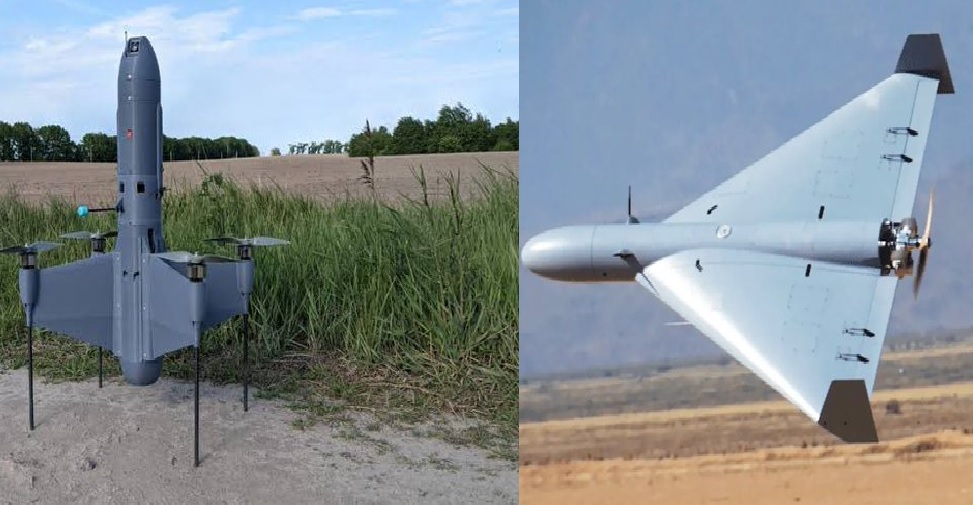
The discussions come amid increasing use of Iranian-designed loitering munitions, particularly the Shahed-136 drone, which has been used extensively in regional conflicts and against infrastructure targets.
Military officials and analysts have highlighted the financial imbalance between these relatively inexpensive drones and the high-cost interceptor systems currently used to destroy them. A Shahed-136 drone is estimated to cost roughly $30,000 per unit, with some assessments placing the cost closer to $20,000.
In contrast, Gulf states and U.S. forces in the region have relied heavily on the MIM-104 Patriot air defense system to intercept incoming threats. The PAC-3 interceptor missile used by Patriot batteries can cost more than $13.5 million per missile, though some estimates place the price between $3 million and $4 million depending on configuration and procurement contracts.
The large difference in costs has prompted policymakers and defense planners to consider alternative interception methods that could reduce operational expenses while maintaining defensive coverage.
Pressure on Missile Stockpiles
Regional security dynamics have intensified the urgency of finding more efficient defensive solutions. Iran is believed to possess tens of thousands of Shahed-type drones, capable of being launched in large swarms.
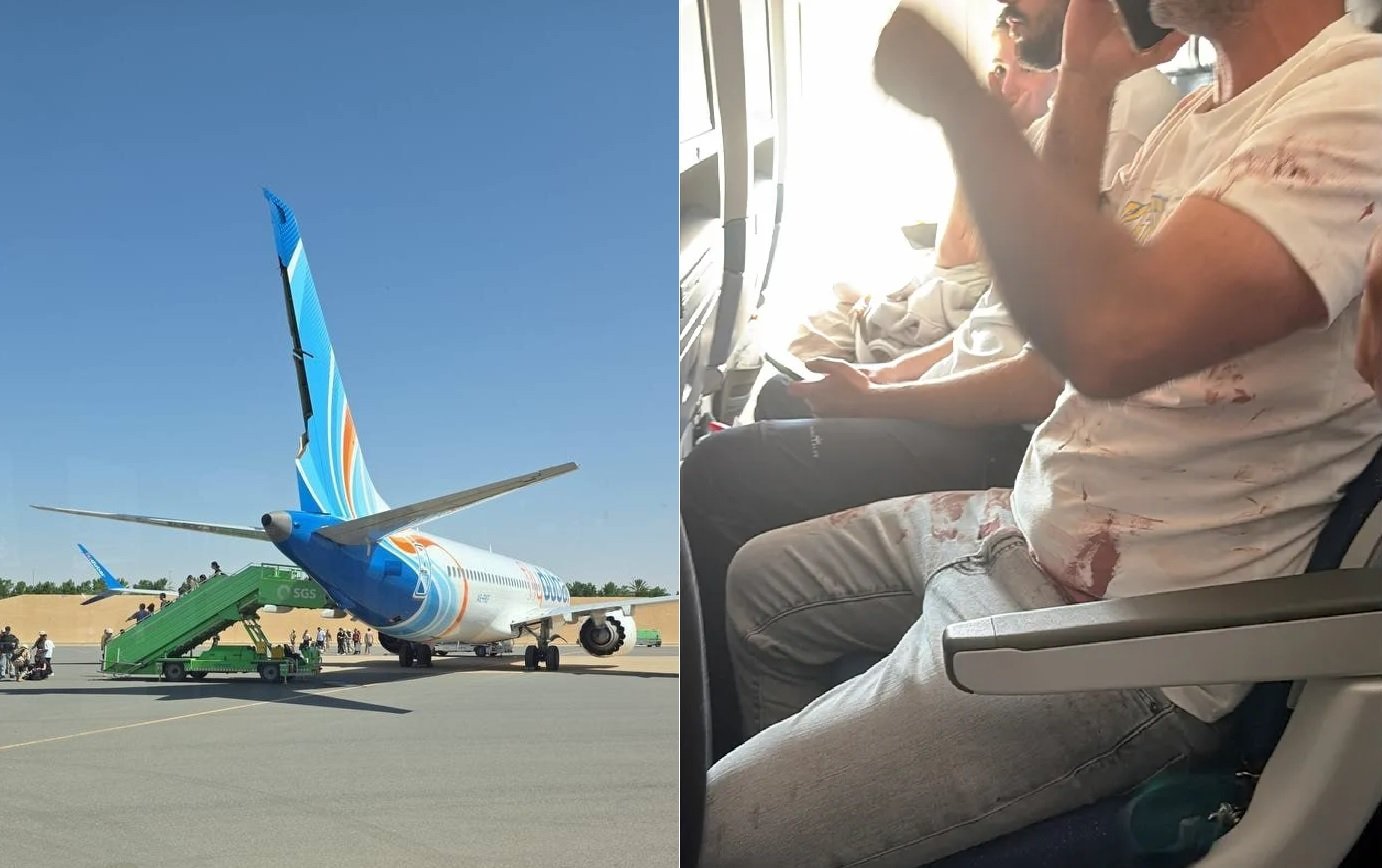
Recent drone launches across the region have targeted military installations and infrastructure in multiple Gulf states, including Saudi Arabia, Qatar, United Arab Emirates, Kuwait, and Bahrain.
The volume of such attacks has created concern among defense planners that continued reliance on high-cost interceptor missiles could strain stockpiles. In addition to financial costs, sustained use of Patriot interceptors against low-cost drones risks depleting inventories needed for higher-priority threats such as ballistic and cruise missiles.
Adopting drone-based interception methods would allow Gulf states to preserve advanced missile interceptors for more complex targets while addressing large numbers of low-altitude unmanned aircraft.
Ukraine’s Experience With Drone Interception
Interest in Ukrainian systems stems from Ukraine’s extensive experience defending against large-scale drone attacks following the Russian invasion of Ukraine.
Since early 2022, Ukrainian air defense forces have confronted more than 57,000 Shahed-type drone attacks. Russia has deployed domestically produced variants known as the Geran-series drones, based on the same Iranian design.
To counter these attacks, Ukraine developed a layered air defense approach that includes radar systems, electronic warfare, traditional missile defenses, and newly developed interceptor drones.
Ukraine became the first country to deploy mass-produced drone interceptors specifically designed to destroy other drones during flight. These interceptor drones can be launched rapidly and used in large numbers, allowing them to engage slow-moving targets at lower cost.
Ukrainian Interceptor Drone Systems
Several Ukrainian drone systems have attracted international attention. One of the most widely discussed systems is the “Sting” interceptor, developed by the Ukrainian drone engineering group Wild Hornets.
Another system is the “Merops” fixed-wing interceptor drone, which has received backing from technology investors including former Google CEO Eric Schmidt.
These interceptor drones are relatively inexpensive, typically costing a few thousand dollars per unit, and are capable of reaching speeds of up to 250 kilometers per hour. This allows them to intercept Shahed drones, which generally travel at approximately 185 kilometers per hour.
The drones are designed to track and collide with incoming UAVs or detonate near them, providing a low-cost method of neutralizing the threat before it reaches its target.
Diplomatic Engagement and Export Considerations
According to Ukrainian defense industry officials cited by the Financial Times, the negotiations with the Pentagon remain sensitive and exploratory, but there has been a clear increase in international interest in Ukraine’s interceptor drone technology.
Any transfer of these systems will require approval from the Ukrainian government. Ukrainian authorities have indicated that export permission would be required even if the drones are produced outside Ukraine under licensed manufacturing agreements.
Ukrainian President Volodymyr Zelenskyy confirmed earlier in the week that discussions about anti-drone technology have taken place with several Gulf leaders. These include Sheikh Tamim bin Hamad Al Thani, the Emir of Qatar, and Mohammed bin Zayed Al Nahyan, President of the United Arab Emirates.
Zelenskyy has indicated that Ukraine is open to providing interceptor drones and related expertise in exchange for additional air defense missiles and support needed for Ukraine’s own defense requirements.
Broader International Interest
The discussions between the Pentagon, Gulf governments, and Ukrainian defense firms reflect broader global interest in adapting lower-cost air defense technologies to counter mass drone attacks.
Separately, the United Kingdom has announced plans to involve Ukrainian drone specialists in assisting Gulf partners with counter-UAV strategies. The initiative aims to transfer operational knowledge gained on the battlefield in Ukraine to countries facing similar drone threats.
Officials involved in the discussions emphasize that no final agreements have been concluded, and negotiations remain in the preliminary stage as governments evaluate procurement options and potential licensing arrangements.
If pursued, the acquisition of Ukrainian interceptor drones could represent a shift in regional air defense strategy, integrating low-cost drone-on-drone interception methods alongside existing missile defense systems.
——— End of Article ———