BEIJING — March 5, 2026 : China has announced a 7% increase in its national defense budget for the 2026 fiscal year, raising total military spending to approximately 1.9 to 1.91 trillion yuan, equivalent to about $275 billion to $277 billion, according to a draft budget report presented at the opening session of the annual legislative meetings in Beijing.
The proposed budget was submitted during the opening meeting of the National People's Congress (NPC), China’s top legislative body, as part of the government’s annual fiscal planning. The report was delivered by Finance Minister Lan Fo'an, while the broader government work report outlining economic and policy goals was presented by Chinese Premier Li Qiang.
If approved by lawmakers, the allocation would represent the slowest annual increase in China’s defense spending since 2021, though it continues a long-running trend of steady military budget expansion.
Defense Spending Trends
The planned increase follows several years of slightly higher growth rates in China’s military budget. Defense spending rose 7.2% annually from 2023 through 2025, while the 2022 increase was 7.1%. The last smaller adjustment occurred in 2021, when the budget rose by 6.8%.
Despite the lower growth rate for 2026, the total defense allocation still represents an absolute increase of roughly $25 billion compared with the previous year, reflecting the continued scale of China’s military modernization efforts.
China has maintained single-digit annual defense budget growth for 11 consecutive years, a policy approach that authorities describe as balancing military development with broader economic priorities. Since 2016, the country’s defense spending has expanded at an average annual rate exceeding 7%.
The 2026 defense allocation accounts for around 1.3% of China’s projected gross domestic product, a proportion broadly consistent with recent years and below the 1.5% level cited by Chinese officials as the country’s typical ceiling for defense spending relative to GDP.
Link to Economic Policy Targets
The defense budget announcement coincided with the release of China’s 2026 economic policy targets, which indicate a more cautious outlook for growth.
The government set a GDP growth target of between 4.5% and 5%, slightly lower than the approximately 5% growth target maintained over the previous three years. Officials cited domestic economic pressures and external trade challenges as factors influencing fiscal planning.
Additional economic targets outlined in the government report include:
- Consumer price inflation of around 2%
- Creation of more than 12 million new urban jobs
- A 10% increase in research and development spending
Within this broader fiscal framework, authorities described the defense allocation as necessary for maintaining national security capabilities while supporting long-term modernization goals.
Military Modernization Priorities
According to the draft budget report, funding will support a range of military programs aimed at strengthening the capabilities of the People's Liberation Army (PLA).
Key areas expected to receive funding include:
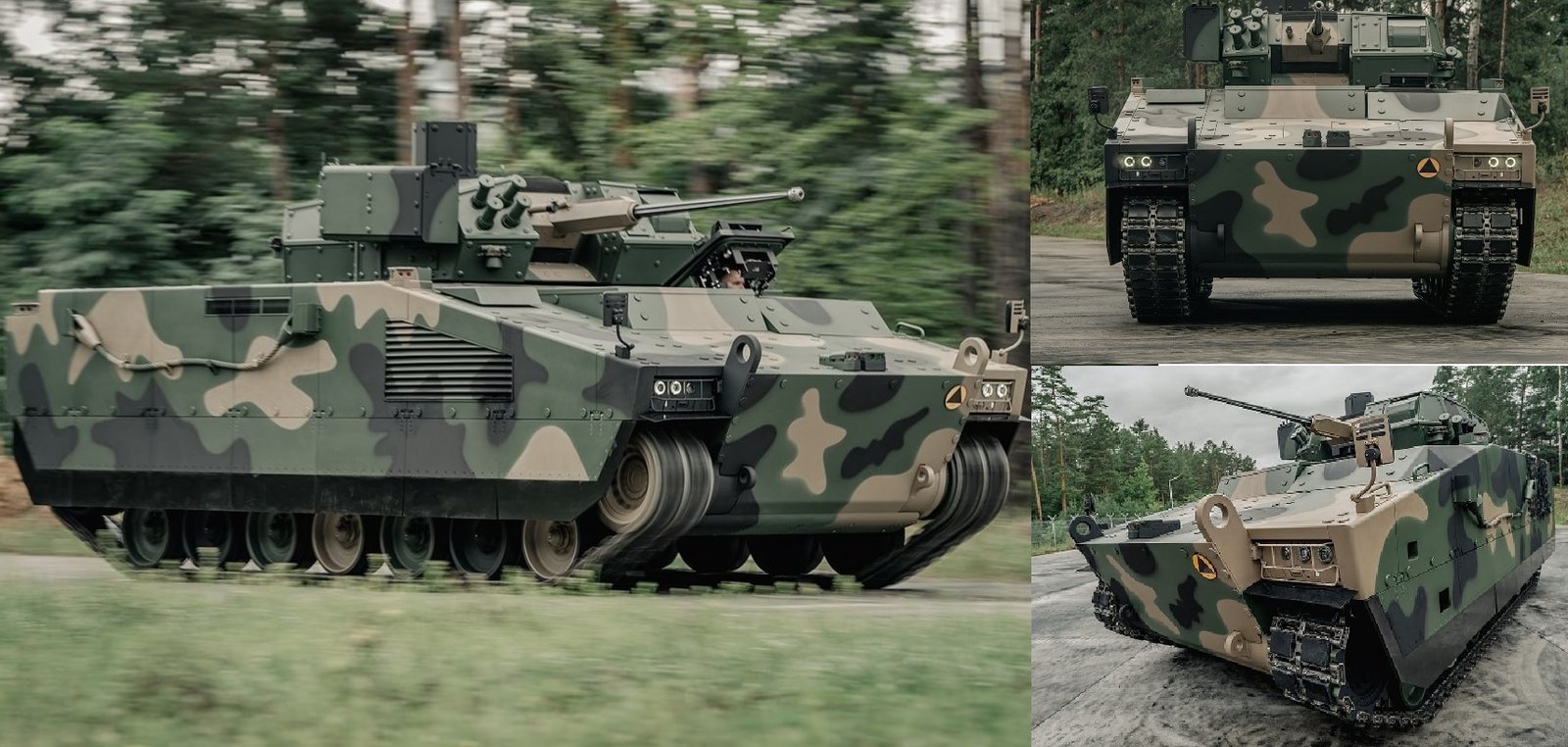
- Procurement and modernization of military equipment
- Personnel training and operational readiness programs
- Maintenance and logistical support for existing systems
- Integration of advanced technologies across military domains
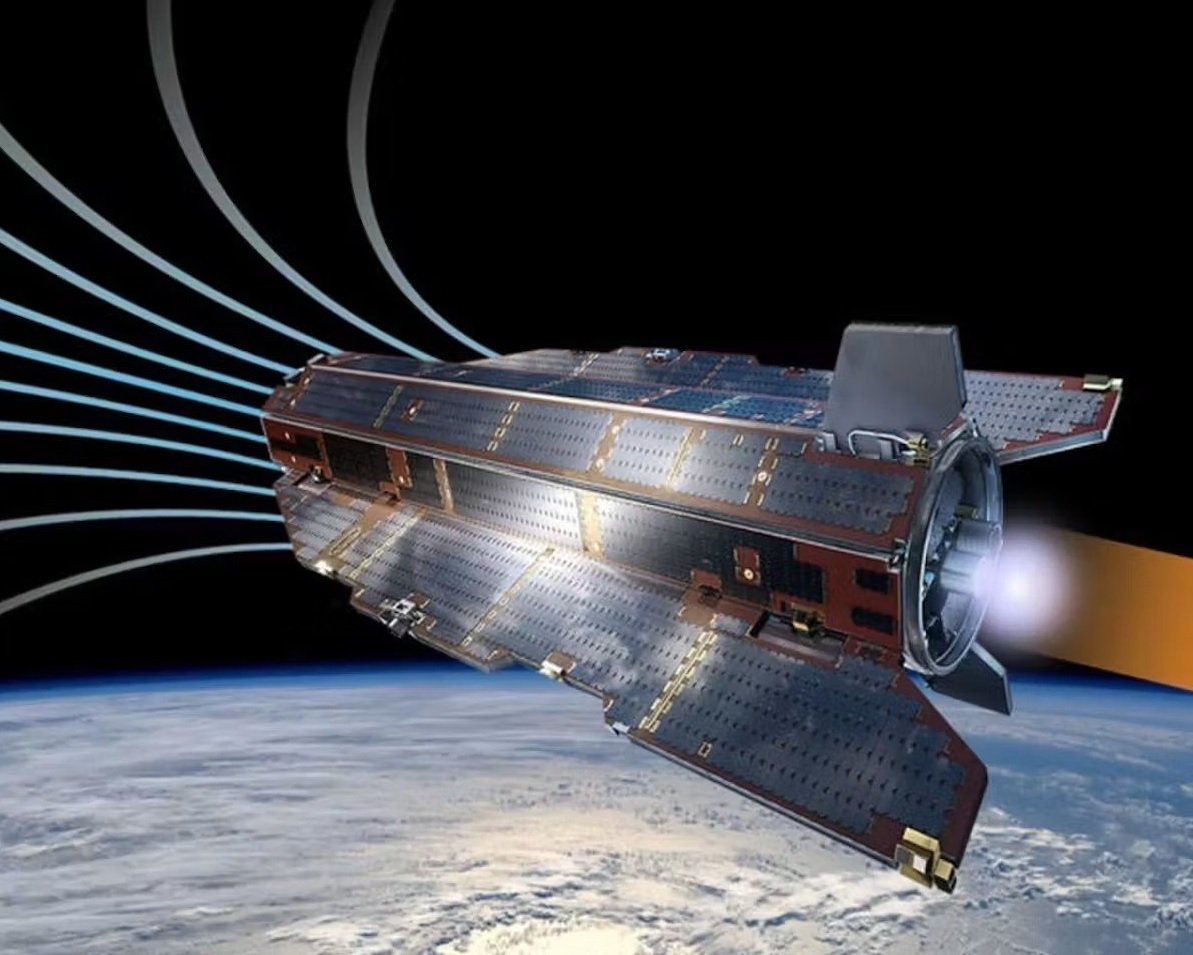
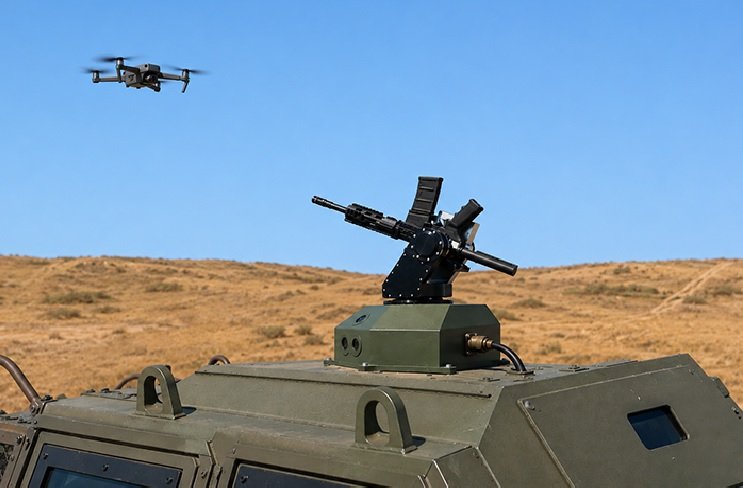
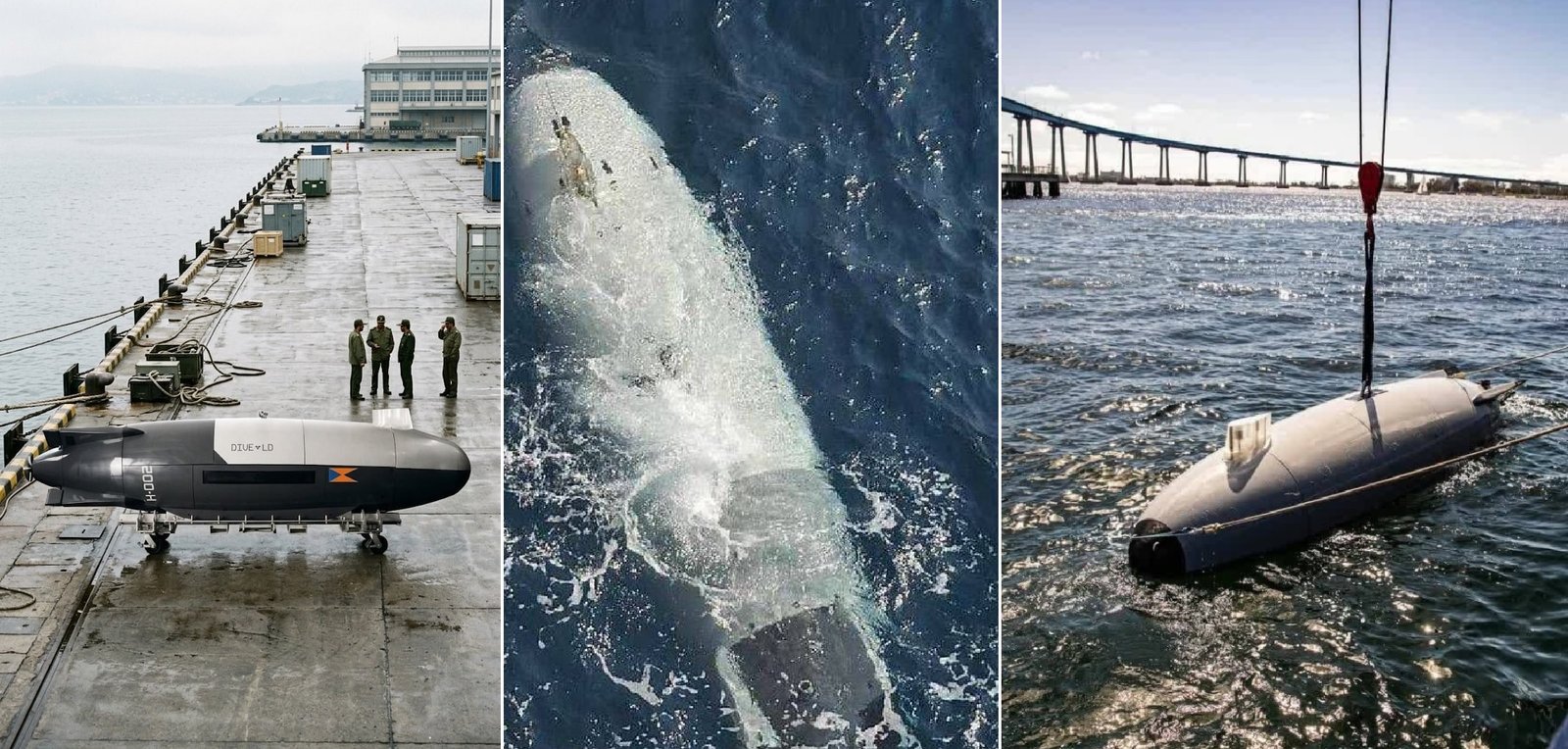
Officials also stated that resources will contribute to “major defence-related projects,” including continued development in aerospace, naval, cyber, and advanced weapons systems.
Recent modernization milestones cited by analysts include the commissioning of the Fujian aircraft carrier, China’s newest aircraft carrier, as well as continued research and testing related to hypersonic missile technology and other advanced strike capabilities.
Historically, analysts estimate that approximately 8% to 10% of China’s defense budget is directed toward research and development, though the government has not provided a detailed breakdown for the 2026 proposal.
Internal Military Reforms
The 2026 budget proposal also comes amid ongoing internal reforms within China’s military structure.
Recent months have seen high-level personnel changes within the Central Military Commission, the body overseeing China’s armed forces, following investigations into corruption within the PLA Rocket Force. Several senior military officials have been removed from their positions as part of an anti-corruption campaign aimed at strengthening discipline and command oversight.
Officials have stated that continued defense funding will support broader restructuring efforts designed to improve operational efficiency, command coordination, and combat preparedness.
Global Comparison
China remains the second-largest military spender in the world, behind the United States Department of Defense.
For comparison, the United States allocated approximately $886 billion in its 2025 fiscal year defense budget, with projections indicating that U.S. defense spending could exceed $1 trillion in 2026.
Independent estimates often suggest that China’s actual military expenditures may exceed the officially published figures. The Stockholm International Peace Research Institute (SIPRI) estimated China’s defense spending in 2025 at around $296 billion when including items that may not be counted in the official budget.
Legislative Process
The defense budget proposal was introduced during the annual “Two Sessions” political meetings, which include the National People's Congress and the Chinese People's Political Consultative Conference (CPPCC).
The sessions began on March 5 and are scheduled to run for approximately eight days, during which delegates from across China’s provinces and major sectors review and vote on the government’s policy and budget proposals.
Further details on the defense budget, including any potential amendments or additional allocations, are expected to be released before the final vote concluding the legislative meetings later this month.
State media commentary, including coverage by Global Times, described the 2026 increase as reflecting “prudent fiscal management” while maintaining China’s strategic deterrence capabilities. International observers, including analysts monitoring developments in the Indo-Pacific region, continue to assess the implications of China’s military spending for regional security dynamics, particularly in areas such as the Taiwan Strait and the South China Sea.
——— End of Article ———