
World
BENGALURU — March 14, 2026 : Indian aerospace startup Cingularity Aerospace has progressed development of its high-altitude tactical unmanned aircraft platform known as “Tango Charlie,” a multipurpose drone designed for intelligence, surveillance, and reconnaissance (ISR) and other tactical roles. The program is being developed in collaboration with the Indian Space Research Organisation (ISRO) and the Indian Army as part of broader efforts to expand indigenous unmanned aerial capabilities. Development Program and Operational Concept The Tango Charlie drone is designed for operations in high-altitude environments of up to 22,000 feet, making it suitable for missions in mountainous regions. The platform supports ISR missions and other tactical tasks through a modular design that allows the integration of multiple payload types. Development of the drone has been carried out through collaborative innovation programs involving the Indian Army and ISRO. Sensors, avionics, and several electronic subsystems were contributed through these partnerships. The aircraft reportedly incorporates approximately 85% indigenous components, while certain structural materials such as carbon-fiber composites are imported. The UAV was publicly displayed during Aero India 2023, where it attracted attention for its payload capacity and high-altitude operating profile. Airframe and Performance Characteristics The Tango Charlie features a tandem-wing configuration, with a wingspan of approximately 6 meters and an overall length of around 4 meters. The design includes retractable landing gear and is capable of takeoff and landing from unprepared surfaces, including roads or temporary pathways. According to available technical data, the drone is designed to carry a payload up to twice its own structural weight, allowing it to support a variety of mission equipment and potential weaponized configurations depending on operational requirements. Performance parameters include a maximum speed of about 250 kilometers per hour and endurance of up to 20 hours in certain configurations. The platform also incorporates AI-enabled vision systems designed for situational awareness, target recognition, and automated area scanning during surveillance missions. The service ceiling allows operations in high-altitude conditions typical of mountainous border regions. X-61 “Tango Charlie” ISR UAV Testing Parallel to the development of the larger Tango Charlie platform, Cingularity Aerospace has also advanced work on a related tactical UAV designated the X-61 Intelligence, Surveillance, and Reconnaissance (ISR) drone. The X-61 completed Autonomous Take-Off and Landing (ATOL) and Return-to-Launch (RTL) flight trials on January 16, 2025, conducted at the Aeronautical Test Range (ATR) in Chitradurga, Karnataka. The tests verified the drone’s autonomous flight control capabilities and navigation systems. The X-61 is a smaller tactical UAV designed with a delta-wing airframe, forward canards, vertical tail, and fixed tricycle landing gear. The current prototype measures 2.9 meters in length, 1.4 meters in height, and has a wingspan of 2.4 meters. The baseline aircraft has an all-up weight of approximately 51 kilograms and is powered by a 550 cc internal-combustion piston engine. Flight testing data indicates a cruising speed of about 38 meters per second, with a stall speed of approximately 22 meters per second and an operational range of roughly 1000 kilometers. The X-61 development program is being conducted with support from the Indian Navy’s Weapons and Electronics Systems Engineering Establishment (WESEE). Additional variants are under development, with planned future versions increasing total weight and payload capacity to around 110-130 kilograms. Future testing phases are expected to include deck-operation trials at INS Hansa in Goa, conducted with the Naval Flight Test Squadron. Potential Military Applications The Indian Army is evaluating the Tango Charlie platform for possible deployment along the Line of Actual Control (LAC), where long-endurance surveillance systems capable of operating in high-altitude and GPS-challenged environments are required. Integration of satellite communication (SATCOM) systems and anti-spoofing navigation technology—developed with ISRO participation—allows the UAV to operate in areas affected by electronic warfare or GPS interference. Such capabilities are considered important for persistent monitoring of remote mountainous terrain and for supporting military situational awareness along contested border regions. Company Background Cingularity Aerospace, headquartered in Bengaluru and established in 2014, focuses on the development of indigenous unmanned aerial platforms for ISR, tactical operations, and related applications. The company’s ongoing UAV programs form part of broader Indian initiatives aimed at expanding domestic capabilities in unmanned aviation and defense technology.
Read More → Posted on 2026-03-14 17:22:43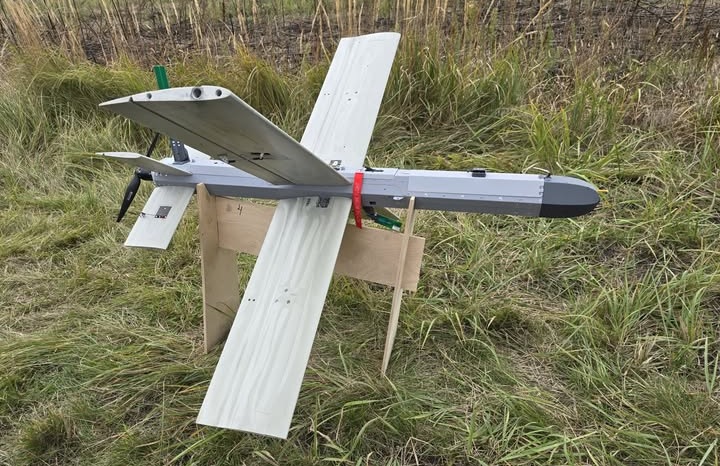
World
TOKYO — March 14, 2026 : The Japanese government is examining the potential acquisition of Ukrainian-developed attack drones as part of a broader effort to strengthen the country’s coastal defense network and accelerate the modernization of its unmanned military capabilities. According to diplomatic and government sources cited by Kyodo News, Tokyo is considering establishing a formal bilateral defense equipment transfer framework with Ukraine that would allow the procurement of combat-tested unmanned aerial systems while ensuring strict protection of classified military technologies. The initiative was originally proposed by Kyiv, which has been seeking deeper defense-industrial cooperation with Japan as part of its international partnerships. Interest in Combat-Proven Drone Technology Japanese defense planners are particularly interested in Ukrainian drones because of their operational experience in high-intensity warfare and their ability to operate effectively in environments saturated with electronic warfare (EW) systems. Officials from Japan’s Ministry of Defense note that Ukraine has rapidly improved its drone platforms throughout the ongoing conflict with Russia, repeatedly refining designs and software based on battlefield feedback. A representative of the ministry stated that Japan currently has limited operational experience with large-scale drone warfare, while Ukrainian developers have been able to improve the survivability, range, and electronic warfare resistance of their systems through continuous combat deployment. Ukrainian long-range strike drones, including systems such as the Lyutyi platform, have been used to conduct deep-strike operations against Russian energy infrastructure and logistics hubs. Combined operations conducted by Ukraine’s Special Operations Forces (SOF), the Security Service of Ukraine (SSU), and the Main Intelligence Directorate (HUR) have demonstrated the ability of these drones to reach strategic targets far behind Russian front lines, including facilities such as the Tamanneftegaz oil terminal. Japanese officials view these operational lessons as valuable for rapidly strengthening their own unmanned capabilities. Alternative Procurement Options Considered During its evaluation process, Tokyo has also examined the possibility of acquiring unmanned systems from Israel, which is one of the world’s leading drone manufacturers. However, government sources indicated that purchasing systems from Ukraine may be viewed as a less politically sensitive option. The assessment comes amid sustained international criticism of Israel’s military operations in the Gaza Strip, which has influenced procurement considerations in some countries seeking to avoid potential diplomatic complications. Integration Into Japan’s SHIELD Defense Concept The proposed acquisition is closely linked to Japan’s evolving defense strategy and its fiscal year 2026 defense budget, which begins in April. The Ministry of Defense has allocated 277.3 billion yen (approximately $1.7 billion) for the development and procurement of unmanned systems. The funding supports the establishment of a new operational concept known as Synchronized, Hybrid, Integrated and Enhanced Littoral Defense (SHIELD). The SHIELD framework is designed to create a multi-domain defensive network aimed at protecting Japan’s remote and strategically important islands from potential amphibious or naval attacks. The system envisions large-scale deployment of reconnaissance drones, strike drones, surveillance platforms, and autonomous maritime systems. Defense planners intend for these unmanned assets to operate as a layered defensive architecture integrating air, surface, and underwater domains. Approximately 100 billion yen of the unmanned systems budget is specifically dedicated to drone-based coastal defense components, with operational implementation targeted for fiscal year 2027. Ukrainian Offer of Naval Drone Technology Ukraine has also offered Japan access to its rapidly evolving naval drone technologies, which have played a significant role in the Black Sea conflict. By late 2025, Ukrainian forces were deploying upgraded versions of the Sea Baby unmanned surface vehicle. Some variants have been equipped with 122-millimeter rocket launchers, expanding their capabilities beyond traditional explosive attack missions. These naval drones have been used extensively against Russian naval assets operating in the Black Sea. Ukrainian officials believe the technology could be adapted to help Japan defend its extensive maritime approaches and island chains. In a February 2026 interview with Kyodo News, Ukrainian President Volodymyr Zelenskyy described potential defense cooperation with Japan as a “historic step,” emphasizing Ukraine’s experience in producing relatively low-cost unmanned systems capable of countering larger and more technologically advanced adversaries. Potential Technology Exchange Ukraine has indicated that it is interested in technological reciprocity as part of any defense cooperation agreement. Japan possesses advanced missile and air defense manufacturing capabilities, including systems produced domestically under United States licensing arrangements. Ukrainian officials have suggested that joint production arrangements or knowledge exchanges involving air defense technologies could help strengthen Ukraine’s heavily strained air defense network, which continues to face sustained missile and drone attacks. Adjusting Japan’s Defense Export Policies To facilitate such cooperation, Japan is moving toward easing its historically strict defense equipment export restrictions. Earlier in March 2026, the ruling coalition submitted a policy proposal under the leadership of Prime Minister Sanae Takaichi that would allow the export of lethal military equipment in principle under certain conditions. The proposal includes provisions allowing the Japanese government to designate certain partner countries for exceptional defense cooperation if it aligns with Japan’s national security interests. Ukraine could potentially receive such status under a specialized defense equipment transfer agreement. If approved, the revised rules could take effect as early as April 2026, creating a legal pathway for Japan to import Ukrainian combat drones while potentially exporting certain defense technologies in return. Strategic Implications Japan’s evaluation of Ukrainian drones reflects a broader effort to adapt to evolving security challenges in the Indo-Pacific region. The Russia–Ukraine war has demonstrated the growing role of unmanned systems in modern warfare, particularly in coastal defense, long-range strike operations, and asymmetric maritime conflict. Japanese defense officials view the rapid innovation cycle seen in Ukraine’s drone industry as an important model for accelerating the development and deployment of unmanned systems within Japan’s defense architecture. Discussions between Tokyo and Kyiv remain at an exploratory stage, and no final procurement decision has yet been announced. However, officials involved in the evaluation process indicate that the lessons learned from Ukraine’s battlefield experience are playing an increasingly significant role in Japan’s evolving defense planning.
Read More → Posted on 2026-03-14 17:14:37
World
HUNTSVILLE, Alabama — March 14, 2026 : On March 13, 2026 the U.S. Missile Defense Agency (MDA) has awarded Raytheon, an RTX business, a $266.91 million contract modification for the continued production of Standard Missile-3 (SM-3) Block IB interceptors. The modification provides funding for the procurement and delivery of 23 additional interceptors and includes one-time costs required to restart the SM-3 Block IB production line. The award was announced on March 12, 2026, and definitizes two previously issued undefinitized contract actions associated with SM-3 Block IB manufacturing. According to the Missile Defense Agency, the procurement ensures that the interceptor system remains available for ongoing U.S. operational deployments and missile defense missions conducted with allied nations. Contract Scope and Financial Details Under the contract modification, the Missile Defense Agency will procure 23 SM-3 Block IB All-Up Rounds (AURs). All-Up Rounds are fully assembled interceptors delivered ready for operational use, allowing them to be directly integrated into operational missile defense inventories without additional assembly or system integration. With the addition of these interceptors, the total number of missiles covered under this specific production contract increases to 78 units. Financially, the modification raises the value of the specific production effort from approximately $1.099 billion to $1.366 billion. As a result, the overall definitized value of the broader contract associated with the SM-3 interceptor program increases from about $1.95 billion to approximately $3.31 billion. The contract also includes one-time restart costs for the SM-3 Block IB production line, which had previously been expected to wind down. The effort is fully funded at the time of award using Fiscal Year 2024 and Fiscal Year 2025 missile procurement appropriations. Manufacturing Locations and Program Timeline The majority of the manufacturing work will be performed in Tucson, Arizona, where Raytheon produces key missile components and conducts major portions of the interceptor’s assembly and manufacturing process. Additional integration, testing, and program activities will take place in Huntsville, Alabama, a major center for U.S. missile defense engineering and program management. Work under the contract modification is scheduled to continue through May 2030, covering the production, assembly, and delivery of the interceptors included in the procurement. SM-3 Interceptor System Overview The Standard Missile-3 (SM-3) family serves as the primary upper-tier interceptor within the United States’ Aegis Ballistic Missile Defense (BMD) system, which is designed to defend against short- to intermediate-range ballistic missile threats. The SM-3 interceptor is derived from the RIM-156 Standard Missile-2 (SM-2) Block IV and is optimized for exo-atmospheric engagements, intercepting ballistic missiles during the midcourse phase of flight when the target is traveling through space outside the Earth’s atmosphere. The interceptor can be launched from both Aegis-equipped U.S. Navy warships and land-based Aegis Ashore installations, forming a key component of the United States’ layered ballistic missile defense architecture. Within this layered defense structure, the SM-3 provides upper-tier ballistic missile interception, working alongside lower-tier missile defense systems such as the SM-2 and SM-6, which provide air defense and terminal-phase missile interception capabilities. Flight Profile and Hit-to-Kill Interception After launch from an Aegis combat system platform, the SM-3 interceptor uses a multi-stage rocket booster to accelerate the missile into space. Once the interceptor reaches the exo-atmospheric engagement environment, it deploys a Lightweight Exo-Atmospheric Projectile (LEAP) kinetic kill vehicle. Unlike conventional missile defense interceptors that rely on explosive warheads, the SM-3 uses kinetic hit-to-kill technology. The kill vehicle separates from the booster stage and uses onboard sensors and guidance systems to track the incoming ballistic missile. The interceptor destroys the target by direct collision at extremely high velocity, relying on the kinetic energy generated by the impact rather than an explosive detonation. Block IB Technical Improvements The SM-3 Block IB variant incorporates several technical upgrades compared with earlier versions of the interceptor. One of the most significant improvements is the integration of an advanced Forward Looking Infrared (FLIR) seeker, which enhances the interceptor’s ability to detect and track ballistic missile warheads in space. The missile also features an upgraded seeker system and improved guidance software designed to improve target tracking and engagement accuracy. These upgrades increase the interceptor’s ability to distinguish between actual ballistic missile warheads and potential decoys, a critical requirement during exo-atmospheric interception where objects travel through space without atmospheric drag. Strategic Role in U.S. Missile Defense The SM-3 interceptor remains a central element of the United States’ Aegis Ballistic Missile Defense system, which is designed to protect U.S. military forces, allied territories, and critical infrastructure from ballistic missile threats. The decision to restart and expand SM-3 Block IB production follows earlier plans to phase out procurement of the interceptor variant. However, recent operational expenditures and sustained demand for ballistic missile defense interceptors have led the Missile Defense Agency to continue production in order to maintain operational inventories. The additional interceptors procured under this contract will support future deployments of Aegis-equipped naval vessels, land-based Aegis Ashore missile defense sites, and cooperative missile defense operations with allied nations.
Read More → Posted on 2026-03-14 17:04:26
World
ISTANBUL — March 14, 2026 : Turkish defense manufacturer Baykar has unveiled a new long-range loitering munition platform known as the K2 Kamikaze Unmanned Aerial Vehicle (UAV). The system was revealed on March 14, 2026 through company statements and a promotional video following recent multi-sortie test flights conducted over the Saros Gulf from Baykar’s Flight Training and Test Center in Keşan, located in Edirne Province. The K2 is designed as a long-range strike loitering munition with advanced autonomous functions and artificial intelligence-supported mission systems. Developed using indigenous resources, the platform is intended to provide extended-range strike capability while maintaining operational flexibility and resistance to electronic warfare conditions. Technical Specifications and Mission Profile According to Baykar, the K2 represents the largest kamikaze UAV in its specific class and is designed for strategic-range missions involving high-value or hardened targets. The aircraft has a maximum take-off weight of approximately 800 kilograms and carries a 200-kilogram warhead, which allows it to engage reinforced structures or critical infrastructure targets. The platform is capable of exceeding 2,000 kilometers in operational range, giving it deep-strike capability far beyond the immediate battlefield. Performance characteristics include speeds exceeding 200 kilometers per hour and endurance of more than 13 hours, enabling extended loitering time before target engagement. The K2 utilizes both Line-of-Sight (LOS) and Beyond-Line-of-Sight (BLOS) communications, the latter supported through satellite data links for long-distance command and control. Artificial Intelligence Navigation and Targeting A key element of the K2 system is its onboard artificial intelligence architecture designed to operate in contested electronic warfare environments. The drone incorporates GPS-independent navigation capability, allowing it to continue missions in areas where satellite navigation signals are degraded or jammed. Instead of relying solely on satellite positioning, the platform employs visual terrain navigation. Using an electro-optical/infrared (EO/IR) gimbal combined with a fuselage-mounted night-vision camera, the system scans terrain features below the aircraft. Artificial intelligence algorithms analyze these visual inputs to estimate position and guide navigation without reliance on GNSS signals. The targeting system is capable of identifying coordinates for strike missions while also supporting visual lock-on functionality, enabling the UAV to track and engage moving targets with precision. Autonomous Swarm Operations Testing conducted at Baykar’s Keşan Flight Training and Test Center demonstrated the K2’s capability to operate in coordinated multi-vehicle formations. During trials over the Saros Gulf, five UAVs performed autonomous swarm flights, maintaining formation and adjusting positions without direct human control. The drones communicated with one another to sustain several formation patterns including V-shape, line, wall, and Turan configurations. Such coordinated formations are intended to enable multiple UAVs to approach defended targets simultaneously, increasing the likelihood of penetrating conventional air defense systems. Airframe Design and Flight Characteristics The K2 features a tailless aerodynamic configuration with swept wings, combined with lifting canards and wingtip rudders. This configuration is designed to enhance lift, maneuverability, and aerodynamic efficiency during long-range missions. The aircraft also incorporates short take-off and landing (STOL) capability, allowing it to operate from short or unprepared airstrips rather than requiring fully developed airbase infrastructure. This feature provides flexibility for deployment from dispersed or austere locations. Unlike traditional single-use loitering munitions, the K2 includes landing gear and a reusable design framework. If a mission does not require weapon release, the aircraft can return to base, land, and be prepared for subsequent surveillance or strike operations. Testing and Demonstration Flight testing took place across two days at Baykar’s test facilities in Keşan, with sorties conducted over the nearby Saros Gulf. Demonstrations included swarm flight operations, autonomous navigation, and formation maneuvering among multiple aircraft. The public unveiling included a promotional video showing the aircraft in flight accompanied by “Waltz No. 2” by the composer Dmitri Shostakovich. Baykar has not yet provided details regarding production timelines, operational deployment, or export availability. Integration within Baykar’s UAV Portfolio The K2 expands Baykar’s existing family of unmanned systems, which includes the combat-proven Bayraktar TB2, the high-altitude Bayraktar Akıncı, the naval-capable Bayraktar TB3, and the jet-powered unmanned combat aircraft Bayraktar Kızılelma. Within this lineup, the K2 introduces a long-range loitering munition platform designed to combine extended endurance, heavy payload capacity, autonomous swarm operation, and resistance to electronic warfare environments. Baykar has not released further information regarding procurement plans or integration with Turkish military units. The company also did not announce potential export customers at the time of the system’s unveiling.
Read More → Posted on 2026-03-14 16:44:37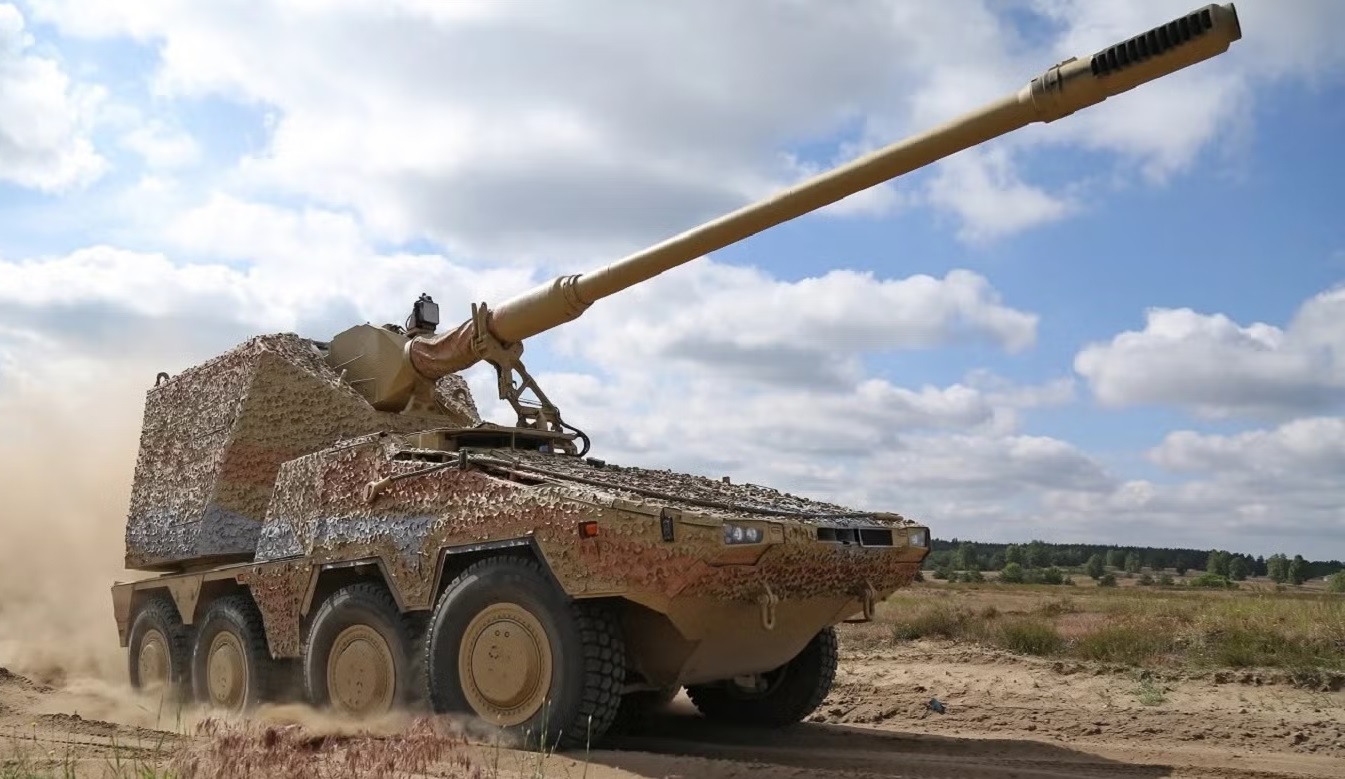
World
LONDON — March 14, 2026 : The United Kingdom has awarded a £53 million contract for the production of 37 artillery weapon assemblies for the British Army’s future RCH 155 Remote Controlled Howitzer systems, forming a key step in the long-term replacement of AS90 self-propelled howitzers previously transferred to Ukraine. The contract was placed by the Organisation for Joint Armament Cooperation (OCCAR) on behalf of the UK Ministry of Defence and awarded to ARTEC GmbH, the joint venture responsible for the Boxer armored vehicle program. The agreement focuses on the long-lead manufacturing of critical components for the RCH 155’s artillery gun module. Contract Scope and Weapon System Components The £53 million contract covers the production of 37 core artillery weapon assemblies, which include several major elements of the RCH 155’s main gun system. These components consist of the artillery barrel, muzzle brake, breech mechanism, recoil system, and gun trunnions used to mount the weapon within the turret structure. These assemblies will form the core of the unmanned Artillery Gun Module (AGM) integrated into the RCH 155 platform. The system is designed to deliver modernized indirect fire capabilities for the British Army as part of the Mobile Fires Platform (MFP) program. The RCH 155 combines the drive module of the Boxer 8×8 armored vehicle with an automated artillery turret equipped with a 155 mm L/52 gun. The system is designed to fire up to eight rounds per minute and can reach strike distances of up to 70 kilometers depending on the ammunition used. Unlike conventional tracked self-propelled artillery systems, the RCH 155 is a wheeled platform capable of traveling at speeds up to 100 kilometers per hour. It can also fire while moving at low speeds, a capability intended to improve survivability against counter-battery detection and enemy artillery responses. The vehicle operates with a reduced crew of two personnel, with most functions automated through the unmanned artillery module. Replacement for AS90 Systems Donated to Ukraine The procurement of the RCH 155 forms part of the British Army’s broader modernization of its artillery capabilities. The program was accelerated after the UK transferred its AS90 self-propelled artillery systems to Ukraine to support Kyiv’s defense operations. Following the transfer of the AS90 fleet, the British Army introduced a temporary capability bridge by acquiring 14 Archer wheeled artillery systems from Sweden. These Archer systems currently serve as the Army’s interim long-range artillery capability until the RCH 155 platform enters service. Early Demonstrator Vehicles and Development Timeline The current contract builds upon a previous £52 million agreement signed in December 2025 covering three RCH 155 Early Capability Demonstrator vehicles. These demonstrator systems will be used for joint testing, evaluation, and operational assessment by the United Kingdom and Germany under the Trinity House Agreement, a bilateral defense cooperation framework signed in October 2024. According to current planning, the British Army intends to field its first RCH 155 artillery demonstrator by 2028. The system will undergo testing and validation before decisions are made regarding full-scale production and wider procurement for operational units. Domestic Industrial Investment and Gun Barrel Manufacturing A major portion of the contract will support the expansion of domestic defense manufacturing capacity in the United Kingdom. Approximately £30 million of the contract value will be invested in developing Rheinmetall’s large-caliber barrel production facility in Telford, England, known as the Gun Hall. The site will manufacture artillery and tank barrels using British steel and advanced production technologies. The Gun Hall facility is scheduled to begin production in 2027 and will manufacture gun barrels for systems including the RCH 155 artillery platform and the Challenger 3 main battle tank. The project is expected to create around 100 highly skilled manufacturing jobs in Telford and support additional employment across the wider UK defense supply chain. The establishment of this facility will also restore the United Kingdom’s sovereign capability to manufacture large-caliber gun barrels, a capability that had been lost in 2016. Additional Artillery Production Capacity In parallel with the RCH 155 program, the UK Ministry of Defence is working to re-establish further artillery production capabilities within the country. Plans are underway to resume manufacturing of 155 mm and 105 mm artillery barrels at the Sheffield Forgemasters facility. Initial production will support existing systems including the AS90 self-propelled howitzer and the L119 towed light gun. These initiatives are intended to strengthen the UK’s domestic defense industrial base while supporting long-term artillery modernization. UK–Germany Production Arrangement The RCH 155 program also reflects a division of industrial responsibilities between the United Kingdom and Germany. Under the production framework, the UK will manufacture the Boxer armored vehicle chassis locally, with production already underway for other British Army Boxer variants. The UK will also produce artillery gun barrels through the Telford facility. Germany will manufacture the unmanned Artillery Gun Module, which integrates the 155 mm L/52 gun and automated firing system. The cooperative production structure is designed to support shared development, testing, and cost efficiencies while strengthening European defense industrial collaboration. Mobile Fires Platform Modernization Program The RCH 155 forms the centerpiece of the British Army’s Mobile Fires Platform (MFP) initiative, which aims to replace aging artillery systems and deliver a modernized long-range indirect fire capability. The program focuses on wheeled artillery platforms capable of rapid deployment, improved automation, and extended firing range compared to previous systems. Once fully developed and approved for production, the RCH 155 is expected to become the British Army’s primary self-propelled artillery platform for long-range ground fire support operations.
Read More → Posted on 2026-03-14 16:15:40
World
WASHINGTON — March 14, 2026 : The United States Army has deployed approximately 10,000 Merops AI-powered interceptor drones to the Middle East as part of a broader effort to counter Iranian one-way attack drones and reduce the cost burden of air defense operations during the ongoing conflict involving U.S. and Israeli forces against Iran. U.S. Army Secretary Dan Driscoll confirmed that the systems were transferred to the region within five days after the start of joint U.S.–Israeli military operations against Iran on February 28, 2026. The deployment reflects a rapid adaptation by the Pentagon to Iran’s extensive use of low-cost unmanned aerial vehicles in regional attacks. Cost Imbalance in Drone Warfare The decision to deploy the Merops interceptor system is closely linked to the growing cost disparity between offensive drones and traditional air defense interceptors. Iran and its regional partners have widely used Shahed-type one-way attack drones, which are relatively inexpensive to manufacture. Estimates place their production cost at approximately $20,000 to $50,000 per unit. In contrast, defending against these drones with conventional missile-based systems has proven significantly more expensive. Advanced interceptors used in systems such as the Patriot air defense system can cost around $4 million per missile, while other high-tier interceptors deployed in layered air defense networks are similarly costly. The Merops interceptor offers a lower-cost alternative. Each unit currently costs between $14,000 and $15,000, according to U.S. Army officials. With larger production orders and expanded manufacturing capacity, the cost could decline to between $3,000 and $5,000 per drone, potentially reversing the financial imbalance that has characterized recent drone engagements. Development Under Project Eagle The Merops system was developed under Project Eagle, a defense technology initiative supported by Eric Schmidt, the former chief executive of Google. The program focuses on scalable counter-drone technologies designed to defeat large numbers of slow-moving unmanned aircraft. Project Eagle’s approach emphasizes rapid production, low unit cost, and mobility. The Merops system is built around a propeller-driven interceptor drone that can be transported and deployed with minimal logistical requirements. The system is compact enough to be carried by a single soldier or transported in the rear of a midsize pickup truck, enabling flexible deployment across dispersed operational locations. Technical Characteristics of the Merops Interceptor The Merops interceptor is designed to engage and destroy incoming drones through autonomous targeting and interception. The drone can reach maximum speeds of approximately 173 to 186 miles per hour, allowing it to rapidly close the distance to slow-moving targets such as Shahed-style drones. It is equipped with onboard artificial intelligence that enables it to identify, track, and intercept hostile drones even in environments where GPS or communications signals are jammed. Sensors integrated into the system can include thermal, radar, and radio-frequency detection technologies, allowing the interceptor to locate and pursue aerial targets with minimal human control. During engagement, the interceptor can destroy the target through direct kinetic impact or by detonating a small onboard explosive payload. The drone is also designed with a recovery mechanism. If it fails to intercept its target, the system can deploy a parachute for controlled descent, allowing it to be recovered and reused. Operational Experience in Ukraine Before its deployment to the Middle East, the Merops interceptor was tested and operationally deployed in Ukraine beginning in 2024. During combat operations against Russian forces, the system proved effective in countering Shahed-type drones used by Russia. Ukrainian forces reportedly used the interceptors to destroy more than 1,000 incoming drones, providing operational data that helped refine the system’s targeting algorithms and flight control software. The battlefield experience in Ukraine played a significant role in the U.S. Army’s decision to expand the program and deploy the drones to other theaters facing similar threats. In addition to Ukraine, elements of the system have also been distributed to NATO member states such as Poland and Romania to strengthen counter-drone defenses along the alliance’s eastern flank. Rapid Deployment to the Middle East The transfer of 10,000 interceptor drones to the Middle East occurred as the United States and Israel intensified military operations targeting Iranian military infrastructure. Iran has relied heavily on mass drone attacks as part of its strategy in the current conflict, using relatively inexpensive unmanned aircraft to overwhelm air defenses and force opponents to expend high-value interceptors. The Merops deployment provides an additional defensive layer intended to intercept these drones before they reach critical infrastructure, military installations, or naval forces. According to U.S. defense officials, the Merops system can become operational within days of arriving in theater, allowing rapid integration into existing air defense networks. Integration with Other Counter-Drone Systems The Merops deployment is part of a broader U.S. effort to expand counter-UAS (unmanned aerial system) defenses in the region. Alongside the interceptor drones, the United States has also deployed additional counter-drone technologies, including: Bumblebee counter-drone systems, manufactured by Perennial Autonomy, which use explosive quadcopters designed to collide with hostile drones. The U.S. Army acquired these systems under a $5.2 million contract awarded in January 2026. Coyote interceptor drones, produced by RTX Corporation, which are already used by U.S. forces for short-range drone defense. These systems operate alongside traditional air defense platforms such as Patriot missile batteries and other layered air defense systems, allowing commanders to reserve high-cost missiles for more advanced threats such as ballistic or cruise missiles. Strategic Implications U.S. defense officials describe the deployment of the Merops interceptor as part of a broader shift toward low-cost, scalable air defense solutions designed for modern drone warfare. The increasing use of inexpensive attack drones by multiple actors has forced militaries to reconsider the economics of air defense. By introducing relatively inexpensive interceptor drones capable of autonomous operation, the U.S. military aims to create a more sustainable defensive architecture against large-scale drone attacks. The Middle East deployment marks the largest operational rollout of the Merops system to date, and it represents one of the most significant examples of combat technology developed in Ukraine being integrated into U.S. military operations elsewhere.
Read More → Posted on 2026-03-14 16:06:01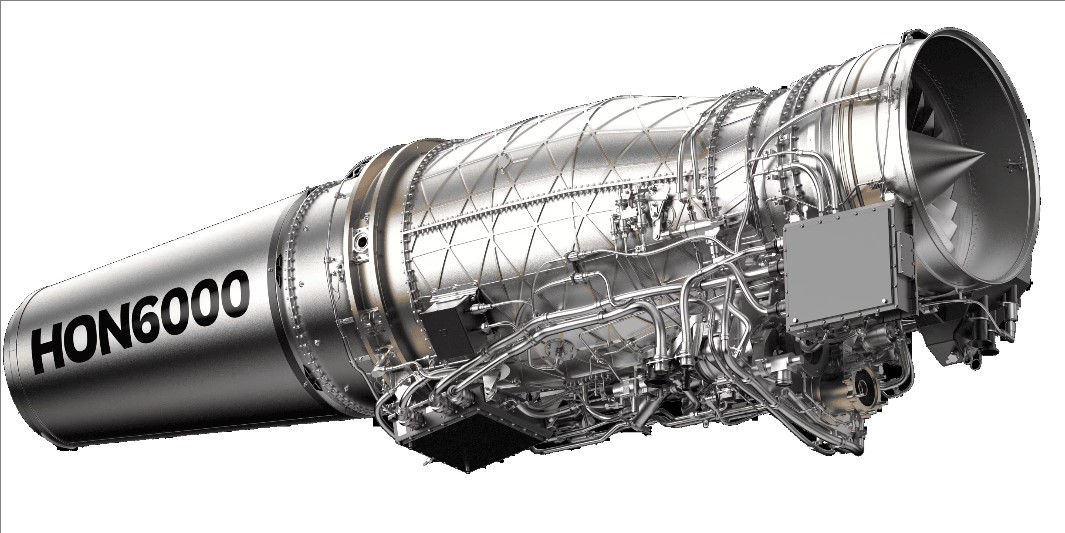
World
PHOENIX — March 14, 2026 : On March 6, 2026 Honeywell Aerospace has introduced the HON6000, a new high-performance turbofan engine developed to power uncrewed aerial platforms, particularly medium-sized Collaborative Combat Aircraft (CCA). The propulsion system is designed to support autonomous aircraft operating alongside crewed fighter jets in contested environments, reflecting the growing emphasis on uncrewed combat systems within modern air forces. The HON6000 is also intended for use in light combat aircraft and advanced jet trainer platforms. Honeywell said the engine was developed to meet operational requirements associated with the U.S. Air Force’s expanding fleet of autonomous aircraft designed to operate as force multipliers for crewed fighters. Engine Design and Performance Characteristics Honeywell stated that the HON6000 was engineered to deliver high efficiency, durability, and affordability—key performance parameters identified by the United States Air Force for future CCA platforms. According to the company, the engine features the highest power-to-weight ratio in its thrust class, providing the thrust output and responsiveness necessary for autonomous aircraft to perform coordinated operations with crewed fighters. These capabilities include maintaining formation flight, executing precise mission timing, and operating reliably in demanding combat environments. The HON6000 is based on Honeywell’s established turbine engine architecture. The design incorporates technology derived from roughly 150,000 turbine propulsion engines and auxiliary power units (APUs) produced by the company during the past five decades. By using a proven engineering foundation, Honeywell aims to increase reliability while reducing development risk and operating costs. The engine also integrates digital health and usage monitoring systems, allowing operators to track engine condition and maintenance requirements in real time. This capability is intended to support predictive maintenance and improve fleet availability for large numbers of unmanned aircraft. Position Within Honeywell’s Uncrewed Propulsion Portfolio The HON6000 expands Honeywell’s propulsion portfolio for autonomous combat aircraft. It is positioned as a medium-class engine, complementing the company’s smaller SKYSHOT1600 turbofan engine, which was previously developed for compact collaborative combat platforms. The SKYSHOT1600 engine was recently selected by the U.S. Air Force to support prototype designs for smaller CCA aircraft. With the addition of the HON6000, Honeywell now offers propulsion systems tailored to multiple size classes of collaborative combat aircraft. Together, the two engines are intended to address propulsion requirements for a wide range of uncrewed aircraft configurations currently under development for the U.S. military and allied forces. Role of Collaborative Combat Aircraft Collaborative Combat Aircraft are a central component of the U.S. Air Force’s Next‑Generation Air Dominance family of systems. These autonomous platforms are designed to operate as “loyal wingmen” for crewed fighter aircraft. In operational concepts currently under development, CCAs will accompany fighters into contested airspace and perform missions that would otherwise expose human pilots to elevated risk. Planned mission roles include: Air-to-air combat operations Precision strike missions Forward reconnaissance and intelligence collection Electronic warfare tasks Drawing enemy fire or heat-seeking missiles away from crewed aircraft By performing these tasks, CCAs are expected to increase combat capacity while reducing the exposure of crewed aircraft and pilots to hostile defenses. Affordability and Attritable Operations A key requirement of the CCA concept is large-scale production at lower cost compared with traditional fighter aircraft. Because these uncrewed systems may be used in high-risk missions, they are designed as “attritable” platforms, meaning they can be lost in combat without the strategic or financial consequences associated with losing crewed aircraft. Honeywell said the HON6000 was designed with low acquisition and ownership costs in mind to support this concept. The company stated that the engine’s simplified architecture and use of proven technologies allow it to meet affordability targets necessary for mass production of collaborative combat aircraft. The approach reflects a broader shift in military aviation toward distributed force structures that combine a smaller number of advanced crewed aircraft with larger fleets of autonomous systems. U.S. Air Force Collaborative Combat Aircraft Program The U.S. Air Force has accelerated development of CCAs as part of its broader effort to expand combat capacity while managing costs. On April 24, 2024, the Air Force selected General Atomics and Anduril Industries to develop aircraft prototypes for Increment 1 of the CCA program. The two companies are currently advancing prototype designs identified as the YFQ‑42A and the YFQ‑44A. These aircraft have undergone early testing activities that include flight trials, weapons integration efforts, and validation of artificial-intelligence-based autonomous control systems. The Air Force plans to field an operational fleet of collaborative combat aircraft before the end of the decade, with current projections indicating a force of up to 1,000 active CCA platforms. Industry Context The introduction of the HON6000 reflects increasing demand within the defense sector for propulsion systems specifically designed for autonomous aircraft. As air forces expand investment in uncrewed combat platforms, engine manufacturers are developing propulsion systems optimized for high endurance, simplified maintenance, and lower life-cycle costs. Honeywell described the HON6000 as a “ready-now” propulsion solution designed to meet the unique autonomy, affordability, and operational requirements of medium-sized collaborative combat aircraft and other uncrewed aerial systems. The company released details of the engine on March 6, 2026, positioning the HON6000 as a propulsion option for next-generation autonomous aircraft expected to enter service later this decade.
Read More → Posted on 2026-03-14 15:54:26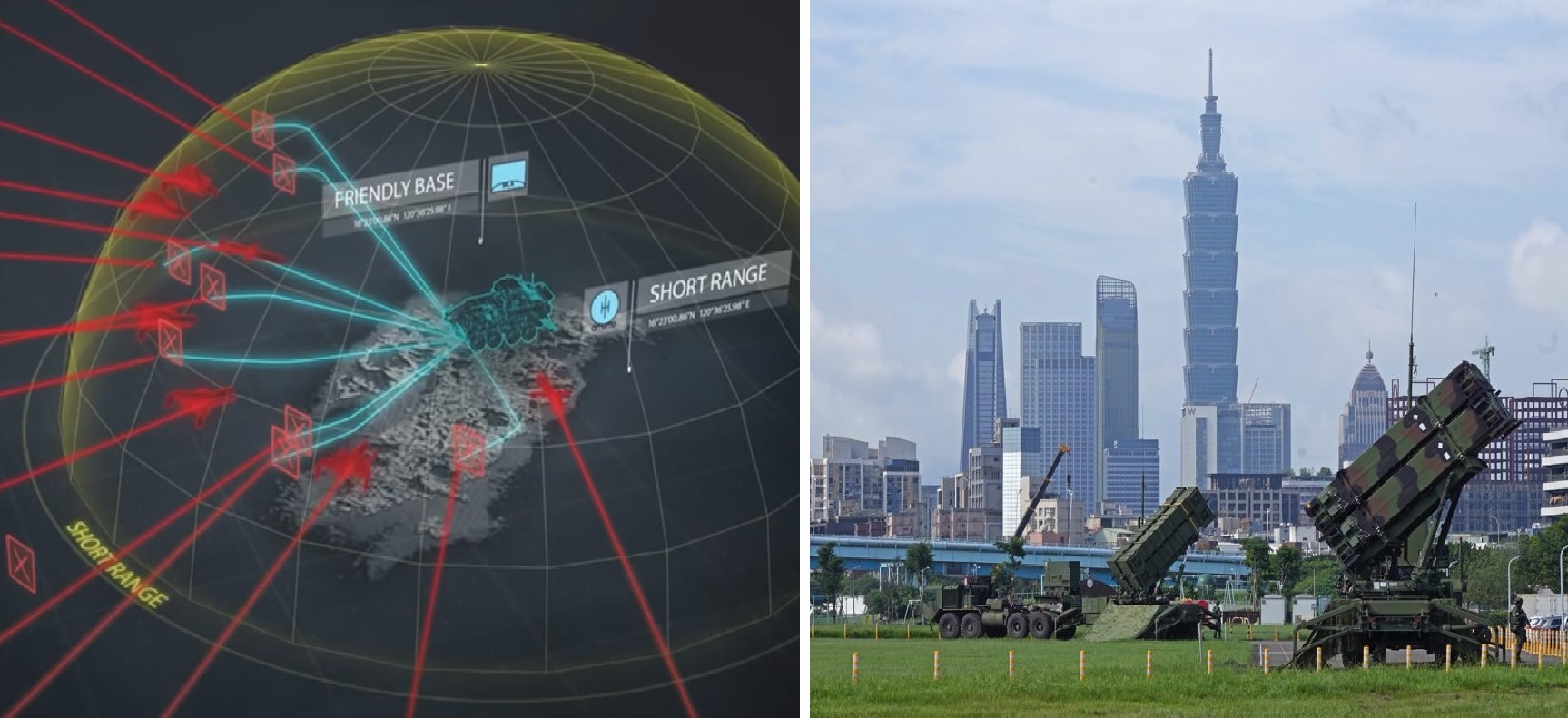
World
TAIPEI — March 14, 2026 : Taiwan’s Ministry of National Defence (MND) is preparing a significant revision of its air and missile defense strategy, citing operational lessons from the ongoing U.S.–Iran conflict that began in late February 2026. Taiwanese defense officials say the war has exposed vulnerabilities in modern air defense systems when confronted with large-scale missile and drone attacks, prompting Taipei to accelerate development of new layered defenses, low-cost interception technologies, and passive countermeasures. The Ministry confirmed it will present a special report to Taiwan’s legislature on March 16 outlining proposed reforms. The report is expected to cover new interception technologies, drone defense capabilities, and structural changes to Taiwan’s integrated missile defense architecture designed to address emerging threats from the Chinese mainland. Development of the “Taiwan Shield” Air Defense Network At the center of the revised strategy is the development of a layered air defense architecture known as the “Taiwan Shield,” or T-Dome, intended to integrate early warning sensors, missile interceptors, and automated command systems into a unified defensive network. Taiwan has already established long-range early warning radar facilities and a multi-dimensional surveillance system to detect incoming threats at extended distances. Defense planners are now preparing to expand this network through the acquisition of additional mobile radar platforms designed to improve tracking coverage and system redundancy. The interceptor layer of the T-Dome system will combine domestic and foreign air defense systems. A key component will be the Tian Kung IV (Sky Bow IV) mid-tier anti-ballistic missile system developed by Taiwan’s National Chung-Shan Institute of Science and Technology (NCSIST). The indigenous system is intended to provide interception capability against ballistic missile threats within the mid-course phase. Taiwan’s domestic systems will be integrated with existing U.S.-supplied platforms, including MIM-104 Patriot batteries equipped with PAC-3 anti-ballistic missiles, as well as the NASAMS short-range air defense system designed to intercept cruise missiles, aircraft, and unmanned aerial vehicles. To coordinate these multiple systems, the Ministry plans to introduce artificial intelligence–assisted battlefield management software aimed at reducing command decision times and improving response speed during large-scale attacks involving simultaneous missile and drone launches. Lessons Drawn from the U.S.–Iran Conflict Taiwanese defense officials say the ongoing conflict between the United States and Iran has provided a real-world example of how modern air defense networks can be stressed by large volumes of relatively inexpensive weapons. According to the Ministry’s internal assessment, Iranian strike tactics — including coordinated launches of ballistic missiles, cruise missiles, and one-way attack drones such as the Shahed-136 — have demonstrated the effectiveness of “multi-wave, multi-missile” strike strategies against advanced defense systems. The MND believes these tactics resemble the type of saturation attacks that could be employed by the People’s Liberation Army (PLA) in a potential Taiwan Strait conflict. Chinese military doctrine has long emphasized the use of large missile inventories and coordinated strike packages to overwhelm enemy defenses. Officials noted that U.S. and Israeli air defense networks in the Middle East have faced rapid depletion of interceptor stockpiles when responding to high volumes of incoming threats. Many modern interceptors, particularly anti-ballistic missiles such as the PAC-3, are expensive and typically launched in pairs to ensure a successful interception. This creates what defense planners describe as a cost-asymmetry problem, where defending forces expend highly expensive missiles against significantly cheaper attacking weapons. Concerns Over Missile Stockpile Sustainability The sustainability of missile defense inventories has become a major concern in Taiwan’s defense planning. Analysts within the Ministry say that a prolonged conflict involving thousands of incoming weapons could rapidly exhaust existing interceptor stocks. The issue was raised publicly on March 5 by Li Wenzhong, vice chairman of Taiwan’s Forward Auxiliary Association, who warned that much of the current procurement strategy risks preparing Taiwan’s military to “fight yesterday’s war rather than tomorrow’s.” Li pointed specifically to the Patriot PAC-3 missile system, which forms a central pillar of Taiwan’s current air defense network. While the interceptor is capable of destroying ballistic missiles with high precision, its cost and launch doctrine — typically firing two missiles per target — make it poorly suited for defending against large numbers of low-cost drones or cruise missiles. He warned that employing such high-value interceptors against inexpensive threats could quickly drain Taiwan’s air defense reserves during a large-scale conflict with the PLA, which maintains one of the world’s largest inventories of ballistic and cruise missiles. Development of Low-Cost Interception Systems In response to these concerns, Taiwan’s Ministry of National Defence confirmed plans to develop and procure lower-cost interception weapons capable of engaging long-range rockets, cruise missiles, and drones. These systems will be based on existing missile technologies but adapted to reduce manufacturing costs and enable large-scale production. Officials say the objective is to create a defensive layer capable of absorbing large attack volumes without exhausting high-value interceptor stocks. Taiwan also plans to expand its capabilities for countering unmanned aerial systems. The Ministry intends to integrate commercially available technologies into military drone defense networks through international industrial cooperation. A procurement strategy based on small-batch acquisition and rapid testing cycles will be used to allow continuous refinement of new technologies before large-scale deployment. Expansion of Passive Defensive Measures Alongside active interception systems, Taiwan is also increasing investment in passive defense mechanisms intended to complicate enemy targeting and reduce the effectiveness of incoming weapons. Planned acquisitions include: Physical decoys designed to mimic military installations False electronic targets to mislead guided weapons Satellite positioning jamming systems capable of disrupting navigation signals Threat signal generators designed to confuse radar-guided munitions Defense officials believe these measures could reduce the number of successful strikes by forcing attackers to expend additional weapons on false targets. Hypersonic Threats and Future Challenges The Ministry’s assessment also notes that the U.S.–Iran conflict has revealed new challenges for missile defense systems, including the appearance of hypersonic glide vehicles, which travel at extremely high speeds and maneuver during flight. Reports from the Middle East indicate that some advanced missile defense systems have struggled to intercept such weapons, highlighting the limitations of existing architectures designed primarily for traditional ballistic missile trajectories. Taiwanese analysts note that the People’s Liberation Army possesses more advanced hypersonic strike capabilities than those observed in Iranian operations, further complicating Taiwan’s defensive planning. Strategic Sustainability Remains a Concern Despite the planned upgrades to Taiwan’s air defense architecture, defense officials acknowledge that sustaining missile defenses during a prolonged conflict remains uncertain. The ongoing Middle East war has reportedly forced the United States to relocate interceptor systems and missiles from overseas bases to replenish stocks used in the conflict. Taiwanese analysts say this highlights the logistical challenges faced even by large military powers when confronting sustained missile attacks. For Taiwan, which relies heavily on U.S.-origin air defense technology and maintains significantly smaller stockpiles, maintaining operational defenses during extended hostilities with the PLA remains a central strategic challenge. The Ministry’s upcoming legislative report is expected to outline how the proposed Taiwan Shield architecture, combined with low-cost interceptors and passive defenses, could improve the island’s resilience against large-scale missile and drone attacks in a future Taiwan Strait crisis.
Read More → Posted on 2026-03-14 15:34:51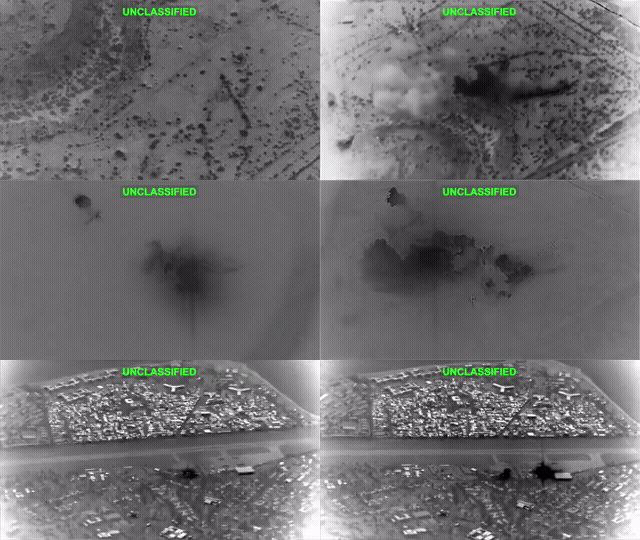
World
WASHINGTON — March 14, 2026 : On March 13, 2026, U.S. Air Force strategic bombers carried out targeted airstrikes on Iran’s Kharg Island in the northern Persian Gulf, destroying extensive Iranian military infrastructure stationed on the island while avoiding its critical oil export facilities, according to U.S. officials. A senior U.S. military official told The New York Times that the operation eliminated all identified military installations on the island. The strikes focused on facilities used to store anti-ship missiles, cruise missiles, and Iranian naval mines, as well as other military infrastructure supporting Iran’s defensive and maritime strike capabilities in the Persian Gulf. According to the official, the list of targets included air defense systems, ammunition bunkers, missile storage facilities, communications infrastructure, and the island’s airfield. U.S. Central Command later confirmed that more than 90 military targets were struck during the operation. President Donald Trump released unclassified black-and-white night-vision footage of the bombing raid on social media. The video shows multiple explosions occurring across different locations on the island during the strike. Open-source intelligence analysts later geolocated the footage and confirmed that the impacts corresponded to several key military facilities on Kharg Island. Analysts verified damage at air defense sites, ammunition storage areas, missile depots, communications infrastructure, and sections of the island’s airfield. Kharg Island is located in the northern Persian Gulf approximately 15 nautical miles (about 28 kilometers) from the Iranian mainland and roughly 55 kilometers northwest of Bushehr. The island functions as Iran’s primary offshore oil export hub and handles about 90 percent of the country’s crude oil exports. The island hosts large crude storage facilities and subsea pipeline connections to major offshore oil fields. Its historical export loading capacity has been estimated at up to seven million barrels per day. Despite the scale of the strikes, U.S. forces deliberately avoided the oil export terminals located on the island. President Trump said the energy infrastructure was spared “for reasons of decency,” but warned that the decision could change if Iran interferes with commercial shipping through the Strait of Hormuz. Following the strikes, Iranian state media and local officials reported that at least 15 explosions were heard on the island. Authorities stated that none of the oil export infrastructure was damaged and that crude export operations are continuing normally. Iran’s joint military command issued a warning following the attack, stating that it could target oil, economic, and energy infrastructure across the Middle East belonging to companies that have American ownership or cooperate with the United States. At the same time, the United States has begun reinforcing its military presence in the region. Approximately 2,200 Marines from the 31st Marine Expeditionary Unit, along with the amphibious assault ship USS Tripoli, have been ordered to deploy to the Middle East to join naval forces already operating in the Arabian Sea. U.S. officials said the strikes on Kharg Island were conducted as part of the ongoing military exchanges between the United States and Iran and were directed specifically at military assets stationed on the island.
Read More → Posted on 2026-03-14 14:43:19
Space & Technology
BENGALURU — March 14, 2026 : India’s regional satellite navigation network, Navigation with Indian Constellation (NavIC), is currently operating below its minimum operational threshold after the failure of the final onboard atomic clock aboard the IRNSS-1F satellite. The malfunction has reduced the number of satellites capable of providing full Positioning, Navigation and Timing (PNT) services to three, according to the Indian Space Research Organisation. NavIC is designed to provide accurate regional navigation coverage across India and up to roughly 1,500 kilometers beyond its borders. The system requires at least four fully functional satellites with working atomic clocks to deliver reliable navigation services. With the loss of IRNSS-1F, the constellation has temporarily dropped below that operational requirement. IRNSS-1F Completes Mission Life Before Clock Failure IRNSS-1F was launched on March 10, 2016 as part of the original NavIC constellation deployment. The satellite was designed for a mission life of ten years and officially completed its planned operational lifespan on March 10, 2026. On March 13, 2026, the last remaining rubidium atomic clock aboard the satellite stopped functioning. Two redundant clocks on the spacecraft had previously failed, leaving the satellite unable to generate navigation signals once the final clock ceased operation. Although IRNSS-1F can no longer support navigation services, ISRO stated that the spacecraft will remain in orbit. It will continue to broadcast one-way messaging services used for certain societal and disaster-management applications. Atomic clocks are the core component of satellite navigation systems. Precise time measurement allows satellites to calculate signal travel time to receivers on Earth. Even very small timing errors can produce large inaccuracies in determining position. Current Operational NavIC Satellites Since 2013, ISRO has launched a total of eleven satellites to establish and maintain the NavIC constellation. Following the IRNSS-1F failure, only three satellites currently retain functioning atomic clocks capable of providing full navigation services. The operational satellites currently supporting PNT services are IRNSS-1B, launched in April 2014; IRNSS-1I, launched in April 2018 as a replacement satellite; and NVS-01, the first second-generation NavIC satellite launched in May 2023. These spacecraft are now carrying the primary navigation workload for the system. First-Generation Satellite Failures Several first-generation IRNSS satellites have lost navigation capability primarily due to failures in imported rubidium atomic clocks used during the initial phase of the program. IRNSS-1A, launched in July 2013 with a 10-year design life, became non-operational for navigation after all three of its atomic clocks failed. IRNSS-1C, launched in October 2014, also lost navigation capability due to clock malfunctions. IRNSS-1D, launched in March 2015, experienced similar atomic clock failures that degraded its ability to provide navigation services. IRNSS-1E, launched in January 2016, suffered comparable issues affecting its onboard timing systems. IRNSS-1F, launched in March 2016, has now joined the list after its final clock failure in March 2026. IRNSS-1G, launched in April 2016, also experienced clock-related issues affecting navigation performance. Replacement Satellite History To maintain the constellation, ISRO launched IRNSS-1H in August 2017 as a replacement satellite. However, the mission failed when the payload fairing of the PSLV-C39 launch vehicle did not separate, preventing the satellite from reaching orbit. IRNSS-1I was subsequently launched successfully in April 2018 to replace IRNSS-1A and remains operational today. Under the second-generation NavIC program, NVS-01 was launched in May 2023. The spacecraft introduced upgraded navigation payloads and an indigenously developed rubidium atomic clock. Another replenishment satellite, NVS-02, was launched on January 29, 2025 aboard a GSLV-F15 rocket. Although the launch itself was successful, the spacecraft failed to reach its intended operational orbit. NVS-02 Orbital Failure Investigation On February 25, 2026, ISRO released the failure analysis report for NVS-02. Investigators determined that a loose connector prevented a drive signal from reaching a critical pyro-valve responsible for oxidizer flow in the satellite’s propulsion system. Because the valve did not open correctly, oxidizer could not reach the engine. As a result, the satellite was unable to perform orbit-raising maneuvers required to reach its designated circular navigation orbit. Consequently, NVS-02 is not contributing to NavIC navigation services. Next-Generation NavIC Satellites To restore the constellation to full capability, ISRO is accelerating development of additional satellites under the second-generation NVS series. The agency plans to launch three more satellites — NVS-03, NVS-04 and NVS-05 — before the end of 2026. These spacecraft are intended both to restore the minimum operational threshold and to gradually replace aging first-generation satellites such as IRNSS-1B and IRNSS-1I. The new satellites incorporate several upgrades. Each spacecraft carries five indigenously developed rubidium atomic clocks to improve redundancy and reliability. The satellites also introduce additional signal bands, including L1 signals, to improve compatibility with civilian and military navigation receivers. Officials at ISRO’s Space Applications Centre have noted that procurement delays for certain components used in the indigenous clocks have slowed the replenishment schedule. Importance of Maintaining the Constellation NavIC represents India’s independent regional navigation capability and is used for civilian navigation, disaster management, transportation tracking and strategic applications. With only three satellites currently capable of delivering full navigation services, restoring the constellation through replacement launches has become a priority for ISRO. The planned deployment of additional NVS satellites is intended to bring the system back to its full operational configuration in the coming years.
Read More → Posted on 2026-03-14 14:31:48
World
RIYADH — March 2026 — Five U.S. Air Force aerial refueling aircraft were damaged during an Iranian ballistic missile strike targeting Prince Sultan Air Base, a major U.S. military installation located southeast of the Saudi capital. The incident was first reported by the The Wall Street Journal, citing two unnamed U.S. officials familiar with the situation. According to the officials, the aircraft were struck while parked on the ground at the base during the missile attack. The planes sustained structural damage but were not destroyed, and repair work has begun to return them to operational status. No casualties or injuries among U.S. or Saudi personnel were reported in connection with the strike. Aircraft and Operational Role Open-source military assessments indicate that the damaged aircraft are likely Boeing KC‑135 Stratotanker tankers. These aircraft form a critical component of U.S. air operations by providing mid-air refueling support to combat aircraft operating across the Middle East. Refueling tankers stationed at Prince Sultan Air Base support missions involving aircraft such as the Boeing F‑15E Strike Eagle, Lockheed Martin F‑35 Lightning II, and the Northrop Grumman B‑2 Spirit. By extending the range and endurance of these aircraft, tanker operations enable long-distance strike missions and continuous air patrols over the region. U.S. Central Command (United States Central Command) has not released an official public statement detailing the extent of the damage or the expected timeline for returning the aircraft to service. Impact on U.S. Tanker Fleet in the Region The strike adds to recent losses within the U.S. aerial refueling fleet supporting the regional military campaign known as Operation Epic Fury. With the five aircraft damaged at Prince Sultan Air Base, the number of U.S. refueling planes lost or damaged during the current conflict has reached at least seven. Earlier in the week, two Boeing KC-135 Stratotanker tankers were involved in a mid-air collision over western Iraq. One of the aircraft crashed following the collision, killing all six crew members on board. The second tanker, which sustained heavy damage, declared an emergency and landed safely in Israel. However, some reports circulating in regional and open-source media have suggested that the tanker incident may have been linked to Iranian missile activity in the area. U.S. military officials have not confirmed those claims and have continued to describe the event as a mid-air collision between the two aircraft. Strategic Importance of Prince Sultan Air Base Prince Sultan Air Base functions as a key logistical and operational hub for U.S. forces deployed in the Middle East. The installation hosts fighter aircraft, surveillance platforms, and aerial refueling units that support coalition air operations across the region. Since the start of large-scale U.S. and Israeli strikes against Iranian targets on February 28, the base has been targeted multiple times by Iranian drones and missiles. In an earlier attack on the same installation, a U.S. service member later died from severe injuries sustained during the strike. The recent missile attack highlights the continued vulnerability of forward-deployed support infrastructure that sustains U.S. air operations in the region, particularly assets such as tanker aircraft that are essential for maintaining long-range combat missions.
Read More → Posted on 2026-03-14 14:07:54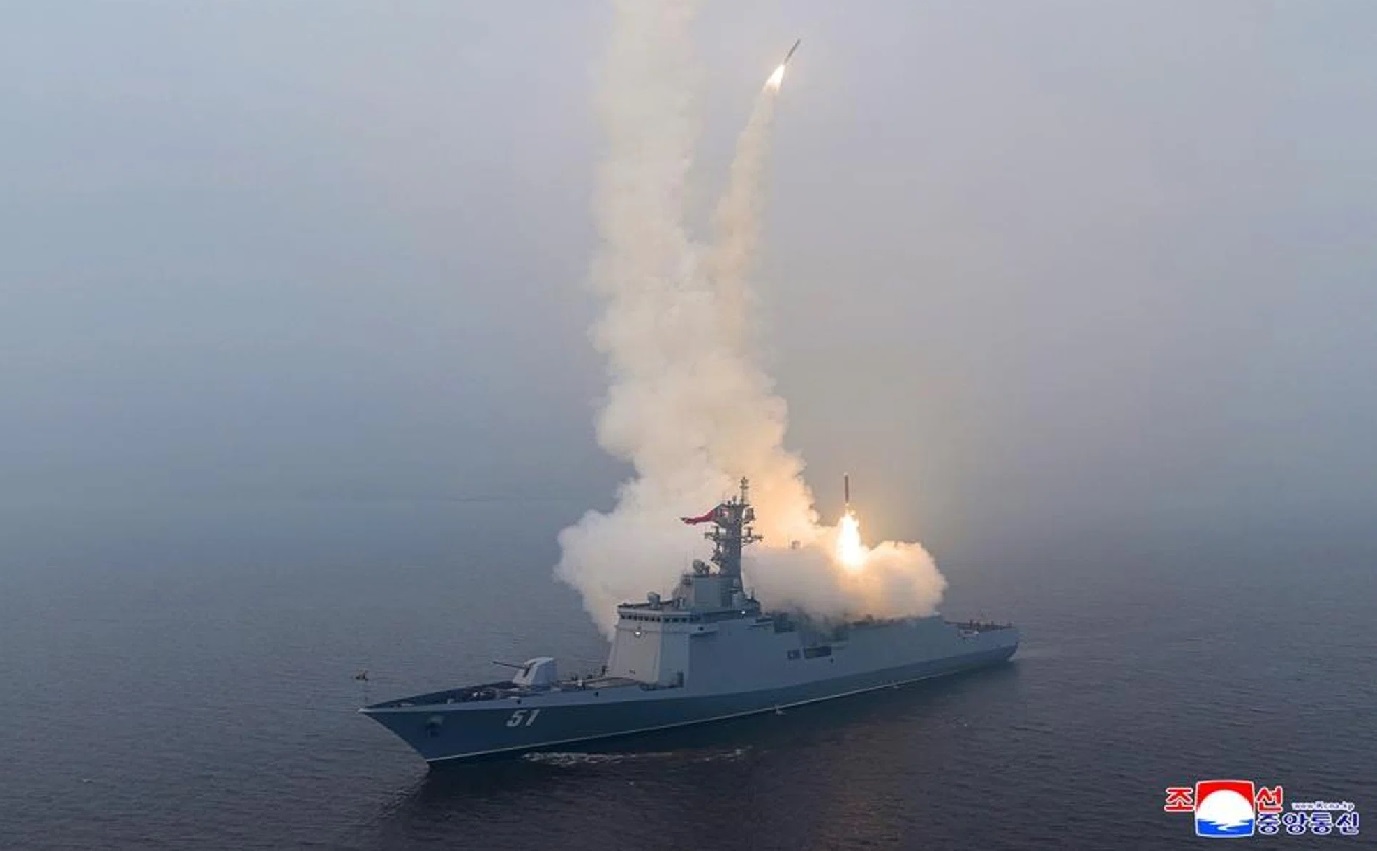
World
SEOUL / TOKYO — March 14, 2026 : North Korea launched a series of ballistic missiles on Saturday, firing approximately ten projectiles from its west coast toward the Sea of Japan in a test that occurred amid ongoing joint military exercises between the United States and South Korea. The launches were detected and tracked by South Korean and Japanese defense authorities shortly after liftoff. Launch Detection and Flight Characteristics According to the South Korean Joint Chiefs of Staff (JCS) and Japan’s Ministry of Defense, the missiles were launched from the Sunan area near Pyongyang, a site that has previously been used for missile testing activities. Radar stations operated by the Japan Self-Defense Forces (JSDF) detected the launches simultaneously at 13:24 local time. Tracking data released by Japanese defense authorities indicates that the projectiles followed a northeastward trajectory across the Korean Peninsula, ultimately traveling toward waters in the Sea of Japan. Preliminary analysis by South Korean military authorities estimates that the missiles traveled approximately 340 to 350 kilometers and reached a maximum altitude of around 80 kilometers during flight. Based on these parameters, analysts believe the weapons were likely 600-millimeter super-large multiple rocket launcher (MLRS) projectiles or short-range ballistic missile systems, both of which are capable of delivering conventional payloads at short to medium operational ranges. Impact Location and Maritime Safety Japan’s Defense Minister Shinjiro Koizumi confirmed that all projectiles landed in waters outside Japan’s Exclusive Economic Zone (EEZ). Japanese authorities reported no damage to maritime vessels, aircraft, or coastal infrastructure following the launches. The Japan Coast Guard issued navigational advisories to vessels operating in nearby waters shortly after the missiles were detected. No emergency maritime incidents were reported. Government and Military Response Following the launches, the Japanese government activated an anti-crisis response headquarters at the Prime Minister’s Office to coordinate monitoring and intelligence analysis. Prime Ministerial directives instructed relevant ministries and agencies to prioritize information collection and maintain readiness for potential further developments. In South Korea, the military increased its surveillance and reconnaissance posture. Officials stated that Seoul is maintaining a high alert status and continuing to share real-time tracking data with the United States and Japan through established trilateral security coordination channels. Context: Freedom Shield Joint Military Exercises The missile launches occurred during Freedom Shield, a joint United States–South Korea military exercise scheduled to run for 11 days through March 19. Freedom Shield includes computer-simulated command post training and field exercises designed to evaluate combined operational planning and interoperability between the two allied militaries. The exercise is conducted annually and focuses on readiness for various contingency scenarios on the Korean Peninsula. North Korea has historically criticized such exercises, describing them as preparations for military confrontation. Earlier this week, Kim Yo-jong, the sister of North Korean leader Kim Jong-un, issued a statement condemning the drills. In her remarks, she stated that the exercises threaten regional stability and warned that continued allied military activities could lead to serious consequences. She also indicated that North Korea remains prepared to conduct a preemptive military response if it determines its security is threatened. North Korea’s Missile Activity in 2026 Saturday’s launch marks North Korea’s third ballistic missile test of 2026. The first launch of the year occurred on January 4, when a single missile was fired from the country’s west coast. During that test, radar systems detected the missile at 07:54 local time, according to regional defense authorities. North Korea has continued to develop and test a range of short-, medium-, and long-range missile systems over the past decade. These include short-range ballistic missiles, tactical rocket systems, and intercontinental ballistic missiles, which Pyongyang states are part of its national defense strategy. Regional governments and international monitoring organizations continue to track North Korea’s weapons development and testing activities closely as part of broader security assessments in Northeast Asia.
Read More → Posted on 2026-03-14 13:49:42
World
WASHINGTON — March 14, 2026 : The United States is deploying the Tripoli Amphibious Ready Group (ARG) together with the 31st Marine Expeditionary Unit (MEU) to the Middle East, shifting a forward-deployed expeditionary force from the Indo-Pacific to the U.S. Central Command (CENTCOM) area of responsibility as tensions with Iran continue following weeks of military operations. The redeployment comes after nearly two weeks of joint U.S. and Israeli air and long-range strike operations targeting Iranian military infrastructure that began on February 28, 2026. U.S. officials say the additional naval force will expand operational options for crisis response, maritime security missions, evacuation operations, and limited strike support if required. More than 50,000 American troops are already stationed across the Middle East. The arrival of the amphibious force would add a mobile sea-based Marine unit capable of conducting rapid expeditionary operations without relying on permanent regional bases. Deployment Route and Fleet Composition The Tripoli ARG is transiting from its forward-deployed bases in Sasebo and Okinawa, Japan, where the 31st Marine Expeditionary Unit is permanently stationed as part of the U.S. Navy’s forward presence in the Western Pacific. Satellite tracking and defense monitoring reports indicate that the ships were recently operating in the Philippine Sea before moving south of Taiwan and transiting through the Luzon Strait, a key maritime passage connecting the Pacific Ocean and the South China Sea. The formation includes three amphibious warships: USS Tripoli (LHA-7) – an America-class amphibious assault ship serving as the flagship of the group. USS San Diego (LPD-22) – a San Antonio-class amphibious transport dock. USS New Orleans (LPD-18) – another San Antonio-class amphibious transport dock. Together, the group carries approximately 2,500 personnel, including about 2,200 Marines from the 31st MEU along with U.S. Navy sailors responsible for ship operations and support functions. Unlike earlier amphibious assault ships designed with large well decks for landing craft, the 45,000-ton USS Tripoli is optimized primarily for aviation operations. Its flight deck and internal configuration allow the vessel to function as a light aircraft carrier, supporting a larger number of aircraft and sustained flight operations. Aviation Assets and Expeditionary Capabilities The aviation component embarked aboard the Tripoli ARG provides the core operational capability of the deployment. The air wing includes approximately 20 F-35B Lightning II short takeoff and vertical landing fighters. The F-35B integrates stealth shaping, an AN/APG-81 active electronically scanned array radar, and a distributed aperture sensor system that provides pilots with spherical infrared awareness of the surrounding airspace. The aircraft has a combat radius of roughly 450 nautical miles and can conduct precision strike missions, intelligence gathering, and air support operations. The amphibious group also deploys MV-22B Osprey tiltrotor aircraft, which combine helicopter-style vertical takeoff with turboprop cruise flight. The Osprey can carry up to two dozen Marines or several tons of cargo, cruise at speeds approaching 270 knots, and operate at ranges exceeding 800 nautical miles. This capability allows Marines to be inserted rapidly into inland areas from ships positioned far offshore. Together with helicopters and other support aircraft typically deployed with Marine expeditionary units, these assets enable the force to perform helicopter-borne assaults, secure coastal infrastructure, reinforce forward bases, or conduct evacuation missions for civilians. Marine Expeditionary Unit Structure A Marine Expeditionary Unit functions as a self-contained combined air-ground task force consisting of a command element, a ground combat element, an aviation combat element, and a logistics combat element. This structure allows the unit to conduct independent operations including amphibious landings, maritime security patrols, counter-mine support missions, disaster response, and evacuation of civilians from crisis areas. Because the MEU operates from amphibious ships, it can remain at sea for extended periods while maintaining the ability to deploy Marines and aircraft rapidly to coastal regions. Maritime Security and the Strait of Hormuz The deployment coincides with increased Iranian military activity around the Strait of Hormuz, one of the world’s most critical maritime chokepoints. Approximately one-fifth of global oil shipments transit the narrow waterway connecting the Persian Gulf with the Gulf of Oman and the Arabian Sea. Since the opening phase of the U.S.–Israeli campaign against Iran, tanker traffic through the strait has slowed significantly. U.S. officials report that Iranian naval forces have increased radio communications with commercial vessels passing through the area and have begun laying naval mines in shipping channels within the Persian Gulf. These actions have contributed to disruptions in maritime traffic and rising global oil prices. According to U.S. Central Command, American forces have already conducted strikes on Iranian vessels involved in mine-laying operations. President Donald Trump, who is currently serving as U.S. president in 2026, stated that the United States could deploy naval warships to escort merchant shipping through the strait if attacks on commercial vessels continue. Such operations would resemble the U.S. escort missions conducted during the 1980s “Tanker War” phase of the Iran-Iraq conflict. Other Regional Developments The ongoing conflict has produced several related incidents across the region during the past two weeks. A U.S. Air Force KC-135 Stratotanker aerial refueling aircraft crashed in western Iraq during operations connected to the campaign against Iranian targets. The cause of the crash remains under investigation. Turkish authorities also reported that NATO air defense systems intercepted an Iranian missile that entered Turkish airspace, marking the third such interception in roughly ten days. In the cyber domain, a recent attack targeted Stryker, a U.S.-based manufacturer of medical equipment. Investigators are examining whether the breach may be linked to Iranian or affiliated hacking groups as part of broader retaliatory activity. Integration With U.S. Naval Forces in the Region Once in theater, the Tripoli Amphibious Ready Group is expected to operate alongside existing U.S. naval forces deployed to the Middle East, including the carrier strike groups centered on the aircraft carriers USS Gerald R. Ford and USS Abraham Lincoln. Defense officials say the additional amphibious force expands operational flexibility by providing commanders with sea-based Marine aviation and ground forces capable of conducting maritime security operations, supporting mine countermeasures, reinforcing regional bases, or assisting in the protection of shipping routes if the conflict expands. Based on current transit speeds and routing, defense analysts estimate that the Tripoli ARG and the 31st Marine Expeditionary Unit could arrive in Middle Eastern waters within one to two weeks, further strengthening U.S. naval and expeditionary capabilities in the region.
Read More → Posted on 2026-03-14 13:37:03
World
OTTAWA / YELLOWKNIFE — March 14, 2026 : On 12 March 2026, the Canadian government has unveiled a large-scale federal strategy to expand military capabilities, modernize infrastructure, and promote economic development across the Arctic and Northern regions. The plan, announced by Prime Minister Mark Carney, outlines more than $40 billion in combined investments aimed at strengthening sovereignty and improving living conditions for roughly 140,000 residents across Canada’s North, including Indigenous communities. The initiative combines over $35 billion in direct federal spending with approximately $10 billion tied to major infrastructure projects intended to accelerate transportation, energy, and logistics development in remote northern territories. The strategy was presented in Yellowknife, a key administrative and logistical hub for Arctic operations. According to the federal government, the policy represents a shift toward larger-scale investment in the North after decades of comparatively limited spending. Officials said the objective is to strengthen national security, develop strategic resources, expand transportation networks, and improve economic opportunities in Canada’s Arctic and Northern regions. Major Defence Infrastructure Investments A central component of the strategy focuses on expanding military infrastructure and operational capacity in the Arctic. The largest portion of funding — approximately $32 billion — is allocated under the NORAD Northern Basing Infrastructure program, which will upgrade several forward operating locations used by the Canadian Armed Forces. Modernization projects will focus on facilities in Yellowknife, Inuvik, and Iqaluit, along with improvements at the deployed operating base at 5 Wing Goose Bay. The planned upgrades include improvements to airfields, construction or repurposing of aircraft hangars, installation of new information-technology infrastructure, expanded fuel storage and ammunition facilities, and additional accommodations and logistics infrastructure. The modernization effort is intended to support independent operations by Canadian forces in the Arctic while also supporting continental defense responsibilities under North American Aerospace Defense Command (NORAD) and commitments to NATO. An additional $2.67 billion will fund a network of logistics facilities designed to support rapid military deployment in northern regions. The plan includes Northern Operational Support Hubs in Whitehorse and Resolute, along with Northern Operational Support Nodes in Cambridge Bay and Rankin Inlet. Officials said this support network will enable year-round logistics operations and faster deployment of military personnel and equipment to remote Arctic areas. Canada is also advancing development of the Arctic Over-the-Horizon Radar system, a project valued at approximately $6.5 billion that is being developed through a technological partnership with Australia. The radar system is intended to enhance long-range early warning detection across northern airspace as part of continental defense modernization. Canada’s Minister of National Defence, David J. McGuinty, stated that the investments will expand military capabilities in the region and allow Canadian forces to operate more independently while supporting allied missions. Aviation Infrastructure Upgrades Alongside military projects, the strategy includes targeted funding for civilian and dual-use aviation infrastructure intended to improve transportation and supply chains in northern communities. Through the Arctic Infrastructure Fund, the federal government has allocated $294 million to modernize northern airport facilities. Planned projects include runway upgrades and modernization work at Rankin Inlet Airport, as well as improvements to Inuvik Airport to enable larger aircraft operations and more reliable year-round access for both civilian and military aviation. Canadian Transport Minister Steven MacKinnon said improved aviation infrastructure will support secure transportation of goods and passengers while strengthening supply chains connecting northern communities with the rest of the country. Major Economic and Infrastructure Projects In addition to defense and transportation upgrades, the strategy includes several large-scale civilian infrastructure initiatives intended to support economic development and resource extraction across the North. These projects have been referred to the federal Major Projects Office for accelerated development. One of the largest proposals is the Mackenzie Valley Highway, an 800-kilometre all-season road designed to connect Yellowknife with Inuvik, improving year-round ground access for remote and Indigenous communities. Another project is the Grays Bay Road and Port Project, which aims to link Nunavut to Canada’s national highway system while establishing the country’s first overland connection to a deepwater port on the Arctic Ocean. The strategy also includes the Arctic Economic and Security Corridor, a broader logistics network intended to connect mineral resources and critical mineral deposits in northern Canada with international markets through new transportation infrastructure. A fourth project, the Taltson Hydro Expansion Project, focuses on expanding hydroelectric generation capacity in northern regions to improve energy security and support industrial development. Canada’s Minister of Energy and Natural Resources, Tim Hodgson, stated that the Arctic region contains significant resource potential and will play an increasing role in Canada’s economic and energy strategy. Indigenous Partnerships and Regional Development Federal officials emphasized that the Arctic strategy will involve collaboration with territorial governments and Indigenous communities. Rebecca Alty said the government is working with local leaders to ensure infrastructure development produces long-term economic benefits and employment opportunities for communities across northern territories. Rebecca Chartrand added that the program recognizes Indigenous leadership in Arctic governance and aims to strengthen connectivity and infrastructure throughout the region. The government stated that additional investments related to housing, transportation networks, energy systems, and food security will be developed alongside the infrastructure projects. Strategic Context Canada maintains a permanent military presence in the Arctic through operations such as Operation NANOOK, which supports surveillance, sovereignty patrols, and military training across northern territories. Officials say the new investment package reflects the Arctic’s growing geopolitical importance. The region is increasingly viewed as a strategic corridor linking North America and Europe and contains significant deposits of energy resources and critical minerals. The Canadian government stated that strengthening infrastructure, defense capabilities, and transportation networks in the Arctic will support long-term national security objectives while expanding economic development opportunities for northern communities.
Read More → Posted on 2026-03-14 13:24:04
World
ROME / ERBIL — March 13, 2026 : Italy has begun withdrawing its remaining military personnel from the Kurdistan Region of Iraq following a missile and drone strike on its base near Erbil International Airport on March 12. Italian officials said the drawdown had already been planned due to the deteriorating security environment in the Middle East, but the latest attack has accelerated the timetable. The Italian contingent is stationed at Camp Singara, located within the military zone of Erbil International Airport. The base hosts Italian forces participating in the U.S.-led international coalition mission Operation Inherent Resolve, which focuses on training Kurdish Peshmerga forces and supporting operations against the Islamic State. Gradual Reduction of Italian Forces Before the recent regional escalation that began in late February 2026, Italy maintained more than 300 troops at Camp Singara. The deployment consisted mainly of military trainers, support personnel, and logistical staff assigned to assist Kurdish Peshmerga units. According to the Italian Ministry of Defense, the troop presence has been steadily reduced over the past two weeks: Approximately 100 Italian troops have already returned to Italy.Around 70 personnel have been redeployed to bases in Jordan as a temporary relocation measure.As of the latest update, about 140 to 141 troops remain in Erbil, awaiting evacuation. Italian Defense Minister Guido Crosetto confirmed that the withdrawal had been under preparation even before the March 12 attack. However, the suspension of direct flights and the complex logistics of operating in a conflict-affected environment mean the remaining troops will likely leave Iraq via land routes, potentially transiting through Türkiye before returning to Europe. Italian authorities also confirmed that smaller Italian military contingents stationed in Qatar, Kuwait, and Bahrain have been partially relocated in recent weeks due to the heightened regional security situation. Details of the March 12 Attack The strike occurred overnight on March 12–13 and targeted the Camp Singara facility near Erbil. According to Italian military officials, the attack involved an unmanned aerial vehicle believed to be a Shahed-type drone and a missile. Camp commander Colonel Stefano Pizzotti stated that an air-raid alert was issued at approximately 8:30 p.m. local time, allowing Italian personnel and civilian staff at the base to move into reinforced bunkers well before the impact. The strike occurred shortly before 1:00 a.m. local time. Officials reported: Casualties: None. All Italian military personnel and civilian staff were accounted for and unharmed. Damage: The projectile struck the perimeter area of the base, destroying a military logistics vehicle and causing limited infrastructure damage. Facilities affected: Reports indicate damage to structures including a base restaurant and two vehicles, though the main barracks and protected facilities were not penetrated. Explosive ordnance disposal teams were deployed following the attack to secure the area and inspect debris from the drone and missile. Italian Government Response Defense Minister Crosetto stated that the attack appeared deliberate, but emphasized that the security precautions implemented at the base prevented casualties. “We had implemented all the security conditions necessary to protect the contingent,” Crosetto said, noting that personnel had sufficient warning to reach shelters. Italian Foreign Minister Antonio Tajani also condemned the strike and held discussions with Kurdistan Regional Government President Nechirvan Barzani, emphasizing the need for caution to avoid further escalation and ensure the safety of coalition personnel in the region. Broader Regional Context The security situation in Iraqi Kurdistan has deteriorated since the start of the United States and Israeli military campaign against Iran, which began on February 28, 2026. Monitoring groups and local officials report that nearly 200 drone, missile, and rocket attacks have targeted military and civilian infrastructure across the Kurdistan Region since the start of the conflict. Several coalition facilities in the region, including bases near Erbil International Airport, have been placed on heightened alert due to the risk of attacks by Iranian forces or Iran-aligned groups. Italian Prime Minister Giorgia Meloni has repeatedly stated that Italy does not intend to participate in the broader conflict involving Iran. Speaking to the Italian Senate, Meloni emphasized that the government’s priority is the protection of approximately 2,000 Italian troops deployed across the Middle East, as well as tens of thousands of Italian civilians living in the region. Status of the Evacuation Italian officials described the withdrawal from Erbil as a temporary security measure while the regional situation remains unstable. No exact timetable has been publicly announced for the complete evacuation of the remaining personnel from Camp Singara. The Italian government said it is continuing to monitor the situation through its embassy in Baghdad, coordination with coalition partners, and military command channels operating within the international coalition framework.
Read More → Posted on 2026-03-13 17:56:06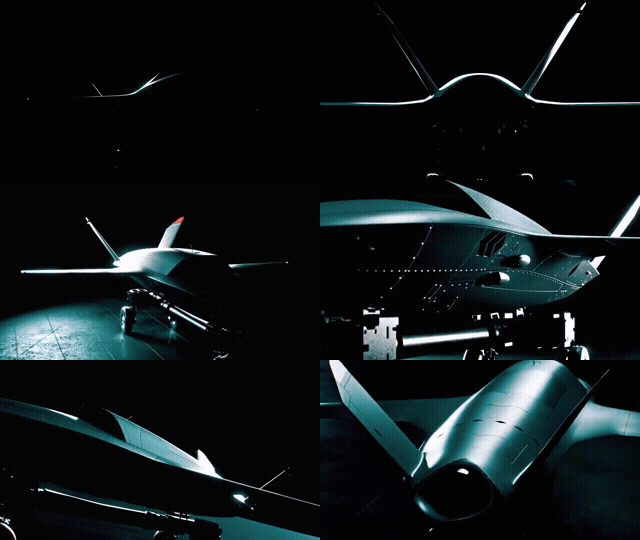
Airbus Integrating XQ-58A Valkyrie Drones for German Air Force Collaborative Combat Aircraft Program
World
BRUSSELS — March 13, 2026 : Airbus Defence and Space is accelerating development of an operational Uncrewed Collaborative Combat Aircraft (UCCA) capability for the German Air Force, targeting initial operational availability by 2029. The program centers on integrating a European-designed autonomous mission architecture into the XQ-58A Valkyrie, an uncrewed combat drone developed by Kratos Defense & Security Solutions. Airbus has acquired two Valkyrie aircraft that are currently undergoing modification and systems integration at the company’s defense facility in Manching, Germany, located near Munich. The first flight of the Airbus-modified Valkyrie variant is scheduled for later in 2026, marking the start of flight testing for the European mission system integrated into the American-built platform. Integration of European Autonomous Mission Architecture Airbus is equipping the Valkyrie aircraft with its Multiplatform Autonomous Reconfigurable and Secure (MARS) mission system, a modular architecture designed to enable autonomous operations and coordinated mission execution across multiple platforms. A key element of the system is MindShare, an artificial-intelligence-supported software framework developed to perform functions traditionally handled by human pilots. The system enables autonomous navigation, mission execution, and decision support while maintaining the option for human oversight or direct command. MindShare is designed to operate across both crewed and uncrewed aircraft, allowing the creation of distributed mission networks in which multiple drones and fighter jets share data, coordinate flight operations, and execute assigned tasks collectively. The architecture also enables the aircraft to conduct sensitive or high-risk missions—including electronic warfare, surveillance operations, and strike tasks—while minimizing exposure of human pilots to contested environments. Flight Testing Program in Germany The integration and testing work is being conducted at Airbus facilities in Manching, one of Germany’s primary defense aviation centers. Engineers are installing the MARS mission system and associated avionics into the two Valkyrie airframes before beginning ground testing and flight trials. The upcoming maiden flight of the modified aircraft in 2026 will validate the integration of the European mission system with the Valkyrie’s flight control architecture. The test campaign will focus on several key objectives: Verifying autonomous mission execution through the MindShare system Evaluating secure communications and mission coordination across multiple aircraft Testing integration with command platforms such as fighter aircraft Demonstrating the ability to perform both kinetic and non-kinetic missions Data from these tests will support further development of the UCCA system intended for the German Air Force. Integration with Eurofighter Command Aircraft The UCCA program is designed to operate in Manned-Unmanned Teaming (MUM-T) configurations with the Eurofighter Typhoon, which will serve as a command platform for coordinating drone operations. To enable this capability, Airbus is collaborating with Rafael Advanced Defense Systems to enhance the Litening 5 Advanced Targeting Pod, which has already been contracted for the Eurofighter fleet. The upgraded pod will include cross-platform connectivity functions, allowing fighter pilots to communicate with and control uncrewed aircraft during missions. These capabilities will be supported by targeted upgrades to the Eurofighter’s onboard avionics, enabling real-time data sharing and command coordination between crewed fighters and autonomous drones. Under this operational model, the fighter aircraft can function as a mission command node, directing multiple Valkyrie drones to perform tasks such as reconnaissance, electronic attack, or precision strike operations. Valkyrie Platform Characteristics The XQ-58A Valkyrie was selected as the baseline platform because it is already flight-proven and in limited production, allowing Airbus to accelerate development timelines by avoiding the need to design a new airframe. The aircraft conducted its first flight in the United States in 2019 and has since completed numerous test flights demonstrating its operational performance. Key specifications of the Valkyrie include: Length: 9.1 meters Wingspan: 8.2 meters Maximum take-off weight: approximately 3 tons (around 2,700–2,800 kg depending on configuration) Operational range: more than 5,000 kilometers Service ceiling: approximately 45,000 feet The platform is designed to support both kinetic missions, such as strike operations, and non-kinetic missions, including intelligence gathering, surveillance, and electronic warfare. The Valkyrie can operate independently, in coordinated groups of unmanned systems, or in direct cooperation with crewed aircraft. Strategic Objectives of the Airbus–Kratos Partnership The collaboration between Airbus and Kratos was originally announced in July 2025 as a means of accelerating European access to a collaborative combat drone capability. Instead of developing a new aircraft platform from the ground up, Airbus opted to integrate its own mission system into the existing Valkyrie airframe. This approach reduces development timelines and costs while allowing European operators to maintain sovereign control over mission software and operational data systems. Marco Gumbrecht, Head of Key Account Germany at Airbus Defence and Space, stated that combining the Valkyrie platform with the MARS system allows the program to deliver a combat-ready uncrewed aircraft with a European mission architecture within a relevant operational timeframe. He noted that the program aims to deliver credible combat capability at a comparatively affordable cost, which has become a key requirement for modern air forces seeking to field large numbers of collaborative drones. Concept of “Affordable Mass” in Modern Air Warfare According to Steve Fendley, President of the Kratos Unmanned Systems Division, the resulting platform is designed to support the concept of “affordable mass”—a procurement and operational strategy increasingly emphasized in modern military planning. The concept focuses on deploying large numbers of relatively low-cost systems capable of operating together in coordinated formations. In military simulations and operational analyses, such massed systems can complicate adversary defenses and increase mission survivability. Under this model, Valkyrie drones could be deployed in groups to perform tasks such as: Reconnaissance and targeting Electronic warfare and suppression of enemy air defenses Precision strike operations Decoy and sensor extension missions These roles allow the drones to support crewed aircraft while reducing the risk faced by human pilots in contested airspace. Planned Role in the German Air Force For the German Air Force, the initial UCCA capability is expected to focus on specific operational roles that extend combat air power while keeping pilots outside the most dangerous mission areas. The system will allow the Eurofighter fleet to deploy uncrewed aircraft ahead of crewed fighters to conduct reconnaissance, electronic warfare, or strike tasks. If the current development timeline is maintained, Airbus aims to deliver a fully operational collaborative combat drone capability by 2029, providing Germany with a domestically integrated autonomous combat system based on a proven unmanned aircraft platform.
Read More → Posted on 2026-03-13 17:44:18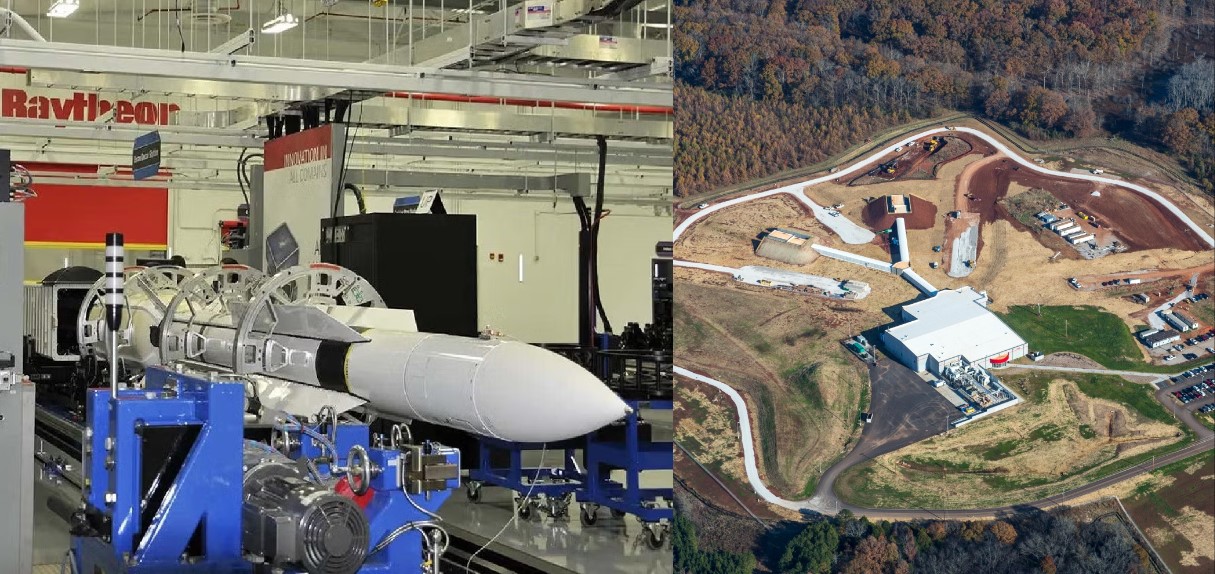
World
HUNTSVILLE, Alabama — March 13, 2026 : Raytheon, a business unit of RTX Corporation, has completed a $115 million expansion of its missile integration facility located at Redstone Arsenal in Huntsville, Alabama. The project significantly increases the company’s domestic missile integration capacity and is intended to support growing demand from the U.S. Navy, the Missile Defense Agency, and allied defense partners. The expansion adds 26,000 square feet of manufacturing and integration space to the Redstone Raytheon Missile Integration Facility, increasing the plant’s physical footprint and raising its overall integration and delivery capacity by more than 50 percent. The site plays a key role in the U.S. defense supply chain as the final integration point for several major missile systems before delivery to operational users. Facility Background and Production Infrastructure The Redstone Raytheon Missile Integration Facility originally opened in 2012 as a 70,000-square-foot all-up-round missile production center built with a $75 million investment. The plant was designed to serve as the final integration and assembly site for missile systems supporting programs managed by the U.S. Navy and the Missile Defense Agency. The facility specializes in the assembly of All-Up Rounds (AURs)—fully integrated missiles that include propulsion, guidance, control, and warhead systems and are delivered in ready-to-fire configuration. Production lines at the plant employ advanced robotics, automated handling systems, and specialized testing equipment to streamline assembly of complex weapon systems while maintaining quality control requirements. With the newly completed expansion, the plant now has additional production space dedicated to final assembly, systems integration, and testing. The increased capacity allows Raytheon to scale manufacturing throughput for current missile programs while also introducing production infrastructure for next-generation interceptor systems. Standard Missile Production The Huntsville facility currently handles the final integration of the entire Standard Missile family used by the U.S. Navy. The plant supports nine variants within the program, including the Standard Missile-3 (SM-3) and the Standard Missile-6 (SM-6). These missile systems perform multiple operational roles. The SM-3 is designed primarily for exo-atmospheric ballistic missile defense and is a key interceptor used within the U.S. Navy’s Aegis Ballistic Missile Defense architecture. The SM-6 provides a broader capability set, supporting fleet air defense, terminal ballistic missile defense, and anti-surface strike missions. The Redstone facility assembles the final integrated missile rounds before delivery to U.S. naval forces and missile defense units. Recent framework agreements signed by the U.S. Department of Defense in February 2026 are expected to significantly increase output requirements. Under the agreements, annual production of SM-6 interceptors will rise from approximately 125 missiles per year to more than 500 units. Manufacturing rates for the SM-3 Block IIA and SM-3 Block IB variants are also scheduled to accelerate. The expanded integration facility provides the physical infrastructure necessary to support these higher production volumes while maintaining ongoing deliveries to operational customers. Integration of the Glide Phase Interceptor Another major purpose of the expansion is to support the future integration of the Glide Phase Interceptor (GPI), a next-generation interceptor currently under development. The Glide Phase Interceptor is designed to counter hypersonic glide vehicles during the glide phase of their flight trajectory. Unlike traditional ballistic missiles, hypersonic glide vehicles maneuver within the atmosphere at extremely high speeds, making them difficult to intercept with existing missile defense systems. The GPI program aims to provide the ability to track and intercept these weapons during the midcourse glide stage, when they are still outside terminal engagement range but within interceptable flight conditions. The Redstone facility will integrate GPI production alongside ongoing Standard Missile assembly operations once the interceptor completes development and testing. Workforce and Regional Impact The expansion is expected to create approximately 185 new jobs at the Huntsville site. Once hiring is completed, RTX’s total workforce in the state of Alabama will exceed 2,200 employees. Huntsville has become a central hub for U.S. missile defense development and manufacturing due to the presence of Redstone Arsenal, the Missile Defense Agency, and numerous defense contractors. The expanded Raytheon facility strengthens the region’s role in the national missile defense industrial base. Strategic Production Objectives Raytheon states that the expansion is intended to address broader bottlenecks in the defense supply chain and enable faster delivery of missile defense systems. The increased manufacturing footprint allows the company to operate simultaneous production lines for multiple Standard Missile variants while preparing infrastructure for emerging interceptor programs. The facility’s modular manufacturing design also allows production lines to be reconfigured for new missile systems as programs evolve. This approach is intended to support both current stockpile replenishment and the integration of advanced capabilities such as the Glide Phase Interceptor without interrupting existing production schedules. While the expansion increases overall capacity by more than 50 percent, Raytheon has not disclosed detailed per-line output figures for the expanded facility beyond the overall production increases associated with the Department of Defense framework agreements.
Read More → Posted on 2026-03-13 17:35:02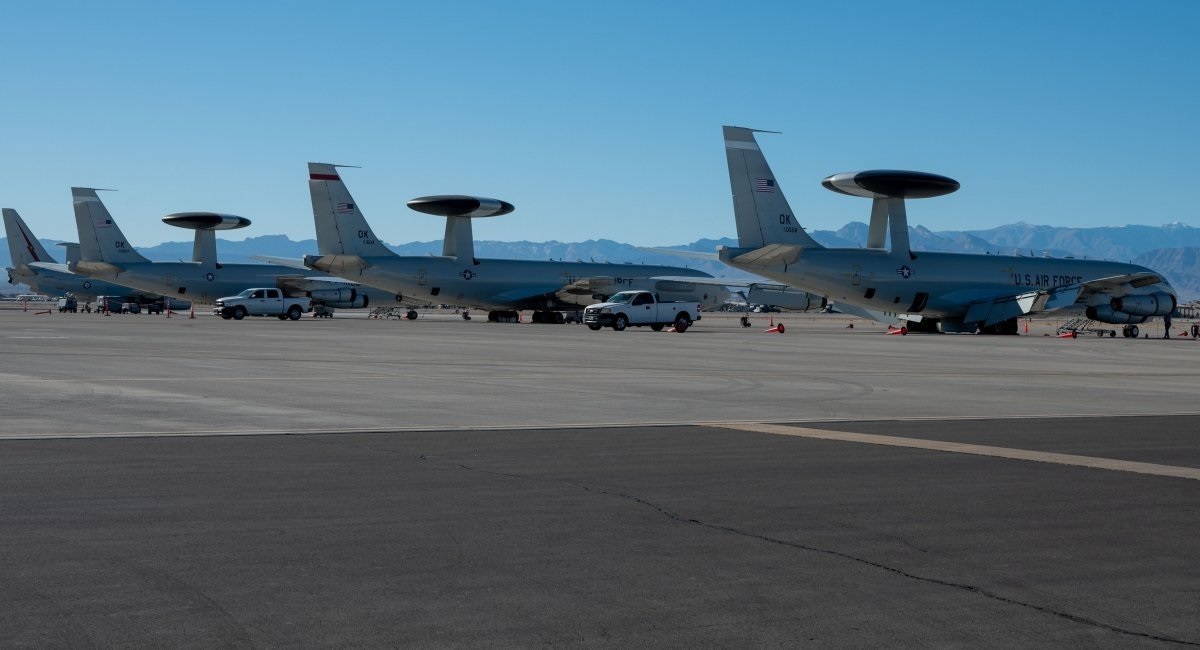
World
WASHINGTON — March 13, 2026 : The United States Air Force has sharply increased the operational tempo of its E-3 Sentry airborne early warning and control (AWACS) aircraft across the Middle East as U.S. and allied forces attempt to compensate for the loss of multiple ground-based early warning radar systems destroyed during ongoing hostilities with Iran. According to defense officials and regional flight tracking data, E-3 aircraft are now flying frequent surveillance missions over Jordan, northern Saudi Arabia, southern Iraq, and portions of the eastern Mediterranean. The aircraft are being used to provide persistent detection and tracking of Iranian drones and ballistic missiles targeting sites in Israel and Jordan after significant portions of the regional radar network were damaged in Iranian strikes. The expanded airborne surveillance activity follows a series of attacks on U.S. military installations after the United States and Israel launched coordinated strikes against Iranian military infrastructure on February 28, 2026. Loss of Ground-Based Radar Infrastructure Since the beginning of the conflict, Iranian forces have targeted numerous U.S. and allied military sites across the region. According to available assessments, approximately 17 U.S. military facilities have been attacked by Iranian missiles or drones. Several high-value radar installations were destroyed or severely damaged during these strikes, resulting in the loss of an estimated $2.7 billion in radar systems. Among the most significant confirmed losses were: • AN/FPS-132 early warning radar located at Al Udeid Air Base in Qatar, valued at approximately $1.1 billion. The radar was the only system of its type deployed outside the United States and served as a critical sensor for ballistic missile detection. • AN/TPY-2 missile tracking radars associated with Terminal High Altitude Area Defense (THAAD) batteries deployed in Jordan and the United Arab Emirates. Commercial satellite imagery from Planet Labs and independent analysts shows damage to radar installations at several locations, including strikes recorded between March 1 and March 3 at Muwaffaq Salti Air Base in Jordan, where a THAAD radar was positioned. The loss of these sensors has significantly reduced the ground-based early warning coverage used to detect incoming missiles and drones across the region. Shift Toward Airborne Surveillance To maintain situational awareness and missile detection capabilities, the U.S. Air Force has relied increasingly on its fleet of E-3 Sentry AWACS aircraft, which provide long-range airborne radar coverage and command-and-control capabilities. Prior to the start of hostilities, the United States deployed a large portion of its available E-3 fleet to operational theaters in Europe and the Middle East. Approximately six of the Air Force’s remaining 16 operational E-3 aircraft — around 37.5 percent of the fleet — were forward deployed ahead of the February 28 strikes. Operating primarily from regional bases, the aircraft provide wide-area radar surveillance and transmit targeting and tracking information to U.S. and allied air defense systems through secure tactical data links. The aircraft carry the AN/APY-1 and AN/APY-2 airborne radars, which are among the largest radar systems installed on aircraft and are capable of tracking hundreds of aerial targets simultaneously. Operational Demands and Limitations Maintaining continuous radar coverage using airborne platforms requires sustained aerial refueling operations. E-3 aircraft typically require refueling every four to six hours during long surveillance missions. The shift from ground-based radar networks to airborne detection platforms has placed additional logistical demands on tanker aircraft and maintenance crews supporting AWACS operations. The E-3 Sentry platform itself is also facing growing operational limitations. The aircraft’s radar and avionics systems were originally developed during the 1970s, and the platform was not designed specifically for ballistic missile defense missions. Defense analysts note that the sensors are less effective against certain modern threats, including low-observable drones such as Iran’s Shahed-series systems, and that the aircraft could face challenges in environments with heavy electronic warfare activity. Fleet availability has also declined after decades of service. The U.S. Air Force currently operates a significantly smaller number of E-3 aircraft than it did during Operation Desert Storm in 1991, when AWACS aircraft maintained continuous surveillance over Iraq and the Persian Gulf. Replacement Program and Budget Debate The aging AWACS fleet was expected to be replaced by the E-7 Wedgetail, a modern airborne early warning aircraft based on the Boeing 737 platform and equipped with an advanced multi-role electronically scanned array radar. However, the U.S. Department of Defense proposed canceling procurement of the E-7 in the fiscal year 2026 budget due to rising program costs and schedule delays. Members of the U.S. Congress have continued to support the program and have allocated funding to keep the project moving forward, citing the increasing capability gap created by the aging E-3 fleet. Allied Support and Regional Radar Data Allied nations are also contributing to airborne surveillance and missile detection operations. On March 11, 2026, the Royal Australian Air Force deployed an E-7A Wedgetail aircraft from No. 2 Squadron at RAAF Base Williamtown to the Gulf region for an initial four-week deployment supporting regional air defense missions. The aircraft is expected to operate from bases such as Al Minhad Air Base in the United Arab Emirates. Australia has additionally committed to supplying replacement AIM-120 air-to-air missiles to replenish stocks held by the UAE. Regional partners are also providing radar tracking data to support the U.S.-led air defense network. Turkey’s AN/TPY-2 ballistic missile tracking radar located at Kurecik Radar Station, operational since 2012, continues to supply early warning information to NATO and Israeli missile defense systems against potential threats originating from Iran or Syria. Reports indicate that tracking data from Turkey’s S-400 long-range air defense system may also contribute to regional missile detection networks, although official confirmation of this cooperation has not been publicly provided. Continuing Missile Threats The aerial threat environment over Israel and neighboring states remains complex as Iranian ballistic missiles and drones continue to target regional military sites. Recent footage recorded by an Israeli fighter pilot showed submunitions descending from an Iranian ballistic missile over Israeli territory. Such payloads release multiple smaller bomblets, creating additional challenges for missile interception systems. Defense officials say the combination of degraded ground-based radar coverage, increased reliance on airborne surveillance platforms, and the growing diversity of Iranian strike systems has placed additional pressure on regional air defense networks. U.S. Central Command has not publicly disclosed the exact sortie rate of AWACS flights or provided a detailed assessment of the impact of radar losses on overall missile defense coverage in the region. However, the intensified deployment of E-3 aircraft across the Middle East indicates that airborne early warning platforms are currently playing a central role in maintaining situational awareness while replacement ground-based radar systems are redeployed to the theater.
Read More → Posted on 2026-03-13 17:20:58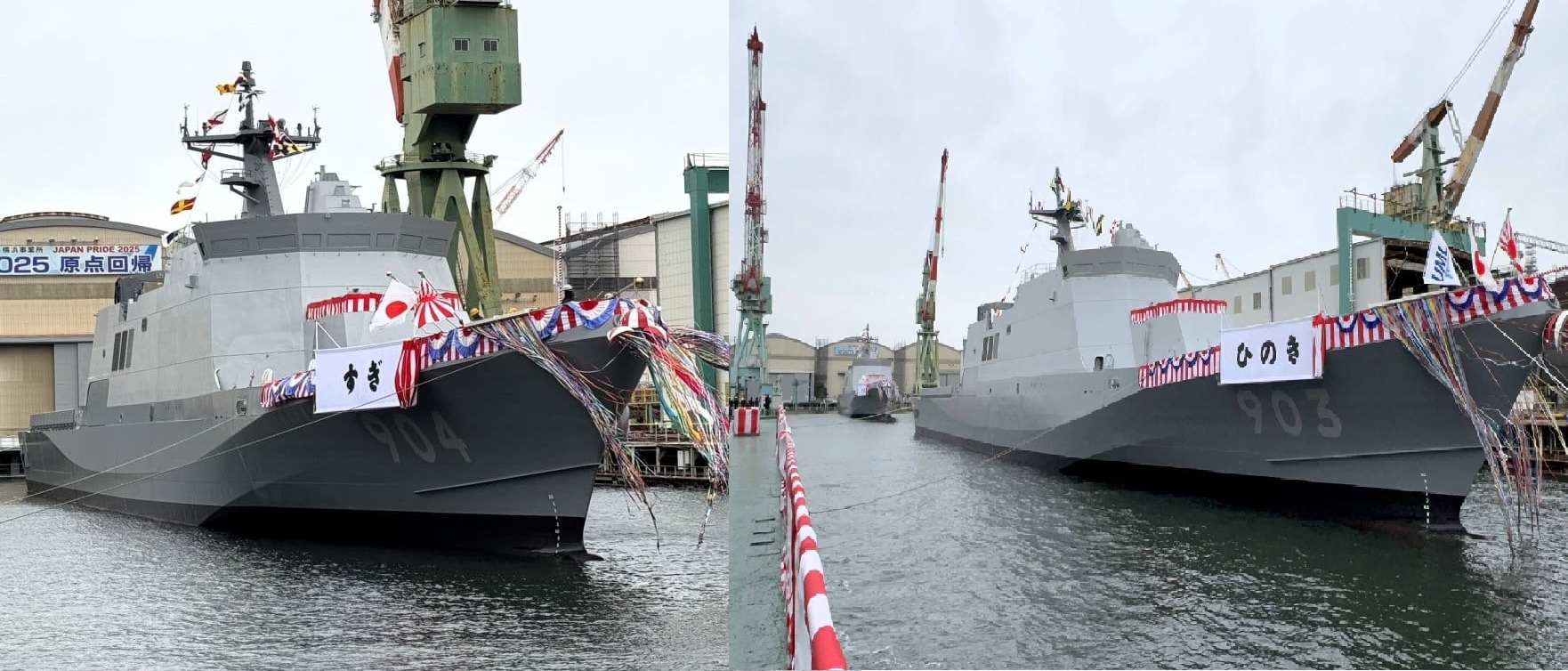
World
YOKOHAMA, Japan — March 13, 2026 : Japan has launched the third and fourth vessels of its new Sakura-class offshore patrol vessel (OPV) program, continuing a procurement effort designed to strengthen routine maritime surveillance and free larger warships for higher-intensity missions. The launching ceremony for the vessels Hinoki (OPV-903) and Sugi (OPV-904) was held on March 13 at the Japan Marine United (JMU) Isogo shipyard in Yokohama, Kanagawa Prefecture. Both ships are being constructed for the Japan Maritime Self-Defense Force (JMSDF) under a new patrol vessel program introduced as part of Japan’s broader Defense Buildup Program. The Sakura-class marks the first time the JMSDF has formally used the “offshore patrol vessel” designation for a naval platform. The vessels are intended to conduct routine patrol, maritime domain awareness, and security missions across Japan’s surrounding waters, including areas around the Nansei Islands chain and the country’s large Exclusive Economic Zone (EEZ), which is the sixth largest in the world. Naming Conventions and Historical Lineage The two newly launched ships follow a naming convention distinct from the traditional JMSDF destroyer naming system. JMSDF destroyers are usually named after meteorological phenomena, mountains, rivers, or regions. By contrast, the Sakura-class OPVs are named after trees. The names were selected through an internal solicitation and review process within the JMSDF and received final approval from Japan’s Minister of Defense, Shinjiro Koizumi. The third vessel, Hinoki, is named after the Japanese cypress tree. It is the third Japanese naval vessel to carry the name. Earlier ships included the third vessel of the Imperial Japanese Navy’s Momo-class destroyers and the sixteenth vessel of the Matsu-class destroyers during World War II. The fourth ship, Sugi, takes its name from the Japanese cedar tree, a species widely found across Japan. It becomes the fourth Japanese naval vessel to carry that name. Previous ships included the ninth vessel of the Kaba-class destroyers, the seventh vessel of the Matsu-class destroyers, and a Kusu-class escort ship leased from the United States Navy in 1953. Hinoki and Sugi were laid down on February 14, 2025, together with the first two ships of the class, Sakura (OPV-901) and Tachibana (OPV-902). The lead pair were launched earlier on November 13, 2025. According to the JMSDF Maritime Staff Office, all four vessels are scheduled to enter service around March 2027. Design Characteristics and Technical Specifications The Sakura-class OPVs are designed primarily for long-duration patrol missions rather than high-intensity naval combat. The design emphasizes automation, operational efficiency, and reduced manpower requirements. Each vessel measures approximately 95 meters in length, with a beam of about 12 meters, depth of 7.7 meters, and draft of 4.2 meters. Standard displacement is roughly 1,900 to 1,950 tons, while full-load displacement is estimated at around 2,300 tons. The ships incorporate stealth-oriented hull shaping influenced by the design principles used in the JMSDF’s Mogami-class frigates. However, the patrol vessels are not equipped with the extensive combat systems found on frontline warships. Propulsion is provided through a Combined Diesel-electric And Diesel (CODLAD) system. This arrangement uses one diesel engine and one electric motor connected to a single propeller shaft. The configuration allows the vessels to operate efficiently during patrol missions while still achieving a maximum speed of approximately 20 to 25 knots. A key design feature of the Sakura-class is its high level of automation. The ships require a crew of only 30 personnel, significantly smaller than the roughly 90 sailors assigned to a Mogami-class frigate. The reduced crew size addresses long-term manpower concerns within Japan’s Self-Defense Forces, particularly as the country faces demographic decline and shrinking recruitment pools. Armament on the patrol vessels is limited to a single 30-millimeter naval gun mounted on the foredeck for self-defense. The ships do not carry anti-ship missiles or anti-aircraft missile systems, unlike destroyers and frigates. The design also incorporates a modular architecture, allowing mission systems to be adapted depending on operational requirements. According to Japan’s Acquisition, Technology and Logistics Agency (ATLA), the concept emphasizes surveillance, operational flexibility, and long-term sustainability rather than combat capability. Integration of Unmanned Aerial Systems To enhance surveillance capability, the Japanese Ministry of Defense plans to equip the Sakura-class vessels with unmanned aerial vehicles (UAVs). In the fiscal year 2025 defense budget, approximately 4 billion yen was allocated for the procurement of six V-BAT unmanned aerial systems produced by the U.S. defense company Shield AI. The UAV systems are expected to be installed on the OPVs at a later stage after the ships enter service. The vertical takeoff and landing (VTOL) V-BAT drones are intended to extend reconnaissance range and improve maritime domain awareness during surveillance operations. Procurement Plan and Rising Construction Costs The Sakura-class program forms part of Japan’s Defense Buildup Program, adopted in December 2022, which outlines the modernization and expansion of Japan’s defense capabilities over the coming decade. Under the plan, the Ministry of Defense intends to acquire 12 Sakura-class offshore patrol vessels. The Japanese government initially allocated 35.7 billion yen in the fiscal year 2023 defense budget for construction of the first four ships. The third and fourth vessels, Hinoki and Sugi, each cost approximately 8.9 billion yen, equivalent to roughly $56 million per ship. However, construction costs have increased. In the fiscal year 2026 defense budget, 28.5 billion yen was allocated for the fifth and sixth ships of the class. This raises the estimated unit cost to approximately 14.25 billion yen per vessel, reflecting broader shipbuilding cost increases. Strategic Role in Japan’s Naval Force Structure The introduction of the Sakura-class OPVs is part of a broader restructuring effort within the JMSDF aimed at optimizing the deployment of naval assets. Routine maritime security patrols currently require the use of larger and more heavily armed destroyers and frigates. By assigning these missions to smaller OPVs, the JMSDF intends to allow frontline combat ships to focus on high-intensity operations and combat readiness. The patrol vessels will eventually be assigned to a newly planned Patrol and Defense Group, which will operate under a reorganized command structure known as the Fleet Surface Force, expected to be established by the JMSDF in March 2026. This new formation will include both Sakura-class OPVs and Mogami-class frigates, supporting maritime surveillance and security operations across Japan’s surrounding waters. Regional Security Context Japan’s naval modernization efforts are occurring amid expanding Chinese maritime activity in the western Pacific and East China Sea. According to Japan’s 2025 Defense White Paper, China currently operates 94 modern destroyers and frigates and 55 modern submarines. In comparison, the JMSDF operates 51 destroyers and 22 submarines as of March 31, 2025. Japanese defense planners view the Sakura-class vessels as a cost-effective platform for maintaining continuous surveillance over Japan’s territorial waters and its large exclusive economic zone. The vessels are also intended to support overseas deployments, multinational exercises, and maritime security missions, while helping mitigate long-term manpower shortages caused by Japan’s demographic trends. With four ships already launched and eight more planned, the Sakura-class program represents a new category of naval vessel within the JMSDF designed specifically for sustained maritime monitoring and patrol operations.
Read More → Posted on 2026-03-13 16:43:33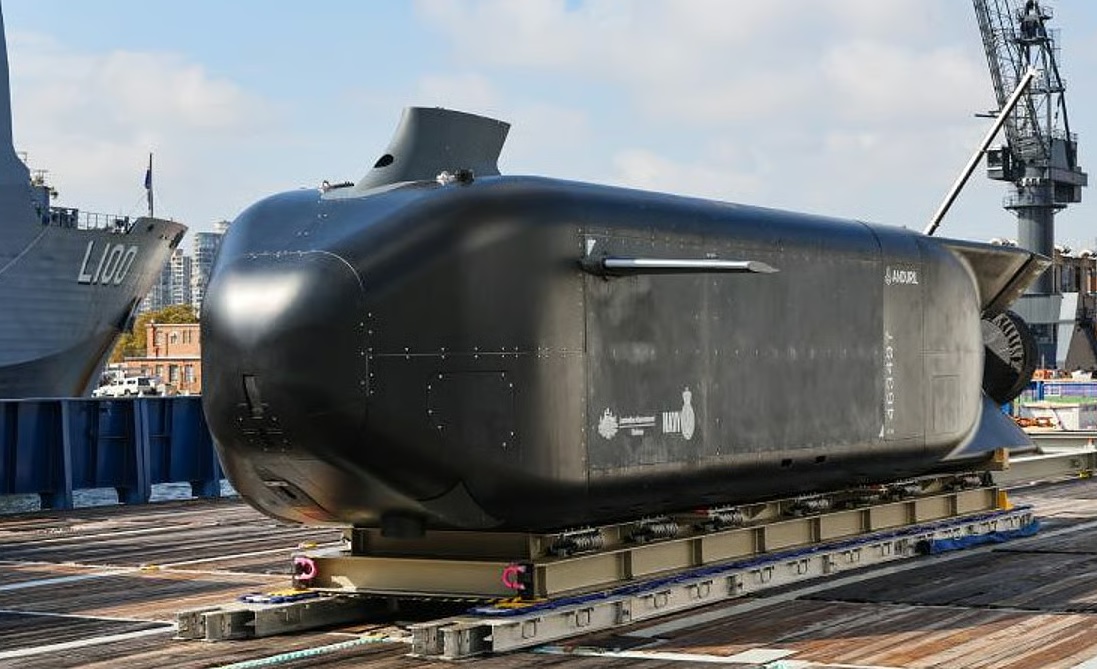
World
WASHINGTON — March 13, 2026 : The Defense Innovation Unit (DIU) and the United States Navy have selected Anduril Industries to participate in the Combat Autonomous Maritime Platform (CAMP) project, a Department of Defense initiative focused on rapidly prototyping and fielding extra-large autonomous underwater vehicles (XL-AUVs) capable of transporting heavy payloads across long distances beneath the ocean surface. The program seeks to accelerate development of autonomous maritime systems that can operate for extended durations in contested undersea environments and support distributed maritime operations. The CAMP initiative builds on a solicitation issued in April 2025, which requested commercially available or demonstration-ready systems capable of traveling more than 1,000 nautical miles, operating in GPS-denied environments, and diving to depths exceeding 200 meters. Selection Through Competitive Process Anduril was selected through DIU’s Commercial Solutions Opening (CSO) acquisition process, a procurement method designed to allow the Department of Defense to rapidly evaluate and integrate commercially developed technologies. The selection followed the completion of what the company described as the longest demonstration of an extra-large autonomous underwater vehicle conducted to date. According to Anduril, the test validated the endurance, range, and operational performance of the system under conditions intended to replicate real mission environments. Under the CAMP project, Anduril will conduct a long-duration, operationally representative demonstration of its Dive-XL autonomous submarine platform within four months of contract award. The demonstration will allow the Navy and DIU to evaluate the system’s performance as part of broader experimentation with large autonomous undersea vehicles. No financial details of the contract were disclosed. Dive-XL Autonomous Submarine Platform The system proposed for the CAMP program is Anduril’s Dive-XL, an extra-large autonomous underwater vehicle designed for extended missions at long ranges and varying depths. The vehicle uses an all-electric propulsion system and is capable of traveling more than 2,000 nautical miles without surfacing. The platform is engineered to operate autonomously in GPS-denied environments and at depths greater than 200 meters, allowing it to function in areas where satellite navigation is unavailable. The Dive-XL platform is designed with a modular architecture capable of carrying up to three payload modules simultaneously, with a total payload volume of approximately 11.4 cubic meters. The modular configuration allows the vehicle to be adapted for different mission requirements, including sensor packages or payload delivery. The submarine incorporates a two-point lift interface that allows launch and recovery from ships, piers, or other maritime infrastructure. The design also allows the vehicle to fit inside standard commercial freight containers, enabling transportation by commercial trucks, rail systems, or cargo logistics networks for rapid deployment. Operational Testing and Performance Data Operational data released by Anduril indicates that the company’s autonomous undersea vehicles have collectively accumulated more than 42,355 kilometers of operational travel and 6,752 hours of mission time. The company states that these operational metrics demonstrate the maturity, reliability, and endurance required for long-duration undersea missions and distributed maritime operations. Anduril currently operates multiple Dive-XL vehicles within the United States, which have been used for testing and operational demonstrations. Manufacturing and Production Infrastructure Production of the Dive-XL platform is supported by manufacturing facilities in both the United States and Australia. The company operates a purpose-built production facility in Quonset Point, Rhode Island, designed to manufacture dozens of Dive-XL vehicles annually along with hundreds of the smaller Dive-LD autonomous underwater vehicles. Additional production activities take place in Sydney, Australia, where Dive-XL systems are also manufactured. Previous Program Experience Anduril’s work on the Dive-XL platform draws in part from its earlier defense programs, including a contract awarded in 2025 by the Royal Australian Navy for the Ghost Shark project. The Ghost Shark program involved delivery of an extra-large autonomous underwater vehicle derived from the Dive-XL design and the establishment of a dedicated production facility. The project was intended to accelerate development timelines and demonstrate an alternative approach to defense procurement focused on rapid prototyping and delivery. Strategic Role of Autonomous Undersea Systems The CAMP project is part of a broader effort by the United States Department of Defense to expand the use of autonomous and robotic maritime systems alongside traditional crewed naval platforms. Military planners expect extra-large autonomous underwater vehicles to play a growing role in future naval operations by extending operational reach, maintaining persistent presence in contested maritime areas, and supporting a range of missions such as intelligence collection and payload deployment. For the U.S. Navy, the CAMP program provides a platform for large-scale experimentation with autonomous undersea systems, helping evaluate how such vehicles can be integrated into existing naval command structures and operational concepts. Officials involved in the program have indicated that autonomous platforms are expected to complement rather than replace crewed submarine fleets, providing additional capabilities for sustained operations in the undersea domain.
Read More → Posted on 2026-03-13 16:23:16Search
Top Trending in 24 Hours
-
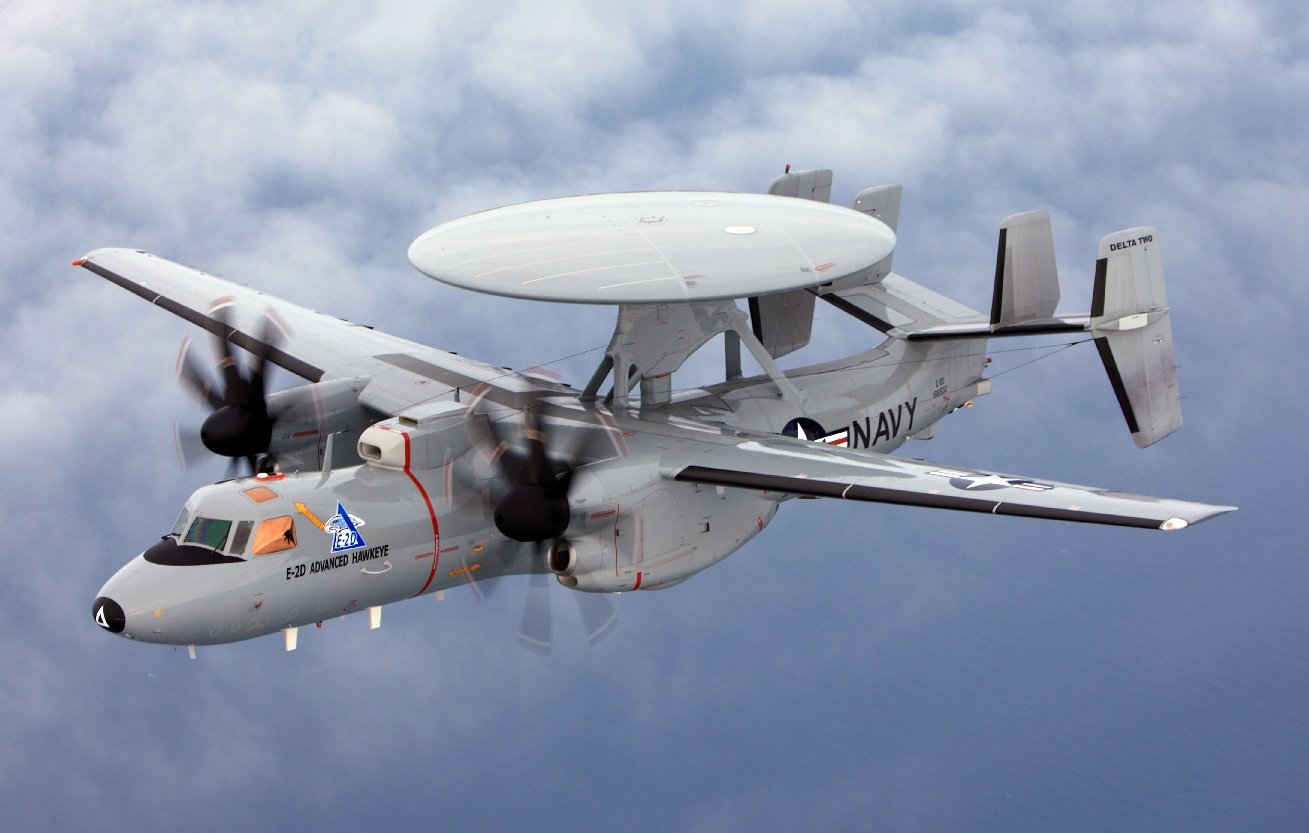 U.S. Navy Awards Northrop Grumman $1.2 Billion Deal for Three New E-2D Advanced Hawkeyes
-
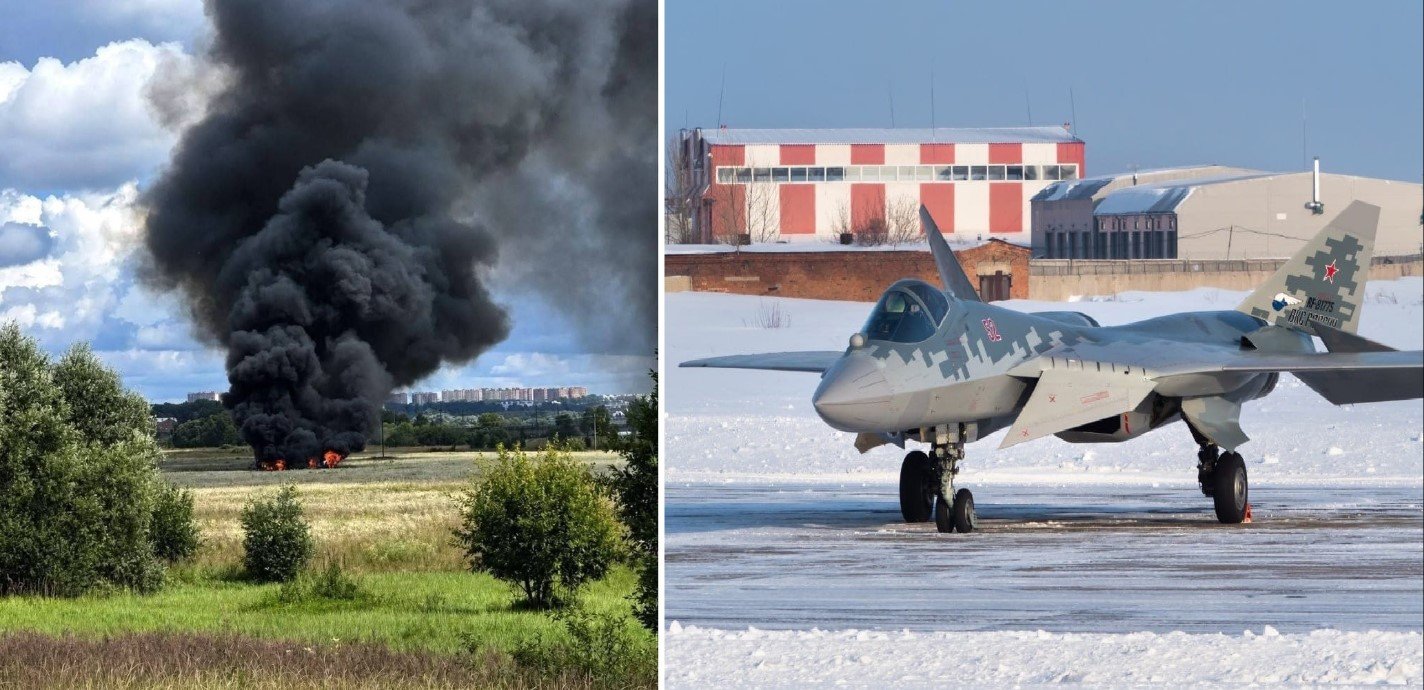 Russian Su-57 Stealth Fighter Crashes During Training Flight Near Moscow, Pilot Ejects Safely
-
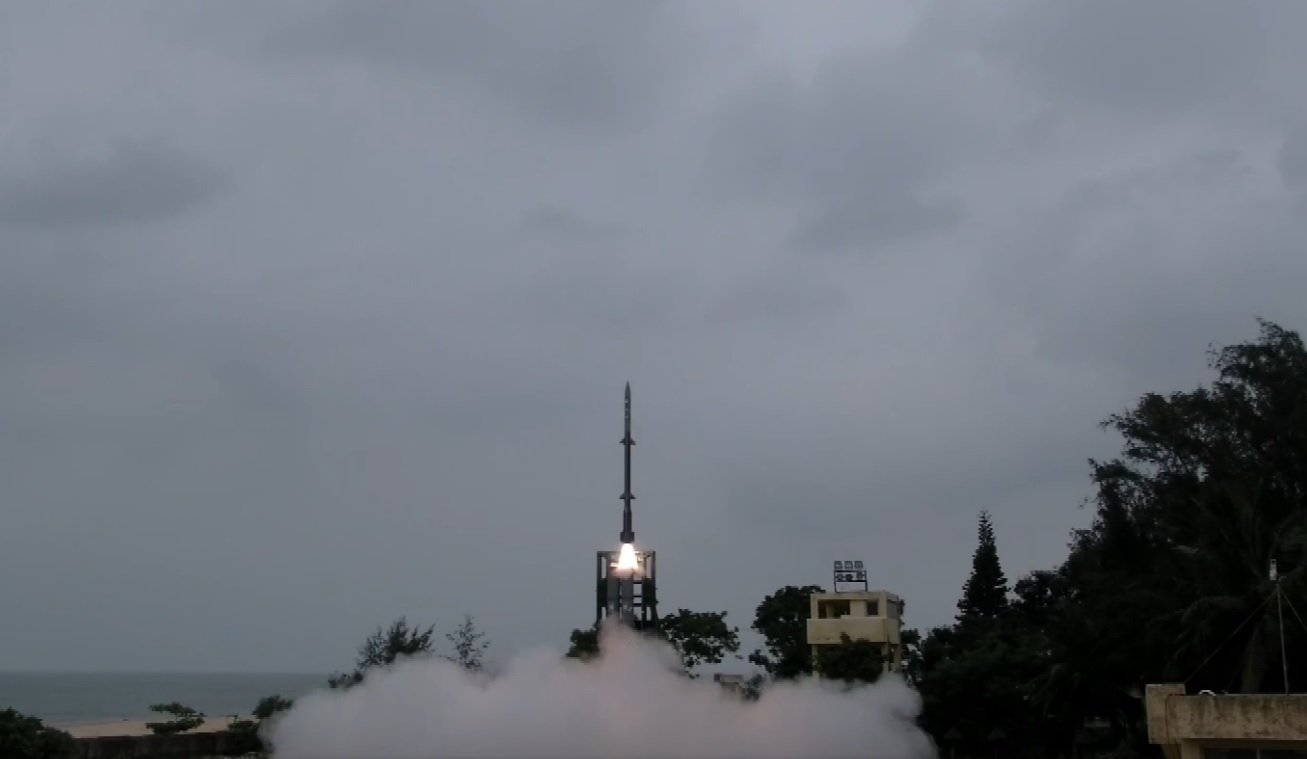 DRDO Successfully Conducts Maiden Flight Test of 150-km-Range Kusha M1 Air Defence Missile
-
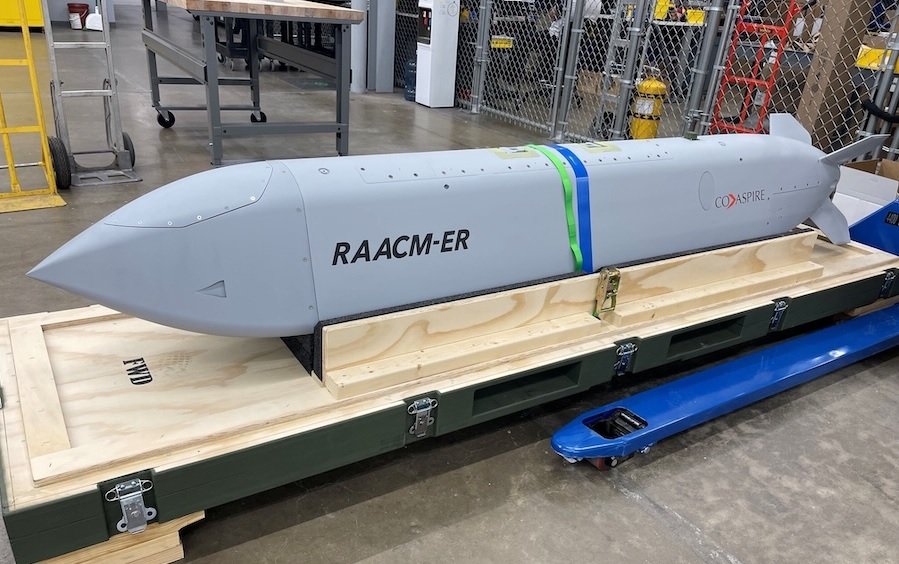 U.S. Navy Selects CoAspire to Build Ground-Launched CHAOS Cruise Missile Under $70 Million Program
-
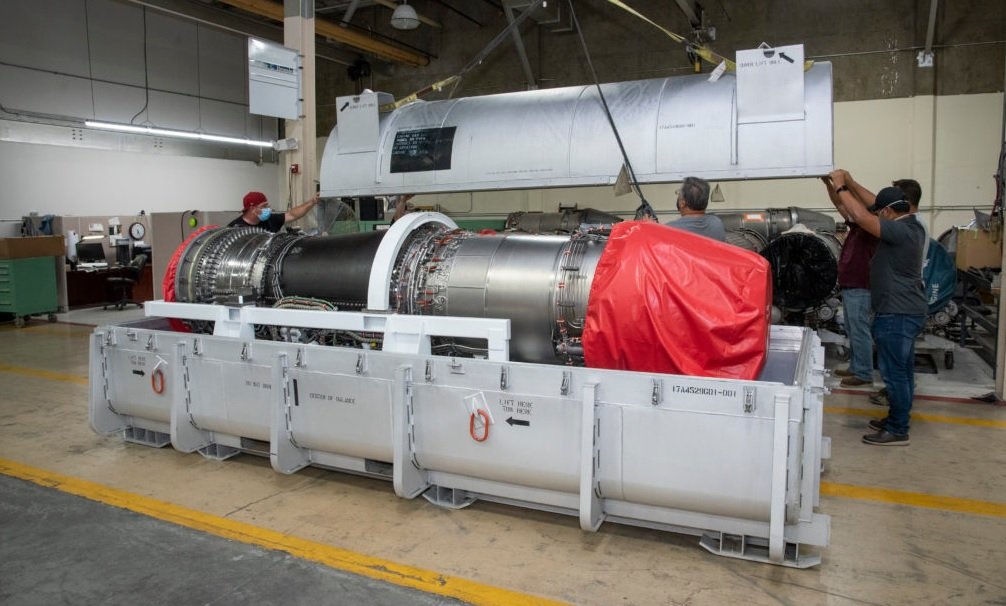 GE Aerospace and Magellan Aerospace Corporation Sign Strategic MoU for F414 Engine Sustainment in Canada
-
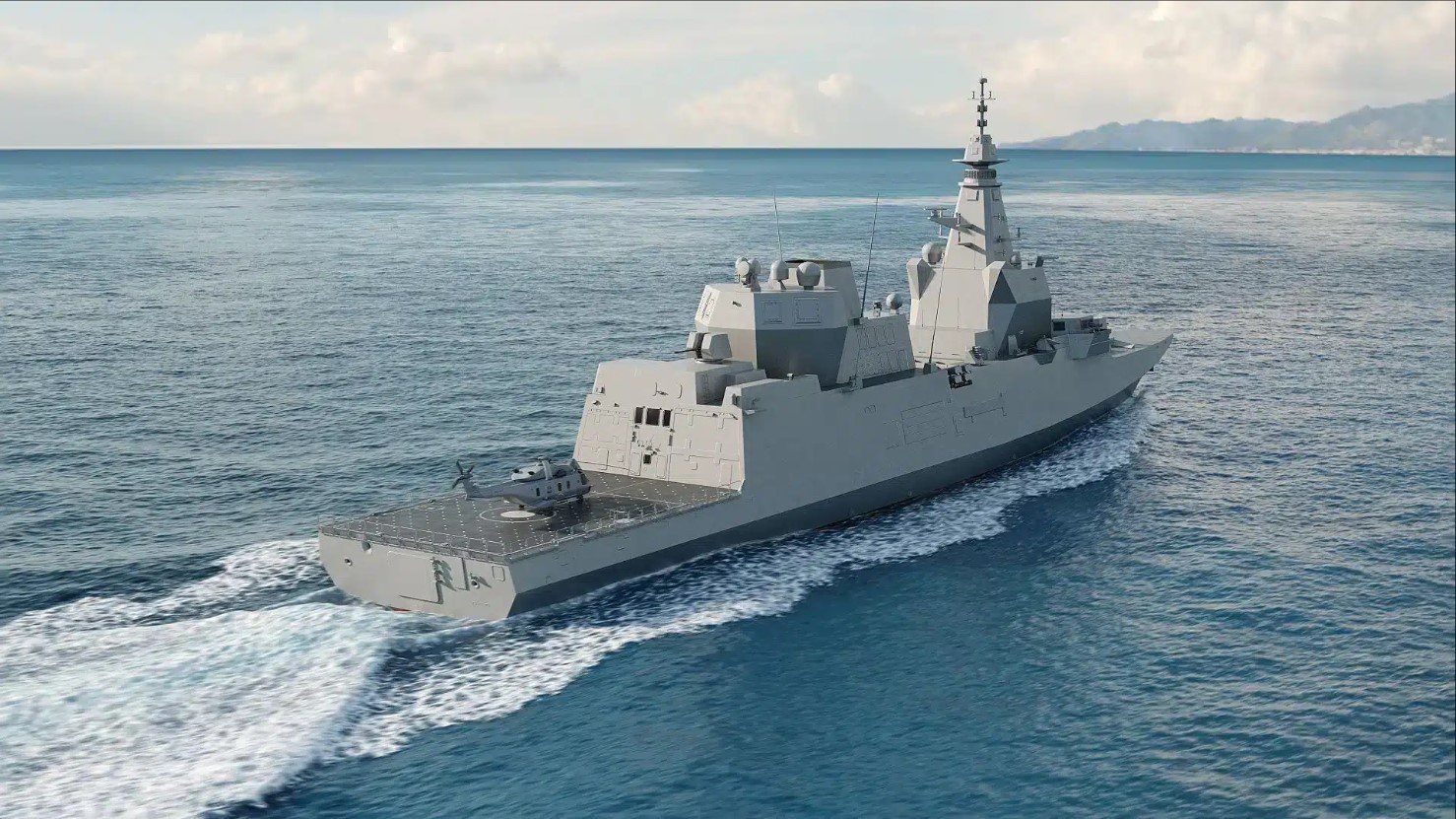 Portugal Orders Three FREMM EVO Frigates from Italy in €3.9 Billion Naval Deal
-
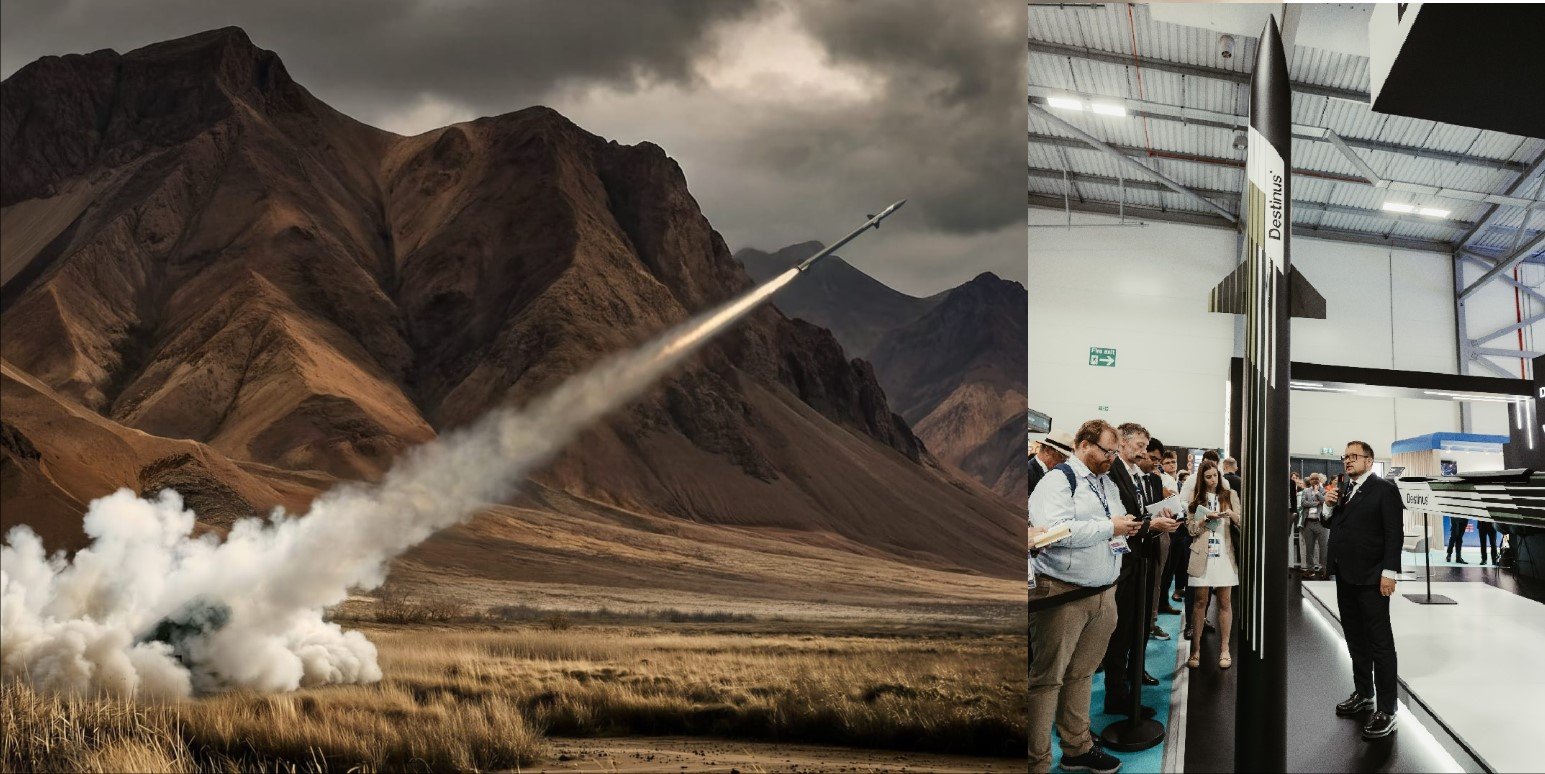 Destinus Unveils Vorexon Interceptor Concept to Defend Critical Sites from Artillery Threats
-
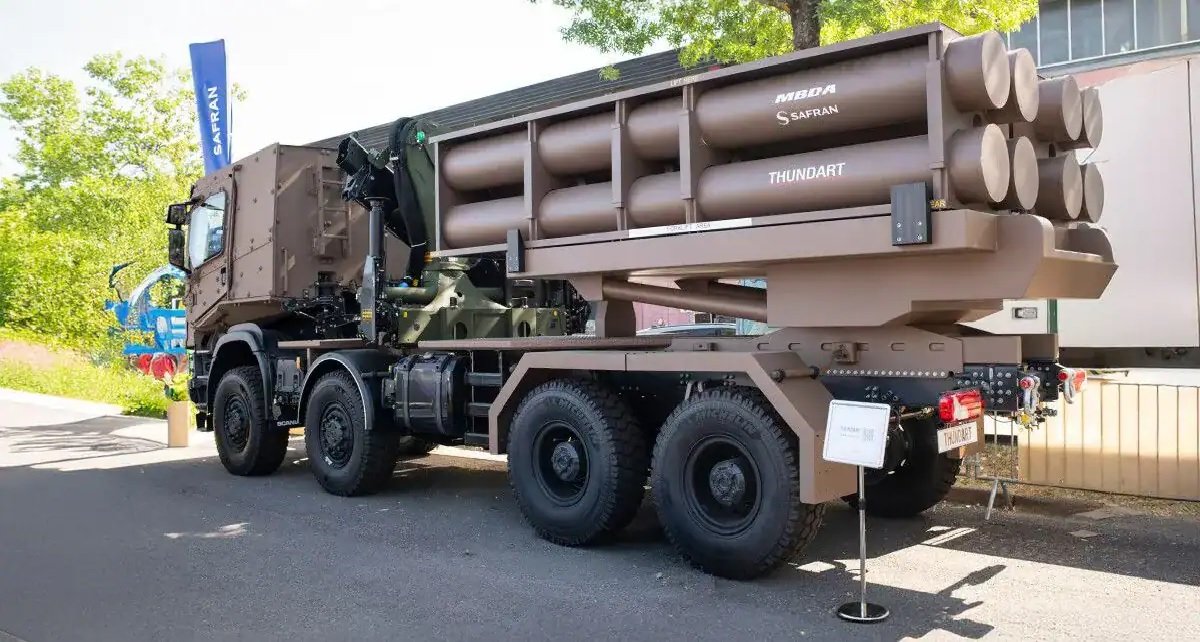 France's THUNDART Long-Range Rocket System May Undergo Prototype Combat Testing in Ukraine
Top Trending in 4 Days
-
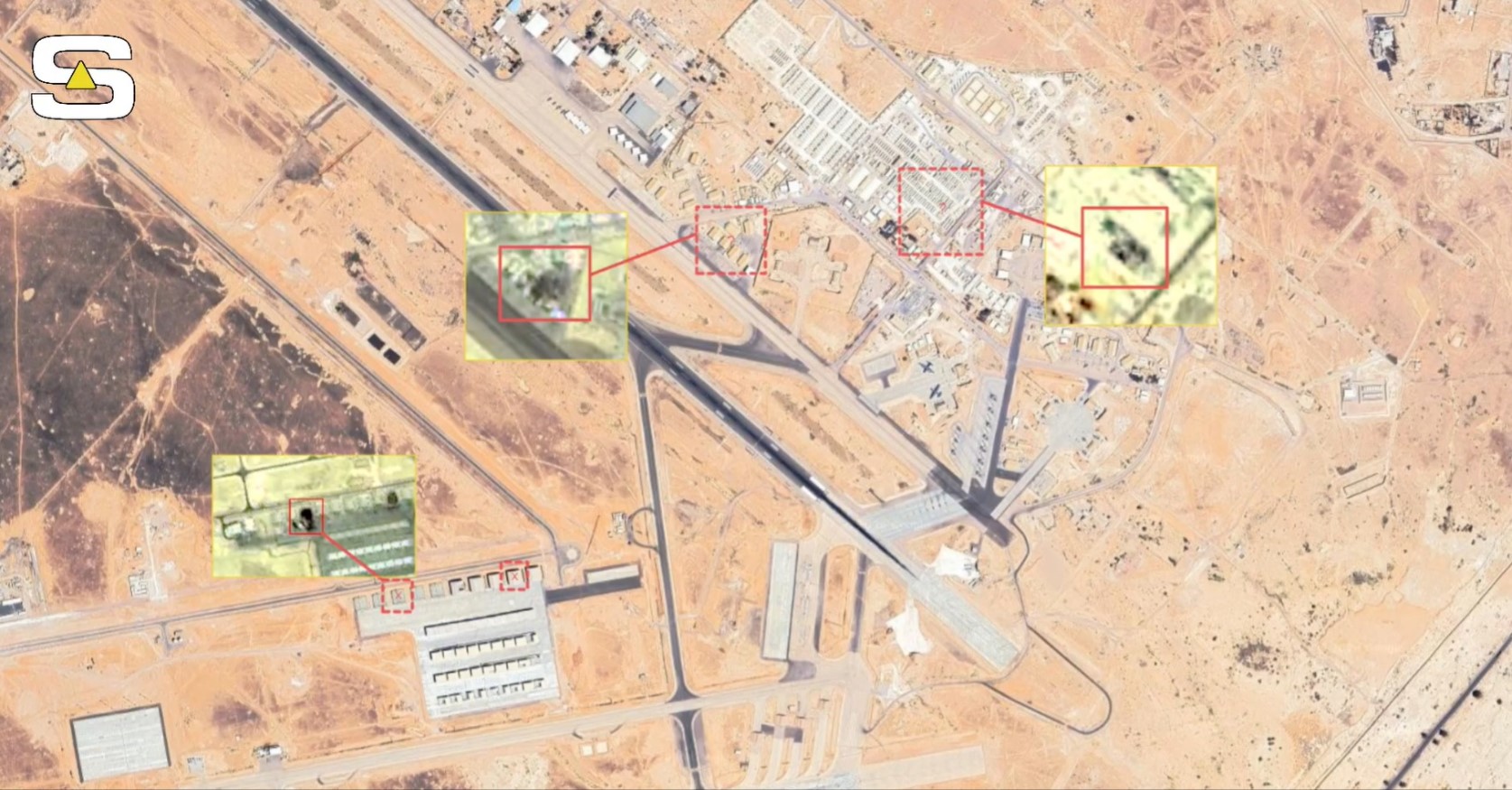 New Satellite Imagery Reveals Extensive Damage at Jordan's Muwaffaq al-Salti Air Base After Iranian Missile Strike
-
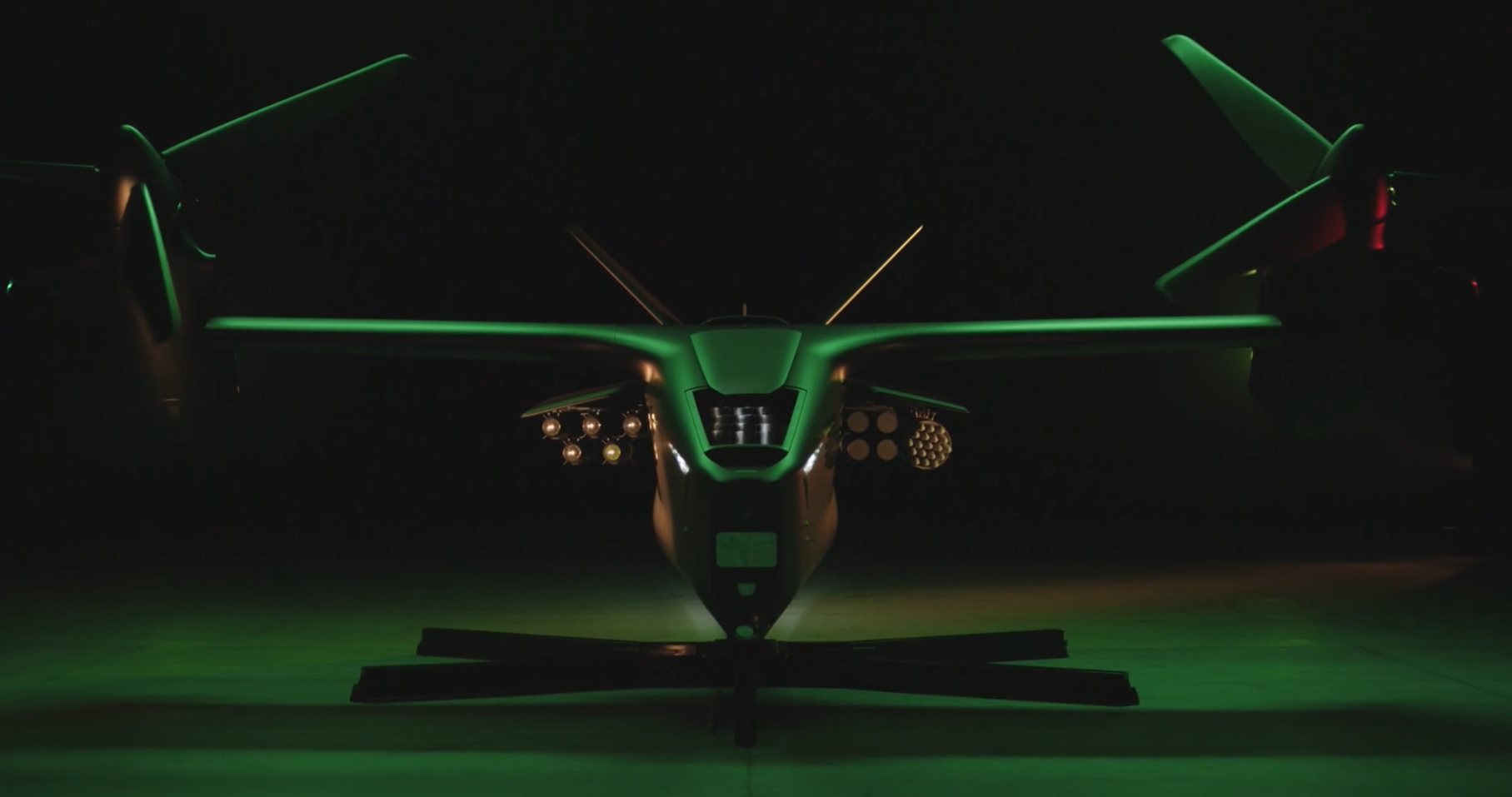 Anduril Unveils Thunder Autonomous Attack Rotorcraft Built with Archer Aviation to Support Apache Helicopters
-
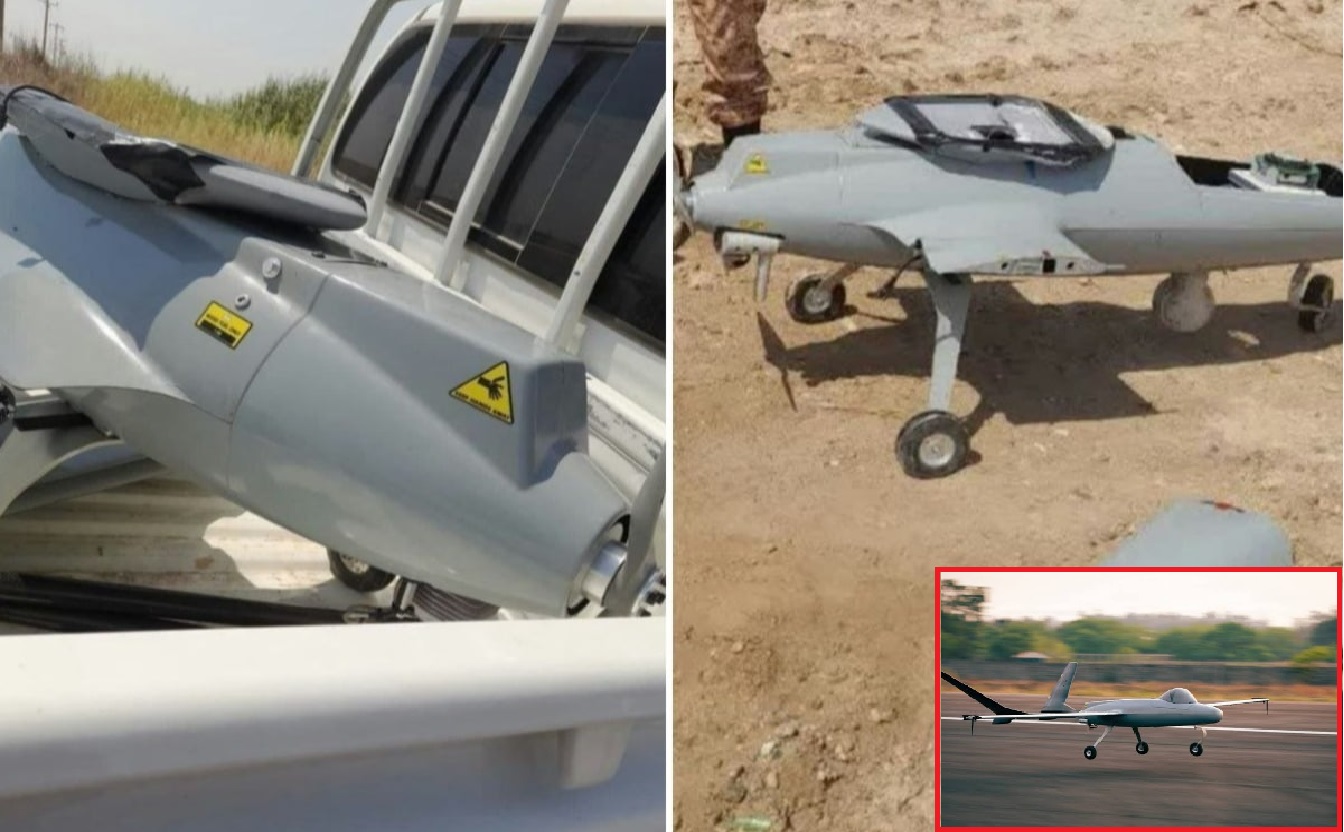 Iran Claims It Shot Down U.S.-Operated Polish-Built Tiguar-M Drone, Releases Images
-
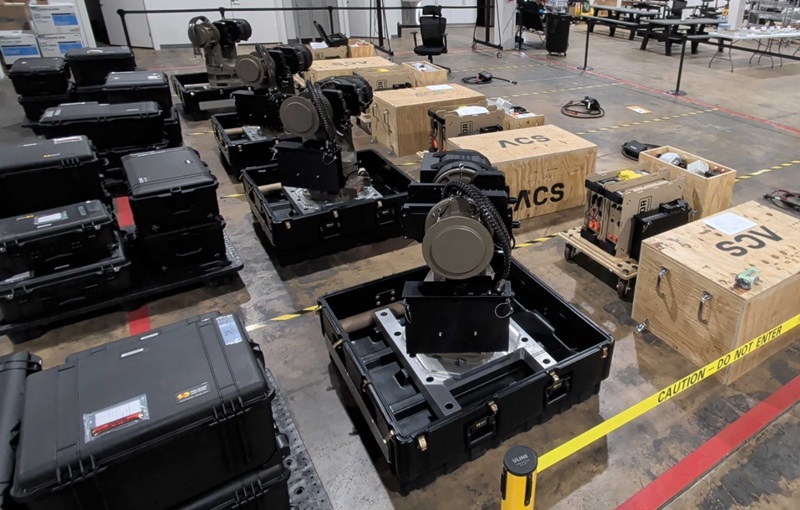 U.S. Marine Corps Selects AI-Powered Bullfrog Weapon Station for L-MADIS Counter-Drone Platform
-
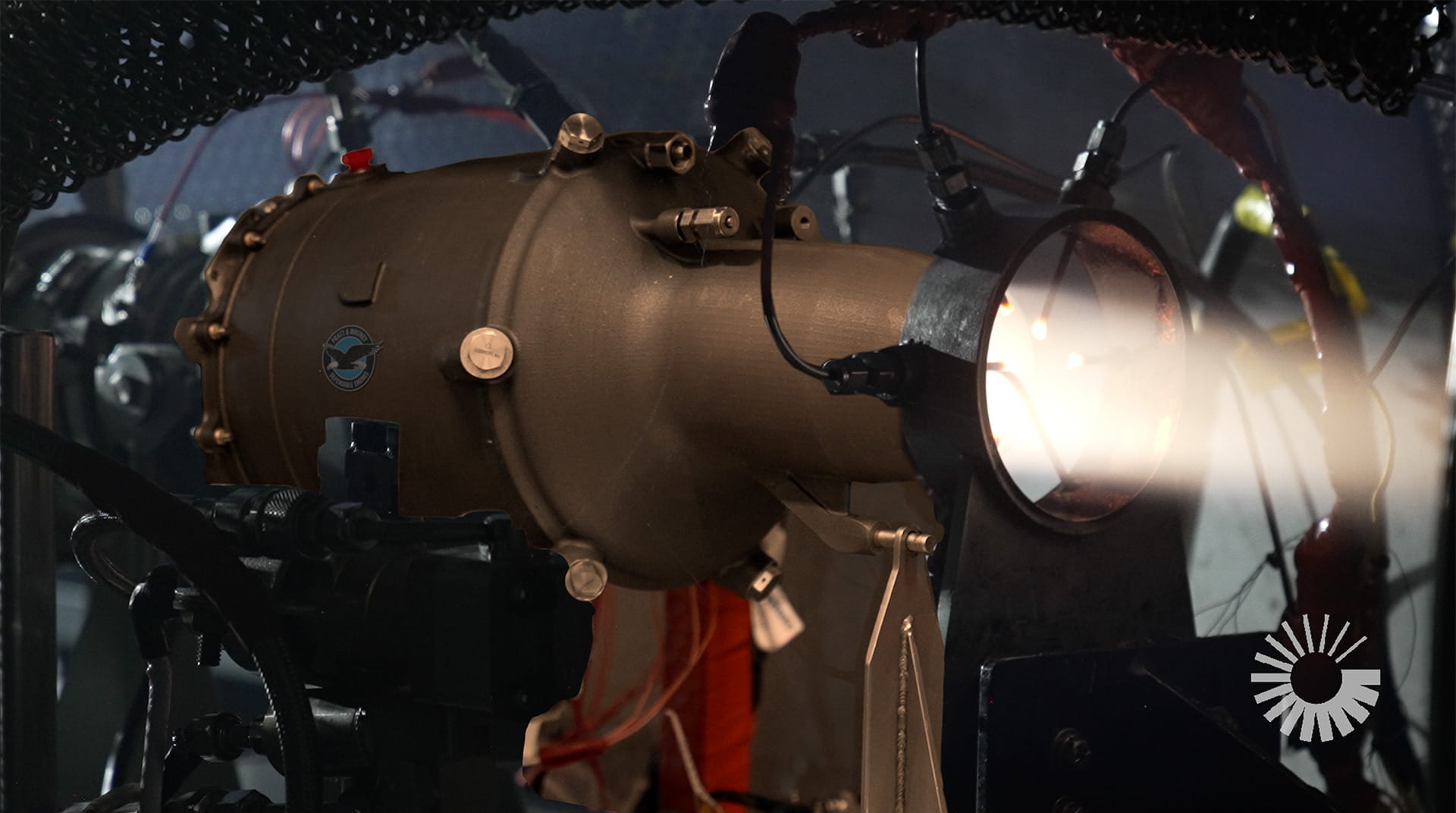 Pratt & Whitney Completes Testing of 3D-Printed TJ150 Engine for Military Applications
-
 Lockheed Martin Unveils MORFIUS X-Rotor High-Power Microwave System That Can Neutralize 50+ Drones in One Flight
-
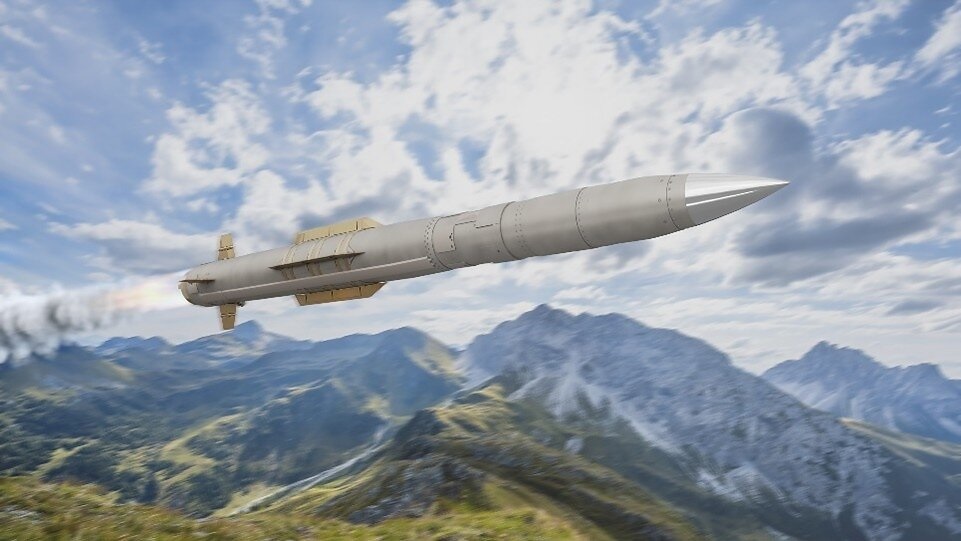 Lockheed Martin Unveils Lower-Cost PAC-3 ACE Interceptor for Patriot Air Defense System
-
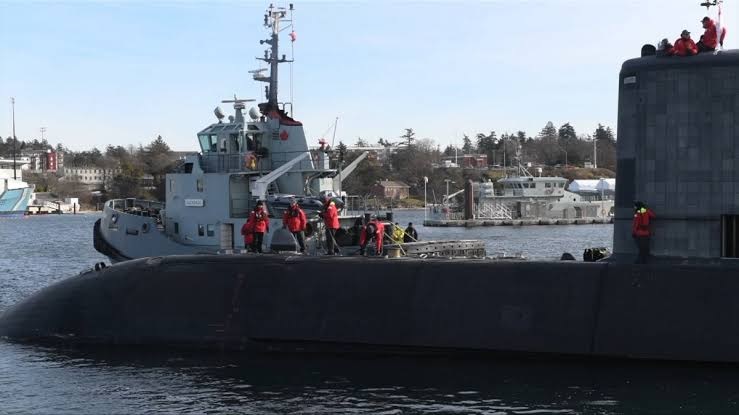 Canada Awards Babcock $1.1 Billion Six-Year Contract Extension to Support Victoria-Class Submarine Fleet
