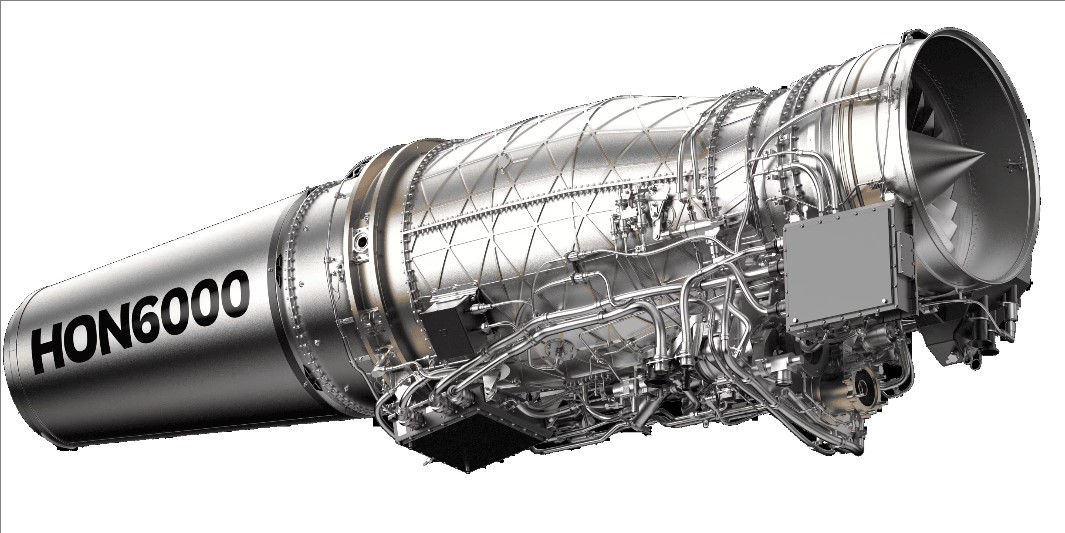
PHOENIX — March 14, 2026 : On March 6, 2026 Honeywell Aerospace has introduced the HON6000, a new high-performance turbofan engine developed to power uncrewed aerial platforms, particularly medium-sized Collaborative Combat Aircraft (CCA). The propulsion system is designed to support autonomous aircraft operating alongside crewed fighter jets in contested environments, reflecting the growing emphasis on uncrewed combat systems within modern air forces.
The HON6000 is also intended for use in light combat aircraft and advanced jet trainer platforms. Honeywell said the engine was developed to meet operational requirements associated with the U.S. Air Force’s expanding fleet of autonomous aircraft designed to operate as force multipliers for crewed fighters.
Engine Design and Performance Characteristics
Honeywell stated that the HON6000 was engineered to deliver high efficiency, durability, and affordability—key performance parameters identified by the United States Air Force for future CCA platforms.
According to the company, the engine features the highest power-to-weight ratio in its thrust class, providing the thrust output and responsiveness necessary for autonomous aircraft to perform coordinated operations with crewed fighters. These capabilities include maintaining formation flight, executing precise mission timing, and operating reliably in demanding combat environments.
The HON6000 is based on Honeywell’s established turbine engine architecture. The design incorporates technology derived from roughly 150,000 turbine propulsion engines and auxiliary power units (APUs) produced by the company during the past five decades. By using a proven engineering foundation, Honeywell aims to increase reliability while reducing development risk and operating costs.
The engine also integrates digital health and usage monitoring systems, allowing operators to track engine condition and maintenance requirements in real time. This capability is intended to support predictive maintenance and improve fleet availability for large numbers of unmanned aircraft.
Position Within Honeywell’s Uncrewed Propulsion Portfolio
The HON6000 expands Honeywell’s propulsion portfolio for autonomous combat aircraft. It is positioned as a medium-class engine, complementing the company’s smaller SKYSHOT1600 turbofan engine, which was previously developed for compact collaborative combat platforms.
The SKYSHOT1600 engine was recently selected by the U.S. Air Force to support prototype designs for smaller CCA aircraft. With the addition of the HON6000, Honeywell now offers propulsion systems tailored to multiple size classes of collaborative combat aircraft.
Together, the two engines are intended to address propulsion requirements for a wide range of uncrewed aircraft configurations currently under development for the U.S. military and allied forces.
Role of Collaborative Combat Aircraft
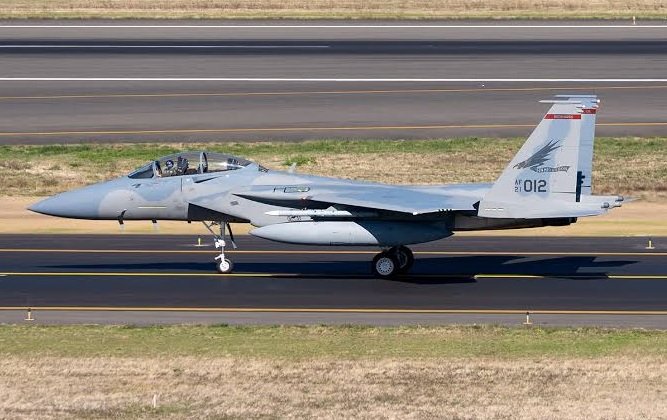
Collaborative Combat Aircraft are a central component of the U.S. Air Force’s Next‑Generation Air Dominance family of systems. These autonomous platforms are designed to operate as “loyal wingmen” for crewed fighter aircraft.
In operational concepts currently under development, CCAs will accompany fighters into contested airspace and perform missions that would otherwise expose human pilots to elevated risk.
Planned mission roles include:
-
Air-to-air combat operations
-
Precision strike missions
-
Forward reconnaissance and intelligence collection
-
Electronic warfare tasks
-
Drawing enemy fire or heat-seeking missiles away from crewed aircraft
By performing these tasks, CCAs are expected to increase combat capacity while reducing the exposure of crewed aircraft and pilots to hostile defenses.
Affordability and Attritable Operations
A key requirement of the CCA concept is large-scale production at lower cost compared with traditional fighter aircraft. Because these uncrewed systems may be used in high-risk missions, they are designed as “attritable” platforms, meaning they can be lost in combat without the strategic or financial consequences associated with losing crewed aircraft.
Honeywell said the HON6000 was designed with low acquisition and ownership costs in mind to support this concept. The company stated that the engine’s simplified architecture and use of proven technologies allow it to meet affordability targets necessary for mass production of collaborative combat aircraft.
The approach reflects a broader shift in military aviation toward distributed force structures that combine a smaller number of advanced crewed aircraft with larger fleets of autonomous systems.
U.S. Air Force Collaborative Combat Aircraft Program
The U.S. Air Force has accelerated development of CCAs as part of its broader effort to expand combat capacity while managing costs.
On April 24, 2024, the Air Force selected General Atomics and Anduril Industries to develop aircraft prototypes for Increment 1 of the CCA program.
The two companies are currently advancing prototype designs identified as the YFQ‑42A and the YFQ‑44A. These aircraft have undergone early testing activities that include flight trials, weapons integration efforts, and validation of artificial-intelligence-based autonomous control systems.
The Air Force plans to field an operational fleet of collaborative combat aircraft before the end of the decade, with current projections indicating a force of up to 1,000 active CCA platforms.
Industry Context
The introduction of the HON6000 reflects increasing demand within the defense sector for propulsion systems specifically designed for autonomous aircraft. As air forces expand investment in uncrewed combat platforms, engine manufacturers are developing propulsion systems optimized for high endurance, simplified maintenance, and lower life-cycle costs.
Honeywell described the HON6000 as a “ready-now” propulsion solution designed to meet the unique autonomy, affordability, and operational requirements of medium-sized collaborative combat aircraft and other uncrewed aerial systems.
The company released details of the engine on March 6, 2026, positioning the HON6000 as a propulsion option for next-generation autonomous aircraft expected to enter service later this decade.
——— End of Article ———