TAIPEI — March 14, 2026 : Taiwan’s Ministry of National Defence (MND) is preparing a significant revision of its air and missile defense strategy, citing operational lessons from the ongoing U.S.–Iran conflict that began in late February 2026. Taiwanese defense officials say the war has exposed vulnerabilities in modern air defense systems when confronted with large-scale missile and drone attacks, prompting Taipei to accelerate development of new layered defenses, low-cost interception technologies, and passive countermeasures.
The Ministry confirmed it will present a special report to Taiwan’s legislature on March 16 outlining proposed reforms. The report is expected to cover new interception technologies, drone defense capabilities, and structural changes to Taiwan’s integrated missile defense architecture designed to address emerging threats from the Chinese mainland.
Development of the “Taiwan Shield” Air Defense Network
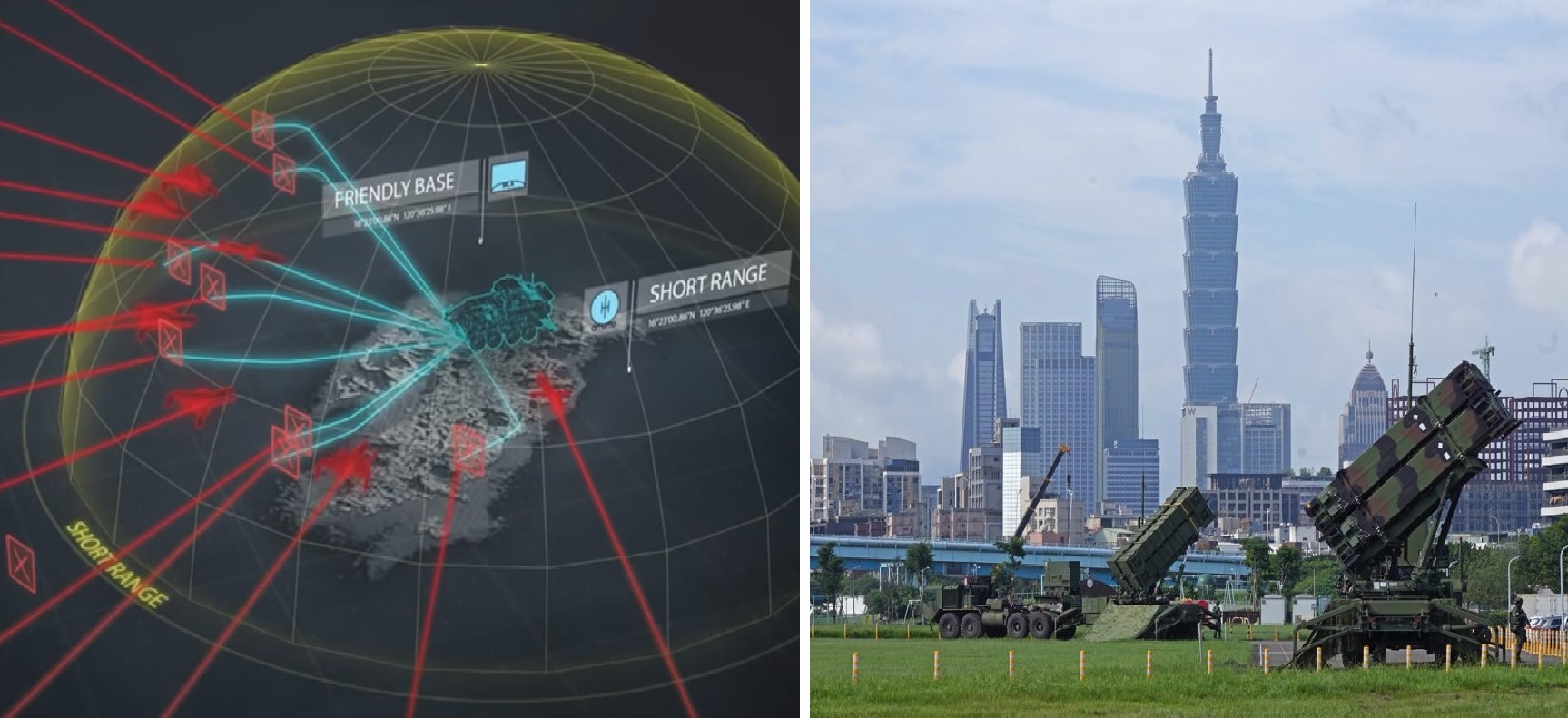
At the center of the revised strategy is the development of a layered air defense architecture known as the “Taiwan Shield,” or T-Dome, intended to integrate early warning sensors, missile interceptors, and automated command systems into a unified defensive network.
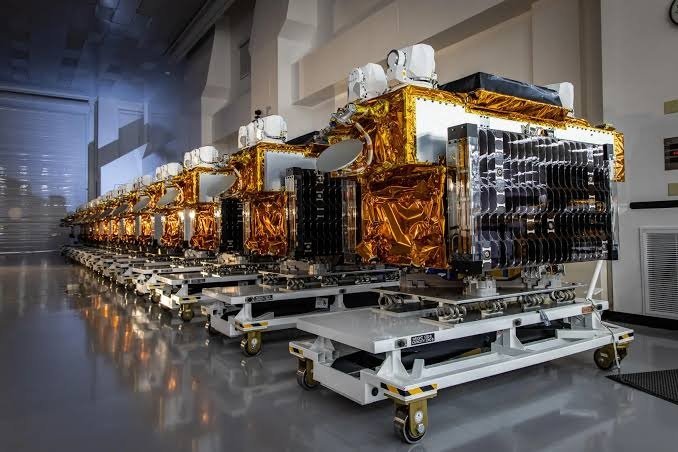
Taiwan has already established long-range early warning radar facilities and a multi-dimensional surveillance system to detect incoming threats at extended distances. Defense planners are now preparing to expand this network through the acquisition of additional mobile radar platforms designed to improve tracking coverage and system redundancy.
The interceptor layer of the T-Dome system will combine domestic and foreign air defense systems. A key component will be the Tian Kung IV (Sky Bow IV) mid-tier anti-ballistic missile system developed by Taiwan’s National Chung-Shan Institute of Science and Technology (NCSIST). The indigenous system is intended to provide interception capability against ballistic missile threats within the mid-course phase.
Taiwan’s domestic systems will be integrated with existing U.S.-supplied platforms, including MIM-104 Patriot batteries equipped with PAC-3 anti-ballistic missiles, as well as the NASAMS short-range air defense system designed to intercept cruise missiles, aircraft, and unmanned aerial vehicles.
To coordinate these multiple systems, the Ministry plans to introduce artificial intelligence–assisted battlefield management software aimed at reducing command decision times and improving response speed during large-scale attacks involving simultaneous missile and drone launches.
Lessons Drawn from the U.S.–Iran Conflict
Taiwanese defense officials say the ongoing conflict between the United States and Iran has provided a real-world example of how modern air defense networks can be stressed by large volumes of relatively inexpensive weapons.
According to the Ministry’s internal assessment, Iranian strike tactics — including coordinated launches of ballistic missiles, cruise missiles, and one-way attack drones such as the Shahed-136 — have demonstrated the effectiveness of “multi-wave, multi-missile” strike strategies against advanced defense systems.
The MND believes these tactics resemble the type of saturation attacks that could be employed by the People’s Liberation Army (PLA) in a potential Taiwan Strait conflict. Chinese military doctrine has long emphasized the use of large missile inventories and coordinated strike packages to overwhelm enemy defenses.
Officials noted that U.S. and Israeli air defense networks in the Middle East have faced rapid depletion of interceptor stockpiles when responding to high volumes of incoming threats. Many modern interceptors, particularly anti-ballistic missiles such as the PAC-3, are expensive and typically launched in pairs to ensure a successful interception.
This creates what defense planners describe as a cost-asymmetry problem, where defending forces expend highly expensive missiles against significantly cheaper attacking weapons.
Concerns Over Missile Stockpile Sustainability
The sustainability of missile defense inventories has become a major concern in Taiwan’s defense planning. Analysts within the Ministry say that a prolonged conflict involving thousands of incoming weapons could rapidly exhaust existing interceptor stocks.
The issue was raised publicly on March 5 by Li Wenzhong, vice chairman of Taiwan’s Forward Auxiliary Association, who warned that much of the current procurement strategy risks preparing Taiwan’s military to “fight yesterday’s war rather than tomorrow’s.”
Li pointed specifically to the Patriot PAC-3 missile system, which forms a central pillar of Taiwan’s current air defense network. While the interceptor is capable of destroying ballistic missiles with high precision, its cost and launch doctrine — typically firing two missiles per target — make it poorly suited for defending against large numbers of low-cost drones or cruise missiles.
He warned that employing such high-value interceptors against inexpensive threats could quickly drain Taiwan’s air defense reserves during a large-scale conflict with the PLA, which maintains one of the world’s largest inventories of ballistic and cruise missiles.
Development of Low-Cost Interception Systems
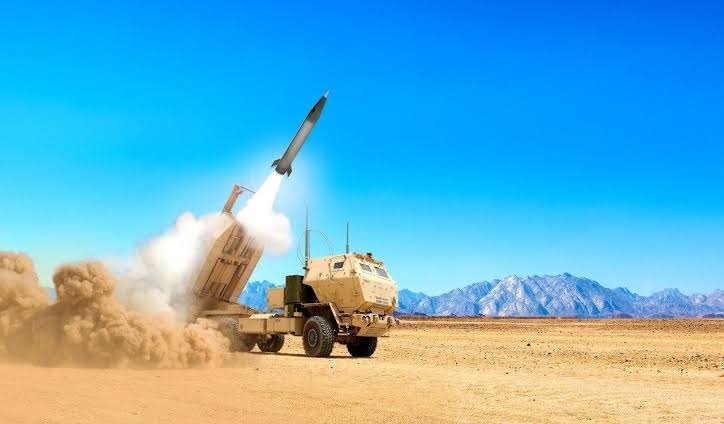
In response to these concerns, Taiwan’s Ministry of National Defence confirmed plans to develop and procure lower-cost interception weapons capable of engaging long-range rockets, cruise missiles, and drones.
These systems will be based on existing missile technologies but adapted to reduce manufacturing costs and enable large-scale production. Officials say the objective is to create a defensive layer capable of absorbing large attack volumes without exhausting high-value interceptor stocks.
Taiwan also plans to expand its capabilities for countering unmanned aerial systems. The Ministry intends to integrate commercially available technologies into military drone defense networks through international industrial cooperation.
A procurement strategy based on small-batch acquisition and rapid testing cycles will be used to allow continuous refinement of new technologies before large-scale deployment.
Expansion of Passive Defensive Measures
Alongside active interception systems, Taiwan is also increasing investment in passive defense mechanisms intended to complicate enemy targeting and reduce the effectiveness of incoming weapons.
Planned acquisitions include:
-
Physical decoys designed to mimic military installations
-
False electronic targets to mislead guided weapons
-
Satellite positioning jamming systems capable of disrupting navigation signals
-
Threat signal generators designed to confuse radar-guided munitions
Defense officials believe these measures could reduce the number of successful strikes by forcing attackers to expend additional weapons on false targets.
Hypersonic Threats and Future Challenges
The Ministry’s assessment also notes that the U.S.–Iran conflict has revealed new challenges for missile defense systems, including the appearance of hypersonic glide vehicles, which travel at extremely high speeds and maneuver during flight.
Reports from the Middle East indicate that some advanced missile defense systems have struggled to intercept such weapons, highlighting the limitations of existing architectures designed primarily for traditional ballistic missile trajectories.
Taiwanese analysts note that the People’s Liberation Army possesses more advanced hypersonic strike capabilities than those observed in Iranian operations, further complicating Taiwan’s defensive planning.
Strategic Sustainability Remains a Concern
Despite the planned upgrades to Taiwan’s air defense architecture, defense officials acknowledge that sustaining missile defenses during a prolonged conflict remains uncertain.
The ongoing Middle East war has reportedly forced the United States to relocate interceptor systems and missiles from overseas bases to replenish stocks used in the conflict. Taiwanese analysts say this highlights the logistical challenges faced even by large military powers when confronting sustained missile attacks.
For Taiwan, which relies heavily on U.S.-origin air defense technology and maintains significantly smaller stockpiles, maintaining operational defenses during extended hostilities with the PLA remains a central strategic challenge.
The Ministry’s upcoming legislative report is expected to outline how the proposed Taiwan Shield architecture, combined with low-cost interceptors and passive defenses, could improve the island’s resilience against large-scale missile and drone attacks in a future Taiwan Strait crisis.
——— End of Article ———