HUNTSVILLE, Alabama — March 14, 2026 : On March 13, 2026 the U.S. Missile Defense Agency (MDA) has awarded Raytheon, an RTX business, a $266.91 million contract modification for the continued production of Standard Missile-3 (SM-3) Block IB interceptors. The modification provides funding for the procurement and delivery of 23 additional interceptors and includes one-time costs required to restart the SM-3 Block IB production line.
The award was announced on March 12, 2026, and definitizes two previously issued undefinitized contract actions associated with SM-3 Block IB manufacturing. According to the Missile Defense Agency, the procurement ensures that the interceptor system remains available for ongoing U.S. operational deployments and missile defense missions conducted with allied nations.
Contract Scope and Financial Details
Under the contract modification, the Missile Defense Agency will procure 23 SM-3 Block IB All-Up Rounds (AURs). All-Up Rounds are fully assembled interceptors delivered ready for operational use, allowing them to be directly integrated into operational missile defense inventories without additional assembly or system integration.
With the addition of these interceptors, the total number of missiles covered under this specific production contract increases to 78 units.
Financially, the modification raises the value of the specific production effort from approximately $1.099 billion to $1.366 billion. As a result, the overall definitized value of the broader contract associated with the SM-3 interceptor program increases from about $1.95 billion to approximately $3.31 billion.
The contract also includes one-time restart costs for the SM-3 Block IB production line, which had previously been expected to wind down. The effort is fully funded at the time of award using Fiscal Year 2024 and Fiscal Year 2025 missile procurement appropriations.
Manufacturing Locations and Program Timeline
The majority of the manufacturing work will be performed in Tucson, Arizona, where Raytheon produces key missile components and conducts major portions of the interceptor’s assembly and manufacturing process.
Additional integration, testing, and program activities will take place in Huntsville, Alabama, a major center for U.S. missile defense engineering and program management.
Work under the contract modification is scheduled to continue through May 2030, covering the production, assembly, and delivery of the interceptors included in the procurement.
SM-3 Interceptor System Overview
The Standard Missile-3 (SM-3) family serves as the primary upper-tier interceptor within the United States’ Aegis Ballistic Missile Defense (BMD) system, which is designed to defend against short- to intermediate-range ballistic missile threats.
The SM-3 interceptor is derived from the RIM-156 Standard Missile-2 (SM-2) Block IV and is optimized for exo-atmospheric engagements, intercepting ballistic missiles during the midcourse phase of flight when the target is traveling through space outside the Earth’s atmosphere.
The interceptor can be launched from both Aegis-equipped U.S. Navy warships and land-based Aegis Ashore installations, forming a key component of the United States’ layered ballistic missile defense architecture.
Within this layered defense structure, the SM-3 provides upper-tier ballistic missile interception, working alongside lower-tier missile defense systems such as the SM-2 and SM-6, which provide air defense and terminal-phase missile interception capabilities.
Flight Profile and Hit-to-Kill Interception
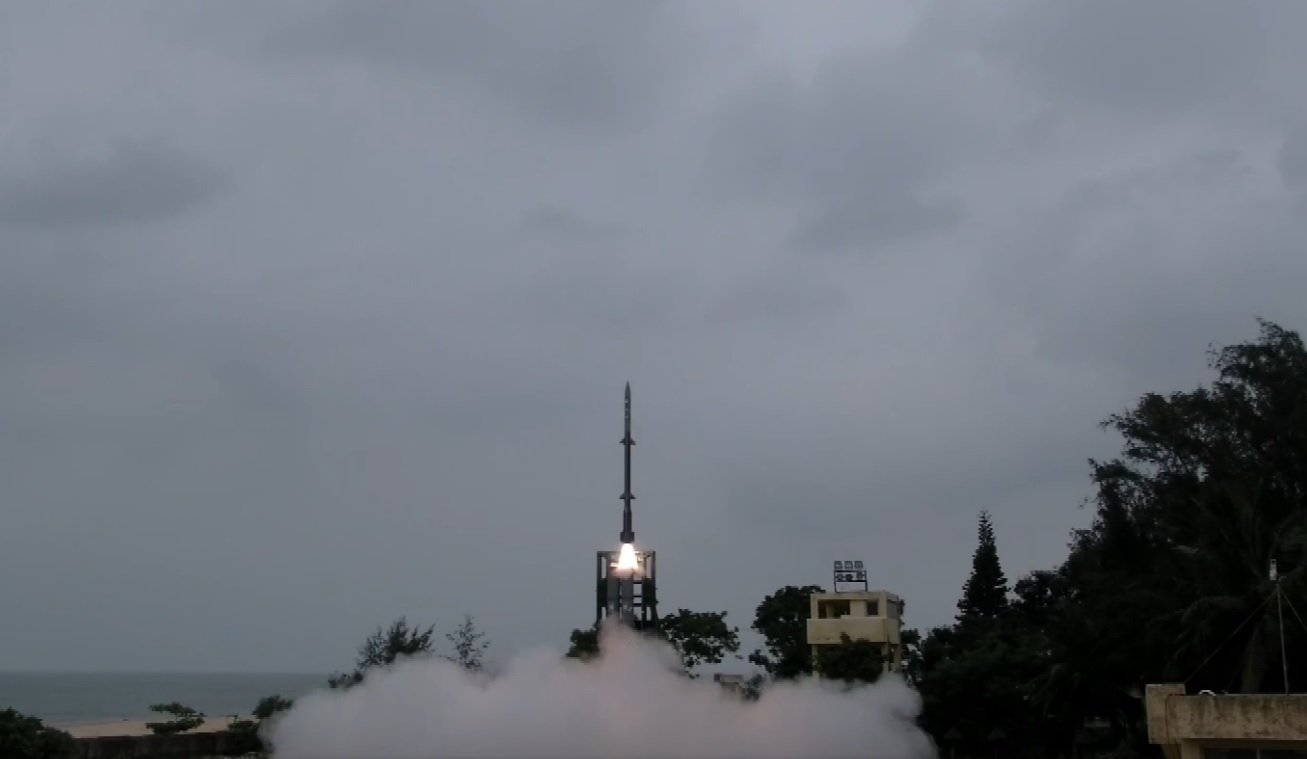
After launch from an Aegis combat system platform, the SM-3 interceptor uses a multi-stage rocket booster to accelerate the missile into space. Once the interceptor reaches the exo-atmospheric engagement environment, it deploys a Lightweight Exo-Atmospheric Projectile (LEAP) kinetic kill vehicle.
Unlike conventional missile defense interceptors that rely on explosive warheads, the SM-3 uses kinetic hit-to-kill technology. The kill vehicle separates from the booster stage and uses onboard sensors and guidance systems to track the incoming ballistic missile.
The interceptor destroys the target by direct collision at extremely high velocity, relying on the kinetic energy generated by the impact rather than an explosive detonation.
Block IB Technical Improvements
The SM-3 Block IB variant incorporates several technical upgrades compared with earlier versions of the interceptor.
One of the most significant improvements is the integration of an advanced Forward Looking Infrared (FLIR) seeker, which enhances the interceptor’s ability to detect and track ballistic missile warheads in space. The missile also features an upgraded seeker system and improved guidance software designed to improve target tracking and engagement accuracy.
These upgrades increase the interceptor’s ability to distinguish between actual ballistic missile warheads and potential decoys, a critical requirement during exo-atmospheric interception where objects travel through space without atmospheric drag.
Strategic Role in U.S. Missile Defense
The SM-3 interceptor remains a central element of the United States’ Aegis Ballistic Missile Defense system, which is designed to protect U.S. military forces, allied territories, and critical infrastructure from ballistic missile threats.
The decision to restart and expand SM-3 Block IB production follows earlier plans to phase out procurement of the interceptor variant. However, recent operational expenditures and sustained demand for ballistic missile defense interceptors have led the Missile Defense Agency to continue production in order to maintain operational inventories.
The additional interceptors procured under this contract will support future deployments of Aegis-equipped naval vessels, land-based Aegis Ashore missile defense sites, and cooperative missile defense operations with allied nations.
——— End of Article ———