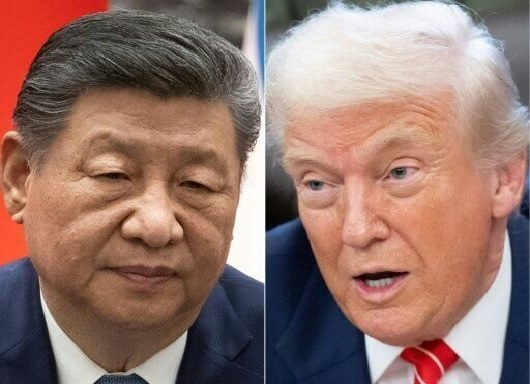
WASHINGTON — March 16, 2026 : U.S. President Donald Trump has warned that his planned state visit to China on March 31 could be postponed unless Beijing contributes to international efforts aimed at stabilizing shipping through the Strait of Hormuz, a critical global energy chokepoint that has been disrupted by the ongoing conflict involving the United States, Israel, and Iran.
Speaking in comments reported by the Financial Times and other outlets, Trump stated that countries heavily dependent on oil shipments through the strait should assist in securing the route. He specifically pointed to China’s reliance on energy imports transported through the waterway.
“I think China should also help us because it gets 90 percent of its oil from this strait,” Trump said, adding that the U.S. administration would prefer to know Beijing’s position before the scheduled trip. “We may delay.”
Conflict and Shipping Disruptions
The warning comes amid a wider military confrontation involving the United States and Israel against Iran that began on February 28, 2026. Early phases of the conflict involved coordinated U.S. and Israeli strikes on Iranian military infrastructure. Tehran subsequently responded with retaliatory measures that have affected maritime activity in the Persian Gulf region.
Iranian actions have included threats to close the Strait of Hormuz, the deployment of sea mines, attacks on commercial shipping, and strikes on energy infrastructure and allied military facilities in the Gulf. These developments have reduced tanker traffic and increased risks for vessels transiting the narrow waterway, which normally carries a significant share of global seaborne oil exports.
The disruption has also had economic consequences. Global crude prices have risen sharply during the conflict, exceeding $100 per barrel after previously trading near $73 before the hostilities began.
Strategic Importance of the Strait
The Strait of Hormuz is approximately 21 miles wide at its narrowest point and serves as the main maritime passage between the Persian Gulf and the Gulf of Oman. Energy exporters in the Gulf rely on the corridor to transport crude oil and liquefied natural gas to global markets, particularly to major importers in Asia.
Because of its geography and proximity to the Iranian coastline, the strait is vulnerable to asymmetric military tactics such as sea mines, missile launches from coastal areas, and drone attacks on commercial vessels.
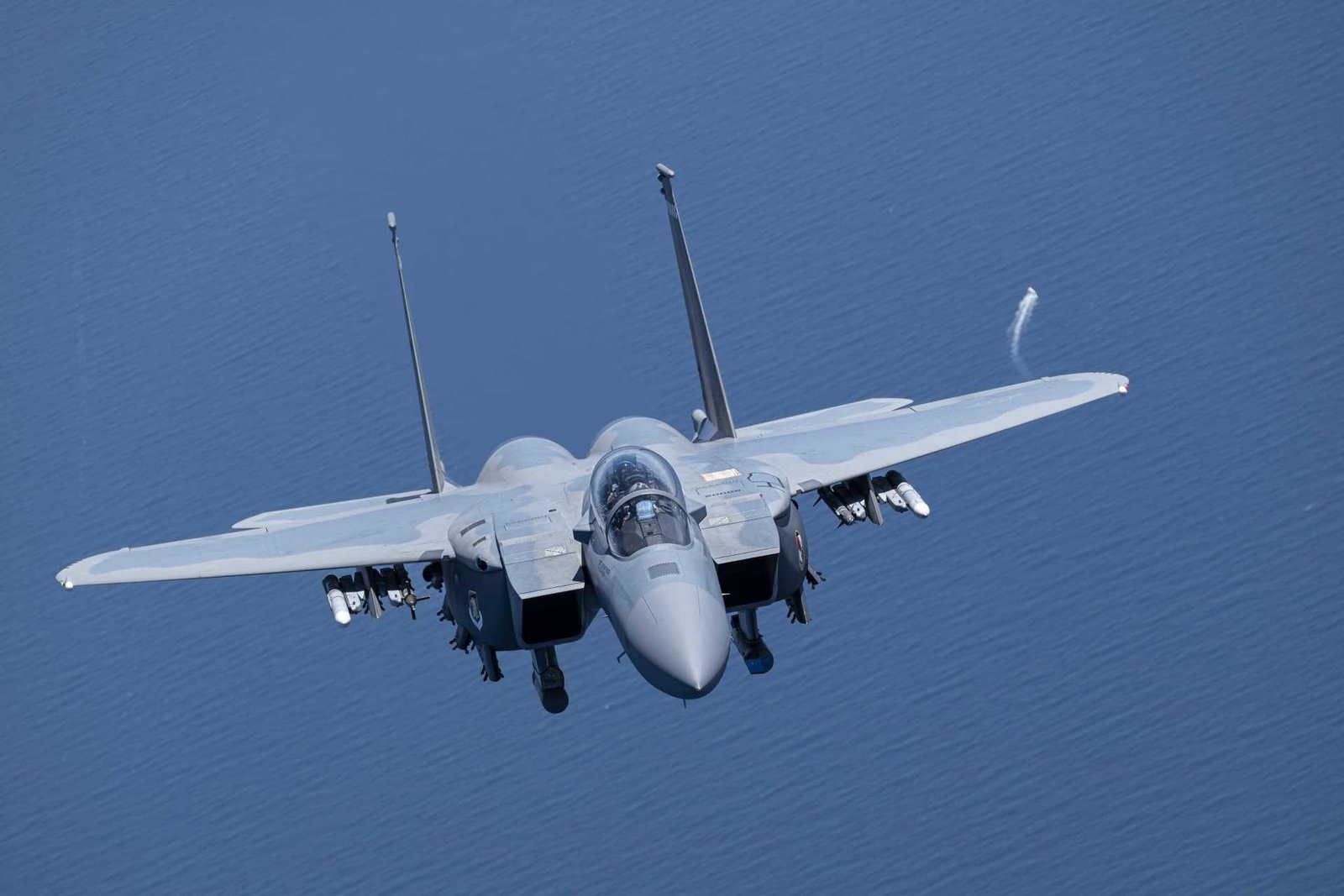
U.S. officials say these conditions require sustained naval patrols, escort missions, and mine-clearing operations to maintain safe navigation. American forces have begun preparing for expanded maritime security operations, but officials acknowledge that maintaining long-term access to the waterway could place strain on U.S. naval resources during the broader regional conflict.
Calls for a Multinational Coalition
The Trump administration has sought broader international participation in efforts to secure the waterway. According to U.S. officials, Washington has contacted several countries that depend heavily on Middle Eastern energy supplies, requesting naval contributions to a maritime security coalition.
Among the countries approached are Japan, France, the United Kingdom, Australia, and South Korea.
Responses from many of these governments have been cautious. Officials in Japan and Australia have indicated that they currently have no plans to deploy warships to the region. The United Kingdom has stated that any potential involvement would not occur under a NATO framework. Australian authorities have said they have not received a formal request to contribute vessels. European governments have similarly expressed reservations, citing operational risks and domestic political considerations.
The reluctance reflects concerns about escalation with Iran as well as the complexity of operating naval forces in an environment characterized by mines, drones, and missile threats.
Trump’s Burden-Sharing Argument
Trump has repeatedly emphasized that countries benefiting most from the Strait of Hormuz should take a larger role in protecting it. The president has argued that the United States has less direct reliance on the waterway because of its domestic energy production.
According to the administration’s position, major Asian economies—including China, Japan, and South Korea—receive large portions of their imported oil through the strait. Trump has therefore framed the issue as a burden-sharing matter, asserting that those economies should contribute resources to ensure the route remains open.
The demand directed at China reflects this logic. While Washington views Beijing as a strategic competitor, Trump has indicated that energy security considerations should encourage Chinese participation in maintaining maritime stability in the Gulf.
China’s Position and Diplomatic Considerations
China’s stance on the crisis remains complex. Beijing maintains significant economic ties with Iran while also relying heavily on oil imports transported through the Strait of Hormuz.
Reports have suggested that Chinese officials have explored diplomatic channels with Tehran to ensure the safe passage of Chinese-flagged tankers. Such arrangements, if implemented, could allow China to secure its energy shipments without joining a U.S.-led naval coalition.
At the same time, the United States and China are preparing for a planned summit in Beijing that was expected to address trade relations and economic cooperation following a temporary truce reached in late 2025.
Implications for the Planned Summit
Trump’s suggestion that the March 31 visit could be postponed introduces uncertainty into preparations for the summit. The trip would mark the first presidential visit by Trump to China during his current administration and was expected to include discussions with Chinese President Xi Jinping on trade policy, tariffs, and broader economic coordination.
White House officials have indicated that the scheduling of the visit may depend partly on developments in the Strait of Hormuz and the broader conflict in the Middle East. They also note that logistical and security considerations related to the ongoing military operations could affect travel plans.
No alternative dates for the visit have been announced.
Broader Energy and Security Impact
The ongoing crisis highlights the strategic importance of the Strait of Hormuz to global energy markets. Disruptions in the waterway affect oil supplies destined for Asia, Europe, and other regions, making the security of the passage a major concern for importing economies.
U.S. officials argue that maintaining open shipping lanes will likely require sustained international coordination, including naval escorts for commercial tankers and mine-clearance operations. Iran’s geographic position along the northern side of the strait gives it the ability to influence maritime traffic, complicating efforts to guarantee uninterrupted oil flows.
Trump’s remarks linking the security of the strait to his planned visit to China illustrate how the ongoing Iran conflict is intersecting with global diplomacy, energy markets, and relations between major powers. As the March 31 summit approaches, Washington’s expectations regarding international participation in securing the waterway remain a central issue in the evolving crisis.
——— End of Article ———