BERLIN — March 16, 2026 : Germany and Italy have formally declined requests from the United States to deploy naval forces to the Strait of Hormuz amid the escalating conflict between a U.S.-Israeli coalition and Iran. Officials in both countries stated that their governments do not intend to participate in a military maritime mission in the Gulf, citing strategic priorities in Europe and concerns about further regional escalation.
The position was outlined on Monday by Boris Pistorius, Germany’s defense minister, who said Berlin would not divert military resources from its existing commitments within the North Atlantic Treaty Organization (NATO). His remarks came during a meeting in Berlin with Latvian Defense Minister Andris Sprūds.
Germany Prioritizes NATO Commitments in Europe
Speaking to reporters after the meeting, Pistorius stated that Germany’s primary military responsibility remains the defense of NATO territory, particularly along the alliance’s eastern flank and in northern Europe.
“This is not our war. We didn’t start it,” Pistorius said, adding that Germany is dealing with a geopolitical situation it did not create and must concentrate on strengthening the alliance’s “resilient security architecture” in Europe.
German officials emphasized that Berlin currently maintains significant responsibilities related to deterrence against Russia in Eastern Europe and the Baltic region. According to Pistorius, shifting naval assets to the Middle East could weaken those commitments.
He also questioned the operational value of a small European naval presence in the Strait of Hormuz, noting the existing capabilities of the U.S. Navy in the region.
“What does the world expect, what does Donald Trump expect from a handful of European frigates in the Strait of Hormuz that the powerful American Navy cannot do there alone?” Pistorius said.
German officials further clarified that any overseas military deployment would require both an international legal framework and formal authorization from the German Bundestag. At present, the government does not see a strategic justification for such a mission.
Italy Also Declines Participation
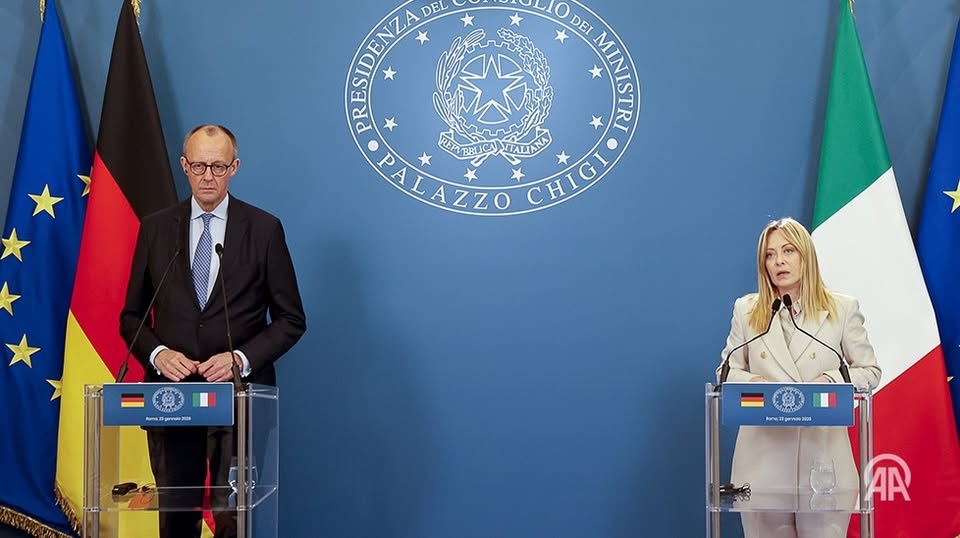
Italy has taken a similar position. Prime Minister Giorgia Meloni confirmed that Rome will not participate in U.S.-led military operations related to the current conflict with Iran and will not send naval vessels to the Strait of Hormuz.
Italian officials said the government prefers diplomatic efforts aimed at reducing tensions in the region and ensuring the safety of commercial shipping routes. Rome has also begun withdrawing some military personnel from certain Middle Eastern positions in order to avoid deeper involvement in the conflict.
Italian authorities stated that resources will instead remain focused on Mediterranean security operations and existing international commitments.
Background of the Crisis
The current crisis follows coordinated strikes carried out on February 28, 2026, by the United States and Israel against Iranian military and nuclear infrastructure.
The operation—known as Operation Epic Fury by U.S. forces and Operation Roaring Lion by Israel—targeted missile production facilities, military bases, and leadership sites across Iran.
The strikes resulted in the death of Iran’s Supreme Leader Ali Khamenei. Following his death, his son Mojtaba Khamenei was announced as the country’s new Supreme Leader.
In response to the strikes, Iran moved to restrict maritime traffic through the Strait of Hormuz, one of the world’s most important energy transit routes. Approximately one-fifth of global oil shipments normally pass through the narrow waterway connecting the Persian Gulf with the Gulf of Oman.
The disruption has contributed to a sharp increase in global oil prices and raised concerns about the security of commercial shipping.
U.S. Requests for International Naval Support
Since early March, the United States has urged several countries that rely heavily on energy shipments passing through the Strait of Hormuz to contribute naval vessels for escort and maritime security operations.
The request was directed to multiple partners, including France, Japan, South Korea, the United Kingdom, Australia, and other states dependent on the route for oil and liquefied natural gas imports.
However, responses from several European governments have been cautious. Officials have indicated that the conflict falls outside NATO’s collective defense framework and that participation in military operations in the region requires additional political and legal considerations.
Concerns About Broader Geopolitical Effects
Pistorius also linked the Middle East crisis to broader geopolitical dynamics, particularly the ongoing war in Ukraine. He suggested that Russian President Vladimir Putin could benefit from the current situation.
According to the German defense minister, rising oil prices could increase Russian energy revenues and potentially strengthen Moscow’s position in seeking relief from Western sanctions.
Pistorius said Germany opposes any easing of sanctions and believes Russia will only consider serious peace negotiations regarding Ukraine once the costs of the war become significantly higher.
European Approach
For now, Germany and Italy appear focused on diplomatic engagement and maintaining their existing security commitments in Europe and the Mediterranean. Discussions continue among European governments about possible non-combat measures related to maritime security, but no commitments have been made by major EU powers to deploy naval forces to the Strait of Hormuz.
——— End of Article ———