MELBOURNE, Florida — March 17, 2026 : L3Harris Technologies has reached a key production milestone with the delivery of its 100,000th next-generation Military-Code (M-Code) GPS receiver, supplied to U.S. and allied forces under the Modernized GPS User Equipment (MGUE) Increment 1 program.
The milestone reflects the scale of ongoing efforts to modernize military positioning, navigation and timing (PNT) systems amid increasing electronic warfare threats. The MGUE Increment 1 program is designed to replace legacy GPS receivers with secure, jam-resistant technology capable of operating in contested electromagnetic environments.
Expanding Demand for Secure PNT Capabilities
Modern military operations rely heavily on accurate and resilient PNT data for navigation, targeting, synchronization and command-and-control functions. However, adversaries are increasingly employing electronic warfare techniques such as jamming, spoofing and cyber-enabled interference to disrupt satellite-based navigation systems.
M-Code GPS receivers are engineered to address these threats through encrypted signals, higher power transmission and advanced anti-jamming capabilities. Compared to earlier military GPS equipment, M-Code provides a more secure and reliable signal that remains usable even when standard GPS services are degraded or denied.
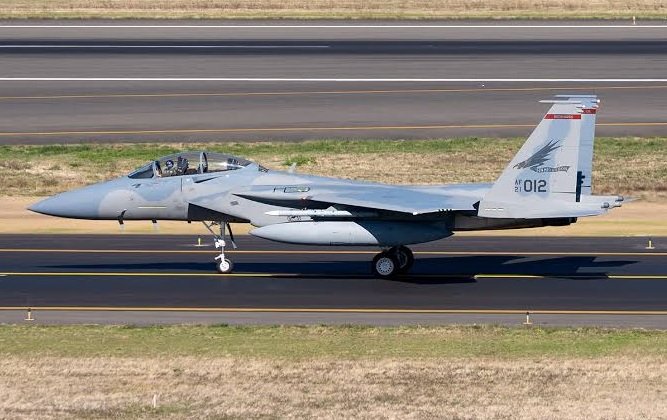
The deployment of over 100,000 receivers demonstrates widespread integration across operational domains. These systems are currently fielded on air, ground and maritime platforms, supporting applications ranging from precision-guided munitions and autonomous systems to distributed battlefield networks and joint force operations.
Program Background and Industrial Role
The MGUE Increment 1 program entered Milestone B in January 2017 and has since progressed into full-rate production. The receivers are manufactured by L3Harris Interstate Electronics Corporation, which specializes in military GPS technologies.
L3Harris has supported U.S. military GPS development for more than four decades, contributing to successive generations of navigation systems. The company’s role in MGUE reflects a broader modernization effort that includes upgrades to GPS satellites, ground control systems and user equipment.
Official Statement on Milestone
Quinlan Lyte, President of Advanced Effects, Missile Solutions at L3Harris, said the milestone highlights the operational importance of resilient navigation systems in current threat environments.
He stated that secure and reliable PNT capabilities are essential for maintaining operational effectiveness, particularly as electronic threats continue to evolve. The delivery volume, he added, reflects sustained production and deployment efforts aimed at equipping forces with systems designed for contested conditions.
Transition to MGUE Increment 2
Following large-scale deployment under Increment 1, L3Harris is advancing development under MGUE Increment 2. The next phase focuses on improving system efficiency and expanding platform compatibility.
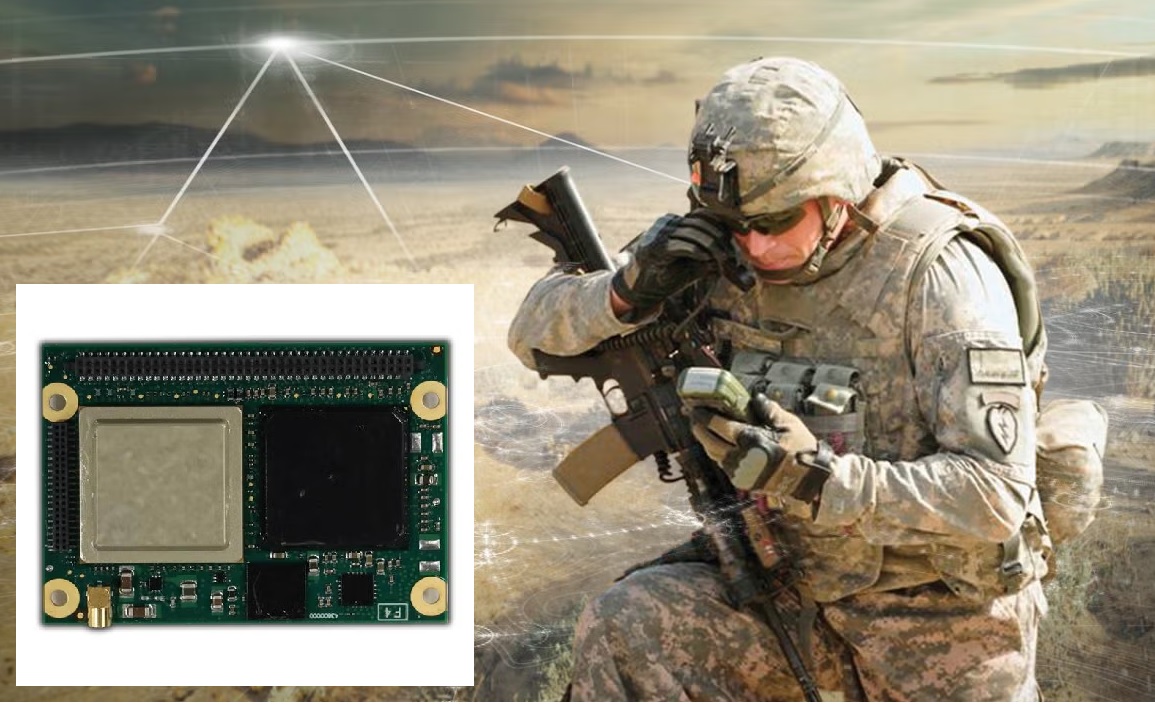
Increment 2 introduces a newly designed M-Code-enabled application-specific integrated circuit (ASIC) along with the TruTrak-M Type II receiver module. These components are intended to enhance SWaP-C (size, weight, power and cost) characteristics, enabling integration into a wider range of platforms, including man-portable systems, ground vehicles and low-dynamic airborne assets.
According to the company, the TruTrak-M Type II module exceeds current MGUE technical requirements while maintaining strict security and performance standards. The reduced size and power demands are expected to support broader deployment across future systems without compromising resilience.
Role in GPS Enterprise Modernization
The MGUE program is one component of the broader U.S. military GPS modernization effort, which includes next-generation satellites and upgraded control segments. Together, these elements are intended to provide assured PNT capabilities across all operational environments.
As electronic warfare capabilities continue to advance globally, the ability to maintain reliable navigation and timing data remains a foundational requirement for military readiness. L3Harris stated that continued investment in M-Code technology and follow-on systems is aimed at ensuring uninterrupted access to secure navigation services for U.S. and allied forces
——— End of Article ———