BRUSSELS — March 16, 2026 : French defense technology company Thales Group presented a new high-speed interceptor drone designed to counter one-way attack unmanned aerial vehicles during the Brussels European Defense Exhibition (BEDEX) 2026, held from March 12 to March 14 in Brussels. The system is designed specifically to intercept and neutralize Shahed-class loitering munitions using a direct kinetic impact method rather than explosive warheads.
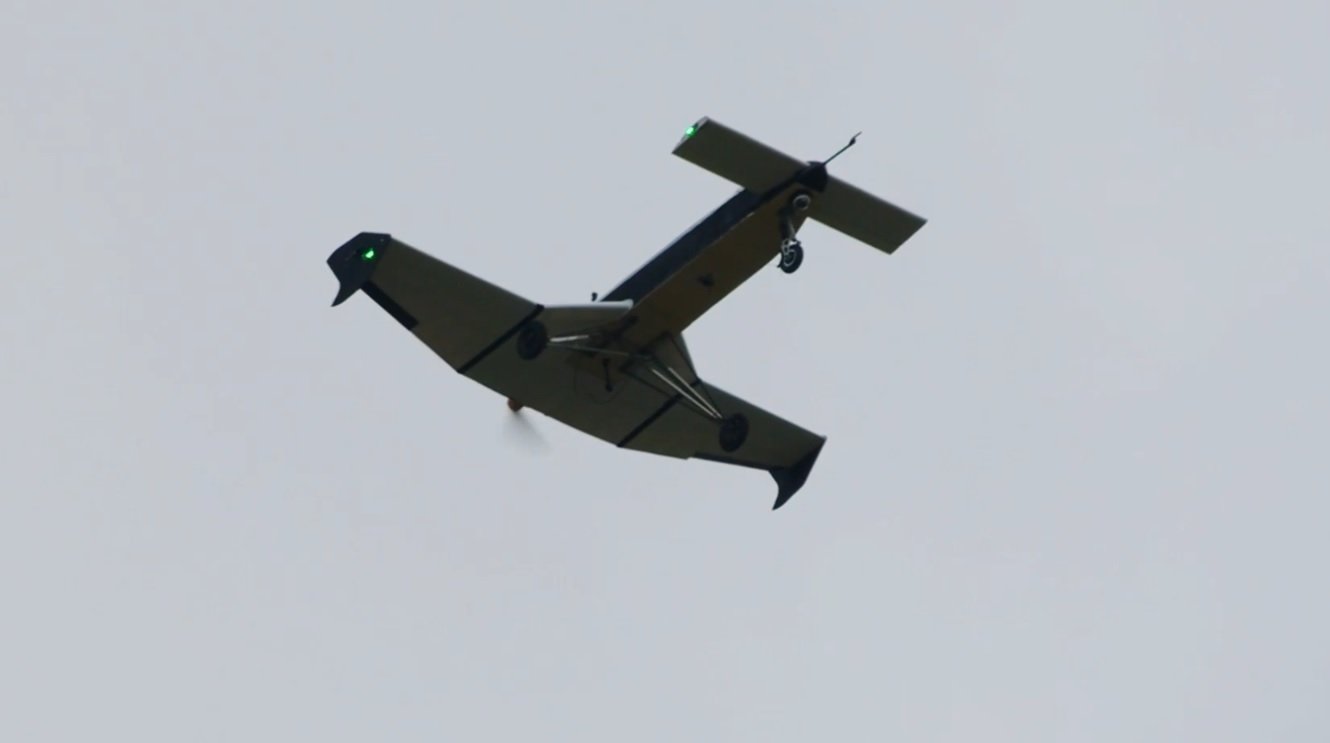
The interceptor platform demonstrated at the exhibition can reach a maximum speed of 360 km/h, allowing it to rapidly close distance with incoming unmanned aerial threats. The drone is designed to physically destroy hostile UAVs through a high-velocity collision using a reinforced nose structure, eliminating the need for onboard explosives and reducing the risk of fragmentation damage in defended areas.
Structural Design and Kinetic Interception Concept
The drone’s airframe is primarily constructed from lightweight carbon fiber, providing structural rigidity while minimizing overall mass. To ensure durability during high-speed impact with airborne targets, the design incorporates titanium reinforcement in critical structural sections, particularly the forward nose area where the collision occurs.
This reinforced titanium nose section is engineered to withstand the stress of direct contact with enemy UAVs during interception. In operational use, the interceptor accelerates toward the target and disables it through a controlled high-speed strike. The kinetic interception method is intended to provide a low-collateral solution for counter-drone operations in urban areas or around sensitive infrastructure.
Target Detection and Guidance System
The interceptor drone uses a multi-layered onboard detection and guidance architecture to locate, track, and engage aerial targets. The system integrates several sensing technologies that operate together to enable autonomous interception.
The onboard sensor suite includes:
-
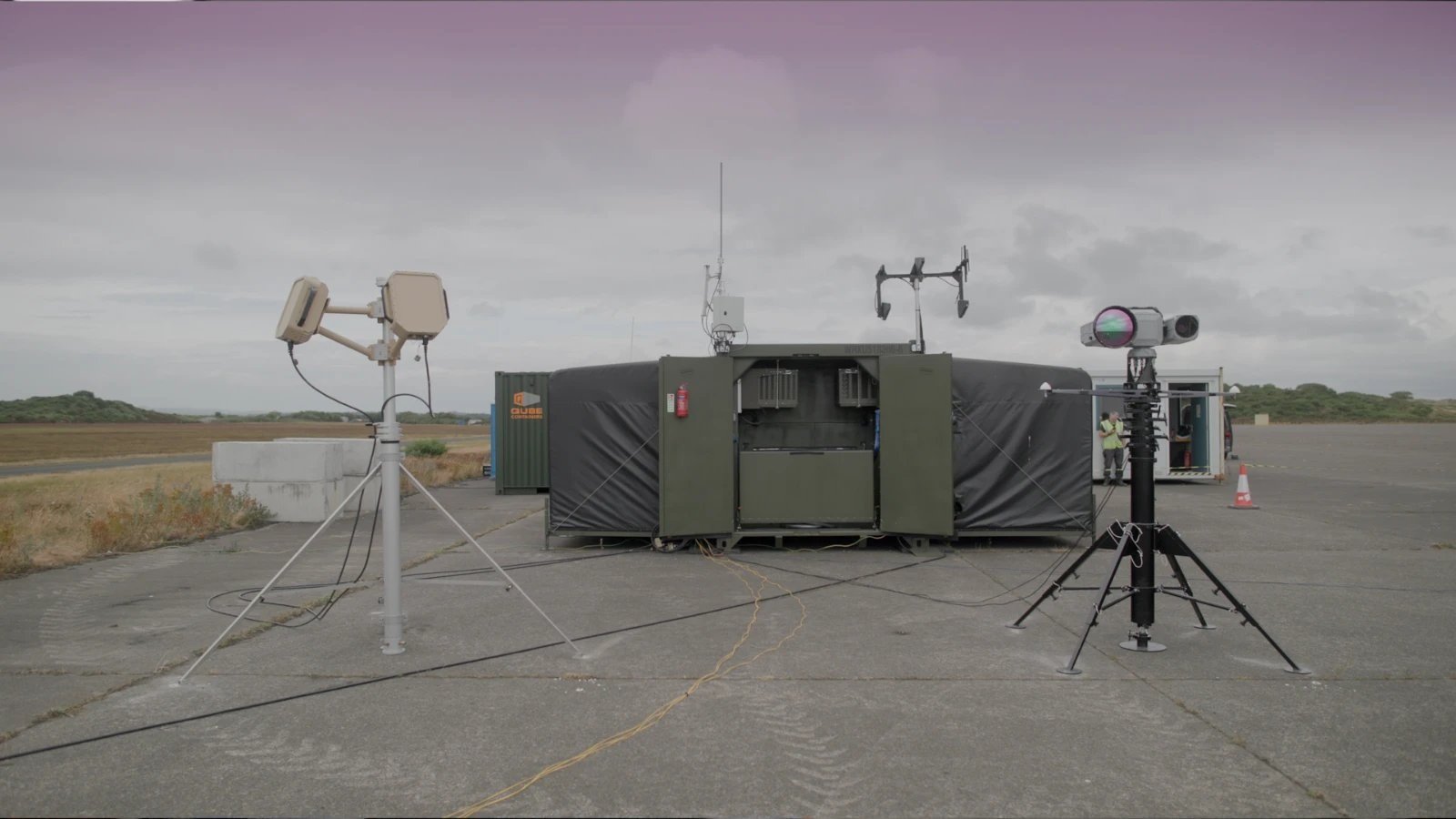
A proprietary drone detection system combining radar sensors and an optical-location station for initial identification and tracking of aerial targets.
-
An artificial intelligence-driven active homing system responsible for terminal guidance during the final stage of interception.
Once a hostile drone is detected, the interceptor calculates a collision trajectory and autonomously guides itself toward the target. The system is designed for a high level of automation and does not require specialized operator training, allowing it to be integrated into existing air defense networks with minimal personnel requirements.
If an engagement is cancelled after launch—for example, if the target changes course or is destroyed by another system—the interceptor is programmed to abort the mission and autonomously return to base.
Integration with Sensor Networks and Interoperability
The interceptor platform complies with the UK Ministry of Defence’s SAPIENT standard, a framework designed to ensure interoperability between sensors and counter-UAS systems from different manufacturers. Compliance with this standard allows the drone to integrate with external radar networks, optical sensors, and battlefield command systems.
The platform can operate within a larger counter-drone ecosystem, receiving target information from external detection systems and cooperating with other defensive technologies deployed to protect critical infrastructure or military installations.
Collaboration with MARSS Defense Labs
The interceptor drone displayed by Thales at BEDEX is the result of an ongoing collaboration with MARSS Defense Labs. The two companies announced a formal partnership in 2021 aimed at developing advanced solutions to defend critical infrastructure from emerging drone threats.
This partnership led to the development of the iNTERCEPTOR family of autonomous counter-drone platforms. These systems are designed to defeat hostile UAVs using kinetic interception rather than traditional explosive payloads.
The interceptor drones are launched from vertical smart launchers connected to the NiDAR sensor infrastructure and controlled through NiDAR EDGE autonomous software, both developed by MARSS. The design supports vertical take-off and landing (VTOL) before transitioning into fixed-wing flight for high-speed interception missions.
Previous Interceptor-MR Variant
A previous system in the same family, the Interceptor-MR, was unveiled by MARSS in October 2025. That platform also used a kinetic ramming concept but operated at a lower top speed of 288 km/h.
The Interceptor-MR uses electric ducted propulsion, enabling it to intercept targets at ranges exceeding 5 kilometers and operate at altitudes up to 2 kilometers. The drone employs onboard AI-based imaging systems for pursuit and terminal guidance during interception.
Flight testing of the Interceptor-MR has been conducted as part of evaluations involving NATO member states, and production of that version is scheduled to begin in 2026.
Enhanced Configuration Demonstrated at BEDEX
The interceptor presented by Thales at BEDEX 2026 represents a higher-performance configuration within the same collaborative program. Its increased maximum speed of 360 km/h is intended to improve engagement capability against fast one-way attack drones, including Shahed-class systems.
Such drones have become widely used in modern conflicts due to their relatively low cost and long-range strike capability. The kinetic interceptor concept is designed to provide a cost-effective and reusable alternative to missile-based air defense systems, particularly for defending infrastructure sites such as energy facilities, military bases, and transportation hubs.
Thales displayed the interceptor as part of its broader counter-unmanned aerial systems (C-UAS) portfolio during BEDEX 2026, highlighting the increasing focus on layered drone defense technologies in response to the expanding use of unmanned aerial threats.
——— End of Article ———