COPENHAGEN / SKRYDSTRUP — March 17, 2026 : Ukrainian defense manufacturer Fire Point is moving forward with the construction of a solid rocket fuel production facility in Denmark, with initial operations scheduled to begin in 2026 and full-scale production expected in 2027. The project represents a significant step in expanding Ukraine-linked defense manufacturing capacity داخل a NATO member state.
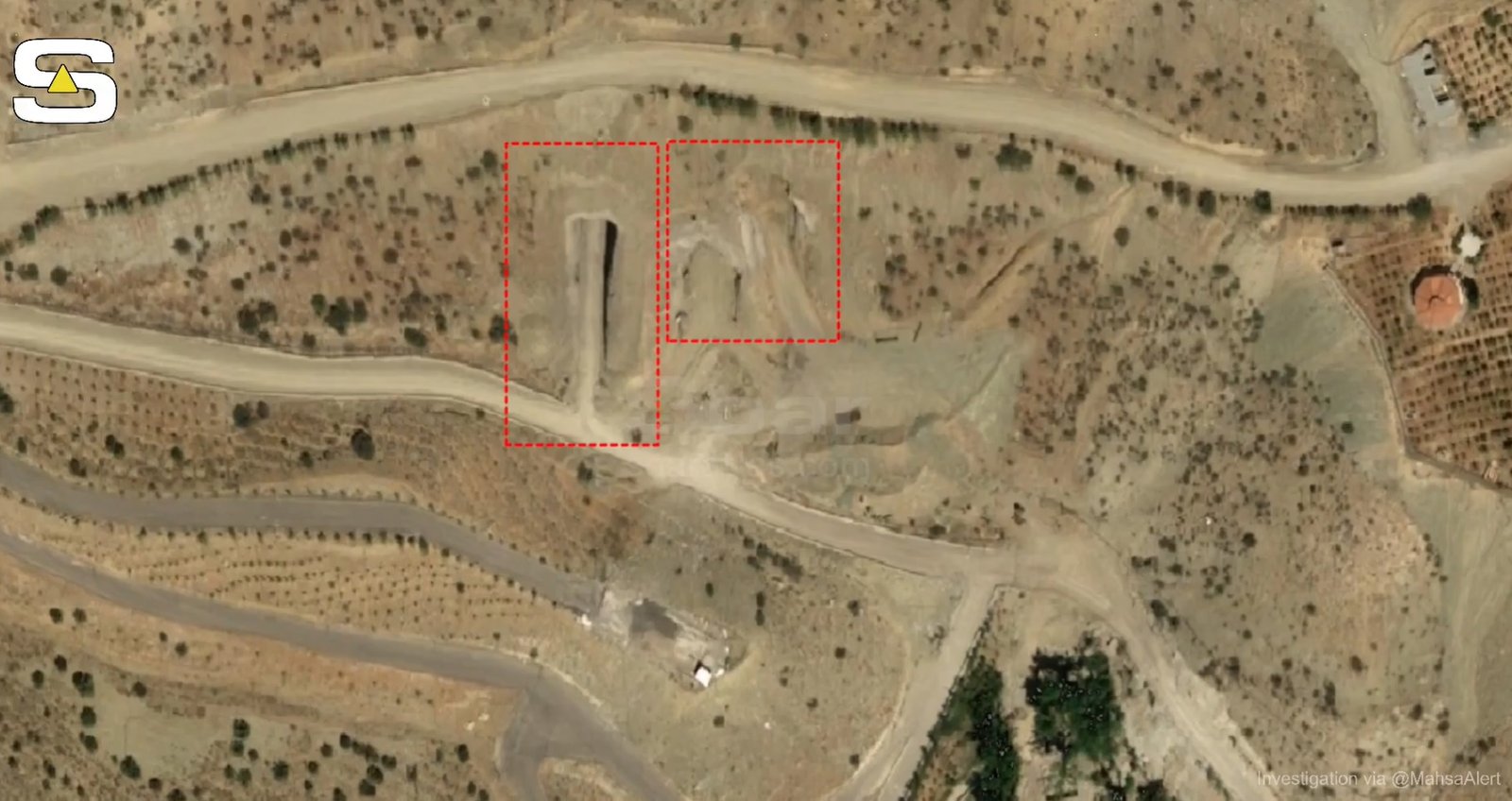
The facility is being built بالقرب من Skrydstrup Air Base in southern Denmark, which hosts the Royal Danish Air Force’s fleet of F-35 fighter aircraft. The location is considered strategically relevant due to its proximity to established military infrastructure and logistics networks.
Facility Scope and Production Capabilities
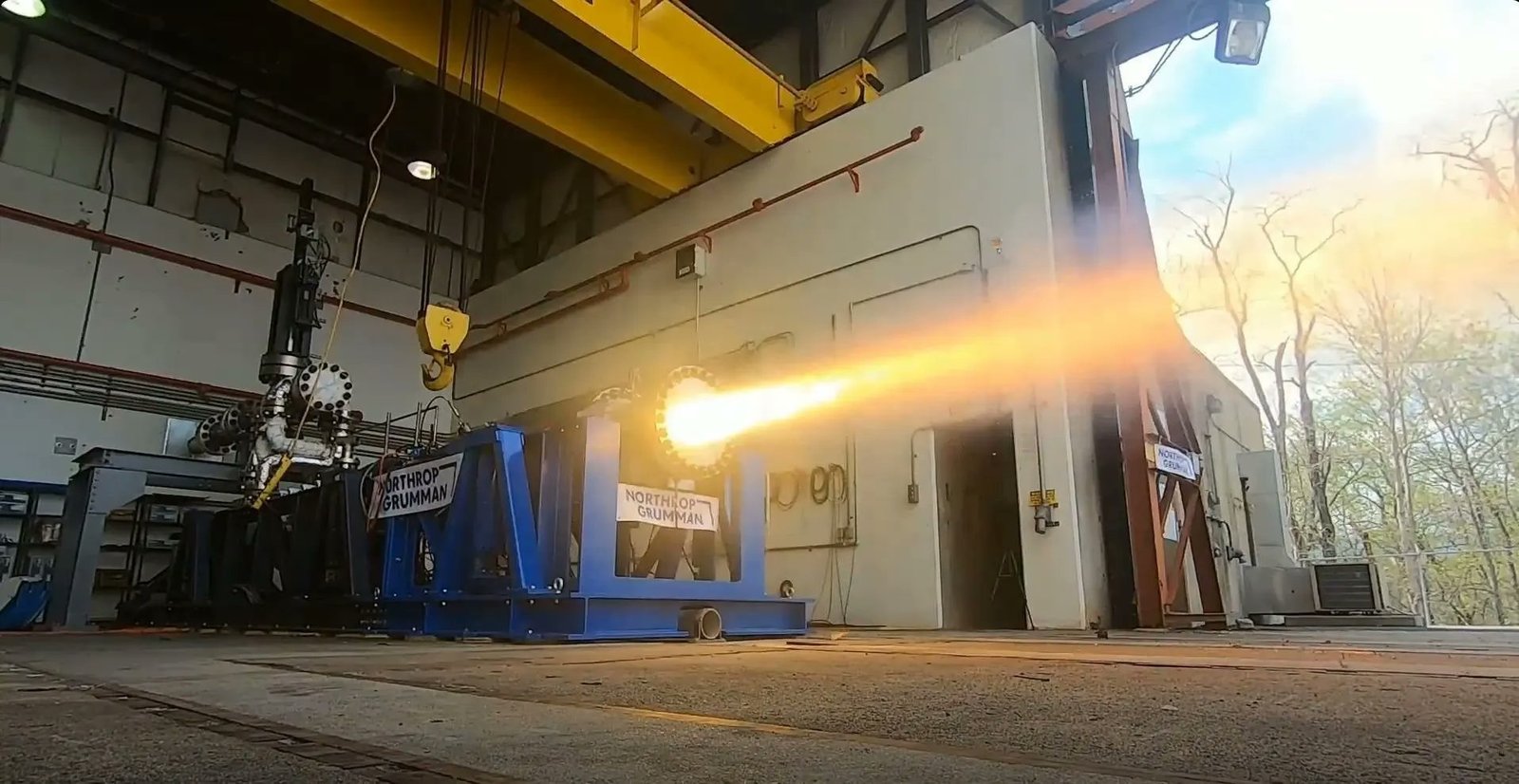
According to Fire Point Chief Executive Officer and Chief Technology Officer Iryna Terekh, the plant will serve as a multi-functional production site. In addition to manufacturing solid rocket propellant, the facility will produce engine casings and structural components, and will carry out final assembly of rocket engines.
Terekh stated in an interview with Defender Media that the company is currently working through regulatory procedures, including environmental and waste management approvals, as construction progresses. She noted that while compliance processes in Denmark are more complex than in Ukraine, they remain manageable within the project’s timeline. She also indicated that European regulatory systems are adapting to the accelerated timelines associated with wartime production requirements.
Accelerated Regulatory Framework
To facilitate the project, the Danish government introduced temporary emergency measures in September 2025, suspending more than 20 laws and regulatory requirements for projects deemed critical to national defense or conducted under emergency conditions.
These exemptions apply across multiple sectors, including spatial planning, construction, energy and forestry management, environmental protection, pollution control, and water resource management. In addition, Fire Point has been granted an exemption from compliance with an executive order governing major accident risks related to hazardous substances.
The legislative changes provide Danish authorities with expanded flexibility to streamline approvals and reduce administrative delays for defense-related industrial projects.
Integration with Defense Programs
The solid rocket fuel produced at the Danish facility is intended to support several Ukrainian missile programs as well as potential applications within Denmark’s defense systems.
For Ukraine, the propellant will be used in the booster stages of the Flamingo cruise missile, as well as in solid-propellant engines for Fire Point’s operational-tactical ballistic missile systems. These include the FP-7 missile, which has already undergone two flight tests—one in late February 2026 and another on March 14, 2026—and the FP-9 missile, which is scheduled to begin flight testing in early summer 2026.
Danish defense authorities are also evaluating the use of locally produced propellant for the PULS multiple-launch rocket systems acquired from Israeli defense company Elbit Systems. If adopted, this approach could enable domestic production of munitions, reducing reliance on external supply chains and improving logistical efficiency.
Strategic and Industrial Context
The Denmark-based facility forms part of Fire Point’s broader strategy to address bottlenecks in the production of solid rocket propellant while maintaining other elements of missile manufacturing within Ukraine. The company has focused on developing indigenous missile technologies, including the Flamingo cruise missile, which has a reported range exceeding 3,000 kilometers, along with the FP-series ballistic systems.
The project also marks the first known instance of a Ukrainian defense manufacturer establishing this type of production capability داخل a NATO member state, reflecting increasing defense-industrial cooperation between Ukraine and European partners.
Construction of the facility is ongoing, with regulatory clearances advancing in parallel, as Fire Point prepares to bring the first phase of the plant online in 2026.
——— End of Article ———