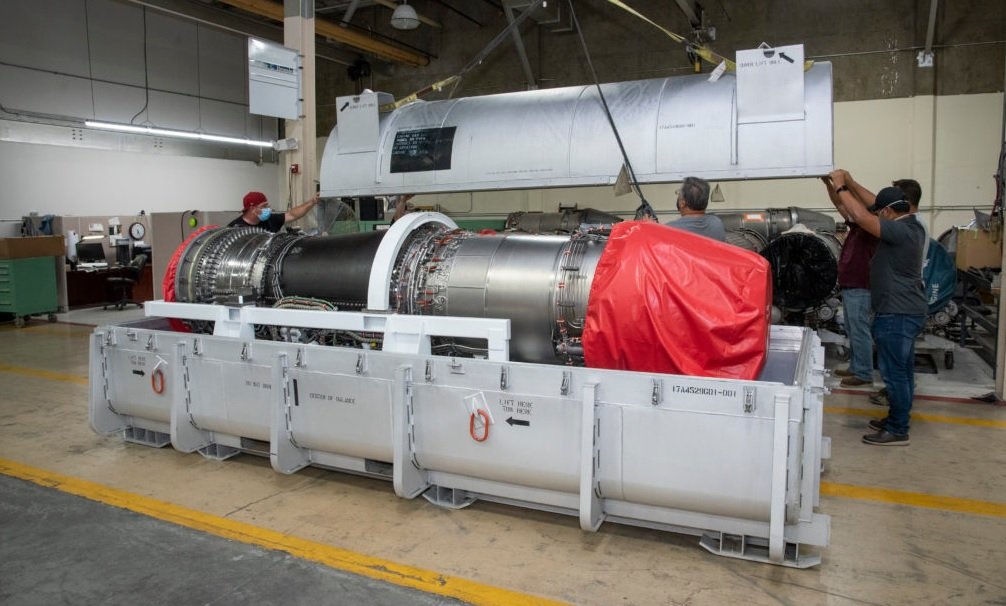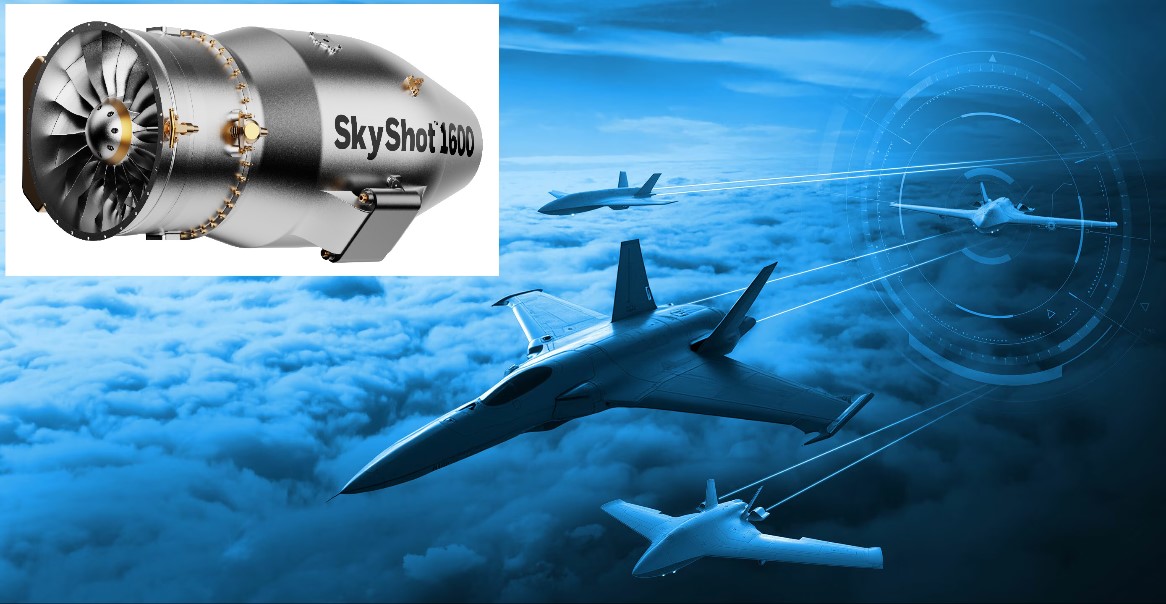
PHOENIX, Arizona — March 17, 2026 : Honeywell has been awarded a prototype contract by the U.S. Air Force to develop an advanced propulsion system for autonomous aircraft, centered on its small-thrust-class SkyShot 1600 engine. The effort supports next-generation unmanned platforms, including the service’s Collaborative Combat Aircraft (CCA) program.
Contract Structure and Program Oversight
The agreement was issued under an Other Transaction Authority (OTA) framework, a mechanism commonly used by the U.S. Department of Defense to accelerate innovation and prototyping. The contract—designated OTA No. FA8626-24-9-0005—was awarded through SOSSEC, Inc. as part of the Propulsion Consortium Initiative 2.0 (PCI 2.0).
The program is aligned with the U.S. Air Force Propulsion Directorate and is being executed in coordination with the Air Force Life Cycle Management Center. The initiative focuses on advancing propulsion technologies tailored for emerging unmanned and semi-autonomous combat systems.
SkyShot 1600 Engine Design and Capabilities
The SkyShot 1600 engine, originally introduced in September 2025 under the name HON1600, has been specifically developed for autonomous and collaborative combat aircraft. The system incorporates a flexible architecture that allows it to operate either as a turbojet or a turbofan, depending on mission requirements such as range, fuel efficiency, and speed.
The propulsion system is designed to deliver thrust ranging from approximately 800 to 2,800 pounds, with scalability for higher output if required by larger or more demanding platforms. This range positions the engine within the small-thrust-class category, suitable for unmanned aircraft and “loyal wingman” roles.
The engine is engineered to support high-maneuverability operations, including sustained performance under elevated G-force conditions. It is capable of operating at altitudes of up to 40,000 feet, aligning with the operational envelope of tactical unmanned aircraft. The design also incorporates provisions for long-term storage prior to deployment, a requirement relevant for distributed and rapidly deployable systems.
Role in the Collaborative Combat Aircraft Program
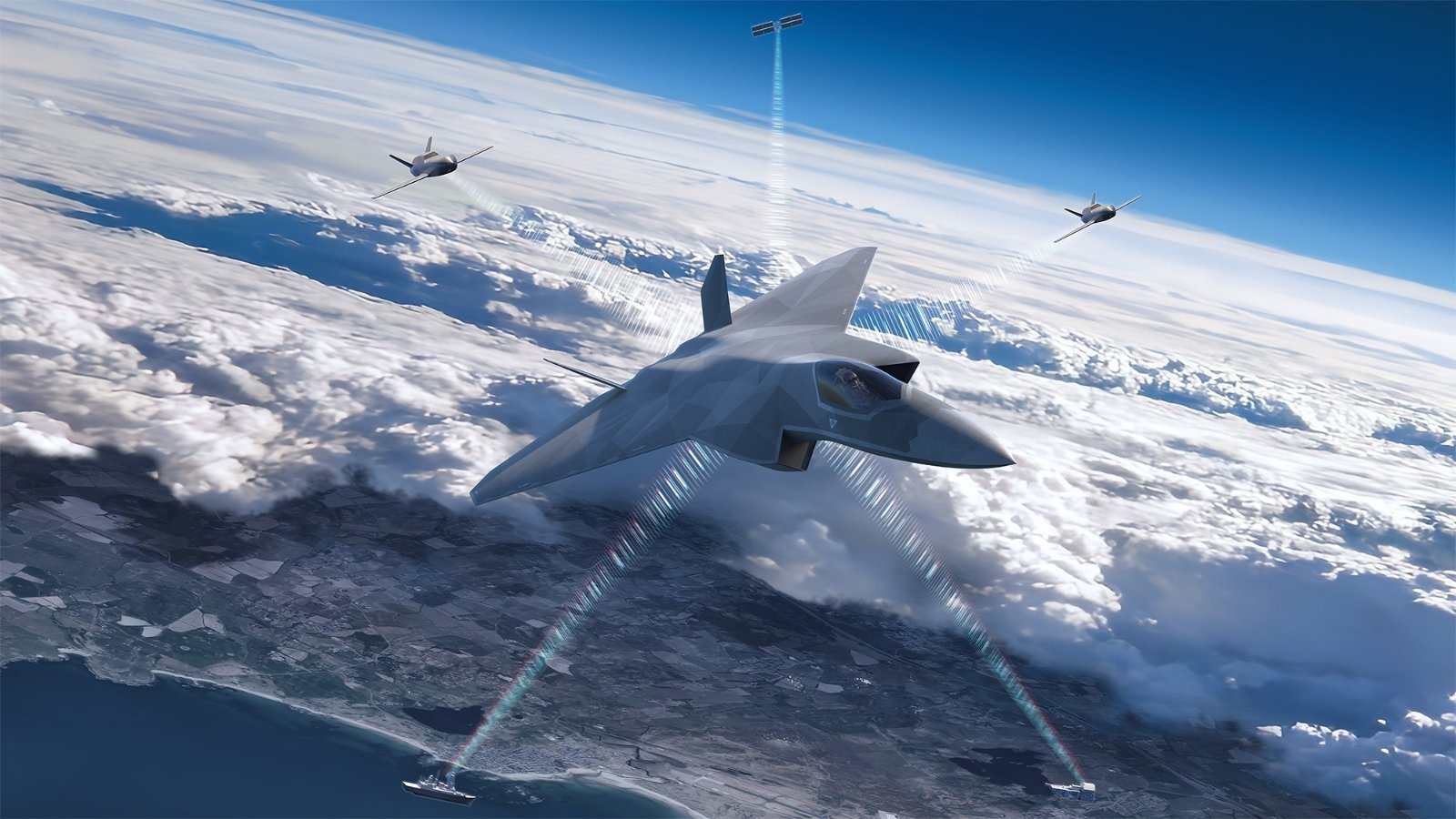
The SkyShot 1600 is being developed as part of the U.S. Air Force’s Collaborative Combat Aircraft Increment 2.0 effort. The CCA program focuses on fielding low-cost, autonomous unmanned aircraft designed to operate alongside manned fighters such as the F-22 Raptor and F-35 Lightning II.
These unmanned systems are intended to perform a range of missions, including acting as sensor nodes, electronic warfare platforms, decoys, or weapons carriers. The propulsion system is a critical component in meeting cost, performance, and scalability requirements for such distributed force structures.
Engineering and Manufacturing Approach
Honeywell is applying a combination of established propulsion technologies and modern engineering methods in the development of the SkyShot 1600. A significant aspect of the program involves the use of advanced digital modeling techniques to accelerate design cycles, enable rapid performance evaluation, and improve system integration with aircraft platforms.
The company is also incorporating advanced manufacturing processes, including additive manufacturing (3D printing) and high-volume production methods such as metal injection molding. These approaches are intended to shorten development timelines, reduce production costs, and improve supply chain resilience.
According to the company, the “model-to-metal” strategy allows for faster transition from digital design to physical production, which is critical for meeting the rapid deployment timelines associated with next-generation defense programs.
Industry Perspective
Dave Marinick, president of Engines and Power Systems at Honeywell Aerospace Technologies, stated that the engine integrates proven propulsion technologies with newer advancements to address evolving operational requirements.
He noted that the SkyShot 1600 is designed to meet cost, speed, and performance targets associated with future autonomous systems and emphasized its potential role in upcoming unmanned and collaborative combat aircraft programs.
Honeywell expects the engine to serve as a foundational propulsion solution as the U.S. Air Force advances its CCA initiatives and broader unmanned aircraft development efforts.
——— End of Article ———