BEIJING / TEHRAN — March 16, 2026 : Collected reporting and regional assessments indicate that China has supplied approximately 1,000 loitering munitions to Iran under an oil-for-arms exchange arrangement, with the systems reportedly transported overland through Pakistan rather than via maritime shipping routes.
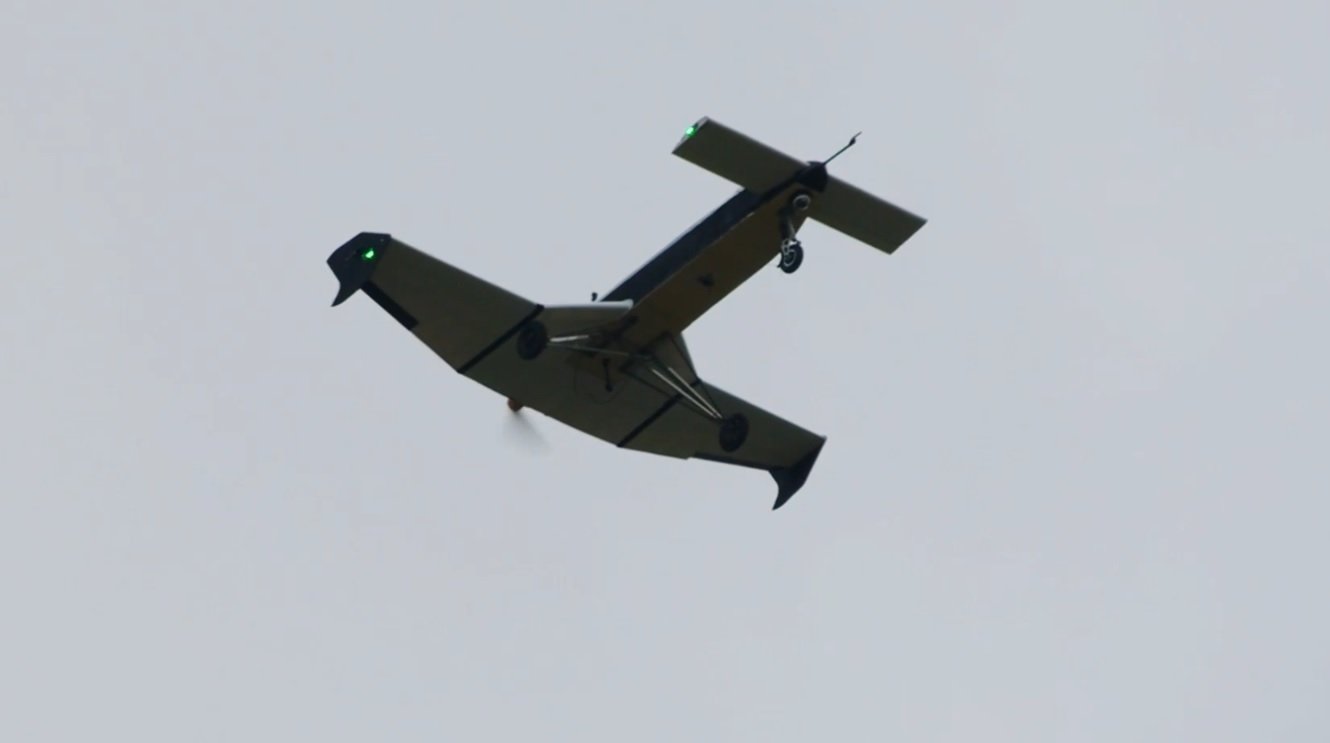
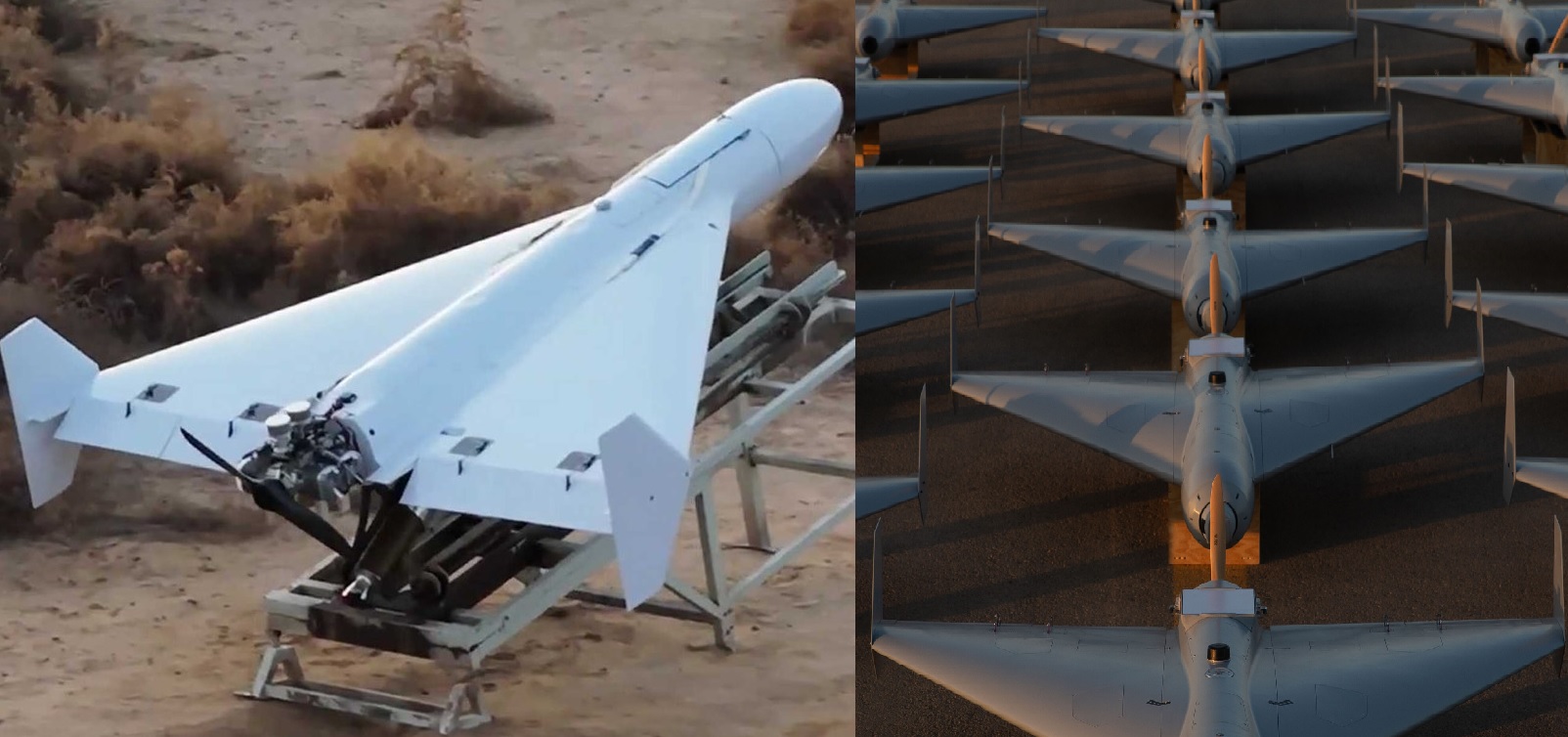
According to available data, the transfer involved kamikaze-type unmanned aerial systems designed to loiter over an area before striking a target by crashing into it and detonating upon impact. These systems are broadly comparable to the Iranian Shahed-series one-way attack drones, which have been widely used in regional conflicts.
Logistics and Transit Route
Reports describing the delivery state that the drones were moved by land using a logistics corridor running through Pakistan, providing a continuous overland supply route from China into Iranian territory.
The use of a ground transport network avoided reliance on maritime shipping lanes in the Persian Gulf and surrounding waters, where commercial traffic and military activity have increased amid regional tensions. Open-source accounts describe the systems being transported in road convoys, moving across the China-Pakistan corridor before entering Iran.
The land corridor linking western China, Pakistan, and Iran offers a direct physical route that can be used for cargo transport without passing through heavily monitored sea routes.
Drone Types and Technical Characteristics
The drones involved in the reported transfer are described as “Shahed-type” loitering munitions manufactured by private Chinese defense companies. These unmanned systems are designed for long-range strike missions, combining autonomous navigation with a built-in explosive payload.
Most of the models reportedly included in the shipment have operational ranges exceeding 1,000 kilometers, enabling long-distance targeting missions.
One system identified in connection with the reported supply is the LOONG M-9 loitering munition, produced by the Chinese company LOONG UAV.
Technical specifications published for the LOONG M-9 indicate:
-
Maximum range: approximately 1,620 kilometers
-
Endurance: about 8 to 9 hours of flight time
-
Warhead payload: around 50 kilograms
-
Mission profile: long-range strike and reconnaissance operations
Testing of the LOONG M-9 began in December 2025, and the system was publicly presented at the World Defense Show in February 2026. The design focuses on extended-range strike capability combined with persistent loitering over target areas.
Chinese drone manufacturers have become major producers of loitering munition technology and drone components, supplying both complete systems and subsystems to international customers.
Manufacturing and Export Framework
The drones referenced in the reports are produced by private Chinese defense-technology companies, which operate under China’s commercial export framework.
Available information indicates that these firms are permitted to export drone systems to foreign customers, including Iran, under existing export guidelines. Unlike state-owned defense exporters that operate through centralized government contracts, many private Chinese drone manufacturers sell products directly to international buyers.
These companies manufacture a wide range of unmanned systems, including long-range loitering munitions comparable to Iranian Shahed platforms.
Financial Structure: Oil-for-Arms Exchange
The reported transfer is linked to an oil-for-arms barter mechanism between China and Iran.
Under this structure, Iran compensates suppliers through crude oil shipments rather than through conventional financial transactions routed through international banking networks. The arrangement functions as a direct resource exchange, allowing transactions to occur outside the global financial system.
China is currently Iran’s largest purchaser of crude oil, accounting for a substantial share of Tehran’s exports. Oil shipments therefore provide a mechanism for Iran to finance purchases of equipment and technology despite international sanctions.
Regional officials cited in the collected reporting state that payments connected to the drone deliveries were tied to oil exports sent to Chinese buyers.
Strategic Context
The reported delivery adds to Iran’s inventory of one-way attack drones, a category of unmanned systems that has become a central element of the country’s military capabilities.
Iran already maintains domestic production lines for loitering munitions, including the Shahed-series platforms. However, ongoing sanctions and operational demands related to regional conflicts have placed pressure on production capacity.
Acquiring additional systems or components from external suppliers provides supplementary capability for long-range strike operations. Platforms with ranges exceeding 1,000 kilometers allow for targeting across large parts of the Middle East and surrounding regions.
Official Confirmation
As of March 16, 2026, no official confirmation has been issued by either the Chinese government or Iranian authorities regarding the reported quantity, models, or logistics route associated with the drone transfer.
The information currently available originates from regional reporting, open-source logistics analysis, and defense industry data related to Chinese drone manufacturers and their export activities.
Such transfers are typically not publicly announced by governments, particularly when conducted through indirect financial arrangements or alternative logistics routes. Deliveries associated with military equipment exchanges are often handled discreetly and without formal public disclosure.
——— End of Article ———