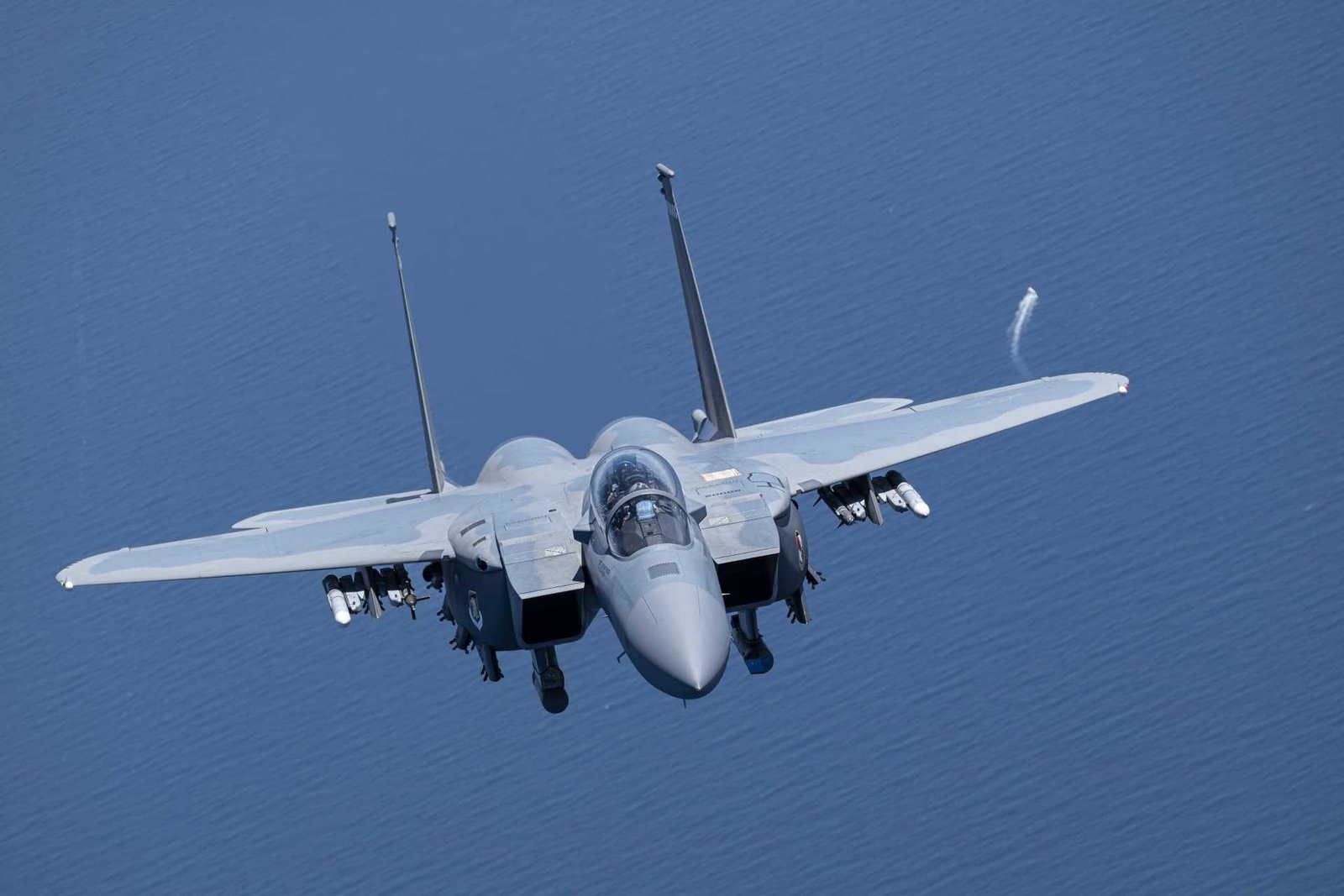
WASHINGTON / TEHRAN — March 20, 2026 : A U.S. Air Force F-35A Lightning II conducted an emergency landing at a regional U.S. airbase in the Middle East after sustaining damage during a combat mission over Iran on March 19, according to confirmation from U.S. Central Command (CENTCOM).
The incident occurred at approximately 2:50 a.m. local time during ongoing operations linked to the current regional conflict. The aircraft returned safely to base, and the pilot is reported to be in stable condition.
CENTCOM spokesperson Capt. Tim Hawkins stated that the aircraft had been operating under mission parameters when the event occurred. “We are aware of reports that a U.S. F-35 aircraft conducted an emergency landing at a regional U.S. airbase after flying a combat mission over Iran. The aircraft landed safely, and the pilot is in stable condition. This incident is under investigation,” he said.
U.S. officials have not disclosed the exact location of the airbase or the extent of damage sustained by the aircraft, which has an estimated unit cost of approximately $100 million.
Iranian Claims and Released Footage
Following the incident, the Islamic Revolutionary Guard Corps (IRGC) issued a statement claiming responsibility for the engagement. According to the IRGC, its air defense network targeted and “severely damaged” the F-35 during the mission.
The IRGC Aerospace Force released forward-looking infrared (FLIR) video footage that it says shows a surface-to-air missile intercepting the aircraft. The footage includes a targeting reticle tracking an aerial object before an explosion is observed.
However, analysis of the video indicates that the aircraft was not destroyed. When reviewed in slow motion, the footage appears to show the F-35 continuing flight after the blast, maintaining structural integrity and confirming that the pilot was able to exit the engagement area and return to base.
Iranian officials described the event as a successful strike against a U.S. stealth aircraft and suggested a high probability of a crash, though this claim is not supported by available visual evidence or U.S. confirmation.
Some technical assessments referenced in open-source analysis suggest the possible use of a short-range infrared-guided missile system, such as the Qaem-118, although this has not been independently confirmed.
Technical Considerations
Military analysts note that the engagement, if confirmed, may have involved passive infrared (IR)-guided surface-to-air missiles, which track the heat signature of an aircraft rather than relying on radar emissions.
While the F-35 is designed with reduced radar cross-section to evade radar-based detection systems, infrared-guided threats operate differently. Passive systems do not emit detectable signals, which can limit warning time for pilots and complicate countermeasure deployment.
Such methods have previously been observed in other conflict zones, including engagements involving Iranian-backed forces in Yemen.
Operational Context
The March 19 incident comes amid an ongoing conflict that began on February 28, 2026, involving the United States, Israel, and Iran. If confirmed as a missile strike, this would represent the first known instance of Iranian air defenses successfully hitting a manned U.S. aircraft during the current escalation.
The F-35A involved is operated by the U.S. Air Force and has been in combat service since 2018. There have been no previously confirmed cases of the aircraft being struck by enemy fire prior to this event.
Broader Equipment Losses
The incident also occurs within a wider operational environment where U.S. forces have sustained multiple equipment losses over recent weeks. According to defense officials, approximately 20 U.S. Air Force aircraft have been damaged or destroyed since the start of the campaign.
Reported losses include:
-
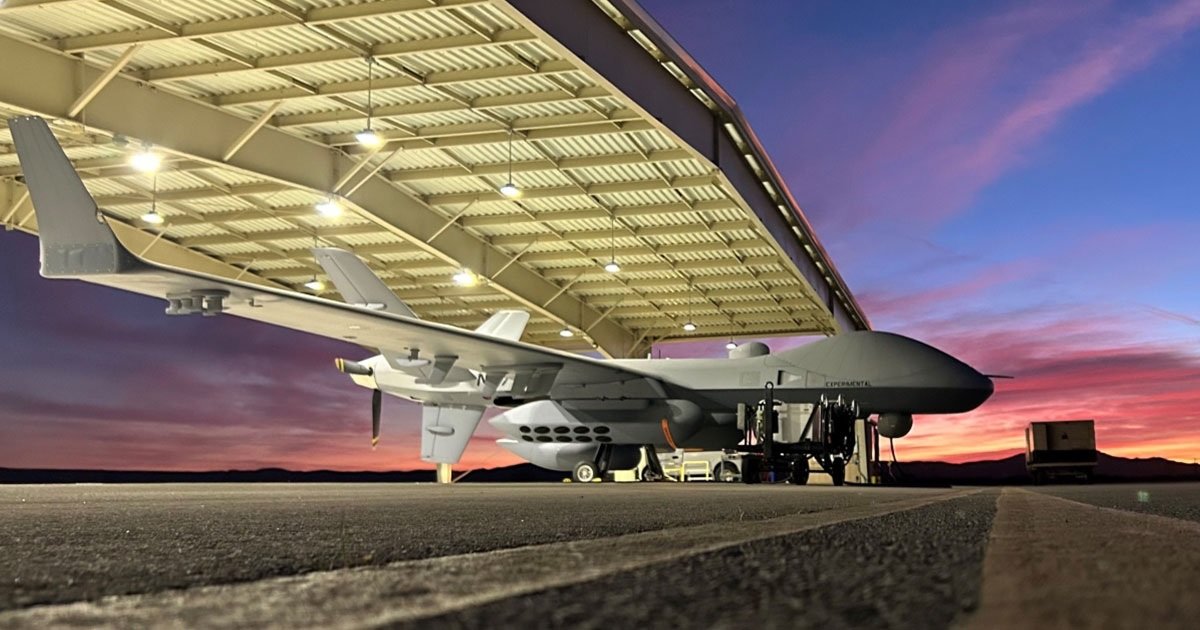
At least 12 MQ-9 Reaper drones lost in combat or ground strikes
-
Three F-15E Strike Eagles downed on March 2 in a friendly fire incident involving a Kuwaiti aircraft (all crew recovered)
-
A KC-135 Stratotanker crash in western Iraq on March 12 resulting in the loss of six personnel, with another tanker damaged in the same event
Ongoing Investigation
U.S. authorities have not officially confirmed that the F-35 was hit by a missile, and the exact cause of the damage remains under investigation. Media reports citing unnamed officials suggest that hostile fire is a likely factor, but no formal attribution has been made.
Despite the incident, U.S. defense leadership has indicated that operational objectives remain unchanged, and air operations in the region are continuing.
——— End of Article ———