WASHINGTON, D.C. — March 20, 2026 : The United States Department of State has approved a series of Foreign Military Sales (FMS) to the United Arab Emirates, including a $644 million package focused on munitions and support systems for the UAE’s F-16E/F Desert Falcon fleet, alongside broader investments in air and missile defense capabilities.
The approval, announced on March 19, was authorized under an emergency determination by Marco Rubio, allowing the sale to proceed without standard congressional review. The decision cites urgent national security requirements and is intended to strengthen the UAE’s defensive posture amid recent drone and missile attacks on regional energy infrastructure during ongoing tensions involving Iran.
The overall authorization forms part of a wider $16.46 billion regional arms package, which also includes military sales to Kuwait and Jordan.
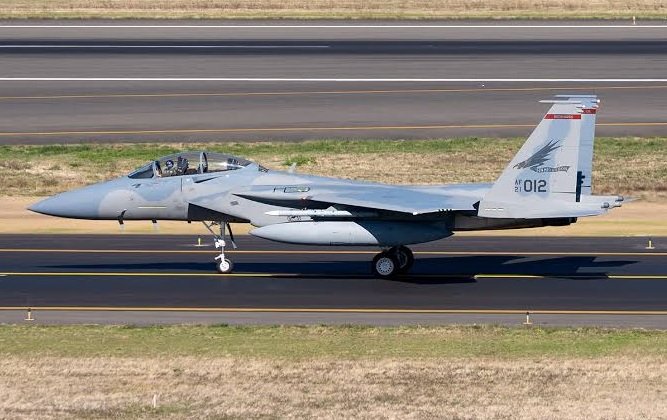
F-16E/F Desert Falcon Munitions and Support Package
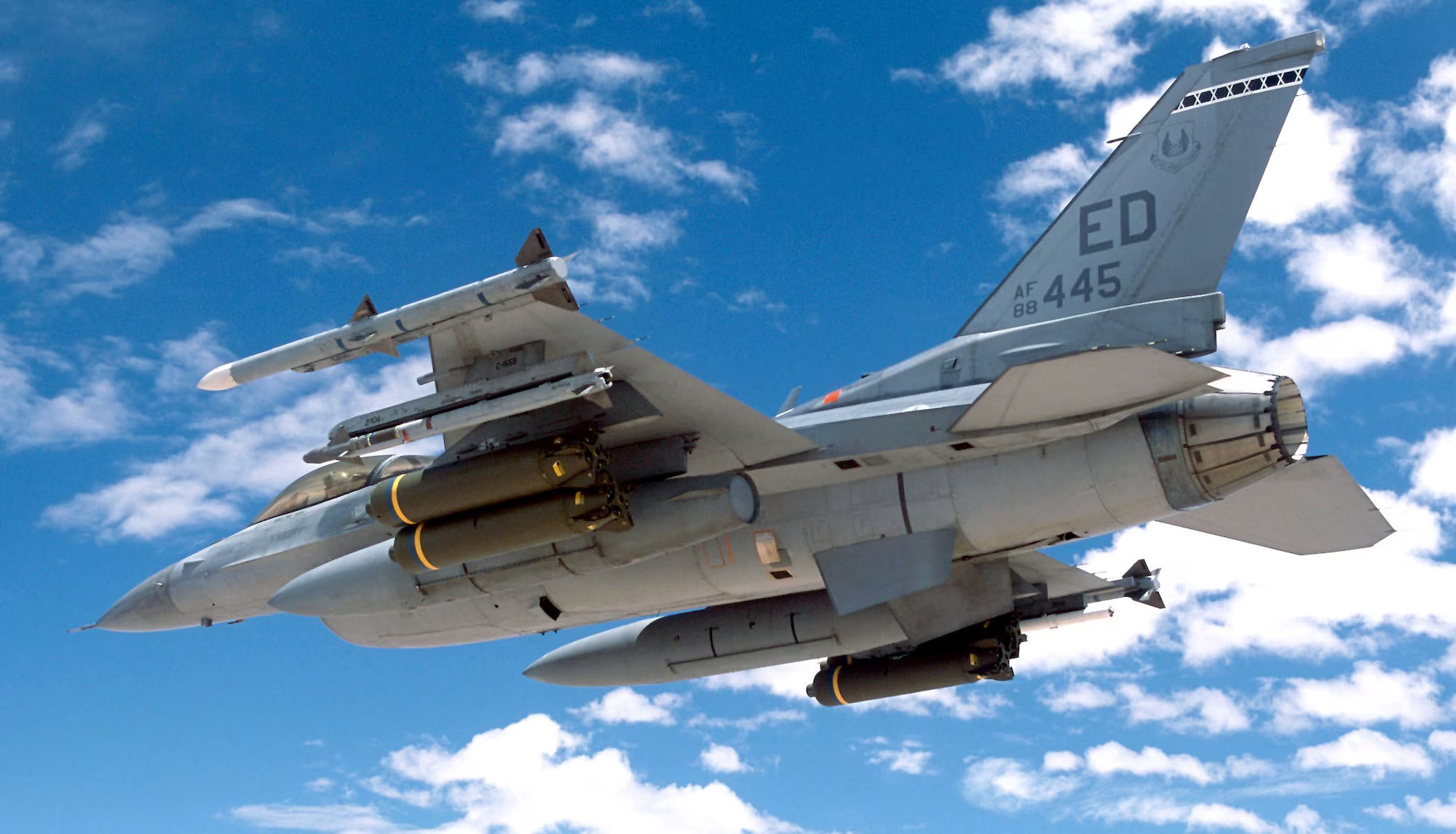
The central component of the approved deal is a $644 million package designed to enhance the operational capability of the UAE’s F-16 fleet across both air-to-air and air-to-ground missions.
The munitions package includes:
-
1,500 GBU-39/B Small Diameter Bombs (SDB)
-
1,200 GBU-31 Joint Direct Attack Munition (JDAM) guidance kits
-
900 KMU-556 kits for Mk.84 general-purpose bombs
-
300 KMU-557 kits for BLU-109 bunker-penetrating bombs
-
DSU-42 and DSU-40 laser targeting sensors
In addition, the package includes up to 400 AIM-120C-7 or AIM-120C-8 Advanced Medium-Range Air-to-Air Missiles (AMRAAMs). The AMRAAM component is part of a broader $1.22 billion sub-package within the total authorization.
These systems provide precision-guided strike capability using GPS-aided inertial navigation, as well as enhanced air-to-air engagement capability using active radar homing with electronic counter-countermeasure features.
The F-16E/F Desert Falcon aircraft, particularly the Block 60 variant, form the core of the UAE Air Force’s combat aviation fleet.
Logistics, Communications, and Support Systems
Beyond munitions, the United States will supply a range of supporting equipment and services to sustain operational readiness and integration.
This includes:
-
Link 16 secure communication systems
-
Encryption devices
-
Navigation equipment
-
Mission planning software
-
Spare parts and maintenance tools
-
Training and logistical support
These elements are intended to ensure interoperability with U.S. and allied forces while maintaining long-term sustainment of the UAE’s F-16 operations.
Counter-Drone Systems and Layered Air Defense
The broader authorization includes significant enhancements to the UAE’s ground-based air defense network, particularly for countering unmanned aerial threats.
The UAE is approved to acquire 10 Fixed Site-Low, Slow, Small Unmanned Aircraft Integrated Defeat Systems (FS-LIDS), with a total estimated value of up to $2.1 billion.
Each FS-LIDS unit integrates:
-
Coyote Block 2 interceptors
-
Electronic warfare systems
-
Electro-optical and infrared sensors
-
Ku-band radar systems
These components are linked through the Forward Area Air Defense (FAAD) command and control system, enabling coordinated detection and engagement of low, slow, and small unmanned aerial systems.
THAAD Missile Defense System Enhancements
The package also allocates approximately $4.5 billion for upgrades to the UAE’s existing Terminal High Altitude Area Defense (THAAD) system.
The enhancements include:
-
One AN/TPY-2 long-range discrimination radar
-
Tactical fire control stations
-
Launcher control stations
-
12 Sentinel A4 radar and communication units
These additions are designed to improve the UAE’s capability to detect, track, and intercept ballistic missile threats, while enhancing integration with existing THAAD batteries.
Industrial Participation and Contractors
The approved systems and services will be supplied primarily by major U.S. defense contractors, including RTX Corporation, Lockheed Martin, and Northrop Grumman.
Regional Security Context
The expedited approval follows recent attacks on Gulf energy infrastructure involving drones and missiles, as regional tensions continue. The package is intended to enhance the UAE’s ability to respond to both aerial and ballistic threats while improving coordination with U.S. and allied defense systems.
The integration of advanced munitions, counter-drone systems, and missile defense upgrades reflects a broader effort to establish a layered air and missile defense architecture across partner nations in the region.
Foreign Military Sales Framework
All elements of the package are being processed through the Foreign Military Sales (FMS) program, under which the U.S. government facilitates defense exports to partner nations.
While the emergency determination has accelerated approval, final implementation remains subject to contract negotiations, delivery schedules, and system integration processes.
The March 19 authorization demonstrates the continued use of expedited mechanisms to deliver defense capabilities in response to evolving regional security requirements.
——— End of Article ———