WASHINGTON / MIAMI — March 20, 2026 : The United States has rejected a Russian proposal that sought to link Moscow’s intelligence cooperation with Iran to Washington’s ongoing intelligence support for Ukraine, according to officials familiar with the discussions.
The offer was conveyed last week during a meeting in Miami between Russian envoy Kirill Dmitriev and U.S. representatives Steve Witkoff and Jared Kushner. Dmitriev, who serves as head of the Russian Direct Investment Fund and as a special envoy for the Kremlin, outlined a proposed arrangement under which Russia would halt intelligence-sharing with Iran if the United States agreed to stop providing intelligence to Ukrainian forces.
Proposal Details and U.S. Response
Under the terms presented by Moscow, Russia would cease sharing sensitive intelligence with Tehran, including information such as precise coordinates of U.S. military assets and installations in the Middle East. In exchange, Washington would be required to suspend intelligence-sharing with Ukraine, which Kyiv relies on for tracking Russian troop movements, anticipating missile strikes, and conducting targeting operations.
U.S. officials rejected the proposal during the Miami meeting, maintaining their position that intelligence cooperation with Ukraine remains a critical component of support for Kyiv amid the ongoing war.
In parallel discussions, Russia also proposed that Iranian enriched uranium stockpiles be transferred to Russian territory. That proposal was likewise declined by the United States, consistent with earlier reports that Washington had rejected similar ideas raised through other diplomatic channels.
Expanding Russia–Iran Cooperation
The proposal comes against the backdrop of expanding military and intelligence ties between Russia and Iran since the start of the Ukraine conflict. According to individuals briefed on U.S. intelligence assessments, Moscow has increased its level of cooperation with Tehran in recent years.
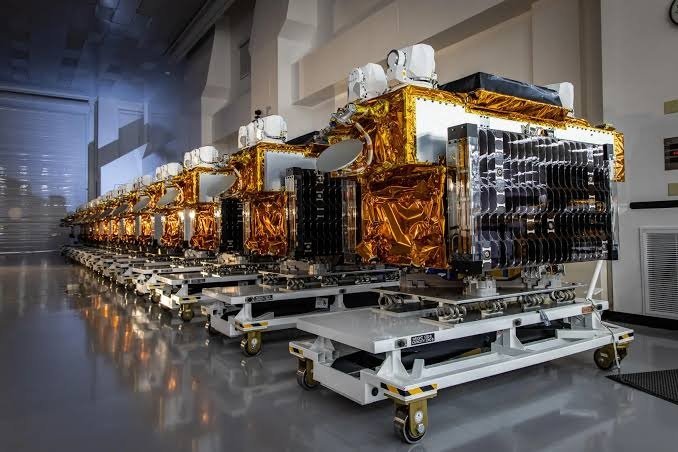
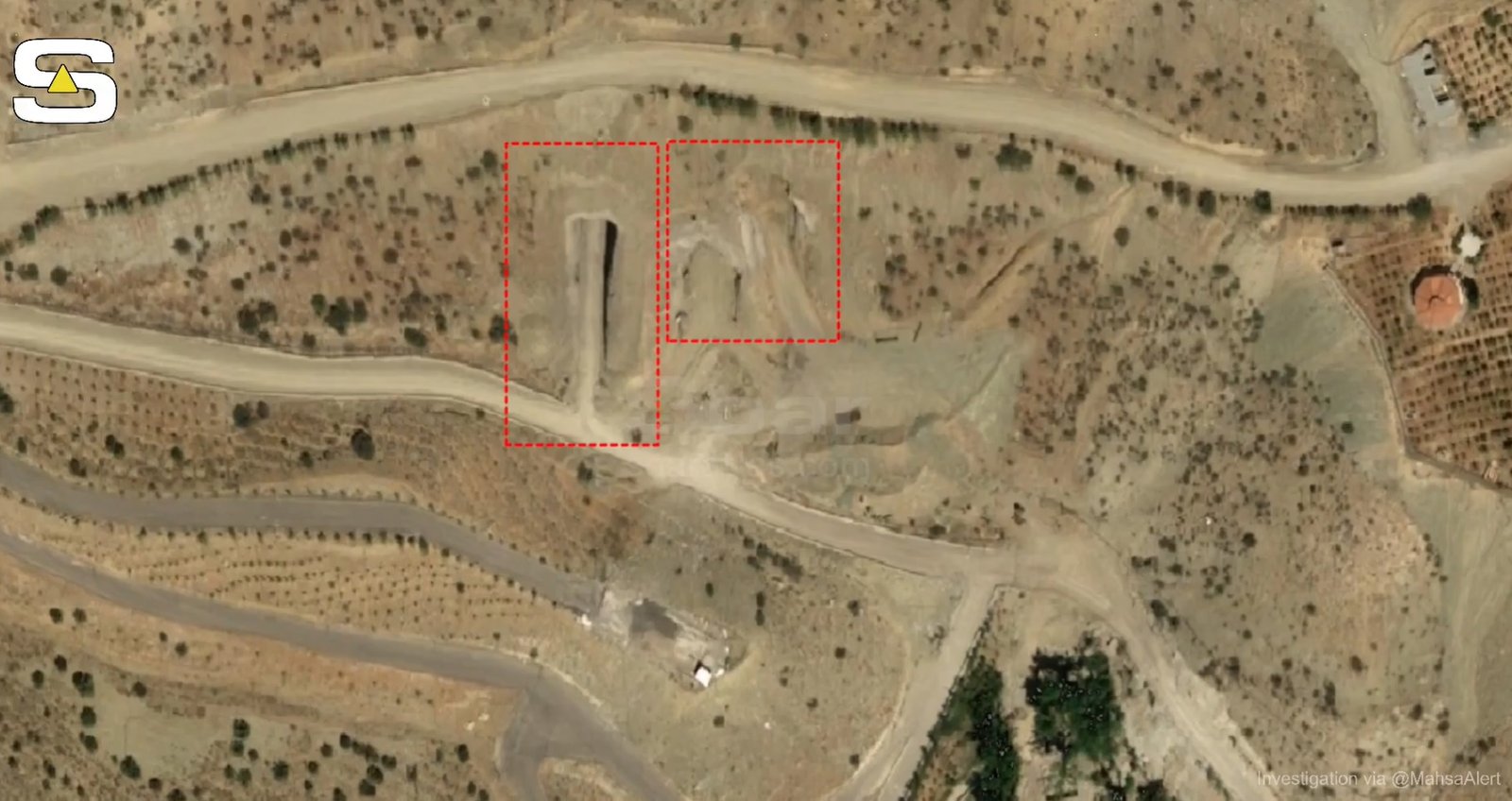
This cooperation has reportedly included the transfer of satellite imagery and enhancements to drone technology, which have been used by Iran in its regional military activities. Some U.S. assessments indicate that such support has contributed to Iran’s ability to identify and target U.S. positions in the Middle East.
Russia has denied these claims, with the Kremlin describing recent reporting on intelligence-sharing as inaccurate.
Diplomatic Concerns in Europe
The existence of the proposal has raised concerns among European officials, who view it as an attempt by Moscow to reshape the diplomatic landscape surrounding both the Ukraine war and Middle East tensions.
Several European diplomats have characterized the proposal as an effort to create divisions between the United States and its European allies, particularly at a time when transatlantic coordination has faced strain. Concerns have also been expressed that back-channel meetings between U.S. and Russian representatives have not produced measurable progress toward a Ukraine peace settlement.
According to statements from Moscow on Thursday, U.S.-mediated talks aimed at ending the conflict in Ukraine are currently on hold.
U.S. Intelligence Support to Ukraine
Despite a reduction in broader military and financial assistance under the Trump administration, intelligence-sharing remains one of the primary forms of U.S. support to Ukraine. This cooperation enables Ukrainian forces to respond to Russian military operations and maintain situational awareness on the battlefield.
The United States briefly paused intelligence-sharing with Ukraine last year following a meeting between President Donald Trump and Ukrainian President Volodymyr Zelenskyy that ended without agreement. During that period, European allies adjusted their own intelligence contributions to compensate for the temporary gap.
French President Emmanuel Macron stated earlier this year that France is now providing a significant portion of the intelligence support received by Ukraine, accounting for roughly two-thirds of the total.
In addition to intelligence assistance, the United States continues to facilitate weapons deliveries to Ukraine through a NATO-coordinated framework, under which allied countries finance the procurement. However, supply constraints—particularly in air-defense munitions—have emerged due to overlapping demands linked to tensions involving the United States, Israel, and Iran.
Broader Strategic Context
The discussions in Miami are part of a wider set of engagements between U.S. and Russian officials that have taken place in multiple locations, including Moscow, Paris, and Florida. These talks have addressed a range of issues, including the Ukraine conflict and broader regional security concerns.
President Trump has publicly acknowledged the parallel nature of intelligence relationships on both sides. In a recent interview, he suggested that Russia may be providing some level of support to Iran while also noting that the United States continues to assist Ukraine in a similar manner.
Separately, the Trump administration has taken steps that have drawn criticism from European leaders, including easing sanctions on Russian oil exports in an effort to stabilize global energy markets. German Chancellor Friedrich Merz and other European officials have expressed opposition to the move.
Tensions have also surfaced within NATO. On Friday, President Trump criticized alliance members for declining to deploy naval assets to help secure the Strait of Hormuz, highlighting ongoing disagreements over burden-sharing and regional commitments.
Official Silence
The White House declined to comment on the details of the Russian proposal. The Russian Embassy in Washington has not issued a response to requests for comment.
The rejection of the proposal underscores the continued divergence between Washington and Moscow on both Ukraine and Iran-related issues, even as diplomatic contacts between the two sides remain active.
——— End of Article ———