WASHINGTON — March 19, 2026 : The U.S. Department of Defense has formally requested that the White House approve a supplemental funding package exceeding $200 billion to support ongoing military operations against Iran, as officials assess growing strain on critical weapons stockpiles following weeks of sustained combat activity.
According to officials familiar with internal deliberations, the proposal is intended to fund both the continuation of current operations and a large-scale replenishment and expansion of advanced munitions inventories that have been significantly reduced during the campaign. The request follows approximately three weeks of coordinated U.S. and Israeli strikes conducted under Operation Epic Fury, which began on February 28.
Operational Costs and Expended Munitions
The scale of the proposed funding reflects the intensity and cost of the ongoing military campaign. U.S. and allied forces have conducted thousands of strikes on Iranian military infrastructure and associated targets across multiple theaters.
Independent estimates indicate that U.S. military operations cost approximately $11.3 billion during the first week alone. Subsequent assessments suggest total expenditures reached roughly $16.5 billion by the twelfth day of operations, including the cost of munitions, logistics, and support activities.
A significant portion of these costs is attributed to the use of high-value precision weapons. Among them are Tomahawk Land Attack Missiles, each with an estimated unit cost of approximately $3.5 million. The sustained use of such systems has accelerated the depletion of existing inventories.
Defense officials have also referenced more than 7,000 U.S. strike actions conducted since the start of the campaign, further underscoring the rate at which munitions stockpiles have been consumed.
Industrial Base and Production Expansion
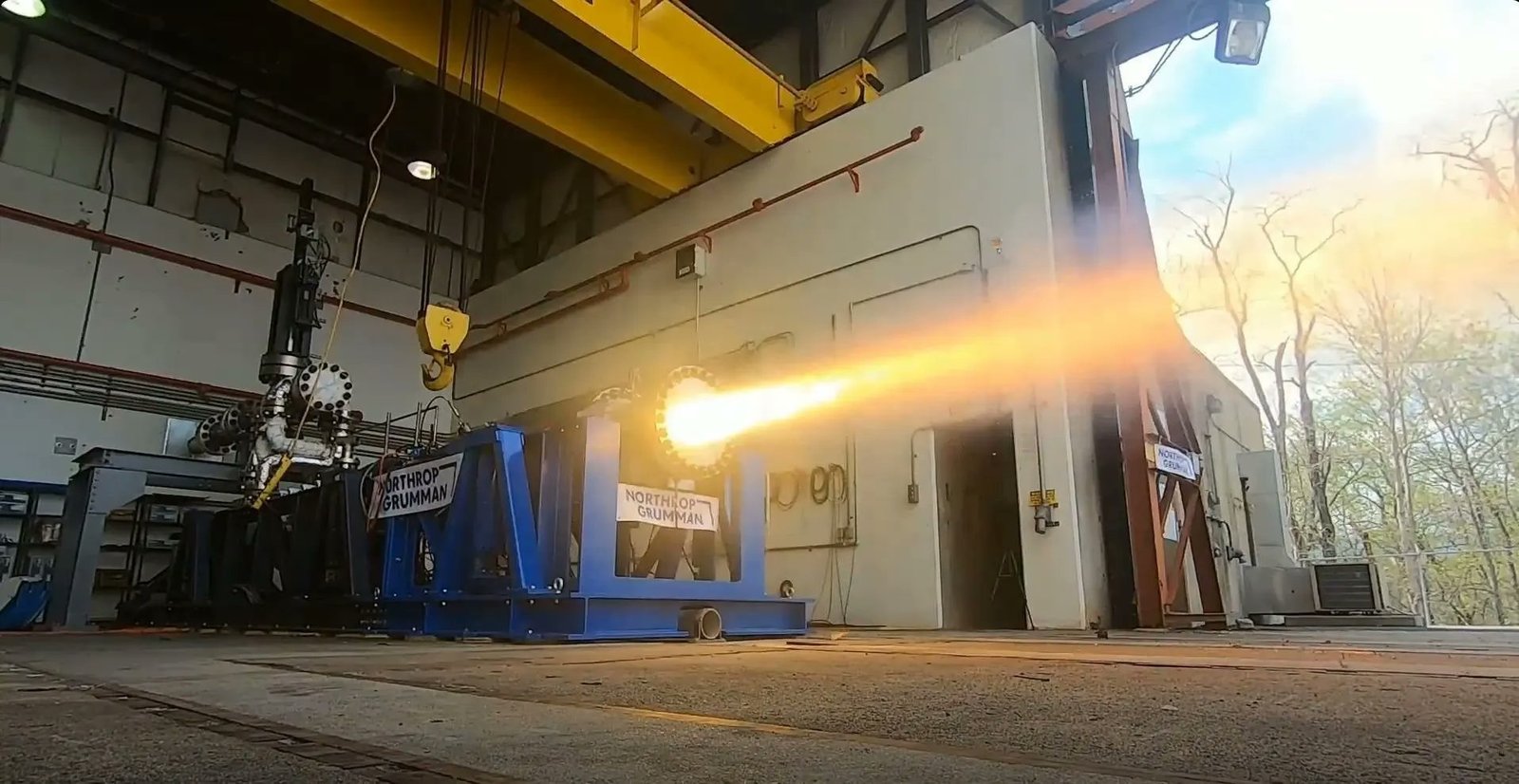
A central component of the Pentagon’s proposal involves expanding domestic defense manufacturing capacity to address current shortages and support long-term operational readiness.
Deputy Defense Secretary Steven Feinberg is reportedly overseeing internal efforts to coordinate with defense contractors and accelerate production lines for precision-guided munitions and other critical systems. Funding would be directed toward increasing output, reducing replenishment timelines, and strengthening supply chain resilience within the U.S. defense industrial base.
Officials indicate that rebuilding stockpiles is a priority not only for ongoing operations but also for maintaining readiness across other global commitments.
During a press briefing on Thursday, Defense Secretary Pete Hegseth did not confirm the specific $200 billion figure but acknowledged that funding requirements are being actively reviewed in coordination with Congress. He stated that the department’s objective is to ensure that military operations remain adequately resourced.
Internal Deliberations and White House Review
The funding request has been submitted to the White House for review, where officials are evaluating multiple budget scenarios developed by the Defense Department in recent weeks. These options were prepared as battlefield requirements evolved and as assessments of munitions usage and future needs were updated.
However, the size of the proposed package has generated internal debate. Several administration officials have expressed concern regarding the feasibility of securing congressional approval for a request of this magnitude, particularly given existing fiscal pressures and the already expanded defense budget.
The White House Office of Management and Budget (OMB) is reported to have raised questions about the overall scale of the proposal and its implications for federal spending.
No final decision has been announced on the amount that will be formally submitted to Congress, and no timeline has been provided for the next steps in the process.
Congressional Outlook and Political Considerations
If approved by the White House, the supplemental funding request would face a complex legislative path. In the Senate, passage would require a 60-vote majority, necessitating bipartisan support.
Early indications suggest potential resistance from multiple political factions. Some Democratic lawmakers have voiced opposition to continued funding for a prolonged conflict, while certain Republican fiscal conservatives are expected to scrutinize the scale of the expenditure despite general support for military operations.
The size of the proposed package would exceed recent U.S. military funding allocations related to other conflicts, including combined support levels associated with Ukraine and Gaza.
Broader Context and International Reaction
The funding discussions come amid broader U.S. government actions aimed at managing the economic and logistical effects of the conflict. Recent measures have included a temporary 60-day waiver of the Jones Act and releases from the Strategic Petroleum Reserve to stabilize energy markets.
Internationally, the reported funding figure has drawn attention from Iranian officials. Foreign Minister Abbas Araghchi publicly criticized the scale of the proposed expenditure, describing it as part of a broader financial burden associated with the conflict.
Next Steps
The administration continues to deliberate over the final structure and size of the supplemental request. Any formal submission to Congress is expected to initiate a significant legislative debate over funding priorities, military readiness, and the long-term trajectory of U.S. operations in the region.
No official breakdown of the proposed $200 billion allocation has been released, and further details are expected only after the White House completes its review.
——— End of Article ———