World
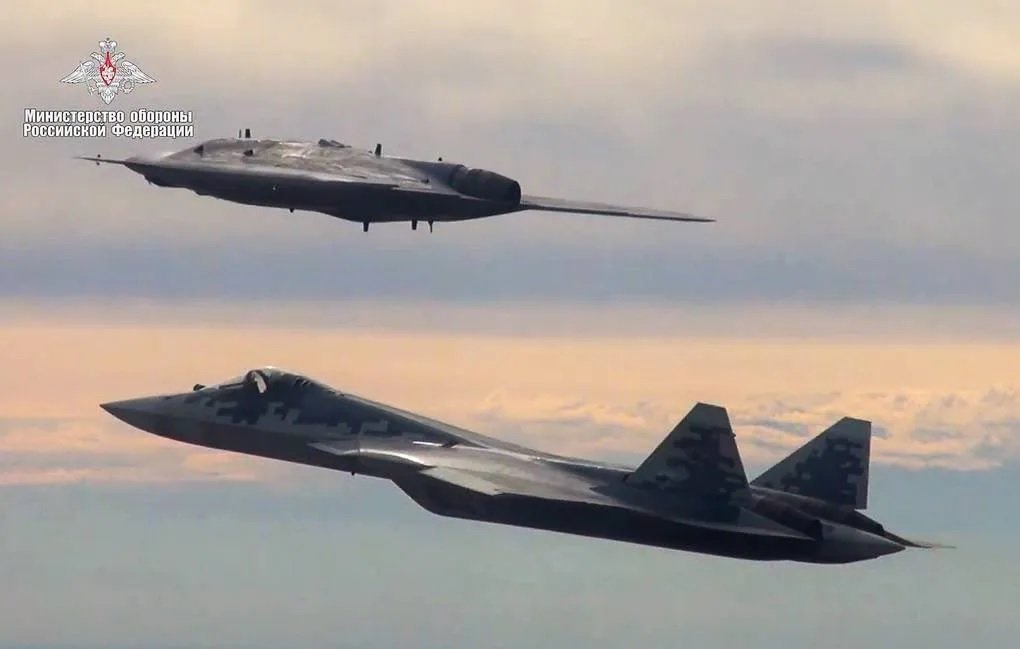
MOSCOW, Russia — Russia plans to use its new two-seat Su-57D as a testbed for technologies being developed for future sixth-generation fighter aircraft, including unmanned-aircraft control and combat artificial intelligence. Mikhail Strelets, chief designer at Sukhoi, said the second cockpit will allow an operator to control unmanned aerial vehicles, particularly the S-70 Okhotnik. The additional crew member could manage unmanned systems while the pilot focuses on flying and combat tasks. Russian officials have also described the two-seat aircraft as having combat, training and tactical-control roles. Russian two-seat Su-57D to serve as a testbed for sixth-generation fighter technologiesIts second cockpit will allow one pilot to control UAV such as the S-70 Okhotnik. Su-57D will also be used to test combat artificial intelligence according to chief designer Sergey Strelets. pic.twitter.com/9DdnpKwqDN — H. Memarian (@HEMemarian) August 14, 2026 The Su-57D is based on an early T-50-4 flight prototype, aircraft 054. It began taxi tests on May 16, 2026, and completed its first flight on May 19, lasting about 40 minutes. Sukhoi test pilot Sergey Bogdan conducted the flight. The aircraft is also being used to test combat artificial intelligence developed by Sukhoi specialists. The work is intended to examine how AI and autonomous decision-making systems can be integrated into the aircraft and the unmanned systems operating under its control. The Su-57D builds on earlier Russian tests involving the Su-57 and S-70 Okhotnik. The two-seat configuration provides a dedicated crew station for managing unmanned aircraft and processing mission information. Strelets has not disclosed details of Russia's planned sixth-generation fighter. He has previously described future combat aviation as a system involving manned, optionally manned and unmanned platforms connected through advanced information and control systems. Su-57 upgrades continue Russia is continuing to improve the existing Su-57 while developing these future technologies. In February 2026, UAC announced delivery of another batch of Su-57s equipped with modernized onboard systems and an updated weapons suite. Specific details of those upgrades were not released. Russia is also testing new engines. In December 2025, the T-50-2 prototype, aircraft 052, flew with the new Product 177 engine. The engine is being developed for the Su-57, Su-30 and Su-35 and has a declared afterburning thrust of 16,000 kgf, along with claimed reductions in fuel consumption and an increase in service life. Development of the Su-57's second-stage Product 30 engine is also continuing. The same T-50-2 prototype was observed in December 2024 testing a flat engine nozzle. The purpose of those tests has not been fully disclosed. Russia had previously considered a flat nozzle for the S-70 Okhotnik, although test aircraft were seen with conventional round nozzles. Alongside the Su-57, Russia is developing the Su-75 Checkmate as a lighter fighter intended to complement its heavier aircraft. In June 2026, UAC CEO Vadim Badekha said construction of the first flight prototype was underway. The Su-57D therefore provides Russia with an existing aircraft platform for testing technologies involving manned-unmanned teaming, AI-assisted combat operations and control of unmanned aircraft, while development of future fighter programmes continues. Detailed specifications of a Russian sixth-generation fighter have not yet been publicly disclosed.
Read More → Posted on 2026-08-15 14:27:40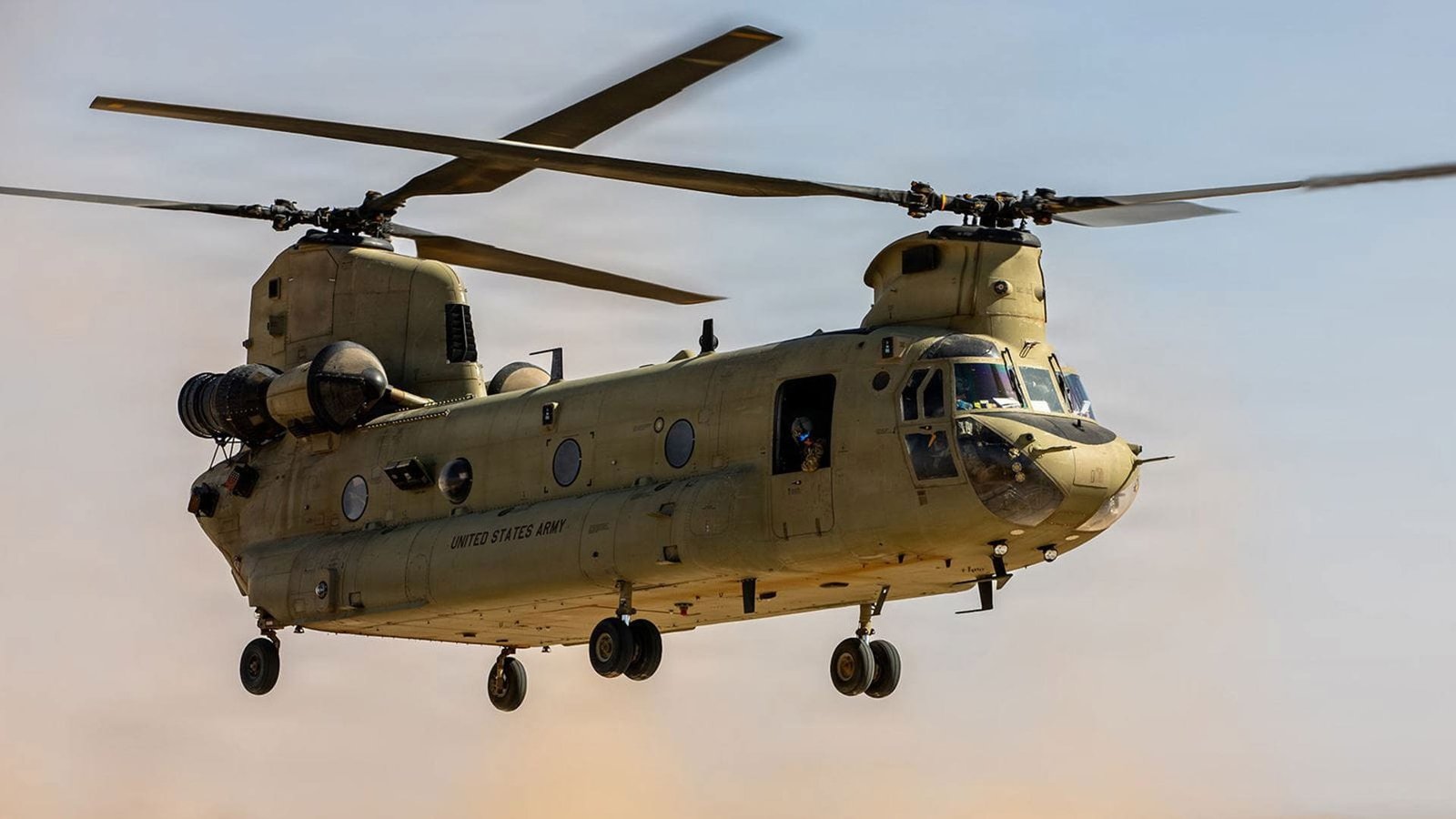
U.S
Huntsville, Alabama / Cedar Rapids, Iowa — Collins Aerospace, an RTX business, has been awarded a U.S. Army contract worth up to $472 million to provide engineering services for the modernization and sustainment of the Army’s CH-47 Chinook heavy-lift helicopter fleet. The contract focuses on avionics work intended to integrate new capabilities, manage component obsolescence and support continued modernization of the aircraft. Work will be carried out in Huntsville, Alabama, and Cedar Rapids, Iowa. Focus on Avionics Modernization The Army is using progressive upgrades to keep the Chinook’s avionics current rather than relying on a single major redesign. The effort includes work involving the Common Avionics Architecture System (CAAS) and the Digital Advanced Flight Control System (DAFCS). Collins Aerospace supplies CAAS for the CH-47F Chinook. The system integrates communications, navigation and mission subsystems through Collins’ Flight2 open-systems architecture and is designed to support future upgrades using open standards. The Army’s Chinook modernization program also includes ongoing engineering and obsolescence-management activities. U.S. Army budget documents identify updates to CAAS and DAFCS software as part of the CH-47F Block II program. Open Architecture for Future Upgrades A major element of the effort is the use of open and reusable avionics architectures. This approach is intended to make it easier to introduce new technologies and replace obsolete components without requiring extensive changes across the aircraft’s entire avionics system. Collins says its open-architecture avionics are designed to provide flexibility for future upgrades while supporting integration of communications, navigation and other aircraft systems. The Army has also identified commonality and future growth as important elements of the Chinook program. The CH-47F already uses an upgraded digital cockpit featuring CAAS and the Digital Automatic Flight Control System. Supporting the CH-47F Block II The contract comes as the Army continues the transition toward the CH-47F Block II configuration. The Block II program introduces additional improvements to the Chinook, including updates to avionics as well as changes to other aircraft systems. Army program documents describe the CH-47F as the service’s heavy-lift cargo helicopter and identify missions including troop and equipment transport, aerial sustainment, medical evacuation, search and rescue, parachute operations, disaster relief and aircraft recovery. The Block II configuration is intended to provide increased payload and operational reach compared with the existing CH-47F, while also providing additional potential for future growth. Collins Aerospace's Chinook Role Jenny Miller, vice president and general manager of Vision and Sensing Systems at Collins Aerospace, said the company’s avionics integrate communication, navigation and mission subsystems into a flexible cockpit architecture. “Our longstanding avionics partnership with the US Army ensures the fleet continuously evolves to support the warfighter and meet future operational demands,” Miller said. Collins has supported Chinook avionics through CAAS, which uses an open-systems architecture and integrates multiple communications, navigation and mission systems. The company says the system is designed to support continued modernization and enhancements. Long-Term Fleet Sustainment The latest contract provides the Army with a framework for continued engineering and avionics sustainment as the Chinook fleet is modernized. It also supports the Army’s broader effort to maintain existing aviation capabilities while introducing new technologies and transitioning to newer configurations. The $472 million value represents the maximum potential value of the engineering services contract rather than a single hardware purchase. The work therefore provides a mechanism for the Army to order engineering and sustainment activities as required. The contract extends Collins Aerospace’s established role in Chinook avionics and supports the continued modernization of the CH-47 fleet as the Army moves forward with the CH-47F Block II program.
Read More → Posted on 2026-08-15 14:17:35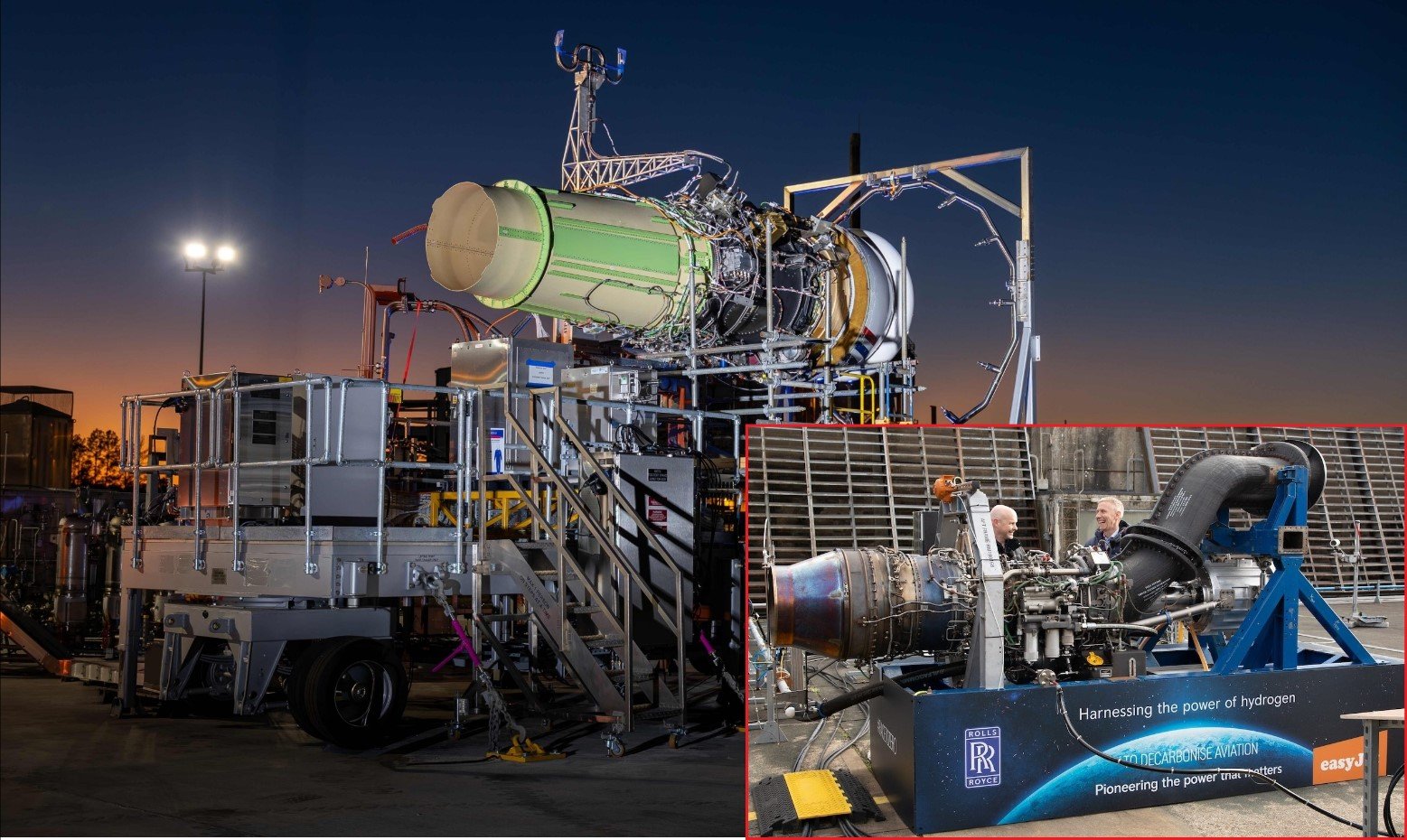
U.S
MISSISSIPPI — Tata Consultancy Services (TCS) and Rolls-Royce have successfully demonstrated the operation of a modern aero gas turbine engine on 100% gaseous hydrogen through a fully simulated flight cycle. The ground test covered key phases including start-up, take-off, cruise and landing. The test was conducted at NASA’s Stennis Space Center in Mississippi, where a modified Rolls-Royce Pearl 15 engine reached full take-off power while operating on hydrogen. Pearl 15 Completes Simulated Flight Cycle The Pearl 15 is a business aviation engine used to power the Bombardier Global 5500 and Global 6500. Rolls-Royce lists the engine with a maximum certified thrust of 15,250 lb (67.8 kN). According to TCS and Rolls-Royce, the latest test represents the first time a modern aero engine of this class has completed a full simulated flight cycle on 100% hydrogen under the demonstrated conditions. Engineers tested the engine through different operating conditions, including start-up, take-off, cruise and landing phases. The campaign also included fault scenarios to examine the behaviour of the engine and its systems under different conditions. The testing focused on key technologies required for hydrogen propulsion, including hydrogen combustion, fuel systems and engine controls. Rolls-Royce has previously said that its hydrogen programme is intended to develop technology that could eventually support aircraft in the small- to mid-size range, with the longer-term ambition of moving toward flight testing. Four-Year Hydrogen Programme The latest test is part of a hydrogen propulsion programme launched by Rolls-Royce and easyJet in 2022. The companies began the programme with the objective of developing hydrogen combustion technology capable of powering different types of aircraft, including aircraft in the narrow-body segment. An earlier milestone came in 2022, when Rolls-Royce and easyJet successfully tested a Rolls-Royce AE2100 engine on 100% green hydrogen at Boscombe Down in the UK. Further work included hydrogen combustion testing and component and system-level testing. In 2023, Rolls-Royce and its partners also demonstrated 100% hydrogen combustion in a full annular combustor of a Pearl engine at the German Aerospace Centre (DLR) in Cologne under conditions representing maximum take-off thrust. In 2024, Rolls-Royce announced the development of a full-scale outdoor hydrogen engine test site at NASA’s Stennis Space Center. The facility was intended to support testing of a modified Pearl 15 engine and the integration of technologies required for 100% hydrogen operation, with TCS providing engineering expertise. TCS Engineering Support TCS joined the hydrogen programme as an engineering and technology partner and supported Rolls-Royce in several areas of the programme. Its work included fuel system and engine controls integration, hydrogen combustion analysis, test preparation, validation, data analytics, risk management and detailed design. TCS had previously announced that its engineering support for Rolls-Royce would focus on three major challenges for hydrogen aviation: fuel combustion, fuel delivery and fuel-system integration with the engine. The Stennis test campaign brought together Rolls-Royce, TCS, easyJet, NASA, the UK Health and Safety Executive and other industry partners. Adam Newman, Chief Engineer of the Hydrogen Demonstrator Programme at Rolls-Royce, said the programme provided valuable insights into how 100% hydrogen behaves in a modern aero gas turbine across a full flight cycle. He said the testing also helped validate combustion, fuel and control-system technologies, with the findings expected to support future propulsion developments, including UltraFan. Anupam Singhal, President – Manufacturing at TCS, said the milestone demonstrated the potential of combining advanced engineering, digital capabilities and collaboration across the aerospace ecosystem. He added that TCS would continue supporting Rolls-Royce in hydrogen-powered aviation technologies. Hydrogen and Future Aviation Hydrogen is being investigated as a potential aviation fuel because its use in suitable propulsion systems can avoid in-flight CO₂ emissions. However, hydrogen-powered aviation requires development across areas including combustion, fuel delivery, storage and aircraft integration. Rolls-Royce says its hydrogen programme is aimed at developing technologies that could help lower aviation emissions and support future propulsion systems. The company is also continuing research into sustainable aviation fuels, gas-turbine efficiency and electrification. The successful Pearl 15 ground campaign provides additional test data on the operation of a modern gas turbine using 100% hydrogen. The results are expected to contribute to the development and assessment of future hydrogen propulsion technologies as the aviation industry works toward lower-carbon air travel.
Read More → Posted on 2026-08-15 13:34:27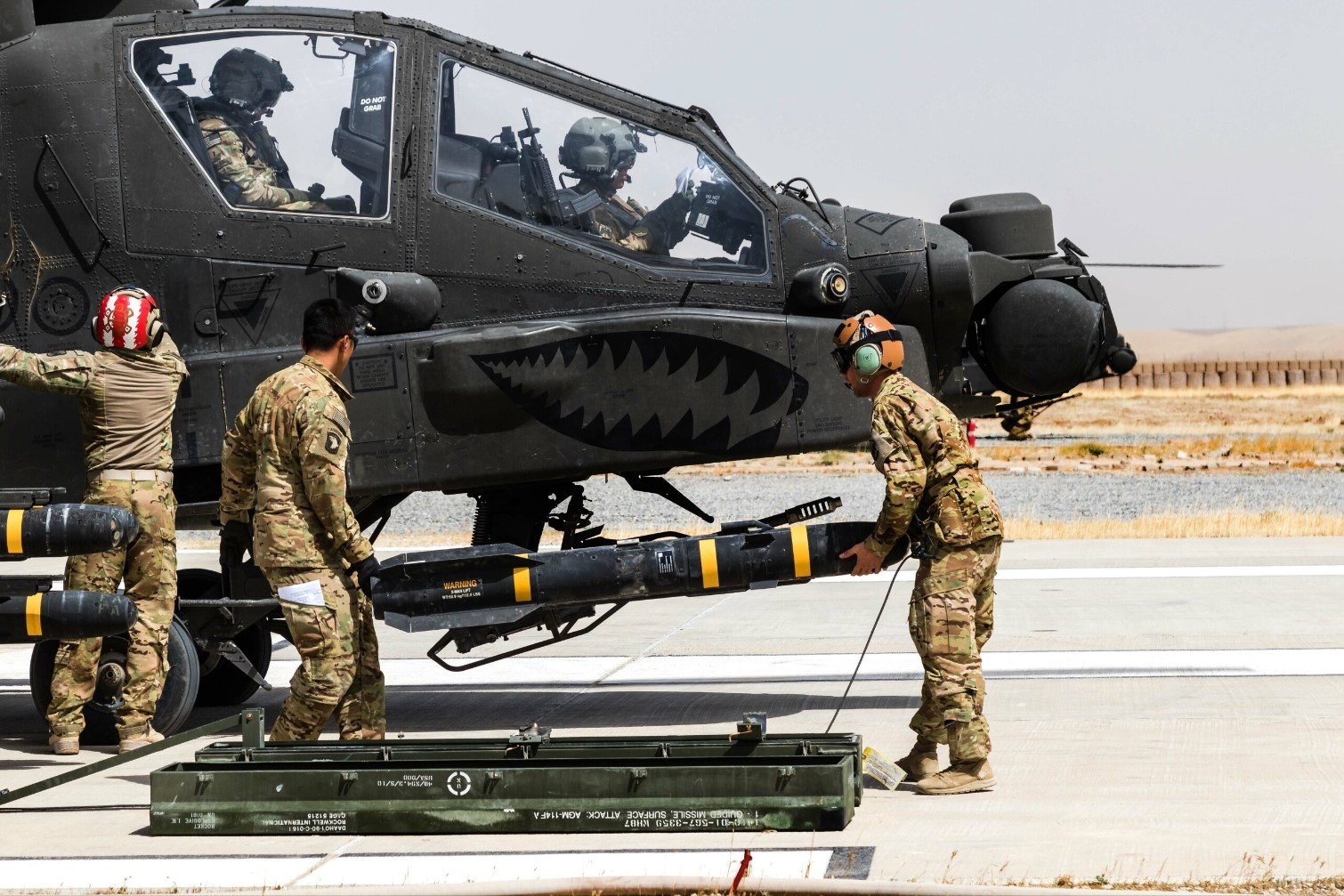
U.S
HOUSTON — KBR announced on August 10 that its Mission Technology Solutions business has secured an estimated $208 million cost-plus-fixed-fee task order to continue supporting the U.S. Army’s Tactical Aviation and Ground Munitions (TAGM) portfolio. The five-year task order was awarded under the federal government’s One Acquisition Solution for Integrated Services Plus (OASIS+) contract vehicle. It is a recompete that continues KBR’s role as the prime contractor supporting a range of Army precision-strike and aviation weapons. Under the task order, KBR will provide support across the full lifecycle of the systems. The work includes advanced engineering, rapid prototyping, modernization, foreign military sales support and global logistics, covering activities from development and fielding through sustainment. Weapons Covered by the Task Order The TAGM portfolio covered by the work includes the HELLFIRE missile, Joint Air-to-Ground Missile (JAGM), Javelin, Tube-launched Optically-tracked Wireless-guided (TOW) missiles, Hydra rockets and Long-Range Precision Munitions (LRPM). The portfolio also includes advanced rocket systems and containerized weapons platforms. The Army's TAGM program supports tactical aviation and ground forces and includes systems at different stages of development, fielding and sustainment. The Army has previously identified Long Range Precision Munitions as part of its efforts to provide longer-range capabilities for future and current aviation platforms. Support for Army Modernization KBR said the task order supports several Army modernization priorities, including multi-domain operations, increased Army Aviation lethality, Launched Effects and low-cost Counter-Unmanned Aircraft System (C-UAS) capabilities. The company will use its engineering capabilities, digital tools and global execution resources to support the Army as it uses accelerated acquisition approaches to move new capabilities from prototype development toward fielding. Jay Lennon, President of Mission Technology Solutions, said the award reflects the Army's trust in KBR and highlighted the company's work supporting Army precision weapons for more than 25 years. “For more than 25 years, KBR has helped take the Army’s most important precision weapons from concept to combat readiness,” Lennon said. KBR said the TAGM weapons remain in demand across global theaters as threat environments change, increasing the importance of engineering, modernization and sustainment support for the portfolio. Contract Comes Ahead of Trinzic Spin-Off The task order comes as KBR prepares to separate its Mission Technology Solutions business into an independent public company called Trinzic. KBR announced the Trinzic name in July as part of its planned spin-off of the Mission Technology Solutions business. The separation is currently expected to be completed in January 2027, subject to the required conditions and approvals. KBR previously said the planned spin-off business would enter the market with more than $5 billion in annual revenue and approximately 20,000 employees, with capabilities spanning national security and space, including digital integration, artificial intelligence, mission engineering and rapid prototyping. KBR's Mission Technology Solutions business has continued to secure U.S. government work as preparations for the separation progress. KBR said in its second-quarter 2026 earnings update that the company remained on track for the planned January 2027 spin-off and was progressing with activities including contract separation, IT systems, procurement and organizational planning. The new Army task order therefore extends KBR's existing TAGM support while the business prepares to transition into Trinzic as an independent company.
Read More → Posted on 2026-08-15 13:17:19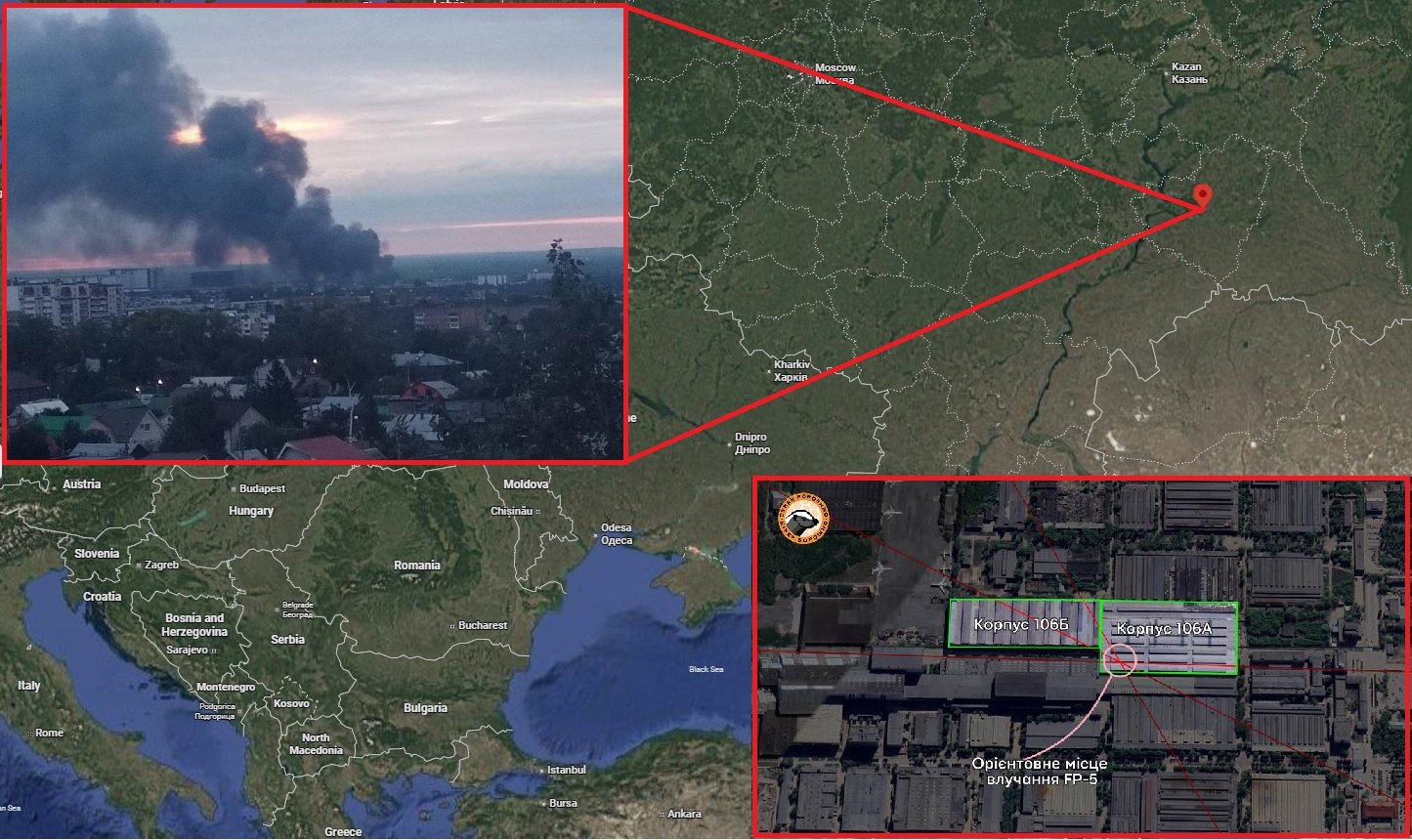
World
Samara, Russia — Ukrainian forces carried out a long-range missile strike against an industrial facility in Russia’s Samara region overnight into August 15, with Ukrainian officials later identifying the target as the Progress Rocket and Space Center in Samara. The attack triggered a regional air raid alert, while residents reported multiple explosions and smoke across the city. Samara Region Governor Vyacheslav Fedorishchev confirmed that an industrial enterprise had been targeted during what he described as a massed missile attack. Fedorishchev said emergency services were deployed and an operational headquarters was established at the site. He initially said authorities were still determining whether there were casualties. Later, he reported that two people were injured and that there were no deaths. Samara Mayor Ivan Noskov said the attack caused localized damage to industrial infrastructure. Russian officials also said that air defenses intercepted part of the incoming attack, but they did not specify the number of missiles involved or identify the missile system that reached the target. Progress Rocket and Space Center Identified as Target Ukrainian President Volodymyr Zelenskyy said Ukrainian forces had struck the Progress Center in Samara, describing it as a key enterprise under Russia’s Roscosmos space agency involved in rocket technology and electronics production. The General Staff of the Armed Forces of Ukraine confirmed a direct hit on the Progress Rocket and Space Center and said a fire broke out on the facility’s grounds. Ukrainian defense company Fire Point, which produces the Flamingo missile, also confirmed that the Progress center was struck. The facility was identified as the Progress Rocket and Space Center, formerly known as TsSKB-Progress. The company has produced Soviet and Russian launch vehicles since the 1950s, including the R-7-derived rocket used to launch Yuri Gagarin into orbit in 1961. Progress is the only Russian facility that performs series production of the Soyuz-2 family of launch vehicles. These rockets are used for crewed and uncrewed missions and for launching military and commercial satellites. The facility also produces electro-optical reconnaissance and Earth-observation satellites. Building 106A Identified by Open-Source Analysis The Ukrainian open-source intelligence group CyberBoroshno assessed that the primary impact occurred at Building 106A at the Progress facility, giving the coordinates as 53.217623, 50.303163. Ukrainian commentator Oleh Ponomar reported the same assessment based on CyberBoroshno’s GEOINT analysis. However, neither the Ukrainian military nor Progress had publicly confirmed the specific building at the time of reporting. The identification therefore remains based on the open-source imagery assessment. According to CyberBoroshno, Building 106A is part of the production complex for the Soyuz launch vehicle family. The building operates as a cleanroom where onboard electrical systems, instruments and circuit boards are installed. The work includes the rocket’s guidance and control systems, cable networks and instrument compartment. These components are installed after the rocket’s airframe and fuel tanks have been produced but before the vehicle is completed. A neighboring structure, Building 106B, is used for the final assembly of completed rockets and may also have been damaged in the strike. The nearby Aviakor aircraft plant, which repairs and services Tu-95MS strategic bombers, is also located in the same industrial area. Potential Impact on Production CyberBoroshno assessed that damage involving fire and firefighting water inside a cleanroom could require a longer recovery period than conventional industrial repairs. According to the group, restoring such a facility would involve reclassifying cleanroom zones, recertifying manufacturing processes and testing for airborne particulate contamination. CyberBoroshno estimated that this type of recovery could take months rather than weeks. The group also said that electronics used in Soyuz rockets depend on imported components affected by international export restrictions, which could complicate efforts to replace damaged equipment. The broader impact on Progress production remains unclear, and the full extent of the damage has not been independently established. Flamingo Missile Reportedly Used Ukraine’s Fire Point confirmed that its FP-5 Flamingo cruise missile was used in the operation. Fire Point chief designer and co-founder Denys Shtilerman released video of a missile launch on social media and linked it to the strike on the Progress facility. The FP-5 Flamingo is a ground-launched cruise missile with a published range of up to 3,000 kilometers (1,860 miles) and a reported warhead weight of approximately 1,000 to 1,150 kilograms. The missile is powered by a turbofan engine and uses satellite navigation. Ukraine first used the system in combat in August 2025, according to Ukrainian officials at the time. Ukrainian President Zelenskyy said the Progress facility was approximately 900 kilometers from the Ukrainian border. CyberBoroshno assessed that the Samara strike most likely involved an FP-5 Flamingo missile. The group has previously attributed other strikes to the same missile, including attacks on the VNIIR-Progress electronics plant in Cheboksary and the Antipinsky oil refinery in Tyumen in July. Progress and Russian Military Satellites The Progress facility has significance beyond launch-vehicle production because Soyuz-2 rockets produced there are used to place Russian military and commercial satellites into orbit. CyberBoroshno said the rockets support Russian military satellite systems including the Liana signals intelligence and targeting network, as well as the Persona and Razdan optical reconnaissance satellites. Soyuz-2 rockets have also been used to launch satellites for Russia’s Rassvet broadband satellite constellation, operated by Bureau 1440. Public launch records cited in the assessment show Rassvet satellites launched aboard Soyuz-2.1b rockets from the Vostochny and Plesetsk cosmodromes. Strike on Savasleyka Airfield The Samara operation was part of a broader series of Ukrainian strikes against Russian military and industrial targets. Ukrainian forces also struck Savasleyka airfield in Russia’s Nizhny Novgorod region during the same night. The airbase is known to station MiG-31K aircraft, which are used to carry Kh-47M2 Kinzhal aeroballistic missiles. The Ukrainian General Staff acknowledged the strikes and said operations against Russian military and industrial sites were continuing. The full scale of the damage at the Progress Rocket and Space Center remains under assessment. Russian officials have described localized damage, while Ukrainian authorities and open-source analysts have reported a direct hit and fire at the facility.
Read More → Posted on 2026-08-15 12:56:47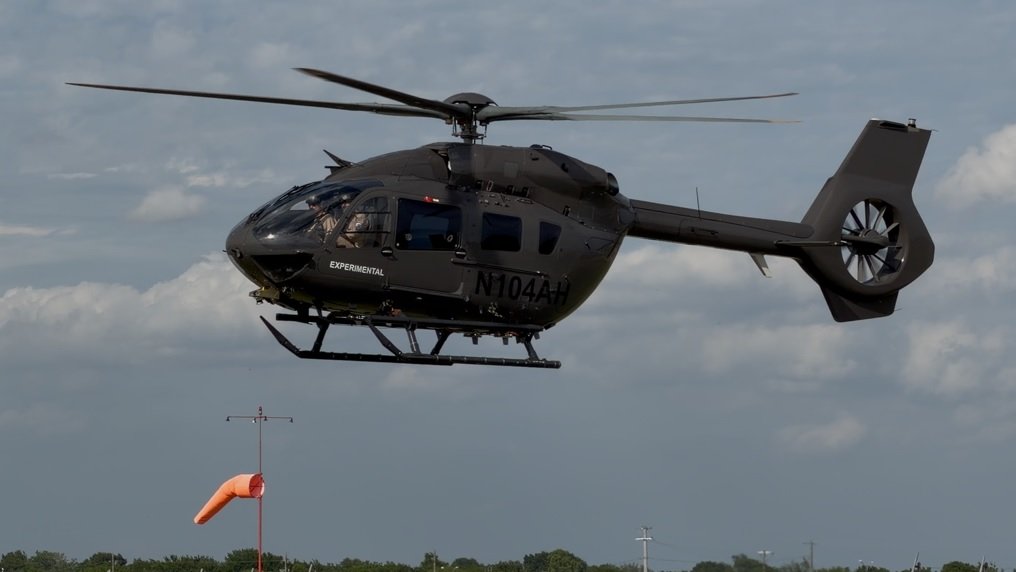
U.S
Washington, D.C. — Airbus Helicopters Inc. has been awarded a $115.4 million contract by the U.S. Army for 10 new UH-72B Lakota helicopters, with an option for two additional aircraft. If the two-aircraft option is exercised, the total value of the agreement could reach about $140.7 million. The contract, W58RGZ-26-C-0020, was announced by the Department of War on August 14, 2026. It was issued by Army Contracting Command at Redstone Arsenal, Alabama. The initial contract is funded through fiscal 2024 and 2025 Army aircraft procurement funds. The order includes the helicopters, designated MBB-BK 117 D3, along with jettisonable cockpit doors, air-conditioning system installation, engine inlet barrier filters and program management. The Army solicited the work online and received one bid. The contract currently lists an estimated completion date of December 31, 2030. Deliveries to Begin in 2027 The 10 helicopters covered by the initial order are scheduled to be delivered between 2027 and 2029. The aircraft will be assembled at Airbus’ production facility in Columbus, Mississippi, which serves as the manufacturing hub for the Lakota program. The Columbus facility also employs a workforce that includes a significant share of military veterans. The new acquisition continues the U.S. Army's modernization of its Army National Guard Lakota fleet, which has been in service since the first UH-72 contract award and delivery in 2006. UH-72 Lakota Fleet The UH-72 is the U.S. Army’s third-largest rotor-wing fleet. The helicopters support Army and National Guard units across 49 states and territories. Lakota helicopters are used for a range of missions, including homeland defense, search and rescue, disaster relief, surveillance and medical evacuation. National Guard units also use the aircraft for missions such as border security and counter-drug operations. Since the program began, Airbus has delivered more than 480 Lakota helicopters, with the company stating that deliveries have been made on time. The fleet has accumulated more than 1.7 million flight hours. UH-72B Lakota The UH-72B is the latest version of the Army’s Light Utility Helicopter. It is based on Airbus’ commercial H145 platform and follows the commercial off-the-shelf approach used by the Lakota program. The UH-72B features a five-bladed main rotor, a Fenestron shrouded tail rotor, twin Safran Arriel 2E engines and the Airbus-designed Helionix avionics suite. The B variant was introduced by the Army in 2020, with the first UH-72B helicopters delivered to the Army National Guard in September 2021. The new helicopters under the latest contract will also receive specific field upgrades, including jettisonable cockpit doors, air-conditioning systems and engine inlet barrier filters. These features are included in the contract to support the configuration required by the Army. Continued Lakota Modernization The latest contract follows Airbus’ wider support for the Army’s Lakota fleet. In 2022, Airbus secured a separate Contractor Logistics Support contract valued at up to $1.5 billion over five years. That agreement covers spare parts, material and engineering support for the Army’s Lakota fleet at 67 sites nationwide. Alex Veneziano, CEO of Airbus U.S. Space & Defense, said that Army and National Guard pilots need modern technology and a proven aircraft to meet changing mission requirements. He added that continued modernization will keep the Lakota fleet as part of Army aviation in the coming years. The new UH-72B order adds another 10 helicopters to the Army’s Lakota program, with two additional aircraft available as an option, while continuing the modernization of the Army National Guard’s light utility helicopter fleet.
Read More → Posted on 2026-08-15 12:35:46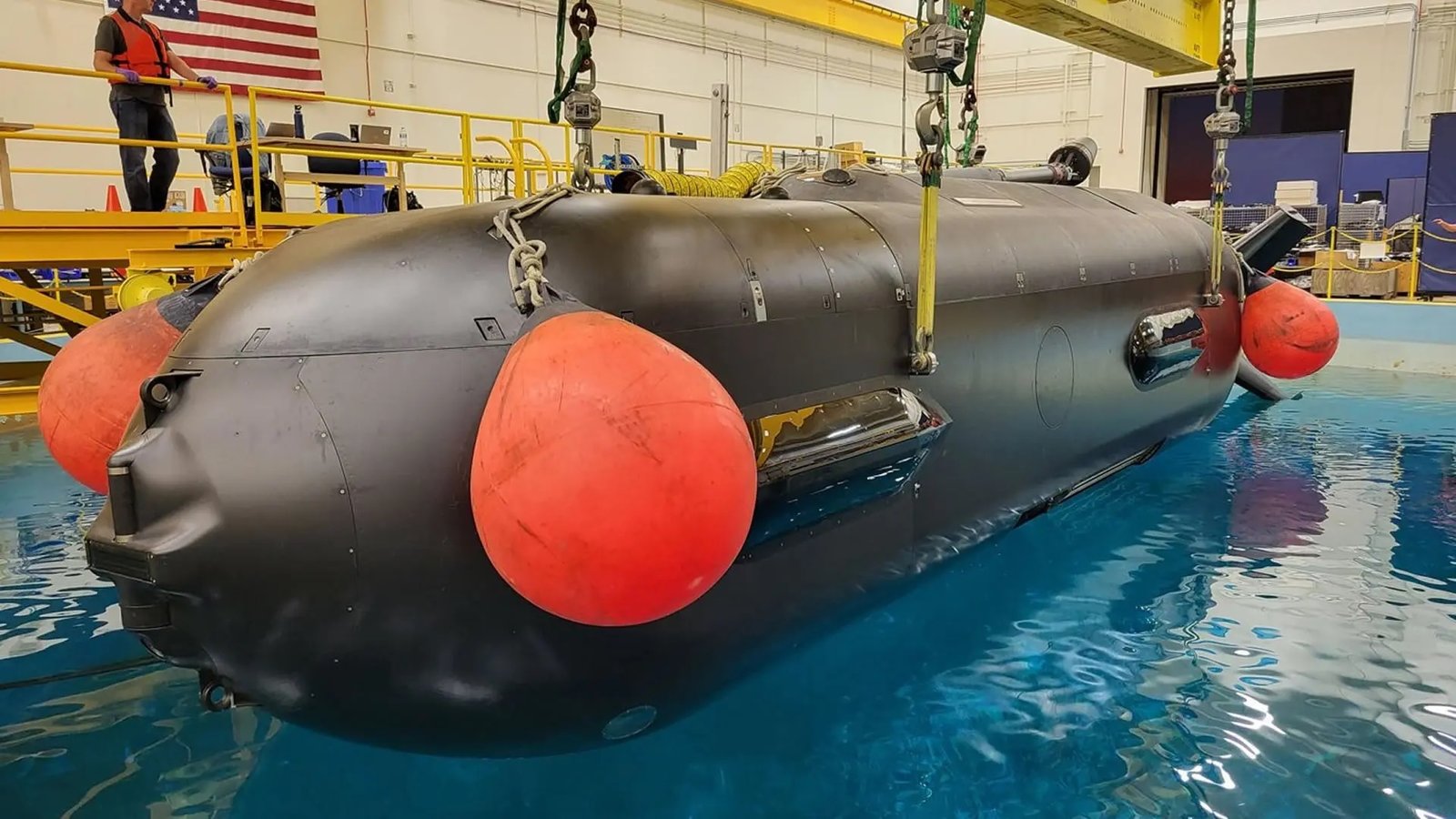
U.S
EAST PACIFIC — The U.S. Navy completed its first 1,000-nautical-mile transit with an Orca Extra Large Uncrewed Undersea Vehicle (XLUUV) in July 2026, marking the first time the system has completed a patrol of that distance in the program’s history. The uncrewed submarine, developed by Boeing and Huntington Ingalls Industries, traveled more than 1,000 nautical miles across the East Pacific during the mission. Teams from the Navy’s Program Executive Office for Unmanned and Small Combatants supported the operation. Rear Admiral Chris Cavanaugh, Commander of the U.S. Submarine Force, Pacific Fleet, confirmed the milestone and highlighted the Navy’s continued investment in unmanned undersea systems. “The operational environment in the Pacific continues to evolve with the rapid development of technological advancements in the undersea domain,” Cavanaugh said. “The Pacific Submarine Force is heavily investing in unmanned capabilities to augment our manned submarines and preserve our undersea advantage across the full spectrum of submarine operations.” Orca Designed for Long-Endurance Undersea Missions Orca is among the largest uncrewed undersea vehicles operated by the U.S. Navy. The system supports mission requirements identified in a Joint Urgent Operational Need focused on the Pacific theater. Its planned mission areas include intelligence, surveillance and reconnaissance (ISR), mine warfare, seabed warfare and expeditionary support. The vehicle is designed to operate independently for extended periods and can launch and recover from a pier without requiring a dedicated support ship. Orca uses a hybrid diesel-electric propulsion system. Its reported range is about 6,500 nautical miles, allowing missions that can extend over periods measured in months. The basic hull is about 51 feet long without the payload section. When the modular payload section is installed, the overall length reaches roughly 85 feet, with a displacement of about 80 to 85 tons. The payload bay is approximately 34 feet long and can carry up to 8 tons of equipment. Navigation uses an inertial navigation system supported by Doppler velocity logs and depth sensors, allowing the vehicle to operate without GPS. Latest Orca Vehicle and Earlier Testing The latest vehicle, designated XLE2, was commissioned earlier in 2026 at Boeing’s facility in Huntington Beach, California. Earlier vehicles include XLE0, a test asset delivered to the Navy in December 2023, and XLE1. Testing of the Orca system has been conducted off the southern California coast, with risk-reduction work beginning in 2024. The July transit provides the Navy with an additional demonstration of the vehicle’s ability to conduct extended autonomous operations over long distances in the Pacific. Hunter Payload and Other Planned Capabilities The Navy is also working to integrate additional capabilities into the Orca fleet. One of these is the Hunter payload, developed under a Defense Advanced Research Projects Agency (DARPA) program. Hunter is focused on delivering advanced undersea payloads from extra-large uncrewed vehicles for expeditionary mining in contested environments. DARPA describes the effort as a concept for delivering payloads from XLUUVs. The acquisition strategy for Hunter is expected to be formalized in late 2027 or early 2028. Budget documents show design and integration work beginning around fiscal year 2026. Orca is also linked to a standoff heavyweight torpedo deployment system that is preparing to transition to the Navy’s PMS 406 Unmanned and Small Combatants office. The development timeline for the Hunter module depends on this system. In 2024, the Navy fitted a roughly 10-meter payload module with large vertical opening hatches. Analyst H.I. Sutton noted that the hatches on the top, and possibly the bottom, are consistent with configurations for mine-laying missions. Other possible configurations include side doors for launching and recovering smaller underwater vehicles. Orca Moves Toward Program of Record In May 2026, the Navy shifted Orca from experimental development toward a planned program of record in its shipbuilding plan. Funding covers two vehicles in fiscal year 2027 and a total of 16 vehicles through fiscal year 2031. About $135.8 million was requested for the near term, while roughly $1.13 billion is included across the future-years defense plan. The planned expansion reflects the Navy’s effort to develop uncrewed undersea systems that can operate alongside crewed submarines and support a wider range of undersea missions. Next-Generation XLUUV Development A separate next-generation effort is also underway through the Defense Innovation Unit’s Combat Autonomous Maritime Platform (CAMP) project. Competitors include Anduril with its Dive-XL system, which is designed for long-range operations, effector launch and deployment of seabed ISR nodes. In July 2026, the Defense Innovation Unit selected Kongsberg and Oceaneering for concept-definition work on a CAMP vehicle intended to have a range of more than 1,000 nautical miles and operate below 200 meters in GPS-denied conditions. The Orca’s July transit demonstrates the Navy’s progress in using large autonomous undersea vehicles for extended operations and supports its broader effort to expand uncrewed capabilities alongside crewed submarine forces in the Pacific.
Read More → Posted on 2026-08-15 12:09:12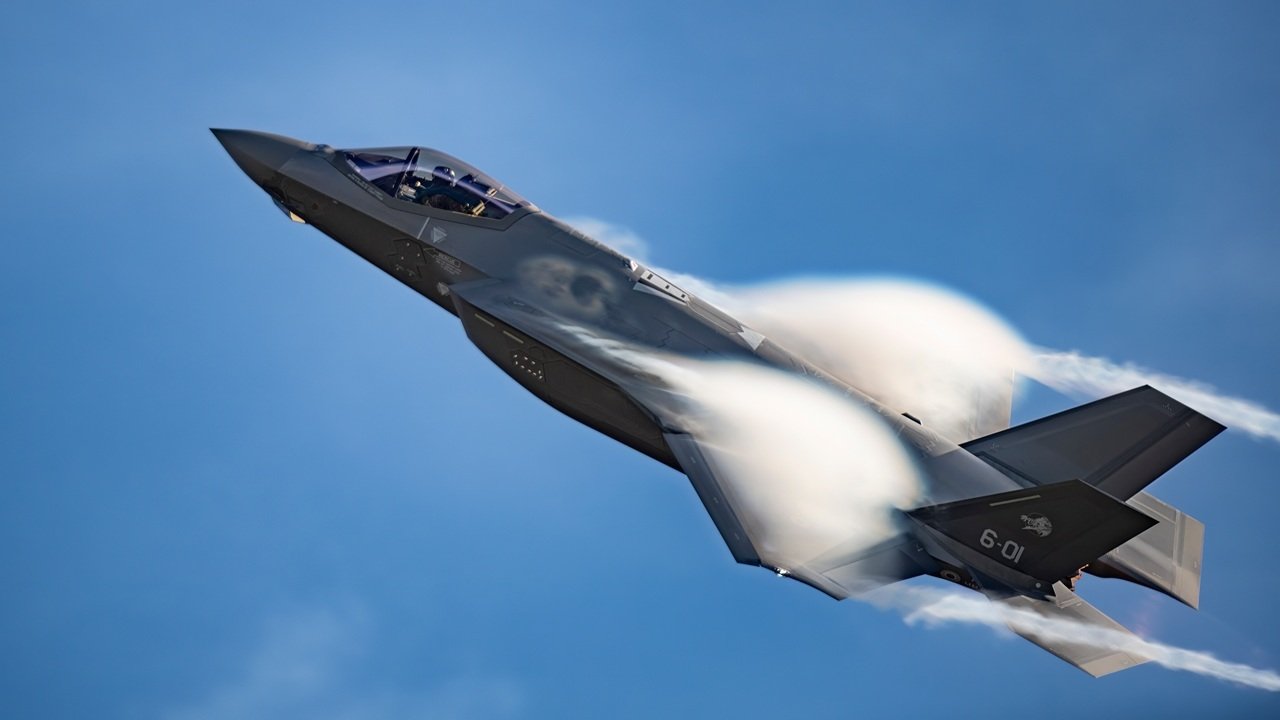
Europe
BERN, Switzerland — Production of Switzerland’s F-35A Lightning II fighter aircraft is progressing at Leonardo’s Cameri facility in Italy, where the first Swiss fuselage section has been assembled with a wing, according to Switzerland’s federal defence procurement agency, Armasuisse. The fuselage section carries serial number MJ-4 and will form part of aircraft J-6004. Its matching wing is also being manufactured at Cameri. Once structural work is completed, the fuselage and attached wings will be transported to Lockheed Martin’s facility in Fort Worth, Texas, for integration with the remaining aircraft components. Switzerland selected the F-35A in 2021 under its Air2030 modernization programme to replace its F/A-18 Hornets and remaining F-5 Tigers. A 2022 contract for 36 aircraft was originally valued at approximately 6.035 billion Swiss francs. Higher costs linked to inflation, raw materials and other factors later affected the programme. In late 2025 and early 2026, the Swiss Federal Council decided to procure the maximum number of aircraft possible within the voter-approved financial framework of approximately 6 billion Swiss francs. Current projections indicate around 30 aircraft, with the final number depending on future production-lot contracts negotiated by the U.S. government. Main assembly of the first Swiss F-35A began earlier in 2026 at Lockheed Martin’s facility in Marietta, Georgia. The first eight U.S.-built aircraft are scheduled to be based at Ebbing Air National Guard Base, Arkansas, from mid-2027 for Swiss pilot and ground personnel training before being progressively transferred to Switzerland. Overall deliveries are planned from 2027 to 2030. The first F-35A produced at Cameri is expected to reach Switzerland in mid-2028, while J-6004 is scheduled to arrive at the end of 2029. Switzerland plans to introduce the aircraft at three military airfields, beginning at Payerne in mid-2028, followed by Meiringen in 2030 and Emmen in 2032. Cameri is Europe’s only F-35 final assembly and checkout facility and one of three worldwide, alongside Fort Worth and Nagoya, Japan. The site can produce up to 20 aircraft annually, manufactures about one-third of all F-35 wings, and produces F-35A and F-35B aircraft for Italy. The F-35 programme involves more than 2,100 suppliers worldwide. Italy is one of five European partner nations, alongside the United Kingdom, Netherlands, Denmark and Norway. The centre fuselage is manufactured in Germany, while the rear fuselage is produced in the United Kingdom. Armasuisse said production of Swiss F-35A components at Cameri reflects the programme’s international and European industrial structure. Switzerland considers geographical proximity, industrial cooperation and security cooperation with European partner countries important elements of the programme.
Read More → Posted on 2026-08-15 11:22:21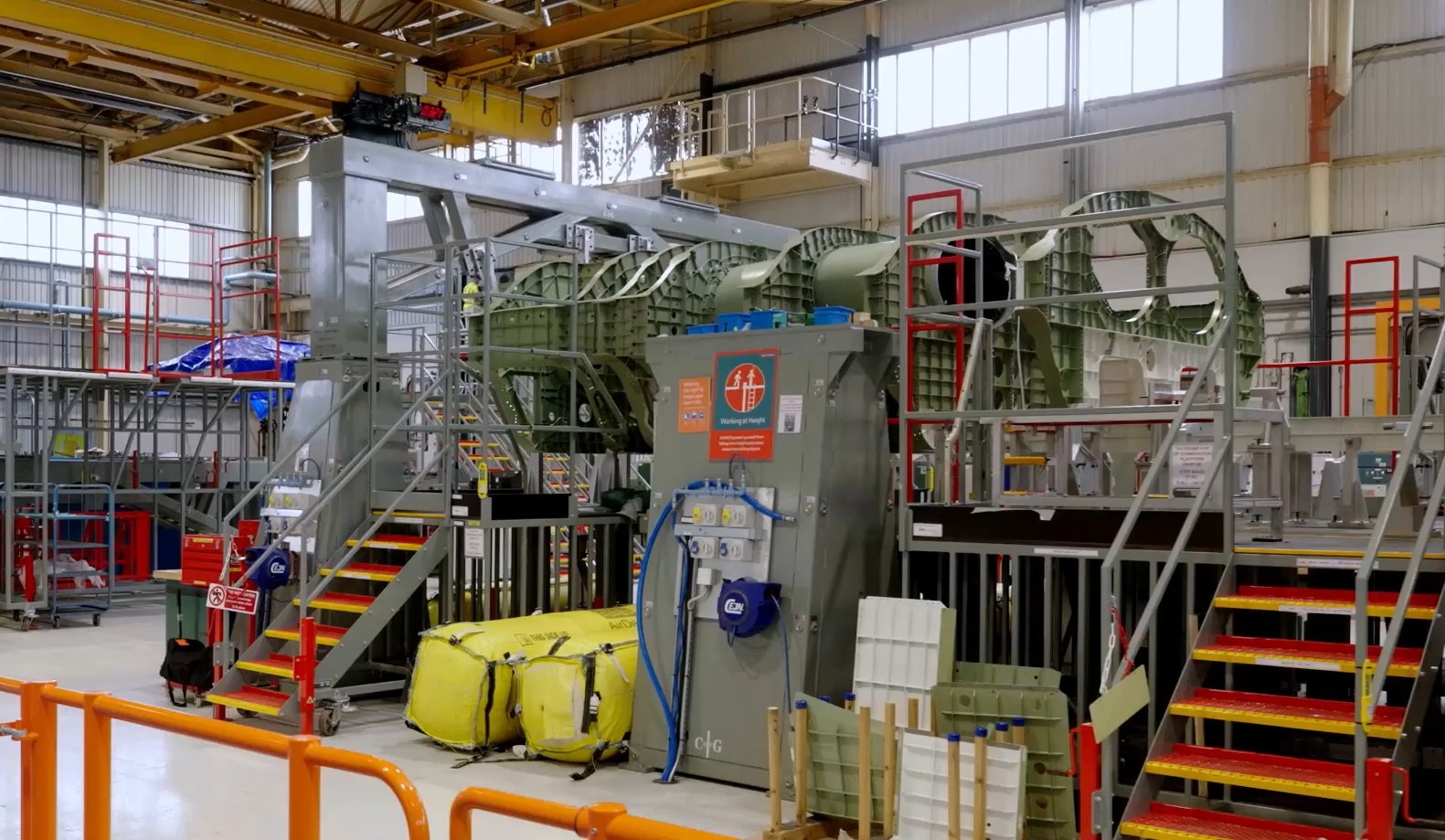
Europe
LANCASHIRE, UK — BAE Systems has released around six minutes of new footage showing the United Kingdom’s Combat Air Flying Demonstrator under construction at its facilities in Lancashire. The footage provides a new view of the aircraft as its major structural sections continue to take shape. The demonstrator is the UK’s first crewed combat air demonstrator in more than 40 years, following the Experimental Aircraft Programme (EAP), which first flew in 1986. The aircraft is being developed as part of the UK’s Team Tempest effort to test and mature technologies and engineering processes that will support the country’s contribution to the Global Combat Air Programme (GCAP), the joint UK-Italy-Japan programme for a future combat aircraft. The demonstrator itself is a UK-only programme and is not a prototype of the final GCAP fighter. BAE Systems has released new footage showing the UK’s Combat Air Flying Demonstrator under construction in Lancashire. The demonstrator is part of Team Tempest and supports technology development for the sixth-generation GCAP fighter being developed by the UK, Italy and Japan. pic.twitter.com/DQUvXQAByj — The Defense News (@TheDefenseNews) August 14, 2026 Manufacturing Progress Construction of the demonstrator is now well advanced. Aviation Week reported in June that around 75% of the aircraft by volume had been manufactured, with major structural sections having been in production for between 12 and 18 months. BAE Systems said in July that more than 11,500 parts had been designed and released, representing about 90% of the aircraft’s overall weight. Around half of the main aircraft structure was then in final assembly. The front, centre and rear fuselage sections are being assembled at BAE Systems’ Samlesbury facility. The large cranked or cropped-delta wings and vertical stabilisers are being produced at the nearby Warton facility. Three sets of wings and stabilisers have been produced, with one set of each intended for structural testing. The demonstrator uses advanced digital engineering and manufacturing methods. BAE Systems has highlighted the use of digital design, simulation, robotics, additive manufacturing and other manufacturing techniques as part of the programme. Aircraft Design and Testing The demonstrator is a twin-engine, piloted supersonic aircraft and will use Eurojet EJ200 engines with modified nozzles. It is larger than the Eurofighter Typhoon and has two internal weapons bays in the centre fuselage, positioned ahead of the main landing gear. The aircraft is being used to examine technologies and design approaches relevant to future combat aircraft, including low-observability features, propulsion, aerodynamics, flight controls and internal systems. The programme has already made extensive use of simulation. Test pilots from BAE Systems, Rolls-Royce and the Royal Air Force have completed more than 300 hours of simulator flying on the demonstrator. BAE Systems says the simulator work is being used to assess flight-control systems and aircraft handling before the aircraft begins real flight trials. A modified Boeing 757 known as the Excalibur flying testbed is also being used for testing new sensing and communications technologies for the future combat-air programme. BAE Systems said in July that the aircraft had completed modifications and was ready for the next stage of flight trials. Workforce and Industrial Base More than 1,000 people across the UK have worked on the demonstrator programme, while more than 100 UK suppliers and organisations have contributed to the project. Around 150 people in early-career roles have received training through the programme, and about 200 people who worked on the demonstrator have since moved into GCAP roles. The demonstrator is intended to provide experience in designing, manufacturing and preparing a new combat aircraft for flight while developing engineering and manufacturing skills needed for future programmes. Flight Schedule Final assembly of the fuselage sections is progressing, with the completed fuselage expected to move from Samlesbury to Warton for mating with the wings. The programme is targeting a power-on milestone in the second half of 2027, followed by completion of the aircraft toward the end of 2027. Flight testing is planned to begin around the end of 2027 or early 2028, depending on the programme timeline. The flight-test programme is expected to examine areas including aircraft handling, propulsion, airflow, low-observability characteristics and internal weapons release. Link to GCAP The Combat Air Flying Demonstrator is intended to reduce technical and manufacturing risks before the full GCAP aircraft programme progresses further. Data and lessons from the programme are being shared with GCAP partners in a controlled manner. GCAP is being developed by the UK, Italy and Japan. On July 3, 2026, the GCAP Agency awarded the industrial joint venture Edgewing a £4.6 billion contract for the next stage of the aircraft’s design, including establishing requirements and testing activities. The UK has also committed £8.6 billion to GCAP over four years under its Defence Investment Plan. The final GCAP aircraft is planned to enter service from 2035 and is intended to replace the Eurofighter Typhoon in UK and Italian service and the F-2 in Japanese service. The UK demonstrator therefore serves as a separate test and technology programme rather than a production version of the future GCAP fighter. Its main purpose is to demonstrate technologies, engineering methods and manufacturing processes that can be carried into the next-generation combat-air programme.
Read More → Posted on 2026-08-14 16:19:42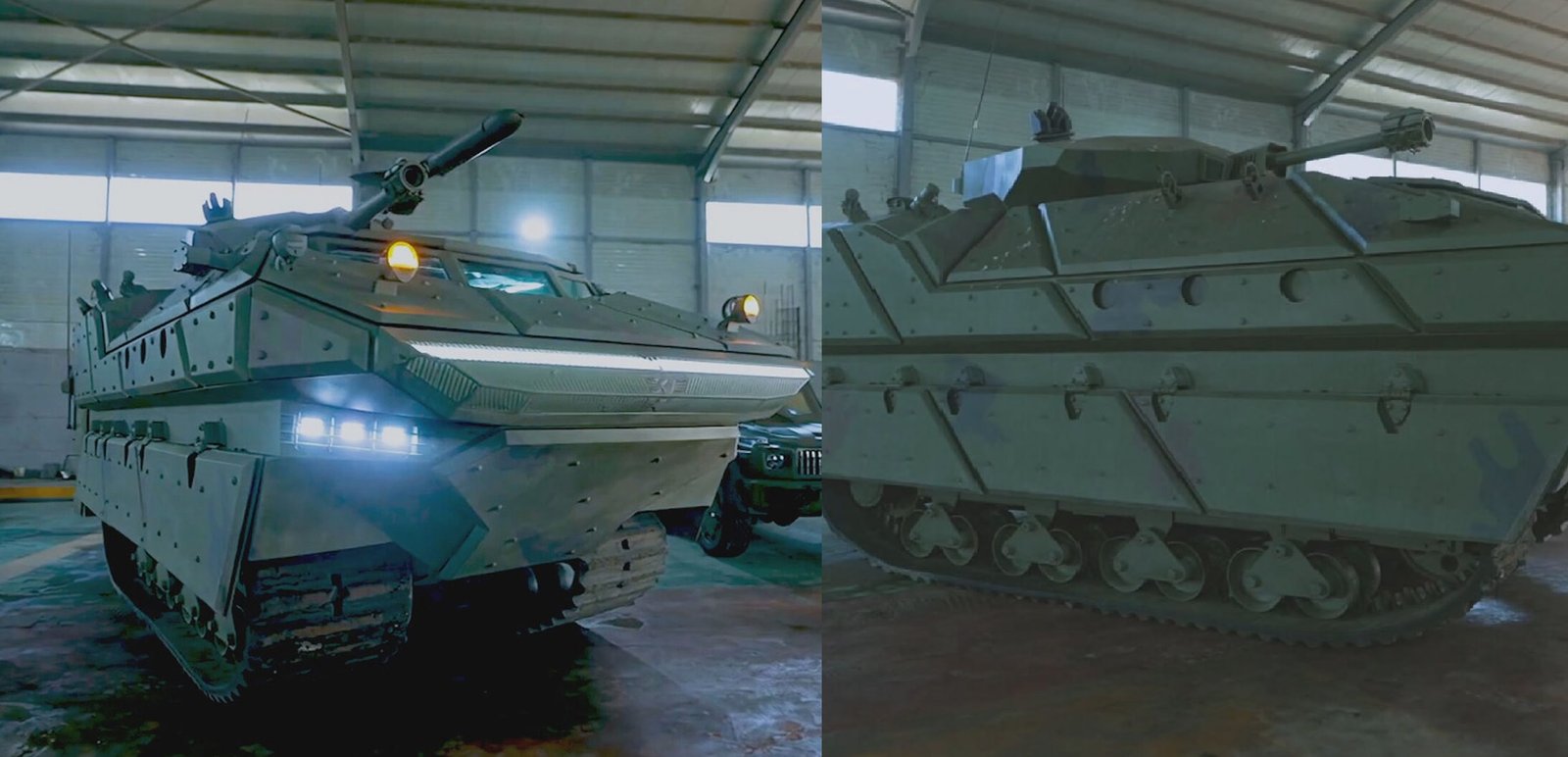
World
DUHOK, Kurdistan Region — Anwar Atroshi Company, also known as SHIELD, a private defense manufacturer based in Duhok, has unveiled the B70, a 25-ton combat tank that the company describes as the first tank in the Kurdistan Region to be designed and built locally by Kurdish engineers and technical specialists. Company owner Anwar Saeed, also referred to as Anwar Atrushi, Enwer Said or Anwar Saeed, said the B70 was developed through the company’s own engineering work and was not copied from a foreign tank design. “The design process was carried out entirely by our own engineers and technical specialists. We did not imitate any foreign model; we created the B70 based on an original design,” Saeed said in comments reported by Kurdistan24. B70 Underwent Field Testing According to SHIELD, the B70 incorporates modern military technology, including sensors and laser-based systems. The vehicle has undergone testing in different environments to assess its durability and operational performance. The tests included mountainous terrain, open plains and marshy or water-covered areas. The company said most of the vehicle is manufactured locally, while some specialized components, including the engine and tires, are sourced from Germany. SHIELD also said final technical adjustments are being made to the tank’s track and running systems before full deployment. Company Claims Lower Production Cost SHIELD says the B70 could provide a lower-cost option compared with foreign armored vehicles. According to Saeed, the company can produce the B70 for approximately $500,000. He compared this with what he described as a roughly $2 million price for comparable 2025-model foreign tanks available on the global market. The company estimates that its Duhok facility could produce approximately one B70 per month when operating at full capacity. SHIELD’s Expansion Into Vehicle Manufacturing SHIELD began operations in 2014, initially providing maintenance and repair services for armored military vehicles. The company later expanded into manufacturing military, security and civilian protected vehicles. Some of its earlier armored vehicles have been supplied to Peshmerga forces. The company is licensed by the Kurdistan Region’s Companies Registry and the Engineers Syndicate and employs local engineers and industrial specialists. Earlier reporting on SHIELD's vehicles stated that most components for previous models were produced locally, while engines and tires were sourced from Germany. Focus on Peshmerga Support Saeed said the company's main objective with the B70 project is to support the Peshmerga forces with domestically developed technology. He has also expressed hope for stronger coordination and support from the Kurdistan Regional Government (KRG) and the Ministry of Peshmerga Affairs to help the company expand production and work on additional military platforms. The project reflects SHIELD’s broader effort to develop local engineering and manufacturing capabilities for armored and protected vehicles in the Kurdistan Region. Government Attention The company has also received attention from Kurdistan Region leadership. Kurdistan Region Prime Minister Masrour Barzani previously visited SHIELD’s exhibition stand at the Zakho International Exhibition, where he reviewed the company’s work. During the visit, Barzani described the company’s achievements as unique or unprecedented and expressed support for the development of local industry. The B70’s introduction represents a new development in the Kurdistan Region’s domestic defense manufacturing sector. SHIELD says local production could help reduce future procurement costs for armored vehicles and related equipment while providing opportunities for local engineers and industrial specialists to participate in military technology development. The information in this report is based on statements from SHIELD and reporting by Kurdistan24 and related local coverage published in August 2026.
Read More → Posted on 2026-08-14 16:00:20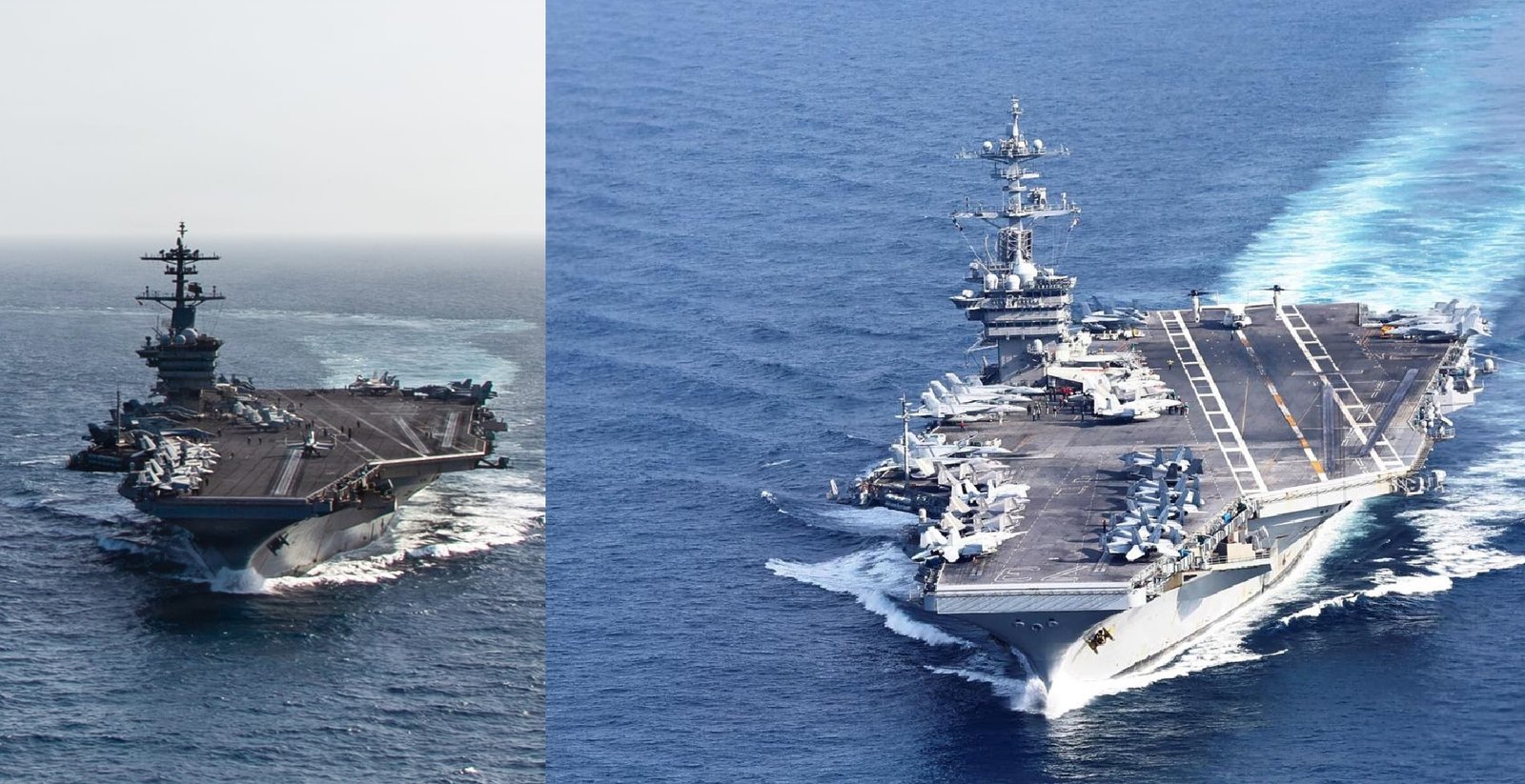
U.S
WASHINGTON — The U.S. Navy is preparing to deploy the aircraft carrier USS George Washington to the Middle East to relieve the USS Abraham Lincoln, which has remained on an extended deployment supporting U.S. military operations in the region. The Lincoln left its home port in San Diego on November 21, 2025, for what was initially expected to be a roughly seven-month deployment in the Indo-Pacific. The carrier was redirected to the Middle East in January 2026 ahead of U.S. military operations involving Iran. Its deployment has since been extended several times, with no public return date announced as of mid-August. Recent reporting says the carrier has spent more than 250 days deployed, including a lengthy period continuously underway. The deployment was originally scheduled to end in May 2026, but it was extended amid the ongoing conflict involving Iran. The more than 5,000 sailors and Marines aboard the carrier have reportedly had only two days on land during the deployment, in Guam in December and Oman in July. Extended Deployment The Abraham Lincoln Carrier Strike Group has been operating in the U.S. 5th Fleet area while supporting ongoing operations. The extended deployment has limited opportunities for the crew to spend time ashore. The carrier made brief stops in Guam in December 2025 and Oman in July 2026. Reports from families and sailors have described the deployment as physically and mentally difficult, with concerns about long working periods and repeated extensions. In April, reports of conditions aboard the carrier generated public criticism after photographs emerged showing poor-quality and rationed food. Other reports cited water shortages, moldy showers and broken laundry machines. The Navy has previously confirmed that the Lincoln has continued conducting operations in the region. In March, U.S. Central Command said a sailor was injured during flight operations aboard the carrier in the Arabian Sea and was taken ashore for additional medical care. Reports of Conditions and Mental Health Concerns Recent reports from Military Times, Navy Times, Stars and Stripes and other outlets have highlighted concerns raised by sailors' families about conditions aboard the carrier. Families have described problems including broken toilets and plumbing, mold in showers, limited hot water, laundry equipment problems, disruptions to mail and care packages, and periods of food shortages or rationing. Representative Mike Levin, a Democrat from California, has described reports of moldy showers, broken toilets, laundry being out of service for weeks, long periods without hot water, reduced meals and shortages of basic hygiene products. Mental health concerns have also been raised. Families told news organizations that some sailors had experienced severe exhaustion, low morale and thoughts of self-harm. Reports have also described incidents in which sailors allegedly attempted or prepared to go overboard. Military families and members of Congress have raised concerns about what they describe as an intensifying mental health crisis aboard the carrier. Navy Times and Stars and Stripes have reported multiple incidents involving sailors attempting to jump overboard during the current deployment. One sailor's spouse, Annabelle Loma, told Military Times that her husband, a sailor with about 13 years of service, attempted to go overboard after the deployment was repeatedly extended and was later placed on medical hold. She said he was concerned that his actions could result in a dishonorable discharge and affect his military career. Another sailor's wife told the publication that her husband was involved in a separate incident in which he prevented a fellow crew member from jumping by grabbing the sailor and bringing them back onto the deck. At an emotional town hall meeting in San Diego, around 200 family members raised concerns with Navy leaders about the length of the deployment and the conditions faced by their relatives aboard the carrier. The meeting was attended by Acting Navy Secretary Hung Cao and other senior officials. One spouse told Cao that the Navy had “broken trust between us and the leadership.” Another family member said her husband had sent her a message saying he hoped he would not wake up the following day. A U.S. official also told CNN that a sailor went overboard from the Lincoln earlier in August. The sailor was rescued within about an hour, medically evaluated and transferred from the ship for further care. The official did not say whether the incident was treated as a suicide attempt. Navy Response Navy officials have acknowledged the strain associated with the extended deployment but have disputed some of the more serious claims. The Navy has said it has not identified a statistical increase in reported suicidal ideation or suicide attempts aboard the Lincoln based on the information available to it. Officials have also said that medical and mental health personnel, chaplains and deployment-resilience counselors are available to the crew. The Navy said that extended deployments can place significant strain on service members and their families and that the health and well-being of Lincoln sailors remain a priority. Defense Secretary Pete Hegseth described reports of extreme shortages and poor morale as “completely misrepresented.” In earlier comments, Hegseth also dismissed the accounts as “more fake news.” Officials said disruptions to traditional supply hubs caused by combat operations contributed to some shortages and mail delays. The Navy has maintained that the carrier has access to clean water, functioning air conditioning and healthy meals. A Navy official said current reports from the ship confirmed continuous access to those resources. Lawmakers Seek Answers The reported conditions have also prompted questions from members of Congress. Senator Richard Blumenthal wrote to senior Navy officials seeking information about deployment extensions, supply problems, water and plumbing issues, mental health support, deck safety and mail disruptions. Representative Mike Levin has also publicly raised concerns about reports of moldy showers, broken toilets, laundry problems, reduced meals and shortages of basic hygiene supplies. Levin criticized Hegseth's response to the reports, saying service members should have access to basic necessities including hot water, working toilets and adequate meals. Representative Jason Crow, a Democrat from Colorado and former Army Ranger who served in Afghanistan and Iraq, has also warned that the strain on service members and their families aboard the Lincoln is building week by week. Families of sailors and Marines have raised similar concerns directly with Navy officials during meetings in San Diego. Mental Health Challenges Among Deployed Sailors The concerns surrounding the Lincoln come amid broader research into mental health challenges faced by active-duty Navy personnel. A study published last year examined stress factors experienced by sailors during deployments. The research identified factors including loud noise, lack of rest, and inadequate mental and physical healthcare. Researchers surveyed deployed sailors and found that almost half reported that they were not receiving adequate help in coping with stress while at sea. The study concluded that, given the high rates of military suicide, including within the Navy, improving access to healthcare aboard ships was an urgent need. USS George Washington Heads West The Navy is now moving the USS George Washington toward the Middle East as the planned relief carrier for the Abraham Lincoln. The George Washington is a nuclear-powered aircraft carrier that normally operates in the western Pacific from Yokosuka, Japan. It recently completed a port visit in Da Nang, Vietnam, and is moving west toward the Indian Ocean through the Strait of Malacca. The Associated Press reported that the carrier is heading toward the Middle East as part of the planned rotation. U.S. officials have described the deployment of the George Washington as part of a scheduled rotation rather than an emergency response to the reports surrounding the Lincoln. The exact timing of the George Washington's arrival has not been publicly disclosed. Once the relief process is completed, the Abraham Lincoln will be able to leave the Middle East and begin its return journey. The rotation will also temporarily reduce the U.S. Navy's forward-deployed aircraft-carrier presence in the Pacific. For the Abraham Lincoln's crew, the relief will mark the end of one of the Navy's longest recent carrier deployments. Navy officials have said the health and well-being of the sailors and Marines remain a priority while the carrier continues its current mission.
Read More → Posted on 2026-08-14 15:48:34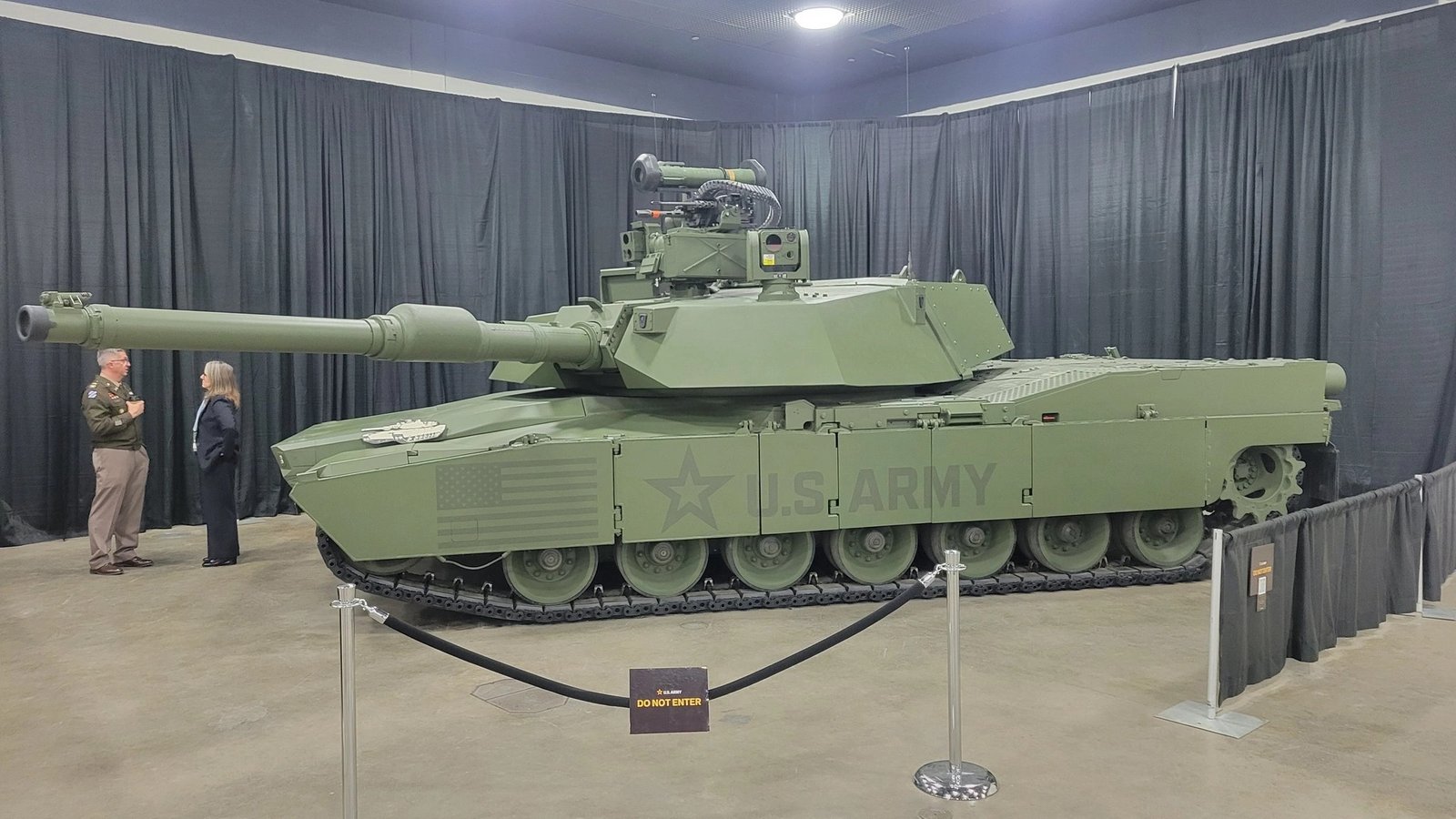
U.S
DETROIT — The U.S. Army’s 1st Armored Brigade Combat Team, 1st Cavalry Division, known as the “Iron Horse” Brigade, is preparing to receive prototypes of the next-generation M1E3 Abrams main battle tank and XM30 Infantry Fighting Vehicle for operational testing. Brigade commander Col. Todd Hertling said at the Ground Vehicle Systems Engineering and Technology Symposium (GVSETS) in Detroit that soldiers are looking forward to evaluating the new platforms, particularly their improvements in lethality, survivability and mobility. M1E3 Abrams The M1E3 Abrams is intended to replace the Army’s current M1A2 Abrams. Unlike earlier upgrade packages that pushed the Abrams above 70 tons, the M1E3 is being redesigned to bring its weight closer to 60 tons, improving mobility and reducing logistical demands. The tank will use a diesel-based hybrid-electric powertrain instead of the Abrams’ traditional gas turbine. The Army expects it to reduce fuel requirements by about 50 percent and provide a “silent watch” capability. Another major change is an unmanned turret with an autoloader for the 120mm smoothbore gun. The crew will be reduced from four to three soldiers, with the crew positioned deeper inside the hull. Hertling called the unmanned turret a “game changer.” The M1E3 will also use open systems architecture and a 360-degree situational awareness system. The digital architecture is designed to support continuous software updates, integration of different applications and connectivity between platforms. Hertling said this could allow soldiers to “fight on a cloud” with improved battlefield awareness. Former Army Chief of Staff Gen. Randy George said the tank’s targeting capability can engage a target at a quarter-mile range in about a tenth of a second. General Dynamics Land Systems is scheduled to deliver an undisclosed number of M1E3 prototypes to the Army by the end of 2026. Four additional Roush-built prototypes are scheduled to reach the Iron Horse Brigade later this year. XM30: Wolf vs. Lynx The Iron Horse Brigade will also evaluate the XM30, which is being developed to replace the Bradley Infantry Fighting Vehicle. The competition is between General Dynamics Land Systems’ Wolf and American Rheinmetall’s Lynx. Both designs feature an unmanned turret, hybrid-electric powertrain, exportable power, open systems architecture and enhanced computing capabilities. Both will use a 50mm cannon, replacing the Bradley’s 25mm weapon, and support tactical high-explosive airburst ammunition designed to detonate in the air. The vehicles can also carry additional missiles and loitering munitions. The Wolf is being developed with AeroVironment’s Switchblade 300 loitering munition. General Dynamics has about 15 partners, including SAPA and STC. The Lynx can launch Raytheon’s tube- or rail-launched Coyote counter-drone interceptor and integrate the Javelin anti-tank missile. Rheinmetall’s partners include Anduril, Textron, Allison Transmission, Raytheon and L3Harris. GDLS has delivered its initial XM30 prototypes to its facility in Lima, Ohio, for government acceptance. One is expected to go to Aberdeen Proving Ground, while seven more are expected to reach the Iron Horse Brigade in Texas around October. American Rheinmetall is also preparing to send its vehicles to Aberdeen for testing. National Training Center Evaluation The Iron Horse Brigade will operate the M1E3 and XM30 during a rotation at the National Training Center (NTC). Soldiers will assess the vehicles during maneuver, maintenance, refueling, resupply, networking and combined-arms operations. The Army could select the XM30 winner late next spring after the NTC evaluation. However, Brig. Gen. Troy Denomy said the Army wants to keep both competitors involved as long as possible if testing does not produce a clear winner. Funding will be a major factor in determining whether both vendors remain in the program. The Iron Horse Brigade’s testing will give the Army direct soldier feedback on the M1E3 and XM30 and help shape final design decisions and the future path of both modernization programs.
Read More → Posted on 2026-08-14 15:32:26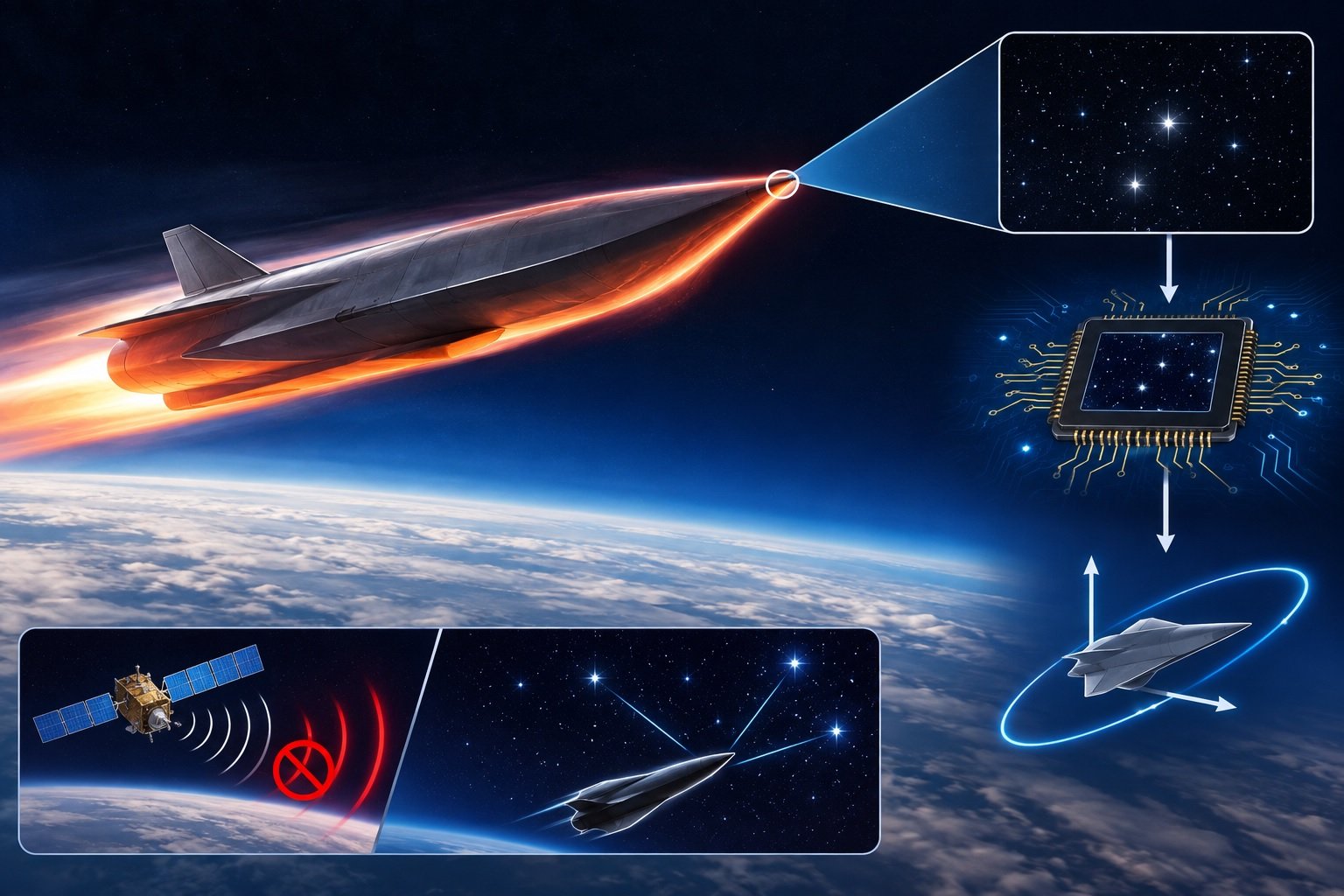
World
GUANGZHOU, China — Researchers at the Guangdong Aerospace Research Academy have completed a project to develop a star-based navigation system for hypersonic vehicles operating at Mach 5 or faster. The project passed its final expert review on Monday, and the academy published details of the results on August 10. The system is designed to provide a navigation option when satellite signals from systems such as GPS or China’s BeiDou become unavailable because of jamming or other interference. The research addresses a specific problem in high-speed flight: using stars for navigation is possible without external signals, but detecting stars becomes difficult when a vehicle is surrounded by intense aerodynamic heating and radiation. How the star-based navigation system works Celestial navigation uses the known positions of stars as reference points. A modern star sensor observes patterns of stars and uses them to determine the vehicle’s position and orientation. Unlike satellite-based navigation, the method does not depend on signals transmitted from satellites or other external sources. This means it can provide an independent navigation reference when satellite signals are disrupted. The system can also be combined with an inertial navigation system. In such an arrangement, the inertial system provides continuous navigation data while the star sensor can provide an independent reference for determining the vehicle’s orientation and position. The main challenge for hypersonic applications is that the sensor has to identify very faint stellar light while the vehicle is moving through an extremely hot and rapidly changing environment. Why hypersonic flight makes star navigation difficult At Mach 5 and above, friction between the vehicle and the surrounding air produces a shock layer and plasma sheath around the vehicle. The temperature of the hot gas can exceed 1,000 degrees Celsius. This environment creates two major problems for a star sensor. First, the hot gas can bend incoming starlight, changing how the stars appear to the sensor. Second, the heated gas produces strong radiation, including infrared radiation, that can overwhelm the much weaker light coming from stars. As a result, a star sensor designed for normal conditions cannot simply be used in the same way on a hypersonic vehicle. The navigation system must account for the changing radiation environment around the vehicle. Chinese researchers developed radiation databases and simulation software To address the problem, the research team created two databases. One covers the thermal-chemical radiation produced by hot air, while the other focuses on radiation interference caused by thermal effects. The team also developed simulation software to model the radiation environment around a high-speed vehicle. The software achieved a spectral resolution of 0.12 nanometres, while the reported simulation errors were kept within 18.9 percent. These tools were used to predict how atmospheric heating and radiation would affect the appearance of stars as seen by a sensor during high-speed flight. Based on this work, the team built a prototype star sensor designed to operate under radiation interference. Prototype performance Laboratory tests showed that the prototype achieved a star-pattern recognition rate of more than 99 percent when there was no radiation interference. Under strong aerodynamic radiation interference, the recognition rate remained above 80 percent. The prototype also achieved attitude measurement accuracy better than 5 arcseconds. One arcsecond is 1/3,600 of a degree. These results demonstrate that the prototype can continue identifying stellar patterns even when strong radiation from the surrounding high-speed flow interferes with the sensor. Technology also used for civilian applications The Guangdong Aerospace Research Academy said the radiation measurement and simulation technology developed through the work has already been used in mission-critical projects at several aerospace institutes. According to the academy, the technology has generated nearly 10 million yuan, or about US$1.5 million, in additional sales. The same technology has also been adapted for civilian applications. These include aircraft engine test stands and industrial boiler combustion monitoring, where it can provide real-time views inside combustion chambers. A backup for satellite-denied navigation The project is focused on navigation in high-speed flight environments where conventional satellite signals may not always be available. The prototype does not eliminate the need for other navigation systems. Instead, its purpose is to provide an independent reference based on stars and to work with inertial navigation when external satellite signals are disrupted. The key challenge remains maintaining reliable star detection through the intense thermal and radiation environment created during hypersonic flight. The research team's radiation databases, simulation tools and prototype sensor were developed specifically to address that problem. The project therefore represents an approach to maintaining navigation capability for hypersonic vehicles when satellite-based positioning signals are unavailable or affected by interference.
Read More → Posted on 2026-08-14 15:22:09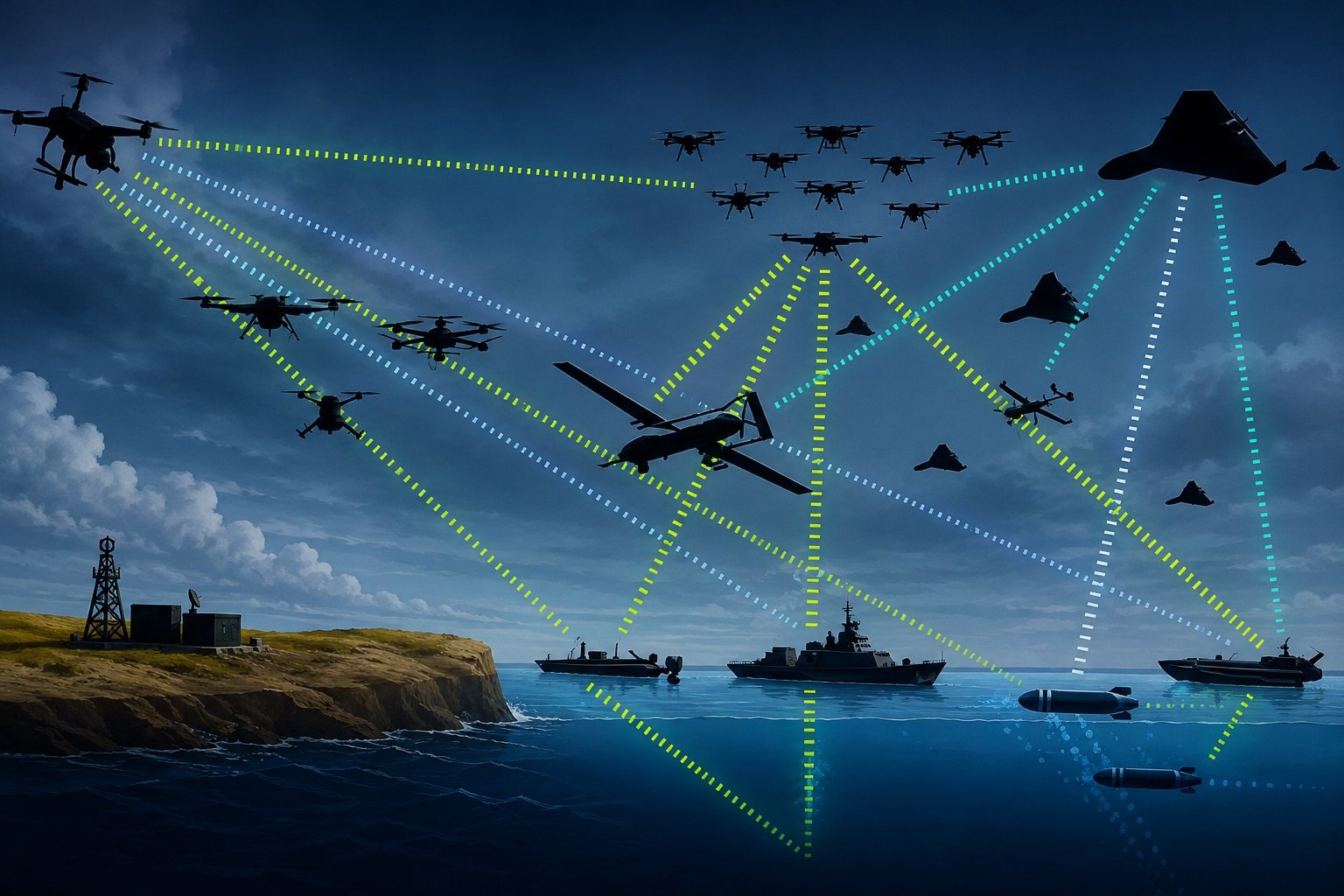
U.S
TAMPA, Fla. — U.S. Central Command (CENTCOM) announced on August 13 the creation of Task Force Falcon Strike, described as the first multinational, multi-domain attack drone task force. The new unit will bring together U.S. military personnel and regional partners to operate unmanned systems across the Middle East. Falcon Strike will focus on low-cost, one-way attack drones and other unmanned systems operating in three domains: air, sea surface and underwater. CENTCOM said the task force is intended to create a unified multinational capability for regional deterrence and operations. Building on Scorpion Strike Falcon Strike builds on Task Force Scorpion Strike, established by CENTCOM in December 2025 as the U.S. military's first dedicated one-way attack drone squadron in the Middle East. Scorpion Strike used low-cost systems including the Low-cost Unmanned Combat Attack System (LUCAS). Its unmanned systems were deployed during Operation Epic Fury, while unmanned attack vessels were used in strikes on Iranian port facilities in July 2026. In December 2025, Scorpion Strike also conducted the first launch of an aerial one-way attack drone from a U.S. Navy warship, using the littoral combat ship USS Santa Barbara. Regional Partners to Join CENTCOM has begun consultations with regional countries and is formally inviting partners to participate in Falcon Strike. No specific partner countries have been publicly named so far. The task force is intended to combine U.S. and regional capabilities and support deterrence in the Middle East, including around strategic waterways such as the Strait of Hormuz. CENTCOM Commander Adm. Brad Cooper said Falcon Strike will build on Scorpion Strike's experience and the innovation taking place among U.S. regional allies and partners. “Task Force Falcon Strike will expand on Scorpion Strike’s success given the tremendous innovation happening among our regional allies and partners.” Cooper also said that integrating and deploying new capabilities together would help the partners develop new possibilities more quickly. SOCCENT to Lead the Task Force Personnel from U.S. Special Operations Command Central (SOCCENT) will lead Falcon Strike's integrated staff of U.S. and regional representatives. SOCCENT also launched Scorpion Strike and is headquartered at MacDill Air Force Base in Tampa, Florida. SOCCENT plans and conducts special operations across CENTCOM's 21-country area of responsibility, covering the Middle East, Central Asia and South Asia. Falcon Strike will expand the approach developed by Scorpion Strike by bringing air, surface and underwater unmanned systems into a single multinational structure. As regional countries join, CENTCOM expects the task force to expand its multi-domain drone capabilities across the region.
Read More → Posted on 2026-08-14 14:51:31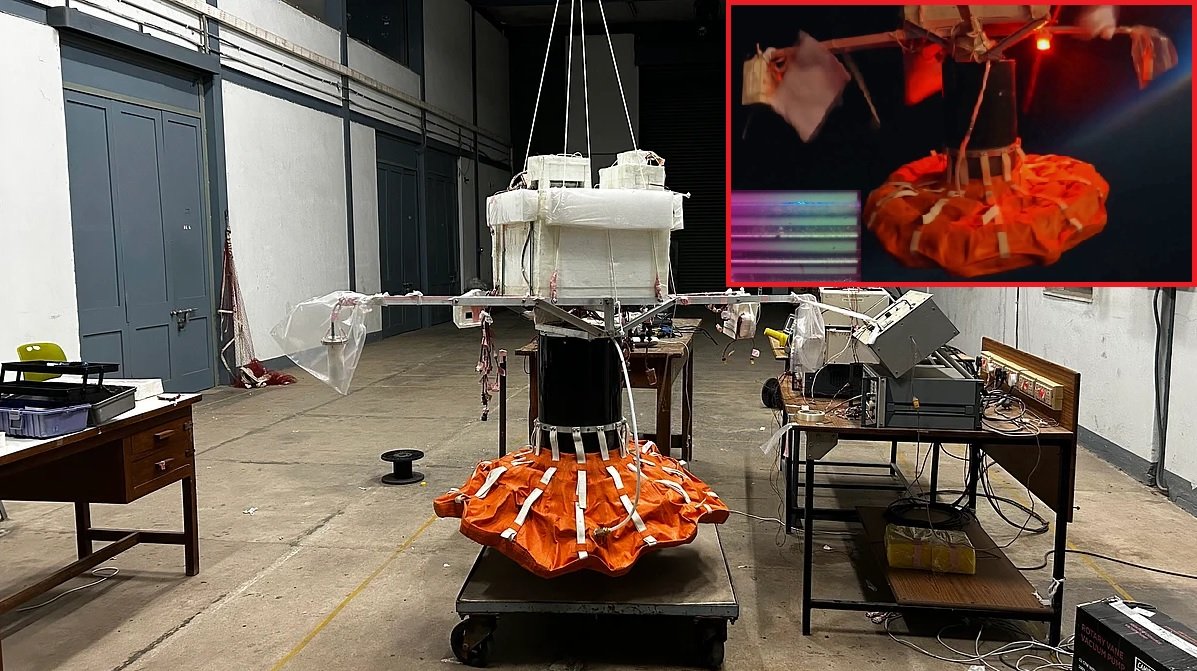
Space & Technology
Bhubaneswar, Odisha — Bhubaneswar-based space-tech startup Serendipity Space has successfully tested Alchemy, its autonomous pharmaceutical manufacturing module, during a near-space mission, demonstrating the company’s approach to pharmaceutical processing in microgravity. The startup, founded in 2024, completed the mission with a team of eight and operated an orbital-class vehicle prototype under near-space conditions. The system carried out pharmaceutical crystallisation and the resulting crystals were preserved through the return and recovery process. Serendipity Space is developing reusable satellite systems designed to process pharmaceutical compounds in microgravity and return the products to Earth. The company’s website identifies Alchemy as part of its technology for processing pharmaceutical compounds in space and describes its planned reusable satellites as having re-entry capability. Bhubaneswar-based Serendipity Space (@serendipityind) has successfully tested India’s first autonomous pharma factory, Alchemy, on a near-space mission.It crystallized drug compounds and preserved them during recovery, testing key tech for future microgravity manufacturing. pic.twitter.com/bNHhoX6Z8W — Runtime (@RuntimeBRT) August 14, 2026 Near-Space Mission And Alchemy Module The mission used a stratospheric balloon platform, drawing on expertise from scientists at the Tata Institute of Fundamental Research (TIFR) Balloon Facility in Hyderabad. During the flight, the Alchemy module operated continuously in harsh conditions and performed crystallisation of commercial monoclonal antibody therapeutics and small molecules. The payload also included additional proteins intended for drug-discovery work. The test was not limited to pharmaceutical processing. It also provided an opportunity to validate technologies required for the company’s planned orbital systems, including avionics and advanced heat-shield systems for controlled return and touchdown. The successful recovery of the vehicle allowed the company to examine the pharmaceutical material after its near-space processing and return. Why Microgravity Matters For Pharmaceutical Crystallisation Serendipity Space’s technology is based on the effects of microgravity on crystal formation. On Earth, gravity produces processes such as sedimentation, buoyancy and convection currents. These can interfere with crystal growth and contribute to defects in pharmaceutical crystals. In microgravity, these effects are significantly reduced, allowing crystals to grow under different conditions. Serendipity Space says its objective is to use microgravity to produce higher-quality pharmaceutical compounds and materials. The company has specifically focused on protein and drug crystallisation. Its earlier funding announcement described the inability to produce certain high-quality protein and drug crystals on Earth because of gravity-related defects as a key problem it is seeking to address. Potential Application For Protein-Based Medicines The company has highlighted monoclonal antibody medicines such as Keytruda (pembrolizumab) as an example of the challenges associated with highly concentrated protein formulations. At high concentrations, large protein molecules can interact and form highly viscous formulations, creating difficulties when trying to deliver large quantities through a conventional injection. Microgravity-grown crystals can provide a different structure and greater uniformity. The company’s approach is aimed at using these properties to support the development of more concentrated formulations. Serendipity Space also proposes a “mother batch” approach. Instead of manufacturing every commercial batch in space, a relatively small quantity of high-quality crystals produced in microgravity could serve as a template or seed for larger production batches on Earth. From Prototype To Orbital Manufacturing Serendipity Space was founded in 2024 by Antariksh Parichha, CEO; Jivitesh Debata, CTO; and Dr. Monica Ekal, Chief of Space Systems. The company is based in Bhubaneswar and is developing reusable satellites capable of autonomously processing pharmaceutical compounds in low Earth orbit and returning them to Earth. In July 2025, the company announced that it had raised pre-seed funding from Campus Fund to advance its space-based pharmaceutical manufacturing technology and validate key systems for Alchemy. Following the funding, the team brought together pharmaceutical scientists and aerospace engineers. According to the company’s mission account, it designed and built a functional satellite prototype, conducted a month-long test campaign and completed the near-space flight in less than six months. The latest demonstration builds on that development effort by testing pharmaceutical processing together with spacecraft systems required for future reusable missions. Next Step: Orbital Pharmaceutical Manufacturing Serendipity Space now plans to move toward full orbital manufacturing and return missions. Its long-term objective is to provide microgravity-based pharmaceutical processing services to pharmaceutical companies using reusable satellite platforms. The company’s stated technology roadmap involves producing pharmaceutical compounds in microgravity and returning them to Earth, rather than requiring every commercial manufacturing operation to take place in orbit. The near-space mission therefore represents a technology demonstration between laboratory development and the company’s planned orbital manufacturing systems. The validation of autonomous processing, spacecraft avionics, thermal protection and controlled recovery provides the basis for further development of Serendipity Space’s reusable pharmaceutical-manufacturing platform. Serendipity Space has also previously signed a memorandum of understanding with Siksha ‘O’ Anusandhan Deemed to be University in Bhubaneswar to collaborate on crystallisation experiments under laboratory, simulated-microgravity and spaceflight conditions.
Read More → Posted on 2026-08-14 14:17:47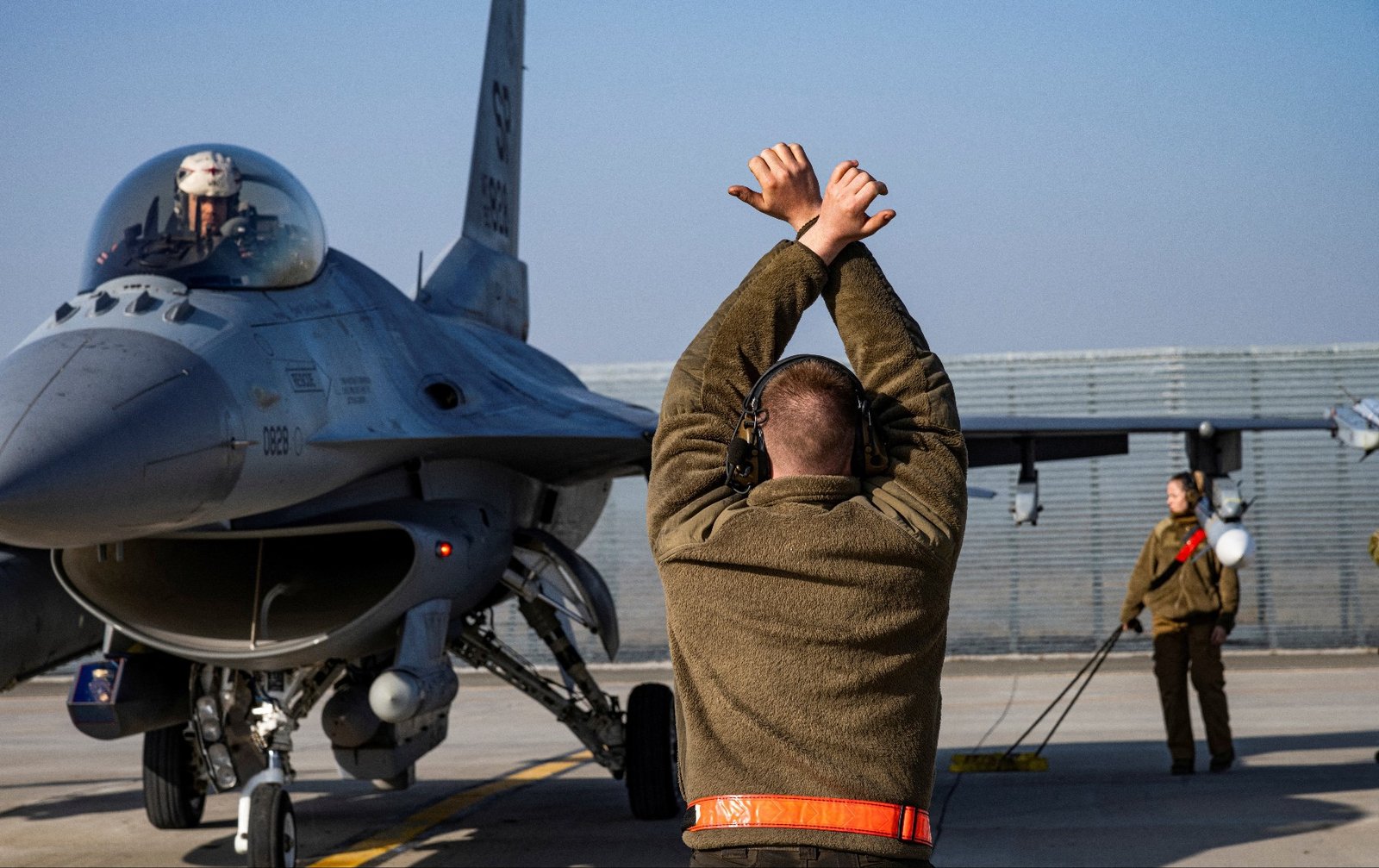
U.S
WASHINGTON — The United States continued training Ukrainian military personnel during the second quarter of 2026, including instruction for F-16 fighter pilots and ground crews, according to a joint report from the inspectors general of the U.S. Department of Defense, Department of State and U.S. Agency for International Development. The report, released on August 13 as part of ongoing congressional oversight of U.S. activities related to Ukraine under Operation Atlantic Resolve, covers the second quarter of 2026. F-16 Pilot and Ground Crew Training According to the report, the United States continued training Ukrainian F-16 pilots in line with commitments coordinated through the Air Force Capability Development Coalition. The United States co-leads the coalition with Denmark and the Netherlands. The training effort also includes Ukrainian ground personnel responsible for the operation and maintenance of the F-16 aircraft. The broader F-16 program involves training and sustainment support from several international partners. Ukraine began receiving F-16 fighter jets in the summer of 2024, while Ukrainian pilots had already begun training on the aircraft under the previous U.S. administration. Ukrainian pilots entering the F-16 training program have generally had previous experience operating Soviet-era aircraft, including the MiG-29 and Su-27. The training also requires specialized preparation for ground personnel responsible for maintaining and supporting the aircraft. Training on Bradley, Stryker and HIMARS U.S.-supported training during the reporting period was not limited to aviation. American personnel also trained Ukrainian forces to operate, maintain and repair several U.S.-supplied weapons systems. These included Bradley infantry fighting vehicles, Stryker armored personnel carriers and HIMARS rocket systems. The instruction covered both the use of the systems and maintenance activities needed to keep them operational. A total of 575 Ukrainian Armed Forces personnel completed training during the second quarter of 2026. The training was conducted at military bases in Germany, Poland, Romania, Spain, Kosovo, Ukraine and the United States. The number of personnel completing training was 29 percent lower than in the first quarter of 2026, according to the report. U.S. F-16 Training and Sustainment Support The current training effort follows a U.S. State Department determination in May 2025 approving a possible $310.5 million Foreign Military Sale to Ukraine for F-16 training and sustainment. The package covers aircraft modifications and upgrades, personnel training for aircraft operation, maintenance and sustainment, spare parts, consumables, repair and return support, ground-handling equipment, software, technical documentation, studies and surveys, as well as U.S. government and contractor engineering, technical and logistics support. The U.S. government said the proposed package was intended to ensure Ukrainian pilots receive effective training and increase interoperability between Ukraine and the U.S. Air Force. The F-16 support effort is part of the wider international coalition supporting Ukraine's transition to Western aircraft. The coalition's activities include pilot and maintainer training, sustainment support and other measures required to operate the aircraft. Continued Training Requirement Training Ukrainian personnel on Western military systems remains an ongoing requirement because the equipment requires specialized skills for operation, maintenance and sustainment. The inspectors general report confirms that U.S.-supported training continued during the second quarter of 2026, covering both F-16 aviation personnel and Ukrainian forces operating ground-based U.S.-supplied systems. The report is part of the regular oversight process for U.S. programs and operations supporting Ukraine. Under U.S. law, the Special Inspector General for Operation Atlantic Resolve is required to provide quarterly reports to Congress covering U.S.-funded programs and operations related to Ukraine.
Read More → Posted on 2026-08-14 14:03:13
U.S
WASHINGTON — President Donald Trump has directed the U.S. Navy to replace the Electromagnetic Aircraft Launch System (EMALS) and Advanced Weapons Elevators (AWE) with steam-powered catapults and hydraulic systems on future Gerald R. Ford-class aircraft carriers, beginning with the future USS Doris Miller (CVN-81). Trump signed a National Security Presidential Memorandum on August 13 titled “Rebuilding the United States Navy and America’s Shipbuilding Industrial Base.” The memorandum is primarily focused on rebuilding the U.S. Navy and strengthening the country’s shipbuilding industrial base, but it also directly intervenes in the detailed engineering of the Ford-class carrier program. The memorandum gives the Secretary of War, in consultation with the Secretary of the Navy, 60 days to submit a plan to the President through the Director of the Office of Management and Budget (OMB) and the Assistant to the President for National Security Affairs (APNSA). The plan must identify the measures required to replace EMALS and Advanced Weapons Elevators with steam and hydraulic systems for the construction of CVN-81, including the required timelines and resources. The first three Ford-class carriers — USS Gerald R. Ford (CVN-78), the future USS John F. Kennedy (CVN-79) and USS Enterprise (CVN-80) — will retain EMALS. Unless the policy changes again, USS Doris Miller and subsequent carriers would incorporate the steam and hydraulic systems. Major Change to the Ford-Class Design The Ford class was designed from the beginning around extensive electrification. Its two A1B nuclear reactors provide substantially greater electrical generating capacity than the preceding Nimitz-class design, while electricity replaces many functions that previously depended on steam, hydraulic or mechanical equipment. EMALS uses electrical energy and linear induction motors to accelerate aircraft along the catapult track. The system provides more precise control of the acceleration delivered to an aircraft than a conventional steam catapult. The Navy says EMALS is designed to launch aircraft ranging from lightweight uncrewed aircraft to heavy strike fighters. The system can adjust the launch profile according to aircraft requirements, while its smoother acceleration can reduce stress on airframes. Replacing EMALS on CVN-81 is therefore considerably more complicated than exchanging one catapult for another. A steam catapult requires high-pressure steam from the ship's propulsion system, together with substantial piping, accumulators and associated water and condensation systems. The Ford-class design was developed without much of the infrastructure used to support traditional steam catapults. As a result, restoring steam systems would require changes to internal compartments, energy distribution and other supporting ship systems. USS Doris Miller Is Already Under Construction The future USS Doris Miller is the fourth Ford-class carrier and is being built at Huntington Ingalls Industries' Newport News Shipbuilding. Because construction is already underway, the presidential directive comes after the detailed design of the Ford-class has been developed and after work on CVN-81's original systems has already begun. General Atomics, which produces EMALS and the Advanced Arresting Gear (AAG), received the contract for the systems for Doris Miller in 2023. The company has said that work on the EMALS and AAG equipment for CVN-81 is already nearly 50 percent complete. Changing the system at this stage could therefore require already completed work to be abandoned or redesigned, followed by the design, production and integration of replacement equipment. The exact financial and schedule impact has not yet been established. The 60-day Navy study ordered by Trump is intended to determine the engineering requirements, timelines and resources involved. Ford Program's Difficult Beginning The Ford-class introduced 23 significant new systems, including EMALS, Advanced Arresting Gear, Advanced Weapons Elevators, new reactors, new radar systems and extensive automation. The introduction of so many new technologies created significant technical and reliability challenges during the early years of the program. Problems involving EMALS, AAG and the weapons elevators contributed to delays in bringing USS Gerald R. Ford into full operational service. Government reviews, including work by the Government Accountability Office, previously highlighted reliability problems and the risks associated with installing immature systems aboard the first ship while development was still continuing. Trump's criticism of EMALS therefore dates back to the early development period of the Ford program. However, EMALS has since accumulated substantial operational experience. By March 2026, USS Gerald R. Ford had completed 36,863 electromagnetic aircraft launches, according to Pentagon figures. USS Gerald R. Ford's 326-Day Deployment USS Gerald R. Ford returned to Naval Station Norfolk on May 16, 2026, after a 326-day deployment. The deployment was the longest U.S. carrier deployment since the Vietnam War era. During the deployment, the carrier sailed more than 57,700 nautical miles and operated across multiple U.S. fleet areas. Carrier Air Wing Eight recorded more than 5,760 flying hours and 12,200 aircraft launches using EMALS during the deployment. The figures provided significant operational experience with the electromagnetic launch system after the reliability problems seen during the early stages of the Ford program. The Navy has also stated that EMALS and AAG support higher aircraft launch and recovery rates than the systems used on Nimitz-class carriers. The Electric Carrier The Ford-class was designed as a highly electrified carrier rather than simply as a Nimitz-class carrier with new catapults. The electrical architecture, reactor-generated power and automated systems were developed together as part of the carrier's overall design. EMALS is integrated throughout the ship and crosses 48 separate ship construction zones. Removing it would therefore affect areas beyond the equipment directly installed beneath the flight deck. Steam catapults would require high-pressure steam to be distributed from the propulsion plant through substantial pipework to the launch machinery. Supporting equipment would also require space for water, condensation and maintenance systems. Much of this infrastructure was deliberately reduced or eliminated during the Ford-class design process. The last U.S. aircraft carrier built with traditional steam catapults was USS George H.W. Bush (CVN-77), commissioned in 2009. No new sets of the C-13 steam catapult used on Nimitz-class carriers have been manufactured in almost two decades. Reintroducing the system would therefore also require the United States to rebuild or reactivate parts of an industrial base that is no longer producing the equipment at its previous scale. The White House memorandum links the return to steam and hydraulic systems to its broader objective of rebuilding the U.S. maritime industrial base. Work Already Completed on CVN-81 The timing of the order creates a significant engineering issue because CVN-81 was being developed as part of the existing Ford-class design. General Atomics' work on the EMALS and AAG equipment for Doris Miller is nearly 50 percent complete, according to the company. The change would therefore involve more than cancelling future EMALS deliveries. The Navy would have to determine what equipment already produced for the carrier can be retained, what must be removed or redesigned and how the replacement steam and hydraulic systems can be integrated into the ship. The eventual cost remains uncertain until the Navy completes the study ordered by Trump. Estimates of the potential impact have included the possibility of costs reaching billions of dollars, but the memorandum itself does not establish a final figure. The construction schedule is another major issue because the redesign would be taking place on a carrier already under construction. Operational Advantages of EMALS Steam catapults remain a proven technology and have launched aircraft from U.S. carriers for decades. However, EMALS provides more precise control over aircraft acceleration. The system can adjust the energy delivered during launch, allowing it to accommodate different aircraft weights and launch requirements. This is particularly relevant as carrier air wings increasingly incorporate uncrewed aircraft. The Navy's Naval Air Systems Command describes EMALS as a system capable of launching aircraft from lightweight uncrewed platforms through heavy strike fighters. The MQ-25 Stingray represents an early step in the U.S. Navy's move toward greater use of carrier-based uncrewed aircraft. Future Ford-class carriers are expected to remain in service for many decades, meaning their launch systems will need to support multiple generations of aircraft. EMALS also contributes to the Ford class's manpower reduction. The class was designed to operate with roughly 500 fewer sailors than a Nimitz-class carrier. The reduction comes from many aspects of the ship's automation and design, including systems that replace manpower-intensive steam and hydraulic equipment. The Navy has also designed the Ford class for a higher sortie generation rate than previous carriers. China Has Also Adopted Electromagnetic Catapults The U.S. decision comes as China has adopted electromagnetic launch technology for its newest aircraft carrier. China commissioned the 80,000-tonne Fujian in November 2025. Unlike the ski-jump-equipped Liaoning and Shandong, Fujian is equipped with three electromagnetic catapults. During trials, the People's Liberation Army Navy demonstrated electromagnetic launches involving the J-15T fighter, J-35 stealth fighter and KJ-600 fixed-wing airborne early warning aircraft. China has therefore moved from ski-jump carrier operations to electromagnetic catapult operations with its latest carrier design. France has also selected EMALS and Advanced Arresting Gear for its future nuclear-powered Porte-Avions de Nouvelle Génération (PA-NG) aircraft carrier. The adoption of electromagnetic launch systems by China and France highlights the different direction being taken by several countries developing their next-generation carrier aviation capabilities. A Major Engineering Intervention The memorandum's decision to return to steam is also notable because it comes alongside criticism of iterative design changes as a cause of cost increases and delays in U.S. shipbuilding. The same memorandum calls for measures to rebuild the U.S. naval shipbuilding industrial base, including plans for a fifth public Navy shipyard, additional submarine drydock capacity and a Component Repair Center for submarine components. It also calls for increased production of Virginia-class attack submarines and Columbia-class ballistic missile submarines, as well as greater foreign involvement in certain shipbuilding activities under conditions involving investment in U.S. shipyards and workforce training. These measures are intended to address broader problems in U.S. shipbuilding capacity. The carrier decision, however, introduces a substantial design change into an existing carrier program. Navy Faces a 60-Day Deadline The U.S. Navy now has 60 days to prepare the plan ordered by Trump. The plan must determine the engineering changes, timelines and resources required to replace EMALS and Advanced Weapons Elevators with steam and hydraulic systems on CVN-81. The study will also determine the practical effects on the carrier's construction and the industrial base required to produce the replacement systems. The future USS Doris Miller is therefore set to become the first Ford-class carrier affected by the return to steam-powered launch technology, while USS Gerald R. Ford, USS John F. Kennedy and USS Enterprise will continue operating with EMALS. The final direction for CVN-81 will depend on the outcome of the Navy's 60-day assessment and any subsequent policy decisions.
Read More → Posted on 2026-08-14 13:44:00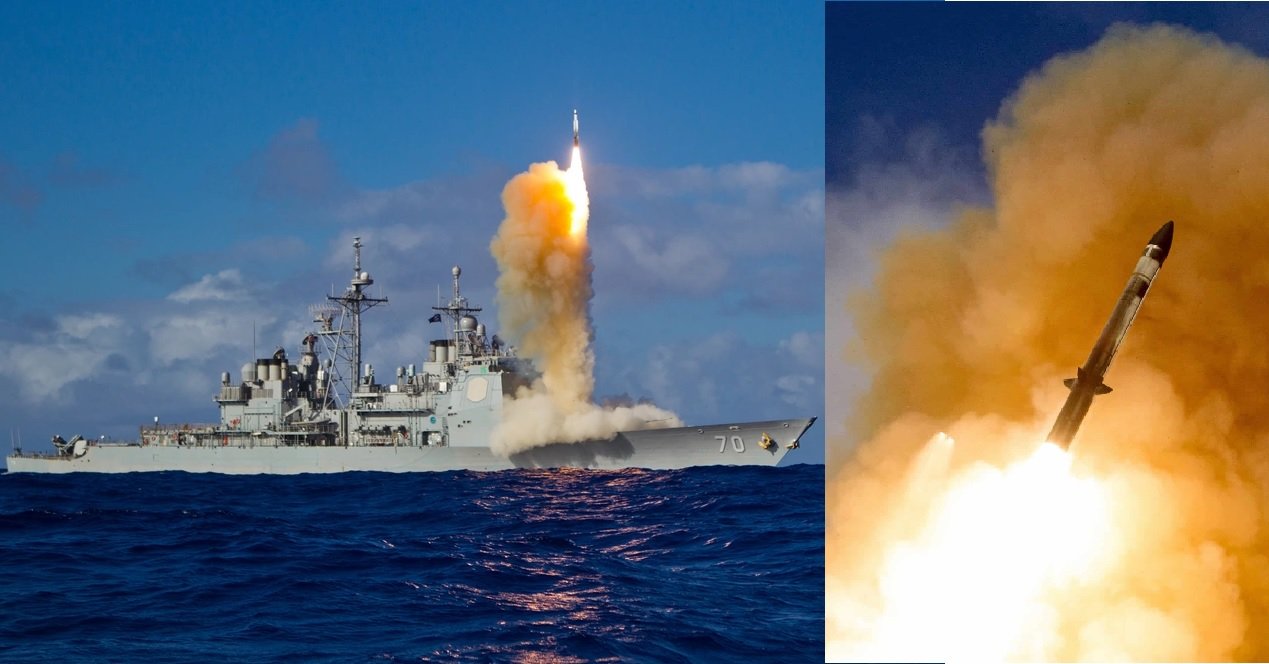
U.S
WASHINGTON — The U.S. Department of War has signed two framework agreements with Boeing and RTX to increase production of key components for the Standard Missile-3 (SM-3) Block IB and Block IIA interceptors. The agreements are intended to strengthen the SM-3 supply chain and accelerate the delivery of completed interceptors to U.S. Navy forces. The SM-3 is a ship-launched interceptor used as part of the Aegis Ballistic Missile Defense System for ballistic missile defense operations. Boeing and RTX to Support Higher SM-3 Production Under the new framework agreements, Boeing will lead manufacturing efforts for key SM-3 components. The Department of War said the move is intended to address supply-chain bottlenecks and speed the movement of munitions from production facilities to operational forces. The agreements cover both the SM-3 Block IB and SM-3 Block IIA, two variants of the interceptor used with the Aegis missile defense system. “These agreements ensure our Warfighters get the munitions they need to win,” said Michael P. Duffey, Under Secretary of War for Acquisition and Sustainment. Duffey said the Department is working to stabilize supply chains, expand munitions production and strengthen the U.S. defense industrial base. Acquisition Strategy Supports Production Expansion The agreements were facilitated by the Department of War’s Acquisition Transformation Strategy (ATS). The strategy is designed to reduce administrative delays and allow the government to work more directly with suppliers throughout the defense supply chain. The department said this approach is intended to help increase production and improve the movement of components and completed weapons. The latest agreements specifically focus on the component supply chain supporting SM-3 production. SM-3 Block IB and Block IIA The SM-3 is a kinetic, exo-atmospheric ballistic missile interceptor. Instead of using an explosive warhead to destroy its target, the interceptor uses a kinetic warhead to destroy an incoming ballistic missile through direct impact outside the atmosphere. The SM-3 Block IB incorporates a two-color infrared seeker and an improved steering system compared with earlier versions. These improvements provide enhanced capability against ballistic missile targets. The SM-3 Block IIA was jointly developed by the United States and Japan. It features a larger-diameter design, larger rocket motors and an enhanced kinetic warhead compared with earlier SM-3 variants. The Block IIA is designed to provide greater engagement capability over wider areas. RTX’s Raytheon business is the prime contractor for the SM-3 missile, with production work carried out at facilities in Tucson, Arizona, and Huntsville, Alabama. Boeing has supplied critical hardware for SM-3 variants used with the Aegis system. Agreements Follow Earlier Production Efforts The new agreements build on earlier U.S. efforts to increase SM-3 production. In February 2026, Raytheon signed separate framework agreements covering the SM-3 Block IB, SM-3 Block IIA, Tomahawk, AMRAAM and SM-6. Those agreements were aimed at increasing overall production rates for the covered systems. In early August 2026, Raytheon also received a $745 million contract from the Missile Defense Agency to manufacture and assemble SM-3 Block IIA interceptors for the United States and Japan under a Foreign Military Sales arrangement. Work under that contract is expected to continue through February 2031. The August 14 agreements with Boeing and RTX are focused specifically on the components required for SM-3 production. No Production Quantities or Financial Details Released The Department of War did not disclose the financial value of the two new framework agreements or specific production quantity targets. The department said the agreements are focused on stabilizing the supply chain, removing production bottlenecks and supporting higher SM-3 interceptor production. The effort comes as the United States continues to strengthen its munitions production capacity and the readiness of its naval missile defense forces.
Read More → Posted on 2026-08-14 13:26:25
U.S
WASHINGTON — Thales Defense & Security, Inc. (TDSI) has received an order to supply the U.S. Marine Corps with more than 400 SharpView Dual Camera – Minerva imagers for its Amphibious Combat Vehicles (ACVs). The cameras will be installed on the ACV-P Personnel and ACV-C Command variants, replacing legacy imaging systems and improving crew visibility and situational awareness in conditions such as darkness, dust, smoke, glare and adverse weather. Minerva combines an uncooled Long Wave Infrared (LWIR) thermal detector and a visible-light camera in one compact housing. It features a 1280 × 1024 LWIR detector with a 12-micron pixel pitch and a 1920 × 1080 full-HD visible module. The system provides digital 60 Hz video through 3G-SDI, with low-latency output and automatic image processing. The dual-band system is designed to help crews detect obstacles, navigate and maintain situational awareness during day and night operations. Its integration with existing vehicle systems also allows the Marine Corps to replace legacy cameras without developing a new vehicle imaging architecture. The Minerva camera is designed and manufactured by Thales in Canada and was launched in 2022. Thales said its combat imaging systems are used by more than 50 armed forces worldwide, building on more than 30 years of experience in cooled and uncooled thermal imaging. “Marines depend on cutting-edge and robust technology to make rapid decisions in highly demanding and dynamic environments,” said Chris Beauparant, Vice President of Sensors and Missile Systems at Thales Defense & Security, Inc. He said Minerva provides crews with a more complete picture of the battlefield and helps them identify hazards sooner and maneuver more effectively. Thales confirmed the order in an announcement published on August 11, 2026. The cameras will be used on both new and existing ACV-P and ACV-C vehicles. The Minerva system has also been selected for evaluation and testing under the U.S. Army's XM30 program, which focuses on next-generation combat vehicles with improved crew protection and situational awareness. The Marine Corps' ACV program, led by BAE Systems, includes the ACV-P, ACV-C, ACV-30 fire-support variant and ACV-R recovery variant, with current plans calling for around 632 vehicles. Thales already supplies related electro-optical systems for U.S. Marine Corps ground vehicles, including cooled SharpView cameras for the Marine Air Defense Integrated System (MADIS) and Catherine thermal imagers for the ACV-30.
Read More → Posted on 2026-08-14 13:21:14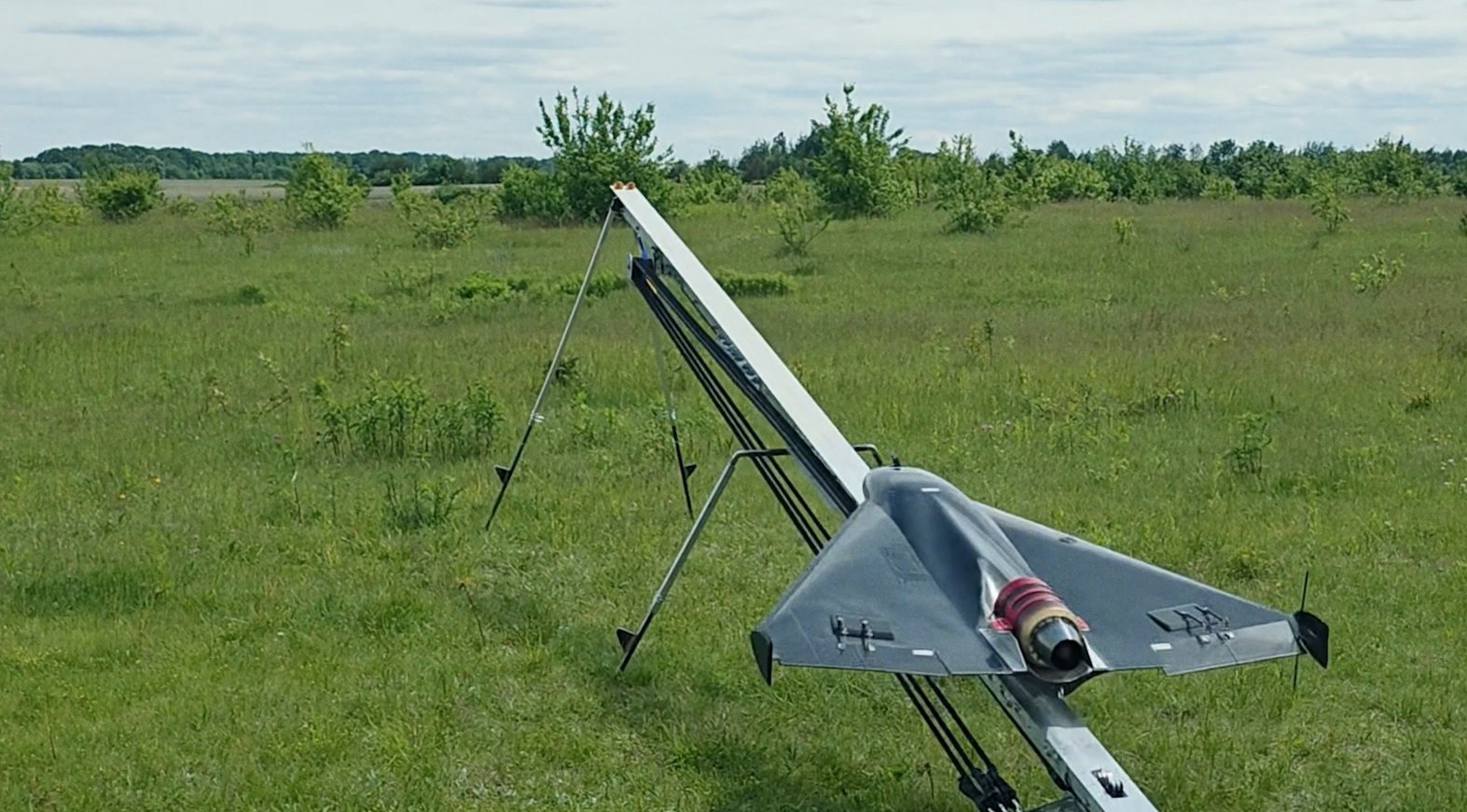
World
KYIV, Ukraine, August 14, 2026 — Ukraine has begun combat testing of its first jet-powered interceptor drones designed to counter Russia’s growing use of jet-powered Shahed-type attack drones. Former Ukrainian Defence Minister Mykhailo Fedorov said on August 14, after visiting a production facility, that one Ukrainian team had developed a jet-powered interceptor capable of reaching speeds of more than 600 km/h. 🇺🇦 Ukraine begins combat testing of its first jet-powered interceptor drones, designed to counter Russia’s growing use of jet-powered Shahed-type attack drones.The new interceptor can exceed 600 km/h, with developers awaiting the first confirmed combat results. pic.twitter.com/pZNNpWCuIA — The Defense News (@TheDefenseNews) August 14, 2026 “The system is now undergoing combat testing,” Fedorov said. Developers are awaiting the results of the trials, including the first confirmed shoot-downs of enemy targets. Fedorov said Russia is gradually replacing conventional Shahed drones with faster jet-powered versions, describing the development as a change in the strategy of aerial warfare. He said Ukraine must respond quickly to keep pace with each new technological development. Ukraine launched a coordinated interceptor-drone programme through the Defence Ministry last year. The programme focused on opening the market to manufacturers, conducting combat tests and increasing government procurement. Through Brave1, Ukraine’s defence technology cluster, manufacturers have received grants, while their systems have been assessed and supported during testing. Fedorov said several Ukrainian companies now have solutions designed to counter jet-powered drones and called for increased investment in research, development, testing and production. He said the immediate task is to increase efforts to counter the threat as quickly as possible. Other Ukrainian companies are also developing faster interceptors. SkyFall’s P1-SUN JetKiller has been reported at around 370 km/h, with the system already recording interceptions of jet-powered threats and moving toward mass production. British-Ukrainian company Firebolt Engineering’s Griffen jet-powered interceptor exceeds 350 km/h and has reportedly achieved a confirmed shoot-down of a Russian Geran-2, a Shahed-type drone. Separate reports said at least two Ukrainian companies were testing jet-powered interceptors by early June 2026, with one having already downed a Geran drone. Ukrainian military leadership has previously said Russia intends to increase the share of jet-powered systems, potentially to half of its long-range one-way attack drone inventory. Ukraine is also expanding the use of slower interceptor drones. On August 12, the Defence Ministry approved the TAF Kolibri-i10, developed by TAF Industries, for service. It can exceed 200 km/h, has a range of up to 25 km, an endurance of more than 20 minutes and an operating altitude of up to 3,000 meters. It is primarily intended to counter reconnaissance and other fixed-wing drones such as Molniya, Orlan and Zala. The combat testing of the new 600-km/h interceptor is part of Ukraine’s wider effort to develop faster systems as Russia increases its use of jet-powered attack drones.
Read More → Posted on 2026-08-14 12:51:32Search
Top Trending in 24 Hours
-
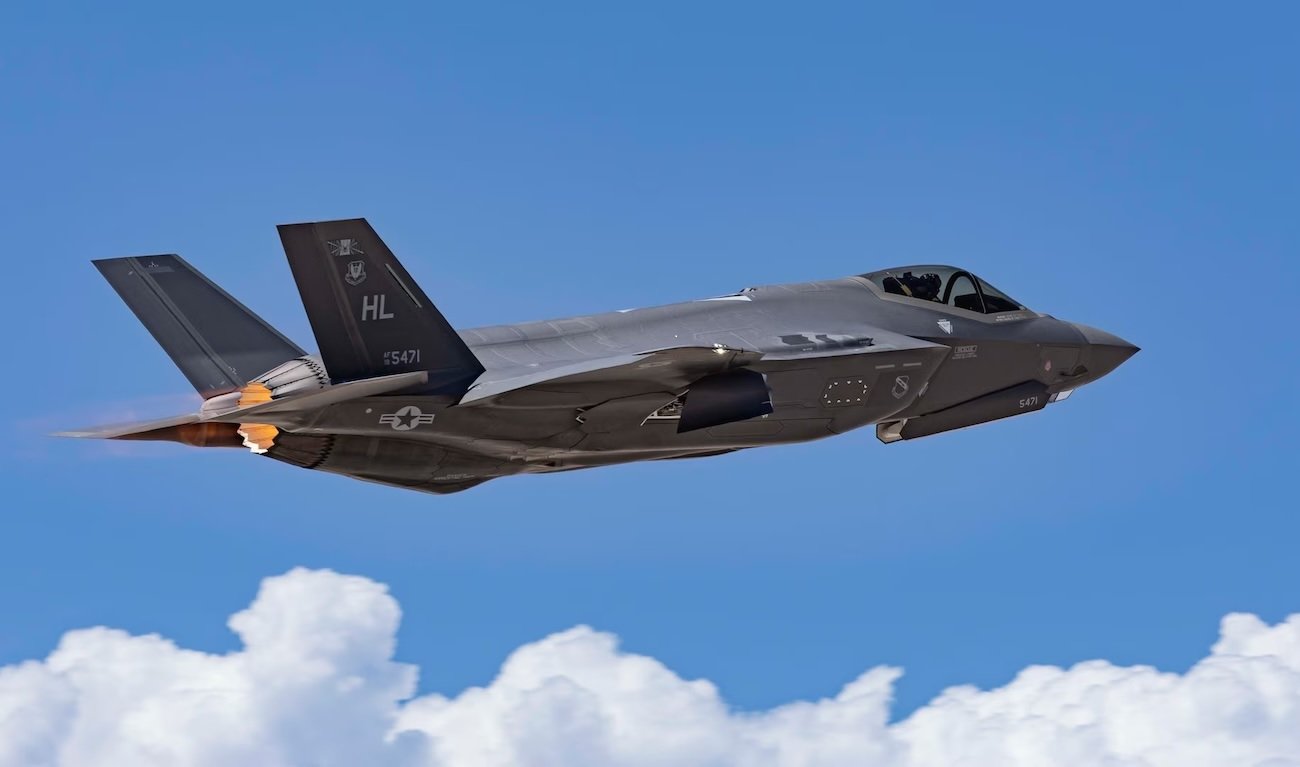 Sensitive F-35 Components Diverted to Hong Kong, Some Parts Missing
-
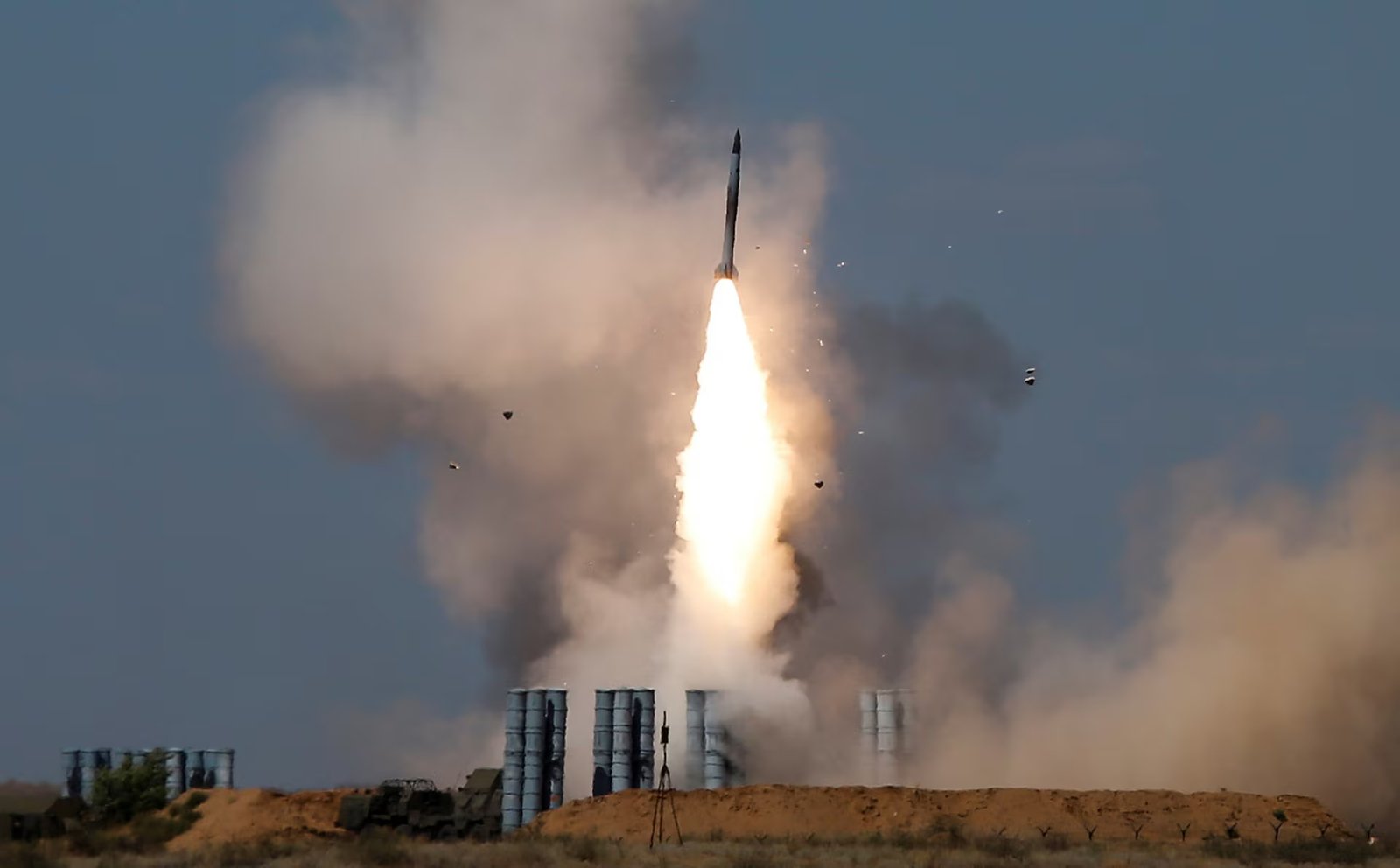 U.S. Approves Potential $2.68 Billion Air Defense Package for Ukraine Including S-300 Clone Missiles
-
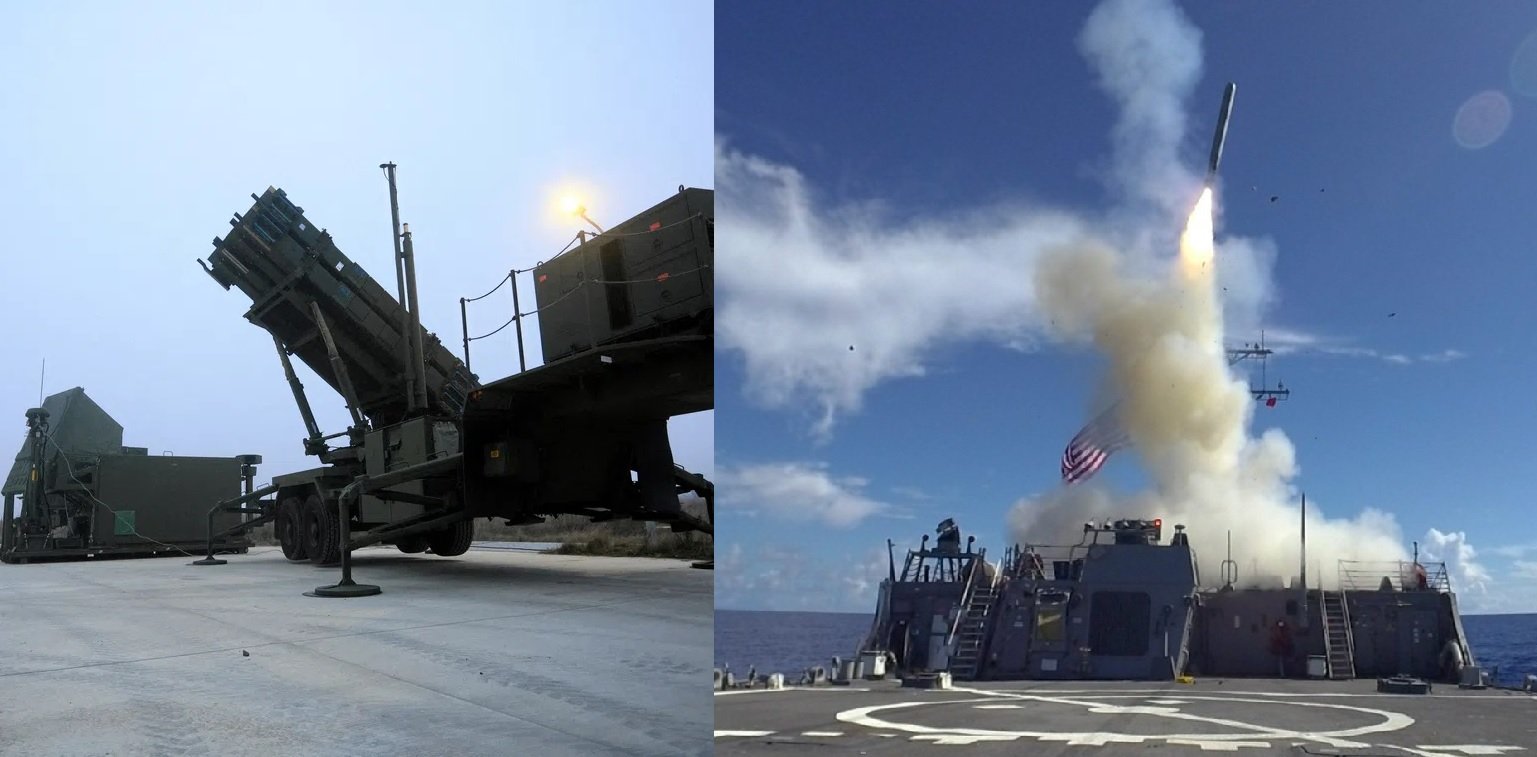 U.S. Warns Allies of Up to Five-Year Delays in Key Weapons Deliveries
-
 U.S. Secures Permanent Military Rights in Greenland in Historic Security Pact with Denmark
-
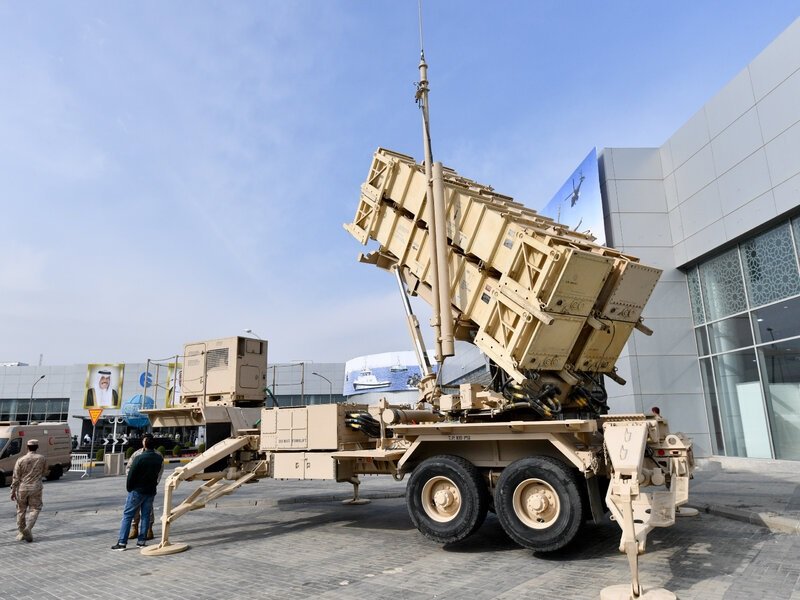 U.S. Iran War Cost Hits $43.6 Billion as Missile Interceptor Stocks Come Under Pressure
-
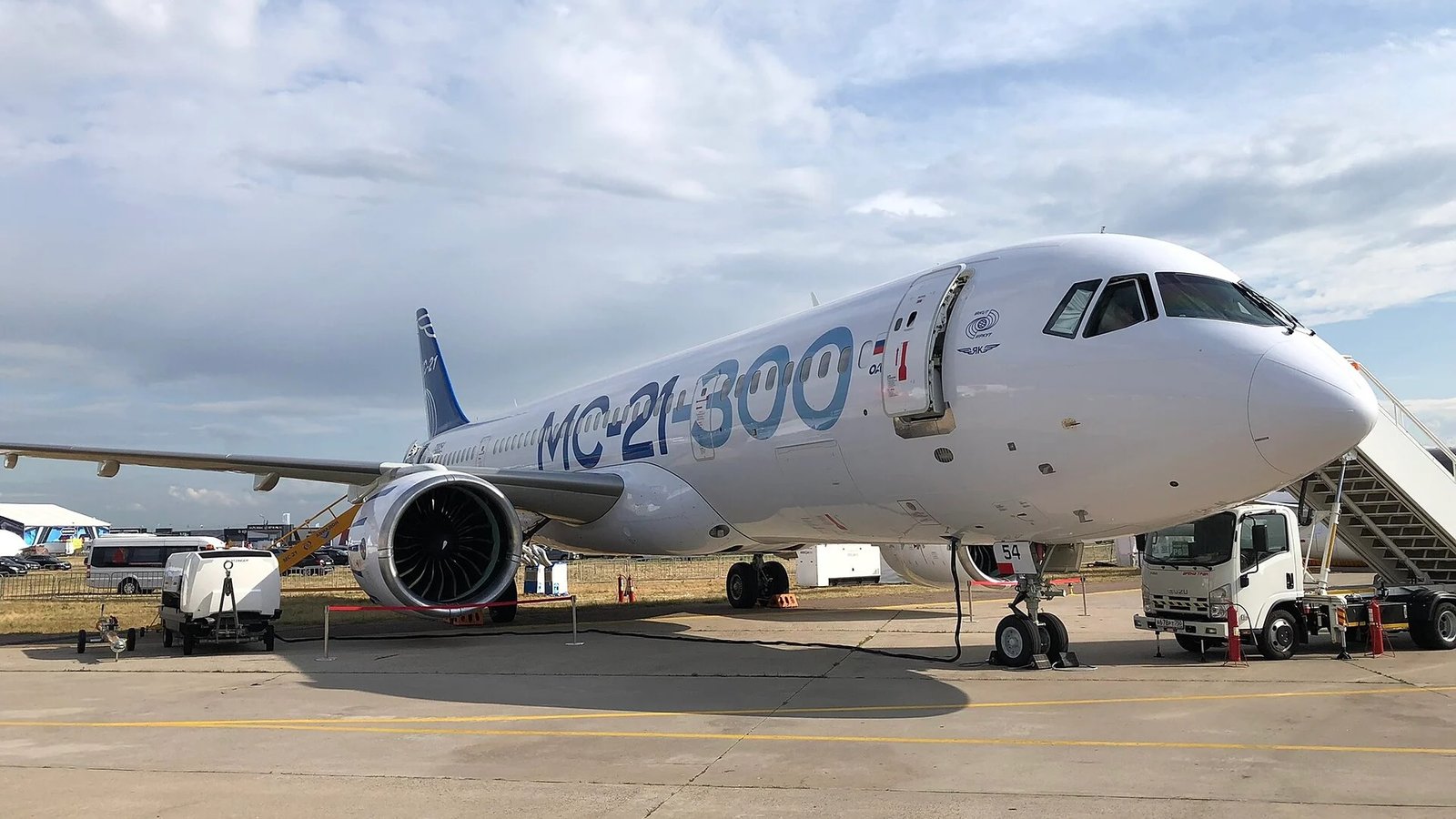 Russia’s Aeroflot Orders 90 MC-21-310 Aircraft in Record Aviation Deal
-
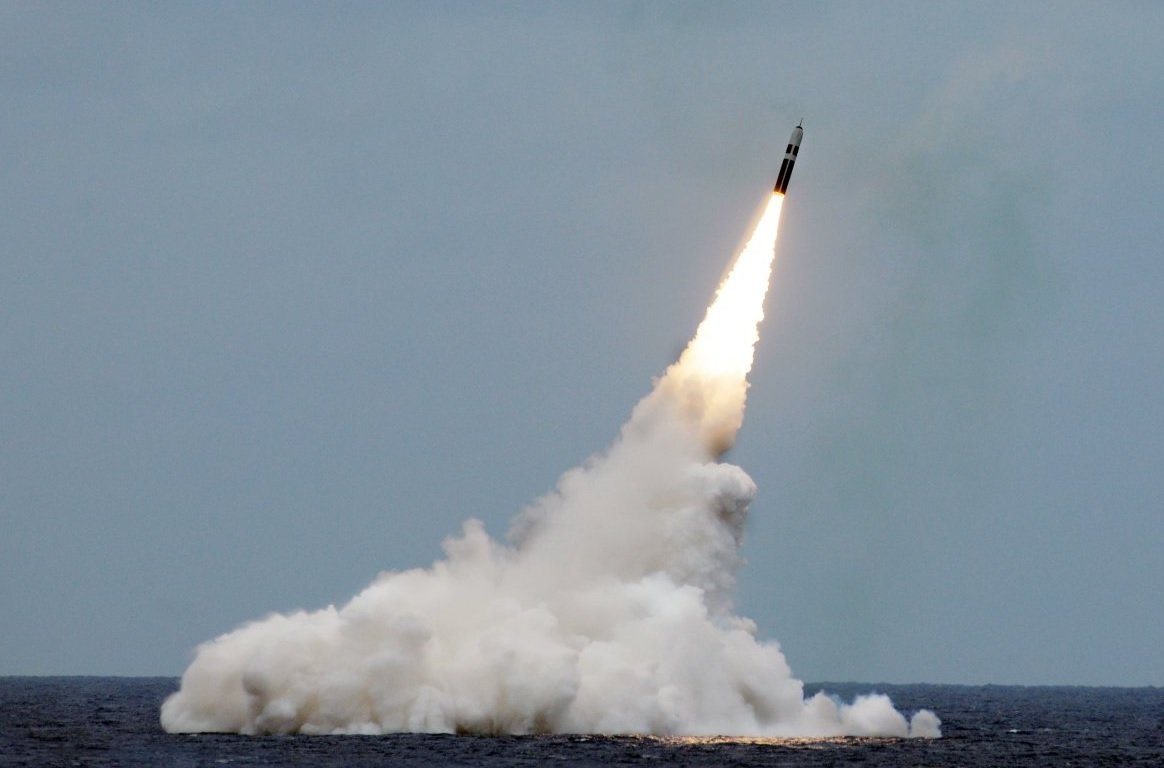 U.S. Navy Awards Lockheed Martin $76.6 Million for Continued Trident II D5LE2 Development
-
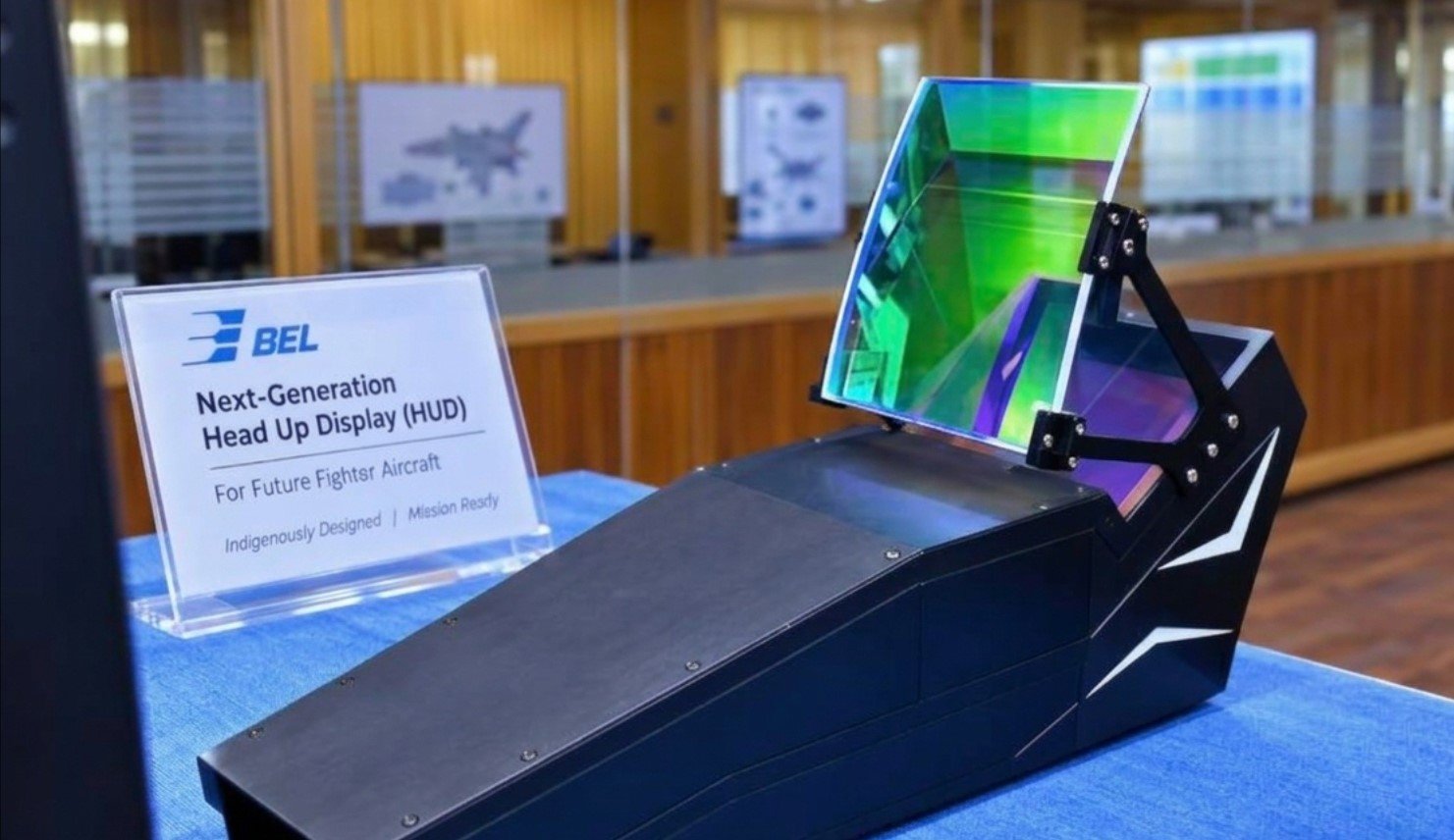 BEL Showcases New-Generation Head-Up Display, Potentially Linked to Tejas Mk2
Top Trending in 4 Days
-
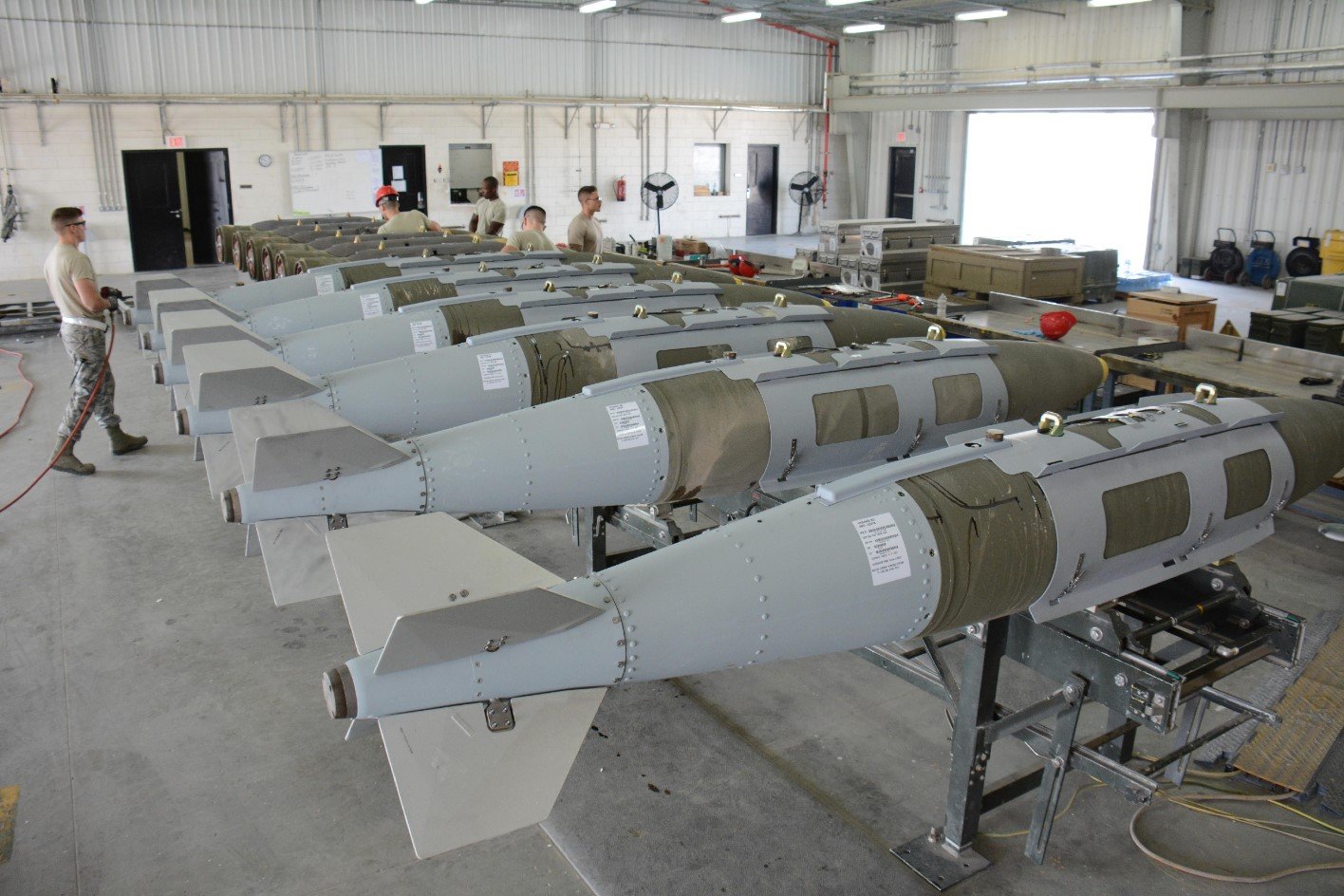 U.S. Plans $2.8 Billion Sale of 40,000 Heavy Bombs and 20,000 I-2000 Penetrator Warheads to Israel
-
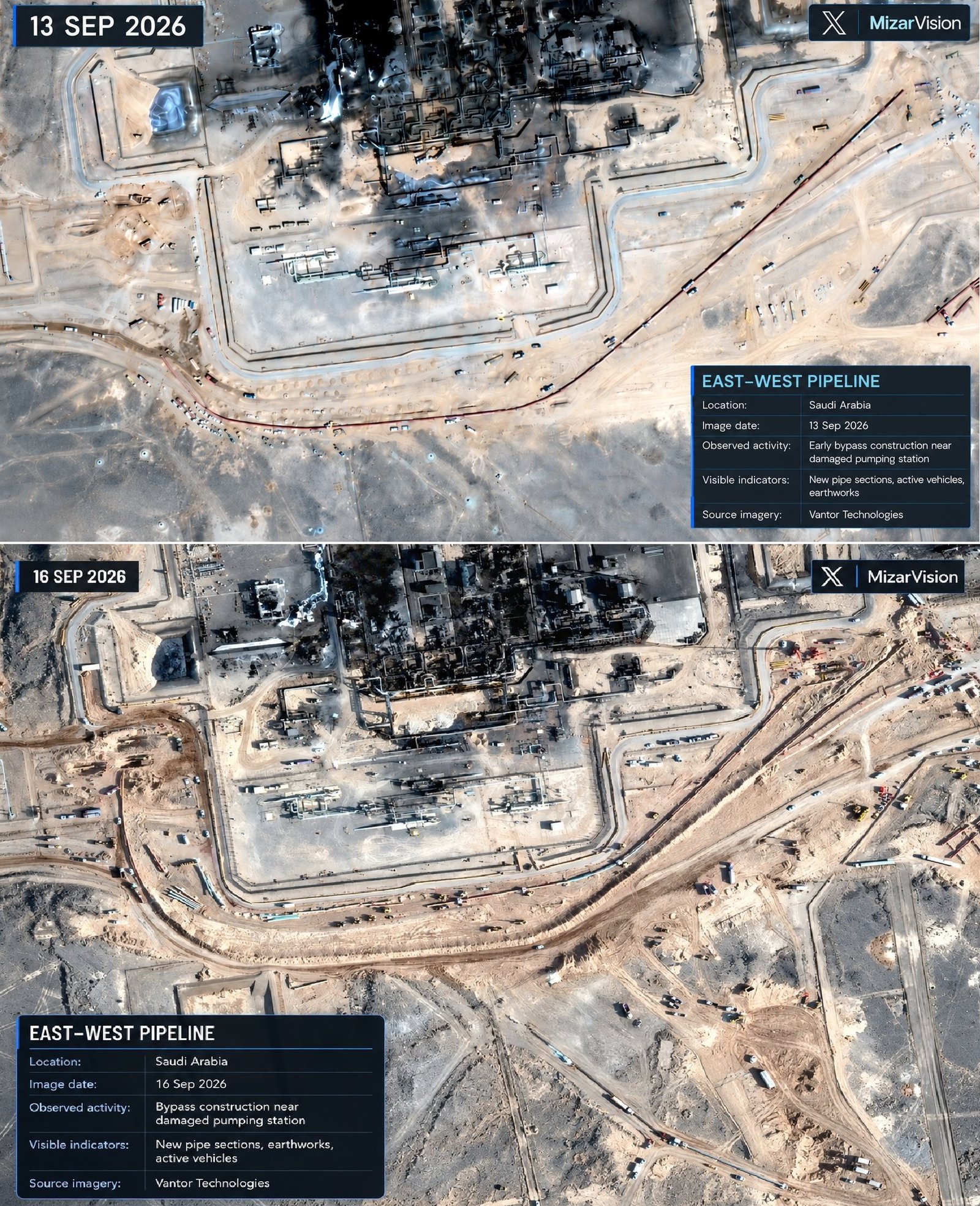 Satellite Images Show Saudi Arabia Building Emergency Bypass Around Damaged East-West Oil Pipeline Station
-
 Houthis Claim Downing of Saudi F-15 and Wing Loong II Drone Over Marib
-
 Photos Reveal Damaged E-3 Sentry, Buildings and Vehicles at U.S. Bases in Saudi Arabia and Kuwait After Iranian Strikes
-
Sensitive F-35 Components Diverted to Hong Kong, Some Parts Missing
-
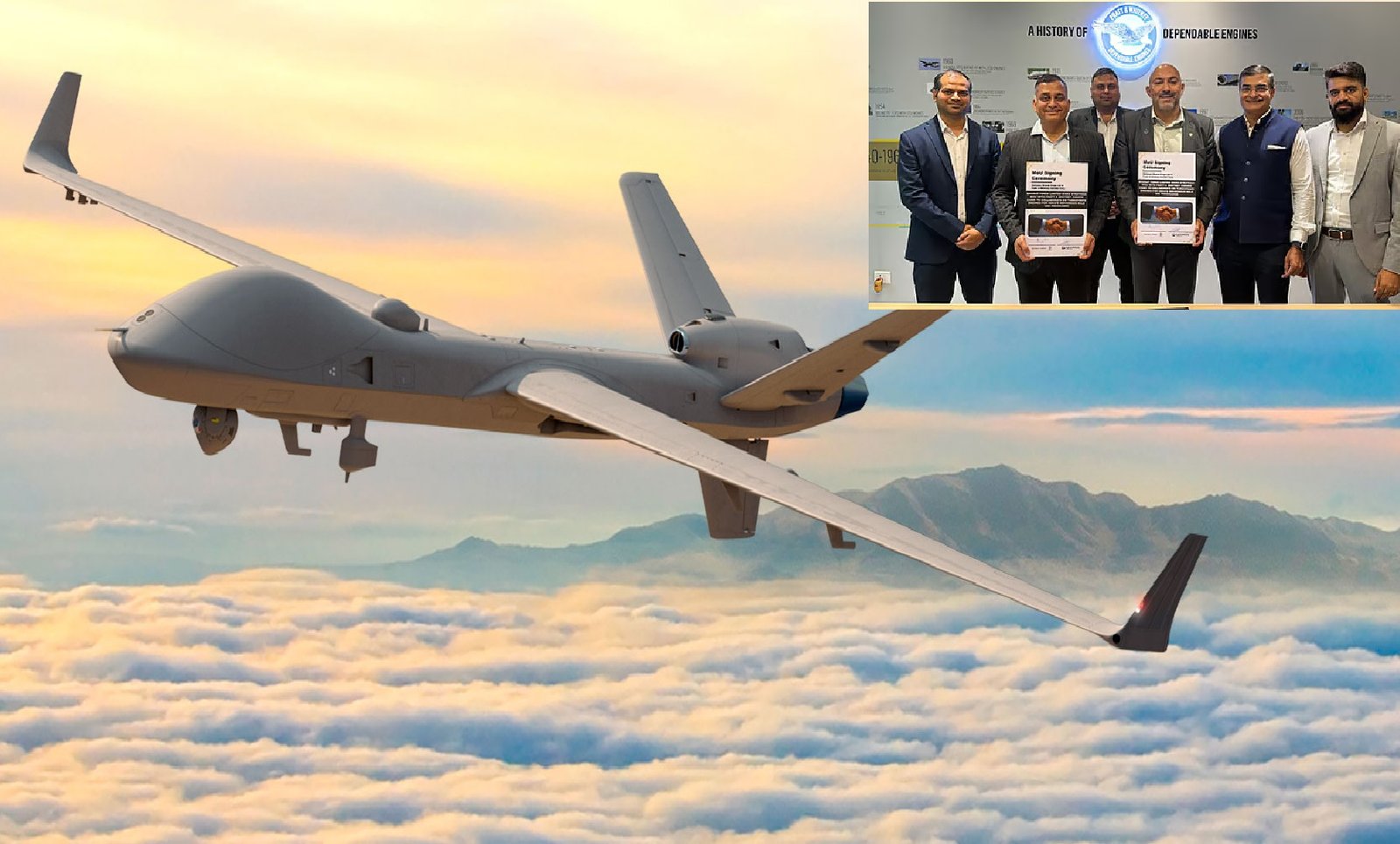 Bharat Forge, Pratt & Whitney Canada to Evaluate Turboprop Engines for DRDO’s Indigenous HALE UAV
-
 China Privately Urges Iran to Restrain Houthis After Saudi Appeal
-
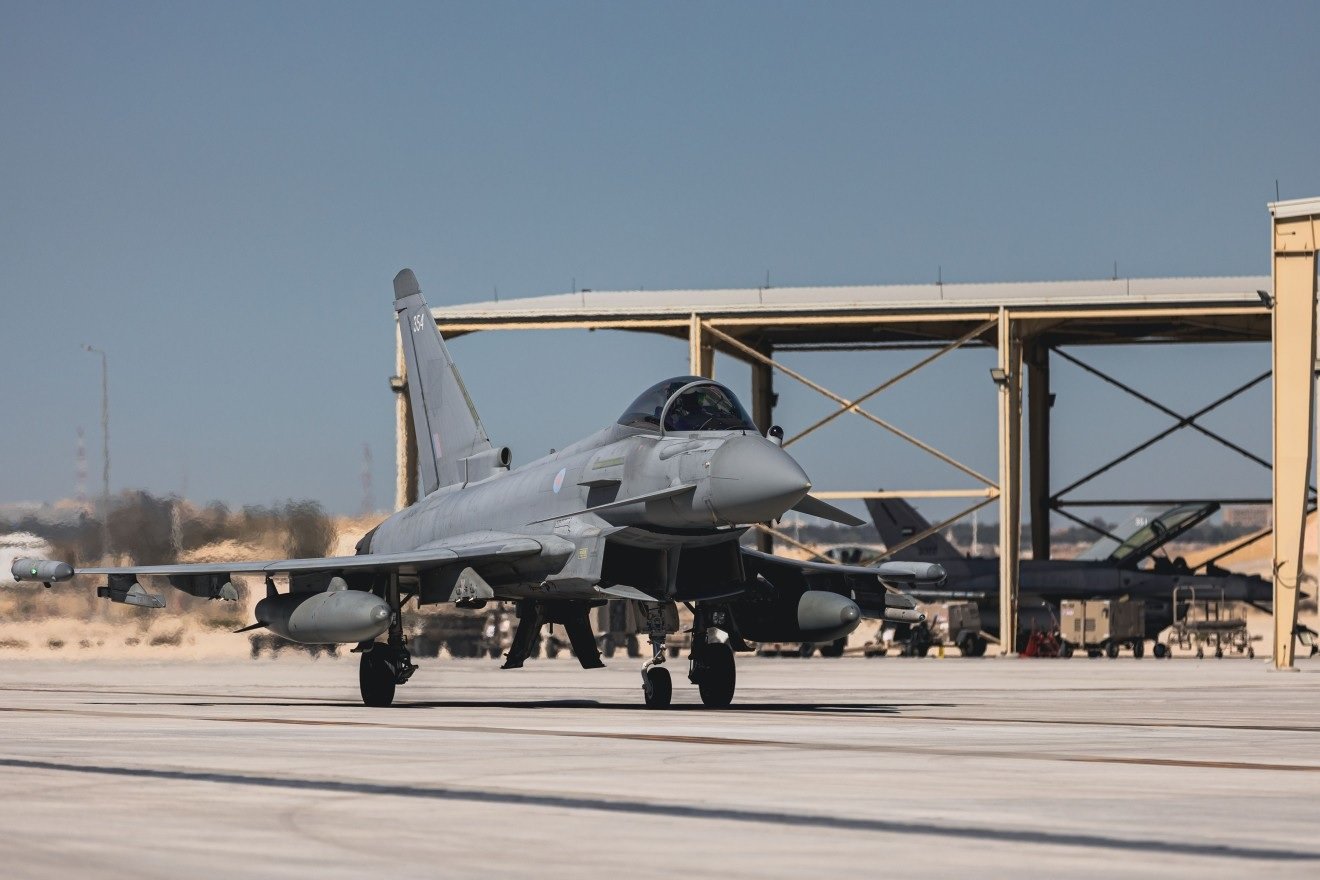 Italian Eurofighter Damaged in Houthi Attack on Saudi Arabia’s King Fahd Air Base
