World
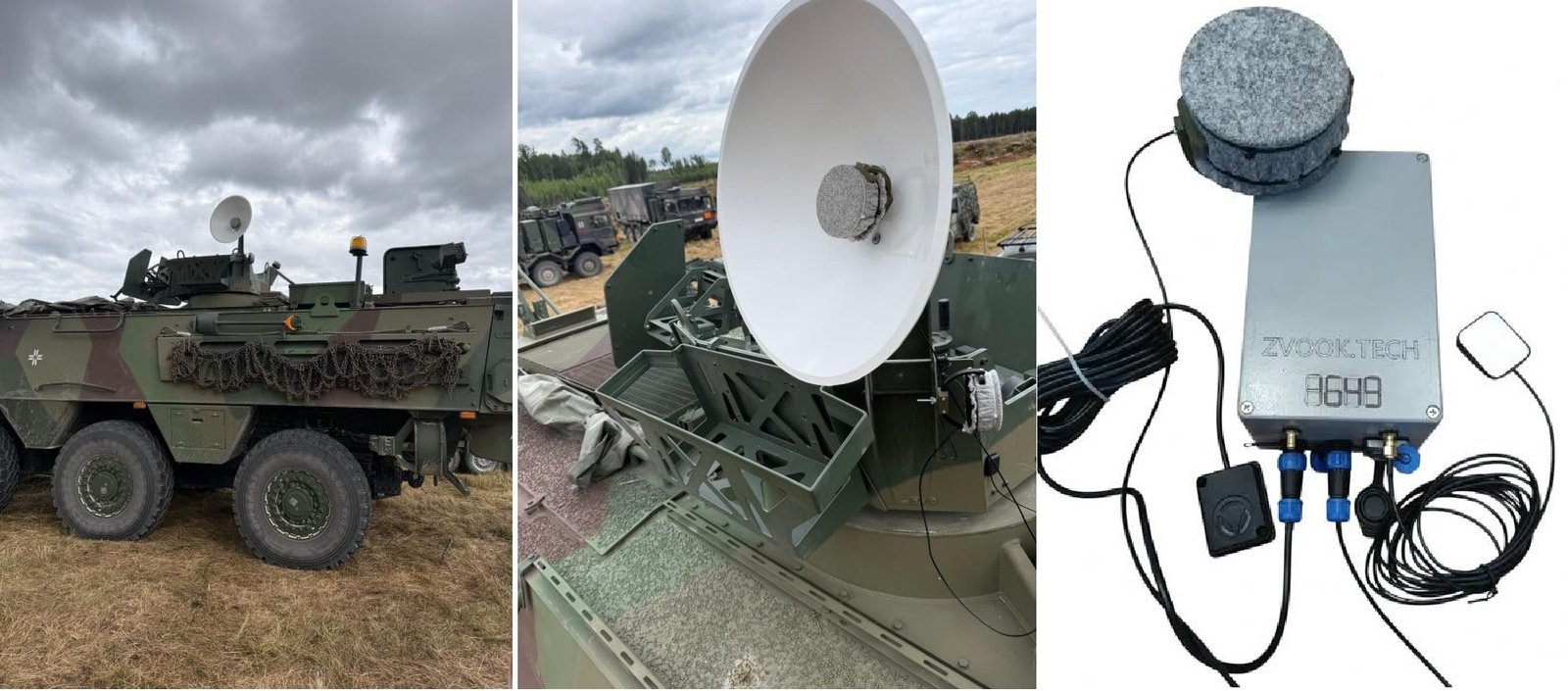
RIGA, LATVIA, — Ukrainian defence and space manufacturing company Zvook has tested its passive acoustic early-warning system on a moving vehicle for the first time during NATO’s Baltic Trust 26 (BATT26) exercise in Latvia. The Lviv-based company conducted the trial with the Latvian National Armed Forces, demonstrating that technology originally designed for fixed installations such as telecom towers could also operate from a moving vehicle. BATT26 was held from August 3 to 14 at the Sēlija training area and was organised by the Latvian National Armed Forces and the NATO Communications and Information Agency. Around 650 participants from NATO countries and partners, including Ukraine, Australia and Japan, took part. The exercise focused on integrating unmanned and counter-unmanned aircraft systems, testing interoperability and practising responses to reconnaissance and attack drones. It formed part of NATO Allied Command Transformation’s Layered Counter-Unmanned Aircraft Systems Initiative. Mobile Acoustic Detection Zvook's system uses passive acoustic sensors that detect the sound signatures of drone motors, propellers, cruise missiles and low-flying aircraft. Unlike active radar, the sensors do not transmit signals, reducing the risk of revealing the location of the detection system. In Ukraine, Zvook has operated networks of fixed sensors since 2022. These are typically installed on radio towers and similar structures around 10 to 12 metres above the ground. The network sends detections to Ukraine’s Delta situational-awareness system, with the company reporting warning times of about 12 seconds for incoming threats. The Ukrainian network is designed to detect Shahed-type drones, cruise missiles and low-flying aircraft. Reported detection ranges are around 5 km for drones and 7 km for cruise missiles. Zvook says machine-learning updates have reduced false-positive rates to about 1.6 percent, while individual sensors cost roughly $500. The company has also developed a compact tactical sensor for smaller threats, including fibre-optic FPV drones, which are difficult to detect using conventional radio-frequency methods. Its acoustic detection approach does not depend on the drone maintaining a radio link. During BATT26, Zvook mounted the sensors on a vehicle, moving beyond its standard fixed-site deployment. The company said the experiment was not completely trouble-free, but engineers, military personnel and partners identified problems and improvements while testing the system under operational conditions. A mobile configuration could allow acoustic detection to accompany moving convoys, mobile command posts and units that frequently change position. The company is therefore examining how a capability previously used from fixed infrastructure can be adapted for mobile tactical use. Integration With Other Sensors Zvook's technology is designed to operate as part of a layered air-defence architecture rather than replace other sensors. The system can work alongside radar, electro-optical/infrared and radio-frequency systems. At BATT26, Zvook said its system exchanged information within the NATO SAPIENT and KYBER architecture in a multi-sensor environment. The company has also developed acoustic tracking capabilities that can estimate a target's location, direction, speed, altitude and classification for Shahed-type and larger threats. Zvook previously demonstrated its technology at the Dronetex event at Odense Airport in Denmark, working with European and Ukrainian companies including DefSecIntel Solutions, Weibel Scientific, TYTAN Technologies and Marduk Technologies. The BATT26 trial provided Zvook with another opportunity to test its technology with NATO forces and examine whether passive acoustic detection can be used from mobile platforms as part of a wider counter-drone network.
Read More → Posted on 2026-08-11 12:50:24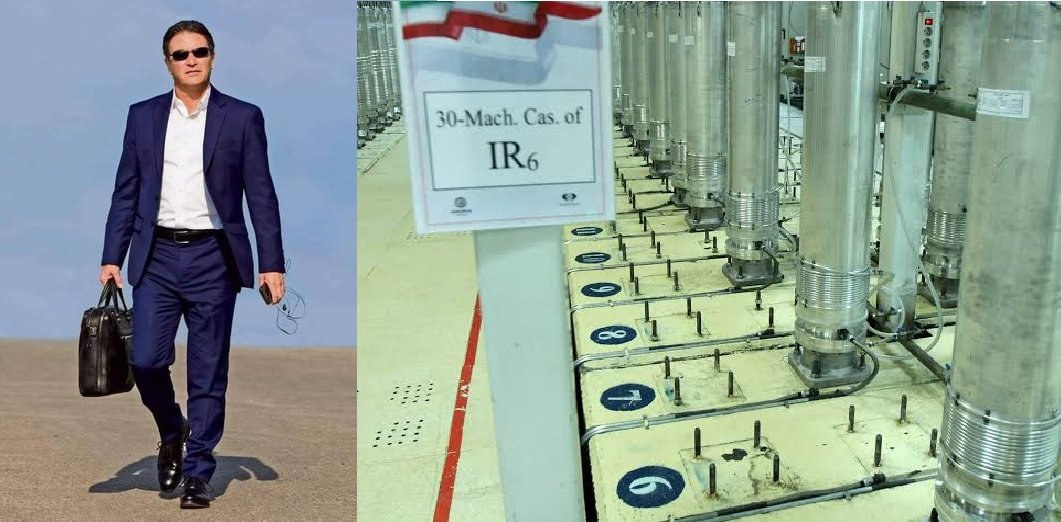
World
SAFED, ISRAEL — Former Mossad director Yossi Cohen said Tuesday that Israeli intelligence operatives had visited Iran’s underground Fordow nuclear facility many times as part of efforts to understand the site. Cohen made the comments while speaking at the Galilee Conference in Safed, offering a rare public reference to Israeli intelligence operations connected to Iran’s nuclear program. “We toured the Fordo nuclear site many times in order to understand the site,” Cohen said, according to Hebrew media reports. He did not provide dates for the alleged visits. He also did not clarify whether the statement referred to Mossad personnel physically entering the facility or to intelligence operations that allowed Israel to obtain detailed information about the site. Cohen comments on U.S. strike on Fordow Cohen also discussed the U.S. military operation against Iran’s nuclear facilities during the 12-day Israel-Iran war in June 2025. The United States struck Iran’s three major nuclear sites at Fordow, Natanz and Isfahan. The Fordow facility was targeted with U.S. bunker-penetrating weapons. The operation was publicly known as Operation Midnight Hammer, while Israel’s campaign against Iran was known as Operation Rising Lion. The International Atomic Energy Agency said after the strikes that the underground damage at Fordow could not immediately be fully assessed. Satellite imagery showed large impact craters at the facility, but the extent of damage below the surface remained uncertain. Cohen described the U.S. bombing of Fordow as “the fulfillment of all my dreams.” Debate over Iran’s enriched uranium Cohen also commented on Iran’s stockpile of uranium enriched to 60 percent, saying that material at that enrichment level was still “far from a bomb.” The status and location of Iran’s enriched uranium stockpile have remained a major issue since the 2025 strikes. A June 2026 analysis based on IAEA reporting said the IAEA did not have confirmed information on whether enriched uranium was being stored at locations including Fordow, the new Pickaxe Mountain facility and other underground sites. The same analysis cited an estimated Iranian stockpile of about 441 kilograms of uranium enriched up to 60 percent. Nuclear experts have noted that uranium enriched to 60 percent can be further enriched to weapons-grade levels. The distinction between possessing highly enriched uranium and actually producing a nuclear weapon remains important, as additional steps are required to produce a usable weapon. Focus shifts to Pickaxe Mountain Attention has increasingly shifted to Iran’s underground Pickaxe Mountain complex near Natanz following the damage to Fordow, Natanz and Isfahan. Reuters reported in July that Pickaxe Mountain is located about 220 kilometers south of Tehran and about 2 kilometers from the Natanz nuclear complex. The underground facility was not targeted during the 2025 strikes and has since become a focus of U.S. and Israeli concerns over Iran’s nuclear infrastructure. Recent satellite imagery has shown continued construction activity at the site. However, the exact status and purpose of the facility remain subjects of intelligence assessments, and Iran has denied nuclear activity there. Cohen’s previous disclosures about Mossad operations Cohen has previously spoken publicly about Israeli intelligence operations against Iran after leaving Mossad in 2021. In a television interview following his departure, he discussed the 2018 Mossad operation in which Israeli agents stole Iran’s nuclear archive from a warehouse in Tehran. He also spoke about Israel’s efforts against Iran’s nuclear program and its long-standing intelligence focus on Iranian nuclear scientist Mohsen Fakhrizadeh, who was killed in 2020. His latest remarks provide another public indication of the level of intelligence attention Israel had directed toward Fordow before the U.S. military strikes. Cohen did not provide further operational details about the alleged visits to Fordow, leaving the timing and exact nature of those operations undisclosed. Source : timesofisrael
Read More → Posted on 2026-08-11 12:36:06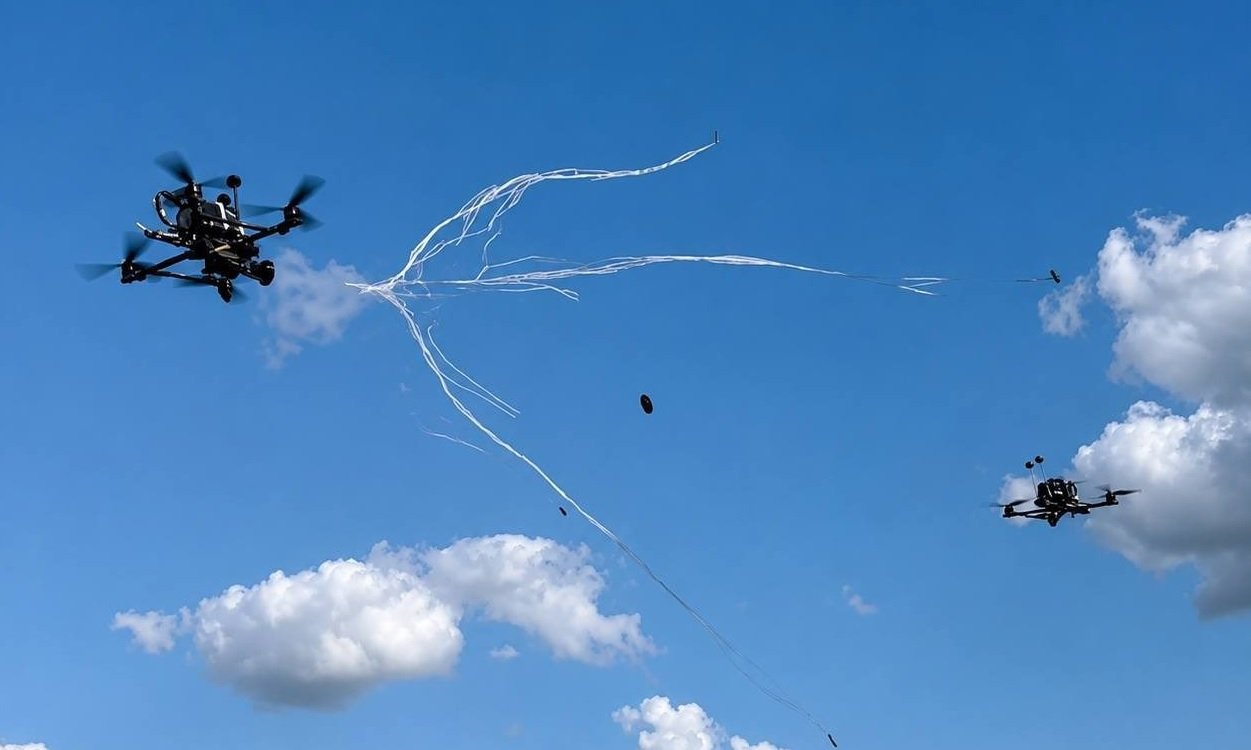
World
KYIV, Ukraine — Ukrainian defense technology company WINFLY has introduced the WINFLY Spider, a reusable interceptor drone designed to capture enemy unmanned aerial vehicles (UAVs) using a net rather than destroying them through a direct impact. The Spider is based on WINFLY's existing WINFLY 10 Hunter airframe and is equipped with the KARAKURT-K2 net-launching system. According to WINFLY, the interceptor can deploy the net against an airborne target and then return to its launch point for another mission. The development was reported by Ukrainian defense outlet Militarnyi. WINFLY Spider Based on WINFLY 10 Hunter The WINFLY 10 Hunter platform gives the Spider a maximum speed of up to 160 km/h and an operational ceiling of up to 5,000 meters. The drone has a range of more than 18 kilometers and can remain airborne for up to 25 minutes. WINFLY states that the system can be deployed in less than three minutes and can detect and identify targets at distances of up to 500 meters through its digital video link. The Spider is intended to counter several types of UAVs, including fixed-wing reconnaissance drones, Mavic-series quadcopters, FPV drones and fiber-optic-controlled UAVs. WINFLY produces the system in both daytime and night-vision configurations. KARAKURT-K2 Net Launcher The main difference between the Spider and conventional impact-based interceptors is its KARAKURT-K2 net launcher. The launcher weighs 210 grams and is made from high-strength aluminum. It connects to the drone through a USB Type-C interface and is designed to operate in temperatures ranging from −20°C to +50°C. According to the manufacturer, the KARAKURT-K2 can fire its net at a target from a distance of up to 15 meters. When launched from approximately 3 to 5 meters from the target, the net expands to around 3 × 3 meters and is intended to entangle the target's rotors or airframe. Reusable Interceptor WINFLY designed the Spider to remain intact after an interception. Instead of colliding with the target and being lost, the interceptor deploys the net and then returns to its launch location, where it can be prepared for another sortie. WINFLY lists the cost of a single net deployment at 1,100 Ukrainian hryvnia, reported as approximately $26. The reusable design therefore separates the cost of the interceptor itself from the expendable net deployment. WINFLY Spider Specifications Specification Details Base platform WINFLY 10 Hunter Maximum altitude Up to 5,000 m (16,400 ft) Maximum speed Up to 160 km/h (99 mph) Operational range More than 18 km (11 miles) Flight endurance Up to 25 minutes Deployment time Less than 3 minutes Target detection/identification Up to 500 m (1,640 ft) Net launcher KARAKURT-K2 Launcher weight 210 g Net firing range Up to 15 m Expanded net size Approximately 3 × 3 m Net deployment distance Approximately 3–5 m from target Operating temperature −20°C to +50°C Net deployment cost 1,100 UAH, approximately $26 The introduction of the Spider adds a reusable net-based interception option to WINFLY's UAV systems. Its development also reflects the company's move from an earlier impact-based interception approach toward a system in which the interceptor can recover after engaging a target.
Read More → Posted on 2026-08-11 12:06:45
U.S
BEDMINSTER, N.J., August 11, 2026 — A U.S. Army AN/TWQ-1 Avenger short-range air defense system, supported by an AN/MPQ-64 Sentinel radar, was deployed at Trump National Golf Club Bedminster in New Jersey while President Donald Trump played golf during the final round of the LIV Golf Bedminster tournament on August 9. Images from the golf course show Trump playing with an Avenger system positioned behind concertina wire in the background. Additional imagery shows an Avenger and an AN/MPQ-64 Sentinel radar near the course. The White House confirmed the authenticity of the photographs to The War Zone on August 10. The deployment comes as security concerns surrounding Trump have increased amid the ongoing conflict involving the United States and Iran. Independent analyst has linked the presence of the air-defense system to concerns about a possible Iranian aerial attack against the president. The exact threat assessment behind the deployment has not been publicly disclosed. 🇺🇸 #US: President Donald Trump was seen golfing at his Bedminster, New Jersey club with a missile-defense system deployed nearby, as F-16s were scrambled to intercept civilian aircraft that entered the temporary restricted airspace over the area.NORAD said two general-aviation… pic.twitter.com/NyZbj9OUEo — POPULAR FRONT (@PopularFront_) August 10, 2026 Iran has Trump so shook and scared right now he has to have a AN/TWQ-1 SHORAD air defense system with a AN/MPQ-64 Sentinel Radar follow him around as he golfs.lmao he is scared to even be outdoors anywhere at this point.pic.twitter.com/aEHQLlEr3p — Stellar Man (@stellarman22) August 10, 2026 Avenger provides short-range air defense The AN/TWQ-1 Avenger is a Humvee-mounted short-range air-defense system that uses FIM-92 Stinger surface-to-air missiles. The system can carry up to eight ready-to-fire Stinger missiles and is also equipped with an M3P .50-caliber machine gun. U.S. Army documents describe the Avenger as a mobile system designed to counter low-altitude unmanned aircraft and fixed- and rotary-wing aircraft. The Army has also integrated Avenger units into counter-unmanned-aircraft operations. The system can receive air tracks from the Sentinel radar, allowing the weapon system to be directed toward detected aerial threats. The AN/MPQ-64 Sentinel provides the accompanying air surveillance capability. The Army describes the radar as a 360-degree X-band system providing persistent air surveillance and fire-control-quality data. Its published instrumented range is up to 75 kilometers, and it can acquire, track and classify unmanned aircraft, cruise missiles and fixed- and rotary-wing aircraft. When the Avenger systems are deployed to assist the Secret Service in protecting the president, NORAD has said they are operated by the 263rd Army Air and Missile Defense Command. A NORAD spokesperson declined to provide further details about how frequently the systems are used in this role, according to The War Zone. Avenger was also seen at Bedminster on August 1 The air-defense system was not first seen at the golf club on August 9. On August 1, the White House released a video showing Trump speaking with U.S. Army personnel at Bedminster. An Avenger was visible in the background. During the exchange, Trump joked that he was not worried about “missiles and drones.” A U.S. Army colonel responded, “We got it covered,” while pointing toward the Humvee-mounted system. The appearance of the Avenger on both occasions indicates that the system has been positioned at Bedminster beyond a single golf outing. The White House has not publicly provided details about the duration or full scope of the deployment. NORAD F-16s intercepted civilian aircraft The heightened airspace security around Bedminster was also visible on August 9. While Trump was at the golf club, NORAD F-16 fighter aircraft intercepted two general aviation aircraft that violated the Temporary Flight Restriction (TFR) airspace over the area. NORAD said that all general aviation aircraft were safely escorted out of the restricted area. NORAD routinely supports the U.S. Secret Service and the Federal Aviation Administration in enforcing temporary flight restrictions established around protected presidential locations. The presence of fighter aircraft and the ground-based Avenger system represents different layers of airspace protection, although details of how the systems were coordinated during the incident have not been released. Trump has previously faced threats at golf courses The security arrangements at Bedminster come against a background of previous threats and attacks involving Trump, including an attempted assassination at a golf course. On September 15, 2024, Trump was playing golf at Trump International Golf Club in West Palm Beach, Florida, when a Secret Service agent conducting a perimeter sweep spotted a rifle in the tree line near the sixth hole. The agent fired toward the suspect, later identified as Ryan Wesley Routh. Routh was subsequently convicted of attempting to assassinate Trump. In February 2026, he was sentenced to life in prison plus seven years. Trump was also the target of an assassination attempt at a campaign rally in Butler, Pennsylvania, on July 13, 2024. The gunman, Thomas Matthew Crooks, fired at Trump before being killed by law enforcement. The shooting also killed one spectator and seriously injured two others. More recently, authorities arrested Jeanine John Taele, 38, at Trump National Golf Club in Rancho Palos Verdes, California, after he was observed photographing and recording security preparations ahead of Trump's scheduled visit. Authorities found ammunition on him and a loaded pistol in his vehicle, while subsequent searches uncovered additional weapons and other equipment. Authorities have not said that Taele was involved in an assassination plot against Trump. Iran-related threats add another security concern The current security environment also includes a history of threats from Iran against Trump. In January 2020, after the U.S. strike that killed Iranian commander Qassem Soleimani, an image was posted by an account associated with Iran's then-Supreme Leader Ayatollah Ali Khamenei showing what appeared to be a drone targeting Trump while he played golf. The image was widely interpreted as a threat of retaliation. The threat environment has since changed significantly. Khamenei was killed during U.S. strikes on Iran on February 28, 2026, according to reporting at the time. Iran has also developed and used various unmanned aircraft, including one-way attack drones. However, there is no public confirmation that Iran has specifically planned an attack against Trump at Bedminster. Other protective systems are not visible The Avenger is only one component of presidential security. The photographs released from Bedminster do not show the full range of systems or personnel protecting the president. The War Zone noted that other capabilities, potentially including electronic-warfare equipment, may be present but are not visible in the available imagery. The exact composition of the security arrangement has not been disclosed. Avenger systems have also been used previously for air-defense missions around sensitive locations. The U.S. Army continues to maintain the system as part of its short-range air-defense capabilities, including missions against unmanned aerial systems. The deployment at Bedminster therefore provides a visible example of how military short-range air-defense assets can be incorporated into presidential protection when the president is operating in an open outdoor environment. For Trump, playing golf at Bedminster on August 9 meant having an Army Avenger and Sentinel radar positioned nearby, while NORAD fighter aircraft were also responding to violations of the temporary restricted airspace. The specific threat information that led to the deployment remains classified or undisclosed.
Read More → Posted on 2026-08-11 11:57:22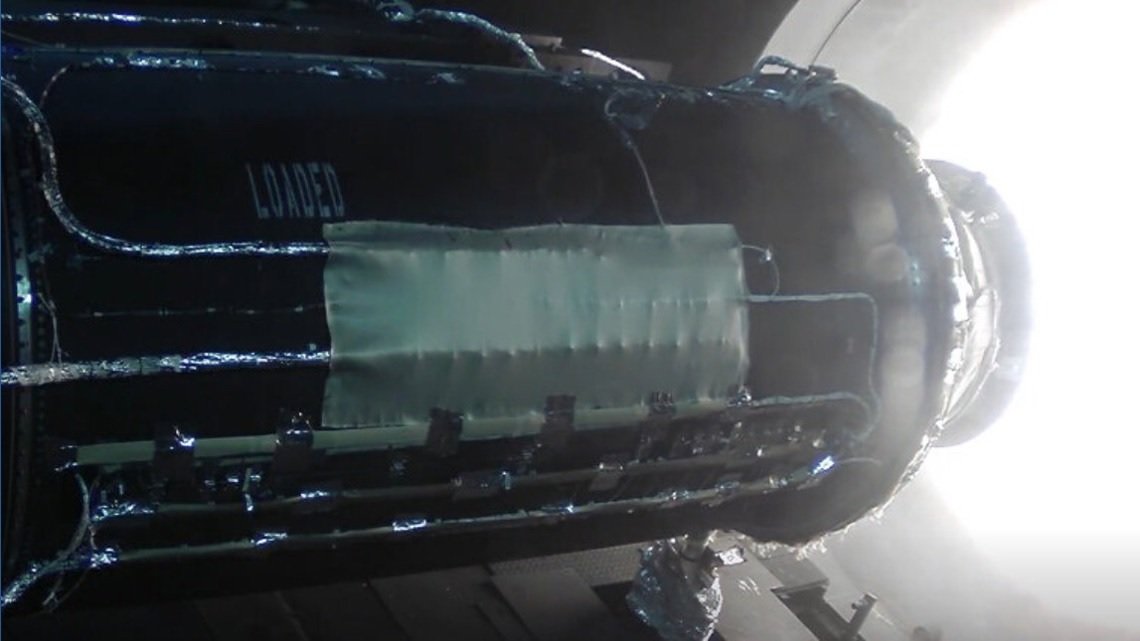
U.S
HUNTSVILLE, Ala. — Lockheed Martin and L3Harris Technologies have completed a successful static-fire test of the Stage 2 solid rocket motor for the U.S. Missile Defense Agency’s (MDA) Next Generation Interceptor (NGI) program. The full-duration test was conducted inside a high-vacuum chamber using the L3Harris-built advanced large solid rocket motor. The test was designed to evaluate the motor under conditions representative of those expected during the interceptor’s mission. According to Lockheed Martin, the test confirmed key motor performance parameters, including thrust generation, chamber pressure and combustion stability. Data collected during the firing will support continued NGI design work, system integration and preparations for future flight testing. “This successful static fire test is a significant milestone on the path to the Critical Design Review and confirms our confidence that the NGI motor will meet the demanding performance envelope required for fielding by 2030,” said Christopher Jewell, Lockheed Martin’s vice president of the NGI program. He said the test data will be used to inform the final interceptor design and support integration with the Ground-Based Midcourse Defense (GMD) architecture. NGI development moves toward Critical Design Review The NGI is being developed to strengthen the United States’ homeland ballistic missile defense capability. The interceptor is intended to operate as part of the existing GMD architecture. The MDA selected Lockheed Martin in April 2024 to continue NGI development through Critical Design Review, qualification, integration with GMD and flight testing. Lockheed Martin is the prime contractor for the NGI program, while L3Harris provides major propulsion and control-system elements. L3Harris is responsible for the Stage 1 and Stage 2 advanced large solid rocket motors, along with the Attitude Control System (ACS) and Divert and Attitude Control System (DACS). The ACS and DACS provide the control needed for the interceptor to maneuver during an engagement. The Stage 2 motor test follows a successful burst test of the NGI second-stage motor case completed earlier in August. During that test, the composite motor case was pressurized beyond expected launch loads and withstood the required stresses before failing as planned. Manufacturing capacity expanded in Alabama Lockheed Martin is also expanding its manufacturing infrastructure for the NGI program. In June 2026, the company opened an 88,000-square-foot Missile Assembly Building 5 (MAB-5) in Courtland, Alabama. The facility is designed to produce and integrate NGI interceptors and uses digital manufacturing tools and processes. The company has also been investing in additional production lines, tooling and plant layouts in Alabama to support future NGI manufacturing requirements. L3Harris manufactures the large solid rocket motors for the program at facilities in Alabama and Arkansas, while components for the ACS and DACS are produced in California and Virginia. The NGI program uses digital engineering and modeling during development. Lockheed Martin says the approach is intended to reduce the time required for design, fabrication and validation and to support the transition from development to production. “This successful hot-fire test demonstrates L3Harris’ commitment to delivering dependable, high-performance propulsion systems, and we will continue to execute to support NGI’s first flight test,” said Scott Alexander, president of Propulsion Systems and Missile Solutions at L3Harris. With the Stage 2 motor test completed, the program is moving toward its planned Critical Design Review and subsequent flight-testing activities. Lockheed Martin has stated that the motor-test data will be incorporated into remaining design finalization and system-integration work. Note: The U.S. Missile Defense Agency's April 2024 announcement described an initial operational capability objective of no later than the fourth quarter of fiscal year 2028, while the August 2026 Lockheed Martin statement provided in the supplied material refers to fielding by 2030.
Read More → Posted on 2026-08-11 11:38:52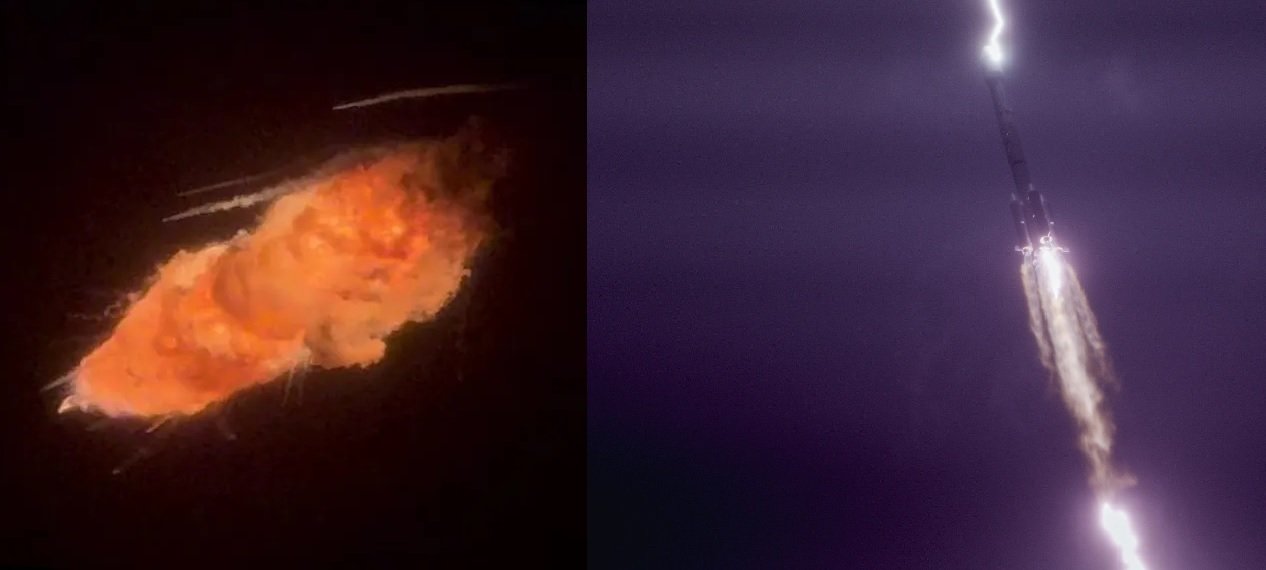
Space & Technology
WENCHANG, HAINAN — China’s Long March 7A rocket failed shortly after liftoff from the Wenchang Space Launch Site on Monday, resulting in the loss of the ChinaSat-4B communications satellite. The rocket lifted off from Launch Complex 201 at 8:02 p.m. Beijing time (12:02 UTC), according to China’s state news agency Xinhua. The launch vehicle experienced a flight anomaly shortly after liftoff, and the cause is being further analyzed. Reuters witnesses reported seeing a bright flash in the night sky after the launch, followed by what appeared to be multiple glowing fragments. The observations are consistent with the reported failure of the launch vehicle, although Chinese authorities have not yet released details on the specific technical cause. ChinaSat-4B Lost in the Failed Launch The payload aboard the Long March 7A was ChinaSat-4B, also known as Zhongxing-4B. The satellite was intended for geostationary orbit and was designed to provide radio, television and communications services. The loss means the satellite did not reach its planned orbit. Further information about the spacecraft and its intended operational role has not been released in detail by Chinese authorities following the failed mission. Second Long March 7A Failure Monday’s failure is the second known failure of the Long March 7A. The rocket made its maiden flight in March 2020, but that mission also failed after the vehicle experienced a malfunction. Chinese space engineers subsequently investigated the cause. The Long March 7A returned to flight in March 2021 and successfully placed the Shiyan-9 satellite into orbit. It then completed a series of successful missions before Monday’s failure. The Long March 7A is a three-stage variant of the Long March 7 designed for missions to higher orbits. Its configuration uses four strap-on boosters and a third stage that allows it to conduct missions involving geostationary transfer orbits. The vehicle has previously been used for a range of satellite missions. YF-100 Engines Used on the First Stage and Boosters The Long March 7A’s first stage and four boosters use YF-100 liquid-oxygen and kerosene engines. The same engine family is also used on several other Chinese launch vehicles, including the Long March 5, Long March 6 and Long March 8. However, Chinese authorities have not said that an engine problem caused Monday’s failure. The investigation remains underway, so the exact source of the anomaly cannot yet be established. Investigation Underway Xinhua reported that the cause of the failure is being further analyzed. No official explanation identifying a particular engine, stage, component or system as responsible for the anomaly has been released so far. The failure will therefore be subject to a technical investigation before the Long March 7A returns to flight. Any decision on future launches involving the vehicle or related hardware will depend on the findings of that investigation. Monday’s incident represents a failure after the Long March 7A had established a record of successful missions following its 2020 debut failure. The immediate impact on China’s wider launch schedule will depend on the results of the investigation and any corrective measures announced by Chinese authorities.
Read More → Posted on 2026-08-10 16:14:31
U.S
WASHINGTON — Lockheed Martin and Raytheon are reportedly raising concerns about a potential U.S. licensing arrangement that would allow Ukraine to produce Patriot missile interceptors. The companies’ concerns involve intellectual property and technology-transfer risks, while the broader debate also reflects questions about how Ukraine’s rapidly expanding defense industry could affect the existing Patriot production base. The issue comes as Washington and Kyiv discuss ways to increase Ukraine’s access to Patriot interceptors amid continuing Russian missile attacks and a global shortage of air-defense missiles. U.S. President Donald Trump publicly said on July 8 that the United States would give Ukraine a license to produce Patriot missiles. Trump made the statement while meeting Ukrainian President Volodymyr Zelenskyy during the NATO summit in Ankara. At the time, Trump also acknowledged that the companies involved in producing the system had not yet been informed of the decision. The exact scope of a possible license remains unclear. It could involve production of interceptors or selected components rather than allowing Ukraine to manufacture complete Patriot batteries, which also include launchers, radar, command-and-control equipment and other systems. Concerns From Patriot Manufacturers Patriot production involves two major U.S. defense companies. Raytheon, part of RTX, produces Patriot interceptors including the GEM-T, while Lockheed Martin produces the PAC-3 interceptor family. According to reporting by The Atlantic, the companies are concerned about intellectual property and unauthorized technology transfers. A Republican official familiar with the issue told the publication that the deeper commercial concern is that Ukrainian manufacturers could eventually improve the Patriot and manufacture it at greater scale and lower cost than existing U.S. production lines. The companies have not publicly confirmed that they are opposing the licensing proposal on those grounds. Earlier, Raytheon had indicated interest in working with Ukraine on co-producing Patriot interceptors. During a July 23 meeting with a Raytheon delegation, Zelenskyy said the company was ready to consider deeper cooperation with Ukraine, including co-production of Patriot interceptors. Raytheon Vice President Joseph DeAntona said the company was interested in opportunities to work jointly with Ukraine on ground-based air-defense systems. Ukraine Expands Defense Production Ukraine has substantially expanded its domestic defense industry during the war, particularly in the production of unmanned systems. Zelenskyy said on July 15 that Ukraine was producing 10 million drones annually and planned to increase that figure to 20 million with support from partners. The country has also developed relatively low-cost unmanned systems. The Darts drone, produced by Ukrainian company Stalevi Shershni, has been reported at a basic unit cost of about $1,000. Ukraine has also adapted foreign and commercial technologies for battlefield use. One example is the Ukrainian-developed Sky Map counter-drone platform, which combines information from sensors and radars to detect and track aerial threats. Reuters reported in April that the U.S. military had deployed the system at Prince Sultan Air Base in Saudi Arabia and that Ukrainian personnel were training U.S. forces to use it. These developments have contributed to growing interest in Ukraine as a defense-technology partner rather than only as a recipient of military assistance. Patriot Production Comes Amid Interceptor Shortages The licensing debate comes at a time when demand for Patriot interceptors has increased sharply. The Patriot system has become particularly important for Ukraine because of its ability to engage ballistic-missile threats. Ukraine has repeatedly called for additional Patriot systems and interceptors as Russia continues to conduct large-scale missile attacks. Reuters reported on August 7 that about 65% of the U.S. Patriot interceptor stock had been used between February and July 2026, leaving fewer than 850 interceptors according to the figures cited in its report. The United States is also working to increase production to replenish depleted inventories. Ukraine's missile-defense requirements have also increased. Ukrainian Air Force data showed that Russia launched 376 missiles against Ukraine in July, more than twice the number recorded in June. The shortage has made increasing production an important issue for both the United States and its allies. A Ukrainian production arrangement could eventually provide another source of interceptors, although establishing a complete production capability would take time. Production Would Not Begin Immediately A license would not automatically mean that Ukraine could quickly manufacture complete Patriot systems. The Patriot is a complex system involving multiple specialized components and production chains. Current discussions have therefore included the possibility of Ukrainian production of specific components or interceptors rather than immediate domestic production of entire Patriot batteries. The United States and Ukraine would also have to determine which technologies could be transferred, which components could be manufactured locally and how the production process would be integrated with existing U.S. suppliers. For Ukraine, domestic production could reduce dependence on deliveries from existing foreign stockpiles. For the United States, it could provide another potential production location at a time when demand for Patriot interceptors is high. However, the licensing process remains dependent on negotiations between the U.S. government, Ukraine and the companies involved. Trump has publicly supported granting Ukraine production rights, while the precise terms and scope of any final agreement have not been publicly established. The result of those discussions will determine whether Ukraine eventually becomes a producer of selected Patriot components, interceptors or a broader part of the system's manufacturing chain. Source : The Atlantic
Read More → Posted on 2026-08-10 16:04:06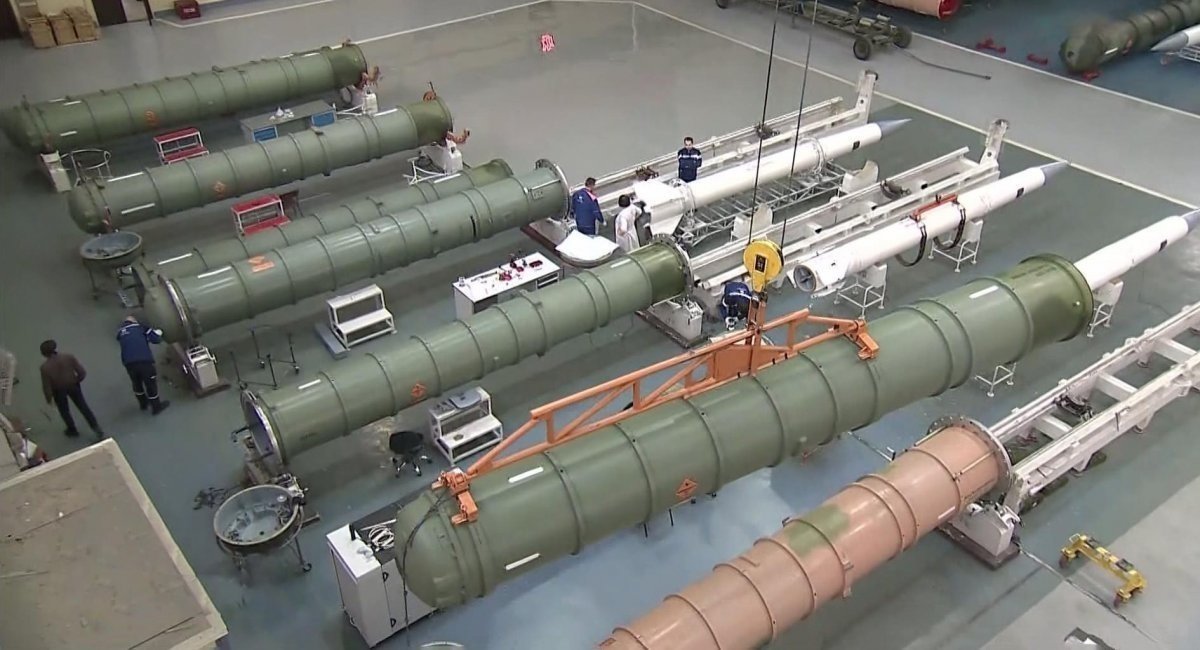
World
KYIV — Russia has suspended production of its Kh-47M2 Kinzhal air-launched ballistic missile and Kh-32 cruise missile, redirecting components, missile fuel and other resources toward missile systems that Ukraine’s Defence Intelligence says are considered more effective. Major General Vadym Skibitskyi, deputy head of Ukraine’s Defence Intelligence (DIU), disclosed the production changes in an interview with RBC-Ukraine published on August 10, 2026. According to Skibitskyi, the suspension of production began in April. Kinzhal Production Suspended The Kinzhal is an air-launched missile carried by Russia’s MiG-31K aircraft. Russia introduced the system publicly in 2018 and has described it as a high-speed weapon derived from the Iskander-M missile system. According to Skibitskyi, accuracy problems are one of the reasons behind the decision to stop production. He said that an effective guided missile should have a deviation of no more than 5–7 metres, while the Kinzhal has reportedly shown deviations of 30 metres or more. Ukrainian forces have also previously reported intercepting Kinzhal missiles using Patriot air-defence systems. The production suspension does not mean that Russia has permanently cancelled the Kinzhal programme or withdrawn the MiG-31K aircraft used to launch the missile. Instead, the move described by DIU represents a change in production priorities. Kh-32 Returned for Further Development Russia has also suspended serial production of the Kh-32, an upgraded version of the Soviet-era Kh-22 missile. According to Skibitskyi, Russian engineers attempted to improve the Kh-32's accuracy and range, but the modifications did not achieve the required results during several combat tests. The missile was subsequently returned for further development, while serial production was suspended. Russian forces have used Kh-22-family missiles against targets in Ukraine, including land targets, despite the system originally being developed as an anti-ship weapon. Resources Shifted to Other Missiles DIU says the suspension of Kinzhal and Kh-32 production has allowed Russia to redirect missile fuel, components and financial resources toward other missile programmes. Skibitskyi said Russia is currently producing its main missile types at between 110% and 120% of planned monthly targets. July production figures cited by him include: Missile July production Planned production Target completion Kh-101 87 72 140% Kalibr 29 26 111% Kh-35 Not specified Not specified 200% Iskander-M 9M723 65 60 Above target The Kh-101 is a long-range cruise missile, while Kalibr missiles are launched from Russian naval platforms. The 9M723 is the ballistic missile used by the Iskander-M system. DIU also reported that, by August 3, Russia had already met its full-year production targets for 33 Zircon hypersonic missiles and 60 modernised Oniks missiles. According to the same assessment, Russia had about 130 9M723 missiles in its stockpile allocated to its forces as of August 5. Skibitskyi said Ukrainian intelligence has documentary evidence covering Russian missile-production plans and actual production. He also stated that some Kh-101 missiles that fail during launch are returned to production facilities for inspection and repair. New Banderol Munition Used From Helicopters Alongside changes to missile production, Russian forces are also introducing new methods of deploying other strike weapons. Skibitskyi confirmed that the Banderol loitering munition is being launched from Russian helicopters. Ukrainian Defence Intelligence had previously reported efforts to adapt the system for use with Mi-28 attack helicopters. DIU has also reported that work is underway to enable the munition to be launched from fixed-wing aircraft. The Banderol, also referred to as Banderole or S8000 in Ukrainian reporting, has been associated with Russia's Kronstadt company and the Orion unmanned aircraft system. Ukrainian intelligence has previously reported a range of up to 500 kilometres, a speed of about 500–600 km/h and a warhead weighing up to approximately 150 kg. The reported production changes show that Russia is directing more resources toward missile systems that its defence industry is currently able to produce in larger quantities, while the Kinzhal and Kh-32 programmes remain suspended or under further development, according to Ukraine's Defence Intelligence. The claims about Russian production levels and the reasons for the suspensions come from Ukrainian intelligence and should therefore be understood as Ukrainian assessments rather than independently verified Russian production data.
Read More → Posted on 2026-08-10 15:58:16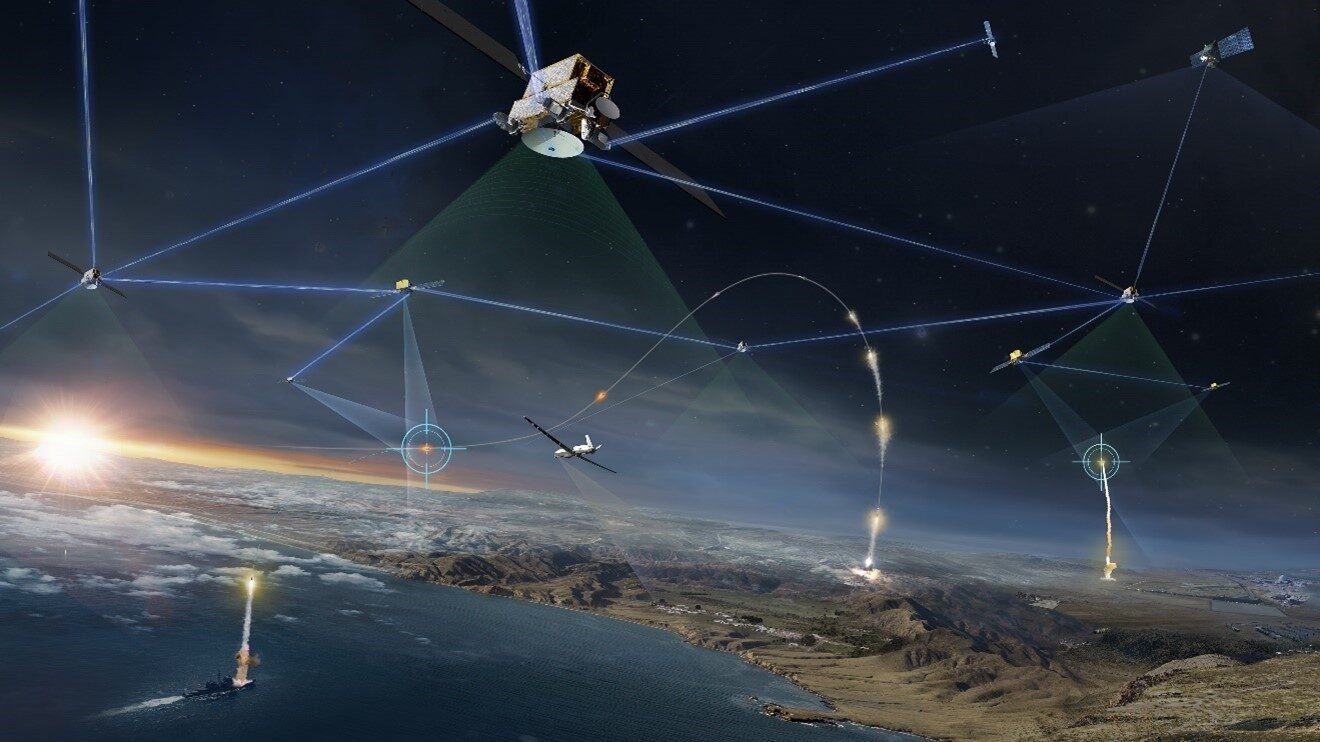
U.S
REDONDO BEACH, California — Northrop Grumman is developing an integrated missile defense architecture that connects space-based sensors, battle management systems and interceptors to detect, track and engage ballistic and hypersonic missile threats. The architecture links capabilities across space, air, sea and land and combines existing systems with those under development. The objective is to create a continuous chain from initial missile detection and tracking to interceptor engagement. At the center is the Integrated Battle Command System (IBCS), which connects sensors and weapons that were not originally designed to operate together. The system provides a common command-and-control network and uses software-based data integration. Artificial intelligence supports threat classification and interceptor selection, giving operators a shared view of the battlespace. Rob Fleming, corporate vice president and president of Northrop Grumman Space Systems, said the company is combining next-generation sensors, advanced interceptors and AI-enabled decision-making to help warfighters detect and understand threats sooner, make faster decisions and adapt as threats evolve. Space-based detection The space layer includes Next-Generation Overhead Persistent Infrared (NG-OPIR) Polar satellites operating in highly elliptical orbits. Their infrared sensors are designed to detect missile heat signatures across the Northern Hemisphere. Northrop Grumman is under a $4.2 billion contract to build and launch two OPIR-Polar spacecraft for the U.S. Space Force. Another component is the Ballistic Missile Defense System Overhead Persistent Infrared Architecture (BOA). It combines infrared data from multiple satellite constellations and processes the information into three-dimensional missile tracks for command-and-control systems. BOA is designed to support real-time threat detection, tracking and classification, including during high-volume missile attacks. Northrop Grumman is also involved in the Hypersonic and Ballistic Tracking Space Sensor (HBTSS) program and the Space Development Agency's Proliferated Warfighter Space Architecture Tracking Layer, providing infrared missile warning and tracking capabilities from low-Earth orbit. Glide Phase Interceptor For hypersonic threats, the architecture includes the Glide Phase Interceptor (GPI), which is designed to engage hypersonic glide vehicles during their glide phase. GPI is being developed for launch from Mk 41 Vertical Launch Systems on Aegis-equipped ships and Aegis Ashore sites. The U.S. Missile Defense Agency selected Northrop Grumman as the prime contractor. In April 2026, the Missile Defense Agency awarded a $475 million contract modification, bringing the total agreement value to approximately $1.31 billion. Work under the current agreement is scheduled for completion by June 2028, with the preliminary design review targeted around that period. The program is being developed with Japan under a 50-50 workshare arrangement. The United States is responsible for the first-stage booster, third-stage solid rocket motor and key kill-vehicle components, including the aeroshell, avionics and seeker. Japan is developing the second-stage solid rocket motor, third-stage attitude-control system and parts of the kill vehicle, including the rocket motor, fin actuators and fins. The interceptor uses advanced seekers, dual aerodynamic and rocket-motor guidance, modular software and energy-flexible propulsion. Digital twins and modular open-system architecture are being used during development. IBCS and missile defense integration IBCS is a core part of the U.S. Army's integrated air and missile defense modernization. It connects different sensors and effectors and combines their information into an integrated air picture. Northrop Grumman reports that IBCS has completed numerous successful flight tests, including its 34th consecutive successful missile flight test and 44th intercept as of mid-2026. The system has been demonstrated with capabilities including the Indirect Fire Protection Capability and Lower Tier Air and Missile Defense Sensor. IBCS is in full-rate production and has achieved operational milestones with Poland's WISŁA medium-range air defense program. It has also been fielded with U.S. combatant commands in Europe and the Indo-Pacific. Expanding rocket motor production Northrop Grumman is expanding solid rocket motor production to support multiple missile programs. The company has produced more than 1.3 million solid rocket motors and increased annual production from about 13,000 motors in 2024, with a target of 25,000 annually by 2029. The company has invested more than $1 billion in recent years to expand production facilities in West Virginia, Maryland and Utah. Propellant production is currently around 30 million pounds, with additional capacity planned. Multi-year agreements include production support for PAC-3 and THAAD motors. Digital manufacturing and allied cooperation Northrop Grumman is using additive manufacturing and digital engineering to support missile production. Some interceptor components are produced using 3D-printed titanium, reducing certain tooling requirements and shortening production lead times from months to weeks. The company's Modular Avionics Control Hardware (MACH) provides a flexible architecture that can be configured for different launch-vehicle control systems. Digital twins and virtual testing are also being used to reduce development risks and schedules. The company is extending its integrated approach to allies, including the United Kingdom, Japan, Australia and several NATO members. Cooperation includes GPI development with Japan, solid rocket motor activities with Australia and IBCS-related work with European partners. The broader approach emphasizes shared procurement, interoperable data standards and open architectures. Northrop Grumman also plans forward-deployed ground stations in Europe and the Indo-Pacific to provide participating nations with real-time situational awareness. The overall architecture is intended to connect space-based detection and tracking with command-and-control systems and interceptors, creating a multi-domain missile defense network for U.S. and allied forces against ballistic and hypersonic threats.
Read More → Posted on 2026-08-10 15:41:46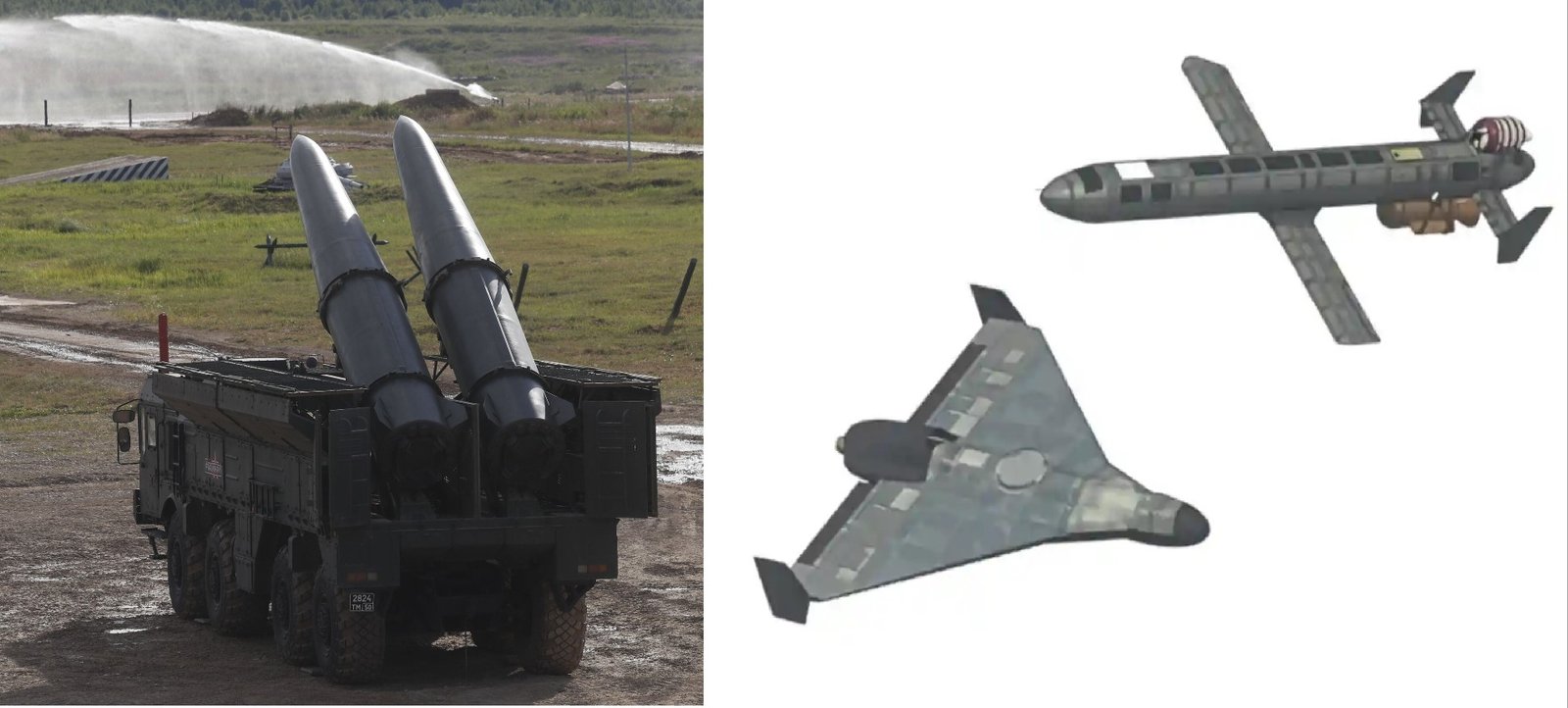
World
KYIV, Ukraine — Russia is producing several major missile types above its planned monthly targets while shifting part of its drone production toward turbojet-powered strike drones, according to Major General Vadym Skibitskyi, Deputy Chief of the Defence Intelligence of Ukraine (DIU). Speaking to RBC-Ukraine, Skibitskyi said Russia is currently producing its main missile types at around 110–120 percent of monthly targets. Missile Production Above Targets According to the DIU, Russia had already fulfilled its full-year production targets for Zircon and Oniks missiles by August 3. During the first seven months of 2026, Russia reportedly produced 33 Zircon and 60 Oniks missiles. Both systems were originally developed as anti-ship weapons and have also been modernized for ground-attack missions. In July, production exceeded targets for several missile types. Russia produced 87 Kh-101 missiles against a target of 72, reaching 140 percent of the planned output. Kalibr production reached 29 against a target of 26, or 111 percent, while Kh-35 production reached 200 percent of its planned volume. The reported monthly production figures are 87 Kh-101, 60–65 Iskander, 29 Kalibr, eight Oniks and five Zircon missiles. Iskander 9M723 production reached 65 in July against a target of 60, while the stockpile allocated to Russian forces was estimated at around 130 missiles as of August 5. Skibitskyi said most newly produced missiles are being used in combat rather than added to stockpiles. Kalibr is the main exception, with newly produced missiles largely being supplied to other Russian naval fleets because newer Russian warships and submarines are equipped with Kalibr launch systems. Some Kh-101 missiles that fail during launch are reportedly returned to factories for inspection and repair. Production of Kinzhal and Kh-32 missiles has been halted since April, with resources redirected toward other systems. RM-48U Production Russia has also begun producing the RM-48U surface-to-surface missile, which can be launched from S-400 systems. The August production plan calls for about 40 missiles, while the existing stockpile is estimated at around 400 units. Shift Toward Jet-Powered Drones Russia's August production target for the Geran, Garpiya and Gerbera drone families is 11,000 units. The DIU said Russia reduced drone strike intensity and production in July while factories reconfigured production lines for the turbojet-powered Geran-4 and Geran-5. In one recent attack, these turbojet-powered drones reportedly accounted for 50 percent of the drones used. Ukrainian intelligence said Russia is increasingly using the faster Geran-4 and Geran-5 for deep-strike missions, which require different interceptors or short-range air-defense systems for countering them. Foreign Components and July Missile Launches Skibitskyi said Russia continues to obtain critical missile-production components, including dual-use items, through supply chains connected to European countries, the United States, China, Japan, Taiwan and South Korea, despite efforts to increase domestic production. Ukrainian intelligence also reported that a North Korean missile unit was deployed in Russia, with information about the deployment becoming public on August 5. In July, Russia launched 153 Kh-101, Kalibr and Kh-32 cruise missiles, the second-highest monthly total after February's 157. Ballistic and hypersonic missile launches, including 9M723 Iskander, RM-48U and Zircon, totaled 198, the highest monthly figure reported so far in 2026. The DIU said it has documentary evidence of Russia's missile production plans and actual output.
Read More → Posted on 2026-08-10 14:29:08
India
NEW DELHI — The Defence Research and Development Organisation’s (DRDO) Gas Turbine Research Establishment (GTRE) is pursuing a new Kaveri 2.0 engine programme centred on a redesigned core in the 90 kN thrust class. The effort is aimed at developing an indigenous engine option for the Tejas Mk1A, particularly for mid-life upgrades expected in the 2030s. Kaveri 2.0 is being developed separately from the higher-thrust engine programme intended for the Advanced Medium Combat Aircraft (AMCA). The AMCA effort targets the 120–140 kN class, while Kaveri 2.0 is focused on medium-thrust requirements. The new Kaveri design involves a major redesign rather than a simple upgrade of the existing core. GTRE is focusing on a new high-pressure compressor (HPC) to improve pressure ratios and fuel efficiency. The core is also planned to use single-piece blisks made from advanced titanium alloys to reduce weight and air leakage, along with single-crystal turbine blades designed to withstand higher operating temperatures. The reported targets are 55–60 kN of dry thrust and 90–100 kN of thrust with afterburner. The earlier Kaveri Derivative Engine was in the roughly 49–52 kN thrust range. The new targets are intended to provide a power level suitable for a future Tejas Mk1A re-engining programme. The programme builds on technology developed through the original Kaveri project, which was separated from the Tejas programme after the engine failed to meet the required thrust level. A dry derivative of the Kaveri has also been developed for unmanned applications. For the Tejas Mk1A, the proposed Kaveri 2.0 would not be an immediate replacement for the GE F404. Instead, the plan is to develop and qualify the new engine so it could potentially be introduced during future mid-life upgrades, once the required testing, integration and certification are completed. The programme is therefore intended to provide India with a future indigenous medium-thrust fighter engine option while reducing dependence on foreign powerplants.
Read More → Posted on 2026-08-10 13:40:24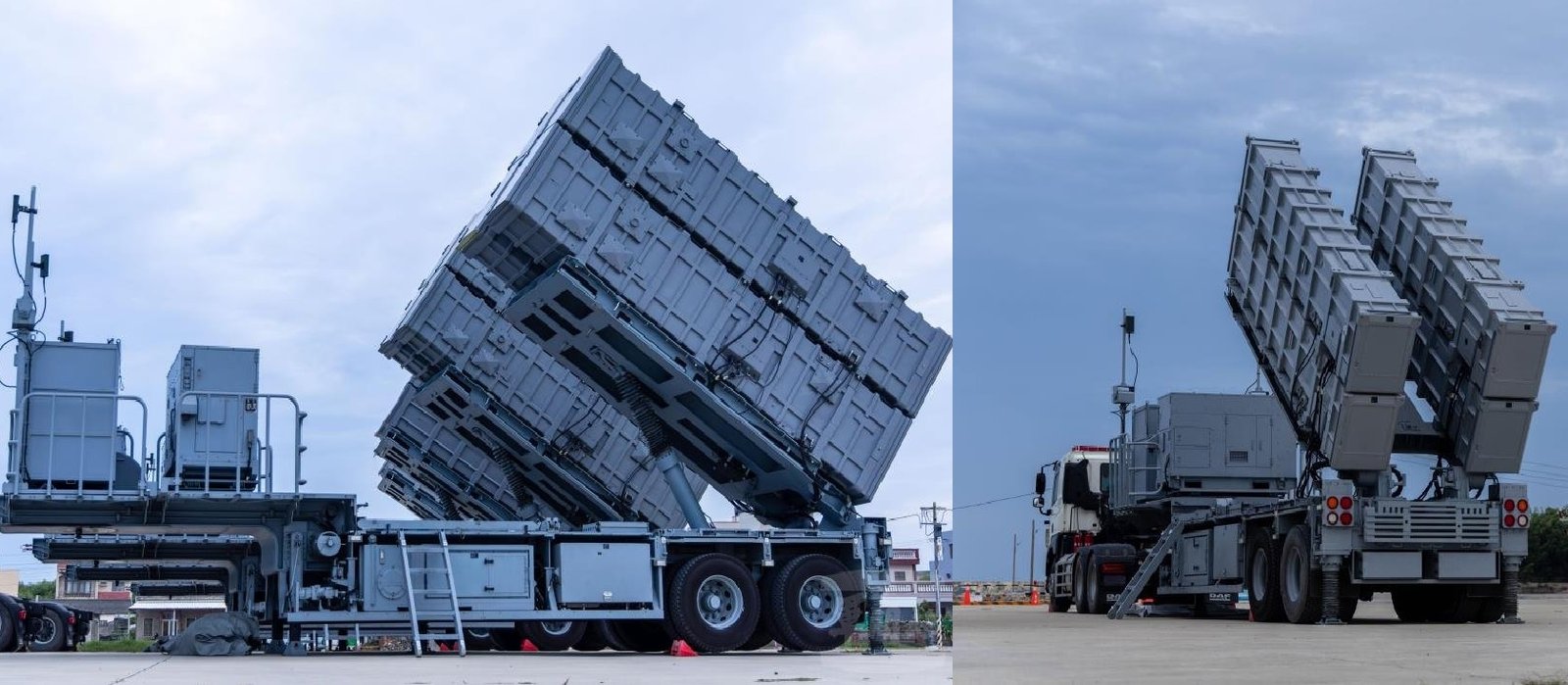
World
PENGHU, TAIWAN — Taiwan’s newly established Navy Littoral Operations Command deployed mobile launchers carrying Hsiung Feng II (HF-2) and Hsiung Feng III (HF-3) anti-ship missiles across the Penghu archipelago on August 9, 2026, during the ongoing Han Kuang military exercises. After receiving simulated targeting information, missile crews rapidly moved the launchers from their bases to pre-designated tactical positions. The units then rehearsed coordinated fires against maritime targets, testing their ability to conduct mobile coastal-strike operations and control key waterways surrounding the Penghu islands. The deployment was part of the fifth day of Taiwan’s 10-day Han Kuang exercise, which began earlier in the week and is scheduled to conclude on August 14. The annual exercise uses live troops, real terrain and military equipment to test combat readiness and the ability of Taiwan’s armed forces to respond to potential threats. Hsiung Feng II and Hsiung Feng III The Hsiung Feng II is a subsonic anti-ship missile developed by Taiwan’s National Chung-Shan Institute of Science and Technology (NCSIST). It has a reported range of about 160 km, while the Block II version has a range of up to 250 km. The missile has a top speed of about Mach 0.85 and carries a warhead of approximately 180 kg. The Hsiung Feng III is a supersonic anti-ship missile with a reported range of more than 100–150 km, with some versions reaching around 250 km. Its speed is reported at Mach 2 to 3.5, and it carries a 225 kg warhead using self-forging fragments. NCSIST describes the HF-III as using an integrated rocket-ramjet propulsion system. The missile uses inertial guidance during its mid-course flight and an active radar seeker during the terminal phase. Both the HF-II and HF-III can be deployed from land-based mobile launchers and are part of Taiwan’s domestically developed coastal-defense capabilities. Taiwan’s 2025 National Defense Report lists the Hsiung Feng II, Hsiung Feng III and extended-range Hsiung Feng missiles among the country’s shore-based anti-ship missile systems. Littoral Operations Command The Littoral Operations Command began operations in July 2026 and is responsible for integrating Taiwan’s coastal-defense capabilities. Its forces include anti-ship missile units, coastal and mobile radar systems and unmanned systems. The command places particular emphasis on mobile launchers, allowing missile units to relocate between positions and operate from different tactical locations. Its responsibilities include defending the waters surrounding Taiwan and its outlying islands, including Penghu. The Penghu exercise tested this concept by requiring missile crews to rapidly move after receiving targeting information, establish firing positions and coordinate attacks against simulated maritime targets. Exercise conducted during difficult weather The missile deployment was conducted despite heavy rainfall and adverse weather conditions associated with Typhoon Dolphin. The operation provided an opportunity to test the movement and employment of the missile units under difficult weather conditions. The exercise also comes amid continued Chinese military activity around Taiwan. Between Saturday and Sunday morning, Taiwan’s Ministry of National Defense reported tracking six Chinese naval vessels, nine official ships and four Chinese military aircraft operating around the island. Two of the aircraft crossed the median line of the Taiwan Strait, prompting Taiwan to deploy aircraft, naval vessels and coastal missile systems. Photos of the Penghu deployment were released by Taiwan’s Military News Agency and credited to photographer Cai Fangyun. Penghu is located in the Taiwan Strait and has strategic importance because of its position along maritime approaches to Taiwan. The Han Kuang exercises are continuing at multiple locations, including coastal and island-defense scenarios. The Penghu drill demonstrated the Littoral Operations Command’s ability to move mobile Hsiung Feng missile units to designated positions and coordinate coastal-strike operations as part of Taiwan’s broader defense preparations.
Read More → Posted on 2026-08-10 13:26:55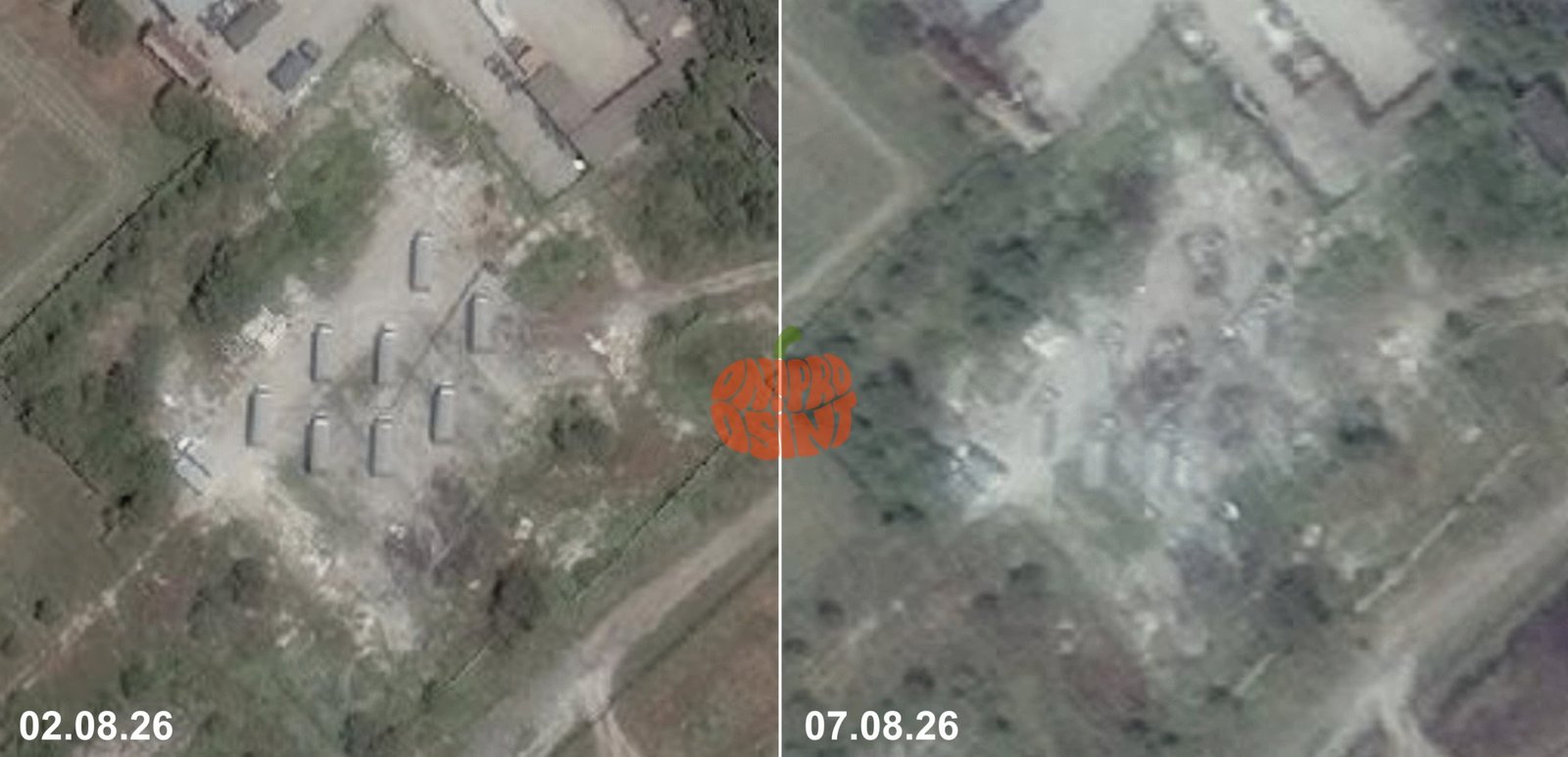
World
GELENDZHIK, Russia — Ukrainian forces have destroyed a Russian Volna Kupol Garant electronic warfare system in Gelendzhik, Krasnodar Krai, according to satellite imagery published by open-source intelligence analysts. The system was located at Russian military unit No. 2156, which is part of the Novorossiysk Border Detachment of the FSB Border Service. Satellite images published by the OSINT group Dnipro Osint show the complex at the location on August 2. By August 7, the equipment was no longer visible, while changes to the site were consistent with the aftermath of a strike. The destruction has not been independently confirmed by Russian authorities. Volna Kupol Garant Targets Starlink The Volna Kupol Garant is designed to interfere with Starlink satellite communications by transmitting radio-frequency signals toward Starlink satellites rather than directly jamming individual ground terminals. The system operates in the 14–14.5 GHz range, which is used by Starlink terminals to communicate with satellites. Its antennas transmit interference toward satellites passing over the affected area, disrupting their ability to properly receive signals from terminals on the ground. A complete complex is reported to cover an area of approximately 20 square kilometres. The system uses multiple directional antennas and can be deployed across as many as six trailers. The antennas can remain mounted on the trailers or be positioned separately. The system can receive power from generators carried with the equipment or from external sources. Large Size Creates Detection Challenges The Volna Kupol Garant's physical size makes it difficult to conceal compared with smaller electronic warfare systems. Its operation also produces strong radio-frequency emissions, which can provide another means of locating an active system through electronic reconnaissance. Ukrainian defence adviser Serhii Beskrestnov and other open-source analysts have previously highlighted these characteristics when discussing the system. Reuters reported in July that Ukrainian drone units had identified around 10 Volna Kupol Garant systems and were targeting them because of their role in disrupting Starlink-linked drone operations. Third Documented Destruction The Gelendzhik strike is being described in open-source reporting as the third documented destruction of a Volna Kupol Garant system. Earlier systems were reported destroyed in June, including one near Kerch in occupied Crimea. Ukrainian forces have focused on these systems because of their ability to interfere with satellite communications used by Ukrainian drone units. The Volna Kupol Garant is produced by Rossiysky Kupol LLC, based in Simferopol, Crimea. Estimates reported for the system's cost range from approximately $1.5 million to $1.8 million, with some reports giving a figure of around 150 million rubles. The reported destruction in Gelendzhik is notable because the system was located on Russian mainland territory, rather than in occupied Ukrainian territory. The incident adds another documented loss to Russia's deployment of specialised electronic warfare equipment intended to disrupt Starlink communications used by Ukrainian forces.
Read More → Posted on 2026-08-10 13:09:16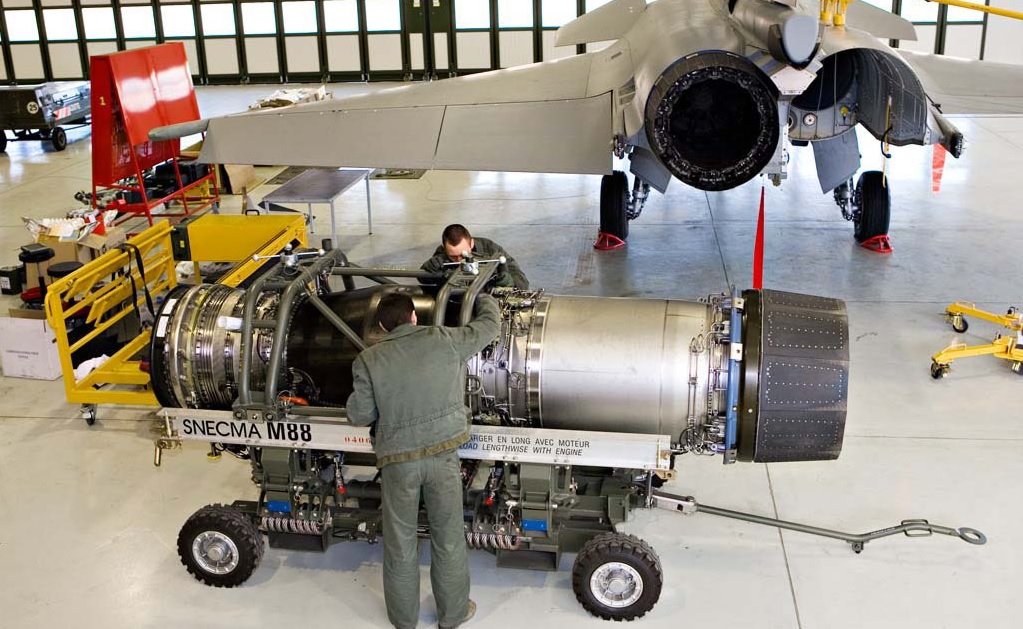
Europe
PARIS — Safran delivered 33 M88 fighter engines during the first half of 2026, more than three times the number delivered in the same period last year, as production of the Dassault Rafale continues to increase. The M88 engine powers the Rafale fighter and is produced by Safran. The increase in deliveries was identified by Safran as one of the factors behind higher military-engine revenue during the first half of the year. Safran reported that M88 deliveries reached 33 units in the first six months of 2026, compared with 10 during the first half of 2025. The company said the increase was linked to the planned increase in Rafale production. Rafale production drives higher M88 deliveries Safran Chief Financial Officer Pascal Bantegnie said during the company's first-half results discussion that Rafale production is being increased from two aircraft per month in 2025 toward four aircraft per month by 2029. The higher aircraft production rate is resulting in a corresponding increase in M88 engine deliveries. The increase in M88 deliveries also contributed to stronger military-engine revenue within Safran's propulsion business. Safran said military-engine revenue increased year over year, driven by M88 deliveries, a favorable customer mix and a strong level of aftermarket activity. Missile propulsion revenue also benefited from increased deliveries. Safran's propulsion division reported €9.2 billion in revenue during the first half of 2026, representing 27.7 percent organic growth compared with the same period of 2025. Recurring operating income for the division reached about €2.25 billion, while its recurring operating margin reached 24.5 percent. Bantegnie said the company had benefited from strong performance in military engines, particularly the M88 programme. Safran reports strong first-half results The M88 increase came as part of a broader improvement in Safran's financial performance. Safran reported adjusted first-half revenue of €17.571 billion, up 19 percent from the first half of 2025. Adjusted recurring operating income reached €3.237 billion, while free cash flow stood at €2.616 billion. The company's civil-engine business also recorded strong growth. Safran delivered 1,030 LEAP engines during the first six months of 2026, an increase of 41 percent compared with the first half of 2025. Based on its first-half performance, Safran raised its full-year 2026 outlook. The company now expects revenue growth in the mid-teens, recurring operating income of €6.4 billion to €6.5 billion and free cash flow of €4.7 billion to €4.9 billion. Possible additional upside from India's 114-Rafale programme Safran also has a potential additional source of business connected with India's planned acquisition of 114 Rafale fighters for the Indian Air Force. India has moved forward with the proposed government-to-government procurement programme and has issued a Letter of Request to France. French and Indian sides are continuing the process before any final contract is signed. Recent reports said France was expected to respond to India's request by mid-August 2026. Safran management said any advance payments received before the end of 2026 in connection with the discussions for the 114 Rafales have not been included in its current financial guidance. Bantegnie said that such payments, if received before the end of the year, would therefore represent an additional upside to the company's existing outlook. Safran did not provide an amount for any potential advance payment or indicate that a final contract had already been concluded. The proposed Indian programme is separate from Rafale aircraft already under contract. India's existing Rafale fleet includes aircraft acquired for the Indian Air Force, while the country has also placed an order for Rafale Marine aircraft for the Indian Navy. Production requirements could increase if India signs the contract A final agreement for 114 additional Rafale fighters would create a substantial additional requirement for aircraft production and, consequently, for M88 engines. However, the Indian programme remains subject to the ongoing government-to-government procurement process and negotiations. The potential financial impact on Safran should therefore be distinguished from the company's confirmed 2026 results and current guidance. For now, Safran's first-half figures show that M88 production has already increased significantly. The company delivered 33 M88 engines in the first six months of 2026, compared with 10 in the same period last year, while the planned increase in Rafale production is expected to support further engine deliveries in the coming years.
Read More → Posted on 2026-08-10 12:43:30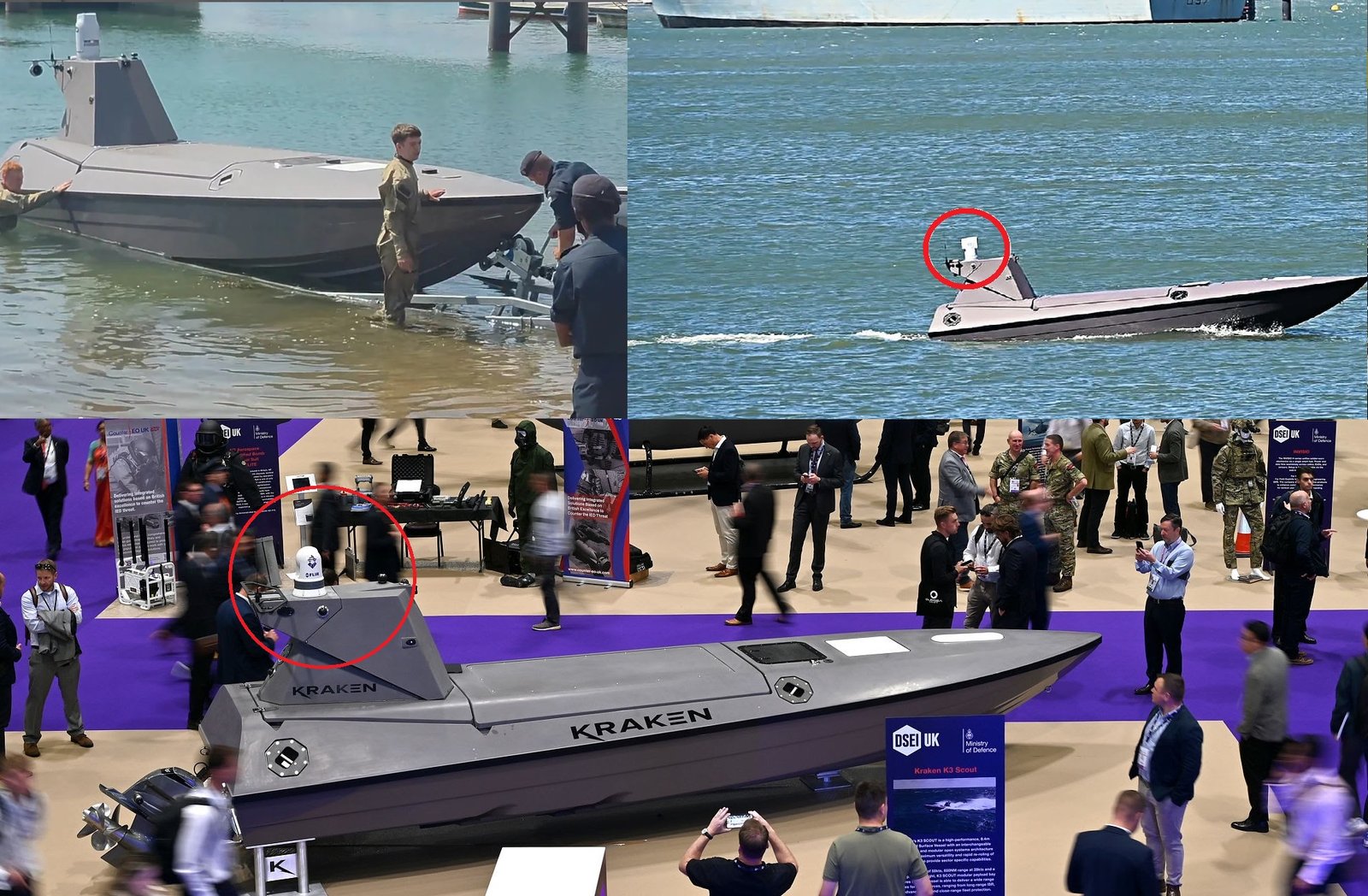
Europe
London, August 10, 2026 — Cameras fitted to K3 Scout uncrewed surface vessels operated by the Royal Marines were found transmitting routine “heartbeat communications” to an IP address in China, prompting the UK Ministry of Defence (MoD) to remove internet connectivity from the affected equipment. The issue was identified during a routine cyber vulnerability assessment. The MoD said its investigation found no evidence that Ministry of Defence data or systems had been accessed, compromised or transmitted externally. The discovery was reported by The Telegraph on August 9, 2026, and has raised concerns about the security of third-party components used in British military equipment. Chinese IP Address Detected The cameras installed on the K3 Scout vessels were found to be sending periodic “heartbeat” communications to an IP address located in China. These communications are routine status signals used by devices to indicate that they are online and functioning. The MoD has not said that classified information was transmitted. After identifying the connection, the department removed internet connectivity from the affected cameras. Reports have also raised concerns about the use of the vessels near sensitive activities involving Royal Marines and Special Boat Service personnel in Poole, Dorset. Questions were also raised over whether the cameras could remain active when the vessels were powered down. However, the MoD investigation found no evidence that its data or systems had been compromised. K3 Scout Fleet The vessels are K3 Scout uncrewed surface vessels supplied by Hampshire-based Kraken Technology Group. The Royal Navy acquired about 20 vessels under a package worth approximately £12 million to £12.3 million. The fleet has been operated by the Coastal Forces Squadron and 47 Commando Royal Marines since March 2026 under Project Beehive. Project Beehive is intended to develop the integration of uncrewed systems with traditional warships and support capabilities including surveillance and force protection. The K3 Scout is 8.4 metres long, has a maximum speed of 55 knots, a range of about 650 nautical miles at 25 knots, endurance of up to 30 days depending on the mission, and a payload capacity of around 600 kg. The vessel can be configured for intelligence, surveillance and reconnaissance, logistics and other missions. Third-Party Camera Components Kraken Technology Group sourced the cameras from a third-party supplier. The company said it had received assurances that the equipment met the required security standards and was compliant with the US National Defense Authorization Act. Kraken acknowledged that some of the cameras contained a small number of components originating outside the UK. A company spokesman said: “We are aware that some third-party, NDAA-compliant cameras had a small number of components originating from outside the UK. After a full audit by both Kraken and the Royal Navy we are confident no sensitive information has ever been shared outside of intended channels and any potential vulnerabilities have been identified and closed.” The company and Royal Navy subsequently carried out an audit of the equipment. MoD Investigation An MoD spokesman said: “A routine cyber vulnerability assessment identified an issue affecting a Kraken Unmanned Surface Vessel sub-system used by the Royal Navy.” The department said its investigation found no evidence of MoD data or systems being accessed, compromised or transmitted externally. The MoD added that its assurance and testing procedures are designed to identify and address potential vulnerabilities and that routine security checks continue across its systems and equipment. Potential Strait of Hormuz Deployment The K3 Scout fleet has also been linked to preparations for a possible UK contribution to securing freedom of navigation in the Strait of Hormuz. A defence source familiar with the matter told The Telegraph that the vessels formed part of preparations connected with a potential deployment to the region. The source criticised the failure to identify the origins of the components earlier and said confidence in the platform had been affected. The K3 Scout has previously been tested for operations involving uncrewed maritime systems, including NATO activities in the Baltic Sea. International Interest The K3 Scout has attracted interest from international military organisations. Kraken has reported a $49 million agreement with US Special Operations Command for the vessels. The platform has also taken part in NATO Task Force-X activities in the Baltic and has been involved in Royal Navy trials under Project Beehive. The security issue comes as the UK and other military organisations continue developing uncrewed surface vessels for a wider range of naval missions. Political Response The discovery has prompted calls for greater scrutiny of defence supply chains. Conservative shadow security minister Alicia Kearns called for an urgent audit of military equipment to identify Chinese components and assess potential security vulnerabilities. The incident highlights the difficulty of securing complex defence supply chains when military platforms contain hardware obtained from multiple suppliers. The confirmed finding is that the K3 Scout cameras transmitted routine heartbeat communications to an IP address in China. The MoD has stated that there is no evidence that its data or systems were accessed, compromised or transmitted externally, and the affected cameras have had their internet connectivity removed.
Read More → Posted on 2026-08-10 11:22:37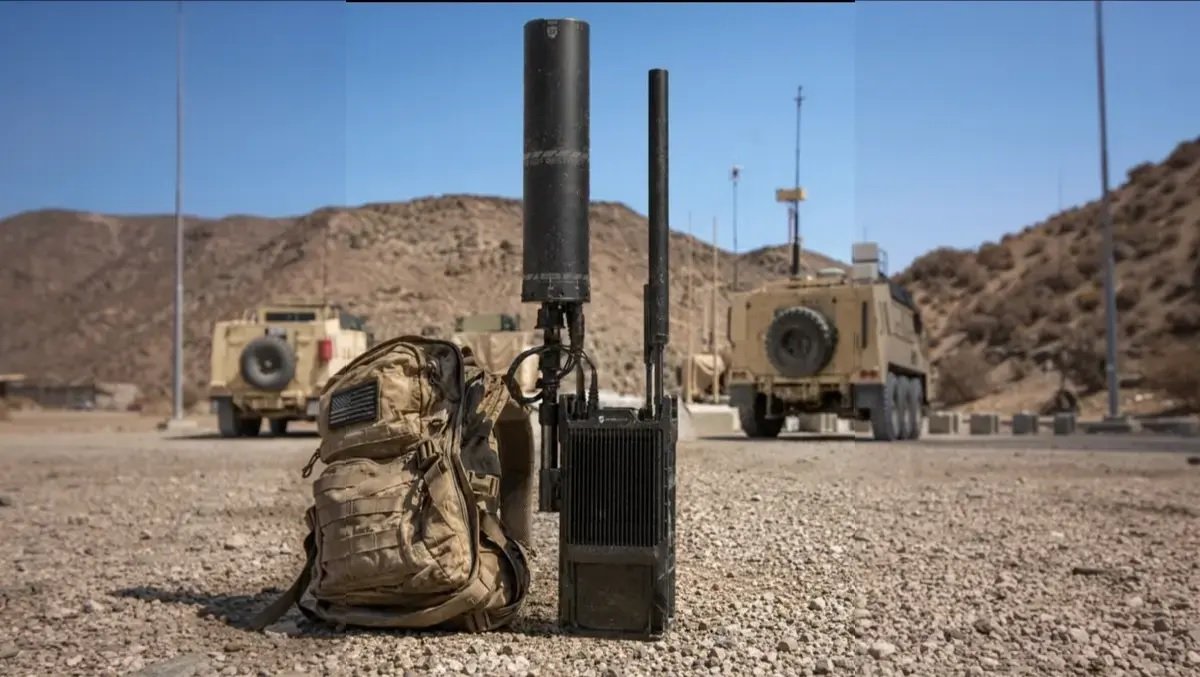
World
SYDNEY, Australia — Australian defence technology company DroneShield (ASX: DRO) has launched RfRecon, a portable radio frequency (RF) intelligence system designed to help defence, government and security organisations detect, identify, locate and assess activity across the electromagnetic environment. The new system builds on DroneShield’s recently introduced RfAI-3 intelligence architecture, which was unveiled on July 28, 2026. RfRecon combines wideband RF spectrum awareness, precision direction finding and AI-based signal intelligence in a single portable platform. The company said the system is intended to provide operators with more than raw spectrum data by helping them understand RF activity and use that information during operations. DroneShield said the increasing use of uncrewed systems, electronic warfare capabilities and wireless communications has made the RF environment more complex for operators. Higher Processing and RF Coverage According to DroneShield, RfRecon provides approximately six times greater RF spectrum coverage, four times more processing and AI compute capacity, 31 times more storage and eight times more memory compared with previous industry-adopted solutions cited by the company. The system also adds several capabilities, including direction finding, Bluetooth and Wi-Fi detection, Remote ID, AIS/ADS-B detection, integrated GNSS and hardware-based security. These capabilities are intended to allow the device to collect and process RF information while also providing information about the location and nature of detected activity. Built Around RfAI-3 RfRecon is powered by DroneShield’s third-generation RF intelligence engine, RfAI-3. DroneShield introduced RfAI-3 on July 28 and said it changes its approach from relying primarily on previously catalogued RF signatures to wideband detection of emissions across the spectrum. When a detected emission matches a known signature, the system can classify it. For unfamiliar emissions, RfAI-3 can generate a new signature and provide a confidence assessment to the operator. DroneShield said RfAI was originally developed in 2018, while RfAI-2 was released in 2023. The company describes RfAI-3 as the next stage of that development, combining its existing RF intelligence dataset with wideband detection of previously unseen emissions. The company also says RfAI-3 is designed for edge deployment, allowing RF intelligence to be generated during operations without depending on cloud connectivity. Its software-defined architecture is intended to allow continued improvements through software updates. Designed for Different Operational Environments RfRecon can be used in dismounted, vehicle-mounted, expeditionary and fixed-site operations, according to DroneShield. The system uses an open architecture and supports industry-standard data transfer for integration with existing defence and security systems. DroneShield specifically identifies compatibility with ATAK (Android Team Awareness Kit), third-party command-and-control platforms and complementary sensor technologies. The company also said RfRecon can operate as part of a layered counter-uncrewed aircraft system (C-UAS) architecture alongside cyber takeover and kinetic defeat capabilities. DroneShield plans to continue providing software enhancements for the system through its software development roadmap, allowing future RF intelligence improvements to be delivered to the platform. Available to Qualified Customers DroneShield said RfRecon is available immediately to qualified defence, government and security customers worldwide. The launch follows the introduction of RfAI-3, which DroneShield says is designed for its next-generation hardware platforms, with initial releases planned during the second half of 2026 and additional releases expected through 2027. RfRecon therefore represents the hardware platform through which DroneShield is bringing its latest RF intelligence architecture into a portable system, combining RF detection, direction finding, signal intelligence and integration capabilities for use at the tactical edge.
Read More → Posted on 2026-08-10 11:10:33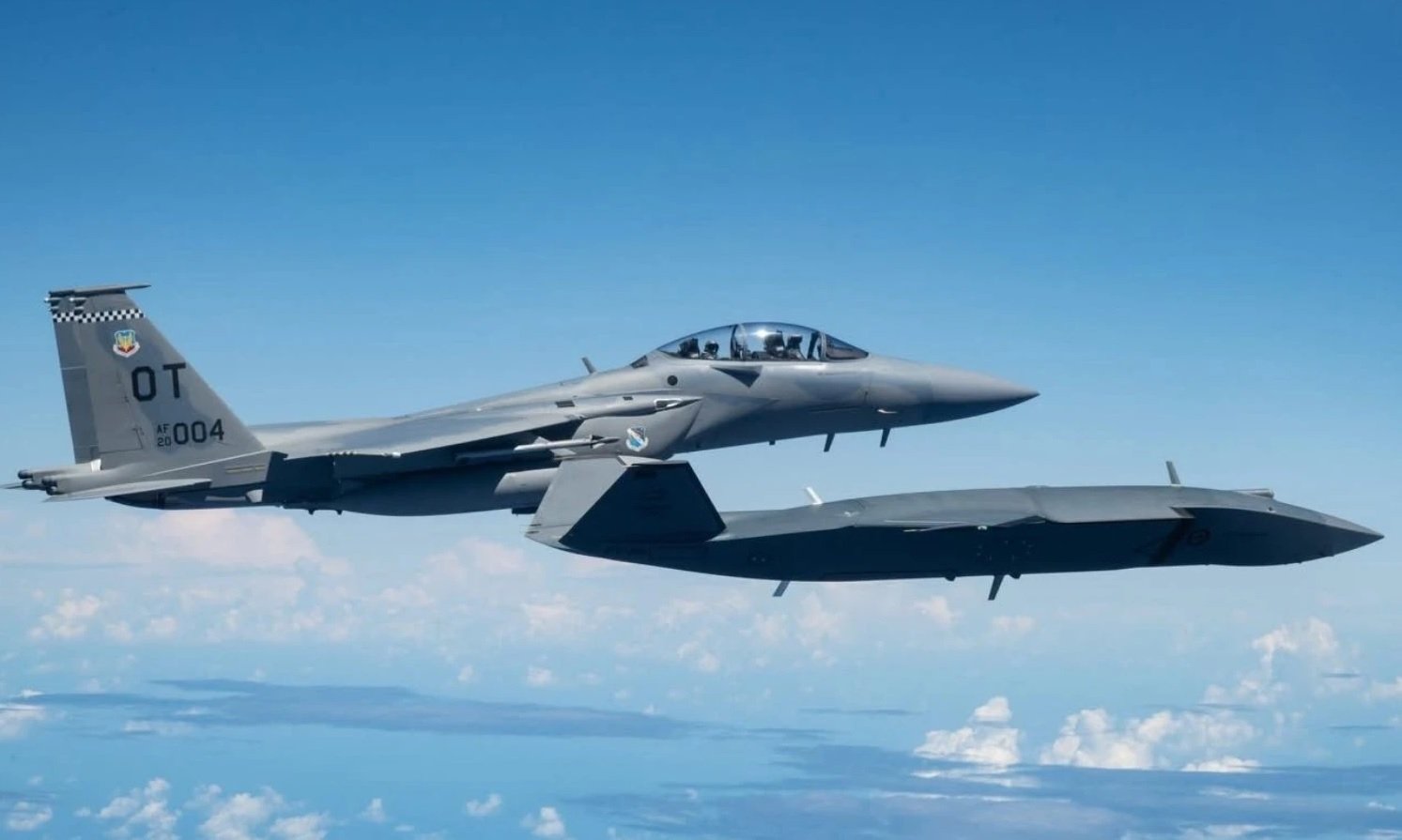
Europe
BERLIN — Boeing and Rheinmetall are offering the MQ-28 Ghost Bat as a mature platform for Germany’s planned Collaborative Combat Aircraft (CCA) capability, with the companies targeting a 2029 deployment for the German Air Force. The proposal would use the existing, flight-tested MQ-28 instead of developing a completely new aircraft. German sensors, weapons and mission software would be integrated into the platform, with Rheinmetall serving as the lead system integrator in Germany. German-Controlled Integration Rheinmetall plans to establish independent system integration for the MQ-28 in Germany. Under the proposed model, software development, mission integration and intellectual property would remain under German control. “Germany does not have to choose between speed and independence. We offer a way to achieve both at the same time,” said Mike Schmidt, CEO of Rheinmetall’s Air, Uncrewed and Space business unit. “The MQ-28 enables us to bypass the lengthy development phase of a new aircraft and go directly to the decisive task: making the capabilities of unmanned combat air systems available to the German Air Force,” Schmidt added. Boeing and Rheinmetall have also established a German industrial network involving Rohde & Schwarz, Diehl Defence and HENSOLDT to support the development and integration of national technologies. MQ-28 Flight-Test Experience The MQ-28 Ghost Bat was originally developed and manufactured in Australia for the Royal Australian Air Force. The aircraft has completed more than 150 test flights and has participated in multinational military exercises, including the US-led Valiant Shield. Boeing Defense Australia’s Global Director for the MQ-28 program, Glen Ferguson, said the aircraft has already passed development stages that other CCA programs are still working through. “While many CCA programs worldwide are still in the concept, definition or early test phase, the MQ-28A Ghost Bat has already gone through these essential development steps,” Ferguson said. The MQ-28 is being developed for both air-to-air and air-to-ground missions, with Boeing continuing development of its air-to-ground capabilities. Modular Design and Digital Development Boeing says the MQ-28 has a modular architecture designed to support continued adaptation to changing mission requirements. Ferguson said the aircraft can be adapted for new missions, including air-to-ground operations, without treating each change as a basic retrofit. The program is also supported by a digital twin of the aircraft, which provides an environment for engineers to simulate and test system changes. For Germany, the MQ-28 could also serve as a development and test platform for tactics, training and force-structure planning involving crewed and uncrewed aircraft. “If the goal is to achieve such a capability by 2029, this work must begin today with the development of tactics, training, definition of force structure and the integration of sovereign technologies,” Ferguson said. The experience gained from integrating German technologies onto the MQ-28 could also support Germany's future participation in European uncrewed combat aircraft programs. The Boeing-Rheinmetall proposal therefore combines an existing flight-tested platform with German-led technology integration, with the stated objective of helping Germany establish a CCA capability by 2029.
Read More → Posted on 2026-08-10 10:54:51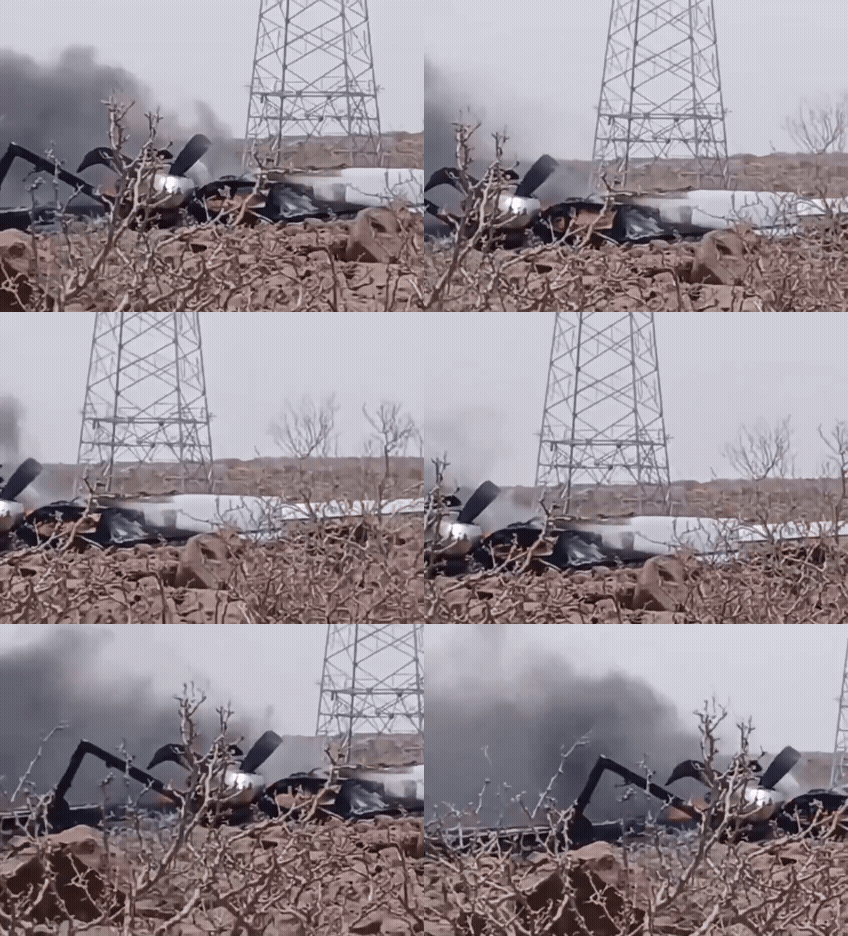
U.S
DJIBOUTI — A US Air Force MQ-9 Reaper drone crashed on Sunday near Chabelley airfield in Djibouti, according to reports and official statements. The US Embassy in Djibouti first noted the situation earlier in the day. It said it was tracking an aircraft in distress in Djiboutian airspace and advised the public to avoid the area around Chabelley airbase until further notice. Later, the embassy confirmed an incident involving a US military aircraft in the vicinity of Chabelley Airfield. It stated that the matter is under investigation. Initial reports showed no casualties and no property damage on the ground. US personnel are coordinating with Djiboutian authorities. Media inquiries were directed to United States Africa Command. A US military official confirmed the aircraft was an MQ-9 and said it was not shot down. Local reports and open-source accounts identified the drone as operating from the US facility at Chabelley, which hosts MQ-9 aircraft used for regional missions. The crash occurred near the airfield, with some accounts placing it near a local cemetery area. No injuries or ground damage were reported. Chabelley airfield supports US Air Force operations in the region. The incident is under investigation, and further details on the cause have not been released by US or Djiboutian authorities at this time. Iranian media outlets reported the crash and referenced the embassy’s earlier advisory. Some of those reports suggested other factors, but US officials have stated the drone was not shot down.
Read More → Posted on 2026-08-09 16:12:25
U.S
SAN DIEGO — Kratos Defense & Security Solutions has received a U.S. Army contract to develop, manufacture and test an enhanced infrared seeker for the FGM-148 Javelin anti-tank guided missile. The contract, awarded on August 6 by the U.S. Army Combat Capabilities Development Command (DEVCOM) C5ISR Center, focuses on replacing obsolete components in the Javelin's existing guidance section and developing a production-ready seeker for continued long-term use. Kratos will conduct development and manufacturing at its Advanced Manufacturing Center in Birmingham, Alabama. The completed seeker will then undergo testing at U.S. Army government facilities. New seeker to address aging components The Javelin's infrared seeker is responsible for detecting and tracking the target after launch. Its fire-and-forget capability allows the operator to lock onto a target before firing, after which the missile tracks the target independently. The new Kratos seeker is intended primarily to address obsolescence in the current guidance section. Some older semiconductor, detector and manufacturing technologies used in military systems can become unavailable as suppliers discontinue older product lines. The contract therefore focuses on providing a production-ready replacement that can be manufactured and supported for the Javelin's continued service. Overall development, production and support of the Javelin system remain with the Lockheed Martin-RTX Javelin Joint Venture. Lockheed Martin currently supplies the existing seeker, while Raytheon is responsible for the Command Launch Unit, related guidance electronics and system software. Kratos will develop the next-generation seeker. Javelin modernization continues The seeker program follows the U.S. Army's introduction of the Lightweight Command Launch Unit (LWCLU). The first LWCLUs were delivered to the Army on May 26, 2026. The new unit is 25 percent lighter and 30 percent smaller than the legacy Block 1 Command Launch Unit and provides roughly twice the target detection and recognition range. It is compatible with current, past and future Javelin missile variants. Raytheon has invested $22 million to modernize its Tucson, Arizona, production facility to support higher LWCLU production rates. The Javelin missile production line is also being expanded. Lockheed Martin is increasing annual production capacity to 3,960 missiles by late 2026, compared with the previous capacity of 2,400 missiles per year. The expansion includes additional tooling, testing equipment and supply-chain capacity. Long-term Javelin production The Javelin entered U.S. service in 1996 and replaced the wire-guided M47 Dragon. Full-rate production began in 1994, and more than 50,000 missiles had been delivered by 2021. The system is expected to remain in U.S. service through at least 2050. Its combination of a portable launcher, imaging infrared seeker and fire-and-forget guidance allows infantry units to engage armored targets without maintaining guidance after launch. The Javelin has also been widely supplied to Ukraine since Russia's full-scale invasion in 2022. Those transfers increased the requirement for additional U.S. production and subsequent replenishment of U.S. inventories. The Kratos contract adds a new element to the broader Javelin modernization effort. While the LWCLU addresses the weapon's launch and target-acquisition equipment and Lockheed Martin expands missile production, Kratos will replace the aging seeker technology inside the missile. The new seeker is intended to keep the Javelin's guidance system supportable and suitable for continued production as the U.S. Army maintains the weapon for long-term service.
Read More → Posted on 2026-08-09 16:09:32
World
KYIV, Ukraine — Russia is increasingly using missiles originally developed for the S-300 and S-400 air-defense systems against ground targets in Ukraine, adding another source of ballistic threats to its long-range strike arsenal. The use of these missiles has been reported for several years, but Ukraine's military intelligence says Russia is now also producing the RM-48U, a missile based on older surface-to-air missiles, specifically for use against ground targets. The development comes as Russia continues to combine these weapons with dedicated ballistic missiles such as the Iskander-M. The latest example came during the Russian attack on the night of August 5, 2026, when Russia launched 24 missiles classified by Ukraine's Air Force under the combined "Iskander-M/S-400" category. The main direction of the attack was the Kyiv region. Ukrainian air defenses did not report intercepting any of these 24 ballistic missiles. The attack also included four Zircon/Oniks missiles and 115 drones, of which 98 were reported shot down or suppressed. Ukrainian officials said the attack killed at least 17 people and injured dozens in the Kyiv area. From air-defense missiles to ground attacks The S-300 and S-400 are families of air-defense systems designed primarily to engage aircraft and missiles. Their missile inventories include several variants with different ranges and capabilities. Russia began using S-300 missiles against ground targets in Ukraine after the full-scale invasion in 2022. The missiles were originally designed for air-defense missions but can be used against fixed ground coordinates. The capability itself is not new. Russian forces have previously conducted exercises involving S-300 missiles against simulated ground targets. Russian reporting on exercises at the Telemba training range described S-300 launches against ground-based targets. The use of these missiles in Ukraine has provided Russia with another way to conduct strikes, particularly against targets within the range of the available missile variants. RM-48U adds another source of ballistic targets A more recent development is the RM-48U. The missile is based on older 5V55 and 48N6 surface-to-air missiles that have been removed from normal air-defense service and converted for training or other purposes. Ukrainian sources reported the first combat use of RM-48U missiles against ground targets during the January 19–20, 2026 attack. The exact configuration used in that attack was initially unclear, including whether the missiles carried live warheads or were being used as target missiles. Ukraine's Defence Intelligence later reported that Russia was producing RM-48U strike missiles in significant numbers. According to Ukrainian intelligence data published in June 2026, Russia produced more than 200 RM-48U missiles in 2025 and planned to produce more than 480 in 2026. Current production was assessed at up to 50 missiles per month. This production rate is significant because it indicates that the use of converted air-defense missiles is not limited to isolated launches from old stockpiles. Different missiles are involved The S-300 and S-400 designations cover several missile types, so identifying fragments as belonging to an S-300 or S-400 family does not always establish the exact missile variant. The 5V55R is an older S-300 missile weighing about 1.66 tonnes and carrying a high-explosive fragmentation warhead of approximately 130 kg. Its standard air-defense range is considerably shorter than that of later missiles. The 48N6 family is larger, with a missile weight of about 1.8 tonnes and warheads reported in the 143–180 kg range depending on the variant. The S-400 also uses newer missiles, including the 40N6. The 40N6 is designed for long-range air-defense missions, with a claimed air-target interception range of up to about 400 km. However, an air-interception range should not automatically be treated as the missile's ground-strike range. The flight profile, guidance conditions and target type are different. There is also no confirmed public evidence that the 40N6 is being systematically used as a surface-to-surface weapon. Why Russia can use them against ground targets When employed against ground targets, these missiles can be launched toward predetermined coordinates rather than being used to intercept aircraft. Their guidance arrangements vary by missile and mission. Some rely on inertial guidance combined with radio-command corrections. Once a missile moves beyond the practical range of continuous ground-based correction, it can continue along its calculated trajectory. This gives the missiles a ballistic or semi-ballistic flight profile when used against ground targets. Their high speed also leaves a relatively short period between launch and impact. Ukrainian and Western assessments have reported very high terminal speeds for some 48N6-family missiles. However, exact performance varies by missile version and launch profile, so air-defense specifications should not automatically be applied to ground attacks. The main limitation is accuracy. These missiles were not originally designed as precision surface-to-surface weapons. Their warheads are intended primarily for air targets and are not equivalent to specialized penetrating warheads used against hardened structures. As a result, using an S-300 or S-400 missile against a ground target does not make it equivalent to an Iskander-M. The two weapon classes were developed for different missions. Earlier use in Ukraine Russia's use of S-300 missiles against ground targets became particularly visible in 2022 and 2023. On September 30, 2022, Russian forces launched 16 S-300 missiles at Zaporizhzhia. Four missiles struck an area where a civilian convoy was gathered. Ukrainian authorities reported 32 people killed and 118 injured. On April 14, 2023, S-300 missiles were used against Sloviansk. Ukrainian authorities reported eight deaths and 21 injuries in the attack. On October 21, 2023, two S-300 missiles struck a Nova Poshta terminal in Korotych in the Kharkiv region. The final reported toll was eight people killed and 15 injured. These attacks demonstrated how Russia could use air-defense missiles for ground strikes against targets relatively close to Russian-controlled territory. S-400 missiles have also been used against ground targets The use of S-400-family missiles has expanded the potential range of this tactic. Ukrainian authorities have previously reported the use of 48N6-family missiles from the S-400 system against ground targets, including strikes associated with the Kyiv area. However, the Ukrainian Air Force's combined designation "Iskander-M/S-400" does not mean that every missile in that category is necessarily an S-400 missile. It groups missiles according to the systems associated with their reported launches or identification. Exact identification can require examination of recovered missile components. This distinction is important because the S-300 and S-400 families use several different missile types, and some missiles are compatible with more than one version of the system. S-400 missiles in the 2026 attacks The use of the combined "Iskander-M/S-400" category became particularly notable during several attacks in the summer of 2026. According to Ukrainian Air Force reporting cited in recent coverage, the attacks included: July 2: 24 missiles in the combined Iskander-M/S-400 category, with four reported intercepted. July 6: 23 missiles in the same category, with no ballistic missile interceptions reported. August 1: 27 missiles, with one reported interception. August 5: 24 missiles, with no reported interceptions. The August 5 attack also included four Zircon/Oniks missiles and 115 drones. Ukrainian air defenses reported neutralizing 98 of the drones. The main direction of the missile attack was Kyiv and the surrounding region. The available public information does not establish the exact proportion of S-400 missiles within each combined "Iskander-M/S-400" figure. The air-defense challenge The growing use of ballistic and quasi-ballistic missiles creates a difficult problem for Ukraine's air-defense network. Systems such as Patriot and SAMP/T are among the systems capable of engaging ballistic missile threats. Their interceptor missiles, however, are limited compared with the number of ballistic and other high-speed weapons Russia can launch. Ukraine's Defence Intelligence assessed in June 2026 that Russia could launch up to 100 ballistic missiles per month while maintaining a stable stockpile. The assessment included production of up to 700 9M723 ballistic missiles for the Iskander-M system in 2026, at a monthly rate of about 55–60 missiles, along with more than 480 RM-48U missiles planned for the year. The RM-48U therefore adds another category of high-speed targets to Russian missile attacks without being a direct replacement for the Iskander-M. For Ukraine, the challenge is not limited to identifying the incoming missile. Air-defense operators must also determine which targets require interception and allocate a limited number of suitable interceptors against incoming ballistic threats. A growing role for converted missiles Russia's use of S-300 and S-400 missiles against ground targets shows how an air-defense missile inventory can be adapted for another role during a prolonged conflict. The RM-48U program takes this further by converting older missiles into a separate source of ground-attack or training targets. Ukrainian intelligence's reported production figures indicate that Russia is producing these missiles in quantities large enough to become a regular component of its strike arsenal. At the same time, these weapons should not be treated as direct equivalents of purpose-built ballistic missiles. Their original design, guidance systems, warheads and intended missions are different. The significance of the development is therefore mainly in the additional number and variety of high-speed targets that Russia can introduce into combined attacks. The August 5 strike on Kyiv demonstrated the continuing difficulty Ukraine faces in defending against large ballistic missile salvos when interceptor availability is limited. Source : oboronka
Read More → Posted on 2026-08-09 16:04:31Search
Top Trending in 24 Hours
-
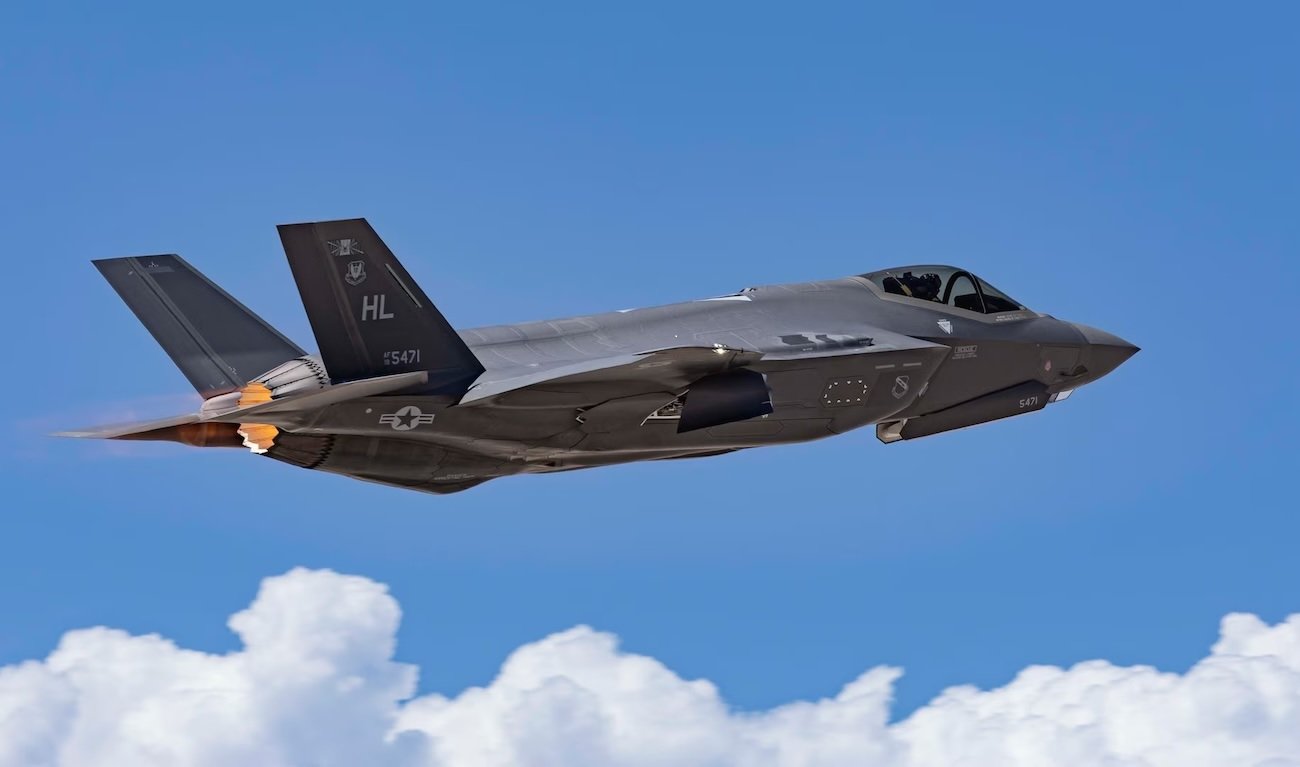 Sensitive F-35 Components Diverted to Hong Kong, Some Parts Missing
-
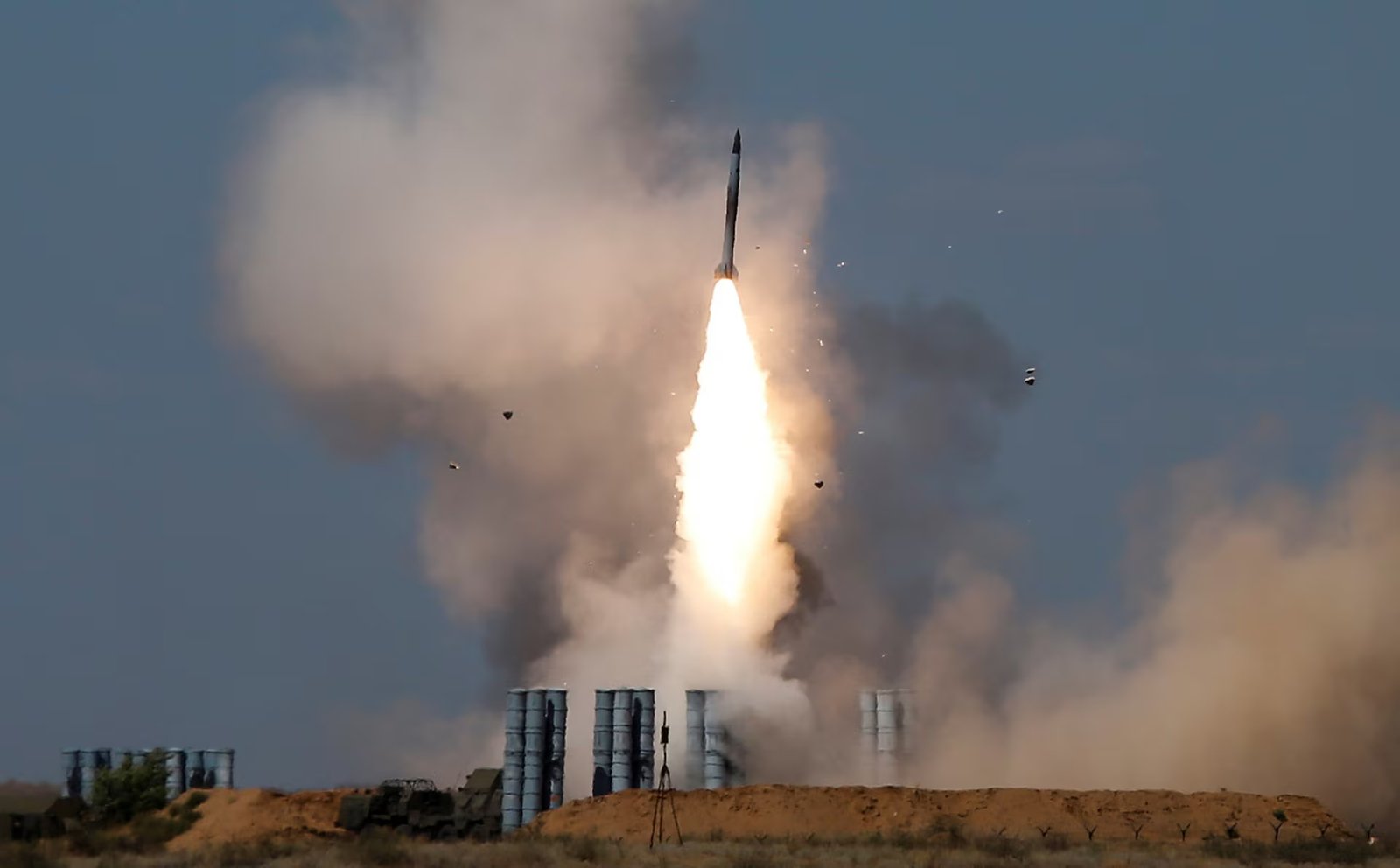 U.S. Approves Potential $2.68 Billion Air Defense Package for Ukraine Including S-300 Clone Missiles
-
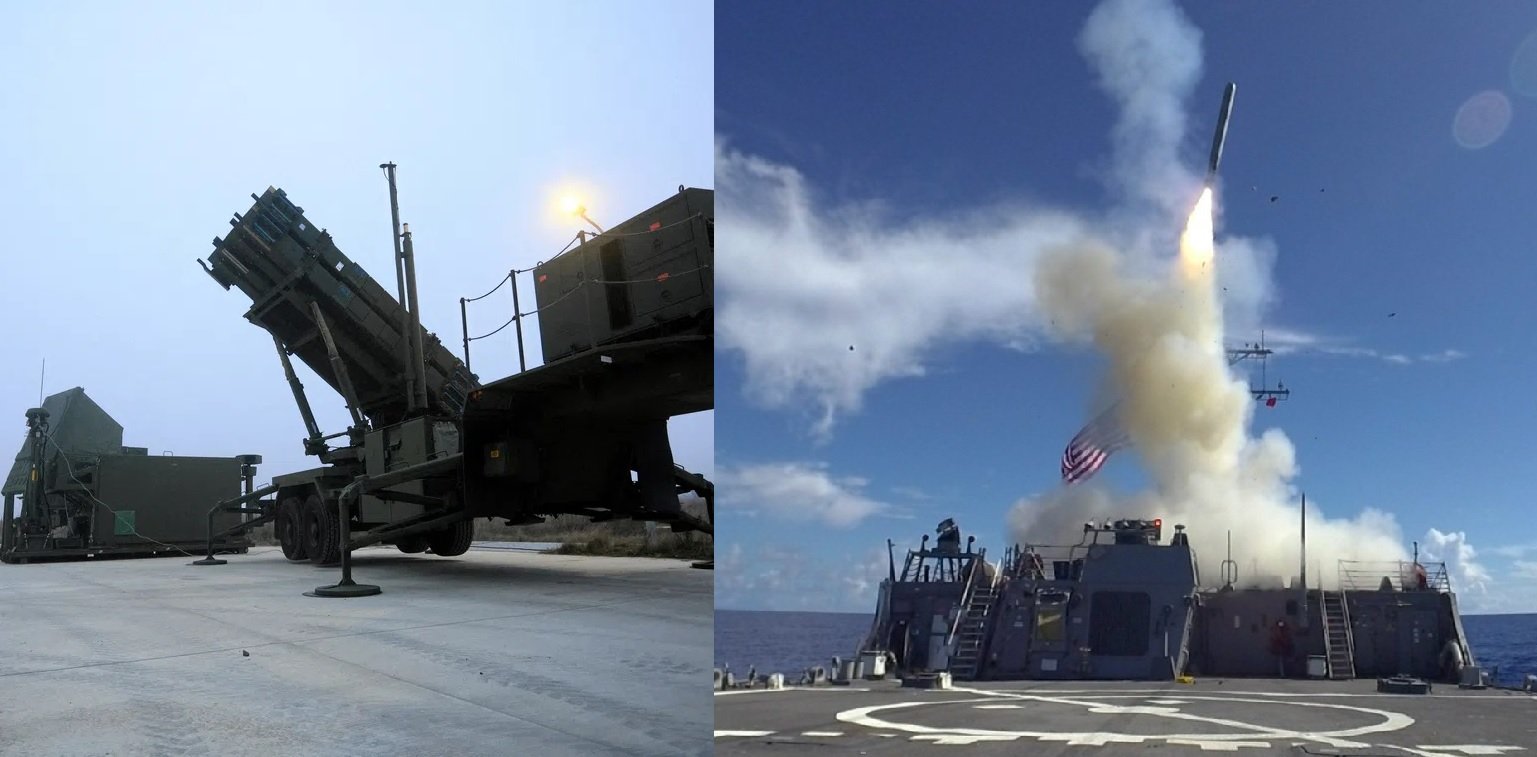 U.S. Warns Allies of Up to Five-Year Delays in Key Weapons Deliveries
-
 U.S. Secures Permanent Military Rights in Greenland in Historic Security Pact with Denmark
-
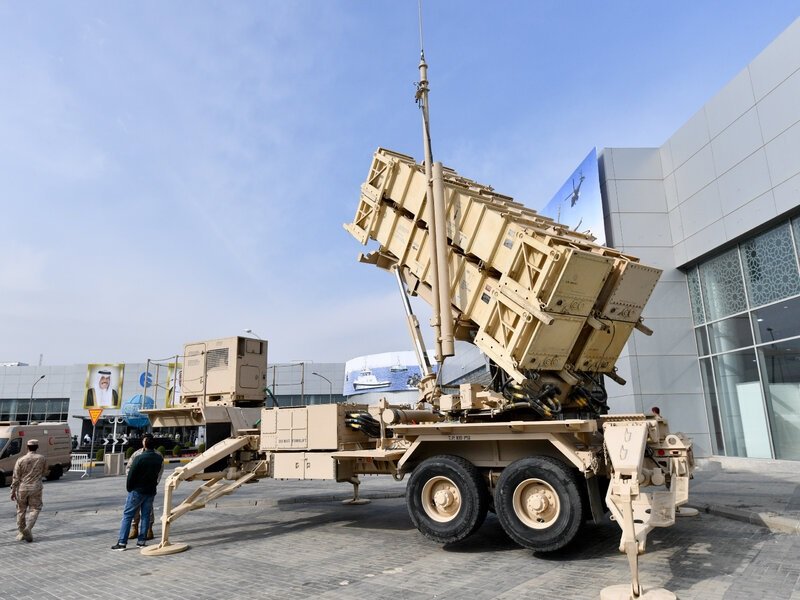 U.S. Iran War Cost Hits $43.6 Billion as Missile Interceptor Stocks Come Under Pressure
-
 Russia’s Aeroflot Orders 90 MC-21-310 Aircraft in Record Aviation Deal
-
 U.S. Navy Awards Lockheed Martin $76.6 Million for Continued Trident II D5LE2 Development
-
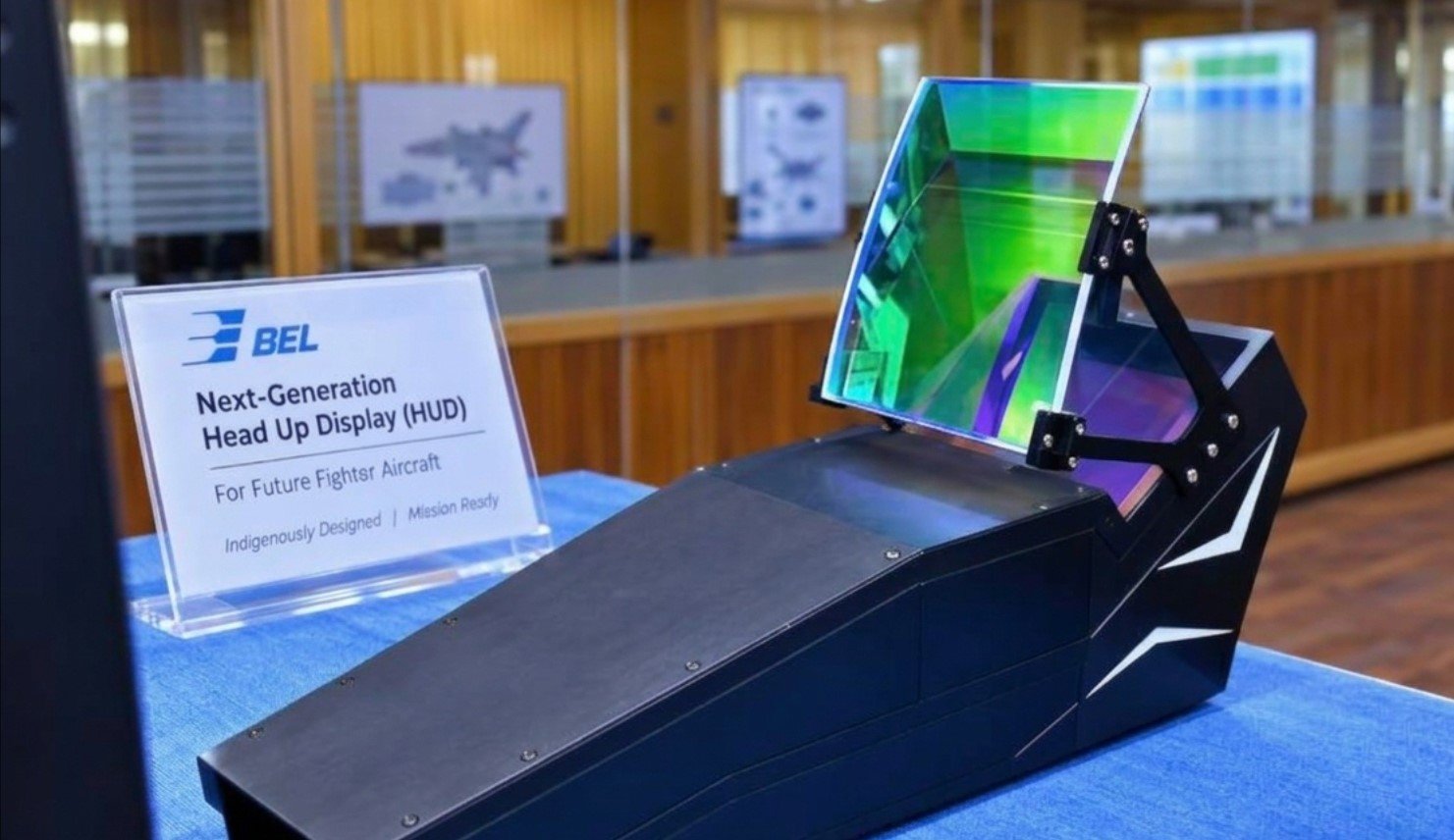 BEL Showcases New-Generation Head-Up Display, Potentially Linked to Tejas Mk2
Top Trending in 4 Days
-
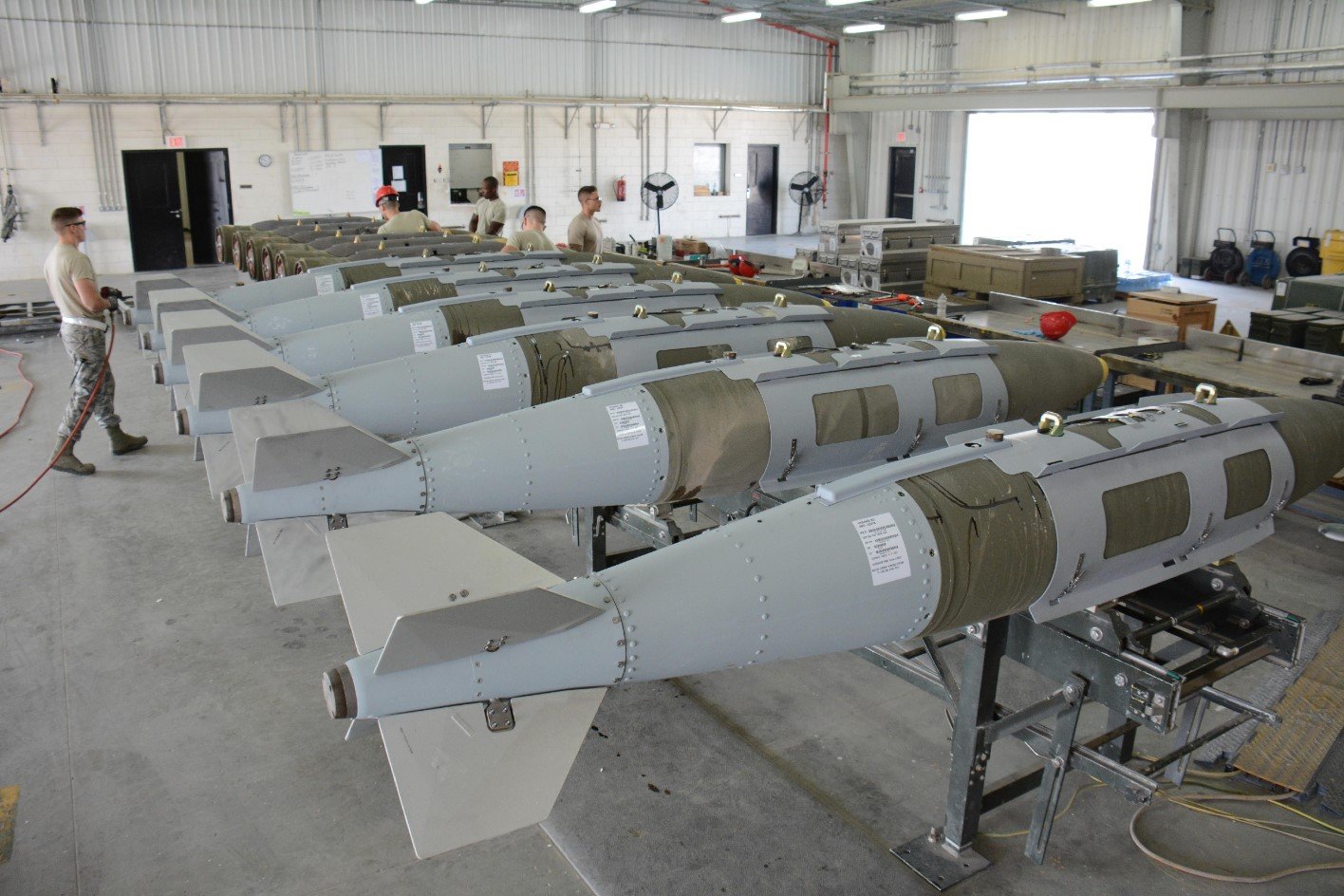 U.S. Plans $2.8 Billion Sale of 40,000 Heavy Bombs and 20,000 I-2000 Penetrator Warheads to Israel
-
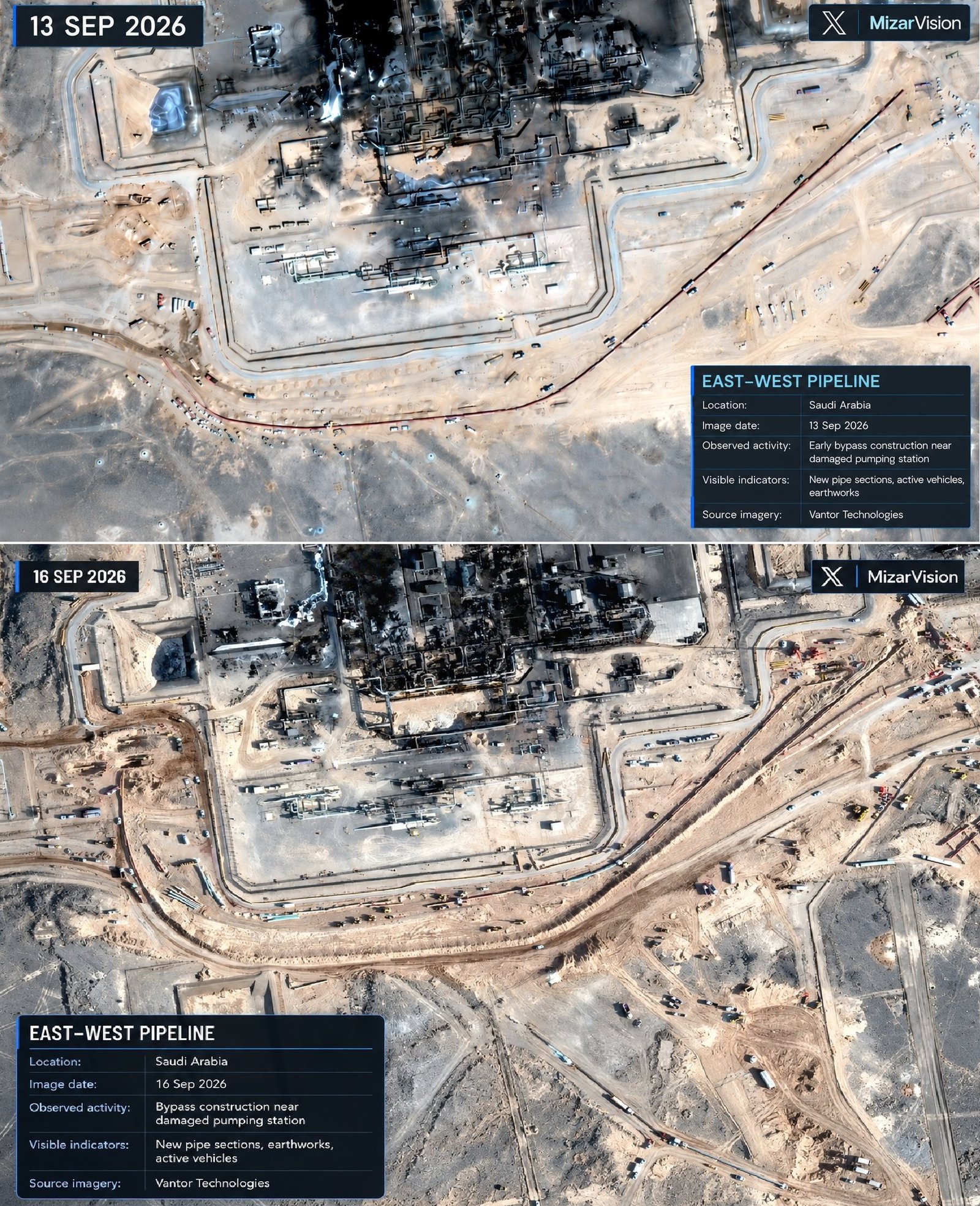 Satellite Images Show Saudi Arabia Building Emergency Bypass Around Damaged East-West Oil Pipeline Station
-
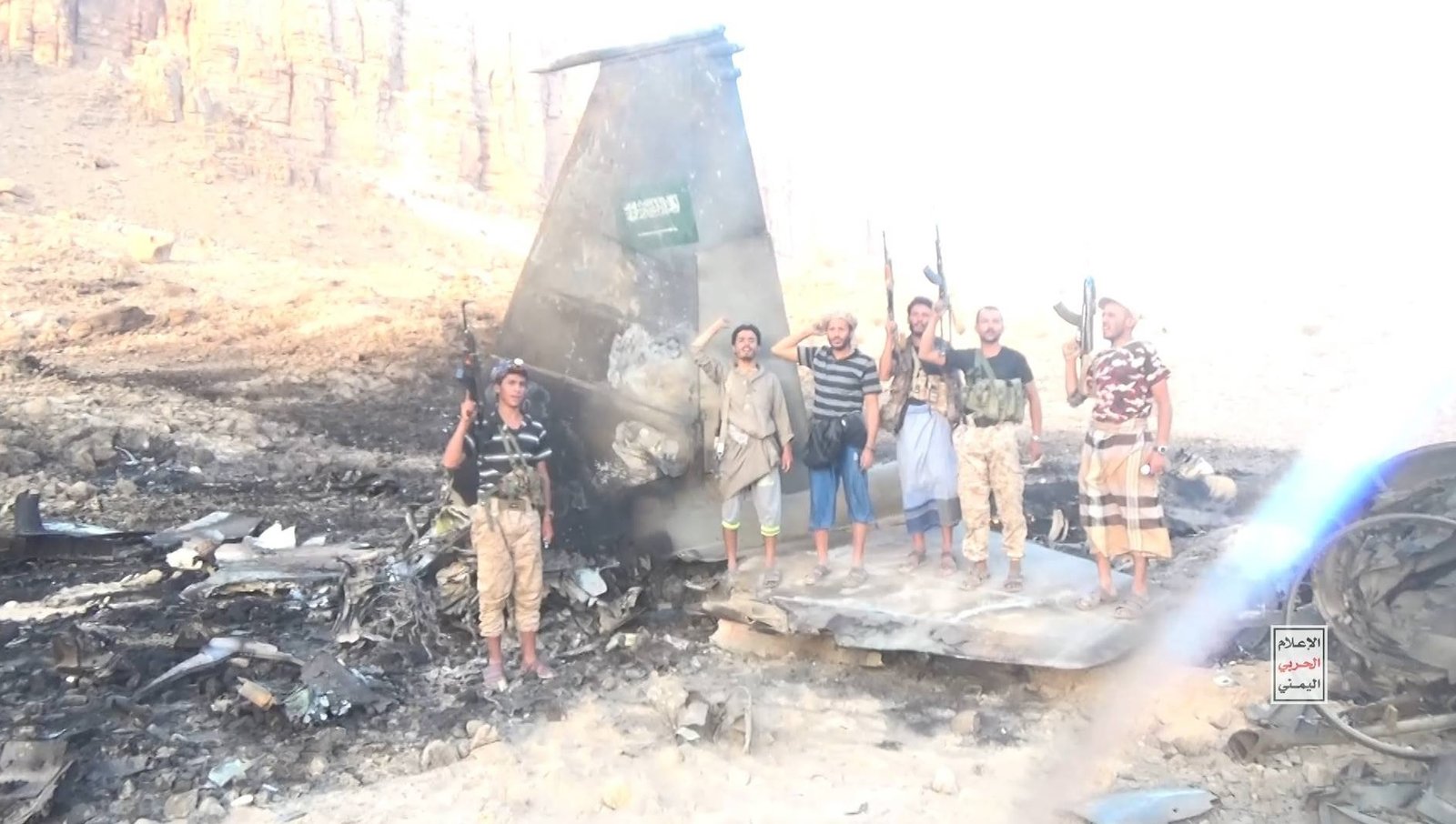 Houthis Claim Downing of Saudi F-15 and Wing Loong II Drone Over Marib
-
 Photos Reveal Damaged E-3 Sentry, Buildings and Vehicles at U.S. Bases in Saudi Arabia and Kuwait After Iranian Strikes
-
Sensitive F-35 Components Diverted to Hong Kong, Some Parts Missing
-
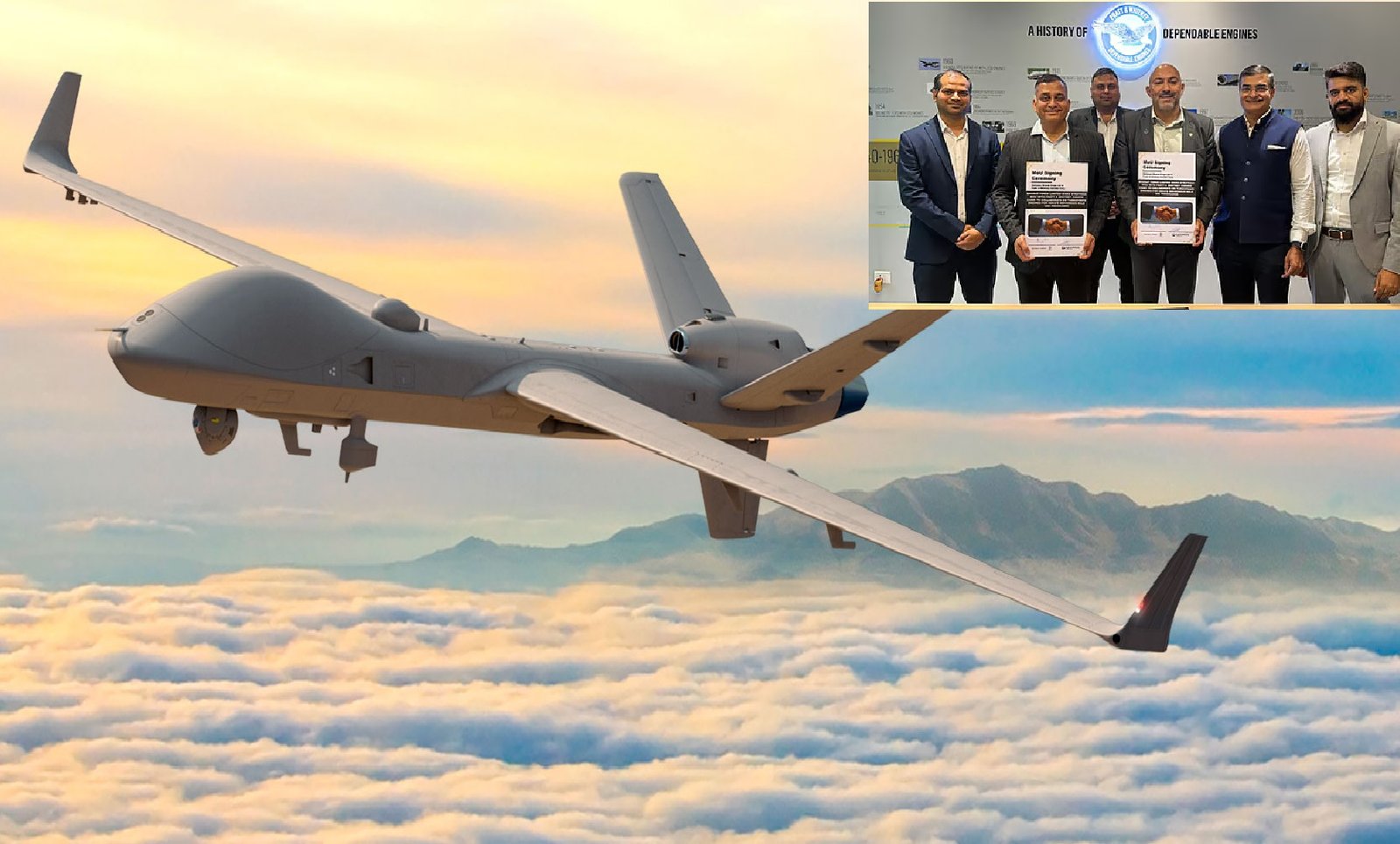 Bharat Forge, Pratt & Whitney Canada to Evaluate Turboprop Engines for DRDO’s Indigenous HALE UAV
-
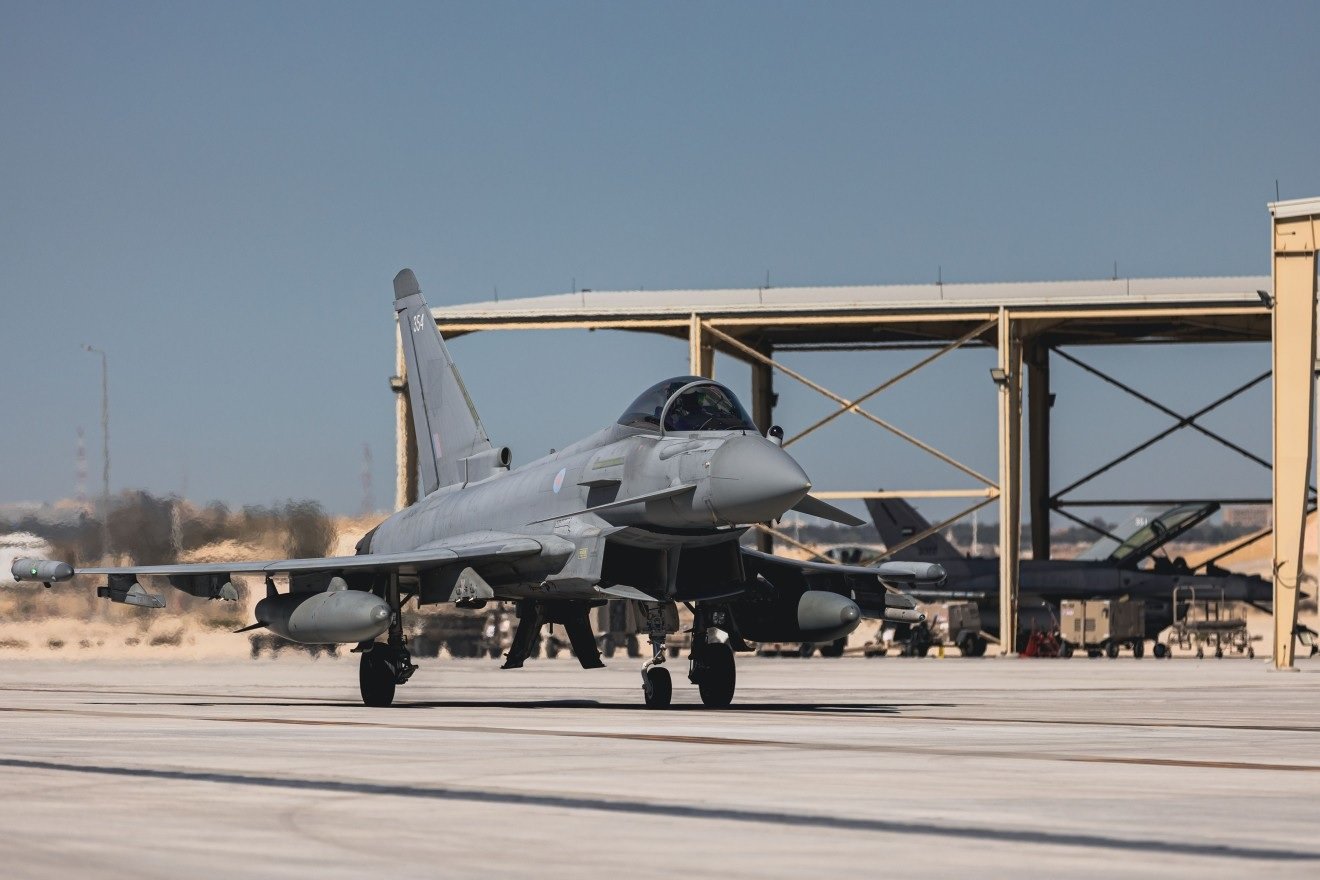 Italian Eurofighter Damaged in Houthi Attack on Saudi Arabia’s King Fahd Air Base
-
 China Privately Urges Iran to Restrain Houthis After Saudi Appeal
