India
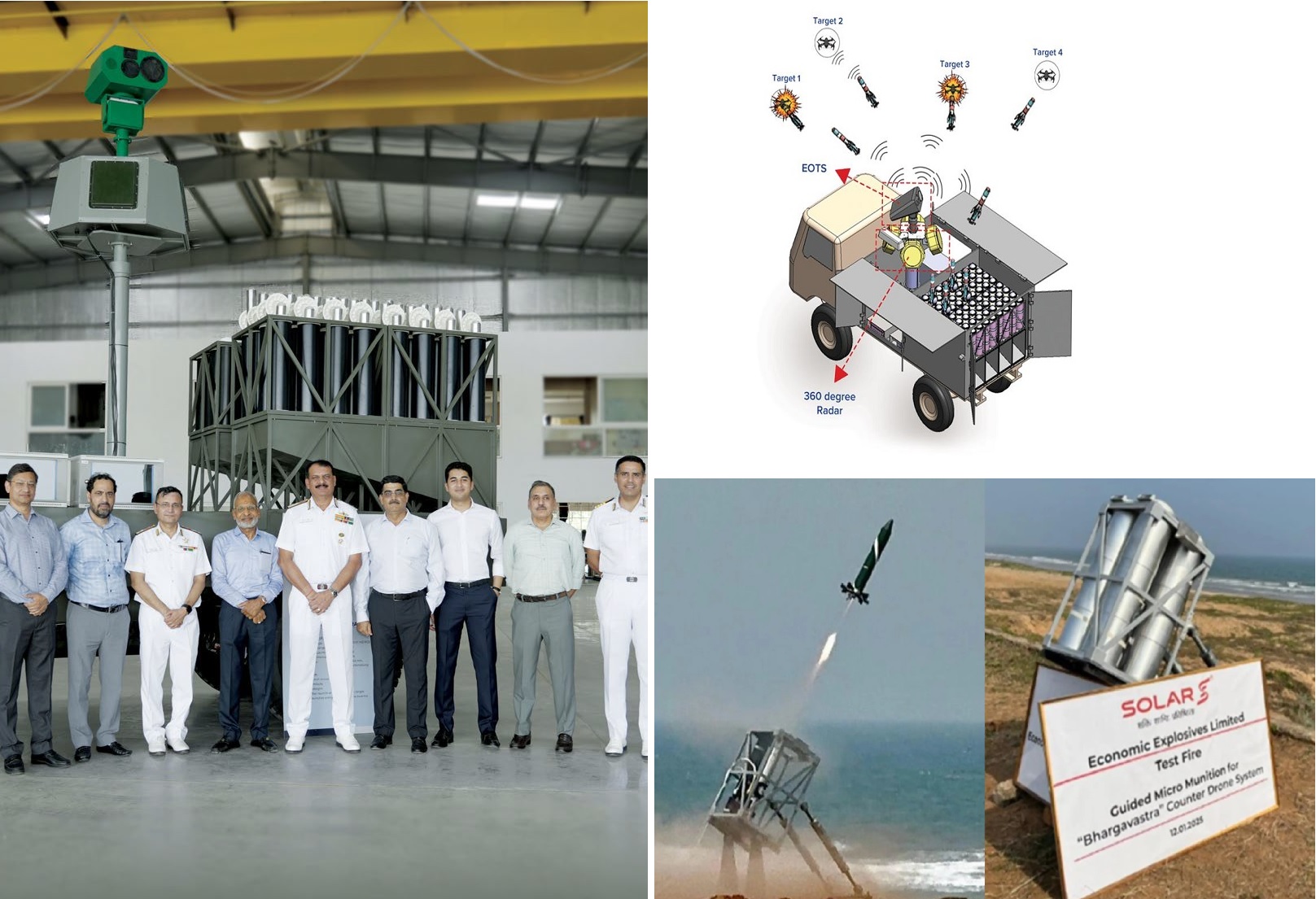
NAGPUR, India — May 16, 2026 : Solar Defence and Aerospace Limited (SDAL), a subsidiary of Solar Industries India Limited, has entered the final phase of testing for its indigenous Bhargavastra counter-drone system, with comprehensive trials scheduled for completion by the end of 2026. The Bhargavastra system is a hard-kill Counter-Unmanned Aerial System (C-UAS) developed to detect, track and neutralise hostile unmanned aerial vehicles (UAVs), loitering munitions and coordinated drone swarms. The programme was initiated by SDAL in response to the growing use of low-cost drones and autonomous aerial threats in modern warfare environments. Multi-Layer Counter-Drone Architecture Bhargavastra uses a layered interception architecture combining unguided micro-rockets and guided micro-missiles. The first defensive layer employs unguided micro-rockets designed to create a fragmentation effect with a lethal radius of approximately 20 metres. This layer is intended to rapidly engage and disrupt large drone swarms through area saturation. The second layer consists of precision-guided micro-missiles capable of hit-to-kill engagements against individual aerial targets. Each guided interceptor weighs approximately 2.5 kilograms and is powered by a solid-propellant rocket motor. The system is designed to neutralise aerial threats at ranges exceeding 2.5 kilometres. According to SDAL, Bhargavastra is among the few dedicated anti-drone systems globally capable of carrying and firing a large salvo of interceptors from a single launcher configuration. The platform carries up to 64 micro-missiles or micro-rockets arranged in an 8×8 cassette layout. All 64 interceptors can be launched in salvo mode within approximately 10 seconds, enabling simultaneous engagement of multiple aerial targets and dense drone swarms with 360-degree coverage. Detection and Command Network The system integrates an advanced Command-and-Control Centre equipped with C4I (Command, Control, Communications, Computers and Intelligence) technology for target detection, tracking and engagement coordination. Bhargavastra’s radar system can reportedly detect medium and large UAVs at ranges of up to 10 kilometres, while smaller drones can be identified at distances exceeding 6 kilometres. To improve tracking accuracy against targets with low radar signatures, the platform also incorporates an Electro-Optical/Infrared (EO/IR) sensor suite for visual and thermal target identification. Once a threat is confirmed, the system can rapidly assign and launch interceptors against incoming aerial targets using either guided or unguided munitions depending on the threat profile. Mobility and Operational Flexibility The complete Bhargavastra platform is mounted on a 4×4 high-mobility light truck, allowing rapid deployment and repositioning in operational areas. The system has been engineered for operations across multiple terrain conditions, including deserts, plains and high-altitude mountainous regions up to 5,000 metres above sea level. Its modular architecture also allows the integration of optional soft-kill systems, including radio-frequency jamming and GPS spoofing modules. This enables operators to combine electronic warfare measures with kinetic interception capabilities to establish a layered anti-drone defence network. The munitions used by the system were developed by Economic Explosives Limited, another company within the Solar Group. Trial Progress and Testing Milestones Testing of the Bhargavastra system began at the Gopalpur Seaward Firing Range in Odisha in January 2025 in the presence of Indian Army officials. During the initial trial phase, the system successfully engaged a stationary aerial target at a range of 2.5 kilometres and an altitude of approximately 400 metres. A follow-up firing achieved a successful engagement against a moving electronic target, validating the system’s tracking and interception capabilities. Additional evaluation firings were conducted in May 2025 before senior Indian Army Air Defence officers. The tests included two single-rocket firings and one rapid salvo launch involving two rockets fired within two seconds. SDAL stated that all launch parameters and operational objectives were successfully achieved during the trials. The current final testing phase is intended to evaluate the system’s operational reliability, target engagement accuracy, salvo-launch performance and battlefield readiness under varied environmental and tactical conditions ahead of the projected completion timeline in late 2026. Indigenous Counter-Drone Development Bhargavastra forms part of India’s broader effort to strengthen indigenous counter-drone and short-range air-defence capabilities through domestic defence industry participation. The system is the first micro-missile-based counter-drone platform of its type developed entirely by an Indian private-sector company. Upon successful completion of final trials and certification, the platform is expected to proceed toward user evaluation and potential induction into Indian Army Air Defence units.
Read More → Posted on 2026-05-16 16:35:24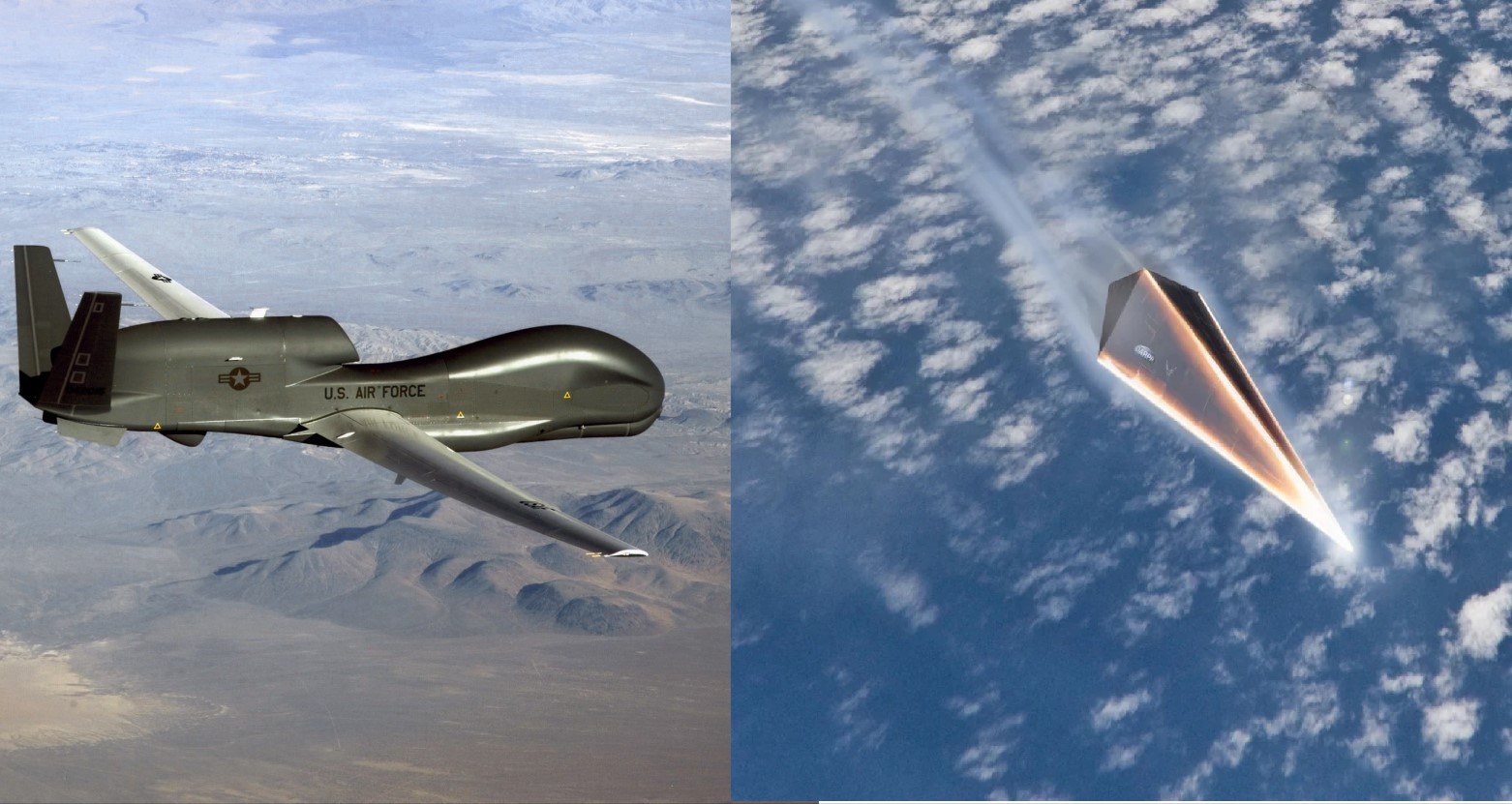
World
ORLANDO, Fla. — May 16, 2026 : The U.S. Army has awarded Northrop Grumman a $325.53 million cost-plus-fixed-fee contract to develop the RangeHawk high-altitude long-endurance (HALE) airborne test platform, a system intended to improve the Department of Defense’s ability to collect tracking and telemetry data from hypersonic and other high-speed weapons tests. The contract was issued by Army Contracting Command in Orlando, Florida, on May 15, 2026. According to contract details, the program includes prototype development, air vehicle modification, sensor integration, and logistics preparation for demonstration and validation activities. Work will primarily be performed at Northrop Grumman’s facility in San Diego, California, with completion scheduled for May 14, 2031. At the time of the award, the Army obligated approximately $65.66 million in fiscal year 2026 research, development, test and evaluation (RDT&E) funding. The remaining funding will be allocated incrementally as the program progresses through development and testing phases. High-Altitude Test Platform for Hypersonic Programs RangeHawk is being developed as a universal payload architecture prototype intended to support the testing of hypersonic missiles, boost-glide vehicles, and other advanced high-speed systems. The platform is designed to improve the agility and adaptability of airborne test data collection during flight trials. The program is part of the Department of Defense Test Resource Management Center’s SkyRange initiative, which repurposes retired U.S. Air Force RQ-4 Global Hawk Block 20 and Block 30 unmanned aircraft into airborne test and tracking platforms. Originally designed for intelligence, surveillance and reconnaissance missions, the RQ-4 airframes are being modified with specialized instrumentation systems capable of tracking high-speed vehicles during flight. The conversion shifts the aircraft’s mission from downward-looking battlefield surveillance to upward-looking telemetry, infrared and optical monitoring for weapons testing operations. Earlier SkyRange conversions involving RQ-4 Block 10 aircraft have already supported several hypersonic test events conducted over the Atlantic and Pacific Oceans since 2023. Addressing Gaps in Test Range Infrastructure The RangeHawk program is intended to address limitations in existing U.S. hypersonic test infrastructure. Defense officials have previously identified challenges in collecting complete telemetry and flight-performance data from vehicles traveling at speeds exceeding Mach 5. Ground-based radars and conventional tracking systems often struggle to maintain uninterrupted coverage of hypersonic vehicles throughout an entire flight profile. This limitation has contributed to delays and incomplete test evaluations in several U.S. hypersonic development programs. A high-altitude airborne platform such as RangeHawk can position itself directly along a flight corridor and maintain persistent tracking coverage during portions of a mission that ground stations or ship-based systems may not fully observe. Operating at altitudes above 60,000 feet and capable of remaining airborne for more than 30 hours, the modified Global Hawk platform can gather telemetry and sensor data at closer range than fixed infrastructure. The aircraft is expected to capture optical, infrared and electronic signature measurements that are not obtainable through traditional ground-based systems alone. According to program details, the system will provide engineers with more detailed information about vehicle behavior, thermal performance, flight stability and subsystem operation during high-speed flight testing. Universal Payload Architecture A central element of the contract is the development of a universal payload architecture that allows the aircraft to carry interchangeable sensor packages depending on mission requirements. Instead of using a permanently installed sensor suite tailored for a single test program, RangeHawk is being designed as a modular airborne range asset capable of supporting multiple weapons programs through rapid payload reconfiguration. This approach is intended to improve long-term flexibility while reducing the risk of obsolescence associated with single-purpose test instrumentation systems. Different payload combinations can be integrated depending on whether a mission requires telemetry collection, infrared imaging, electronic monitoring or other specialized measurement functions. The architecture is also expected to support future integration of emerging sensor technologies as hypersonic programs evolve. Northrop Grumman’s Role Northrop Grumman’s involvement in the program builds on its experience developing and manufacturing the RQ-4 Global Hawk unmanned aircraft system. The Global Hawk has served for years as one of the U.S. military’s primary HALE surveillance drones, conducting long-duration intelligence and reconnaissance missions across large operational areas. Its endurance, altitude performance and payload capacity made it suitable for adaptation into an airborne test support platform under the SkyRange initiative. The company is also the manufacturer of the B-21 Raider stealth bomber and remains involved in multiple advanced aerospace and defense modernization programs. Broader Hypersonic Competition The RangeHawk initiative supports ongoing U.S. military efforts to accelerate hypersonic weapons development amid growing competition with China and Russia in the field of high-speed strike systems. China has demonstrated systems including the DF-17 and DF-ZF boost-glide vehicle, while Russia has deployed the Kh-47M2 Kinzhal and the Avangard strategic glide system. The United States has continued testing multiple hypersonic programs across the Army, Navy and Air Force, though several efforts have experienced schedule delays and test failures linked partly to infrastructure and telemetry collection constraints. Defense officials view expanded airborne tracking capability as necessary for increasing the frequency, reliability and quality of future hypersonic testing campaigns. Army’s Role in Joint Test Operations The Army’s role as the contracting authority reflects its longstanding responsibility for managing portions of the Department of Defense’s test and evaluation infrastructure on behalf of the joint force. The U.S. Army Test and Evaluation Command and associated test ranges have historically supported national missile, rocket and advanced weapons testing programs for multiple military branches. RangeHawk extends that support function into high-altitude airborne instrumentation, providing a reusable airborne asset intended to support future hypersonic and high-speed weapons development programs across the Department of Defense.
Read More → Posted on 2026-05-16 15:54:50
World
FORT WORTH, Texas — May 16, 2026 : Lockheed Martin has received a $991.13 million firm-fixed-price contract to produce 432 electronic warfare modernization kits for the global fleet of F-35 Joint Strike Fighter aircraft, in one of the largest single capability upgrade awards issued under the fifth-generation fighter program. The contract was awarded by the Naval Air Systems Command on May 15, 2026, under a previously established basic ordering agreement. The order covers the production and delivery of material modification kits intended to retrofit operational F-35 aircraft with upgraded electronic warfare systems and associated capability enhancements. Work under the contract will be performed at Lockheed Martin Aeronautics facilities in Fort Worth, Texas, with completion scheduled for March 2032. The award was issued without a competitive bidding process, consistent with the procurement structure used for long-term F-35 sustainment and modernization activities. Distribution of Upgrade Kits Across U.S. and Allied Fleets The 432 modernization kits will be distributed among U.S. military services and international F-35 operators. According to contract details, the United States allocation totals 193 kits, including 97 for the U.S. Air Force, 54 for the U.S. Marine Corps, and 42 for the U.S. Navy. International customers account for the remaining 239 kits, including 133 for non-U.S. Department of War program participants and 106 for Foreign Military Sales customers. The combined international allocation exceeds the total U.S. procurement quantity, reflecting the growing operational reliance of allied air forces on the F-35 platform and the alignment of modernization schedules across partner nations. The retrofit kits are intended for aircraft already in operational service and will likely be installed during scheduled maintenance periods and depot-level upgrade cycles. Modernization Linked to F-35 Block 4 Upgrade Program The electronic warfare upgrades form part of the broader F-35 Block 4 modernization effort, which introduces incremental hardware and software improvements designed to maintain the aircraft’s operational effectiveness against evolving air defense threats. The F-35A Lightning II, F-35B Lightning II, and F-35C Lightning II all share a common electronic warfare architecture, allowing a single modernization package to be applied across the broader international fleet. The F-35A is operated by the U.S. Air Force and most international users, while the F-35B serves the Marine Corps and allied operators including the United Kingdom. The carrier-based F-35C is used by the U.S. Navy for carrier strike operations. The common architecture across all variants simplifies integration, logistics support, software management, and future capability upgrades throughout the program. AN/ASQ-239 Electronic Warfare System The modernization effort centers on upgrades to the AN/ASQ-239 electronic warfare system developed by BAE Systems. The AN/ASQ-239 provides radar warning, threat detection, signal analysis, geolocation, and electronic attack capabilities across a wide electromagnetic spectrum. The system enables F-35 pilots to detect, identify, and respond to hostile radar emissions and missile guidance systems before the aircraft can be effectively targeted. In addition to defensive functions, the system supports electronic attack operations designed to jam, disrupt, or deceive adversary radar and communications networks. Electronic warfare data generated by the system is integrated into the F-35’s sensor fusion architecture, combining inputs from onboard radar, electro-optical targeting systems, distributed aperture sensors, datalinks, and other mission systems to generate a unified tactical picture for the pilot. Response to Evolving Air Defense Threats The modernization program is intended to address continuing advancements in integrated air defense systems and radar technologies developed by potential adversaries, particularly systems optimized to detect and track low-observable stealth aircraft. Defense analysts have increasingly identified improvements in long-range radar systems, passive detection networks, multi-band tracking systems, and advanced surface-to-air missile architectures developed by China and Russia as major drivers behind ongoing modernization requirements for fifth-generation aircraft. Upgrading the F-35’s electronic warfare suite is intended to preserve survivability, situational awareness, and mission effectiveness in increasingly contested electromagnetic environments. The retrofit approach also allows existing aircraft already in operational service to remain aligned with the latest mission-system standards instead of limiting upgrades to newly produced aircraft. Long-Term Sustainment and International Program Expansion Funding for the contract includes fiscal year 2026 and prior-year aircraft procurement appropriations from the Air Force and Navy, along with Foreign Military Sales funding and financial contributions from international program participants. The award further reinforces Lockheed Martin’s role as the prime contractor responsible for F-35 production, sustainment, modernization, and lifecycle support activities. The F-35 remains the world’s largest fifth-generation fighter aircraft program, with more than a dozen allied nations operating or preparing to operate the platform as their primary multirole combat aircraft.
Read More → Posted on 2026-05-16 15:40:20
World
NEVINNOMYSSK, Russia — May 16, 2026 : Ukrainian long-range strike drones reportedly targeted the Nevinnomyssk Azot chemical plant in Russia’s Stavropol Krai during the night of May 15–16, 2026, causing a fire within the industrial complex, according to local reports, monitoring channels, and footage circulating online. The attack began after regional authorities declared a drone threat alert at approximately 1:19 a.m. local time. Residents later reported hearing several explosions around 2:30 a.m., followed by visible flames and smoke rising from the direction of the chemical facility. Images and videos published on Russian and Ukrainian monitoring channels showed a fire burning inside the plant’s territory. The independent Russian Telegram channel Astra stated that an analysis of the available visual material confirmed that the source of the fire was located directly on the grounds of the Nevinnomyssk Azot enterprise. Local residents cited by monitoring channels also reported that they did not hear Russian air defense systems operating during the strike. Official Statements Contradict Visual Evidence Regional authorities acknowledged that Stavropol Krai had been targeted by drones but denied that any infrastructure was damaged. Stavropol Krai Governor Vladimir Vladimirov stated on his Telegram channel that Russian air defense systems had successfully repelled the raid and that there was “no damage on the ground.” At the federal level, the Russian Defense Ministry announced that air defense and electronic warfare units intercepted 138 Ukrainian drones overnight across 15 Russian regions. However, Stavropol Krai was not included in the ministry’s official list of affected regions despite the circulation of footage showing a fire at the chemical plant. Monitoring channels, including Exilenova Plus, continued to publish visual evidence indicating that a blaze had occurred at the facility following the reported drone strike. Strategic Industrial Facility Nevinnomyssk Azot, a subsidiary of the EuroChem holding group, is regarded as one of Russia’s largest chemical enterprises and a significant component of the country’s industrial sector. Located in the city of Nevinnomyssk at coordinates 44.659055, 41.940008, the plant lies approximately 400 kilometers (250 miles) from Ukrainian-controlled territory. The facility is Russia’s largest producer of nitrogen fertilizers and ammonia, manufacturing more than one million tons of ammonia annually along with over one million tons of ammonium nitrate. Its production portfolio also includes nitric acid, acetic acid, urea, melamine, potassium nitrate, liquid nitrogen fertilizers, vinyl acetate, methyl acetate, and complex mineral fertilizers. The enterprise additionally operates Russia’s first melamine production line and specialized units for high-purity acetic acid production. Links to Russian Military Supply Chains According to previous Reuters reporting, Nevinnomyssk Azot and Novomoskovsk Azot supplied at least 38,000 tons of acetic acid and nearly 5,000 tons of nitric acid to the Sverdlov Plant in Russia’s Nizhny Novgorod region between 2022 and 2024. Those chemicals are used in the production of military explosives, including octogen (HMX) and hexogen (RDX), which are utilized in artillery ammunition manufacturing. Because of these supply links, Ukrainian officials and analysts have described the facility as part of Russia’s defense-industrial infrastructure. Repeated Target of Drone Attacks The May 16 incident marks at least the sixth reported drone attack on the Nevinnomyssk Azot facility since the beginning of the full-scale Russia-Ukraine war. Previous strikes targeting the plant or nearby industrial areas were reported in March 2026, January 2026, December 2025, and August 2025, with additional incidents documented during June and July 2025. During the March 19, 2026 attack, local residents reported four separate drone impacts near the facility. Residents also described a strong chemical odor spreading across parts of the city following the strike. Broader Ukrainian Long-Range Strike Campaign The reported attack forms part of Ukraine’s broader campaign of long-range drone strikes against Russian military, industrial, logistical, and energy infrastructure located deep behind the front line. Ukrainian-produced drones have increasingly targeted facilities connected to ammunition production, fuel processing, chemical manufacturing, and military logistics across Russian territory. Earlier in 2026, the KuibyshevAzot chemical plant in Togliatti, Samara region, reportedly suspended operations after being targeted in a Ukrainian drone strike on the night of March 30. As of May 16, neither Nevinnomyssk Azot nor Russian federal authorities had released information regarding operational disruptions, production losses, casualties, or the extent of damage caused by the reported strike. Damage assessments and investigations were reportedly ongoing.
Read More → Posted on 2026-05-16 15:27:34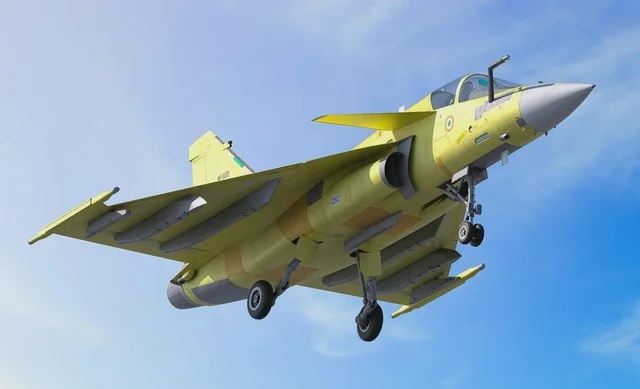
India
BENGALURU — May 16, 2026 : Hindustan Aeronautics Limited (HAL) has revised the rollout timeline for the first prototype of the indigenous Light Combat Aircraft (LCA) Tejas Mk2 to March 2027, extending the schedule for one of the Indian Air Force’s (IAF) principal fighter modernisation programmes. The updated target was disclosed during HAL’s Q4 FY26 earnings call, where company officials confirmed that structural assembly of the aircraft remains underway in coordination with the Aeronautical Development Agency (ADA). The revised schedule places the official rollout toward the end of the 2026–27 financial year. The Tejas Mk2 programme, also known as the Medium Weight Fighter (MWF), has experienced several timeline revisions over recent years as development activities continue across multiple agencies involved in the project. Programme Delays Linked to Integration and Technical Coordination Earlier expectations within the programme had indicated that an unofficial rollout could have already taken place, while the maiden flight was at one stage expected as early as the coming months. However, HAL officials stated that additional work related to structural integration, systems validation, and inter-agency coordination remains ongoing. The Tejas Mk2 is being jointly developed by HAL and ADA under the broader supervision of the Defence Research and Development Organisation (DRDO). Officials familiar with the programme stated that the aircraft’s development depends heavily on continuous coordination between the participating organisations for subsystem approvals, testing milestones, and technical clearances. Defence analysts noted that the revised rollout schedule is primarily tied to the integration of the General Electric F414-INS6 engine, which has been selected as the powerplant for the aircraft. The engine produces approximately 98 kN of thrust with afterburner and represents a substantial increase in capability compared to the GE F404 engines used on the Tejas Mk1 and Mk1A variants. HAL management described the GE F414 programme as the larger milestone for the overall project, stating that the rollout and maiden flight are secondary to successful engine integration, testing, and certification activities. Technical discussions between HAL and GE Aerospace regarding licensed production and technology transfer for the F414 engine have reportedly concluded, while the final agreement remains under finalisation. Eight engines have already been delivered for development and testing purposes. Multiple Timeline Revisions Since Initial Approval The Tejas Mk2 programme has undergone several schedule adjustments since its early development phase. Initial projections had targeted prototype rollout by August 2022. The schedule was later revised to the end of 2022 and subsequently shifted again into 2023. Following approval from the Cabinet Committee on Security (CCS) in September 2022, updated estimates projected rollout by late 2025 or early 2026. In early 2026, the Defence Research and Development Organisation estimated that the aircraft’s maiden flight could occur between June and July 2026. The latest revision now places the rollout target in March 2027, delaying the expected first flight beyond earlier projections. The CCS approved the programme with a sanctioned cost of approximately ₹10,000 crore, covering prototype development, testing, certification, and associated programme activities. Designed as a Medium-Weight Multirole Fighter The Tejas Mk2 is being developed as a 4.5-generation multirole combat aircraft intended to bridge the capability gap between the lighter Tejas Mk1A and India’s future Advanced Medium Combat Aircraft (AMCA). The aircraft is expected to replace several aging IAF fleets, including the Jaguar DARIN III, MiG-29UPG, and Mirage 2000 aircraft currently in service. Compared to the Tejas Mk1A, the Mk2 incorporates a larger and redesigned airframe with improved aerodynamic characteristics. The aircraft features close-coupled canards positioned near the cockpit section to enhance manoeuvrability, stability, and overall flight performance. The fighter will have a maximum take-off weight of approximately 17.5 tonnes, compared to 13.5 tonnes for the Mk1A. Payload capacity has also been significantly increased, allowing the aircraft to carry up to 6.5 tonnes of weapons and external stores across 11 hardpoints, compared to 3.5 tonnes across seven hardpoints on earlier Tejas variants. Advanced Indigenous Systems and Extended Combat Capability The Tejas Mk2 is planned to incorporate several indigenous systems and avionics upgrades aimed at improving survivability and network-centric combat capability. The aircraft will be equipped with the indigenous Uttam Active Electronically Scanned Array (AESA) radar and an indigenous electronic warfare suite. Additional avionics improvements include sensor fusion capability, advanced cockpit displays, enhanced mission systems, and compatibility with a wider range of precision-guided munitions and beyond-visual-range air-to-air missiles. The redesigned airframe also provides greater internal fuel capacity, extending operational endurance and combat reach. The aircraft is expected to achieve a combat range of approximately 1,200 kilometres, extendable to nearly 3,000 kilometres with external fuel tanks and aerial refuelling support. Prototype and Testing Plan Development of the Tejas Mk2 is being carried out jointly by DRDO, ADA, and HAL. The programme currently plans for four prototypes during the development phase. According to programme details, two prototypes will be dedicated to flight testing activities, while the remaining two aircraft will focus on weapons integration and systems evaluation. Following rollout, the aircraft will undergo ground testing, taxi trials, systems validation, and certification procedures overseen by the Centre for Military Airworthiness and Certification (CEMILAC). Flight testing will proceed only after successful completion of these stages. Indian Air Force Requirement The Indian Air Force has indicated an initial requirement for 120 Tejas Mk2 aircraft, although long-term production numbers could eventually exceed 200 fighters depending on future squadron requirements and procurement plans. The aircraft is intended to support the IAF’s long-term effort to restore squadron strength while increasing the proportion of domestically developed combat platforms within the force structure. Serial production and induction schedules will ultimately depend on the successful completion of development, engine integration, certification, and flight testing activities over the coming years.
Read More → Posted on 2026-05-16 15:17:23
World
WASHINGTON — May 16, 2026 : U.S. President Donald Trump has reiterated that Washington does not support Taiwan independence while publicly questioning the practicality of direct U.S. military involvement in a potential conflict across the Taiwan Strait, following a two-day summit with Chinese President Xi Jinping in Beijing. In an interview with Fox News recorded during his visit to China and aired after his departure on May 15, 2026, Trump emphasized the geographic and military imbalance between China and Taiwan, describing the situation as strategically difficult for the United States. “The Chinese just don’t want to see this place — we’ll call it a place, because nobody knows how to define it — but they don’t want to see it go independent,” Trump said during the interview conducted aboard Air Force One after leaving Beijing. He added that he was not seeking a confrontation over Taiwan’s political status and questioned whether the United States should become militarily involved in a war so far from American territory. “I’m not looking to have somebody go independent. And, you know, are we supposed to travel 9,500 miles to fight a war? I’m not looking for that,” Trump stated. The U.S. president further highlighted the military and geographic realities surrounding the Taiwan issue, noting China’s proximity and comparative size. “When you look at the odds, China is a very, very powerful and big country. That’s a very small island. Think of it; it’s 59 miles away. We’re 9,500 miles away. That’s a little bit of a difficult problem,” he said. Trump also urged both Beijing and Taipei to avoid escalation and maintain stability across the Taiwan Strait, stating that he wanted “both sides to cool down.” The remarks came after extensive discussions on Taiwan during Trump’s summit with Xi in Beijing, which marked Trump’s first official visit to China in nearly a decade. According to Trump, Xi described Taiwan as the most important issue in China-U.S. relations and warned that mishandling the matter could lead to confrontation and damage broader bilateral ties. Trump stated that Xi assured him China would not invade Taiwan during his presidency, although no formal agreement or joint statement was announced regarding military commitments or cross-strait security arrangements. The U.S. president also reaffirmed that Washington’s overall policy toward Taiwan had not formally changed. No announcement was made regarding a shift away from the long-standing U.S. framework of “strategic ambiguity,” under which Washington does not explicitly confirm whether it would militarily defend Taiwan in the event of a Chinese attack. During the interview, Trump additionally addressed a pending U.S. arms sales package for Taiwan reportedly valued between $11 billion and $14 billion. He confirmed that he has not yet approved the package and characterized the proposed sale as leverage in broader negotiations with Beijing. “It’s a very good negotiating chip for us, frankly. It’s a lot of weapons,” Trump said, adding that a decision would be made in the near future and that he planned to speak directly with Taiwan’s leadership. The comments reflected Trump’s broader approach to balancing U.S.-China relations through trade, technology, and security negotiations while maintaining the existing “one China” policy framework recognized by Washington since 1979. Trump also repeated longstanding criticism of Taiwan’s dominance in the global semiconductor sector, arguing that previous American administrations allowed critical manufacturing capacity to shift overseas. “If you look at the history, Taiwan was developed because we had presidents that didn’t know what the hell they were doing. They stole our chip industry,” Trump said. He reiterated that he wants advanced semiconductor manufacturing relocated to the United States as part of ongoing efforts to strengthen domestic supply chains and reduce dependence on foreign production. Taiwan remains central to the global semiconductor industry, producing more than 90 percent of the world’s most advanced chips through companies including Taiwan Semiconductor Manufacturing Company (TSMC). Taiwan responded to Trump’s remarks on May 16, 2026, with the Presidential Office and Ministry of Foreign Affairs reaffirming that the Republic of China, Taiwan’s official name, is “a sovereign, independent democratic country.” Taiwanese Presidential Office spokesperson Karen Kuo stated that Beijing’s sovereignty claims over Taiwan “are without merit” and noted that senior U.S. officials, including Trump and Secretary of State Marco Rubio, had repeatedly stated that Washington’s policy toward Taiwan remains unchanged. Taipei also reiterated its commitment to preserving the status quo across the Taiwan Strait and maintaining regional peace and stability amid continued tensions between China and Taiwan. China, which considers Taiwan part of its sovereign territory, has consistently opposed any moves toward formal Taiwanese independence and has not ruled out the use of force to achieve unification. Chinese officials have repeatedly identified Taiwan as the most sensitive issue in relations between Beijing and Washington. Chinese Foreign Minister Wang Yi stated following the summit that Beijing believes Trump understands China’s core concerns regarding Taiwan and emphasized that stable handling of the issue remains essential to preventing broader confrontation between the two powers. Trump described the current U.S.-China relationship as a “G-2” dynamic during the interview and praised his personal relationship with Xi, presenting the Beijing summit as a major diplomatic engagement focused on trade, security, technology, and regional stability. The developments come amid continued monitoring of cross-strait military activity and broader geopolitical competition between the United States and China in the Indo-Pacific region. Discussions between Washington and Taipei regarding arms sales, semiconductor cooperation, and regional security are expected to continue in the coming weeks as the Trump administration reviews the pending defense package and other bilateral matters.
Read More → Posted on 2026-05-16 15:04:50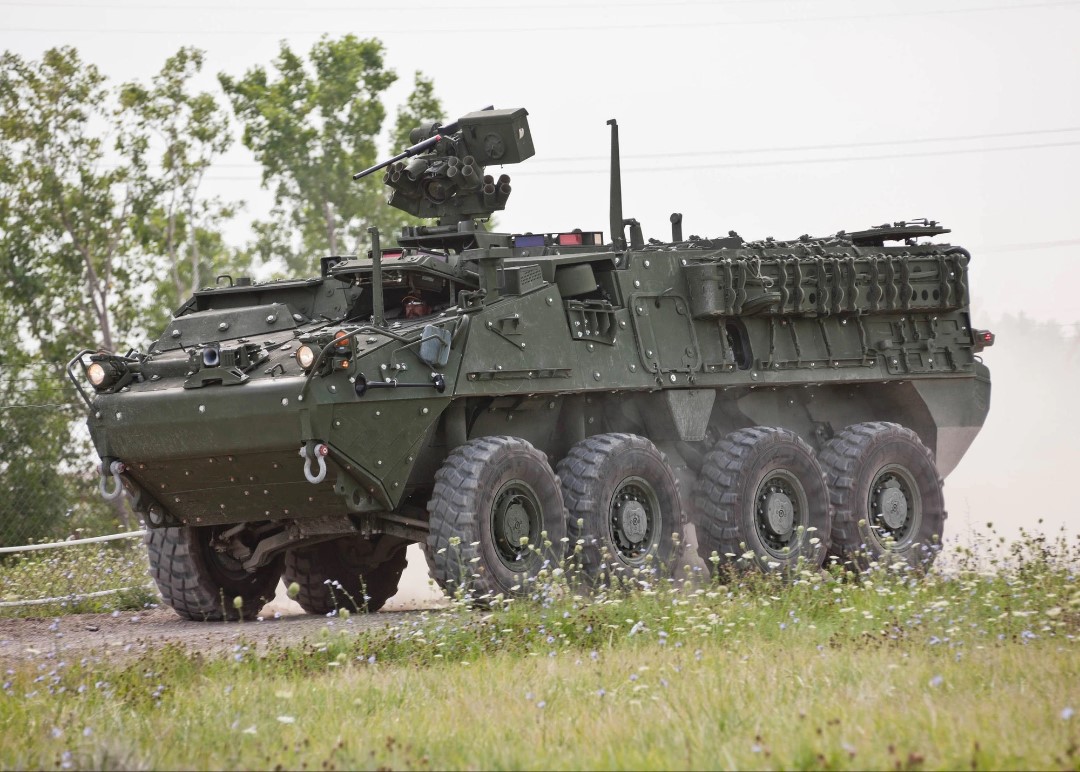
World
STERLING HEIGHTS, Mich. — May 16, 2026 : The U.S. Army has awarded General Dynamics Land Systems a $229.65 million fixed-price-incentive contract for the production of 50 Stryker Double V-Hull (DVH) A1 armored vehicles, continuing the service’s long-term modernization effort for its Stryker Brigade Combat Teams (SBCTs). The contract was issued on May 15, 2026, by Army Contracting Command at Detroit Arsenal, Michigan. The procurement supports the Product Manager Stryker Brigade Combat Team program. According to contract details, work locations and funding allocations will be determined with each individual order, while overall contract completion is scheduled for June 30, 2028. The solicitation was conducted through an internet-based process, with one bid received. General Dynamics Land Systems, headquartered in Sterling Heights, Michigan, is a subsidiary of General Dynamics and serves as the Army’s primary contractor for Stryker vehicle production and modernization. Stryker Fleet Modernization The Stryker is an eight-wheeled armored combat vehicle that entered U.S. Army service in 2002 and has since been deployed in Iraq, Afghanistan, Europe, and other operational regions. The platform forms the backbone of the Army’s Stryker Brigade Combat Teams, which are designed to provide a balance between the mobility of light infantry units and the firepower and protection of heavier armored formations. The standard infantry carrier variant is operated by a two-person crew and can transport up to nine fully equipped infantry soldiers. Over the past two decades, the Army has fielded numerous mission-specific variants based on the Stryker chassis, including command vehicles, medical evacuation vehicles, reconnaissance platforms, mortar carriers, engineer squad vehicles, and anti-tank missile carriers. The latest contract covers production of the Double V-Hull A1 configuration, one of the Army’s most advanced Stryker variants currently in service. Double V-Hull Protection Upgrade The Double V-Hull design was introduced after combat experience in Iraq exposed vulnerabilities in the original flat-bottom Stryker hull against improvised explosive devices (IEDs) and buried explosives. The redesigned hull structure incorporates angled lower surfaces that redirect blast energy away from the crew compartment, significantly improving protection for personnel during underbody explosions. The Army began fielding Double V-Hull Strykers around 2011 as part of a survivability improvement program aimed at reducing casualties from roadside bombs and mines encountered during counterinsurgency operations. A1 Automotive and Systems Enhancements The A1 modernization package introduces major improvements to the vehicle’s automotive, electrical, and digital systems to extend operational service life and support future battlefield technologies. A central component of the upgrade is the replacement of the earlier 350-horsepower Caterpillar C7 engine with a more powerful 450-horsepower Caterpillar C9 engine. The upgraded powertrain is intended to compensate for increased vehicle weight while improving mobility and operational reliability. The A1 configuration also includes an upgraded suspension system rated for approximately 60,000 pounds, enhanced driveline components, improved thermal management systems, and upgraded environmental conditioning equipment. These modifications increase the vehicle’s gross weight capacity from roughly 55,000 pounds to approximately 63,000 pounds. The vehicle’s electrical architecture has also been modernized through installation of a 910-amp alternator replacing the previous 570-amp system. The increased electrical generation capacity supports expanded communications equipment, onboard sensors, network systems, and future mission modules. In addition, the Stryker A1 incorporates a modern in-vehicle data network with gigabit Ethernet capability and compatibility with the Army’s VICTORY network integration standards, enabling improved digital communications and system interoperability across formations. Strategic Mobility and Operational Role One of the defining features of the Stryker platform is its strategic mobility. Unlike heavier tracked armored vehicles, the Stryker can be transported by both C-130 and C-17 military cargo aircraft, allowing rapid deployment to overseas theaters with reduced logistical requirements. The platform also uses a Central Tire Inflation System (CTIS), enabling crews to adjust tire pressure directly from inside the vehicle to improve traction across highways, mud, sand, and off-road terrain without stopping operations. Stryker Brigade Combat Teams are intended to provide theater commanders with rapidly deployable combined-arms forces capable of conducting infantry, reconnaissance, security, and urban combat missions while maintaining higher operational mobility than traditional armored brigades. Expanded Stryker Variants In recent years, the Army has continued expanding the Stryker family to address evolving battlefield threats and operational requirements. Among the newer variants are the Stryker Dragoon equipped with a 30mm cannon turret and the Interim Maneuver Short-Range Air Defense (IM-SHORAD) system designed to counter unmanned aerial systems, helicopters, and low-flying aircraft. Several upgraded Stryker variants have already been fielded with U.S. Army units deployed in Europe as part of broader modernization and deterrence initiatives focused on near-peer adversary environments. Long-Term Sustainment Strategy The latest procurement reflects the Army’s broader approach of incrementally modernizing existing combat vehicle fleets rather than pursuing immediate large-scale replacement programs. Army planners continue to focus on survivability, mobility, network integration, and power generation improvements across the Stryker fleet as the service evaluates future wheeled combat vehicle requirements. The May 2026 contract maintains active production of the combat-proven Stryker platform while supporting continued modernization of the Army’s Stryker Brigade Combat Teams through the end of the decade.
Read More → Posted on 2026-05-16 14:35:20
World
LATAKIA, Syria — May 16, 2026 : Russia has initiated a new phase in the reconstruction of Syria’s armed forces under the government of President Ahmad al-Sharaa, delivering two MiG-29 fighter interceptors to the Syrian Arab Air Force as part of a broader military rebuilding program coordinated with Syrian and Turkish authorities. The aircraft were flown on May 16, 2026, by Syrian pilots from Russia’s Hmeimim Air Base near Latakia, marking the first confirmed transfer of combat aircraft to Damascus since the collapse of Bashar al-Assad’s government in December 2024. Russian forces stationed at the base are currently providing security protection for the aircraft amid concerns over potential Israeli airstrikes targeting newly restored Syrian military assets. The delivery represents the first major step toward rebuilding Syria’s air combat capability following the formation of the transitional government led by Ahmad al-Sharaa, who formally assumed office in January 2025. Syrian military infrastructure and operational capabilities were significantly reduced during the political transition and subsequent restructuring of the armed forces, leaving only a limited number of operational aircraft from the pre-2024 inventory. The MiG-29 fighters are expected to restore part of Syria’s interceptor capacity and support future pilot training and air defense operations. The aircraft, originally developed by the Soviet Union and later modernized by Russia, are capable of conducting both air-to-air and limited air-to-ground missions. Turkey’s Role in the Rebuilding Program The transfer was facilitated following requests from Turkey, which has emerged as one of the principal external supporters of Syria’s transitional authorities. Ankara has pursued expanded security cooperation with Damascus as part of efforts to stabilize northern Syria, strengthen border security, and support the gradual return of Syrian refugees. Turkish and Syrian officials have held multiple discussions over the past year regarding the restructuring of Syria’s military institutions, including plans to integrate various armed factions into a centralized national command structure. The cooperation framework includes military training programs, equipment modernization efforts, and broader defense coordination initiatives aimed at rebuilding a unified Syrian military. Turkey’s support for rebuilding Syria’s armed forces reflects its broader objective of establishing long-term stability along its southern border while strengthening the authority of the transitional government in Damascus. Russia Maintains Strategic Military Presence Despite serving as the principal military backer of the former Assad government during the Syrian civil war, Russia has adjusted its strategy following the political transition in Damascus. Moscow has retained operations at Hmeimim Air Base and the Tartus naval facility while reducing activity at several smaller military outposts previously maintained across Syria. Under agreements reached between Moscow and the al-Sharaa administration, Russia has preserved operational access to both strategic facilities and expanded its role as a provider of military training, technical assistance, logistics support, and defense restructuring assistance. The rebuilding initiative follows diplomatic engagements conducted over the past year between Syrian and Russian officials. In October 2025, President Ahmad al-Sharaa traveled to Moscow for his first official visit to Russia, where he met with Russian President Vladimir Putin to discuss bilateral relations, military cooperation, and the future status of Russian military installations in Syria. During the meetings, al-Sharaa reaffirmed Syria’s commitment to honoring previously signed bilateral agreements governing Russian military access and cooperation. In return, Syrian officials requested Russian assistance in rebuilding the country’s military infrastructure and restoring operational defense capabilities, particularly within the air force and air defense sectors, which remain heavily dependent on Soviet-era systems and Russian technical expertise. Hmeimim Base Becomes Center of Air Force Reconstruction Hmeimim Air Base, located near Syria’s Mediterranean coast in Latakia province, has served as Russia’s primary air operations hub in Syria since 2015. Following the fall of the previous Syrian government in late 2024, the base remained operational and continued functioning as a logistics and military coordination center. Discussions between Damascus and Moscow have also included plans to convert parts of Hmeimim into joint training and operational facilities for the Syrian armed forces while maintaining Russia’s independent military capabilities at the site. Russian military advisers are reportedly involved in pilot instruction, aircraft maintenance support, and organizational restructuring programs linked to the restoration of the Syrian Air Force. The flights conducted by Syrian pilots from Hmeimim on May 16 are considered the first visible operational outcome of these agreements and signal the beginning of a broader long-term military rebuilding effort. Security Concerns and Israeli Monitoring The deployment of the MiG-29 fighters under Russian protection highlights ongoing security concerns surrounding Syrian airspace and regional military tensions. Since the weakening of the 1974 disengagement framework between Syria and Israel, Israeli military operations and limited incursions from the occupied Golan Heights into southwestern Syria have increased. Israeli authorities have closely monitored efforts by Damascus to restore heavy military capabilities, including combat aircraft, missile systems, and armored formations. Syrian officials are relying on Russia’s military presence as a deterrent against potential strikes targeting newly restored military assets. Russian forces operating from Hmeimim maintain radar surveillance systems, early-warning networks, and electronic warfare capabilities that historically complicated Israeli operations within Syrian airspace. By positioning the MiG-29 fighters under direct Russian security coverage, Damascus seeks to reduce the risk of preemptive attacks during the early stages of rebuilding the Syrian Air Force. Broader Strategic Implications The aircraft transfer demonstrates Russia’s continued effort to maintain influence in the Middle East through sustained military partnerships and long-term defense agreements while avoiding large-scale troop deployments. Although the United States has engaged pragmatically with the al-Sharaa administration through diplomatic contacts and official meetings, Russia continues to remain one of the most influential military actors inside Syria due to its established infrastructure, operational presence, and defense relationships. For Damascus, Russian military and technical support remains essential for restoring national defense institutions, rebuilding centralized military authority, and integrating former armed groups into a unified state structure following years of conflict and political transition. Syrian and Russian officials have not released additional operational details regarding future aircraft deliveries or deployment schedules. However, officials familiar with the rebuilding program indicate that additional equipment transfers, pilot training activities, and modernization initiatives are expected in future phases of the Syrian armed forces reconstruction effort.
Read More → Posted on 2026-05-16 14:27:48
World
BEIJING — May 16, 2026 : U.S. President Donald Trump concluded his three-day state visit to China on May 15 without securing major agreements on several core issues that had dominated Washington’s agenda ahead of the summit, including Iran, Taiwan, advanced semiconductor exports, rare earth mineral restrictions and the release of Hong Kong publisher Jimmy Lai. The visit, held from May 13 to May 15, marked the first trip by a sitting American president to China in nine years and was presented by both governments as an effort to stabilize relations after years of trade disputes, technology restrictions and rising geopolitical tensions. While the summit featured extensive ceremonial events and positive public messaging from both leaders, it produced limited concrete outcomes on the strategic and economic matters most closely watched by officials, businesses and analysts. President Trump and Chinese President Xi Jinping held formal talks at Beijing’s Great Hall of the People and the Zhongnanhai leadership compound. The visit included a state banquet, a military honor guard ceremony, private meetings between the two leaders and cultural events designed to emphasize diplomatic goodwill and state protocol. Throughout the summit, Trump repeatedly praised Xi and described U.S.-China relations as strong and productive. Chinese officials similarly characterized the meetings as constructive and important for long-term bilateral stability. However, despite the positive tone, the discussions ended without formal agreements on several key issues central to U.S. objectives. No Breakthrough on Iran One of the Trump administration’s primary goals during the visit was securing Chinese cooperation regarding the ongoing conflict involving Iran and broader Middle East stability. Following the talks, Trump stated that both governments agreed Iran should not obtain a nuclear weapon and that the Strait of Hormuz must remain open to ensure uninterrupted global energy shipments. However, Beijing did not announce any new commitments regarding pressure on Tehran or direct involvement in resolving the conflict. Chinese officials instead reiterated support for diplomatic negotiations and referenced a previously discussed peace proposal jointly developed with Pakistan. No joint action plan, military coordination or enforcement mechanism was announced during the summit. Although Trump later said the two sides shared similar views on regional stability, the visit produced no formal agreement addressing the conflict itself or outlining a Chinese role in ending hostilities. Taiwan Remains Central Point of Tension Taiwan emerged as one of the most sensitive topics discussed during the summit. According to the Chinese Foreign Ministry’s official statement, Xi told Trump that Taiwan remains “the most important issue” in China-U.S. relations and warned that mishandling the matter could place the broader relationship “in great jeopardy.” Xi reportedly stated that any miscalculation on Taiwan could lead to confrontation or conflict. No changes to official U.S. policy on Taiwan were announced following the meetings. Trump later acknowledged that he discussed a delayed U.S. arms package for Taiwan but said no final decision had been made. Chinese officials continued to insist that Washington adhere to the “One China” principle and avoid actions Beijing views as support for Taiwanese independence. The summit therefore ended without concessions from either side on one of the most contentious issues in bilateral relations. Technology Talks Produce No Major Agreements Technology and semiconductor exports were another major focus of the visit, particularly regarding Nvidia’s H200 artificial intelligence chips. Nvidia Chief Executive Officer Jensen Huang joined the American business delegation alongside executives from Apple and Tesla, reflecting Washington’s emphasis on technology cooperation and commercial engagement. Prior to the summit, the U.S. Commerce Department had approved potential H200 chip sales to several Chinese technology firms, including Alibaba, Tencent, ByteDance and JD.com. However, no purchase agreements or delivery schedules were announced during the visit. Trump later stated that Chinese firms had “chosen not to” proceed with the purchases at this stage, preferring to continue development of domestic semiconductor alternatives. Chinese officials did not publicly comment on the status of the negotiations. The summit also failed to produce agreements on broader technology restrictions, export controls or industrial supply-chain cooperation. Rare Earth Export Restrictions Remain Unresolved Discussions regarding rare earth minerals and industrial supply chains similarly ended without a breakthrough. U.S. officials had hoped to secure progress on Chinese export controls affecting heavy rare earth materials used in defense systems, electric vehicles, batteries and advanced manufacturing sectors. Talks also covered licensing procedures connected to trucking applications and industrial magnet production. Despite extensive discussions, Beijing announced no rollback or modification of existing restrictions. Existing export controls on several critical rare earth materials therefore remain in place, continuing to affect supply chains across multiple American industries. The lack of progress highlighted the continuing importance of rare earth minerals as a strategic leverage point in U.S.-China economic relations. Jimmy Lai Case Sees No Progress Human rights concerns also remained unresolved during the summit. Ahead of the visit, bipartisan lawmakers in Washington and international press freedom organizations urged the White House to seek the release of Jimmy Lai, the 78-year-old Hong Kong media owner and pro-democracy activist currently imprisoned under Hong Kong national security legislation. Trump acknowledged discussing Lai’s case with Xi but reported no progress toward securing his release. During remarks to reporters, Trump described the matter as “a tough one” for the Chinese leadership. The Chinese government made no mention of Lai in its official summary of the summit, and no policy changes related to Hong Kong were announced. Boeing Aircraft Deal Remains Unconfirmed Trade and commercial cooperation remained a central theme throughout the visit, with Trump highlighting what he described as a significant aviation agreement. Speaking aboard Air Force One after leaving Beijing, Trump announced that China planned to purchase 200 Boeing aircraft, with the possibility of expanding future orders to as many as 750 planes if the arrangement proved successful. If finalized, the deal would represent Boeing’s first major aircraft sale to China in nearly a decade. However, Chinese authorities did not formally confirm the agreement before Trump returned to Washington, and detailed terms were not publicly released. Industry analysts had expected a significantly larger initial commitment, with some pre-summit projections ranging between 300 and 500 aircraft. Boeing also did not immediately provide detailed confirmation regarding the proposed order. China Emphasizes “Strategic Stability” In its official post-summit readout, China’s Ministry of Foreign Affairs described the visit as “historic and landmark” and stated that both governments had agreed on a “constructive China-U.S. relationship of strategic stability.” According to Beijing, the new framework is intended to guide bilateral relations over the next three years and beyond while supporting “steady, sound and sustainable development” in ties between the two countries. The Chinese statement emphasized maintaining stability through careful management of disagreements, particularly on Taiwan and broader geopolitical issues. Analysts noted that Beijing’s emphasis on “strategic stability” reflected a broader effort to preserve stable relations with Washington without making substantive concessions on issues China considers core national interests. Throughout the summit, Chinese officials relied heavily on protocol, symbolism and high-level hospitality, including formal ceremonies, state banquets and private cultural events, while avoiding major policy shifts on Taiwan, export controls or regional security matters. Limited Outcomes Despite Positive Messaging Trump described the summit as highly successful, telling reporters that the two sides had “settled a lot of different problems” and secured “fantastic trade deals.” He also highlighted his personal relationship with Xi and formally invited the Chinese president to visit the White House later this year. However, the summit ultimately produced few measurable gains on the major objectives publicly emphasized by the U.S. administration before the trip. The meetings took place amid continuing efforts by both governments to stabilize relations following years of tariff disputes, technology sanctions and military tensions in the Indo-Pacific region. While the visit succeeded in maintaining direct engagement and reducing immediate diplomatic friction, it delivered limited concrete progress on Iran, Taiwan, advanced technology access, rare earth exports or human rights concerns. Both governments agreed to continue discussions on economic cooperation, trade purchases, agricultural imports, energy exports and strategic communication in the coming months. Additional meetings between senior officials are expected later this year as Washington and Beijing continue efforts to manage competition while preventing further deterioration in bilateral relations.
Read More → Posted on 2026-05-16 14:07:32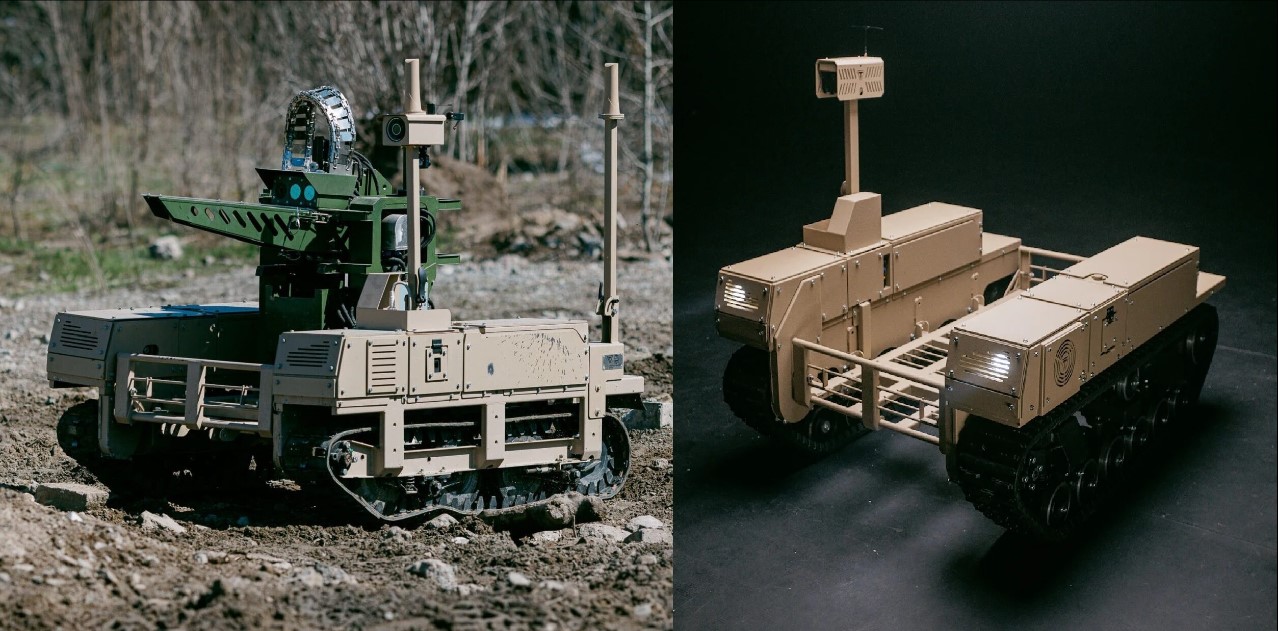
World
KYIV — May 16, 2026 : Ukrainian defense technology companies HIMERA and Tencore have jointly developed a domestic digital radio communication module for unmanned ground vehicles (UGVs), as part of Ukraine’s broader effort to localize critical military technologies and reduce dependence on foreign electronic components. The new communication system will be integrated into Tencore’s TerMIT 2.0 tracked robotic platform under a government contract scheduled for delivery later in 2026. The project is intended to provide Ukrainian military units with domestically produced, electronic warfare-resistant communication systems designed for frontline operations. “Chayna na Fri” Localization Initiative The development was publicly confirmed by Maksym Vasylchenko, co-founder and chief executive officer of Tencore, during an appearance on the Militarnyi podcast Zbroya. According to Vasylchenko, Tencore began investing in Ukrainian suppliers while fulfilling its first major government contract, launching an internal localization initiative referred to as “Chayna na Fri” (“China Free”). The initiative aims to gradually eliminate the use of Chinese-made electronic components in military equipment and establish secure domestic supply chains for critical battlefield systems. Vasylchenko stated that HIMERA was selected to develop a Ukrainian-made digital communication solution for the program and confirmed that the system is already operational. The partnership between HIMERA and Tencore was formally established in June 2025. At the time, both companies stated that combining technical expertise and conducting joint development work enabled the creation of communication systems adapted to active combat conditions and resistant to interference from electronic warfare systems. Integration Into the TerMIT 2.0 Platform The newly developed communication modules will be integrated into Tencore’s upgraded TerMIT 2.0 unmanned ground vehicle platform. The TerMIT 2.0 is a modular tracked robotic vehicle designed for multiple battlefield roles, including logistics support, engineering operations, casualty evacuation, remote mining missions, and fire support tasks. Compared with earlier versions, the upgraded platform incorporates expanded operational capabilities, including: An operational communication range of up to 40 kilometers. A maximum speed of 15 kilometers per hour. Twin electric motors with integrated cooling systems. Payload capacity of up to 300 kilograms. Support for interchangeable mission modules. One of the primary mission systems integrated into the TerMIT 2.0 is Tencore’s mine-laying module, which is capable of deploying TM-62 anti-tank mines during remote operations. The system allows robotic mine placement without exposing personnel directly to frontline combat zones. Tencore has stated that more than 2,000 TerMIT-series unmanned ground vehicles have already been delivered to Ukrainian military units. The addition of domestically developed communication systems is expected to improve operational independence and reduce reliance on imported electronics. Expansion of HIMERA’s Tactical Communication Ecosystem Alongside the UGV communications project, HIMERA has continued expanding its wider tactical communications infrastructure for ground and aerial systems. In early May 2026, the company launched serial production of its R1 repeater systems. The R1 is designed to relay communications between distant radio stations and can operate autonomously for up to 24 hours on battery power. The repeater supports secure radio data transmission over internet protocols, allowing local battlefield networks to connect through satellite communication systems such as Starlink. The system also enables wireless configuration of deployed communication networks. HIMERA additionally introduced the E1 IP network extender, a tactical Wi-Fi bridge designed to connect separate IP-based systems through secure radio data channels. The E1 is used for data exchange between drones, unmanned ground vehicles, cameras, sensors, and other battlefield systems. For expanded operational coverage, the E1 and R1 systems can operate together with HIMERA’s autonomous B1-101E network extenders. Electronic Warfare Protection and Encryption HIMERA’s tactical communication systems are designed specifically for operations in electronic warfare environments. The company’s equipment uses pseudo-random frequency hopping technology, which continuously changes operating frequencies in order to complicate enemy detection, interception, and jamming attempts by electronic warfare and electronic countermeasure systems. The systems also employ AES-256 encryption, recently reinforced through the introduction of an additional quantum-protected encryption layer utilizing 1024-bit key protection. As part of a recent software update to version 3.0, HIMERA introduced a remote wipe capability for its G1 PRO tactical radios. The feature enables operators to remotely erase network data if communication devices are captured during combat operations. The G1 PRO handheld radio platform supports voice communication, text messaging, positional coordinate sharing, and battlefield data transmission while operating within mesh and MANET networking architectures developed for contested environments. According to the company, HIMERA systems have undergone testing during NATO-standard exercises and have been integrated with battlefield management systems including ATAK and Kropyva. The company has also completed international deliveries to a European NATO member state, while additional testing has reportedly been conducted by the U.S. Air Force. Partnership With Swarmer for UAV Swarm Operations HIMERA has also expanded its activities into autonomous aerial operations. In late April 2026, the company signed a strategic partnership agreement with Ukrainian software developer Swarmer, which specializes in autonomous drone technologies. The agreement focuses on integrating HIMERA’s resilient mesh-network communication systems into Swarmer’s next-generation autonomous software architecture for unmanned aerial vehicle (UAV) swarms. The partnership is intended to provide secure communication, coordination, and network resilience for UAV swarm operations conducted in contested electronic warfare environments. Domestic Defense Production Efforts The cooperation between HIMERA and Tencore reflects Ukraine’s broader effort to increase domestic production of tactical communications equipment, unmanned systems, and electronic warfare-resistant technologies. The TerMIT 2.0 equipped with HIMERA’s domestic digital communication modules is expected to enter wider operational service with Ukrainian military units later in 2026.
Read More → Posted on 2026-05-16 13:47:17
World
WASHINGTON — May 16, 2026 : The U.S. Army has awarded Lockheed Martin a $61 million cost-plus-incentive-fee contract to develop and demonstrate two major upgrades for the Patriot air and missile defense system, aimed at improving the system’s survivability, flexibility, and ability to counter modern multi-directional aerial threats. The contract, issued by the Army Contracting Command at Redstone Arsenal, Alabama, was awarded to Lockheed Martin Missile and Fire Control in Grand Prairie, Texas. The work includes development of the Missile Segment Enhancement (MSE) Containerized Launcher and the Remote Interceptor Guidance 360 Degrees (RIG-360) Containerized System. The agreement also covers hardware-in-the-loop testing activities, support for flight test execution, and production of three RIG-360 Integrated Assemblies. According to contract details, work locations and funding allocations will be determined on an order-by-order basis, with overall completion scheduled for May 31, 2027. The modernization effort forms part of the U.S. Army’s broader Integrated Air and Missile Defense strategy, which seeks to improve the ability of Patriot batteries to operate in highly contested environments against ballistic missiles, cruise missiles, drones, and coordinated saturation attacks. Patriot System Remains Backbone of U.S. Air Defense The Patriot system remains the U.S. military’s primary long-range surface-to-air missile defense platform and is currently operated by more than a dozen allied countries worldwide. Developed jointly by Lockheed Martin and RTX Corporation, the system has been continuously upgraded since entering service in the 1980s. Patriot batteries have seen operational deployment during the Gulf War, Operation Iraqi Freedom, and ongoing operations in Ukraine. The system is designed to intercept aircraft, cruise missiles, tactical ballistic missiles, and other aerial threats. Central to the Patriot system is the PAC-3 interceptor missile, manufactured by Lockheed Martin. Unlike conventional surface-to-air missiles that rely on blast fragmentation warheads, the PAC-3 employs hit-to-kill technology, destroying incoming targets through direct kinetic impact. This approach significantly increases interception precision against high-speed ballistic threats. The latest PAC-3 Missile Segment Enhancement interceptor variant offers improved range, maneuverability, and altitude performance compared to earlier Patriot interceptors and has become a core element of U.S. and allied missile defense architecture. Addressing Patriot’s Longstanding Sensor Coverage Limitation One of the primary objectives of the new contract is to resolve a longstanding operational limitation associated with conventional Patriot batteries. Current Patriot configurations rely primarily on the AN/MPQ-65 radar, a sectored fire-control radar that scans a fixed azimuth sector rather than providing complete hemispherical coverage around a defended position. While highly capable within its assigned sector, the radar does not provide native 360-degree surveillance and engagement capability. Because PAC-3 interceptors require continuous fire-control-quality tracking and uplink guidance during flight, Patriot batteries are most effective against threats approaching within the radar’s designated coverage arc. This has historically forced commanders to orient Patriot batteries toward the most likely direction of attack, creating operational rigidity in environments where threats can emerge from multiple axes simultaneously. Modern missile warfare increasingly involves coordinated attacks using ballistic missiles, cruise missiles, drones, and decoys launched from varying directions and altitudes. Such tactics can exploit gaps in sectored air defense systems by forcing defenders to divide coverage priorities or reposition sensors and launchers during combat operations. The Army’s new RIG-360 effort is intended to eliminate that limitation. RIG-360 Designed for Full 360-Degree Engagement Capability The Remote Interceptor Guidance 360 Degrees system, known as RIG-360, is a software-defined hemispherical missile communications system designed to provide uninterrupted PAC-3 missile uplink capability regardless of radar orientation. Instead of relying on a dedicated missile uplink antenna physically tied to a single Patriot radar, the RIG-360 operates through the Army’s Integrated Battle Command System (IBCS), developed by Northrop Grumman. IBCS serves as the Army’s next-generation integrated fire-control network and command-and-control architecture. The system links radars, launchers, command nodes, and interceptor systems from multiple air defense platforms into a unified network, enabling sensors and weapons from different systems to share targeting data in real time. Through integration with IBCS, the RIG-360 can receive fire-control-quality tracking data from any compatible sensor connected to the network rather than depending exclusively on the Patriot radar itself. The system then converts that targeting information into missile guidance communications for PAC-3 interceptors already in flight. This architecture allows Patriot missiles to engage threats approaching from any direction without requiring repositioning of the battery’s primary radar or launcher orientation. In practical terms, the system transforms Patriot from a largely sectored engagement platform into a network-enabled, all-direction engagement capability. The Army views the concept as essential for future battlefield environments where dispersed forces may face simultaneous attacks from multiple directions using mixed missile and drone salvos. Prior Testing and Development History The current contract builds upon earlier development milestones associated with the RIG-360 program. Lockheed Martin previously conducted a successful flight test of the prototype system at White Sands Missile Range in New Mexico in 2022. During the test, a PAC-3 interceptor successfully engaged a cruise missile target using guidance data transmitted through the prototype 360-degree architecture. The company also completed the first phase of the Engineering, Manufacturing and Development effort under a prior contract awarded in May 2025 reportedly valued at approximately $114 million. The latest $61 million award advances the program into additional demonstration and integration activities intended to support future operational deployment. Containerized Launcher Intended to Improve Mobility and Survivability In addition to the RIG-360, the contract funds development of the Missile Segment Enhancement Containerized Launcher, a redesigned Patriot launcher configuration intended to reduce logistical complexity and improve deployment flexibility. The standard Patriot M901 launcher is a large, highly specialized platform that requires dedicated transport equipment and significant support infrastructure for emplacement and sustainment. While effective in fixed or semi-fixed defensive roles, the traditional launcher design can limit rapid dispersal and mobility. The new containerized launcher concept places PAC-3 MSE missile launch capability onto a standard intermodal shipping container chassis. By using commercially compatible containerized transport formats, the Army aims to simplify transportation, increase deployment options, and reduce the logistical footprint associated with Patriot operations. The containerized design may also support more distributed defensive layouts, enabling missile launchers to be positioned farther apart rather than concentrated around a single radar unit. Military planners increasingly view such dispersion as necessary to improve survivability against precision-guided strikes targeting fixed air defense sites. The launcher modernization effort aligns with the Army’s broader transition toward distributed and mobile air defense architectures capable of operating in contested environments where static infrastructure is vulnerable to long-range missile attacks. Integration With Broader Army Air Defense Modernization The Patriot modernization program is closely tied to several parallel Army air and missile defense initiatives. One of the most significant is the Lower Tier Air and Missile Defense Sensor (LTAMDS), a next-generation radar developed to replace the AN/MPQ-65. Unlike earlier Patriot radars, LTAMDS is designed to provide native 360-degree radar coverage using active electronically scanned array technology. When combined with IBCS and RIG-360, LTAMDS is expected to create a fully integrated air defense architecture in which sensors, launchers, and interceptors operate as distributed networked nodes rather than isolated battery components. The Army’s long-term objective is to create a system where any available sensor can provide targeting data to any compatible interceptor within the network, improving engagement flexibility while reducing vulnerabilities associated with centralized radar dependence. IBCS itself has become a central element of that strategy by resolving historical interoperability limitations between different missile defense systems. The architecture enables systems such as Patriot, Sentinel radars, LTAMDS, and other air defense assets to share data across a common operational picture. Army officials have repeatedly identified integrated fire control and sensor networking as critical requirements for countering increasingly sophisticated missile threats developed by near-peer adversaries. Operational Lessons From Ukraine Recent combat experience in Ukraine has significantly influenced U.S. Army air defense modernization priorities. Ukrainian Patriot batteries have faced sustained attacks involving Russian ballistic missiles, cruise missiles, drones, and mixed salvos launched from multiple directions simultaneously. These attacks frequently combine varying altitudes, flight profiles, and approach vectors intended to stress air defense networks and expose coverage limitations. Such operational conditions have reinforced the importance of 360-degree engagement capability and distributed launcher configurations capable of surviving repeated precision strikes. Military analysts have noted that modern missile warfare increasingly favors dispersed defensive systems connected through resilient command-and-control networks rather than centralized batteries with fixed sensor orientation. The RIG-360 and containerized launcher efforts directly address those battlefield observations by improving Patriot’s ability to engage threats approaching from unexpected directions while enabling more flexible deployment concepts. The Army’s investment in the two programs reflects a broader effort to adapt existing air defense systems for future high-intensity conflicts involving large-scale missile and drone attacks against both military forces and critical infrastructure. With work continuing through 2027, the upgrades are expected to play a key role in shaping the next phase of Patriot modernization and the future architecture of U.S. integrated air and missile defense networks.
Read More → Posted on 2026-05-16 13:32:37
World
WASHINGTON — May 16, 2026 : The U.S. Air Force has significantly increased its planned procurement of Boeing’s F-15EX Eagle II fighter aircraft, raising the projected fleet size from 129 to 267 aircraft under the fiscal year 2027 budget proposal. Air Force officials said the decision was driven by delays affecting the F-35A Lightning II modernization program, as well as evolving operational requirements tied to the Indo-Pacific region and long-term force structure planning. The expanded procurement plan marks one of the most substantial revisions to the Air Force’s tactical aviation strategy in recent years and reflects growing concerns over maintaining fighter inventory levels as legacy aircraft age and next-generation modernization programs encounter delays. F-35 Upgrade Delays Prompt Procurement Shift Senior Air Force leaders told lawmakers that continued delays involving the F-35’s Technology Refresh 3 (TR-3) and Block 4 modernization efforts highlighted the need for additional fighter capacity. Testifying before the Senate Armed Services air-land subcommittee on May 12, Lt. Gen. David Tabor, deputy chief of staff for plans and programs, said disruptions affecting F-35 deliveries forced the Air Force to reconsider its fighter acquisition strategy. “As we encountered some slowdowns in deliveries of F-35s due to the previously discussed TR-3 and Block 4 upgrade issues, it became apparent to us that we needed another fighter capacity,” Tabor said during the hearing. The TR-3 modernization package is intended to provide upgraded computing power, improved displays, and expanded processing capability for the F-35 fleet, while the Block 4 upgrade program introduces additional weapons integration, sensor enhancements, electronic warfare improvements, and expanded mission capabilities. Delays in integrating and certifying those systems have slowed aircraft deliveries and operational fielding timelines. According to Air Force officials, the procurement adjustment was also influenced by force design studies focused on what the service describes as the “pacing challenge” posed by China. Service planners concluded that future operations in the Pacific would require a balanced fighter inventory combining stealth platforms with aircraft capable of carrying large weapons loads over extended distances. Air Force Seeks Balanced Fighter Fleet Air Force leaders emphasized that the F-15EX and F-35A are intended to serve complementary operational roles rather than compete against one another. The F-35A remains the service’s primary fifth-generation stealth fighter, designed for penetrating contested airspace using advanced sensor fusion, low observability, and networked targeting capabilities. The F-15EX, meanwhile, provides significantly larger weapons carriage capacity and extended stand-off engagement capability. The F-15EX is derived from the existing F-15E Strike Eagle platform but incorporates extensive upgrades, including advanced avionics, fly-by-wire flight controls, modern mission systems architecture, upgraded electronic warfare systems, and improved survivability features. The aircraft can carry up to 29,500 pounds of ordnance and is capable of transporting as many as 12 air-to-air missiles simultaneously. Air Force officials have described the aircraft as particularly valuable for homeland defense missions, long-range strike escort operations, and high-capacity missile carriage in potential Indo-Pacific conflict scenarios. The aircraft’s open mission systems architecture also allows for faster integration of future weapons, sensors, and software upgrades compared with older legacy platforms. Expanded Acquisition Broadens Mission Beyond Air National Guard Replacement The revised procurement target represents another major shift in the Air Force’s evolving F-15EX acquisition strategy. When Boeing first received the contract award in 2020, the Air Force projected a potential purchase of up to 144 aircraft. Subsequent budget plans later reduced the total to 80 aircraft before gradually increasing the figure to 104, then 129, and now 267 aircraft under the fiscal 2027 proposal. Tabor told lawmakers that earlier procurement limits were primarily tied to plans for replacing aging F-15C/D aircraft operated by Air National Guard units. He stated that the previous 104-aircraft target had effectively become an artificial limitation based solely on Guard recapitalization requirements. The newly expanded acquisition plan now extends beyond replacing older Air National Guard fighters and is intended to support recapitalization of portions of the aging F-15E Strike Eagle fleet. The Air Force currently operates approximately 216 F-15E aircraft. Previous service planning documents had proposed retaining only 99 Strike Eagles equipped with newer F100-PW-229 engines, while older aircraft would eventually be retired. Officials stated that the active F-15EX production line provides the Air Force with a direct pathway to replace older Strike Eagles without introducing an entirely new aircraft type into service. Budget Proposal Includes Additional Fighter Funding As of early 2026, the Air Force had accepted approximately 25 F-15EX aircraft, while more than 100 additional aircraft were already under contract. The fiscal 2027 budget request includes funding for 24 additional F-15EX fighters at an estimated cost of roughly $3 billion. The request forms part of a broader Air Force budget proposal totaling approximately $267.7 billion, with procurement funding increasing by about 30 percent compared with previous years. The service has repeatedly stated that it aims to acquire at least 72 new fighter aircraft annually in order to slow and eventually reverse the aging trend affecting the tactical aviation fleet. Air Force officials argue that expanding F-15EX procurement will help stabilize fighter inventory levels while modernization programs continue across multiple aircraft categories. Congress Pushes Broader Fighter Expansion The expanded procurement proposal also aligns with recent legislative efforts aimed at increasing tactical aircraft production capacity. In April, lawmakers introduced the bipartisan Airpower Acceleration Act, which would authorize the acquisition of up to 329 F-15EX aircraft and permit multiyear procurement contracts designed to reduce long-term acquisition costs while providing greater stability to the defense industrial base. Supporters of the legislation argue that higher production rates and long-term procurement commitments are necessary to sustain aircraft manufacturing capacity as the U.S. military modernizes its air combat fleet. The legislation also reflects broader concerns within Congress regarding fighter inventory shortfalls, aircraft aging trends, and the industrial challenges associated with maintaining large-scale tactical aircraft production. Production Challenges Continue at Boeing Facility Despite the expanded demand, the F-15EX program has faced production and delivery delays of its own. Aircraft deliveries were disrupted during a months-long labor strike in 2025 at Boeing’s manufacturing facility in St. Louis, Missouri, where the F-15EX is assembled. The strike affected assembly schedules and slowed planned aircraft deliveries to the Air Force. Those delays forced temporary operational adjustments, including the deployment of F-22 Raptor aircraft to Kadena Air Base while the installation awaited its planned permanent F-15EX squadrons. Air Force acquisition officials said the Pentagon and Boeing are currently negotiating measures intended to accelerate fighter production and align manufacturing capacity with the larger procurement target. Lt. Gen. Luke Cropsey, military deputy to the Assistant Secretary of the Air Force for Acquisition, Technology and Logistics, told lawmakers that Boeing has not yet reached the contractually required production rate of two aircraft per month on its current single production line. Cropsey stated that Boeing has presented what he described as a “well thought-out plan” to achieve the required production rate and has also outlined options for increasing output to three or four aircraft per month in the future. According to Air Force officials, reaching those production targets would require additional infrastructure development and capital investment at Boeing’s St. Louis facility, potentially including the construction of one or two additional production lines. “From an acquisition standpoint, we’ve got some work to do ahead of us to be able to get to the ramp rates that we’re talking about,” Cropsey said. “But I think Boeing is actively in good faith working with us to figure out what that would look like.” Long-Term Role in Air Force Modernization Under the revised procurement structure, the Air Force expects the expanded fleet of 267 F-15EX aircraft to support up to 13 operational squadrons consisting of approximately 21 aircraft each, in addition to test and training units. Air Force leaders continue to describe the F-15EX as a central element of the service’s broader fighter modernization strategy alongside ongoing F-35A procurement efforts. Officials have repeatedly stressed that the expanded F-15EX acquisition is intended to supplement, rather than replace, the F-35 program by ensuring the Air Force maintains sufficient fighter capacity, operational flexibility, and long-range strike capability during a period of modernization transition and increasing strategic competition in the Indo-Pacific region.
Read More → Posted on 2026-05-16 13:24:21
Space & Technology
KYOTO, Japan — Researchers from Kyoto University and Hiroshima University have successfully developed and experimentally demonstrated a method to identify a complex form of quantum entanglement known as the “W state” using a single measurement process, overcoming a major experimental limitation that has persisted in quantum physics for more than 25 years. The research, led by Shigeki Takeuchi and published in Science Advances, introduces a stable three-photon optical quantum circuit capable of directly distinguishing multipartite entangled W states without relying on conventional quantum state tomography, a process traditionally used to reconstruct quantum states through repeated measurements. The achievement is considered an important step for practical quantum information systems, particularly in the fields of quantum communication, quantum networking and photonic quantum computing, where efficient measurement of entangled states remains a major technical challenge. Long-Standing Measurement Problem in Quantum Physics Quantum entanglement is a physical phenomenon in which multiple particles become linked so that the state of one particle is directly connected to the state of another, even across large distances. Among multipartite entangled systems, W states are regarded as especially important because they distribute entanglement symmetrically among multiple particles and retain partial entanglement even when one particle is lost or measured. For a three-qubit system, a W state is represented as: In this configuration, measuring one particle does not completely destroy the entanglement among the remaining particles. This characteristic distinguishes W states from Greenberger-Horne-Zeilinger (GHZ) states, where measurement of one particle collapses the entire entangled system. Because of this robustness, W states are considered valuable for distributed quantum systems, quantum communication protocols and fault-tolerant quantum networking. Despite their importance, experimentally verifying W states has remained difficult for decades. Researchers have traditionally relied on quantum state tomography, a method that reconstructs a quantum state through a large number of repeated measurements on identical quantum systems. However, tomography is computationally expensive, slow and difficult to scale. As the number of photons or qubits increases, the number of required measurements grows exponentially, creating a major bottleneck for larger quantum systems. The process also introduces another limitation: quantum measurements typically destroy the original quantum state. Extensive measurement procedures therefore consume large numbers of usable entangled states, reducing efficiency for practical applications. Development of a Single-Measurement Technique To overcome these limitations, the Japanese research team developed an entangled measurement method capable of identifying W states through a deterministic one-shot process. The researchers exploited a mathematical property known as cyclic shift symmetry, which is naturally present in W states. Using this symmetry, the team designed a three-mode discrete Fourier transform optical circuit that projects incoming photons onto specific W-state configurations. The transformation applied inside the circuit is based on the quantum Fourier transform: The experimental setup was implemented using a displaced-Sagnac interferometer architecture combined with hybrid beam splitters. According to the researchers, the optical quantum circuit remains stable for extended periods without requiring active stabilization or continuous adjustment, an important feature for future scalable quantum systems. During the experiment, three single photons with carefully prepared polarization states were injected into the optical circuit. The system then analyzed the resulting non-classical correlations between the photons and successfully distinguished multiple types of three-photon W states. The circuit achieved a measurement discrimination fidelity of 0.871 ± 0.039, indicating a high probability of correctly identifying pure W-state inputs. The researchers described the system as a direct entangled measurement approach that eliminates the need for full quantum tomography and extensive post-processing. First Practical Entangled Measurement for Photonic W States The study represents the first experimental realization of entangled measurements for W states in photonic systems. Earlier theoretical and experimental work on entangled measurements primarily focused on GHZ states, which were first proposed more than two decades ago. However, practical measurement methods capable of directly identifying W states had not previously been demonstrated in stable photonic quantum systems. The research team included first author Geobae Park, theoretical physicist Holger F. Hofmann and quantum optics researcher Ryo Okamoto, who contributed to both the theoretical framework and experimental implementation. According to the researchers, the work builds upon earlier stable optical quantum circuits previously developed for other photonic quantum information tasks. Implications for Quantum Networks and Computing The ability to directly measure W states is expected to support several emerging quantum technologies. In quantum teleportation systems, multipartite entanglement can be used to transfer quantum information between distant nodes without physically transporting the particles carrying that information. In secure quantum communication systems, entangled states can create cryptographic channels that are resistant to interception because any attempt to observe the system alters the quantum correlations and becomes detectable. The findings are also relevant to development of the quantum internet, a proposed communication infrastructure designed to transmit quantum states and entanglement between distributed quantum processors, sensors and communication nodes. Photonic quantum computing may also benefit from the research. Measurement-based quantum computing architectures rely heavily on controlled measurements of entangled resource states rather than conventional transistor-based computational logic. Efficient entangled measurements are therefore considered essential for scaling photonic quantum processors. Researchers said the circuit’s stability and modular structure could allow future expansion to larger multipartite systems involving greater numbers of photons and more generalized entangled states. Future Research and On-Chip Quantum Circuits Following the successful three-photon demonstration, the research team plans to extend the technique to larger-scale multi-photon entangled systems. Future objectives include development of integrated on-chip photonic quantum circuits capable of performing practical entangled measurements in compact and scalable architectures. Such systems could improve long-term operational stability while reducing the size and complexity of photonic quantum devices. The researchers believe these advances could contribute to the development of scalable quantum communication networks and improve the performance of future photonic quantum processors. The study was funded through Japanese research programs and published in Science Advances (2025, Vol. 11, Issue 37, DOI: 10.1126/sciadv.adx4180). The results provide a verified experimental method for direct measurement of W states in photonic systems, addressing a long-standing challenge in quantum information science and advancing efforts toward scalable quantum technologies.
Read More → Posted on 2026-05-15 17:33:41
World
WIESBADEN, Germany — May 15, 2026 : The United States Army and NATO allies have demonstrated an integrated digital kill chain during Exercise Arcane Thunder 26, combining high-altitude sensing balloons, targeting drones and M142 High Mobility Artillery Rocket System (HIMARS) launchers to accelerate battlefield detection and precision strike coordination across contested operational environments. The multidomain exercise, conducted from April 6 to April 29, 2026, across Germany, Poland and the United States, was reported by the U.S. Mission to NATO on May 15. The training event focused on improving the connection between aerial surveillance systems, digital command networks and long-range fires as NATO continues expanding multidomain warfare capabilities along the alliance’s eastern flank. Integrated Sensor Network At the center of Arcane Thunder 26 was a distributed battlefield sensing architecture built around micro high-altitude balloons and unmanned aerial systems. The elevated sensor platforms provided persistent intelligence, surveillance and electronic sensing coverage over large operational areas, enabling allied forces to identify hostile electromagnetic emissions, monitor troop movements and relay targeting information to command centers in near real time. The balloon operations were conducted by soldiers assigned to the U.S. Army’s Multi-Domain Command – Europe and the 2nd Multi-Domain Task Force (2MDTF). To validate interoperability and operational coordination across NATO territory, balloon launches were carried out in Sweden while recovery operations took place in Latvia after flight durations lasting between 24 and 30 hours. Targeting drones operated alongside the balloons to expand the detection network by providing close-range visual identification and target verification. The unmanned systems were directly linked into digital fire-control networks, enabling rapid transmission of targeting coordinates to strike units and significantly reducing the time between target acquisition and engagement. Military officials involved in the exercise stated that the architecture was designed to function without relying exclusively on satellites or vulnerable manned reconnaissance aircraft. The network demonstrated the ability to maintain battlefield awareness and targeting capabilities in degraded electromagnetic conditions and contested airspace environments. HIMARS Precision Strike Integration Following transmission of targeting data from the sensor network, U.S. Army HIMARS crews conducted simulated deep-strike fire missions against designated targets. The M142 HIMARS, manufactured by Lockheed Martin, is mounted on a wheeled Family of Medium Tactical Vehicles chassis and is designed for rapid deployment and repositioning after firing, allowing crews to reduce exposure to counter-battery threats through “shoot-and-scoot” operations. The launcher carries either a six-round pod of Guided Multiple Launch Rocket System (GMLRS) munitions or longer-range missile systems including the Precision Strike Missile (PrSM), which extends engagement ranges beyond 400 kilometres. Officials said the exercise reaffirmed HIMARS as a central component of NATO’s evolving counter-battery and deep-strike doctrine. The digital integration demonstrated during Arcane Thunder 26 enabled sensor platforms, targeting drones and artillery units to function as part of a single connected battlefield network capable of rapidly detecting, identifying and engaging high-value threats. NATO Multidomain Operations Arcane Thunder 26 formed part of the U.S. Army’s broader transition toward sensor-fused battlefield operations in which reconnaissance, cyber, electronic warfare, land and air assets operate as interconnected nodes sharing information across multiple combat domains. The exercise validated the deployment of Multi-Domain Company Teams from Multi-Domain Command – Europe, which combine cyber, space, electronic warfare and conventional combat capabilities to create synchronized operational effects. Military planners stated that the system is intended to shorten decision-making timelines and enable allied forces to engage mobile targets before they can relocate or conceal themselves. High-altitude balloons were also highlighted during the exercise as a lower-cost alternative to traditional airborne early-warning and surveillance systems. Unlike satellites operating in fixed orbital patterns or manned aircraft vulnerable to advanced air defenses, the balloons were able to provide extended intelligence coverage over operational areas for prolonged periods. Eastern Flank Deterrence The exercise directly supported NATO’s Eastern Flank Deterrence Initiative and reinforced alliance regional defense planning aimed at countering advanced anti-access and area denial (A2/AD) capabilities fielded by potential adversaries. NATO commanders have increasingly emphasized distributed surveillance systems, autonomous reconnaissance platforms and digitally connected long-range fires as part of preparations for potential high-intensity conflicts in Europe. Arcane Thunder 26 demonstrated how allied forces are attempting to integrate low-cost sensing technologies with precision strike systems to improve battlefield responsiveness and operational coordination. The exercise also highlighted the role of the U.S. defense industrial base in supporting NATO interoperability through secure communications systems, autonomous drones, battlefield networking technologies and precision-guided munitions. Officials stated that continued integration of these systems across allied forces remains essential for maintaining coordinated multidomain combat operations in future conflicts.
Read More → Posted on 2026-05-15 17:24:41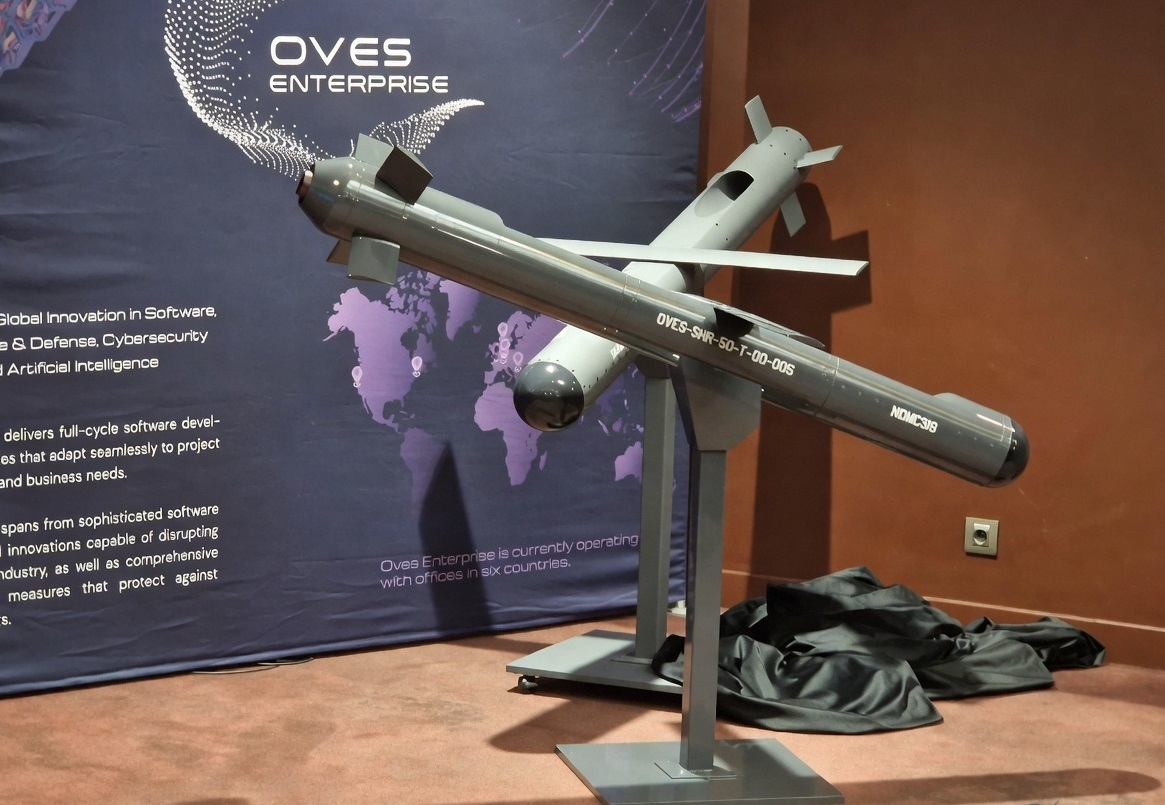
World
BUCHAREST — May 15, 2026 : Romanian technology company Oves Enterprise officially unveiled its Sahara Autonomous System, an AI-enabled low-cost cruise missile, during the Black Sea Defense, Aerospace and Security (BSDA) 2026 exhibition held at the ROMAERO facility in Bucharest from May 13 to 15. The Sahara is being presented as the first cruise missile developed entirely within Romania’s private sector, reflecting the growing role of smaller national defense industries in developing affordable long-range precision strike systems. The debut attracted high-level political attention, with Romanian Senate President Mircea Abrudean, Senate Vice President Mihai Coteț and Economy Minister Irineu Darău visiting the company’s exhibition stand during the event. The presence of senior officials highlighted government interest in domestic autonomous strike and defense technologies. Compact Cruise Missile Design According to specifications released by Oves Enterprise, the Sahara has a launch weight of 55 kilograms and can carry a payload of up to 10 kilograms. The missile is powered by a miniature turbojet engine producing 310 newtons of thrust and carries approximately 20 kilograms of fuel. The current configuration provides an operational radius of 200 kilometres and a projected maximum speed of Mach 0.85, depending on the final aerodynamic configuration. From Romanian territory, the missile’s range would provide coverage across significant sections of the Black Sea region. The system is designed to operate at very low altitude using a terrain-following flight profile. Sahara cruises at approximately 50 metres above ground level, autonomously adjusting its flight path to follow terrain contours. The low-altitude profile is intended to reduce radar detectability by exploiting terrain masking and ground clutter, complicating interception by integrated air defense systems. AI-Based Guidance and Autonomy Oves Enterprise stated that Sahara was designed as an AI-enabled autonomous weapon system rather than a conventionally guided munition. The missile integrates the company’s proprietary Nemesis AI platform, which manages onboard data processing, target identification, route adaptation, mission configuration and terminal guidance functions. The company said the missile’s software, avionics, electronics and flight-control systems were developed together as part of a fully integrated architecture. Nemesis AI operates in an on-premise mode, allowing operators to configure mission parameters and AI models locally before launch. The system is also intended to operate in electronically contested environments. If satellite navigation signals are jammed or spoofed, the missile can transition to an inertial navigation mode using onboard motion and orientation measurement systems to maintain stability and continue toward its assigned target. “We built this project as a complete system, because real autonomy cannot be achieved otherwise,” said Mihai Filip. “Everything is made in Romania, including the AI processing board; practically, the brain of the Sahara missile is built by us 100% in Romania.” Development Program and Future Plans Oves Enterprise invested more than 1 million euros in the research and development of the Sahara program. The project was developed by a team of 25 engineers and specialists in artificial intelligence, avionics and flight systems. The company plans to invest an additional 2 million euros in future testing, optimization and refinement phases. Oves Enterprise, which recently reached a reported valuation of 298 million euros, is also seeking to raise an additional 55 million euros to support future expansion and development activities. The Sahara project was first announced in November 2025 and reached an advanced stage of development by February 2026, when the system was initially presented publicly in Bucharest. Its appearance at BSDA 2026 marked the missile’s official exhibition debut. Initial live flight demonstrations are scheduled for May 2026, while a broader presentation of the missile’s operational capabilities is planned for the end of 2027. Follow-On Variants Planned Oves Enterprise stated that additional Sahara variants are planned with significantly extended operational ranges. Future versions are expected to achieve ranges between 500 and 600 kilometres, while larger variants could reach between 900 and 1,100 kilometres. The company estimates that the smallest Sahara configuration could be produced for approximately 150,000 euros per unit, positioning the system as a comparatively lower-cost precision strike platform. Despite the public unveiling, the Sahara remains in the testing and demonstration phase. Oves Enterprise has not announced completed flight qualification trials, procurement agreements with the Romanian armed forces or confirmed export customers. The program nevertheless reflects broader efforts among smaller defense industries to develop affordable precision strike capabilities shaped by operational lessons observed in recent conflicts, including the war in Ukraine.
Read More → Posted on 2026-05-15 17:17:13
World
MELBOURNE, Florida — May 15, 2026 : L3Harris Technologies has unveiled Wraith Shield, a new software-defined counter-drone capability designed to convert existing tactical radios into systems capable of detecting, classifying and jamming first-person view (FPV) drones and other small unmanned aerial systems (sUAS) without requiring additional hardware. The capability was developed in partnership with DataShapes AI and is intended to provide frontline troops with an integrated electronic warfare tool using equipment already deployed across military formations. Software Upgrade Adds Counter-Drone Capability Wraith Shield operates by using the radio-frequency (RF) data already collected by tactical communication radios. The software scans the electromagnetic environment in real time, detects drone control signals and sends threat information directly to operators through their existing communication devices. DataShapes AI’s GlobalEdge platform provides the edge-native artificial intelligence layer that processes and classifies incoming RF signals locally at the tactical edge, eliminating the need for centralized cloud-based processing. Once a hostile drone signal is identified, operators can initiate jamming of the drone’s control link directly from the radio interface. According to the companies, the process significantly shortens the time between threat detection and electronic engagement by combining sensing and response functions within a single battlefield device. Initial Deployment on AN/PRC-171 Radios The software capability is built on L3Harris’ Wraith wideband waveform, which was originally developed to provide secure and resilient tactical communications in contested electronic warfare environments. Wraith Shield will initially be fielded on the AN/PRC-171 Compact Team Radio, also known as the RF-9820S, along with its embeddable RF-9820S-ER configuration later in 2026. Following the initial rollout, the software will be expanded across the broader Falcon IV family of Wraith-compatible radios, including the AN/PRC-158C, AN/PRC-163 and AN/PRC-167 tactical radio systems. L3Harris stated that the software upgrade could eventually be integrated into more than 100,000 tactical radios already fielded by the United States military, NATO members, Five Eyes partners and allied nations. Distributed Counter-UAS Network When multiple Wraith Shield-equipped radios are connected together, the system can function as a distributed sensor and electronic attack network. The current software version can coordinate simultaneous jamming operations across up to 40 connected radios, while future upgrades are planned to increase that capacity to approximately 100 synchronized units. The networked capability is designed to feed data into broader command-and-control and battlefield management architectures, including MissionOps tactical network management systems, hC2 battle management suites and layered air defense platforms such as the VAMPIRE counter-drone system. No Additional Hardware or Training Required L3Harris emphasized that the capability does not require new antennas, batteries or external electronic warfare equipment. Instead, Wraith Shield uses the existing transmitters and hardware already carried by infantry personnel. The company stated that the software upgrade adds no additional physical weight or logistical burden to frontline troops and can be operated through existing radio interfaces without requiring separate operator training. Chris Aebli, president of Mission Critical Communications at L3Harris, said the capability can be integrated at a cost in the single-digit thousands of dollars per radio. Response to Growing FPV Drone Threats The development of Wraith Shield comes amid increasing military focus on countering low-cost FPV drones, which have emerged as a major battlefield threat in recent conflicts, particularly during Russia’s war against Ukraine. L3Harris said its Rapid Prototyping Group began developing the capability last year in response to the growing operational use of commercial and improvised drone systems in combat zones. The announcement reflects a broader industry trend toward software-defined electronic warfare and counter-UAS solutions that leverage existing military hardware instead of relying solely on dedicated counter-drone platforms. The company noted that Wraith Shield can operate both as a standalone counter-drone capability against commercial drone command links and as part of larger integrated electronic warfare and layered air defense architectures. The release also follows previous L3Harris initiatives focused on software-defined autonomous systems, including the development of software architectures capable of coordinating large-scale drone swarm operations for future military applications.
Read More → Posted on 2026-05-15 17:07:11
World
BEIJING — May 15, 2026 : The United States delegation accompanying President Donald Trump during a high-level visit to China implemented extensive counter-intelligence and cybersecurity measures throughout the trip, including the disposal of all Chinese-provided items before boarding Air Force One for departure from Beijing on May 15, 2026. According to members of the traveling press corps, U.S. officials ordered that every item distributed by Chinese hosts—including gifts, commemorative pins, badges, press credentials and other materials—be discarded in designated trash bins positioned near the aircraft. No Chinese-origin items were permitted aboard Air Force One. The procedures also applied to American journalists traveling with the delegation. U.S. government personnel collected all materials issued to reporters by Chinese authorities, including temporary press credentials, delegation badges and burner phones used during the visit. Reporters were instructed that none of the items could be retained after departure. New York Post correspondent Emily Goodin reported that White House staff gathered accreditations, disposable phones, delegation pins and other locally issued materials at the base of the Air Force One boarding ramp before takeoff. Extensive Digital Security Measures The disposal of physical items formed part of a broader security framework implemented during the visit to reduce the risk of surveillance, cyber intrusion and unauthorized data collection. Members of the U.S. delegation did not travel with personal mobile phones, laptops or personal electronic devices. Instead, officials used temporary “clean” hardware prepared specifically for the trip, including stripped-down burner phones and temporary laptops configured with enhanced security protections. Communication methods were also tightly controlled during the visit. Standard messaging applications and synchronized communication systems were restricted, with many discussions conducted through temporary accounts, secure government-controlled channels or direct in-person meetings. Officials additionally avoided using local charging infrastructure, including USB charging stations, charging ports and locally sourced cables, due to concerns that compromised hardware could potentially be used to install malicious software or extract sensitive data from electronic devices. Corporate Executives Followed Same Procedures The security measures extended beyond government personnel. Senior executives traveling with the president from major American companies, including Apple, Boeing, Qualcomm and BlackRock, also followed the same operational security procedures during the Beijing visit. The trip included meetings between President Trump and Chinese President Xi Jinping focused on trade, technology, supply chains and broader security issues between the two countries. Longstanding Counter-Intelligence Protocols U.S. officials stated that the measures were consistent with longstanding government counter-intelligence procedures applied during high-level visits to countries considered elevated cyber and espionage environments. By relying on temporary hardware, restricting communications systems and disposing of all locally acquired materials before departure, U.S. authorities sought to minimize both physical and digital exposure before the presidential aircraft returned to the United States.
Read More → Posted on 2026-05-15 16:10:34
World
EGLIN AIR FORCE BASE, Fla. — May 15, 2026 : The first publicly known images of the AIM-260 Joint Advanced Tactical Missile (JATM) have emerged following a U.S. Navy flight test conducted on May 13, 2026, offering the clearest view to date of the highly classified long-range air-to-air missile being developed to replace the AIM-120 Advanced Medium-Range Air-to-Air Missile (AMRAAM). The missile was photographed mounted on a VX-31 test squadron F/A-18F Super Hornet before departure from Eglin Air Force Base. Identified by red and yellow hazard bands indicating a live round, the AIM-260 was attached to one of the aircraft’s fuselage weapon stations typically used for AIM-120 missiles or targeting pods. According to aviation photographer Jonathan Tweedy, the aircraft departed at approximately 11:13 a.m. CST as part of a larger test formation operating over the Gulf of Mexico. The formation included a VX-9 E/A-18G Growler, another VX-31 F/A-18F Super Hornet, and an additional VX-9 F/A-18F. A Tyndall Air Force Base-based E-9A Widget surveillance aircraft was also airborne in the area to clear maritime and airspace traffic during the weapons testing activity. The VX-31 Super Hornet returned roughly one hour later without the missile attached, indicating that the sortie likely involved either a separation test or a live missile firing. Tweedy noted that the configuration and markings of the missile were consistent with an operational test article rather than a captive-carry training round. Missile Design and Configuration The newly released photographs closely match a rendering published by the U.S. Navy in 2025, which the U.S. Air Force later confirmed accurately represented the missile’s external design. Visual analysis shows that the AIM-260 retains a similar overall form factor to the AIM-120 AMRAAM, a requirement intended to preserve compatibility with existing launch rails and the internal weapons bays of stealth aircraft such as the F-22 Raptor and F-35 Lightning II. However, the missile incorporates several major aerodynamic changes compared to its predecessor. Unlike the AIM-120, the AIM-260 lacks mid-body control surfaces and instead uses four trapezoidal tail fins for stabilization and maneuvering. The missile also appears to feature a significantly larger rocket motor section, supporting assessments that it uses either a dual-pulse solid rocket motor or advanced high-energy propellant technology to maintain speed and energy during the terminal phase of flight. Defense assessments estimate the missile’s range at more than 200 kilometres, with reported minimum requirements around 190 kilometres. Maximum speed is estimated at approximately Mach 5. The missile is expected to use inertial mid-course guidance supported by a two-way datalink and a next-generation Active Electronically Scanned Array (AESA) radar seeker with enhanced electronic counter-countermeasure capabilities. Development and Earlier Testing The AIM-260 program is jointly managed by the U.S. Air Force and U.S. Navy and has been under development since 2017. The program was publicly acknowledged in 2019 as part of efforts to maintain a range and performance advantage over advanced foreign air-to-air missile systems, particularly China’s PL-15 and PL-17 missiles. The May 13 flight followed earlier sensor and integration trials conducted in March 2026. Between March 24 and March 26, a modified Northrop Grumman CRJ-700 testbed aircraft, registered as N806X and operating under the callsign “SCAN 06,” conducted flights over the Gulf of Mexico alongside a Raytheon-operated Boeing 727 test aircraft using the callsign “VOODOO 1.” The CRJ-700 featured a modified nose radome shaped similarly to the AIM-260 and was used to support testing of sensors, telemetry systems and communications equipment associated with the missile program. Budget Expansion and Planned Deployment Recent U.S. Department of Defense budget documents show a major planned increase in AIM-260 procurement and development funding as the program moves toward large-scale production. Projected spending for the missile program is estimated at approximately $15.6 billion over the coming years. Funding is expected to increase sharply from approximately $894 million in Fiscal Year 2026 to around $2.9 billion in Fiscal Year 2027. The AIM-260 has reportedly been in low-rate production since 2024, while flight testing has been underway since at least 2020. The timeline for initial operational capability remains classified. Although primarily intended for U.S. military use, the missile has also been approved for export through foreign military sales channels. The United States recently cleared a procurement package for the Royal Australian Air Force covering up to 450 AIM-260 missiles in a deal valued at more than $2.6 billion. The missile is expected to enter service first on the F-22 Raptor and F/A-18 Super Hornet, followed by integration onto the F-35 Lightning II, F-15EX Eagle II and future Collaborative Combat Aircraft unmanned systems. The AIM-260 is intended to complement continued modernization of the AIM-120 AMRAAM while extending engagement range and preserving compatibility with existing fighter aircraft weapon stations in contested operational environments.
Read More → Posted on 2026-05-15 15:57:36
World
WASHINGTON — May 15, 2026 : The F-35 Joint Program Office (JPO) is preparing a major cybersecurity upgrade for the F- 35 Lightning II fighter aircraft by integrating quantum-resistant cryptographic algorithms into its core encryption systems, reflecting growing concerns over advances in quantum computing and their future impact on military networks and combat platforms. The planned modification focuses on the aircraft’s In-Line File Encryption Device (IFED), a critical hardware and software component responsible for encrypting and protecting signed code within the fighter’s systems. The device functions as a security gateway that verifies software authenticity and prevents unauthorised or tampered code from operating on the aircraft. According to a presolicitation notice issued through Naval Air Systems Command on May 6, 2026, the Joint Program Office intends to award a sole-source contract to Lockheed Martin Aeronautics under Federal Acquisition Regulation 6.103-1 to carry out the software modification. Capability statements from other interested contractors are due by May 21, 2026. The Joint Program Office stated that the upgrade must be deployable through standard software update procedures at operational bases worldwide without requiring technicians to physically open the encryption device. The requirement is intended to simplify implementation across the global F-35 fleet while maintaining operational readiness. Transition to Post-Quantum Cryptography The upgrade forms part of a broader U.S. government effort to transition military systems toward post-quantum cryptography standards developed by the National Institute of Standards and Technology (NIST). Current public-key cryptographic systems, including Rivest-Shamir-Adleman (RSA) and elliptic curve cryptography (ECC), rely on mathematical problems that are difficult for classical computers to solve. However, sufficiently advanced quantum computers could potentially break these encryption methods using algorithms such as Shor’s algorithm, creating long-term risks for military communications, navigation systems and software authentication. Security officials have increasingly warned of a “harvest now, decrypt later” scenario in which adversaries collect encrypted military data today for future decryption once practical quantum computing systems become available. To address these vulnerabilities, NIST launched its post-quantum cryptography standardisation initiative in 2016. The programme selected several new algorithms designed to resist quantum attacks, including ML-KEM (formerly CRYSTALS-Kyber) for secure key exchange, along with ML-DSA (formerly CRYSTALS-Dilithium), FALCON and SPHINCS+ for digital signature protection. The F-35 is among the first operational U.S. military platforms publicly identified to implement these government-mandated post-quantum standards. Wider F-35 System Hardening The cryptographic update is part of a broader effort to strengthen several F-35 subsystems that rely on secure data exchange and encrypted communications. Affected systems include the Multifunction Advanced Data Link, Link 16 tactical communications network, M-code GPS receivers and mission data file systems used for sensor fusion, targeting, navigation and combat coordination. The F-35 Lightning II functions as a highly networked combat platform containing millions of lines of software code supporting sensors, weapons integration, electronic warfare systems and secure communications with allied aircraft and command centres. Protecting these systems from future cyber threats is considered essential to maintaining operational effectiveness in contested environments. Initial deployment of post-quantum cryptographic protections across affected F-35 systems is expected between 2027 and 2030. China’s Expanding Quantum Programme The urgency surrounding the programme aligns with China’s rapid expansion in quantum computing, communications and sensing technologies. Chinese President Xi Jinping has integrated quantum technology into China’s national security strategy and previously described it as an “advance-handed piece on the board,” comparing it to gaining a strategic advantage in the game of Go. China’s 14th Five-Year Plan released in 2021 identified quantum communications, quantum computing and precision measurement as strategic priority sectors. Recommendations tied to the country’s upcoming 15th Five-Year Plan (2026–2030) further classify quantum technology as a major future driver of economic and technological development. In 2016, China launched the Micius quantum science satellite into sun-synchronous orbit at an altitude of approximately 500 kilometres. The satellite successfully demonstrated long-distance quantum key distribution using entangled photons over distances of around 1,200 kilometres, establishing the foundation for secure quantum communication networks. Quantum Radar and Stealth Concerns Quantum technologies are also being studied for sensing applications that could affect future air combat and stealth survivability. Quantum radar concepts rely on a process known as quantum illumination. Under this approach, a radar system generates entangled photon pairs, transmitting one stream toward a target while retaining the paired reference stream at the radar site. If reflected photons return, the system compares them with the stored reference photons to distinguish targets from background noise with greater sensitivity than conventional radar systems. Researchers believe this method could theoretically improve the detection of low-observable aircraft, including stealth platforms such as the F-35 Lightning II, particularly in environments with heavy background clutter and weak radar returns. China has also reported progress in the development and production of single-photon detectors associated with quantum radar and sensing research. Strategic and Cybersecurity Implications Military analysts increasingly view quantum computing as a technology with broad implications for cyber warfare, artificial intelligence, military communications and defence system design. A 2019 paper published by the U.S. Army Command and General Staff College’s School of Advanced Military Studies concluded that the potential impact of large-scale quantum-enabled cyberattacks had elevated the issue to a level comparable to nuclear deterrence discussions during the Cold War. The study argued that the anticipated severity of future quantum cyber capabilities could influence strategic stability and create strong incentives for nations possessing advanced quantum systems to avoid direct confrontation. For the United States, the F-35 cryptographic upgrade represents an early operational step toward protecting frontline combat systems against future quantum-powered cyber threats while preserving the aircraft’s software integrity, communications security and mission effectiveness in potential high-intensity conflicts, particularly in the Indo-Pacific region.
Read More → Posted on 2026-05-15 15:48:40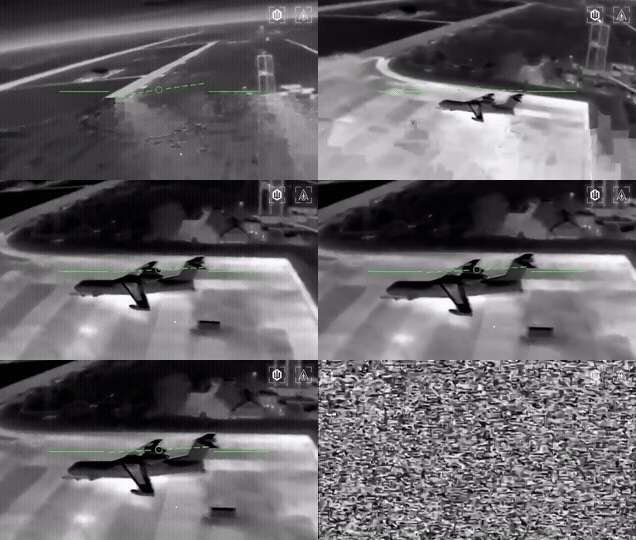
Ukrainian Drone Strike Destroys Be-200 Amphibious Aircraft and Hit Ka-27 Helicopter at Yeysk Airbase
World
YEYSK, Russia / KYIV — May 15, 2026 : Ukraine’s Unmanned Systems Forces (USF) carried out a coordinated overnight drone operation on May 15 targeting Russian military infrastructure across multiple regions, including a strike on the Yeysk military airbase in Russia’s Krasnodar Krai that destroyed a rare Beriev Be-200 amphibious aircraft and damaged a Ka-27 naval helicopter. According to Robert “Madyar” Brovdi, commander of the Ukrainian Unmanned Systems Forces, the attack on Yeysk was conducted by operators from the 1st Separate Center of the USF in coordination with the Deep Strike Centre of the Unmanned Systems Forces. The operation formed part of a wider campaign involving 55 fire strikes against 23 Russian military targets. Strike on Yeysk Airbase Footage released following the attack showed the complete destruction of the Be-200 aircraft on the airfield. Satellite imagery published on May 15 later confirmed the loss of the aircraft, identified as a Be-200PS amphibious platform. The Be-200 “Altair” is a jet-powered amphibious aircraft capable of operating from both conventional runways and water surfaces. Russia has historically struggled to produce the aircraft in large numbers, making it a relatively rare asset within Russian aviation. Powered by two D-436TP turbofan engines, the aircraft has a maximum speed of approximately 720 kilometers per hour and a range of up to 3,850 kilometers. In transport configuration, it can carry up to 72 passengers, while in firefighting missions it is capable of dropping up to 12 tons of water. Although commonly associated with firefighting operations, the aircraft is also used for maritime patrol, cargo transport and search-and-rescue missions. The estimated value of the destroyed aircraft is between $30 million and $40 million. Ka-27 Helicopter Hit A Russian Ka-27 helicopter was also struck during the operation. Drone targeting footage released by Ukrainian forces showed the helicopter positioned beneath a netted protective structure apparently intended to reduce vulnerability to drone attacks. The full extent of the damage to the helicopter remains under assessment. The Ka-27 is a ship-based multirole helicopter primarily designed for anti-submarine warfare, while also performing patrol, transport and search-and-rescue missions. The helicopter is estimated to have a value of approximately $15 million. Strategic Role of the Airbase Residents in Yeysk reported hearing multiple explosions shortly after 1:00 a.m. local time and posted images and videos on social media showing fires near the airfield area. The Yeysk airbase is one of Russia’s key naval aviation facilities and has been used throughout the war to support combat operations against Ukraine. The base hosts the 859th Center for Combat Employment and Retraining of Naval Aviation Flight Personnel of the Russian Navy. The facility also contains the NITKA ground-based aviation training complex, a specialized system designed to simulate the deck of an aircraft carrier. The installation allows Russian naval aviation pilots to practice carrier-style takeoff and landing procedures without deploying aboard an operational aircraft carrier. Wider Overnight Operation Ukrainian officials stated that the overnight operation targeted military and logistics infrastructure across several regions, including occupied Crimea, Donetsk, Zaporizhzhia and Luhansk oblasts, as well as locations in Taganrog and Berdyansk. Additional reported targets included a Pantsir-S1 air defence system in occupied Crimea, a Tor-M2 air defence system in Luhansk Oblast, a Russian army training center and a dry cargo vessel carrying ammunition in the port of Berdyansk. The strikes on Yeysk occurred simultaneously with a separate drone attack on the Ryazan Oil Refinery, located southeast of Moscow, reflecting Ukraine’s continued strategy of targeting both front-line military infrastructure and rear-echelon logistics facilities inside Russian-controlled territory.
Read More → Posted on 2026-05-15 15:30:52Search
Top Trending in 24 Hours
-
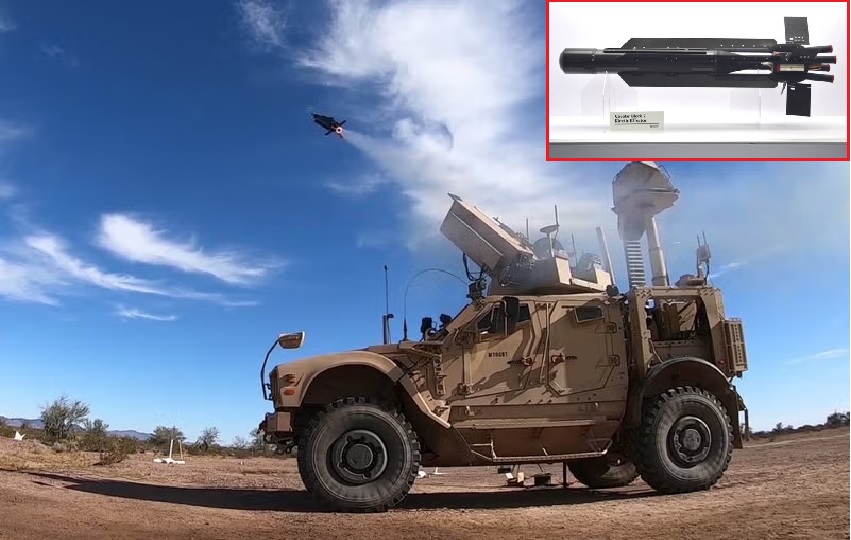 Raytheon Ramps Up Coyote Counter-Drone Missile Production After U.S. Army Reports 600 Successful Combat Intercepts During Iran Conflict
-
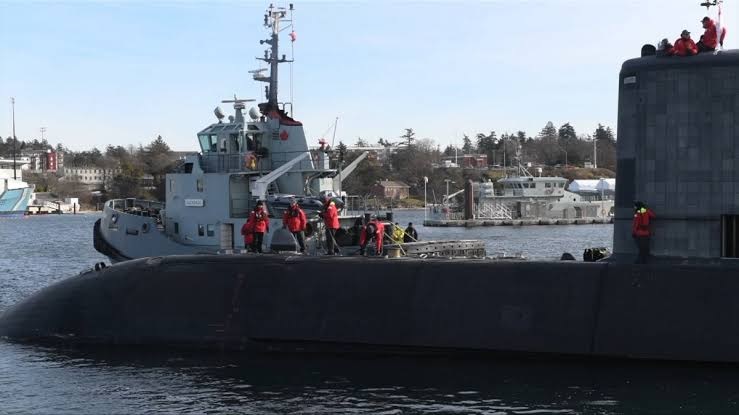 Canada Awards Babcock $1.1 Billion Six-Year Contract Extension to Support Victoria-Class Submarine Fleet
-
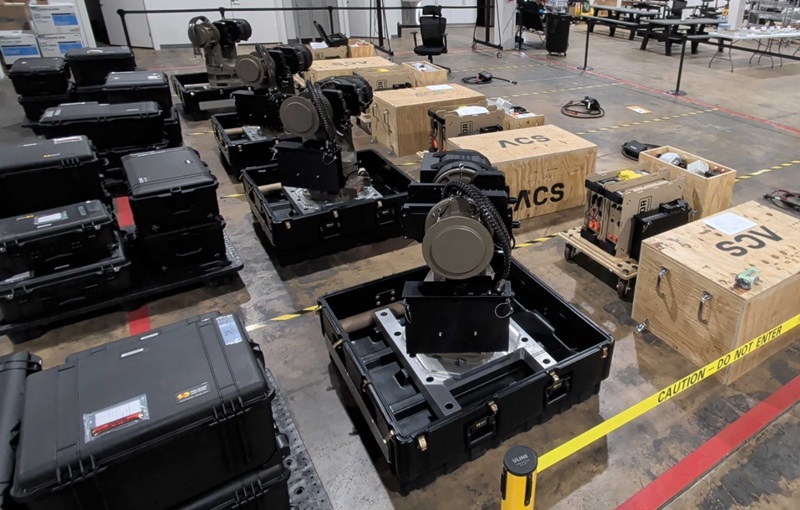 U.S. Marine Corps Selects AI-Powered Bullfrog Weapon Station for L-MADIS Counter-Drone Platform
-
 U.S. Navy Awards Raytheon $1.8 Billion Contract Extension for SPY-6 Radar Systems
-
 Lockheed Martin Launches $9 Billion U.S. Munitions Expansion to Boost THAAD, PAC-3 and PrSM Production
Top Trending in 4 Days
-
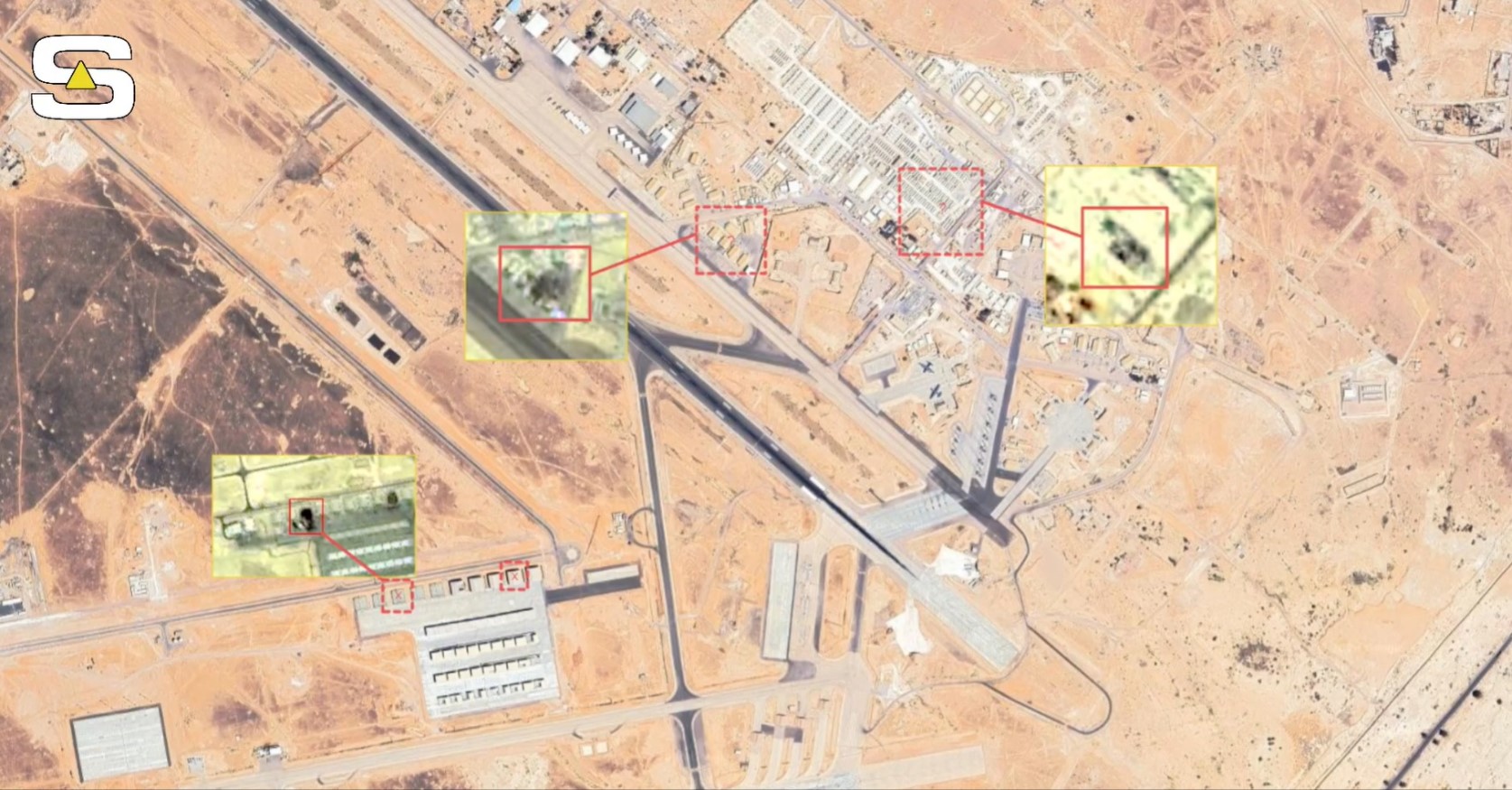 New Satellite Imagery Reveals Extensive Damage at Jordan's Muwaffaq al-Salti Air Base After Iranian Missile Strike
-
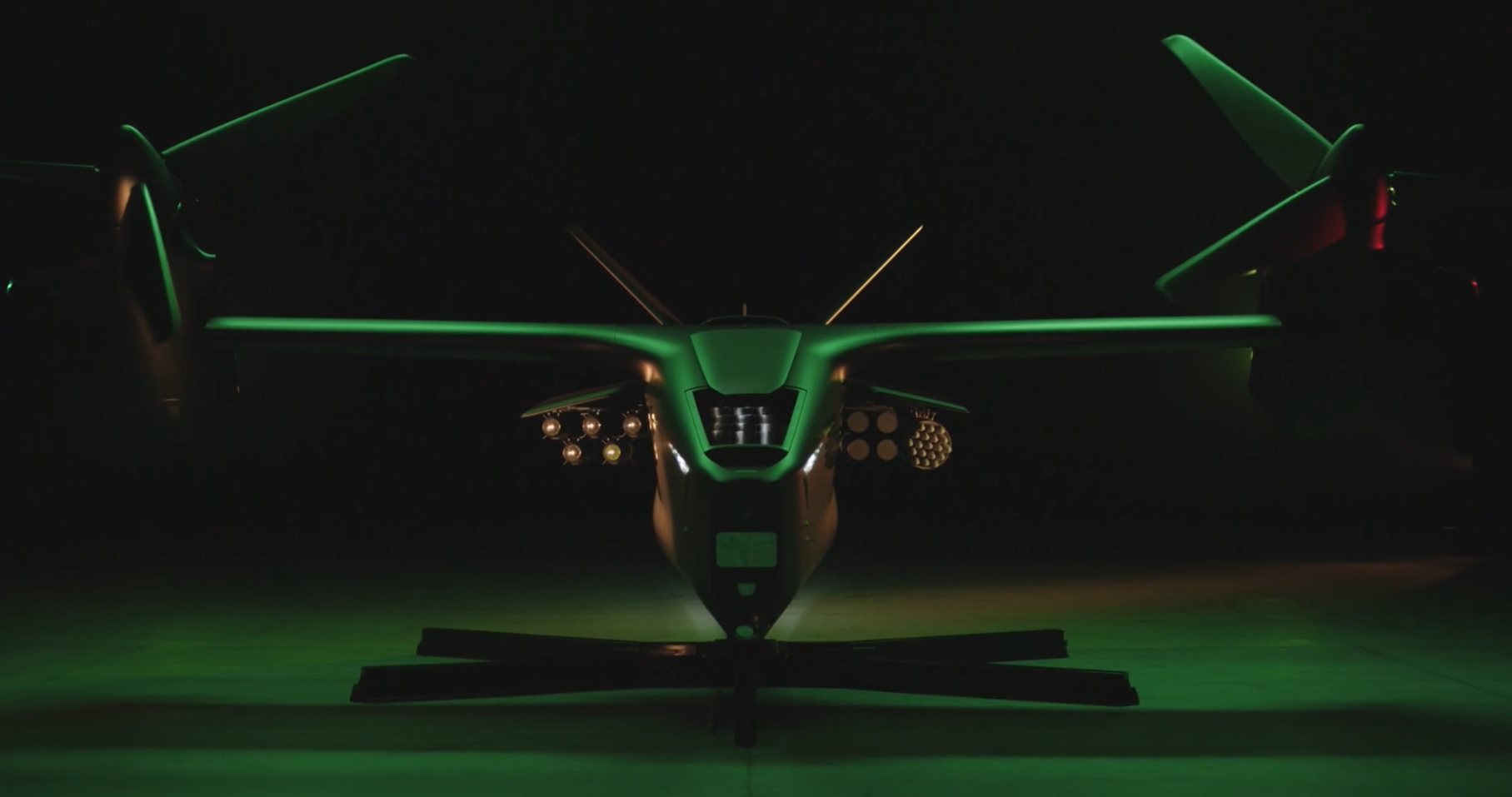 Anduril Unveils Thunder Autonomous Attack Rotorcraft Built with Archer Aviation to Support Apache Helicopters
-
 U.S. Space Force Awards Slingshot Aerospace $69.2 Million Contract to Develop AI Space Training Platform
-
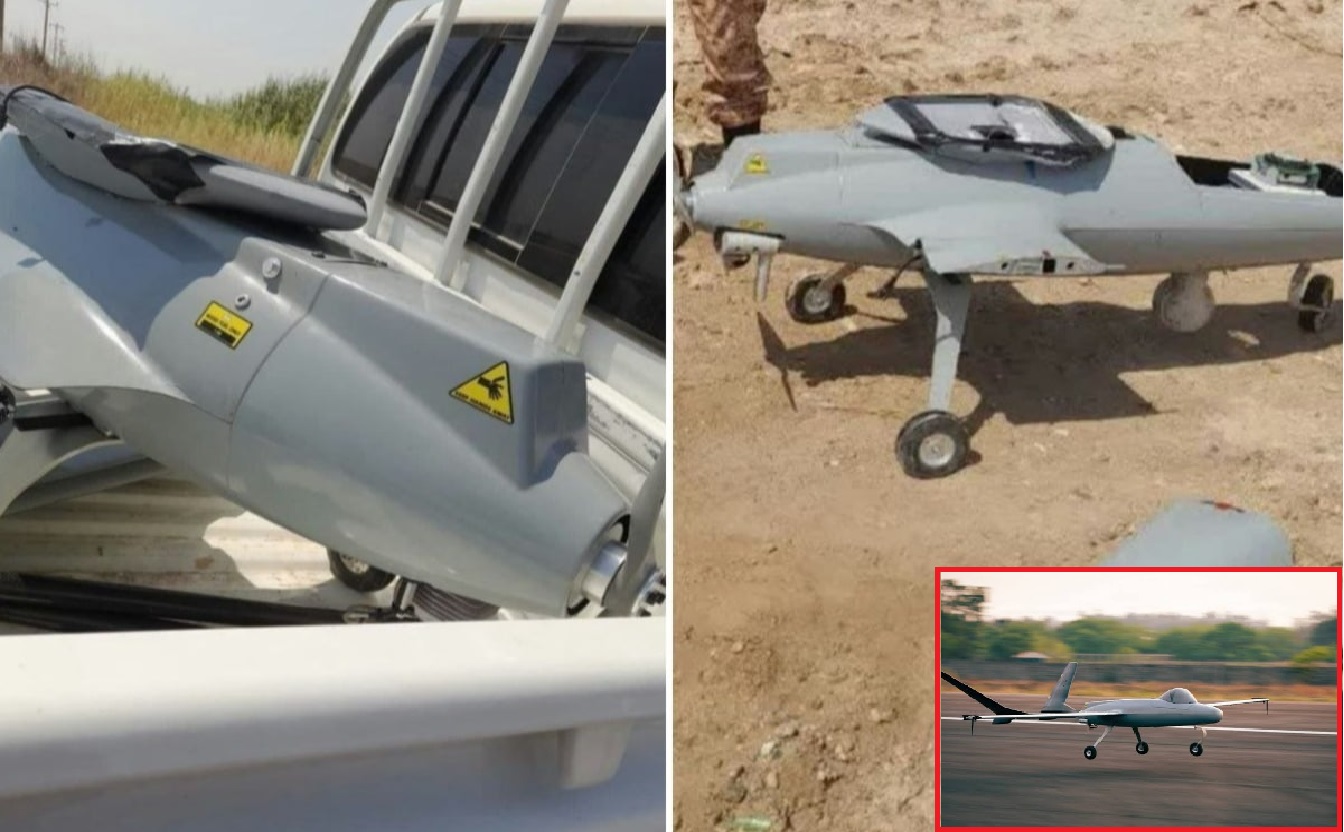 Iran Claims It Shot Down U.S.-Operated Polish-Built Tiguar-M Drone, Releases Images
-
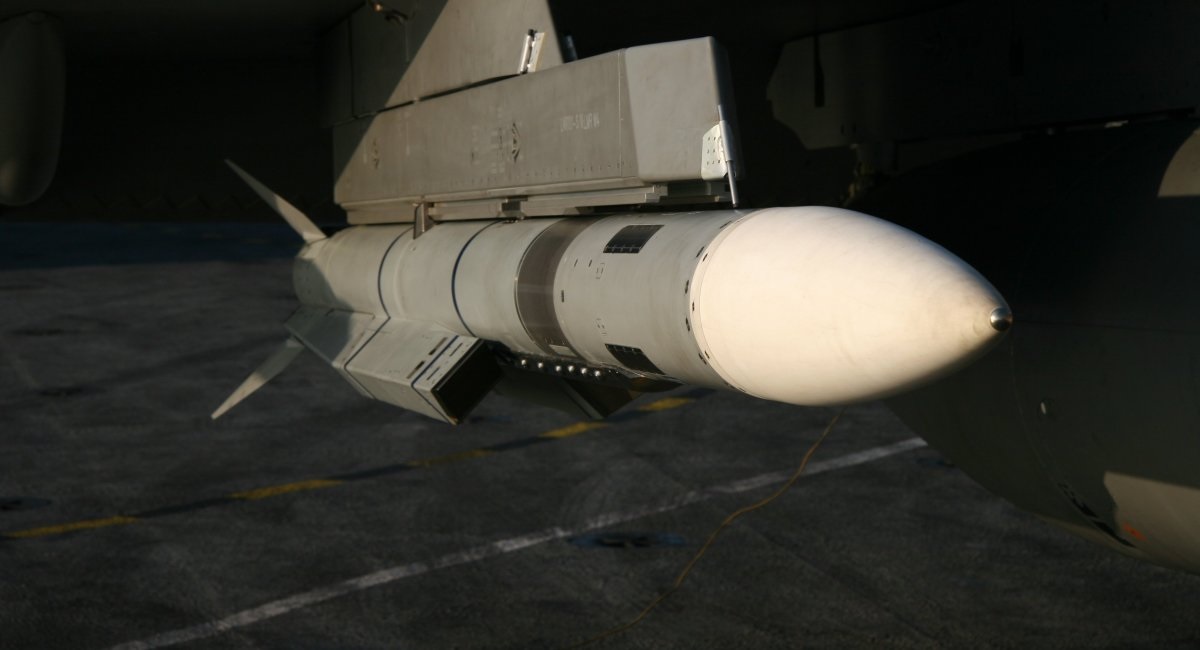 UK Cancels Meteor Missile Mid-Life Upgrade, Prioritizes Next-Generation FASE Air-to-Air Missile Programme
-
 NASA, Draper Cancels CP-12 Lunar Lander Mission After Development Delays Push Mission Beyond 2030
-
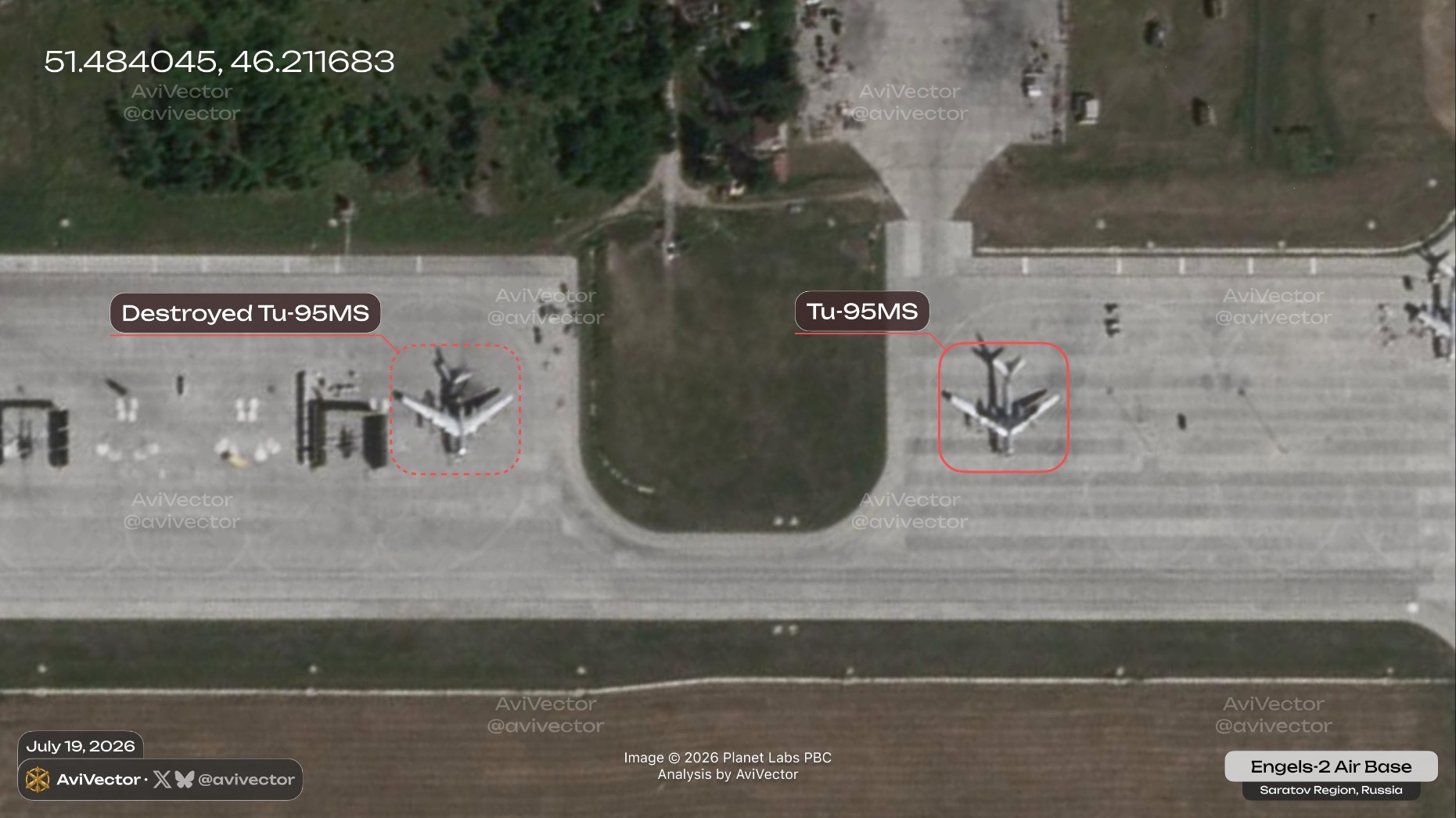 Satellite Images Confirm Russian Tu-95MS Bomber Destroyed After Ukrainian Drone Strike on Engels-2 Air Base
-
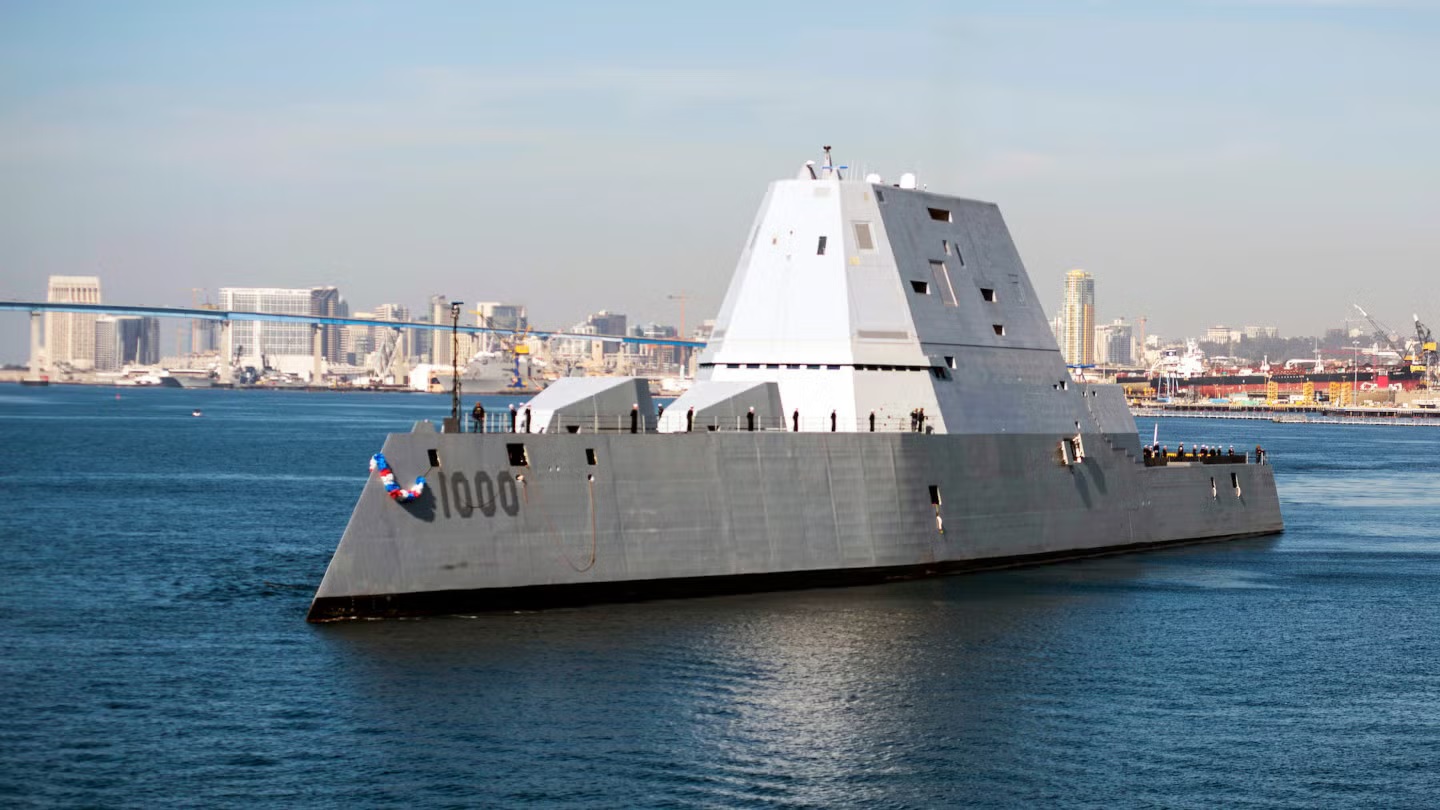 U.S. Navy's Zumwalt Destroyer Hypersonic Missile Upgrade Program Delayed by Two Years as Costs Top $2 Billion: GAO Reports
