ORLANDO, Fla. — May 16, 2026 : The U.S. Army has awarded Northrop Grumman a $325.53 million cost-plus-fixed-fee contract to develop the RangeHawk high-altitude long-endurance (HALE) airborne test platform, a system intended to improve the Department of Defense’s ability to collect tracking and telemetry data from hypersonic and other high-speed weapons tests.
The contract was issued by Army Contracting Command in Orlando, Florida, on May 15, 2026. According to contract details, the program includes prototype development, air vehicle modification, sensor integration, and logistics preparation for demonstration and validation activities. Work will primarily be performed at Northrop Grumman’s facility in San Diego, California, with completion scheduled for May 14, 2031.
At the time of the award, the Army obligated approximately $65.66 million in fiscal year 2026 research, development, test and evaluation (RDT&E) funding. The remaining funding will be allocated incrementally as the program progresses through development and testing phases.
High-Altitude Test Platform for Hypersonic Programs
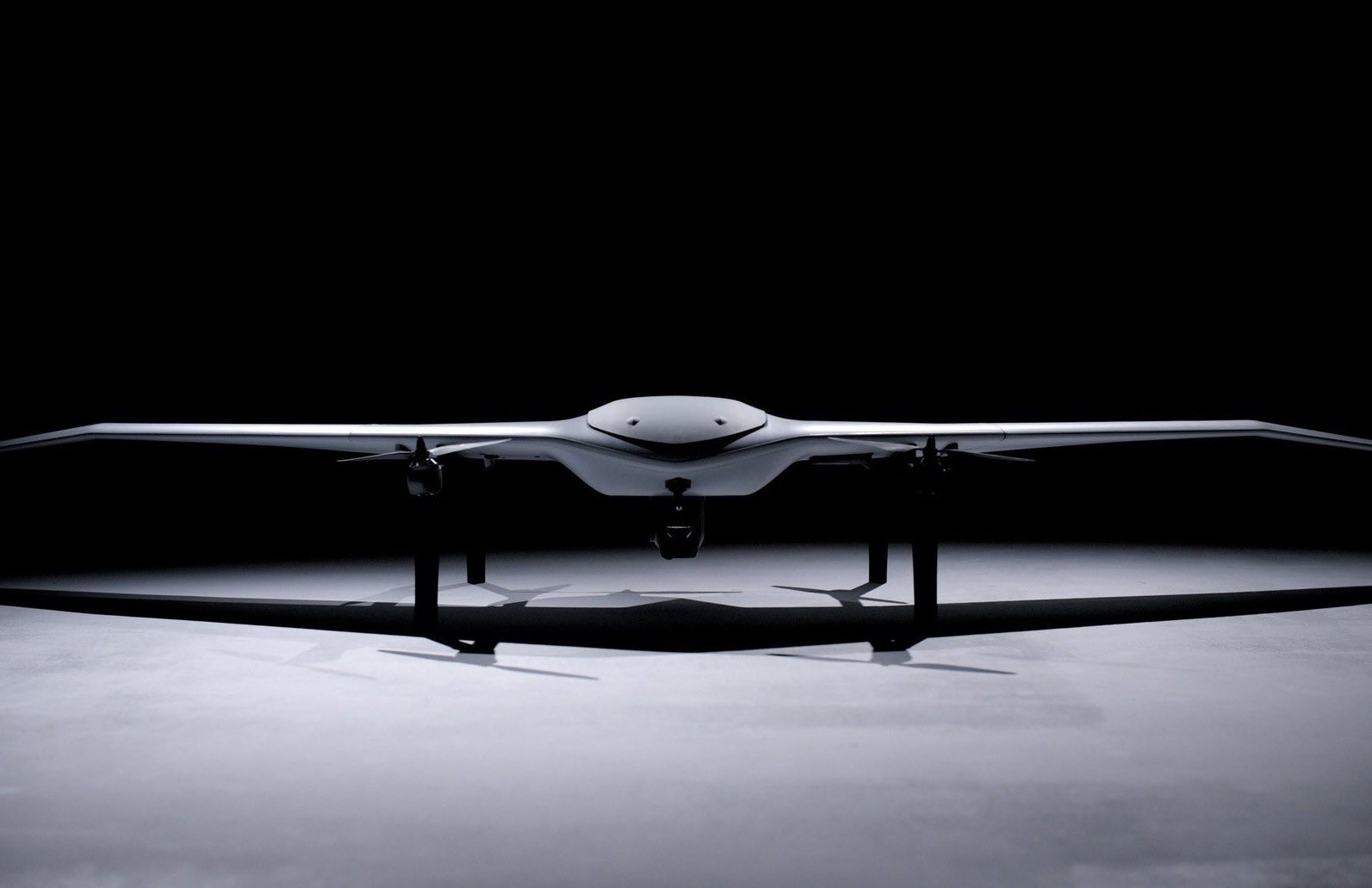
RangeHawk is being developed as a universal payload architecture prototype intended to support the testing of hypersonic missiles, boost-glide vehicles, and other advanced high-speed systems. The platform is designed to improve the agility and adaptability of airborne test data collection during flight trials.
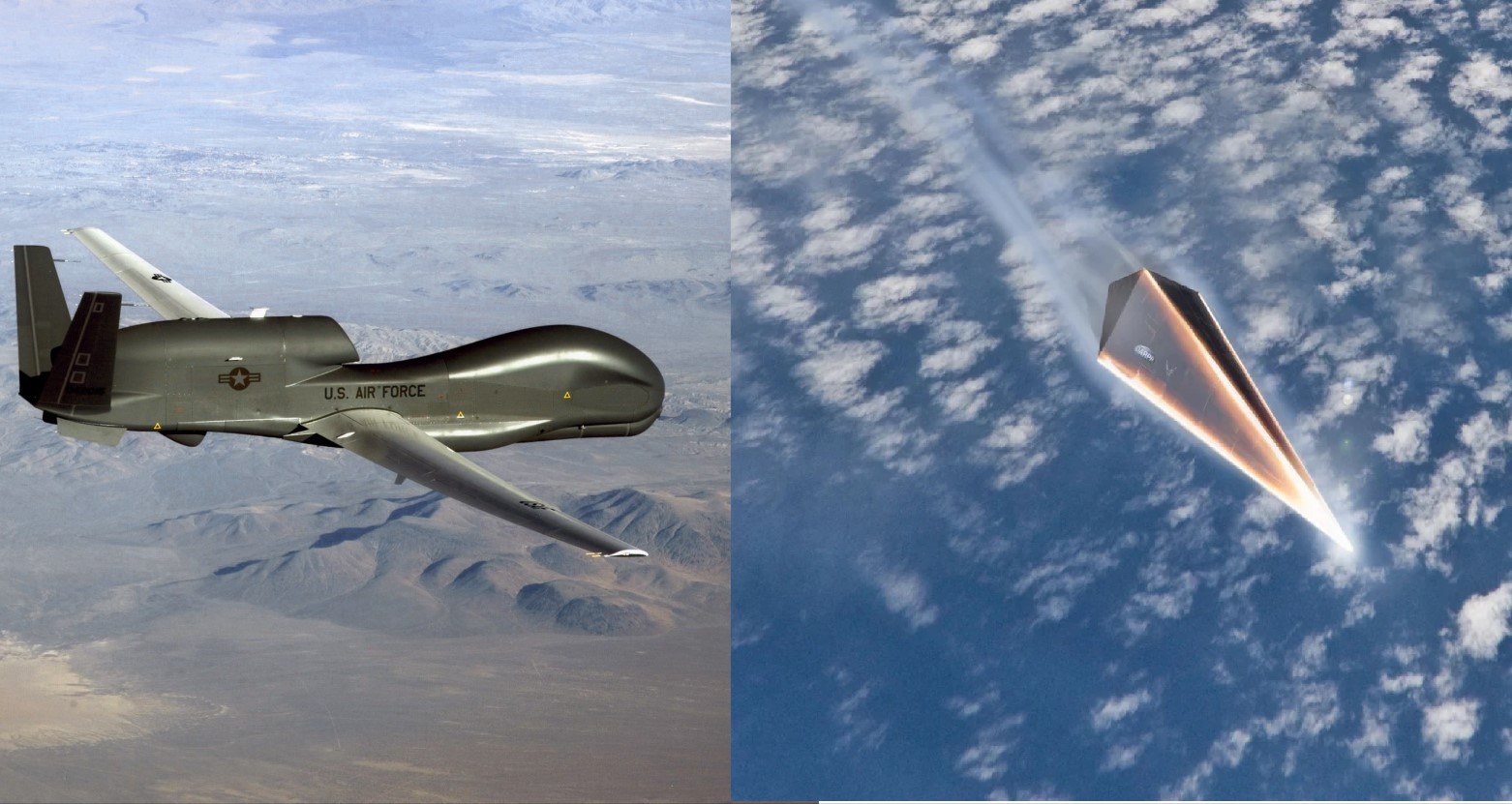
The program is part of the Department of Defense Test Resource Management Center’s SkyRange initiative, which repurposes retired U.S. Air Force RQ-4 Global Hawk Block 20 and Block 30 unmanned aircraft into airborne test and tracking platforms.
Originally designed for intelligence, surveillance and reconnaissance missions, the RQ-4 airframes are being modified with specialized instrumentation systems capable of tracking high-speed vehicles during flight. The conversion shifts the aircraft’s mission from downward-looking battlefield surveillance to upward-looking telemetry, infrared and optical monitoring for weapons testing operations.
Earlier SkyRange conversions involving RQ-4 Block 10 aircraft have already supported several hypersonic test events conducted over the Atlantic and Pacific Oceans since 2023.
Addressing Gaps in Test Range Infrastructure
The RangeHawk program is intended to address limitations in existing U.S. hypersonic test infrastructure. Defense officials have previously identified challenges in collecting complete telemetry and flight-performance data from vehicles traveling at speeds exceeding Mach 5.
Ground-based radars and conventional tracking systems often struggle to maintain uninterrupted coverage of hypersonic vehicles throughout an entire flight profile. This limitation has contributed to delays and incomplete test evaluations in several U.S. hypersonic development programs.
A high-altitude airborne platform such as RangeHawk can position itself directly along a flight corridor and maintain persistent tracking coverage during portions of a mission that ground stations or ship-based systems may not fully observe.
Operating at altitudes above 60,000 feet and capable of remaining airborne for more than 30 hours, the modified Global Hawk platform can gather telemetry and sensor data at closer range than fixed infrastructure. The aircraft is expected to capture optical, infrared and electronic signature measurements that are not obtainable through traditional ground-based systems alone.
According to program details, the system will provide engineers with more detailed information about vehicle behavior, thermal performance, flight stability and subsystem operation during high-speed flight testing.
Universal Payload Architecture
A central element of the contract is the development of a universal payload architecture that allows the aircraft to carry interchangeable sensor packages depending on mission requirements.
Instead of using a permanently installed sensor suite tailored for a single test program, RangeHawk is being designed as a modular airborne range asset capable of supporting multiple weapons programs through rapid payload reconfiguration.
This approach is intended to improve long-term flexibility while reducing the risk of obsolescence associated with single-purpose test instrumentation systems. Different payload combinations can be integrated depending on whether a mission requires telemetry collection, infrared imaging, electronic monitoring or other specialized measurement functions.
The architecture is also expected to support future integration of emerging sensor technologies as hypersonic programs evolve.
Northrop Grumman’s Role
Northrop Grumman’s involvement in the program builds on its experience developing and manufacturing the RQ-4 Global Hawk unmanned aircraft system.
The Global Hawk has served for years as one of the U.S. military’s primary HALE surveillance drones, conducting long-duration intelligence and reconnaissance missions across large operational areas. Its endurance, altitude performance and payload capacity made it suitable for adaptation into an airborne test support platform under the SkyRange initiative.
The company is also the manufacturer of the B-21 Raider stealth bomber and remains involved in multiple advanced aerospace and defense modernization programs.
Broader Hypersonic Competition
The RangeHawk initiative supports ongoing U.S. military efforts to accelerate hypersonic weapons development amid growing competition with China and Russia in the field of high-speed strike systems.
China has demonstrated systems including the DF-17 and DF-ZF boost-glide vehicle, while Russia has deployed the Kh-47M2 Kinzhal and the Avangard strategic glide system.
The United States has continued testing multiple hypersonic programs across the Army, Navy and Air Force, though several efforts have experienced schedule delays and test failures linked partly to infrastructure and telemetry collection constraints.
Defense officials view expanded airborne tracking capability as necessary for increasing the frequency, reliability and quality of future hypersonic testing campaigns.
Army’s Role in Joint Test Operations
The Army’s role as the contracting authority reflects its longstanding responsibility for managing portions of the Department of Defense’s test and evaluation infrastructure on behalf of the joint force.
The U.S. Army Test and Evaluation Command and associated test ranges have historically supported national missile, rocket and advanced weapons testing programs for multiple military branches.
RangeHawk extends that support function into high-altitude airborne instrumentation, providing a reusable airborne asset intended to support future hypersonic and high-speed weapons development programs across the Department of Defense.
——— End of Article ———