U.S
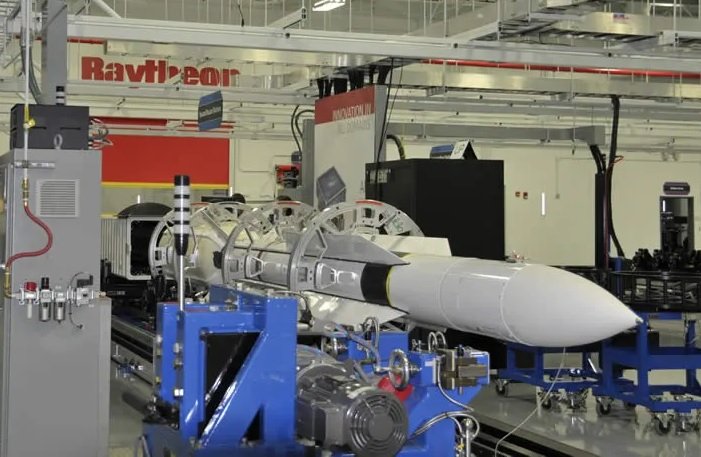
WASHINGTON — RTX’s Raytheon business has received a noncompetitive production contract valued at up to $745.4 million to manufacture and assemble Standard Missile-3 (SM-3) Block IIA ballistic missile interceptors for the United States and Japan. The contract was announced Aug. 7 by the U.S. Department of War, acting through the Missile Defense Agency (MDA). It covers requirements for the U.S. government and Japan’s Ministry of Defense through Foreign Military Sales arrangements. The initial obligations total about $553.2 million, including $275.6 million in U.S. fiscal 2026 procurement funds and approximately $277.6 million in funding from Japan’s Ministry of Defense. Work under the initial funding is scheduled to continue through February 2031. Manufacturing and related engineering work will be performed at RTX facilities in Tucson, Arizona, and Huntsville, Alabama, with an estimated completion date of Feb. 28, 2031. SM-3 Block IIA The SM-3 Block IIA is a ballistic missile interceptor jointly developed by the United States and Japan. It is designed to engage ballistic missile threats outside the Earth's atmosphere during the midcourse phase of flight. The interceptor uses a three-stage solid-fuel rocket propulsion system and a kinetic warhead. Rather than using an explosive charge, the interceptor destroys its target through direct physical impact. Japan has been closely involved in the development of the Block IIA, including work on the missile's third-stage rocket motor and nose cone. The interceptor is launched from Mk 41 vertical launch systems installed aboard Aegis-equipped U.S. Navy and Japan Maritime Self-Defense Force warships, as well as at certain Aegis Ashore land-based missile-defense sites. Recent Operational Use The SM-3 family was used operationally during the April 2024 Iranian missile and drone attack on Israel. U.S. Navy Arleigh Burke-class destroyers USS Arleigh Burke and USS Carney, operating in the eastern Mediterranean, launched SM-3 interceptors during the operation. Defense officials reported that at least six Iranian ballistic missiles were intercepted. Some accounts identified the Block IIA variant specifically, although public reporting has not provided complete variant information for every interceptor used. The SM-3 family has also been associated with later U.S. ballistic missile interceptions involving operations near Israel and the eastern Mediterranean in 2026. However, the U.S. military has not publicly confirmed the specific SM-3 variant involved in every engagement. Continued U.S.-Japan Production The latest award supports continued production of SM-3 Block IIA interceptors for both countries. It adds to previous U.S. procurement efforts aimed at maintaining ballistic missile defense capacity and supporting the jointly developed interceptor program.
Read More → Posted on 2026-08-08 11:38:45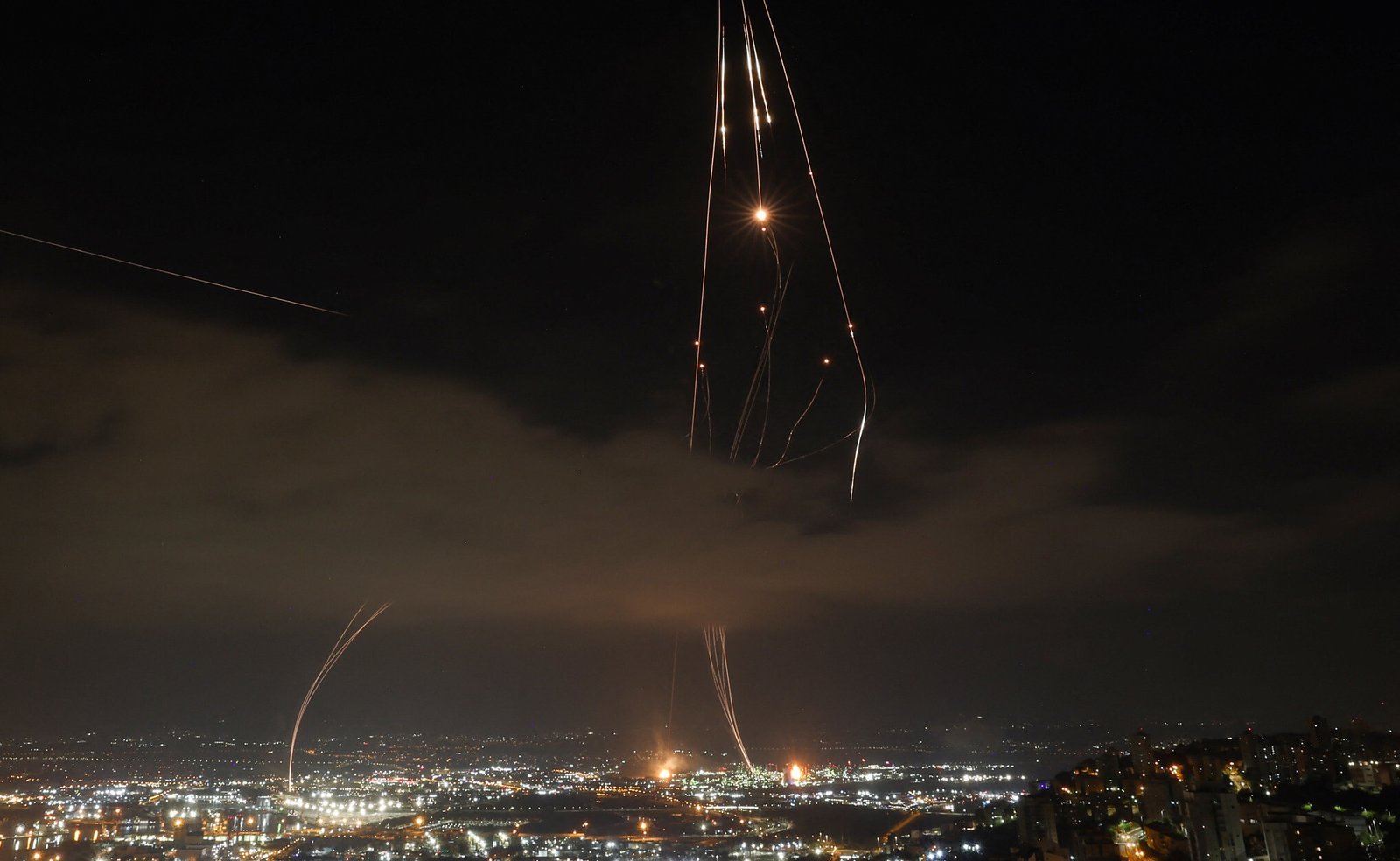
World
Saudi Arabia — Saudi Arabia used about 86% of its 2,800 Patriot PAC-3 interceptor missiles during the first 38 days of combat with Iran, leaving roughly 400 missiles, according to Reuters. The depletion highlights the pressure that sustained missile attacks have placed on air-defense inventories across the United States and Gulf region. The U.S. Patriot system is a mobile surface-to-air missile defense system capable of engaging aircraft, tactical ballistic missiles and cruise missiles. The PAC-3 family uses hit-to-kill technology, with the PAC-3 Missile Segment Enhancement (MSE) produced by Lockheed Martin. U.S. inventories have also fallen significantly. The Center for Strategic and International Studies (CSIS) estimates that around 65% of U.S. Patriot interceptors were expended between February and July, reducing the stock from about 2,330 before the Iran war to fewer than 850. CSIS also estimated that U.S. THAAD interceptor stocks had fallen to about 250. To replenish Gulf inventories, the United States has approved the sale of 5,250 Patriot interceptors to Bahrain, Kuwait, Qatar and the United Arab Emirates. The U.S. Army has also awarded Lockheed Martin a contract worth up to $58.6 billion for Patriot interceptor production. Reuters reported that the agreement is intended to expand production as the United States and its allies work to rebuild depleted missile stocks. The production challenge is significant because Patriot interceptors are being demanded by multiple countries at the same time. CSIS has warned that rebuilding U.S. missile inventories will take several years, while the Pentagon has sought additional funding to accelerate ammunition production.
Read More → Posted on 2026-08-08 11:30:51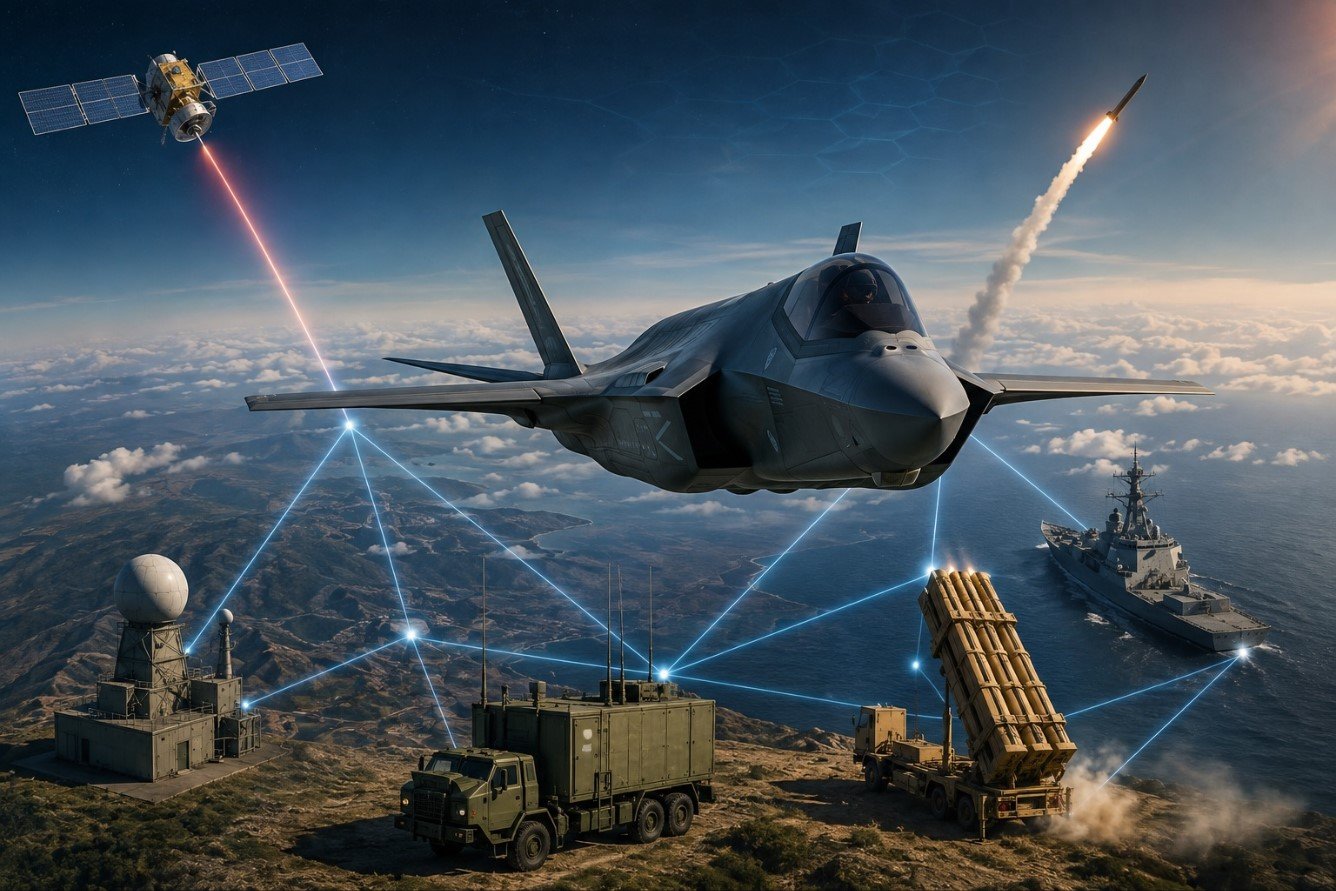
U.S
BETHESDA, Md. — Lockheed Martin is positioning the F-35 Lightning II as an airborne tracking and targeting node within a broader integrated missile defense architecture that connects aircraft, space-based warning systems, command-and-control networks and missile interceptors. The approach is designed to allow information collected by different sensors to be shared across the defense network, helping reduce the time between detecting a missile threat and responding to it. F-35 Adds an Airborne Sensor Layer According to Lockheed Martin, the process can begin with space-based infrared systems detecting the launch of a missile. The information can then be combined with data collected by F-35 aircraft operating closer to the threat. The F-35 is designed to function as a mobile intelligence, surveillance and reconnaissance platform. Its Distributed Aperture System (DAS), Electro-Optical Targeting System (EOTS) and sensor-fusion software allow it to combine information from different sources with its own sensor detections. Lockheed Martin has also highlighted passive infrared capabilities such as IRST21, which can provide infrared tracking without actively transmitting signals. The company describes these capabilities as part of the F-35's role as an airborne sensor within networked defense operations. The company has previously demonstrated the F-35's ability to provide sensor information to ground-based air and missile defense systems. In a 2019 demonstration, F-35 track data was sent to the U.S. Army's Integrated Air and Missile Defense Battle Command System (IBCS), allowing the aircraft to operate as an elevated sensor. A 2020 test also demonstrated F-35 integration with IBCS during a live-fire event. C2BMC Connects the Defense Network A key part of the architecture is Lockheed Martin's Command and Control, Battle Management and Communications (C2BMC) system. C2BMC serves as an integrating element of the U.S. Missile Defense System, connecting sensors, weapons and command elements to provide commanders with a coordinated view of missile threats. Lockheed Martin says the system has operated continuously since 2004 and is deployed across multiple locations and time zones. The company has also worked with the Missile Defense Agency to integrate additional sensors and missile-defense systems into C2BMC. These efforts include the integration of the Ballistic Missile Defense Overhead Persistent Infrared Architecture and other capabilities. In the architecture described by Lockheed Martin, F-35-generated tracking and targeting information can therefore become part of a wider operational picture rather than remaining limited to the aircraft itself. THAAD and NGI Form Part of the Intercept Layer The architecture also connects the sensor and command layers with missile interceptors. The Terminal High Altitude Area Defense (THAAD) system provides a terminal-phase ballistic missile defense capability. The Missile Defense Agency describes THAAD as a land-based system capable of intercepting ballistic missiles inside or just outside the atmosphere during the terminal phase of flight. Its AN/TPY-2 radar provides tracking and discrimination information to support engagements. The Next Generation Interceptor (NGI) is being developed for the U.S. Ground-based Midcourse Defense system to strengthen homeland defense against long-range ballistic missile threats. Lockheed Martin says NGI is designed to work with ground-based radars and command-and-control systems as part of a layered defense architecture. This creates a multi-layered chain in which space-based systems provide early warning, airborne platforms such as the F-35 can contribute additional tracking information, command-and-control systems distribute the information, and appropriate interceptors can be used against the threat. Moving From Individual Systems to an Integrated Network Lockheed Martin's approach focuses on connecting systems that are already operational or being delivered rather than creating an entirely new missile-defense architecture from the beginning. The company's integrated air and missile defense portfolio combines sensors, satellites, command-and-control systems and interceptors across different parts of the defense network. Lockheed Martin describes C2BMC as a key element for coordinating these systems across domains. The company has emphasized that such architectures need to remain connected, maintainable and scalable as additional capabilities are introduced. For the F-35, this means its role can extend beyond traditional air-to-air and air-to-ground missions. The aircraft can contribute information gathered by its sensors to other elements of the force, allowing its data to become part of a wider missile-defense picture. Lockheed Martin's 2026 material specifically describes the F-35 as a "flying sensor" that can combine space-based information with its own onboard detections. The company presents this integration as part of a broader effort to connect space, air, land and command-and-control capabilities into a unified defense architecture. The concept therefore places the F-35 within the sensor and information-sharing layer of an integrated missile-defense network, complementing space-based warning systems, C2BMC and ground-based interceptor systems such as THAAD and NGI.
Read More → Posted on 2026-08-08 11:20:27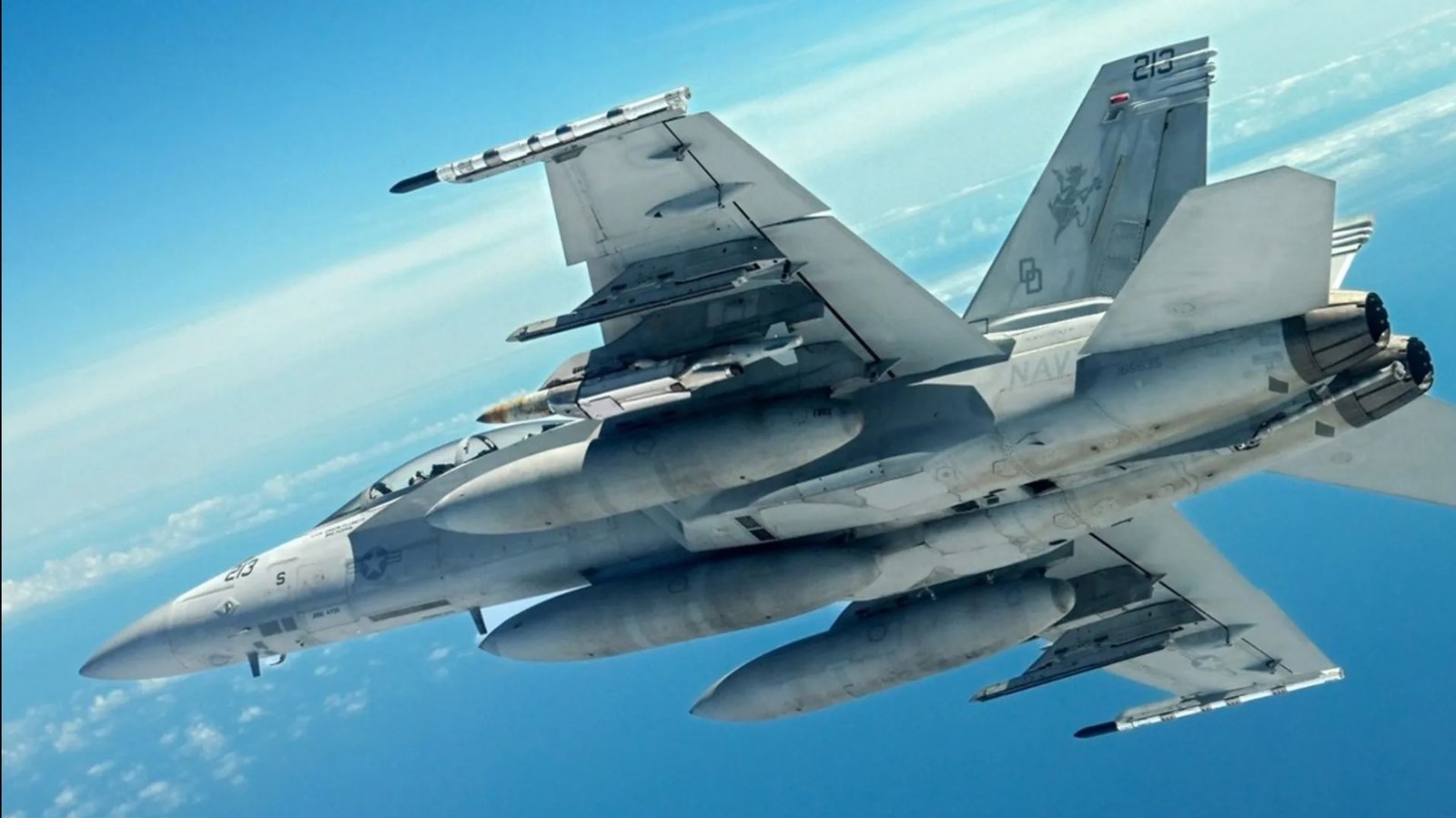
U.S
ST. CHARLES, Missouri — Boeing has received approval to begin initial serial production of the JDAM-LR (Joint Direct Attack Munition Long Range), designated GBU-75, following the award of a $75 million undefinitized contract action from the U.S. Air Force for BSU-111/B Payload Delivery Units intended for the U.S. Navy. The production approval follows a series of successful U.S. Navy flight tests conducted in April 2026, marking an important step toward fielding a long-range precision-guided weapon designed to increase the strike range of carrier-based aircraft while using existing JDAM technology. Initial Production Approved Following Successful Flight Tests The U.S. Air Force awarded Boeing the initial production contract for the BSU-111/B Payload Delivery Units, which form the core of the JDAM-LR system for U.S. Navy use. The approval came after successful flight demonstrations conducted by the U.S. Navy on April 1 and April 3, 2026, over the Point Mugu Sea Range off the California coast. During both tests, F/A-18E/F Super Hornet fighter aircraft released inert JDAM-LR weapons. Each test covered approximately 200 nautical miles (370 kilometers). During the first flight, the weapon remained in powered flight for about 34 minutes before landing within meters of its planned target. The second test included altitude changes and maneuvering while maintaining guidance throughout the mission. According to the reported test results, the demonstrations confirmed safe separation from the aircraft, compatibility with existing aircraft interfaces, powered free flight, and navigation using military-code GPS. Powered Upgrade to the JDAM Family The JDAM-LR is the newest member of Boeing's Joint Direct Attack Munition (JDAM) family. Unlike the standard JDAM, which converts unguided bombs into precision-guided glide weapons, the JDAM-LR adds a compact propulsion system that allows sustained powered flight. The system combines: A GPS-aided inertial navigation system (INS) derived from the existing JDAM family. Aircraft interface systems. A BSU-111/B deployable wing payload delivery unit. A Kratos TDI-J85 turbojet engine producing 200 pounds of thrust. The kit is designed to be fitted to a 500-pound-class (approximately 230-kilogram) bomb body, typically a Mk-82, effectively converting a conventional gravity bomb into a powered long-range precision weapon. According to Boeing, the JDAM-LR is capable of striking land and maritime targets at ranges exceeding 300 nautical miles (more than 555 kilometers). Boeing Highlights Program Milestone Commenting on the production award, Bob Ciesla, Vice President of Boeing Precision Engagement Systems, said: "This first production contract is a major milestone for the JDAM LR program, demonstrating our ability to deliver long-range precision-strike capability at a significantly lower cost." The company said the contract represents the transition of the program from successful development and testing into production. Comparison With Existing JDAM Variants The JDAM-LR expands Boeing's existing family of precision-guidance kits, each designed for different operational requirements. The standard JDAM uses GPS-aided inertial navigation and typically provides a launch range of 15 to 28 kilometers. The JDAM-ER (Extended Range) adds folding wings that increase range to approximately 70 to 80 kilometers, while some official figures describe the range as about 40 nautical miles, depending on configuration. The Laser JDAM (LJDAM) adds a laser seeker, allowing engagement of moving targets. The new JDAM-LR (GBU-75) retains the JDAM guidance system while adding deployable wings and a compact turbojet engine to extend its range beyond 300 nautical miles (555 kilometers). Designed for Existing Aircraft One of the key features of the JDAM-LR is its compatibility with aircraft already cleared to carry standard JDAM weapons. According to Boeing, the weapon is designed to integrate without requiring aircraft modifications. Platforms identified for compatibility include the U.S. Navy's F/A-18E/F Super Hornet and the U.S. Air Force's B-52. Qualification work and aircraft integration activities are continuing as production begins. Manufacturing and Program Development Boeing said it invested nearly $100 million of its own funding in the JDAM-LR program before receiving the production award. Manufacturing preparations are underway at the company's St. Charles, Missouri facility, where production of the initial units has now started following the contract announced in early August 2026. Cost and Operational Role Boeing has not disclosed the unit cost of the JDAM-LR. Standard JDAM guidance kits are generally reported to cost between $20,000 and $30,000. Boeing has stated that the powered JDAM-LR is intended to provide a lower-cost long-range precision-strike capability compared with traditional cruise missiles by using existing bomb bodies and established JDAM architecture. The weapon is expected to support land strike, naval strike, and maritime aerial-mining missions. Further qualification efforts will focus on shipboard integration for carrier operations. Because the system is designed around the existing JDAM family and is compatible with aircraft already qualified to carry JDAM weapons, it could also be adopted in the future by other U.S. military services and international operators that already use JDAM weapons.
Read More → Posted on 2026-08-07 16:43:32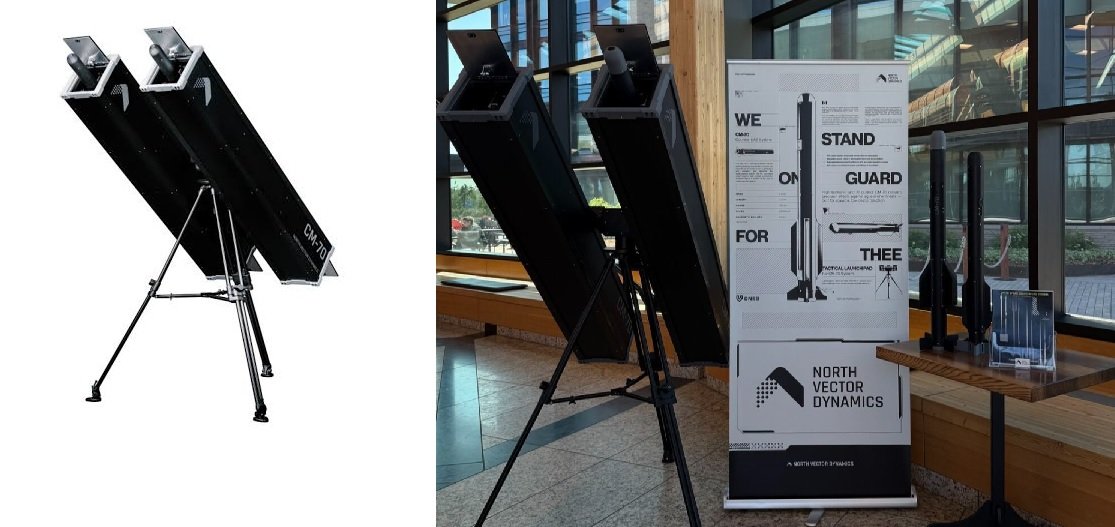
World
CALGARY, Alberta — European defence and industrial group Czechoslovak Group (CSG) has become a strategic investor in North Vector Dynamics (NVD), a Calgary-based Canadian defence technology company developing advanced air defence systems, precision-guided missiles, counter-unmanned aerial systems (C-UAS), and next-generation hypersonic technologies. The companies did not disclose the financial value of the equity investment. However, the transaction values North Vector Dynamics at more than USD 90 million. The investment forms part of CSG's long-term strategy to strengthen its portfolio in advanced defence technologies. The group said NVD's expertise complements its existing capabilities in radar systems, air defence, air traffic management, autonomous systems, missile and unmanned aerial vehicle propulsion, and other defence technologies. Focus on Expanding Defence Technologies CSG said the partnership goes beyond financial investment. The company plans to support NVD by providing access to its industrial capabilities, manufacturing capacity, systems integration opportunities, and international commercial network. The cooperation is intended to accelerate the development, production, commercialisation, and operational deployment of NVD's technologies, particularly among NATO member states. CSG also plans to use its established commercial network across Ukraine, NATO countries, and other partner nations to support the wider adoption of NVD's systems. Michal Strnad, Chairman of the Board and CEO of CSG, said the nature of modern warfare is changing rapidly, making autonomous systems, artificial intelligence, advanced sensors, precision guidance, and affordable air defence increasingly important. He said North Vector Dynamics is developing a family of interceptor systems with the potential to play an important role in future defence capabilities, adding that CSG intends to become a long-term strategic partner by contributing industrial expertise, manufacturing resources, and market access in addition to investment. North Vector Dynamics Expanding Advanced Defence Portfolio Founded in 2022 and headquartered in Calgary, Alberta, North Vector Dynamics develops advanced defence technologies for modern military requirements. The company is currently under contract with Canada's Department of National Defence to support the advancement of hypersonic technologies. It also previously received a CAD 4.2 million contract from Defence Research and Development Canada (DRDC) for high-speed and hypersonic aeropropulsion research, in addition to earlier support through the Innovation for Defence Excellence and Security (IDEaS) programme. NVD was established by former aerospace engineering professors and researchers with applied research experience at NASA and other leading institutions. Its leadership team is also supported by General (Ret.) Tom Lawson, former senior military commander of the Canadian Armed Forces and former Deputy Commander of the North American Aerospace Defense Command (NORAD), who serves as Strategic Advisor. CM-70 Counter-Drone Missile One of North Vector Dynamics' primary products is the CM-70 counter-unmanned aerial system missile, designed as a lower-cost interceptor for defeating drone threats compared with conventional guided missile interceptors. According to published specifications, the precision-guided interceptor weighs approximately 3 kilograms, measures 0.9 metres in length, has an operational range of about 3.5 kilometres, and can reach speeds of around 900 km/h. The missile uses semi-active laser guidance, features a forward-firing fragmentation warhead, and is designed to engage Group I, II, and III unmanned aerial systems. The system has an open architecture compatible with existing NATO command-and-control networks, allowing integration into layered air defence systems. The company also describes the CM-70 as ITAR-free. Beyond the CM-70, NVD is developing additional strike and interception systems covering multiple speed, range, and payload categories using different sensing and propulsion technologies. Canada Selected for Long-Term Partnership Stanislav Kuba, Investment Director at CSG, said the investment reflects the company's approach to supporting technological innovation through long-term partnerships rather than short-term financial investments. He said CSG aims to help North Vector Dynamics accelerate development, increase production capacity, and expand access to allied defence markets where its technologies could contribute to modern defence capabilities. Kuba also cited Canada's stability, transparency, and highly qualified workforce as important reasons for selecting the country for investment. Partnership to Accelerate Operational Deployment Dr. Paul Ziadé, Co-Founder and CEO of North Vector Dynamics, said the partnership will provide more than financial support by bringing industrial expertise, knowledge of defence markets, and a strong international presence. He said both companies share the objective of rapidly developing modern defence capabilities for Canada, NATO members, and other allied nations, adding that the cooperation is expected to accelerate both the company's growth and the operational deployment of its technologies. CSG Continues Defence Technology Expansion The investment represents another step in CSG's broader expansion across the defence sector. The European industrial group has recently strengthened its capabilities in autonomous systems, radar technologies, missile propulsion, air defence, and air traffic management. The company also announced the appointment of defence industry veteran Ben Hudson in August 2026 as part of its continuing expansion strategy. CSG is listed on Euronext Amsterdam, employs more than 14,000 people, operates manufacturing facilities in several countries, and exports defence products to more than 70 nations. In recent years, the group has expanded through acquisitions and strategic investments across land systems, ammunition, military vehicles, and related defence technologies. The investment in North Vector Dynamics also strengthens CSG's presence in the North American defence market while supporting technological and industrial cooperation between Canada and European defence industries.
Read More → Posted on 2026-08-07 16:38:00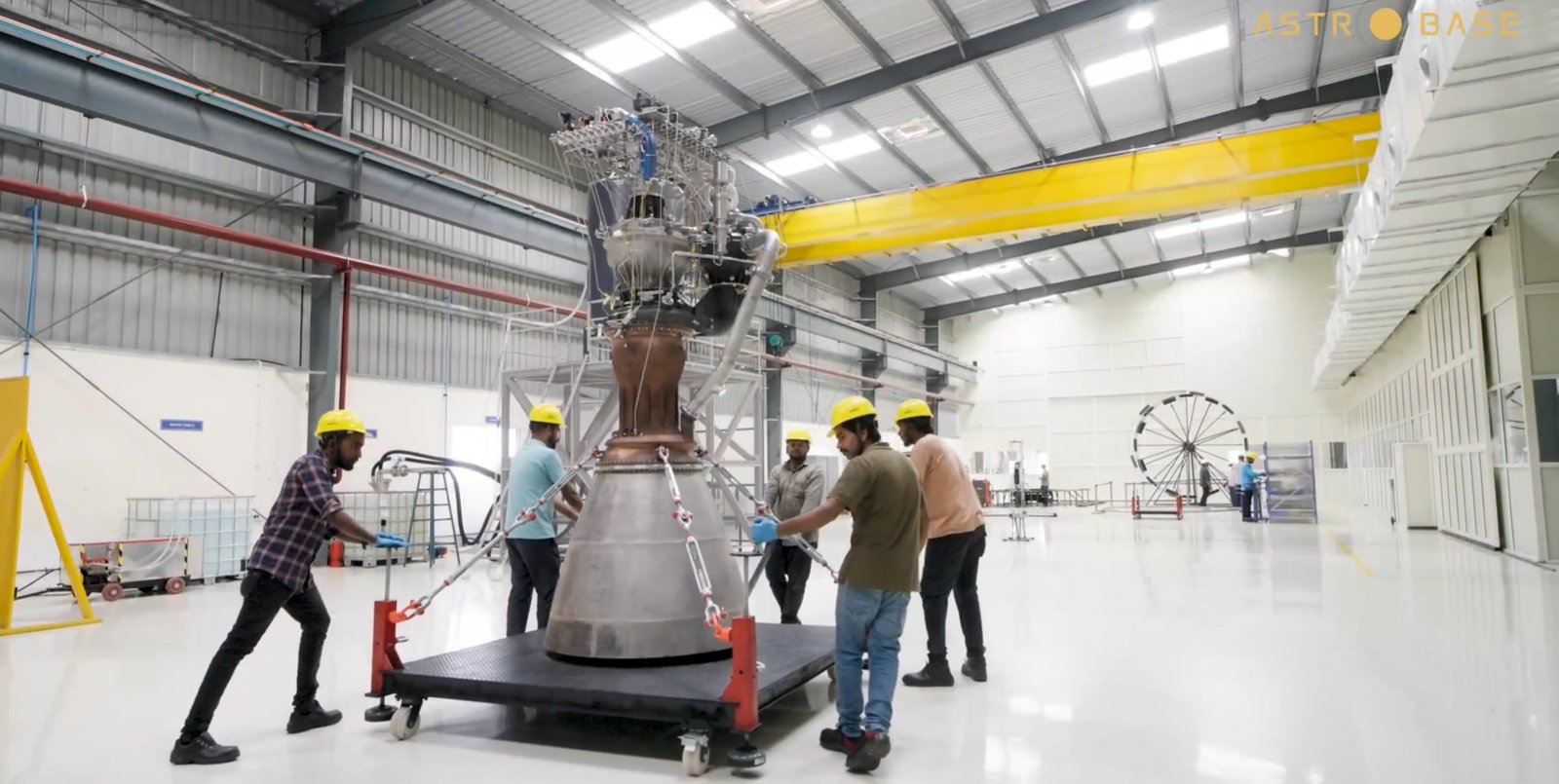
Space & Technology
BENGALURU — Bengaluru-based space startup Astrobase Space Technologies has unveiled EVEREST, India's first fully integrated 80-tonne-class (800 kN) Full-Flow Staged Combustion (FFSC) rocket engine, marking a significant milestone for the country's private space industry. Designed, manufactured, and integrated entirely in India, EVEREST is powered by liquid oxygen (LOX) and liquid methane (methalox). According to the company, the engine is intended to power future medium-lift launch vehicles and is designed with reusability in mind. EVEREST uses the Full-Flow Staged Combustion (FFSC) cycle, in which both the fuel and oxidiser pass through separate pre-burners before driving the turbopumps and entering the main combustion chamber. This propulsion architecture is designed to improve efficiency and support repeated engine use. The company said the engine produces 800 kN of vacuum thrust, has a specific impulse of around 340 seconds, and offers a throttle range of 50% to 110%. Founded in 2024 by former ISRO propulsion scientist Devakumar Thammisetty and former CoinDCX co-founder Neeraj Khandelwal, Astrobase has established a 46,000-square-foot assembly and integration facility in Bengaluru, equipped with India's largest industrial metal 3D printer for manufacturing key engine components. The company also operates a 21.5-acre propulsion test facility near Anantapur, Andhra Pradesh, where the full-engine hot-fire test is planned. Astrobase previously completed a sub-scale hot-fire test in September 2025 and high-speed turbopump testing in January 2026. The company said the next major milestone will be the full-engine hot-fire test, followed by vehicle integration and preparations for its targeted 2029 orbital flight. The company plans to manufacture up to 50 engines annually, conduct about one hot-fire test each week, and test around 20 engines before its first orbital mission. The EVEREST engine programme is supported by the IN-SPACe Technology Adoption Fund. Astrobase said the long-term goal is to develop launch-on-demand capability while expanding India's indigenous launch vehicle and reusable rocket technology. The unveiling of EVEREST comes weeks after Skyroot Aerospace's Vikram-1 mission, highlighting continued progress in India's commercial space sector.
Read More → Posted on 2026-08-07 16:13:37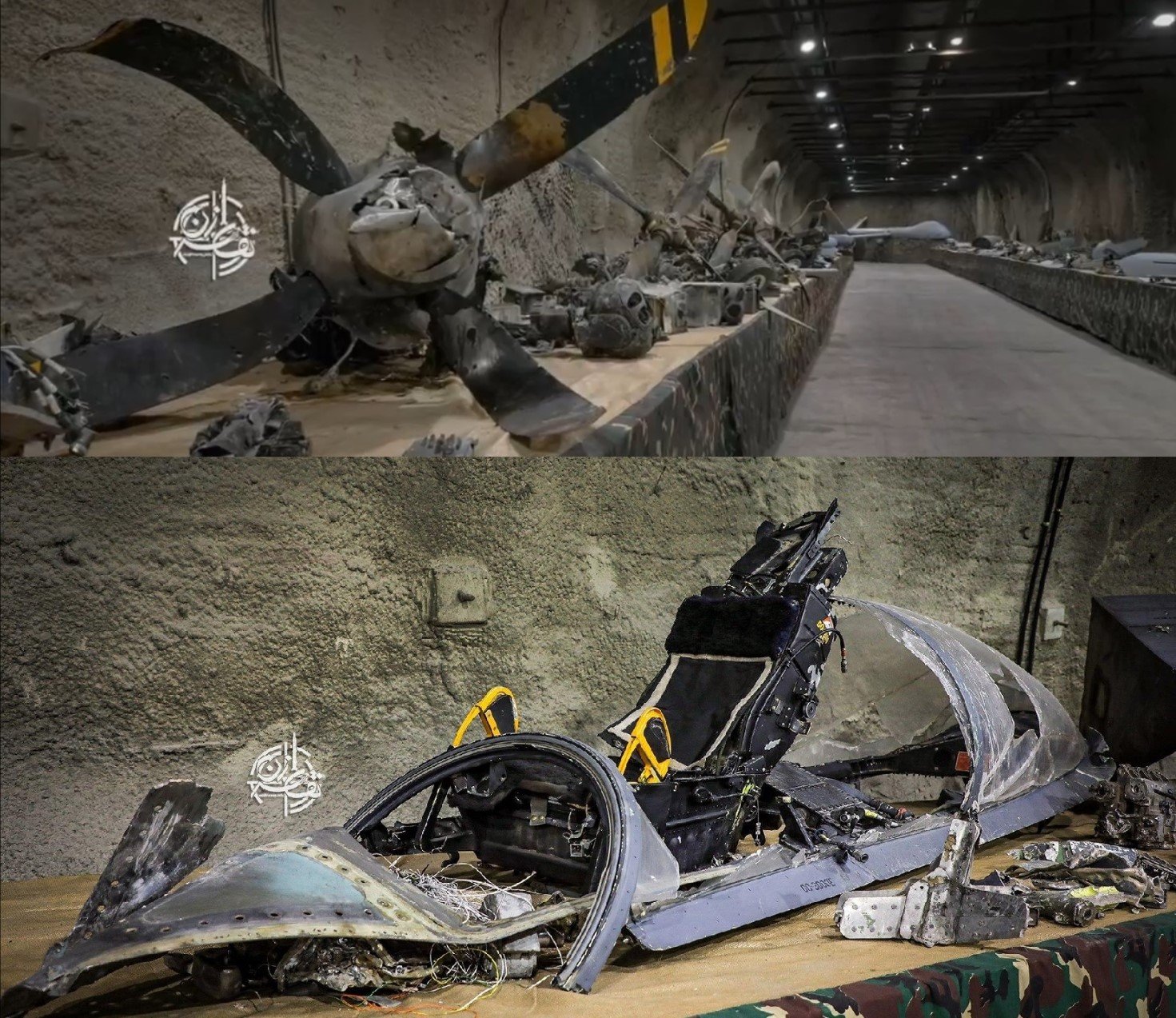
World
TEHRAN — Iran's Islamic Revolutionary Guard Corps (IRGC) Aerospace Force has released photographs and video showing what it says is the wreckage of several U.S. and Israeli military aircraft and drones recovered during recent operations. The material was displayed at an underground exhibition inside an IRGC facility and was also broadcast by Iranian state media, including Mehr News Agency and IRIB. The display includes wreckage identified by Iranian authorities as belonging to a U.S. Air Force F-15E Strike Eagle, U.S. MQ-9 Reaper drones, and an Israeli Elbit Hermes 900 unmanned aerial vehicle (UAV). Iranian officials said the MQ-9 Reaper and Hermes 900 were recovered in a largely intact condition after being intercepted by Iran's air defense systems, including the recently introduced Arashe Kamangir system. Iranian media also showed an Israeli Hermes 900 UAV bearing serial number 923. According to Iranian sources, the drone was brought down through electronic warfare and recovered largely intact. The exhibition further includes wreckage from approximately 30 MQ-9 Reaper drones that Iranian authorities say have been downed since the start of related operations, along with cockpit remnants described as belonging to a U.S. fighter aircraft. Military records indicate that a U.S. Air Force F-15E Strike Eagle from the 494th Fighter Squadron was lost over western Iran earlier this year, with an ejection seat previously reported near the crash site. The newly released footage includes wreckage that Iranian authorities identify as belonging to that aircraft. Iranian officials said engineers from the IRGC Aerospace Force will examine the recovered systems to study their sensors, datalinks, optics, flight systems, and other components. They stated that the technical analysis is intended to support the development of advanced indigenous Iranian drone technology through reverse engineering. The MQ-9 Reaper is a long-endurance remotely piloted aircraft used by the United States for intelligence, surveillance, reconnaissance, and strike missions. The Hermes 900, produced by Elbit Systems, is a medium-altitude, long-endurance UAV used for surveillance, reconnaissance, and strike operations. Iranian state media presented the exhibition as evidence of the country's air-defense capabilities and the recovery of foreign military equipment. However, U.S. and Israeli authorities have not publicly verified every Iranian claim regarding the condition, recovery circumstances, or identification of all aircraft and drone wreckage shown in the exhibition.
Read More → Posted on 2026-08-07 15:35:29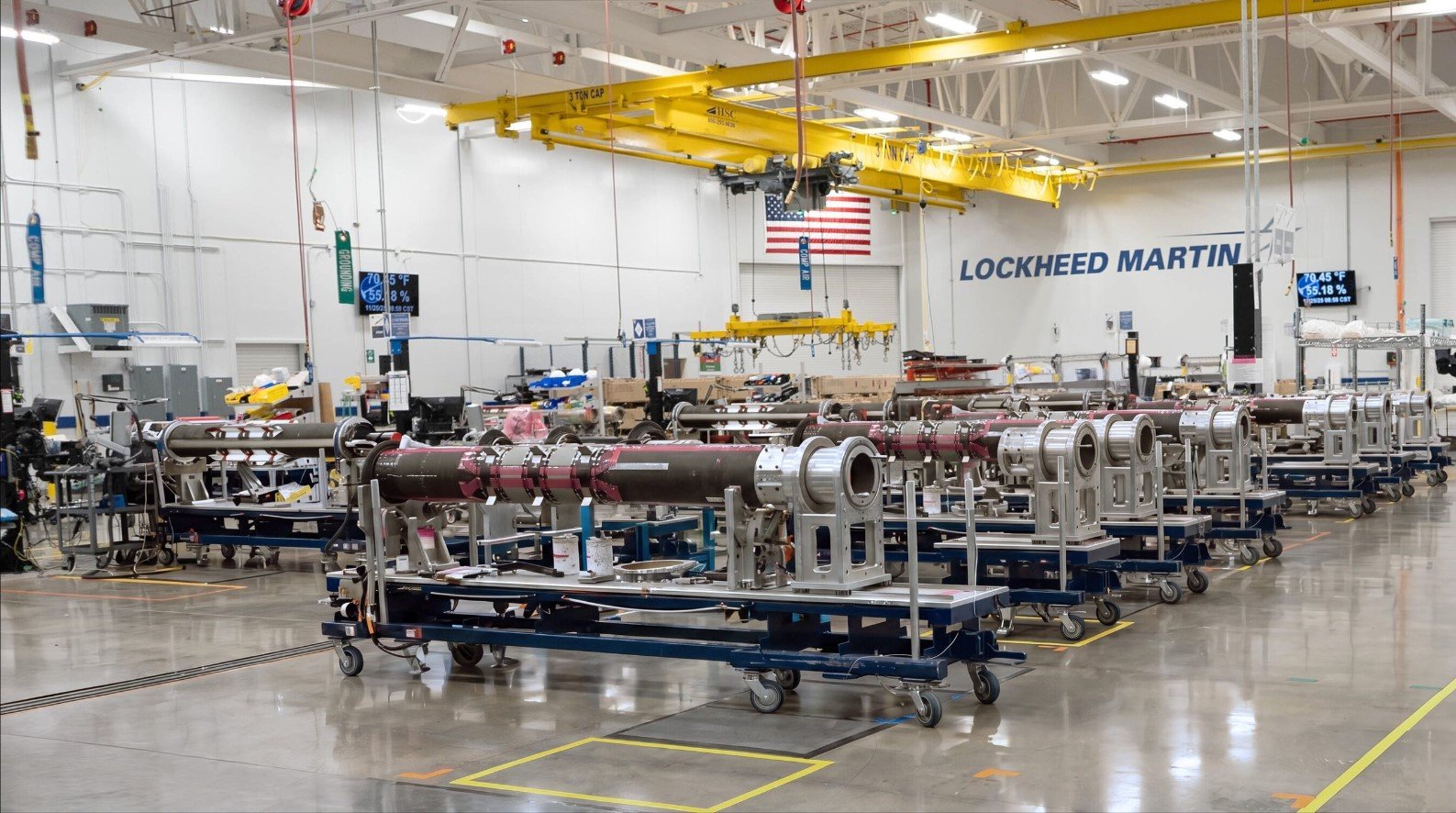
U.S
BETHESDA, Md. — Lockheed Martin has announced a major manufacturing modernization and expansion program, committing between $8 billion and $9 billion through 2030 to upgrade more than 20 manufacturing facilities across the United States. The investment is aimed at increasing production capacity for three of the company's key missile defense programs: the PAC-3 Missile Segment Enhancement (MSE) interceptor, the Terminal High Altitude Area Defense (THAAD) interceptor, and the Next Generation Interceptor (NGI). According to the company, the investment will support facility modernization, advanced manufacturing technologies, workforce development, and supply chain improvements as demand for air and missile defense systems continues to grow. Multiyear Contracts Support Production Expansion The expansion follows a series of major multiyear procurement contracts awarded by the U.S. government. In July 2026, Lockheed Martin received a seven-year undefinitized contract action (UCA) modification worth up to $53.86 billion for PAC-3 MSE interceptors. Combined with a $4.7 billion first-year award received in April 2026, the total value of the multiyear PAC-3 MSE procurement reached $58.62 billion. Lockheed Martin said the funding will support its plan to triple PAC-3 MSE production capacity by the end of 2030. The PAC-3 agreement is the second major multiyear procurement executed under the Department of War's Acquisition Transformation Strategy. It follows a June 2026 procurement contract worth up to $35 billion for THAAD interceptors. According to previously announced contract details, the THAAD procurement is intended to increase annual production from 96 interceptors to 400 interceptors. Work under the contract will be carried out at facilities in Dallas, Texas; Sunnyvale, California; Troy, Alabama; and Camden, Arkansas. "We are moving with speed to support the Department of War's Arsenal of Freedom," said Dan Nimblett, Vice President of Lockheed Martin Munitions Acceleration Integration. "Lockheed Martin continues to move with urgency to support investments to expand capacity, modernize critical facilities and deter adversaries through comprehensive defensive capabilities," Nimblett added. New Facilities in Alabama and Arkansas To support higher production rates, Lockheed Martin has started construction on two major manufacturing projects during 2026. In Troy, Alabama, construction has begun on Munitions Production Center Building 47, an 87,000-square-foot facility that will support THAAD production and provide capacity for potential future Next Generation Interceptor (NGI) manufacturing. The company said the expansion will nearly double the site's existing manufacturing footprint. In Camden, Arkansas, Lockheed Martin is building the Munitions Acceleration Center, which will support increased production of PAC-3 MSE interceptors. Camden is responsible for the final assembly of complete PAC-3 MSE rounds. The company expects the Camden expansion to increase the local workforce by about 50 percent, growing from approximately 1,200 employees to around 1,850 employees. Courtland Facility to Support Next Generation Interceptor In June 2026, Lockheed Martin opened Missile Assembly Building 5 (MAB-5) at its Courtland, Alabama, campus. The 88,000-square-foot facility is dedicated to Next Generation Interceptor (NGI) production and uses digital engineering and advanced manufacturing processes. According to the company, MAB-5 brings together digital manufacturing tools and smart production methods adapted from programs including THAAD and hypersonic systems. Manufacturing at the facility is expected to begin in 2027. "Once again, we are expanding the Courtland campus to meet the national security challenges of today," said Reshondra McInnis, Lockheed Martin Courtland Site Executive. "MAB-5 will shape the local workforce by introducing high-skill jobs to create even more pathways toward advanced manufacturing careers." The Next Generation Interceptor (NGI) is being developed to defend the United States and allied nations against evolving long-range ballistic missile threats. Lockheed Martin stated that the new Courtland facility will help accelerate the program's transition from development into production. The company was selected by the Missile Defense Agency (MDA) in 2024 to develop the interceptor. "NGI is more than a 'next generation interceptor', it's a next generation solution to missile defense's most serious threats," said Chris Jewell, Vice President of the Lockheed Martin NGI Program. "We are creating a foundation that enables long-term production, sustainment and mission support with greater adaptability and more resilient defense architecture." PAC-3 Integration With Aegis Combat System Alongside expanding production, Lockheed Martin is also working to broaden the operational use of the PAC-3 interceptor. In April 2026, the U.S. government awarded the company a contract to develop, integrate and test the capability to launch the PAC-3 missile from the Aegis Combat System. Lockheed Martin said the work will expand the flexibility and capacity of the Aegis system. The company plans land-based testing in 2027, while initial operational capability is targeted for later years. According to Lockheed Martin, Aegis is currently deployed aboard more than 120 ships across six nations and is also used in land-based Aegis Ashore operations. Long-Term Manufacturing Investment Lockheed Martin said its $8 billion to $9 billion investment through 2030 will fund modernization efforts across more than 20 U.S. facilities, including sites in Alabama, Arkansas, Florida, Massachusetts and Texas. The company stated that the investment will focus on expanding manufacturing capacity, introducing advanced production technologies, strengthening the supply chain, and supporting workforce growth to meet increasing demand for air and missile defense systems. Company officials also noted that more than $1 billion had already been invested in production capacity expansion before the latest multiyear contract awards.
Read More → Posted on 2026-08-07 15:20:00
World
MECCA, Saudi Arabia — Saudi Arabia, Turkey and Pakistan have signed the Mecca Joint Defence Agreement, a trilateral mutual defence pact stating that an armed attack against any one of the three countries will be treated as an attack against all three. The agreement was signed on Friday during the Makkah Al-Mukarramah Summit for Joint Defence at Al-Safa Palace in Mecca. Saudi Crown Prince and Prime Minister Mohammed bin Salman, Turkish President Recep Tayyip Erdogan, and Pakistani Prime Minister Shehbaz Sharif signed the document after meeting at the invitation of King Salman bin Abdulaziz Al Saud. Pakistan's delegation also included Chief of Defence Forces and Army Chief Field Marshal Asim Munir. Prime Minister Shehbaz Sharif arrived in Saudi Arabia on Thursday for a three-day visit, while President Erdogan traveled to the Kingdom on Friday for the summit. Before the meeting, the Pakistani delegation performed Umrah in Mecca. Collective Defence and Military Cooperation According to the joint statement issued after the summit, the agreement aims to strengthen collective deterrence against external aggression and expand defence cooperation among the three countries. Its main provisions include: An armed attack against one member will be regarded as an attack against all three. Expanded defence cooperation, including intelligence sharing, joint military training and defence technology development. A shared commitment to promoting peace, security and regional stability. Pakistan's Ministry of Foreign Affairs said the agreement builds on the longstanding historical ties, Islamic solidarity and shared strategic interests of the three countries. Builds on Earlier Saudi-Pakistan Defence Pact The new agreement expands the Strategic Mutual Defence Agreement signed by Saudi Arabia and Pakistan in September 2025, which also stated that an attack on one country would be treated as an attack on the other. Turkey has now been formally added to that collective defence framework. A Turkish official described the agreement as purely defensive, saying it is not directed against any specific country or actor, does not replace existing bilateral or multilateral arrangements, and remains open to other regional countries in the future. Strategic Significance The three countries bring different military and strategic capabilities to the partnership. Turkey is a NATO member with the alliance's second-largest military and a growing defence industry. Saudi Arabia is a leading oil exporter and a major political and economic power in the Arab world. Pakistan is the only nuclear-armed Muslim-majority country and has maintained long-standing military cooperation with Saudi Arabia. Turkey and Pakistan have also expanded defence cooperation in recent years, while Saudi Arabia has purchased Turkish-made drones. The agreement follows nearly a year of discussions and comes during heightened security tensions across the Middle East. Will the Agreement Work During a Major War? While the agreement establishes a collective defence principle, one of the biggest unanswered questions is how it would operate during a major conflict. The joint statement does not explain what form military assistance would take or whether support would automatically include combat operations, troop deployments, air defence or other military actions. The operational obligations have not been made public. History shows that mutual defence agreements do not always result in direct military intervention. For example, Saudi Arabia and Pakistan signed a bilateral defence agreement in 2025, yet during periods of Iranian missile and drone attacks targeting Saudi Arabia, Pakistan did not publicly participate in direct military operations against Iran, and Pakistani authorities did not announce that the agreement had been activated. Another example is Russia's security commitments to Armenia through the Collective Security Treaty Organization (CSTO). During Armenia's conflicts with Azerbaijan, Russia did not directly intervene with combat forces, demonstrating that defence agreements are often influenced by political decisions, treaty interpretation and national interests. Governments also consider the economic and strategic costs of joining a major war. Direct military involvement can affect trade, energy supplies, financial markets and national security, particularly when conflicts involve major regional or global powers. For this reason, countries usually evaluate each crisis individually before deciding the level of support they are willing to provide. The agreement also raises questions about how it would operate in the event of a future India-Pakistan conflict. The treaty does not specify whether Saudi Arabia or Turkey would provide direct military assistance in such a situation. Any response would ultimately depend on political decisions taken at that time, taking into account military, diplomatic, economic and regional security considerations. The Mecca Joint Defence Agreement represents a significant political commitment to deepen defence cooperation among Saudi Arabia, Turkey and Pakistan. However, its practical effectiveness can only be assessed if one of its members faces a future security crisis. Until then, the agreement establishes the principle of collective defence, while the exact implementation of its commitments remains undefined.
Read More → Posted on 2026-08-07 14:59:09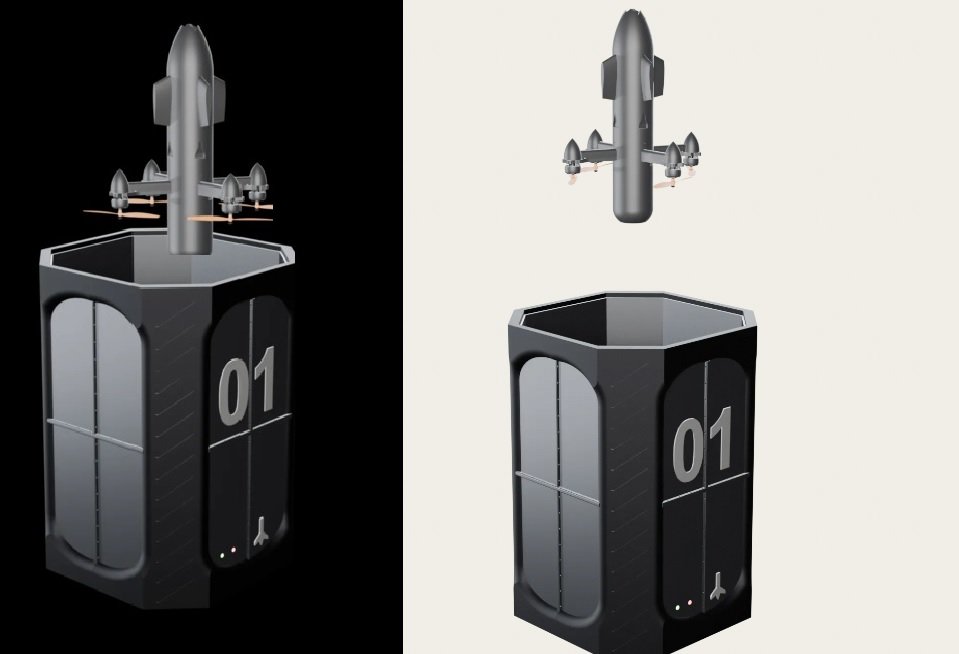
U.S
SAN FRANCISCO — IMPACT Drones, Inc., a counter-drone company backed by Y Combinator, has launched Air Defense as a Service (ADaaS), a commercial security system that uses autonomous interceptor drones to protect critical infrastructure from hostile drone attacks. The system is designed for sites including data centers, power grid facilities, airports, and military bases. According to the company, it aims to address the growing challenge of defending fixed infrastructure from increasingly common drone threats. IMPACT said conventional air defense systems are often too expensive for routine protection of civilian infrastructure. Traditional interceptors can cost more than $1 million per engagement, while hostile drones may cost approximately $30,000 to $50,000 to manufacture. This cost imbalance has left many infrastructure operators without an affordable physical defense against aerial threats. The need for such protection was highlighted earlier this year when a drone attack disrupted three Amazon Web Services (AWS) data centers in the Middle East. The incident took a dozen core cloud services offline, and Amazon reported an estimated $200 million loss in a single day. Autonomous Container-Based System The ADaaS system consists of a sealed container permanently installed at the protected site. It does not require dedicated launch crews or launch pads. When external sensors detect a hostile drone, an interceptor automatically breaks through the container's frangible lid and launches toward the target. Using onboard visual navigation, it physically collides with the incoming drone to neutralize the threat. Because the system relies on visual navigation instead of GPS, it can continue operating in environments where Global Navigation Satellite System (GNSS) signals are jammed or unavailable. HUNTER and SABLE Interceptors IMPACT currently offers two interceptor platforms running the company's common autonomy software. HUNTER is the point-defense interceptor designed to protect the airspace directly above a facility. It can reach speeds of up to 300 km/h and uses electro-optical/long-wave infrared (EO/LWIR) terminal guidance. The company said its hardware lineage is based on systems previously used in Ukraine against Shahed-136, Geran-2, and Gerbera drones. SABLE, which is still under development, is a turbine-powered interceptor with a delta-wing airframe. It is designed to reach speeds of up to 825 km/h to engage faster aerial threats. Subscription-Based Protection Instead of selling individual interceptor missiles, IMPACT is offering the system through a subscription model. The service includes the installed hardware, replacement interceptors, reloads, and continuous monitoring, with pricing scaled to the size of the protected site and expected threat level. "Drones are hitting data centers, substations, and airports today, and the defenses built for armies do not scale down to a single site. So we put the whole thing in a box. It sits at your site, it launches when something hostile comes in, and it rams it out of the sky. You do not buy missiles, you subscribe to safe skies. That is Air Defense as a Service," said Jasper Lortije, Founder and CEO of IMPACT Drones. Pilot Deployments Planned IMPACT Drones is part of Y Combinator's Summer 2026 batch. The launch was announced through Y Combinator's channels, and pilot deployments of the interceptor system are scheduled to begin in the third quarter of 2026. The San Francisco-based company was founded by Jasper Lortije, an aerospace engineer with a master's degree from TU Delft who previously worked on visual navigation systems, and Alessandro Fiume, who has a background in sales. The company said it is seeking partnerships with data center operators, airport managers, and energy infrastructure organizations for future deployments.
Read More → Posted on 2026-08-07 14:32:41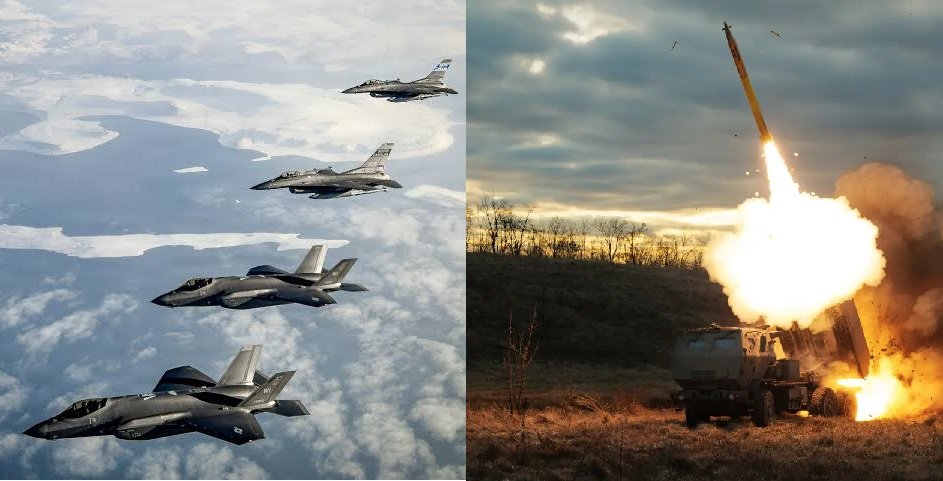
U.S
NOME, Alaska — U.S. joint military forces carried out a multi-domain homeland defense exercise near Nome, Alaska, on August 4 and 6, 2026, integrating fifth-generation fighter aircraft with long-range ground artillery to test their ability to detect, track and engage simulated threats approaching North America through the Arctic. The exercise was conducted under Operation TUNDRA MERLIN, a long-planned homeland defense operation led by U.S. Northern Command and Alaskan Command. The mission focused on improving coordination between air and land forces, validating rapid deployment capabilities, and strengthening joint operations in the Arctic environment. Air and Ground Forces Conduct Integrated Mission The exercise brought together a range of U.S. military assets from the Air Force and Army. Air Force units from Eielson Air Force Base, Alaska, deployed two F-35 Lightning II fighter aircraft, two F-16 Fighting Falcons, and a KC-135 Stratotanker for aerial refueling. On the ground, the U.S. Army fielded an M142 High Mobility Artillery Rocket System (HIMARS) from Joint Base Lewis-McChord, Washington, supported by an AN/TPQ-53 radar system and soldiers from the 1st Battalion, 5th Infantry Regiment, 1st Mobile Brigade Combat Team (Air Assault), 11th Airborne Division. The entire operation was conducted under the command and control of U.S. Northern Command and Alaskan Command. HIMARS Rapidly Deployed to Nome As part of the exercise, the HIMARS launcher was deployed to Nome on July 31, 2026, demonstrating the military's ability to rapidly move combat systems into remote Arctic locations. The 17th Field Artillery Brigade, I Corps, transported the HIMARS aboard a Royal Canadian Air Force C-17 Globemaster III from Joint Base Lewis-McChord. During the flight, the aircraft also stopped at Fort Wainwright, Alaska, to transport soldiers from the 11th Airborne Division, who later operated alongside the HIMARS and AN/TPQ-53 radar during the mission. F-35s and HIMARS Conduct Long-Range Precision Strike The main objective of the exercise was to integrate airpower with long-range precision fires in a single coordinated mission. After receiving aerial refueling from the KC-135, the F-35s and F-16s flew toward the vicinity of Saint Lawrence Island in the Bering Sea. The F-35s then digitally synchronized with the HIMARS unit on the ground to detect and engage a simulated target approximately 135 miles away, demonstrating coordination between airborne sensors and ground-based precision fires. F-16s Practice Defensive Counterair Operations Alongside the strike mission, the exercise also included defensive counterair training. The F-16 Fighting Falcons were assigned to defend the airspace by intercepting the F-35s, which temporarily acted as simulated inbound threats. This scenario allowed aircrews to practice defensive tactics while operating alongside other joint-force elements. Military Leaders Highlight Joint Force Integration Lt. Gen. Robert Davis, commander of Alaskan Command, the Alaskan North American Aerospace Defense Command Region, and the Eleventh Air Force, said the exercise demonstrated the value of integrating air and land capabilities for homeland defense. "This operation demonstrated the power of an integrated joint force capable of layering effects across the air and land domains to strengthen homeland defense," Davis said. "By synchronizing command and control, airpower and long-range precision fires, we strengthened our ability to posture combat-ready forces, eliminate operational seams and demonstrate the credible combat capability required to deter aggression across the Arctic." Maj. Gen. John Cogbill, commander of the 11th Airborne Division, said the deployment showed the Army's ability to rapidly move forces into the Arctic and integrate them with other military capabilities. "This deployment under Operation TUNDRA MERLIN demonstrates our ability to rapidly deploy forces and seamlessly integrate joint capabilities across the Arctic," Cogbill said. "By deploying alongside the HIMARS, we are proving our readiness to deter adversaries by demonstrating lethal, long-range precision capabilities that can hold their assets at risk." Operation TUNDRA MERLIN Supports Arctic Homeland Defense Operation TUNDRA MERLIN is a long-planned and ongoing homeland defense operation conducted by Alaskan Command with U.S. and Canadian partners. The operation integrates joint and multinational forces across the Alaskan theater to strengthen command and control, improve force integration, and maintain combat-ready forces capable of defending the northern approaches to North America. Earlier phases of the operation included a five-day, 800-mile combined maritime patrol conducted from July 20 to 24 in the Bering Sea and Bering Strait. The patrol involved the U.S. Coast Guard Cutters Munro and Storis and the Royal Canadian Navy ship HMCS Max Bernays. Before the August exercise, residents of Nome were notified about increased military activity and planned low-flying aircraft operations. Military officials said all activities were coordinated to minimize disruption to local communities while maintaining readiness for homeland defense missions in the Arctic.
Read More → Posted on 2026-08-07 14:22:01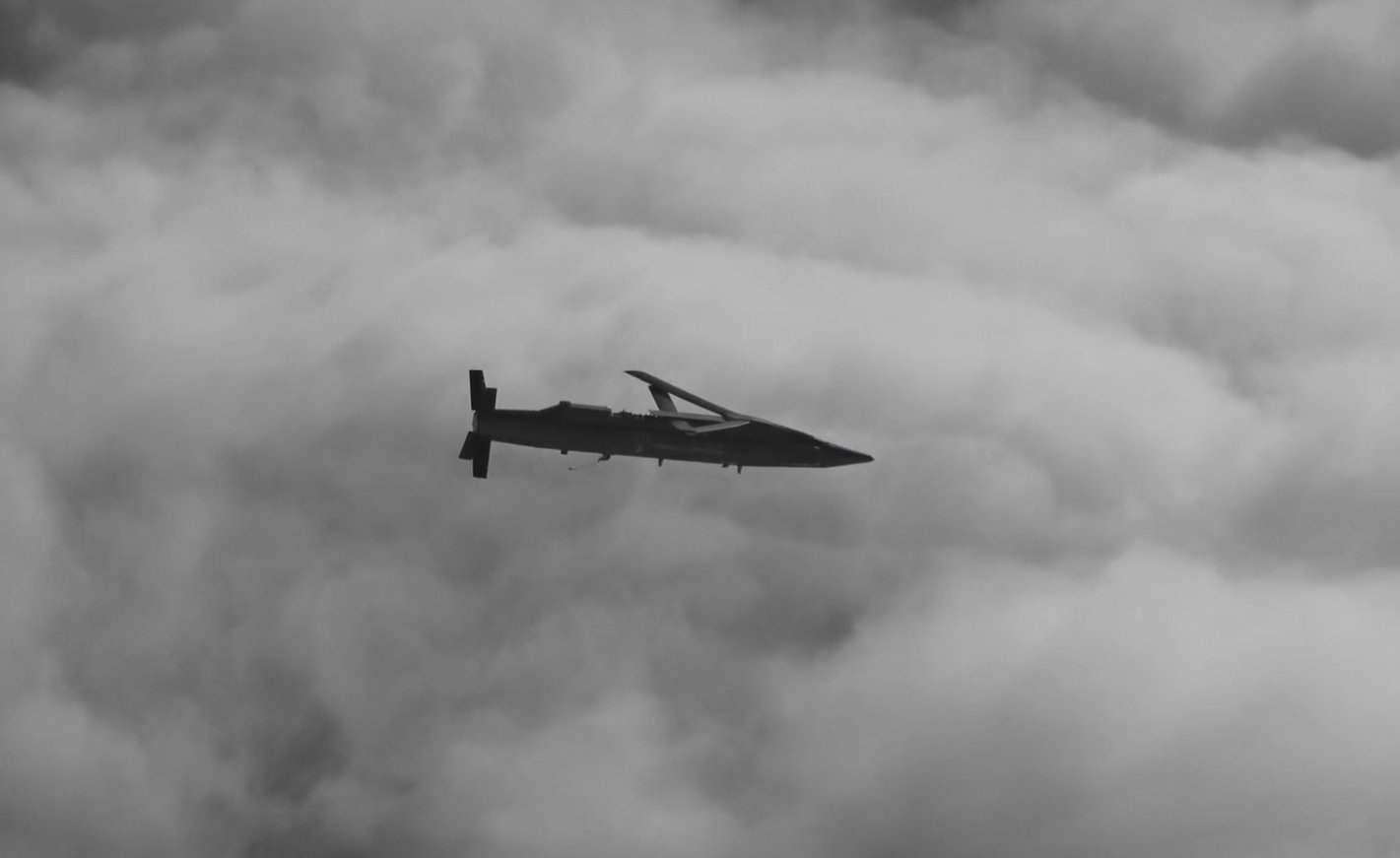
World
ANKARA, Türkiye — Turkish defense company ASELSAN has announced that its TOLUN-P bunker-penetrating guided munition is ready for operational use following a successful firing test from the Bayraktar AKINCI unmanned combat aerial vehicle (UCAV). The latest test confirmed the weapon's ability to carry out precision strikes against hardened military targets, including underground bunkers, fortified command centers, armored hangars, and reinforced structures. During the test, the Bayraktar AKINCI released the TOLUN-P, which achieved a direct hit on its designated target. ASELSAN also released footage of the test, stating that the bunker-penetrating munition has now reached mission-ready status after completing its development and evaluation process. Derin taarruz, yüksek hassasiyet 🚀.Zırhlı ve betonla korunan hedeflere karşı sahada kuvvet çarpanı olan sığınak delici TOLUN P göreve hazır. ✅@BaykarTech 🤝 #ASELSAN🌐Precision deep strike 🚀. Bunker-penetrating TOLUN P, a battlefield force multiplier against armored… pic.twitter.com/DaYeLnSOr8 — ASELSAN (@aselsan) August 7, 2026 Designed for Hardened Targets The TOLUN-P is part of ASELSAN's 250-pound class of compact precision-guided munitions. According to the company, the weapon has a total weight of 136 kilograms and is equipped with a 105-kilogram penetrator warhead developed to defeat hardened and reinforced targets. One of the weapon's key features is its hardened nose design, which, together with its kinetic energy, enables it to penetrate up to one meter of reinforced concrete before detonation. Instead of exploding immediately after impact, the munition uses an electronically programmable fuze that can be set by the pilot before launch. The delayed detonation allows the warhead to explode inside the target structure, increasing its effectiveness against protected facilities. Guidance and Anti-Jamming Features The TOLUN-P combines Global Navigation Satellite System (GNSS) guidance with an Inertial Navigation System (INS) to maintain accuracy during flight. ASELSAN says the munition is also equipped with a four-channel Controlled Reception Pattern Antenna (CRPA) and built-in anti-spoofing software designed to help the weapon continue toward its target even if satellite navigation signals are jammed or interfered with. According to official specifications, the munition has a circular error probable (CEP) of less than 10 meters. ASELSAN also states that the weapon can achieve a maximum range of approximately 55 nautical miles (about 102 kilometers) when released from a high-altitude fighter aircraft, while its range is lower when launched from unmanned aerial platforms. SADAK-4T Increases Weapon Capacity The TOLUN-P is designed to operate with ASELSAN's SADAK-4T smart pneumatic quad rack, which enables a single weapons pylon to carry four TOLUN munitions simultaneously. An aircraft equipped with two SADAK-4T racks can carry up to eight TOLUN munitions during a single mission. The system also allows pilots to program the electronic fuzes before release and engage multiple targets in a single sortie. For aircraft that do not use the quad-rack configuration, ASELSAN has also developed the TOLUN-SI, a version with a different mounting interface for single-carriage integration. Development and Testing Development of the TOLUN family began in 2020 to provide Türkiye with a domestically developed precision-guided weapon capable of striking hardened targets. The system was publicly introduced during the IDEF 2021 defense exhibition together with the SADAK-4T rack. Testing started in 2022 with aerodynamic and structural evaluations before expanding to flight-release trials in 2023. Integration was extended to unmanned platforms, including the Bayraktar TB2 and Bayraktar AKINCI. A major live-fire demonstration took place in December 2025 at a test range in Konya, where a TOLUN munition released from an AKINCI penetrated reinforced concrete and destroyed a UH-1 helicopter positioned beneath it. Later in 2025, ASELSAN also demonstrated a longer-range version of the weapon, successfully striking a target located more than 100 kilometers away after being launched from an F-16 using the SADAK-4T rack. Integration with KIZILELMA ASELSAN has continued integrating the TOLUN-P with additional Turkish air platforms. The weapon has been tested on Baykar's KIZILELMA unmanned combat aircraft, including releases from its internal weapons bay during flight testing. According to ASELSAN, KIZILELMA can carry up to eight TOLUN-P munitions internally using two SADAK-4T racks. Internal carriage enables the aircraft to carry weapons inside the fuselage rather than on external pylons, a configuration used during testing with the platform. Variants of the TOLUN Family In addition to the bunker-penetrating TOLUN-P, ASELSAN has developed several other variants for different operational requirements. These include the TOLUN-F fragmentation variant, TOLUN-L with a laser seeker, TOLUN-IIR equipped with an imaging infrared seeker, and additional configurations designed for different mission profiles. According to ASELSAN, the penetrator warhead was designed by TÜBİTAK SAGE, while the remainder of the weapon system was developed by ASELSAN. Export Deliveries ASELSAN has confirmed that the first export deliveries of TOLUN munitions and SADAK-4T quad racks were completed in 2025. The systems were supplied to customers in the Middle East, Africa, and Asia, although the company has not disclosed the names of the recipient countries. The declaration of mission-ready status following the latest AKINCI firing test marks another step in the operational deployment of the TOLUN family across both manned and unmanned Turkish air platforms.
Read More → Posted on 2026-08-07 12:15:38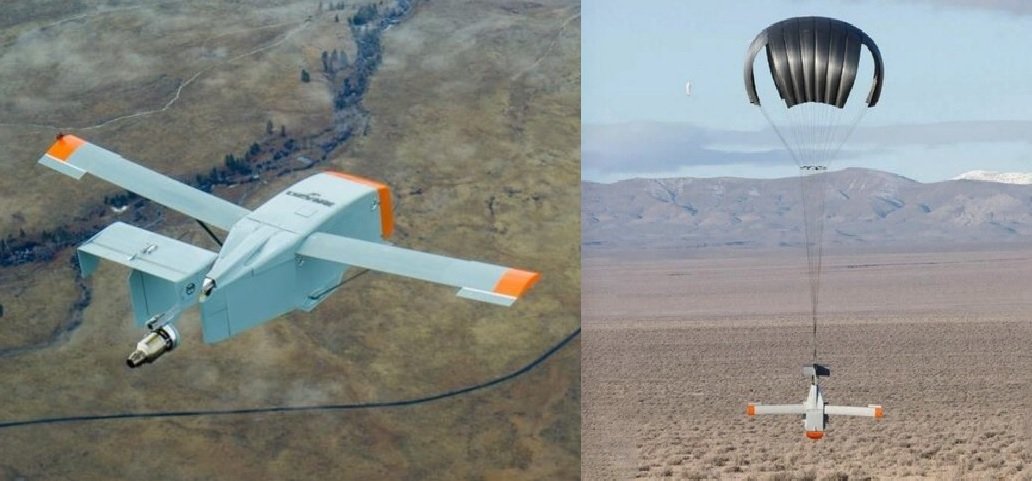
U.S
WEST PALM BEACH, Fla. — The U.S. Air Force Research Laboratory (AFRL) has awarded a contract valued at more than $6 million to DZYNE Technologies, LLC, now part of Ondas Inc., to continue development of the Long-Range Grasshopper autonomous aerial delivery system. The contract supports the advancement of a runway-independent logistics platform designed to deliver supplies over extended distances in contested and austere environments. The award was announced by Ondas on August 6, 2026. Following Ondas' acquisition of DZYNE Technologies in a transaction valued at $875.8 million, all defense-related contract work is now managed through Ondas Sentinel, the company's dedicated U.S. defense division. The Long-Range Grasshopper is part of DZYNE's Grasshopper Family of Systems, which provides autonomous precision aerial resupply for military operations. The systems are designed as low-cost, expendable aircraft that are not intended to be recovered or reused after completing their mission. This approach allows military forces to deliver essential supplies without exposing personnel or high-value aircraft to operational risks. The Grasshopper family includes both a glider version and a turbine-powered Long-Range variant. Both versions are capable of carrying up to 500 pounds of cargo and delivering it with high precision. After being released from a variety of host aircraft, the systems immediately transition into autonomous flight and navigate to pre-planned destinations. According to the company, the glider version has an empty weight of approximately 575 pounds and a maximum launch weight of 1,075 pounds. The turbine-powered Long-Range version has an empty weight of about 650 pounds and a maximum launch weight of 1,700 pounds. Both variants share a 20-foot wingspan. The systems are designed to operate in GPS-denied or GPS-degraded environments using autonomous navigation capabilities. They complete deliveries by deploying a parachute for precision landing at the designated target area. Ondas stated that the estimated production cost is approximately $40,000 per vehicle, supported by low-cost manufacturing methods. The latest contract builds on several years of collaboration between AFRL and the engineering teams now operating under Ondas Sentinel. During a 2024–2025 flight test campaign, the Long-Range Grasshopper successfully demonstrated several key capabilities, including autonomous deployment, jet-engine air-start, extended-range navigation, and precision payload delivery. The flight testing was conducted at locations including Dugway Proving Ground in Utah and the Pendleton UAS Range in Oregon. According to the company, the original Grasshopper glider progressed from a research concept to a fielded capability in less than 12 months, with several dozen units delivered to the U.S. Air Force. Development of the longer-range version began after operational users requested greater delivery range following the initial deployment of the glider system. Under the new AFRL contract, development work will continue on both the Long-Range Grasshopper and the Grasshopper glider. The program will focus on improving extended-range flight and endurance, modular payload integration, autonomous navigation in GPS-limited and GPS-denied environments, and increasing system reliability and manufacturability to support larger-scale fielding. The Long-Range Grasshopper has been developed to support the U.S. Air Force's Agile Combat Employment (ACE) concept, which emphasizes dispersed operations, flexible force deployment, and scalable logistics. The autonomous delivery system is intended to provide precision resupply from multiple launch platforms while reducing the need for fixed infrastructure and helping keep crewed aircraft outside higher-risk areas. Ondas said the acquisition of DZYNE Technologies expanded its defense capabilities across several mission areas, including multi-domain intelligence, surveillance and reconnaissance (ISR), counter-uncrewed aerial systems (counter-UAS), autonomous effects, aerial security, precision strike, autonomous logistics, and AI-enabled mission orchestration. Commenting on the contract award, Eric Brock, Chairman and Chief Executive Officer of Ondas, said the agreement supports the company's strategy of building an autonomous defense platform focused on technologies addressing current national security requirements. Ryan Hartman, Chief Executive Officer of Ondas Sentinel, said long-range, low-cost autonomous delivery is becoming an important capability for future military operations and that AFRL's continued partnership reflects the potential of the Grasshopper system to support distributed logistics in contested environments. The Long-Range Grasshopper is part of Ondas Sentinel's broader autonomous defense portfolio, which also includes LEAP, ULTRA, and counter-UAS systems. The new AFRL contract further supports continued development of scalable autonomous logistics technologies for future U.S. defense operations.
Read More → Posted on 2026-08-07 12:10:36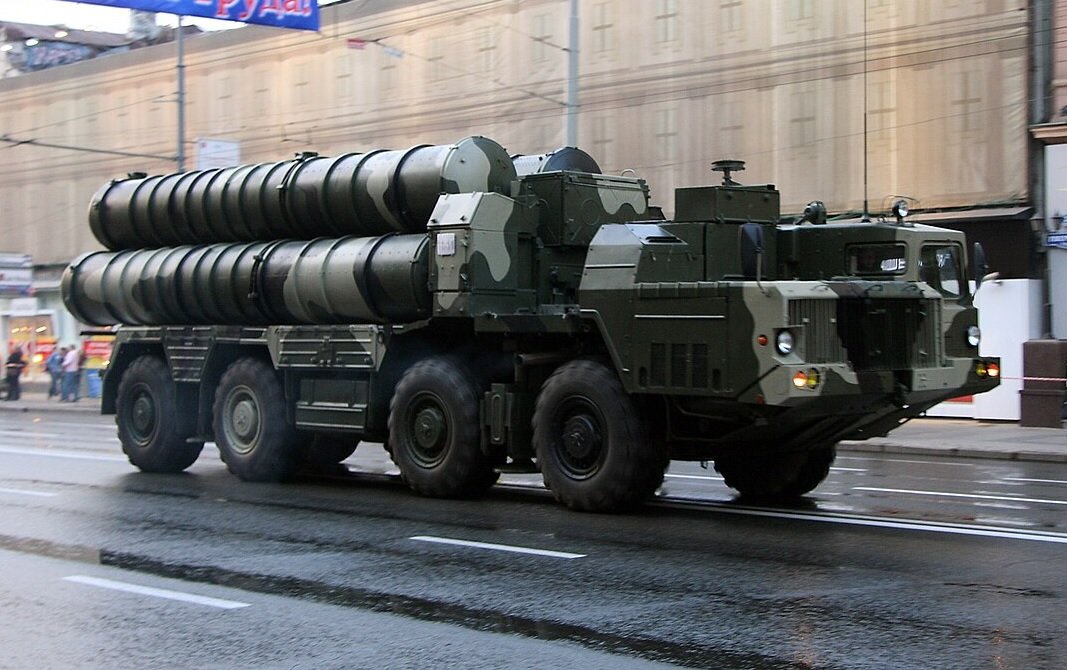
World
WASHINGTON, D.C. — The United States and Ukraine are jointly working to modernize Soviet-era S-300 surface-to-air missiles and develop an improved variant to strengthen Ukraine's air defense capabilities. According to Robert Hamilton, a retired U.S. Army colonel and president of the Delphi Global Research Center, the upgraded system is expected to become operational closer to the end of 2026. Speaking in an interview with PBS NewsHour, Hamilton said the project focuses on upgrading older S-300 interceptor missiles or developing a newer version with improved capabilities. He said production is expected to reach approximately 100 to a couple of hundred interceptor missiles annually once the program is underway. The initiative is part of a broader effort by the United States and Ukraine to sustain Ukraine's existing Soviet-era air defense systems while increasing the availability of interceptor missiles for launchers that remain in service. Program Builds on Earlier U.S. Commitment The modernization effort follows an announcement made in September 2024 during a meeting of the Ukraine Defense Contact Group at Ramstein Air Base, Germany. At the meeting, then-U.S. Secretary of Defense Lloyd Austin said the United States, working with several European companies, was helping Ukraine design and manufacture a replacement for the Soviet-era S-300 surface-to-air missile system as well as the R-27 air-to-air missile. Austin did not provide technical details about the replacement system or its expected capabilities. Supporting Existing Air Defense Systems At the beginning of Russia's full-scale invasion, Ukraine operated an estimated 25 to 30 S-300PT and S-300PS battalions in varying states of combat readiness. During more than four years of war, continuous Russian missile and drone attacks significantly reduced Ukraine's stockpile of S-300 interceptor missiles. As a result, Ukraine has increasingly relied on Western-supplied air defense systems and their interceptor missiles to defend against aerial attacks. The joint U.S.-Ukraine effort is intended to increase the availability of interceptor missiles for the S-300 systems that remain in Ukrainian service while supporting the long-term operation of these launchers. Localization Efforts in Ukraine Alongside the joint modernization program, Ukraine's defense industry has been working to localize the production of missiles for the S-300 and S-400 systems. According to earlier reports, this work includes integrating the missiles with European radar systems. Fire Point chief designer Denys Stielerman previously described efforts to develop components for these missiles, including plans for engine production and dynamic testing. These localization efforts are aimed at expanding domestic production capability and supporting the continued operation of existing air defense systems. Norwegian Funding Supports Missile Procurement The modernization program has also received financial support from European partners. In December 2025, the Norwegian government allocated more than 500 million Norwegian kroner for the procurement of S-300 surface-to-air missiles for Ukraine as part of its military assistance package. The funding was provided through the Joint Ukraine Multinational Program Services, Training, and Articles Rapid Timeline (JUMPSTART), a U.S.-run defense procurement mechanism designed to help partner countries rapidly purchase and transfer military equipment to Ukraine. Norway's broader assistance package also included funding for ammunition for F-16 fighter aircraft and advanced precision weapon systems. Part of Broader Air Defense Effort Hamilton said the S-300 modernization project is one of several measures aimed at addressing Ukraine's air defense requirements. He noted that the effort complements other air defense systems, including the French-Italian SAMP/T. While planned production of approximately 100 to a couple of hundred interceptor missiles per year remains limited compared with Ukraine's overall demand, the joint program is intended to improve the availability of missiles for existing S-300 launchers and strengthen the country's air defense network. According to Hamilton, the upgraded S-300 system is expected to reach operational status closer to the end of 2026, marking an important step in the ongoing cooperation between the United States and Ukraine to sustain and modernize Ukraine's air defense capabilities.
Read More → Posted on 2026-08-07 12:02:41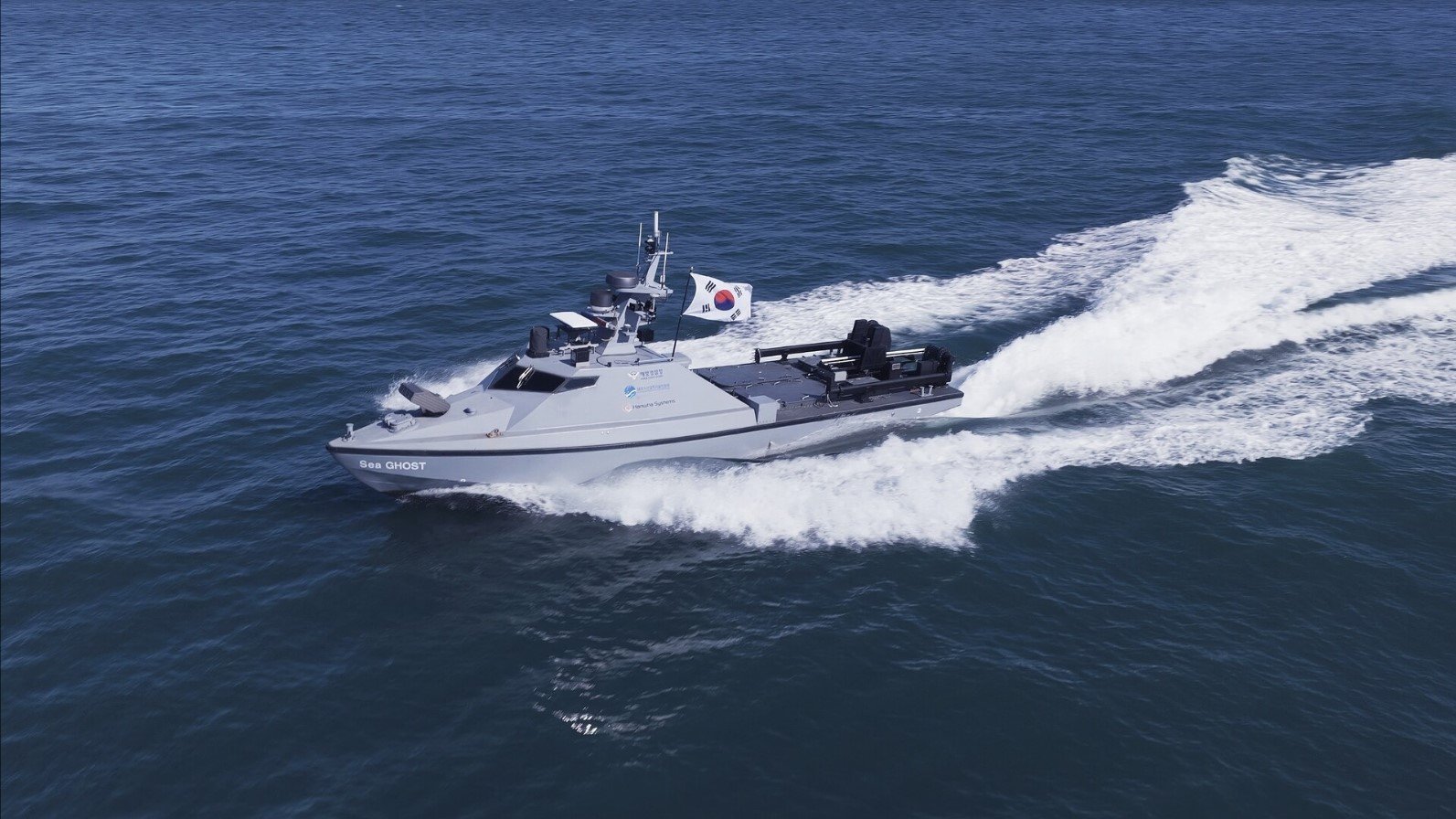
World
BUSAN, South Korea — The Republic of Korea (ROK) Navy has successfully completed its first live combat experiment combining artificial intelligence (AI) with crewed and uncrewed platforms for mine countermeasure operations, marking an important step in the country's efforts to modernize naval warfare. The exercise was conducted on August 3 at the Busan Naval Base in partnership with Hanwha Systems. It evaluated an AI-supported mine warfare system operating under the Navy's Sea GHOST (Guardian Harmonized with Operating manned Systems and Technology based unmanned systems) concept, which focuses on integrating conventional naval vessels with unmanned platforms through Manned-Unmanned Teaming (MUM-T). The demonstration tested how artificial intelligence could support commanders in planning and coordinating mine countermeasure missions while keeping human operators in control of all final decisions. Mine Blockade Scenario The exercise was based on a simulated scenario in which enemy forces blocked the Port of Busan with naval mines, preventing safe access to the harbor. To respond to the threat, the Navy deployed a hybrid task group centered on the 730-ton ROKS Ongjin (MSH-572) minesweeper. The vessel operated alongside several unmanned platforms, including an aerial reconnaissance drone, Hanwha Systems' 30-ton unmanned surface vessel (USV), the Haeryeong reconnaissance USV, and an autonomous underwater vehicle (AUV) designed for mine detection. The unmanned surface vessels were not equipped with operational mine-clearing systems during the trial and instead performed simulated operational roles. AI Supported Mission Planning A key part of the demonstration was the use of a Large Language Model (LLM)-based Automatic Mine Detection System (AMDS), described by the Navy as an "AI combat adviser" and by Hanwha Systems as an AI mission-planning platform. The AI system received natural-language commands and analyzed operational information, including weather conditions and ocean currents, before producing a mine search and sweeping plan. Rather than acting independently, the system submitted its recommendations to the commander aboard ROKS Ongjin. After reviewing and approving the proposed plan, the commander authorized mission assignments for both crewed and unmanned platforms. The exercise demonstrated that AI was used as a decision-support tool, while command authority remained with human personnel. Four Operational Phases Tested During the combat experiment, the Navy evaluated four major stages of mine countermeasure operations. The first phase focused on AI-assisted mission planning, where the system automatically prepared a search strategy using real-time operational information. The second phase tested multi-domain tactical integration, allowing the minesweeper, unmanned surface vessels, autonomous underwater vehicle, and aerial drone to operate through a single network. Communications between the platforms were supported by Eutelsat OneWeb low-Earth-orbit satellite communications. The third phase evaluated real-time target analysis. The Haeryeong USV deployed its onboard autonomous underwater vehicle into the simulated minefield, where it collected underwater information. That data was transmitted in real time to the Automatic Mine Detection System, which processed the information and identified the simulated mine locations. The final phase demonstrated countermeasure procedures, with the unmanned platforms conducting simulated mine neutralization while ROKS Ongjin moved to a safe area to avoid simulated blast damage. Remote Operation Demonstrated The trial also demonstrated the ability to remotely operate the autonomous underwater vehicle and both types of unmanned surface vessels from a land-based control center using Eutelsat OneWeb low-Earth-orbit satellite communications. According to the Navy, the exercise showed that AI-supported planning combined with coordinated crewed and uncrewed operations can improve future mine countermeasure missions by assigning higher-risk tasks to autonomous systems while keeping personnel farther from potential danger. Navy Highlights Future Role of AI Vice Admiral Kwak Kwang-seop, Commander of the Republic of Korea Fleet, said artificial intelligence and unmanned systems will become increasingly important in future naval operations. "AI technology and unmanned systems will become core capabilities on the future maritime battlefield. We must lead the future battlefield through the rapid military application of advanced technology. Moving forward, we will expand civil-government-military collaboration—leveraging Busan as an AI Transformation (AX) hub—to rapidly field AI capabilities and advance our operational capabilities through continuous combat experiments." Commander Lee Kwang-hoon, who leads the ROK Fleet's unmanned systems operations innovation division, said the trial successfully demonstrated the AI decision-support structure. He added that future work will focus on improving the system's accuracy, particularly its ability to distinguish actual naval mines from underwater objects such as rocks and fishing nets. Sea GHOST Development Continues The Sea GHOST concept was first introduced during the ROK Navy's 77th anniversary ceremony in 2022. Since then, South Korean defense companies, including Hanwha Systems and LIG Nex1, have continued developing technologies that support the concept, including anti-submarine warfare unmanned underwater vehicles (ASWUUV), the Haegum series of unmanned surface vessels, and cross-domain data links. The Busan combat experiment forms part of the Navy's broader effort to transition AI-enabled and uncrewed mine countermeasure capabilities from testing into operational fleet service. The ROK Navy plans to conduct additional combat trials as it continues developing future autonomous mine warfare capabilities.
Read More → Posted on 2026-08-07 11:48:53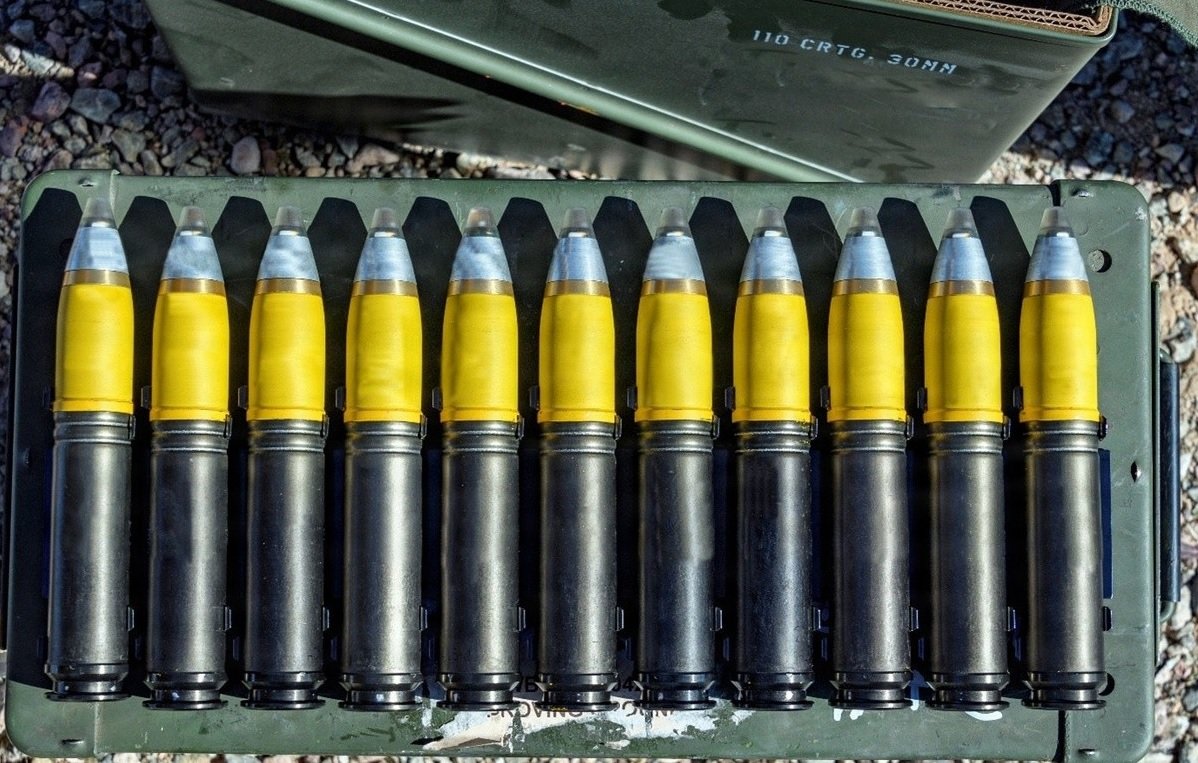
Europe
STOCKHOLM, — Sweden has signed a seven-year framework agreement with Nammo Sweden for the supply of programmable 30mm and 40mm airburst ammunition, marking another step in strengthening the country's short-range air defense and counter-unmanned aircraft system (counter-UAS) capabilities. Nammo has also received the first call-off order under the agreement, with production of the initial ammunition batch set to begin. The agreement covers Nammo's 30mm x 113 PABEX and 40mm L/70 PABEX programmable ammunition. PABEX (Programmable AirBurst EXplosive) is designed to detonate at a pre-programmed point during flight, allowing its fragments to be concentrated around airborne targets rather than requiring a direct impact. Designed for Air and Ground Threats According to Nammo, the programmable rounds are designed to engage unmanned aerial systems (UAS), incoming missiles, and helicopters. The ammunition also remains effective against conventional surface and ground targets, providing greater operational flexibility for the Swedish Armed Forces. Programmable airburst ammunition is particularly effective against small, fast-moving, or maneuvering aerial targets because it can be set to explode at a selected point near the target, increasing the likelihood of a successful engagement. Integration with Existing Swedish Defense Systems The new ammunition will primarily be integrated with two key Swedish air-defense systems: the Trackfire remote weapon station and the TRIDON Mk2 mobile air-defense system. The TRIDON Mk2 is a truck-mounted 40mm anti-aircraft gun system developed to provide highly mobile short-range air defense. The integration of programmable airburst ammunition is intended to improve its ability to counter evolving aerial threats. The agreement also benefits Sweden's existing fleet of CV90 infantry fighting vehicles. Since many CV90 vehicles are already equipped with 40mm Bofors guns, they are fully compatible with the 40mm L/70 PABEX ammunition. This provides the vehicles with an additional capability to engage aerial threats without requiring new platforms or extensive vehicle modifications. Supporting Sweden's Counter-Drone Efforts Nammo said the framework agreement supports Sweden's efforts to strengthen its national air defense and counter-UAS capabilities. The ammunition is designed to combine precision and flexibility against a broad range of threats while making use of existing gun systems already in service. The agreement also aligns with wider efforts by European armed forces to improve defenses against the growing use of unmanned systems on modern battlefields through upgrades to existing air-defense platforms. Nammo Highlights Long-Term Partnership Commenting on the agreement, Morten Brandtzæg, President and CEO of Nammo, said the contract represents an important milestone in the company's partnership with Sweden. "As a trusted partner to Sweden, this agreement marks an important step in further strengthening Swedish defense capabilities. By delivering cutting-edge ammunition solutions, we are helping our customers stay ahead of evolving threats and meet future operational challenges." Financial Details Not Disclosed Nammo stated that the seven-year framework agreement reinforces its position as a supplier of ammunition for modern air-defense operations. While the company confirmed receipt of the first call-off order, it did not disclose the value of the agreement or the quantity of ammunition included in the initial purchase. The agreement and the first production order were announced on Aug. 7, 2026, with no additional financial or procurement details released by Nammo or Swedish authorities.
Read More → Posted on 2026-08-07 11:42:33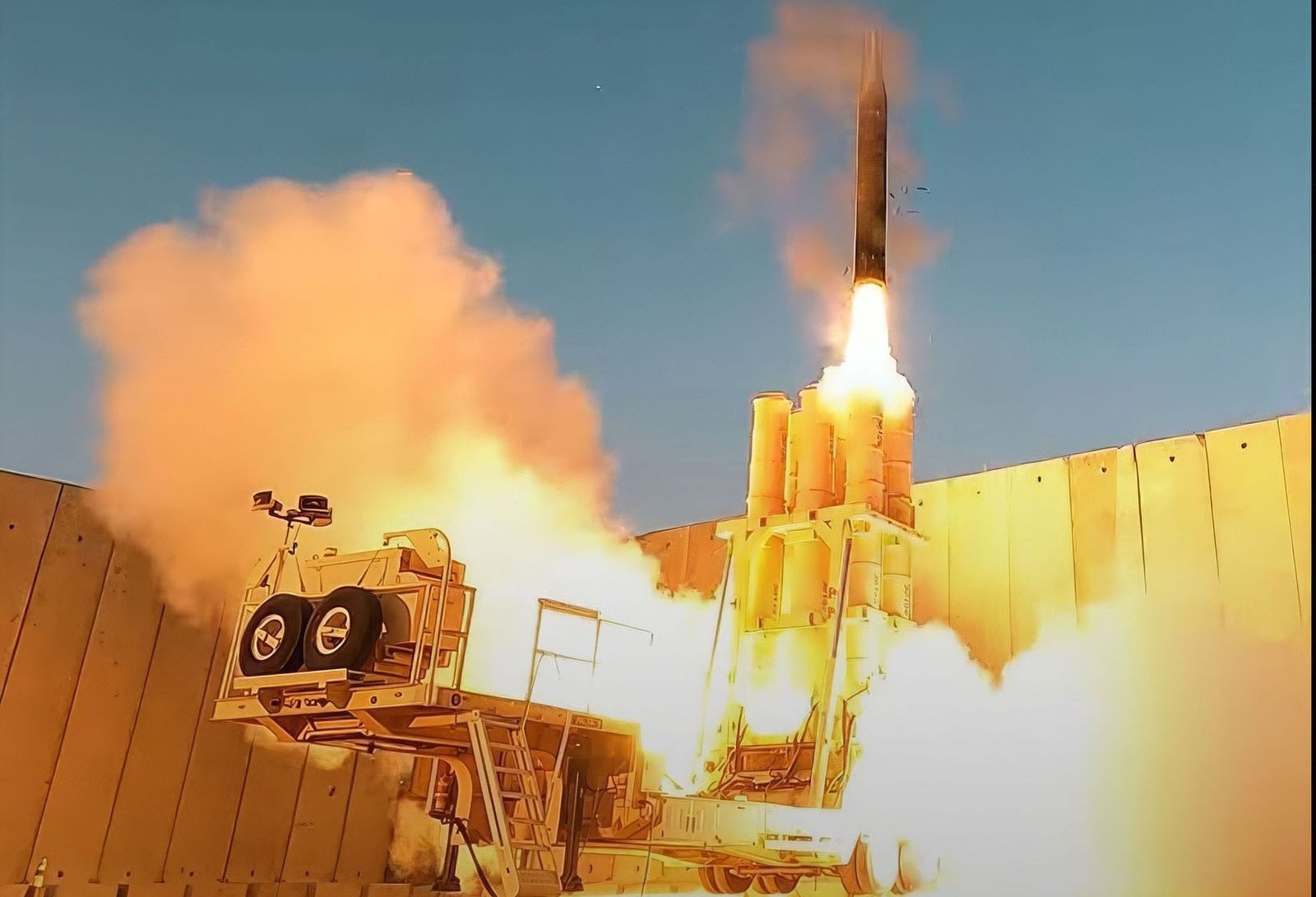
World
TEL AVIV, Israel — The Israeli Ministry of Defense, in cooperation with the U.S. Missile Defense Agency (MDA), successfully completed a planned test of the Arrow Weapon System on Wednesday from a test site in central Israel, marking another step in the long-term modernization of Israel's upper-tier missile defense capabilities. The test was conducted by the Israeli Missile Defense Organization (IMDO), part of the Directorate of Defense Research & Development (DDR&D), together with the Israel Defense Forces (IDF), Israel Aerospace Industries (IAI), and the U.S. MDA. Senior officials from both Israel and the United States were present during the launch. The exercise formed part of a multi-year development program focused on upgrading the Arrow Weapon System to address evolving ballistic missile threats. According to the Ministry of Defense, the latest test evaluated new technological improvements that will support the continued deployment of the system within the IDF. Key Layer of Israel's Air Defense Network The Arrow Weapon System is the highest layer of Israel's multi-tiered air and missile defense architecture. It includes the Arrow 2 and Arrow 3 interceptors and operates alongside David's Sling, Iron Dome, and Iron Beam. The system is designed to intercept ballistic missiles at high altitudes and, in the case of Arrow 3, outside the Earth's atmosphere using hit-to-kill technology. It relies on the Green Pine and Super Green Pine radar systems to detect and classify threats before transmitting data through an advanced command-and-control and fire control network. The Israeli Air Force's Air Defense Command operates the system. Over the past three years, Arrow 2 and Arrow 3 have been used operationally to intercept ballistic missile threats launched toward Israel from Iran and Yemen, including interceptions carried out in space and the exo-atmosphere. New Technologies Integrated Into the System Israeli defense officials said the latest phase of development incorporates advanced technologies, artificial intelligence, lessons learned from recent combat operations, and a transition toward automated manufacturing. IMDO Director Moshe Patel said the recent conflict, which he referred to as the "War of Redemption," demonstrated the importance of Israel's multi-layered air defense system. "In this test, we completed an important and significant stage in the development of the Arrow Weapon System," Patel said. "In these new developments, we incorporated advanced technologies, artificial intelligence, the application of combat lessons, and a move into automated manufacturing." He added that the successful trial represents another step toward equipping the Israel Defense Forces with the upgraded system. Joint Israeli-U.S. Development The Arrow Weapon System is jointly developed and produced by Israel and the United States. Israel Aerospace Industries serves as the prime contractor through its Systems, Missiles & Space Group, while its ELTA Group develops the radar array. Elbit Systems is responsible for the fire control system. Additional interceptor development involves government-owned Tomer, Rafael Advanced Defense Systems, and U.S.-based STARK Aerospace. Overall development and production are managed by the Israeli Ministry of Defense through IMDO in partnership with the U.S. Missile Defense Agency. Flight Test Produced Data for Future Improvements According to officials, the latest launch generated valuable flight data that will be used to improve future versions of the system. The Ministry of Defense said Israel is continuing to increase interceptor production and expand stockpiles while advancing next-generation missile defense capabilities, including work on the Arrow 4 program. During the test, a visible trail from one of the interceptors was observed over several areas, including Ashdod, leading to brief public concern before the Ministry of Defense confirmed it was part of the planned exercise. Flight paths at Ben Gurion Airport were also temporarily adjusted during the activity. Israeli Officials Highlight Continued Modernization Defense Minister Israel Katz said the successful test demonstrated the strength of Israel's defense industry and technological capabilities. He said the Arrow system has already proven its effectiveness during wartime by intercepting numerous threats from Iran and other areas and that Israel continues to upgrade the system to address current and future threats while investing in advanced defense technologies alongside strengthening its offensive capabilities. Israel Ministry of Defense Director General Maj. Gen. (Res.) Amir Baram said the country remains focused on expanding production capacity and improving missile defense capabilities following recent operations involving Iran. He said interceptor stockpiles continue to grow as a result of decisions taken over the past year, supported by continuously evolving technologies. Industry Leaders Stress Long-Term Development IAI Chairman Boaz Levy said the Arrow system continues to play an important role in Israel's defense against ballistic missile threats and reflects the long-standing partnership between Israel and the United States. He added that continued technological development has attracted interest from allied countries while strengthening Israel's security and defense industry. Head of the Directorate of Defense Research & Development, Brig. Gen. (Res.) Dr. Daniel Gold, said the latest engineering improvements combine lessons learned from recent combat operations with long-term planning to address future threats and strengthen Israel's aerial defense capabilities. IAI President and CEO Guy Bar Lev said the data collected during the test will support engineers working on the next generation of aerial defense systems, helping improve future capabilities to identify, classify, track, and intercept emerging airborne threats. The successful test represents another milestone in the ongoing modernization of the Arrow Weapon System as Israel and the United States continue their joint efforts to strengthen protection against current and future ballistic missile threats.
Read More → Posted on 2026-08-07 11:24:09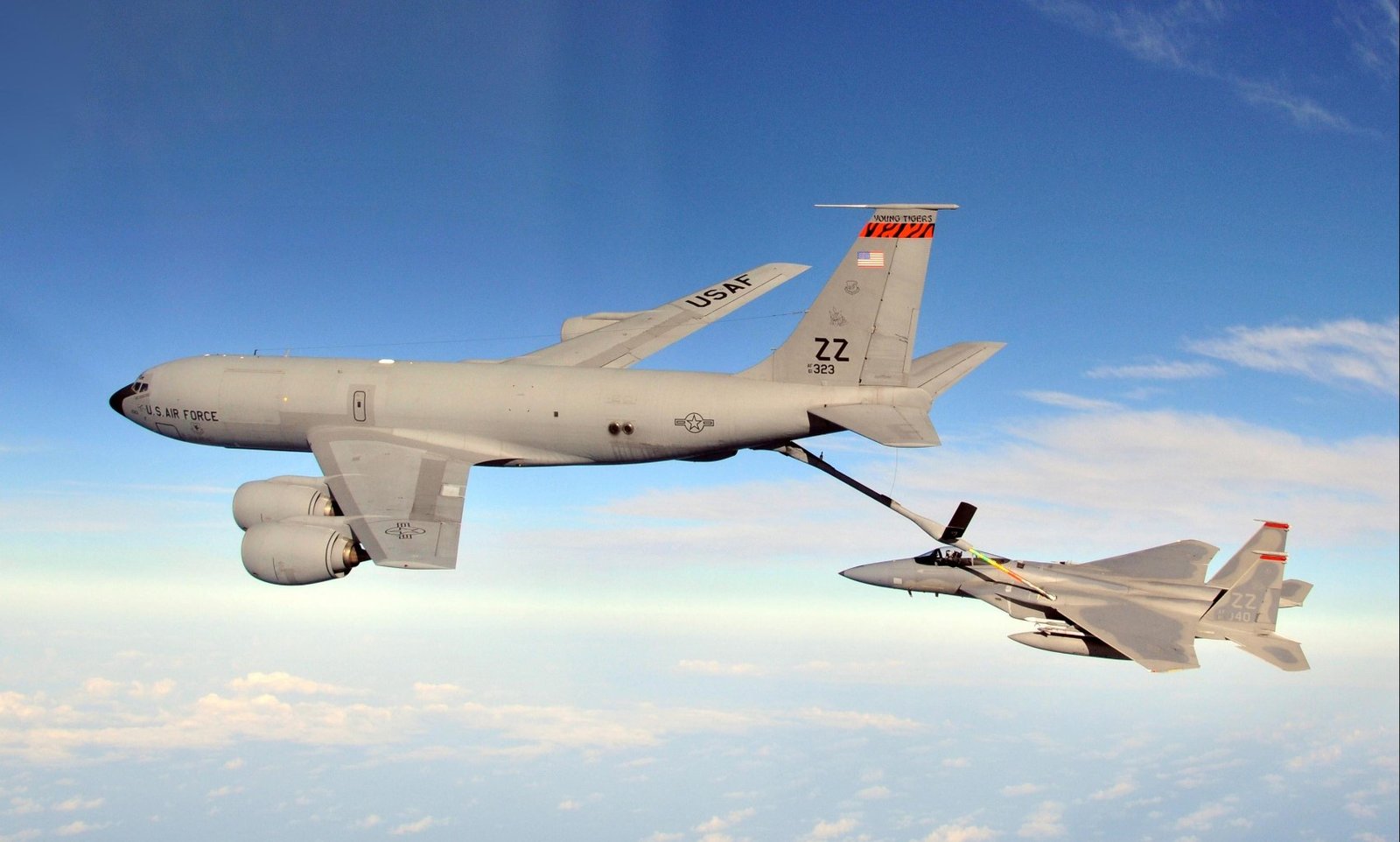
U.S
DAYTON, Ohio — The U.S. Air Force Research Laboratory (AFRL) has issued a Request for Information (RFI) seeking industry partners to help establish a KC-135 Electrified Boom Automation Lab, a new research facility that will support the development and testing of automated aerial refueling boom technology for the KC-135 Stratotanker. The notice, published on Aug. 6, 2026, is part of the Air Force's broader Combat Refueling and Operations Networked Universal Systems (CRONUS) program. Companies interested in participating in the project when it moves to a formal contract have until Sept. 6, 2026, to submit responses. The planned laboratory will use an actual KC-135 tail section fitted with a movable refueling boom, allowing researchers to evaluate automated boom operations in a controlled ground environment before moving to flight testing. KC-135 Tail Section to Be Installed at Wright-Patterson AFB According to the RFI, the government will acquire a KC-135 tail section, complete with a movable refueling boom, from the 309th Aerospace Maintenance and Regeneration Group (AMARG) at Davis-Monthan Air Force Base, Arizona. The equipment will be provided to the selected contractor as government-furnished equipment. The tail section will be installed inside a motion capture laboratory operated by the Air Force Institute of Technology (AFIT) at Wright-Patterson Air Force Base, Ohio. The laboratory uses arrays of wall- and ceiling-mounted cameras to capture highly accurate movement data, enabling engineers to study complex mechanical motion with precision. Contractor Will Design Support and Motion Systems Under the proposed project, the selected contractor will be responsible for designing a structural support system capable of holding the full weight of the KC-135 tail section while allowing it to move during testing. The contractor must also develop an overhead actuation system that enables the refueling boom to move through its complete operating range, including yaw, pitch, and probe extension. The Air Force specified that no equipment may be placed on the laboratory floor if it could obstruct the motion capture cameras or interfere with their line of sight. Supporting Future Automated Aerial Refueling KC-135 aerial refueling operations are currently performed manually by a boom operator positioned at the rear of the aircraft. During a refueling mission, the operator controls the extendable boom and guides it into the receiving aircraft's fuel receptacle. The new automation laboratory will allow researchers to move a real refueling boom through its full range of motion while recording detailed movement data. The controlled environment will support the development, refinement, and testing of automated or robotic boom control systems before they are evaluated during flight testing. Modernization Effort Comes Amid Continued KC-135 Reliance The automation initiative comes as the Air Force continues to depend heavily on the KC-135 fleet despite the aircraft's age. Earlier in 2026, during Operation Epic Fury, the fleet experienced significant operational losses. On March 12, a KC-135 crashed in western Iraq following a midair collision with another tanker, killing all six crew members aboard. The Air Force described it as the first loss of a KC-135, or any Air Force tanker, in 13 years. Two days later, an Iranian missile strike on Prince Sultan Air Base in Saudi Arabia damaged five additional KC-135 aircraft parked on the flight line. Air Force officials later said the damaged aircraft are expected to return to service, although repairs to the most heavily damaged airframes could take one to two years. Some reports based on satellite imagery suggested additional tanker damage during the campaign, but those claims have not been independently confirmed through official sources. Aging Fleet Continues Flying as KC-46 Faces Challenges According to U.S. Air Force fact sheets, the final KC-135 rolled off the production line in 1965, meaning aircraft still flying operational missions are approaching six decades of service. The aircraft's planned replacement, the KC-46A Pegasus, has faced continued development and production challenges. These include a production pause in 2025 after structural cracks were discovered in multiple aircraft, along with ongoing technical issues involving its aerial refueling boom system, as identified by the Pentagon's testing office. As a result, the KC-135 remains the Air Force's primary aerial refueling workhorse while the KC-46 program continues to address those issues. Center Console Refresh Program Progressing in Parallel The boom automation effort is one of several modernization programs aimed at extending the operational life of the KC-135 fleet. A separate initiative known as the Center Console Refresh (CCR) program, managed from Tinker Air Force Base, Oklahoma, is focused on modernizing the aircraft's cockpit instrumentation console. Since early 2025, the program has advanced through industry questions, draft solicitations, industry engagement activities, and other acquisition milestones, and remains in an advanced stage of the procurement process. Supporting the Future of the KC-135 Fleet The KC-135 Electrified Boom Automation Lab and the Center Console Refresh (CCR) program demonstrate the Air Force's continued investment in maintaining and improving its legacy tanker fleet. By creating a dedicated ground-based facility for automated boom research while upgrading cockpit systems, the Air Force aims to keep the KC-135 operational and effective as work continues on resolving technical and production challenges affecting the KC-46A Pegasus program.
Read More → Posted on 2026-08-06 16:56:20
U.S
HONOLULU, Hawaii — Firestorm Labs has successfully demonstrated at-sea manufacturing by producing 3D-printed drones and hundreds of spare parts aboard the U.S. Navy's Wasp-class amphibious assault ship USS Essex while the vessel was sailing to Hawaii for the Rim of the Pacific (RIMPAC) 2026 exercise. The demonstration showed how a containerized manufacturing system can support naval operations by allowing drones and repair parts to be produced directly aboard a warship instead of relying on shore-based supply chains. Containerized Microfactory Produces Drones at Sea The production was carried out using Firestorm Labs' xCell system, a transportable microfactory housed inside standard shipping containers. The platform combines additive manufacturing (3D printing), digital preparation tools, automation, and assembly stations to manufacture unmanned aerial systems (UAS) and replacement parts in operational environments. During approximately two weeks at sea, the xCell system produced more than 1,000 components and manufactured 12 Squall first-person view (FPV) drones aboard USS Essex. The Squall is a light electric FPV quadcopter with a largely printable airframe. According to Firestorm Labs, it can reach speeds of up to about 80 mph, has a range of up to 20 miles, provides around 42 minutes of flight time, and can carry a payload of roughly 5.5 pounds. Components that cannot be printed, including batteries, motors, flight controllers, cameras, and radio systems, are supplied as kits and integrated during assembly. Manufacturing Continued in Challenging Sea Conditions The production and assembly process continued while USS Essex operated in sea conditions with waves reaching 12 feet, equivalent to Sea State 5. Service members from the U.S. Navy, Marine Corps, and other participating units took part in printing, assembling, and supporting the manufacturing process aboard the ship. The demonstration formed part of the Naval Postgraduate School's Consortium for Advanced Manufacturing Research and Education (CAMRE) distributed advanced manufacturing network and was facilitated by FLEETWERX. Drones Used During RIMPAC 2026 Exercise After USS Essex arrived in Hawaii, the newly produced Squall drones were used during training activities at Makua Military Reservation on Oahu. Marines from the 3rd Light Armored Reconnaissance Battalion operated the drones after receiving training from Firestorm Labs personnel on additive manufacturing, drone assembly, and flight operations. During the exercise, the drones served as "red cell" adversary aircraft in a counter-unmanned aircraft systems (C-UAS) training scenario, supporting experimentation under the Naval Postgraduate School's CAMRE program during RIMPAC 2026. On-Demand Production of Repair Parts In addition to manufacturing drones, the xCell microfactory produced a variety of repair and maintenance items requested by the USS Essex crew. According to Firestorm Labs, printed items included: Gauges for deck tie-down inspections Reverse-engineered valve handwheels A non-conductive digging knife A deployment mount for Starlink internet hardware Mechanical test articles used to evaluate printer performance during operations at sea An Apache Rotor Guard droop stop designed to protect helicopter rotor systems Multiple versions of a Life Preserving Unit vacuum adapter, developed from a sailor's concept for testing inflatable safety equipment More than 20 additional crew-requested parts The company said these parts were manufactured directly aboard the ship without waiting for delivery from shore or resupply vessels. Reducing Logistics Requirements Firestorm Labs said manufacturing equipment onboard reduces the need to transport replacement parts through long supply chains. According to the company: "Every part xCell printed on deck is one that doesn't need to be flown or shipped across contested waters — cutting the fuel, aircraft hours, and personnel it takes to keep a ship operational." The company added that repairs which previously could require days or weeks while waiting for replacement parts can instead be completed within hours while the ship remains deployed. Supporting the Navy's Containerized Capability Strategy The demonstration aligns with the U.S. Navy's broader effort to expand the use of modular and containerized systems that can be deployed across different ships. In March 2026, Chief of Naval Operations Adm. Daryl Caudle announced the Navy's "containerized capability campaign plan" during the McAleese Defense Programs conference. Speaking about the initiative, Caudle said: "I want to containerize everything." He described a concept in which standardized shipping containers carrying capabilities such as drones, weapons, and sensors could be installed on different vessels and moved between operational regions as needed. The approach is intended to provide greater flexibility while using standardized engineering, interfaces, and integration with combat and communications systems. Pentagon Expanding Containerized Weapons Programs The Department of Defense is also expanding containerized military capabilities beyond manufacturing. In May 2026, the Pentagon announced the Low-Cost Containerized Munitions (LCCM) program, signing framework agreements with Anduril, CoAspire, Leidos, and Zone 5. Under the program, the Department of Defense plans to acquire more than 10,000 containerized missiles over a three-year period beginning in 2027. The initiative reflects the Pentagon's broader focus on modular, transportable systems that can rapidly increase military capability while complementing existing platforms. Demonstration of At-Sea Manufacturing The USS Essex trial demonstrated that containerized manufacturing can operate under real maritime conditions while supporting both unmanned aircraft production and ship maintenance. By producing drones and repair parts directly aboard the ship, the demonstration provided a practical example of how distributed manufacturing could reduce dependence on traditional logistics and improve operational support during deployed naval missions.
Read More → Posted on 2026-08-06 16:52:18
World
TAIPEI — Shield AI and Taiwan's National Chung-Shan Institute of Science and Technology (NCSIST) have successfully completed a coordinated autonomous drone swarm exercise using three Mighty Hornet III unmanned aerial vehicles (UAVs), demonstrating AI-enabled autonomous teaming and expanding their partnership to integrate the technology across more of Taiwan's unmanned defense systems. The field demonstration marked the completion of the organizations' initial contract, which was signed less than three months ago, and resulted in a significant expansion of the agreement. Under the renewed partnership, NCSIST will continue integrating Shield AI's Hivemind autonomy software into a broader range of its unmanned platforms to support multi-system operations from a single ground control station. Autonomous Swarm Demonstration During the exercise, Shield AI's Hivemind autonomy software controlled three NCSIST Mighty Hornet III drones throughout a coordinated search mission. The AI system autonomously launched all three aircraft, divided a wide-area search mission into separate sectors, assigned each UAV its own search area, and coordinated their movements in real time. Throughout the operation, the drones maintained communication with one another while carrying out their assigned tasks. The swarm also identified and navigated around a designated partial no-fly zone while continuing the mission. After completing the search operation, Hivemind executed synchronized autonomous landings for all three aircraft without direct human piloting. Integration Completed in Less Than Three Months The demonstration was completed less than three months after Shield AI and NCSIST formalized their initial agreement to integrate Hivemind into Taiwan's intelligent unmanned systems. As part of the project, embedded Shield AI engineers worked alongside Taiwanese developers, providing hands-on technical training and operational support. The collaboration enabled NCSIST engineers to independently integrate, operate, and employ the Hivemind-enabled capabilities. NCSIST President Li Shih-chiang said the institute achieved a high level of operational proficiency within a short period. "With Shield AI's support, NCSIST achieved a high level of operational proficiency with Hivemind in less than three months," Li said. "What impressed us most was not only the high performance of the AI pilot, but Shield AI's commitment to ensuring we could independently operate and employ the technology in such a short period of time. Their hands-on training and technical expertise and mentorship gave Taiwanese engineers the confidence to integrate and use Hivemind on our own." Hivemind AI Pilot Hivemind is Shield AI's autonomy software designed to function as an AI pilot that enables military platforms to sense, decide, and act independently without continuous human intervention. Unlike conventional autopilot systems that primarily follow pre-planned routes, Hivemind can adjust flight paths, avoid obstacles, and continue operating in environments where communications and GPS signals are degraded or jammed. According to Shield AI, Hivemind has been used to pilot more than 30 different platforms, including F-16 fighter aircraft, helicopters, jet-powered UAVs, drone boats, and ground vehicles. Mighty Hornet III UAV The autonomous mission was carried out using NCSIST's Mighty Hornet III, a Group 2 X-wing unmanned aircraft jointly developed by NCSIST and private industry partners. The UAV features a modular, 3D-printed airframe designed for relatively fast and low-cost production without relying on heavy factory machinery. It combines vertical takeoff and landing (VTOL) capability with the high-speed cruise performance of a fixed-wing aircraft, allowing it to operate without specialized ground launch or recovery equipment. The Mighty Hornet III is also equipped with domestically produced high-density batteries and an electro-optical/infrared (EO/IR) sensor for target identification. Partnership Expansion Following the successful demonstration, Shield AI and NCSIST agreed to expand their cooperation beyond the initial project. The next phase will focus on integrating Hivemind into additional NCSIST unmanned systems, enabling multiple autonomous platforms to operate together under the control of a single ground control station. Shield AI President and Co-founder Brandon Tseng said autonomy is becoming an essential capability for operating large numbers of unmanned systems. "You can build ten million drones, but you can't train ten million drone pilots. Autonomy is the critical enabling technology to effectively leverage drones on the battlefield," Tseng said. "Hivemind's ability to enable autonomous teaming is why autonomy is becoming one of the most important force multipliers in modern defense. Enabling sovereign development of AI pilots in Taiwan greatly enhances the defense capabilities of the country and we look forward to continuing to build with partners like NCSIST to deliver the mission autonomy Taiwan needs to deter conflict." Supporting Taiwan's Autonomous Defense Capabilities The successful field demonstration concludes the first phase of cooperation between Shield AI and NCSIST while laying the foundation for broader deployment of AI-enabled autonomy across Taiwan's unmanned systems. The expanded partnership will support future multi-platform autonomous operations by integrating Hivemind into additional NCSIST platforms under the new agreement.
Read More → Posted on 2026-08-06 16:39:59Search
Top Trending in 24 Hours
-
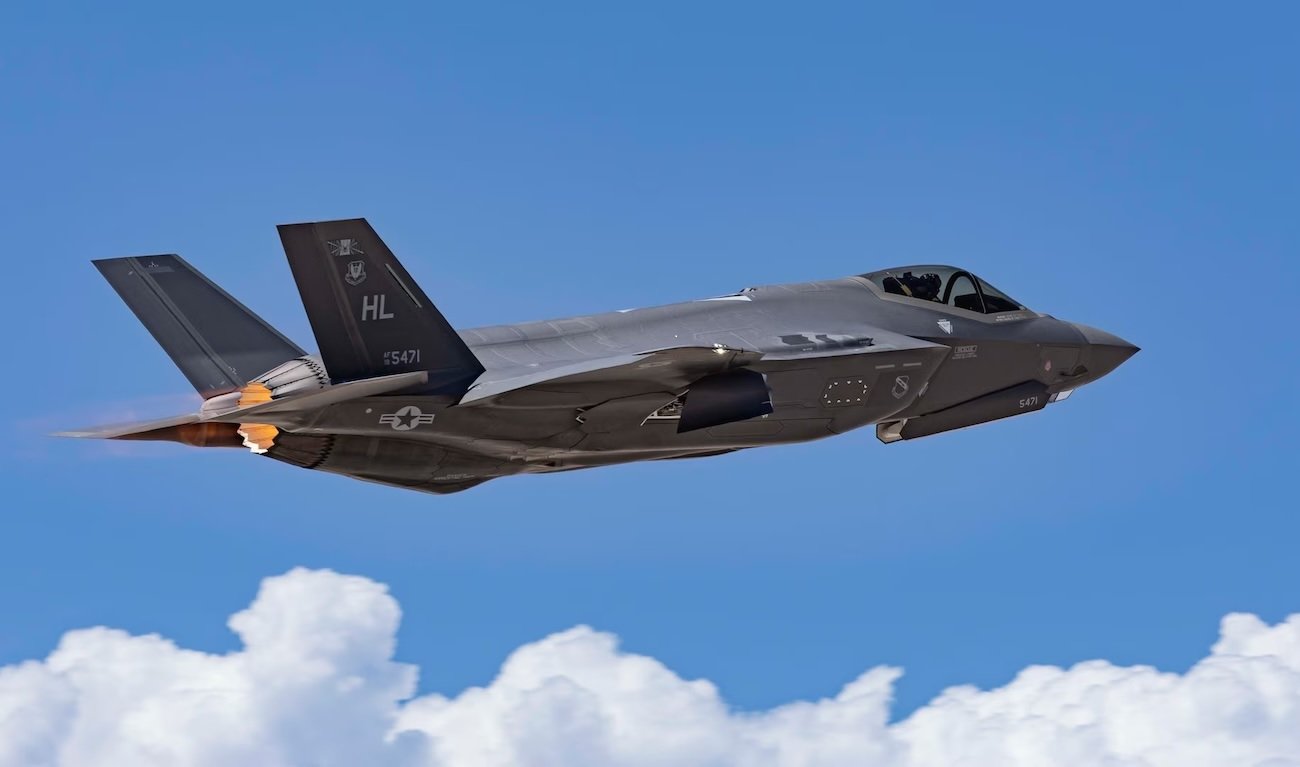 Sensitive F-35 Components Diverted to Hong Kong, Some Parts Missing
-
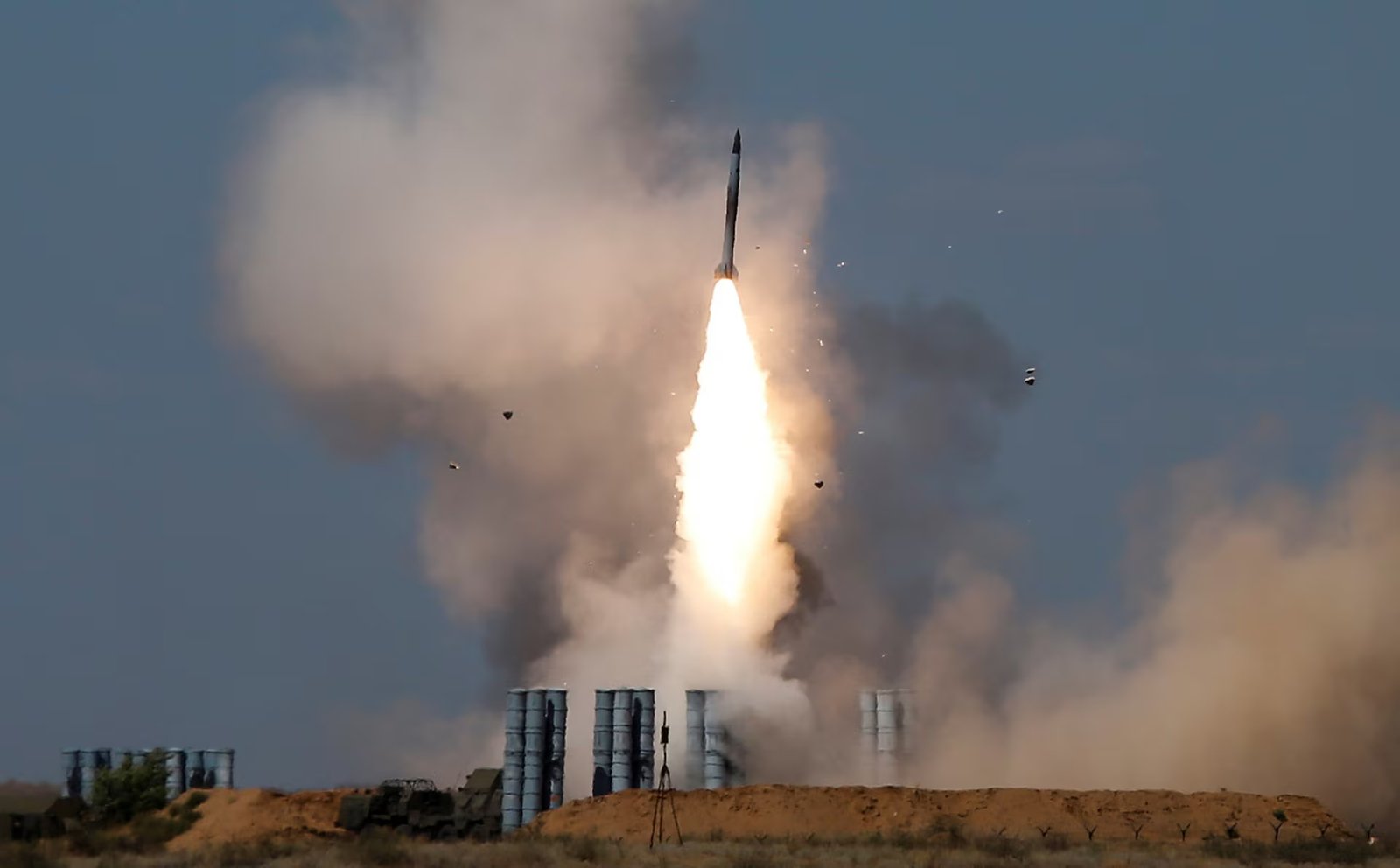 U.S. Approves Potential $2.68 Billion Air Defense Package for Ukraine Including S-300 Clone Missiles
-
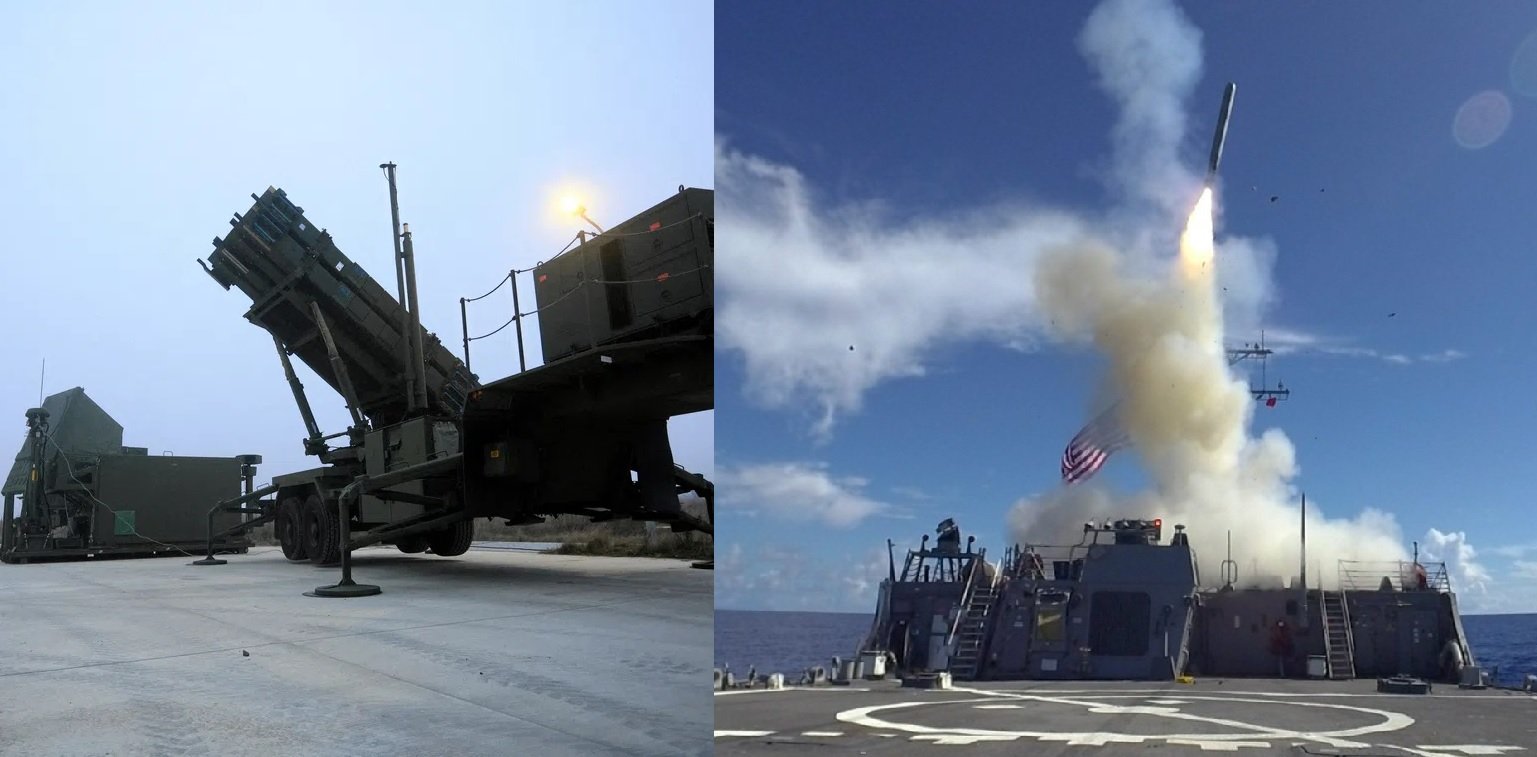 U.S. Warns Allies of Up to Five-Year Delays in Key Weapons Deliveries
-
 U.S. Secures Permanent Military Rights in Greenland in Historic Security Pact with Denmark
-
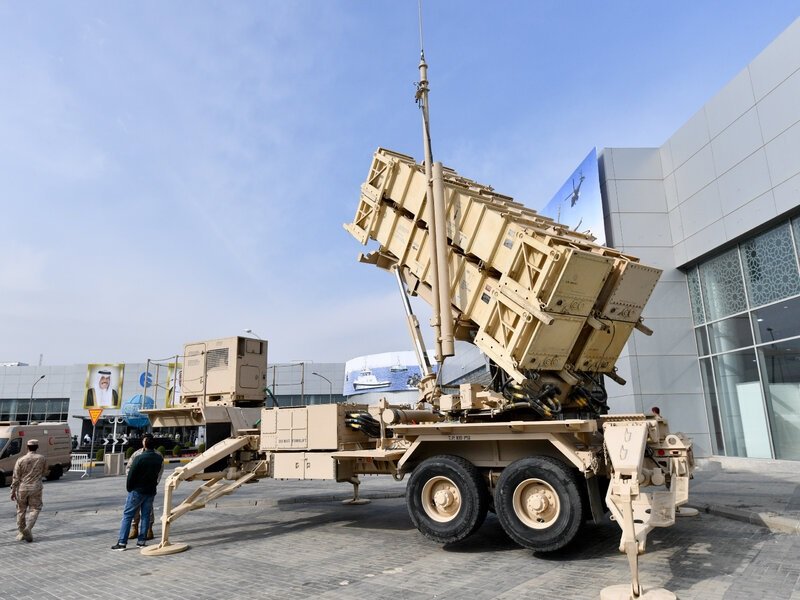 U.S. Iran War Cost Hits $43.6 Billion as Missile Interceptor Stocks Come Under Pressure
-
 Russia’s Aeroflot Orders 90 MC-21-310 Aircraft in Record Aviation Deal
-
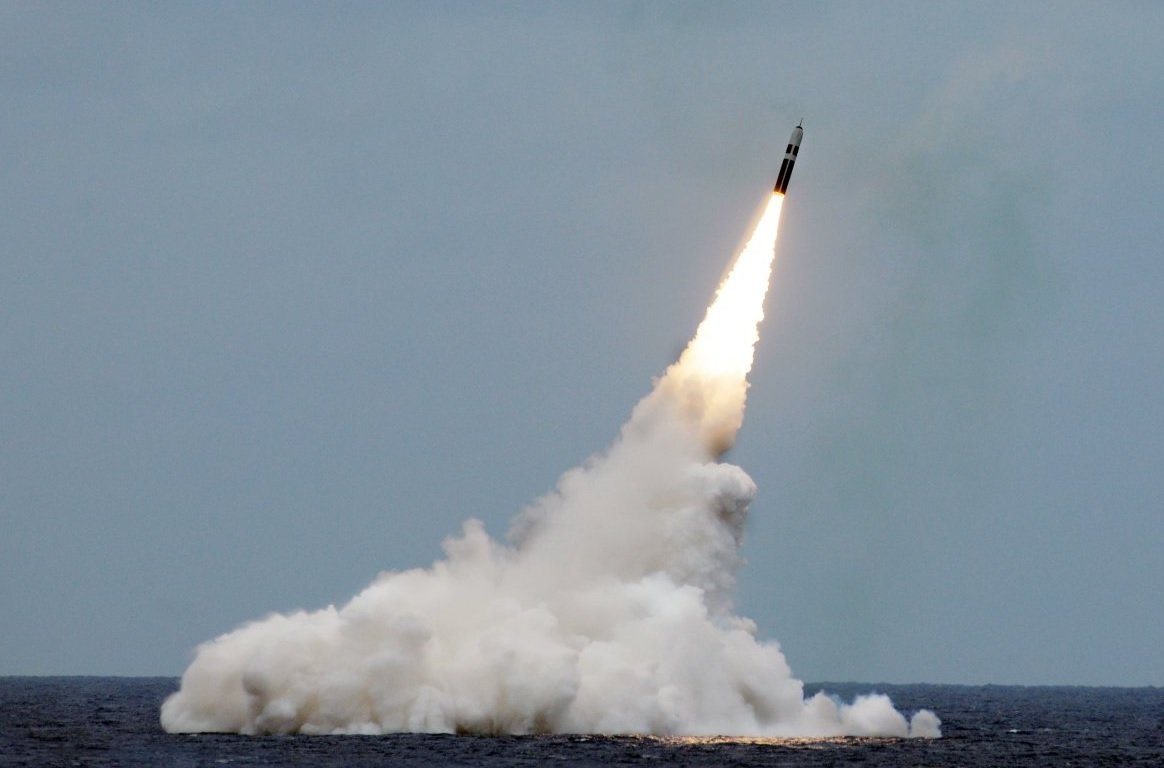 U.S. Navy Awards Lockheed Martin $76.6 Million for Continued Trident II D5LE2 Development
-
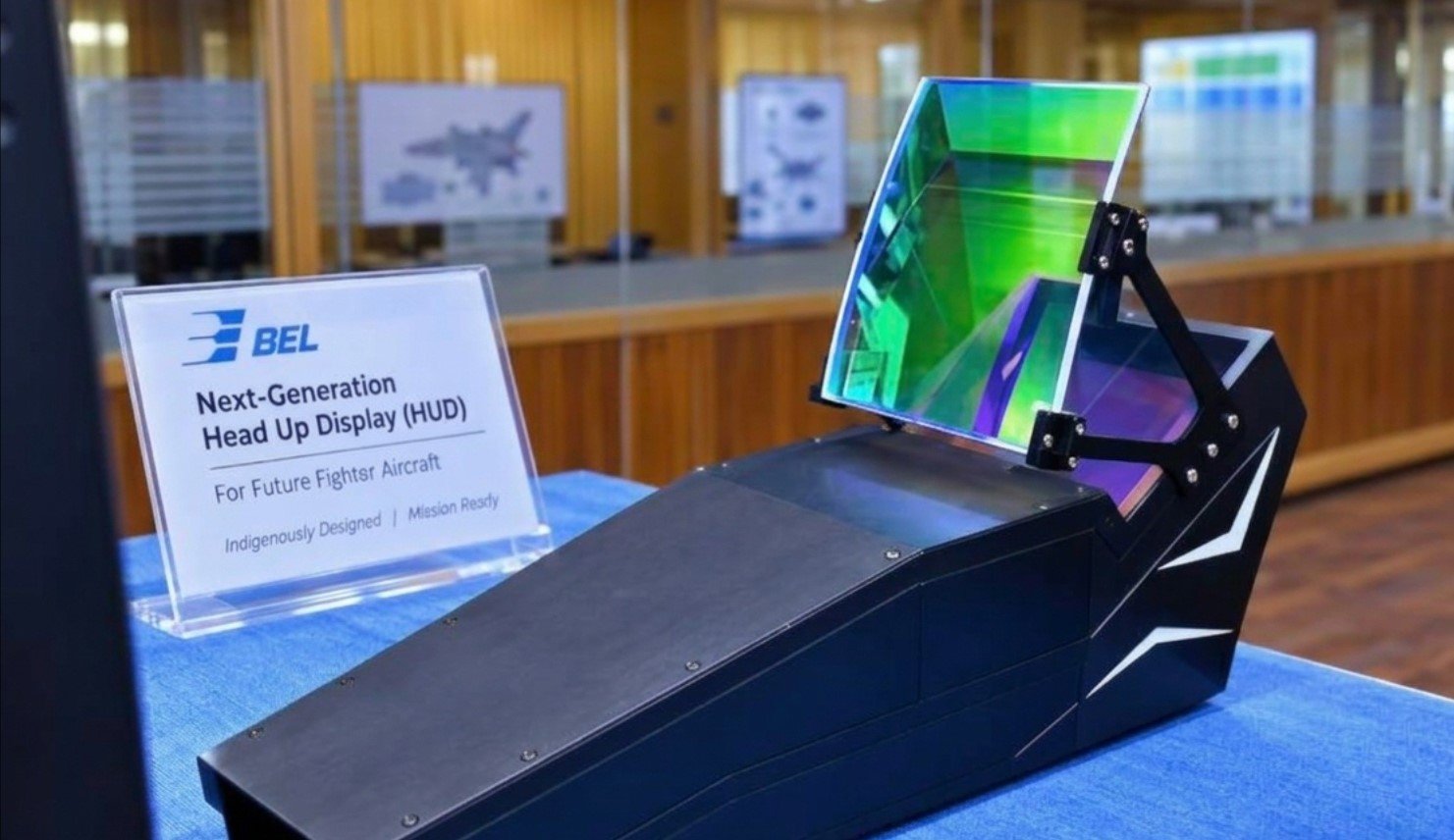 BEL Showcases New-Generation Head-Up Display, Potentially Linked to Tejas Mk2
Top Trending in 4 Days
-
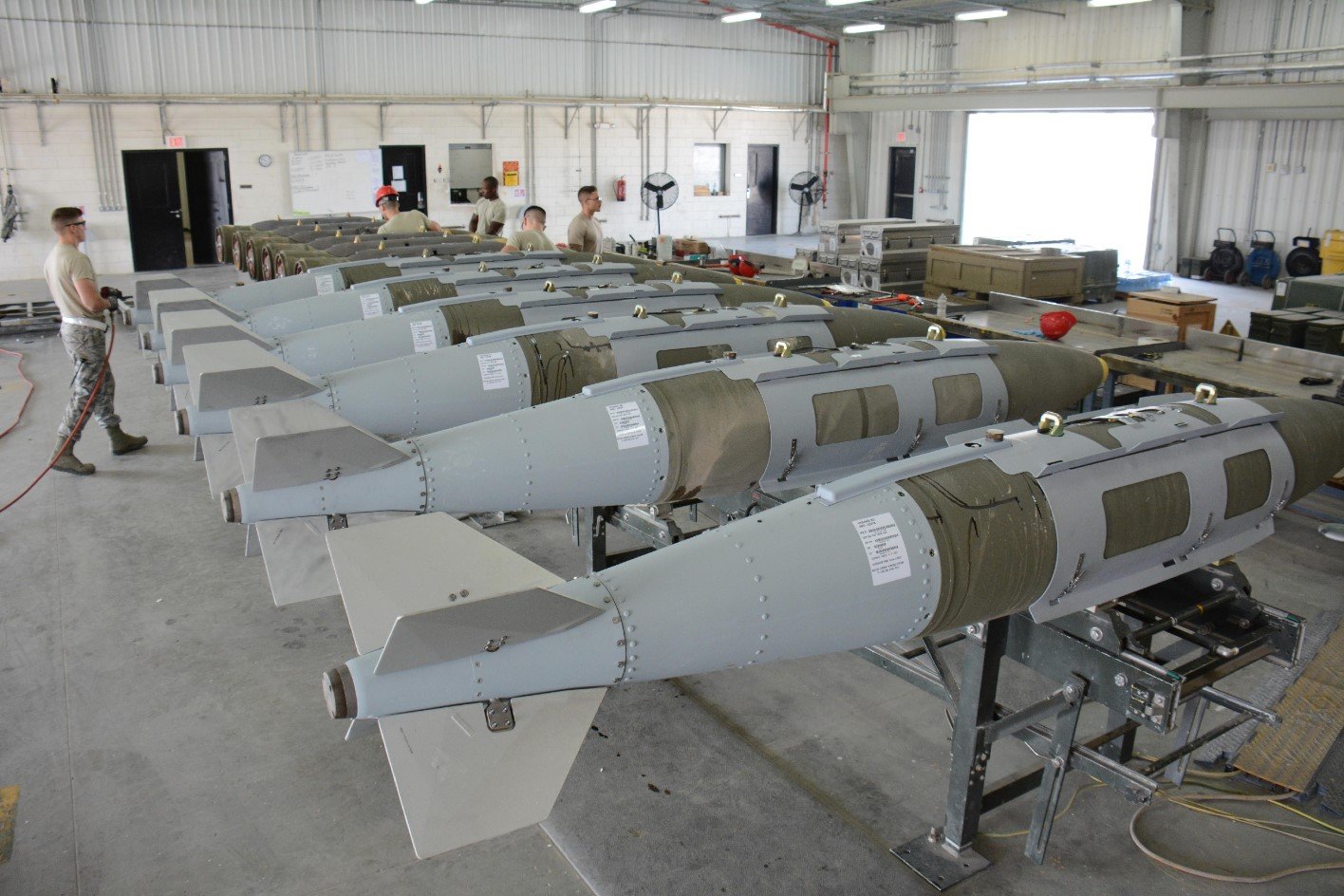 U.S. Plans $2.8 Billion Sale of 40,000 Heavy Bombs and 20,000 I-2000 Penetrator Warheads to Israel
-
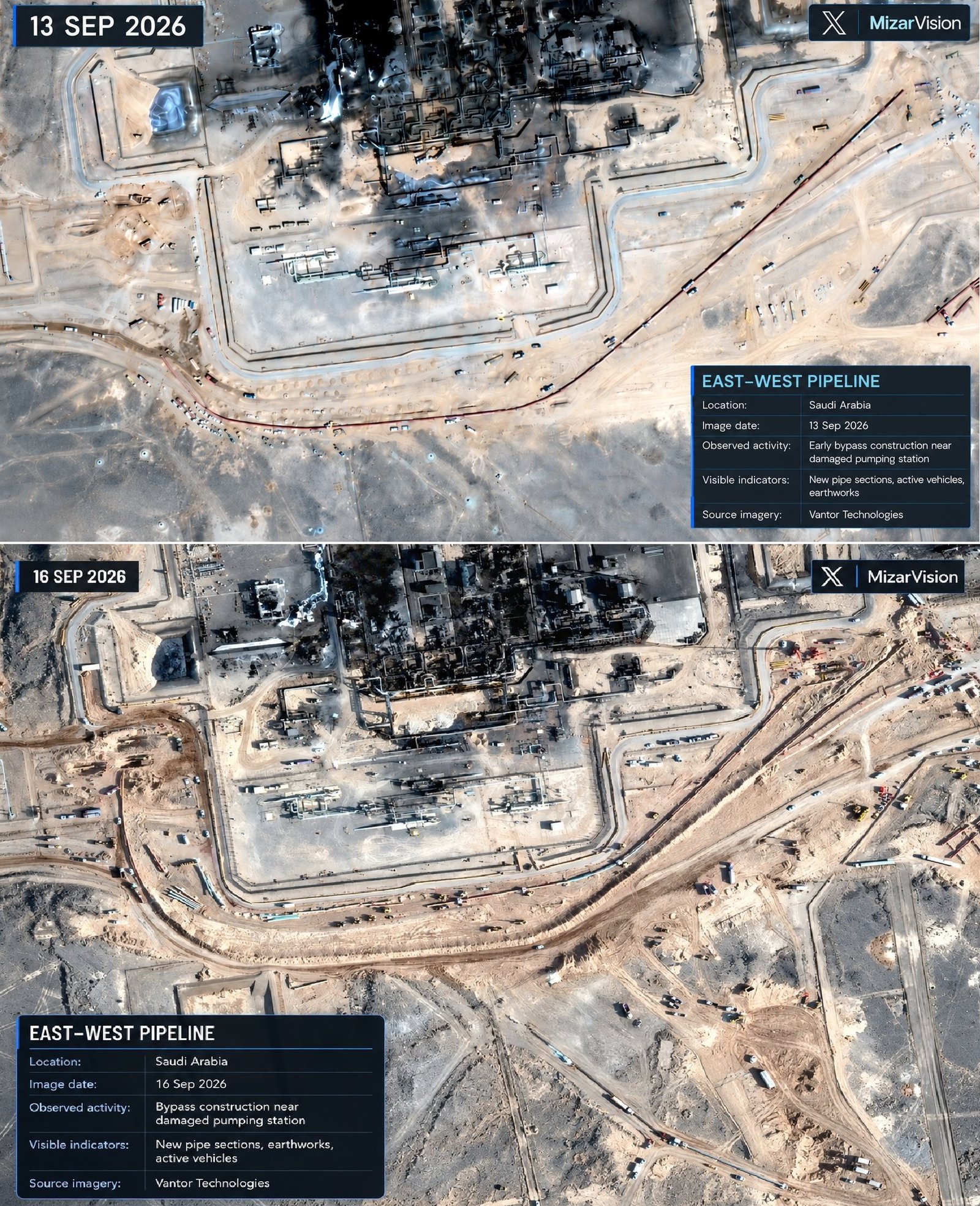 Satellite Images Show Saudi Arabia Building Emergency Bypass Around Damaged East-West Oil Pipeline Station
-
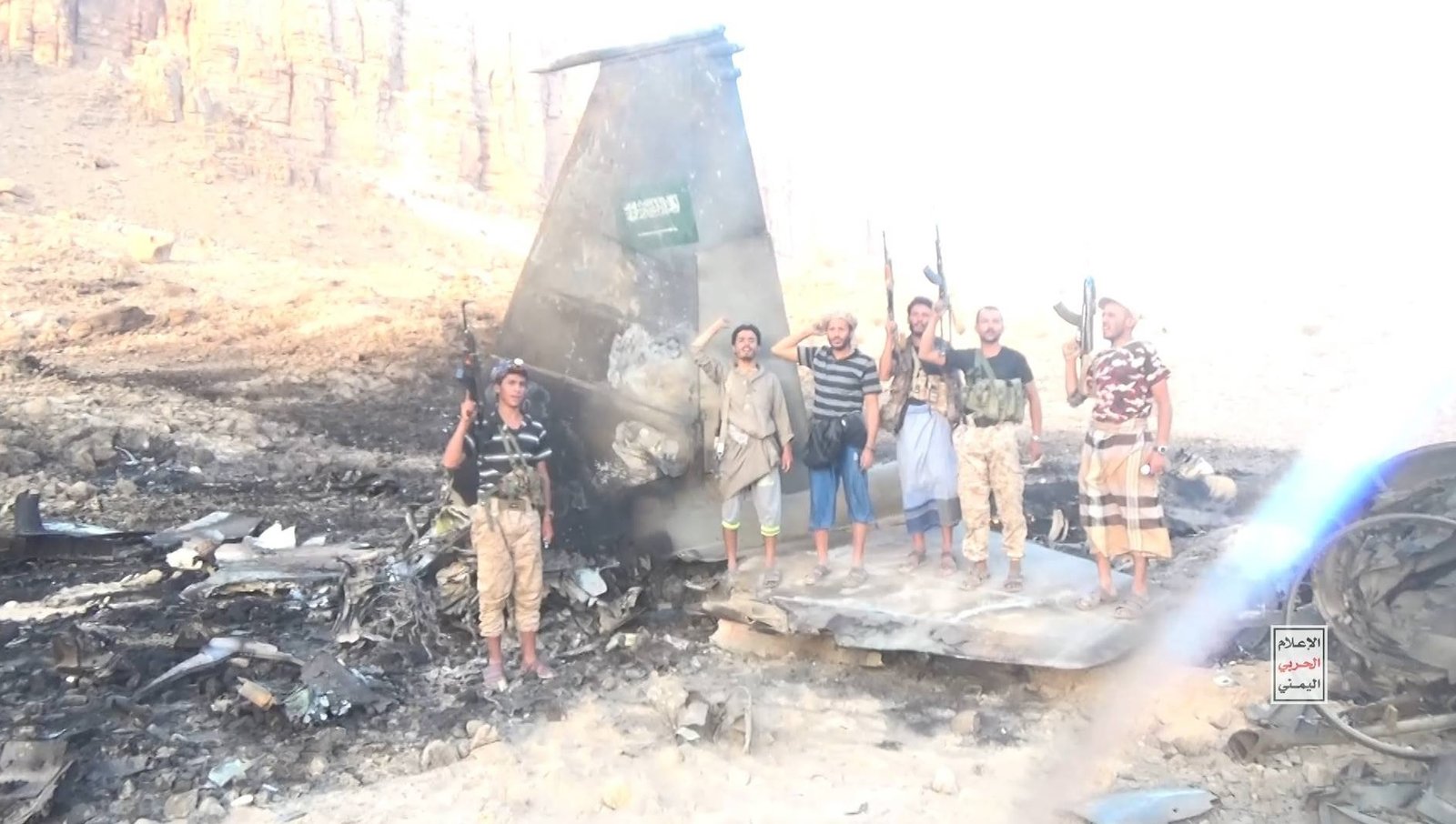 Houthis Claim Downing of Saudi F-15 and Wing Loong II Drone Over Marib
-
 Photos Reveal Damaged E-3 Sentry, Buildings and Vehicles at U.S. Bases in Saudi Arabia and Kuwait After Iranian Strikes
-
Sensitive F-35 Components Diverted to Hong Kong, Some Parts Missing
-
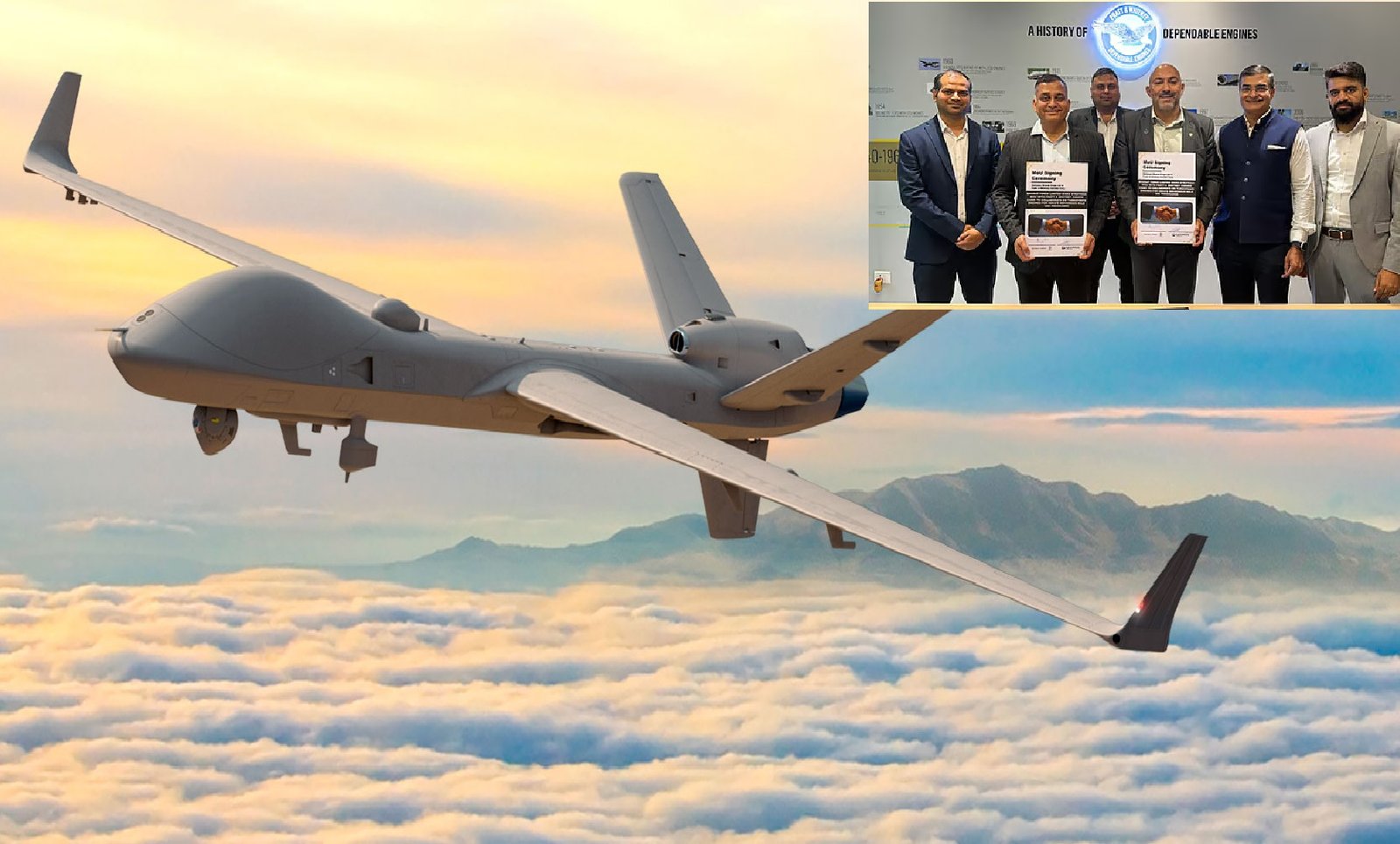 Bharat Forge, Pratt & Whitney Canada to Evaluate Turboprop Engines for DRDO’s Indigenous HALE UAV
-
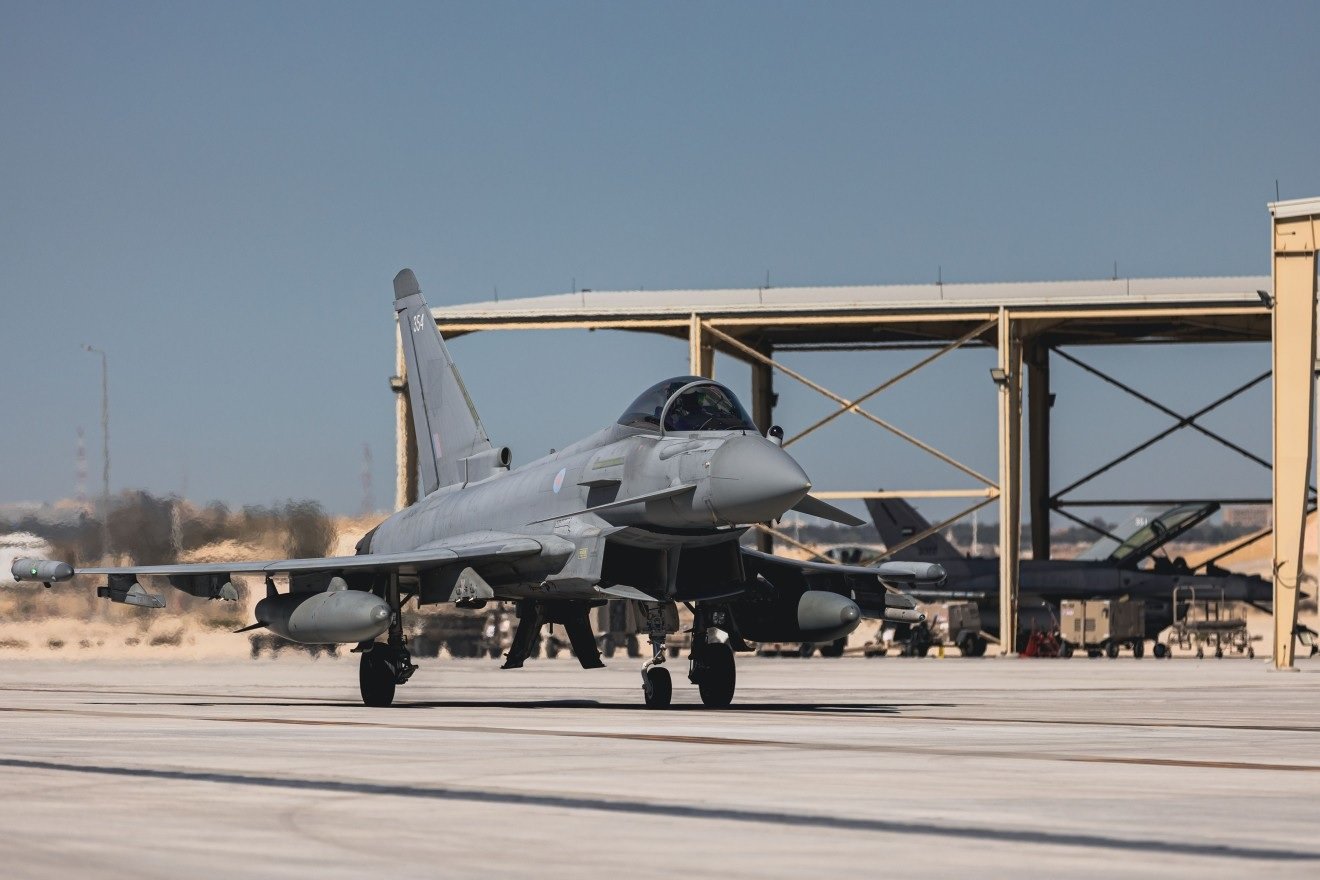 Italian Eurofighter Damaged in Houthi Attack on Saudi Arabia’s King Fahd Air Base
-
 China Privately Urges Iran to Restrain Houthis After Saudi Appeal
