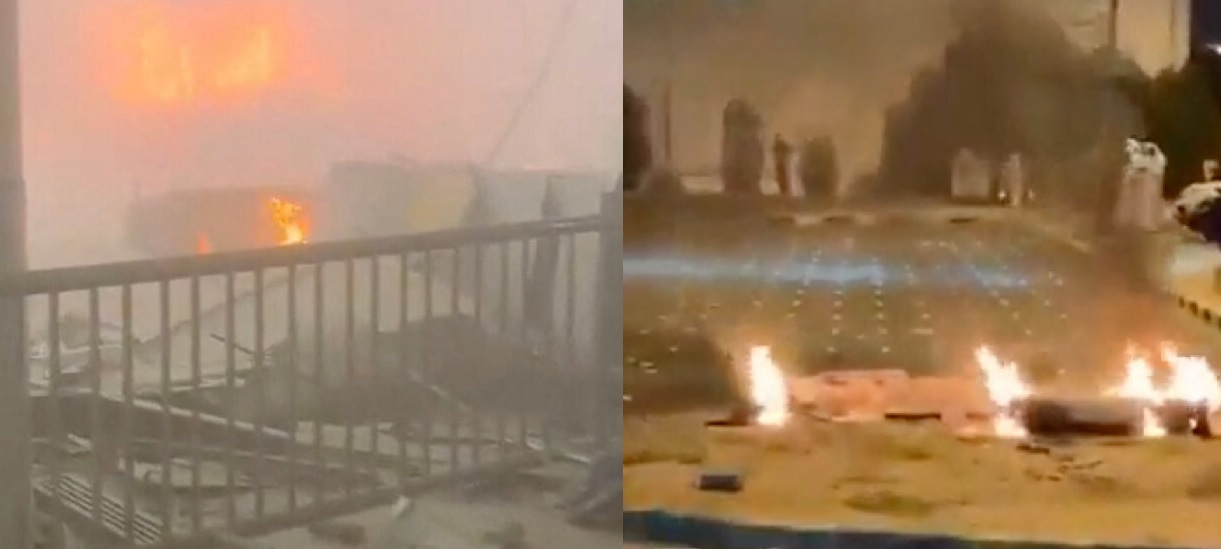
KUWAIT CITY — June 03, 2026 : Kuwait came under a series of Iranian drone and ballistic missile attacks early Wednesday, resulting in significant damage to Kuwait International Airport, casualties among civilians, and renewed tensions between Iran and the United States despite ongoing ceasefire efforts in the region.
Kuwaiti authorities confirmed that Terminal 1 (T1) at Kuwait International Airport sustained major damage after being struck during the overnight attacks. The incident forced aviation authorities to suspend airport operations and divert incoming commercial flights to alternative airports in neighboring countries, including Dammam in Saudi Arabia.
The passenger terminal had resumed full operations only on Monday after remaining partially inactive during a 55-day wartime disruption linked to regional hostilities.
According to Kuwaiti officials, one person was killed and 63 others were injured in the attack. The deceased was identified as an Indian national. Kuwait’s Health Ministry deployed 25 ambulances to the airport following the strike, while emergency medical teams transferred injured individuals to seven hospitals across the country.
Health authorities stated that the injured suffered blast-related wounds, head trauma, fractures, and other serious injuries, with several patients requiring immediate surgical treatment.
The Embassy of India in Kuwait confirmed the death of an Indian citizen in a statement issued on the social media platform X, expressing condolences to the bereaved family. The embassy stated that it was coordinating with Kuwaiti authorities to provide assistance to the family of the deceased and support injured Indian nationals.
Kuwait’s Ministry of Defence said its armed forces detected and intercepted 13 ballistic missiles and 17 drones launched from Iran since dawn. Officials stated that debris and fragments from intercepted projectiles fell in several residential areas, prompting security and emergency responses.
Military authorities reported that air defense systems remained active throughout the incident, while at least six ballistic missiles were believed to be part of the wider attack wave directed toward Kuwait and surrounding military sites.
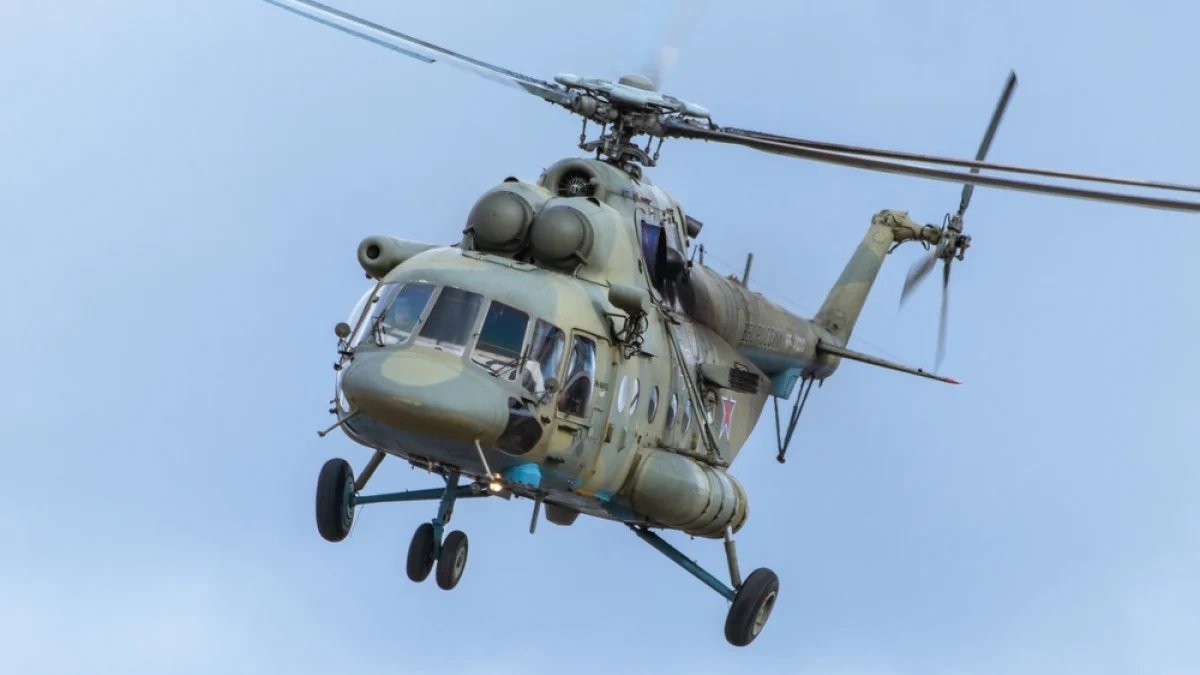
Iranian strikes reportedly targeted military facilities hosting United States and allied forces, including Camp Arifjan and Ali Al-Salem Air Base in Kuwait. The Ali Al-Salem base is known for hosting helicopter operations and supporting coalition military activities.
The Islamic Revolutionary Guard Corps (IRGC) claimed responsibility for the attacks, stating that Iranian forces targeted U.S. military infrastructure in Kuwait as well as the headquarters of the U.S. Navy’s Fifth Fleet in neighboring Bahrain.
According to the IRGC, the operation was carried out in response to a recent U.S. military strike on an Iranian ground control station located on Qeshm Island in the Strait of Hormuz. Iranian officials described Wednesday’s attacks as retaliatory measures.
The United States military confirmed that multiple drones and missiles had been launched toward American and allied military positions in Kuwait and Bahrain. U.S. Central Command stated that joint air defense systems operated by the United States, Kuwait, and Bahrain intercepted most threats, while several incoming missiles reportedly disintegrated before reaching intended targets.
U.S. officials stated that no confirmed impacts occurred on American military facilities in Kuwait or Bahrain. Bahraini and U.S. naval defense systems also intercepted incoming projectiles aimed toward Bahrain, where the U.S. Navy’s Fifth Fleet is based.
The attacks have placed additional strain on a ceasefire reached on April 8, which had largely paused more than a month of active military exchanges between Tehran and Washington. Both Iran and the United States have described their recent military actions as defensive and retaliatory responses to earlier attacks.
In the diplomatic aftermath of the strikes, Kuwait moved to formally protest Iran’s actions. The Kuwaiti Foreign Ministry summoned Iran’s chargé d’affaires and issued an official protest note condemning the attacks.
Kuwaiti authorities also announced measures to reduce the size of Iran’s diplomatic mission in the country and declared two Iranian diplomats persona non grata, ordering them to leave Kuwait within 24 hours.
Regional governments have also reacted to the escalation. Officials from the United Arab Emirates called for a coordinated Gulf response to attacks targeting civilian facilities and critical infrastructure, amid concerns over regional security and uninterrupted transportation and trade routes.
——— End of Article ———