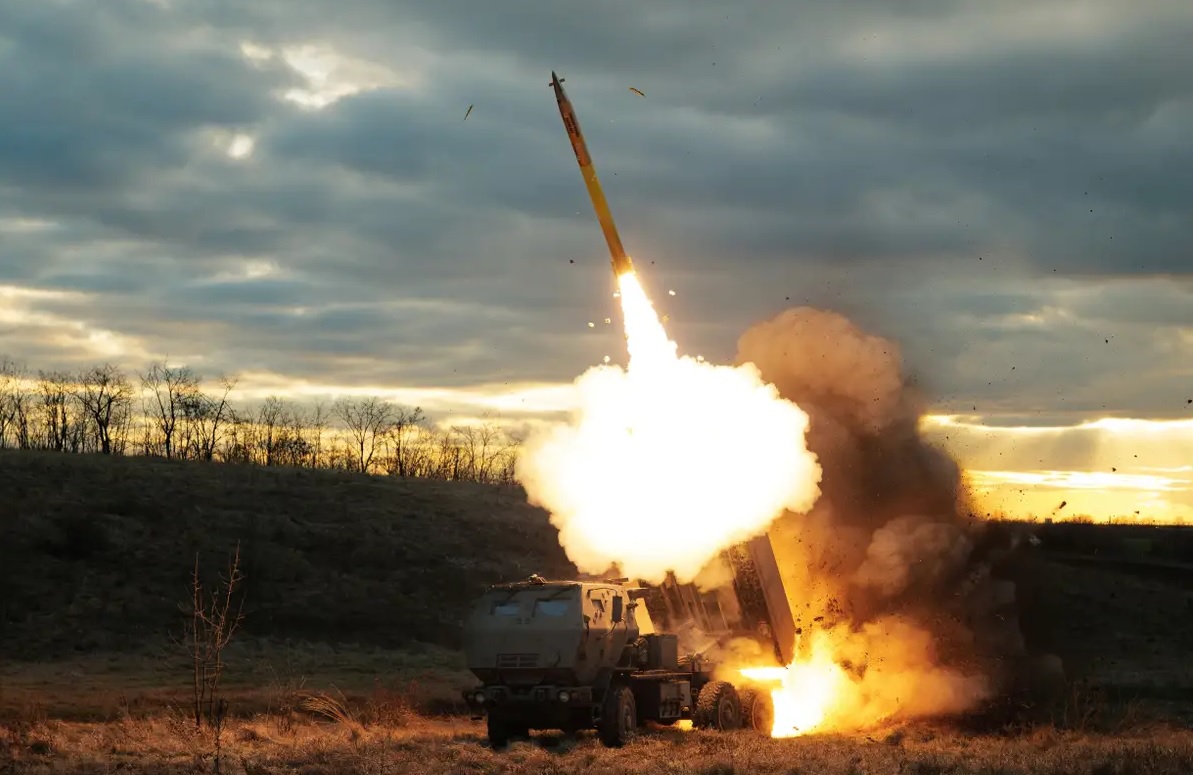
OTTAWA — June 03, 2026 : Canada has finalized a CAD $2.6 billion (USD $1.8 billion) agreement to acquire 26 M142 High Mobility Artillery Rocket System (HIMARS) launchers, significantly enhancing the Canadian Army’s long-range precision strike capabilities.
The Government of Canada confirmed the deal on June 2, 2026, following an agreement negotiated with the United States in January through the Foreign Military Sales (FMS) program. The acquisition forms the core of the Canadian Army’s Long Range Precision Strike (Land) [LRPS(L)] project and includes launchers, an initial stock of munitions, spare parts, training, and support services. Deliveries are expected to begin in 2029.
Expanding Long-Range Firepower
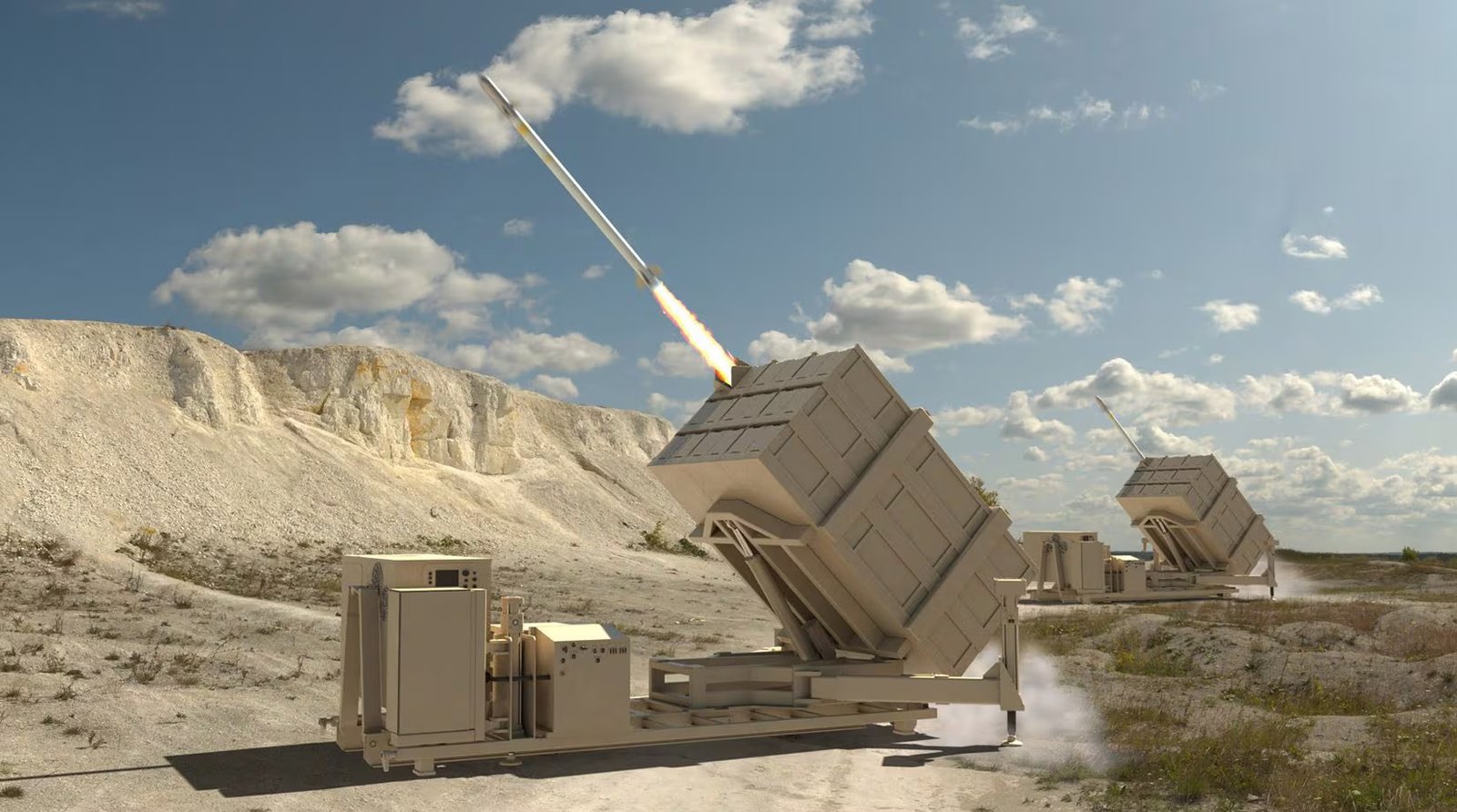
The HIMARS acquisition will substantially increase the Canadian Army’s strike range. While current artillery systems generally reach around 40 kilometres, HIMARS can engage targets beyond 300 kilometres when equipped with precision-guided munitions.
The system enables forces to strike command centres, logistics hubs, and other high-value targets from long distances. Its wheeled design allows rapid movement after firing, improving survivability against counter-battery systems, surveillance assets, and drone threats.
The fleet of 26 launchers will provide Canada with a dedicated long-range fires capability, supporting both operational deployments and training requirements.
Supporting Arctic and Coastal Defence
The procurement aligns with Canada's 2024 defence policy, Our North, Strong and Free, which identified long-range missile capabilities as a key modernization priority.
Because HIMARS can be transported by Royal Canadian Air Force C-130J and C-17 aircraft, it can be rapidly deployed across Canada's vast territory, including remote northern regions. Canadian Army Commander Lieutenant-General Michael Wright has highlighted the system’s value for deterrence, area-denial, and sovereignty missions in the Arctic.
The Department of National Defence has also noted that HIMARS could support future land-based anti-ship missile capabilities, strengthening coastal defence across Canada's Atlantic, Pacific, and Arctic approaches.
Enhancing NATO Interoperability
The acquisition was conducted through the U.S. Foreign Military Sales framework because HIMARS is not commercially available and Canada does not produce the launcher or its associated long-range missile systems domestically.
The system will provide Canada access to established U.S. logistics, training, and fire-control networks, improving interoperability with U.S. and NATO forces that already operate HIMARS.
Economic Benefits
Under Canada's Industrial and Technological Benefits (ITB) Policy, Lockheed Martin is required to generate business activity in Canada equal to the value of the contract. The company plans to integrate Canadian businesses into its global supply chain and support domestic research and development initiatives.
Defence Minister David J. McGuinty described the acquisition as a critical step in ensuring the Canadian Armed Forces remain prepared to protect Canada and support allied operations. Other federal ministers emphasized that the project will strengthen both national defence capabilities and Canada's defence industrial base.
The HIMARS purchase marks a major modernization effort for the Canadian Army, providing a long-range precision strike capability that will support Arctic sovereignty, coastal defence, and allied operations for decades to come.
——— End of Article ———