
World
CAMDEN, Arkansas : Lockheed Martin has finalized a long-term framework agreement with the U.S. Department of Defense to substantially expand production of Terminal High Altitude Area Defense (THAAD) interceptors, a move aimed at strengthening U.S. and allied missile defense capacity over the next decade. Under the agreement, Lockheed Martin will increase annual THAAD interceptor production from the current rate of 96 units to as many as 400 interceptors per year. The ramp-up is scheduled to occur gradually over a seven-year period, aligning production growth with congressional appropriations and follow-on contract awards. Production Expansion and New Facility To support the higher output, Lockheed Martin on Thursday began construction of a new Munitions Acceleration Center at its Camden, Arkansas site. The facility is designed to expand manufacturing capacity for both THAAD interceptors and Patriot Advanced Capability-3 Missile Segment Enhancement (PAC-3 MSE) interceptors. According to the company, the new center will incorporate automated and digitally enabled manufacturing processes, including robotics and advanced quality-control systems, intended to reduce production timelines while maintaining performance and reliability standards. Lockheed Martin already operates more than 340,000 square feet of production space dedicated to the THAAD program in Camden and employs over 2,000 workers across manufacturing, engineering, quality assurance, and program management roles tied to the system. Broader Missile Defense Effort The THAAD framework agreement follows a similar multi-year production arrangement announced earlier this month covering PAC-3 MSE interceptors, which are used by the U.S. Army and allied forces for lower-tier air and missile defense. Together, the agreements reflect a broader Department of Defense effort to secure predictable, long-term supply of critical munitions amid rising global demand for missile defense systems. THAAD is designed to intercept short-, medium-, and intermediate-range ballistic missiles during the terminal phase of flight using hit-to-kill technology. The system is deployed by the U.S. military and several partner nations in regions facing persistent missile threats. Investment and Workforce Impact Lockheed Martin stated that it has invested more than $7 billion since the late 2010s to expand production capacity for priority defense programs, with approximately $2 billion of that total directed specifically toward munitions manufacturing. The company plans to invest additional billions of dollars over the next three years to modernize and expand more than 20 facilities across the United States. Company officials said the production expansion is expected to support sustained job growth across the defense industrial base, including manufacturing technicians, engineers, supply-chain specialists, and skilled trades. Lockheed Martin works with a nationwide supplier network that provides components, materials, and subsystems for both THAAD and PAC-3 programs. Contracting Path and Acquisition Changes The framework agreement establishes the structure for future contract awards rather than serving as a single procurement contract. An initial contract tied to the expanded THAAD production plan is expected to be finalized following approval of fiscal year 2026 defense appropriations by Congress. Lockheed Martin leadership described the agreement as part of the Department of Defense’s acquisition reform efforts, which rely on multi-year and framework agreements to provide industry predictability. Such arrangements are intended to allow manufacturers to make large-scale capital investments with reduced risk while accelerating delivery of missile defense capabilities to the U.S. military and allied customers. The Camden expansion positions Lockheed Martin to meet projected long-term demand for missile defense interceptors as the Pentagon continues to prioritize integrated air and missile defense in its force-planning and budget strategies.
Read More → Posted on 2026-01-29 16:41:45
World
BERLIN : German Chancellor Friedrich Merz has confirmed that Germany remains legally prohibited from acquiring its own nuclear weapons but is participating in early-stage discussions with European partners on forms of joint nuclear deterrence, a move reflecting broader debates about Europe’s long-term security architecture. Speaking in Berlin, Merz underlined that Germany is bound by two internationally binding treaties that categorically prevent it from possessing nuclear arms. At the same time, he said these legal constraints do not rule out cooperation with other European states that already maintain nuclear forces, particularly in the context of shared deterrence and collective defense planning. According to the chancellor, such discussions are already underway but remain at an exploratory and preliminary level. He emphasized that no decisions have been taken and that Germany’s commitments under international law remain unchanged. Legal Framework Governing Germany’s Nuclear Status Germany’s non-nuclear status is anchored in two core international agreements that have shaped its security policy since the Cold War. Under the Treaty on the Non-Proliferation of Nuclear Weapons (NPT), which West Germany ratified in 1975, Germany is classified as a non-nuclear-weapon state. The treaty prohibits it from manufacturing, acquiring, or exercising control over nuclear weapons. This obligation continues to apply to the reunified German state. In addition, the 1990 Treaty on the Final Settlement with Respect to Germany, commonly known as the Two Plus Four Treaty, reaffirmed Germany’s renunciation of nuclear, biological, and chemical weapons. The treaty, which cleared the way for German reunification, was a central condition set by the former Allied powers, including the Soviet Union, France, the United Kingdom, and the United States. Together, these agreements prohibit Germany from owning nuclear weapons or having authority over their use. Scope for Cooperation Without Possession Merz noted that while these treaties ban possession and direct control, they do not explicitly forbid Germany from engaging in consultations, financial contributions, or strategic dialogue related to the nuclear forces of allied states. This distinction is at the center of the current policy discussion. German officials and security analysts point out that participation in nuclear planning or deterrence frameworks does not necessarily amount to ownership or operational control. They argue that this leaves room for Germany to be involved in shaping a collective European deterrence posture without violating its treaty obligations. Any such arrangement would likely preserve full command authority with the nuclear-armed states involved, ensuring compliance with international non-proliferation rules. Potential European Partners The discussions referenced by Merz primarily concern France and the United Kingdom, the only two European countries that possess independent nuclear arsenals. France maintains its force de frappe under national command, while the United Kingdom’s nuclear deterrent is closely integrated with NATO structures. French President Emmanuel Macron has previously expressed openness to dialogue on giving France’s nuclear deterrent a broader European role, particularly in strategic consultations. He has also noted that any expanded framework would require participating countries to share the financial and political responsibilities associated with maintaining nuclear forces. Germany, as Europe’s largest economy, is seen as a potential contributor in such a model, particularly in terms of funding, infrastructure support, and strategic coordination. Relationship to NATO and the United States Merz stressed that any European nuclear cooperation would not replace NATO’s existing deterrence arrangements but would be designed to complement them. Germany currently participates in NATO’s nuclear sharing framework, which involves non-nuclear allies contributing to planning and delivery systems while U.S. nuclear weapons remain under American control. The renewed focus on European options comes amid ongoing debates about the future role of the United States in European security. Uncertainty surrounding U.S. policy toward NATO, particularly during the Trump administration, has prompted several European governments to consider ways to strengthen their own defense capabilities. German officials have framed the discussions as part of a broader effort to enhance European strategic responsibility rather than a move away from transatlantic cooperation. Current Status of the Talks According to Merz, conversations with European partners are still at an early stage and remain informal. No concrete proposals have been finalized, and there is no indication of imminent policy changes. Any future steps would require extensive legal review, parliamentary debate, and coordination with allies. For now, the German government maintains that its commitment to nuclear non-proliferation is firm, while discussions on European deterrence reflect evolving security concerns rather than a shift toward national nuclear ambitions.
Read More → Posted on 2026-01-29 15:49:27
World
WASHINGTON : The U.S. Navy has approved a $73.8 million contract modification to expand its inventory of radio frequency (RF) countermeasures for U.S., allied, and partner fighter aircraft, reinforcing aircraft survivability against radar-guided missile threats in contested airspace. Naval Air Systems Command (NAVAIR) has awarded contract modification P00006, valued at $73,798,992, to BAE Systems Information and Electronic Systems Integration Inc. for the procurement of 1,248 RF countermeasure units. The systems will support U.S. Navy, U.S. Air Force, U.S. Marine Corps, and Foreign Military Sales (FMS) fighter fleets. The action was executed as a sole-source modification under an existing contract and is managed from NAVAIR headquarters in Patuxent River, Maryland. Scope of Work and Industrial Execution The contracted work will be carried out at multiple BAE Systems facilities, including Nashua, New Hampshire; Elkton, Maryland; and several locations across California, with additional activities distributed among other U.S. sites. Production, integration, and support efforts under this modification are scheduled to continue through February 2029. This modification extends an ongoing procurement effort rather than initiating a new program. The Navy has previously exercised options under the same contract vehicle to acquire additional RF countermeasures, sustaining production lines and maintaining industrial capacity as fleet requirements increase. The latest order expands deliveries into the latter part of the decade to support operational squadrons, training pipelines, and war reserve inventories. Funding Structure and Program Management Funding for the contract modification is drawn from multiple procurement accounts across fiscal years 2025 and 2026. These include Navy and Marine Corps procurement of ammunition accounts, FY2026 Air Force aircraft procurement funds, and a substantial contribution from Foreign Military Sales customers. The use of ammunition procurement funding reflects how the Department of Defense categorizes RF countermeasures as consumable items that must be stocked, expended during training and operations, and replenished to sustain combat readiness. Operational Role of RF Countermeasures The procured systems are designed to protect fighter aircraft from radar-guided missile threats, particularly during the terminal phase of an engagement when a missile is actively tracking its target. While the Department of Defense announcement does not specify the system designation, the contract has consistently been associated with production of the ALE-70 family of radio frequency countermeasures. The ALE-70 system is widely understood to consist of a launcher and reel assembly integrated into the host aircraft, deploying a fiber-optic tethered RF decoy. The decoy is controlled by the aircraft’s electronic warfare management system and emits tailored radio frequency signals intended to replicate or amplify the aircraft’s radar signature. By doing so, it presents a more attractive target to an incoming missile seeker than the aircraft itself. Once deployed, the decoy trails behind the aircraft at a controlled distance, physically separating the false RF source from the fighter. If the decoy is damaged or tactically compromised, it can be severed and replaced, allowing the aircraft to continue its mission while treating the decoy as an expendable item rather than risking aircraft loss. Integration With Modern Fighter Fleets The procurement is particularly relevant to U.S. Navy and U.S. Marine Corps F-35 operations. The F-35’s integrated electronic warfare suite provides threat detection, geolocation, and onboard jamming capabilities, but the addition of a towed RF decoy introduces an offboard effect that can be employed when onboard measures alone are insufficient. In high-threat environments, combining onboard electronic attack with a physically separated RF source complicates enemy missile targeting and increases aircraft survivability. Even aircraft with low observable characteristics can face elevated risk when operating with open weapon bays, external stores, or as part of complex strike packages. As potential adversaries field more advanced, frequency-agile radars and networked air defense systems, the Navy continues to emphasize layered self-protection that integrates signature management, onboard electronic warfare, and offboard countermeasures. Coalition and Allied Implications The significant Foreign Military Sales component of the contract highlights the role of RF countermeasures in coalition air operations. Allied air forces operating alongside U.S. Navy and U.S. Air Force units face similar radar-guided missile threats and require interoperable survivability solutions. Standardizing advanced RF countermeasures across partner fleets supports combined operational planning and enhances collective deterrence in contested regions. Sustaining Fighter Survivability Overall, the $73.8 million contract modification represents a sustained investment in defensive capabilities rather than offensive weapons. By expanding inventories of RF countermeasures through 2029, the Navy and its partners aim to ensure that carrier-based and land-based fighter aircraft retain the ability to operate, survive, and complete missions within increasingly complex air defense environments.
Read More → Posted on 2026-01-29 15:34:58
World
STRAIT OF HORMUZ : As U.S. naval forces continue routine transits through the Strait of Hormuz, American and allied maritime planners are paying sustained attention to a class of Iranian fast attack craft that has become central to Tehran’s coastal defense strategy. The vessel, known as the Zolfaghar or Kajami-class, is operated by the Islamic Revolutionary Guard Corps Navy (IRGCN) and is designed to exploit the geographic and tactical constraints of the narrow Gulf waters. While U.S. naval power in the region is anchored by aircraft carriers, cruisers and destroyers equipped with advanced sensors and missile defenses, Iranian doctrine emphasizes small, fast, and comparatively low-cost platforms intended to complicate detection, targeting and engagement. The Zolfaghar class represents one of the most developed examples of this approach. Design Origins and Operational Concept The Zolfaghar fast attack boat was developed in the early 2000s, drawing design inspiration from North Korean IPS-16 craft while incorporating indigenous Iranian modifications. Constructed largely from lightweight composite materials, the vessel measures approximately 16 to 17 meters in length and is optimized for speed, maneuverability and reduced radar visibility. The class is intended for short-range, high-intensity operations in littoral environments, particularly the Persian Gulf and Strait of Hormuz. These waters are characterized by heavy commercial traffic, shallow depths and limited maneuvering space for large warships, conditions that favor smaller vessels capable of operating close to shore or from concealed bases. Powered by twin diesel engines, the Zolfaghar is assessed to reach speeds ranging from 50 to 70 knots, depending on configuration and sea state. This allows it to rapidly approach or disengage from larger naval platforms, reducing the window for detection and response. Armament and Combat Capabilities In its standard surface-attack configuration, the Zolfaghar is equipped with two anti-ship missile launchers, typically carrying Kowsar or Nasir missiles. These systems have an estimated range of up to 30 kilometers and are designed for use against surface combatants, patrol vessels and logistics ships. The craft is also fitted with heavy machine guns, generally 12.7 mm, for close-range defense and harassment operations. A less common but strategically significant variant is designed to operate as a semi-submersible platform. This configuration allows the vessel to partially submerge, exposing only a minimal sensor mast or snorkel. The semi-submersible version is reported to be capable of launching 324 mm lightweight torpedoes, weapons normally associated with larger submarines or surface combatants. Such torpedoes are intended to target propulsion systems, rudders or hull sections below the waterline. Iran has also developed a specialized air-defense variant of the Zolfaghar, making it one of the first small attack boats known to carry vertically launched short-range surface-to-air missiles. These “NAB” missiles are designed to provide limited protection against helicopters, unmanned aerial vehicles and low-flying aircraft operating in the immediate vicinity. Employment in Swarm Operations The operational significance of the Zolfaghar class lies not in individual vessels but in coordinated group tactics. IRGCN doctrine emphasizes swarm operations, in which multiple fast boats approach a target from different directions, operating at varying speeds and profiles. In congested waters such as the Strait of Hormuz, where commercial shipping, fishing vessels and environmental clutter are constant factors, this approach is intended to complicate threat identification. Each Zolfaghar typically carries a crew of up to eight personnel, allowing it to conduct missile attacks, torpedo engagements or limited special operations missions. When employed in groups, these boats can force opposing naval units to divide their attention and defensive fire across multiple contacts, increasing the strain on close-in weapon systems and short-range interceptors. Geographic and Strategic Context The Strait of Hormuz narrows to approximately 21 miles at its tightest point, with designated shipping lanes that further constrain vessel movement. This environment limits the maneuvering freedom of deep-draft ships such as aircraft carriers and large amphibious vessels, while providing numerous opportunities for smaller craft to approach from coastal waters or island chains. Iran maintains a network of coastal facilities, hardened shelters and underground bases—often referred to as “missile cities”—from which Zolfaghar boats can be stored, maintained and rapidly deployed. These facilities are intended to reduce vulnerability to air strikes and surveillance while enabling quick concentration of forces during periods of heightened tension. Regional and International Implications Beyond domestic deployment, Iran has demonstrated a willingness to export elements of the Zolfaghar program. In 2021, several units were reportedly transferred to Venezuela, signaling Tehran’s interest in extending asymmetric maritime capabilities to allied states and projecting influence beyond the Middle East. For the U.S. Navy, the presence of Zolfaghar fast attack boats reinforces the need for layered defenses, persistent surveillance and close coordination with regional partners. While these vessels do not negate American naval superiority, they impose operational costs and risks that must be managed during any sustained presence or contingency operation in the Gulf. Continuing Development Western intelligence assessments indicate that Iran continues to refine the Zolfaghar platform, focusing on propulsion efficiency, sensor integration and weapons compatibility. Incremental improvements, rather than radical redesigns, suggest that Tehran views the class as a mature and reliable component of its maritime deterrence posture. As long as the Strait of Hormuz remains a critical chokepoint for global energy shipments and regional military movement, the Zolfaghar “Ghost Boat” is expected to remain a persistent factor in U.S.–Iran naval calculations, shaping operational planning on both sides without fundamentally altering the strategic balance.
Read More → Posted on 2026-01-29 15:18:32
World
TEHRAN : Researchers at the University of Tehran have developed a fully indigenous, high-precision satellite positioning software platform intended primarily for defense and national security applications, according to technical documentation and deployment details released alongside the project. The system is designed to provide reliable, centimeter-level positioning for military users by eliminating dependence on foreign-controlled navigation correction services. While it processes signals from global navigation satellite systems—including GPS (United States), Galileo (European Union), BeiDou (China) and GLONASS (Russia)—all data processing, correction generation and network control are performed within domestically managed infrastructure. Defense-Oriented Design Unlike commercial positioning services, the platform has been engineered to operate as a closed and controlled network suitable for military use. The architecture allows defense authorities to maintain uninterrupted access to precise navigation data even in environments where external services may be degraded, restricted or unavailable. The software supports a distributed network of more than 50 permanent reference stations and can simultaneously serve up to 200 authenticated users. This configuration enables coordinated operations across wide geographic areas, with baseline lengths of up to 70 kilometers while maintaining high accuracy. According to performance specifications, the system achieves horizontal accuracy of approximately 2 centimeters and vertical accuracy of around 3 centimeters in static mode, with latency below 0.5 seconds. These parameters align with requirements for time-sensitive defense applications that depend on continuous and accurate positioning updates. Core Technical Features The platform relies on carrier-phase-based Real-Time Kinematic (RTK) processing rather than standard code-based positioning. By measuring the phase of the satellite radio carrier wave and resolving phase ambiguities in real time, the software computes precise distances between satellites and receivers. To preserve accuracy under operational conditions, the system incorporates real-time atmospheric correction models. Distortions caused by the ionosphere and troposphere are continuously estimated using data from the reference station network and removed from the positioning solution. The software also includes monitoring, integrity checking and network management functions designed to meet military reliability standards, ensuring consistent service quality and rapid fault detection. Integration With National Defense Infrastructure The positioning platform has already been deployed in high-reliability environments, including within the permanent station network of the National Iranian South Oil Company, demonstrating its stability under demanding conditions. Defense-sector integration is expected to follow a similar model, with secure access controls and isolated data pathways. The system’s introduction aligns with broader developments in Iran’s space and defense infrastructure. The Iranian Space Agency recently confirmed successful initial in-orbit testing of three domestically built satellites—Paya, Kowsar and Zafar-2—launched in late December 2025. Together, domestically produced satellites and ground-based processing software form a self-contained positioning and surveillance support framework. Military Applications The platform provides positioning and timing data suitable for a range of defense uses, including command-and-control coordination, navigation of unmanned systems, targeting support, infrastructure protection and training exercises. Its closed, domestically controlled design allows military planners to rely on consistent precision navigation without external dependencies. University of Tehran researchers involved in the project stated that further development will focus on enhancing resilience against signal interference, expanding secure network coverage and aligning the software with additional defense-specific systems and platforms.
Read More → Posted on 2026-01-29 15:04:24
World
EOUL / MOSCOW : NATO’s electronic warfare (EW) countermeasures are increasingly ill-suited to counter Russia’s latest generation of unmanned aerial systems, according to a detailed assessment published by South Korean defense analysts. The analysis focuses on a new Russian drone platform known as the Knyaz Veshiy Oleg (KVO) and concludes that its communications architecture significantly reduces the effectiveness of standard radio-electronic suppression methods currently fielded by NATO-aligned forces. The findings, reported by the South Korean defense outlet Daily Defense, outline how Russia has moved beyond standalone drone operations toward an integrated, multi-layered unmanned system designed to maintain operational continuity even under heavy electronic attack. Adaptive Communications and EW Resistance At the center of the assessment is the KVO’s communications suite. Unlike earlier Russian and Western unmanned systems that relied on fixed or predictable radio frequencies, the KVO employs adaptive frequency-hopping and dynamic channel selection. This allows the drone to continuously shift its communication pathways between operators, relay nodes, and strike platforms. According to the analysis, this adaptive tuning sharply degrades the effectiveness of traditional jamming systems, which are optimized to block known or narrow frequency bands. As a result, the KVO can maintain control and data transmission in environments that NATO doctrine would typically classify as electronically denied airspace for unmanned aircraft. South Korean analysts note that this does not make the drone immune to electronic attack, but it raises the threshold required to disrupt operations, demanding faster signal detection, broader-spectrum jamming, and more precise targeting than many current systems can provide. Role as an Aerial Command Node The KVO is not assessed as a direct strike platform. Instead, it functions primarily as an airborne command-and-control (C2) asset within a broader unmanned network. Operating at higher altitudes than most attack drones, the KVO carries stabilized electro-optical and infrared (EO/IR) sensor packages designed for persistent wide-area surveillance. Once targets are detected and classified, the drone transmits targeting data and control signals to subordinate unmanned systems, particularly short-range first-person-view (FPV) loitering munitions. This structure allows the KVO to remain outside the immediate engagement zone while coordinating attacks conducted by lower-cost, expendable drones. The report highlights the KVO’s role as a secure relay for fiber-optic guided FPV drones, including systems such as the “Prince Vandal of Novgorod.” Because these attack drones transmit control signals through physical fiber-optic cables rather than radio links, they are effectively immune to conventional jamming once deployed. The KVO extends their operational reach by providing initial guidance, target updates, and real-time situational awareness. Integrated Reconnaissance-Strike Chain South Korean defense analysts describe the KVO-centered architecture as a continuous reconnaissance-strike-assessment chain. The system integrates detection, targeting, engagement, and post-strike verification into a single operational loop. The KVO’s sensors conduct persistent surveillance and identify potential targets. Targeting data is then distributed to attack drones operating closer to the ground, either via secure radio links or through coordination with fiber-optic platforms. During and after the strike, the KVO remains on station to record impact footage and assess battle damage, enabling rapid follow-up decisions. This approach reduces the sensor-to-shooter timeline and limits the exposure of high-value assets. By keeping the primary command node at altitude and outside most short-range air defenses, the system prioritizes survivability while maintaining continuous battlefield awareness. Manufacturing, Survivability, and Identification The assessment also addresses the practical characteristics of the KVO platform. Analysts note that the drone is designed for ease of repair and rapid regeneration. Many structural and non-critical components can reportedly be produced using field-level additive manufacturing, including 3D printing, allowing damaged units to be returned to service with minimal logistical delay. Visually, the KVO does not present a distinctive silhouette, resembling other medium-altitude reconnaissance UAVs. This complicates visual identification and increases the burden on air defense units tasked with distinguishing it from lower-priority unmanned aircraft. While the drone can be targeted by kinetic air defense systems if detected and tracked, its operating altitude, reduced radar signature, and non-striking role reduce the frequency with which it exposes itself to direct fire. Operational Impact and Frontline Observations The introduction of the KVO coincides with battlefield reporting indicating that Russian forces are increasingly able to operate unmanned systems despite Ukrainian electronic warfare efforts. South Korean analysts reference operational patterns observed in sectors such as Sumy and Kharkov, where Russian units have combined fiber-optic attack drones with frequency-hopping aerial relays to maintain strike capability under intense electronic pressure. This layered operational approach allows Russian forces to absorb losses among expendable FPV drones while preserving higher-value command platforms that enable coordination and targeting. Implications for NATO Electronic Warfare Doctrine The report concludes that the KVO does not represent a single technological breakthrough but rather an evolution in unmanned systems integration. Its significance lies in the fusion of adaptive communications, aerial command nodes, and jamming-resistant strike assets into a cohesive operational system. South Korean defense analysts assess that without substantial upgrades in signal detection speed, electromagnetic spectrum coverage, and counter-UAS integration, NATO-standard EW systems will continue to face structural limitations against this tiered drone architecture. The findings suggest that future countermeasures will need to focus not only on jamming individual drones, but on disrupting the wider network that links reconnaissance, command, and strike elements into a unified operational framework.
Read More → Posted on 2026-01-29 14:21:29
World
Crystal City, Va. : General Dynamics NASSCO is positioning a new destroyer tender concept, designated AD(X), as a potential companion program to the U.S. Navy’s future AS(X) submarine tender, proposing a shared hull design intended to reduce costs, expand industrial capacity, and address emerging fleet logistics requirements, particularly at-sea vertical launch system (VLS) reloading. The company unveiled the internally developed AD(X) concept during the Surface Navy Association’s National Symposium in Washington, presenting it alongside updated details of the AS(X) submarine tender program, which NASSCO is under contract to build for the Navy. According to company officials, the destroyer tender is not currently a Navy program of record, but is being advanced to gauge service interest as the Navy evaluates future sustainment and rearming concepts for surface combatants operating forward. AS(X) Program as the Baseline The AD(X) concept is derived directly from the AS(X) submarine tender hull. The AS(X) program is a two-ship effort intended to replace the aging Emory S. Land-class submarine tenders currently homeported at Apra Harbor, Guam. Those ships provide forward maintenance and support for U.S. submarines operating in the Indo-Pacific. The new AS(X) tenders are designed to support Virginia-class attack submarines, including the larger Block V variant, as well as Columbia-class ballistic missile submarines. Compared with the existing tenders, AS(X) will provide expanded maintenance capacity, modernized systems, and improved support for newer submarine classes with increased displacement and more complex systems. General Dynamics NASSCO describes AS(X) as a large, floating maintenance facility capable of conducting a wide range of repairs, logistics support, and sustainment functions without requiring submarines to return to continental U.S. shipyards. AD(X) Destroyer Tender Concept Building on that baseline, NASSCO’s AD(X) proposal applies the same hull, propulsion, and core ship systems to a surface-focused tender designed to support guided-missile destroyers. The concept emphasizes commonality between the two ship types, with only limited modifications required to adapt the submarine tender design to surface combatant support. According to NASSCO, the primary distinction between AS(X) and AD(X) would be mission equipment rather than the hull itself. The destroyer tender would be optimized to conduct maintenance and logistics support for Arleigh Burke-class destroyers and to provide a dedicated capability to reload VLS cells while ships are underway or operating in sheltered forward areas. Company officials argue that expanding the number of ships built on a common hull—either as additional AS(X) units, AD(X) tenders, or a combination of both—would lower program risk and cost. Larger production runs allow suppliers to achieve better economic ordering quantities and enable shipyard workers to gain experience through repetition, improving build efficiency and schedule performance. Cost and Procurement Considerations NASSCO has emphasized the potential savings associated with multi-ship or multi-year procurement approaches. By contracting early for common equipment sets across several ships, the Navy could reduce unit costs through bulk purchasing and stabilized production lines. Company estimates suggest that multi-year procurement savings on major ship programs typically fall in the range of 5 to 7 percent. Applied across a multi-billion-dollar ship program, such savings could be significant, particularly when combined with the benefits of industrial base stability and reduced technical risk. VLS Reloading as a Key Requirement A central driver behind the AD(X) concept is the Navy’s growing emphasis on rearming surface combatants forward, rather than relying solely on fixed shore facilities. Current VLS reloading efforts have relied on a combination of auxiliary vessels, including roll-on/roll-off ships and dry cargo and ammunition ships, supported by experimental handling systems. NASSCO’s AD(X) design would incorporate dedicated VLS reloading capability, with the capacity to support up to four destroyers. The ship would be able to conduct reloading operations while underway or while operating in protected harbors, bays, or atolls, depending on Navy concepts of operations. The modifications required to enable this mission are described as relatively modest. They include changes to crane reach and configuration to accommodate the wider beam and deck layouts of destroyers, as well as reconfiguration of internal maintenance spaces. Some features required for submarine support, such as radiation shielding, would not be needed on AD(X), potentially offsetting the cost of the added crane capability. Both AS(X) and AD(X) would be equipped with dynamic positioning systems, allowing the ship to maintain precise station-keeping during maintenance, cargo transfer, or VLS rearming operations. This capability is viewed as essential for safe missile handling outside of traditional pier-side environments. Ongoing Navy Testing and Evaluation The Navy is continuing to test and refine its VLS reloading concepts. Additional demonstrations are planned using the Expeditionary Transfer Dock USNS Montford Point in 2026, building on previous exercises that paired auxiliary ships with Arleigh Burke-class destroyers during live rearming evolutions. Data from those tests are expected to inform future decisions on whether to pursue a purpose-built destroyer tender or continue adapting existing auxiliary platforms. NASSCO’s AD(X) proposal is intended to provide a ready option should the Navy determine that a dedicated class is required to support sustained, high-tempo surface combatant operations in forward theaters. Outlook While AS(X) remains the only program currently under contract, NASSCO is positioning AD(X) as a logical extension of the Navy’s investment in common hulls and forward sustainment capability. Any decision to proceed with a destroyer tender program would depend on Navy requirements, budget priorities, and the outcome of ongoing VLS reloading trials. For now, AD(X) remains a company-funded concept, but one closely aligned with emerging Navy operational and logistical challenges in distributed maritime operations and prolonged forward deployments.
Read More → Posted on 2026-01-29 14:06:36
World
BERLIN : Germany has formally set in motion plans to develop a national space-based missile detection and early-warning system, marking a major shift in European defense posture and a deliberate effort to reduce long-standing reliance on United States intelligence infrastructure for missile launch detection and tracking. The initiative was confirmed this week by Major General Michael Traut, commander of the German Space Command (Weltraumkommando), who said the establishment of a satellite-based early-warning architecture has been designated an operational priority for the Bundeswehr. The system is intended to detect and track ballistic missiles and hypersonic missile launches through space-based sensors, providing independent, real-time warning data to German and allied defense forces. While the program is being launched as a German national project, Traut stressed that it is being designed with interoperability and future expansion in mind, allowing other European states to integrate into the architecture at a later stage. German officials view the effort as a potential backbone for a broader European missile-warning network. Strategic Rationale and Security Environment German defense planners cite the deteriorating security environment in Europe as the principal driver of the decision. The war in Ukraine, Russia’s increased use of long-range missile strikes, and the deployment of hypersonic and maneuverable weapons systems have underscored the limits of Europe’s existing early-warning arrangements. Hypersonic glide vehicles and advanced ballistic missiles significantly reduce warning times, placing greater emphasis on continuous space-based detection of launch signatures and flight trajectories. German military officials argue that without sovereign satellite sensors, Europe remains dependent on external actors for time-critical intelligence needed to activate missile defenses and civil protection measures. Traut said space-based missile detection has become an urgent operational requirement due to the immediacy of the threat environment, particularly along Europe’s eastern flank. Reducing Dependence on U.S. Systems For decades, European NATO members have relied almost entirely on U.S. early-warning systems, including the Space-Based Infrared System (SBIRS) and successor platforms operated by the U.S. Space Force. These systems provide global missile launch detection and early-warning data shared with allies through NATO and bilateral frameworks. German officials have acknowledged that this dependence limits European strategic autonomy and constrains decision-making during fast-moving crises. Traut noted that Europe has relied on U.S. space capabilities “in almost all aspects,” including early warning, satellite communications, and space situational awareness. By developing sovereign missile detection satellites, Germany aims to shift the transatlantic security relationship from one of dependency to complementarity. German defense leaders argue that an independent capability would allow Europe to contribute its own sensor data to NATO, strengthening collective defense while preserving independent situational awareness. Scope of the Program and Funding The missile detection initiative forms part of a wider expansion of Germany’s military space posture. Berlin has committed to invest approximately €35 billion in military space capabilities by 2030, reflecting the growing role of space as an operational domain alongside land, sea, air, and cyber. According to defense officials, the funding envelope covers several core capability areas. The early-warning satellite layer will rely on infrared and multispectral sensors capable of detecting the heat signatures and trajectories associated with missile launches and mid-course flight. These satellites are expected to operate across multiple orbital regimes to ensure persistent coverage. Secure military satellite communications are another central element of the investment plan, with an emphasis on resilience against jamming, cyber intrusion, and kinetic threats. In addition, Germany is developing “guardian” satellites designed to monitor, protect, and defend German orbital assets against interference, debris hazards, and hostile actions, reflecting growing concerns about space security and counter-space capabilities. Integration With European Air and Missile Defense German officials have indicated that the space-based missile detection system is intended to integrate directly with Europe’s ground-based air and missile defense architecture. The effort aligns with the European Sky Shield Initiative (ESSI), launched by Germany in 2022, which seeks to establish a multi-layered air and missile defense shield across participating European states. ESSI focuses on the joint procurement and integration of systems such as IRIS-T SLM, Patriot, and the Arrow-3 exo-atmospheric interceptor. A space-based early-warning layer would provide the detection and tracking data required to cue interceptors, particularly against high-speed and long-range missile threats. German defense planners view the space component as essential to closing existing gaps in warning time and target tracking, especially against missiles launched from extended ranges or on non-traditional trajectories. European Cooperation and Future Outlook Although Germany is leading the program, officials have repeatedly emphasized its openness to European participation. Discussions are expected with key partners, including France and other ESSI member states, covering data-sharing arrangements, sensor integration, and potential joint satellite procurement. The German Defense Ministry has not yet released a detailed acquisition timeline or launch schedule for the first satellites. However, officials indicate that planning and preliminary development are already underway, with the objective of achieving initial operational capability before the end of the decade. Traut said the development of sovereign missile detection and interception capabilities is increasingly viewed in European capitals as a prerequisite for credible defense and strategic autonomy, particularly as missile and space technologies continue to advance.
Read More → Posted on 2026-01-29 13:52:08
World
NEWPORT NEWS, Va., : The future USS John F. Kennedy (CVN-79), the U.S. Navy’s second Gerald R. Ford-class nuclear-powered aircraft carrier, departed Huntington Ingalls Industries’ Newport News Shipbuilding yard on January 28 to begin her first set of at-sea trials. The movement, initially tracked by open-source ship-spotter accounts and later confirmed by HII, marks a major transition from construction to operational testing for the carrier. The departure signals the start of builder’s sea trials, during which shipyard and Navy personnel will evaluate propulsion, navigation, electrical generation, and a range of core ship systems under real operating conditions. These trials represent a critical prerequisite for follow-on acceptance testing and eventual delivery to the U.S. Navy. Sea Trials and Delivery Schedule According to U.S. Navy Fiscal Year 2025 budget documentation, the John F. Kennedy is scheduled for delivery to the Navy in March 2027, with final fitting-out work expected to conclude by July 2027. The ship had originally been planned for delivery in 2025, but the schedule was revised to allow additional time for system certification and completion of outstanding integration work. Budget documents attribute the delay primarily to the certification process for the Advanced Arresting Gear (AAG) system, as well as continued work on the Advanced Weapons Elevators (AWE). Both systems represent significant technological departures from legacy carrier designs and require extensive testing to meet operational and safety standards. The revised timeline will temporarily reduce the Navy’s deployable aircraft carrier force. With the USS Nimitz (CVN-68) scheduled to retire following her final operational deployment in 2025, the U.S. Navy is expected to operate a force of 10 nuclear-powered aircraft carriers until the John F. Kennedy is formally delivered and commissioned. Role Within the Ford-Class Program The John F. Kennedy is the second ship in the Gerald R. Ford class, following USS Gerald R. Ford (CVN-78), which was delivered in 2017. The class was designed to replace the aging Nimitz-class carriers, introducing a new power generation architecture, reduced manpower requirements, and increased sortie generation capacity. The extended construction timeline for CVN-79 has resulted in a roughly 10-year gap between the delivery of the first and second ships of the class. Navy planning documents indicate that subsequent carriers are expected to be delivered at shorter intervals as production processes stabilize and lessons learned are applied. Two additional Ford-class carriers are currently under contract as part of a two-ship block buy: USS Enterprise (CVN-80) and USS Doris Miller (CVN-81). The Enterprise, laid down in 2022, is projected to enter service approximately three and a half years after the delivery of CVN-79, reflecting improved construction pacing. Technological Features and System Differences While sharing the same basic hull form and propulsion architecture as USS Gerald R. Ford, the John F. Kennedy incorporates several notable design and systems updates. Most significantly, CVN-79 is the first aircraft carrier equipped with RTX’s AN/SPY-6(V)3 Enterprise Air Surveillance Radar (EASR). The AN/SPY-6(V)3 replaces the Dual Band Radar installed on CVN-78 and is part of the broader SPY-6 radar family currently being fielded across the U.S. Navy, including on Flight III Arleigh Burke-class destroyers. The system uses Radar Modular Assemblies (RMAs), allowing the radar’s power and configuration to be scaled to match the requirements of different platforms. This common architecture is intended to improve maintainability, upgrade potential, and fleet-wide interoperability. Like other Ford-class carriers, the John F. Kennedy is equipped with the Electromagnetic Aircraft Launching System (EMALS) and the Advanced Arresting Gear (AAG), both developed by General Atomics. These systems replace the steam catapults and hydraulic arresting wires used on Nimitz-class carriers. EMALS and AAG are designed to support a wider range of aircraft weights, reduce stress on airframes, and improve launch and recovery efficiency. The ship also features electromagnetic weapons elevators, intended to move munitions more rapidly from magazines to the flight deck. Although these systems encountered reliability and integration challenges during the early operational period of USS Gerald R. Ford, they remain central to the Navy’s long-term carrier modernization strategy and are expected to reach higher maturity levels aboard CVN-79. Historical Background CVN-79 is the second U.S. Navy aircraft carrier named in honor of President John F. Kennedy. The first, USS John F. Kennedy (CV-67), was a conventionally powered Kitty Hawk-class carrier commissioned in 1968 and retired from service in 2007. After years in reserve, the hull of CV-67 was transported to Brownsville, Texas, in early 2025 for dismantling. The ship was sold for scrapping alongside her sister ship, USS Kitty Hawk, to International Shipbreaking Limited, marking the final chapter of the earlier carrier bearing the Kennedy name. Specifications and Capabilities The USS John F. Kennedy is designed to function as both a forward-deployed strike platform and a sovereign diplomatic asset. The ship has a full-load displacement of approximately 100,000 tons and measures 1,092 feet (332.9 meters) in length, with a beam of 134 feet (40.8 meters) and a flight deck width of 256 feet (78 meters). Propulsion is provided by two Bechtel A1B nuclear reactors, which generate significantly more electrical power than the reactors used on Nimitz-class carriers and are intended to support current and future high-energy systems. The ship is capable of sustained speeds in excess of 30 knots. The carrier is designed to embark an air wing of more than 75 aircraft. Planned aircraft types include F/A-18E/F Super Hornet Block III strike fighters, E-2D Advanced Hawkeye airborne early warning aircraft, EA-18G Growler electronic attack aircraft, MH-60S and MH-60R helicopters, and C-2A Greyhound carrier onboard delivery aircraft. Defensive systems aboard CVN-79 include Rolling Airframe Missile launchers, Evolved Sea Sparrow Missile launchers, and multiple Phalanx Close-In Weapon System mounts, providing layered protection against airborne and missile threats. The ship’s total complement, including ship’s company and air wing personnel, is expected to be approximately 4,550 sailors. Program Outlook With the commencement of sea trials, the John F. Kennedy enters a decisive phase of testing that will shape the remaining years of the Ford-class carrier program. Navy officials view CVN-79 as a transitional ship, incorporating lessons from the lead vessel while setting the technical and operational baseline for follow-on carriers. If the current schedule holds, the delivery of the John F. Kennedy in 2027 will restore the U.S. Navy’s carrier force to 11 ships and mark a significant step toward stabilizing production of its next generation of aircraft carriers.
Read More → Posted on 2026-01-29 13:38:13
India
NEW DELHI : India has formally launched Bharat Container Line (BCL), a state-backed shipping company designed to reduce the country’s overwhelming reliance on foreign container carriers and to regain greater control over its maritime trade flows. The initiative targets one of India’s long-standing structural vulnerabilities: despite being among the world’s largest trading nations, India depends on overseas shipping lines for nearly all of its containerised exports and imports. Government estimates indicate that close to 95 percent of India’s container trade is currently handled by global shipping companies. As a result, India pays tens of billions of dollars annually in freight charges to foreign carriers. Officials involved in the project estimate that this outflow approaches $75 billion per year, an amount comparable to India’s annual defence expenditure. BCL has been established to gradually reverse this imbalance by building a nationally controlled container shipping capability. Formation and Ownership Structure Bharat Container Line has been set up as a consortium of public-sector maritime and logistics institutions. The Shipping Corporation of India (SCI) and the Container Corporation of India (CONCOR) each hold a 30 percent stake, forming the operational backbone of the venture. The Sagarmala Finance Corporation holds 20 percent, underlining the project’s alignment with the government’s port-led development strategy. India’s largest and most strategically significant ports are also equity participants. The Jawaharlal Nehru Port Authority holds 10 percent, while the Chennai Port Authority and VO Chidambaranar Port Authority each hold 5 percent. This ownership structure is designed to integrate shipping operations, port infrastructure, financing, and inland logistics under a single coordinated framework. Strategic Rationale The creation of BCL is rooted in concerns that India’s trade competitiveness is constrained by high logistics costs and limited influence over shipping schedules, freight rates, and route prioritisation. During recent global supply-chain disruptions, including the pandemic and regional conflicts, Indian exporters faced container shortages, freight volatility, and delays largely beyond domestic control. By operating Indian-flagged container vessels on dedicated trade routes, BCL is expected to provide predictable shipping capacity for key export sectors such as manufacturing, pharmaceuticals, textiles, electronics, and agricultural products. Import-dependent industries are also expected to benefit from greater schedule reliability and reduced exposure to sudden freight surcharges imposed by foreign carriers. Economic and Trade Benefits A central objective of Bharat Container Line is foreign exchange savings. As India’s trade volumes expand, freight payments to overseas carriers have grown steadily. Retaining a larger share of these payments within the domestic economy is expected to ease pressure on the current account and strengthen India’s balance of payments. Lower logistics costs are another key goal. Freight rates constitute a significant share of export pricing, particularly for low-margin, high-volume goods. A domestically controlled shipping line allows policymakers to better align shipping capacity with national trade priorities, potentially improving the global competitiveness of Indian exports over time. The project is also expected to generate employment and industrial spillovers, particularly in ship management, maritime services, port operations, and logistics. Over the medium term, fleet expansion plans are expected to support India’s shipbuilding and ship-repair ecosystem, reinforcing broader industrial and manufacturing policy objectives. Integration With National Maritime Policy Bharat Container Line is closely aligned with the Sagarmala programme, which focuses on port modernisation, coastal shipping, multimodal connectivity, and logistics efficiency. By linking ports, rail terminals, and shipping operations through a unified institutional framework, BCL aims to improve end-to-end cargo movement rather than function as a standalone carrier. Officials indicate that route planning will initially prioritise high-volume trade corridors, including connections to the Middle East, Southeast Asia, East Asia, and Africa, with gradual expansion to Europe and other long-haul markets as capacity increases. Long-Term Implications While BCL is not expected to immediately displace global shipping majors, policymakers view it as a strategic counterweight that strengthens India’s negotiating position within the global maritime system. Over time, the presence of a national container carrier is expected to reduce India’s vulnerability to freight volatility, enhance supply-chain resilience, and improve oversight of trade-critical infrastructure. With the launch of Bharat Container Line, India has taken a structural step toward building an integrated maritime trade framework linking shipping, ports, finance, and logistics under domestic control. The initiative signals a shift from near-total dependence on foreign carriers toward a model in which an increasing share of Indian trade is carried on Indian-controlled vessels, aligned with national economic and strategic priorities.
Read More → Posted on 2026-01-29 13:27:16
India
NEW DELHI : On 29 January 2026, The Bhaskaracharya National Institute for Space Applications and Geo-informatics (BISAG-N), an autonomous scientific society under the Ministry of Electronics and Information Technology (MeitY), has signed a Memorandum of Understanding (MoU) with QNu Labs Pvt. Ltd. to collaborate on the development, integration, and deployment of quantum-resilient cybersecurity solutions in India. The MoU was signed in the presence of Shri Jitin Prasada, Union Minister of State for Commerce & Industry and Electronics & Information Technology, and Shri S. Krishnan, Secretary, MeitY. Senior officials from MeitY, along with leadership teams from BISAG-N and QNu Labs, were also present during the signing ceremony. Focus on Long-Term Cybersecurity Preparedness The agreement comes amid growing global focus on the implications of quantum computing for digital security. As quantum technologies advance, conventional cryptographic systems face the risk of becoming vulnerable over time. The collaboration aims to strengthen India’s long-term cybersecurity preparedness by developing and deploying indigenous, quantum-safe solutions aligned with national priorities. Under the MoU, BISAG-N’s indigenous cryptographic software capabilities will be integrated with quantum hardware and secure infrastructure platforms developed by QNu Labs. The partnership is intended to support the transition from research and pilot implementations to operational deployment across critical government and public sector systems. Integration of Indigenous Technologies A key component of the collaboration is BISAG-N’s cryptographic solution “Vedic Kavach”, which has been developed as part of the institute’s efforts to build indigenous security technologies. BISAG-N has already undertaken one of the early government-led implementations in India involving quantum-resilient web servers and an indigenous secure web browser. These systems have been integrated with Quantum Random Number Generation (QRNG), an important building block for enhancing cryptographic strength. Through the MoU, Vedic Kavach and related software systems will be combined with QNu Labs’ quantum-enabled hardware and secure platforms to create hardware-backed, quantum-resilient cybersecurity solutions. The framework covers technology transfer, system integration, testing, and deployment, in accordance with applicable government policies and security requirements. Applications Across Critical Sectors Officials stated that the collaboration is designed to address cybersecurity requirements across a wide range of sectors, including government networks, defence systems, critical infrastructure, and public sector digital platforms. By focusing on indigenous development and integration, the initiative seeks to reduce long-term dependence on external technologies while ensuring compatibility with evolving security standards. The structured framework established under the MoU also allows for future expansion of joint work, enabling the partners to respond to emerging security challenges and evolving national requirements in the domain of quantum-resilient cybersecurity. Statements from Government and Industry Speaking at the event, Union Minister of State Shri Jitin Prasada said that India’s approach to digital development must account for long-term security needs as digital systems become increasingly embedded in governance, commerce, and daily life. MeitY Secretary Shri S. Krishnan highlighted that as India’s digital ecosystem expands across finance, governance, and citizen-centric services, ensuring the long-term security of data and digital transactions is a critical priority. He noted that the adoption of quantum-resilient cybersecurity technologies is increasingly necessary to maintain trust in digital systems. Commenting on the collaboration, the Chief Growth Officer, QNu Labs Pvt. Ltd., said that the company has followed an India-first approach to technology development. He described the partnership with BISAG-N as a step toward building indigenous quantum-resilient cybersecurity capabilities by combining government-developed software with Indian-designed quantum hardware. Alignment With National Missions Senior officials from both organizations highlighted that the MoU reflects the importance of sustained government–industry collaboration in addressing emerging technology challenges. The agreement is aligned with the objectives of the National Quantum Mission, Digital India, Atmanirbhar Bharat, and the Viksit Bharat @2047 vision. By formalizing collaboration in quantum-resilient cybersecurity, the partnership aims to contribute to the creation of secure, trusted, and future-ready digital infrastructure for the country. About BISAG-N The Bhaskaracharya National Institute for Space Applications and Geo-informatics (BISAG-N) is an autonomous scientific society registered under the Societies Registration Act, 1860, under the Ministry of Electronics and Information Technology, Government of India. The institute is engaged in technology development and management, research and development, national and international cooperation, capacity building, and support for technology transfer and entrepreneurship. BISAG-N’s core areas of work include satellite communication, geo-informatics, and geo-spatial technologies, with a growing focus on secure digital systems and indigenous technology development in support of national priorities.
Read More → Posted on 2026-01-29 13:01:23
World
WASHINGTON : The U.S. Navy has deployed the nuclear-powered aircraft carrier USS Theodore Roosevelt (CVN-71) from San Diego on a new operational assignment that is widely assessed to be directed toward the Western Pacific, a region central to U.S. military posture in the Indo-Pacific and strategically significant to China. The Navy has not publicly disclosed the carrier’s final destination or mission set, consistent with standard operational security practices. However, defense officials and open-source naval tracking assessments indicate that the Roosevelt is expected to operate in the Western Pacific and broader Indo-Pacific theater, where the United States seeks to maintain continuous aircraft carrier coverage. Carrier Rotation and Regional Presence The deployment comes amid a period of carrier rotation in the Indo-Pacific. The USS Abraham Lincoln (CVN-72), which had been operating in the South China Sea, recently transited westward toward the Middle East. That movement has temporarily reduced the number of U.S. carriers available in East Asia, creating what defense planners describe as a short-term carrier gap. In such circumstances, U.S. naval doctrine typically calls for the redeployment of another carrier strike group to ensure sustained presence. The Theodore Roosevelt’s departure aligns with this pattern and is viewed as a rotation rather than a surge, intended to maintain established force levels rather than expand them. The U.S. Navy has long emphasized the importance of forward-deployed naval forces in the Indo-Pacific, where aircraft carriers serve as mobile airbases capable of supporting air operations, maritime security missions, and joint exercises with regional allies. Operational Role of the Theodore Roosevelt Strike Group As a Nimitz-class nuclear aircraft carrier, the Theodore Roosevelt embarks a carrier air wing composed of strike fighters, electronic warfare aircraft, airborne early warning platforms, and helicopters. The carrier is accompanied by a strike group that typically includes guided-missile cruisers, destroyers, and logistical support vessels. Once in theater, such strike groups routinely conduct flight operations, freedom of navigation activities consistent with international law, and bilateral or multilateral exercises with allied and partner navies, including Japan, South Korea, Australia, and other regional states. U.S. officials consistently describe these deployments as part of normal naval operations and long-standing commitments to regional stability and the security of sea lines of communication. Strategic Context Involving China The Western Pacific is often characterized as a core area of strategic interest for China, particularly waters near the South China Sea and the Taiwan Strait. The United States, for its part, maintains that its naval presence in the region is defensive in nature and aimed at deterring conflict rather than provoking it. The Roosevelt’s likely arrival coincides with heightened attention to internal and external pressures facing China’s military establishment. While the U.S. government has not linked the deployment to any specific developments inside China, analysts note that sustained U.S. carrier operations are intended to signal continuity and predictability in American defense policy. Washington has repeatedly stated that it opposes unilateral changes to the status quo in the Taiwan Strait and supports peaceful resolution of cross-strait issues. Carrier deployments are viewed within the Pentagon as one of several tools used to reinforce that position without altering existing policy frameworks. No Change Announced in U.S. Policy U.S. defense officials have not announced any changes to force posture, rules of engagement, or policy related to Taiwan or China in connection with the Roosevelt’s deployment. The mission is described as consistent with routine global force management and the Navy’s ongoing responsibility to balance commitments across multiple regions, including the Indo-Pacific and the Middle East. Further details about the carrier’s exact operating areas and duration of deployment are not expected to be released publicly. The Navy typically provides limited updates once a carrier strike group enters its area of operations. For now, the deployment of the USS Theodore Roosevelt underscores the continuation of established U.S. naval practices in the Indo-Pacific, centered on carrier rotations, alliance engagement, and maintaining a visible but routine presence in strategically important waters.
Read More → Posted on 2026-01-28 18:00:05
Space & Technology
KENT, Washington / HOUSTON : Blue Origin has completed a major qualification milestone for its proprietary spacecraft docking technology after successfully finishing soft capture system testing of its Blue Docking System at NASA’s Johnson Space Center. The testing campaign was conducted at NASA Johnson’s Six-Degree-Of-Freedom (SDOF) Dynamic Test Facility, a specialized laboratory capable of reproducing the relative motion, alignment errors, and dynamic forces encountered when two spacecraft rendezvous and dock in orbit. According to the company, the results confirm that the system meets performance and interoperability requirements under realistic, flight-like conditions. Completion of a CLD Contract Milestone Blue Origin stated that the successful test fulfills a key milestone under its Commercial Low Earth Orbit Destinations (CLD) contract with NASA. The CLD program is intended to support the development of privately operated space stations that will eventually replace the International Space Station (ISS) as NASA transitions to a customer role in low-Earth orbit. The milestone focused on validating the functionality of the docking system’s soft capture mechanism, the initial phase of docking during which two vehicles make first contact and stabilize relative motion before a hard capture and pressurized seal are achieved. Verification of Pressurized Docking Performance The company confirmed that this is the first time its pressurized docking system has been tested and validated in flight-like scenarios. During the campaign, the system demonstrated compliance with the International Docking System Standard (IDSS), the global specification designed to ensure compatibility between spacecraft and stations developed by different organizations and nations. Testing at the SDOF facility allowed engineers to simulate multiple docking conditions, including angular offsets, lateral misalignments, and varying approach velocities. These conditions are representative of real orbital docking operations and are critical for verifying that the system can safely and reliably accommodate operational tolerances. Vertically Integrated Design Approach Blue Origin described the Blue Docking System as a fully vertically integrated product, with design, development, and manufacturing performed internally. This approach allows the company to maintain direct control over system architecture, interfaces, and qualification processes. The docking system is designed to support repeated use, pressurized crew transfer, and compatibility with a range of spacecraft operating in low-Earth orbit and cislunar space. Planned Flight Applications The Blue Docking System is scheduled to fly first aboard the Blue Moon MK2 lunar lander. The MK2 lander has been selected by NASA for the Artemis V mission, where it is expected to support crewed lunar surface operations. In this role, the docking system is intended to enable connections with other spacecraft or future lunar infrastructure, such as the Gateway station. Following its lunar deployment, the same docking system will be used on Orbital Reef, the commercial space station Blue Origin is developing in partnership with Sierra Space. Orbital Reef is designed as a mixed-use platform capable of supporting government missions, commercial research, and private activities in low-Earth orbit. Blue Origin indicated that the docking system will also be incorporated into future vehicles as part of its broader spaceflight architecture. Programmatic Significance From a program standpoint, the completion of soft capture testing reduces technical risk across multiple Blue Origin initiatives. For NASA, it provides additional assurance that docking hardware associated with Artemis and future commercial stations meets established international standards. For Blue Origin, it represents progress toward operational readiness for both lunar missions and commercial orbital infrastructure. The company did not provide a timeline for additional qualification tests or flight demonstrations but stated that the completed campaign represents a critical step toward deployment of the Blue Docking System on operational missions.
Read More → Posted on 2026-01-28 17:52:47
India
MOSCOW / HYDERABAD : India and Russia have entered advanced technical discussions on the potential joint production of the fifth-generation Sukhoi Su-57E fighter jet in India, according to senior officials of Russia’s aerospace industry, signaling a possible revival and expansion of long-term defence industrial cooperation between the two countries. The disclosure was made on Wednesday by Vadim Badekha, Chief Executive Officer of Russia’s United Aircraft Corporation (UAC), who said negotiations had reached an advanced technical stage. There was no immediate confirmation or public response from the Indian government or the Indian Air Force regarding the claims. Advanced Technical Talks on Su-57E Production Speaking to Russian reporters on the sidelines of the Wings India air show held at Begumpet airport in Hyderabad, Badekha said the proposed agreement would go beyond aircraft supply and focus on licensed production within India. “Today, we are in the advanced stage of technical negotiations on this contract. Such contracts, given our experience, determine the trajectory of our cooperation for several decades to come,” Badekha said, according to Russia’s state-run TASS news agency. He stated that discussions include the possibility of manufacturing Su-57E fighters at Indian facilities currently used for assembling Su-30MKI aircraft, with extensive involvement of Indian industry. According to Badekha, the plan under consideration предусматриes maximum integration of Indian-made systems, components, and subsystems into the aircraft. “Licensed production of the Su-57 fighters in India and the maximum use of Indian industry and Indian systems in this aircraft are being discussed,” he said, adding that the complexity of such an arrangement requires detailed technical and industrial assessment. Rosoboronexport Offer and AMCA Cooperation Earlier, Russia’s state arms exporter Rosoboronexport also outlined its proposals to New Delhi. Alexander Mikheev, the company’s Chief Executive Officer, said Russia was offering India not only the direct supply of Su-57E fifth-generation fighters but also the organisation of their production in India. According to state-run RIA Novosti, Mikheev also said Russia was prepared to assist India in the development of its indigenous Advanced Medium Combat Aircraft (AMCA) programme, which aims to produce a domestically designed stealth fighter. India had previously been associated with Russia’s fifth-generation fighter effort through the Fifth Generation Fighter Aircraft (FGFA) programme, which was later shelved. Any renewed cooperation would mark a significant shift in India’s fighter aircraft acquisition strategy, although no official Indian position has been announced. Superjet-100 Production Agreement with HAL In parallel with fighter jet discussions, Russian and Indian companies have moved forward on cooperation in civil aviation. Russian news agency Interfax reported that UAC and Hindustan Aeronautics Limited (HAL) have signed an agreement related to the production of Superjet-100 regional passenger aircraft in India. Under the agreement, HAL will assist UAC in the certification and validation process of the Superjet aircraft in India. HAL will also receive a licence to manufacture, sell, and support the SJ-100, including the production of components, parts, and spare units required for maintenance and repair. UAC, in return, will support HAL in re-tooling and organising its production facilities for SJ-100 manufacturing. This assistance will include consulting services, design support, and the involvement of Russian specialists. Details related to project timelines, financial parameters, production volumes, and workforce deployment are expected to be finalised in a comprehensive master agreement. Localisation and Export Plans Badekha said UAC expects the cooperation to extend beyond Indian domestic needs. He stated that localisation of components, units, and systems in India could eventually support supplies to Russia as well, reducing production costs and strengthening industrial integration between the two countries. “This is an opportunity to expand cooperation, reduce aircraft costs, and create a new level of interaction in the aviation industry,” he said. UAC and HAL had earlier signed a memorandum of understanding (MoU) in October for the production of Superjet aircraft in India, laying the groundwork for the latest agreement. Import-Independent Superjet Variant The version of the Superjet-100 being offered to India is the so-called “import-independent” variant. According to UAC, this model uses exclusively Russian-made components, including the newly developed PD-8 engines, and is not dependent on Western suppliers. Until 2022, Russia produced Superjet aircraft using components sourced through international cooperation. That production model was halted after Western sanctions disrupted supply chains, prompting Russia to redesign the aircraft with fully domestic systems. Broader Context Russia showcased both the Ilyushin Il-114-300 regional transport aircraft and the Sukhoi SJ-100 in static display at Wings India, underlining Moscow’s push to expand aerospace cooperation with India across both military and civilian sectors. While Russian officials have described the talks as advanced and substantive, any future joint production of the Su-57E or large-scale civil aircraft manufacturing in India would require formal approval from New Delhi, detailed contractual agreements, and alignment with India’s defence and industrial policies.
Read More → Posted on 2026-01-28 17:47:10
World
Berlin : Germany is preparing to procure at least three MEKO A-200 frigates for the German Navy under a parallel acquisition framework, as continued delays affect the F-126 Niedersachsen-class frigate program. The plan, reported by Reuters on January 21, 2026, is intended to ensure that new surface combatants enter service from 2029, preserving naval readiness while the primary program remains unresolved. Under the proposal, the MEKO A-200 frigates would be built by Thyssenkrupp Marine Systems (TKMS) in Germany. Parliamentary budget authorities have been informed of a preliminary arrangement, and work is continuing within the federal government toward a binding construction contract. The indicative unit cost is approximately €1 billion per ship (about $1.17 billion), with deliveries scheduled to begin in 2029 and subsequent vessels following at intervals of less than twelve months. Link to F-126 Program Delays The alternative procurement path is directly linked to difficulties surrounding the F-126 program, which originally planned for six large multi-role frigates. That program has experienced multi-year schedule slippage and unresolved industrial and execution challenges. To mitigate the risk of a capability gap, Germany’s budget committee approved a financial framework in 2025 allowing parallel planning rather than an immediate cancellation of the F-126 effort. This framework includes €7.8 billion earmarked for an alternative solution that can be activated if delays continue. While the F-126 program has not been formally terminated, the parallel option is tied to an operational requirement that new frigates must be delivered from 2029. Failure to meet this timeline would directly affect fleet availability, training cycles, and deployment commitments of the German Navy. Current provisions allow for the acquisition of up to eight MEKO A-200 frigates should the F-126 program be further delayed or cancelled, providing flexibility in force-structure planning. Contract Structure and Budget Planning Implementation planning foresees the use of a preliminary contract mechanism to accelerate industrial preparations. An initial amount of around €50 million would be used to secure shipyard capacity, reserve production slots, order long-lead components, and advance detailed design work adapted to German Navy requirements. If a full construction contract is not concluded by March 31, 2026, the preliminary arrangement could be extended to April 30. In that case, an additional €100 million would become payable if the project advances further. Medium-term financial planning includes €724.7 million for 2026 from special defense funds, followed by €878.2 million in commitment authority for 2027. From 2028 onward, approximately €6.2 billion in commitment authority is planned from the core defense budget, with expenditures extending through 2033. Alongside TKMS as prime contractor, several German industrial partners are referenced for participation, including Ostseestahl GmbH (Stralsund), Renk AG (Augsburg), Stahlbau Nord (Bremerhaven), and Noske-Kaeser (Hamburg). Initial physical activities, such as steel cutting and procurement of long-lead items, are expected to begin shortly after a preliminary contract enters into force. Platform Characteristics The MEKO A-200 is a medium frigate design with a length of about 121 meters, a beam of 16.4 meters, and a design draught of roughly 4.4 meters. Full-load displacement is approximately 3,950 tonnes. The standard crew complement is around 125 personnel, with accommodation for up to 49 additional embarked personnel, allowing flexibility for mission specialists, staff elements, or trainees. Propulsion is based on a CODAG-WARP configuration (Combined Diesel and Gas – Waterjet and Refined Propellers). Two diesel propulsion chains rated at about 6 MW each are combined with a 20 MW gas turbine driving a centerline waterjet. This arrangement supports a maximum speed exceeding 29 knots and an operational range of more than 6,500 nautical miles at 16 knots, enabling long-endurance deployments. Aviation, Boats, and Seakeeping The aviation facilities support a broad range of mission profiles. The flight deck and hangar can accommodate two 6-ton-class helicopters or one 11-ton-class helicopter, such as the NH90, alongside up to two unmanned aerial vehicles. Boat facilities include two rigid-hulled inflatable boats of up to eight meters, deployed via side-mounted launch and recovery systems. Seakeeping features include a forefoot skeg and active fin stabilizers, improving stability and maneuverability. Helicopter and small-boat operations are designed to be conducted up to sea state 6, supporting operations in both coastal and open-ocean environments. Signature Reduction and Survivability Signature management and survivability are integral to the MEKO A-200 design. The hull incorporates an X-form geometry to reduce radar reflections. Exhaust management avoids a conventional funnel, allowing gases to be cooled and discharged horizontally or below the waterline, reducing infrared and thermal signatures. Acoustic signature reduction is achieved through machinery isolation, aft placement of propulsion components, refined propeller design, and the use of a waterjet. A tri-axial degaussing system reduces the magnetic signature. The high-tensile steel hull is subdivided into multiple watertight sections, each with independent control, power, and firefighting systems, improving damage control and combat survivability. Operational Context and International Use The MEKO family encompasses a wide range of frigate variants in service worldwide. The MEKO 200 series is operated by the navies of Turkey, Greece, Portugal, Australia, and New Zealand. The MEKO A-200 subfamily is in service with South Africa, Algeria, and Egypt. South Africa operates four MEKO A-200SAN frigates, Algeria operates two A-200AN ships, and Egypt operates three A-200EN frigates, with additional units under construction following an expanded order that brings the total to six, including local construction in Egypt. Export configurations demonstrate flexibility in combat system integration, with variations in main gun calibers, vertical launch system capacities typically ranging from 16 to 32 cells, and anti-ship missile loads generally between eight and sixteen missiles, depending on customer requirements.
Read More → Posted on 2026-01-28 17:36:31
Space & Technology
CAPE CANAVERAL, Fla. : Northrop Grumman’s five-segment solid rocket boosters will provide the primary propulsion for NASA’s Artemis II mission, the first crewed flight of the Space Launch System (SLS), scheduled to launch from Launch Pad 39B at Kennedy Space Center as early as February 6, 2026. Artemis II will mark the first human mission to travel beyond the Moon since the Apollo era and the first time astronauts fly aboard the SLS rocket. The mission is a key step in NASA’s Artemis program, which aims to establish a sustained human presence at the Moon and prepare for future crewed missions to Mars. Largest Solid Rocket Boosters for Human Spaceflight The twin boosters, manufactured by Northrop Grumman, each stand 177 feet tall and generate approximately 3.6 million pounds of thrust, for a combined 7.2 million pounds at liftoff. They are the largest and most powerful solid rocket boosters ever used on a human spaceflight mission. The five-segment boosters are derived from the four-segment solid rocket motors used on NASA’s Space Shuttle but incorporate design upgrades to meet the performance requirements of the heavier SLS rocket. During the uncrewed Artemis I mission in November 2022, the boosters provided more than 75 percent of the total thrust at launch and performed as designed throughout ascent. For Artemis II, they will again operate as a synchronized pair, igniting at liftoff and burning for just over two minutes before separating and falling into the Atlantic Ocean. NASA’s SLS rocket generates a total of about 8.8 million pounds of thrust at launch, with the remaining thrust supplied by four RS-25 liquid-fuel engines on the rocket’s core stage. According to Northrop Grumman, the solid rocket boosters are a central element of SLS performance, providing the initial power needed to lift the fully fueled vehicle and Orion spacecraft off the launch pad. Launch Abort and Crew Safety Systems In addition to the boosters, Northrop Grumman supplies critical components of the Orion spacecraft’s Launch Abort System. The company builds both the abort motor, which can rapidly pull the crew capsule away from the rocket in an emergency, and the attitude control motor, which steers the capsule during an abort scenario. The Launch Abort System will be fully active for Artemis II, marking the first operational use of the system on a crewed SLS mission. Designed to protect astronauts during the most dynamic phases of launch and ascent, the system can activate within milliseconds if a serious anomaly is detected. Jim Kalberer, vice president of propulsion systems at Northrop Grumman, said the company’s propulsion hardware supplies the majority of SLS liftoff thrust. He stated that the performance of the solid rocket boosters is a critical factor in enabling NASA’s deep space exploration plans, including long-term lunar operations and future missions to Mars. Artemis II Mission Profile Artemis II is planned as an approximately 10-day mission carrying a four-person crew aboard NASA’s Orion spacecraft. The mission will send the astronauts on a trajectory around the Moon without landing, allowing NASA to test life-support systems, navigation, communications, and crew operations in deep space conditions. The flight will validate upgrades made following Artemis I, including refinements to Orion’s heat shield, environmental control systems, and onboard software. Data collected during Artemis II will be used to certify the SLS rocket and Orion spacecraft for future lunar landing missions under the Artemis program. Ongoing Role in Artemis and Deep Space Exploration Beyond Artemis II, Northrop Grumman is expected to continue supporting NASA’s Artemis missions through propulsion, flight systems, and deep space infrastructure. The company is building the Habitation and Logistics Outpost (HALO) module for the Gateway lunar outpost, which will orbit the Moon and support long-duration crewed missions. Northrop Grumman is also developing a next-generation solid rocket booster intended to enhance performance and efficiency for future SLS configurations. These upgrades are aimed at supporting more demanding missions, including sustained lunar operations and eventual crewed missions to Mars. With Artemis II approaching its targeted launch window, the mission represents a major milestone in NASA’s return to human deep space exploration, combining legacy solid rocket motor technology with new systems designed for long-term operations beyond low Earth orbit.
Read More → Posted on 2026-01-28 17:28:23
World
RIYADH / WASHINGTON : According to a 28 January 2026 report, Saudi Arabia is in advanced negotiations with U.S. defense manufacturer General Atomics Aeronautical Systems, Inc. (GA-ASI) for a large-scale acquisition of unmanned aerial systems, covering both long-endurance surveillance platforms and next-generation autonomous combat aircraft. The discussions involve a potential procurement of up to 130 MQ-9B SkyGuardian and SeaGuardian drones, along with approximately 200 Gambit-series Collaborative Combat Aircraft (CCAs). Defense and industry sources indicate the talks have moved into detailed technical and industrial negotiations, though no final agreement has yet been signed. Status of Talks The report states that negotiations are now focused on platform configuration, basing options, sustainment, and industrial participation. The talks are being led by the Saudi Ministry of Defense in coordination with the General Authority for Military Industries (GAMI), the Royal Saudi Air Force (RSAF), and the Royal Saudi Naval Forces (RSNF). On the U.S. side, GA-ASI is conducting the discussions within existing export control and foreign military sales frameworks. GA-ASI President David Alexander has confirmed that the company is engaged in high-level discussions with Saudi authorities on a large unmanned systems package. The proposed deal is being aligned with broader U.S.–Saudi defense cooperation efforts aimed at modernizing Saudi air and maritime capabilities. Saudi planners are also assessing operational flexibility, including the possibility of introducing Short Take-Off and Landing (STOL) adaptations for parts of the MQ-9B fleet to support operations from austere airfields or limited naval infrastructure. Platforms and Operational Roles The MQ-9B SkyGuardian is being evaluated for persistent Intelligence, Surveillance, and Reconnaissance (ISR) missions over land, particularly along Saudi Arabia’s extended borders. The SeaGuardian variant is under consideration for maritime surveillance roles, including monitoring shipping routes and coastal approaches in the Red Sea and the Persian Gulf. The proposed inclusion of Gambit CCAs reflects Saudi Arabia’s interest in advancing Manned-Unmanned Teaming (MUM-T). These uncrewed jet aircraft are designed to operate alongside manned fighters, extending sensor coverage, carrying additional payloads, and conducting high-risk missions under human supervision. Saudi assessments link the CCAs to future operations with existing F-15SA aircraft and potential next-generation platforms. Saudi Assessment and Industrial Role GAMI is shaping the industrial framework of the negotiations, emphasizing compliance with Vision 2030 objectives. According to the report, Saudi Arabia is seeking local assembly, maintenance, and sustainment capabilities rather than a purely off-the-shelf acquisition, in line with its goal of localizing 50 percent of defense spending. Saudi defense assessments view the MQ-9B as a mature and reliable ISR platform, while the CCAs are regarded as a long-term investment in autonomous warfare capabilities, mission systems development, and domestic technical expertise. Remaining Issues Several issues remain unresolved. Technology transfer and operational sovereignty are central points of negotiation, with Saudi Arabia seeking greater control over maintenance and software support, areas governed by U.S. export regulations. Platform survivability is also under discussion, with Saudi officials requesting enhanced defensive systems for the MQ-9B, including electronic countermeasures and missile warning systems, in response to past losses of similar platforms in contested environments. In addition, Saudi negotiators are seeking assurances that any industrial arrangement will be distinct and competitive within the Gulf region, particularly in light of GA-ASI’s recent co-production agreements with regional partners outside the Kingdom.
Read More → Posted on 2026-01-28 17:17:52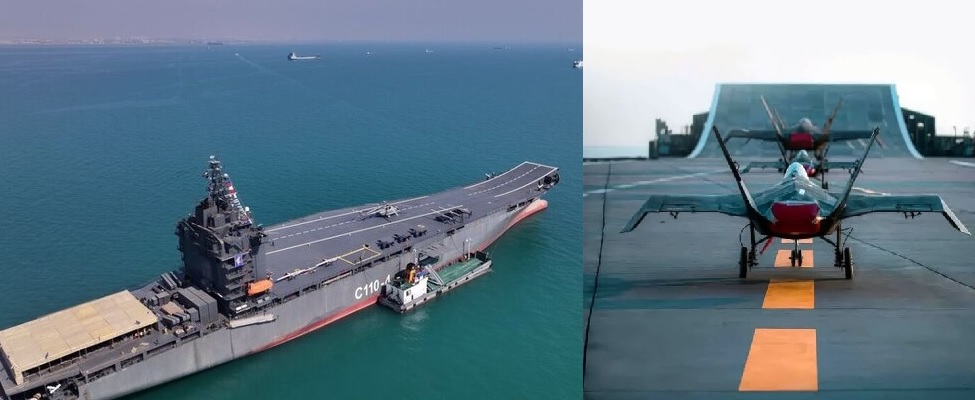
World
TEHRAN / WASHINGTON : Iran’s Islamic Revolutionary Guard Corps Navy (IRGCN) has formally inducted the IRIS Shahid Bagheri into operational service, marking the country’s first attempt to field a carrier-like platform dedicated primarily to unmanned aerial systems and asymmetric naval warfare. The vessel, converted from a civilian container ship, is intended to serve as a mobile base for drones, helicopters, cruise missiles and fast-attack craft. Iranian officials portray the ship as a means of extending naval reach beyond the Persian Gulf, while U.S. and allied defense analysts view it as a strategically significant but structurally vulnerable asset. Origin and Conversion Program The Shahid Bagheri began its service life as a commercial container ship named Perarin. Conversion work reportedly commenced in 2022 and was conducted by Iranian shipyards under the supervision of the IRGC. Rather than attempting to build a conventional aircraft carrier, Iran opted to modify an existing hull to support unmanned aviation and light naval aviation operations. Open-source assessments estimate the vessel’s displacement at approximately 42,000 tons. It measures about 240 meters (787 feet) in length, with its beam expanded to roughly 32 meters to accommodate flight operations. Iranian sources claim an operational range of up to 22,000 nautical miles without refueling, allowing sustained deployments into the Indian Ocean, Red Sea and surrounding maritime corridors. Flight Deck and Aviation Infrastructure The most prominent structural modification is an angled flight deck fitted with a ski-jump ramp. This configuration enables the launch of fixed-wing drones with heavier payloads without the use of catapult systems. The ship is also equipped with arresting gear designed to recover reusable drones, a capability not previously available to Iran’s naval forces. The reported air wing consists of more than 60 unmanned aerial vehicles. Platforms associated with the ship include Ababil-series drones, the Mohajer-6 intelligence and strike UAV, and Shahed-136 loitering munitions. The flight deck also supports rotary-wing operations, including medium transport and utility helicopters such as the Bell 412 and Mil Mi-17. Weapons, Boats and Defensive Systems In addition to aviation functions, the Shahid Bagheri is configured as a multi-role combat platform. It is assessed to carry launchers for Noor and Qader anti-ship cruise missiles, both of which are key components of Iran’s coastal and maritime strike capability. The vessel’s hull has been modified to house and deploy fast-attack craft directly from internal bays near the waterline. These boats, typically armed with rockets or missiles, are central to IRGC naval doctrine emphasizing swarm tactics and rapid, short-range engagements. For self-protection, the ship is believed to be equipped with indigenous air-defense systems, including elements of the “3rd Khordad” surface-to-air missile family, along with close-in weapon systems designed to counter incoming missiles and drones. Strategic Role and Vulnerability Iranian military statements describe the Shahid Bagheri as a force multiplier designed to offset conventional naval disadvantages through unmanned systems and dispersed attacks. By operating drones, missiles and fast boats from a single mobile platform, the IRGCN aims to complicate adversary detection and response timelines. Western naval analysts note that the vessel retains the structural characteristics of a commercial ship. It lacks the armor protection, compartmentalization and redundancy typical of purpose-built warships. As a result, it is assessed to be significantly more vulnerable to modern anti-ship weapons than conventional naval combatants. U.S. Military Assessment in a Conflict Scenario According to U.S. and allied defense assessments, if a direct military conflict were to erupt between Iran and the United States, the Shahid Baggeri would likely be treated as a high-priority target. Analysts assess that early neutralization of the vessel would be aimed at disrupting Iran’s ability to conduct coordinated drone, missile and swarm-boat operations at distance from its coastline. By removing the platform early in a conflict, U.S. naval planners assess that Iran’s capacity to project unmanned air power and conduct sustained asymmetric operations at sea would be significantly reduced. For this reason, the ship is viewed as both an operational asset and a strategic vulnerability within Iran’s naval posture. Current Status The IRIS Shahid Baggeri is expected to participate in future IRGCN exercises and patrol missions, serving as a test platform for Iran’s evolving unmanned maritime doctrine. Its deployment underscores Tehran’s continued focus on unconventional naval systems rather than direct competition with U.S. carrier strike groups. While the vessel represents a notable expansion of Iran’s unmanned naval capabilities, defense analysts broadly agree that its survivability in a high-intensity conflict would depend on remaining outside the reach of advanced naval and air strike forces.
Read More → Posted on 2026-01-28 16:19:00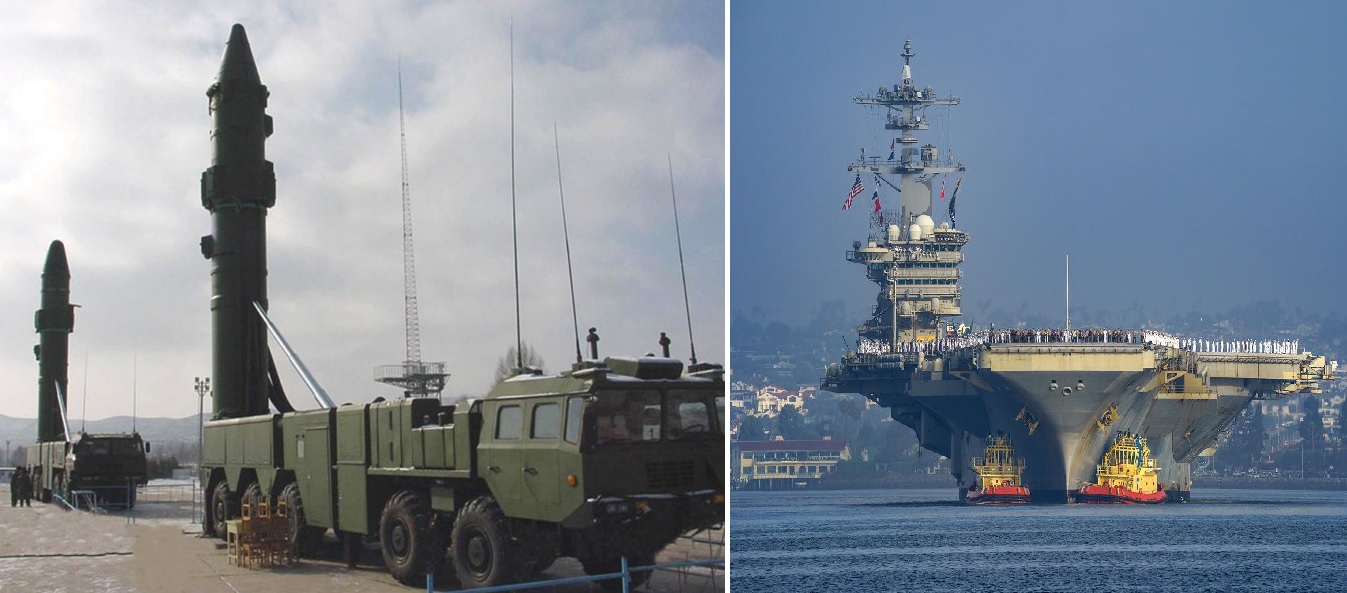
World
WASHINGTON / TEHRAN : Unconfirmed intelligence reporting circulating among regional security officials and defense analysts indicates that China may have covertly transferred DF-21D anti-ship ballistic missiles to Iran, a development that, if substantiated, would represent a significant shift in the military balance of the Middle East and the northern Indian Ocean. Neither Beijing nor Tehran has acknowledged the reports, and U.S. officials have so far declined public comment. However, multiple analysts say the possibility is being treated seriously within Western and regional defense circles due to the strategic implications of the DF-21D system and Iran’s longstanding effort to expand its anti-access capabilities. Nature of the Alleged Transfer The DF-21D is a Chinese-developed medium-range ballistic missile optimized for maritime strike missions rather than air defense or land attack. Often mischaracterized as an air defense weapon, the system is specifically designed to target large surface combatants, including aircraft carriers, from land-based mobile launchers. If Iran has acquired even a limited number of DF-21D missiles, it would mark the first known deployment of an operational anti-ship ballistic missile outside China, introducing a capability previously absent from Iran’s missile forces. Technical Characteristics of the DF-21D Open-source defense assessments describe the DF-21D as a road-mobile medium-range ballistic missile with an estimated range of approximately 1,500 to 1,700 kilometers. The missile is believed to reach hypersonic speeds during its terminal phase, exceeding Mach 10, and is equipped with a maneuverable re-entry vehicle. Unlike conventional ballistic missiles that follow a fixed trajectory, the DF-21D warhead can adjust its path during descent, allowing it to engage moving maritime targets. Guidance is thought to rely on a combination of inertial navigation and terminal active radar, potentially supported by off-board sensors such as satellites, maritime patrol aircraft, or unmanned systems. The payload is assessed to be a conventional high-explosive warhead intended to disable or mission-kill large naval vessels rather than sink them outright. Implications for U.S. Naval Operations The reports have focused particular attention on the USS Abraham Lincoln Carrier Strike Group, which has been operating in and around the Middle East region amid heightened tensions. U.S. aircraft carriers form the core of American power projection, but their effectiveness depends on operating within range of their embarked aircraft. Carrier-based strike aircraft such as the F-35C and F/A-18E/F typically have combat radii of roughly 800 to 1,000 kilometers without extensive aerial refueling. To conduct sustained operations against targets inside Iran, a carrier would need to operate well within the alleged engagement envelope of the DF-21D. Analysts note that this creates a potential operational constraint rather than an immediate tactical threat. The presence of long-range anti-ship ballistic missiles would force U.S. naval planners to either operate carriers at greater distances, rely more heavily on land-based aircraft and submarines, or devote additional resources to missile defense and counterstrike missions. Missile Defense and Saturation Concerns U.S. Navy surface combatants are equipped with layered missile defense systems, including SM-3 and SM-6 interceptors integrated into the Aegis Combat System. These defenses are designed to counter ballistic and cruise missile threats, but their effectiveness depends on detection time, tracking quality, and the number of incoming targets. Defense analysts emphasize that the principal challenge posed by systems like the DF-21D is not a single missile but the possibility of coordinated launches. A salvo involving multiple ballistic and cruise missiles from different vectors could complicate interception efforts, particularly in confined maritime environments such as the Persian Gulf. Regional Anti-Access Strategy Iran has invested heavily over the past two decades in an anti-access/area denial (A2/AD) strategy aimed at limiting the freedom of action of technologically superior adversaries. This approach has relied on layered defenses combining ballistic missiles, cruise missiles, naval mines, fast attack craft, submarines, and unmanned systems. The addition of an anti-ship ballistic missile with the range attributed to the DF-21D would significantly extend the reach of this strategy beyond the Persian Gulf into the Arabian Sea and approaches to the Strait of Hormuz, through which a substantial portion of the world’s seaborne energy supplies transit. Verification and Uncertainties At present, the reports remain unverified. Key uncertainties include whether any missiles have actually been transferred, whether Iran possesses the supporting sensor and targeting infrastructure required to employ the DF-21D effectively, and whether Chinese authorities would be willing to export such a strategically sensitive system. Defense specialists caution that possession of the missile alone does not guarantee operational capability. Effective use would require reliable real-time targeting data, secure communications, trained personnel, and integration into Iran’s command-and-control networks. Strategic Significance If confirmed, the transfer would raise broader questions about China’s role in Middle Eastern security dynamics and its willingness to provide advanced military capabilities that directly challenge U.S. naval dominance. For Iran, it would represent a qualitative leap in deterrence rather than a tool for routine military use. For now, U.S. and allied militaries are expected to continue monitoring for indicators of deployment or testing, while maintaining existing force protection measures. The situation underscores the growing importance of long-range precision strike and missile defense in shaping future naval operations in contested regions.
Read More → Posted on 2026-01-28 15:45:29
World
HYDERABAD : Hindustan Aeronautics Limited (HAL) has signed an agreement granting it exclusive rights to manufacture, sell, and provide maintenance support for the Sukhoi Superjet 100 (SJ-100) in India, marking a significant step in India’s effort to expand domestic civil aircraft manufacturing and reduce exposure to Western supply-chain disruptions. The agreement was formalized during the Wings India 2026 civil aviation exhibition and was signed by United Aircraft Corporation (UAC) Director General Vadim Badeha and HAL Chairman and Managing Director Dr. D.K. Sunil. Under the arrangement, HAL will act as the sole production and support entity for the aircraft in India and will also assist with certification and airworthiness validation for Indian operations in coordination with domestic regulators. Scope of the Agreement According to officials familiar with the pact, HAL will receive a full production license for the SJ-100, including the manufacture of major assemblies, components, spares, and ground-support equipment. The company will also be responsible for establishing maintenance, repair, and overhaul (MRO) capabilities to support Indian airline fleets throughout the aircraft’s service life. The aircraft to be offered in India is the “Russified” version of the SJ-100, which replaces all Western-origin systems with Russian-made engines, avionics, flight-control systems, and hydraulic components. UAC has positioned this configuration as fully insulated from Western sanctions regimes, an issue that has increasingly affected global aircraft availability and spare-parts supply. HAL will support UAC in the certification process and is expected to work with the Directorate General of Civil Aviation (DGCA) on validation for commercial operations in India. Aircraft Profile and Capabilities The Sukhoi Superjet 100 is a regional jet designed for short- to medium-haul routes. Depending on configuration, it typically seats 87 to 103 passengers and has a maximum range of approximately 3,500 kilometers. The aircraft is optimized for operations from shorter runways and regional airports, aligning with the infrastructure profile of many Tier-2 and Tier-3 cities in India. UAC officials stated that the aircraft’s operating economics and acquisition cost are intended to be competitive with other aircraft in the 90–120 seat category, including the Embraer E-Jet E2 family and the Airbus A220. Indian Market Context The agreement comes amid rapid growth in India’s civil aviation sector. Passenger traffic has expanded sharply over the past decade, while airline fleet plans have largely focused on larger narrowbody aircraft in the 180-seat and above category. As a result, the regional jet segment remains comparatively underserved. Government data presented at Wings India 2026 indicated that the UDAN (Ude Desh ka Aam Nagrik) regional connectivity scheme continues to drive demand for aircraft capable of linking smaller cities with limited runway infrastructure. Industry projections suggest that India could require several hundred aircraft in the 80- to 150-seat segment over the next two decades to support regional growth and replacement of aging fleets. Currently, much of this market is served by turboprop aircraft, such as the ATR-72, alongside a limited number of older regional jets. Production backlogs at major manufacturers and engine reliability issues affecting some Western-built aircraft have constrained near-term availability for Indian operators. Industrial and Strategic Implications For HAL, the project represents a rare entry into large-scale civil aircraft manufacturing, complementing its existing defense-focused portfolio. Company officials indicated that production would involve re-equipping and upgrading facilities, primarily in Bengaluru, with technical assistance from UAC. Russian officials described the SJ-100 program as the initial phase of a broader industrial partnership. Discussions are already underway regarding potential licensed production in India of larger aircraft types, including the MC-21 single-aisle jet and the Tu-214 medium-range aircraft, which could be positioned for commercial, cargo, or government use. The signing ceremony was attended by senior officials from both governments, including Russia’s Deputy Minister of Industry and Trade Gennady Abramchenkov and Russian Ambassador to India Denis Alipov, underscoring the bilateral nature of the initiative. Next Steps HAL and UAC are expected to conclude a follow-on general agreement detailing financial arrangements, production timelines, localization levels, and workshare distribution. UAC has committed to providing technical specialists to assist with setting up assembly lines and quality-control systems compliant with civil aviation standards. Industry analysts note that if certification and production targets are met, the availability of a domestically manufactured regional jet could provide Indian airlines with an additional fleet option at a time when aircraft shortages and maintenance delays continue to affect operations across the sector.
Read More → Posted on 2026-01-28 15:22:02Search
Top Trending in 24 Hours
-
 U.S. Navy Awards Northrop Grumman $1.2 Billion Deal for Three New E-2D Advanced Hawkeyes
-
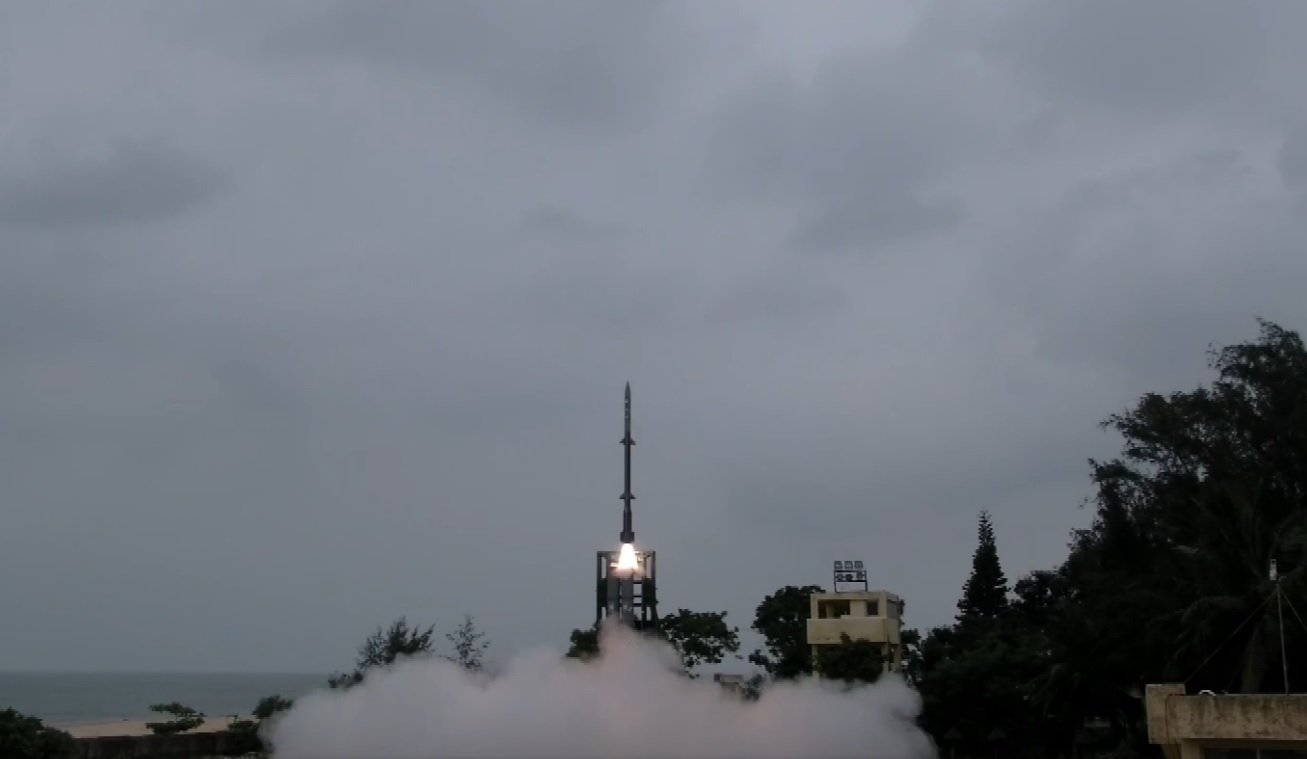 DRDO Successfully Conducts Maiden Flight Test of 150-km-Range Kusha M1 Air Defence Missile
-
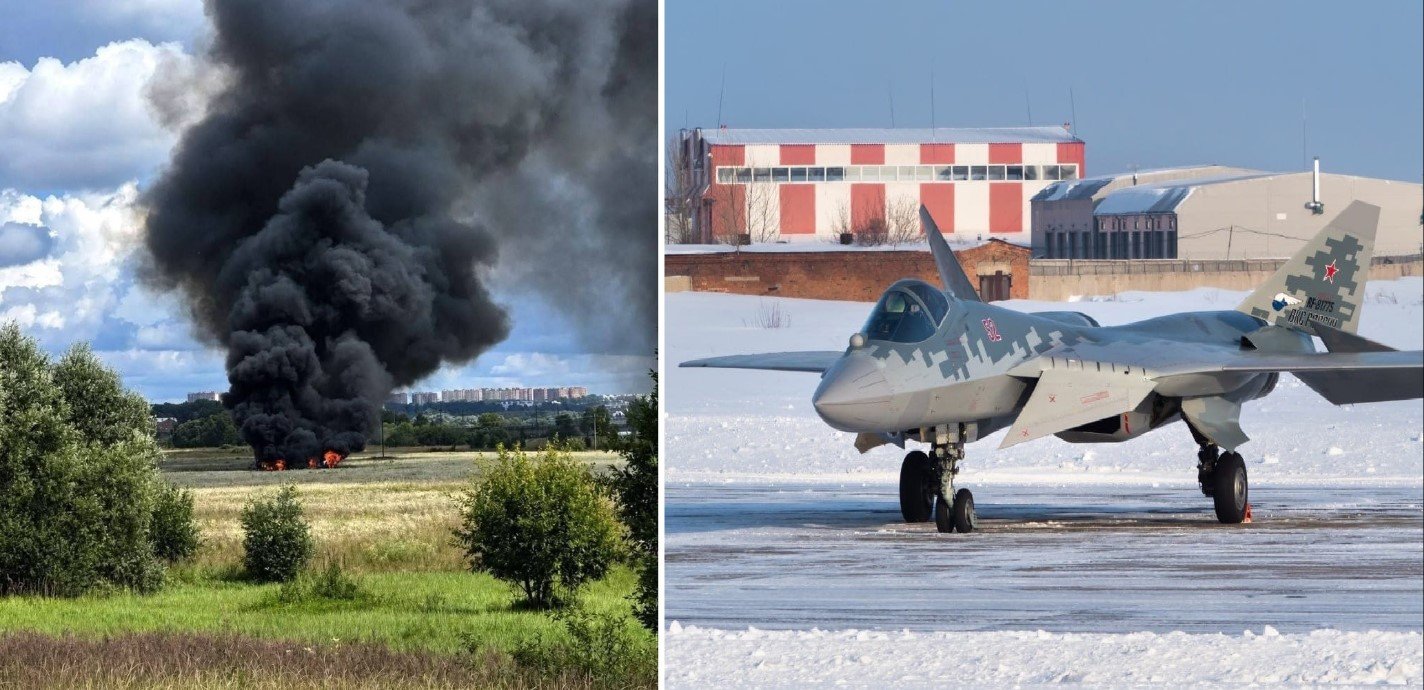 Russian Su-57 Stealth Fighter Crashes During Training Flight Near Moscow, Pilot Ejects Safely
-
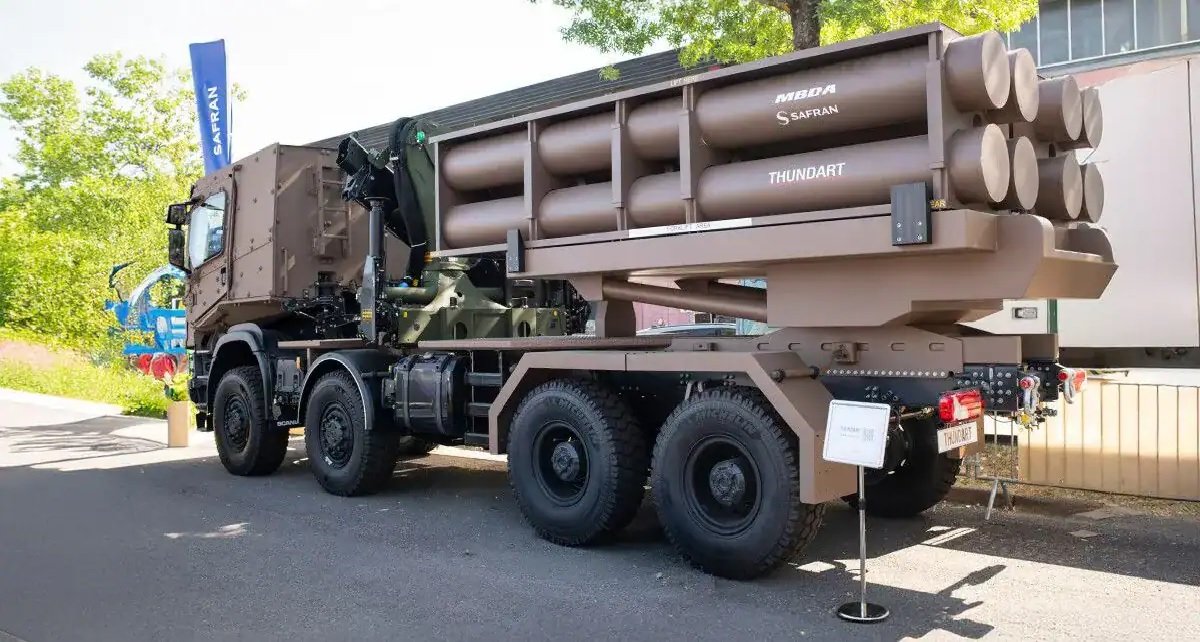 France's THUNDART Long-Range Rocket System May Undergo Prototype Combat Testing in Ukraine
-
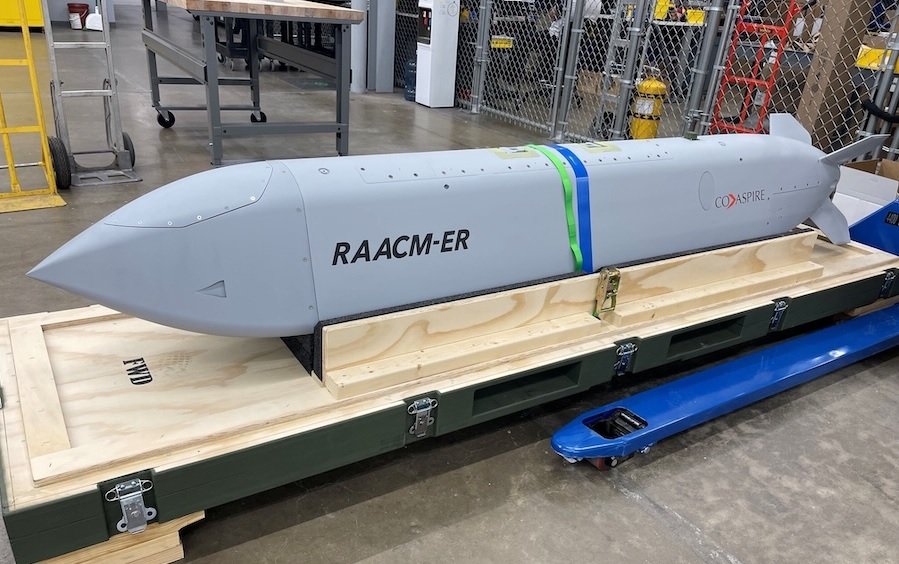 U.S. Navy Selects CoAspire to Build Ground-Launched CHAOS Cruise Missile Under $70 Million Program
-
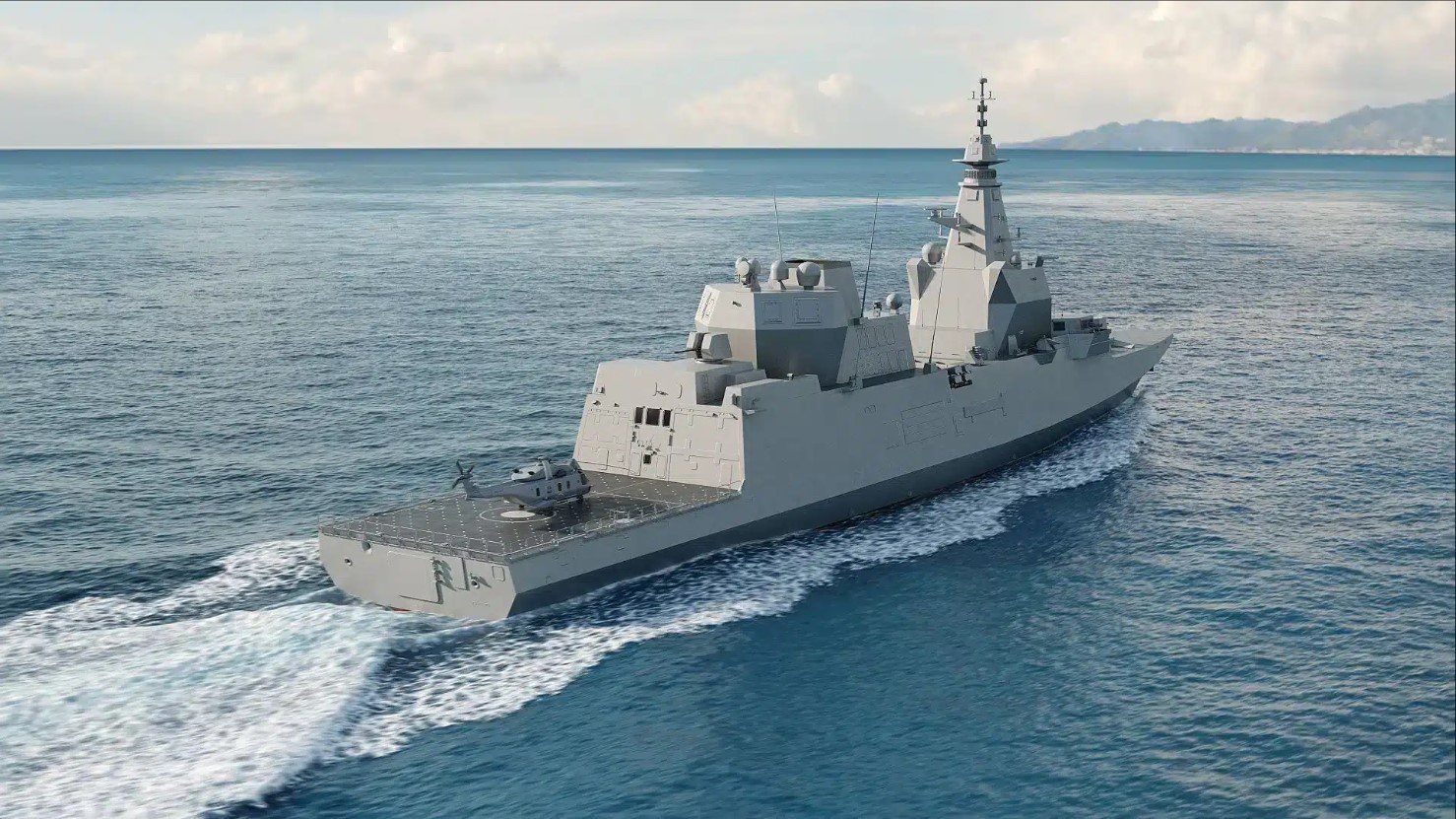 Portugal Orders Three FREMM EVO Frigates from Italy in €3.9 Billion Naval Deal
-
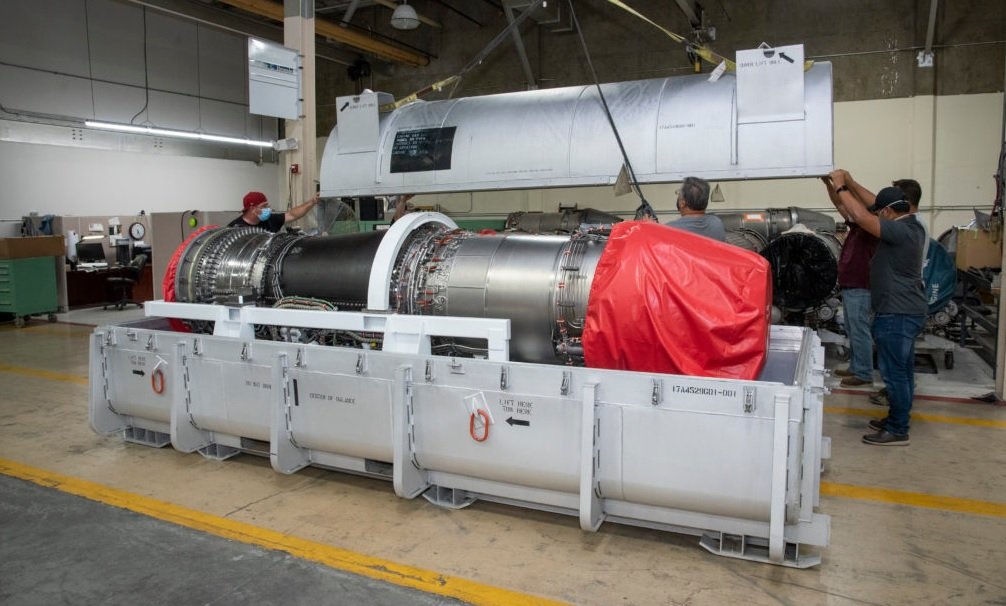 GE Aerospace and Magellan Aerospace Corporation Sign Strategic MoU for F414 Engine Sustainment in Canada
-
 Destinus Unveils Vorexon Interceptor Concept to Defend Critical Sites from Artillery Threats
Top Trending in 4 Days
-
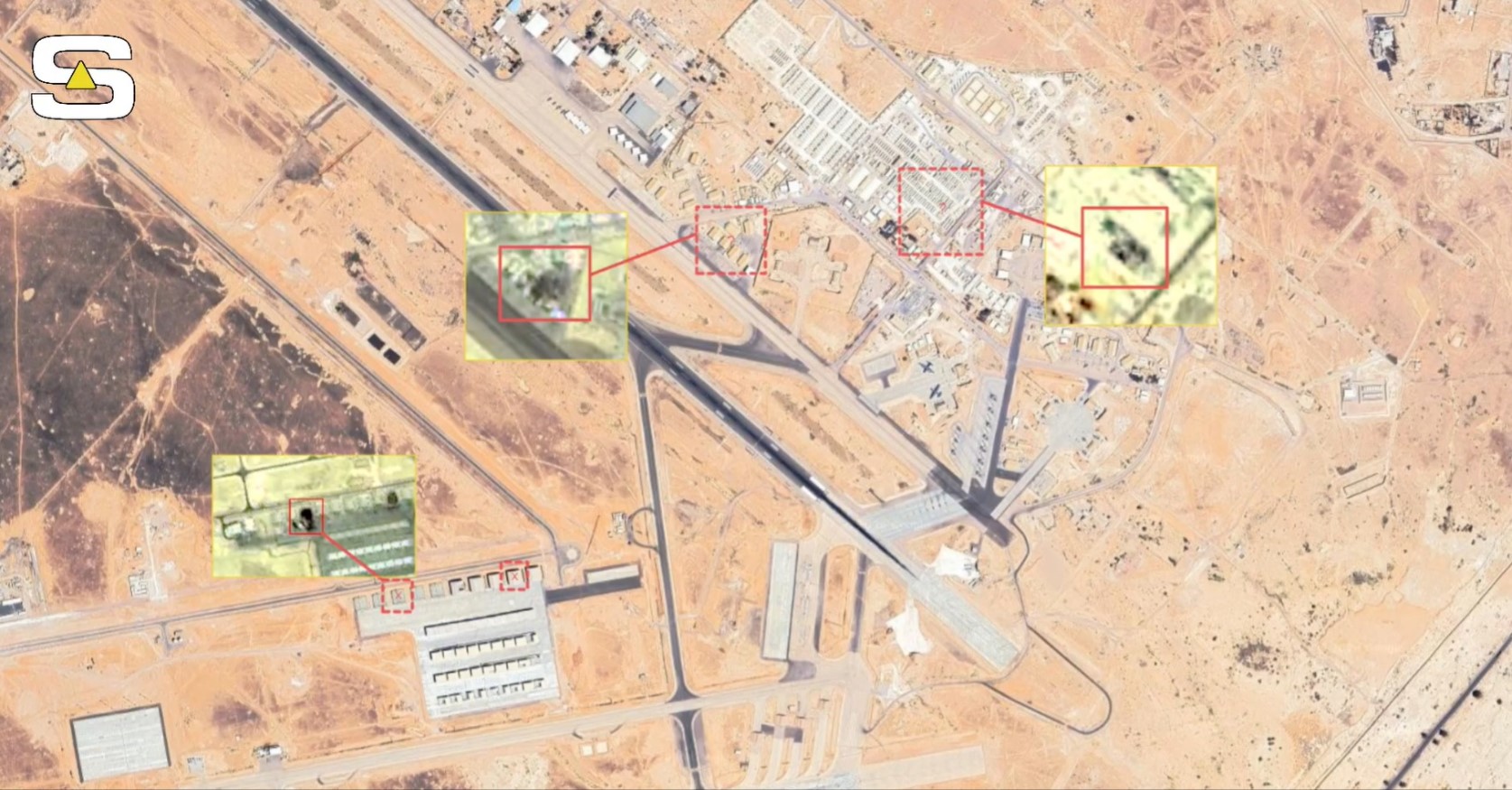 New Satellite Imagery Reveals Extensive Damage at Jordan's Muwaffaq al-Salti Air Base After Iranian Missile Strike
-
 Anduril Unveils Thunder Autonomous Attack Rotorcraft Built with Archer Aviation to Support Apache Helicopters
-
 Iran Claims It Shot Down U.S.-Operated Polish-Built Tiguar-M Drone, Releases Images
-
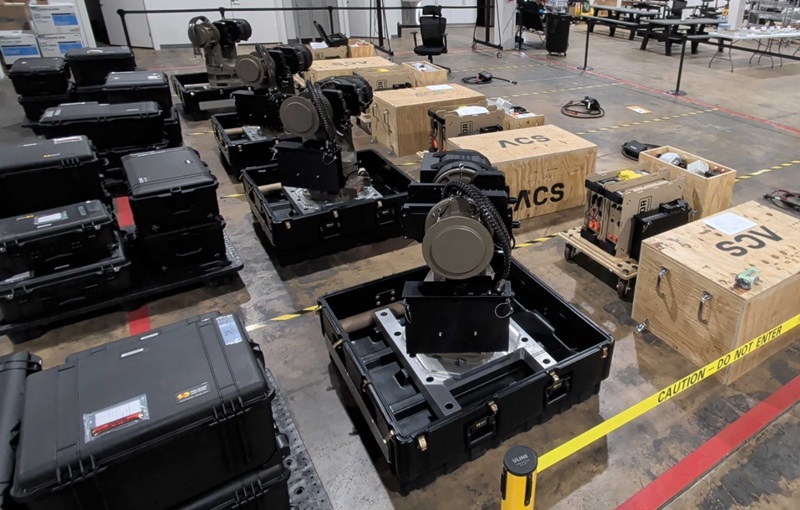 U.S. Marine Corps Selects AI-Powered Bullfrog Weapon Station for L-MADIS Counter-Drone Platform
-
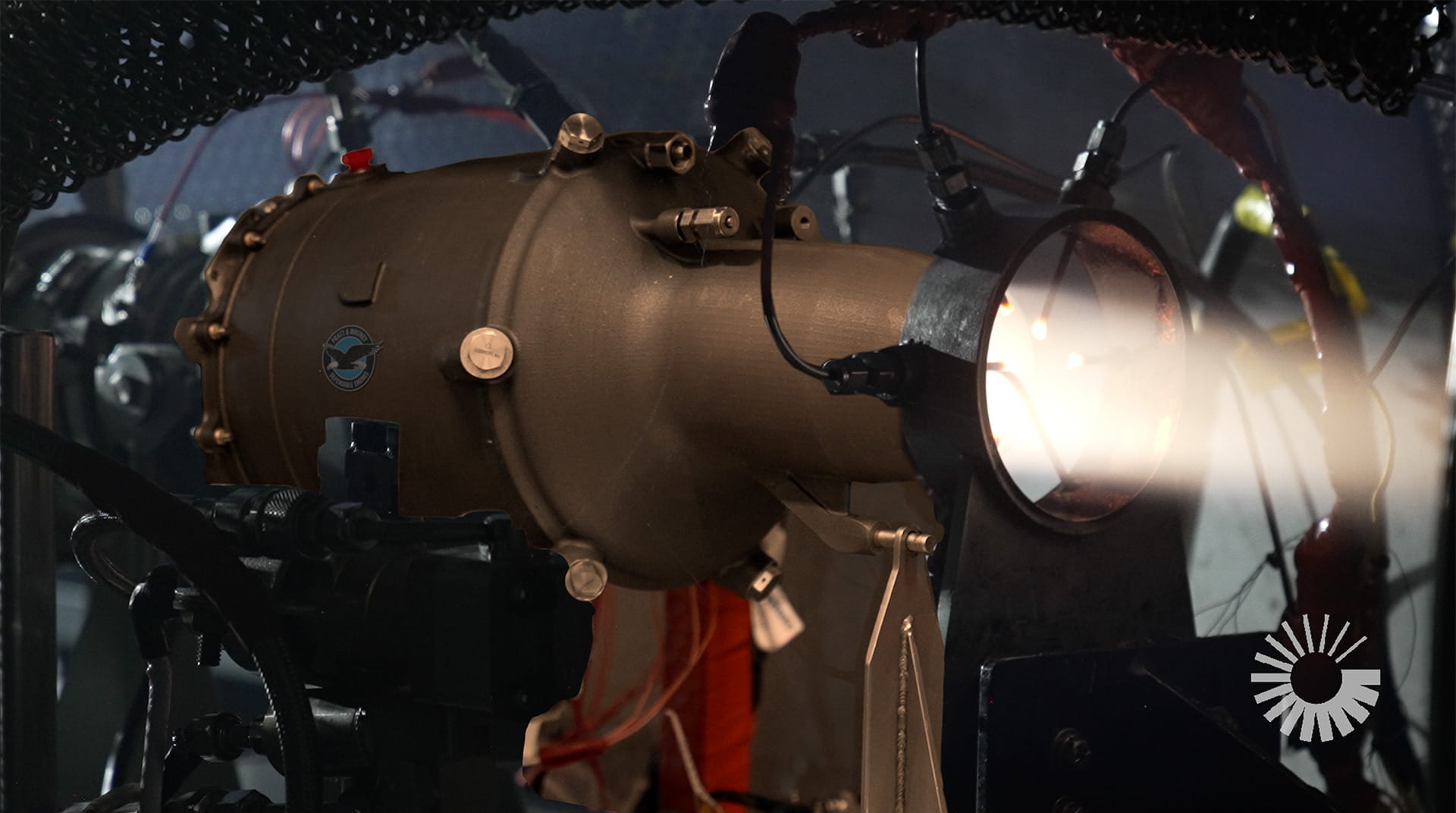 Pratt & Whitney Completes Testing of 3D-Printed TJ150 Engine for Military Applications
-
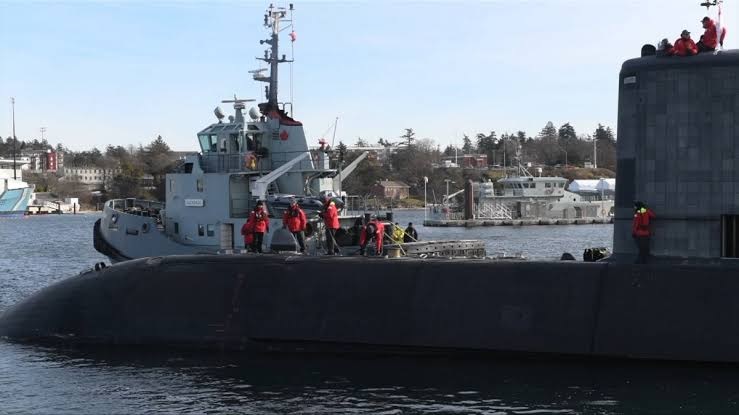 Canada Awards Babcock $1.1 Billion Six-Year Contract Extension to Support Victoria-Class Submarine Fleet
-
 Lockheed Martin Unveils MORFIUS X-Rotor High-Power Microwave System That Can Neutralize 50+ Drones in One Flight
-
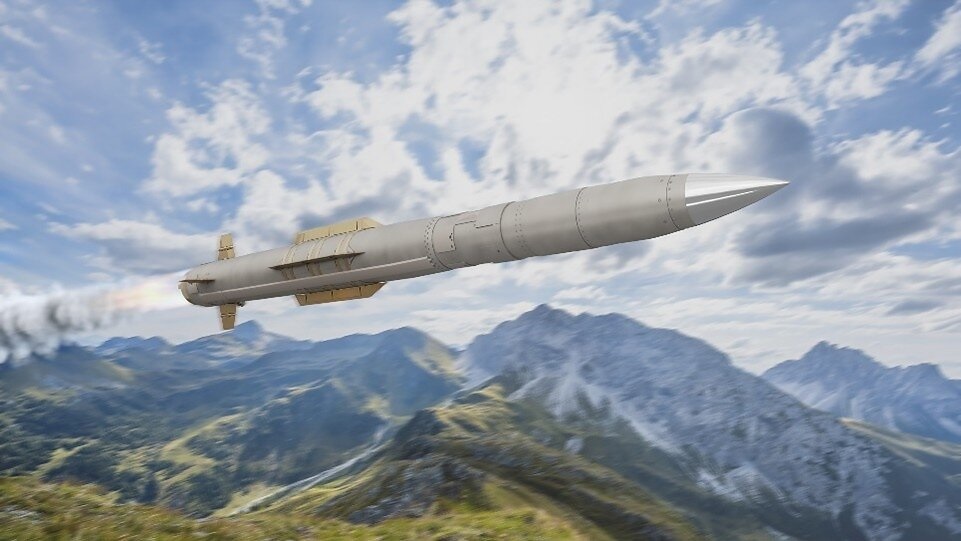 Lockheed Martin Unveils Lower-Cost PAC-3 ACE Interceptor for Patriot Air Defense System
