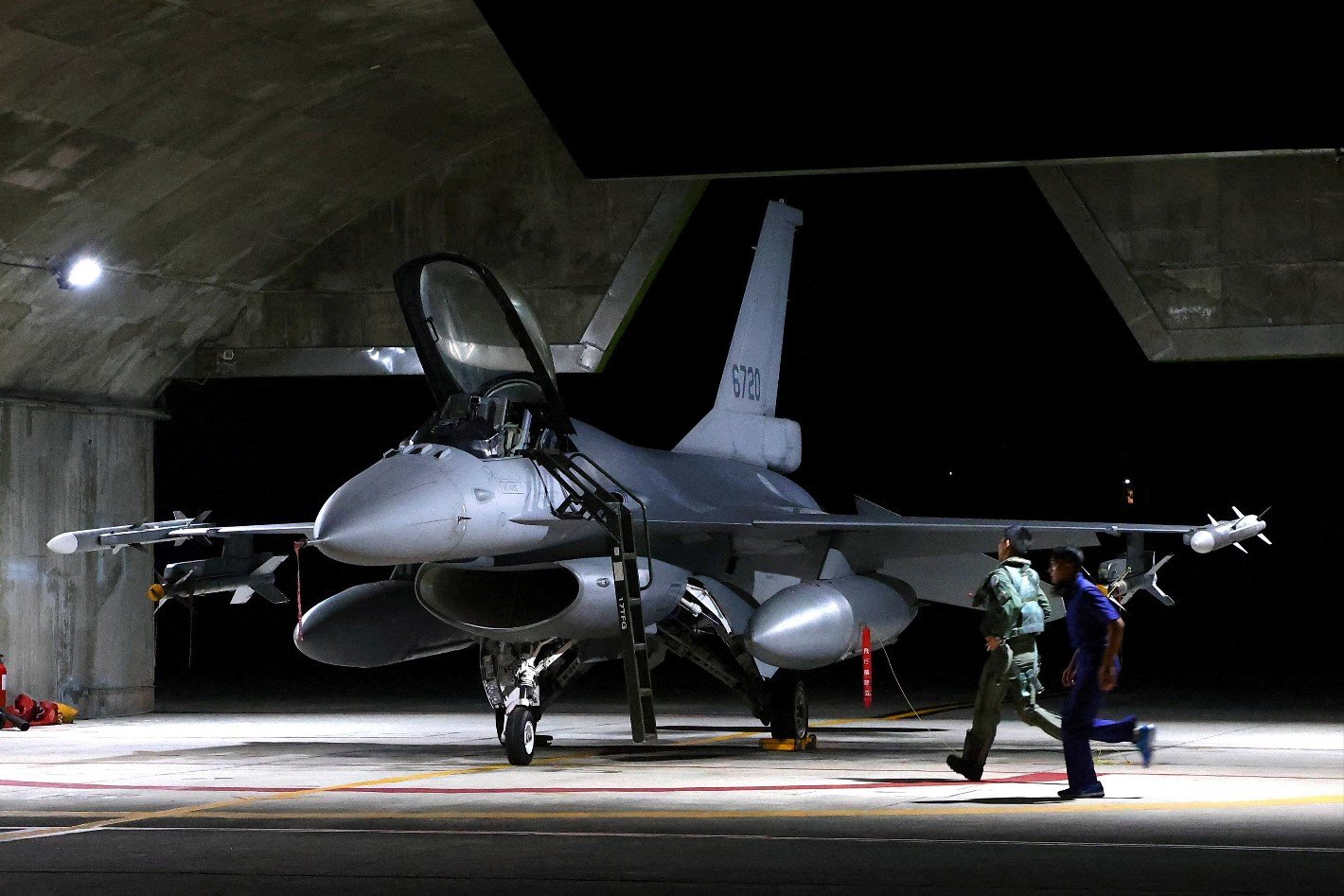
WASHINGTON : The U.S. Navy has approved a $73.8 million contract modification to expand its inventory of radio frequency (RF) countermeasures for U.S., allied, and partner fighter aircraft, reinforcing aircraft survivability against radar-guided missile threats in contested airspace.
Naval Air Systems Command (NAVAIR) has awarded contract modification P00006, valued at $73,798,992, to BAE Systems Information and Electronic Systems Integration Inc. for the procurement of 1,248 RF countermeasure units. The systems will support U.S. Navy, U.S. Air Force, U.S. Marine Corps, and Foreign Military Sales (FMS) fighter fleets. The action was executed as a sole-source modification under an existing contract and is managed from NAVAIR headquarters in Patuxent River, Maryland.
Scope of Work and Industrial Execution
The contracted work will be carried out at multiple BAE Systems facilities, including Nashua, New Hampshire; Elkton, Maryland; and several locations across California, with additional activities distributed among other U.S. sites. Production, integration, and support efforts under this modification are scheduled to continue through February 2029.
This modification extends an ongoing procurement effort rather than initiating a new program. The Navy has previously exercised options under the same contract vehicle to acquire additional RF countermeasures, sustaining production lines and maintaining industrial capacity as fleet requirements increase. The latest order expands deliveries into the latter part of the decade to support operational squadrons, training pipelines, and war reserve inventories.
Funding Structure and Program Management
Funding for the contract modification is drawn from multiple procurement accounts across fiscal years 2025 and 2026. These include Navy and Marine Corps procurement of ammunition accounts, FY2026 Air Force aircraft procurement funds, and a substantial contribution from Foreign Military Sales customers. The use of ammunition procurement funding reflects how the Department of Defense categorizes RF countermeasures as consumable items that must be stocked, expended during training and operations, and replenished to sustain combat readiness.
Operational Role of RF Countermeasures
The procured systems are designed to protect fighter aircraft from radar-guided missile threats, particularly during the terminal phase of an engagement when a missile is actively tracking its target. While the Department of Defense announcement does not specify the system designation, the contract has consistently been associated with production of the ALE-70 family of radio frequency countermeasures.
The ALE-70 system is widely understood to consist of a launcher and reel assembly integrated into the host aircraft, deploying a fiber-optic tethered RF decoy. The decoy is controlled by the aircraft’s electronic warfare management system and emits tailored radio frequency signals intended to replicate or amplify the aircraft’s radar signature. By doing so, it presents a more attractive target to an incoming missile seeker than the aircraft itself.
Once deployed, the decoy trails behind the aircraft at a controlled distance, physically separating the false RF source from the fighter. If the decoy is damaged or tactically compromised, it can be severed and replaced, allowing the aircraft to continue its mission while treating the decoy as an expendable item rather than risking aircraft loss.
Integration With Modern Fighter Fleets
The procurement is particularly relevant to U.S. Navy and U.S. Marine Corps F-35 operations. The F-35’s integrated electronic warfare suite provides threat detection, geolocation, and onboard jamming capabilities, but the addition of a towed RF decoy introduces an offboard effect that can be employed when onboard measures alone are insufficient. In high-threat environments, combining onboard electronic attack with a physically separated RF source complicates enemy missile targeting and increases aircraft survivability.
Even aircraft with low observable characteristics can face elevated risk when operating with open weapon bays, external stores, or as part of complex strike packages. As potential adversaries field more advanced, frequency-agile radars and networked air defense systems, the Navy continues to emphasize layered self-protection that integrates signature management, onboard electronic warfare, and offboard countermeasures.
Coalition and Allied Implications
The significant Foreign Military Sales component of the contract highlights the role of RF countermeasures in coalition air operations. Allied air forces operating alongside U.S. Navy and U.S. Air Force units face similar radar-guided missile threats and require interoperable survivability solutions. Standardizing advanced RF countermeasures across partner fleets supports combined operational planning and enhances collective deterrence in contested regions.
Sustaining Fighter Survivability
Overall, the $73.8 million contract modification represents a sustained investment in defensive capabilities rather than offensive weapons. By expanding inventories of RF countermeasures through 2029, the Navy and its partners aim to ensure that carrier-based and land-based fighter aircraft retain the ability to operate, survive, and complete missions within increasingly complex air defense environments.
——— End of Article ———