
World
BELGOROD : Newly released satellite imagery and open-source intelligence (OSINT) analysis have confirmed that a Ukrainian long-range missile strike in September 2025 delivered a decisive blow to a little-known but critical pillar of Russia’s military aviation industry, exposing a significant failure of Moscow’s air defenses and a deep vulnerability in its fighter jet supply chain. High-resolution imagery, analyzed this week by the OSINT groups Cyberboroshno and Exilenova+, shows that four Ukrainian-made FP-5 “Flamingo” cruise missiles struck the Skif-M industrial complex in Russia’s Belgorod region with complete accuracy on September 23, 2025. The findings directly contradict Russian government claims that most of the incoming missiles were intercepted and reveal damage so severe that large sections of the facility remain unrepaired more than three months later. A Strike Moscow Denied In the immediate aftermath of the attack, Russian officials asserted that air defense systems had successfully downed three of the four missiles, acknowledging only a single impact at the site. The satellite imagery, released on January 25, 2026, tells a markedly different story. Analysts identified four distinct penetration points on the factory’s roof, all located within an approximately 80-meter radius. The primary destruction zone, spanning roughly 25 meters, shows evidence of multiple internal collapses—damage patterns inconsistent with a lone missile strike. Additional lower-resolution imagery from January 5 indicates that large portions of the roof remain missing, with no visible signs of full-scale reconstruction. “The spatial distribution of damage clearly indicates a four-for-four outcome,” Cyberboroshno reported. “There is no evidence to support claims of successful interception. Local air defenses appear to have been completely overwhelmed.” The Factory Behind the Fighters Skif-M is not widely known outside defense and manufacturing circles, but its role inside Russia’s military-industrial complex is outsized. The facility produces an estimated 70 percent of the specialized carbide cutting tools—including drills, milling cutters, and inserts—used to machine aerospace-grade titanium and aluminum. These materials are essential for the production of Russia’s frontline combat aircraft, including the Su-34 bomber, the Su-35 multirole fighter, and the fifth-generation Su-57 stealth jet. Defense analysts describe Skif-M as a classic industrial bottleneck. Without its tooling, downstream manufacturers face production delays, higher scrap rates, and sharply increased costs when machining complex components such as bulkheads, wing spars, and internal structural frames. A prior assessment by the Royal United Services Institute (RUSI) had already identified Skif-M as a critical vulnerability. The factory relies heavily on imported high-precision machine tools sourced from Germany, Switzerland, and Australia—equipment that is difficult to replace under current export controls and sanctions. “The destruction of these Western-made machines is strategically significant,” a RUSI analyst noted. “Even if the building is repaired, recreating the production capability inside it is another matter entirely.” Sanctions and Isolation As of January 2026, Skif-M continues to exist as a legal entity, but its operational isolation is deepening. Ukraine and the United States have formally sanctioned the company, restricting its access to international suppliers and financial systems. Kyiv has urged European governments to follow suit, warning that gaps in the sanctions regime could allow Russia to source replacement equipment through third-party intermediaries. Industry experts caution that even limited success in sanctions evasion would not quickly restore lost capacity. High-precision tooling production requires lengthy calibration, highly skilled labor, and specialized components that remain tightly controlled in Western markets. The Flamingo Revealed The strike marked the most consequential combat debut to date of Ukraine’s indigenous FP-5 “Flamingo” cruise missile. First unveiled publicly in August 2025, the Flamingo is a ground-launched, subsonic missile with a reported range of up to 3,000 kilometers and a massive 1,150-kilogram warhead. Unlike Western-supplied Storm Shadow or SCALP missiles—which are air-launched and often subject to political restrictions—the Flamingo is designed for domestic mass production and sovereign employment. Ukrainian officials have described it as a simplified, cost-effective “flying bomb”, optimized for industrial targets rather than hardened bunkers. Central to its success over Belgorod was a jam-resistant satellite navigation system equipped with a Controlled Reception Pattern Antenna (CRPA), enabling it to maintain guidance despite Russia’s dense electronic warfare environment. OSINT analysts believe this capability allowed the missiles to penetrate one of the most heavily defended regions near the Ukrainian border. By late 2025, Ukrainian sources indicated production targets of up to seven Flamingo missiles per day, giving Kyiv a sustained long-range strike capability against targets deep inside Russian territory. Strategic Consequences The full impact of the Skif-M strike is expected to emerge gradually. United Aircraft Corporation (UAC)—the parent company of Sukhoi—now faces a shortage of the specialized cutting tools required to maintain production timelines, particularly for the Su-57, whose complex titanium structures demand extreme machining precision. Without domestic replacements for Skif-M’s output, Russia may be forced to slow assembly lines, divert resources to less advanced platforms, or attempt risky workarounds that could degrade aircraft quality and reliability. “This was not merely an attack on a factory,” an Exilenova+ analyst assessed. “It was a precision incision into the circulatory system of Russia’s most advanced weapons industry.” As the war increasingly shifts toward long-range strikes on infrastructure and supply chains, the Belgorod operation underscores a broader strategic reality: in modern industrial warfare, disabling a single specialized node can reverberate far beyond the blast radius, reshaping military capabilities for months—or even years—to come.
Read More → Posted on 2026-01-26 15:43:12
World
QAMISHLI / MOSCOW : Russia has begun a partial withdrawal of its military forces from Syria, marking a significant contraction of Moscow’s long-standing footprint in the country and signaling what analysts describe as a decisive turning point in the Kremlin’s decade-long intervention in the Middle East. Footage aired by the Kurdish-run K24 television channel shows Russian forces evacuating the helicopter airfield in Qamishli, a strategic city in northeastern Syria near the Turkish border. The images provide rare visual confirmation of a drawdown that has been widely rumored in recent months but not previously documented so clearly. Evacuation Footage Shows Heavy Equipment Leaving The broadcast shows military vehicles and equipment being loaded onto an Il-76 transport aircraft, a workhorse of Russia’s strategic airlift capability. In one of the most striking sequences, a Mi-8 transport helicopter is seen prepared for evacuation, its rotor blades removed to allow it to be flown out inside the cargo aircraft. According to regional sources cited by the broadcaster, additional fighter aircraft, helicopters, and support hardware are also being moved out of northeastern Syria or relocated to remaining Russian facilities elsewhere in the country. The operation appears methodical but urgent, suggesting a deliberate effort to wind down operations rather than a routine rotation of forces. Qamishli Base Abandoned Until now, the Qamishli facility had been one of three Russian military sites in Syria. Its apparent abandonment represents a major reduction in Moscow’s operational reach, particularly in the strategic northeast, a region long contested by Syrian government forces, Kurdish groups, and regional powers. If confirmed, the withdrawal would leave Russia with only two military footholds in Syria. The most important of these is Khmeimim Air Base in Latakia province on the Mediterranean coast, which serves as Russia’s primary air hub and command center. Russia also maintains a naval logistics facility at Tartus, its only Mediterranean port and a critical symbol of its naval ambitions beyond the Black Sea. End of a Decade-Long Intervention Russia intervened militarily in Syria in 2015, deploying air power and military advisers to support President Bashar al-Assad during the civil war. The intervention reshaped the conflict and restored Moscow as a central power broker in the Middle East, giving the Kremlin leverage over Damascus and a strategic presence near NATO’s southern flank. However, analysts now say that Russia’s regional influence has steadily eroded under the pressure of prolonged war costs, shifting regional dynamics, and Moscow’s military commitments elsewhere. The drawdown from Qamishli is widely seen as the clearest indication yet that President Vladimir Putin’s Syria campaign is entering its final phase. Some observers describe the withdrawal as the “logical and disastrous end” of a ten-year military adventure, arguing that Russia no longer has the political leverage or resources to sustain a broad presence across Syria. Control over northeastern territories has increasingly shifted toward Damascus and local actors, reducing Moscow’s strategic justification for remaining in places like Qamishli. Focus Shifts to Coastal Strongholds Russian units previously stationed in the northeast are believed to be redeploying either to Khmeimim or back to Russia itself. Concentrating forces along the Mediterranean coast would allow Moscow to preserve a reduced but defensible presence, focused on air and naval access rather than territorial influence. For regional powers and Western governments, the withdrawal underscores a broader recalibration of Russia’s global posture. Once a decisive military actor shaping outcomes across Syria, Moscow now appears to be retrenching, its ambitions constrained and its influence increasingly localized. While Russian officials have not publicly commented on the footage, the images from Qamishli offer compelling evidence that one of the Kremlin’s most visible foreign military ventures is quietly being dismantled — base by base, aircraft by aircraft.
Read More → Posted on 2026-01-26 15:32:51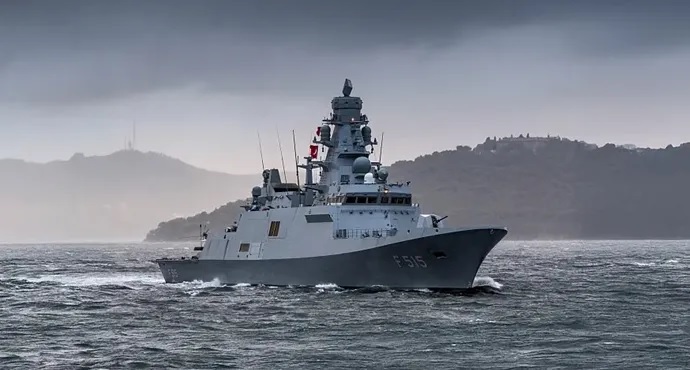
World
DOHA / ANKARA : A major trilateral naval defense arrangement took shape at the DIMDEX 2026 exhibition in Doha, where Turkish shipbuilding consortium TAIS signed a $1 billion agreement with Qatar’s state-backed defense firm Barzan Holdings for the construction of two advanced I-class frigates destined for the Indonesian Navy (TNI AL). The deal underscores Türkiye’s expanding role as a global naval exporter and highlights Qatar’s growing position as a defense financier and intermediary. The agreement was formally signed on January 19 in the presence of senior Qatari officials, including Sheikh Saud bin Abdulrahman bin Hassan Al-Thani, Deputy Prime Minister and Minister of State for Defense Affairs. According to a statement issued by Qatar’s Ministry of Defense, the contract covers the purchase of two frigates on behalf of one of Barzan Holdings’ international clients, later confirmed to be Indonesia. TAIS, which represents Türkiye’s leading military shipyards, announced the deal through its official social media channels, followed shortly by a detailed Qatar MoD press release disclosing the contract value. The following day, Barzan Holdings publicly stated that the vessels are intended for the Indonesian Armed Forces, clarifying the end user of the ships. Financing and Export Structure Under the terms of the arrangement, Barzan Holdings will finance the acquisition by extending a loan to Indonesia, enabling Jakarta to procure the Turkish-built frigates under favorable conditions. This financing model reflects Qatar’s broader strategy of supporting allied defense procurements while deepening industrial and strategic ties with both supplier and recipient nations. The agreement builds on a memorandum of understanding (MoU) signed in June 2025 between TAIS and Indonesia during the Indo Defence 2024 exhibition, where the two sides laid the groundwork for cooperation on I-class frigates. With the DIMDEX 2026 contract, that preliminary framework has now evolved into a binding export program. According to information obtained by Naval News at the exhibition, the ships earmarked for Indonesia correspond to the sixth and eighth hulls of the I-class program—effectively the second and fourth I-class frigates within the broader production sequence. Impact on the MILGEM Program The I-class frigates are part of Türkiye’s flagship MILGEM (Milli Gemi – National Ship) program, which aims to develop a fully indigenous surface combatant fleet. The first four vessels of the program were Ada-class corvettes, followed by the transition to the larger and more capable I-class frigates. The lead ship, TCG İstanbul (F-515), was delivered to the Turkish Navy in January 2024, marking a significant milestone in Türkiye’s naval modernization. Subsequent ships—TCG İzmir (F-516), TCG İzmit (F-517), and TCG İçel (F-518)—have already been launched, with another hull launched in September 2025. Entry into service for the first batch of I-class frigates is expected in 2027. As a result of the Indonesian export deal, the two frigates initially planned for the Turkish Navy as future TCG İzmir and TCG İçel will be redirected to the export program. To compensate, TAIS will construct two additional I-class frigates for the Turkish Navy, which will become the 13th and 14th ships of the MILGEM program. At present, seven frigates are under construction simultaneously across TAIS-affiliated shipyards, reflecting the scale and maturity of Türkiye’s naval industrial base. I-Class Frigate Capabilities The I-class frigates represent a significant evolution from the Ada-class corvettes, designed to replace Türkiye’s ageing YAVUZ-class (MEKO 200TN Track I) frigates. Measuring 113.2 meters in length with a 14.4-meter beam, the ships displace approximately 3,000 tons. Propulsion is provided by a CODAG configuration, combining two MTU diesel engines with a single LM2500 gas turbine, enabling speeds exceeding 29 knots. The frigates have an endurance of roughly 5,700 nautical miles at 14 knots, allowing for extended blue-water deployments. A defining feature of the class is its high level of indigenous content, with an indigenization rate approaching 80 percent. The combat system is centered on HAVELSAN’s ADVENT combat management system, paired with the CENK-S AESA radar. The MİDLAS vertical launch system is configured to fire HISAR air-defense missiles. Offensive armament on the Turkish Navy variant includes ATMACA anti-ship missiles produced by Roketsan and a 76mm main gun, while close-in defense is handled by Aselsan’s GÖKDENİZ CIWS. Anti-submarine warfare (ASW) capabilities include the FERSAH sonar, MK 46 or ORKA lightweight torpedoes, and the HIZIR torpedo countermeasures system. The program involves roughly 220 Turkish companies contributing 150+ subsystems. Türkiye’s Expanding Naval Export Footprint The Indonesian frigate deal adds to Türkiye’s growing naval export portfolio under the MILGEM umbrella. Ankara has previously secured contracts for four Ada-class corvettes for Pakistan, with deliveries underway, and has exported corvettes or corvette-based designs to Ukraine, Malaysia, and Romania. With the I-class frigates now entering the export market, Türkiye is positioning itself as a competitive supplier of mid-to-high-end surface combatants, combining modern capabilities, high indigenous content, and flexible financing models. For Indonesia, the acquisition significantly advances naval modernization, while for Qatar, the deal reinforces its role as a strategic defense partner bridging suppliers and allied navies. As production accelerates across Turkish shipyards, the DIMDEX 2026 agreement marks a pivotal moment for the MILGEM program, transforming it from a national naval initiative into a sustained, multinational export success.
Read More → Posted on 2026-01-26 15:22:20
World
TAIPEI : Taiwan has entered a critical new phase in its long-running indigenous submarine program with the first successful dive tests of Hai Kun (SS-711), the island’s first domestically built submarine, a milestone that defense officials say significantly advances Taiwan’s undersea deterrence capability. According to Taiwan’s Liberty Times and other local media, Hai Kun conducted its initial controlled submersion on Sunday, marking the first time the vessel has operated underwater since construction was completed. The test follows more than a year of surface, harbor, and floating trials, and formally transitions the program from basic seaworthiness checks to full underwater performance evaluation. The submarine is the flagship platform of Taiwan’s Indigenous Defense Submarine (IDS) program, a strategically sensitive effort aimed at countering growing military pressure from China and reducing long-standing dependence on foreign-built naval platforms. Built by CSBC Corporation at Kaohsiung, Hai Kun was launched in early 2024 and began land-based and harbor testing at Kaohsiung port in July 2024. Technical Hurdles and Recovery Progress toward the dive phase was not without setbacks. In September 2024, Taiwanese media reported that Hai Kun suffered a main engine failure during sea trials, traced to a rupture in internal piping systems. The incident forced a temporary suspension of testing and prompted extensive inspections and repairs. After corrective work was completed, the submarine resumed trials in mid-2025. Departure tests were conducted in June, followed by floating and stability trials completed in November. Defense officials described these stages as essential prerequisites for underwater operations, ensuring hull integrity, ballast control, and system safety before submersion. The January dive test now opens a new sequence of underwater evaluations that will gradually expand the submarine’s operating envelope, including tests at increasing depths and under different sea conditions. These trials are designed to assess propulsion reliability, acoustic performance, sensor integration, and overall survivability. Delayed Timeline, Unresolved Sensitivities Taiwan’s Ministry of National Defense has set June 2026 as the target date for Hai Kun’s formal handover to the navy, approximately seven months later than originally planned. Officials attribute the delay primarily to problems with the submarine’s integrated platform management system, which initially failed to properly interface with other onboard sensors and subsystems. Sources cited by Taiwanese media said the issue was eventually resolved with assistance from foreign engineers, allowing signal connectivity between the submarine’s systems to function normally. The ministry has declined to identify the foreign specialists involved, reflecting the political sensitivity surrounding international cooperation on submarine technology. Despite the delay, defense officials emphasized that no major structural flaws were identified and that the revised schedule reflects caution rather than fundamental design failure. Strategic Significance Hai Kun is the lead boat of a planned class of eight indigenous submarines that Taiwan aims to build and deploy by 2027. Once operational, the class is expected to form the backbone of Taiwan’s undersea warfare capability, providing a stealthy, survivable force designed to complicate Chinese naval operations in the Taiwan Strait and surrounding waters. Analysts note that submarines play a disproportionate role in Taiwan’s defense planning, offering one of the few credible means to threaten larger adversary fleets while operating in a highly contested environment. The IDS program is therefore viewed as a cornerstone of Taiwan’s broader shift toward asymmetric defense capabilities. The commencement of dive testing places Hai Kun among the most closely watched naval programs in East Asia, as Taiwan accelerates domestic defense production amid mounting regional tensions. If remaining trials proceed as planned, officials say the submarine could enter limited operational service shortly after delivery, marking a historic milestone for Taiwan’s defense industry and its navy.
Read More → Posted on 2026-01-26 15:14:17
World
ISLAMABAD / ANKARA : The Pakistan Air Force (PAF) has sharply scaled back its high-profile HAVASOJ airborne electronic warfare (EW) program, shelving plans for a fleet of long-range stand-off jamming aircraft and reducing the project to, at most, a single experimental platform. The move reflects a growing assessment within Pakistani defense circles that large, non-stealthy “force multiplier” aircraft can no longer survive in a battlespace dominated by India’s long-range S-400 Triumf air defense system. Defense officials familiar with the decision say the reassessment marks a fundamental shift in how the PAF views electronic warfare in a potential high-intensity conflict with India, where extended-range surface-to-air missiles have dramatically expanded the engagement envelope deep into contested airspace. A Concept Undone by Range and Geometry The HAVASOJ program was conceived as Pakistan’s answer to modern, networked air defenses. Developed by Turkey’s Aselsan and integrated by Turkish Aerospace Industries (TAI), the Air Stand-Off Jammer was intended to be mounted on Bombardier Global 6000 business jets, transforming them into long-endurance platforms capable of degrading enemy radars, data links and communications from afar. In theory, HAVASOJ would have allowed Pakistani strike aircraft to operate under a protective electronic umbrella. In practice, the operational geometry proved unforgiving. Effective jamming of modern air defense radars requires proximity—typically within 200 to 300 kilometers of the target emitters. India’s S-400 system, however, armed with the 40N6 interceptor missile, is assessed to have an engagement range of up to 400 kilometers against high-value airborne targets. That overlap places a slow-moving, large, commercial-derivative aircraft squarely inside what Pakistani analysts now describe as an unavoidable “kill zone.” “The problem is physics, not technology,” said a retired PAF officer now working as a defense analyst in Islamabad. “To meaningfully jam the S-400, a HAVASOJ aircraft would have to move close enough that it becomes one of the easiest targets on the battlefield. It turns a strategic asset into a liability.” From Flagship Program to Testbed The Pakistan-Turkey collaboration on HAVASOJ was once touted as a landmark defense success. Under the original concept, multiple Global 6000 airframes were to be converted, giving the PAF a small but potent fleet of stand-off jammers comparable in role—if not scale—to Western platforms like the EA-18G Growler or modified business-jet EW aircraft used by NATO members. One aircraft was reportedly inducted around August 2025 for testing and evaluation, primarily to validate integration of the Aselsan EW suite and to familiarize Pakistani crews with the concept of operations. Since then, however, momentum has stalled. Defense sources now confirm that follow-on conversions have been indefinitely shelved. The decision, officials say, was driven by a cost-benefit analysis that increasingly favored cancellation. Each converted airframe represented a major financial investment, not only in the aircraft itself but also in specialized training, protection escorts, and basing infrastructure—costs that were difficult to justify given the platform’s vulnerability. Lessons from Recent Confrontations The reassessment was accelerated by operational lessons drawn from recent India-Pakistan military tensions, including limited skirmishes in mid-2025. During those episodes, Pakistani airborne early warning and electronic intelligence aircraft were reportedly forced to operate 200 kilometers or more inside Pakistani airspace to remain outside the reach of long-range Indian missiles. According to regional security assessments, this stand-off posture significantly reduced radar coverage and delayed cueing for fighter aircraft. Reports that a Saab 2000 Erieye AEW&C aircraft was lost to a long-range SAM strike during that period are widely cited by analysts as a turning point in PAF thinking. “The takeaway was stark,” said a South Asian airpower specialist. “If AEW&C platforms are struggling to survive, a dedicated jamming aircraft based on a civilian jet stands even less chance.” An Aging and Exposed Support Fleet With HAVASOJ effectively sidelined, attention has returned to the PAF’s existing support aircraft, many of which are seen as increasingly exposed in a modern air defense environment. The Saab 2000 Erieye remains the backbone of Pakistan’s airborne early warning capability, supplemented by the Chinese-built ZDK-03 Karakoram Eagle based on the Y-8 transport airframe. For electronic intelligence and jamming, the PAF relies primarily on modified Dassault Falcon DA-20 aircraft. While these platforms have served for years, they share common vulnerabilities: large radar cross-sections, limited self-protection, and dependence on operating at significant distance from hostile air defenses. As engagement ranges grow, that distance increasingly comes at the cost of relevance. A Shift Toward Distributed Warfare Rather than investing further in what officials privately call “flying targets,” the PAF is now pivoting toward a distributed and survivable electronic warfare architecture. The emerging concept emphasizes dispersal, redundancy, and mobility over centralized, high-value assets. At the core of this shift is the integration of pod-based jammers on frontline fighters such as the JF-17 Block III and the J-10C. These systems allow fast jets to briefly enter contested zones, disrupt enemy sensors, and withdraw rapidly—a tactic often described as “jam and scoot.” Unmanned systems are also expected to play a larger role. Turkish-origin drones such as the Bayraktar Akıncı are viewed as potential carriers for lighter EW payloads, reducing risk to human pilots. In parallel, Pakistan is reportedly expanding ground-based electronic warfare systems, using long-range jammers to create localized airspace denial zones and supplement airborne efforts. The End of the “Big Jammer” Era Within the PAF, the scaling back of HAVASOJ is increasingly framed not as a failure, but as an adaptation to a transformed battlespace. The rise of long-range, networked air defenses has eroded the survivability of large support aircraft, forcing air forces to rethink legacy doctrines. “The era of the big jammer in the sky is over—at least in South Asia,” a serving PAF officer said. “We are moving toward a networked approach where no single asset is too big to fail.” As India continues to integrate advanced air defense systems and Pakistan recalibrates, the quiet downsizing of HAVASOJ stands as a clear indicator of how rapidly the balance between offense, defense, and survivability is evolving in the region’s airpower equation.
Read More → Posted on 2026-01-26 14:37:03
World
CAIRO / BEIJING : Talks between Egypt and China over a potential acquisition of the Chengdu J-20 fifth-generation stealth fighter have entered what sources describe as a “containment phase,” a calibrated posture that keeps negotiations formally alive while preventing any immediate move toward a binding contract. The status, reported by TacticalReport on January 22, 2026, reflects Cairo’s effort to preserve long-term options for high-end air combat capability while managing sustained U.S. pressure, sanctions exposure, and the practical timelines of Egyptian Air Force modernization. Rather than a cancellation, the containment phase represents a de facto pause. Negotiation channels remain open, but progress has been deliberately slowed and restructured to limit political visibility and external fallout. This approach is consistent with the pattern seen over the past 18 months. Since initial reports in August 2024, discussions over the J-20 have advanced, stalled, and been recalibrated several times, resurfacing again in March 2025 and August 2025 without ever reaching formal closure. The latest shift formalizes what had already become an informal holding pattern. Supplier Diversification Without Commitment Egypt’s engagement with the J-20 is part of a broader strategy to diversify combat aircraft suppliers and reduce dependency on traditional Western partners. Parallel discussions with China over other platforms, particularly the Chengdu J-10C multirole fighter, have been underway since late 2022. These parallel tracks indicate that the J-20 was never a standalone pursuit, but rather the apex option within a layered diversification strategy. At earlier stages of the talks, exchanges reportedly explored an initial batch of approximately 15 to 24 aircraft, equivalent to one or two squadrons. This size reflected Egypt’s assessment that future air operations in contested environments would increasingly hinge on low observability, sensor fusion, and survivability against advanced integrated air defense systems, rather than fleet size alone. Pricing estimates circulating in defense circles placed the J-20 in the range of $100 million to $110 million per aircraft, excluding broader costs related to training, infrastructure, weapons integration, and sustainment. Those financial and technical realities, combined with Western-imposed limits on advanced air-to-air munitions and upgrade pathways, appear to have pushed Cairo to place greater short-term emphasis on the less politically sensitive J-10C. Even if never delivered, the J-20 discussions have served Egypt as a benchmark for future capability gaps and as negotiating leverage with other suppliers. U.S. Pressure and Sanctions Risk The dominant external factor shaping the containment decision has been sustained pressure from Washington. U.S. officials have consistently opposed the introduction of a Chinese fifth-generation fighter into Egypt’s inventory, citing regional military balance concerns, interoperability risks, and potential sanctions under the Countering America’s Adversaries Through Sanctions Act (CAATSA). Warnings tied to CAATSA were already present during the August 2024 phase of the talks, resurfaced throughout 2025, and culminated in the early-2026 pause. In practical terms, U.S. pressure extends beyond symbolism. Potential repercussions include restrictions on financing mechanisms, reduced sustainment support for U.S.-origin platforms, delays or denials in advanced munitions approvals, and constraints on long-term upgrade permissions for Egypt’s extensive F-16 fleet. A J-20 acquisition would also require politically sensitive parallel arrangements for pilot training, secure mission data handling, encrypted communications, and dedicated maintenance infrastructure, further increasing exposure and complicating Egypt’s broader defense relationship with the United States. Restructuring Instead of Cancellation Sources familiar with the discussions emphasize that the containment phase reflects restructuring rather than abandonment. China, for its part, appears to have accepted slower progress in exchange for keeping the option alive. Adjustments are believed to focus on sequencing, visibility, and implementation logic, preserving the framework of a future deal while minimizing immediate external consequences. Within this logic, alternative Chinese platforms have gained renewed relevance. Some assessments suggest that if the J-20 remains geopolitically blocked, a force of 18 to 20 FC-31s (now designated the J-35) could theoretically cover a Mirage replacement role, offering stealth characteristics with potentially lower political cost. However, this option remains sensitive. More immediately, a preparatory step under discussion is the formation of at least one Egyptian squadron equipped with the J-10C. Estimates place a potential J-10C order at up to 40 aircraft, aimed at replacing aging F-16 Block 30 jets. This would allow Egypt to introduce Chinese logistics chains, training pipelines, munitions handling procedures, and ground support systems in a controlled manner. Washington’s Counter-Package Running in parallel is a more concrete U.S. counter-offer designed to anchor Egypt firmly within Western defense pipelines. According to multiple reports, Washington has structured a package including approximately $4.67 billion for four NASAMS 3 air defense systems, significantly enhancing Egypt’s layered air and missile defense. The airpower component centers on a sweeping F-16 modernization effort, potentially involving up to 200 upgrade kits to move more than 200 Egyptian F-16s toward a Block 70/72-style standard with APG-83 AESA radars. Cost estimates range up to $2.5 billion. The package also reportedly includes access to the AIM-120D long-range air-to-air missile, a long-sought capability. At the high end, the U.S. “heavy fighter” lever is represented by the F-15EX, with 24 to 36 aircraft discussed as a deterrent against a Chinese stealth acquisition. Regional Implications of a J-20 Introduction Even a limited introduction of 12 to 24 J-20s would carry disproportionate strategic weight in the Middle East. With an estimated combat radius of around 2,000 kilometers, the aircraft could cover the Eastern Mediterranean, the Red Sea, and parts of the Arabian Peninsula without reliance on aerial refueling. The J-20, optimized for long-range air superiority, carries long-range missiles such as the PL-15, commonly assessed with engagement ranges exceeding 150 kilometers. While it would not negate F-35 advantages in sensor fusion and strike versatility, its presence would force adversaries to rely more heavily on tankers, airborne early warning aircraft, and defensive maneuvering, making even small numbers strategically influential. A Deliberate Pause, Not an End For now, Egypt’s J-20 file remains open but deliberately contained. The talks have been slowed, reshaped, and politically insulated rather than terminated, allowing Cairo to preserve leverage, avoid direct confrontation with Washington, and keep its long-term modernization options intact amid a shifting regional and geopolitical environment.
Read More → Posted on 2026-01-26 14:15:57
World
JERUSALEM / WASHINGTON : Iran today possesses one of the largest ballistic missile stockpiles in the Middle East, yet fresh intelligence assessments indicate that Tehran’s ability to translate that arsenal into decisive battlefield power is sharply limited by a critical shortage of operational launchers. The imbalance between missiles and the vehicles required to fire them has reshaped strategic calculations in Washington, Jerusalem, and across the region, turning what Iran presents as a saturation threat into a far more manageable military challenge. According to Western defense analysts, Iran now holds between 1,500 and 2,000 operational ballistic missiles. This marks a rapid recovery from the aftermath of the 12-Day War of June 2025, when sustained Israeli and U.S. strikes significantly depleted Iran’s missile inventory and damaged key elements of its launch infrastructure. While production lines and storage facilities have largely been restored, the same cannot be said for Iran’s fleet of Transporter Erector Launchers (TELs), which remain the Achilles’ heel of its missile force. Stockpile Rebuilt, Firepower Constrained Assessments from the Hudson Institute and the Institute for the Study of War (ISW) suggest Iran has prioritized replenishing missile numbers, drawing on domestic manufacturing, dispersed storage sites, and assistance from regional proxy networks. Immediately after the June 2025 conflict, Israeli intelligence estimated Iran’s usable missile stockpile had fallen to roughly 1,000–1,500 units. Within months, that figure had climbed back toward 2,000, underscoring Tehran’s industrial resilience under sanctions. Yet military planners emphasize that missiles alone do not determine strike capacity. Prior to the June war, Iran was believed to operate around 300 to 350 mobile launchers, enabling the Islamic Revolutionary Guard Corps (IRGC) to threaten large, near-simultaneous salvos designed to overwhelm missile defense systems. Israeli Defense Forces (IDF) assessments now indicate that roughly two-thirds of those launchers were destroyed or disabled during retaliatory strikes, leaving Iran with an estimated 80 to 120 operational TELs. This disparity has imposed a hard ceiling on Iran’s volley rate. Even with thousands of missiles in reserve, only a fraction can be launched at any given time, transforming Iran’s posture from one of potential saturation warfare to one of sustained, limited attrition. Western defense officials describe the situation bluntly: without launchers, missiles remain inert assets rather than active threats. The Race to Find and Destroy TELs The launcher shortage has elevated surviving TELs to the highest-priority targets for U.S. and Israeli planners. Any renewed conflict, according to defense officials familiar with contingency planning, would open with an intense campaign to locate and eliminate these mobile assets before they can be dispersed or employed. U.S. Central Command (CENTCOM) maintains continuous surveillance over suspected Iranian launch areas through a layered network of space-based sensors, high-altitude drones, maritime patrol aircraft, and airborne early-warning platforms. Advances in infrared detection allow analysts to spot the thermal signature of missile ignition within seconds, dramatically shrinking the window for a launcher to fire and escape. The operational aim is to force Iran into a cycle where each launch risks the permanent loss of an irreplaceable TEL. This cat-and-mouse dynamic has become central to regional deterrence. Iranian planners must now weigh every launch decision against the likelihood that the firing platform will be destroyed shortly thereafter, further eroding their already limited launcher fleet. Going Underground and Blending In To offset this vulnerability, Iran has invested heavily in survivability. Over the past decade—accelerated after the June 2025 conflict—the IRGC has expanded a network of underground facilities often referred to by Iranian media as “missile cities.” These complexes, carved deep into mountains and reinforced against airstrikes, are designed to house missiles, launchers, and support crews beyond the reach of conventional munitions. Within this doctrine, TELs remain hidden for extended periods, emerging only briefly to fire before retreating underground. Intelligence sources say some launch operations are planned to last less than fifteen minutes, minimizing exposure to surveillance and counterstrikes. Iran has also increasingly relied on deception. Civilian-pattern trucks and commercial transport vehicles are reportedly used to move missile components along public roadways, complicating identification and raising the political and legal risks of targeting. Western officials view this as a deliberate attempt to exploit rules of engagement, even as it blurs the line between civilian and military infrastructure. Sanctions, Supply Chains, and the Limits of Recovery Replacing destroyed TELs poses a far greater challenge for Tehran than producing additional missiles. Heavy launcher chassis require specialized manufacturing capabilities, high-grade components, and complex supply chains, all of which remain under close international scrutiny. The re-imposition of “snapback” UN sanctions has further constrained Iran’s access to dual-use technology, while shipping routes from potential suppliers are closely monitored by Western navies and intelligence services. Iranian officials have publicly declared ambitions to expand their missile force to as many as 10,000 missiles by 2028. Analysts caution, however, that without a parallel expansion in launch capacity, such numbers would offer diminishing strategic returns, particularly against layered U.S. and Israeli air and missile defenses. A Potent but Limited Threat The result is a strategic paradox. Iran has demonstrated its ability to absorb punishment, rebuild stockpiles, and sustain a long-term missile program under pressure. At the same time, the loss of its launcher fleet has stripped that program of much of its operational punch. For now, Western and Israeli defense planners assess that Iran can mount limited, sustained attacks but lacks the means to deliver the overwhelming salvos required to decisively challenge regional defenses. Until Tehran resolves its launcher deficit, the “rain of fire” invoked in official rhetoric is likely to fall in measured bursts, not the catastrophic deluge once feared by its adversaries.
Read More → Posted on 2026-01-26 14:06:01
World
TEHRAN / WASHINGTON : Western naval planners are paying renewed attention to a little-seen but potentially decisive element of Iran’s military arsenal: advanced seabed naval mines capable of threatening the world’s largest warships. Intelligence assessments circulating among U.S. and allied defense agencies identify Iran’s EM-52 rising mine—often informally referred to as the “M A52” in defense circles—as one of the most dangerous maritime weapons in the region, with the theoretical ability to cripple or sink capital ships, including aircraft carriers. The concern is not merely the destructive power of the mine itself, but the strategic context in which it would be deployed. Iran’s expanding mine-warfare capabilities are viewed as particularly destabilizing in the narrow waters of the Strait of Hormuz, a critical global energy chokepoint through which a significant share of the world’s oil and liquefied natural gas (LNG) exports must pass each day. A New Generation of Seabed Weapons Unlike traditional naval mines that float on the surface or are moored just below it, the EM-52 belongs to a class of “bottom” or seabed mines. These weapons rest directly on the sea floor, blending into the natural environment and complicating detection by conventional mine-hunting sonar systems. Defense analysts note that the EM-52 is believed to be deployable in deep coastal waters, well beyond the shallow zones associated with older mine designs. What distinguishes the EM-52 from simpler mines is its active attack mechanism. Rather than detonating on contact, the weapon uses a suite of multi-influence sensors to monitor the surrounding water for the unique acoustic, pressure, and magnetic signatures of large naval vessels. Once those signatures match a pre-programmed target profile, the mine launches a rocket-propelled projectile upward from the seabed toward the ship. This “rising mine” concept is considered especially dangerous because it delivers its explosive force directly to the underside of a vessel. Naval architects have long acknowledged that the keel and lower hull of even the largest warships are among their most structurally vulnerable points. A sufficiently powerful underwater blast can break the ship’s backbone, leading to catastrophic flooding and potential loss of the vessel. The Aircraft Carrier Threat Calculation Western analysts estimate that the EM-52 is designed to carry a high-explosive warhead weighing several hundred pounds. In theoretical combat modeling, an underwater strike of that magnitude beneath a large surface combatant could disable propulsion systems, rupture fuel and ammunition compartments, or generate a keel-breaking shockwave. While modern aircraft carriers incorporate extensive compartmentalization and damage-control systems, U.S. Navy studies have repeatedly concluded that no surface ship is immune to a major underwater explosion. Beyond the physical damage, the psychological and strategic impact is profound. Aircraft carriers are not only military assets but powerful symbols of U.S. global power projection. The prospect that a relatively low-cost naval mine could neutralize a multi-billion-dollar warship forces planners to reassess risk in confined waters near Iran. The “Invisible” Mine Problem Perhaps the most troubling development for Western navies is Iran’s reported progress in producing non-magnetic naval mines. Traditional mine-countermeasure operations often rely on generating artificial magnetic fields to safely trigger mines from a distance. Mines built with steel casings are particularly vulnerable to such techniques. Iran, however, is believed to have developed mines using non-magnetic materials such as fiberglass and reinforced composite polymers. These casings drastically reduce a mine’s magnetic signature, rendering classic magnetic sweeping methods largely ineffective. As a result, mine-clearing forces must rely on slower, riskier approaches, including high-resolution sonar, unmanned underwater vehicles (UUVs), and manual identification. Adding to the complexity are “smart” multiple-influence sensors. Intelligence assessments suggest advanced Iranian mines can be programmed to ignore smaller vessels, delay detonation until a specific class of warship passes overhead, or even count transiting ships—allowing escorts to pass before striking a high-value target such as an aircraft carrier. Strait of Hormuz: Geography as a Weapon The threat posed by these mines is magnified by the geography of the Strait of Hormuz itself. While the strait appears wide on maps, the reality for large commercial tankers and naval vessels is far more restrictive. The deep-water shipping lanes are narrow, shallow in places, and highly predictable, leaving little room for evasive maneuvering. At its narrowest point, the strait spans roughly 33 to 55 kilometers, but designated traffic separation schemes compress vessels into corridors only a few miles wide in each direction. This predictability creates an ideal environment for seabed mine warfare, effectively turning the strait into a potential maritime kill zone. Any credible mining of the Strait of Hormuz would have consequences far beyond the immediate military balance. Approximately 20 percent of global oil consumption and a substantial share of the world’s LNG trade pass through the strait. Even limited disruption—or the mere threat of undetected mines—could send energy prices soaring and trigger widespread economic shockwaves. Strategic Leverage, Not Just a Weapon Western officials emphasize that Iran’s mine arsenal should be viewed as a form of strategic leverage, not merely a tactical weapon. By deploying or threatening to deploy advanced, hard-to-detect naval mines, Tehran can exploit asymmetries against technologically superior navies. Clearing sophisticated, non-magnetic seabed mines is time-consuming, resource-intensive, and inherently dangerous—even for the most advanced naval forces. As tensions periodically flare between Iran and the United States, the EM-52 and similar systems highlight how low-visibility weapons can produce outsized strategic effects. In the shallow, crowded waters of the Persian Gulf, naval mines—silent, hidden, and difficult to neutralize—remain among the most formidable challenges to modern maritime power.
Read More → Posted on 2026-01-26 13:46:08
World
TOKYO : Japan has taken a significant step toward establishing a sovereign long-range strike capability, with the Acquisition, Technology and Logistics Agency (ATLA) confirming on January 16, 2026, that Kawasaki Heavy Industries has formally released detailed findings from an advanced long-range cruise missile technology demonstrator program. The disclosure represents the most comprehensive public account yet of a research effort that has been quietly shaping Japan’s future approach to stand-off strike, deterrence, and island defense. The newly published material builds on research first outlined during ATLA’s Technology Symposium (November 11–12, 2025), but goes considerably further by detailing the demonstrator’s design philosophy, core technologies, and intended operational concepts. While the system is not intended for immediate induction into the Japan Self-Defense Forces (JSDF), officials describe it as a foundational program for a future indigenously developed cruise missile aligned with Japan’s long-term strategic requirements. A Technology Demonstrator, Not an Operational Weapon ATLA has stressed that the Kawasaki system is strictly a technology demonstrator, intended to validate critical subsystems rather than serve as a deployable weapon. The primary objective is to reduce development risk across multiple domains—propulsion, guidance, survivability, and payload integration—before committing to a full-scale development effort under the Ministry of Defense. The research is closely tied to island defense scenarios, reflecting Japan’s growing focus on protecting its southwestern archipelago and maintaining credible long-range stand-off strike options in the Indo-Pacific. Japanese defense planners increasingly view long-range precision strike as a key deterrence instrument, particularly in a region marked by expanding missile arsenals and increasingly contested maritime environments. Modular Architecture and Multi-Mission Design A defining feature of the Kawasaki demonstrator is its modular architecture. Rather than being optimized for a single mission profile, the missile is designed to support a wide range of payloads and operational roles. According to ATLA-related disclosures and open-source assessments, the platform can accommodate conventional high-explosive warheads for land and maritime targets, as well as specialized penetrator payloads intended for hardened or underground facilities, including command and control centers. The architecture also allows for non-kinetic payloads, such as electronic warfare (EW) and electronic countermeasure (ECM) modules, alongside reconnaissance and sensor packages. This flexibility underscores Japan’s increasing emphasis on multi-domain operations and networked sensor-shooter kill chains, where missiles function not only as strike weapons but also as information and effects nodes within the wider battlespace. Propulsion at the Core of the Program Propulsion technology lies at the heart of the demonstrator effort. Kawasaki has confirmed the development of compact air-breathing engines optimized specifically for cruise missile applications, with the prototype reportedly powered by a newly developed small turbofan engine. Although ATLA has not released official performance figures, Japanese defense officials have indicated that the long-term objective is to significantly exceed the range of existing Type 12 Surface-to-Ship Missile Extended Range variants. In open-source defense analysis, this ambition is often interpreted as a notional engagement range of approximately 1,500 to 2,500 kilometers, though these figures remain unconfirmed. The propulsion system is designed to sustain high subsonic cruise flight over extended distances while maintaining a compact form factor compatible with multiple launch platforms—a critical requirement for a missile intended to operate across land, sea, and potentially air domains. Designed to Survive Modern Air Defenses Survivability against advanced air defense systems is another central focus of the program. Kawasaki has highlighted a dedicated maneuvering system integrated into the missile’s flight control architecture, enabling complex and evasive terminal-phase trajectories. According to developers, these maneuvers are specifically intended to defeat close-in weapon systems (CIWS) deployed on surface combatants, which typically attempt interception during the final kilometers of flight. By executing unpredictable lateral and vertical movements during the terminal approach, the missile is designed to degrade fire-control solutions for rapid-firing naval air defense guns and short-range interceptors. This emphasis reflects lessons drawn from modern naval warfare, where terminal defenses represent the last—and often most decisive—layer of protection. Launch Flexibility and Vertical Integration Imagery released by Kawasaki Heavy Industries and referenced in ATLA materials shows the demonstrator equipped with a booster stage, strongly indicating compatibility with vertical launch system (VLS) configurations. This suggests that future derivatives could be deployed from surface combatants and land-based launchers using standardized vertical launch interfaces. Such launch flexibility aligns with Japan’s objective of fielding a common long-range strike weapon across multiple branches of the Self-Defense Forces, improving logistical efficiency while enhancing operational adaptability. A VLS-capable cruise missile would also integrate more seamlessly with Japan’s current and planned naval platforms. Reducing Reliance on Imports The demonstrator must be viewed within the broader context of Japan’s shift toward indigenous long-range strike capabilities. Since late 2024, the Ministry of Defense has formally pursued a national cruise missile program intended to complement—and potentially reduce reliance on—imported systems such as the U.S.-made Tomahawk. The Kawasaki effort is widely regarded as a key industrial pillar supporting this strategy, providing Japan with domestic expertise in propulsion, guidance, and survivability technologies. While ATLA has avoided positioning the demonstrator as a direct replacement for foreign missiles, it is clearly intended to serve as a technological foundation for a future system tailored to Japan’s unique operational and geographic requirements. Looking Toward the 2030s Although ATLA has not disclosed a firm development timeline, Japanese defense planning documents and public statements suggest that an operational missile derived from current research could emerge in the early 2030s, with estimates commonly ranging from 2030 to 2033. In parallel, Japan continues to expand its long-range strike portfolio through upgrades to the Type 12 missile family, alongside investments in hypersonic weapons, advanced sensor networks, and integrated command-and-control systems. Taken together, the Kawasaki cruise missile demonstrator illustrates Japan’s methodical and incremental approach to rebuilding long-range strike capabilities. By prioritizing propulsion efficiency, terminal survivability, modular payload integration, and launch flexibility, ATLA and Japanese industry are laying the groundwork for a future indigenous cruise missile—one shaped not by rapid acquisition, but by sustained technology validation and strategic alignment with Japan’s evolving Indo-Pacific security environment.
Read More → Posted on 2026-01-26 13:20:58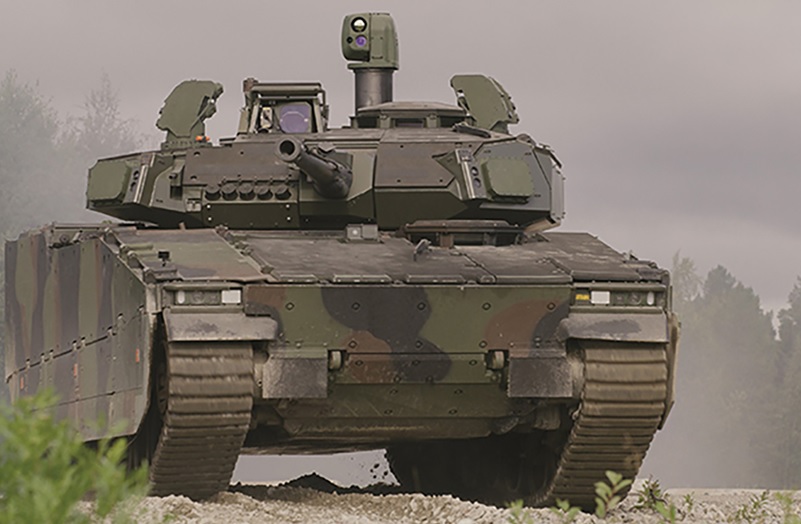
World
WASHINGTON / TEL AVIV : Elbit Systems has secured a major follow-on contract worth $228 million to supply its Iron Fist Active Protection System (APS) for the U.S. Army’s Bradley Infantry Fighting Vehicle (IFV) upgrade program, deepening a multi-year effort to enhance the survivability of one of the Army’s core armored platforms. The award was issued by General Dynamics Ordnance and Tactical Systems (GD-OTS) after the U.S. Government published an order on September 29, 2025, formally advancing the Bradley APS program. Elbit Systems said the new agreement will be executed over a three-year period and builds directly on an initial contract announced on May 5, 2024, marking a continuation and expansion of Iron Fist integration on the Bradley fleet. Strengthening Bradley Survivability The Bradley IFV, a mainstay of U.S. armored formations since the Cold War, is undergoing a series of incremental upgrades aimed at keeping the platform viable against rapidly evolving battlefield threats. Central to that effort is the adoption of modern active protection systems, which are designed to detect, track, and defeat incoming munitions before impact. Elbit’s Iron Fist APS is a hard-kill system that intercepts threats in close proximity to the vehicle. Unlike traditional passive armor solutions, Iron Fist uses advanced sensors and countermeasures to neutralize incoming weapons, significantly improving crew survivability without imposing prohibitive penalties in weight or power consumption. According to Elbit Systems, Iron Fist delivers full 360-degree coverage against a wide spectrum of modern threats, including anti-tank rockets, anti-tank guided missiles (ATGMs), unmanned aerial systems (UAS), loitering munitions, and even kinetic-energy tank rounds. The system is engineered to function effectively in both open terrain and dense urban environments, where reaction times are compressed and threat vectors are more complex. A Compact, Second-Generation System Iron Fist is the Israel Defense Forces’ second-generation active protection system, developed to balance high performance with a compact footprint. Elbit emphasizes the system’s low volume, weight, and power (SWaP) requirements—key attributes for integration on legacy platforms like the Bradley, where available space and electrical capacity are limited. The design philosophy behind Iron Fist reflects lessons learned from recent conflicts, where armored vehicles have faced persistent threats from shoulder-fired weapons, top-attack munitions, and increasingly sophisticated drones. By combining rapid threat detection with precise interception, Iron Fist aims to close the vulnerability gap exposed on modern battlefields. Expanding U.S. Army Adoption Elbit Systems noted that the latest award represents the third time the Iron Fist APS has been selected by the U.S. Army, underscoring growing confidence in the system’s maturity and performance. Beyond the United States, Iron Fist has already been chosen by the Israel Defense Forces and by multiple NATO and international armies for integration across a range of armored fighting platforms. For GD-OTS, which serves as the prime contractor for Bradley upgrades, the follow-on contract reinforces a long-term industrial partnership with Elbit Systems. The collaboration aligns with broader U.S. defense priorities to rapidly field proven technologies while leveraging allied industrial capabilities. Industry and Strategic Context The contract comes amid heightened global focus on armored vehicle protection, driven by conflicts where even heavily armored platforms have proven vulnerable to relatively low-cost anti-armor weapons. Western militaries, including the U.S. Army, have accelerated efforts to deploy APS solutions as a critical layer of defense alongside traditional armor and electronic warfare systems. By expanding Iron Fist integration on the Bradley, the U.S. Army is signaling a commitment to keeping its mechanized infantry forces survivable and relevant in high-intensity combat scenarios, particularly in environments saturated with precision-guided munitions and drones. Executive Perspective Commenting on the award, Bezhalel (Butzi) Machlis, President and CEO of Elbit Systems, highlighted the strategic importance of the program. “Our globally recognized Active Protection System continues to demonstrate its technological edge,” he said. “As a leading provider in this field, we are proud of our close and strategic partnership with GD-OTS and the U.S. Army, and of the trust placed in us to deliver systems that enhance survivability and protect the lives of American troops in the field.” With the new $228 million contract in place, Iron Fist APS is set to become a central component of the Bradley’s modernization pathway, reflecting a broader shift in armored warfare toward active, layered defense solutions designed for the realities of the modern battlefield.
Read More → Posted on 2026-01-26 13:08:10
World
BENGALURU : In a major milestone for India’s private aerospace sector, Bengaluru-based deep-tech startup Nabhdrishti Aerospace has successfully completed the maiden ground test of its indigenously developed ND400 microjet engine, marking a rare domestic breakthrough in small gas-turbine propulsion technology. The successful ignition and sustained run of the 400-newton thrust engine places Nabhdrishti among a small group of Indian private companies capable of designing, manufacturing and testing high-speed gas turbines—a domain historically dominated by foreign suppliers and state-run laboratories. Industry analysts say the development could significantly reduce India’s dependence on imported propulsion systems for unmanned aerial vehicles (UAVs), target drones, and future collaborative combat aircraft platforms. A Homegrown Microjet The ND400 is a compact micro gas turbine designed entirely on indigenous intellectual property, encompassing aerodynamic design, combustor architecture, and digital control systems. Engines in this thrust class are typically sourced from European or U.S. manufacturers, often subject to export controls, technology denial regimes, and long procurement timelines. By contrast, the ND400 has been designed, assembled, and tested in India, aligning closely with the government’s “Make in India” and “Atmanirbhar Bharat” initiatives in defence manufacturing. During the maiden test, the engine reportedly achieved stable operation across its operating envelope, validating critical subsystems including the combustor, rotor dynamics, and thermal management systems. The engine is capable of operating at rotational speeds approaching 95,000 revolutions per minute, highlighting the engineering complexity involved in high-speed turbomachinery. Lightweight, High-Performance Design With a thrust rating of 400 newtons—roughly equivalent to 40 kilograms of force—the ND400 is optimized for lightweight aerial platforms where thrust-to-weight ratio is a decisive performance metric. The engine core weighs approximately 3.95 kilograms, while the complete propulsion system, including accessories, weighs about 5.2 kilograms. A defining feature of the ND400 is its fuel-flexible combustor. Unlike many microturbines limited to aviation kerosene, the ND400 is engineered to operate on multiple fuels, including conventional jet fuel, diesel, and emerging sustainable alternatives such as liquefied natural gas (LNG) and hydrogen blends. This capability broadens the engine’s potential applications beyond aviation, particularly in remote, distributed, and off-grid power systems. Strategic Significance for Indian Aerospace For decades, India has made steady advances in airframes, avionics, and flight-control systems, but propulsion has remained the most challenging technological bottleneck. The successful test of the ND400 represents a tangible step toward closing this gap, especially in the rapidly expanding UAV market, where compact, efficient jet engines are increasingly in demand. “Propulsion has always been the bottleneck in India’s aerospace ambitions,” said Rohit Chouhan, Co-founder and Chief Executive Officer of Nabhdrishti Aerospace. “With the ND400, we have demonstrated that Indian startups can design and validate complex gas-turbine systems. This is the first building block of a broader family of engines that can serve aviation, defence, and energy applications.” Founders and Ecosystem Support Nabhdrishti Aerospace was founded by Rohit Chouhan, Arjun Srivatsa, and Antanu Sadhu, engineers with prior experience at global aerospace leaders such as GE, Rolls-Royce, and India’s Defence Research and Development Organisation (DRDO). The company is incubated at the Indian Institute of Science (IISc), providing access to advanced research infrastructure and academic expertise in materials science, thermodynamics, and turbomachinery. The startup recently closed a $3 million seed funding round, led by Accel, which it plans to deploy toward prototype scaling, manufacturing capability expansion, and certification and validation programmes. Applications Beyond Flight While UAV propulsion remains the ND400’s primary near-term focus, Nabhdrishti is positioning its core turbine technology as a dual-use platform. The company is developing a derivative system, the ND350, aimed at ground-based power generation. The variant is expected to deliver up to 275 kilowatts of electrical power, targeting industrial users, remote facilities, and decentralized energy grids. The company is also evaluating hybrid-electric aviation architectures, where microturbines could serve as range extenders or onboard power generators for next-generation aircraft. Next Phase of Development Following the maiden test, Nabhdrishti Aerospace plans to manufacture multiple ND400 prototypes for endurance testing, environmental qualification, and eventual flight trials. While certification, long-cycle reliability, and production scaling remain key challenges, company officials say they are targeting operational deployment within India’s domestic UAV ecosystem in the coming years. If successful, the ND400 programme could help anchor a broader indigenous propulsion supply chain, spanning precision manufacturing, high-temperature materials, and digital engine-control systems. The achievement underscores a maturing Indian aerospace startup ecosystem, increasingly capable of tackling technologies once considered beyond the reach of private industry, and highlights the growing role of homegrown startups in shaping the future of India’s defence and aviation landscape.
Read More → Posted on 2026-01-26 04:26:08
World
TEHRAN / STRAIT OF HORMUZ : Tensions in the Persian Gulf escalated sharply on Thursday as Iran’s Islamic Revolutionary Guard Corps (IRGC) Navy launched what it described as a large-scale “defensive swarm” operation, deploying submarines and coastal strike assets around the Strait of Hormuz as a U.S. aircraft carrier strike group moved closer to the region. In a forceful statement carried by Iranian state media, Tehran warned that any “provocative entry” by U.S. naval forces into waters it claims as its own would trigger a decisive response, including the potential use of newly unveiled hypersonic weapons. The warning was issued as the USS Abraham Lincoln Carrier Strike Group maneuvered in the North Arabian Sea amid heightened regional alert levels. A Chokepoint Under Pressure The Strait of Hormuz, a narrow maritime corridor linking the Persian Gulf with the open ocean, carries roughly one-fifth of the world’s traded oil and remains one of the most strategically sensitive waterways on the planet. Even limited disruption can send shockwaves through global energy markets, shipping insurance rates, and diplomatic channels. Satellite imagery reviewed by regional analysts and shipping monitors indicates a surge in Iranian naval activity near the eastern and western approaches to the Strait. According to officials familiar with the assessments, the IRGC Navy has dispersed surface combatants, fast-attack craft, and submarines into overlapping patrol zones designed to complicate detection and tracking. Iranian commanders have framed the move as defensive, but Western officials see it as a calibrated signal aimed at deterring U.S. forces from entering the Gulf itself. Submarines as the Centerpiece At the heart of the Iranian posture is a submarine deployment tailored to the Gulf’s shallow, acoustically complex waters. Defense officials say several Fateh-class submarines, semi-heavy diesel-electric boats optimized for regional operations, have taken up positions near key transit lanes. The class is believed to be capable of firing heavyweight torpedoes and anti-ship cruise missiles while submerged, giving Iran a stealth option against high-value naval targets. More concerning to U.S. and allied planners is the apparent mass movement of Ghadir-class midget submarines. Small, slow, and difficult to detect, these vessels are designed for ambush operations close to shore. Western naval assessments have long warned that such platforms could be used to harass shipping, lay naval mines, or stage surprise torpedo attacks in the confined waters of the Strait. Rear Admiral Alireza Tangsiri, commander of the IRGC Navy, said in remarks broadcast nationally that Iranian forces were prepared to act decisively. “The enemy must understand that the Strait of Hormuz is not an arena for intimidation,” he said. “Our forces operate silently and patiently. Any miscalculation will carry consequences.” Hypersonic Messaging Adding a new dimension to the standoff, Iranian officials explicitly referenced the country’s hypersonic missile program as part of their deterrent posture. State television aired footage of what it identified as the Fattah-2 missile, describing it as capable of extreme speeds and advanced maneuverability intended to evade missile defenses. Iranian media commentators argued that large surface combatants such as aircraft carriers present vulnerable targets in a conflict shaped by precision strike weapons. While independent analysts caution that public claims about hypersonic performance are difficult to verify, the rhetoric itself marks a notable escalation in tone, linking strategic missile forces directly to a naval confrontation. U.S. Forces on Alert The USS Abraham Lincoln (CVN-72), flagship of Carrier Strike Group Three, has remained outside the Strait in the North Arabian Sea, according to U.S. officials. The carrier is accompanied by guided-missile destroyers equipped with the Aegis combat system and layered air- and missile-defense capabilities. Pentagon spokespeople declined to discuss specific Iranian deployments but emphasized that U.S. forces are operating in accordance with international law. “The United States will continue to fly, sail, and operate wherever international law allows,” a spokesperson for U.S. Fifth Fleet said. “We are monitoring developments closely and remain prepared to defend our forces and ensure freedom of navigation.” An Asymmetric Standoff Military analysts describe the unfolding situation as a textbook example of asymmetric warfare. Rather than confronting U.S. naval power directly, Iran appears to be seeking to raise the cost and risk of any American move into the Persian Gulf by combining submarines, missiles, mines, and fast-attack craft in a dense threat environment. “You don’t need outright victory at sea to achieve your objective,” said one Gulf-based security analyst. “If you can inject enough uncertainty into the calculations of a carrier commander or a shipping company, you’ve already altered behavior.” That uncertainty is already rippling through commercial markets. Maritime insurers have reported rising premiums for vessels transiting the Strait, and several shipping companies said they were reviewing routes and contingency plans. A Fragile Moment Diplomats say back-channel communications remain active, but the risk of miscalculation is growing as forces operate in close proximity. Any incident — from a sonar contact to an aggressive maneuver by a patrol boat — could escalate rapidly in an environment saturated with weapons and rhetoric. For now, the standoff has stopped short of open confrontation. But as submarines slip beneath the surface and carriers hold position over the horizon, the Strait of Hormuz once again stands at the center of a global test of resolve, restraint, and risk.
Read More → Posted on 2026-01-26 04:19:12
World
CARACAS : Venezuela’s new government on Tuesday formally repudiated billions of dollars in sovereign debt owed to China and Russia, declaring the obligations “odious” and legally void in one of the most dramatic economic and geopolitical reversals in the country’s modern history. In a nationally televised address from the Miraflores Palace, President María Corina Machado announced that her administration would no longer recognize loans contracted under former president Nicolás Maduro, whose rule she described as an “illegitimate criminal regime.” The decision immediately halts oil shipments used to service those debts and signals a fundamental realignment of Venezuela’s foreign and economic policy away from Beijing and Moscow. “The Venezuelan people will not be forced to repay the chains that bound them,” Machado said, standing alongside her newly appointed economic cabinet. “These loans were signed in secrecy, used to entrench repression, and never served the nation. They are null and void.” A Doctrine of “Odious Debt” At the core of the decree is the legal concept of “odious debt,” a doctrine in international law holding that obligations incurred by a dictatorship, without the consent of the people and used against their interests, should not be enforceable against a successor government. Machado’s administration argues that the bulk of Venezuela’s borrowing from China and Russia meets that standard. Officials said the contracts were never approved by the National Assembly, violated constitutional oversight requirements, and were structured to prop up the Maduro government rather than invest in public welfare or productive development. A senior finance ministry official, speaking on condition of anonymity, said the decree would be defended in international courts if challenged. “We are prepared for a long legal fight,” the official said. “But legitimacy is on our side.” China’s Oil-Backed Loans in Limbo China is the largest single creditor affected by the decision. Beginning in 2007, Beijing extended vast oil-backed loans to Caracas through the China Development Bank and other state lenders, tying repayment to long-term shipments of Venezuelan crude. Over nearly two decades, China committed an estimated $60 billion under these arrangements. While much of the debt was repaid through oil deliveries during periods of high global prices, analysts estimate that between $15 billion and $19 billion remains outstanding. Under the new decree, all oil-for-debt shipments to China are suspended with immediate effect. Venezuelan officials said every barrel of crude exported from now on would be sold for cash on international markets, with revenues directed toward stabilizing public finances and funding domestic recovery. “These contracts drained the country while hiding the true cost from the public,” Machado said. “From today, Venezuelan oil will be sold transparently and for the benefit of Venezuelans.” China’s Foreign Ministry responded swiftly, condemning the move as a “serious breach of international trust” and warning of “grave commercial consequences.” While no specific retaliatory steps were announced, Chinese state media framed the decision as a threat to the credibility of sovereign lending. Russia’s Military-Focused Claims Rejected The decree also targets Russia, which emerged as Caracas’s lender of last resort as Venezuela became increasingly isolated from Western financial markets. Russian financing, estimated at roughly $17 billion, was channeled through a mix of state-to-state loans, military contracts, and energy deals involving state oil giant Rosneft. Machado singled out the military component of that debt, which includes purchases of Sukhoi fighter jets, S-300 air defense systems, and armored vehicles. “We will not repay the cost of weapons used to terrorize our own citizens,” she said. The new government also announced plans to reclaim oil assets and joint-venture shares transferred to Russian entities as collateral during the Maduro years. Officials described those transfers as “fraudulent privatizations conducted under duress.” The Kremlin has not issued a formal response, but Russian analysts quoted by state media warned that asset seizures could trigger international arbitration and further strain bilateral relations. Immediate Economic Impact Economically, the decision is designed to deliver immediate relief to a country battered by hyperinflation, collapsing infrastructure, and mass emigration. According to government estimates, debt service to China and Russia consumed nearly 40 percent of Venezuela’s oil exports, equivalent to roughly 400,000 barrels per day. By ending those obligations, the government expects to free up billions of dollars annually in hard-currency revenue. Machado emphasized that the repudiation does not extend to all creditors. Debts held by Western bondholders, multilateral institutions, and U.S. companies operating in Venezuela will be honored, she said, with a promise of “good-faith restructuring” and renewed legal protections. That distinction effectively divides Venezuela’s creditors into two camps: those considered legitimate partners and those accused of underwriting authoritarian rule. Global Repercussions The move is being closely watched in global capitals, particularly in Beijing, where it raises uncomfortable questions about China’s Belt and Road Initiative and its practice of lending to resource-rich autocracies. If Venezuela’s repudiation holds, it could encourage future governments emerging from regime change to challenge similar loans, potentially exposing Chinese banks to heightened political and legal risk. Several analysts described the Venezuelan case as a test precedent for how far the odious debt doctrine can be pushed in the modern global financial system. For now, the billions invested by China and Russia in the Maduro-era Venezuelan state appear increasingly unlikely to be recovered. As one Latin America analyst put it, “This is what geopolitical lending looks like when the regime you backed collapses.” For Venezuela, the gamble is clear. Machado is betting that breaking with illegitimate obligations will unlock economic recovery, restore international credibility, and accelerate reintegration into global markets. Whether investors, courts, and foreign governments ultimately agree may determine the success of her most consequential decision to date.
Read More → Posted on 2026-01-25 18:48:03
World
Washington / Jerusalem : A convergence of political signaling, military deployments, and airspace alerts across the Middle East is sharpening expectations of a decisive turn early this week, as the United States quietly positions advanced electronic warfare assets and Israeli Prime Minister Benjamin Netanyahu summons opposition leaders for a rare high-level security consultation on Tuesday evening. While no government has announced imminent military action, the alignment of diplomatic choreography and specialized force movements has drawn intense scrutiny from regional analysts, who say the next 48 hours may clarify whether preparations culminate in a limited strike or remain a calibrated show of deterrence. Netanyahu’s Tuesday Meeting and the Politics of War At the center of the political calendar is Netanyahu’s invitation to opposition leader Yair Lapid for a closed-door security meeting scheduled for Tuesday evening. In Israel’s political tradition, such outreach is widely interpreted as a preparatory step taken before major military operations, aimed at securing cross-party backing and stabilizing the home front before decisions are executed. Previous Israeli conflicts have followed a similar pattern, with opposition figures briefed shortly before hostilities to minimize domestic political backlash once operations begin. The timing of the meeting, late Tuesday, is viewed by observers as particularly significant, aligning with assessments that any military move would occur no earlier than mid-week, once logistical and environmental constraints affecting allied forces are resolved. Attention has also turned to Netanyahu’s personal schedule. In past crises, a late-night visit by the prime minister to Jerusalem’s Western Wall has served as a symbolic signal to the Israeli public that a historic decision has been taken. No such visit has yet been confirmed, but Israeli media and analysts are closely watching for any such gesture in the coming hours. The Arrival of the “Electronic Pirate” On the military front, the most closely watched development is the reported forward movement of the U.S. Air Force’s EA-37B Compass Call II aircraft toward the broader Middle East theater, with indications that the platform transited through Ramstein Air Base in Germany. Unlike conventional strike aircraft, the Compass Call is designed for electronic attack rather than kinetic warfare. Its mission centers on disrupting enemy command-and-control networks, degrading radar systems, and severing communications between air defenses and aircraft. Defense specialists often describe the platform as an “electronic pirate,” capable of rendering sophisticated air defense networks temporarily blind without firing a shot. The appearance of such an asset is commonly associated with preparations for Suppression of Enemy Air Defenses (SEAD) operations, which aim to open safe air corridors for other aircraft by neutralizing radar and communications systems. Analysts note that similar electronic warfare capabilities were present during previous regional operations, underscoring the aircraft’s role as a precursor, not a standalone deterrent. Heavy Lift Signals Defensive Posture Adding to the sense of coordinated preparation was the arrival of a U.S. C-5M Super Galaxy, the largest cargo aircraft in the American inventory, at Prince Sultan Air Base in Saudi Arabia. Military transport specialists emphasize that such deployments typically carry large systems rather than personnel, including missile defense components, advanced radars, or mobile command-and-control centers. The movement has been interpreted as an effort to reinforce regional air and missile defenses, particularly amid concerns expressed in recent months by Gulf states about coverage gaps against ballistic and cruise missile threats. While U.S. officials have not disclosed the cargo, the scale of the aircraft suggests a focus on defensive infrastructure, not offensive capability. Airspace Alerts and Iran’s Posture Despite these movements, regional airspace advisories have remained largely stable. The latest Notices to Airmen (NOTAMs) issued Sunday afternoon showed no significant changes, indicating an absence of immediate large-scale flight restrictions associated with active operations. One exception remains an Iranian firing NOTAM covering a mountainous area in Kerman province, which continues to restrict airspace due to live-fire activity. Analysts interpret the persistence of this alert as a sign that Iranian forces remain on heightened alert, anticipating potential developments even as public signals remain muted. A Narrow Window of Uncertainty Taken together, the political outreach in Jerusalem, the deployment of specialized U.S. electronic warfare aircraft, and the arrival of heavy defensive systems in Saudi Arabia have narrowed the window of uncertainty to the early part of the coming week. Military planners often describe such periods as the final phase of alignment, when assets are positioned, alliances synchronized, and political cover established. For now, officials on all sides are maintaining public silence. Whether Tuesday evening produces a statement, a symbolic gesture, or simply another delay may determine whether the current buildup marks the threshold of action or a carefully calibrated exercise in pressure and deterrence. Until then, the region is entering what one analyst described as a moment of collective restraint — a pause in which the absence of movement may be as consequential as any strike.
Read More → Posted on 2026-01-25 18:38:25
India
New Delhi / Bengaluru : General Electric (GE) Aerospace has committed to supplying 20 F404 fighter jet engines annually to Hindustan Aeronautics Limited (HAL) beginning in financial year 2026, a move expected to stabilise India’s flagship Tejas fighter programme and ease long-standing production bottlenecks faced by the Indian Air Force (IAF). The assurance, conveyed as part of ongoing engagements between the US engine manufacturer and India’s state-owned aerospace major, significantly reinforces New Delhi’s ‘Make in India’ defence manufacturing initiative. It comes as the IAF races to rebuild depleted squadron strength amid delays in aircraft induction caused largely by engine supply disruptions. Engine Supply at the Core of Tejas Delays The GE F404-IN20 turbofan engine powers the Tejas MK-1 and MK-1A variants, which form the backbone of the IAF’s light combat aircraft fleet. While HAL has steadily expanded its airframe manufacturing capacity, engine availability has emerged as the most critical constraint, pushing back delivery schedules originally planned for 2024. GE’s commitment of a steady annual supply from FY2026 is designed to align engine deliveries with HAL’s production targets of 16–24 Tejas MK-1A aircraft per year. Final assembly lines in Bengaluru and Nashik are being prepared for higher throughput once engine supply predictability improves. Background of the GE–HAL Partnership The pledge builds on a landmark 2021 agreement under which GE licensed the manufacture of F404-IN20 engines in India through HAL. The agreement includes technology transfer provisions, enabling up to 80 per cent indigenisation over time, covering components, assembly, testing and maintenance. The F404-IN20, equipped with Full Authority Digital Engine Control (FADEC), delivers approximately 84 kilonewtons of thrust with afterburner. This provides the Tejas with its required thrust-to-weight ratio, agility, and high sortie availability for modern combat roles. Impact on the IAF’s Modernisation Drive The timing is critical, with the IAF having ordered 83 Tejas MK-1A aircraft under a ₹48,000-crore contract signed in February 2021. Squadron numbers, currently well below the sanctioned strength of 42, have placed mounting pressure on HAL and its suppliers. Defence planners assess that a reliable engine pipeline from FY2026 could enable meaningful fleet induction by FY2028, provided parallel issues—such as radar integration, electronic warfare systems, and flight certification—remain on schedule. Strategic and Industrial Significance GE Aerospace’s renewed focus on India reflects broader strategic calculations. With global demand for fighter jet engines rising, India represents one of the largest medium-term growth markets, spanning current Tejas variants and future platforms like the Tejas MK-2 and the Advanced Medium Combat Aircraft (AMCA). While the F404 powers existing variants, the larger F414 engine, producing around 110 kilonewtons of thrust, is planned for next-generation Indian fighters. A 2023 MoU outlines co-production of the F414 in India, widely viewed as a test case for deep technology transfer under expanding US-India defence cooperation. Economic and Regional Effects The expanded engine programme is expected to inject momentum into India’s aerospace ecosystem, particularly in Karnataka’s aerospace corridor. Industry estimates suggest more than 1,000 skilled jobs could be created through manufacturing, testing, overhaul and maintenance, strengthening a domestic MRO (Maintenance, Repair and Overhaul) ecosystem. Greater localisation is also expected to reduce foreign exchange outflows, which defence officials estimate run into hundreds of millions of dollars over the life of the Tejas MK-1A programme. Remaining Challenges Despite the positive outlook, challenges remain. Certification of locally manufactured engine modules, access to high-temperature alloys, and building a resilient supplier base are still works in progress. GE’s on-site technical teams at HAL facilities signal a long-term industrial commitment rather than a short-term supply arrangement. Officials familiar with the programme indicate that formal ratification of production schedules and localisation milestones could be showcased at Aero India 2026, where both companies are expected to highlight progress in engine manufacturing and indigenisation. If executed as planned, GE’s commitment to supply 20 F404 engines per year could mark a turning point for the TEJAS programme—restoring confidence in delivery timelines, strengthening India’s defence industrial base, and reinforcing the strategic alignment between India and the United States in aerospace and defence manufacturing.
Read More → Posted on 2026-01-25 18:27:32
World
Pacific Coast, United States : The U.S. Marine Corps has taken another significant step in modernizing its amphibious warfare capabilities with the operational deployment of the new Amphibious Combat Vehicle–Personnel (ACV-P) during ship-to-shore operations conducted from the USS Makin Island off the coast of California. Marines from 3rd Assault Amphibian Battalion, 1st Marine Division employed the ACV-P while embarked aboard the Wasp-class amphibious assault ship USS Makin Island (LHD-8) as part of Quarterly Underway Amphibious Readiness Training (QUART) 26.2. The January 23 exercise highlighted the Navy–Marine Corps team’s ability to project modernized ground combat power directly from the sea, reinforcing the Corps’ role as the nation’s premier expeditionary force. According to U.S. Marine Corps officials, the training event demonstrated the seamless integration of the next-generation amphibious vehicle with U.S. Navy amphibious platforms, validating operational concepts central to rapid crisis response and forward-deployed operations. Modernized Ship-to-Shore Operations During the exercise, ACV-P vehicles disembarked from the well deck of USS Makin Island and maneuvered through open water toward shore, simulating a contested amphibious landing. The operation required close coordination between Marines and Sailors, emphasizing command and control, ship handling, launch sequencing, and tactical movement from sea to land. Routine amphibious exercises such as QUART are designed to sustain combat readiness while testing the employment of new platforms under realistic maritime conditions. Conducting these maneuvers at sea ensures forces remain proficient in the complex coordination required for modern amphibious assaults, particularly as platforms and doctrines continue to evolve. Quarterly Underway Amphibious Readiness Training remains a cornerstone of Navy–Marine Corps interoperability, reinforcing command relationships, communications architecture, and operational procedures essential for projecting force from the maritime domain. Replacing a Cold War-Era Platform The Amphibious Combat Vehicle (ACV) represents a generational replacement for the legacy AAV-7A1 Assault Amphibious Vehicle, which had been in service since the early 1970s. While the AAV proved reliable in past conflicts, it faced growing limitations in survivability, reliability, and protection against modern battlefield threats, including mines, improvised explosive devices, and precision fires. Developed under the Marine Corps Amphibious Combat Vehicle program, the ACV is based on a modern 8×8 wheeled armored vehicle design. This configuration provides improved land mobility, increased reliability, and reduced maintenance demands compared to the tracked AAV, while retaining full amphibious capability. The ACV is engineered to self-deploy from amphibious assault ships, operate in open-ocean and surf conditions, and transition rapidly into sustained ground combat operations once ashore. Enhanced Protection and Mobility In terms of survivability, the ACV incorporates advanced armor solutions designed to defeat small-arms fire, artillery fragments, and underbody blast threats. Compared to its predecessor, the vehicle features significantly improved mine-resistant design, energy-attenuating seating, and modern situational awareness systems that enhance crew and troop safety in high-threat environments. The ACV is powered by a high-performance diesel engine paired with an independent suspension system optimized for cross-country mobility. Its water propulsion system allows effective maneuvering in shallow waters and surf zones, enabling Marines to move from ship to shore without immediate reliance on landing craft. The vehicle is fully integrated into the Marine Air-Ground Task Force (MAGTF) network, equipped with modern command, control, communications, computers, and intelligence (C4I) systems that support digitally connected operations during amphibious and inland missions. ACV-P: Backbone of Amphibious Assault Forces The ACV-Personnel (ACV-P) variant serves as the primary troop transport within the Amphibious Combat Vehicle family and forms the backbone of Marine Corps amphibious assault formations. Designed to carry a three-person crew and up to 13 embarked Marines, the ACV-P provides protected mobility from ship to shore and onward to inland objectives. Optimized for infantry transport, the vehicle combines enhanced ballistic and blast protection with advanced situational awareness tools that improve visibility and threat detection. It is typically equipped with a remotely operated weapon station armed with either a 12.7mm heavy machine gun or a 40mm automatic grenade launcher, enabling suppressive fire while maneuvering during amphibious landings and subsequent ground combat operations. Additional variants entering service include the ACV-Command, providing enhanced communications and battle management; the ACV-Recovery, designed for maintenance and battlefield recovery; and the ACV-30, armed with a stabilized 30mm cannon to deliver direct fire support. USS Makin Island and Amphibious Power Projection USS Makin Island plays a central role in enabling these operations. As a Wasp-class amphibious assault ship, it features a well deck capable of launching amphibious vehicles and landing craft, along with a full flight deck supporting helicopters and short takeoff and vertical landing aircraft. This dual capability allows Marine forces to be deployed through both surface and vertical assault methods. For the U.S. Marine Corps, Wasp-class ships remain essential to amphibious operations, enabling forces to remain forward deployed at sea, reduce dependence on host-nation infrastructure, and provide commanders with flexible response options during crises. The ability to launch ACVs directly from the well deck significantly enhances the speed, protection, and survivability of initial assault waves. Strategic Implications Exercises such as QUART 26.2 demonstrate how new platforms like the Amphibious Combat Vehicle are being integrated into existing naval force structures. They validate the Marine Corps’ ability to conduct modern ship-to-shore operations in contested environments, a capability that remains central to U.S. deterrence and global power projection. The successful employment of the ACV-P aboard USS Makin Island underscores the Marine Corps’ ongoing transition from legacy systems to more survivable, lethal, and expeditionary platforms. By pairing advanced amphibious vehicles with versatile assault ships, the Navy–Marine Corps team continues to refine its ability to respond rapidly to crises and prevail in future littoral and expeditionary conflicts.
Read More → Posted on 2026-01-25 18:19:56
World
NEW DELHI : The European Union and India are preparing to unveil what officials on both sides are calling the “mother of all free trade agreements” as leaders gather in New Delhi on 27 January for the 16th EU-India Summit, a meeting expected to reset one of the world’s most consequential economic relationships. At the heart of the summit will be the adoption of a joint EU-India Comprehensive Strategic Agenda, aimed at elevating cooperation far beyond trade to include supply chains, technology, climate policy and geopolitical coordination. But it is the long-awaited free trade agreement (FTA)—now nearing political closure after years of stalled negotiations—that has drawn the greatest attention in global capitals and corporate boardrooms. Why It is Being Called the “Mother of All FTAs” The scale of the proposed deal is unprecedented for India and rare even by EU standards. Together, the EU and India represent a combined market of more than 1.8 billion people and nearly one-quarter of global GDP. Bilateral trade in goods and services, currently estimated at $180 billion annually, is projected to double to $360 billion within the next decade. Unlike narrower trade pacts, the India-EU agreement spans tariffs, services, investment protection, regulatory alignment, digital trade and sustainable development. Officials describe it as a structural re-engineering of economic ties, rather than a simple tariff-cutting exercise, designed to anchor supply chains at a time of rising global fragmentation. Tariffs: Big Cuts, But Clear Red Lines One of the most closely watched elements of the deal is market access for European manufactured goods, particularly automobiles. Under the proposed framework, India plans to slash import tariffs on a limited number of EU-made cars priced above €15,000, reducing duties to 40 percent from current levels that can reach as high as 110 percent. Over time, those tariffs are expected to fall further, potentially reaching 10 percent. The move represents a major breakthrough for European automakers such as Volkswagen, Mercedes-Benz, BMW and Renault, which have long argued that India’s high import duties effectively shut them out of the world’s fastest-growing large car market. At the same time, New Delhi has drawn firm boundaries. Battery electric vehicles (EVs) will be excluded from tariff cuts for the first five years of the agreement, a deliberate effort to protect domestic manufacturers and safeguard billions of dollars in ongoing EV investments. India has also resisted EU demands for near-total liberalisation. While Brussels pushed for eliminating tariffs on 95 percent of goods, Indian negotiators have capped concessions closer to 90 percent, preserving policy space in politically sensitive sectors. Agriculture And Dairy Left Out In a significant political signal, agriculture and dairy products have been excluded entirely from the pact. These sectors, which employ millions in India and remain highly protected in both economies, were always expected to be the most contentious areas. Their exclusion removes a major negotiating obstacle, while also underscoring the limits of trade liberalisation. Gains for Indian Exporters While Europe’s carmakers stand to benefit, Indian exporters are also positioned for substantial gains. Reduced tariffs and simplified regulatory standards are expected to boost exports of textiles, garments and jewellery to the EU market. Services trade, particularly in IT and professional services, is also set to expand under mobility and mutual recognition provisions. Indian officials argue that the agreement will integrate domestic manufacturers into European supply chains, attract high-quality foreign investment, and accelerate technology transfer—especially in advanced manufacturing and clean energy. Strategic Stakes Beyond Trade The timing of the deal adds to its significance. Both sides view deeper economic integration as a strategic hedge against global uncertainty, including geopolitical tensions and supply-chain disruptions. For the EU, closer ties with India offer diversification beyond China. For India, the pact strengthens its ambition to become a global manufacturing and investment hub. If announced as expected this week, the India-EU free trade agreement would mark one of the most ambitious trade undertakings in India’s modern economic history. Its sheer scale, economic reach and geopolitical impact explain why diplomats and analysts alike are calling it the “mother of all deals”—not merely a trade pact, but a long-term blueprint for strategic partnership between two of the world’s largest economic powers.
Read More → Posted on 2026-01-25 18:13:16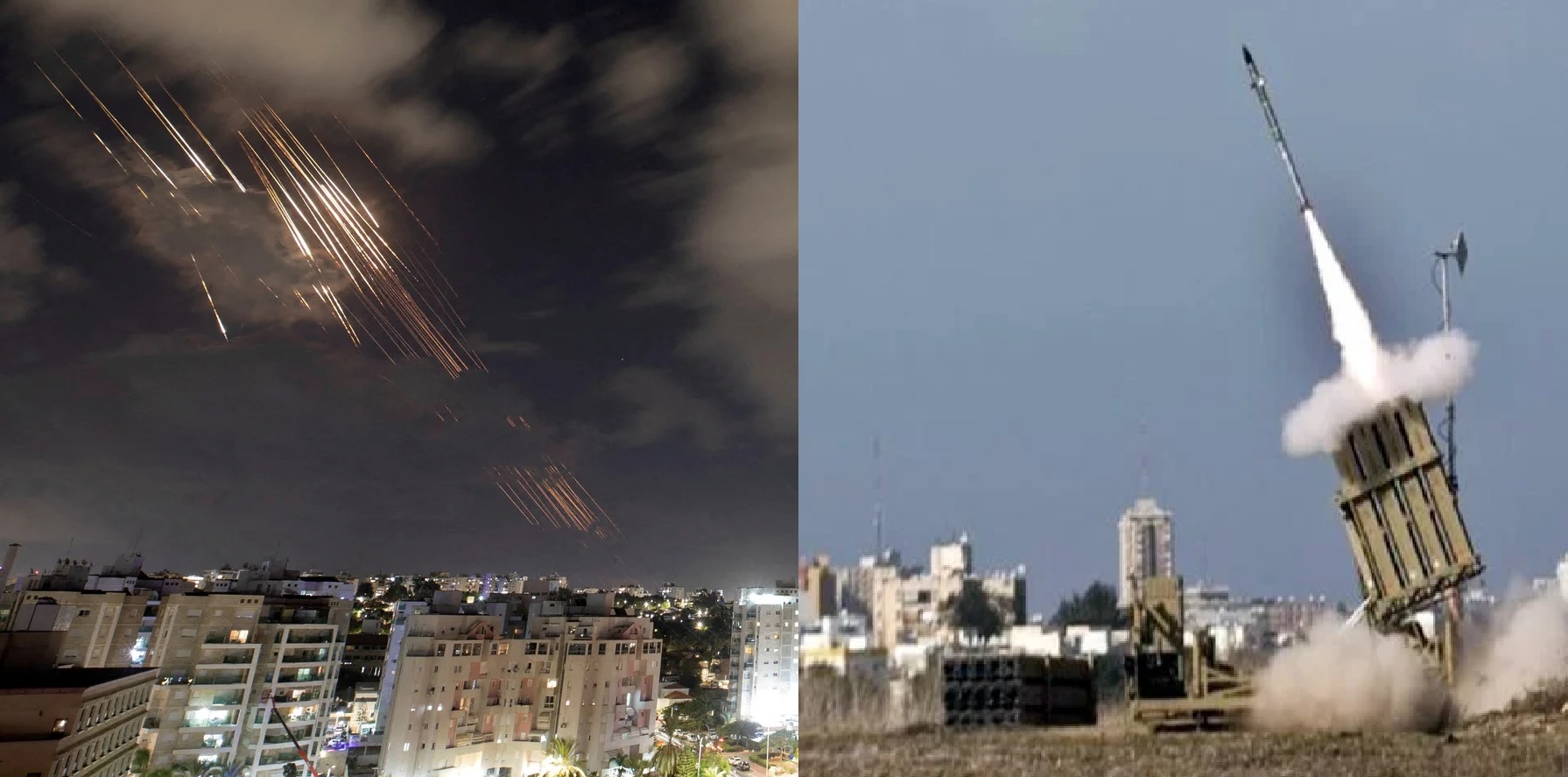
World
TEL AVIV : The Middle East appeared to edge closer to a direct regional war late Sunday as Israel raised its military readiness to the highest levels amid growing intelligence assessments that Iran may be preparing a pre-emptive missile and drone strike. According to a report , the Israel Defense Forces (IDF) have placed key air defense, intelligence, and command units on maximum alert after concluding that Tehran increasingly believes a major U.S. attack on Iranian nuclear and military infrastructure is imminent. Israeli officials assess that this belief—rather than any immediate Israeli action—could itself trigger an Iranian first strike. Intelligence Warning of an Imminent Escalation Israeli intelligence estimates indicate a significant shift in Iranian strategic thinking over the past several days. For weeks, the standoff between Iran, Israel, and the United States had been defined by deterrence, indirect signaling, and proxy activity. That balance, Israeli analysts now warn, may be breaking down. Defense officials believe Iran’s Islamic Revolutionary Guard Corps (IRGC) leadership has concluded that President Donald Trump has already authorized a large-scale U.S. aerial campaign targeting Iranian nuclear facilities, missile bases, and senior command centers. In this assessment, Tehran views recent U.S. military movements not as pressure tactics, but as final preparations for war. Central to those concerns is the arrival of the USS Abraham Lincoln Carrier Strike Group in the Arabian Sea, alongside other U.S. naval and air assets repositioned across the region. Israeli analysts say Iran interprets this concentration of force as a sign that a strike timeline has been set. “Use It or Lose It” Calculus in Tehran Israeli security officials describe Iran as potentially operating under a “use it or lose it” doctrine. Fearing that a sudden U.S. “decapitation strike” could neutralize its missile forces before they are launched, Iranian commanders may be weighing an early salvo against Israel—the United States’ closest regional ally—to ensure retaliation capability. Such a move would represent a dramatic escalation. Until now, Iran has largely relied on proxy forces, including Hezbollah in Lebanon and armed factions in Gaza, to pressure Israel indirectly. A direct attack from Iranian territory would mark a historic turning point in the conflict. Signals Feeding Iranian Fears Israeli assessments suggest that several recent developments have reinforced anxiety inside Iran’s leadership: U.S. Rhetoric: President Trump’s public reference to incoming naval forces as an “armada” has reportedly been interpreted in Tehran as explicitly threatening language. Air Defense Concerns: The recent unexplained disruption of Iranian air defense radar systems, including reports involving the S-300 site near Shiraz during a nationwide internet blackout, has heightened fears that U.S. electronic warfare has already compromised Iran’s defenses. Airspace Restrictions: Iranian authorities have issued multiple NOTAMs (Notices to Airmen), clearing civilian aircraft from high-altitude airspace and designating firing zones—steps Israeli analysts say are consistent with missile launch preparations. Israel on Full War Footing In response, Israel has activated its layered air defense network. The Arrow-3 system, designed to intercept long-range ballistic missiles outside the atmosphere, and David’s Sling, which targets medium-range threats, are reportedly on immediate standby. Israeli Air Force fighter squadrons are maintaining heightened patrols, prepared to intercept cruise missiles, drones, or hostile aircraft. Behind the scenes, coordination between Israel and U.S. Central Command (CENTCOM) has intensified. While Israeli officials have made no public confirmation of the intelligence assessments, defense sources say messages conveyed to Washington emphasize the gravity of the situation and the certainty of an Israeli response if attacked. The Risk of Catastrophic Miscalculation Regional and international analysts warn that the crisis has entered one of its most dangerous phases: escalation driven by fear and misperception, rather than concrete action. If Iran launches a pre-emptive strike based on the belief that war is unavoidable, it would almost certainly provoke the large-scale U.S. and Israeli response Tehran seeks to avert. With rival warships crowding the Persian Gulf, air defenses on hair-trigger alert, and political leaders facing immense internal and external pressures, the margin for error has narrowed dramatically. Diplomats fear that a single misjudged decision—made in the belief that time has already run out—could ignite a conflict with global economic and security consequences. As night fell across the region, military forces remained poised, and the question confronting leaders in Tehran, Jerusalem, and Washington was stark: whether deterrence can still hold, or whether the Middle East is on the verge of its most direct and devastating confrontation in decades.
Read More → Posted on 2026-01-25 17:45:56
World
Tehran / Washington : Iran may have suffered one of the deadliest single episodes of state violence in the modern era, after senior officials inside the country’s Health Ministry told TIME that as many as 30,000 people were killed during nationwide street violence on January 8, a figure that, if confirmed, would mark an unprecedented escalation in the regime’s response to internal unrest. According to two senior Iranian health officials who spoke on condition of anonymity, the scale of casualties rapidly overwhelmed the state’s ability to manage the dead. Hospitals reportedly exhausted their supplies of body bags within hours, forcing authorities to resort to eighteen-wheel semi-trailers to transport bodies, as ambulances became unavailable or unsafe to deploy amid ongoing clashes. The officials described scenes of mass fatalities across multiple urban centers, with morgues exceeding capacity and medical staff ordered not to release casualty figures to the public. Internet Blackout Obscures Full Scale Of Deaths Independent verification of the claims has been rendered nearly impossible due to a nationwide internet shutdown imposed by Iranian authorities in the immediate aftermath of the violence. Foreign journalists remain barred from the country, while domestic media outlets are operating under strict emergency censorship. Despite these constraints, international human rights organizations have begun assembling parallel casualty counts. The Human Rights Activists News Agency (HRANA) has so far confirmed more than 5,100 deaths, while investigating an additional 17,031 suspected fatalities linked to the January 8 crackdown. HRANA cautioned that its figures remain preliminary and are expected to rise as communication channels reopen and families come forward. Even the most conservative verified numbers would already place the incident among the bloodiest government crackdowns of the 21st century. Signs Of A Regime Under Extreme Strain The reported scale of the killings has intensified speculation that Iran’s ruling system is approaching a critical breaking point. Observers close to the situation describe signs of panic within the state apparatus, including conflicting orders to security forces, sudden personnel changes, and the mobilization of elite units normally reserved for wartime contingencies. Some analysts and opposition-linked sources believe the regime’s leadership may have only days remaining in power, arguing that the mass casualty event has irreparably fractured loyalty within key institutions. These sources contend that senior figures are being prevented from leaving the country and warn that internal purges may already be underway, though such claims cannot be independently verified. What is clear is that the violence appears to have crossed a psychological threshold, transforming what had been sustained unrest into a direct existential crisis for the Islamic Republic. Regional And Military Implications The internal collapse now feared by many analysts comes against the backdrop of sharply heightened regional tensions. Military experts note that the force Israel deployed during its recent confrontation with Iran, while significant, would be minimal compared to the scale of military activity that could follow a full internal breakdown of the Iranian state. Any large-scale destabilization of Iran would reverberate far beyond its borders, affecting energy markets, regional security dynamics, and ongoing conflicts across the Middle East. Western governments have so far refrained from commenting directly on the reported death toll, citing the lack of independent verification, but several diplomatic sources privately acknowledge that intelligence assessments are treating the January 8 events as potentially catastrophic in scope. A Turning Point With Global Consequences Whether the reported figure of 30,000 deaths is ultimately confirmed or revised downward, the available evidence already points to a historic turning point. The combination of mass casualties, information blackouts, and visible strain within Iran’s governing institutions suggests the country is entering its most volatile phase in decades. As communications remain severed and the true human cost continues to emerge, the international community faces mounting pressure to respond to what could become one of the gravest political and humanitarian crises of the modern Middle East.
Read More → Posted on 2026-01-25 17:28:46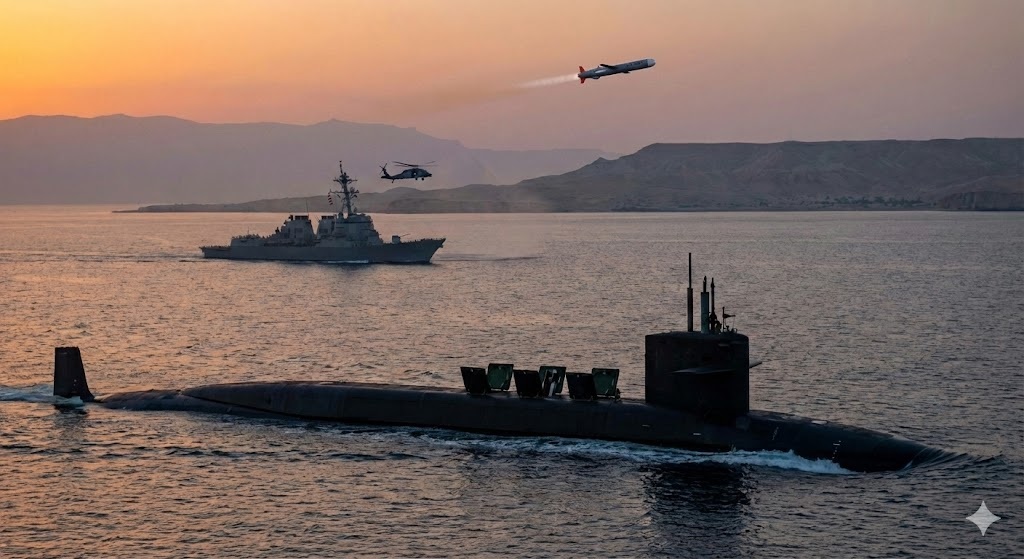
World
Washington / Gulf Region : In a significant escalation of American military posture in the Middle East, the United States has deployed an additional Tomahawk-armed Ohio-class guided-missile submarine to the Gulf region, a move underscoring rising tensions with Iran and Tehran’s enhanced ballistic and cruise missile capabilities. According to U.S. defense and regional sources, the submarine, believed to be a converted Ohio-class SSGN capable of carrying up to 154 Tomahawk cruise missiles, has entered the broader Persian Gulf / Arabian Sea theatre as part of a wider reinforcement of U.S. naval and air power in response to Iran’s latest missile developments and growing regional assertiveness. Strategic Deployment Amid Escalating Tensions The deployment reinforces what U.S. officials describe as a robust deterrent posture, focused on limiting Iran’s ability to escalate conflict through missile strikes or anti-ship attacks. The exact identity of the submarine has not been officially disclosed, but U.S. naval assets in the region of this class include vessels such as the USS Ohio, USS Michigan, and USS Georgia, all of which have previously been part of strategic deterrence missions. Each Ohio-class SSGN, following conversion from ballistic missile submarines, can carry up to 154 Tomahawk land-attack cruise missiles, giving the U.S. Navy a potent long-range precision-strike capability from concealed undersea launch platforms. U.S. Central Command (CENTCOM) and Navy representatives have not publicly confirmed specifics of the submarine’s location or armament, consistent with longstanding operational security protocols governing submarine movements. However, regional analysts say the deployment sends an explicit strategic signal to Tehran and Iran-aligned militant groups that the United States retains unrivaled offshore strike capability. Backdrop of Missile Capability Claims Iranian leadership has, in recent months, publicly touted advancements in ballistic and cruise missile technology, asserting improvements in range, accuracy, and survivability. Iranian officials say the upgrades are intended to strengthen the country’s defensive posture against external threats, particularly from the United States and its regional allies. These claims have coincided with heightened regional instability, including periodic exchanges of missile and drone fire involving Iran-backed proxy forces operating in Iraq, Syria, and Yemen. The U.S. Navy’s decision to station additional long-range strike assets in the region forms part of a broader American military buildup, which has included aircraft carrier strike groups, guided-missile destroyers, and advanced air and missile defense systems. Pentagon officials maintain that the objective remains deterrence, aimed at preventing actions that could spiral into open regional conflict. Historical Context and Recent Operations Ohio-class guided-missile submarines have played critical roles in U.S. military operations in the Middle East over the past decade. In June 2025, at least one Ohio-class SSGN launched more than two dozen Tomahawk missiles as part of Operation Midnight Hammer, a large-scale combined strike operation targeting Iranian nuclear infrastructure, conducted alongside B-2 stealth bomber raids. The rare public acknowledgment of submarine participation in such operations highlights the strategic value of undersea warfare platforms in projecting American power with stealth, survivability, and precision. Historically, the U.S. military has occasionally released imagery or confirmations of guided-missile submarine transits through strategic chokepoints such as the Suez Canal to reinforce deterrence messaging. Implications for Regional Security Defense analysts say the deployment of a Tomahawk-armed submarine is aimed not only at Iran’s missile programs but also at Iran-aligned militia networks that have periodically targeted U.S. military bases, naval assets, and personnel across the region. By positioning such a platform within strike range of critical coastal and inland infrastructure, Washington seeks to raise the cost of aggression for Tehran and its regional partners. Yet the expanded military posture also carries strategic risks. Critics warn that heavy force signaling could further inflame tensions already elevated by past military exchanges, sanctions pressure, and ongoing geopolitical competition across the Gulf, Levant, and Red Sea corridors. As the Ohio-class submarine continues operations in the Persian Gulf and adjacent waters, U.S. military planners will closely monitor Iranian reactions. Any direct confrontation involving U.S., Iranian, or proxy forces could test the limits of deterrence strategy and shape the security landscape of the Middle East throughout 2026 and beyond.
Read More → Posted on 2026-01-25 17:18:24Search
Top Trending in 24 Hours
-
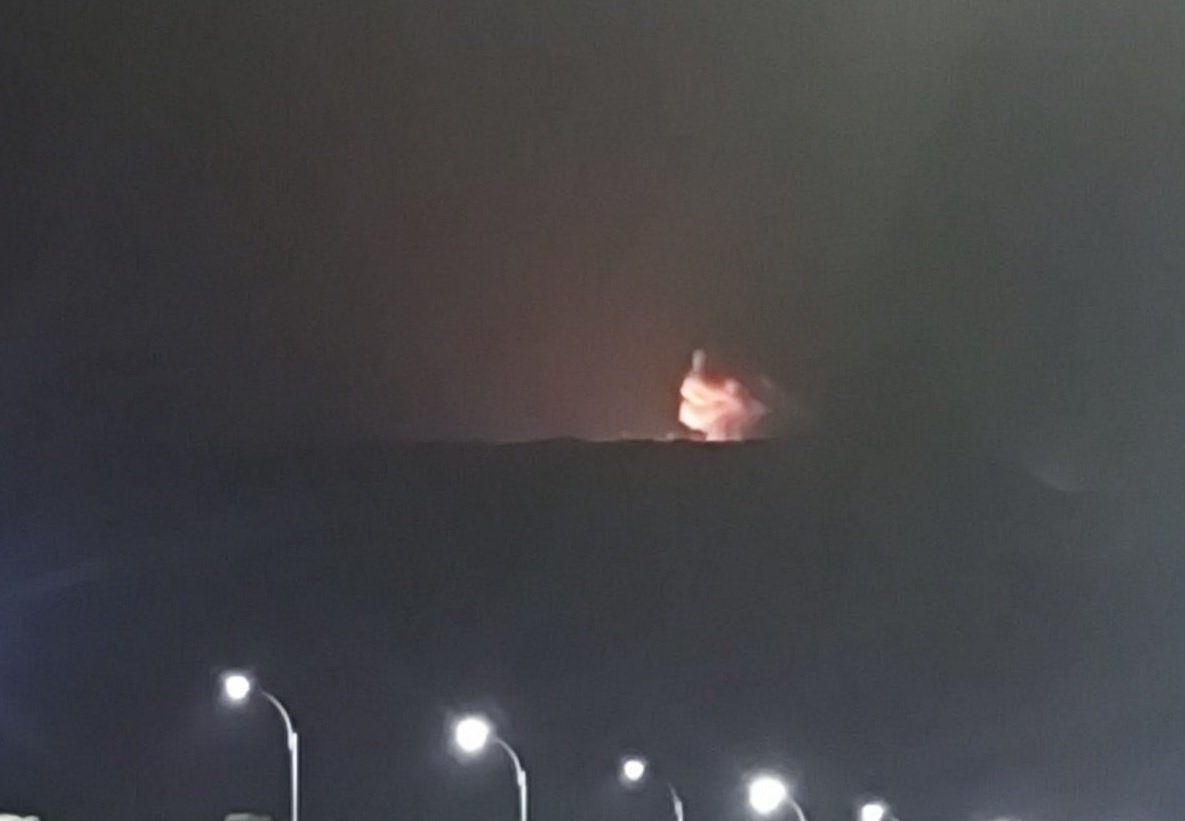 U.S. Airstrikes Target IRGC Missile Base Near Taft as Overnight Strikes Hit Central Iran
-
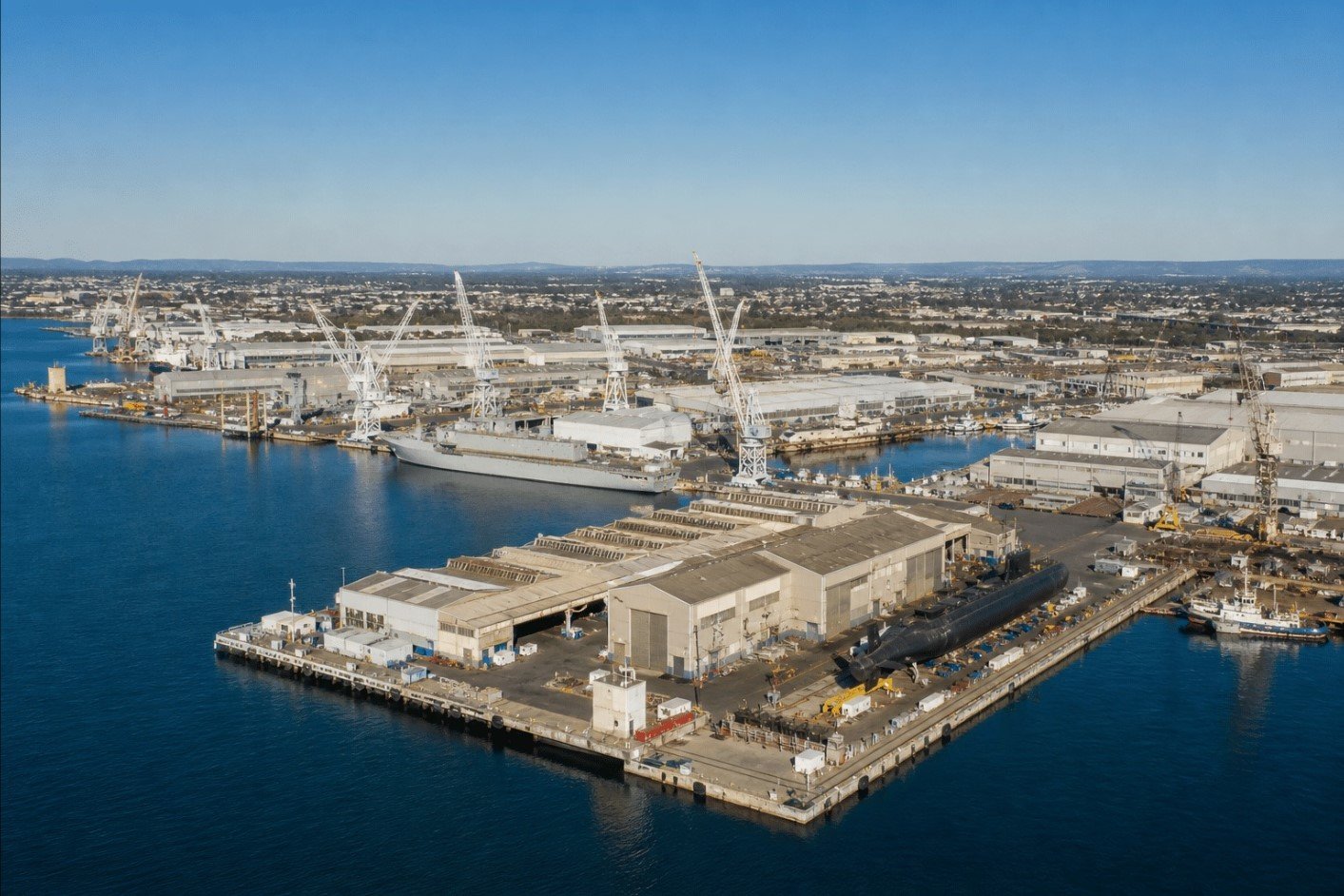 Australia Commits Additional AUD 4.6 Billion to Expand Osborne Shipyard for AUKUS Submarines
-
 US-Saudi Civil Nuclear Deal Faces Early Scrutiny Over Uranium Enrichment and Trump's New Conditions
-
 Kuwait and Bahrain Reportedly Launch First Joint Direct Airstrikes on Iran Since War Began : Report
-
 General Dynamics Awarded Up to $400.4 Million Contract for U.S. Missile-Tracking Satellite Ground Segment
-
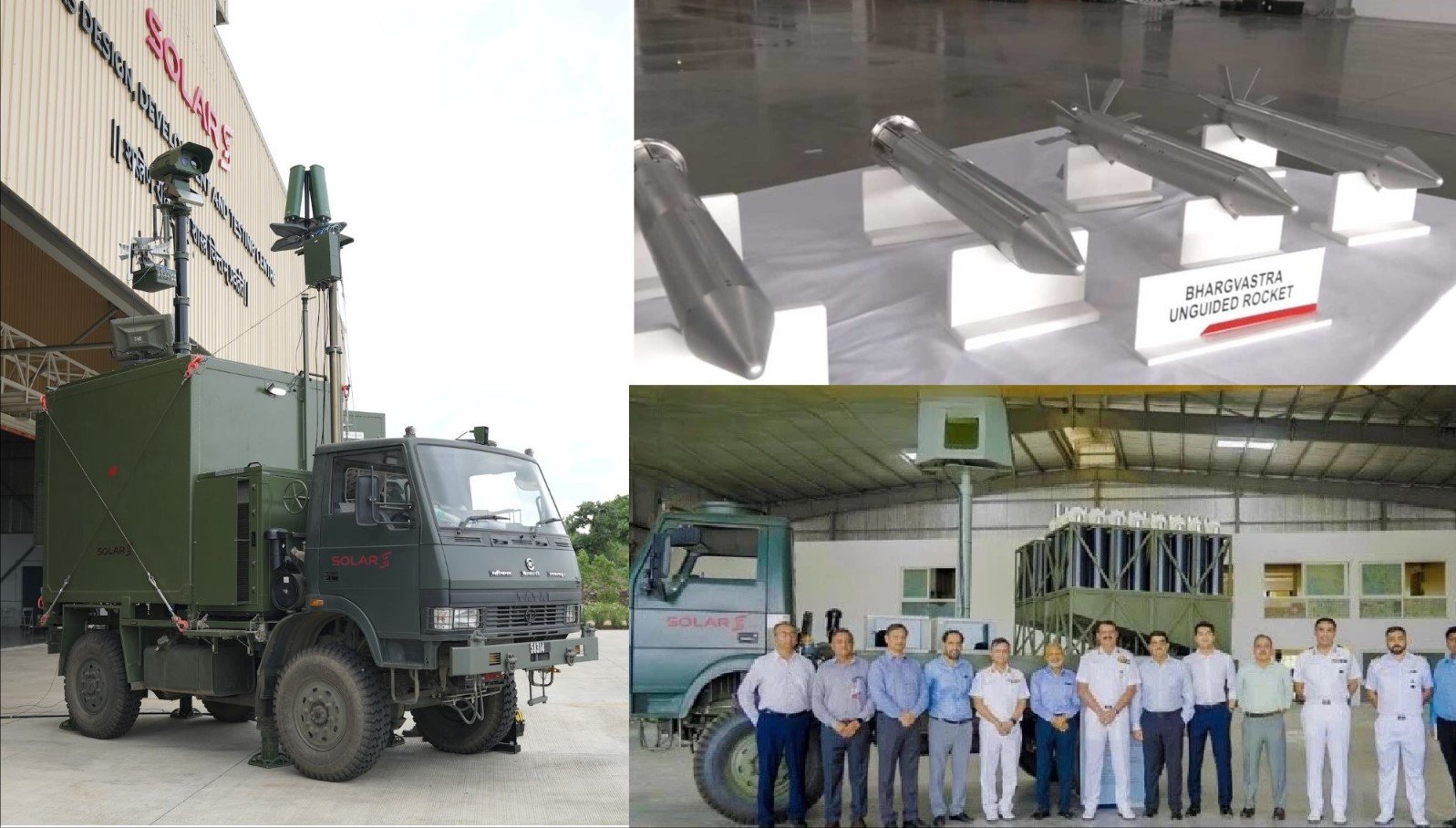 India's SDAL Demonstrates 'Bhargavastra' Counter-Swarm Drone System to Indian Army
-
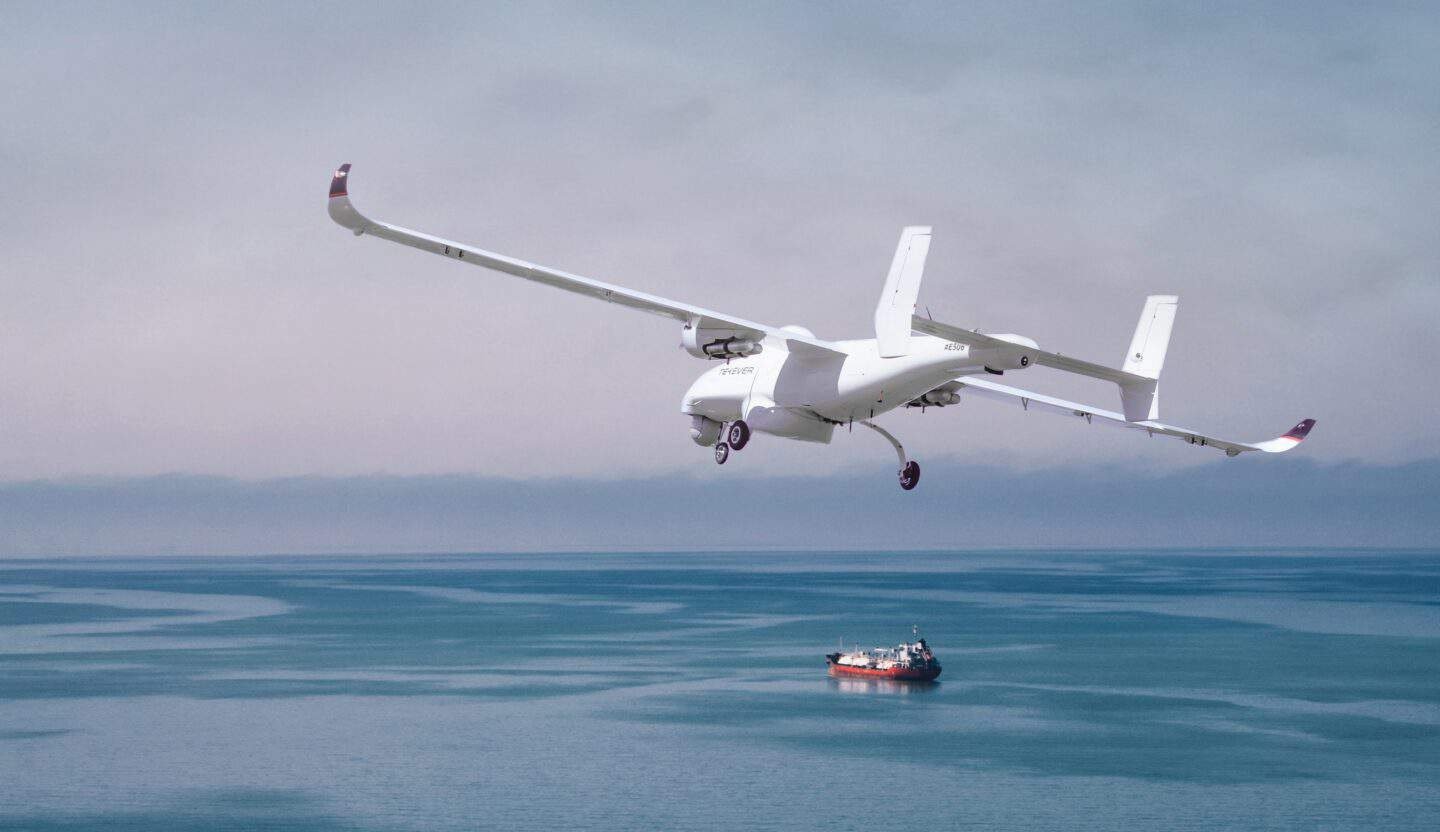 UK Ministry of Defence Awards Up to £400 Million Contract for Tekever AR5 Drones to Replace Watchkeeper Fleet
-
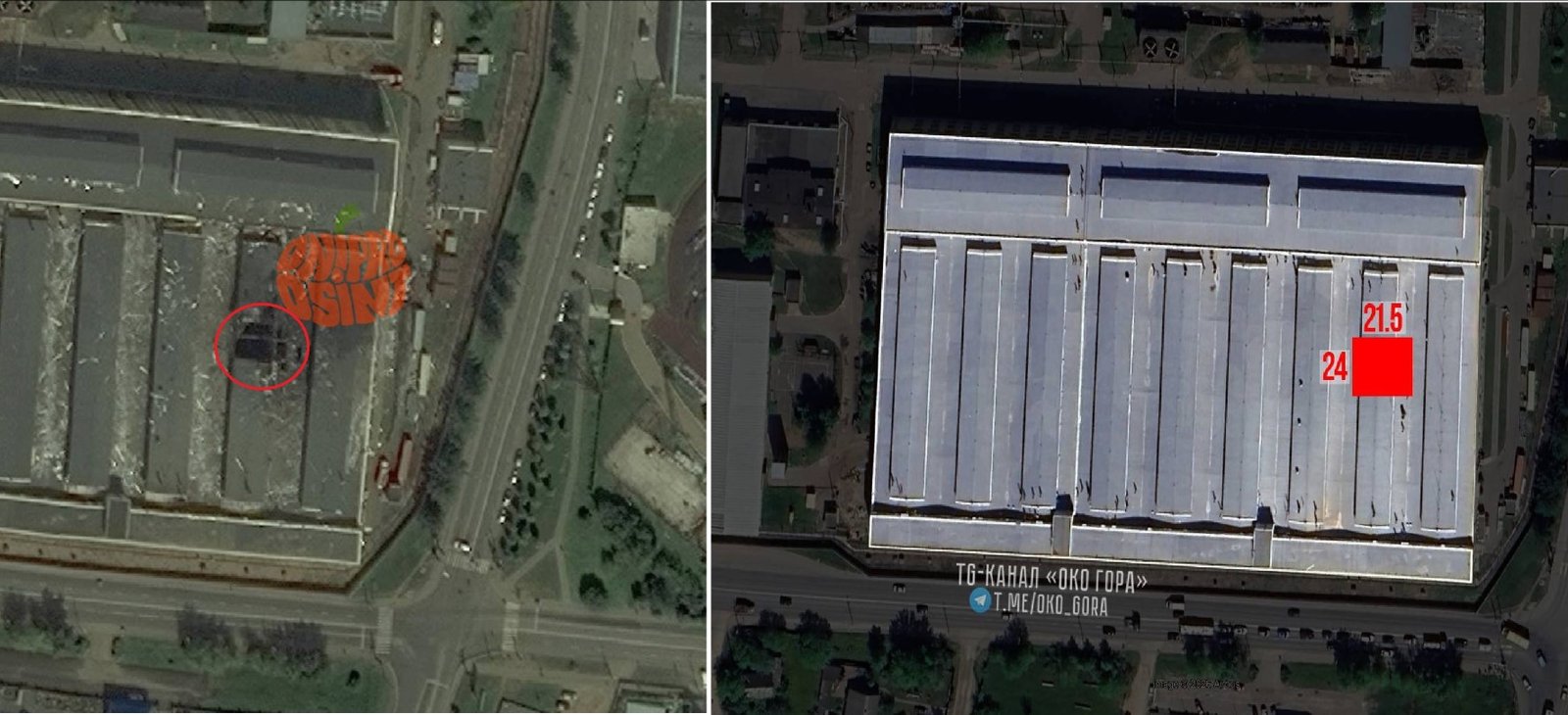 Satellite Images Confirm Damage to Russian Avitek Plant After Ukrainian FP-5 Flamingo Missile Strike
Top Trending in 4 Days
-
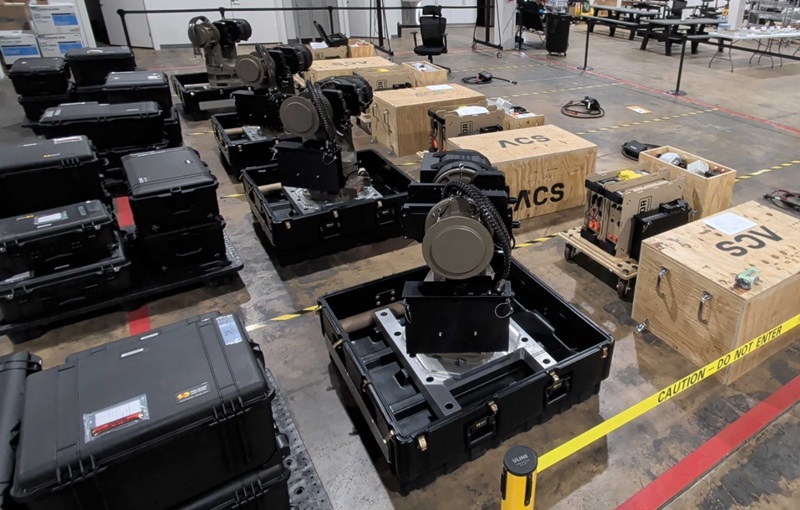 U.S. Marine Corps Selects AI-Powered Bullfrog Weapon Station for L-MADIS Counter-Drone Platform
-
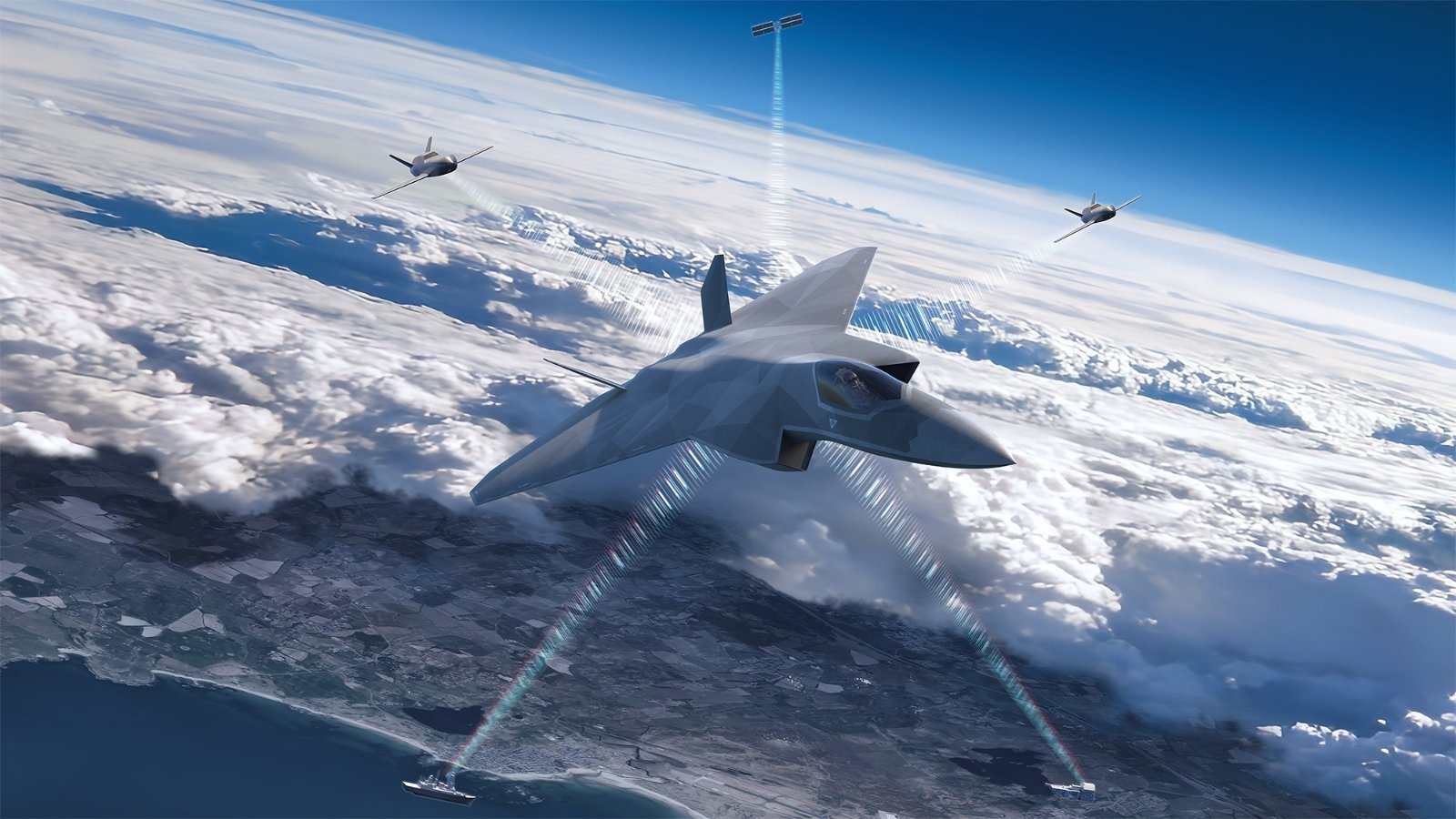 UK Awards BAE Systems £708 Million Contract Extension to Advance GCAP Sixth-Generation Combat Air Technologies
-
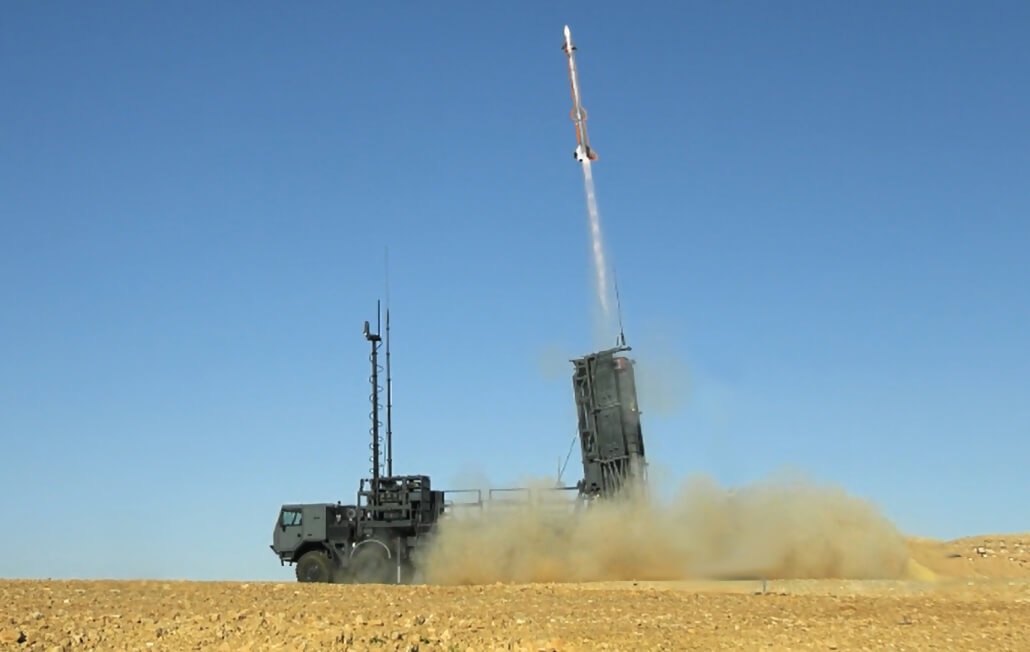 Greece Set to Approve €3 Billion Israeli Air Defense Deal for 'Achilles’ Shield' Network
-
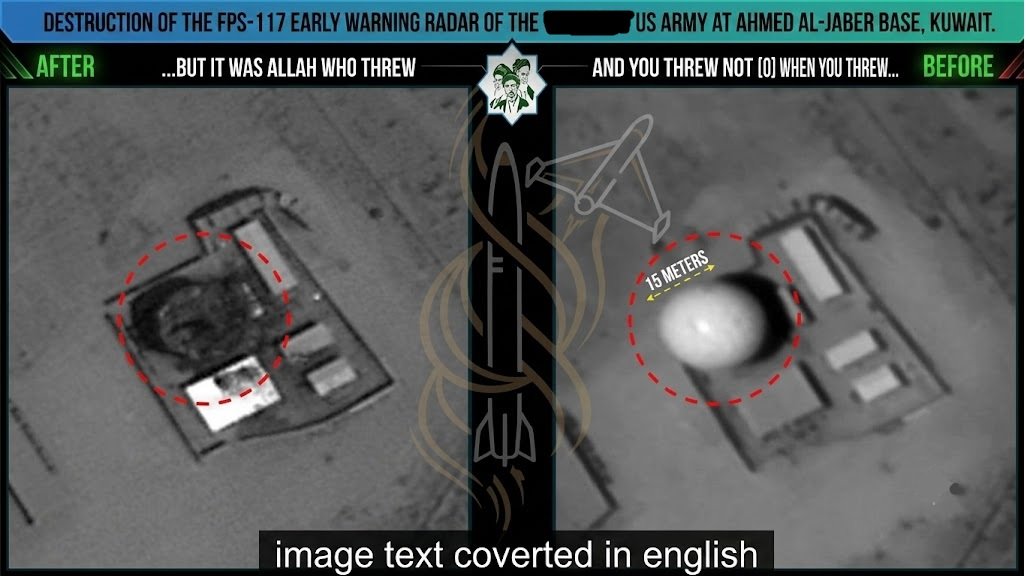 IRGC Claims Destruction of Second AN/FPS-117 Radar in Latest Strike on Kuwait's Ahmed Al-Jaber Air Base
-
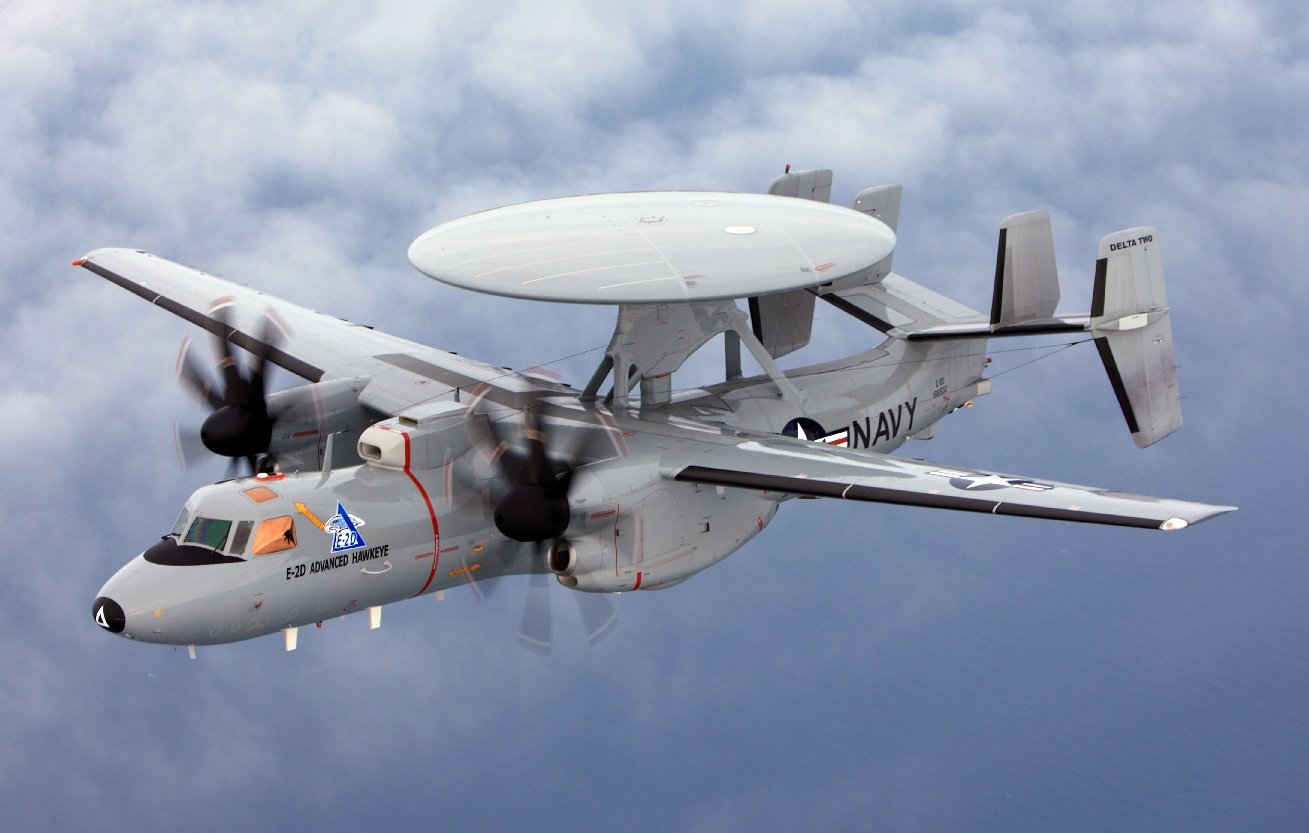 U.S. Navy Awards Northrop Grumman $1.2 Billion Deal for Three New E-2D Advanced Hawkeyes
-
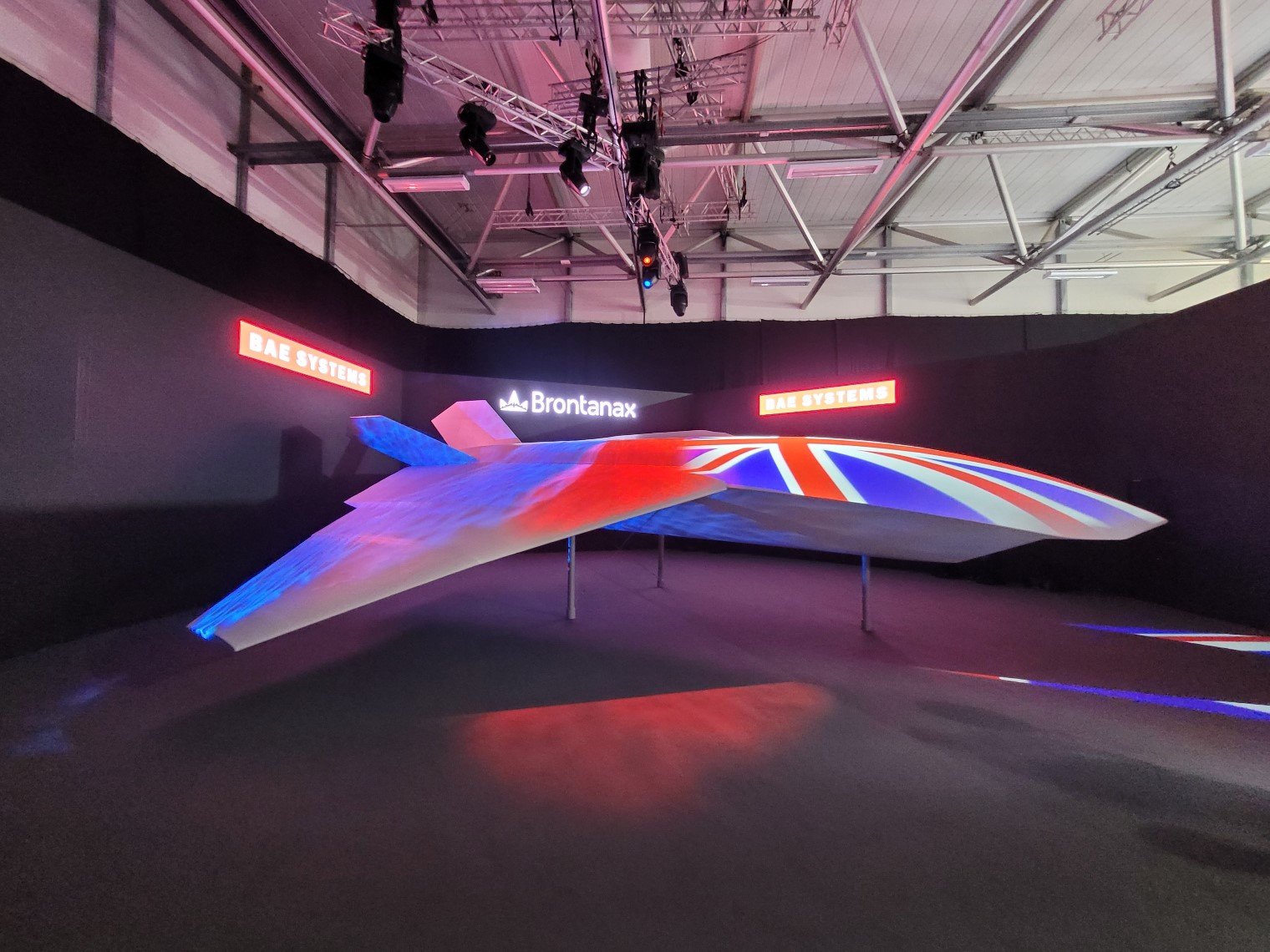 BAE Systems Unveils 'Brontanax', the UK's First Autonomous Combat Aircraft at Farnborough
-
 Lockheed Martin Launches $9 Billion U.S. Munitions Expansion to Boost THAAD, PAC-3 and PrSM Production
-
 U.S. Navy Awards Raytheon $1.8 Billion Contract Extension for SPY-6 Radar Systems
