
World
TEHRAN / WASHINGTON : Iran has deployed multiple long-range armed unmanned aerial vehicles (UAVs) to monitor the U.S. Navy’s USS Abraham Lincoln Carrier Strike Group operating in the Gulf of Oman, according to defense and regional intelligence assessments cited by multiple security officials. The drones identified are Shahed-149 “Gaza” unmanned combat aerial vehicles (UCAVs), operated by Iran’s Islamic Revolutionary Guard Corps (IRGC). Tracking data indicates the aircraft are operating over international waters near Oman, at a distance of more than 700 kilometers from Iran’s southern coastline, placing them well outside Iran’s traditional coastal defense zone. Drone Capabilities and Configuration The Shahed-149 Gaza is Iran’s largest operational combat drone and is classified as a medium-altitude, long-endurance (MALE) platform. Defense analysts estimate the aircraft has an operational range of up to 2,500 kilometers and an endurance of approximately 24 hours, enabling persistent surveillance missions far from Iranian territory. According to intelligence reporting, each deployed drone is believed to be armed with up to eight laser-guided air-to-surface munitions, likely from the Sadid-series precision weapons. The drones are also equipped with electro-optical and infrared sensors capable of maritime surveillance and target tracking. Officials familiar with the assessments say the drones are being used primarily for intelligence collection and tracking, rather than immediate strike preparation, with live positional data reportedly transmitted back to IRGC command centers. U.S. Naval Posture The USS Abraham Lincoln (CVN-72), operating with its escort destroyers and support vessels, is positioned in the Gulf of Oman rather than the Strait of Hormuz, a deployment intended to maintain freedom of navigation while reducing exposure to short-range coastal threats. In response to the drone activity, U.S. naval forces have reportedly adjusted their defensive posture. This includes increased combat air patrols using carrier-based aircraft and heightened use of electronic warfare systems designed to detect, track, and potentially disrupt unmanned aerial platforms. U.S. defense officials have not publicly confirmed specific rules of engagement but have reiterated that American forces retain the right to defend themselves against aerial threats operating near U.S. naval assets. Strategic Context The deployment underscores Iran’s expanding use of long-range unmanned systems to project surveillance and deterrence beyond the Persian Gulf. By operating armed drones at extended distances, Iran demonstrates an ability to monitor high-value naval targets in open waters, rather than relying solely on shore-based missiles, fast attack craft, or short-range drones. Regional security analysts note that while the drones’ presence does not necessarily indicate imminent hostilities, their proximity to a U.S. carrier strike group increases operational risk and places additional pressure on command decision-making on both sides. Current Status As of the latest available information, the Shahed-149 drones remain airborne in the vicinity of the U.S. naval formation, conducting what Iranian officials have described as routine monitoring missions. U.S. officials characterize the activity as unsafe and destabilizing but have not reported any direct engagement. Diplomatic channels between Washington and regional partners remain active as naval forces continue operations in the Gulf of Oman amid elevated regional tensions.
Read More → Posted on 2026-01-28 15:07:20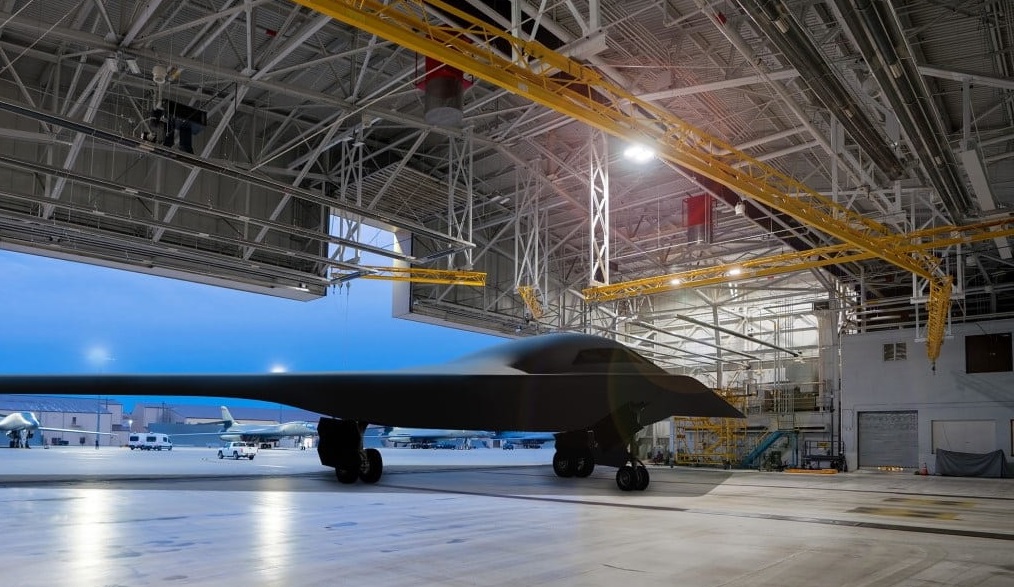
World
FALLS CHURCH, Va. : Northrop Grumman expects to reach an agreement with the U.S. Air Force by the end of March to accelerate production of the B-21 Raider bomber, according to Chief Executive Officer Kathy Warden, as the aircraft moves closer to operational service and the Pentagon seeks to expand long-range strike capacity. Speaking during the company’s latest earnings call, Warden said negotiations with the Air Force are ongoing and focused on increasing the production rate of the stealth bomber, which is intended to replace portions of the Air Force’s aging bomber fleet. “We continue to work closely with the Air Force on plans to increase the production rate of the program,” Warden said. “Our priority is to establish a mutually beneficial agreement that accelerates the delivery of this capability.” Congressional Funding and Air Force Plans Congress approved $4.5 billion in July to expand B-21 production capacity. The Air Force plans to allocate the full amount in fiscal year 2026, dividing the funding between procurement and research and development activities intended to support higher production throughput and program maturity. Details of the planned production increase remain classified. The Air Force has not publicly stated whether the acceleration effort is aimed solely at delivering aircraft more quickly under the existing program of record or whether it could support an eventual increase beyond the current minimum requirement of 100 aircraft. Northrop Grumman Investment and Production Contracts In addition to government funding, Northrop Grumman plans to invest between $2 billion and $3 billion over multiple years to support production acceleration. Warden described the spending as “facilitizing for that acceleration,” a term typically used to refer to investments in facilities, tooling, workforce expansion, and supply chain capacity. The company did not provide further details on how the investment will be allocated. Warden also confirmed that Northrop Grumman received the third low-rate initial production (LRIP) contract for the B-21 during the fourth quarter of 2025. The company has also received advanced procurement funding for the fifth production lot, allowing it to begin purchasing long-lead materials ahead of full contract awards. Program Progress and Testing The B-21 program has continued to advance through testing and early production. A second B-21 test aircraft has completed its first flight, expanding the flight-test fleet and supporting efforts to validate performance, systems integration, and maintainability as the program moves toward initial operational capability. The Air Force has stated previously that the B-21 is designed to operate in highly contested environments and to carry both conventional and nuclear payloads. The aircraft is expected to replace the B-1B Lancer and eventually the B-2 Spirit, while complementing the B-52 fleet. Budgetary Adjustments for Fiscal 2026 Despite the push to accelerate production, lawmakers have proposed a net reduction in B-21 funding in the base fiscal year 2026 defense budget. The proposal reduces procurement funding while increasing research and development spending, resulting in an overall cut that appropriators have attributed to classified adjustments. Defense officials have not provided further public explanation of the changes, and it remains unclear how the proposed adjustments could affect production timelines. The separate $4.5 billion appropriation approved last year for production capacity expansion is expected to be a key factor in sustaining the acceleration effort. If finalized as planned, the agreement between Northrop Grumman and the U.S. Air Force would mark a significant step toward increasing the pace of B-21 production as the program transitions from development into operational service. Further details on production rates, delivery schedules, and total aircraft quantities are expected to remain classified.
Read More → Posted on 2026-01-28 14:59:02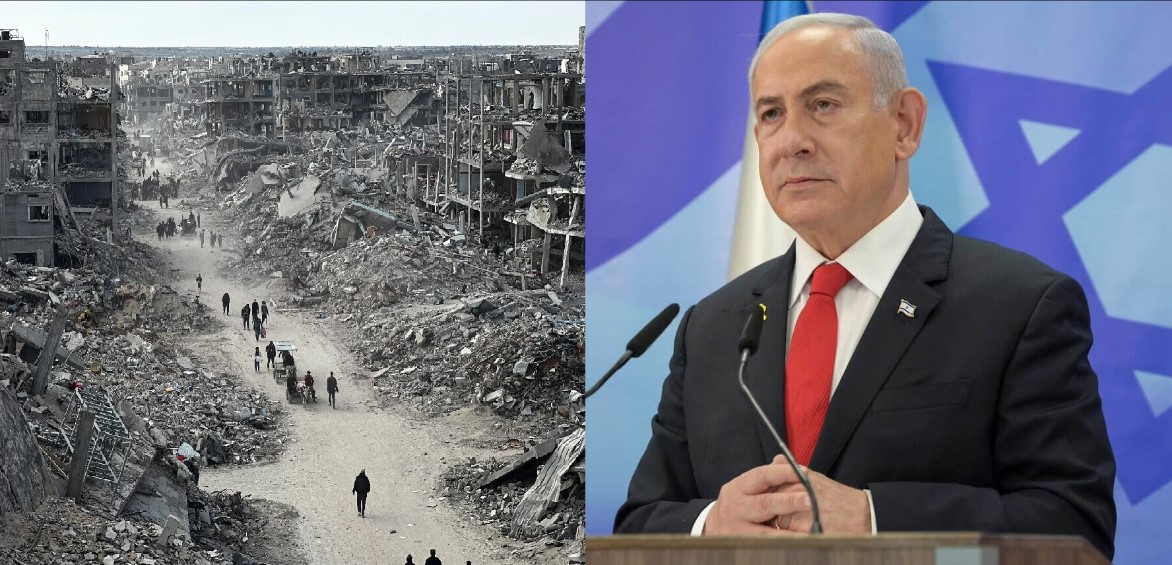
World
JERUSALEM : Israeli Prime Minister Benjamin Netanyahu on Tuesday set out Israel’s position on the post-war future of the Gaza Strip, rejecting proposals for foreign troop deployments, opposing any move toward Palestinian statehood, and stating that reconstruction would not proceed until the territory is fully demilitarized. Netanyahu spoke at a press conference in Jerusalem after the Israeli military confirmed the recovery of the remains of Master Sgt. Ran Gvili, the last Israeli hostage held in Gaza. With the hostage issue declared closed following the return of all 251 captives, living and deceased, the prime minister said Israel was entering what he described as the next phase of the conflict. Focus on Demilitarization According to Netanyahu, Israel’s primary objective is the dismantling of Hamas’s military capabilities, including its weapons stockpiles and underground tunnel network. He said this goal would be a prerequisite for any further political or economic steps related to Gaza. Netanyahu rejected the idea that reconstruction could begin alongside ceasefire arrangements, stating that rebuilding efforts would only be considered after complete demilitarization. He said Israel would pursue this objective through continued military pressure if necessary. Rejection of Foreign Military Presence The prime minister also addressed reports that foreign forces could play a role in stabilizing Gaza after the war. He dismissed suggestions that Turkey or Qatar might contribute troops to an international force or peacekeeping mission in the territory. Netanyahu said Israel would not accept military involvement from countries it views as having close political or financial ties to Hamas. His remarks came amid reports of discussions between Israeli and U.S. officials over post-war governance frameworks, including proposals for an international administrative body to oversee Gaza. Israeli officials have expressed concern that the inclusion of Ankara or Doha in such arrangements could undermine Israel’s security objectives. Netanyahu’s public comments appeared intended to establish clear limits on acceptable foreign involvement. Position on Palestinian Statehood Netanyahu reiterated his longstanding opposition to the establishment of a Palestinian state, including any sovereign entity in Gaza. He said Israel would maintain security control over the area between the Jordan River and the Mediterranean Sea, explicitly including the Gaza Strip. He framed this position as a core element of Israel’s security doctrine and said it would not change under international pressure. Relations with Washington The remarks also highlighted areas of tension between Jerusalem and Washington. While Netanyahu said he shares the U.S. administration’s stated goal of a demilitarized Gaza, he rejected elements of U.S.-backed proposals that involve broader international participation. Netanyahu additionally criticized the previous U.S. administration, alleging that restrictions on arms transfers had led to ammunition shortages during the war. He claimed these shortages contributed to Israeli military casualties, an assertion that has been disputed in the past and is likely to draw renewed scrutiny. Next Steps With hostage recovery operations concluded, Netanyahu said Israel’s remaining military missions are focused on eliminating Hamas’s armed capabilities and preventing Gaza from being rearmed in the future. He acknowledged domestic and international pressure to move toward a political settlement but said his government would prioritize security considerations. No timeline was provided for the completion of demilitarization or for any future arrangements regarding Gaza’s governance or reconstruction.
Read More → Posted on 2026-01-28 14:30:53
India
BENGALURU : Hindustan Aeronautics Limited (HAL) on Wednesday said that five Tejas Mk1A fighter aircraft are ready for delivery to the Indian Air Force (IAF) after completing all required tests. HAL Chairman and Managing Director D.K. Sunil said the aircraft have cleared firing and missile trials, which were the final steps before acceptance. He said HAL will approach the IAF to take delivery of the five aircraft within the current financial year. Readiness for Delivery Speaking in Bengaluru, Mr. Sunil said the completion of weapon trials allows HAL to offer the aircraft to the IAF before the end of the financial year on March 31, 2026. These aircraft are part of the first batch of the Tejas Mk1A, an upgraded version of the earlier Mk1 fighter. The Mk1A includes improved avionics, radar, and electronic warfare systems. Delivery schedules were delayed earlier due to engine supply issues and certification work. Engine Supply Delays The Tejas Mk1A program was delayed mainly because of problems in the supply of GE F404-IN20 engines from GE Aerospace in the United States. Several aircraft were completed by HAL but could not be delivered due to the lack of engines. HAL officials said the engine supply situation has improved. This has allowed the company to complete integration and final testing. HAL has now started clearing aircraft that were waiting for engines. Weapon Trials Completed HAL said the five aircraft have completed firing and missile integration trials. These trials included tests of the Astra beyond-visual-range air-to-air missile and the ASRAAM short-range air-to-air missile. The completion of these trials confirms that the aircraft meet the IAF’s operational requirements and are ready for service after formal acceptance. Importance for the IAF The delivery comes at a time when the Indian Air Force is facing a shortage of fighter aircraft due to the retirement of older jets. The Tejas Mk1A is expected to help fill this gap and strengthen the IAF’s combat fleet. The IAF signed a contract with HAL in February 2021 for 83 Tejas Mk1A aircraft, worth about ₹48,000 crore. The government has also approved an additional order for 97 aircraft. Production Plans HAL plans to increase Tejas production to 24 aircraft per year. Production will take place at facilities in Bengaluru and Nashik. The increase is intended to meet revised delivery timelines and reduce existing delays. With five aircraft ready for delivery, HAL and the IAF are expected to begin a phased induction process in the coming months, subject to acceptance procedures and continued engine supply.
Read More → Posted on 2026-01-28 13:56:21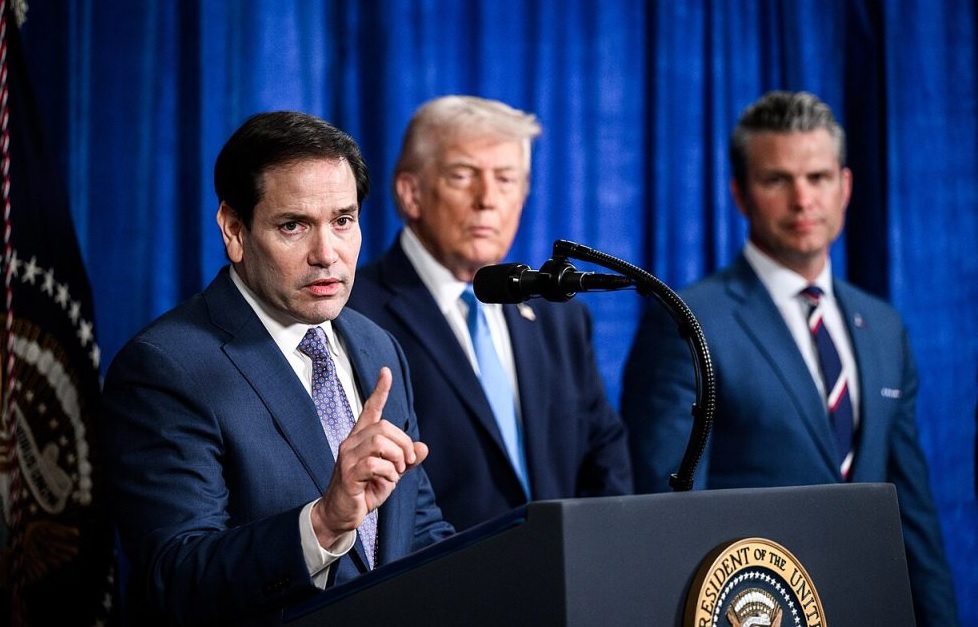
World
WASHINGTON / CARACAS : The Trump administration has sharply escalated pressure on Venezuela’s fragile interim leadership, warning that a “second wave” of U.S. military action is imminent unless Acting President Delcy Rodríguez accepts sweeping American demands that would fundamentally reshape the country’s oil sector, trade policy, and geopolitical alignment. In testimony prepared for the Senate Foreign Relations Committee, Secretary of State Marco Rubio said the White House is prepared to use force again if Caracas fails to comply, framing the standoff as a final test of Washington’s leverage following last month’s U.S. special forces operation that removed former leader Nicolás Maduro from power. The remarks, delivered against a backdrop of heightened U.S. naval and air activity in the Caribbean, mark the clearest signal yet that the administration is willing to move beyond economic pressure and targeted raids toward a broader coercive campaign. A Hard Ultimatum After Maduro’s Fall U.S. officials describe the current moment as a narrow window to lock in long-term American influence over Venezuela’s vast energy wealth. According to senior administration officials briefed on the strategy, Washington believes the post-Maduro transition has left Caracas politically weak, economically desperate, and heavily dependent on external legitimacy. Rubio told lawmakers that the interim government had already signaled conditional acceptance of parts of the U.S. framework, including opening Venezuela’s oil sector to American companies and prioritizing U.S. suppliers for imports. “The opportunity exists to reset Venezuela’s economy on transparent, market-based terms,” Rubio said, adding that failure to do so would have “consequences.” Those consequences, he suggested, could include renewed military action designed to “ensure compliance and stability.” What Washington Wants At the core of the U.S. demands is control — not formal occupation, but structural dominance over how Venezuela earns and spends its money. American officials want immediate and unrestricted access for U.S. energy firms to Venezuela’s oil fields, refineries, and export infrastructure, reversing years of nationalization and sanctions-era isolation. The administration is also demanding binding guarantees that oil revenues be channeled into purchases of U.S.-manufactured goods, ranging from industrial equipment and refined fuels to agricultural products and consumer staples. U.S. negotiators are further seeking legal protections that would give American companies preferential treatment over competitors from China, Russia, and Iran, effectively realigning Venezuela’s economy away from its traditional anti-U.S. partners. Security cooperation clauses, according to officials familiar with the talks, would limit Caracas’s ability to host foreign military advisers or intelligence assets hostile to Washington. Rubio framed the demands as pragmatic rather than punitive. “This is not about punishment,” he said. “It’s about ensuring Venezuela does not again become a platform for adversarial powers while its people continue to suffer.” Rodríguez Pushes Back Delcy Rodríguez, who assumed the role of acting president after Maduro’s capture, has publicly rejected the most far-reaching elements of the U.S. ultimatum, setting up a direct confrontation with Washington. In a nationally broadcast address from the eastern port city of Puerto La Cruz, Rodríguez accused the United States of attempting to turn Venezuela into an economic protectorate. “Enough orders from Washington,” she said. “We are not a colony. Our oil is not a ransom payment, and our sovereignty is not negotiable.” Her refusal, analysts say, is rooted as much in political survival as in ideology. Why Caracas Is Resisting Accepting the U.S. terms outright would likely destroy Rodríguez’s already fragile legitimacy at home. Senior Venezuelan military officers, many of whom tolerated the transition only to prevent chaos after Maduro’s removal, have reportedly warned that surrendering control of oil revenues to foreign dictates would cross a red line. Nationalism also remains a powerful force. The requirement to recycle oil income exclusively into U.S. goods revives memories of earlier eras when foreign powers dictated Venezuela’s economic choices — a grievance that fueled the original Bolivarian movement. There is also a strategic calculation. By resisting publicly, Rodríguez may be betting that Washington prefers coercion short of full-scale occupation. A broader U.S. military campaign could destabilize oil production, trigger regional backlash, and saddle the White House with responsibility for governing a deeply divided country. The Military Option Back on the Table Despite diplomatic signaling, the Pentagon is quietly preparing for escalation. Defense officials say contingency plans now extend well beyond the narrow operation that removed Maduro. A “second wave”, according to officials familiar with the planning, would likely target critical infrastructure — command centers, energy logistics hubs, and financial nodes — to leave the interim government unable to function without U.S. support. U.S. naval forces, including a carrier strike group operating in the region, have increased patrols, while surveillance flights over the Caribbean have intensified. Administration officials insist the posture is defensive, but the message to Caracas is unmistakable. “We are prepared to ensure cooperation if other methods fail,” Rubio warned, signaling that patience in Washington is wearing thin. A Narrowing Path Forward With talks stalled and military pressure rising, Venezuela now stands at a crossroads. Compliance could stabilize the economy in the short term but at the cost of political autonomy. Defiance risks renewed U.S. strikes that could further fracture the state and plunge the country back into open conflict. For now, Rodríguez is holding her line, appealing to sovereignty and domestic unity even as American warships loom offshore. Whether that stance can withstand the weight of U.S. power — or whether the crisis tips into a new phase of confrontation — may be decided in the coming weeks.
Read More → Posted on 2026-01-28 13:42:16
World
KÓPAVOGUR, Iceland : Sweden has taken a major step forward in strengthening maritime security in the Baltic Sea following the successful early delivery of advanced autonomous underwater systems designed to enhance surveillance, mine countermeasures, and subsea situational awareness. Teledyne Gavia confirmed on Monday that it has delivered the first four GAVIA Autonomous Underwater Vehicle (AUV) systems to the Swedish Defence Materiel Administration (FMV), marking the opening phase of a multi-year procurement program tied to Sweden’s naval modernization and its expanding role within NATO’s northern defense framework. The delivery was completed ahead of schedule and below projected costs, according to officials familiar with the contract. Sweden Accelerates Undersea Modernization The acquisition comes as Sweden faces rising security challenges in the Baltic Sea, where dense commercial traffic, shallow waters, and growing concerns over sabotage of undersea infrastructure have placed new demands on naval forces. Since joining NATO, Stockholm has prioritized unmanned and autonomous systems capable of persistent operations without exposing crews to risk. The GAVIA AUVs are intended to modernize Sweden’s mine countermeasure (MCM) forces while also supporting intelligence, surveillance, and reconnaissance (ISR) missions in contested littoral environments. FMV officials describe the systems as a cornerstone of future undersea operations, enabling the Swedish Navy to monitor critical sea lanes, ports, and offshore infrastructure with greater speed and precision. Modular Design for Multi-Mission Operations The delivered GAVIA systems are configured for long-endurance survey and intelligence missions and are built around a modular “plug-and-play” architecture. This design allows operators to rapidly reconfigure the vehicles for different operational roles, including mine detection, seabed mapping, environmental monitoring, and covert reconnaissance. Each unit is equipped with high-resolution EdgeTech 2205 side-scan sonar for detailed seabed imaging, enabling the detection and classification of naval mines and unexploded ordnance. Optical identification is supported by Teledyne FLIR Blackfly-S cameras, providing visual confirmation of underwater targets in suitable conditions. Designed for a low logistical footprint, the GAVIA AUVs can be launched from small vessels, rigid inflatable boats, or directly from shore, reducing reliance on specialized mine countermeasure ships and increasing operational flexibility in narrow or shallow waters. Industrial Cooperation and Domestic Support Support and lifecycle maintenance for the new AUV fleet will be provided through a service framework developed in cooperation with Teledyne FLIR Sweden, ensuring in-country technical support and sustained operational readiness. Defense officials say the arrangement strengthens Sweden’s domestic defense industrial base while ensuring high availability rates. “This delivery reflects a close and effective collaboration with FMV and Swedish industry,” said Stefan Reynisson, Vice President and General Manager of Teledyne Gavia. “The GAVIA system is designed to evolve alongside the operational needs of modern navies, particularly in complex maritime environments like the Baltic Sea.” Contract Scope and Long-Term Outlook The framework agreement, valued at approximately 190 million Swedish kronor (around $17.5 million), runs through 2028 and includes options for additional systems, capability upgrades, and long-term support services. Further deliveries are expected as Sweden continues to expand its autonomous undersea capabilities. Defense analysts note that the investment aligns with broader NATO efforts to improve maritime domain awareness and protect critical undersea infrastructure, including communications cables, energy pipelines, and offshore installations. Teledyne’s Expanding Global Footprint The Swedish delivery further cements Teledyne’s position as a leading supplier of unmanned underwater systems. As of January 2026, the company reports more than 12,000 APEX profiling floats delivered worldwide, over 1,275 Slocum gliders in service, and 18 navies currently operating GAVIA AUV systems. More than 600 Teledyne autonomous platforms are now in use by NATO member states, supporting interoperability, joint operations, and allied maritime security. Strategic Impact in the Baltic Sea For the Swedish Navy, the arrival of the GAVIA AUVs represents a significant enhancement of undersea awareness at a time of heightened regional tension. By expanding autonomous capabilities, Sweden aims to secure vital sea lines of communication, improve mine countermeasure readiness, and strengthen collective defense in one of Europe’s most strategically sensitive maritime regions.
Read More → Posted on 2026-01-28 13:26:54
World
KYIV : France has taken a significant step in deepening its military-industrial support for Ukraine by delivering the first batch of Rodeur 330 unmanned aerial systems, a long-range loitering munition designed to counter Russia’s expanding drone warfare campaign. The delivery marks the operational debut of the Bordeaux-based EOS Technologie’s flagship interceptor drone in Ukraine, nearly four years into Kyiv’s defense against Moscow’s full-scale invasion. The shipment represents the first confirmed transfer of Rodeur 330 systems to Ukrainian forces and forms part of a wider strategy to replenish Ukraine’s drone stockpiles while aligning European industrial output with the realities of a high-intensity, attritional conflict. French and Ukrainian officials view the move as both an immediate battlefield reinforcement and a testbed for next-generation European unmanned systems under real combat conditions. A Response to Russia’s Drone Saturation Strategy The delivery comes as Russia continues to rely heavily on mass-produced unmanned systems, with Western intelligence estimates indicating that Moscow is capable of manufacturing roughly 1,000 drones per day. These systems, ranging from reconnaissance platforms to one-way attack drones, have become central to Russia’s strategy of saturating Ukrainian air defenses and exhausting interceptor stocks. According to Agence France-Presse (AFP), the French initiative is explicitly aimed at countering this numerical advantage by deploying comparatively inexpensive but capable loitering munitions in large numbers. The Rodeur 330 is intended to intercept, disrupt, or destroy hostile assets while preserving higher-end air defense systems for critical threats. Jean-Marc Zuliani, president of EOS Technologie, described the system as a “shield” for the Ukrainian Armed Forces, emphasizing its dual role in intelligence gathering and precision strike missions. In practice, Ukrainian operators are expected to employ the platform both for deep reconnaissance and as a kamikaze drone against high-value targets. From Evaluation to Battlefield Deployment The current delivery follows a confirmation in December 2025 that EOS Technologie would supply Ukraine with long-range loitering munitions for military evaluation. That announcement included both the standard Rodeur 330 and a rocket-powered variant designed for higher-speed missions, signaling France’s willingness to expose advanced systems to frontline testing. Ukrainian forces, whose drone operators are now regarded by Western militaries as among the most experienced in the world, are expected to provide detailed feedback on performance under intense electronic warfare, GPS jamming, and air defense pressure. For French defense industry planners, the deployment offers rare insight into how European systems perform against a peer adversary. Zuliani has noted that Ukraine’s battlefield experience now exceeds that of any NATO country, making the operational data generated by the Rodeur’s use as valuable to Western manufacturers as it is to Ukrainian commanders. Technical Profile of the Rodeur 330 The Rodeur 330 is a fixed-wing loitering munition designed for long endurance and extended reach rather than short-range tactical strikes. Weighing 25 kilograms (55 pounds), the drone features a three-meter wingspan and is optimized for rapid deployment by small teams. It carries a four-kilogram payload, sufficient for a high-explosive warhead or specialized sensor package, and can remain airborne for up to five hours. With a maximum operational range of 500 kilometers, the system is capable of reaching logistics hubs, command centers, and airfields well behind the front line. The drone is catapult-launched, removing the need for prepared runways, and can operate at altitudes of up to 5,000 meters with a top speed of 120 kilometers per hour. EOS Technologie has emphasized the system’s simplicity, noting that assembly takes about three minutes and that operators and maintenance personnel can be trained within one week. Control is conducted via a ruggedized laptop and gamepad interface, reflecting lessons learned from Ukraine’s extensive use of first-person-view (FPV) drones. Each system is delivered as a complete package, including a reinforced flight case, radio control transmitter, and antenna set designed to maintain link integrity in contested electromagnetic environments. Proven Capabilities and Automation Prior to its delivery to Ukraine, the Rodeur 330 underwent a series of tests intended to demonstrate both its manual and autonomous strike capabilities. According to the Ukrainian defense outlet Militarnyi, the drone successfully destroyed a tank during trials using an FPV control mode, highlighting its precision against armored targets. In additional demonstrations, the system reportedly engaged simulated threats while operating in a fully automated mode, identifying and attacking targets without continuous human input. Such functionality is considered increasingly important as electronic warfare conditions make direct control more difficult and as operators are forced to manage multiple systems simultaneously. These capabilities place the Rodeur 330 within a growing class of semi-autonomous loitering munitions that blur the line between reconnaissance platforms and strike weapons. Strategic and Political Implications Beyond its immediate military value, the delivery underscores a broader shift in European support for Ukraine. Rather than relying solely on stockpiles of legacy weapons, countries like France are increasingly integrating their defense industries directly into Ukraine’s war effort. By supplying systems that are relatively low-cost, scalable, and adaptable, Paris aims to help Ukraine sustain a high operational tempo without exhausting scarce high-end munitions. At the same time, the cooperation strengthens long-term industrial ties between France and Ukraine, potentially laying the groundwork for joint production or technology transfer in the future. As the war continues to evolve into a contest of endurance, innovation, and industrial capacity, the arrival of the Rodeur 330 highlights how unmanned systems have become central to modern warfare — and how Ukraine remains the proving ground shaping their future.
Read More → Posted on 2026-01-28 13:16:26
World
WASHINGTON / TEHRAN : U.S. intelligence agencies have delivered a series of stark new assessments to senior American policymakers, concluding that Iran’s ruling system may be facing its most severe internal crisis since the 1979 Islamic Revolution, according to officials familiar with the briefings. The assessments, first reported by The New York Times, describe a convergence of political unrest, economic collapse and internal security strain that has left Tehran’s leadership unusually vulnerable. Multiple intelligence dossiers reportedly circulated inside the White House argue that the Islamic Republic is entering a phase of instability that could fundamentally alter the regional balance of power. Officials briefed on the findings say the reports stop short of predicting imminent regime collapse but emphasize that the foundations of clerical rule are under unprecedented pressure. A Regime Under Strain According to the intelligence summaries, Iran’s leadership is increasingly disconnected from large segments of its population following weeks of nationwide protests and a sweeping security crackdown. Human rights groups and regional observers estimate that thousands were killed or injured during demonstrations earlier this month, with mass arrests reported across major cities. U.S. analysts assess that the violence has further eroded the legitimacy of the ruling establishment, deepening public anger at a time when inflation, currency devaluation and unemployment have already pushed the economy to the brink. One senior U.S. official, speaking on condition of anonymity, described the situation as “structural decay rather than a temporary crisis,” adding that “the leadership may still command the state, but the loyalty of society—and even parts of the system—cannot be assumed.” Intelligence agencies have also raised concerns about fatigue and morale inside Iran’s security forces, traditionally the backbone of regime survival. While no open fractures have been detected, analysts note growing signs of overstretch within internal security units tasked with suppressing unrest. U.S. Military Forces Move Into Position Against this backdrop, the United States has significantly reinforced its military posture in the Middle East, placing high-end naval and air assets within rapid striking distance of Iranian territory. The USS Abraham Lincoln Carrier Strike Group has entered the U.S. Central Command area of responsibility, accompanied by multiple guided-missile destroyers, including the USS Frank E. Petersen Jr., USS Spruance, and USS Michael Murphy. Defense officials confirm the group is fully mission-capable and prepared for combat operations on short notice. Pentagon sources say that, if directed by the White House, the carrier group could execute air and missile strikes within 24 to 48 hours, using carrier-based aircraft and escort vessels equipped with Tomahawk cruise missiles. In parallel, U.S. strategic bombers based on the American mainland have reportedly been placed on elevated readiness, allowing them to strike targets in Iran without forward basing. Additional tactical airpower has also been moved into the region, including F-15E Strike Eagle squadrons designed for deep-penetration and precision attacks. Shift Toward Targeted Strikes Officials familiar with internal discussions say the focus of U.S. planning has evolved from broad deterrence to more narrowly defined military options. A Gulf-based official briefed on regional consultations told Middle East Eye that U.S. planners are actively examining precision strikes against senior Iranian military commanders and political figures linked to the suppression of recent protests. These “high-value targets” are viewed as both operational leaders and symbolic pillars of the regime. The official characterized the policy debate in Washington as intense and unsettled, with competing views inside the administration. “There is a sense among some advisers that this may be a rare moment of weakness,” the source said. “Others believe even limited strikes could spiral into something much larger.” Tehran’s Warning of Escalation Iranian officials have responded to the U.S. military buildup with blunt warnings. A senior Iranian figure told Reuters that Tehran would treat any American strike—regardless of scale—as an act of full-scale war. “There will be no distinction between a limited strike and total aggression,” the official said, warning that any attack would trigger what was described as a “regret-inducing” response. Iranian state media has echoed this messaging, portraying U.S. movements as preparation for conflict while pledging that Iran’s missile forces and regional allies remain ready to retaliate. A Critical Moment Approaches Despite the escalating rhetoric, U.S. officials stress that no final decision has been announced. Diplomats continue to emphasize that military deployments are intended to preserve options rather than signal inevitability. Still, analysts say the combination of intelligence warnings, visible force deployments and intensifying internal unrest inside Iran has created one of the most volatile moments in U.S.–Iran relations in years. With American warships now on station, strategic bombers on alert and Tehran issuing uncompromising threats, the coming days may determine whether the crisis shifts toward confrontation—or pulls back from the edge of a far wider regional conflict.
Read More → Posted on 2026-01-27 17:56:29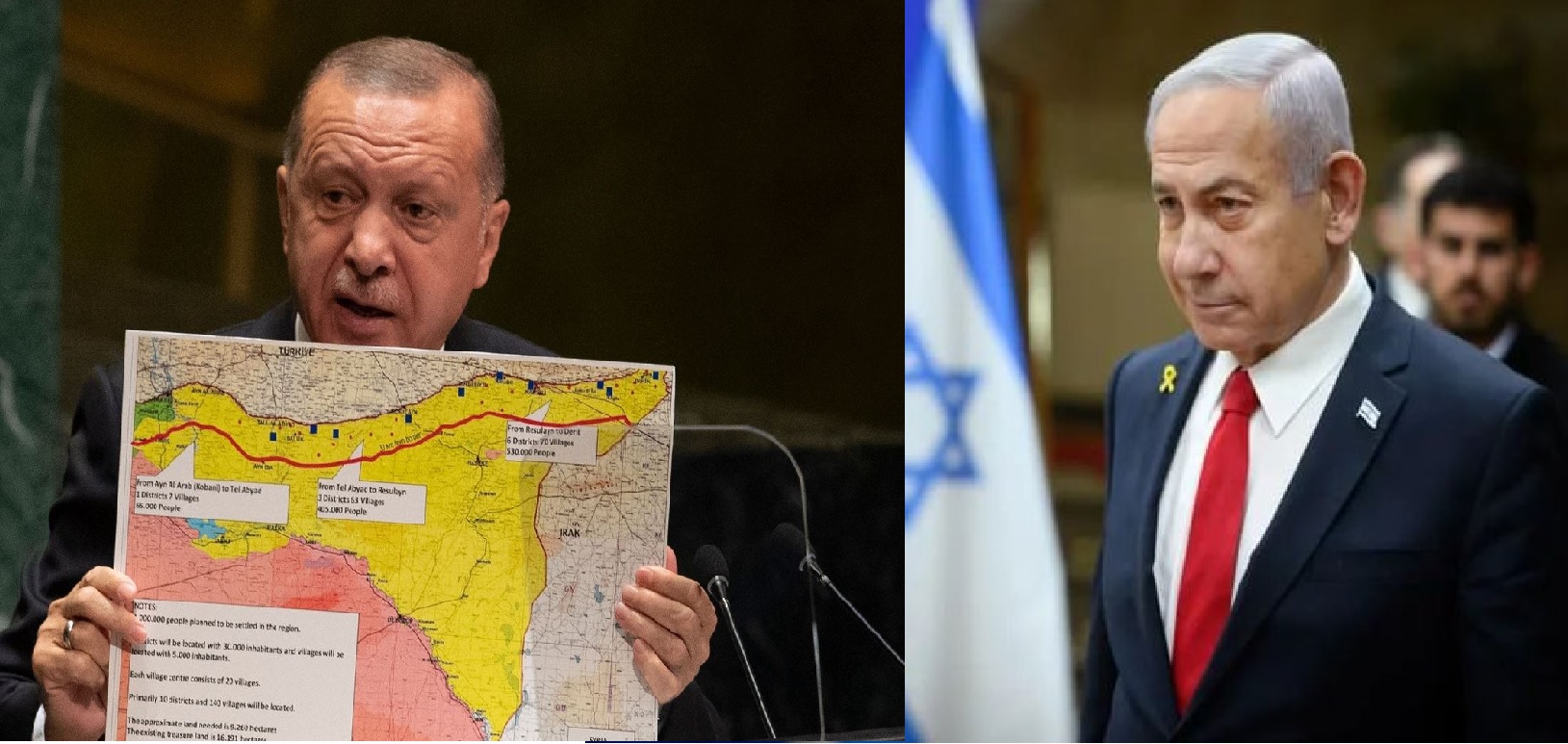
World
ISTANBUL / JERUSALEM : A series of quiet but highly consequential moves by Turkey and Israel on Tuesday have intensified speculation that regional powers are bracing for a potentially historic rupture involving Iran, with intelligence-driven preparations suggesting expectations of far-reaching instability rather than a contained crisis. Turkey Anticipates Regional Rupture With Buffer Zone Planning Turkish authorities are moving forward with contingency plans to establish an extensive buffer zone along their eastern frontier, a step that regional analysts describe as one of Ankara’s most serious strategic signals in years. According to briefings delivered to lawmakers and security officials, the plans envision a security and humanitarian corridor stretching across approximately 560 kilometers, paired with preparations for a massive refugee influx. The scale of the planning has drawn particular attention. Regional security experts note that states do not prepare deep buffer zones and large-scale refugee infrastructure in response to a limited air strike or short-duration conflict. Instead, such measures are typically associated with expectations of state failure, civil war, or prolonged internal collapse in a neighboring country. Turkish Intelligence (MIT) assessments reportedly underpin the move, with scenario planning focused on the possibility that Iran could face widespread internal chaos following external military pressure or a major strategic shock. Officials familiar with the discussions describe multiple contingency frameworks designed to address outcomes ranging from severe unrest to a full breakdown of central authority in Tehran. Publicly, Ankara continues to stress its opposition to regional destabilization and foreign intervention. Privately, however, the depth of the preparations suggests that Turkish planners are preparing for what some analysts describe as a post-crisis Iran, marked by population displacement, border volatility, and long-term security risks. Turkey’s experience during the Syrian civil war — when millions of refugees crossed its borders amid state collapse — is widely seen as shaping current policy. Officials are determined to avoid being strategically unprepared should Iran experience a comparable rupture. Netanyahu’s Testimony Canceled as Security Takes Priority At the same time, developments in Israel have added to the sense of an accelerating strategic timetable. The Jerusalem District Court has canceled Prime Minister Benjamin Netanyahu’s scheduled testimony in his ongoing corruption trial, following a request by the government citing urgent national security considerations. Such cancellations are exceedingly rare in Israel’s judicial system, particularly in a case of this magnitude. Netanyahu, Israel’s longest-serving prime minister, faces charges including bribery, fraud, and breach of trust, and his testimony has been a central element of the proceedings. Court officials confirmed that the decision followed the submission of classified material outlining the security rationale. Prosecutors did not oppose the request, reinforcing the perception that the matter rose to the level of force majeure — a threshold typically reserved for moments of direct and immediate national concern. Political and security analysts interpret the move as a clear signal that Israel’s leadership has shifted into full operational mode, with the prime minister’s schedule being cleared for intensive security management rather than legal proceedings. In Israel, such judicial interruptions are widely understood to reflect the primacy of wartime or near-wartime decision-making. Strategic Convergence and Regional Implications Taken together, Ankara’s buffer zone preparations and Jerusalem’s judicial reprioritization point to a shared assessment among key regional actors: that the coming period could bring rapid, destabilizing change rather than incremental escalation. Turkey’s actions suggest an expectation of systemic fallout from events inside Iran, including refugee flows and border insecurity. Israel’s moves, meanwhile, indicate that senior leadership is focused on immediate operational planning, potentially linked to broader regional contingencies involving Iran and its allies. While no government has publicly declared imminent military action, the convergence of these signals has heightened concern among diplomats, intelligence officials, and security analysts that the region may be approaching a decisive inflection point. Outlook The next 24 to 72 hours are expected to be critical. Whether Turkey’s buffer zone planning and Israel’s courtroom pause prove precautionary or prophetic remains to be seen. What is increasingly clear, however, is that both countries are acting on intelligence assessments that assume worst-case scenarios are plausible — and that the Middle East may be on the brink of a profound strategic shift
Read More → Posted on 2026-01-27 17:44:39
World
BRUSSELS : Europe is preparing for what senior officials privately describe as the most ambitious economic re-engineering project since the creation of the single market: a deliberate, state-backed effort to unwind the European Union’s dependence on American technology giants and rebuild its digital foundations at home. The strategy, unveiled in Brussels this month, is being framed as a controlled “great decoupling” from U.S. Big Tech. It draws authority from two documents released in tandem — the European Competitiveness report, commonly referred to in policy circles as the Draghi Implementation Plan, and a new Cybersecurity Package published in January 2026. Together, they argue that Europe’s reliance on foreign digital infrastructure has crossed from economic inconvenience into strategic vulnerability. At stake, EU officials say, is nothing less than political autonomy in an era where power increasingly flows through data centers, cloud platforms, artificial intelligence models and semiconductor supply chains. A Continent Without Champions The diagnosis at the heart of the new roadmap is blunt. Europe, despite its market size and regulatory reach, has failed to produce globally dominant technology firms in the most valuable segments of the digital economy. Internal market assessments circulated with the report show that the world’s most valuable technology companies are overwhelmingly American or Asian. Europe has no equivalent to the firms that now control search, cloud computing, mobile ecosystems, social media, advanced AI hardware or large-scale semiconductor manufacturing. In Brussels’ view, this concentration of power represents a systemic risk. “We are renting the house we live in,” a senior EU digital official said during background briefings. “Our clouds, our operating systems, our AI models and even our chips are largely imported. If geopolitical pressure is applied at the wrong moment, Europe has very few levers to pull.” The concern is no longer hypothetical. The report explicitly links Europe’s digital exposure to rising geopolitical tension, from U.S.–China technology rivalry to fears of supply chain disruption stemming from a potential crisis in the Taiwan Strait. From Regulation to Replacement For more than a decade, Brussels has relied primarily on regulation to curb the influence of foreign tech firms, producing landmark rules such as the Digital Markets Act and the Digital Services Act. The new strategy marks a decisive shift in approach. Rather than merely constraining Big Tech, the EU now intends to replace critical parts of the digital stack with European alternatives — an industrial policy push officials describe as “sovereignty by design.” The roadmap focuses on rebuilding control over three foundational layers of the digital economy: cloud infrastructure, artificial intelligence and semiconductors. Reclaiming the Cloud At the center of the cloud strategy is a renewed push behind Gaia-X, the long-running but often criticized project to create a federated European data infrastructure. Under the new plan, Gaia-X is no longer treated as a voluntary coordination effort but as a backbone for public procurement and sensitive industrial data. EU institutions and national governments are being encouraged — and in some cases quietly pressured — to migrate workloads away from U.S. hyperscalers such as Amazon Web Services (AWS) and Microsoft Azure. Instead, data deemed critical to public services, defense, healthcare and industrial strategy would be hosted by “sovereign-compliant” European providers. French cloud firm OVHcloud and Germany’s T-Systems are frequently cited in internal documents as potential anchors of this ecosystem. Officials say the objective is to ensure that a substantial share of public-sector data is stored and processed under European jurisdiction, reducing exposure to extraterritorial laws and foreign political pressure. Building European Artificial Intelligence Artificial intelligence has emerged as the most politically sensitive front in the decoupling effort. European policymakers openly acknowledge that the most powerful general-purpose AI models are currently built and controlled by U.S. firms, raising concerns over data governance, cultural influence and long-term economic dependence. The new roadmap commits billions of euros in public and blended financing to support European AI developers capable of training large language models domestically. French startup Mistral AI is repeatedly referenced as a proof of concept — a company capable of building “sovereign” AI systems that adhere to European privacy standards. Officials argue that the goal is not simply to replicate American systems, but to develop AI aligned with European legal norms and social expectations. Critics, however, note that Europe still lacks the massive compute infrastructure enjoyed by U.S. rivals, leaving open questions about scalability. A Semiconductor Safety Net Perhaps the most capital-intensive element of the strategy is the expansion of the European Chips Act. While Europe has strong positions in chip design tools and specialized manufacturing, it remains heavily dependent on overseas foundries for advanced processors. Under the updated plan, new semiconductor fabrication plants are being subsidized in Germany and Poland. The emphasis is on producing mid-range and industrial-grade chips rather than competing head-on with the most advanced nodes manufactured in East Asia. EU officials describe this as a pragmatic hedge, ensuring that Europe’s automotive, defense and industrial sectors can continue operating even if global chip supply chains fracture under geopolitical strain. A Transatlantic Undercurrent While European leaders stress that the strategy is not anti-American, the political context is difficult to ignore. The report repeatedly references the growing use of technology controls as tools of statecraft, particularly in Washington and Beijing. With “America First” policies once again shaping U.S. trade and industrial decisions, European policymakers fear that access to critical software, cloud services or AI accelerators could be restricted during future disputes. “Europe cannot afford to be a bystander in a tech cold war,” the report states. “Strategic dependence is no longer compatible with strategic autonomy.” Doubts From Industry Despite the sweeping vision, skepticism remains widespread among technologists and investors. Analysts point out that U.S. hyperscalers spend more on research and infrastructure in a single year than many European countries invest over a decade. “Political will is not the same as technical capacity,” said a Berlin-based technology analyst. “You don’t replace Google or Microsoft by decree. You need talent, capital, scale and an ecosystem that rewards risk. Europe is starting from behind.” Others warn that fragmentation between member states, slow procurement processes and risk-averse investment culture could blunt the impact of the strategy. A Defining Test for Europe For Brussels, however, the gamble is unavoidable. Officials involved in drafting the roadmap argue that failure to act would lock Europe into permanent digital dependency at a time when technology increasingly defines economic and military power. Whether the “great decoupling” becomes a turning point or an expensive exercise in ambition will depend on execution — and on whether Europe can translate sovereignty rhetoric into globally competitive technology. What is clear is that the European Union has made its choice. After years of regulating the digital world from the sidelines, it is now attempting to rebuild it on its own terms.
Read More → Posted on 2026-01-27 17:31:22
India
NEW DELHI / BRUSSELS : India and the European Union have reached a landmark free trade agreement, ending nearly 20 years of on-and-off negotiations and setting the stage for one of the most consequential realignments in global trade in decades. Dubbed by officials and analysts as the “Mother of All Trade Deals,” the agreement links two economic blocs representing nearly two billion people and around 25 percent of global GDP. If fully ratified and implemented, the pact is expected to redraw supply chains, investment routes and geopolitical alignments well into the 2030s, as both sides seek to reduce strategic dependence on the United States and hedge against renewed protectionism in global markets. A Strategic Breakthrough After Two Decades Talks between India and the EU began in the mid-2000s but repeatedly stalled over tariffs, market access, regulatory standards and climate commitments. The breakthrough reflects India’s stronger negotiating position as one of the world’s fastest-growing major economies and the EU’s push to secure reliable partners amid trade tensions and uncertainty over future US tariff policy. Negotiators say the agreement removes or sharply reduces tariffs on more than 90 percent of goods traded between the two sides, making it India’s largest and most comprehensive free trade agreement to date. Tariff Cuts Across Key Sectors Under the deal, India has agreed to sweeping tariff reductions on a wide range of European exports. Tariffs on EU-made cars, among the most sensitive issues in the talks, will be cut dramatically from around 110 percent to 10 percent over a phased timeline. Duties on European wines are set to fall from as high as 150 percent to roughly 20–30 percent, while tariffs on spirits, machinery, chemicals and pharmaceuticals will be largely slashed. Several sectors will see zero tariffs for EU exporters, including chemicals, optical instruments, EU-made aircraft and spacecraft, and around 90 percent of surgical and medical tools. Tariffs on olive oil are expected to fall to zero within five years. In return, the EU has agreed to grant duty-free access to Indian exports in key labour-intensive sectors. Indian textiles, leather goods, seafood, gems and jewellery will enter European markets at zero duty, a move expected to significantly boost India’s manufacturing and export employment. Exports, Investment and Climate Commitments Officials estimate that EU exports to India could double by 2032, while India is targeting a similar expansion of its exports to Europe over the same period. The agreement is expected to accelerate foreign direct investment, particularly in manufacturing, green technology, pharmaceuticals and advanced engineering. As part of the deal, the EU has also committed €500 million to support India’s emissions-reduction and climate-transition efforts, aligning trade liberalisation with sustainability goals. This component is seen as crucial in bridging long-standing differences over environmental standards and carbon regulation. Existing Trade Ties Highlight the Scale The agreement builds on already substantial trade flows. According to recent trade data referenced by European statistics, India’s total exports to the EU stand at roughly €71.3 billion, while imports from the EU amount to about €48.8 billion, giving India a trade surplus of approximately €22.5 billion. Key European partners include Germany, the Netherlands, France and Italy, while Indian exports are spread across textiles, chemicals, engineering goods, gems and pharmaceuticals. The new deal is expected to deepen these ties and broaden trade into higher-value and technology-driven sectors. Geopolitical Implications Beyond economics, the India–EU agreement carries significant geopolitical weight. Analysts view it as a clear signal that New Delhi and Brussels are seeking greater strategic autonomy, diversifying trade relationships at a time when global commerce is increasingly shaped by geopolitical rivalry and tariff disputes. By locking in preferential access to each other’s markets, India and the EU are positioning themselves as central pillars in a multipolar global trading system, with implications for supply chains stretching from Asia to Europe. What Comes Next While political agreement has reportedly been reached, the deal must still undergo legal scrubbing, formal signing and ratification across EU institutions and member states, as well as approval within India. If the process moves smoothly, phased implementation could begin within the next few years. For now, the agreement stands as a milestone: a long-delayed but far-reaching trade pact that could reshape India–Europe economic relations and influence the balance of global trade for the next decade and beyond.
Read More → Posted on 2026-01-27 17:14:00
World
LONDON : The United Kingdom is moving to pair its frontline Apache attack helicopters with autonomous combat drones as part of a major effort to reshape how the British Army fights in high-intensity conflicts, the Ministry of Defence (MoD) has announced. Under Project NYX, the MoD has invited seven defence and technology firms to develop uncrewed aircraft designed to operate alongside the Army’s Apache AH-64E Guardian helicopters, expanding their sensing, targeting and strike reach while reducing risk to human crews. Officials describe the programme as a decisive step toward “crewed–uncrewed teaming,” a concept increasingly seen as central to future land and air warfare. The initiative centres on the creation of an Autonomous Collaborative Platform (ACP)—a drone system capable of operating with a high degree of independence. Rather than being remotely piloted in real time, the ACP will function on what the MoD calls a “command rather than control” model. Human operators will set mission objectives and boundaries, while onboard artificial intelligence (AI) will allow the system to adapt autonomously to rapidly changing battlefield conditions. According to defence officials, this approach is intended to overcome the limitations of traditional remotely piloted aircraft in contested environments, where communications can be disrupted by jamming, cyber attack or electronic warfare. By relying on onboard decision-making within predefined rules, the ACP is expected to remain effective even when data links to human controllers are degraded or lost. Expanding the Apache’s Combat Reach The British Army operates the Apache AH-64E Guardian, one of the most advanced attack helicopters in the world, optimised for deep strike, close air support and anti-armour missions. Project NYX is designed to multiply the helicopter’s effectiveness by pairing it with autonomous drones that can fly ahead of or alongside crewed aircraft. The MoD says the ACP is being designed to perform a wide range of missions, including intelligence, surveillance and reconnaissance (ISR), target acquisition, precision strike, and countermeasure defeat. The platform is also expected to integrate with launched effects—small expendable drones or munitions released from aircraft—to operate in heavily defended airspace. By offloading high-risk tasks such as reconnaissance in contested zones or the initial detection of enemy air defences, the drones could significantly improve the survivability of Apache crews while increasing the speed and accuracy of battlefield decision-making. Lower Cost, Smaller Footprint A key selling point of Project NYX is affordability. The MoD says the capabilities delivered by the ACP will come at a fraction of the cost, logistical footprint, and maintenance burden associated with traditional crewed aircraft. Autonomous systems are expected to be cheaper to acquire, easier to deploy forward, and less demanding in terms of training and sustainment. Defence planners see this cost differential as critical at a time when militaries are preparing for conflicts characterised by attrition, mass, and rapid technological adaptation. By fielding autonomous platforms in greater numbers, the Army aims to retain combat power even in prolonged or high-loss scenarios. Industry Competition Begins Seven companies have been selected to compete in the initial phase of Project NYX: Anduril UK, BAE Systems, Leonardo, Lockheed Martin UK, Syos, Tekever, and Thales. The group includes a mix of established defence primes and newer technology-focused firms, reflecting the MoD’s effort to blend traditional military engineering with fast-moving software and AI development. Under the programme’s phased structure, the field will be narrowed to four companies by March for early development and research work. One or more winners are expected to be selected in the third quarter of fiscal year 2026, after which the programme will move toward full-scale capability demonstrations. Initial demonstrations are scheduled to begin in the second quarter of 2027, with final demonstrations planned for the first quarter of 2028. If the programme remains on schedule, the MoD expects initial operational capability (IOC) around 2030. Strategic and Ethical Considerations Project NYX forms part of the UK’s broader Defence Industrial Strategy, which prioritises autonomy, digital integration, and closer collaboration with domestic industry. Officials argue that maintaining leadership in autonomous military systems is essential as rival powers rapidly field AI-enabled drones and uncrewed combat platforms. At the same time, the MoD has emphasised that autonomous systems will operate within clearly defined mission constraints, with human commanders retaining responsibility for mission intent and rules of engagement. While the ACP is designed to make independent decisions during operations, it is not intended to function outside established legal and ethical frameworks. Political Backing UK Minister for Defence Readiness and Industry, Luke Pollard, said the programme would directly enhance the Army’s battlefield effectiveness. “These drones of the future will make the British Army more effective and lethal by enhancing our ability to strike, survive and win on the battlefield,” Pollard said. “Project NYX represents the cutting edge of the Defence Industrial Strategy, working with leading British industry partners to ensure the UK remains at the forefront of autonomous military technology.” As Project NYX moves into its competitive development phase, defence analysts say its success could shape not only the future of the British Army’s Apache force, but also how the UK integrates autonomous systems across land, air and joint operations in the decades ahead.
Read More → Posted on 2026-01-27 16:54:49
World
WASHINGTON / OTTAWA : The future shape of North American air defence is emerging as a point of friction between Washington and Ottawa, after the U.S. ambassador to Canada warned that the binational NORAD command would have to be reconfigured if Canada does not proceed with its planned purchase of 88 F-35 fighter jets. In an exclusive interview with CBC News conducted at Luke Air Force Base in Arizona, U.S. Ambassador Pete Hoekstra said Canada’s hesitation over the full F-35 acquisition could force the United States to assume a larger operational role in defending Canadian airspace. “NORAD would have to be altered,” Hoekstra said, arguing that gaps left by a reduced Canadian fighter capability would inevitably be filled by U.S. aircraft. Pressure on a Cornerstone Alliance NORAD, the North American Aerospace Defense Command, has been a central pillar of U.S.–Canada defence cooperation for more than six decades. The integrated command structure allows the closest available aircraft—American or Canadian—to respond to airborne threats ranging from unidentified aircraft to missiles and drones. Hoekstra said that if Canada ultimately limits its purchase to the 16 F-35s already on order, the United States would likely respond by expanding its own fleet and conducting more frequent patrols over Canadian territory. “If Canada is no longer going to provide that capability, then we have to fill those gaps,” he said. U.S. fighter jets already operate in Canadian airspace under NORAD protocols. In recent years, American aircraft have been involved in responses to a bomb threat against a German airliner near Calgary and in the 2023 shootdown of a high-altitude balloon over Yukon that U.S. officials described as suspicious. Interoperability at the Center of the Debate At the heart of the dispute is interoperability. Hoekstra argued that the F-35, jointly developed and operated by the United States and NATO allies, is uniquely suited to NORAD’s integrated mission. He said a Canadian decision to instead procure Swedish-made Gripen fighter jets would also force a reassessment of the NORAD arrangement. Choosing the Gripen, Hoekstra said, would mean opting for “an inferior product that is not as interchangeable, interoperable as what the F-35 is,” potentially complicating joint operations, shared maintenance systems, and real-time data integration across North America. Despite the warning, the ambassador stressed that current defence ties remain strong, describing the relationship between the two countries as “awesome.” He acknowledged, however, that U.S. intervention over Canada would likely increase if Ottawa scales back its F-35 commitment. Expert Caution and Political Pushback The ambassador’s remarks prompted swift caution from Canadian defence experts, who warned against framing procurement debates as threats to the alliance itself. Andrea Charron, director of the Centre for Defence and Security Studies at the University of Manitoba, said public pressure risks weakening deterrence rather than strengthening it. “Public sniping only benefits our adversaries and risks undermining the credibility of our shared deterrence,” Charron said. While acknowledging political disagreements, she emphasized that the NORAD partnership has endured for decades precisely because it transcends short-term disputes. “Political disputes come and go. NORAD’s mission does not,” she said. Former national security adviser Vincent Rigby went further, characterizing Hoekstra’s comments as a deliberate political pressure tactic aimed at forcing the Canadian government’s hand. “This is clearly a political pressure tactic,” Rigby said, adding that while the remarks should not be dismissed, they should not be treated as definitive statements of U.S. policy. “It can’t be ignored, but neither should it be taken as gospel truth from either the administration or the Pentagon.” Global Doubts About the F-35 Canada’s debate is unfolding amid broader international scrutiny of the F-35 program. In Denmark, defence committee chair Rasmus Jarlov has publicly expressed “second thoughts” about the aircraft, citing concerns over maintenance availability and supply-chain dependence on the United States. Jarlov has warned that heavy reliance on U.S.-controlled parts and software gives Washington significant leverage. “They’re in for repairs about half the time or even more,” he said, arguing that access to spare parts could, in theory, ground an ally’s air force. In Canada, public opinion appears divided. Polling by Ekos Politics has found strong support for including the Gripen in the country’s fighter fleet, reflecting concerns over cost, sovereignty, and dependence on U.S. systems. Defence analysts, however, caution that operating two different fighter types would place additional strain on personnel, training, and maintenance budgets. Sovereignty, Security and Trust Hoekstra also dismissed suggestions from some Canadians that the United States itself could be perceived as a threat, particularly in light of past remarks by President Donald Trump about Canada and Greenland. “That’s crazy,” the ambassador said. “We’re not a threat.” Still, the controversy highlights a deeper tension between sovereignty and integration. For Canada, the fighter jet decision is not only about aircraft performance, but about autonomy, cost, and long-term strategic flexibility. For the United States, it is about maintaining a seamless, high-end defence shield across the continent. As Ottawa weighs its final decision, the episode underscores how defence procurement choices can ripple far beyond budgets and runways—touching the core of one of the world’s most enduring military partnerships.
Read More → Posted on 2026-01-27 16:00:37
World
Gulf of Oman / Washington : Iran has ordered the temporary closure of airspace and maritime approaches around its strategically vital Jask naval base for live-fire military exercises, a move that coincides with the deployment of a U.S. RC-135 Rivet Joint intelligence aircraft to the region and renewed reports of imminent, targeted strikes against senior Iranian figures. The convergence of airspace restrictions, intelligence activity, and covert logistics has heightened fears that the standoff has moved beyond signaling into an active “shadow war” phase. Jask Sealed Off in Sudden NOTAM Activation According to a newly issued Notice to Airmen (NOTAM A0358/26), Iranian authorities on Tuesday activated a restricted operations zone centered on coordinates 25°50′N, 57°42′E, directly over and around the port of Jask. The restriction, effective from January 27 through Thursday, January 29, authorizes live gun firing and missile-related activity up to an altitude of 25,000 feet. Jask occupies a unique position in Iran’s military and energy architecture. Built outside the Strait of Hormuz on the Gulf of Oman, the base allows Iran to deploy naval assets and export oil without routing traffic through the narrow Persian Gulf chokepoint. Military analysts note that closing this airspace for live fire effectively secures Iran’s eastern maritime “exit route” and signals readiness to employ coastal defense systems, including anti-ship missiles and air-defense batteries. The timing is particularly notable. A separate NOTAM remains in place for the Bushehr region, home to Iran’s only nuclear power plant, beginning January 31. Taken together, the sequence suggests a phased defensive posture, activating restricted zones from the periphery toward the country’s strategic core. U.S. Rivet Joint Arrival Alters Intelligence Picture At the same time, flight-tracking data and regional aviation monitoring indicate the arrival of a U.S. Air Force RC-135 Rivet Joint, operating under the callsign “OLIVE 48.” Unlike training variants occasionally seen in the region, the RC-135 is a full-mission electronic intelligence aircraft designed to intercept, analyze, and geolocate communications, radar emissions, and electronic signals across vast areas. Military specialists describe the platform as an “electronic vacuum cleaner,” capable of building detailed signal maps that can be used for targeting, battle-damage assessment, and command-and-control disruption. Its deployment comes amid reports from Middle East Eye citing U.S. officials who claim Washington is considering “specific strikes against Iranian leaders” in the near term. While U.S. authorities have not publicly confirmed any assassination plans, the coincidence of the Rivet Joint’s arrival with such reports has fueled speculation that the aircraft’s mission includes identifying and tracking communications of high-value Iranian military or political figures. Covert Logistics and the Cyprus Detour Further intrigue surrounds a recent C-130J military transport flight originating in Kuwait and bound for Tel Aviv that reportedly executed a circuitous route via Cyprus, including what aviation observers describe as a “phantom landing.” Such maneuvers are often used to obscure sensitive cargo or personnel movements from public flight records. Regional security sources suggest the aircraft may have been carrying specialized equipment or personnel linked to intelligence or strike coordination, possibly aimed at integrating Israeli air-defense or early-warning systems with U.S. assets stationed in the Gulf. Neither Kuwait, Israel, nor the United States has commented on the flight. A Narrow Window and Rising Risk The overlapping timelines have sharpened concerns. The Jask live-fire window runs through January 29, while the Bushehr restrictions begin January 31, creating a brief but critical period in which intelligence collection, covert positioning, and potential strikes could occur before Iran’s broader defensive closures take effect. Iranian officials have framed recent military measures as defensive and deterrent, warning against any violation of their airspace or territorial waters. U.S. statements, for their part, have emphasized force protection and intelligence gathering amid heightened regional threats. Assessment: From Posturing to Shadow Conflict Security analysts increasingly argue that the region has moved beyond routine posturing. Iran’s rapid activation of live-fire zones around Jask points to an acute awareness of vulnerability along its Gulf of Oman coastline. The United States’ deployment of high-end signals intelligence assets suggests an effort to refine targeting and situational awareness at the highest levels. Israel’s quiet logistical activity, if confirmed, adds a third axis to the unfolding crisis. The next 48 hours, corresponding to the duration of the Jask NOTAM, are widely seen as decisive. Any miscalculation involving surveillance aircraft, naval vessels, or missile tests over the Gulf of Oman could trigger a rapid escalation, potentially igniting a broader confrontation before the end of the week.
Read More → Posted on 2026-01-27 15:56:19
World
JERUSALEM / WASHINGTON : Israel is preparing to fundamentally reshape its security relationship with the United States, signaling the beginning of the end of an era defined by large, unconditional military grants and the start of a more complex alliance centered on technology, joint production and explicit operational guarantees. With the current 10-year, $38 billion U.S.–Israel Memorandum of Understanding set to expire in 2028, Israeli defense and political leaders are laying the groundwork for negotiations on a successor agreement that would deliberately reduce — and potentially eliminate — direct American cash assistance over the following decade. In its place, Jerusalem intends to seek deepened technological integration, shared weapons development and formalized U.S. military backing in the event of a regional war. Israeli officials describe the shift not as a downgrade in support, but as a recalibration reflecting Israel’s economic strength, military maturity and changing political realities in Washington under President Donald Trump’s second administration. Moving Beyond Direct Aid Since 1948, U.S. military assistance has been a central pillar of Israel’s defense posture. Under the current agreement, signed in 2016 during the Obama administration, Israel receives $3.8 billion annually — $3.3 billion in Foreign Military Financing grants and an additional $500 million earmarked for missile defense programs such as Iron Dome, David’s Sling and Arrow. That framework, Israeli officials now argue, no longer reflects the balance of the relationship. Senior defense planners in Jerusalem say Israel intends to propose a gradual tapering of grant-based aid beginning at the end of the decade, replacing it with a model focused on joint research and development, co-production of advanced weapons systems and guaranteed access to U.S. strategic capabilities. “The partnership is more important than the net financial issue,” Gil Pinchas, the former chief financial adviser to the Israel Defense Forces and the Defense Ministry, said in recent briefings. “There are capabilities, commitments and technologies that are equal to money — and in some cases more valuable.” The thinking aligns closely with President Trump’s long-standing skepticism of foreign aid and his emphasis on transactional alliances that deliver tangible benefits to the United States. Israeli officials believe a technology-driven pact is more likely to gain bipartisan support in Congress than a renewed request for billions in annual grants. A Different Kind of Security Guarantee At the heart of Israel’s proposal is a push for clearer U.S. operational backing in extreme scenarios, particularly in relation to Iran. While Washington has consistently affirmed Israel’s qualitative military edge, it has avoided binding commitments to intervene militarily on Israel’s behalf. Under the new framework, Israel is expected to seek assurances that go beyond political declarations. These could include formal understandings on U.S. participation in regional air defense, access to long-range strike capabilities, and rapid resupply of precision munitions during wartime without the delays caused by congressional debates or export reviews. Defense officials say discussions may also include expanded U.S. pre-positioned stockpiles in Israel and tighter integration between U.S. and Israeli command, control and early-warning systems, particularly against ballistic missile and drone threats. While U.S. officials have not publicly endorsed such commitments, Israeli planners argue that closer operational integration would serve American interests by strengthening deterrence against Iran and reducing the likelihood of a wider regional war. Technology as the New Currency Another central pillar of the proposed agreement is joint development of next-generation military technology. Israeli defense sources say Jerusalem intends to emphasize cooperation in missile defense, directed-energy weapons, artificial intelligence, cyber warfare and autonomous systems. Programs such as Iron Beam, Israel’s high-energy laser interceptor, and concepts related to a broader multi-layered air defense network — sometimes referred to by officials as a “Golden Dome” — are expected to feature prominently. Israeli firms like Rafael, Elbit Systems and Israel Aerospace Industries already collaborate closely with U.S. defense contractors, but officials say a new agreement could institutionalize co-development from the earliest stages rather than treating Israel as a customer. Such an approach would also ease long-standing restrictions attached to U.S. aid, which currently requires most funds to be spent on American-made equipment. Reducing grant dependence would give Israel greater freedom to invest directly in its domestic defense industry while still integrating its technologies into U.S. military platforms. Prime Minister Benjamin Netanyahu has framed the shift as a sign of national strength rather than retrenchment. In recent remarks, he described Israel as having “come of age,” arguing that a robust economy and advanced defense sector make continued reliance on large-scale aid unnecessary. “I want to taper off the military aid within the next 10 years,” Netanyahu said, according to officials familiar with his discussions with President Trump. Political Calculations in Washington The proposed transition also reflects growing political sensitivity around foreign aid in the United States. While support for Israel remains strong, particularly among Republicans, isolationist voices within the party have grown louder, questioning long-term financial commitments overseas. Israeli officials believe a deal that emphasizes joint production, U.S. industrial benefits and shared strategic gains would be more resilient to political shifts than a traditional aid package. By embedding Israeli technology into U.S. systems — and vice versa —, the alliance becomes harder to unwind. At the same time, any reduction in guaranteed funding carries risks. Israel’s defense budget remains heavily influenced by U.S. assistance, and replacing predictable annual grants with more complex arrangements could complicate long-term planning. Some Israeli analysts have cautioned that explicit U.S. security guarantees may prove politically difficult to codify, particularly if they imply automatic American involvement in a conflict. Toward a Post-Aid Alliance Negotiations on the next agreement are expected to begin formally in the coming weeks, well ahead of the 2028 expiration date. Israeli defense chiefs are pushing to lock in a broad framework early, leaving room for technical details to be finalized later. If concluded as envisioned, the new pact — likely covering the period from 2029 to 2039 — would mark the most significant transformation in U.S.–Israel security ties in decades. It would replace a donor-recipient model with a partnership defined by shared technology, integrated defenses and mutual strategic dependence. For Israel, the gamble is that less money will ultimately buy more security. For Washington, the question will be whether a deeper, more explicit commitment strengthens deterrence — or pulls the United States closer to the region’s next major conflict.
Read More → Posted on 2026-01-27 15:21:29
World
OSLO : Norway is embarking on one of the most ambitious naval restructurings in its modern history, quietly reshaping the future of its maritime forces through a radical standardization program that could influence fleet design far beyond Scandinavia. Known as P1118 – the Standard Vessel Program, the initiative aims to replace a sprawling mix of aging patrol boats, minehunters, corvettes and support ships with just two highly modular vessel types, marking a fundamental shift in how the Royal Norwegian Navy (Sjøforsvaret) plans to fight, patrol and sustain operations in the decades ahead. While public and political attention has largely focused on Norway’s high-profile investments in new frigates and the Type 212CD submarine program, naval planners and industry leaders increasingly describe P1118 as the true backbone of Norway’s future fleet. If executed as envisioned, it would collapse more than a dozen ship classes into a unified, flexible force of up to 28 vessels, optimized for operations from the Arctic to distant international waters. A Fleet Overhaul Driven by Logistics and Geography Norway’s current small-vessel fleet is widely regarded within defense circles as operationally capable but structurally inefficient. Decades of incremental procurement have left the Navy and Coast Guard operating 12 different ship classes, each with unique engines, combat systems, spare parts, training pipelines and maintenance requirements. Senior officers have long warned that this fragmentation drains readiness and budgets alike. The P1118 program is designed as a corrective measure. Rather than replacing old ships on a one-for-one basis, the Navy intends to consolidate missions across two standardized hulls, sharing common propulsion systems, bridges, combat interfaces and support infrastructure. Norway’s demanding maritime environment has been a key driver of the concept. The fleet must operate year-round in the High North, where rough seas, extreme cold and long distances place heavy demands on crews and equipment. At the same time, Oslo increasingly expects its smaller combatants to integrate seamlessly into NATO task groups, requiring flexibility well beyond traditional coastal patrol roles. Two Hulls, Many Roles Under current planning, the P1118 program will consist of two vessel types, each optimized for a different operational envelope but built around the same design philosophy. The Coastal Standard Vessel, approximately 57 meters in length, is intended primarily for operations in Norwegian littoral waters. Around 18 units are planned, replacing mine countermeasure vessels, patrol craft and smaller auxiliaries. Despite their size, these ships are expected to carry advanced sensors, unmanned systems and containerized mission payloads normally associated with much larger platforms. The Offshore Standard Vessel, measuring roughly 96 meters, will form the expeditionary element of the program. With about 10 ships envisioned, this class is designed for sustained operations in the North Atlantic, Arctic regions and international deployments. Endurance, seakeeping and multi-role flexibility are central to the design. Defense analysts in Oslo emphasize that the program is less about hull dimensions than about mission adaptability. The vessels are being designed from the outset as modular platforms, capable of switching roles rapidly without lengthy refits. “This is not just about replacing steel with new steel,” one Norwegian defense analyst noted. “It is about building a fleet that behaves like a system rather than a collection of ships.” Modularity at the Core At the heart of P1118 is a standardized container-based mission concept, often referred to within the Navy as the “cube” system. Instead of permanently installed equipment, mission-specific capabilities will be housed in containerized modules that can be embarked, removed or exchanged as operational needs change. In practice, this means a single vessel could alternate between mine countermeasures, mine laying, anti-submarine warfare, intelligence, surveillance and reconnaissance, surface patrol, or logistics support, depending on the modules embarked. Unmanned surface and underwater vehicles are expected to play a central role, reducing risk to crews while expanding operational reach. The approach is intended to dramatically increase fleet availability while reducing life-cycle costs. Standardized modules can be upgraded independently of the hulls, allowing the Navy to adopt new technologies without redesigning ships. Industry Competition Intensifies The scale and long-term implications of the program have sparked intense interest from Norwegian industry, with major maritime players positioning themselves early. The Ulstein Group, best known for its dominance in the offshore energy sector, has partnered with Larsnes Mek Verkstad to offer a design rooted in civilian shipbuilding experience. Their proposal adapts the distinctive inverted X-BOW hull form, a design proven in some of the world’s harshest sea conditions. Ulstein argues that superior seakeeping, reduced slamming and improved fuel efficiency are decisive advantages for Arctic operations. Their concept emphasizes large aft mission decks, high bridges for situational awareness, and enhanced crew comfort—features increasingly recognized as force multipliers during long deployments. To control costs, hull construction would take place in Poland, while final outfitting, systems integration and sensitive military work would remain in Norway. Kongsberg Maritime, meanwhile, confirmed its entry into the program’s prequalification phase in late January 2026. Unlike traditional shipbuilders, Kongsberg is positioning itself as the systems integrator, highlighting its extensive portfolio of combat systems, sensors, propulsion solutions and digital ship management tools already in service with hundreds of naval vessels worldwide. Industry observers note that Kongsberg’s strength lies in reducing technical risk. By offering mature, combat-proven systems rather than bespoke solutions, the company aims to reassure defense planners wary of cost overruns and delays. Green Propulsion and Silent Operations Environmental and operational considerations are shaping the design as much as combat requirements. Norway has mandated that the P1118 vessels be prepared for a future without fossil fuels, reflecting both national climate policy and military operational needs. Current design studies are exploring dual-fuel propulsion, including LNG and methanol, combined with battery-hybrid systems. For naval operations, the latter offers a critical tactical benefit: silent running. Battery-powered propulsion significantly reduces acoustic signatures, a key advantage in anti-submarine warfare and intelligence missions. Naval planners stress that flexibility is essential. The ships must be able to adapt to evolving fuel technologies over their expected service life, which could extend well into the second half of the century. NATO and Export Ambitions Beyond national requirements, the Norwegian Ministry of Defence has been unusually open about the program’s export ambitions. Many NATO navies face similar challenges: aging minehunters, patrol vessels nearing obsolescence, and rising maintenance costs driven by fragmented fleets. Oslo hopes the P1118 concept could evolve into a common Allied standard, mirroring the role played by the F-35 fighter program in airpower integration. Shared platforms would simplify training, logistics and interoperability across NATO, particularly in northern waters. Several European navies are understood to be monitoring the program closely, though no formal partnerships have yet been announced. Timeline and Strategic Impact If current plans hold, construction of the first vessels will begin around 2027, with initial operational capability expected by 2030. Full fleet delivery would extend into the 2030s, aligning with the retirement of Norway’s remaining legacy small combatants. Taken together, the P1118 Standard Vessel program represents more than a procurement effort. It signals a shift in naval thinking—away from specialized ships tied to single missions, toward adaptable platforms designed to evolve with technology and threats. For Norway, a nation defined by the sea, the success or failure of this quiet revolution could shape maritime security for generations to come.
Read More → Posted on 2026-01-27 14:40:23
World
BRUSSELS : NATO Secretary General Mark Rutte delivered one of the starkest warnings yet to Europe’s political class on Monday, forcefully rejecting the idea that the continent can secure itself without the United States and exposing the enormous economic and strategic costs of any attempt to do so. Speaking before the European Parliament, Rutte cut through months of rising rhetoric around “European strategic autonomy,” arguing that the concept collapses under scrutiny when measured against military reality, industrial capacity, and nuclear deterrence. His remarks landed at a moment of heightened transatlantic tension, as disputes over trade, defense spending, and geopolitical priorities once again test the cohesion of the Western alliance. At the center of Rutte’s message was a blunt conclusion: Europe’s security architecture remains inseparable from American power, and pretending otherwise risks strategic self-harm. A Direct Rejection of European Military Independence Rutte’s speech amounted to a direct challenge to political currents in Paris and Brussels advocating for a sovereign European defense capability independent of Washington. Without naming leaders explicitly, his comments clearly undercut French President Emmanuel Macron’s long-standing push for “strategic autonomy” and recent proposals within the European Union to accelerate the creation of a standalone EU military force. “If anyone thinks that Europe can defend itself without the United States, they should keep dreaming,” Rutte told lawmakers. “You can’t. We can’t. We need each other.” The remarks were notable not only for their tone, but for their timing. Calls for greater European military independence have intensified amid renewed friction with Washington over tariffs, industrial policy, and diplomatic pressure tactics. Rutte made clear that frustration with U.S. policy does not alter the underlying balance of power. The Cost of Going It Alone Beyond rhetoric, Rutte focused heavily on numbers, warning that the financial burden of a fully independent European defense would dwarf current commitments. NATO members have struggled for years to meet alliance spending targets, with many countries only recently approaching 3 to 3.5 percent of GDP, and longer-term goals pushing total security spending higher in the coming decade. According to Rutte, even those figures would be woefully inadequate if Europe attempted to replace U.S. military capabilities on its own. “If you really want to go it alone, forget about five percent,” he said. “It would be ten percent of GDP.” Such a level of spending would represent a historic shift in European public finances, forcing governments to make politically explosive trade-offs. Defense budgets at that scale would likely come at the expense of social welfare systems, healthcare, pensions, and infrastructure—pillars of the post-war European social model. Defense analysts note that the cost is not merely about troops and equipment. Replicating U.S. capabilities in intelligence, strategic airlift, missile defense, space assets, cyber warfare, and logistics would require decades of sustained investment and industrial coordination that Europe currently lacks. The Nuclear Deterrence Gap Rutte reserved his most sobering warning for the issue of nuclear deterrence, describing it as the ultimate obstacle to European military independence. At present, most European states rely on the U.S. nuclear umbrella as the final guarantee of security against existential threats. Removing that protection, Rutte argued, would force Europe to confront a nearly impossible choice: accept strategic vulnerability or embark on the costly and politically divisive task of building its own nuclear deterrent. “You would lose the ultimate guarantor of our freedom,” he said. “Building an independent nuclear capability would cost billions and billions of euros.” The prospect raises profound political, legal, and ethical questions for the European Union, where nuclear weapons remain deeply controversial and where only a small number of states possess any nuclear capacity at all. A Nod to Washington’s Pressure Campaign In one of the most politically charged moments of the address, Rutte credited sustained pressure from Washington—particularly under President Donald Trump—for forcing Europe to confront its defense shortfalls. Trump has long accused European allies of underinvesting in their own security while relying on American taxpayers to shoulder the burden. “I am absolutely convinced that without that pressure, these decisions would not have been taken,” Rutte said, referring to recent European defense spending increases. The statement was widely interpreted as a validation of Washington’s “tough love” approach to NATO, even as it remains controversial within European capitals. Diplomatic Backlash and Strategic Stakes The speech triggered immediate diplomatic backlash. France’s Foreign Minister Jean-Noël Barrot publicly rejected Rutte’s assessment, insisting that Europeans “can and must” take responsibility for their own security. Other officials privately expressed concern that Rutte’s remarks risk undermining momentum behind European defense reforms. Rutte, however, dismissed the idea that strengthening NATO and increasing European capabilities are mutually exclusive. His warning was directed not at burden-sharing, but at initiatives that could fracture the alliance. A divided West, he cautioned, would serve only one audience. “It will make things more complicated,” Rutte said of proposals for a separate EU army. “And I think Vladimir Putin will love it.” As Europe grapples with war on its eastern flank, economic strain at home, and an increasingly transactional global order, Rutte’s message was unmistakable: autonomy without power is an illusion, and security without unity is a gamble Europe cannot afford.
Read More → Posted on 2026-01-27 14:17:03
World
WASHINGTON / KYIV : Behind closed doors in Washington, a discreet but intensifying effort is underway to push the United States toward supplying Ukraine with its most far-reaching conventional strike capability yet: ground-launched Tomahawk cruise missiles, according to Kyiv Post. The campaign, described by those involved as deliberate and methodical rather than public or confrontational, is being driven by a familiar figure in U.S.–Ukraine defense diplomacy — Dan Rice. Rice, the president of the American University in Kyiv and a former special adviser to Ukraine’s Commander-in-Chief of the Armed Forces, has emerged once again as a central intermediary between Kyiv’s strategic needs and Washington’s internal debates. His latest push comes as the war enters a phase defined by deep-strike warfare, long-range attrition, and growing questions about escalation, deterrence, and end-state leverage. A Direct Appeal to the Pentagon This week, Rice held a face-to-face meeting with U.S. Secretary of Defense Pete Hegseth, a discussion Rice later characterized as “broad and comprehensive,” spanning battlefield realities, strategic trajectories, and Rice’s own extended experience inside Ukraine since the full-scale invasion. According to Rice, the meeting included a direct and explicit request: that the United States consider transferring a limited, undisclosed number of ground-launched Tomahawk cruise missiles to Ukraine. The missiles, capable of striking targets well over 1,000 kilometers away with high precision, would represent a qualitative leap beyond the systems Ukraine currently fields. Rice has made clear that this was not a one-off appeal. He says he is raising the same proposal with every relevant U.S. official he meets — across the Pentagon, Congress, and the national security bureaucracy — framing it not as a symbolic escalation but as a narrowly tailored strategic tool. From ATACMS to Tomahawks Rice is not new to controversial weapons transfers. During earlier stages of the war, he played a significant behind-the-scenes role in helping build U.S. political support for the delivery of cluster munitions and later ATACMS ballistic missiles, both of which were initially considered politically and strategically sensitive. Those transfers, once deemed unlikely, eventually materialized after months of internal debate in Washington. Rice now argues that the Tomahawk proposal follows a similar logic — incremental, controlled, and designed to change Moscow’s cost-benefit calculations rather than provoke uncontrolled escalation. Unlike ATACMS, which have a maximum range of roughly 300 kilometers, Tomahawks would give Ukraine the ability to hold at risk military infrastructure, logistics hubs, and command centers far inside Russian territory. Rice contends that this depth of reach could fundamentally alter Russia’s sense of sanctuary. The Case for “Limited and Undisclosed” Central to Rice’s argument is restraint. He is not calling for large-scale transfers or public announcements. Instead, he has advocated for a small number of missiles delivered quietly, without disclosing quantities or deployment details. Such an approach, he believes, would preserve strategic ambiguity while strengthening deterrence. The uncertainty alone, Rice argues, could force Russia to divert air defenses, relocate assets, and rethink operational planning across a much wider geographic area. Supporters of this view say the proposal mirrors earlier U.S. decisions to quietly loosen targeting and range restrictions on Western-supplied weapons, steps that were often acknowledged only after the fact. Resistance and Risk Calculations Despite the quiet nature of the effort, resistance inside Washington remains significant. Critics warn that Tomahawks, long associated with U.S. power projection and strategic strikes, could be perceived by Moscow as a qualitatively different escalation — even if deployed in small numbers. There are also logistical and doctrinal questions. Tomahawks are traditionally sea-launched or deployed from sophisticated ground platforms not currently operated by Ukraine. Integrating them would require training, secure basing, and close coordination, raising concerns about operational security and long-term sustainability. Still, Rice and others argue that the war has already crossed multiple thresholds once thought untouchable, and that Western caution has repeatedly lagged behind battlefield realities. A Broader Strategic Moment The renewed push comes at a time when Ukraine’s leadership is increasingly vocal about the need for deeper strike capabilities to offset manpower constraints and Russia’s growing industrial output. Kyiv has consistently argued that without the ability to hit Russian military infrastructure far from the front, the war risks settling into a grinding stalemate that favors Moscow. For Washington, the debate over Tomahawks reflects a larger strategic dilemma: how to continue supporting Ukraine decisively without becoming a direct party to the conflict, and how to shape an outcome that strengthens deterrence rather than merely prolongs fighting. For now, the pressure remains quiet, conducted in offices rather than headlines. But as Rice’s campaign suggests, the question of America’s longest-range missiles is no longer theoretical. It is firmly on the table — and being pressed, deliberately, at the highest levels of U.S. defense decision-making.
Read More → Posted on 2026-01-27 13:47:22
World
BERLIN : Germany has acknowledged that it can no longer provide Ukraine with additional Patriot air defense systems from its own military reserves, citing the growing strain on the Bundeswehr after already transferring a significant share of its capabilities to Kyiv. German Defense Minister Boris Pistorius made the remarks on Monday, January 26, during a joint press conference in Berlin with Lithuanian Defense Minister Robertas Kaunas. His comments come amid renewed Ukrainian appeals for Western air defense assets as Russia intensifies missile and drone strikes across the country. A Disproportionate Contribution According to Pistorius, Germany has already delivered more than one-third of its Patriot air defense systems to Ukraine — a contribution he described as “disproportionately large” compared with other allies. “As things stand, further deliveries from our own stocks are not possible,” Pistorius said, as reported by German and international media. He explained that the Bundeswehr is now awaiting replacement systems for those already transferred and must preserve sufficient equipment to train personnel and maintain operational readiness at home. Germany has so far supplied a total of five Patriot systems to Ukraine, making it one of the largest individual contributors of the U.S.-designed air defense platform. Bundeswehr Under Pressure Behind Berlin’s decision lies a growing concern over Germany’s own defense posture. Patriot systems are central to NATO’s integrated air and missile defense architecture, and Germany plays a key role in alliance air defense missions, including deployments on NATO’s eastern flank. Defense officials say that further reductions in Patriot inventory would undermine Germany’s ability to meet NATO commitments, conduct training for operators and maintenance crews, and respond to potential threats to its own territory or allies. The delivery of replacement Patriot systems is also not immediate. Production timelines are long, global demand is high, and many NATO countries are competing for the same limited pool of interceptors and launch units. IRIS-T Supplies Also Falling Short Pistorius also acknowledged that Germany’s deliveries of the IRIS-T air defense system — another critical pillar of Ukraine’s air defense — are insufficient given the scale and intensity of Russian attacks. Germany is currently the only country capable of supplying IRIS-T SLM systems to Ukraine and has been doing so on what Pistorius described as a near-continuous basis. Even so, he admitted that existing deliveries cannot fully counter the “massive intensification” of Russian aerial assaults. “These attacks have increased in scope and brutality,” Pistorius said, stressing that Ukraine’s air defense needs now exceed what Germany alone can provide. Call to Allies to Check Their Reserves Addressing Ukraine’s Western partners, Pistorius urged other countries to reassess their stockpiles and production capacities. “The task for all of us is to jointly check our own reserves,” he said, according to AFP, “especially those who may still have free capacity.” His remarks highlight a broader challenge facing Ukraine’s supporters: while political backing remains strong, physical stocks of advanced air defense systems and interceptors are increasingly depleted after years of sustained military assistance. Production Expansion, But Not an Immediate Fix Germany is attempting to address the shortfall through defense-industrial expansion, though officials caution that increased output will take time to translate into battlefield capability. Diehl Defence, the German manufacturer of the IRIS-T system, has opened a new production facility in Nonnweiler (Saarland). The company plans to raise output to up to ten air defense systems this year and has already invested €1.5 billion to expand production capacity. Missile production is also set to increase, with Diehl Defence expected to reach a rate of approximately 2,000 missiles per year. However, defense officials note that even this accelerated pace will not immediately close the gap between demand and supply, particularly as Ukraine faces sustained Russian attacks. Sharp Criticism of Russian Energy Strikes During the press conference, Pistorius sharply criticized Russia’s continued strikes on Ukraine’s energy infrastructure, calling them “particularly cynical.” He noted that while discussions in Abu Dhabi have touched on the possibility of a ceasefire, Russian forces continue to target civilian energy facilities during winter conditions. “Russia is striking civilian energy infrastructure with relentless brutality and cruelty,” Pistorius said, accusing Moscow of seeking to terrorize the Ukrainian population in violation of international law. Strategic Limits Exposed Germany’s inability to supply further Patriot air defense systems underscores the strategic limits now confronting Ukraine’s Western backers. Years of underinvestment in air defense, combined with the unprecedented scale of aid to Kyiv, have left even Europe’s largest economies facing difficult trade-offs between supporting Ukraine and safeguarding their own military readiness. For Ukraine, the announcement is a setback at a time when air defense remains one of its most urgent priorities. For Germany and its allies, it is a stark reminder that political will alone cannot substitute for finite stockpiles and slow-moving defense production lines.
Read More → Posted on 2026-01-27 13:31:00
India
NEW DELHI : In a milestone that reshapes both India’s defence posture and its semiconductor ambitions, the Defence Research and Development Organisation (DRDO) has declared its indigenously developed Gallium Nitride (GaN) technology fully operational, closing a strategic capability gap that foreign suppliers once refused to bridge. The announcement on January 25, 2026, marks the culmination of a decade-long effort that traces its origins to the 2016 Rafale fighter jet deal with France. At the time, India pushed hard for the transfer of GaN technology under the contract’s mandatory 50 percent offset clause. Paris declined, agreeing to supply advanced systems but withholding the core GaN fabrication process, citing export controls and the technology’s strategic sensitivity. What was denied diplomatically became the spark for a high-stakes domestic technological gamble. A Refusal That Changed Course Senior officials involved in the Rafale negotiations recall that while France was willing to deliver state-of-the-art hardware, the “recipe” behind the semiconductor heart of modern radars and electronic warfare systems remained off-limits. For New Delhi, the choice was stark: accept long-term import dependence for a mission-critical technology, or attempt a high-risk indigenous breakthrough. The government chose the latter. DRDO entrusted the mission to two of its most advanced research hubs — the Solid State Physics Laboratory (SSPL), Delhi, and the Gallium Arsenide Enabling Technology Centre (GAETEC), Hyderabad. Their mandate went far beyond reverse engineering. India aimed to master the entire GaN technology cycle, from material growth and wafer fabrication to system-level integration. From Concept to Combat-Ready Progress was incremental and largely invisible to the public. By March 2023, DRDO scientists had achieved a critical breakthrough, successfully developing GaN-based Monolithic Microwave Integrated Circuits (MMICs) at the laboratory level. What followed was a rigorous multi-year phase of validation, reliability testing, and ruggedisation, ensuring the chips could withstand the extreme stresses of combat platforms. That journey reached a decisive milestone this month with the unveiling of India’s first fully deployment-ready GaN MMIC. Measuring just a few millimetres across, the chip can handle exceptionally high power densities and ultra-fast switching speeds far beyond the limits of conventional silicon-based semiconductors, while operating reliably at temperatures approaching 1,000 degrees Celsius. Defence officials describe the achievement as a quiet but transformative leap. “This is not a prototype anymore,” a senior DRDO scientist said. “This is a system-ready technology.” Why GaN Redefines Modern Warfare Gallium Nitride has emerged globally as the gold standard for high-power, high-frequency electronics. Compared to silicon, GaN enables power switching speeds up to 300 times faster, significantly higher voltage handling, and dramatically improved thermal resilience. These characteristics allow designers to build smaller, lighter, and more powerful systems without the burden of heavy cooling infrastructure. For modern militaries, this translates directly into sharper radars, longer detection ranges, more effective electronic jammers, and compact, highly accurate missile seekers. A GaN-based radar module that once required bulky arrays can now be miniaturised without sacrificing performance, a decisive advantage for fighter aircraft, drones, and space platforms. Strategic Independence Secured With this breakthrough, India joins an elite group of nations — the United States, France, Russia, Germany, South Korea, and China — that possess end-to-end GaN technology under sovereign control. The implications for the Indian Armed Forces are immediate and far-reaching. Indigenous GaN chips are slated to power the Uttam Mk2 AESA radar for the Tejas Mk2 fighter, the Virupaksha radar planned for the Su-30MKI upgrade programme, advanced electronic warfare suites, next-generation missile seekers, unmanned aerial vehicles (UAVs), and military satellites. Crucially, full intellectual property (IP) ownership ensures that production lines cannot be disrupted by foreign political pressure during crises. Defence analysts describe this as a decisive shift from platform-level self-reliance to component-level sovereignty. “In wartime, no external supplier can switch us off,” one analyst noted. “That changes the calculus entirely.” Economic and Industrial Ripple Effects Beyond the battlefield, the GaN breakthrough carries major economic significance. The global GaN semiconductor market is projected to exceed $21 billion by 2031, driven by demand across defence, telecommunications, electric vehicles, and space systems. DRDO has already begun transferring fabrication processes to Indian industry partners at a nominal cost, a move aimed at seeding a domestic GaN ecosystem. This approach is expected to push Indian companies beyond assembly and integration into high-value semiconductor manufacturing, aligning closely with the government’s Make in India and Atmanirbhar Bharat initiatives. Industry executives see the development as a rare strategic opening. “Very few countries have cracked GaN independently,” said one semiconductor sector expert. “India now has a chance to compete not just as a buyer, but as a global supplier.” Rewriting the Rafale Offset Story What France declined to transfer under the Rafale deal has now been built indigenously, from the ground up. The episode has quietly rewritten the narrative of India’s defence procurement, transforming a high-profile refusal into a catalyst for technological self-confidence. A decade after being told “no,” India has answered with a capability that places it among the world’s most advanced semiconductor powers — on its own terms, and under its own control.
Read More → Posted on 2026-01-27 13:18:43Search
Top Trending in 24 Hours
-
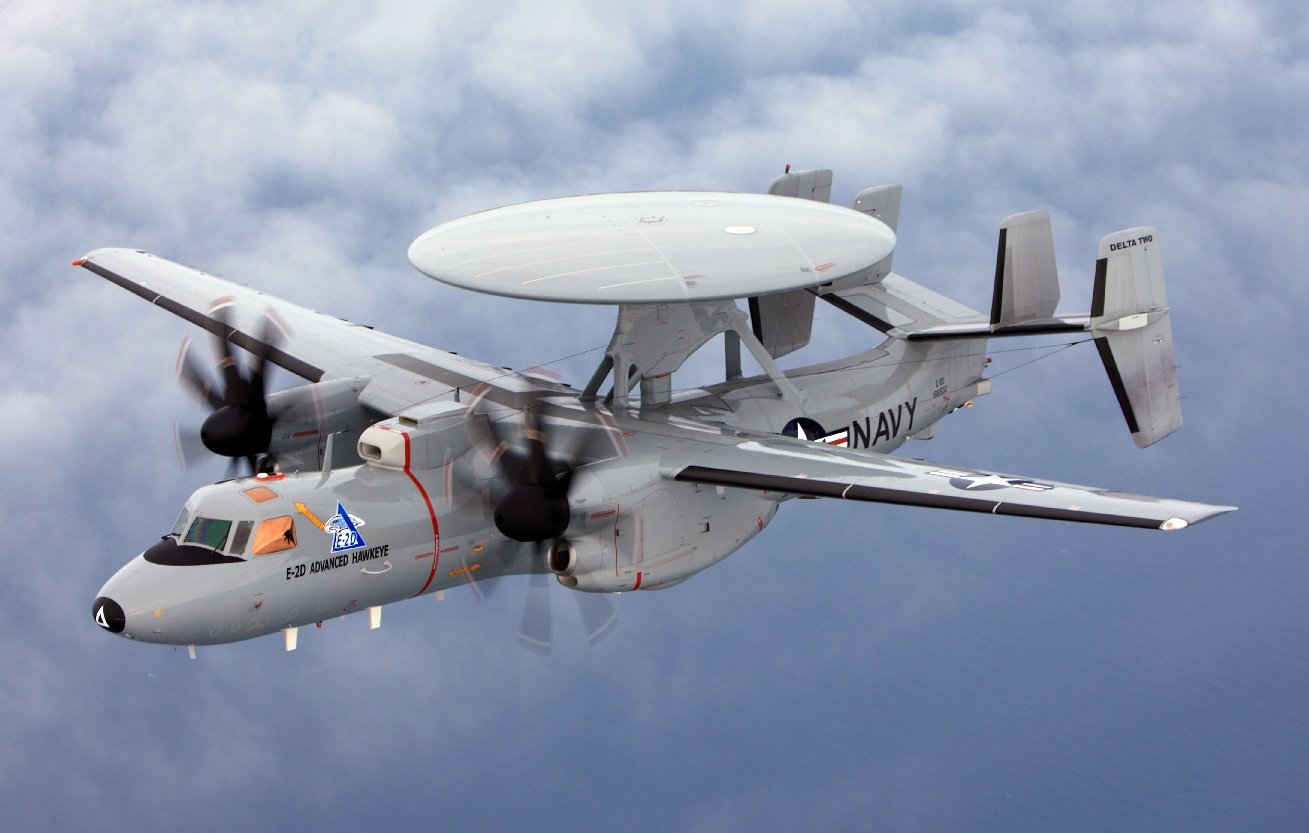 U.S. Navy Awards Northrop Grumman $1.2 Billion Deal for Three New E-2D Advanced Hawkeyes
-
 DRDO Successfully Conducts Maiden Flight Test of 150-km-Range Kusha M1 Air Defence Missile
-
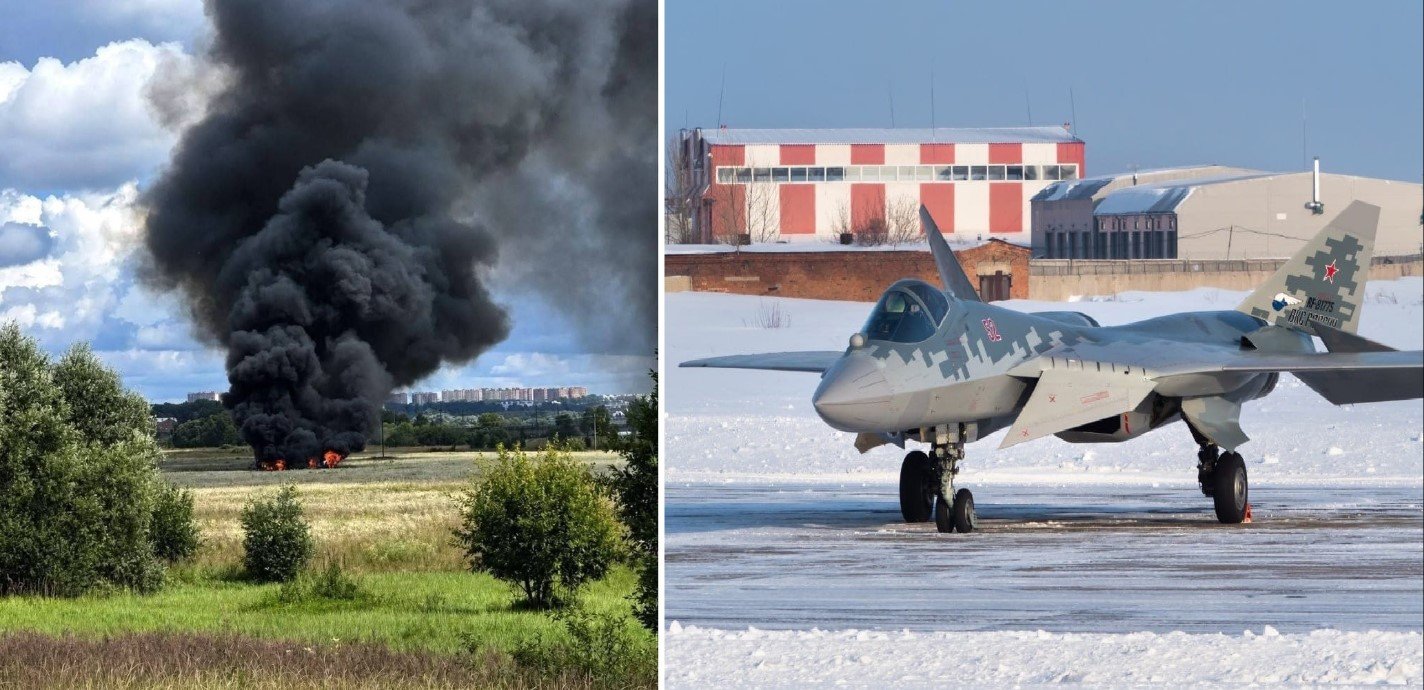 Russian Su-57 Stealth Fighter Crashes During Training Flight Near Moscow, Pilot Ejects Safely
-
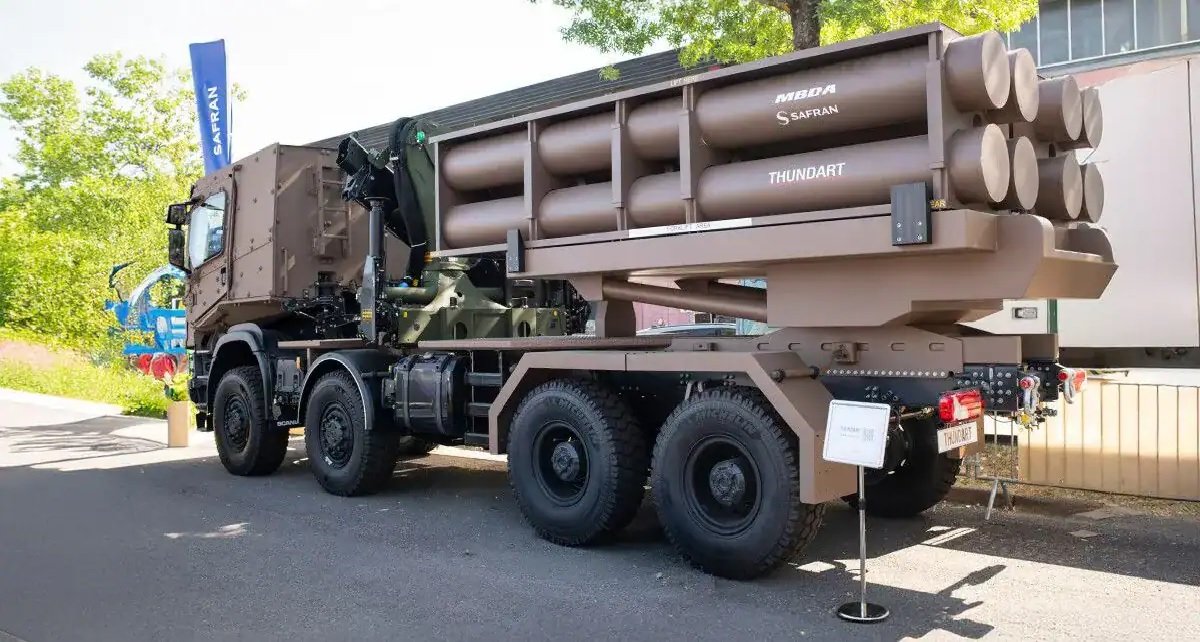 France's THUNDART Long-Range Rocket System May Undergo Prototype Combat Testing in Ukraine
-
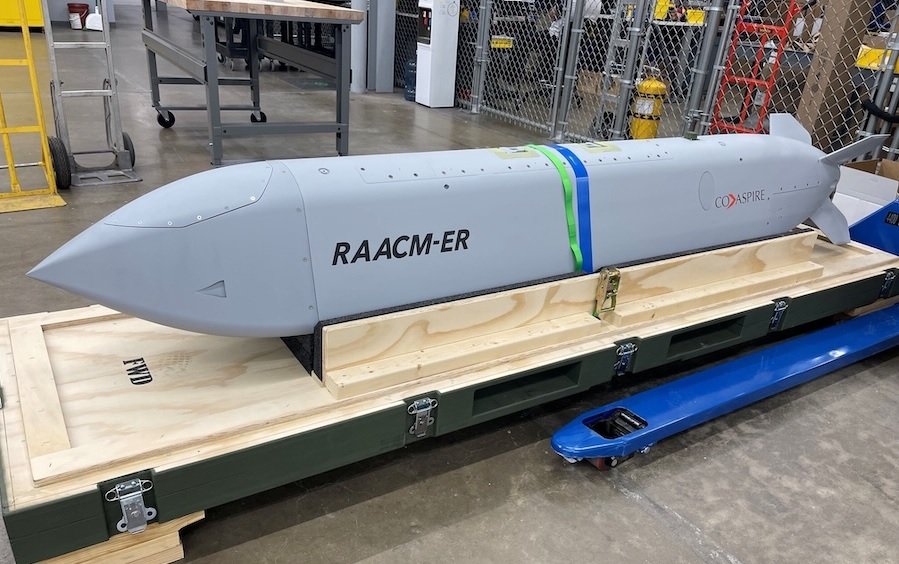 U.S. Navy Selects CoAspire to Build Ground-Launched CHAOS Cruise Missile Under $70 Million Program
-
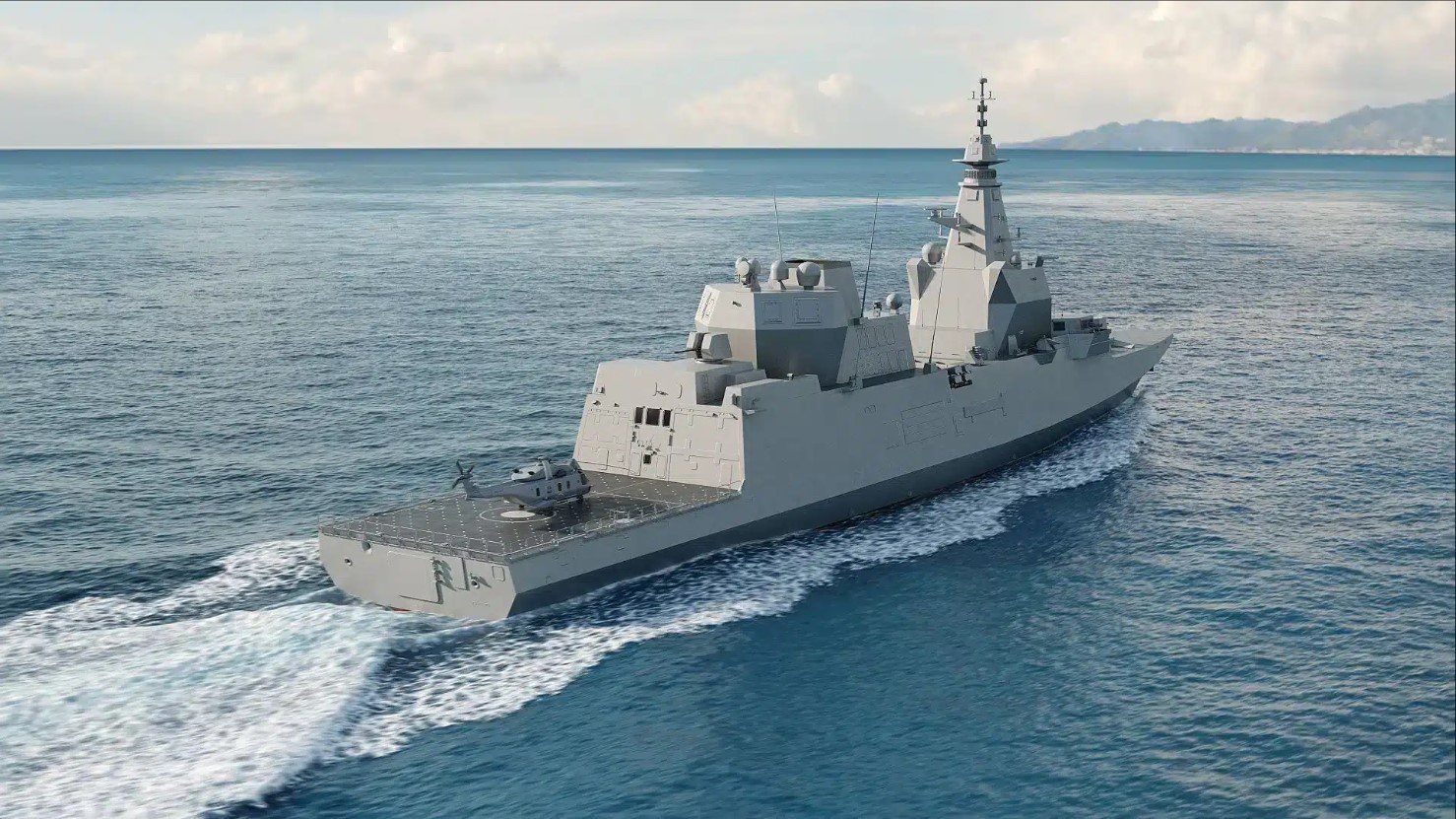 Portugal Orders Three FREMM EVO Frigates from Italy in €3.9 Billion Naval Deal
-
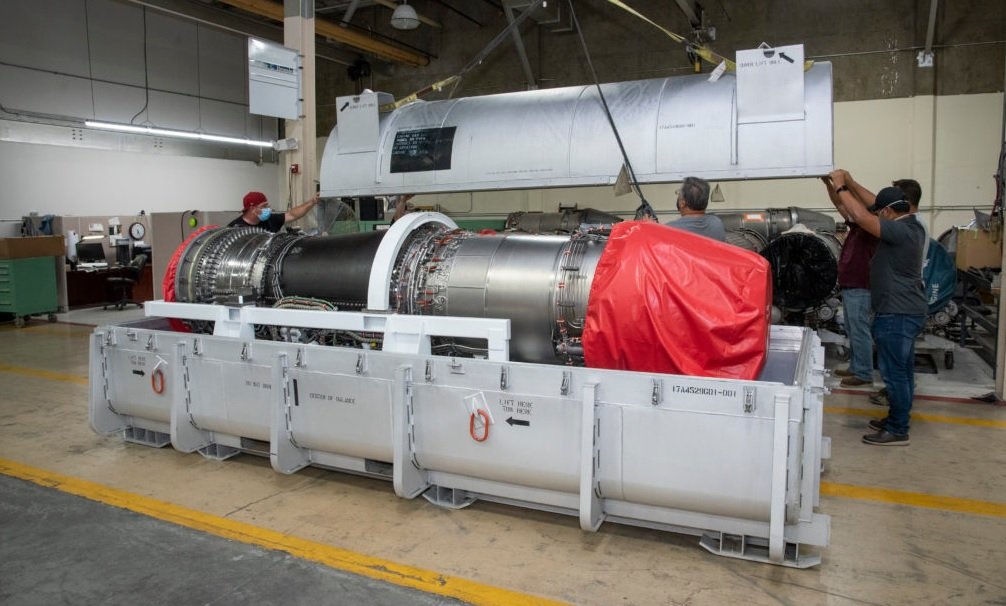 GE Aerospace and Magellan Aerospace Corporation Sign Strategic MoU for F414 Engine Sustainment in Canada
-
 Destinus Unveils Vorexon Interceptor Concept to Defend Critical Sites from Artillery Threats
Top Trending in 4 Days
-
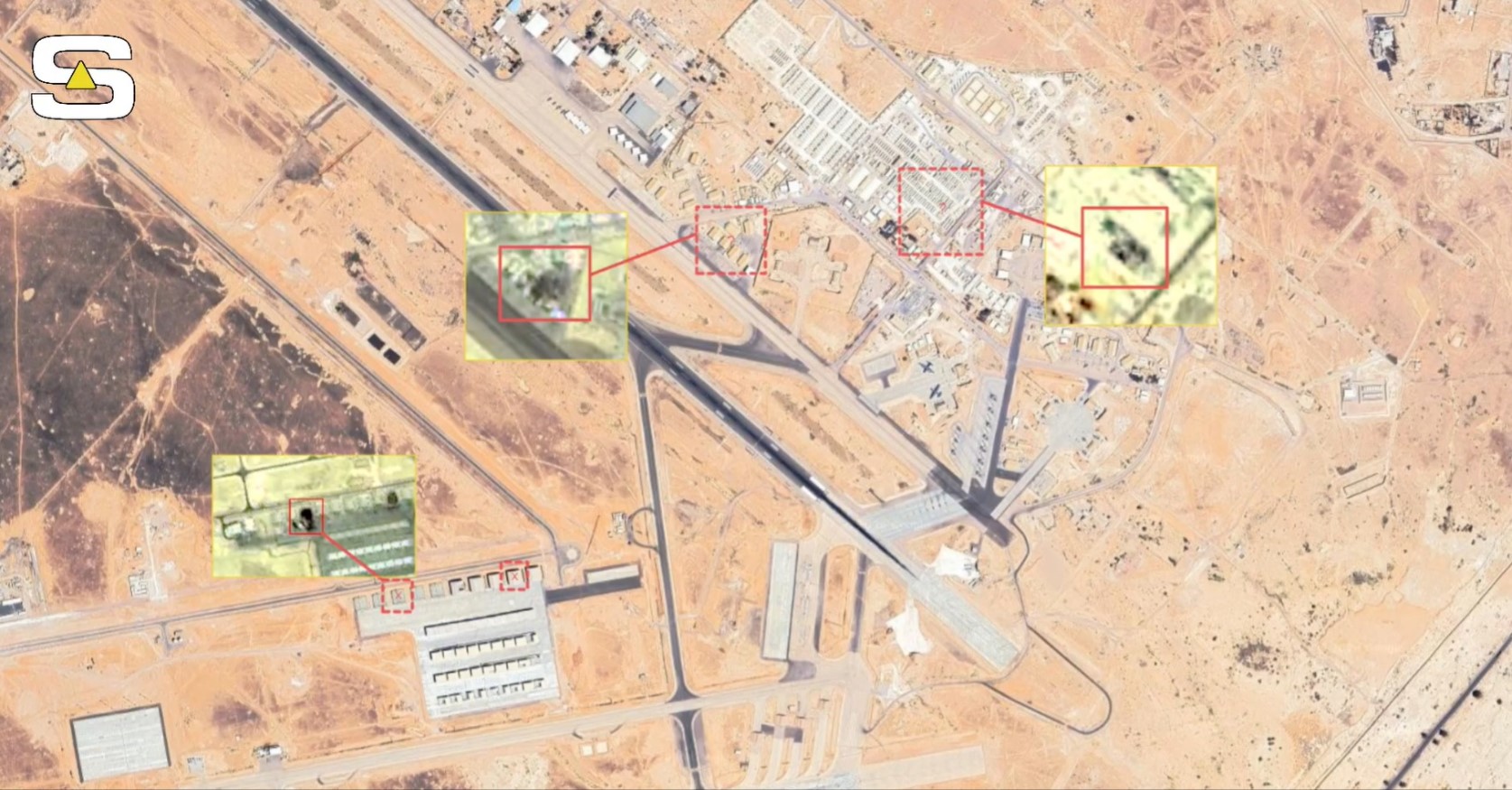 New Satellite Imagery Reveals Extensive Damage at Jordan's Muwaffaq al-Salti Air Base After Iranian Missile Strike
-
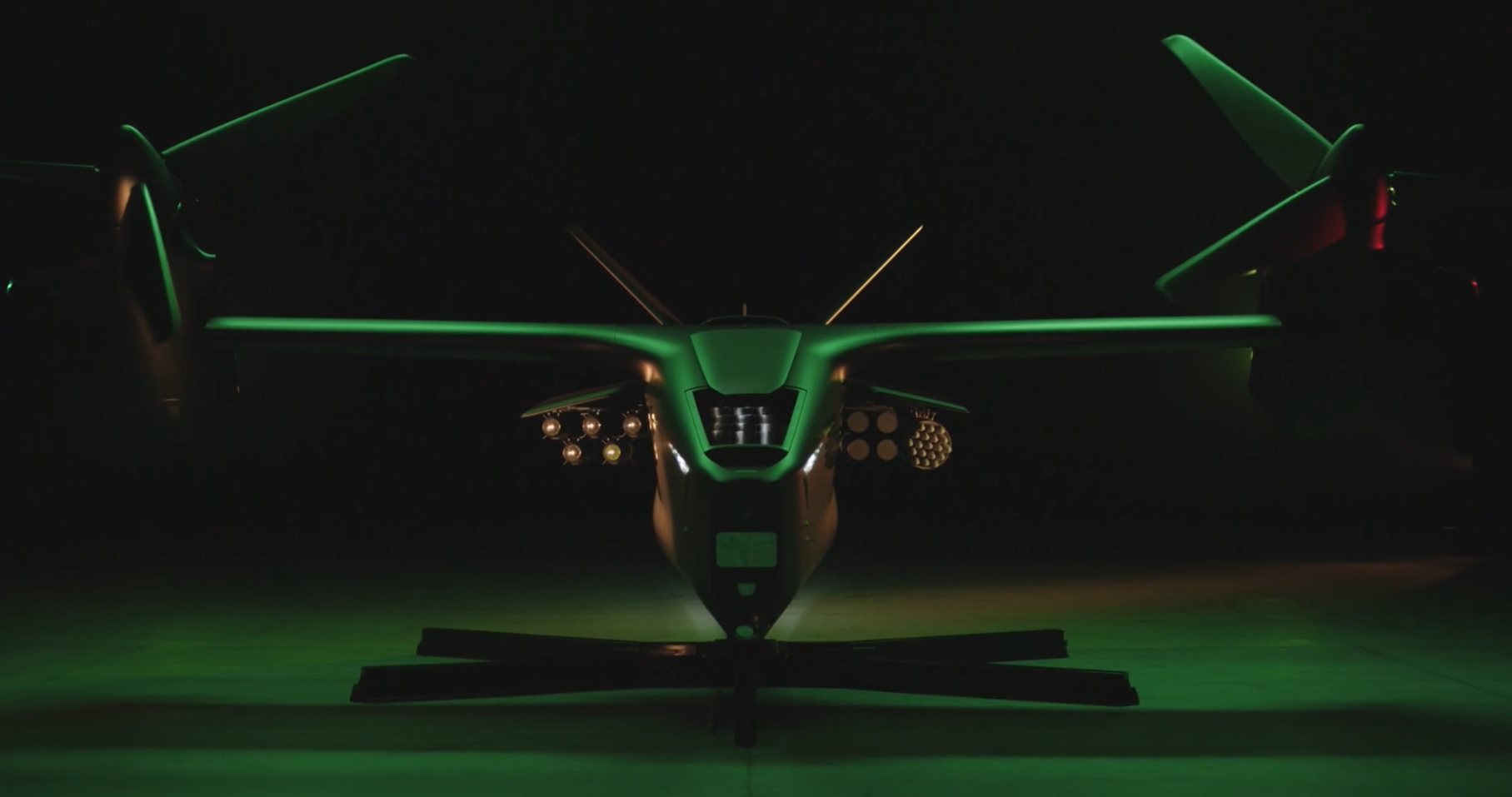 Anduril Unveils Thunder Autonomous Attack Rotorcraft Built with Archer Aviation to Support Apache Helicopters
-
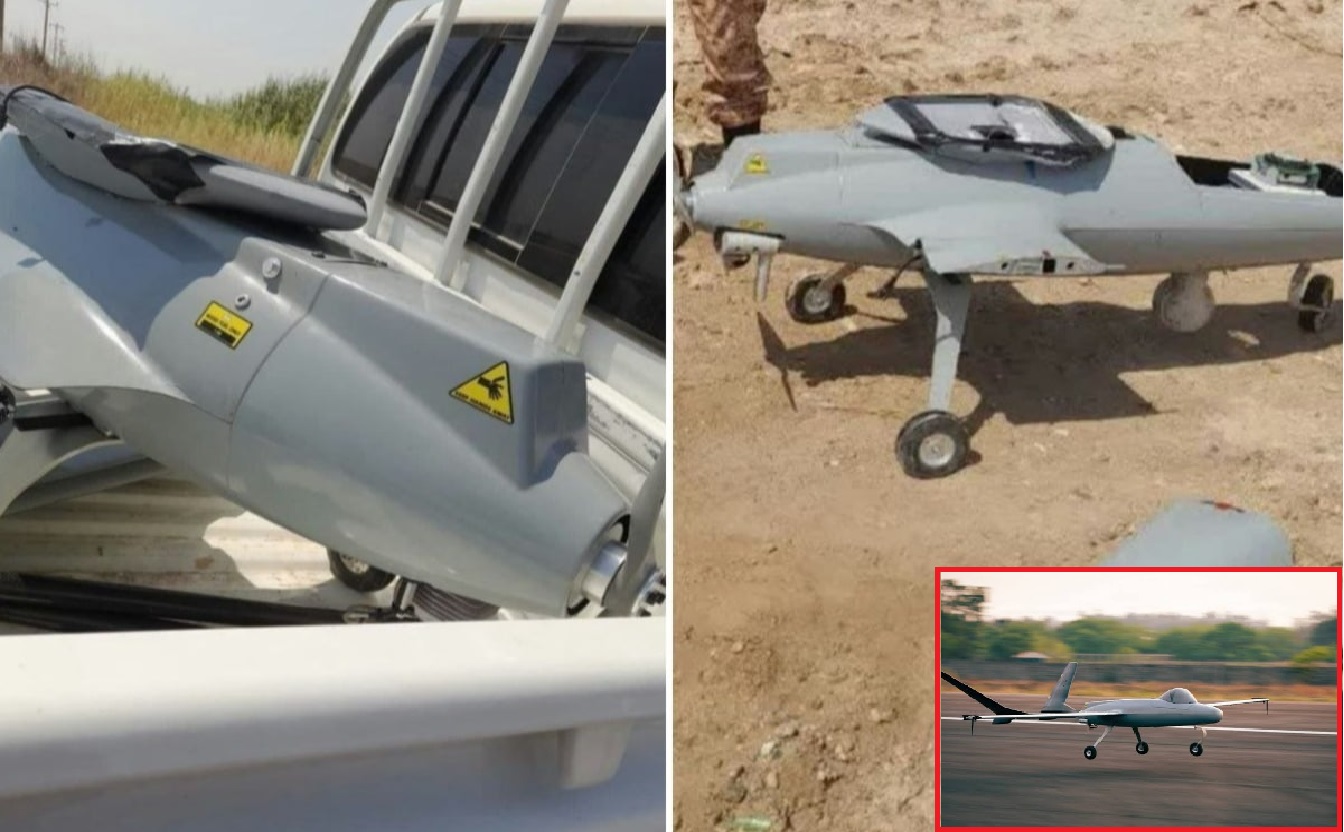 Iran Claims It Shot Down U.S.-Operated Polish-Built Tiguar-M Drone, Releases Images
-
 U.S. Marine Corps Selects AI-Powered Bullfrog Weapon Station for L-MADIS Counter-Drone Platform
-
 Pratt & Whitney Completes Testing of 3D-Printed TJ150 Engine for Military Applications
-
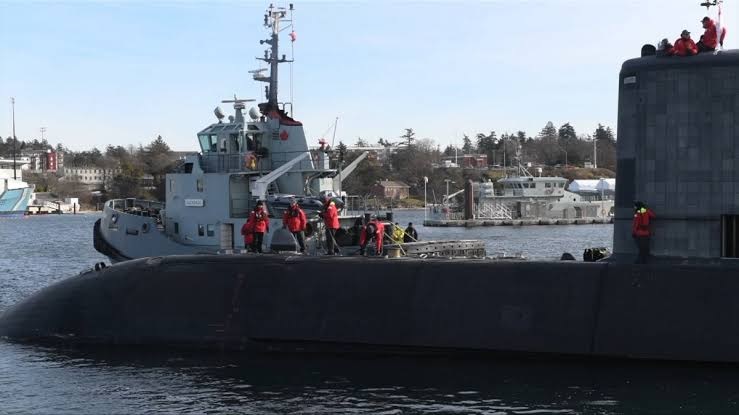 Canada Awards Babcock $1.1 Billion Six-Year Contract Extension to Support Victoria-Class Submarine Fleet
-
 Lockheed Martin Unveils MORFIUS X-Rotor High-Power Microwave System That Can Neutralize 50+ Drones in One Flight
-
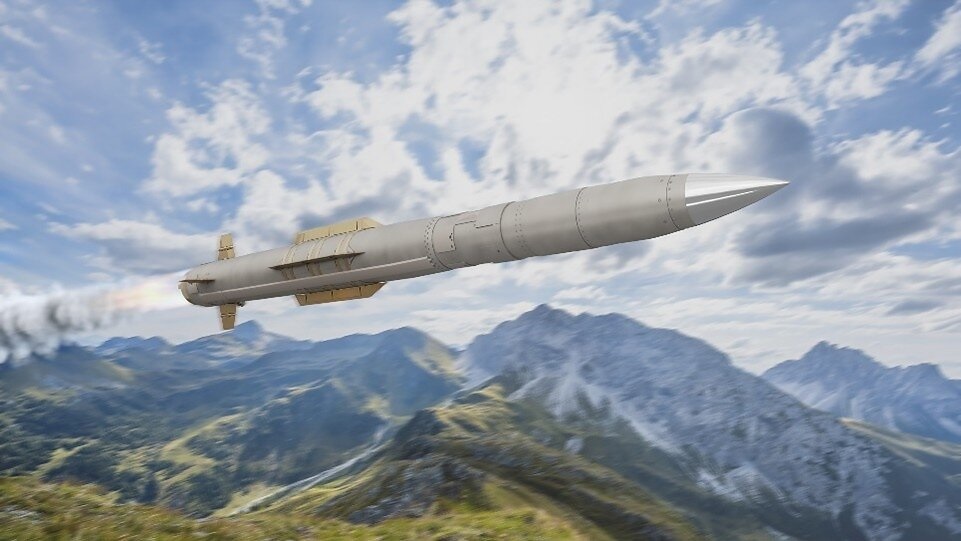 Lockheed Martin Unveils Lower-Cost PAC-3 ACE Interceptor for Patriot Air Defense System
