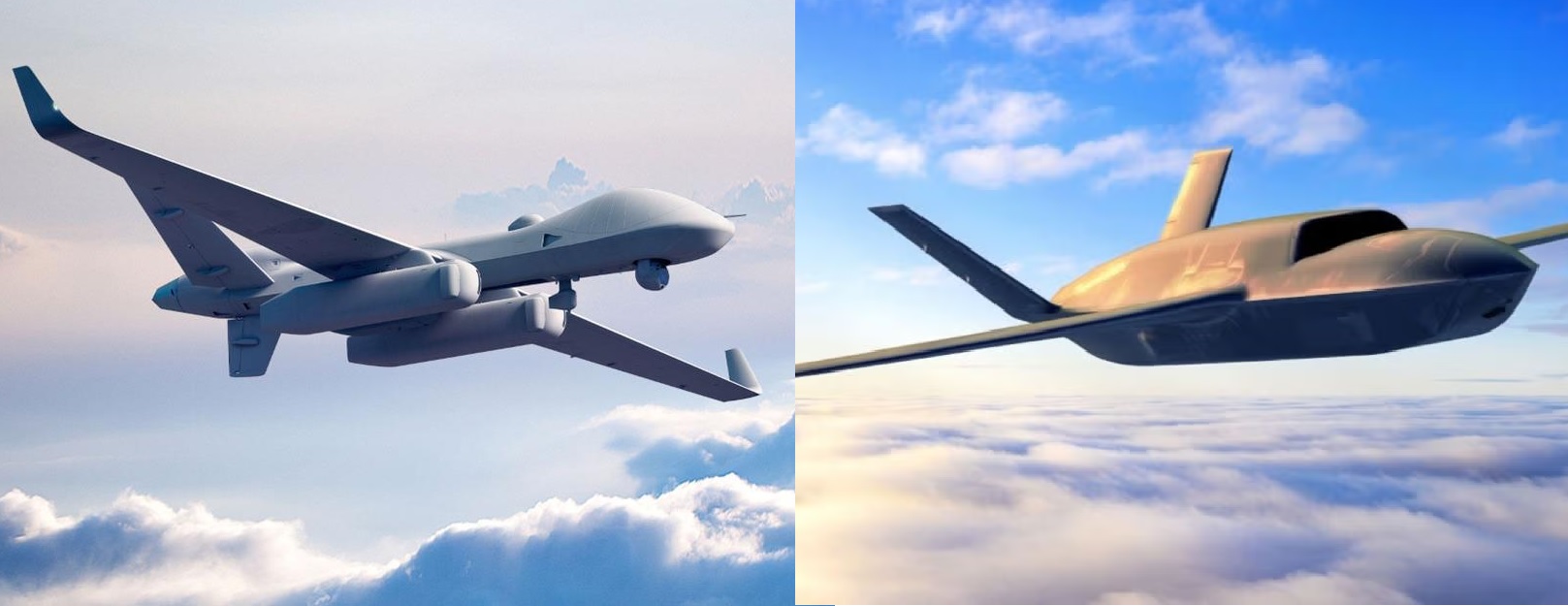
RIYADH / WASHINGTON : According to a 28 January 2026 report, Saudi Arabia is in advanced negotiations with U.S. defense manufacturer General Atomics Aeronautical Systems, Inc. (GA-ASI) for a large-scale acquisition of unmanned aerial systems, covering both long-endurance surveillance platforms and next-generation autonomous combat aircraft.
The discussions involve a potential procurement of up to 130 MQ-9B SkyGuardian and SeaGuardian drones, along with approximately 200 Gambit-series Collaborative Combat Aircraft (CCAs). Defense and industry sources indicate the talks have moved into detailed technical and industrial negotiations, though no final agreement has yet been signed.
Status of Talks
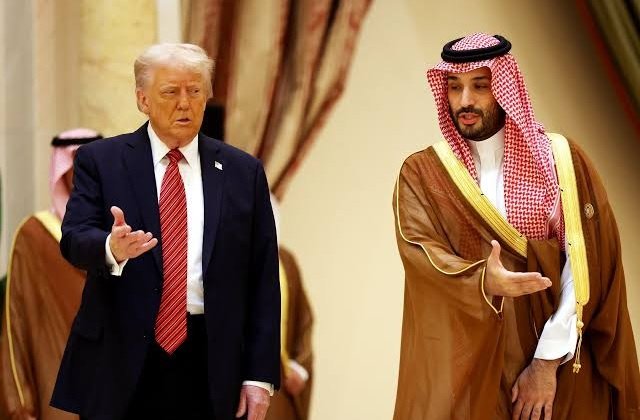
The report states that negotiations are now focused on platform configuration, basing options, sustainment, and industrial participation. The talks are being led by the Saudi Ministry of Defense in coordination with the General Authority for Military Industries (GAMI), the Royal Saudi Air Force (RSAF), and the Royal Saudi Naval Forces (RSNF). On the U.S. side, GA-ASI is conducting the discussions within existing export control and foreign military sales frameworks.
GA-ASI President David Alexander has confirmed that the company is engaged in high-level discussions with Saudi authorities on a large unmanned systems package. The proposed deal is being aligned with broader U.S.–Saudi defense cooperation efforts aimed at modernizing Saudi air and maritime capabilities.
Saudi planners are also assessing operational flexibility, including the possibility of introducing Short Take-Off and Landing (STOL) adaptations for parts of the MQ-9B fleet to support operations from austere airfields or limited naval infrastructure.
Platforms and Operational Roles
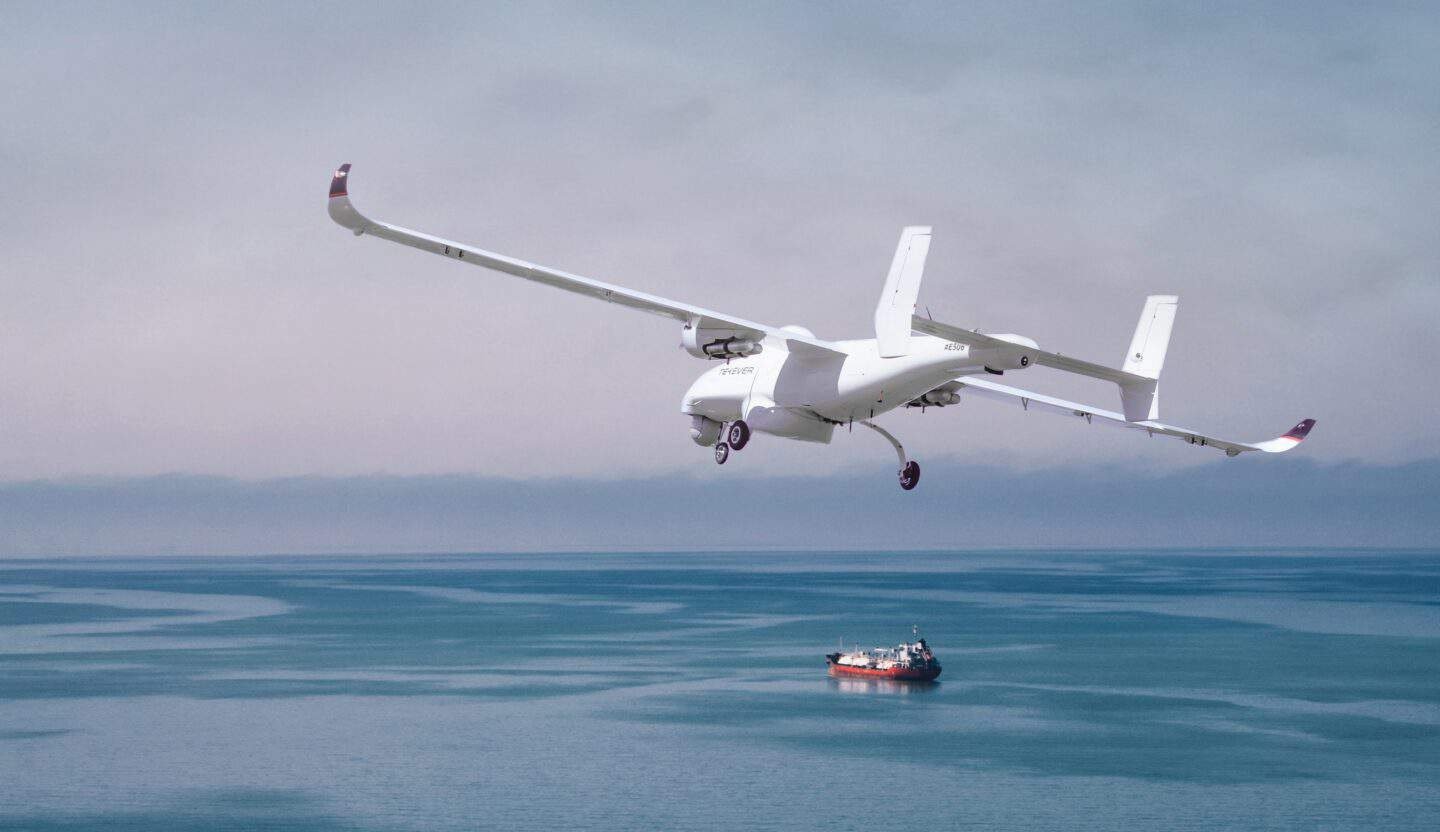
The MQ-9B SkyGuardian is being evaluated for persistent Intelligence, Surveillance, and Reconnaissance (ISR) missions over land, particularly along Saudi Arabia’s extended borders. The SeaGuardian variant is under consideration for maritime surveillance roles, including monitoring shipping routes and coastal approaches in the Red Sea and the Persian Gulf.
The proposed inclusion of Gambit CCAs reflects Saudi Arabia’s interest in advancing Manned-Unmanned Teaming (MUM-T). These uncrewed jet aircraft are designed to operate alongside manned fighters, extending sensor coverage, carrying additional payloads, and conducting high-risk missions under human supervision. Saudi assessments link the CCAs to future operations with existing F-15SA aircraft and potential next-generation platforms.
Saudi Assessment and Industrial Role
GAMI is shaping the industrial framework of the negotiations, emphasizing compliance with Vision 2030 objectives. According to the report, Saudi Arabia is seeking local assembly, maintenance, and sustainment capabilities rather than a purely off-the-shelf acquisition, in line with its goal of localizing 50 percent of defense spending.
Saudi defense assessments view the MQ-9B as a mature and reliable ISR platform, while the CCAs are regarded as a long-term investment in autonomous warfare capabilities, mission systems development, and domestic technical expertise.
Remaining Issues
Several issues remain unresolved. Technology transfer and operational sovereignty are central points of negotiation, with Saudi Arabia seeking greater control over maintenance and software support, areas governed by U.S. export regulations.
Platform survivability is also under discussion, with Saudi officials requesting enhanced defensive systems for the MQ-9B, including electronic countermeasures and missile warning systems, in response to past losses of similar platforms in contested environments.
In addition, Saudi negotiators are seeking assurances that any industrial arrangement will be distinct and competitive within the Gulf region, particularly in light of GA-ASI’s recent co-production agreements with regional partners outside the Kingdom.
——— End of Article ———