WASHINGTON : The U.S. Navy has deployed the nuclear-powered aircraft carrier USS Theodore Roosevelt (CVN-71) from San Diego on a new operational assignment that is widely assessed to be directed toward the Western Pacific, a region central to U.S. military posture in the Indo-Pacific and strategically significant to China.
The Navy has not publicly disclosed the carrier’s final destination or mission set, consistent with standard operational security practices. However, defense officials and open-source naval tracking assessments indicate that the Roosevelt is expected to operate in the Western Pacific and broader Indo-Pacific theater, where the United States seeks to maintain continuous aircraft carrier coverage.
Carrier Rotation and Regional Presence
The deployment comes amid a period of carrier rotation in the Indo-Pacific. The USS Abraham Lincoln (CVN-72), which had been operating in the South China Sea, recently transited westward toward the Middle East. That movement has temporarily reduced the number of U.S. carriers available in East Asia, creating what defense planners describe as a short-term carrier gap.
In such circumstances, U.S. naval doctrine typically calls for the redeployment of another carrier strike group to ensure sustained presence. The Theodore Roosevelt’s departure aligns with this pattern and is viewed as a rotation rather than a surge, intended to maintain established force levels rather than expand them.
The U.S. Navy has long emphasized the importance of forward-deployed naval forces in the Indo-Pacific, where aircraft carriers serve as mobile airbases capable of supporting air operations, maritime security missions, and joint exercises with regional allies.
Operational Role of the Theodore Roosevelt Strike Group
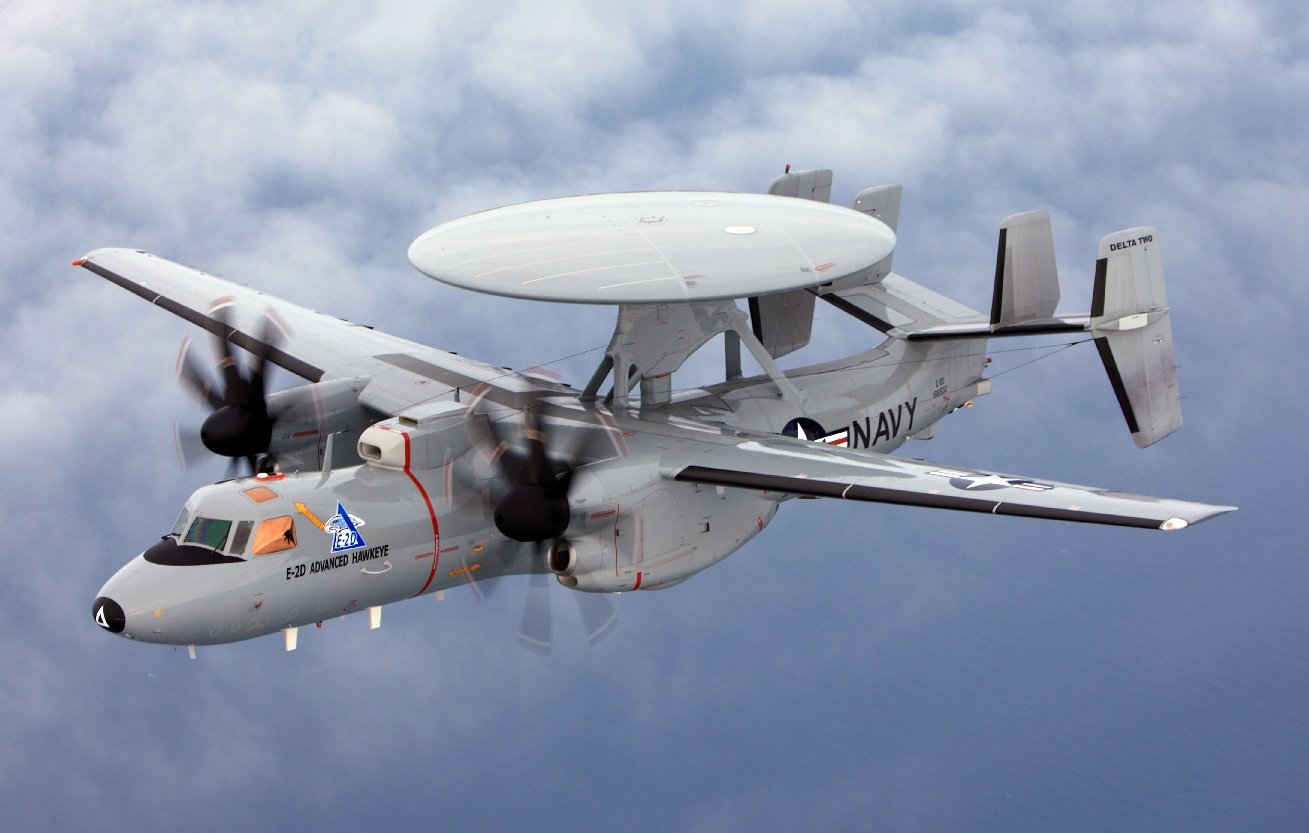
As a Nimitz-class nuclear aircraft carrier, the Theodore Roosevelt embarks a carrier air wing composed of strike fighters, electronic warfare aircraft, airborne early warning platforms, and helicopters. The carrier is accompanied by a strike group that typically includes guided-missile cruisers, destroyers, and logistical support vessels.
Once in theater, such strike groups routinely conduct flight operations, freedom of navigation activities consistent with international law, and bilateral or multilateral exercises with allied and partner navies, including Japan, South Korea, Australia, and other regional states.
U.S. officials consistently describe these deployments as part of normal naval operations and long-standing commitments to regional stability and the security of sea lines of communication.
Strategic Context Involving China
The Western Pacific is often characterized as a core area of strategic interest for China, particularly waters near the South China Sea and the Taiwan Strait. The United States, for its part, maintains that its naval presence in the region is defensive in nature and aimed at deterring conflict rather than provoking it.
The Roosevelt’s likely arrival coincides with heightened attention to internal and external pressures facing China’s military establishment. While the U.S. government has not linked the deployment to any specific developments inside China, analysts note that sustained U.S. carrier operations are intended to signal continuity and predictability in American defense policy.
Washington has repeatedly stated that it opposes unilateral changes to the status quo in the Taiwan Strait and supports peaceful resolution of cross-strait issues. Carrier deployments are viewed within the Pentagon as one of several tools used to reinforce that position without altering existing policy frameworks.
No Change Announced in U.S. Policy
U.S. defense officials have not announced any changes to force posture, rules of engagement, or policy related to Taiwan or China in connection with the Roosevelt’s deployment. The mission is described as consistent with routine global force management and the Navy’s ongoing responsibility to balance commitments across multiple regions, including the Indo-Pacific and the Middle East.
Further details about the carrier’s exact operating areas and duration of deployment are not expected to be released publicly. The Navy typically provides limited updates once a carrier strike group enters its area of operations.
For now, the deployment of the USS Theodore Roosevelt underscores the continuation of established U.S. naval practices in the Indo-Pacific, centered on carrier rotations, alliance engagement, and maintaining a visible but routine presence in strategically important waters.
——— End of Article ———