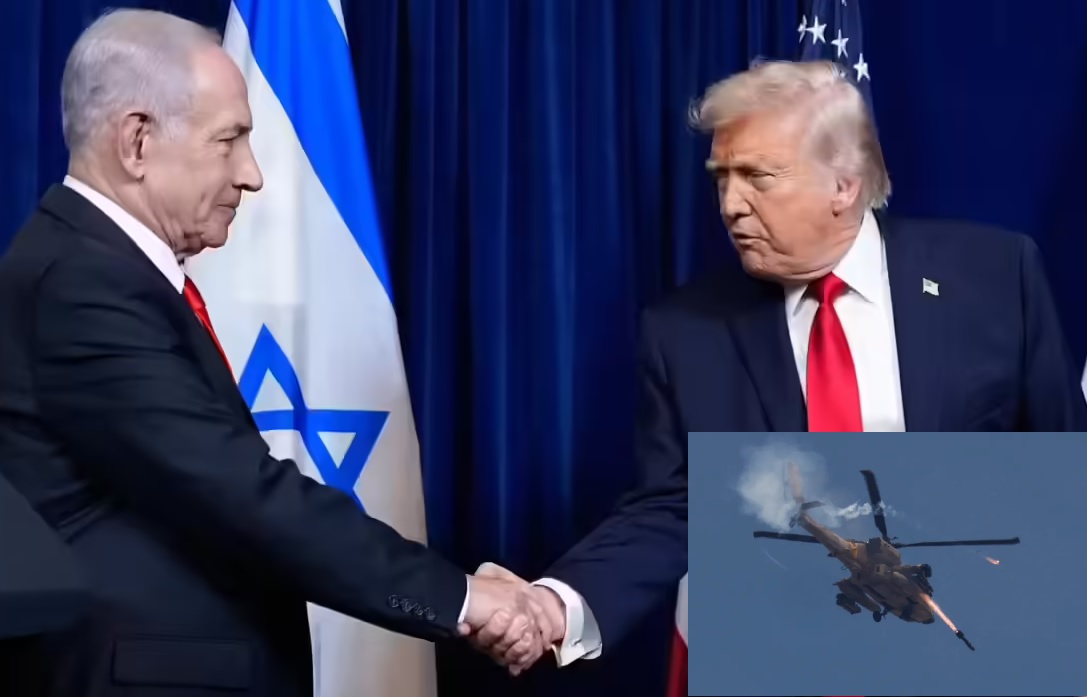
WASHINGTON : The Trump administration has approved a new round of major U.S. arms sales to key Middle Eastern allies, authorizing weapons packages valued at $6.67 billion for Israel and $9 billion for Saudi Arabia, the State Department announced late Friday.
The approvals come amid heightened regional tensions, including rising speculation over potential U.S. military action against Iran, and as Washington continues diplomatic efforts to stabilize the region following the prolonged Gaza conflict.
Congressional Notification and Regional Context
According to the U.S. State Department, Congress was formally notified of the proposed sales earlier on Friday, with the public announcement following later in the day. Under U.S. law, lawmakers retain the right to review and potentially block the transfers, though such objections are rare when it comes to close U.S. allies.
The arms packages were approved as President Donald Trump continues to advance a U.S.-backed ceasefire and reconstruction framework for Gaza aimed at ending the Israel–Hamas conflict. While the ceasefire has largely held, U.S. officials acknowledge that subsequent phases of the plan will involve complex challenges, including the possible deployment of an international security force and the disarmament of Hamas.
$9 Billion Patriot Missile Sale to Saudi Arabia
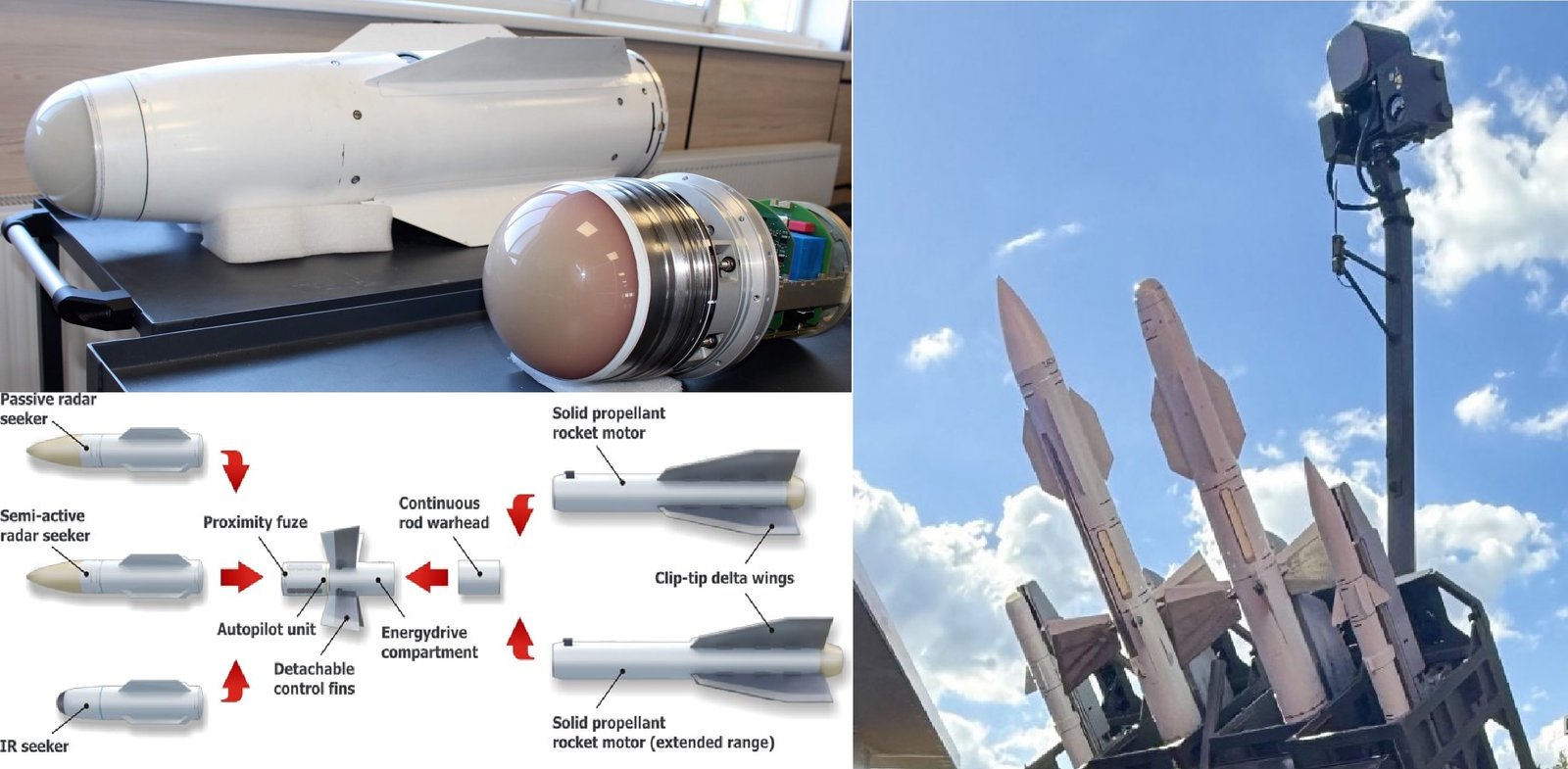
The largest single package approved involves the sale of 730 Patriot Advanced Capability (PAC) missiles and associated systems to Saudi Arabia, valued at approximately $9 billion. The State Department described Saudi Arabia as a “Major non-NATO Ally” and said the sale supports U.S. foreign policy and national security objectives in the Gulf region.
The department said the missile systems would strengthen Saudi Arabia’s territorial defense while also enhancing protection for U.S. forces and allied assets deployed in the region. The additional missiles are intended to integrate into existing regional air and missile defense networks, improving collective defenses against ballistic missile and aerial threats.
The announcement followed meetings in Washington between Saudi Defense Minister Khalid bin Salman and senior U.S. officials, including Secretary of State Marco Rubio and Defense Secretary Pete Hegseth.
Israel Arms Sales Divided Into Four Packages
The arms sales approved for Israel are divided into four separate packages totaling $6.67 billion, according to the State Department. The largest component involves the purchase of 30 Apache AH-64 attack helicopters, along with related weapons, rocket launchers, and advanced targeting systems. This portion of the deal is valued at $3.8 billion.
A second major package includes 3,250 light tactical vehicles, costing $1.98 billion, intended to enhance mobility for personnel and logistical operations of the Israel Defense Forces (IDF). The vehicles are expected to support extended supply lines and operational flexibility across multiple theaters.
Israel will also spend $740 million on new power packs for armored personnel carriers that have been in service since 2008, extending the operational life of existing armored platforms. The remaining $150 million will fund the acquisition of a limited number of light utility helicopters designed to complement Israel’s existing rotary-wing fleet.
U.S. Position on Military Balance
In separate but nearly identical statements accompanying each Israeli package, the State Department said the approved sales would not alter the regional military balance. Officials emphasized that the equipment is intended to enhance Israel’s ability to respond to current and future threats while improving defense of borders, critical infrastructure, and civilian population centers.
“The United States is committed to the security of Israel,” the department said, adding that supporting Israel’s self-defense capability remains a core U.S. national interest.
Broader Strategic Implications
U.S. officials said the combined sales reflect Washington’s broader strategy of strengthening allied defense capabilities while maintaining interoperability with U.S. forces across the Middle East. The approvals underscore continued U.S. reliance on arms transfers as a tool of regional security policy, even as diplomatic initiatives aimed at de-escalation and post-conflict reconstruction continue alongside military cooperation.
Both the Israeli and Saudi packages will now proceed through the congressional review period before final contracts and delivery timelines are established.
——— End of Article ———