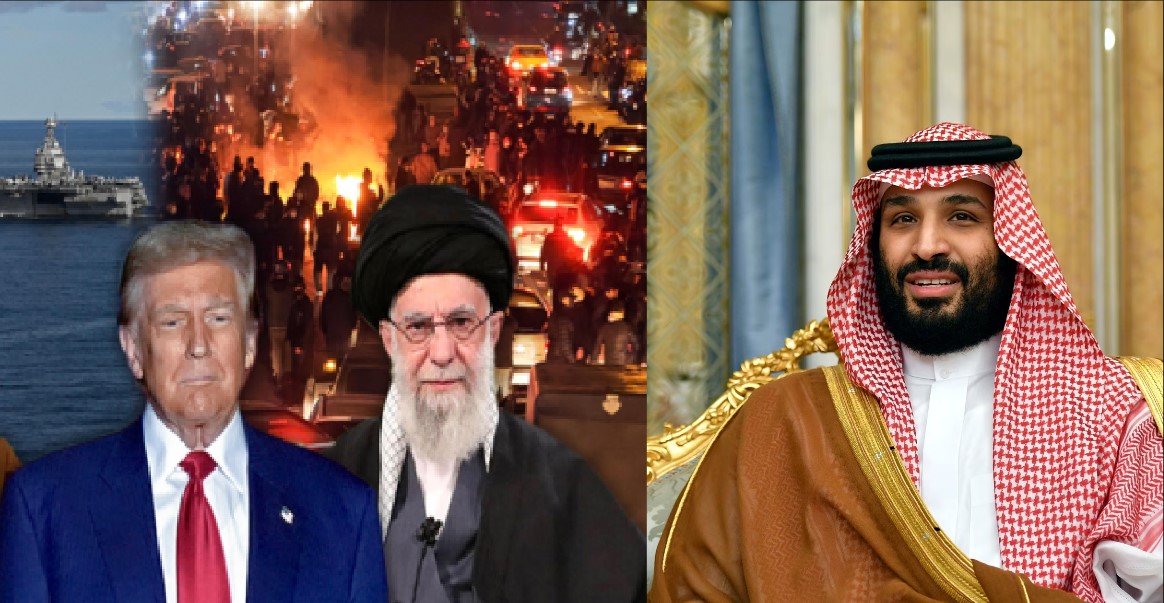
WASHINGTON : Saudi Arabia’s defense minister has privately warned senior U.S. officials that if the United States refrains from striking Iran after months of military threats and a major force deployment to the Middle East, Tehran would emerge politically and strategically stronger, according to people briefed on the discussions.
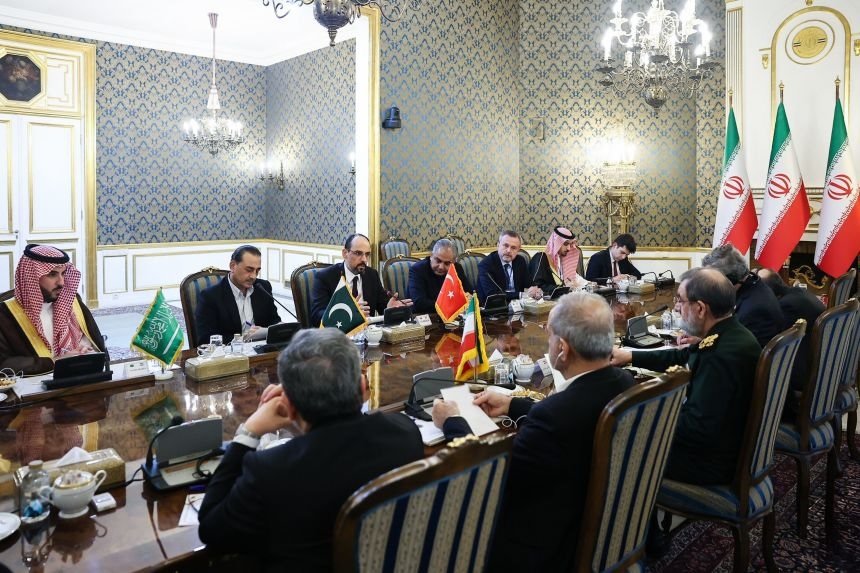
The warning was delivered by Saudi Defense Minister Prince Khalid bin Salman during a closed-door briefing in Washington on Friday, Axios reported. Speaking to U.S. officials and leaders of prominent policy think tanks, Prince Khalid argued that repeated public threats by Donald Trump to take military action against Iran, if not followed through, would embolden Tehran and weaken American deterrence across the region.
According to attendees, Prince Khalid said that a U.S. decision to stand down without securing concessions from Iran would be interpreted in Tehran—and by other U.S. adversaries—as evidence that Washington is unwilling to escalate to direct conflict, even after deploying substantial military power.
Context of U.S. Military Buildup
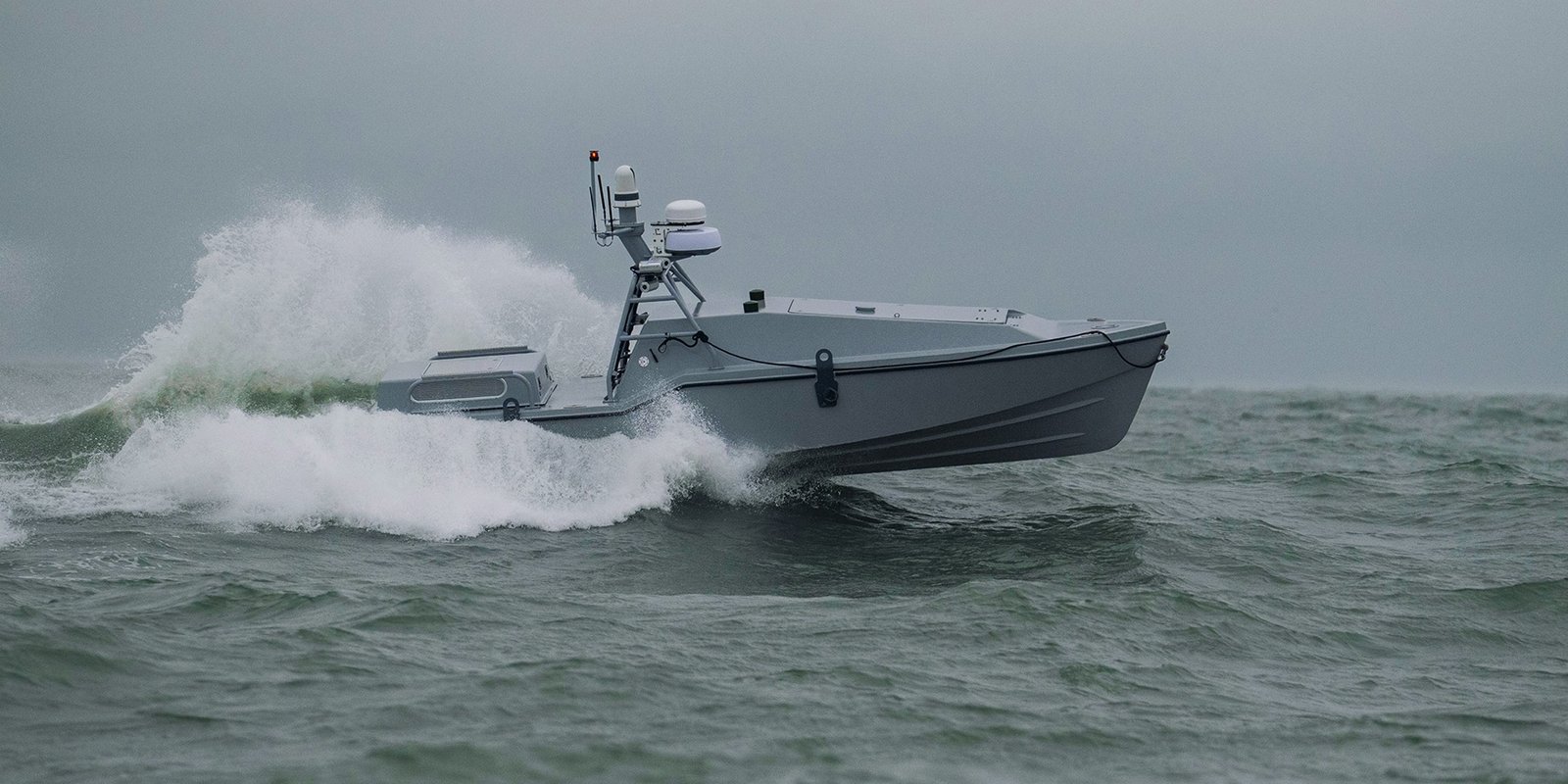
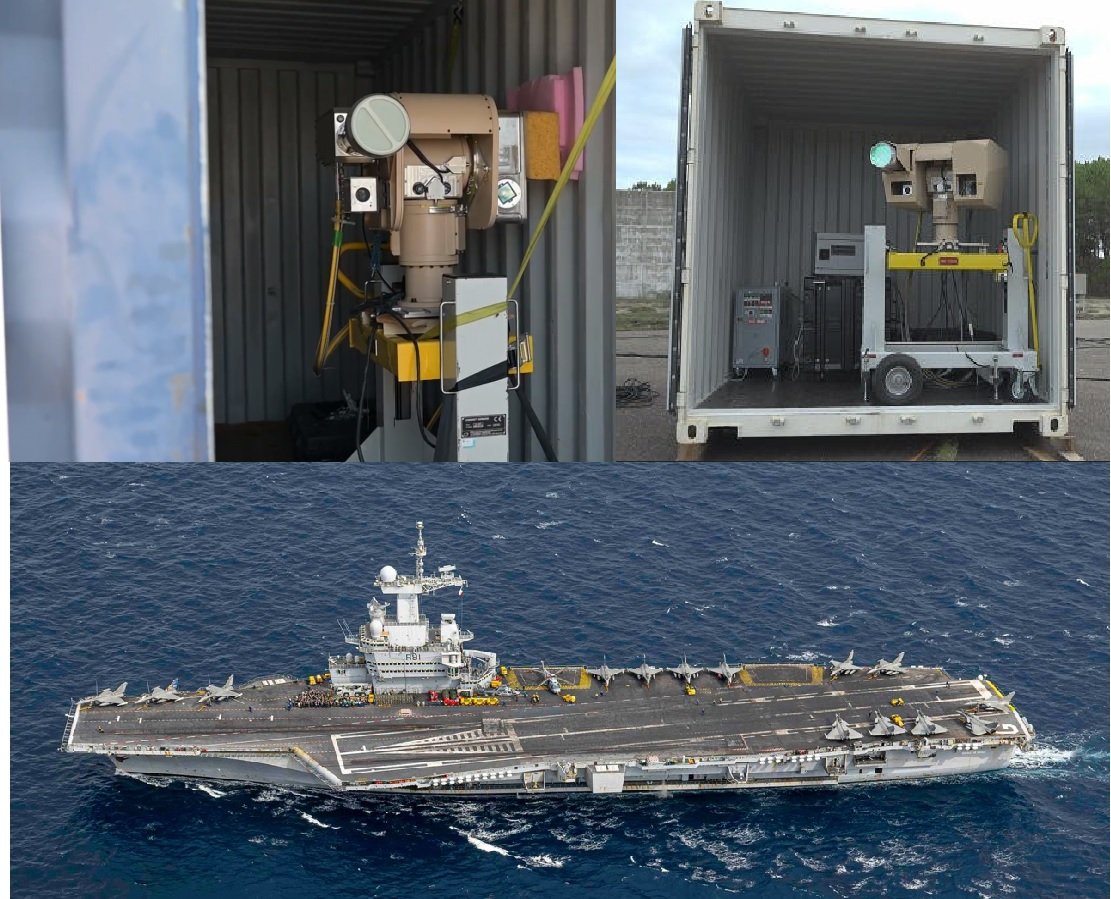
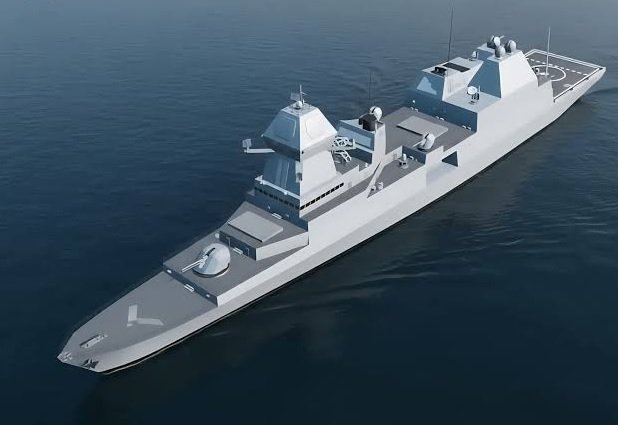
The Saudi warning comes after the United States significantly increased its naval and air presence in and around the Middle East, including the deployment of aircraft carrier strike groups, long-range bombers, and additional air defense assets. U.S. officials have described the buildup as a deterrent measure aimed at constraining Iran’s regional activities and signaling readiness to respond to threats against U.S. forces and allies.
Saudi officials privately argued that such a deployment creates expectations. If those forces are eventually withdrawn or repositioned without tangible outcomes, they warned, Iran would claim a strategic victory by asserting it successfully deterred the United States through pressure and persistence.
How Riyadh Assesses Iran Would Benefit
According to individuals familiar with the briefing, Prince Khalid outlined several ways in which Iran could emerge stronger if the U.S. does not act after issuing repeated warnings.
First, Iranian leaders would likely present the episode domestically and regionally as proof that their strategy of resistance and escalation short of war is effective against the United States. This narrative would reinforce hardline factions within Iran’s political and security establishment.
Second, Saudi officials believe a U.S. stand-down would undermine the credibility of American security guarantees in the Gulf. Regional states that rely on U.S. deterrence could begin recalibrating their policies toward Tehran, seeking accommodation rather than confrontation, thereby expanding Iran’s political influence without direct conflict.
Third, Saudi assessments shared during the discussions suggest Iran could feel less constrained in advancing sensitive military programs, including its nuclear activities and missile development, calculating that Washington is reluctant to move from pressure to force.
Divergence From Saudi Arabia’s Public Position
The private message contrasts sharply with Saudi Arabia’s public stance in recent weeks. Official Saudi statements have emphasized de-escalation, warned against a wider regional war, and reiterated that the kingdom would not allow its airspace or territory to be used for U.S. strikes against Iran.
According to diplomats, this public posture is intended to reduce the immediate risk of retaliation against Saudi infrastructure and population centers. Privately, however, Saudi leaders appear concerned that a prolonged crisis ending without U.S. action could leave Iran more confident and less restrained over the long term.
Broader Implications for U.S. Credibility
Saudi officials also raised concerns about the global implications of U.S. restraint. Participants in the briefing said Prince Khalid argued that adversarial states and non-state actors beyond the Middle East would closely study the outcome of the standoff with Iran.
In this assessment, failing to act after deploying major military assets would not be seen as strategic patience, but as a signal that U.S. leaders are unwilling to accept the risks of confrontation. Saudi officials warned this perception could encourage other hostile actors to test U.S. red lines elsewhere.
U.S. Deliberations Continue
The White House has not publicly commented on the private Saudi warning. U.S. officials continue to state that all options remain on the table and that military deployments are designed to deter conflict while protecting American personnel and interests.
As Washington weighs its next steps, Saudi Arabia’s message underscores a growing concern among some U.S. partners: that the outcome of the Iran standoff will shape regional power dynamics and perceptions of American resolve well beyond the current crisis.
——— End of Article ———