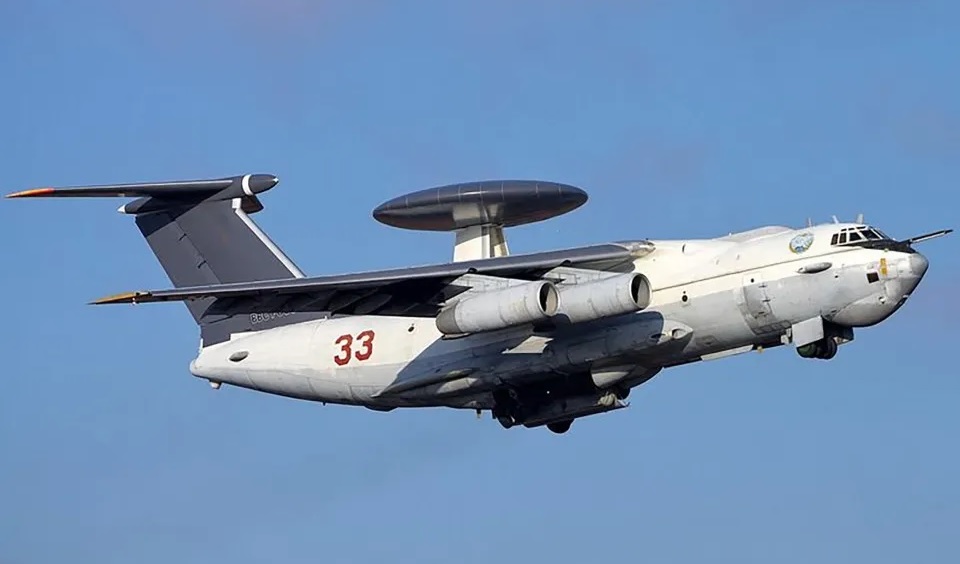
TAGANROG, Russia : The Russian government’s directive to resume production of the A-50 “Mainstay” airborne early warning and control (AEW&C) aircraft faces significant industrial and financial constraints after its manufacturer, Beriev Aircraft Company, reported a net loss of 5 billion rubles (approximately $65 million) for fiscal year 2025.
The Taganrog-based firm’s financial statements, released this week, show a sharp reversal from the previous year, when the company posted a modest profit. Beriev is the sole manufacturer of the A-50, one of Russia’s primary long-range airborne radar and battle management platforms.
Financial Performance and Debt Position
According to the published accounts, Beriev’s total revenue declined by a factor of 3.8 year-over-year, falling to approximately $49 million. The company’s liabilities to creditors increased to 27 billion rubles (around $350 million), reflecting growing debt obligations.
Accounts receivable — payments owed to the company — declined from $272 million to $129 million, indicating payment delays from state customers and reduced incoming cash flow. The combination of lower revenue, mounting liabilities, and shrinking receivables places pressure on the company’s ability to sustain operations and finance large-scale production programs.
The financial deterioration comes after Sergei Chemezov, head of the state defense conglomerate Rostec, announced plans to resume serial production of the A-50 aircraft. The initiative is intended to compensate for aircraft losses sustained during the conflict in Ukraine and to restore airborne surveillance capacity.
Industry analysts note that restarting production of a heavy radar aircraft requires a stable supplier network, access to avionics and electronic components, and substantial upfront capital investment. Current financial conditions at Beriev raise questions about the company’s ability to independently support such a program without additional state backing.
Facility Damage and Production Constraints
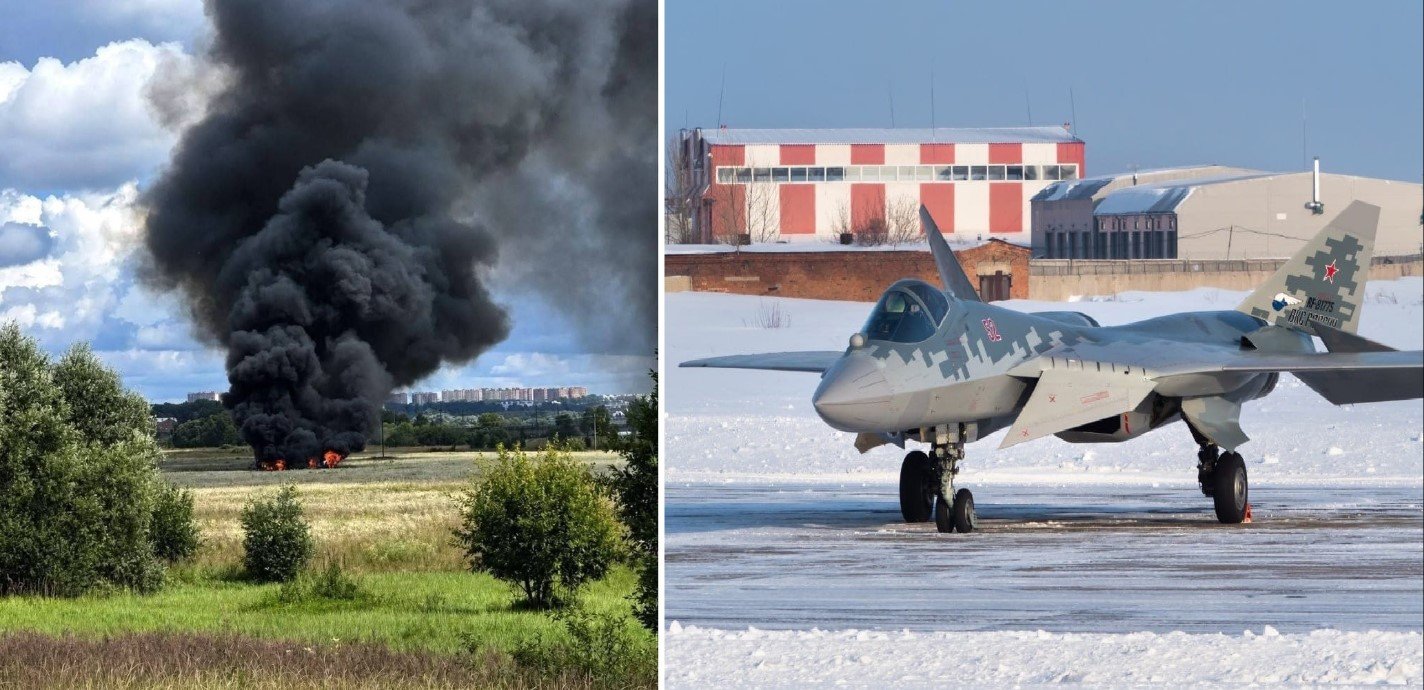
In addition to financial pressures, Beriev’s production infrastructure has been affected by repeated attacks. The Taganrog Aviation Scientific-Technical Complex (TANTK), located on the Sea of Azov and responsible for A-50 assembly and modernization work, has reportedly been targeted by long-range drones at least four times since late 2023.
Satellite imagery from November 2025 confirmed structural damage to sections of the facility's roof and assembly areas. Reports indicate that key assets were destroyed or damaged during these strikes, including an A-50 undergoing repair and the prototype A-100 “Premier”, which is designed as the next-generation successor to the A-50 platform.
Damage to assembly halls and specialized equipment may further complicate efforts to resume full-scale production or accelerate modernization schedules.
Fleet Status and Operational Impact
At the start of the conflict in 2022, the Russian Air Force operated a fleet of nine A-50 aircraft. The platform is used for airborne early warning, airspace surveillance, air-to-air combat coordination, detection of low-flying cruise missiles, and management of glide bomb operations.
Following the confirmed loss of two A-50 aircraft in early 2024 and additional damage to airframes while on the ground, the effective operational fleet has been reduced by approximately half. The reduced number of available aircraft has limited continuous radar coverage and required remaining platforms to operate at greater distances from contested areas.
The A-50’s role in extending radar horizons and coordinating air operations makes it a key asset in managing air defense and strike missions. With fewer aircraft available, operational tempo and coverage flexibility are constrained.
Production Timeline and Sanctions Environment
Prior to 2022, estimates suggested that producing a new A-50 airframe could take approximately two years under standard conditions. Current assessments indicate that production timelines would likely extend beyond pre-war schedules due to supply chain disruptions and international sanctions affecting access to high-technology electronics and avionics components.
The A-50 platform is based on the Il-76 airframe and incorporates specialized radar and mission systems that rely on complex integration processes. Restarting mass production would require restoring damaged facilities, stabilizing financing, and securing components within a constrained procurement environment.
As of now, no detailed production schedule or funding mechanism has been publicly disclosed to support the restart initiative.
——— End of Article ———