PARIS : The United Kingdom’s Royal Navy is accelerating its transition toward a “hybrid fleet” structure that integrates crewed warships with uncrewed and autonomous systems, as part of a long-term modernization strategy aimed at maintaining maritime superiority while managing fiscal and personnel constraints.
General Sir Gwyn Jenkins, the UK’s First Sea Lord and Chief of Naval Staff, formally identified the hybrid fleet model as the service’s primary structural objective during remarks at the fourth Paris Naval Conference on February 3, 2026. He stated that the Navy must adopt an approach based on incremental introduction and spiral development, enabling capabilities to be fielded and improved in stages rather than waiting for full technological maturity.
Strategic Framework Under SDR 2025
The transition is anchored in the 2025 Strategic Defence Review (SDR), which institutionalized the hybrid fleet concept. The review calls for a “more powerful but cheaper and simpler fleet” combining crewed platforms with uncrewed surface, subsurface, and aerial systems, supported by increasing levels of autonomy.
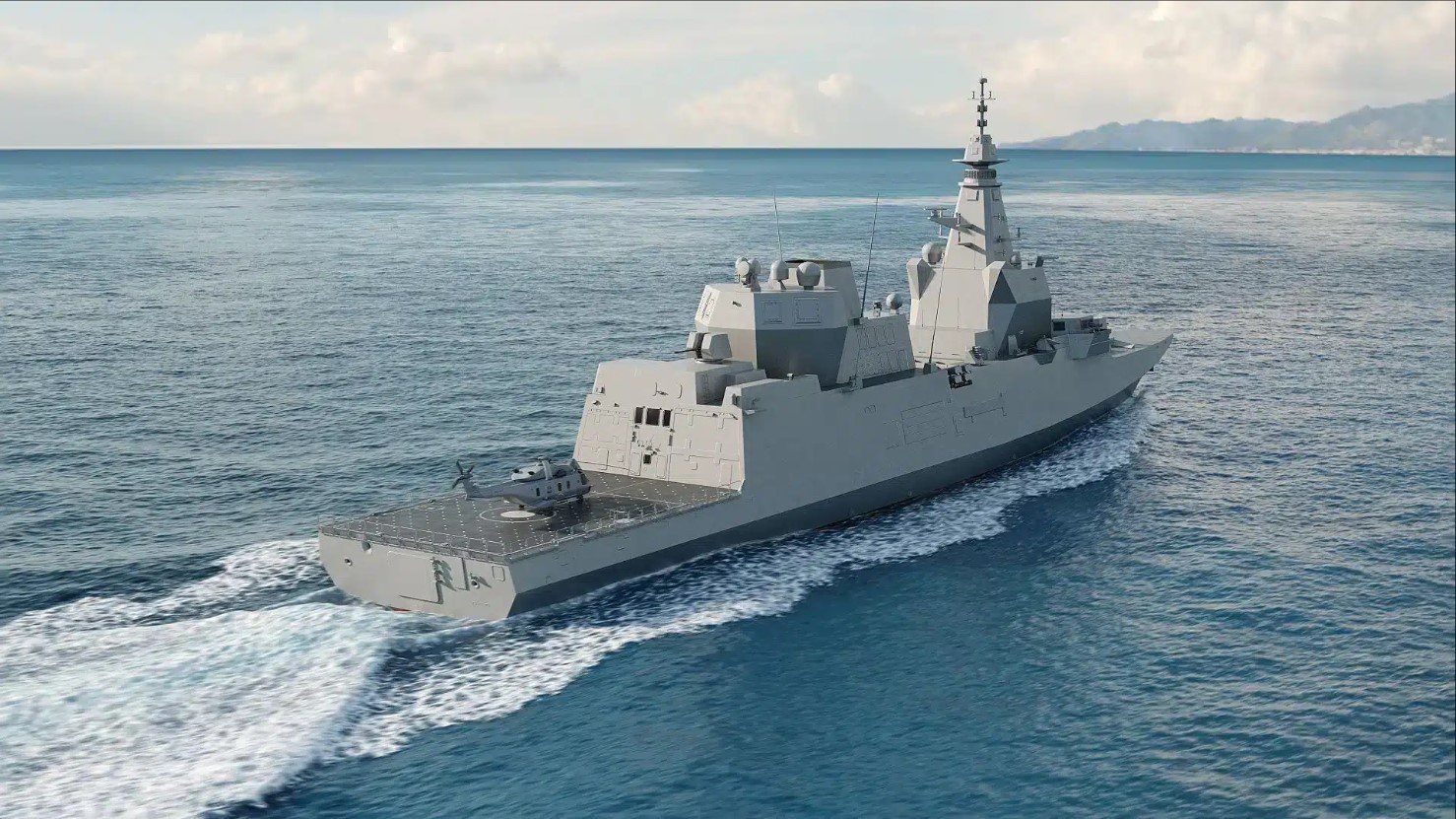
The framework promotes a “high-low” force mix, in which high-end crewed assets such as aircraft carriers and advanced frigates are complemented by lower-cost autonomous systems. This structure is designed to distribute operational tasks across a disaggregated fleet, helping mitigate budgetary pressures and recruitment challenges while maintaining operational reach.
The SDR outlines three principal operational pillars:
-
Atlantic Bastion focuses on protecting critical undersea infrastructure and North Atlantic sea lines of communication through the deployment of autonomous sensors and monitoring systems.
-
Atlantic Shield centers on strengthening air defense for the United Kingdom’s northern approaches by integrating uncrewed escort vessels alongside crewed ships.
-
Atlantic Strike envisions the use of carrier-based autonomous platforms to conduct long-range offensive operations, extending the reach of the Royal Navy’s carrier strike capability.
Capability Milestones Over the Next 24 Months
The Royal Navy has established specific capability objectives to be achieved by 2027.
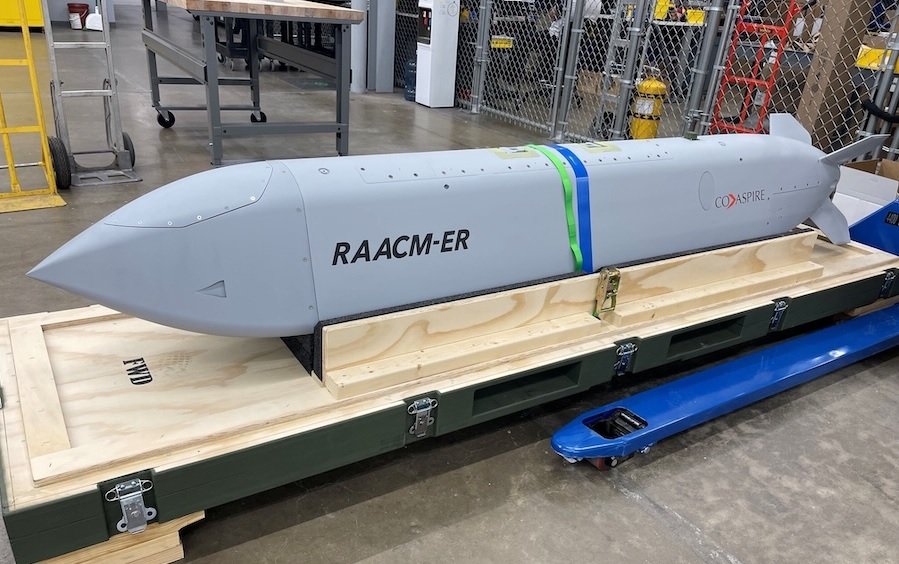
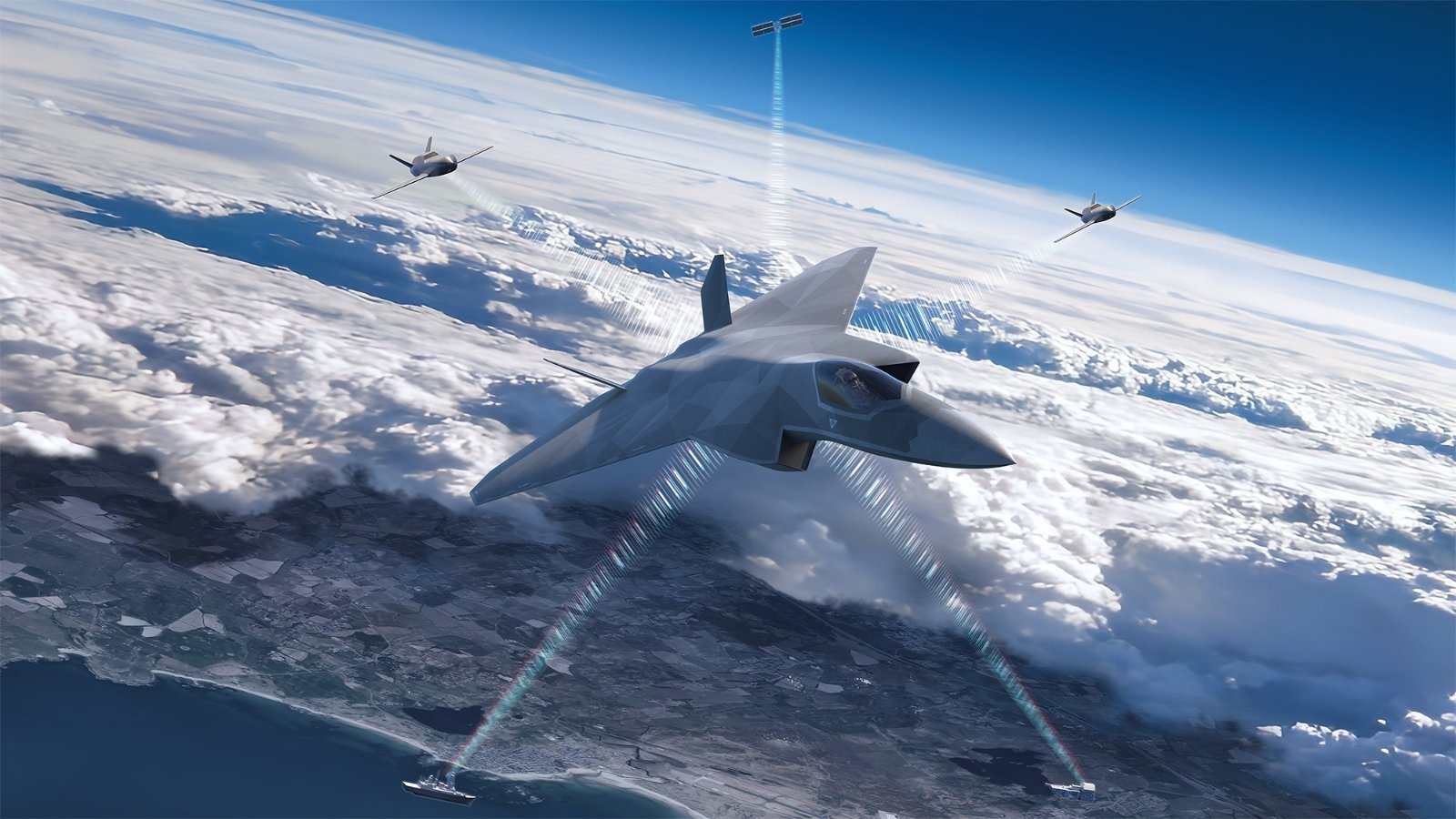
Autonomous Carrier Airwing: Work is underway to launch the first jet-powered autonomous collaborative platform from a Queen Elizabeth-class aircraft carrier by late 2026 or early 2027. The planned hybrid airwing will incorporate a mix of crewed aircraft and autonomous systems, including single-use drones, long-range missiles, and autonomous aerial refueling platforms.
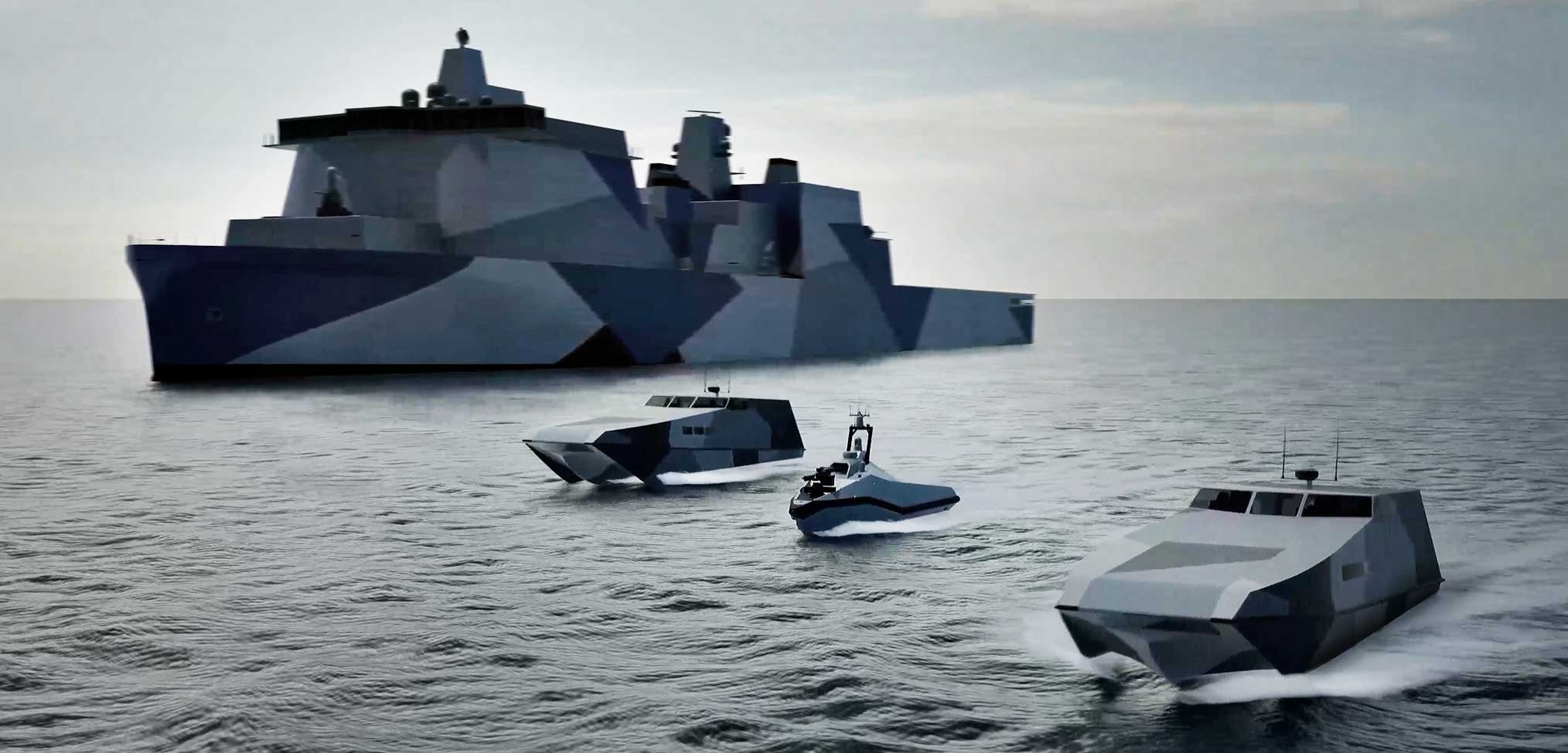
Uncrewed Escort Ships: The Navy aims for its first uncrewed escort vessels to operate alongside crewed warships by 2027. These vessels are intended to augment air defense, surveillance, and other protective functions without increasing onboard personnel requirements.
ARMOR Force Architecture: A central industrial initiative underpinning the transition is the Autonomous and Remote, Maritime Operational Response – Force (ARMOR Force) program. Developed by Babcock in partnership with HII and Arondite, the architecture will convert Type 31 frigates into Common Command Vessels (CCVs). These ships will serve as operational hubs for HII’s ROMULUS family of large Uncrewed Surface Vessels (USVs), enabling distributed maritime operations with centralized oversight.
Modular Systems and Remote Operations
The Royal Navy is also advancing its Persistent Operational Deployment System (PODS), a modular concept using standardized ISO containers that can be rapidly embarked or removed to adapt ships for specific missions. PODS modules can support mine countermeasures, intelligence, surveillance and reconnaissance (ISR), or strike roles, allowing ships to be reconfigured without major structural modifications.
Recent trials off the coast of Scotland demonstrated remote command capabilities linked to this model. In the exercise, five autonomous Rattler boats were controlled by a team located approximately 500 miles away in southern England. The trial confirmed that uncrewed systems could escort crewed warships and transmit real-time sensor data to a remote command center.
Personnel and Force Readiness
To align organizational structures with technological change, General Jenkins introduced the Warfighting Ready Plan 2029. The roadmap, informed by extensive wargaming, sets objectives for force preparedness and operational integration of autonomous systems over the next several years.
The evolving force design is guided by the principle: “Uncrewed wherever possible, crewed only where necessary.” This approach reflects the Navy’s intent to allocate personnel to roles requiring human judgment and command while assigning routine, high-risk, or endurance-intensive tasks to autonomous platforms.
The hybrid fleet initiative represents a structural transformation of the Royal Navy’s operational model, combining industrial partnerships, modular technology, and phased capability deployment under the framework established by the 2025 Strategic Defence Review.
——— End of Article ———