Washington / Columbia, S.C. / Albuquerque, N.M. : U.S.-based defense contractors Janus Marine & Defense LLC and Raven Defense Corporation have announced a strategic maritime security partnership aimed at strengthening protection for U.S. Navy operations, commercial shipping, and offshore energy infrastructure in the Caribbean and the Gulf of America.
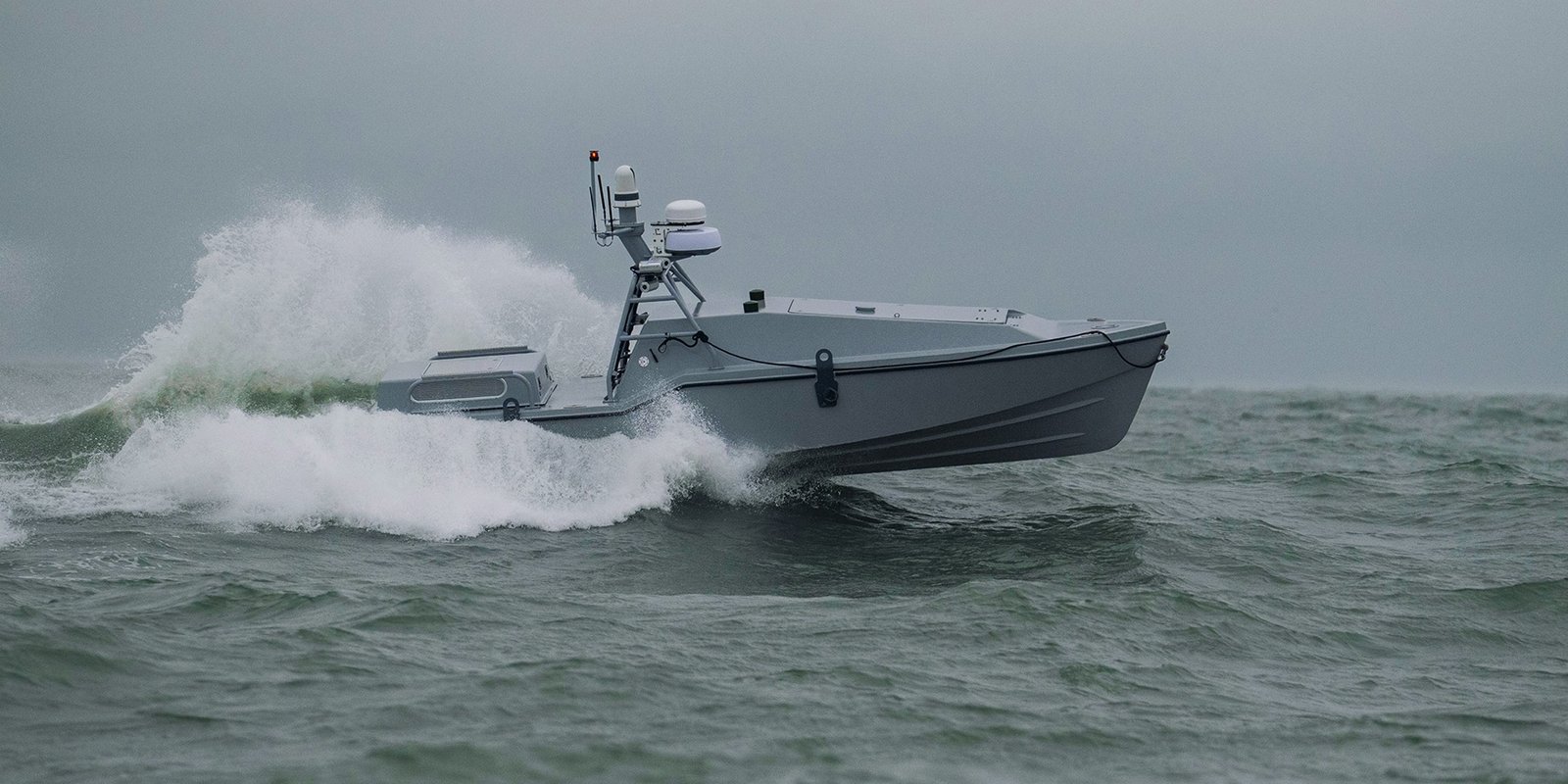
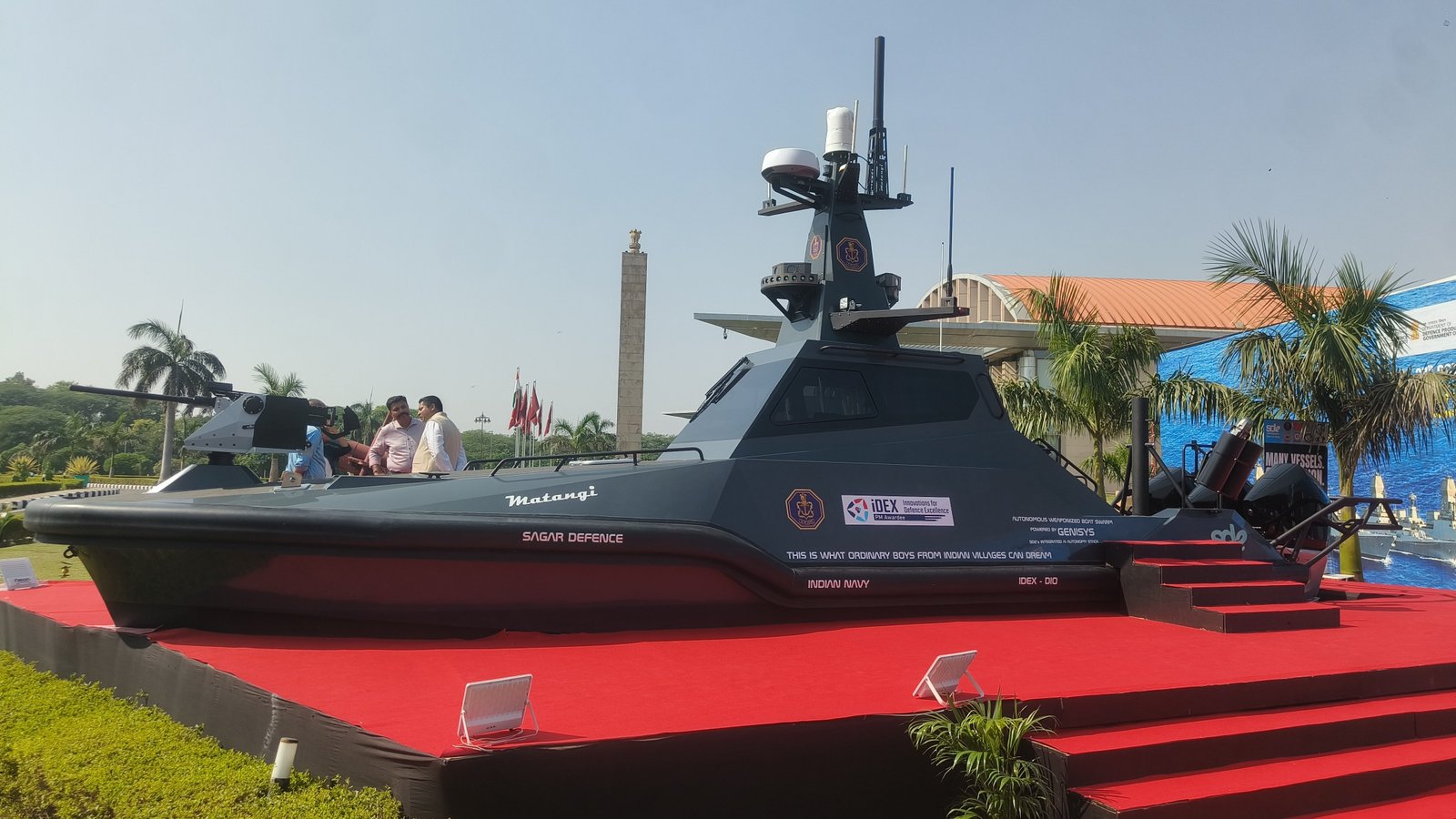
The agreement, detailed in a joint press release, outlines plans to deploy an integrated, technology-based maritime defense perimeter to secure critical sea lanes, ports, and offshore oil and gas installations. The companies said the system will combine autonomous maritime platforms, air drones, satellite communications, intelligence, surveillance and reconnaissance (ISR) capabilities, and electronic warfare systems.
Companies and Operational Background
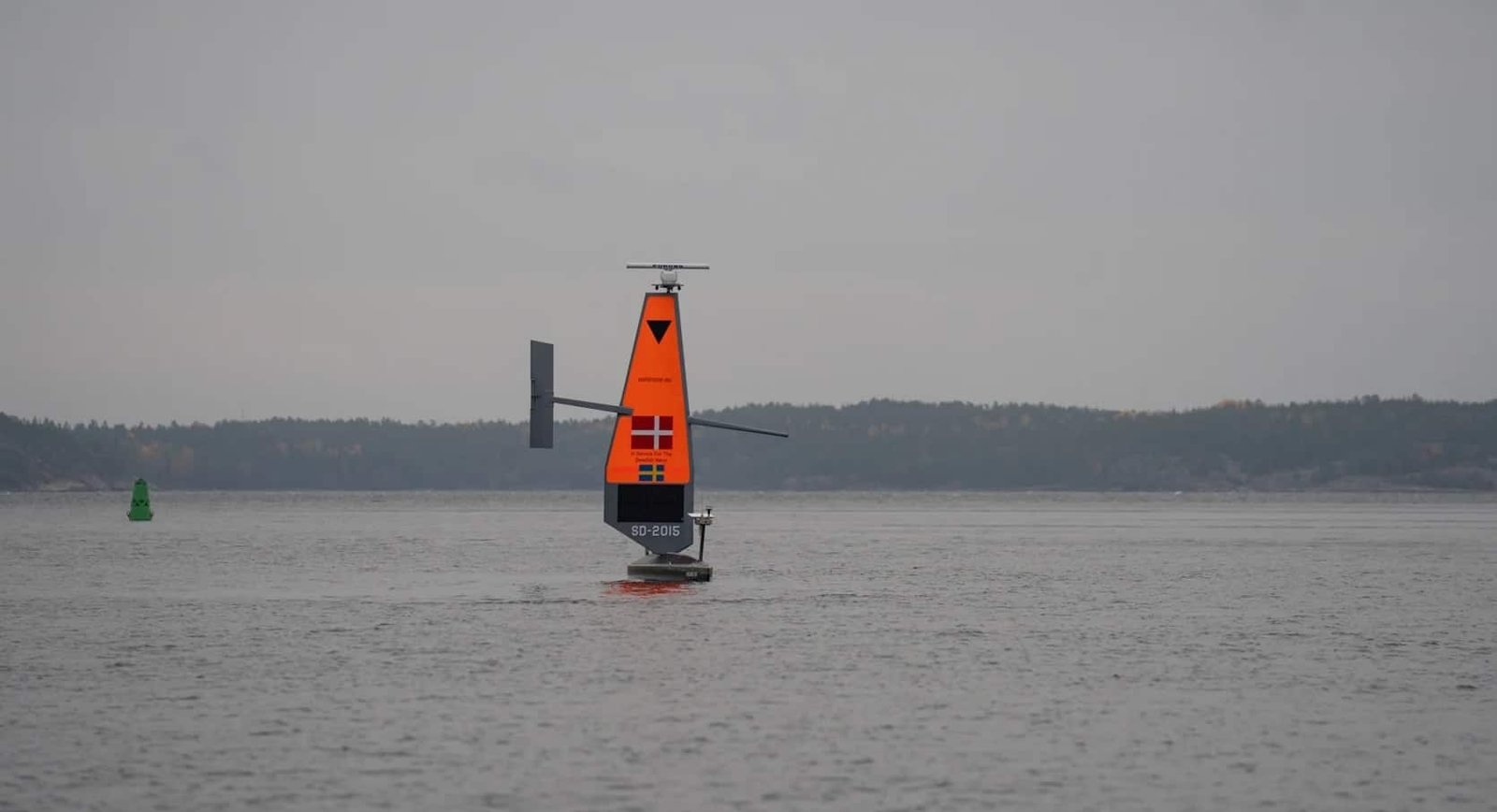
Janus Marine & Defense LLC, headquartered in South Carolina, specializes in marine autonomy and unmanned maritime systems. The company has more than a decade of experience contracting and operating Unmanned Surface Vessels (USVs) in defense and security missions. Its operational background includes the deployment of an autonomous mine-hunting unit with the U.S. 5th Fleet in 2014.
Raven Defense Corporation, based in New Mexico, is a U.S. Department of War contractor focused on radio frequency (RF) systems. The company has decades of experience in defense technologies, including electronic warfare, satellite communications, airborne systems, ISR platforms, and cybersecurity solutions.
Under the partnership, Janus will contribute its expertise in autonomous surface and subsurface vessels, while Raven will provide satellite communications, air drone integration, ISR systems, signal detection technologies, and electronic warfare capabilities.
Focus on Unmanned Systems and Cost Efficiency
According to the companies, a primary objective of the collaboration is to reduce operational strain on U.S. naval forces while maintaining security for offshore oil, gas, and shipping activities in the Gulf region. By deploying unmanned maritime and aerial systems, the initiative is designed to lower operational costs and reduce risks associated with manned vessels.
Jack Dougherty, Chief Executive Officer of Janus Marine & Defense and a former U.S. Navy Iraq War veteran, said the Gulf region has experienced increased naval, commercial shipping, and offshore activity. He stated that advanced autonomous technologies are necessary to protect personnel and critical infrastructure in a high-risk maritime environment.
Dougherty added that combining Janus’ autonomous vessel operations with Raven’s satellite communications, ISR, air drone, and electronic warfare capabilities will enable cost reductions without reducing operational effectiveness.
Integrated Maritime Security Architecture
Chris Patscheck, Chief Executive Officer of Raven Defense Corporation, said the partnership is structured to meet current maritime security requirements that emphasize persistent, intelligent, and unmanned systems.
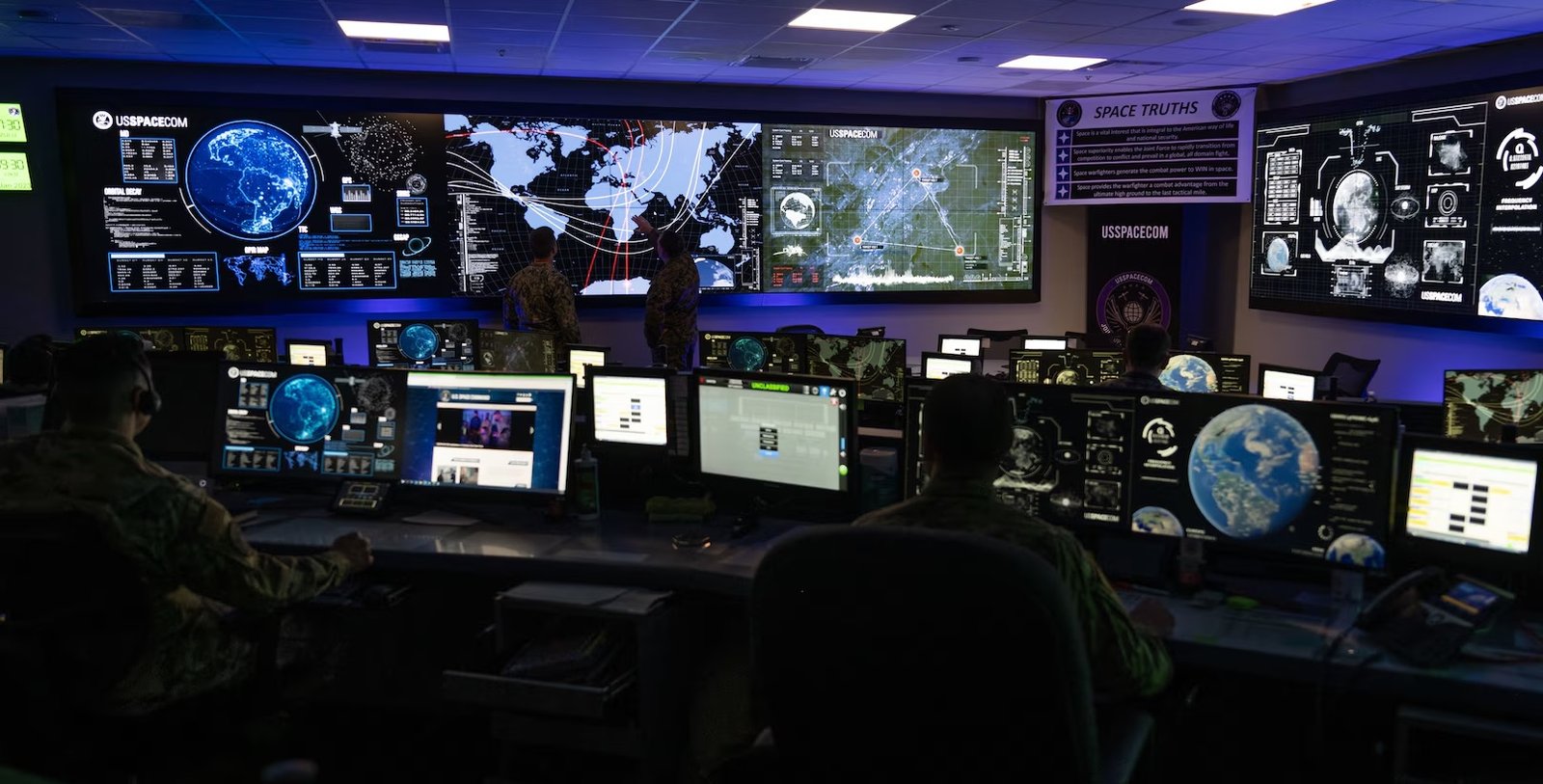
The proposed integrated architecture will include persistent ISR coverage, autonomous maritime patrol operations, rapid interception capabilities, Remote Operations Center (ROC) support, advanced signal detection systems, and cybersecurity protections for connected platforms.
The companies stated that the system is tailored to the specific threat environment facing offshore energy operators and commercial shipping lanes. By combining unmanned surface vessels, subsurface systems, and aerial drones with RF monitoring and satellite connectivity, the partnership intends to provide continuous maritime domain awareness across designated areas.
Strategic Scope
The initiative is focused on securing U.S. Navy missions, commercial maritime routes, ports, and offshore energy installations across the Caribbean and the Gulf of America. The companies described the framework as a coordinated defense perimeter designed to safeguard critical maritime corridors and infrastructure.
Both firms indicated that the partnership establishes a joint operational approach centered on unmanned technologies, integrated surveillance, and electronic warfare capabilities to address evolving maritime security requirements.
——— End of Article ———