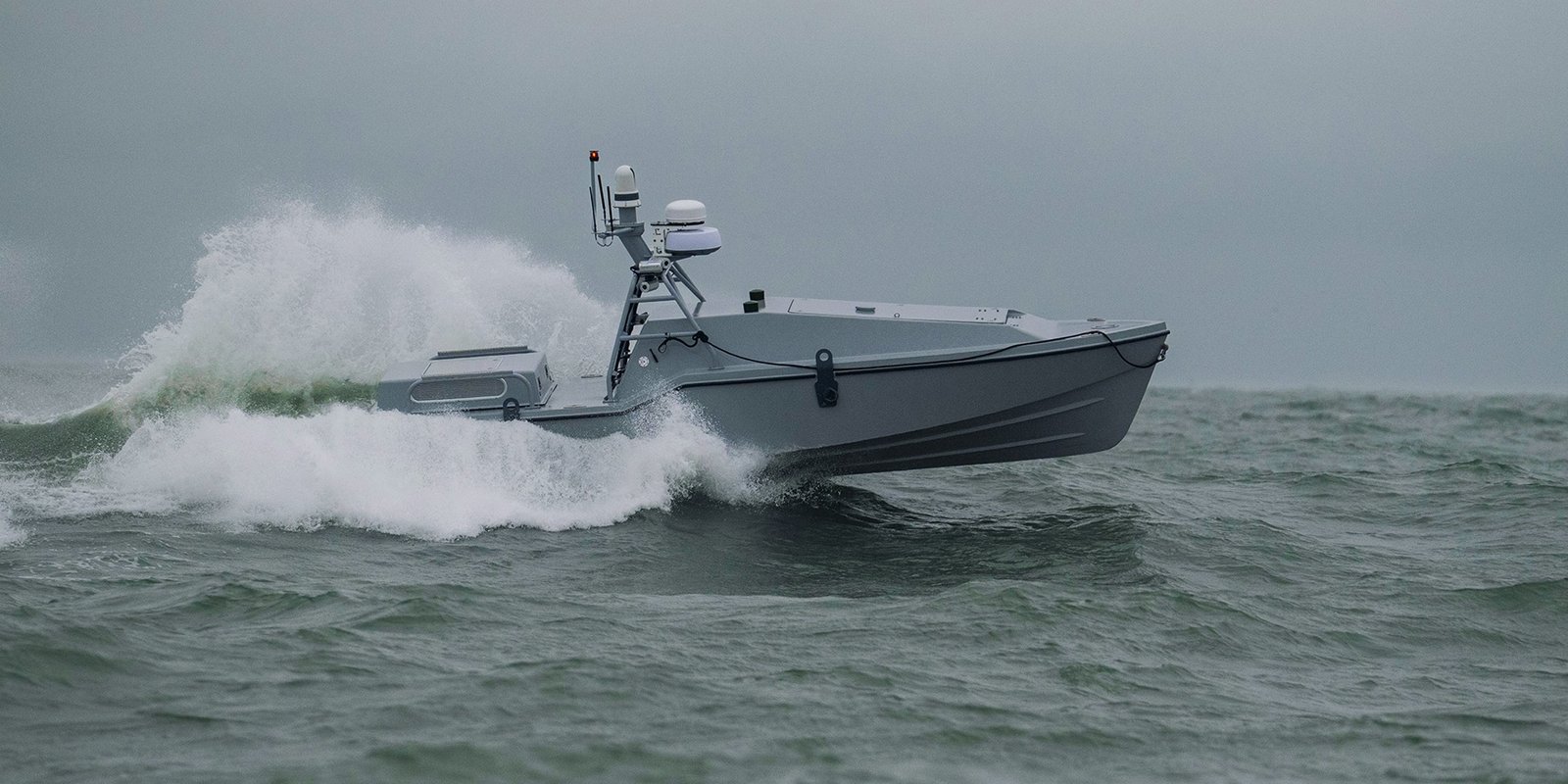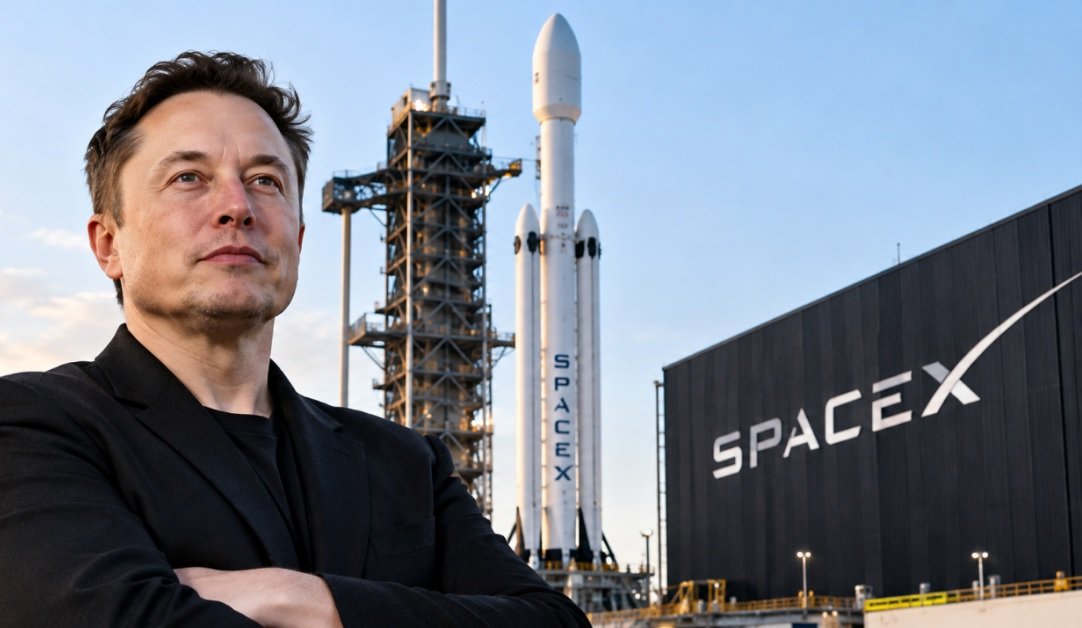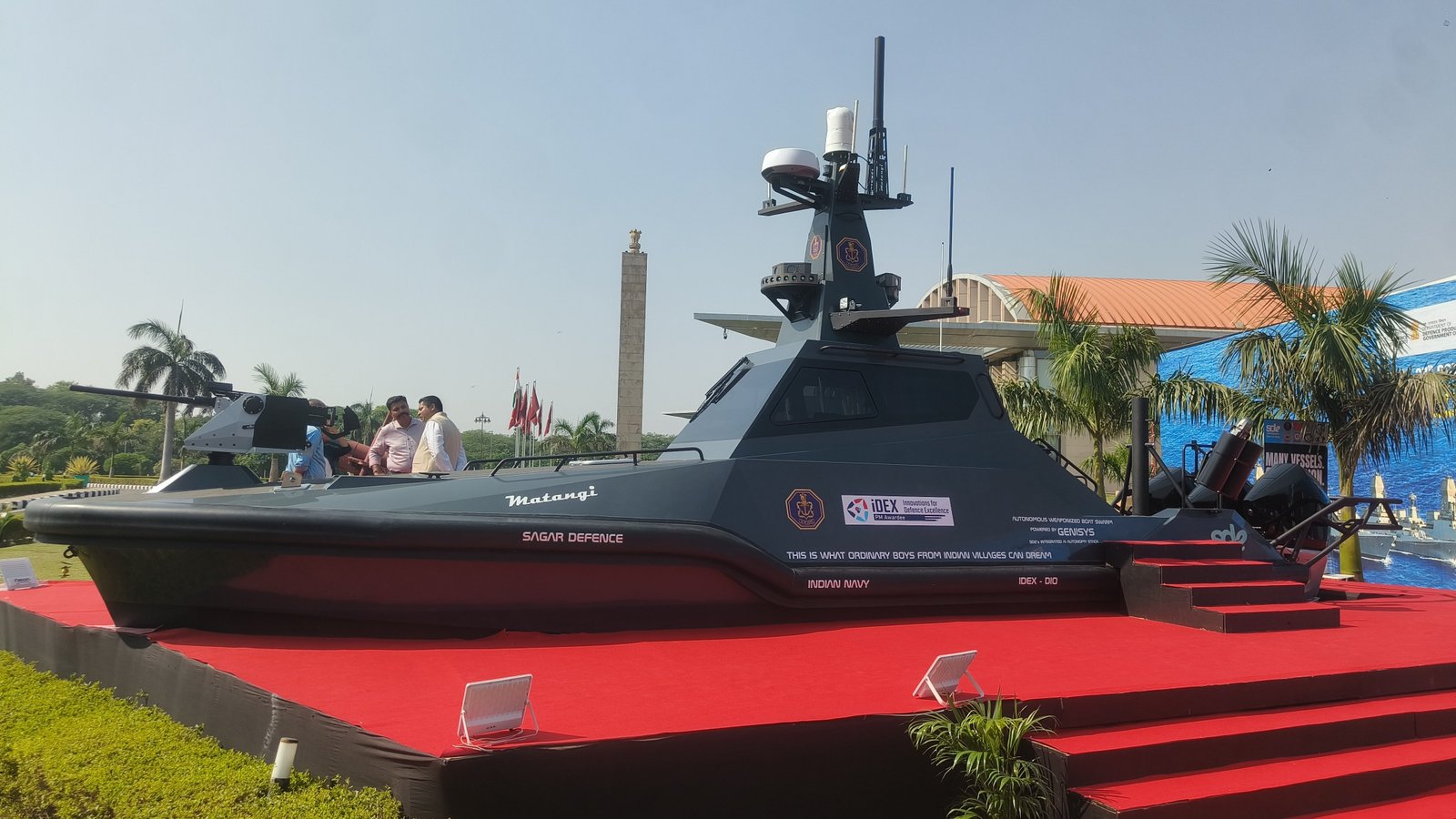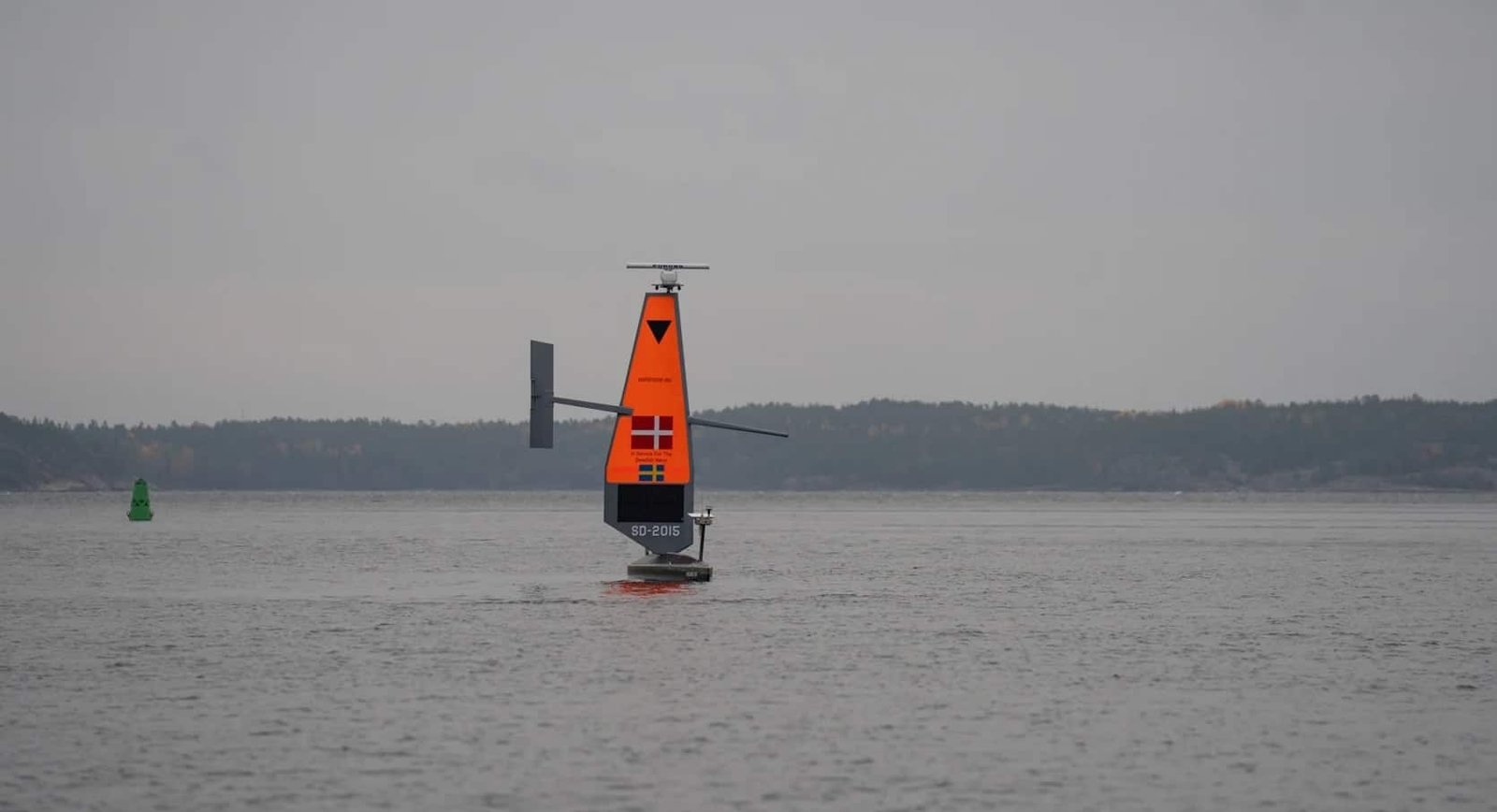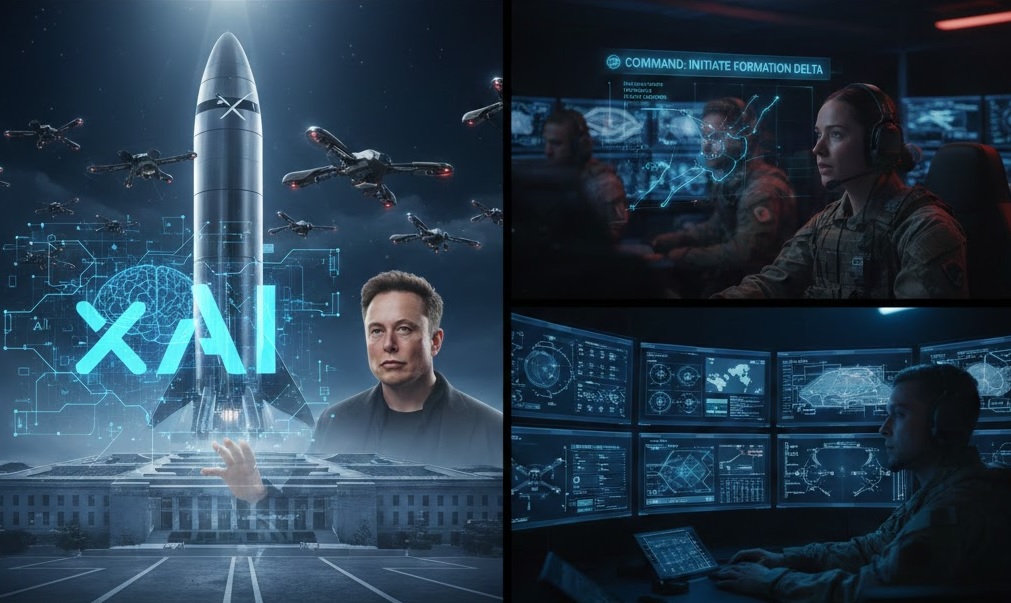
WASHINGTON, D.C. : SpaceX and its recently integrated subsidiary xAI have entered a classified U.S. Department of Defense competition to develop advanced software capable of controlling large-scale autonomous drone swarms through spoken battlefield commands. The initiative, valued at $100 million, was launched in January 2026 and is designed to enable real-time coordination of unmanned systems across air and maritime domains using natural language processing.
The competition is being jointly led by the Defense Innovation Unit (DIU) and the Defense Autonomous Warfare Group (DAWG), a newly established unit operating under U.S. Special Operations Command. The program centers on the development of a software platform known as “Orchestrator,” which is intended to translate a commander’s voice instructions into synchronized digital commands for hundreds of autonomous systems simultaneously.
Program Structure and Technical Phases
The six-month competition is divided into five sequential phases designed to evaluate software maturity, operational integration, and mission execution capability.
The first phase focuses on software development, including the creation of a digital architecture capable of securely processing voice input and converting it into machine-readable command structures. This stage emphasizes system stability, encryption, and real-time processing.
The second phase involves simulation and coordination testing. During this stage, participating teams must demonstrate that their artificial intelligence systems can manage multi-domain swarm behavior in virtual environments, including simultaneous aerial and maritime maneuvers.
The third phase transitions from simulation to live platform testing. Software prototypes are integrated into physical drone hardware to assess real-world responsiveness, latency, and system resilience under operational conditions.
The fourth phase centers on target awareness. This includes implementing autonomous tracking functions and enabling continuous data sharing across the swarm network to ensure synchronized situational awareness.
The final phase requires mission execution demonstrations covering full-cycle operations described as “launch to termination.” This stage evaluates the software’s ability to manage deployment, target engagement processes, and mission completion under controlled testing conditions.
A senior defense official stated at the program’s announcement that integrating a human-machine voice interface is expected to directly affect the operational effectiveness and lethality of unmanned systems deployed in combat environments. The official confirmed that the technology under development is intended for offensive military operations.
SpaceX and xAI Participation
SpaceX’s participation marks an expansion of its existing defense portfolio. The company has previously served as a major defense contractor through satellite launch services and secure communications programs such as Starshield. The current competition involves the development of offensive autonomous systems software rather than space-based infrastructure.
The entry follows the recent integration of xAI into SpaceX, creating a combined entity reportedly valued at approximately $1.25 trillion. As part of its growing defense engagement, xAI has secured separate Pentagon contracts worth up to $200 million for integrating its Grok artificial intelligence models into government systems.
Recruitment efforts associated with these projects have included hiring engineers with high-level U.S. security clearances to support classified development work.
OpenAI’s Role and Limitations
OpenAI is also participating in the broader competition framework, although its involvement is limited in scope. According to internal documentation, OpenAI’s technology is being utilized by partner firms, including Applied Intuition and Sierra Nevada Corporation (SNC), to support voice-to-text processing and command translation functions.
An OpenAI spokesperson confirmed that its tools will not be used for direct drone swarm control, weapons integration, or targeting authority. The company stated that its participation adheres to internal safety and usage policies that restrict deployment in direct weapons operation roles.
Strategic Context and Operational Objectives
The Orchestrator initiative builds upon the Pentagon’s earlier “Replicator” program. Replicator focused on scaling the production of low-cost autonomous drones. In contrast, the current challenge concentrates on developing the intelligence and coordination layer necessary to manage large numbers of autonomous systems collectively.
The software under development is intended to function in contested operational environments, including scenarios where GPS signals are unavailable and cloud-based communications are disrupted. Real-time voice-command processing in such conditions is a central technical requirement of the competition.
According to defense officials, deployment timelines are aligned with upcoming large-scale domestic security events, including the 2026 FIFA World Cup and the America250 celebrations. The Department of Defense aims to ensure that relevant autonomous coordination capabilities are operational before those events.
The competition is scheduled to conclude six months after its January 2026 launch, with final demonstrations expected to determine award distribution under the $100 million prize structure.
——— End of Article ———