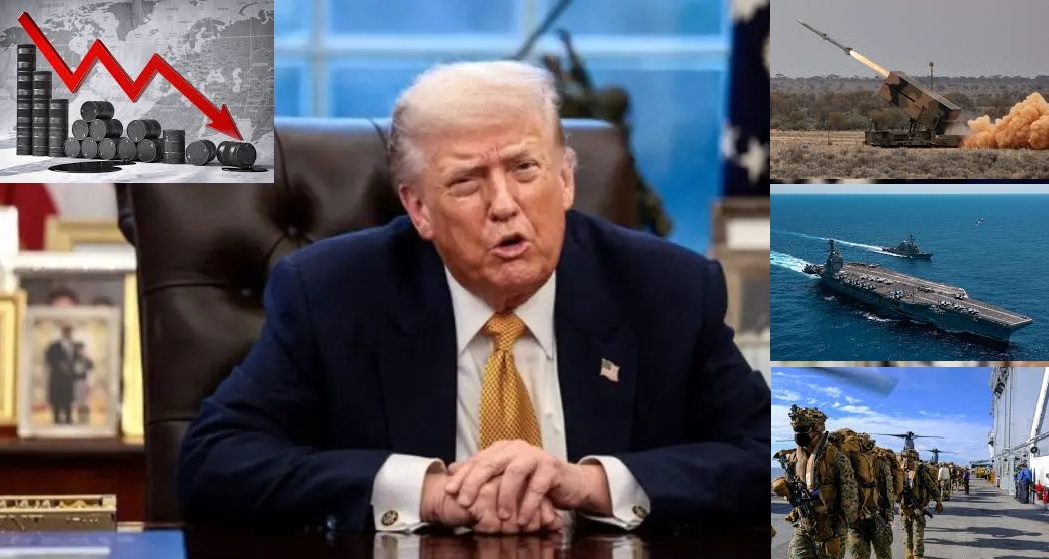
WASHINGTON, — March 24, 2026 : The United States has ordered a temporary five-day suspension of military strikes targeting Iranian energy infrastructure, as the administration balances ongoing diplomatic engagement with Tehran and immediate operational requirements across U.S. forces in the Middle East. The directive, authorized by President Donald Trump, applies specifically to Iranian oil, gas, and power facilities, while other military operations against Iranian targets continue.
According to U.S. officials, the decision follows two days of direct and indirect discussions with Iranian representatives. In a public statement, Trump described the talks as “productive” and indicated they would continue throughout the week. The pause also comes after earlier warnings from Washington that Iran could face strikes on its power infrastructure if it failed to reopen the Strait of Hormuz to international shipping.
Israeli authorities confirmed alignment with the U.S. position. Prime Minister Benjamin Netanyahu stated that Israel would continue its military campaign against Iran but would avoid energy-related targets during the five-day window. Israeli operations will instead focus on missile systems, nuclear-related facilities, and command-and-control infrastructure. The adjustment follows prior U.S. requests aimed at preventing further disruption to global energy markets.
Energy Market Stability and Immediate Impact
The suspension has already had measurable economic effects. Global crude oil prices declined by approximately 13% following the announcement, reflecting reduced risk to critical supply routes and infrastructure. Prior to the pause, Israeli strikes on Iranian energy assets, including the South Pars gas field, had contributed to heightened volatility and prompted retaliatory Iranian actions against energy facilities in Saudi Arabia, the United Arab Emirates, and Qatar.
International energy agencies, including coordinated reserve releases, had already been working to stabilize markets amid concerns over potential disruptions in the Strait of Hormuz, a key global oil transit corridor.
Operational Drivers Behind the Pause
While diplomatic considerations were central to the decision, defense officials and analysts indicate that operational requirements played a significant role in timing the pause.
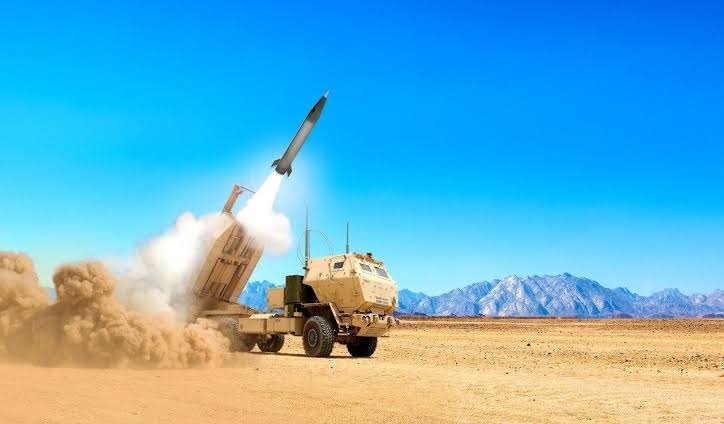
The U.S. military is currently managing high demand on air and missile defense systems across the region. Interceptor inventories, particularly Patriot PAC-3 and Terminal High Altitude Area Defense (THAAD) systems, have been heavily utilized in countering Iranian missile and drone attacks. The five-day period is being used to transport, distribute, and reload interceptor stocks into operational theaters.
Recent deployments include the transfer of Patriot systems from Europe and up to 48 THAAD interceptors from South Korea. These assets are intended to reinforce a layered air defense network protecting U.S. forces and allied infrastructure across the Arabian Peninsula.
Officials emphasize that replenishing interceptor “magazines” is a necessary step before any potential resumption of strikes on Iranian energy facilities, which could trigger large-scale retaliatory attacks.
Naval Readiness and Carrier Constraints
The U.S. Navy is also addressing strain on its forward-deployed carrier strike groups. Two primary carriers supporting operations in the region—the USS Gerald R. Ford and USS Abraham Lincoln—are both experiencing operational pressures.
The USS Gerald R. Ford recently sustained a non-combat fire on March 12 while operating in the Red Sea. The incident originated in its laundry area and required more than 30 hours to contain. Two sailors were injured, and over 600 crew members were displaced from their berthing spaces. Although the carrier’s nuclear propulsion and core flight systems remain operational, the vessel has diverted to Souda Bay, Crete, for repairs and is not expected to immediately resume Middle East operations.
The USS Abraham Lincoln, also deployed in the region, has been operating beyond standard deployment timelines. Reports indicate ongoing maintenance demands and crew fatigue affecting sustained operational readiness.
To maintain regional presence, the Pentagon is accelerating redeployment of additional naval aviation assets. This includes shifting forces from the Pacific theater, with particular focus on Japan-based units. The America-class amphibious assault ship USS Tripoli is among the platforms identified to help fill operational gaps and sustain air support capabilities.
Regional Defense Posture and Risk Management
The pause allows U.S. Central Command (CENTCOM) to strengthen defensive coverage across key areas, including energy infrastructure and commercial hubs in Gulf states. Iranian responses to earlier strikes have included ballistic missile and drone attacks targeting both military installations and energy facilities.
Defense planners assess that any renewed targeting of Iranian oil and gas assets could lead to saturation attacks aimed at overwhelming regional air defenses. Ensuring sufficient interceptor availability and integrated defense coordination is therefore considered essential before escalation.
At the same time, U.S. officials stress that the suspension is limited in scope and duration. Military operations against Iranian military and strategic targets continue, and no final decision has been announced regarding actions after the five-day period.
Broader Strategic Context
The temporary halt occurs amid an ongoing cycle of escalation between U.S.-Israeli forces and Iran. Recent weeks have seen strikes on Iranian military and nuclear-related infrastructure, followed by Iranian ballistic missile attacks, including strikes on Israeli territory and a U.S.-British facility at Diego Garcia.
Iran has also issued warnings regarding further escalation if its energy sector is targeted again, raising concerns about broader regional conflict and global energy security.
U.S. officials describe the current pause as a calibrated measure designed to support diplomatic efforts, stabilize energy markets, and address immediate military logistics without signaling a reduction in overall operational intent. No timeline has been provided for the outcome of ongoing discussions or the next phase of military planning following the suspension period.
——— End of Article ———