WASHINGTON, — March 24, 2026 : NASA has formally advanced plans for its first nuclear-powered interplanetary spacecraft, Space Reactor-1 (SR-1) Freedom, with a launch target set for no earlier than December 2028. The mission is designed to demonstrate nuclear-electric propulsion in deep space and deploy a new class of aerial robotic assets on Mars, marking a significant step in long-duration exploration capabilities.
The program is being executed in partnership with the U.S. Department of Energy (DOE), which is supporting reactor design, safety systems, and nuclear integration.
Mission Architecture and Spacecraft Design
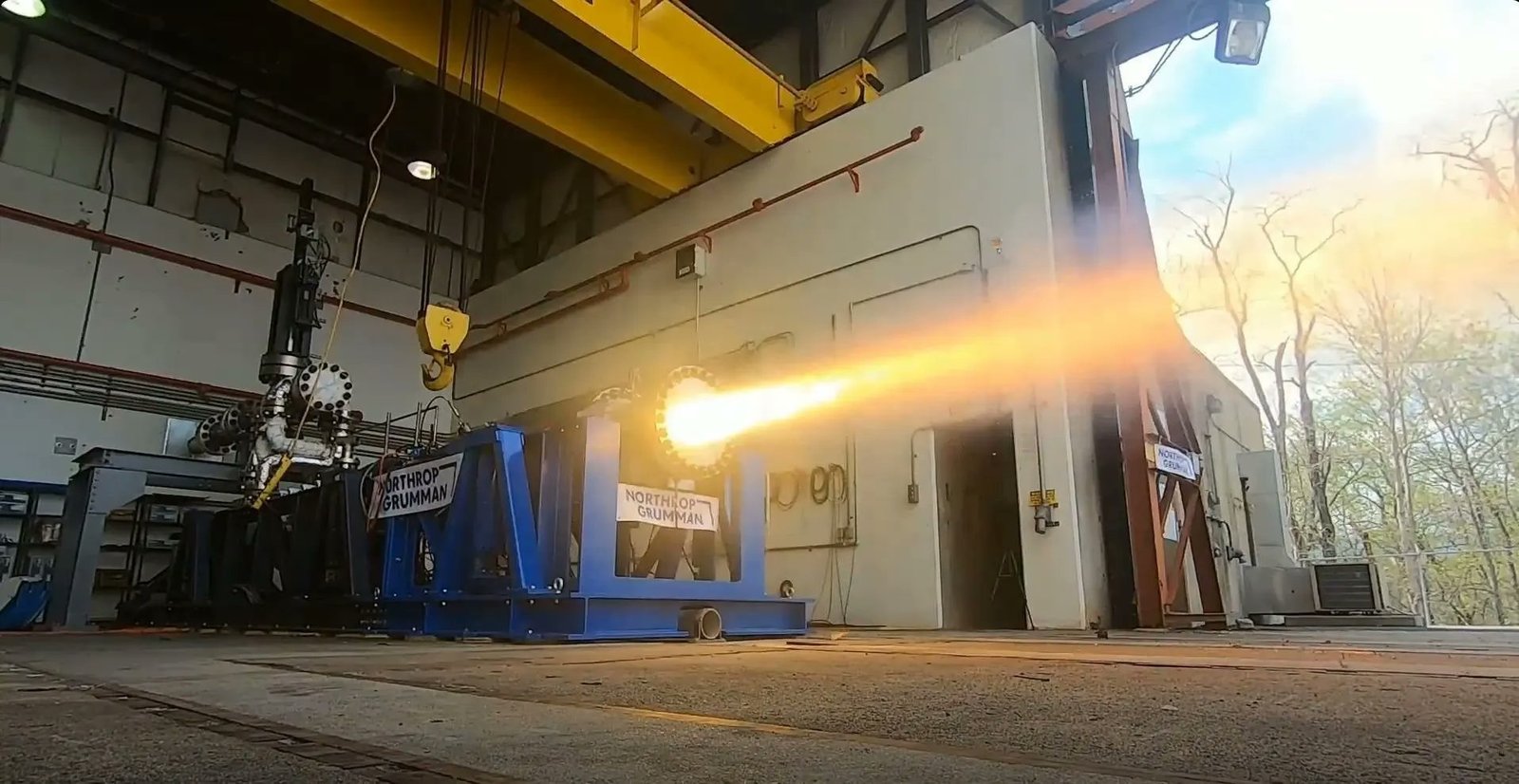
SR-1 Freedom will be the first spacecraft to employ a nuclear fission reactor as its primary onboard power source for interplanetary propulsion. The reactor is designed to generate approximately 25 kilowatts of continuous electrical power, which will be used to operate high-efficiency ion thrusters.
Unlike conventional chemical propulsion, which relies on combustion, the spacecraft will use electrically powered ion propulsion. These thrusters accelerate charged particles to produce steady, low-thrust propulsion over extended durations, enabling more efficient mass transport across deep space.
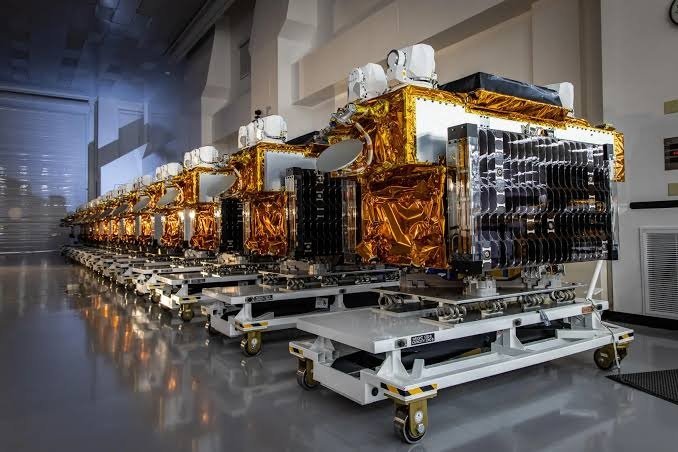
The spacecraft bus is derived from NASA’s Power and Propulsion Element (PPE), originally developed for the Lunar Gateway program. While PPE was designed for solar-electric propulsion, SR-1 Freedom replaces the solar array system with a compact nuclear reactor while retaining core electric propulsion architecture, including power distribution systems, thruster integration, and long-duration operational capability.
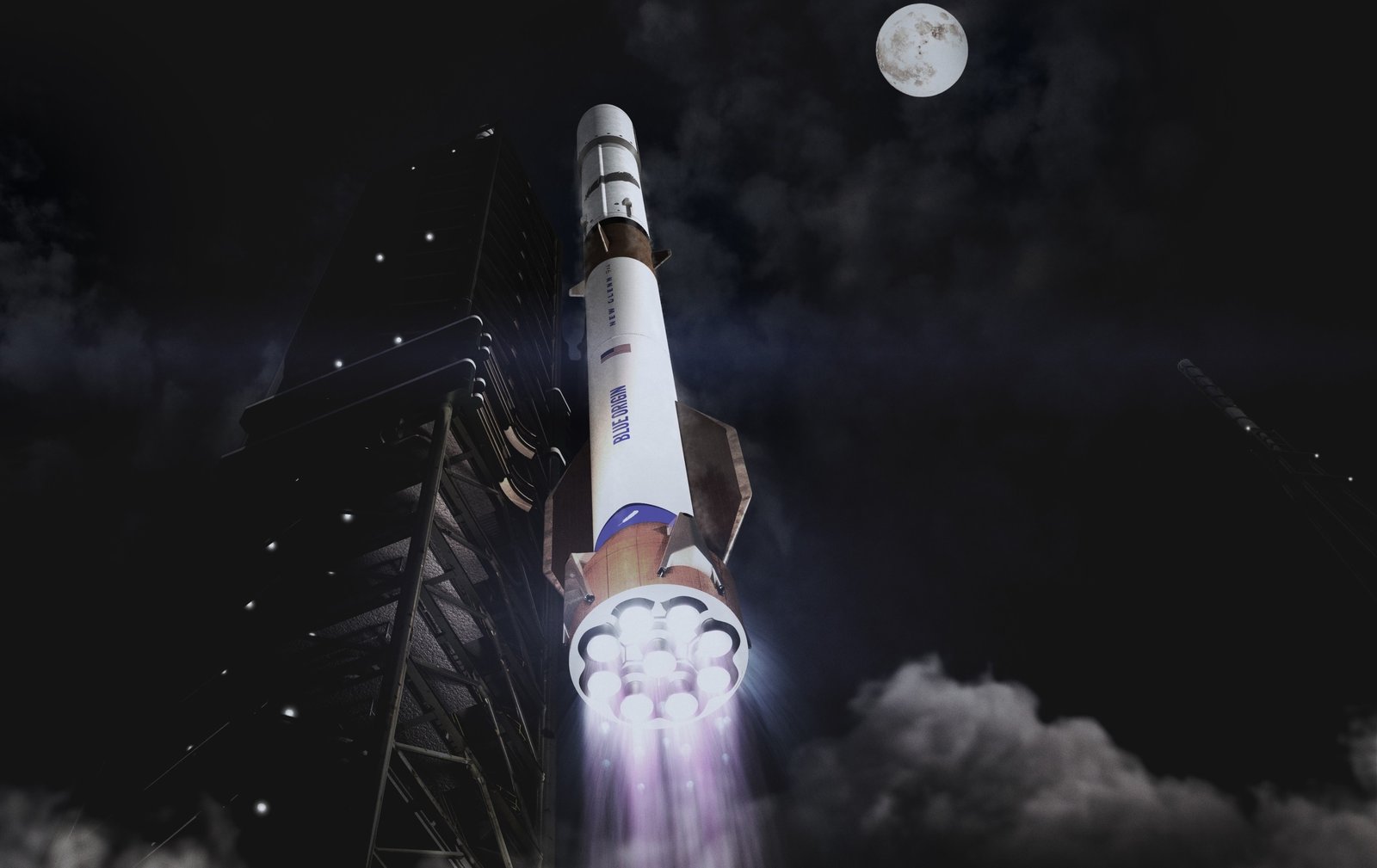
The mission will launch aboard a conventional chemical rocket from Earth. The nuclear system will remain inactive during launch and early ascent, with activation planned only after the spacecraft reaches a safe distance in space.
First Use of Integrated Nuclear-Electric Propulsion Beyond Earth Orbit
The SR-1 Freedom mission represents the first operational use of nuclear-electric propulsion for travel beyond Earth orbit. The system combines three key elements for the first time in a single deep-space platform:
- A compact space-rated nuclear fission reactor
- Continuous electric power generation at multi-kilowatt scale
- Long-duration ion propulsion for interplanetary transit
This integrated architecture is expected to provide higher efficiency compared to both chemical propulsion and traditional solar-electric systems. It also reduces dependence on large solar arrays, which lose effectiveness at greater distances from the Sun, particularly in missions extending beyond Mars and toward the outer solar system.
“Skyfall” Payload and Aerial Exploration Assets
Upon arrival at Mars, SR-1 Freedom will deploy a specialized payload known as Skyfall. This payload introduces a new deployment concept and a new class of aerial exploration systems.
Skyfall consists of three next-generation autonomous helicopters based on the Ingenuity technology demonstrator, which operated on Mars from 2021 to 2024. These rotorcraft represent an evolution in Martian aerial systems with improved endurance, sensing, and autonomy.
For the first time, aerial assets will be deployed mid-air during atmospheric descent rather than being delivered via a traditional lander platform. This approach removes the requirement for complex entry, descent, and landing systems associated with large surface payloads.
Once deployed, the three helicopters will operate independently and conduct coordinated exploration missions. Their planned functions include:
- High-resolution surface imaging
- Subsurface radar scanning to detect water and ice
- Terrain mapping for future landing site identification
- Environmental and atmospheric observations
The use of multiple aerial vehicles also introduces redundancy and distributed coverage, expanding the operational footprint compared to single-vehicle missions.
Data Collection and Technology Demonstration Objectives
A central objective of SR-1 Freedom is to collect comprehensive engineering and scientific data on nuclear-electric propulsion in an operational environment. Key data areas include:
- Reactor performance and stability over long durations
- Power conversion efficiency and electrical distribution
- Thermal management of a space-based fission system
- Ion propulsion performance under continuous operation
- System integration between nuclear power and propulsion modules
The mission will also gather planetary science data through the Skyfall helicopters, particularly in identifying subsurface resources such as water ice, which is critical for future human missions.
New Capabilities and First-Time Systems
SR-1 Freedom incorporates several systems and operational concepts being used for the first time in a Mars mission:
- First deployment of a nuclear fission reactor for primary propulsion power in deep space
- First integration of nuclear power with ion propulsion for interplanetary travel
- First reuse and modification of the Lunar Gateway PPE as a nuclear-powered spacecraft bus
- First mid-air deployment of multiple aerial vehicles in the Martian atmosphere
- First use of a distributed helicopter fleet for coordinated planetary exploration
These elements collectively represent a shift toward modular, power-rich spacecraft capable of supporting sustained operations far from Earth.
Strategic Role in Future Exploration
NASA and the DOE have stated that SR-1 Freedom is intended to establish the technical and regulatory foundation for future nuclear-powered missions. The data and operational experience gained are expected to support multiple long-term objectives.
For lunar exploration, similar fission systems are being considered to provide continuous surface power for sustained human presence. In Mars exploration, nuclear-electric propulsion could enable transport of heavier cargo, habitats, and eventually crewed missions with improved efficiency.
For missions to the outer solar system, where solar power becomes increasingly limited, nuclear systems offer a scalable solution for both propulsion and onboard energy needs.
Development Status and Timeline
The SR-1 Freedom project has entered active development, with NASA coordinating with commercial aerospace partners for spacecraft integration, propulsion systems, and aerial vehicle development. The DOE continues to lead reactor design and safety validation.
All systems are expected to undergo extensive ground testing, including reactor safety validation, propulsion endurance testing, and integrated system verification before launch.
The mission is currently targeting a launch window no earlier than December 2028.
——— End of Article ———