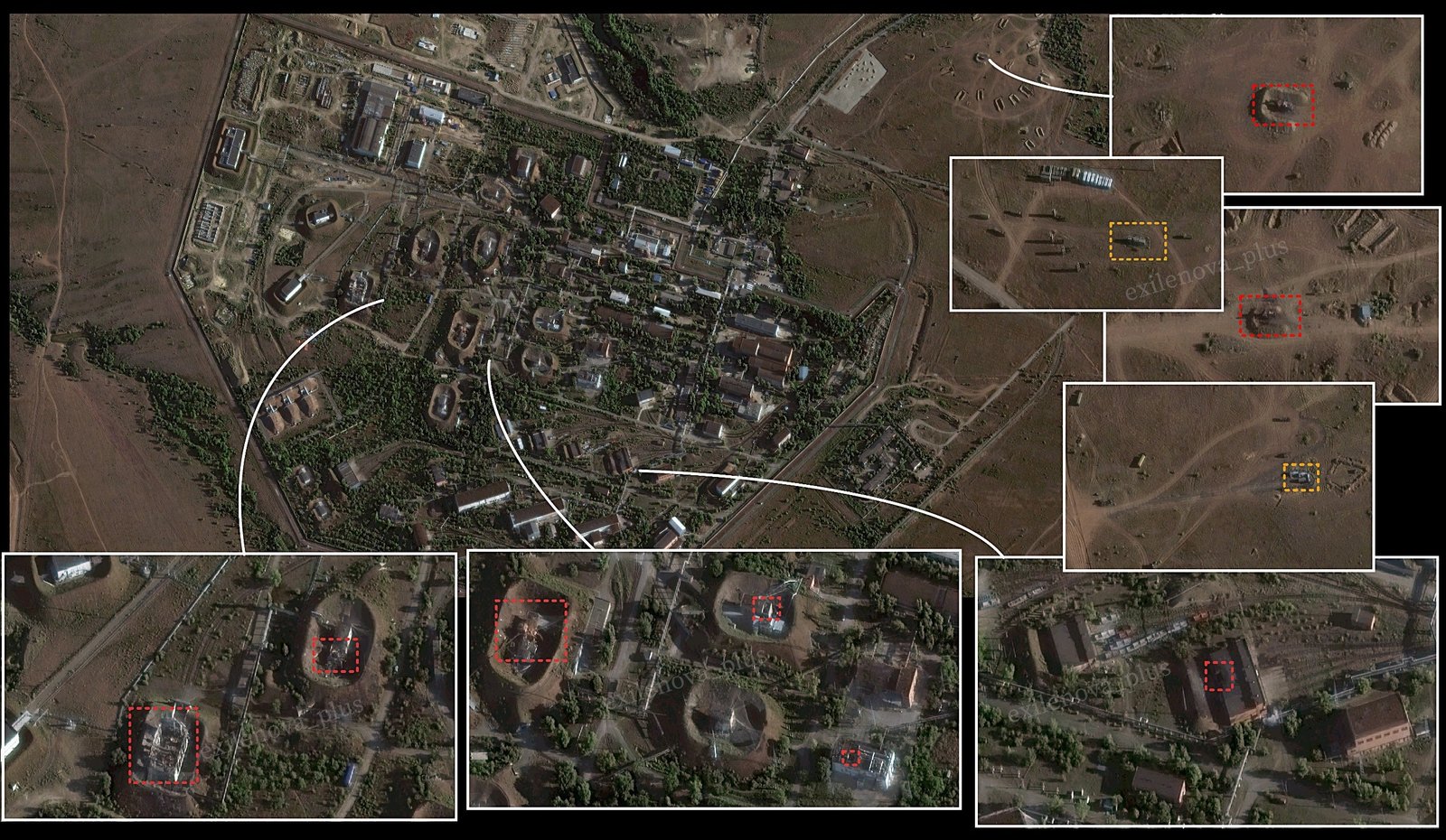
ISFAHAN, — March 24, 2026 : On March 23, 2026 night coordinated airstrikes by U.S. and Israeli forces have caused extensive damage to a cluster of Iranian defense-industrial and research facilities in Isfahan, targeting critical nodes involved in the country’s electro-optical systems and precision-guided munitions development.
The strikes focused on the Isfahan Optics Industries complex, Optics Sairan, and the Malek Ashtar University of Technology—three interconnected entities forming part of Iran’s Ministry of Defense and Armed Forces Logistics supply and research network. Initial assessments indicate significant structural and operational damage across these sites, which collectively support the development, production, and integration of optical and electro-optical components used in missiles, drones, and surveillance systems.
Targeted Defense Infrastructure
The Isfahan Optics Industries facility, located near Kaveh Boulevard, is a major production center operated under Iran Electronics Industries (IEI), the state-owned defense electronics organization. The plant manufactures a wide range of advanced optical and electro-optic systems for military applications, including precision guidance components and surveillance equipment.
Simultaneously, strikes hit Optics Sairan, an affiliated division within IEI that specializes in optical elements and electronic subsystems used in ballistic missile guidance and radar technologies. Both facilities are part of a broader industrial ecosystem responsible for producing components essential to Iran’s missile and unmanned systems programs.
In addition, Malek Ashtar University of Technology, a defense-linked academic and research institution operating under the Ministry of Defense, was also targeted. The university has long been associated with Iran’s missile development efforts and is subject to international sanctions due to its connections with the Islamic Revolutionary Guard Corps (IRGC). It functions under the Defense Technology and Science Research Center and contributes to research in missile systems, satellite technologies, metallurgy, and engineering disciplines relevant to military applications.
Capabilities and Production Output
Isfahan Optics Industries is responsible for designing and manufacturing a broad portfolio of optical systems and components. These include complex lenses, prisms, multilayer optical coatings, interference filters, collimators, and reticles. The facility also produces binoculars, long-range observation systems, periscopes for armored vehicles, and optical sights for firearms.
Its electro-optical product line includes the Oghab series aerial imaging cameras for manned and unmanned aircraft, Fater series thermal imaging systems, Sadad series long-range surveillance cameras, and the Sadad 103 monitoring system. Additional systems include the Fadak 8 laser rangefinder, EOVP-4 aerial camera, electro-optical monitoring platforms, digital display systems for naval and aviation use, and air defense simulators.
These systems are used across multiple branches of Iran’s armed forces, supporting reconnaissance, targeting, navigation, and fire-control functions. The facility’s output plays a central role in enabling precision engagement capabilities for ballistic missiles, cruise missiles, and unmanned aerial vehicles.
Optics Sairan complements this production by focusing on specialized optical components and electronic devices that support missile guidance systems, including electro-optical seekers and radar-related subsystems.
Role of Malek Ashtar University
Malek Ashtar University provides the research and development foundation for many of these technologies. It operates training and research programs linked to missile development, including collaboration with the Aerospace Industries Organization. The institution supports advancements in guidance systems, materials science, propulsion-related technologies, and satellite applications.
Its integration within the defense research structure allows it to bridge theoretical research and practical manufacturing, contributing directly to the development cycle of advanced military systems.
Strategic and Operational Impact
Defense analysts assess that the coordinated targeting of both production facilities and a central research institution reflects an effort to disrupt the full lifecycle of Iran’s precision weapons development—from initial research and design to manufacturing and deployment.
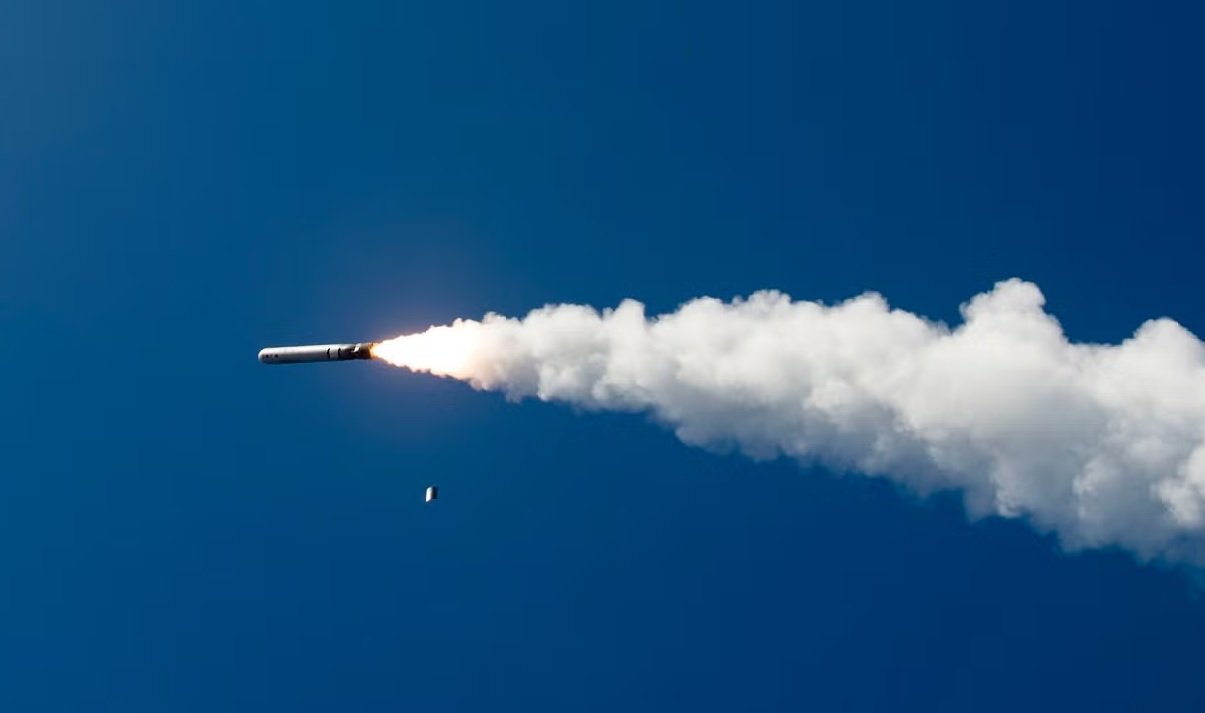
The immediate impact is expected to be a disruption in the supply of electro-optical components critical for missile guidance systems. Many Iranian ballistic missiles, including variants of the Fateh series and newer systems such as the Qasem Basir, rely on electro-optical terminal seekers for precision targeting, particularly in environments where electronic warfare may degrade traditional guidance methods.
Damage to Isfahan Optics Industries and Optics Sairan is likely to constrain the production of these seekers, as well as thermal imaging systems, laser rangefinders, and aerial reconnaissance cameras used across drones, missiles, and air defense platforms. This creates a bottleneck in manufacturing and reduces the ability to maintain and replenish operational stockpiles.
The strikes are also expected to affect the production of surveillance and targeting systems used on unmanned aerial vehicles, armored vehicles, naval platforms, and helicopters, thereby impacting reconnaissance and strike capabilities.
At the research level, damage to Malek Ashtar University is likely to slow the development of next-generation guidance technologies and related systems. This could delay ongoing projects linked to missile accuracy improvements, sensor integration, and advanced materials.
Broader Defense Industrial Implications
Iran Electronics Industries, through its network of subsidiaries, forms a core component of Iran’s defense supply chain for electronic and optical subsystems. The targeted facilities in Isfahan represent key nodes within this network, supplying critical technologies across multiple weapon platforms.
The disruption of these facilities is expected to have cascading effects on Iran’s defense industrial base, particularly in areas requiring high-precision optical and electro-optical systems. It also limits the capacity to support external supply channels, including the provision of advanced systems to regional partners and allied groups.
Overall, the strikes have introduced constraints on Iran’s ability to sustain and expand its precision-guided munitions capabilities and advanced sensor systems, with implications for both domestic military readiness and regional operational activities.
——— End of Article ———