WASHINGTON — March 25, 2026 : The United States and Israel are reportedly evaluating contingency plans for a limited ground component in Iran, centered on the potential deployment of approximately 12,000 elite troops, as the broader conflict that began with joint strikes on February 28, 2026 continues to evolve. According to multiple emerging assessments, the prospective operation would rely heavily on regional partnerships, proxy forces, and external financial backing rather than a large-scale unilateral invasion.
Officials and analysts indicate that key Gulf Cooperation Council (GCC) states—including Saudi Arabia, the United Arab Emirates, Qatar, and Kuwait—are expected to provide financial and logistical support for any expanded military effort. These countries already host U.S. military facilities and have been directly affected by retaliatory Iranian missile and drone strikes during the current conflict.
Operational Context and Force Posture
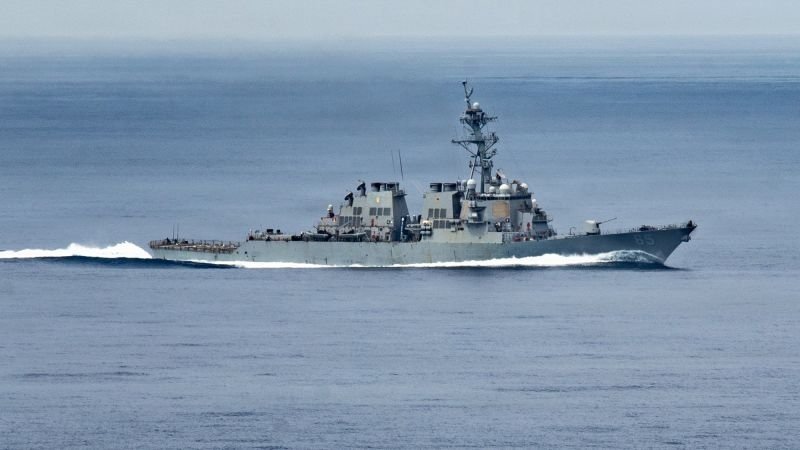
Recent U.S. military deployments to the region include additional Marines, naval assets, and elements of the Army’s 82nd Airborne Division. These forces are positioned to support a range of operational scenarios, including maritime security missions around the Strait of Hormuz and strategic infrastructure such as Iran’s Kharg Island. While these deployments enhance readiness, no final decision has been publicly confirmed regarding a ground entry into Iranian territory.
The reported 12,000 troops under consideration are described as a vanguard force, likely composed of special operations and rapid-response units. Their role, according to analysts, would not be to conduct a full-scale invasion but to support coordinated, multi-front operations involving regional allies and non-state actors.
Scale of the Iranian Military Challenge
Military assessments continue to highlight the structural challenges of any ground campaign in Iran. The country maintains approximately 650,000 active-duty personnel, supported by around 250,000 paramilitary forces, including units of the Islamic Revolutionary Guard Corps (IRGC) and the Basij militia. When auxiliary forces and aligned regional groups are included, Iran’s potential mobilization capacity could approach 2 million personnel.
Geography further complicates operational planning. Iran’s mountainous terrain, particularly along its western borders, favors defensive warfare and irregular tactics. Analysts widely assess that a conventional ground invasion would face significant logistical constraints, extended supply lines, and high attrition risks.
Coalition-Based Strategy and Proxy Integration
To address these constraints, U.S. planning is reportedly focused on a coalition-heavy model that distributes operational responsibilities across multiple actors. This approach reflects prior U.S. military doctrine in the region, where local forces and allied states are integrated into broader campaign structures.
A central element of this strategy involves engagement with Iranian Kurdish groups operating near the Iran-Iraq border, particularly in the Zagros mountain region. Organizations such as the Kurdistan Freedom Party (PAK) and the Democratic Party of Iranian Kurdistan (PDKI) have reportedly held discussions with U.S. officials regarding potential cross-border operations.
These groups are expected to function as light infantry forces conducting asymmetric operations in northwestern Iran. Their objectives would include tying down Iranian units, disrupting internal security networks, and potentially enabling localized uprisings. Reports indicate that Kurdish factions have requested material support, including weapons and logistical assistance, as part of these discussions.
Consideration of Additional Regional Participation
Analysts also note ongoing assessments regarding the possible involvement of Pakistan in a broader coalition framework. The concept would involve opening an eastern front along the Iran-Pakistan border, thereby forcing Iran to distribute its military resources across multiple theaters.
However, such a scenario remains complex due to Pakistan’s internal political considerations, regional security dynamics, and the sensitivity of direct involvement in a conflict with Iran. No formal commitment has been announced, and the possibility remains under evaluation rather than confirmed planning.
Financial and Defense Support Measures
In parallel with operational planning, the United States has approved arms sales exceeding $16 billion to the UAE and Kuwait in recent days. These measures are intended to strengthen regional defense capabilities amid ongoing hostilities and to support allied readiness.
Gulf states are expected to play a critical role not only in financing but also in sustaining logistics for any extended operation, including support for proxy forces and allied contingents.
Ongoing Air Campaign and Strategic Objectives
The reported contingency planning takes place within the broader framework of the 2026 U.S.-Israel campaign in Iran. The campaign has included strikes on military infrastructure, nuclear-related facilities, and command-and-control nodes. Iran has responded with ballistic missile and drone attacks targeting Israel and multiple locations across the Gulf region.
Analysts emphasize that any ground component would likely be limited in scope and integrated into a wider operational design focused on degrading Iran’s military capabilities and internal security apparatus rather than pursuing territorial occupation.
Strategic Outlook
Military planners continue to assess force requirements, coalition structures, and operational feasibility. Deliveries of additional U.S. units to the region are ongoing, indicating sustained preparation for multiple contingencies.
While the prospect of a ground operation remains under consideration, current assessments suggest that any such move would depend on coalition participation, proxy force effectiveness, and evolving conditions on the ground. No definitive decision has been publicly confirmed.
——— End of Article ———