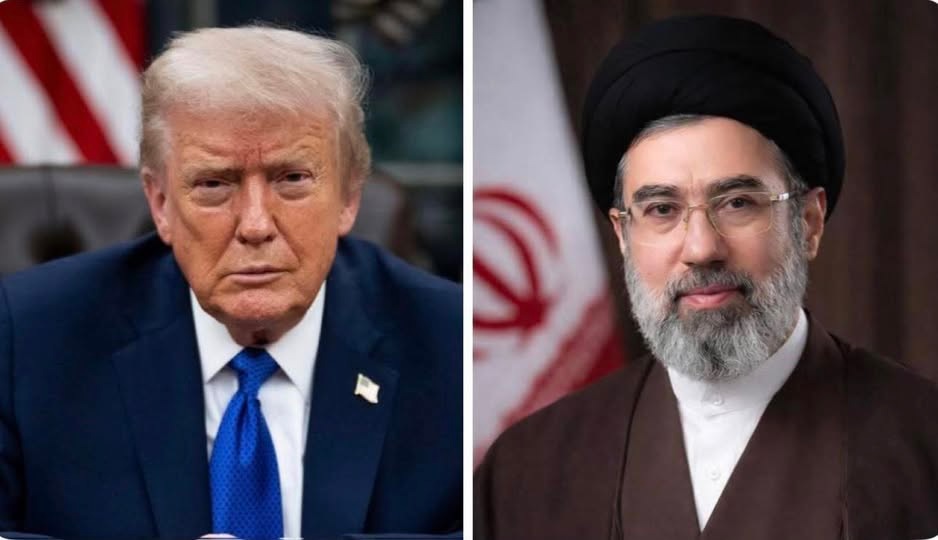
TEHRAN, — March 25, 2026 : Iran has formally rejected a United States proposal aimed at ending the ongoing conflict, stating that any ceasefire will occur strictly on Tehran’s terms and timeline, according to a senior official speaking to state-affiliated Press TV.
The rejection follows the delivery of a reported 15-point US ceasefire framework to Iran through Pakistani intermediaries as part of broader mediation efforts involving regional actors, including Egypt and Gulf Arab states. Despite these efforts, Iranian officials have emphasized that no direct negotiations have taken place with Washington. Foreign Ministry spokesman Esmaeil Baghaei stated earlier this week that there had been no contact between the two sides during the past 24 days of hostilities, while Iran’s Khatam al-Anbiya Central Headquarters dismissed reports of talks as unfounded.
According to diplomatic reports cited by international media outlets, the US proposal included demands for Iran to dismantle key nuclear facilities, halt uranium enrichment, transfer its stockpile of highly enriched uranium to the International Atomic Energy Agency (IAEA), suspend its ballistic missile program, and end support for regional allied groups. The proposal also called for ensuring free navigation through the Strait of Hormuz. In return, Washington reportedly offered the lifting of nuclear-related sanctions and support for Iran’s civilian nuclear program.
Iranian officials described the proposal as excessive and unacceptable, asserting that the United States cannot dictate the terms of ending the conflict. Tehran instead outlined five conditions it says must be met before hostilities can cease.
These conditions include a full halt to aggression and targeted assassinations, concrete guarantees that similar conflicts will not be imposed on Iran in the future, and defined war reparations. Tehran also called for a comprehensive end to the conflict across all fronts, including those involving allied groups in the region, and demanded international recognition and guarantees of its sovereignty over the Strait of Hormuz.
The Strait of Hormuz remains a central issue in the conflict. The strategic waterway is a key global energy corridor through which approximately one-fifth of the world’s oil supply passes. Iran has imposed restrictions on maritime traffic in the area since the conflict began in late February 2026, following US and Israeli strikes on Iranian nuclear and missile facilities. The disruption has raised concerns over global energy supplies.
The US administration under President Donald Trump has urged Iran to reopen the strait and warned of potential further military action if disruptions continue. However, Iranian officials have maintained their position, linking any resolution of the issue to broader conditions related to sovereignty and security guarantees.
Tehran has reiterated that military operations and its current regional posture will continue until its stated conditions are met. The demand for war reparations and recognition of control over the Strait of Hormuz is expected to present significant diplomatic challenges, as US and allied officials have previously indicated such terms would not be acceptable.
While mediation efforts remain ongoing, no formal agreement has been reached, and the situation continues to evolve amid active military operations and competing diplomatic positions.
——— End of Article ———