WASHINGTON, — March 25, 2026 : The U.S. Department of Defense has finalized a series of framework agreements with major defense contractors—BAE Systems, Lockheed Martin, and Honeywell Aerospace—to expand production of critical munitions and defense systems, as part of a broader effort to transition the U.S. military industrial base toward a wartime footing.
The agreements come amid sustained operational demands linked to ongoing U.S. and Israeli military actions against Iran over the past three weeks, alongside continued requirements stemming from the war in Ukraine and military operations in Gaza. U.S. weapons stockpiles have been reduced by billions of dollars since 2022 due to these overlapping commitments, prompting the Pentagon to accelerate replenishment and increase production capacity.
Framework Agreements and Industrial Expansion
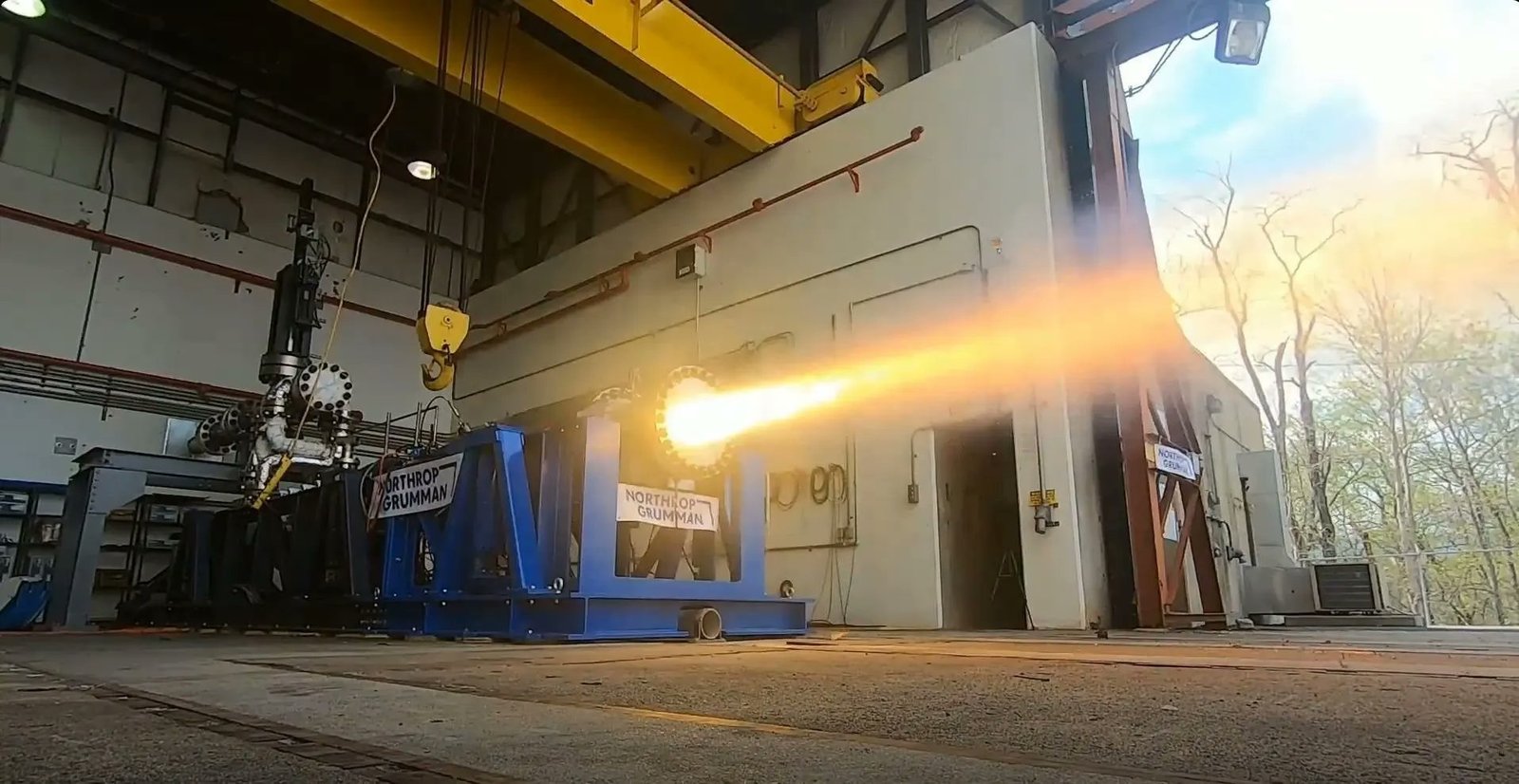
Under the new arrangements, Honeywell Aerospace will implement a multi-year production surge supported by a $500 million internal investment. The company will expand output of key components used across U.S. military platforms, including resilient navigation systems, missile steering actuators, and electronic warfare systems. These components are integral to a wide range of precision-guided munitions and defense systems currently in service.
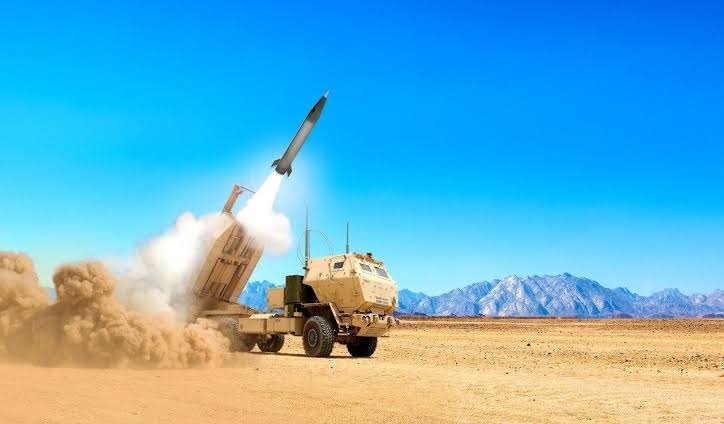
Lockheed Martin has entered into a separate framework agreement focused on accelerating production timelines for the Precision Strike Missile (PrSM), a next-generation deep-strike weapon designed to replace legacy Army Tactical Missile Systems. The PrSM is already being fielded and is reported to be seeing its first operational use in the ongoing conflict involving Iran.
In parallel, BAE Systems and Lockheed Martin have formalized a seven-year agreement to significantly expand production of interceptors for the Terminal High Altitude Area Defense (THAAD) system. The agreement aims to quadruple output of critical infrared seeker components used in THAAD interceptors. To support this increase, BAE Systems will expand manufacturing operations at its facilities in Nashua, New Hampshire, and Endicott, New York, where the highly specialized seekers are produced.
Government and Industry Statements
Michael Duffey, U.S. Under Secretary of Defense for Acquisition and Sustainment, stated that the framework agreements are intended to provide a “clear, stable, long-term demand signal” to industry. According to Duffey, this approach is designed to enable contractors to invest in infrastructure expansion, workforce growth, and supply chain resilience.
Industry leaders indicated readiness to scale production in response to government demand. Honeywell Aerospace CEO Jim Currier said the company is prepared to meet urgent requirements tied to stockpile replenishment. Lockheed Martin CEO Jim Taiclet stated that the company is working closely with the Department of Defense and the U.S. Army to increase production capacity and reduce delivery timelines.
Policy Direction and Executive Oversight
The expansion follows direct engagement between the White House and defense industry leadership. Earlier in March, President Donald Trump met with executives from seven major defense firms, including Lockheed Martin, RTX, BAE Systems, Boeing, Honeywell Aerospace, L3Harris Technologies, and Northrop Grumman. The discussions focused on production rates, delivery schedules, and industrial capacity.
The administration has also introduced policy measures to reinforce production priorities. In January, President Trump signed an executive order titled “Prioritizing the Warfighter in Defense Contracting,” directing federal agencies to identify contractors that fail to meet delivery timelines while continuing shareholder distributions such as dividends and stock buybacks. The policy emphasizes aligning contractor performance with operational requirements.
Operational Context and Force Posture
The production increase is linked to ongoing and anticipated military requirements. In addition to munitions consumption in Ukraine and Gaza, the United States has expended additional weapons in operations related to Iran. These include artillery systems, ammunition, and anti-tank weapons, contributing to the drawdown of existing stockpiles.
Separately, the Pentagon is preparing to deploy additional ground forces to the Gulf region. Reports indicate that between 3,000 and 4,000 troops from the U.S. Army’s 82nd Airborne Division may be deployed to provide expanded options for rapid-response and ground operations. The division is structured for quick deployment and specializes in parachute assault missions.
Strategic Objective
The framework agreements are structured to provide long-term demand visibility to contractors, enabling sustained increases in manufacturing output. While specific financial details for BAE Systems and Lockheed Martin were not disclosed, the agreements collectively aim to raise annual production rates for key systems, particularly THAAD interceptors and PrSM missiles.
The Pentagon’s approach reflects a broader effort to reinforce the U.S. defense industrial base under conditions of sustained operational demand, with a focus on increasing throughput, reducing production timelines, and ensuring the availability of advanced munitions for current and future missions.
——— End of Article ———